Independent Living for Seniors Who No Longer Drive
Grace Pointe
For more information about the author, click to view their website: Grace Pointe
Nov 27, 2026
Colorado - Northern Colorado


For decades, a set of car keys represents freedom. It means being able to visit friends, pick up groceries, attend church, or make an unexpected trip across town.
When driving is no longer appropriate, that familiar freedom can begin to feel uncertain.
Giving up driving is one of the more significant lifestyle adjustments many older adults encounter. The challenge often extends beyond transportation. It can affect social relationships, access to healthcare, spontaneous activities, and confidence in managing everyday responsibilities.
For older adults in Greeley, Colorado, independent living communities such as Grace Pointe Senior Care Community offer an alternative to remaining in a household where nearly every activity depends on having a vehicle.
With transportation services, residential amenities, and opportunities for social participation, independent living can help seniors establish a retirement lifestyle that does not revolve around driving.
Understanding the Impact of Giving Up Driving
The decision to stop driving may follow changes in vision, physical mobility, reaction time, or health. Some older adults voluntarily retire from driving, while others make the decision after discussing concerns with healthcare professionals or family members.
Regardless of the circumstances, the adjustment can introduce practical and emotional challenges.
A senior who no longer drives may experience:
Difficulty attending healthcare appointments.
Reduced opportunities to meet friends.
Increased dependence on family members.
Challenges completing errands.
Fewer opportunities for recreational activities.
Concerns about maintaining personal independence.
These changes can be especially noticeable for individuals who have spent most of their adult lives managing their own transportation.
Creating a new transportation arrangement before driving stops can help make the adjustment more manageable.
Why Transportation Matters in Northern Colorado
Greeley is a growing Northern Colorado community with healthcare facilities, shopping destinations, recreational opportunities, and established residential neighborhoods.
However, accessing these destinations without a personal vehicle requires planning.
An older adult living in western Greeley may have medical appointments across town, relatives in Evans, or friends living in Windsor.
Seasonal weather can introduce additional challenges. Snow, ice, summer heat, and changing road conditions may make walking or waiting for transportation less comfortable for some seniors.
While family assistance can be valuable, relatives may not always be available because of employment, childcare, or other responsibilities.
Independent living offers an environment where certain everyday needs can be addressed without requiring residents to arrange transportation for every activity.
How Independent Living Reduces Dependence on a Personal Vehicle
Independent living is designed for older adults who generally manage their own daily responsibilities but prefer a residential environment with convenient services and amenities.
Unlike traditional homeownership, residents may have access to dining services, recreational programs, household assistance, and transportation arrangements within their community.
At Grace Pointe Senior Care Community, independent living residents have opportunities to participate in individual and group activities while maintaining private apartment living.
Everyday Conveniences Within the Community
Grace Pointe's campus includes amenities such as:
Dining areas with professionally prepared meals.
A coffee bar for informal gatherings.
A library and shared community spaces.
Salon and barber services.
Landscaped courtyards.
Wellness and recreational programming.
Having these amenities nearby may reduce the number of separate trips residents need to arrange throughout the week.
An older adult who previously drove across Greeley for meals, recreation, or personal services may find that some of these needs can be met within the community.
Access to Medical Transportation
Reliable transportation to healthcare appointments becomes increasingly important when someone no longer drives.
Grace Pointe provides transportation services for scheduled medical appointments.
Residents can discuss scheduling procedures, transportation availability, accessibility requirements, and applicable service arrangements with the community.
For individuals managing regular specialist appointments or routine healthcare visits, this service may help reduce dependence on relatives for transportation.
Building a New Routine After Driving Retirement
Giving up driving does not mean giving up an active schedule.
The transition may simply require approaching daily responsibilities differently.
Combine Essential Trips
Rather than arranging transportation separately for every responsibility, seniors may benefit from coordinating errands and appointments when practical.
For example, a scheduled trip into town might provide an opportunity to visit a pharmacy or complete another essential task, depending on transportation arrangements.
Establish Reliable Social Plans
Without a personal vehicle, spontaneous visits may become more difficult.
Scheduling regular lunches, family gatherings, or recreational activities can help maintain relationships.
Independent living also provides opportunities to meet neighbors without requiring transportation away from the community.
Learn About Available Transportation Alternatives
Greeley residents can explore local transportation services, including Greeley-Evans Transit.
Eligible individuals with disabilities may also qualify for specialized transportation services.
Families should investigate routes, eligibility requirements, scheduling procedures, accessibility, and service boundaries before relying on a particular program.
Combining available community transportation with senior living services can create a more flexible arrangement.
Helping a Parent Adjust to Life Without Driving
Adult children sometimes approach driving retirement primarily as a safety issue.
While safety is important, older adults may be equally concerned about losing control over their schedules.
Instead of focusing exclusively on why driving must stop, families can discuss how important activities will continue.
Ask questions such as:
Which destinations are most important to you?
What activities would you like to continue attending?
Which transportation arrangements would feel comfortable?
Are there responsibilities you would prefer to simplify?
Would living closer to everyday services improve your routine?
These conversations allow older adults to participate in decisions rather than feeling that transportation choices have been made entirely on their behalf.
Exploring Grace Pointe Senior Care Community in Greeley
Grace Pointe has served Northern Colorado since 2009. Its locally owned senior living campus is located at 1919 68th Avenue in western Greeley.
The community offers independent living alongside assisted living, memory care, skilled nursing, and rehabilitation services.
For prospective independent living residents who no longer drive, a community tour provides an opportunity to explore apartment layouts, transportation procedures, dining arrangements, and available amenities.
Ask how residents organize medical appointments, participate in scheduled outings, and remain connected with friends and relatives outside the community.
Understanding these practical details can help determine whether the residential environment matches your lifestyle.
Frequently Asked Questions
Can seniors live independently after giving up driving?
Yes. Independent living communities, transportation programs, delivery services, and family assistance can help older adults maintain independence without operating a personal vehicle.
Does Grace Pointe provide transportation to medical appointments?
Yes. Grace Pointe offers medical transportation services. Residents should confirm scheduling procedures and specific transportation arrangements.
Are public transportation services available in Greeley?
Yes. Greeley-Evans Transit provides public transportation within its service area. Specialized transportation may also be available to eligible individuals.
Do I need to stop driving before moving into independent living?
No. Independent living may be appropriate for older adults who continue driving as well as those who prefer alternative transportation.
Can independent living help reduce social isolation after driving retirement?
Independent living can provide opportunities for regular interaction, shared meals, recreational programs, and relationships with neighbors.
Discover a Retirement Lifestyle That Does Not Depend on Driving
Retiring from driving does not have to mean withdrawing from the activities and relationships that make everyday life meaningful.
Grace Pointe Senior Care Community offers independent living services that can help Greeley seniors simplify transportation responsibilities while remaining engaged in their surroundings.
Contact Grace Pointe at 970-304-1919 to schedule a tour and discuss transportation services, apartment options, and community amenities.
More information about independent living and available senior care services can be found on their Grace Pointe Senior Care Community Seniors Blue Book Listing
Other Articles You May Like
Understanding Sensory Overstimulation in Memory Care
Imagine trying to follow a conversation while a television plays nearby, several people speak simultaneously, dishes are being cleared, and someone asks you to make a decision.For many people, this environment is distracting. For someone living with dementia, it may become overwhelming.Changes in the brain can affect how a person interprets sounds, movement, lighting, and other sensory information. An environment that appears ordinary to family members may feel confusing or uncomfortable to an individual experiencing cognitive decline.Recognizing sensory overstimulation can help families better understand certain dementia-related behaviors and consider environmental adjustments that support comfort.Grace Pointe Senior Care Community in Greeley, Colorado, provides specialized memory care for individuals living with Alzheimer's disease and other forms of dementia, with an emphasis on individual needs and appropriate daily support.What Is Sensory Overstimulation in Dementia?Sensory overstimulation occurs when a person experiences more environmental information than they can comfortably process.People living with dementia may have increasing difficulty separating important information from surrounding distractions.For example, understanding a family member's question may become more challenging when several unrelated conversations are occurring nearby.Bright reflections, unfamiliar surroundings, unexpected physical contact, or rapid movement may also contribute to discomfort.Possible signs of overstimulation include:Increased restlessness.Difficulty concentrating.Withdrawal from conversations.Irritability or visible frustration.Repeated requests to leave an area.Increased confusion.Appearing unusually tired after social activities.These behaviors do not automatically indicate overstimulation. Pain, illness, medication effects, and other underlying health concerns may produce similar changes.Sudden confusion or significant behavioral changes should receive appropriate medical evaluation.Everyday Environmental Triggers Families May OverlookSensory challenges are not always associated with obviously noisy or crowded environments.Sometimes several ordinary experiences occurring together create difficulty.Competing SoundsTelevisions, kitchen appliances, ringing telephones, and overlapping conversations can make it difficult for someone with dementia to focus.Turning off unnecessary background noise may help create a more comfortable environment.Families should also consider whether hearing difficulties are contributing to communication challenges.Lighting and Visual InformationBright glare, reflections, complicated patterns, and sudden lighting changes may be difficult for some individuals to interpret.During Northern Colorado winters, shorter daylight hours can alter the appearance of familiar spaces earlier in the evening.Appropriate indoor lighting may help reduce unnecessary visual confusion.Individual vision needs should be considered with guidance from healthcare or vision professionals.Unexpected Movement and Crowded SpacesLarge gatherings can introduce considerable movement and unfamiliar faces.An individual who previously enjoyed busy family celebrations may now prefer smaller gatherings or shorter visits.Recognizing these changes allows families to adapt activities without automatically excluding their loved one.The Importance of Individualized Memory Care EnvironmentsThere is no single environment that works for everyone living with dementia.Some individuals enjoy music, group activities, and frequent conversation. Others prefer quieter surroundings and opportunities for rest.Sensory needs may also change throughout the day.Grace Pointe Senior Care Community offers a dedicated memory care neighborhood designed to support residents with varying cognitive and physical requirements.Its memory care services include individualized assistance, health monitoring, medication support, nursing oversight, and opportunities for activities.The community's specialized approach recognizes that residents have different interests, abilities, and care requirements.Families can discuss specific sensory preferences and potential triggers with the care team during the assessment process.Adapting Family Visits to Reduce OverstimulationVisiting a loved one in memory care should not become an exercise in following complicated rules.Small adjustments based on the individual's responses may make visits more comfortable.Keep Conversations ManageableWhen several relatives visit together, avoid having everyone speak simultaneously.Allow the individual time to respond before introducing another question.If conversation becomes difficult, consider shifting to a familiar activity rather than continuing to ask questions.Observe Responses to Music and EntertainmentMusic may be enjoyable for someone living with dementia, but volume, unfamiliar selections, and competing sounds can influence the experience.Choose familiar music when appropriate and observe whether the individual appears relaxed, interested, or uncomfortable.Turn off the television if it interferes with conversation.Introduce Activities GraduallyPresenting multiple activities or choices at once can become demanding.Instead, offer one manageable activity and allow sufficient time for participation.The goal is not to complete a particular task. It is to provide an experience that matches the individual's comfort and interests.Finding the Balance Between Engagement and RestA supportive memory care environment should provide opportunities for meaningful participation without assuming residents must remain occupied throughout the day.Rest is equally important.Someone who enjoys a morning group activity may prefer a quieter afternoon. Another individual may be more comfortable participating in shorter activities throughout the day.Families can ask the memory care team how residents' preferences, energy levels, and behavioral responses influence activity arrangements.Grace Pointe offers activities and outings intended to reflect residents' interests and abilities.Its campus also includes shared residential spaces and landscaped courtyards, giving families opportunities to discuss different environments that may be appropriate for their loved one.Access to particular areas and activities depends on individual care requirements and supervision arrangements.Creating a Sensory Preference ProfileFamily members can provide useful information about a loved one's sensory experiences before or after a move into memory care.A simple preference profile might include:Favorite types of music and preferred volume.Sounds that appear uncomfortable or distracting.Familiar scents or household experiences.Preferences regarding bright or subdued lighting.Typical reactions to crowded environments.Activities that encourage relaxation.Signs that additional rest may be needed.These observations should be updated as preferences and abilities change.Sharing information with the memory care team may help staff understand which approaches are most appropriate for the individual.Local Dementia Support in Northern ColoradoFamilies throughout Greeley, Evans, Windsor, and surrounding Weld County communities may benefit from dementia education and caregiver support.The Weld County Area Agency on Aging is a starting point for identifying local services and educational resources.Families can also seek information from healthcare professionals and organizations specializing in Alzheimer's disease and related dementias.Grace Pointe's location in western Greeley provides access to regional healthcare resources, including UCHealth Greeley Hospital and North Colorado Medical Center.Combining professional medical guidance with individualized memory care can help families better understand changing sensory and cognitive needs.Frequently Asked QuestionsCan loud noises cause distress for someone living with dementia?Yes. Competing sounds may become difficult to process for some individuals. Reducing unnecessary background noise may help create a more comfortable environment.Does every person with dementia experience sensory overstimulation?No. Sensory responses vary according to the individual's condition, preferences, environment, and other factors.Does Grace Pointe provide specialized dementia care?Yes. Grace Pointe offers a dedicated memory care neighborhood providing individualized support for people living with Alzheimer's disease and other forms of dementia.Should families avoid all group activities for someone with dementia?No. Appropriate group activities may be enjoyable and meaningful. Participation should reflect the individual's preferences, abilities, and responses.What should I do if my loved one suddenly becomes unusually confused or agitated?Seek appropriate medical guidance. Sudden changes should not automatically be attributed to dementia or environmental overstimulation because underlying medical problems may be involved.Explore Memory Care That Considers the Whole EnvironmentSupporting someone with dementia involves understanding not only their medical and personal care requirements but also how they experience their surroundings.Thoughtful environmental adjustments, individualized activities, and appropriate professional support can contribute to a more comfortable daily experience.Grace Pointe Senior Care Community offers specialized memory care services for families navigating Alzheimer's disease and other forms of dementia in Greeley and Northern Colorado.Contact Grace Pointe at 970-304-1919 to discuss your loved one's needs, meet the care team, and explore its memory care neighborhood.More information about specialized dementia support and personalized residential care can be found on their Grace Pointe Senior Care Community Seniors Blue Book Listing
Senior Nutrition and Dining Support in Assisted Living
Sometimes the first indication that an older adult needs additional support appears at the dinner table.A favorite meal remains untouched. Groceries expire before they are used. Someone who once enjoyed cooking for the entire family now relies on toast or a small bowl of cereal.Changes in eating habits deserve attention because nutrition affects strength, energy, physical functioning, and overall well-being.However, eating regularly involves much more than having access to food. Shopping, preparing ingredients, managing dietary requirements, and finding motivation to eat can become increasingly demanding with age.Grace Pointe Senior Care Community in Greeley, Colorado, offers assisted living services that include dining and individualized daily assistance, helping residents address some of the practical challenges associated with maintaining regular nutrition routines.Why Eating Habits Often Change With AgeOlder adults may experience changes in appetite for several reasons. Some are related to physical health, while others reflect emotional or environmental circumstances.Changes in taste and smell may make familiar foods less appealing. Dental discomfort can make chewing difficult. Certain medications may influence appetite, while reduced mobility can complicate grocery shopping and meal preparation.Living alone may also affect eating habits.Preparing an entire meal for one person can feel unnecessary, particularly after the loss of a spouse or a significant change in household circumstances.Families should avoid assuming that reduced appetite is simply an unavoidable consequence of aging.Persistent appetite changes, unexplained weight loss, dehydration, or difficulty swallowing should be evaluated by an appropriate healthcare professional.Recognizing Signs That Meal Preparation Has Become DifficultAn older adult may continue managing most daily responsibilities while struggling specifically with food preparation.Common warning signs include:Frequently skipping breakfast or lunch.Purchasing groceries but rarely preparing meals.Difficulty opening containers or handling cookware.Eating the same limited selection of foods every day.Forgetting whether a meal has already been eaten.Experiencing noticeable changes in weight.Avoiding foods that have become difficult to chew.These observations may indicate that practical assistance, healthcare evaluation, or changes to the individual's daily routine are appropriate.Recognizing concerns early allows families to discuss possible solutions before nutritional difficulties become more significant.The Role of Assisted Living in Supporting Senior NutritionAssisted living addresses everyday responsibilities that have become difficult because of physical limitations or changing health needs.For many residents, dining services represent an important part of this support.Instead of planning every meal, shopping independently, and preparing food throughout the week, residents can access meals within their community.Grace Pointe Senior Care Community provides chef-prepared meals and dining facilities as part of its residential amenities.The community also offers individualized assistance with daily activities according to each resident's assessed requirements.Reducing the Physical Demands of Preparing FoodCooking requires standing, lifting, reaching, chopping, and handling appliances.For an older adult experiencing arthritis, fatigue, or mobility limitations, these responsibilities can make preparing a complete meal difficult.Community dining reduces many of these household demands while providing residents with opportunities to enjoy meals in a comfortable setting.Supporting Consistent Eating RoutinesRegular dining opportunities may help older adults establish a more predictable daily schedule.Having meals available at familiar times can reduce the practical burden of deciding what to prepare and organizing ingredients throughout the day.When residents require additional assistance, families can discuss available support with Grace Pointe's care team.Why the Dining Experience Matters Beyond NutritionA meal is rarely just a source of calories.Throughout life, dining often provides opportunities to celebrate milestones, maintain traditions, exchange stories, and strengthen relationships.For seniors who live alone, meals may gradually lose this social significance.Community dining can introduce opportunities for conversation and companionship without requiring residents to organize separate social activities.Someone who prefers a quieter lifestyle may still appreciate brief interactions during breakfast or lunch.Grace Pointe's shared dining spaces provide an environment where residents can enjoy meals while developing relationships with neighbors.Individual preferences should remain important, including whether someone enjoys social dining or occasionally prefers a quieter experience.Understanding Special Dietary ConsiderationsOlder adults may have dietary requirements associated with diabetes, cardiovascular disease, kidney conditions, food allergies, or swallowing difficulties.These requirements should be addressed according to professional medical guidance.Before selecting an assisted living community, families should discuss:How food allergies are documented.Whether medically prescribed diets can be accommodated.How dietary instructions are communicated.Whether texture-modified meals are available when appropriate.How concerns about appetite or food intake are addressed.Which professionals participate in nutrition-related assessments.Not every assisted living community can accommodate every specialized dietary requirement.Prospective residents should confirm Grace Pointe's ability to meet specific nutritional needs before making a residential decision.Hydration Is Equally ImportantOlder adults may experience a reduced awareness of thirst or encounter physical difficulties accessing beverages.Hydration needs vary depending on medical conditions, medications, activity levels, and healthcare recommendations.Residents with medically prescribed fluid restrictions should follow their healthcare team's guidance.Families can ask how the assisted living community incorporates appropriate hydration opportunities into daily care arrangements.Preserving Personal Food PreferencesFood preferences often reflect a lifetime of personal experiences.Someone who grew up in Weld County may associate certain dishes with family gatherings, agricultural traditions, or favorite local restaurants.Another resident may have dietary practices connected to cultural or religious beliefs.Sharing these preferences during the assessment process can help caregivers and dining staff understand the individual beyond their medical requirements.Residents should have opportunities to communicate which foods they enjoy, which meals they prefer to avoid, and what dining experiences are most comfortable.These conversations can help families evaluate whether a community's dining approach aligns with their loved one's expectations.Senior Nutrition Resources in Greeley and Weld CountyGreeley residents can access several community resources related to aging, food assistance, and healthcare.The Weld County Area Agency on Aging provides information about programs supporting older adults, including nutrition resources and other community services.For individuals who continue living at home, these programs may complement assistance from relatives or professional caregivers.However, when nutrition difficulties occur alongside challenges with bathing, mobility, medication management, or other daily responsibilities, assisted living may deserve consideration.Grace Pointe's western Greeley campus offers residential services and convenient access to regional healthcare facilities.This location can be particularly practical for families who want to remain involved in their loved one's care while maintaining existing connections throughout Northern Colorado.Frequently Asked QuestionsDoes Grace Pointe Senior Care Community provide meals?Yes. Grace Pointe offers chef-prepared meals and community dining facilities as part of its residential services.Can assisted living help seniors who have difficulty cooking?Yes. Dining services reduce many responsibilities associated with shopping, preparing meals, and kitchen cleanup.Can Grace Pointe accommodate specialized medical diets?Families should discuss specific dietary requirements directly with the community. Accommodation depends on individual needs, available services, and healthcare recommendations.Should sudden weight loss in an older adult be evaluated?Yes. Unintentional weight loss or persistent appetite changes should be discussed with a healthcare professional to identify possible underlying causes.Are senior nutrition resources available in Weld County?Yes. The Weld County Area Agency on Aging provides information about nutrition programs and other resources for older adults and caregivers.Explore Assisted Living That Makes Everyday Dining EasierRegular meals, appropriate nutrition, and enjoyable dining experiences remain important throughout life.When cooking and grocery shopping become increasingly difficult, assisted living can offer practical support while allowing older adults to maintain personal preferences.Grace Pointe Senior Care Community provides assisted living, dining services, and individualized daily assistance for seniors in Greeley and surrounding Northern Colorado communities.Call 970-304-1919 to schedule a tour, explore dining arrangements, and discuss your loved one's nutritional and residential needs.More information about assisted living, dining amenities, and personalized senior care services can be found on their Grace Pointe Senior Care Community Seniors Blue Book Listing
Preparing for a Skilled Nursing Care Plan Meeting
A notebook filled with questions. A folder containing medical records. Several family members with different concerns about their loved one's health.This is how many families arrive at their first skilled nursing care plan meeting. They want to understand what happens next, but they may not know which questions to prioritize or how much involvement they can have in their loved one's care.A care plan meeting provides an opportunity to bring these concerns together. It allows residents, authorized family members, and healthcare professionals to discuss individual needs, treatment goals, daily preferences, and ongoing support.At Grace Pointe Senior Care Community in Greeley, Colorado, individualized care planning is part of its approach to supporting older adults through different stages of aging.Understanding how to prepare for these conversations can help Northern Colorado families become more informed participants in their loved one's care.What Is a Skilled Nursing Care Plan?A skilled nursing care plan is an individualized document that identifies a resident's healthcare requirements, functional abilities, personal preferences, and goals.Unlike a general description of available services, a care plan addresses the specific circumstances of the person receiving care.It may include information about:Current medical conditions and ongoing treatment requirements.Medication management and monitoring.Mobility limitations and transfer assistance.Nutritional needs and dietary recommendations.Personal hygiene and daily living assistance.Rehabilitation goals, when appropriate.Emotional well-being and social preferences.Safety considerations and changing care requirements.Care plans should be reviewed and updated as a resident's condition, abilities, and needs evolve.For families, understanding this document can provide valuable insight into how different aspects of care work together.Who Participates in a Skilled Nursing Care Plan Meeting?Depending on the resident's circumstances, a care planning meeting may involve professionals from several disciplines.Each participant contributes information based on their responsibilities and experience.Nursing ProfessionalsNursing staff can discuss the resident's current health, medication requirements, clinical observations, and ongoing nursing needs.They may also explain how changes in the resident's condition are monitored and communicated.Rehabilitation ProfessionalsPhysical therapists, occupational therapists, and speech-language pathologists may contribute when rehabilitation services are appropriate.Their observations can help families understand functional abilities, treatment goals, and the progress being made toward specific objectives.Dietary and Social Services ProfessionalsNutrition and social services staff may participate when dietary requirements, discharge arrangements, emotional concerns, or other support needs require discussion.Residents and Family MembersThe resident's preferences and goals should remain central to the conversation.Authorized family members can contribute useful information about personal history, previous routines, communication preferences, and concerns that may not be immediately apparent to healthcare professionals.How Grace Pointe Supports Individualized Senior CareGrace Pointe Senior Care Community has served Greeley and Northern Colorado since 2009. Its locally owned, family-owned campus provides independent living, assisted living, memory care, long-term skilled nursing, and rehabilitation services.The community develops personalized care arrangements based on individual circumstances rather than assuming every resident requires identical services.Grace Pointe also works with medical partners, including UCHealth and Northern Colorado Hospitalists Group, to provide physician services across its senior care campus.Its on-site rehabilitation center offers inpatient and outpatient therapy services for eligible residents and non-residents.For families participating in care planning, these services provide opportunities to discuss nursing requirements, rehabilitation objectives, and other aspects of ongoing support.The specific professionals involved and services provided depend on the resident's assessed needs.Preparing Information Before the MeetingFamilies do not need medical training to contribute meaningfully to a care plan discussion.Their knowledge of a loved one's previous abilities, preferences, and routines can help provide a more complete understanding of the individual.Describe What Life Looked Like Before Skilled NursingConsider how your loved one managed everyday activities before entering skilled nursing care.Were they able to dress independently? Did they use a walker? Could they prepare meals or manage personal responsibilities without assistance?This information may help professionals understand changes in functional abilities and identify appropriate goals.Share Personal PreferencesClinical records provide important medical information, but they may not explain what makes someone comfortable.Families can share details about preferred sleeping schedules, favorite foods, cultural traditions, meaningful activities, and communication styles.These preferences may help personalize daily care whenever medically appropriate.Organize Relevant DocumentsDepending on the circumstances, useful information may include medical records, medication lists, advance directives, healthcare power of attorney documents, and contact information for previous healthcare providers.Ask the community which documents are needed before the meeting.Important Questions to Ask During a Care Plan MeetingRather than attempting to cover every possible concern, concentrate on questions that clarify your loved one's current situation and anticipated needs.Consider asking:What are the resident's most important care goals?How will progress or changes in condition be evaluated?What assistance is currently required throughout the day?Are there opportunities to maintain existing functional abilities?How will medication or treatment changes be communicated?When will the care plan be reviewed again?Who should authorized family members contact with questions?If a healthcare professional uses unfamiliar terminology, ask for an explanation in everyday language.Understanding the information is more important than completing the meeting quickly.Understanding Why Care Goals May ChangeSenior care is not always a predictable process.Someone recovering from surgery may initially focus on improving mobility. A long-term skilled nursing resident may prioritize maintaining physical abilities, managing symptoms, or remaining comfortable.An unexpected illness or change in cognitive functioning may require adjustments to previously established goals.Families should understand that changes to a care plan do not necessarily indicate that something has gone wrong. They may reflect new clinical findings or evolving personal needs.Regular communication can help residents and their families understand the reasons behind these adjustments.Local Resources for Families in GreeleyGrace Pointe Senior Care Community is located at 1919 68th Avenue in western Greeley, near UCHealth Greeley Hospital and within reach of Banner Health's North Colorado Medical Center.Its location offers convenient access for families living in Greeley, Evans, Windsor, Eaton, and neighboring Weld County communities.Families seeking additional guidance can also explore the Weld County Area Agency on Aging. Its HelpSource resource guide provides information about caregiver support, aging services, transportation, and other community resources.These organizations can complement professional care planning by helping families identify additional sources of information and support.Frequently Asked QuestionsDoes Grace Pointe Senior Care Community provide individualized care plans?Yes. Grace Pointe develops personalized care arrangements based on each resident's assessed needs and circumstances.Can family members attend skilled nursing care plan meetings?Residents may involve family members or authorized representatives in care planning discussions, subject to consent, privacy requirements, and applicable regulations.How often should a skilled nursing care plan be reviewed?Review schedules depend on regulatory requirements and the resident's circumstances. Significant changes in health or functional abilities may also require reassessment.Does Grace Pointe offer rehabilitation alongside skilled nursing care?Yes. Grace Pointe operates an on-site rehabilitation center offering inpatient and outpatient therapy services. Eligibility and treatment recommendations depend on individual assessments.Who can help families understand senior care resources in Weld County?The Weld County Area Agency on Aging provides information and resource referrals for older adults, individuals with disabilities, and family caregivers.Become an Informed Partner in Your Loved One's CareA productive care plan meeting begins with understanding what matters most to the resident. By preparing questions, sharing relevant information, and maintaining communication with healthcare professionals, families can participate more effectively in important care decisions.Grace Pointe Senior Care Community offers personalized senior care services for individuals requiring skilled nursing, rehabilitation, assisted living, independent living, or memory care in Northern Colorado.Contact Grace Pointe at 970-304-1919 to learn about its services, discuss individual care requirements, or schedule a community tour.More information about personalized care planning, skilled nursing services, and residential senior care options can be found on their Grace Pointe Senior Care Community Seniors Blue Book Listing
Local Services By This Author
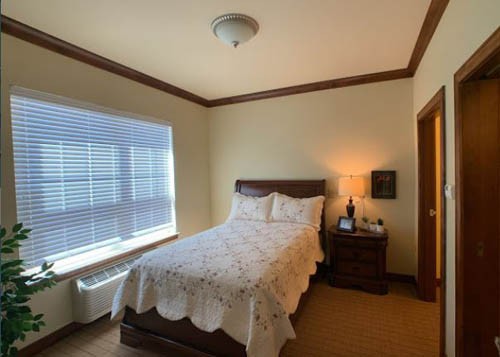
Grace Pointe Senior Care Community
Memory CareGrace Pointe in Greeley, Colorado, is a beacon of hope and support for individuals and families navigating the challenges of memory loss. Our Memory Care Secured Unit, nestled within our esteemed Continuing Care Retirement Community (CCRC), provides a safe, nurturing environment where residents can live with dignity, purpose, and compassion.Memory loss can be a daunting journey, but at Grace Pointe, we believe that every individual deserves to be treated with the utmost respect and dignity. Our Memory Care Secured Unit is specially designed to meet the unique needs of residents with Alzheimer's disease, dementia, and other memory-related conditions. With a team of dedicated caregivers trained in memory care techniques and best practices, we provide personalized support and assistance tailored to each resident's specific needs and preferences.Safety and security are top priorities in our Memory Care Secured Unit. Our state-of-the-art facility features secure access and monitoring systems, ensuring that residents are always safe and protected. From secure entrances and exits to enclosed outdoor spaces, we provide peace of mind for both residents and their families, knowing that their loved ones are in a safe and nurturing environment.Our Memory Care Secured Unit offers residents a comforting and familiar environment designed to promote independence, engagement, and overall well-being. Residents enjoy spacious and thoughtfully designed accommodations, providing a warm and inviting space where they can feel at home. With amenities such as cozy common areas, secure outdoor spaces, and life enrichment activities tailored to their unique interests and abilities, residents have every opportunity to thrive and live their best lives.As part of our CCRC, Grace Pointe offers the assurance of knowing that residents have access to a full continuum of care services, should their needs change over time. From memory care to assisted living and skilled nursing, our community provides seamless transitions and comprehensive support, allowing residents to age in place with dignity and grace.Health and wellness are at the forefront of our Memory Care Secured Unit. Our dedicated team of caregivers works closely with residents and their families to develop personalized care plans that address their unique needs and preferences. From medication management to assistance with activities of daily living and specialized memory care programming, we provide the support and resources our residents need to thrive.At Grace Pointe, we understand that memory loss affects not only individuals but also their families and loved ones. That's why we offer a range of support services and resources to help families navigate the challenges of memory care with confidence and peace of mind. From educational seminars and support groups to counseling services and respite care options, we are here to support families every step of the way.Our beautiful campus provides the perfect setting for residents to enjoy the beauty of Colorado's natural landscape. With meticulously landscaped grounds, walking paths, and secure outdoor spaces, residents can enjoy the sunshine and fresh air in a safe and nurturing environment.As part of the Grace Pointe community, residents of our Memory Care Secured Unit enjoy the peace of mind of knowing that they are part of a supportive and caring community that values their dignity, independence, and well-being. Our team of dedicated professionals is committed to providing personalized attention and support to each and every resident, ensuring that their individual needs and preferences are always met.Discover the compassionate care and support of our Memory Care Secured Unit at Grace Pointe in Greeley, Colorado. Contact us today to schedule a tour and experience the unparalleled lifestyle our community has to offer. Welcome home to Grace Pointe.
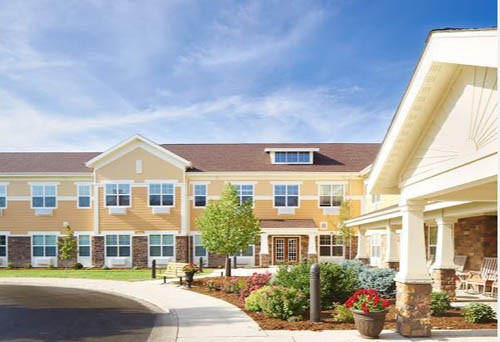
Grace Pointe Senior Care Community
Independent LivingGrace Pointe in Greeley, Colorado, stands as a beacon of premier senior independent living, offering a vibrant community and a continuum of care. Nestled in the heart of Greeley, our Continuing Care Retirement Community (CCRC) provides seniors with a fulfilling lifestyle, robust amenities, and peace of mind for the future.At Grace Pointe, we understand that independent living means different things to different people. That's why we offer a variety of spacious and comfortable living options, including apartments and cottages, to suit individual preferences and lifestyles. Whether you're looking for cozy charm or modern elegance, our residences provide the perfect blend of comfort and convenience.Our community is more than just a place to live; it's a vibrant hub of activity and connection. Residents at Grace Pointe enjoy a rich array of amenities and activities designed to promote engagement, wellness, and socialization. From fitness classes and art workshops to cultural outings and social events, there's always something exciting happening at our community.One of the hallmarks of Grace Pointe is our commitment to providing residents with the freedom and flexibility to live life on their terms. Our maintenance-free lifestyle allows seniors to say goodbye to the burdens of household chores and hello to more time for the things they love. Whether it's pursuing hobbies, spending time with family and friends, or exploring the local area, residents have the freedom to create their own schedule and make the most of each day.As a CCRC, Grace Pointe offers residents the peace of mind of knowing that they have access to a full continuum of care services, should their needs change over time. From independent living to assisted living, memory care, and skilled nursing, our community provides seamless transitions and comprehensive support every step of the way.Health and wellness are top priorities at Grace Pointe. Our residents have access to a range of amenities and services designed to support their physical, emotional, and spiritual well-being. From on-site fitness centers and wellness programs to nutritious dining options and spiritual care services, we provide the resources and support our residents need to live their best lives.Our beautiful campus is a haven of tranquility, with meticulously landscaped grounds, walking paths, and outdoor seating areas where residents can enjoy the beauty of nature and soak in the sunshine. With breathtaking views of the Rocky Mountains as a backdrop, Grace Pointe offers seniors the perfect setting to relax, rejuvenate, and reconnect with the world around them.As part of the Grace Pointe community, residents enjoy the peace of mind of knowing that they are part of a supportive and caring community that values their independence, dignity, and well-being. Our team of dedicated professionals is committed to providing personalized attention and support to each and every resident, ensuring that their individual needs and preferences are always met.

Grace Pointe Senior Care Community
Assisted LivingGrace Pointe in Greeley, Colorado, stands at the forefront of assisted living, offering compassionate care and unparalleled support within a vibrant Continuing Care Retirement Community (CCRC). Nestled in the heart of Greeley, our community provides seniors with a nurturing environment where they can thrive and enjoy life to the fullest.At Grace Pointe, we understand that assisted living is about more than just receiving support with daily activities; it's about maintaining dignity, independence, and a sense of purpose. Our dedicated team of caregivers is committed to providing personalized care and assistance tailored to meet the unique needs and preferences of each resident. Whether it's help with dressing, bathing, medication management, or simply a friendly smile and a listening ear, our caregivers are always there to lend a helping hand with compassion and respect.Our assisted living residences at Grace Pointe offer seniors the perfect blend of comfort, privacy, and security. Residents can choose from a variety of spacious floor plans, each thoughtfully designed to provide a warm and inviting environment where they can feel right at home. With amenities such as emergency call systems, 24-hour security, and cozy common areas for socializing, our assisted living residences offer peace of mind for both residents and their families.As part of our CCRC, Grace Pointe offers seniors the assurance of knowing that they have access to a full continuum of care services, should their needs change over time. From assisted living to memory care and skilled nursing, our community provides seamless transitions and comprehensive support, allowing residents to age in place with confidence and dignity.Health and wellness are top priorities at Grace Pointe. Our residents have access to a wide range of services and amenities designed to support their physical, emotional, and spiritual well-being. From nutritious dining options prepared by our talented culinary team to on-site wellness programs, fitness classes, and spiritual care services, we provide the resources and support our residents need to live their best lives.At Grace Pointe, we believe that life should be filled with joy, purpose, and meaningful connections. That's why our community offers a robust calendar of activities and events designed to promote engagement, socialization, and personal growth. Whether it's participating in group outings, attending educational seminars, or simply gathering with friends for a game night or movie screening, there's always something exciting happening at Grace Pointe.Our beautiful campus is a sanctuary of tranquility, with meticulously landscaped grounds, walking paths, and outdoor seating areas where residents can enjoy the beauty of nature and soak in the sunshine. With breathtaking views of the Rocky Mountains as a backdrop, Grace Pointe offers seniors the perfect setting to relax, rejuvenate, and reconnect with the world around them.As part of the Grace Pointe community, residents enjoy the peace of mind of knowing that they are part of a supportive and caring community that values their independence, dignity, and well-being. Our team of dedicated professionals is committed to providing personalized attention and support to each and every resident, ensuring that their individual needs and preferences are always met.Discover the perfect blend of comfort, compassion, and community at Grace Pointe in Greeley, Colorado. Contact us today to schedule a tour and experience the unparalleled lifestyle our assisted living community has to offer. Welcome home to Grace Pointe.