Medicaid Planning and Long-Term Care Costs in Monmouth County, NJ
Kimberlie A. Fiero, Esq. of Timothy Rice Estate and Elder Law Firm
For more information about the author, click to view their website: Kimberlie A. Fiero, Esq
Oct 15, 2026
New Jersey - Ocean & Monmouth Counties


Planning for long-term care is one of the most important financial and legal decisions older adults and their families may face. As seniors age, changes in health, mobility, and personal care needs can create new responsibilities and unexpected expenses.
For some individuals, remaining at home with occasional assistance is enough. Others may eventually require ongoing caregiving, assisted living services, or nursing home care.
While these services can provide valuable support, their costs may become a significant concern.
Families often wonder whether Medicare will pay for long-term care, how Medicaid eligibility works, and whether savings or property must be used to cover care expenses.
These questions can become especially complicated when a loved one's health changes suddenly.
For seniors and families throughout Monmouth County, New Jersey, understanding available benefits and preparing for possible long-term care expenses can help protect financial stability and support informed decision-making.
Kimberlie A. Fiero, Esq. of Timothy Rice Estate & Elder Law Firm provides legal guidance involving Medicaid planning, elder law, asset protection, Medicaid applications, and appeals.
As an experienced elder law attorney, Kimberlie helps individuals and families understand complex legal requirements while developing strategies based on their specific circumstances.
Learning about Medicare, Medicaid, and long-term care planning before a crisis develops can help families approach the future with greater confidence.
Why Long-Term Care Planning Matters
Long-term care refers to services that help individuals manage everyday activities when illness, disability, or changes in functioning make independent living difficult.
These services may be provided at home or in residential care settings.
Common Long-Term Care Needs
An older adult may require assistance with:
Bathing
Dressing
Toileting
Eating
Mobility
Transfers
Medication routines
Personal hygiene
Daily supervision
Household activities
The appropriate level of care depends on the individual's medical condition, functional abilities, and available support.
Why Families Should Plan Ahead
Long-term care expenses can affect retirement savings and household finances.
Without advance planning, family members may need to make important decisions quickly.
Early conversations about care preferences, financial resources, and legal documents can help families prepare for changing circumstances.
Understanding Medicare Versus Medicaid
Medicare and Medicaid are government healthcare programs, but they serve different purposes.
Confusing the two can lead families to misunderstand how long-term care expenses may be paid.
What Is Medicare?
Medicare is a federal health insurance program primarily serving adults aged 65 and older, along with certain younger individuals who qualify.
Depending on coverage requirements, Medicare may help pay for:
Hospital care
Physician services
Certain rehabilitation services
Qualifying skilled nursing facility care
Eligible home health services
Other covered medical treatment
Does Medicare Pay for Long-Term Custodial Care?
Medicare generally does not pay for ongoing custodial care when assistance with everyday activities is the only service needed.
For example, an older adult who requires long-term help with dressing, bathing, or supervision may not qualify for Medicare coverage of those ongoing care expenses.
Medicare may cover certain medically necessary skilled services for qualifying individuals, but coverage rules and limitations apply.
What Is Medicaid?
Medicaid is a federal-state program that provides healthcare coverage to eligible individuals based on applicable financial and other requirements.
In New Jersey, Medicaid operates through NJ FamilyCare.
For qualifying individuals, Medicaid may help cover certain long-term services and supports.
Why the Distinction Matters
A family may assume that Medicare will cover an extended nursing home stay.
However, once qualifying skilled care coverage ends, the individual may become responsible for ongoing expenses unless another payment source is available.
Understanding the difference between these programs is an important part of long-term care planning.
Medicaid Planning Services From Kimberlie A. Fiero, Esq.
Kimberlie A. Fiero, Esq. is a partner at Timothy Rice Estate & Elder Law Firm.
Her practice includes Medicaid planning, elder law, estate planning, and legal matters affecting older adults and their families.
Medicaid-Related Legal Services
Her professional services include:
Medicaid eligibility planning
Asset protection analysis
Medicaid application assistance
Medicaid appeals
Long-term care legal planning
Reviewing financial arrangements
Coordinating related estate planning documents
Advising families about relevant legal requirements
Why Individualized Legal Guidance Matters
Medicaid rules can be complicated.
Eligibility depends on factors such as income, assets, medical needs, financial history, and applicable program requirements.
A strategy appropriate for one family may create problems for another.
An elder law attorney can review the specific facts before recommending legal planning options.
How Medicaid May Help Pay for Long-Term Care
New Jersey offers qualifying individuals access to long-term services through its Managed Long Term Services and Supports program, commonly called MLTSS.
This program is administered within NJ FamilyCare.
Services May Include
Depending on eligibility and the approved care plan, services may involve:
Nursing facility care
Certain home-based assistance
Personal care services
Care management
Respite services
Certain assisted living services
Home-delivered meals
Other approved long-term supports
Not every service is available to every participant.
Coverage depends on clinical eligibility, financial requirements, program rules, and the approved care plan.
Why Coverage Is Not Automatic
An individual does not qualify for long-term care Medicaid simply because they are older or have significant healthcare expenses.
Applicants must satisfy relevant eligibility requirements.
Understanding those requirements can help families prepare accurate applications and avoid preventable delays.
Understanding Medicaid Financial Eligibility
Medicaid programs use financial criteria to determine eligibility.
These criteria can involve income, countable assets, household circumstances, and other considerations.
Income Considerations
Some programs have monthly income limits.
An individual whose income exceeds a particular threshold may need additional legal planning to determine whether an approved eligibility pathway is available.
Asset Considerations
Certain resources may be countable when determining Medicaid eligibility.
Examples can include:
Bank accounts
Savings
Investments
Certain financial assets
Some property interests
Other assets may receive different treatment under applicable rules.
Why Families Should Not Assume Everything Is Countable
Medicaid rules contain exclusions, exemptions, and special provisions.
The treatment of a residence, vehicle, retirement account, or other property depends on the applicable program and individual circumstances.
An attorney can help clarify how these rules may apply.
What Is the Medicaid Five-Year Look-Back Period?
One important aspect of long-term care Medicaid planning is the review of certain financial transactions made before applying for benefits.
For applicable institutional and long-term care eligibility pathways, New Jersey generally examines transfers during a five-year look-back period.
Why Financial Transfers Matter
Medicaid rules may impose penalties when an applicant transfers assets for less than fair market value.
Examples requiring careful review may include:
Giving money to relatives
Transferring ownership of a home
Adding another person to certain accounts
Selling property below its market value
Making undocumented transfers
Certain payments to family caregivers
What Happens When a Transfer Is Questioned?
An applicant may need to provide documentation explaining the transaction.
Certain transfers can create a period of ineligibility for Medicaid payment of long-term care services.
The consequences depend on the circumstances and applicable exceptions.
Why Legal Advice Is Important Before Gifting Assets
Families sometimes believe that transferring money or property to adult children will automatically protect it.
However, making gifts without understanding Medicaid requirements may create serious eligibility problems.
A qualified elder law attorney should review proposed transfers before they occur.
Protecting Assets Through Lawful Medicaid Planning
Asset protection is a major concern for older adults preparing for possible long-term care expenses.
Many individuals hope to preserve financial resources for a spouse, support a family member, or maintain their financial stability.
What Does Asset Protection Mean?
In elder law, asset protection planning involves reviewing lawful strategies that may help preserve certain resources while addressing care costs and eligibility rules.
Possible considerations may involve:
Ownership arrangements
Exempt assets
Spousal protections
Trust planning
Permitted expenditures
Estate planning documents
Medicaid transfer rules
Not Every Strategy Is Appropriate
Certain trusts or property transfers may have important consequences involving eligibility, taxes, control of assets, or estate recovery.
Creating a trust does not automatically protect assets from long-term care costs.
The Importance of Personalized Planning
Kimberlie A. Fiero, Esq. provides Medicaid planning and asset protection legal services designed around individual circumstances.
Families should seek professional guidance before changing property ownership or transferring financial resources.
Medicaid Planning for Married Couples
Long-term care planning can become especially complicated when one spouse requires nursing facility care while the other continues living independently.
Families may worry about whether care expenses will leave the spouse at home without sufficient financial resources.
Understanding Spousal Protections
Medicaid includes special rules intended to address certain financial needs of a spouse who remains in the community.
Depending on the circumstances, these rules may allow the community spouse to retain certain resources or income.
Why Financial Review Matters
Relevant considerations may include:
Joint assets
Individual assets
Household income
Housing expenses
Spousal resource allowances
Applicable income protections
Ownership of the family residence
Avoid Making Assumptions About Joint Property
Families should not assume that transferring all assets to one spouse automatically resolves Medicaid eligibility concerns.
An elder law attorney can evaluate available protections under current law.
What Happens to the Family Home?
For many seniors, a home is their most valuable asset.
Families often worry that applying for Medicaid means they must immediately sell the property.
The actual rules are more complicated.
Home Ownership and Medicaid
Depending on the circumstances, an applicant's principal residence may receive special treatment during Medicaid eligibility determination.
However, factors such as home equity, occupancy, intent to return, and applicable exemptions may affect the analysis.
Can Medicaid Recover Costs From an Estate?
New Jersey has Medicaid estate recovery rules that may apply after a beneficiary's death.
Whether recovery is permitted and which assets are affected depend on applicable law and individual circumstances.
Why Families Should Seek Legal Guidance
Selling, gifting, or transferring a home may create legal and financial consequences.
Before making property decisions, families should ask an elder law attorney how eligibility and estate recovery rules may apply.
Understanding Qualified Income Trusts
Some individuals require long-term care Medicaid but have income exceeding the applicable program threshold.
Under certain circumstances, a Qualified Income Trust, sometimes called a Miller Trust, may help address the income eligibility requirement.
What Is a Qualified Income Trust?
A Qualified Income Trust is a specific legal arrangement recognized under applicable Medicaid rules.
It is used to handle income in a manner that may allow an otherwise eligible applicant to satisfy program requirements.
Is It Available to Everyone?
No.
A Qualified Income Trust does not eliminate other Medicaid eligibility requirements.
It must be established and administered according to program rules.
Why Proper Setup Matters
Errors involving trust documents, bank accounts, funding, or administration can create problems.
Families should obtain qualified legal advice when determining whether such a trust is necessary and appropriate.
Preparing for a Medicaid Application
A Medicaid application may require extensive financial and personal documentation.
Gathering information in advance can help families understand what is needed.
Documents May Include
Proof of identity
Income records
Bank statements
Investment information
Property records
Insurance policies
Retirement account information
Financial transaction records
Medical information
Relevant legal documents
The required documents depend on the applicant's circumstances and the applicable Medicaid program.
Financial History Matters
Families may need to explain certain transfers or transactions during the look-back period.
Maintaining accurate records can help support the application.
Avoid Incomplete or Inaccurate Information
Missing documents or inconsistent financial information may result in requests for additional evidence or processing delays.
Professional legal assistance can help families understand documentation requirements.
What Happens if Medicaid Benefits Are Denied?
Receiving a denial can be stressful, particularly when a family is already managing significant care expenses.
However, a denial does not necessarily mean there are no further options.
Common Issues That May Affect Applications
These can include:
Missing documentation
Disputed financial transactions
Questions about countable assets
Income eligibility issues
Clinical eligibility concerns
Conflicting records
Administrative problems
Understanding Appeals
Depending on the reason for the decision and applicable deadlines, an applicant may have the right to challenge a Medicaid determination.
Legal Assistance With Appeals
Kimberlie A. Fiero, Esq. handles Medicaid applications and appeals.
An attorney can review the decision, assess the applicable legal requirements, and explain potential next steps.
Families should pay close attention to deadlines identified in official notices.
Planning Before a Long-Term Care Crisis
Some families begin researching Medicaid only after a loved one enters a nursing facility.
Although legal assistance may still be helpful at that stage, earlier planning can provide more opportunities to evaluate available options.
Benefits of Early Planning
These may include:
Reviewing financial records
Understanding available benefits
Identifying possible eligibility concerns
Updating legal documents
Discussing long-term care preferences
Planning for family responsibilities
Avoiding problematic asset transfers
Preparing for future care expenses
Planning Is Not Only for Wealthy Families
Medicaid questions may affect households with different income and asset levels.
Even individuals with modest savings may benefit from understanding the rules before making financial decisions.
Powers of Attorney and Long-Term Care Planning
Medicaid planning often involves related legal documents.
A durable power of attorney can be particularly important when an individual becomes unable to manage certain financial matters independently.
Why a Power of Attorney Matters
Depending on its language and applicable law, a properly prepared power of attorney may authorize a trusted person to handle specified financial transactions.
These may include managing accounts, communicating with institutions, or addressing certain legal matters.
Authority Must Be Clearly Established
Not every power of attorney includes the same powers.
Some Medicaid planning actions may require specific legal authorization.
Avoid Waiting Until Capacity Is Lost
Creating legal documents may become more complicated if an individual no longer has the necessary decision-making capacity.
Families should discuss appropriate planning documents while the person can still make informed decisions.
Understanding Assisted Living and Medicaid
Families sometimes assume Medicaid will cover every assisted living expense.
However, long-term care coverage varies by program, eligibility, and service.
Important Distinctions
In certain circumstances, New Jersey's MLTSS program may provide qualifying assisted living-related services.
However, coverage arrangements and residential charges differ.
Questions Families Should Ask
Does the assisted living residence participate in the relevant program?
Does the applicant meet financial criteria?
Has clinical eligibility been established?
Which services are covered?
What expenses remain the resident's responsibility?
Are there additional residential charges?
Verify Program Participation
Families should confirm current coverage and payment arrangements directly with the provider and appropriate Medicaid representatives.
An elder law attorney can help explain the legal aspects of eligibility and planning.
Coordinating Healthcare, Financial, and Legal Decisions
Long-term care planning often involves several professionals.
Each contributes different expertise.
Healthcare Professionals
Physicians and other qualified clinicians evaluate medical conditions and care requirements.
Financial Professionals
Financial advisors and tax professionals may help evaluate retirement resources, investments, and tax implications.
Elder Law Attorneys
Elder law attorneys address legal planning, Medicaid requirements, relevant documents, and related rights and obligations.
Care Providers
Nursing facilities, assisted living communities, and home care providers explain their services and admission requirements.
Why Coordination Matters
Decisions about finances, legal documents, and healthcare can affect one another.
Families benefit from understanding which professional should address each issue.
Common Medicaid Planning Mistakes
Some mistakes can create unnecessary financial or administrative problems.
Mistakes to Avoid
Assuming Medicare covers all long-term care
Making undocumented financial transfers
Giving away assets without legal advice
Failing to review eligibility requirements
Assuming home ownership always prevents Medicaid
Waiting too long to organize financial records
Ignoring application deadlines
Using outdated Medicaid information
Assuming a trust automatically protects assets
Failing to coordinate legal and financial planning
Why Accurate Information Matters
Medicaid rules can change, and general online advice may not reflect the applicant's specific situation.
Families should verify current requirements with official agencies and qualified professionals.
Questions to Ask a Medicaid Planning Attorney
Before beginning legal planning, families should prepare questions about their circumstances.
Helpful Questions
What Medicaid programs may apply?
How are income and assets evaluated?
Will previous financial transfers affect eligibility?
Are any assets exempt?
What protections may apply to a spouse?
How does home ownership affect the application?
Is a Qualified Income Trust appropriate?
Which documents should be collected?
What happens if the application is denied?
What legal planning should be completed before care needs increase?
A consultation can help clarify which concerns require immediate attention.
Expert Tip: Review Financial Transfers Before Applying
Medicaid Planning Tip: Before submitting a long-term care Medicaid application, gather available records of significant gifts, property transfers, account changes, and caregiver payments made during the preceding five years. Have a qualified elder law attorney review the transactions before making additional changes. This can help identify documentation needs and potential eligibility issues early.
A careful financial review can support more informed planning and reduce the risk of preventable surprises.
Frequently Asked Questions About Medicaid Planning
1. Does Kimberlie A. Fiero, Esq. provide Medicaid planning assistance?
Yes. Kimberlie A. Fiero, Esq. of Timothy Rice Estate & Elder Law Firm provides Medicaid planning services, including asset protection analysis, Medicaid applications, and appeals.
2. Does Medicare pay for long-term nursing home care?
Medicare may cover qualifying short-term skilled nursing facility services when its requirements are met. It generally does not cover ongoing custodial care when assistance with daily activities is the only service needed.
3. What is the Medicaid five-year look-back period?
For applicable long-term care Medicaid eligibility determinations, New Jersey generally reviews certain financial transfers made during the preceding five years. Transfers for less than fair market value may affect eligibility unless an applicable exception or other rule applies.
4. Can someone own a home and still qualify for Medicaid?
Possibly. The treatment of a residence depends on applicable eligibility rules, individual circumstances, home equity considerations, and other factors. An elder law attorney can help evaluate the situation.
5. When should a family contact a Medicaid planning attorney?
Families may benefit from seeking guidance before making large gifts, transferring property, entering long-term care, applying for Medicaid, or responding to an eligibility denial. Early planning may provide additional opportunities to review lawful options.
Planning for Long-Term Care With Greater Confidence
Long-term care planning involves important decisions about healthcare, finances, family responsibilities, and legal protections.
For many older adults, the greatest concern is how to receive appropriate care without creating unnecessary financial hardship.
Understanding the differences between Medicare and Medicaid is an important first step.
Families should also consider eligibility requirements, asset treatment, financial transfers, home ownership, and available long-term care programs.
For seniors and families throughout Monmouth County, New Jersey, Kimberlie A. Fiero, Esq. of Timothy Rice Estate & Elder Law Firm provides legal guidance focused on Medicaid planning and elder law.
Her services include evaluating Medicaid eligibility concerns, reviewing asset protection options, assisting with applications, and addressing appeals.
Because every family's financial and medical circumstances are different, individualized legal guidance can help identify relevant requirements and planning considerations.
Preparing for the possibility of long-term care does not eliminate every uncertainty, but it can help older adults and families make informed decisions about their future.
Learn More About Kimberlie A. Fiero, Esq. of Timothy Rice Estate & Elder Law Firm
Looking for Medicaid planning or long-term care legal assistance in Monmouth County, New Jersey?
Visit Kimberlie A. Fiero, Esq. of Timothy Rice Estate & Elder Law Firm on SeniorsBlueBook.com to explore the Medicare and Medicaid legal assistance listing and learn more about available elder law services.
Understanding the legal requirements and available planning options can help seniors and families prepare for long-term care expenses while making informed decisions about financial security and future care needs.

Other Articles You May Like
Why Doctors Recommend Boric Acid for Chronic Yeast Infections
Yeast infections are common, but when they keep coming back, they can go from a minor annoyance to a seriously frustrating cycle. For people dealing with chronic or stubborn yeast infections, doctors may look beyond standard drugstore treatments. One option that sometimes comes up in the conversation is boric acid, often sold in boric acid suppositories. While it isnt appropriate for everyone, it can be useful for certain recurrent infections that havent responded well to conventional antifungal medications.When a Yeast Infection Becomes a Recurring ProblemAn occasional yeast infection usually isnt unusual. Repeated infections, however, deserve a closer look. Recurrent vulvovaginal candidiasis is generally defined as three or more symptomatic episodes within a year.At that point, simply grabbing another over-the-counter cream may not address the bigger issue. A clinician may recommend testing to confirm that Candida is actually causing the symptoms and determine whether a particular species is involved. That matters because itching, burning, and unusual discharge can have other causes.Why Standard Antifungal Treatments Dont Always WorkCommon antifungal medications are often effective against Candida albicans, the species responsible for most vaginal yeast infections. Unfortunately, not every infection follows the standard playbook.Some Candida species are less responsive to commonly used azole antifungals, while resistance can also complicate treatment. In selected cases, doctors may recommend boric acid suppositories as an alternative approach, particularly when conventional treatments havent worked, or certain non-albicans Candida species are involved.How Boric Acid Works DifferentlyBoric acid isnt simply another version of an antifungal cream. When used vaginally, it can create an environment that interferes with yeast growth and survival.That different mechanism is part of what makes boric acid interesting in stubborn cases. It doesnt mean it is automatically stronger or better than standard medication. Instead, it gives clinicians another potential tool when the usual approach isnt producing lasting results.Why Doctors May Recommend It for Certain Candida SpeciesKnowing which Candida species is causing an infection can be especially useful when symptoms recur. Candida albicans typically responds well to standard antifungal therapy, while Candida glabrata can be more difficult to treat.For certain non-albicans infections, clinical guidelines include vaginal boric acid as a possible treatment option. Thats also why persistent infections are worth discussing with a healthcare professional: identifying the actual cause can help determine which treatment makes the most sense.Boric Acid Isnt the First Choice for Every Yeast InfectionBoric acid has its place, but that doesnt mean every case of itching calls for it. For uncomplicated yeast infections, standard antifungal medications are typically the first treatment doctors recommend. Theyre well-studied, widely available, and effective in many cases.Boric acid becomes more relevant when infections repeatedly return or dont respond as expected. Before recommending it, a clinician may consider previous treatments, test results, Candida species, pregnancy status, and other health factors. The goal isnt to reach for the most unusual treatment but to match the treatment to the infection.Using Boric Acid Safely MattersHeres where following directions becomes especially important. Boric acid intended for vaginal use should never be swallowed, as it can be toxic when ingested. Vaginal products should also be used according to instructions from a healthcare professional or the product labeling.Some people experience burning, redness, or irritation during use. Boric acid should generally be avoided during pregnancy unless a qualified healthcare professional specifically advises otherwise. When theres any uncertainty, asking a clinician is much safer than experimenting.What Happens If the Infection Keeps Coming Back?If yeast infections keep making unwanted repeat appearances, your doctor may want to investigate further. Testing, such as a vaginal culture, can help confirm Candida and sometimes identify the specific species involved.Depending on the results, recurrent infections may require a longer initial treatment course or a maintenance strategy designed to reduce future episodes. This approach can be more effective than repeatedly treating each flare-up as an isolated event.When Its Time To Call Your DoctorPersistent itching or discharge isnt automatically a yeast infection. Bacterial vaginosis, sexually transmitted infections, skin conditions, and other problems can produce overlapping symptoms.Consider seeing a healthcare professional when symptoms are severe, frequently recur, seem unusual, or dont improve after appropriate treatment. Getting the diagnosis right can save you from weeks of trying products that were never targeting the real problem.The Right Treatment Starts With the Right DiagnosisBoric acid can be a valuable option for certain chronic or difficult-to-treat yeast infections, particularly when standard therapies arent doing the job. However, it isnt a universal solution.Breaking the cycle starts with figuring out why symptoms keep returning. With proper testing and a treatment plan tailored to the infection, recurring yeast infections can become much more manageable and, hopefully, far less frequent.
Why Having a Healthcare Advocate Can Make a Difference
Why Having a Healthcare Advocate Can Make a Difference in Your Medical Journey. Navigating the healthcare system can sometimes feel overwhelming, especially when dealing with a new diagnosis, managing a chronic condition, or making important decisions about medical treatment. Between scheduling appointments, understanding medical terminology, communicating with multiple healthcare providers, and keeping track of treatment plans, patients and their families can quickly become frustrated or confused. This is where a healthcare advocate can make a meaningful difference. A healthcare advocate serves as a knowledgeable support person who helps patients navigate the healthcare system, understand their medical options, communicate with healthcare professionals, and make informed decisions about their care. Whether someone is facing a serious diagnosis, preparing for surgery, managing a long-term illness, or simply trying to understand their treatment options, having an advocate can provide valuable guidance and reassurance throughout the medical journey. What Is a Healthcare Advocate? A healthcare advocate is someone who helps patients understand and navigate the often-complicated healthcare system. Their role is to support patients by helping them access information, communicate with medical professionals, coordinate care, and better understand their healthcare choices. Healthcare advocates may assist with a variety of needs, including: Helping patients understand medical diagnoses and treatment recommendations. Preparing questions for upcoming doctor appointments. Helping patients communicate concerns and symptoms to healthcare providers. Coordinating appointments with multiple specialists. Reviewing treatment options and helping patients understand the information provided by their medical team. Helping patients obtain and organize medical records. Supporting patients who are considering a second medical opinion. Helping families understand available healthcare resources and services. A healthcare advocate does not replace a physician or make medical decisions for the patient. Instead, they help patients become more informed, confident, and involved in their own healthcare decisions. Understanding Your Diagnosis and Treatment Options Receiving a medical diagnosis can be an emotional and confusing experience. Patients may leave a doctor's appointment with more questions than answers, especially when they are unfamiliar with medical terminology or are trying to process unexpected news. A healthcare advocate can help patients better understand the information they receive from their healthcare providers. For example, after receiving a diagnosis of cancer, heart disease, diabetes, or another serious medical condition, a patient may need to understand several aspects of their care, including treatment options, potential side effects, follow-up appointments, and lifestyle changes. An advocate can help organize this information, identify questions that need clarification, and encourage patients to discuss their concerns directly with their physicians. Having someone help explain complicated healthcare information can make it easier for patients and families to understand their situation and feel more prepared for the decisions ahead. Improving Communication Between Patients and Doctors Good communication between patients and healthcare providers is essential for effective healthcare. However, patients sometimes feel intimidated, rushed, or unsure about how to express their concerns during medical appointments. They may forget important questions, struggle to describe their symptoms, or leave without fully understanding their physician's recommendations. A healthcare advocate can help bridge this communication gap. Before an appointment, an advocate may help patients prepare a list of questions, organize medical information, and identify concerns they want to discuss. During an appointment, when authorized and welcomed by the patient and provider, an advocate may attend to help take notes, ask questions, and make sure important information is understood. After the appointment, an advocate can help patients review their notes, understand the next steps, and identify any follow-up questions. This additional support can be particularly helpful for older adults, individuals managing complex medical conditions, and patients who feel overwhelmed by the amount of information they receive. Coordinating Care Among Multiple Healthcare Providers Many patients receive care from several different healthcare professionals. Someone managing a chronic illness, for example, may see a primary care physician, cardiologist, neurologist, endocrinologist, or other specialists. Although each provider plays an important role, coordinating appointments, medical records, treatment recommendations, and follow-up instructions can become challenging. A healthcare advocate can help patients stay organized and navigate these different aspects of their care. Care coordination may include: Helping schedule appointments with specialists. Keeping track of upcoming medical visits and follow-up care. Organizing medical records and test results. Helping patients communicate information between healthcare providers. Identifying questions about conflicting or unclear treatment recommendations. Helping patients understand referrals and recommended next steps. When patients have multiple medical providers, having someone help organize their healthcare information can make the process less stressful and help reduce the likelihood of important details being overlooked. Helping Patients Make Informed Healthcare Decisions Medical decisions can have a significant impact on a person's health, independence, finances, and quality of life. Patients may be asked to consider medications, surgical procedures, treatment plans, rehabilitation services, or other medical interventions. Making these decisions can be difficult, particularly when patients are facing unfamiliar medical conditions or complicated treatment choices. A healthcare advocate helps patients understand the information available so they can have more productive conversations with their medical providers. An advocate may help patients: Understand the purpose of recommended treatments. Prepare questions about potential risks and benefits. Discuss alternative treatment approaches with their physicians. Understand what to expect during recovery. Explore whether a second medical opinion may be appropriate. Consider how different treatment options may affect daily life and personal goals. The goal is not to tell patients which treatment to choose. Instead, it is to make sure they have the information and support needed to participate in decisions about their healthcare. Ultimately, medical decisions should reflect the patient's needs, values, preferences, and conversations with qualified healthcare professionals. The Importance of a Second Medical Opinion When facing a serious or complicated diagnosis, patients may benefit from seeking a second medical opinion. Getting another professional perspective can help confirm a diagnosis, provide additional information about treatment options, or identify alternative approaches. However, knowing when and how to seek another opinion can be confusing. A healthcare advocate can help patients understand the process and prepare for a second opinion appointment. This may involve organizing medical records, collecting test results, identifying specialists, and preparing questions about the diagnosis and recommended treatment. Having additional information can help patients feel more confident about the decisions they make and better understand the options available to them. Seeking a second opinion does not mean a patient distrusts their current physician. It is simply another way to become informed and make thoughtful decisions about their health. Providing Support for Family Members and Caregivers A serious medical condition affects more than just the individual receiving care. Family members and caregivers often become involved in managing appointments, understanding treatment recommendations, communicating with physicians, and providing emotional support. These responsibilities can become overwhelming, especially when family members are balancing caregiving with their own personal and professional obligations. A healthcare advocate can help ease some of this burden by providing guidance and organizational support. With the patient's permission, an advocate can help family members understand the care plan, keep track of upcoming appointments, organize medical information, and identify questions that need to be addressed. This support can be particularly valuable when adult children are helping aging parents navigate healthcare decisions or when families live in different locations. Having an additional knowledgeable person involved can help families feel more supported while keeping the patient's preferences and needs at the center of care. When Should You Consider Hiring a Healthcare Advocate? There is no single time when everyone needs a healthcare advocate. Some people benefit from assistance during a major medical event, while others appreciate having ongoing support as they manage complicated healthcare needs. You may want to consider working with a healthcare advocate if: You have recently received a serious or unexpected medical diagnosis. You are managing multiple chronic health conditions. You have difficulty understanding medical terminology or treatment recommendations. You see several specialists and need help coordinating your care. You are preparing for surgery or a complicated medical procedure. You want assistance obtaining a second medical opinion. You feel rushed or uncomfortable during medical appointments. You are helping an aging parent or loved one navigate the healthcare system. You want someone to help organize medical records, appointments, and treatment information. Even patients who are generally comfortable managing their healthcare may benefit from having an advocate during particularly complicated or stressful medical situations. How to Choose the Right Healthcare Advocate Choosing a healthcare advocate is an important decision. You want someone who understands the healthcare system, communicates effectively, respects your preferences, and has your best interests in mind. When considering an advocate, look for someone who: Has experience navigating healthcare systems and working with patients. Communicates clearly and listens carefully to your concerns. Understands the importance of patient choice and confidentiality. Can help organize medical information and coordinate care. Is willing to explain complicated information in an understandable way. Respects your relationship with your physicians and other healthcare providers. Provides personalized guidance based on your individual needs. It is also important to understand what services are included, how the advocate works with healthcare providers, and whether services are available in person, remotely, or both. A good healthcare advocate should help you feel informed, respected, and empowered rather than pressured into making decisions. Take an Active Role in Your Healthcare Journey Your health is one of your most valuable assets, and you deserve to feel informed and supported when making decisions about your medical care. Unfortunately, navigating the healthcare system is not always easy. Complicated diagnoses, multiple specialists, confusing medical information, and difficult treatment decisions can leave patients feeling uncertain about what to do next. A healthcare advocate can help make the process more manageable by providing guidance, improving communication, organizing healthcare information, and helping patients understand their options. Most importantly, having an advocate can help patients become more confident participants in their own healthcare journey. You do not have to navigate complicated medical situations alone. With the right support, you can ask better questions, understand your choices, and work more effectively with your healthcare team. If you or someone you love is feeling overwhelmed by the healthcare system, consider reaching out to Vital Voice Healthcare Navigation. Having a knowledgeable advocate by your side can make a meaningful difference in understanding your care and moving forward with greater confidence.
Want to save money? Get organized!
Sometimes my organizing clients are less-than-thrilled when they realize that they are going to need to invest some money to get organized. Often, they have the double-whammy of realizing that 1) theyve already spent a lot of money on things they dont want or need and 2) they need to spend more money on services like professional organizing and junk hauling to get their place organized. I feel their pain. When I got organized myself about 10 years ago, it hurt when I thought about how much money I had spent on clothes that were headed to Goodwill. I called 1-800-GOT-JUNK to clear out my garage, and I couldnt believe that my bill was over $1,000. Who knew trash hauling was so expensive? You know the saying no pain, no gain? When it comes to organizing, I believe a little bit of pain is actually a good thing, because it motivates us to create lasting changes. My own painful experience with decluttering has helped me stay organized for years, and inspired me to become a professional organizer. Although there are some upfront costs to organizing, getting organized can be a money-saver over the long term. So if you are thinking about getting organized, its actually a long-term investment that is going to save you money over time. Heres how: Eliminate expensive storage unitsThere has been a boom in self-storage units in recent years. Storage units can be helpful resources if you have a short gap between moving out of your old place and into your new one. But if you are using a storage unit to store extra stuff for more than a few months, the cost can really add up (this article estimates that it costs an average of $2,000 a year to keep your stuff in a small storage unit). Ive helped clients clear out their storage units, which immediately starts saving them hundreds of dollars a month. Stop buying things you already have Have you ever run out and bought a roll of masking tape, then later found six more rolls stuffed in a drawer somewhere? Weve all been there. Americans collectively spend an estimated $2.7 billion a year replacing lost items. Organizing makes it easier to find and use what you already have, so you dont have to waste your time or money buying duplicates of things you already have.Cut down on fees and convenience costsSomething that surprised me about getting organized was how much time it saved me. Once I could easily find the things I needed to get out the door in the morning or whip up a quick dinner, I was less rushed. And having a little more slack in my schedule meant that I could take public transit instead of an Uber, or make dinner at home instead of ordering takeout, which ended up saving me money. If you struggle with paying late fees because you cant find your bills or remember when they need to be paid, getting organized can help you eliminate those unnecessary fees.Change your shopping habits for goodAfter going through my own painful decluttering experience, I realized that the way I was shopping led me to over-buying, which was not only cluttering my house, but wasting money. (I wrote a whole blog post about how I started shopping differently after getting organized, if you want to learn more about how organizing can change your shopping habits.) Since then, Im much more critical about what I decide to buy because I dont want to have to do a massive decluttering again. Resell unused itemsWhile decluttering, a lot of my clients come across unwanted items they can resell. While its not exactly a way to make money (because items sold secondhand usually sell for much less than their original price), reselling can help you recoup some of your original expenditure. I even had one client who offset most of her organizing costs by having me sell things she didnt want anymore. If youre not sure where to start when it comes to reselling, I can help you. If organizing feels daunting or too expensive, remember that clutter has a cost, too. In the long run, decluttering and creating systems that work for you will save you time, money, and your mental health. If youre ready to get organized, book a free consultation with me.
Local Services By This Author
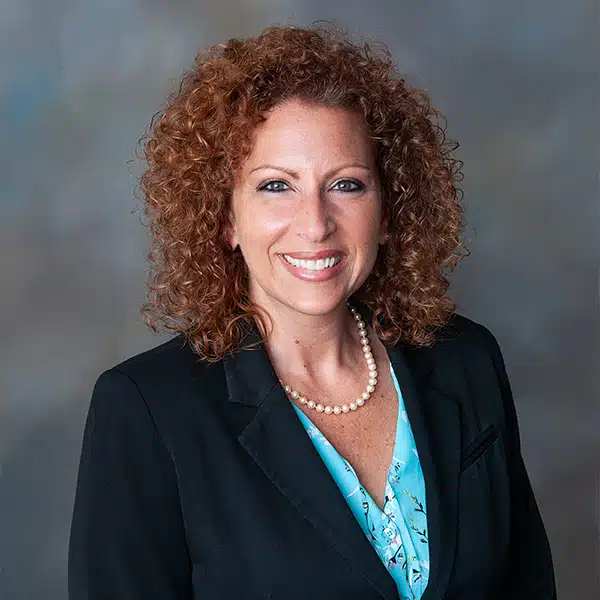
Kimberlie A. Fiero, Esq
Medicare & Medicaid-Legal AssistanceSince 1991, Timothy Rice Estate and Elder Law in Voorhees and Freehold, New Jersey, has helped individuals and families in New Jersey and Eastern Pennsylvania navigate the complex legal, medical and financial aspects of estate planning and administration. We are committed to providing timely legal counsel tailored to meet your specific needs. We understand the stress and anxiety that can accompany discussions about aging and late-in-life care, and we place a premium on providing caring and respectful counsel in your time of need.
Kimberlie A. Fiero, Esq. of Timothy Rice Estate and Elder Law Firm
Elder LawSince 1991, Timothy Rice Estate and Elder Law in Voorhees and Freehold, New Jersey, has helped individuals and families in New Jersey and Eastern Pennsylvania navigate the complex legal, medical and financial aspects of estate planning and administration. We are committed to providing timely legal counsel tailored to meet your specific needs. We understand the stress and anxiety that can accompany discussions about aging and late-in-life care, and we place a premium on providing caring and respectful counsel in your time of need.
Kimberlie A. Fiero, Esq. of Timothy Rice Estate and Elder Law Firm
Estate PlanningSince 1991, Timothy Rice Estate and Elder Law in Voorhees and Freehold, New Jersey, has helped individuals and families in New Jersey and Eastern Pennsylvania navigate the complex legal, medical and financial aspects of estate planning and administration. We are committed to providing timely legal counsel tailored to meet your specific needs. We understand the stress and anxiety that can accompany discussions about aging and late-in-life care, and we place a premium on providing caring and respectful counsel in your time of need.