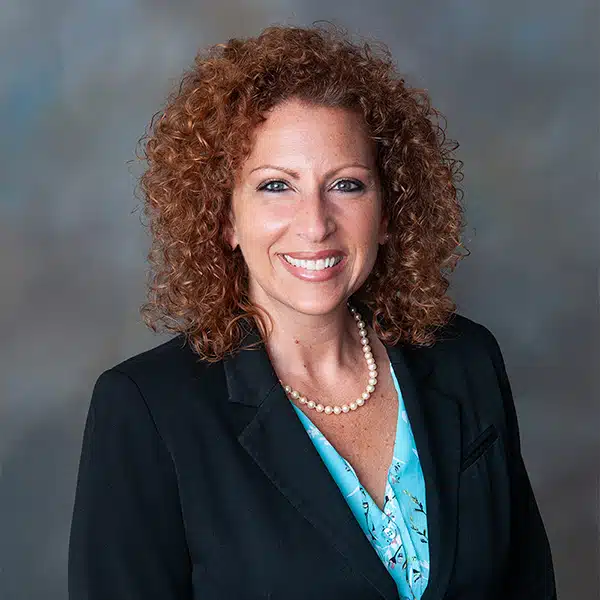
Kimberlie A. Fiero, Esq. of Timothy Rice Estate and Elder Law Firm
865 New Jersey 33, Suite E, Freehold, New Jersey, 07728
Counties Served: New Jersey - Atlantic County, Burlington County, Camden County, Cape May County, Cumberland County, Gloucester County, Mercer County, Middlesex County, Monmouth County, Morris County, Ocean County, Salem County
Estate Planning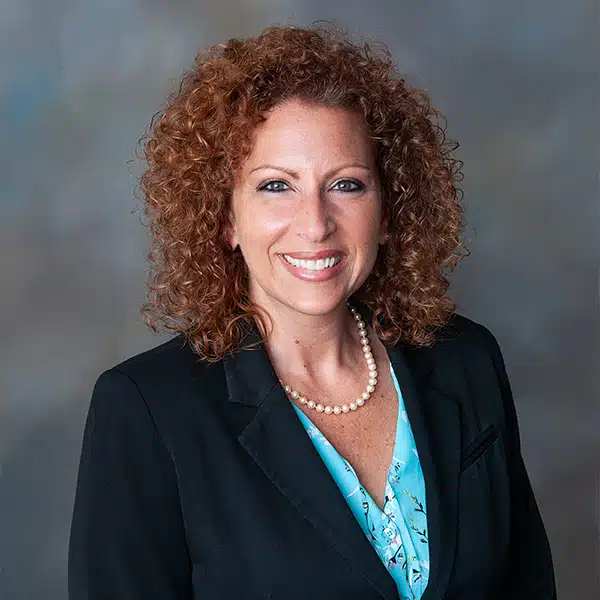


About Kimberlie A. Fiero, Esq. of Timothy Rice Estate and Elder Law Firm
Since 1991, Timothy Rice Estate and Elder Law in Voorhees and Freehold, New Jersey, has helped individuals and families in New Jersey and Eastern Pennsylvania navigate the complex legal, medical and financial aspects of estate planning and administration.
We are committed to providing timely legal counsel tailored to meet your specific needs. We understand the stress and anxiety that can accompany discussions about aging and late-in-life care, and we place a premium on providing caring and respectful counsel in your time of need.
See More
Additional Services Offered
Kimberlie A. Fiero, Esq. Of Timothy Rice Estate And Elder Law Firm
Elder Law 865 New Jersey 33, Suite E, Monmouth County, Freehold, New Jersey, 07728Since 1991, Timothy Rice Estate and Elder Law in Voorhees and Freehold, New Jersey, has helped individuals and families in New Jersey and Eastern Pennsylvania navigate the complex legal, medical and financial aspects of estate planning and administration. We are committed to providing timely legal counsel tailored to meet your specific needs. We understand the stress and anxiety that can accompany discussions about aging and late-in-life care, and we place a premium on providing caring and respectful counsel in your time of need.
Kimberlie A. Fiero, Esq
Medicare & Medicaid-Legal Assistance 865 New Jersey 33, Suite E, Monmouth County, Freehold, New Jersey, 07728Since 1991, Timothy Rice Estate and Elder Law in Voorhees and Freehold, New Jersey, has helped individuals and families in New Jersey and Eastern Pennsylvania navigate the complex legal, medical and financial aspects of estate planning and administration. We are committed to providing timely legal counsel tailored to meet your specific needs. We understand the stress and anxiety that can accompany discussions about aging and late-in-life care, and we place a premium on providing caring and respectful counsel in your time of need.
Videos
Continue Your Search! Explore More Local Options.
Start SearchingLet’s engage and get educated!
Browse through thousands of expert articles in over 100 different categories.
Browse NowArticles You May Like

Estate Planning for Seniors in Monmouth County, NJ
Estate Planning for Seniors in Monmouth County, NJPlanning for the future is about more than deciding who will inherit a home, savings account, or treasured family possession. It is also about protecting the people who matter most, communicating personal wishes, and preparing loved ones to handle important responsibilities.For many older adults, estate planning becomes increasingly meaningful as retirement approaches, family circumstances change, or financial responsibilities become more complicated.A longtime home may represent decades of savings and memories. Retirement accounts may provide important financial security. Personal possessions may carry emotional value far beyond their monetary worth.Without a coordinated estate plan, however, families may encounter uncertainty about how these assets should be handled.Questions can arise about who will manage the estate, whether a particular family member should inherit certain property, and how beneficiaries will receive their intended shares.For seniors and families throughout Monmouth County, New Jersey, creating an estate plan provides an opportunity to address these concerns thoughtfully.Kimberlie A. Fiero, Esq. of Timothy Rice Estate & Elder Law Firm provides legal guidance involving wills, trusts, estate planning, special needs planning, and estate administration.Her approach focuses on understanding each client's family relationships, financial circumstances, and personal priorities before developing appropriate legal strategies.A carefully designed estate plan can help older adults communicate their intentions while preparing loved ones for responsibilities that may arise in the future.What Is Estate Planning?Estate planning is the process of organizing legal arrangements for the management and eventual transfer of assets, property, and personal interests.A complete plan considers more than what happens after death.It may also address situations involving illness, incapacity, family responsibilities, and the protection of vulnerable beneficiaries.Common Estate Planning ComponentsDepending on individual needs, a plan may involve:Last wills and testamentsRevocable living trustsIrrevocable trustsBeneficiary designationsSpecial needs trustsPowers of attorneyAdvance healthcare directivesProperty ownership reviewsExecutor and trustee appointmentsPlanning for estate administrationNot everyone needs every document.The appropriate arrangements depend on assets, family circumstances, goals, and applicable law.Why Planning Ahead MattersEstate planning provides an opportunity to make decisions while the individual can carefully consider their preferences.It can also help family members understand important responsibilities instead of attempting to reconstruct the person's intentions during a difficult time.Estate Planning Services From Kimberlie A. Fiero, Esq.Kimberlie A. Fiero, Esq. is a partner at Timothy Rice Estate & Elder Law Firm.Her practice includes estate and trust planning, preparing wills, special needs trusts, estate and trust administration, and related legal representation.Areas of Estate Planning AssistanceHer legal services include:Drafting willsReviewing existing estate plansEstablishing appropriate trustsPlanning for beneficiariesPreparing related legal documentsSpecial needs and disability planningAddressing estate administration questionsResolving certain estate disputesCoordinating estate planning with elder law needsWhy Individualized Planning MattersEvery family has a different financial picture and relationship structure.One person may want to leave a home equally to several children.Another may have a beneficiary with a disability.Someone else may wish to provide for a surviving spouse while preserving a particular inheritance for other family members.These goals can require different legal approaches.An estate planning attorney can evaluate the circumstances and recommend documents suited to the individual's intentions.Understanding Last Wills and TestamentsA last will and testament is one of the most familiar estate planning documents.A valid will generally directs how property subject to probate should be distributed after death.It also allows the person creating the will, called the testator, to nominate an executor.What a Will May AddressDepending on the circumstances, a will may:Identify beneficiariesDirect distribution of probate assetsName an executorProvide instructions about personal propertyNominate guardians for minor childrenEstablish certain testamentary trust arrangementsExpress other legally appropriate wishesWhy Having a Will MattersWithout a valid will, property passing through the estate may be distributed according to New Jersey's intestacy laws.Those rules may not match the person's individual preferences.A Will Does Not Control EverythingSome assets transfer through beneficiary designations, joint ownership, or trust arrangements.A will generally does not override those separate transfer mechanisms.That is why estate planning should include a review of how different assets are legally owned and designated.What Happens When Someone Dies Without a Will?When an individual dies without a valid will, the situation is commonly called dying intestate.New Jersey law establishes rules for distributing probate property in these circumstances.Why Intestacy Can Create SurprisesFamilies sometimes assume that all property automatically passes to a spouse.Others believe that children always receive equal shares.The actual distribution depends on the surviving relatives and applicable law.Potential ComplicationsThese may include:Distribution that differs from personal wishesQuestions about estate administrationUncertainty among relativesDelays gathering informationDisagreements involving family propertyUnexpected inheritance outcomesWhy an Estate Plan Is HelpfulA properly prepared will allows the person to communicate legally recognized instructions rather than rely entirely on statutory distribution rules.An attorney can explain which assets are subject to the will and how other property may transfer.Choosing the Right ExecutorAn executor is responsible for administering an estate under the applicable legal requirements.This role can involve significant organizational and financial duties.Common Executor ResponsibilitiesDepending on the estate, responsibilities may include:Locating estate documentsIdentifying assetsGathering financial informationAddressing outstanding obligationsCommunicating with beneficiariesCoordinating required filingsManaging estate propertyDistributing assets appropriatelySeeking professional assistance when necessaryQualities to ConsiderAn executor should generally be:TrustworthyOrganizedResponsibleWilling to serveAble to maintain recordsComfortable handling financial mattersCapable of communicating with beneficiariesShould the Oldest Child Automatically Serve?Not necessarily.Age or birth order does not determine who is best suited for the role.The individual should consider reliability, availability, and the ability to manage responsibilities.Consider a Backup ExecutorNaming an alternate executor may help if the first person cannot or will not serve.Understanding Trusts in Estate PlanningA trust is a legal arrangement in which a trustee holds or manages property for the benefit of designated beneficiaries under the trust's terms.Trusts can serve different purposes depending on how they are drafted and funded.Common Reasons Families Explore TrustsThese may include:Managing assets for beneficiariesProviding for a surviving spouseEstablishing structured inheritance arrangementsPlanning for a beneficiary with a disabilityAddressing privacy concernsPreparing for incapacityCoordinating the transfer of certain assetsTrusts Are Not One-Size-Fits-AllSome trusts can be changed or revoked.Others may involve restrictions on amendment, access, or control.Different trust structures can also have different tax, probate, and public-benefit consequences.Families should understand these differences before establishing a trust.Revocable Living TrustsA revocable living trust is an estate planning arrangement that the creator generally retains the ability to modify or revoke while legally competent, subject to the trust terms.It may be used to manage property during life and direct how properly funded trust assets are handled after death.Potential BenefitsDepending on the circumstances, a revocable trust may:Provide continuity in asset managementOffer instructions for successor trusteesFacilitate transfer of properly titled trust assetsReduce probate involvement for those assetsProvide more privacy than some probate proceedingsTrust Funding Is EssentialSigning a trust agreement does not automatically place assets into the trust.Appropriate assets generally must be transferred or titled according to the estate plan.A Revocable Trust Does Not Automatically Protect Assets From CreditorsRevocable trusts generally do not provide the same asset protection features as certain irrevocable arrangements.They also do not automatically shelter assets from Medicaid eligibility rules.Families should avoid assuming that every trust achieves the same legal result.Irrevocable TrustsAn irrevocable trust generally involves restrictions on modifying or revoking the arrangement.Such trusts may be considered for particular estate, asset management, or family planning objectives.Reasons an Irrevocable Trust May Be ConsideredDepending on the circumstances, goals may include:Providing for beneficiariesManaging certain family assetsAddressing specific estate tax concernsPlanning for a beneficiary with special needsEstablishing long-term distribution arrangementsImportant Trade-OffsAn irrevocable trust may limit the creator's access to or control over transferred property.It can also create ongoing administration responsibilities.Professional Guidance MattersMoving assets into an irrevocable trust can involve tax, property, Medicaid, and other legal consequences.These arrangements should be considered only after individualized legal review.Special Needs Trusts and Vulnerable BeneficiariesSome families want to leave an inheritance to a loved one who has a disability or receives means-tested public benefits.A direct inheritance may affect eligibility for certain assistance programs.In appropriate circumstances, a special needs trust may help provide financial support while addressing applicable benefit rules.What a Special Needs Trust May DoDepending on its structure, it may allow trust assets to be used for certain supplemental needs.Examples may involve approved expenses supporting the beneficiary's well-being.Why the Trust Must Be Properly DesignedDifferent special needs trusts have different legal requirements.Issues may include:Funding sourcesTrustee responsibilitiesBenefit eligibilityDistribution restrictionsReporting obligationsRemainder beneficiariesPossible repayment requirementsPlanning for Long-Term SupportFamilies should think carefully about who will manage the trust and how the beneficiary's needs may change.Kimberlie A. Fiero, Esq. includes special needs and disability planning among her practice areas.Beneficiary Designations: A Frequently Overlooked DetailA complete estate plan should consider the beneficiaries named on financial accounts and insurance policies.Some assets transfer directly to the designated beneficiary rather than through the terms of a will.Accounts That May Have Beneficiary DesignationsThese can include:Life insurance policiesRetirement accountsCertain investment accountsPayable-on-death bank accountsTransfer-on-death arrangements where availableWhy Beneficiary Reviews MatterAn outdated beneficiary designation may direct an asset to someone the account owner no longer intends to receive it.For example, a designation completed many years earlier may not reflect a subsequent marriage, divorce, death, or change in family circumstances.Coordinate Beneficiaries With the Estate PlanBeneficiary forms should be reviewed alongside wills and trusts.Families should not assume that a newly signed will automatically changes existing account designations.Coordinating Wills, Trusts, and Beneficiary FormsOne of the most common estate planning problems is treating each document as an unrelated item.A person may have a will prepared years ago, a trust created later, and beneficiary designations that have never been updated.These arrangements may produce conflicting expectations.A Coordinated Review May ConsiderOwnership of real estateBank account titlingRetirement beneficiariesLife insurance beneficiariesTrust ownershipBusiness interestsPersonal propertyExisting willsPrior estate planning documentsWhy Coordination MattersA carefully written will may not control an account with a direct beneficiary.Similarly, a trust may not govern a property that was never properly transferred to it.The Goal Is ConsistencyLegal arrangements should work together to implement the person's wishes.An estate planning attorney can identify gaps and explain how assets are expected to transfer.Planning for the Family HomeFor many seniors, a home is both a major financial asset and a meaningful part of their personal history.Deciding how to transfer that property can involve emotional, legal, and financial considerations.Questions Worth ConsideringThese may include:Should the property be sold after death?Will one family member inherit the home?Should multiple beneficiaries share its value?Are there outstanding mortgage obligations?Will the intended beneficiary be able to maintain the property?Is the home owned individually or jointly?Could a trust arrangement be appropriate?Avoid Unplanned Ownership TransfersGiving a home to a relative during life may have consequences involving taxes, creditors, control, and eligibility for certain public benefits.Families should seek legal guidance before changing ownership.Consider Practical OutcomesLeaving a home to several children may appear straightforward, but disagreements may arise over whether to sell, maintain, or occupy the property.A thoughtful estate plan can consider these possibilities.Planning for Unequal InheritancesNot every family wishes to divide assets equally.A parent may want to account for different needs, previous gifts, or special circumstances.However, unequal distributions can lead to confusion or conflict when they are unexpected.Reasons Families May Consider Different DistributionsThese may involve:A beneficiary's disabilityPrevious financial assistanceParticular family propertyBusiness successionDifferent financial needsPersonal relationshipsOther individual prioritiesClear Drafting MattersEstate documents should express instructions accurately and in accordance with applicable law.Consider Family CommunicationSome individuals choose to explain their planning decisions while alive.Others prefer to keep certain details private.An attorney can help discuss the potential implications of different approaches.Protecting a Family Legacy Beyond MoneyA family legacy may include financial resources, but it can also involve values, memories, traditions, and meaningful belongings.Estate planning can help individuals think about what they want future generations to remember.Nonfinancial Legacy ConsiderationsThese may include:Family photographsPersonal lettersHeirloomsImportant documentsHistorical recordsFamily storiesCharitable interestsCultural traditionsOrganizing Personal PropertyFamilies can benefit from identifying which possessions hold particular meaning.A carefully prepared estate plan may include legally appropriate methods for addressing personal property.Letters of WishesSome individuals prepare explanatory letters describing personal values or preferences.Such letters may provide context, but they generally should not be treated as substitutes for legally effective estate planning documents.Charitable Giving Through Estate PlanningSome older adults want to support organizations or causes that have been meaningful throughout their lives.Charitable giving can be incorporated into estate planning in different ways.Potential ApproachesDepending on the circumstances, these may include:Gifts through a willTrust distributionsCertain beneficiary designationsOther planned giving arrangementsConsider Financial and Tax ConsequencesCharitable gifts can involve important tax and administrative considerations.A tax professional and estate planning attorney can help evaluate appropriate arrangements.Clearly Identify Intended BeneficiariesLegal documents should accurately identify the intended charitable recipient and the terms of the gift.Understanding Probate in New JerseyProbate is the legal process through which a will may be admitted and an executor authorized to administer an estate.The details depend on the estate's assets, ownership arrangements, and circumstances.Probate Administration May InvolvePresenting the willObtaining appropriate authorityIdentifying estate assetsAddressing debts and expensesCompleting required filingsDistributing propertyClosing administration responsibilitiesDoes Every Asset Go Through Probate?No.Certain assets may transfer through beneficiary designations, survivorship arrangements, or appropriately funded trusts.Can Trusts Avoid Probate?Properly funded trust assets may be administered outside the probate process.However, creating a trust does not automatically eliminate probate for every asset.Probate Is Not Always a ProblemThe appropriate estate plan should reflect the individual's goals rather than assume that avoiding probate is always the highest priority.Reducing the Risk of Estate DisputesDisagreements sometimes arise after a loved one's death.Family members may question a will, misunderstand a trust, or disagree about how the executor is handling responsibilities.Common Sources of ConflictThese may include:Unclear estate instructionsUnexpected beneficiary changesDisputes over personal propertyConcerns about undue influenceQuestions involving capacityConflicting documentsDisagreements among beneficiariesEstate administration delaysWhy Clear Documents MatterA properly drafted estate plan may reduce uncertainty.However, no legal document can guarantee that disputes will never occur.Kimberlie's Estate Litigation ExperienceKimberlie A. Fiero, Esq. also handles estate litigation, including contested wills and related estate disputes.Her experience in these matters informs her understanding of how unclear planning arrangements can create challenges for families.Estate Planning for Blended FamiliesBlended families may involve spouses, children from previous relationships, stepchildren, or other important relationships.Estate planning can become more complex when several individuals have different expectations.Questions to ConsiderHow should a surviving spouse be provided for?Which assets should eventually pass to children?Are there obligations from prior relationships?Should particular beneficiaries receive specific property?Would a trust help implement the plan?How will beneficiary designations affect the outcome?Why Assumptions Can Be RiskyThe distribution someone expects may differ from the outcome under applicable intestacy rules or existing beneficiary forms.A coordinated plan can help clarify the individual's intentions.Estate Planning When a Loved One Has a DisabilityFamilies supporting someone with a disability may need to consider long-term financial assistance and eligibility for public benefits.A direct inheritance may not always produce the intended result.Important Planning QuestionsThese may include:Does the beneficiary receive public assistance?Could an inheritance affect eligibility?Is a special needs trust appropriate?Who should serve as trustee?What future support needs are anticipated?How should the remaining trust property be handled?Individualized Legal Planning Is EssentialSpecial needs planning involves program-specific requirements.Families should consult an attorney familiar with both estate planning and relevant disability benefit rules.When Should an Estate Plan Be Updated?An estate plan should not be viewed as a document that is completed once and never reviewed.Personal relationships, finances, and laws may change.Common Reasons to Review a PlanThese include:MarriageDivorceDeath of a spouseBirth of a child or grandchildDeath of a beneficiaryMajor changes in assetsBuying or selling real estateChanges in healthChanges in family relationshipsMoving into retirementChanges in the lawWhy Regular Reviews MatterA document created many years ago may name someone who is no longer available or appropriate to serve.Beneficiary designations may also become outdated.Coordinate Changes CarefullyAmending one estate document without reviewing the others can create inconsistencies.An attorney can help determine which updates are needed.Preparing for an Estate Planning ConsultationBefore meeting with an estate planning attorney, it helps to organize basic information.Documents and Details to GatherThese may include:Existing willsExisting trust agreementsProperty deedsMortgage informationBank and investment account informationRetirement account detailsLife insurance policiesBeneficiary formsInformation about business interestsFamily contact informationCurrent powers of attorneyHealthcare directivesThink About Personal PrioritiesConsider:Who should inherit particular assets?Who should serve as executor?Is a trust appropriate?Does anyone need additional protection?Are charitable gifts desired?Are there potential family disagreements?Who should manage assets if a beneficiary cannot?An Initial Conversation Can Clarify OptionsThe attorney can evaluate which documents and legal strategies may be appropriate.Not every situation requires a complicated trust arrangement.Avoiding Common Estate Planning MistakesEven individuals who have prepared a will may overlook important details.Frequent Estate Planning MistakesThese include:Having no willFailing to review beneficiary designationsNaming an unsuitable executorForgetting to update documentsCreating a trust without properly funding itIgnoring special needs considerationsAssuming jointly owned property follows the willMaking unreviewed property transfersFailing to discuss important responsibilitiesKeeping essential documents where they cannot be foundWhy Professional Guidance HelpsEstate planning documents have legal consequences.A qualified attorney can help identify gaps and recommend appropriate solutions.Expert Tip: Review How Every Major Asset TransfersEstate Planning Tip: Before finalizing an estate plan, create a list of major assets and identify how each is expected to transfer after death. Include real estate, bank accounts, retirement funds, life insurance, and trust property. Review the list with an estate planning attorney so wills, trusts, ownership arrangements, and beneficiary designations work together.A coordinated approach can help reduce unintended outcomes and make administration easier for loved ones.Frequently Asked Questions About Estate Planning1. Does Kimberlie A. Fiero, Esq. provide estate planning services?Yes. Kimberlie A. Fiero, Esq. of Timothy Rice Estate & Elder Law Firm provides estate planning services, including drafting wills, preparing trusts, special needs planning, and related legal guidance.2. Does everyone need a trust?No. Whether a trust is appropriate depends on the person's assets, beneficiaries, goals, and legal circumstances. Some individuals may benefit from a will-centered plan, while others require additional trust arrangements.3. Does a will override beneficiary designations?Generally, no. Certain accounts and policies transfer according to valid beneficiary designations rather than the terms of a will. Beneficiary forms should be reviewed as part of a coordinated estate plan.4. What happens if someone dies without a will in New Jersey?Property subject to intestate succession is distributed according to New Jersey law. The outcome depends on surviving family relationships and the nature of the assets. It may differ from what the person would have preferred.5. How often should seniors review their estate plans?An estate plan should be reviewed after significant changes involving family relationships, finances, property, health, or applicable law. Periodic reviews may also help ensure that documents and beneficiary designations remain consistent with current wishes.Protecting Your Family's Future Through Estate PlanningEstate planning is an opportunity to make thoughtful decisions about personal property, financial resources, and the people who matter most.A carefully prepared plan can help clarify how assets should be managed and transferred, identify responsible decision-makers, and address special circumstances affecting loved ones.Wills, trusts, beneficiary designations, and ownership arrangements should work together rather than create conflicting expectations.For seniors and families throughout Monmouth County, New Jersey, Kimberlie A. Fiero, Esq. of Timothy Rice Estate & Elder Law Firm provides legal guidance involving estate planning, trusts, special needs arrangements, and estate administration.Her experience in both estate planning and estate litigation gives her insight into the importance of clear documents and careful coordination.Whether someone is preparing a first will, updating an existing trust, or reviewing beneficiary arrangements, individualized legal planning can help protect personal wishes and support a more organized transition for loved ones.Learn More About Kimberlie A. Fiero, Esq. of Timothy Rice Estate & Elder Law FirmLooking for an estate planning attorney in Monmouth County, New Jersey?Visit Kimberlie A. Fiero, Esq. of Timothy Rice Estate & Elder Law Firm on SeniorsBlueBook.com to explore the estate planning listing and learn more about wills, trusts, beneficiary planning, and related legal services.Taking time to organize an estate plan can help individuals communicate their wishes, protect important relationships, and prepare loved ones for future responsibilities.
Oct 15, 2026
Planning Ahead Across New Jersey: How Elder Law Helps Families Protect What Matters Most
Across New Jersey, families are facing important questions about aging, long-term care, and financial security. Whether adult children are helping a parent plan ahead or responding to an unexpected health change, the legal landscape can feel overwhelming. Elder law exists to bring clarity, structure, and peace of mind to these momentsand Kimberlie A. Fiero, Esq. of the Timothy Rice Estate and Elder Law Firm has built her practice around guiding New Jersey families through them with confidence.With a focus on elder law and estate planning, Kimberlie A. Fiero helps seniors and their loved ones understand their rights, protect their assets, and make informed decisions about care. Her work supports individuals throughout New Jersey who want proactive planning instead of reactive solutions.Understanding Elder Law in New JerseyElder law is a specialized area of legal practice that addresses the unique needs of aging adults and individuals with disabilities. In New Jersey, where long-term care costs continue to rise and Medicaid regulations are complex, having experienced legal guidance is essential.Elder law services often include: Medicaid planning and eligibility guidance Asset protection strategies Estate planning, including wills and trusts Powers of attorney and advance directives Guardianship and conservatorship Long-term care and nursing home planning Unlike traditional estate planning, elder law focuses on protecting seniors during their lifetime, especially when health, housing, and care needs change.Why New Jersey Families Benefit From Early PlanningNew Jersey residents face unique challenges when it comes to aging and long-term care. From high property taxes to strict Medicaid look-back rules, small missteps can have lasting financial consequences. Elder law planning helps families stay ahead of these challenges.Too often, families wait until a crisis happens, says Kimberlie A. Fiero, Esq. But when planning is done early, seniors have more choices, more control, and far less stress.Early planning allows families to: Preserve assets legally Protect a healthy spouse Avoid unnecessary Medicaid penalties Make care decisions thoughtfully instead of urgently Medicaid Planning: Separating Fact From FictionOne of the most common misconceptions about Medicaid is that seniors must lose everything to qualify. In reality, New Jersey Medicaid planningwhen done correctly and ethicallycan protect certain assets while still meeting eligibility requirements.An elder law attorney helps families understand: Income and asset limits Five-year look-back rules Proper spend-down strategies Exempt and non-exempt assets With professional guidance, Medicaid planning becomes a strategic tool rather than a last resort.Estate Planning That Reflects Real LifeEstate planning is not just about what happens after deathits about protecting your voice while youre alive. Elder law attorneys help seniors ensure that trusted individuals can step in if they become unable to manage finances or healthcare decisions.Comprehensive estate planning may include: Wills and trusts Durable powers of attorney Healthcare proxies Living wills and advance directives These documents are especially important for families with adult children living out of state, blended families, or seniors managing chronic conditions.Advocacy for Seniors and Their FamiliesElder law is deeply personal. It requires not only legal expertise, but empathy and patience. Kimberlie A. Fieros approach centers on advocacyhelping seniors feel heard, respected, and protected throughout every stage of aging.My role is to help families understand their options and make decisions that align with their values, Fiero explains. When people feel informed, they feel empowered.That philosophy builds trust and long-term relationships with families navigating complex transitions.When Is the Right Time to Call an Elder Law Attorney?Many New Jersey families reach out for elder law support when: A loved one is showing signs of declining health Long-term care may be needed in the future Estate planning documents are outdated or missing A spouse or adult child is stepping into a caregiving role There are concerns about protecting a home or savings The earlier planning begins, the more options families typically have.A Trusted Resource for New Jersey SeniorsNavigating elder law doesnt have to be intimidating. With experienced legal guidance, families can approach aging and care planning with confidence instead of uncertainty.If youre seeking elder law support anywhere in New Jersey, Kimberlie A. Fiero, Esq. of the Timothy Rice Estate and Elder Law Firm offers knowledgeable, compassionate counsel tailored to your needs.Visit her Seniors Blue Book listing to learn more and connect directly: VISITNOW
Jan 26, 2026
Medicaid Planning and Long-Term Care Costs in Monmouth County, NJ
Medicaid Planning and Long-Term Care Costs in Monmouth County, NJPlanning for long-term care is one of the most important financial and legal decisions older adults and their families may face. As seniors age, changes in health, mobility, and personal care needs can create new responsibilities and unexpected expenses.For some individuals, remaining at home with occasional assistance is enough. Others may eventually require ongoing caregiving, assisted living services, or nursing home care.While these services can provide valuable support, their costs may become a significant concern.Families often wonder whether Medicare will pay for long-term care, how Medicaid eligibility works, and whether savings or property must be used to cover care expenses.These questions can become especially complicated when a loved one's health changes suddenly.For seniors and families throughout Monmouth County, New Jersey, understanding available benefits and preparing for possible long-term care expenses can help protect financial stability and support informed decision-making.Kimberlie A. Fiero, Esq. of Timothy Rice Estate & Elder Law Firm provides legal guidance involving Medicaid planning, elder law, asset protection, Medicaid applications, and appeals.As an experienced elder law attorney, Kimberlie helps individuals and families understand complex legal requirements while developing strategies based on their specific circumstances.Learning about Medicare, Medicaid, and long-term care planning before a crisis develops can help families approach the future with greater confidence.Why Long-Term Care Planning MattersLong-term care refers to services that help individuals manage everyday activities when illness, disability, or changes in functioning make independent living difficult.These services may be provided at home or in residential care settings.Common Long-Term Care NeedsAn older adult may require assistance with:BathingDressingToiletingEatingMobilityTransfersMedication routinesPersonal hygieneDaily supervisionHousehold activitiesThe appropriate level of care depends on the individual's medical condition, functional abilities, and available support.Why Families Should Plan AheadLong-term care expenses can affect retirement savings and household finances.Without advance planning, family members may need to make important decisions quickly.Early conversations about care preferences, financial resources, and legal documents can help families prepare for changing circumstances.Understanding Medicare Versus MedicaidMedicare and Medicaid are government healthcare programs, but they serve different purposes.Confusing the two can lead families to misunderstand how long-term care expenses may be paid.What Is Medicare?Medicare is a federal health insurance program primarily serving adults aged 65 and older, along with certain younger individuals who qualify.Depending on coverage requirements, Medicare may help pay for:Hospital carePhysician servicesCertain rehabilitation servicesQualifying skilled nursing facility careEligible home health servicesOther covered medical treatmentDoes Medicare Pay for Long-Term Custodial Care?Medicare generally does not pay for ongoing custodial care when assistance with everyday activities is the only service needed.For example, an older adult who requires long-term help with dressing, bathing, or supervision may not qualify for Medicare coverage of those ongoing care expenses.Medicare may cover certain medically necessary skilled services for qualifying individuals, but coverage rules and limitations apply.What Is Medicaid?Medicaid is a federal-state program that provides healthcare coverage to eligible individuals based on applicable financial and other requirements.In New Jersey, Medicaid operates through NJ FamilyCare.For qualifying individuals, Medicaid may help cover certain long-term services and supports.Why the Distinction MattersA family may assume that Medicare will cover an extended nursing home stay.However, once qualifying skilled care coverage ends, the individual may become responsible for ongoing expenses unless another payment source is available.Understanding the difference between these programs is an important part of long-term care planning.Medicaid Planning Services From Kimberlie A. Fiero, Esq.Kimberlie A. Fiero, Esq. is a partner at Timothy Rice Estate & Elder Law Firm.Her practice includes Medicaid planning, elder law, estate planning, and legal matters affecting older adults and their families.Medicaid-Related Legal ServicesHer professional services include:Medicaid eligibility planningAsset protection analysisMedicaid application assistanceMedicaid appealsLong-term care legal planningReviewing financial arrangementsCoordinating related estate planning documentsAdvising families about relevant legal requirementsWhy Individualized Legal Guidance MattersMedicaid rules can be complicated.Eligibility depends on factors such as income, assets, medical needs, financial history, and applicable program requirements.A strategy appropriate for one family may create problems for another.An elder law attorney can review the specific facts before recommending legal planning options.How Medicaid May Help Pay for Long-Term CareNew Jersey offers qualifying individuals access to long-term services through its Managed Long Term Services and Supports program, commonly called MLTSS.This program is administered within NJ FamilyCare.Services May IncludeDepending on eligibility and the approved care plan, services may involve:Nursing facility careCertain home-based assistancePersonal care servicesCare managementRespite servicesCertain assisted living servicesHome-delivered mealsOther approved long-term supportsNot every service is available to every participant.Coverage depends on clinical eligibility, financial requirements, program rules, and the approved care plan.Why Coverage Is Not AutomaticAn individual does not qualify for long-term care Medicaid simply because they are older or have significant healthcare expenses.Applicants must satisfy relevant eligibility requirements.Understanding those requirements can help families prepare accurate applications and avoid preventable delays.Understanding Medicaid Financial EligibilityMedicaid programs use financial criteria to determine eligibility.These criteria can involve income, countable assets, household circumstances, and other considerations.Income ConsiderationsSome programs have monthly income limits.An individual whose income exceeds a particular threshold may need additional legal planning to determine whether an approved eligibility pathway is available.Asset ConsiderationsCertain resources may be countable when determining Medicaid eligibility.Examples can include:Bank accountsSavingsInvestmentsCertain financial assetsSome property interestsOther assets may receive different treatment under applicable rules.Why Families Should Not Assume Everything Is CountableMedicaid rules contain exclusions, exemptions, and special provisions.The treatment of a residence, vehicle, retirement account, or other property depends on the applicable program and individual circumstances.An attorney can help clarify how these rules may apply.What Is the Medicaid Five-Year Look-Back Period?One important aspect of long-term care Medicaid planning is the review of certain financial transactions made before applying for benefits.For applicable institutional and long-term care eligibility pathways, New Jersey generally examines transfers during a five-year look-back period.Why Financial Transfers MatterMedicaid rules may impose penalties when an applicant transfers assets for less than fair market value.Examples requiring careful review may include:Giving money to relativesTransferring ownership of a homeAdding another person to certain accountsSelling property below its market valueMaking undocumented transfersCertain payments to family caregiversWhat Happens When a Transfer Is Questioned?An applicant may need to provide documentation explaining the transaction.Certain transfers can create a period of ineligibility for Medicaid payment of long-term care services.The consequences depend on the circumstances and applicable exceptions.Why Legal Advice Is Important Before Gifting AssetsFamilies sometimes believe that transferring money or property to adult children will automatically protect it.However, making gifts without understanding Medicaid requirements may create serious eligibility problems.A qualified elder law attorney should review proposed transfers before they occur.Protecting Assets Through Lawful Medicaid PlanningAsset protection is a major concern for older adults preparing for possible long-term care expenses.Many individuals hope to preserve financial resources for a spouse, support a family member, or maintain their financial stability.What Does Asset Protection Mean?In elder law, asset protection planning involves reviewing lawful strategies that may help preserve certain resources while addressing care costs and eligibility rules.Possible considerations may involve:Ownership arrangementsExempt assetsSpousal protectionsTrust planningPermitted expendituresEstate planning documentsMedicaid transfer rulesNot Every Strategy Is AppropriateCertain trusts or property transfers may have important consequences involving eligibility, taxes, control of assets, or estate recovery.Creating a trust does not automatically protect assets from long-term care costs.The Importance of Personalized PlanningKimberlie A. Fiero, Esq. provides Medicaid planning and asset protection legal services designed around individual circumstances.Families should seek professional guidance before changing property ownership or transferring financial resources.Medicaid Planning for Married CouplesLong-term care planning can become especially complicated when one spouse requires nursing facility care while the other continues living independently.Families may worry about whether care expenses will leave the spouse at home without sufficient financial resources.Understanding Spousal ProtectionsMedicaid includes special rules intended to address certain financial needs of a spouse who remains in the community.Depending on the circumstances, these rules may allow the community spouse to retain certain resources or income.Why Financial Review MattersRelevant considerations may include:Joint assetsIndividual assetsHousehold incomeHousing expensesSpousal resource allowancesApplicable income protectionsOwnership of the family residenceAvoid Making Assumptions About Joint PropertyFamilies should not assume that transferring all assets to one spouse automatically resolves Medicaid eligibility concerns.An elder law attorney can evaluate available protections under current law.What Happens to the Family Home?For many seniors, a home is their most valuable asset.Families often worry that applying for Medicaid means they must immediately sell the property.The actual rules are more complicated.Home Ownership and MedicaidDepending on the circumstances, an applicant's principal residence may receive special treatment during Medicaid eligibility determination.However, factors such as home equity, occupancy, intent to return, and applicable exemptions may affect the analysis.Can Medicaid Recover Costs From an Estate?New Jersey has Medicaid estate recovery rules that may apply after a beneficiary's death.Whether recovery is permitted and which assets are affected depend on applicable law and individual circumstances.Why Families Should Seek Legal GuidanceSelling, gifting, or transferring a home may create legal and financial consequences.Before making property decisions, families should ask an elder law attorney how eligibility and estate recovery rules may apply.Understanding Qualified Income TrustsSome individuals require long-term care Medicaid but have income exceeding the applicable program threshold.Under certain circumstances, a Qualified Income Trust, sometimes called a Miller Trust, may help address the income eligibility requirement.What Is a Qualified Income Trust?A Qualified Income Trust is a specific legal arrangement recognized under applicable Medicaid rules.It is used to handle income in a manner that may allow an otherwise eligible applicant to satisfy program requirements.Is It Available to Everyone?No.A Qualified Income Trust does not eliminate other Medicaid eligibility requirements.It must be established and administered according to program rules.Why Proper Setup MattersErrors involving trust documents, bank accounts, funding, or administration can create problems.Families should obtain qualified legal advice when determining whether such a trust is necessary and appropriate.Preparing for a Medicaid ApplicationA Medicaid application may require extensive financial and personal documentation.Gathering information in advance can help families understand what is needed.Documents May IncludeProof of identityIncome recordsBank statementsInvestment informationProperty recordsInsurance policiesRetirement account informationFinancial transaction recordsMedical informationRelevant legal documentsThe required documents depend on the applicant's circumstances and the applicable Medicaid program.Financial History MattersFamilies may need to explain certain transfers or transactions during the look-back period.Maintaining accurate records can help support the application.Avoid Incomplete or Inaccurate InformationMissing documents or inconsistent financial information may result in requests for additional evidence or processing delays.Professional legal assistance can help families understand documentation requirements.What Happens if Medicaid Benefits Are Denied?Receiving a denial can be stressful, particularly when a family is already managing significant care expenses.However, a denial does not necessarily mean there are no further options.Common Issues That May Affect ApplicationsThese can include:Missing documentationDisputed financial transactionsQuestions about countable assetsIncome eligibility issuesClinical eligibility concernsConflicting recordsAdministrative problemsUnderstanding AppealsDepending on the reason for the decision and applicable deadlines, an applicant may have the right to challenge a Medicaid determination.Legal Assistance With AppealsKimberlie A. Fiero, Esq. handles Medicaid applications and appeals.An attorney can review the decision, assess the applicable legal requirements, and explain potential next steps.Families should pay close attention to deadlines identified in official notices.Planning Before a Long-Term Care CrisisSome families begin researching Medicaid only after a loved one enters a nursing facility.Although legal assistance may still be helpful at that stage, earlier planning can provide more opportunities to evaluate available options.Benefits of Early PlanningThese may include:Reviewing financial recordsUnderstanding available benefitsIdentifying possible eligibility concernsUpdating legal documentsDiscussing long-term care preferencesPlanning for family responsibilitiesAvoiding problematic asset transfersPreparing for future care expensesPlanning Is Not Only for Wealthy FamiliesMedicaid questions may affect households with different income and asset levels.Even individuals with modest savings may benefit from understanding the rules before making financial decisions.Powers of Attorney and Long-Term Care PlanningMedicaid planning often involves related legal documents.A durable power of attorney can be particularly important when an individual becomes unable to manage certain financial matters independently.Why a Power of Attorney MattersDepending on its language and applicable law, a properly prepared power of attorney may authorize a trusted person to handle specified financial transactions.These may include managing accounts, communicating with institutions, or addressing certain legal matters.Authority Must Be Clearly EstablishedNot every power of attorney includes the same powers.Some Medicaid planning actions may require specific legal authorization.Avoid Waiting Until Capacity Is LostCreating legal documents may become more complicated if an individual no longer has the necessary decision-making capacity.Families should discuss appropriate planning documents while the person can still make informed decisions.Understanding Assisted Living and MedicaidFamilies sometimes assume Medicaid will cover every assisted living expense.However, long-term care coverage varies by program, eligibility, and service.Important DistinctionsIn certain circumstances, New Jersey's MLTSS program may provide qualifying assisted living-related services.However, coverage arrangements and residential charges differ.Questions Families Should AskDoes the assisted living residence participate in the relevant program?Does the applicant meet financial criteria?Has clinical eligibility been established?Which services are covered?What expenses remain the resident's responsibility?Are there additional residential charges?Verify Program ParticipationFamilies should confirm current coverage and payment arrangements directly with the provider and appropriate Medicaid representatives.An elder law attorney can help explain the legal aspects of eligibility and planning.Coordinating Healthcare, Financial, and Legal DecisionsLong-term care planning often involves several professionals.Each contributes different expertise.Healthcare ProfessionalsPhysicians and other qualified clinicians evaluate medical conditions and care requirements.Financial ProfessionalsFinancial advisors and tax professionals may help evaluate retirement resources, investments, and tax implications.Elder Law AttorneysElder law attorneys address legal planning, Medicaid requirements, relevant documents, and related rights and obligations.Care ProvidersNursing facilities, assisted living communities, and home care providers explain their services and admission requirements.Why Coordination MattersDecisions about finances, legal documents, and healthcare can affect one another.Families benefit from understanding which professional should address each issue.Common Medicaid Planning MistakesSome mistakes can create unnecessary financial or administrative problems.Mistakes to AvoidAssuming Medicare covers all long-term careMaking undocumented financial transfersGiving away assets without legal adviceFailing to review eligibility requirementsAssuming home ownership always prevents MedicaidWaiting too long to organize financial recordsIgnoring application deadlinesUsing outdated Medicaid informationAssuming a trust automatically protects assetsFailing to coordinate legal and financial planningWhy Accurate Information MattersMedicaid rules can change, and general online advice may not reflect the applicant's specific situation.Families should verify current requirements with official agencies and qualified professionals.Questions to Ask a Medicaid Planning AttorneyBefore beginning legal planning, families should prepare questions about their circumstances.Helpful QuestionsWhat Medicaid programs may apply?How are income and assets evaluated?Will previous financial transfers affect eligibility?Are any assets exempt?What protections may apply to a spouse?How does home ownership affect the application?Is a Qualified Income Trust appropriate?Which documents should be collected?What happens if the application is denied?What legal planning should be completed before care needs increase?A consultation can help clarify which concerns require immediate attention.Expert Tip: Review Financial Transfers Before ApplyingMedicaid Planning Tip: Before submitting a long-term care Medicaid application, gather available records of significant gifts, property transfers, account changes, and caregiver payments made during the preceding five years. Have a qualified elder law attorney review the transactions before making additional changes. This can help identify documentation needs and potential eligibility issues early.A careful financial review can support more informed planning and reduce the risk of preventable surprises.Frequently Asked Questions About Medicaid Planning1. Does Kimberlie A. Fiero, Esq. provide Medicaid planning assistance?Yes. Kimberlie A. Fiero, Esq. of Timothy Rice Estate & Elder Law Firm provides Medicaid planning services, including asset protection analysis, Medicaid applications, and appeals.2. Does Medicare pay for long-term nursing home care?Medicare may cover qualifying short-term skilled nursing facility services when its requirements are met. It generally does not cover ongoing custodial care when assistance with daily activities is the only service needed.3. What is the Medicaid five-year look-back period?For applicable long-term care Medicaid eligibility determinations, New Jersey generally reviews certain financial transfers made during the preceding five years. Transfers for less than fair market value may affect eligibility unless an applicable exception or other rule applies.4. Can someone own a home and still qualify for Medicaid?Possibly. The treatment of a residence depends on applicable eligibility rules, individual circumstances, home equity considerations, and other factors. An elder law attorney can help evaluate the situation.5. When should a family contact a Medicaid planning attorney?Families may benefit from seeking guidance before making large gifts, transferring property, entering long-term care, applying for Medicaid, or responding to an eligibility denial. Early planning may provide additional opportunities to review lawful options.Planning for Long-Term Care With Greater ConfidenceLong-term care planning involves important decisions about healthcare, finances, family responsibilities, and legal protections.For many older adults, the greatest concern is how to receive appropriate care without creating unnecessary financial hardship.Understanding the differences between Medicare and Medicaid is an important first step.Families should also consider eligibility requirements, asset treatment, financial transfers, home ownership, and available long-term care programs.For seniors and families throughout Monmouth County, New Jersey, Kimberlie A. Fiero, Esq. of Timothy Rice Estate & Elder Law Firm provides legal guidance focused on Medicaid planning and elder law.Her services include evaluating Medicaid eligibility concerns, reviewing asset protection options, assisting with applications, and addressing appeals.Because every family's financial and medical circumstances are different, individualized legal guidance can help identify relevant requirements and planning considerations.Preparing for the possibility of long-term care does not eliminate every uncertainty, but it can help older adults and families make informed decisions about their future.Learn More About Kimberlie A. Fiero, Esq. of Timothy Rice Estate & Elder Law FirmLooking for Medicaid planning or long-term care legal assistance in Monmouth County, New Jersey?Visit Kimberlie A. Fiero, Esq. of Timothy Rice Estate & Elder Law Firm on SeniorsBlueBook.com to explore the Medicare and Medicaid legal assistance listing and learn more about available elder law services.Understanding the legal requirements and available planning options can help seniors and families prepare for long-term care expenses while making informed decisions about financial security and future care needs.
Oct 15, 2026
Protecting Seniors From Financial Exploitation in Monmouth County, NJ
Protecting Seniors From Financial Exploitation in Monmouth County, NJFinancial security is an important part of maintaining independence during retirement. After decades of working, saving, and building a stable life, older adults deserve to make decisions about their finances without pressure, manipulation, or unauthorized interference.Unfortunately, financial exploitation can affect seniors from many backgrounds and financial circumstances.An older adult may receive repeated telephone calls from someone requesting money. A relative may pressure a parent to change financial arrangements. A caregiver may gain access to accounts and make transactions without proper permission. Someone trusted to manage finances may begin using funds for personal expenses.In some situations, financial exploitation develops gradually, making it difficult for families to recognize what is happening.The consequences can extend beyond monetary losses. Older adults may experience anxiety, embarrassment, damaged relationships, or reduced confidence in managing their own affairs.For seniors and families throughout Monmouth County, New Jersey, understanding financial exploitation, recognizing warning signs, and establishing appropriate legal safeguards can help reduce risks.Kimberlie A. Fiero, Esq. of Timothy Rice Estate & Elder Law Firm provides legal guidance involving elder law, estate litigation, guardianships, estate planning, and matters affecting the rights and interests of older adults.Her experience includes addressing legal concerns involving fiduciary responsibilities, undue influence, and disputes over the management and distribution of assets.Learning how financial exploitation occurs can help families recognize concerning circumstances and respond before additional harm develops.What Is Elder Financial Exploitation?Elder financial exploitation generally involves the improper or unauthorized use of an older person's money, property, or financial resources.It can involve deception, coercion, misuse of authority, or other improper conduct.Financial exploitation is not limited to strangers.Individuals involved may include people the older adult knows or trusts.Common Forms of Financial ExploitationExamples may include:Unauthorized withdrawalsMisuse of bank accountsForged signaturesDeceptive investment schemesImproper property transfersCoerced financial giftsMisuse of power of attorney authorityFraudulent purchasesUnauthorized credit card activityPressure to change beneficiary arrangementsImproper use of another person's assetsWhy Financial Exploitation Can Be Difficult to IdentifySome transactions may initially appear legitimate.An older adult might voluntarily give money to someone without realizing that information has been concealed or that pressure is being applied.Other situations involve disputes about whether a transaction was authorized.Careful review of documents, circumstances, and applicable legal standards is often necessary.Elder Law Guidance From Kimberlie A. Fiero, Esq.Kimberlie A. Fiero, Esq. is a partner at Timothy Rice Estate & Elder Law Firm.Her professional practice includes elder law, estate litigation, guardianships, and estate planning.These areas frequently involve questions about decision-making authority, financial responsibilities, and the protection of vulnerable individuals.Related Legal Services IncludeElder law consultationsEstate litigationContested willsGuardianship mattersPowers of attorneyEstate and trust planningFiduciary responsibility concernsEstate administration disputesLegal guidance involving undue influenceProtection of clients' financial and legal interestsWhy Legal Guidance MattersAllegations of financial exploitation can involve complicated relationships and conflicting information.An attorney can help evaluate relevant documents, identify potential legal issues, and explain available procedures.Legal assistance may also be appropriate when someone serving in a position of trust is accused of misusing authority.Individual Circumstances MatterNot every unusual transaction establishes exploitation.Similarly, a transaction that appears voluntary may warrant further review if coercion or improper influence is suspected.The facts, legal documents, decision-making capacity, and applicable law all influence the analysis.Recognizing Warning Signs of Financial AbuseFinancial exploitation may occur without obvious physical signs.Changes in account activity, financial routines, or relationships can sometimes provide important clues.Financial Warning SignsPotential concerns may include:Unexpected bank withdrawalsMissing fundsUnexplained transfersSudden changes in spendingUnpaid bills despite adequate incomeNew credit accountsMissing financial statementsUnusual requests for cashUnexpected changes in property ownershipLarge gifts inconsistent with previous habitsBehavioral Warning SignsAn older adult may become unusually anxious when discussing money.They may appear uncomfortable around someone who has recently become involved in their finances.Changes in Access to InformationA relative or caregiver may suddenly insist on handling all financial communications.Someone may discourage the older adult from speaking privately with an attorney, banker, or trusted family member.Such behavior can warrant additional attention.Avoid Jumping to ConclusionsFinancial changes can also have legitimate explanations.The goal is to identify circumstances that deserve careful review rather than assume wrongdoing without evidence.What Is Undue Influence?Undue influence is a legal concept that can arise when someone's free decision-making is improperly overcome by another person's influence.It is particularly relevant when examining certain gifts, financial transfers, wills, and trust arrangements.How Undue Influence May DevelopA person may gain the older adult's confidence and gradually become involved in important decisions.Over time, that person may attempt to influence financial arrangements for personal benefit.Potential IndicatorsThese may include:Increasing isolation from trusted relativesPressure to sign unfamiliar documentsSudden changes benefiting one individualUnusual secrecy around financial mattersDependence on someone controlling access to informationSignificant changes inconsistent with previously expressed wishesAttempts to prevent independent legal adviceInfluence Is Not Automatically ImproperFamily members routinely provide suggestions and assistance.The legal concern is whether the circumstances involve improper pressure or other conduct that undermines independent decision-making.Determining undue influence requires analysis of the relevant facts and legal standards.How Undue Influence Can Affect WillsA will represents important instructions about the distribution of property after death.Questions may arise if a will is changed under suspicious circumstances.Potential ConcernsExamples may include:A sudden change excluding longtime beneficiariesA substantial gift to someone who recently gained influenceA person controlling access to the attorneyPressure during document preparationQuestions about the testator's independent wishesAllegations involving mental capacityWill ContestsA will contest is a legal proceeding challenging the validity of a will.Depending on the circumstances, disputes may involve allegations of undue influence, lack of capacity, or other legal defects.Kimberlie's Estate Litigation PracticeKimberlie A. Fiero, Esq. handles estate litigation, including contested wills and related disputes.An attorney experienced in litigation can explain what evidence may be relevant and which procedures apply.Prevention Through Independent PlanningMeeting privately with qualified legal counsel, clearly documenting intentions, and reviewing major changes carefully may help reduce future uncertainty.Financial Exploitation by Someone in a Position of TrustOne of the most challenging forms of exploitation involves a person who has been entrusted with financial responsibilities.That person may be a relative, agent, trustee, or other authorized individual.Why Trusted Relationships Require AccountabilityFinancial assistance may begin with ordinary tasks.An adult child might help a parent pay bills or communicate with a bank.Over time, additional responsibilities may develop.Without clear legal authority and accurate records, confusion can arise.Potential Misuse of AuthorityConcerns may involve:Personal use of another person's fundsUnauthorized transfersUndocumented giftsPaying personal expenses from the older adult's accountMixing personal and entrusted fundsConcealing account recordsUsing property for an unauthorized purposeUnderstanding Fiduciary DutiesAn individual acting in a fiduciary capacity may owe legal duties concerning loyalty, proper management, recordkeeping, and conflicts of interest.The specific obligations depend on the role and applicable law.An elder law attorney can help clarify those responsibilities.Preventing Misuse of Powers of AttorneyA power of attorney can provide valuable assistance when an older adult needs help managing finances.However, the document may also give an agent significant authority.Why Selecting the Right Agent MattersAn agent may handle important transactions involving accounts, property, and financial obligations.The principal should consider trustworthiness, reliability, financial judgment, and willingness to follow instructions.Safeguards Worth DiscussingDepending on the circumstances, an attorney may recommend:Carefully defining the agent's powersReviewing potentially sensitive authoritiesConsidering a successor agentEstablishing appropriate recordkeeping expectationsAvoiding unnecessary conflicts of interestReviewing the document periodicallyDo Not Assume Every Agent Has Unlimited AuthorityThe scope of authority depends on the document and applicable law.An agent must act within the powers legally granted.When Concerns AriseIf an agent appears to be misusing authority, prompt legal review may be appropriate.Depending on the circumstances, options may involve seeking records, reviewing authority, or pursuing available legal remedies.The Importance of Accurate Financial RecordsFinancial recordkeeping is one of the most practical ways to promote accountability.Clear records help distinguish authorized expenditures from transactions that may require explanation.Important Documents to MaintainThese may include:Bank statementsReceiptsInvoicesTransaction confirmationsProperty recordsWritten explanations of major expendituresCopies of legal authorizationsCommunications about financial decisionsRelevant tax documentsWhy Informal Arrangements Can Cause ProblemsA family member may pay bills from a parent's account with good intentions.However, without proper documentation, other relatives may later question the transactions.Separate Personal and Entrusted FundsSomeone managing another person's finances should avoid improperly mixing those funds with personal money.Documentation Protects Both PartiesRecords can help protect the older adult from unauthorized use of assets.They can also help a responsible agent demonstrate that transactions were appropriate.Protecting Seniors From Financial ScamsFinancial exploitation can also involve scammers who have no personal relationship with the older adult.Scams may occur through telephone calls, text messages, email, social media, or fraudulent websites.Common Scam ApproachesThese may include:Impersonating government agenciesPretending to represent financial institutionsCreating false emergencies involving relativesPromising unrealistic investment returnsRequesting payment to collect nonexistent prizesUsing fraudulent technical support messagesPressuring someone to transfer funds quicklyCommon Warning SignsBe cautious when someone:Demands immediate paymentRequests secrecyAsks for account passwordsInsists on unusual payment methodsThreatens arrest or financial penaltiesRefuses independent verificationDiscourages speaking with family or professionalsVerify Before ActingOlder adults should contact organizations through independently verified contact information rather than relying on a number supplied in an unexpected message.Seek Help PromptlyIf money or personal information has been compromised, contacting the relevant financial institution quickly may help identify protective options.Financial Exploitation and Cognitive ChangesCertain cognitive conditions may affect a person's ability to recognize deception, evaluate complex transactions, or manage financial responsibilities.However, a diagnosis does not automatically mean someone lacks legal capacity.Capacity Is Decision-SpecificAn individual may be able to make some choices while requiring assistance with others.Legal capacity depends on the decision, the applicable legal standard, and the person's circumstances.Avoid Unnecessary Loss of AutonomyFamilies should not assume that ordinary forgetfulness or advanced age justifies taking control of another person's finances.Look for Appropriate SupportDepending on the situation, options may involve financial assistance, properly authorized agents, or other legal arrangements.When More Formal Protection Is NecessaryIf a vulnerable adult is unable to manage essential affairs and existing arrangements are insufficient, legal counsel may discuss whether guardianship should be considered.Any guardianship must follow the applicable court process.Protecting Seniors Without Taking Away IndependenceFinancial safety and personal autonomy should be considered together.Older adults have the right to make decisions, including decisions that relatives might not agree with, when they possess the required legal capacity.Encourage ParticipationWhenever possible, involve the older adult in discussions about:Financial accountsHousehold expensesMajor purchasesProperty decisionsLegal documentsTrusted representativesLong-term financial goalsOffer Assistance Rather Than ControlSupport may involve helping organize paperwork or reviewing suspicious messages.The appropriate level of assistance should reflect the individual's wishes and needs.Avoid Age-Based AssumptionsBeing older does not automatically mean someone is unable to manage money.A respectful approach considers actual circumstances rather than stereotypes.When Family Members Disagree About Financial DecisionsFinancial concerns sometimes create conflict among relatives.One adult child may believe a parent needs additional protection.Another may worry that intervention would unnecessarily restrict independence.Disputes can become more complicated when inheritance expectations are involved.Common Areas of DisagreementThese may include:Who should manage accountsWhether a financial transfer was authorizedWhether the older adult understood a transactionWho should serve as agentWhether legal documents should be changedWhether guardianship is appropriateHow financial records should be sharedWhy Neutral Professional Guidance Can HelpA qualified attorney can explain the relevant legal standards and responsibilities.In certain situations, independent representation for the older adult may be especially important.Focus on Current WelfareFamily discussions should prioritize the older adult's rights, preferences, and financial security rather than anticipated inheritance.Reviewing Unusual Property TransfersReal estate can be one of an older adult's most valuable assets.An unexpected change in ownership may have significant financial and legal consequences.Transactions That May Warrant ReviewExamples include:Adding another person to a deedTransferring a home for little or no considerationSelling property significantly below market valueSigning unfamiliar mortgage documentsGranting property rights under pressureChanging ownership during a period of vulnerabilityNot Every Transfer Is ImproperProperty transfers may be part of legitimate family or estate planning.The concern arises when the transaction may involve deception, coercion, lack of capacity, or misuse of authority.Why Legal Review MattersAn elder law attorney can examine applicable documentation and explain potential legal consequences.Families should avoid making additional transfers based solely on informal advice.Estate Litigation and Financial MisconductQuestions about financial exploitation sometimes emerge after an older adult's death.Family members may review records and discover transactions they do not understand.Potential Estate DisputesThese may include:Challenges to willsClaims involving undue influenceAllegations of improper asset transfersDisputes over fiduciary conductQuestions about estate propertyConflicts involving executors or trusteesEvidence Can Be ImportantRelevant information may include financial statements, transaction records, communications, legal documents, and other evidence.Legal Deadlines MatterDifferent claims have different filing requirements and deadlines.Families should seek advice promptly when a dispute is suspected.Kimberlie's Legal RepresentationKimberlie A. Fiero, Esq. handles estate litigation and related elder law matters.Her practice includes representing clients in disputes involving wills and estate administration.When Adult Protective Services May HelpFinancial exploitation sometimes involves adults who are vulnerable because of physical, mental, or other limitations.New Jersey's Adult Protective Services program investigates reports concerning certain vulnerable adults living in community settings.What Adult Protective Services DoesAdult Protective Services may assess allegations involving:AbuseNeglectExploitationThe agency determines whether the circumstances fall within its jurisdiction and what response is appropriate.Who Can Contact Adult Protective Services?Individuals concerned about possible exploitation of a vulnerable adult may contact the appropriate county Adult Protective Services office.Emergencies Require Immediate ActionWhen someone is in immediate danger, contacting emergency services is appropriate.Legal Guidance May Also Be NecessaryAn Adult Protective Services investigation and a private legal consultation serve different functions.Families may need assistance from more than one professional or agency.What to Do When Financial Exploitation Is SuspectedDiscovering unusual financial activity can be upsetting.A measured response can help preserve important information while addressing immediate risks.First, Identify Urgent ConcernsDetermine whether there are unauthorized transactions, missing funds, or immediate threats.If an account has been compromised, contact the financial institution using verified contact information.Preserve Available EvidenceRetain relevant records, such as:Bank statementsTransaction historiesEmailsText messagesWritten agreementsRelevant legal documentsNames and dates associated with concerning eventsAvoid Confrontations That Could Increase RiskDirect confrontation may not be safe or productive in every situation.Consider obtaining appropriate professional guidance before taking action.Seek Legal AdviceAn attorney can review the circumstances and explain possible legal options.Contact Appropriate Authorities When NecessaryDepending on the facts, families may consider law enforcement, Adult Protective Services, or other relevant agencies.The appropriate response depends on the nature and urgency of the suspected conduct.Why Prevention Is Often Easier Than RecoveryOnce money has been transferred or spent, recovering it may be difficult.Legal action can also require time and expense.Preventive safeguards can help reduce certain risks.Practical Preventive StepsConsider:Reviewing important legal documentsChoosing trustworthy financial agentsMonitoring account statementsKeeping financial records organizedDiscussing suspicious communicationsUsing secure account accessEvaluating major property transfers carefullySeeking independent legal guidanceMaintaining appropriate communication with trusted individualsAvoid Excessive RestrictionsSafeguards should be proportionate to the individual's circumstances.The goal is to support independence while addressing genuine risks.Questions to Ask an Elder Law AttorneyFamilies concerned about financial exploitation often have questions involving authority, evidence, and legal protections.Useful QuestionsWhat qualifies as financial exploitation under applicable law?How can misuse of a power of attorney be addressed?What evidence should be preserved?Can suspicious property transfers be challenged?When might undue influence be legally relevant?What obligations does a financial agent owe?What alternatives to guardianship may be available?How can an older adult maintain decision-making independence?What options exist when family members disagree?Are there deadlines for potential legal action?A professional consultation can help clarify the most appropriate next steps.Expert Tip: Create Accountability Before Problems DevelopElder Law Tip: If someone is helping an older relative manage finances, make sure their authority is properly documented and establish a consistent system for recording transactions. Keep receipts, preserve account statements, and avoid undocumented gifts or transfers. Transparency can help protect the older adult while reducing future disagreements about how financial decisions were made.Accountability and respect for personal independence are both important parts of responsible financial assistance.Frequently Asked Questions About Elder Financial Exploitation1. Does Kimberlie A. Fiero, Esq. handle legal matters involving undue influence?Kimberlie A. Fiero, Esq. handles elder law and estate litigation, including contested wills and related legal disputes where issues such as undue influence may arise. Whether she can assist with a particular matter depends on its circumstances and the firm's assessment.2. What are common warning signs of elder financial exploitation?Potential warning signs include unexplained withdrawals, unusual property transfers, unpaid bills, sudden beneficiary changes, pressure to sign documents, and restricted access to financial information. These signs warrant review but do not automatically establish wrongdoing.3. Can a family member misuse a power of attorney?Yes. An appointed agent may exceed granted authority or violate applicable legal duties. The available remedies depend on the document, conduct, evidence, and applicable law. An elder law attorney can help evaluate potential concerns.4. What should families do if they suspect financial abuse?Families should address immediate safety concerns, contact affected financial institutions when necessary, preserve relevant documents, and consider reporting suspected exploitation to appropriate authorities. Legal guidance can help clarify additional options.5. How can seniors protect their finances while maintaining independence?Older adults can choose trustworthy representatives, review legal documents, monitor account activity, safeguard personal information, and obtain independent advice before major transactions. Protective arrangements should respect their legal rights and decision-making abilities.Protecting Financial Security, Dignity, and IndependenceFinancial exploitation can affect more than an older adult's savings.It can undermine independence, disrupt family relationships, and create uncertainty about important personal decisions.Recognizing warning signs, understanding undue influence, and establishing appropriate legal safeguards are important parts of protecting vulnerable seniors.Families should also understand the responsibilities of individuals acting under powers of attorney, trusts, or other legal arrangements.Accurate financial records, clearly defined authority, and timely professional guidance can help reduce misunderstandings and identify potential misconduct.For older adults and families throughout Monmouth County, New Jersey, Kimberlie A. Fiero, Esq. of Timothy Rice Estate & Elder Law Firm provides legal guidance involving elder law, estate litigation, guardianship matters, and related legal protections.Her professional experience helps clients navigate complex questions involving financial authority, family relationships, and the protection of legal rights.Taking concerns seriously while respecting the older adult's independence can support more informed decisions and appropriate safeguards.Learn More About Kimberlie A. Fiero, Esq. of Timothy Rice Estate & Elder Law FirmConcerned about elder financial exploitation, undue influence, or protecting an older loved one's legal rights in Monmouth County, New Jersey?Visit Kimberlie A. Fiero, Esq. of Timothy Rice Estate & Elder Law Firm on SeniorsBlueBook.com to explore the Elder Law listing and learn more about available legal services.Understanding legal rights and available protections can help older adults and families make informed decisions about financial security, personal autonomy, and the responsible management of important assets.
Oct 15, 2026
Elder Law and Senior Legal Protection in Monmouth County, NJ
Elder Law and Senior Legal Protection in Monmouth County, NJAging brings important changes to everyday life, but growing older should never mean losing personal independence, dignity, or the right to make decisions.Many seniors spend years building financial stability, maintaining family relationships, and making decisions about their homes, healthcare, and personal affairs. However, an unexpected illness, accident, or change in cognitive ability can create situations where additional legal protection becomes necessary.Who will manage financial responsibilities if an older adult becomes unable to do so? Who can communicate with doctors and make healthcare decisions? What happens if a loved one loses decision-making capacity without completing essential legal documents?These questions can be difficult, especially when families must address them during a medical emergency.For older adults and families throughout Monmouth County, New Jersey, elder law planning provides an opportunity to establish legal protections before major decisions become urgent.Kimberlie A. Fiero, Esq. of Timothy Rice Estate & Elder Law Firm offers legal guidance involving elder law, powers of attorney, advance healthcare directives, guardianships, estate planning, and related legal matters.As a partner at Timothy Rice Estate & Elder Law Firm, Kimberlie works with individuals and families navigating important decisions involving personal independence, healthcare choices, and legal authority.Understanding these protections can help seniors maintain control over their wishes while preparing trusted individuals to provide assistance when necessary.What Is Elder Law?Elder law is an area of legal practice that addresses concerns affecting older adults and their families.It includes planning for circumstances that may arise with aging, disability, illness, or changes in decision-making capacity.Although long-term care and Medicaid planning are important aspects of elder law, the field also addresses personal rights, legal documents, healthcare decisions, and guardianship.Common Elder Law ServicesThese may include:Durable powers of attorneyAdvance healthcare directivesHealthcare representative appointmentsGuardianship mattersEstate planningLong-term care legal planningAsset protection considerationsSpecial needs planningLegal guidance for family decision-makersProtection of seniors' rightsThe appropriate services depend on the individual's circumstances, goals, and existing legal arrangements.Why Elder Law Matters Before a CrisisA medical emergency can happen unexpectedly.Without proper documents, family members may face difficulties communicating with financial institutions or making necessary decisions.Legal planning completed in advance may help clarify who has authority, what that authority includes, and how an older adult's preferences should be respected.Elder Law Services From Kimberlie A. Fiero, Esq.Kimberlie A. Fiero, Esq. is a partner at Timothy Rice Estate & Elder Law Firm.Her practice includes elder law, estate planning, guardianships, and matters involving the protection of vulnerable individuals.Her Professional Services IncludePreparing powers of attorneyDrafting advance medical directivesEstate and trust planningGuardianship proceedingsSpecial needs and disability planningMedicaid-related legal assistanceEstate and trust administrationEstate litigationKimberlie's background includes extensive legal experience assisting individuals and families with complex personal and financial matters.Individualized Legal GuidanceEvery family has different needs.One older adult may want to appoint a trusted person to manage finances if illness develops.Another may be concerned about healthcare decisions.A family caring for someone with significant cognitive impairment may need to explore guardianship.An elder law attorney can evaluate the circumstances and explain the legal options available under New Jersey law.Understanding Durable Powers of AttorneyA power of attorney is a legal document through which a person authorizes another individual to act on their behalf in specified matters.The person granting the authority is generally called the principal.The person receiving authority is commonly called the agent.What Is a Durable Power of Attorney?A durable power of attorney is designed so the authority can continue even if the principal later becomes incapacitated, subject to the document's terms and applicable law.This can be particularly important for older adults planning for future healthcare or cognitive changes.Financial Responsibilities an Agent May HandleDepending on the document, authorized responsibilities may include:Paying billsManaging bank accountsHandling certain financial transactionsCommunicating with financial institutionsManaging property-related mattersAddressing insurance issuesHandling certain tax mattersManaging authorized legal transactionsWhy the Document Must Be Carefully WrittenNot every power of attorney grants the same authority.Certain transactions may require specific language or additional legal considerations.An attorney can help prepare a document that reflects the principal's intentions and complies with applicable law.Choosing the Right Power of Attorney AgentSelecting an agent is one of the most important parts of creating a power of attorney.The individual may be responsible for handling significant financial or legal matters.Qualities to ConsiderA suitable agent should generally be:TrustworthyFinancially responsibleOrganizedWilling to serveAble to communicate effectivelyRespectful of the principal's wishesPrepared to maintain appropriate recordsShould an Adult Child Automatically Be Chosen?Not necessarily.An adult child may be a suitable choice, but family relationships alone should not determine the appointment.The principal should consider the person's reliability, ability, and willingness to manage responsibilities.Consider a Successor AgentA successor agent may be designated to act if the original agent cannot serve, according to the document's terms.This can provide additional flexibility.Discuss Responsibilities in AdvanceBefore appointing someone, it may be helpful to explain the anticipated duties and determine whether the individual is comfortable accepting them.Understanding an Agent's Legal ResponsibilitiesBeing appointed under a power of attorney is not simply permission to use another person's money.An agent generally has legal duties associated with acting on the principal's behalf.Important Responsibilities May IncludeActing within the authority grantedFollowing applicable legal dutiesAvoiding unauthorized personal benefitKeeping appropriate financial recordsRespecting the principal's instructionsManaging potential conflicts of interestWhy Accurate Records MatterClear documentation can help explain how funds were used and whether transactions were authorized.It may also reduce misunderstandings among family members.Avoid Informal Financial ArrangementsFamilies sometimes allow relatives to manage accounts without clarifying legal authority.These informal arrangements may create disputes or concerns about unauthorized transactions.Proper planning can help establish clear responsibilities.What Happens Without a Power of Attorney?If an older adult becomes unable to manage financial affairs and has not established appropriate legal authority, family members may encounter significant difficulties.Banks and other institutions may require proof that someone is legally authorized to act.Potential ChallengesThese may include:Difficulty accessing accountsProblems paying financial obligationsDelays managing propertyChallenges communicating with institutionsUncertainty among relativesPossible need for court involvementWhy Being a Relative Is Not EnoughA spouse or adult child does not automatically have unrestricted legal authority over every account or transaction.Authority depends on applicable law, account ownership, and legal documents.Early Planning Can Reduce UncertaintyPreparing a suitable power of attorney while the principal has the required decision-making capacity can help avoid some problems.However, a power of attorney is not appropriate in every circumstance, and professional guidance may be necessary.Advance Healthcare Directives ExplainedFinancial decisions are only one part of elder law planning.Healthcare decisions can also become complicated when an individual is unable to communicate or understand treatment options.New Jersey recognizes advance healthcare directives that allow adults to document medical preferences and appoint a healthcare representative.Two Types of Advance DirectivesNew Jersey recognizes:Proxy directivesThese appoint a healthcare representative to make medical decisions when the person is unable to make those decisions independently.Instruction directivesOften called living wills, these communicate preferences about certain medical treatments and healthcare situations.An individual may choose to complete one or both forms.Why Advance Directives MatterThese documents can help healthcare professionals and loved ones understand the patient's wishes.They can also reduce uncertainty during difficult medical decisions.Understanding Healthcare RepresentativesA healthcare representative is someone appointed to make healthcare decisions under a valid proxy directive when the required conditions for the directive to take effect are met.Responsibilities May IncludeDepending on applicable law and the document's terms:Discussing treatment options with physiciansReviewing relevant medical informationCommunicating healthcare preferencesMaking authorized medical decisionsConsidering the patient's stated wishesActing according to applicable legal standardsChoosing a Healthcare RepresentativeThe person should be someone who understands the individual's beliefs and values.They should also be willing to communicate with healthcare professionals and make difficult decisions when necessary.A Healthcare Representative Does Not Automatically Take OverIn New Jersey, the healthcare representative's decision-making authority under a proxy directive generally becomes operative when the attending physician determines that the patient lacks the ability to make healthcare decisions.The older adult retains decision-making authority while capable of making those decisions.Living Wills and Personal Healthcare PreferencesA living will, also known as an instruction directive, allows individuals to communicate preferences about future medical treatment.It can address circumstances where the person cannot make healthcare decisions.Topics That May Be AddressedThese may include:Preferences about life-sustaining treatmentArtificial nutrition and hydrationCertain medical interventionsComfort-focused carePersonal beliefsGeneral treatment prioritiesWhy Personal Values MatterTwo individuals may have different preferences when facing similar medical circumstances.One person may prioritize particular treatment options.Another may emphasize comfort or avoiding certain interventions.Advance planning allows these preferences to be considered.Discuss Wishes With Loved OnesA written directive is important, but conversations also matter.Family members and designated representatives may benefit from understanding the reasons behind the person's choices.Why Healthcare Documents Should Be ReviewedMedical preferences and personal circumstances may change over time.An older adult may experience a new diagnosis, changes in family relationships, or a shift in treatment preferences.Reasons to Review DocumentsThese may include:A major medical diagnosisDeath of a designated representativeChanges in marital statusChanges in family relationshipsRelocationSignificant changes in preferencesChanges in applicable lawKeep Important People InformedAppropriate healthcare representatives and medical professionals should know that a directive exists and how to access it.Avoid Conflicting InstructionsDocuments should be reviewed for consistency.An elder law attorney can help identify whether updates are appropriate.Understanding Guardianship for Older AdultsGuardianship is a legal process through which a court may appoint an individual to make certain decisions for an adult who has been legally determined to lack the necessary capacity.Guardianship can affect fundamental personal rights.For that reason, it should be approached carefully.When Guardianship May Be ConsideredFamilies may explore guardianship when a loved one experiences significant decision-making limitations and existing legal arrangements are insufficient.Possible situations may involve:Advanced cognitive impairmentSignificant neurological injuryCertain disabling medical conditionsInability to manage essential affairsSerious concerns about personal safetyInability to make necessary financial decisionsA medical diagnosis alone does not automatically establish the need for guardianship.A Court Determines IncapacityIn New Jersey, guardianship requires court proceedings.The court evaluates the evidence and determines whether guardianship is necessary.Family members cannot simply declare someone legally incapacitated.Guardianship of the Person and EstateA guardianship order may address different types of decisions.Guardian of the PersonA guardian of the person may receive authority concerning specified personal decisions, subject to the court order and applicable law.These may involve living arrangements, medical matters, or other areas of personal welfare.Guardian of the EstateA guardian of the estate may receive authority over specified financial or property-related affairs.Limited GuardianshipIn some situations, a court may establish limited guardianship that restricts the guardian's authority to particular matters.Why Limited Authority MattersGuardianship can affect important individual rights.A tailored arrangement may preserve more decision-making authority for the person when appropriate.Families should ask a qualified attorney about available alternatives and legal safeguards.Alternatives to GuardianshipGuardianship is not always the only option.Depending on the individual's abilities and existing documents, less restrictive arrangements may be available.Possible AlternativesThese may include:Durable powers of attorneyHealthcare proxy directivesAdvance healthcare instructionsSupported decision-making arrangementsAppropriate financial account authorizationsOther lawful assistance arrangementsSupported Decision-MakingSupported decision-making allows an individual to receive help understanding information and communicating choices while retaining their own decision-making authority.The suitability and legal effect of a particular arrangement depend on the situation.Why Alternatives Deserve ConsiderationOlder adults should retain the greatest appropriate level of autonomy.Before seeking guardianship, families should consider whether an alternative can adequately address the person's needs.How Guardianship Proceedings Work in New JerseyThe legal process for establishing adult guardianship involves court filings and supporting evidence.General Steps May IncludePreparing a guardianship complaintGathering required medical or professional evaluationsFiling documents with the appropriate courtProviding required noticesAppointment of counsel for the person whose capacity is questionedCourt consideration of the evidenceA determination regarding incapacityAppointment and qualification of a guardian, if appropriateWhy Legal Representation Can HelpGuardianship cases can involve complex documentation, family disagreements, or questions about the proposed guardian's authority.An elder law attorney can explain procedural requirements and legal responsibilities.Guardianship Is Not AutomaticThe court must determine whether the statutory requirements are satisfied.The outcome depends on the evidence and circumstances.Protecting Seniors' Legal RightsAn important goal of elder law is protecting the rights and interests of older adults.These rights do not disappear simply because someone needs assistance or experiences cognitive changes.Important Rights May IncludeAppropriate personal autonomyParticipation in decisionsRespect for privacyProtection from financial exploitationAccess to legal representationFreedom from coercionProtection of personal propertyAppropriate healthcare decision-makingWhy Respectful Planning MattersLegal documents should support the person's wishes rather than unnecessarily transfer control.Families should avoid assuming that age alone makes someone incapable of making decisions.Recognizing Undue InfluenceUndue influence may arise when someone improperly pressures or manipulates another person in connection with important decisions.Concerns may involve financial transactions, legal documents, gifts, or changes in property arrangements.An attorney can help evaluate the legal significance of suspicious circumstances.Financial Exploitation and Legal SafeguardsOlder adults may face financial risks involving scams, unauthorized transactions, or misuse of legal authority.Preventive planning can help establish clearer responsibilities and oversight.Possible Warning SignsThese may include:Unexplained withdrawalsSudden changes in account accessPressure to sign documentsUnusual gifts or transfersMissing financial recordsUnexpected changes in property ownershipIsolation from trusted relativesSomeone refusing to explain financial transactionsWhy Powers of Attorney Require Careful PlanningAn agent may have significant authority over financial matters.Selecting a trustworthy individual and defining the scope of authority can help reduce risks.Appropriate Action When Concerns AriseFamilies should document concerns and seek qualified legal guidance.Immediate threats or suspected crimes may require contact with appropriate authorities.Legal Planning for Families Facing DementiaDementia can gradually affect memory, judgment, and decision-making.However, legal capacity is a specific issue that depends on the decision and applicable legal standards.A person with early cognitive impairment may still be capable of making certain decisions.Why Timing MattersSome legal documents require the individual to have sufficient capacity when signing.Waiting until significant impairment develops may limit available planning options.Documents Worth DiscussingThese may include:Durable powers of attorneyHealthcare directivesWillsTrust arrangementsRelated legal authorizationsWhen Additional Protection Is NeededIf the person can no longer execute valid documents and necessary decisions cannot otherwise be made, guardianship may need to be considered.An elder law attorney can evaluate the circumstances.Family Disagreements About Decision-MakingLegal planning may involve several family members with different opinions.One relative may prefer a particular healthcare approach.Another may disagree about financial responsibilities or guardianship.Common Sources of ConflictThese may include:Who should serve as agentHow financial records are managedWhich healthcare decisions should be madeWhether guardianship is necessaryWhere the older adult should liveHow personal property should be handledWhy Clear Documents HelpWritten legal instructions can clarify authority and reduce some misunderstandings.However, documents cannot prevent every dispute.The Role of Legal CounselAn elder law attorney can explain relevant legal duties and the available options.Contested matters may require additional legal proceedings.Coordinating Elder Law With Estate PlanningElder law and estate planning are related but address different concerns.Elder Law During LifeElder law often emphasizes:Personal decision-makingHealthcare planningFinancial authorityGuardianshipLong-term careProtection of legal rightsEstate PlanningEstate planning may address:WillsTrustsBeneficiary arrangementsDistribution of assetsEstate administrationRelated financial and legal instructionsWhy the Documents Should Work TogetherA power of attorney, advance directive, will, and trust may serve different purposes.A comprehensive review can help ensure that documents reflect current circumstances and intentions.What to Bring to an Elder Law ConsultationPreparing information before meeting with an attorney may make the conversation more productive.Helpful MaterialsThese may include:Existing powers of attorneyHealthcare directivesWills and trustsRelevant medical informationFamily contact detailsFinancial account informationProperty ownership recordsCourt documents, if applicableQuestions about decision-making authorityWrite Down Specific ConcernsFamilies may want to identify practical questions such as:Who can manage bills during a hospitalization?Who should make healthcare decisions?What happens if the designated agent cannot serve?Are existing documents still appropriate?Could guardianship become necessary?How can family conflicts be reduced?Expert Tip: Choose Decision-Makers Before an EmergencyElder Law Tip: Review your financial and healthcare decision-making arrangements while you can still make informed choices. Identify trustworthy people who understand your values, discuss their responsibilities, and ask an elder law attorney whether your documents provide the appropriate authority. Planning ahead may help reduce uncertainty during an unexpected illness or emergency.Legal planning works best when it reflects personal wishes, family circumstances, and applicable legal requirements.Frequently Asked Questions About Elder Law1. Does Kimberlie A. Fiero, Esq. provide elder law services?Yes. Kimberlie A. Fiero, Esq. of Timothy Rice Estate & Elder Law Firm handles elder law matters, including powers of attorney, advance healthcare directives, guardianships, and related estate planning services.2. What is the difference between a power of attorney and a healthcare directive?A financial power of attorney authorizes an agent to handle specified financial or legal matters. A healthcare proxy directive appoints a representative to make healthcare decisions when the applicable conditions are met. These documents have different purposes.3. When might guardianship be necessary?Guardianship may be considered when an adult lacks the necessary decision-making capacity and less restrictive legal arrangements cannot adequately address essential needs. In New Jersey, guardianship requires a court determination.4. Can an older adult choose who makes healthcare decisions?Yes. An adult with the required legal capacity can generally designate a healthcare representative through a properly completed proxy directive. The representative's authority operates according to the document and applicable New Jersey law.5. When should seniors review their elder law documents?Documents should be reviewed when major personal, family, financial, or medical circumstances change. Periodic legal reviews may also help ensure that designated decision-makers and instructions remain appropriate.Protecting Independence Through Elder Law PlanningAging can create new legal questions involving healthcare, finances, family responsibilities, and decision-making authority.For many older adults, the goal is not to surrender control but to preserve personal choice while preparing for circumstances in which assistance may be needed.Durable powers of attorney, advance healthcare directives, and other legal tools can help establish who may act on an individual's behalf and what authority they may exercise.When significant incapacity develops, guardianship may require court involvement and careful consideration of the person's rights.For seniors and families throughout Monmouth County, New Jersey, Kimberlie A. Fiero, Esq. of Timothy Rice Estate & Elder Law Firm provides legal guidance involving these important elder law matters.Her practice includes preparing legal documents, advising families about decision-making protections, and representing clients in appropriate guardianship matters.By discussing legal concerns early and reviewing available options with a qualified attorney, older adults can take steps to protect their autonomy, communicate healthcare preferences, and prepare trusted individuals for future responsibilities.Learn More About Kimberlie A. Fiero, Esq. of Timothy Rice Estate & Elder Law FirmLooking for an elder law attorney in Monmouth County, New Jersey?Visit Kimberlie A. Fiero, Esq. of Timothy Rice Estate & Elder Law Firm on SeniorsBlueBook.com to explore the elder law listing and learn more about legal services involving powers of attorney, advance healthcare directives, guardianships, and senior legal protection.Taking action before an emergency can help older adults communicate their wishes, protect important rights, and prepare for changing circumstances with greater confidence.