Parkside Village Retirement Resort: Independent Living with Resort-Style Comfort in Aurora
Aug 28, 2025
Colorado - Denver Metro

Email US
Click to Email Us
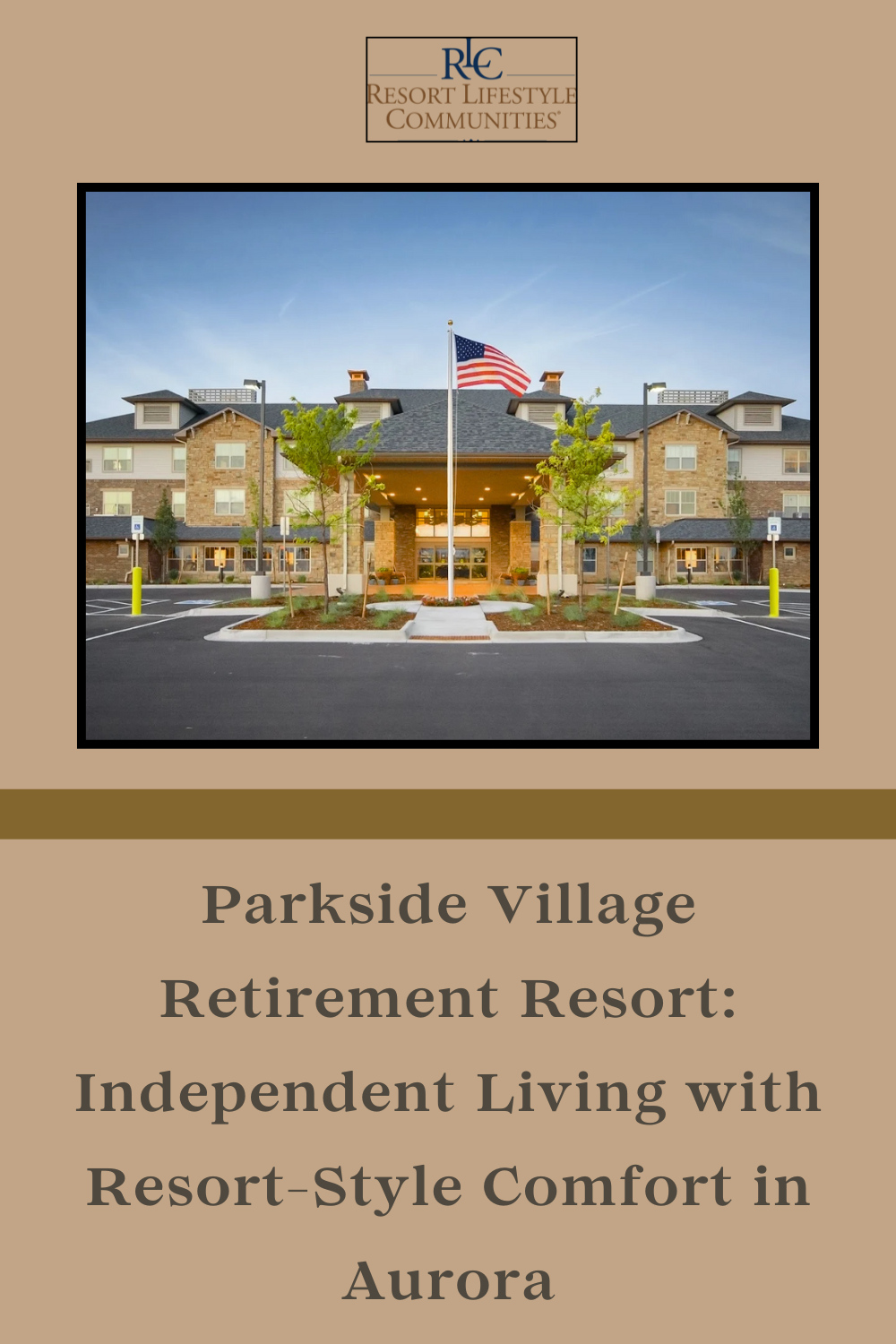
Parkside Village Retirement Resort: Independent Living with Resort-Style Comfort in Aurora
For seniors seeking a lifestyle filled with convenience, connection, and a touch of luxury, finding the right independent living community makes all the difference. Nestled in Aurora, Parkside Village Retirement Resort offers a resort-inspired approach to senior living—where thoughtful amenities, vibrant social programming, and modern comforts all come together to support graceful and enriching living.
A Community Designed Around Comfort and Convenience
Parkside Village is a contemporary independent living community crafted for adults 55 and over who value autonomy and ease. From its welcoming main entrance to its elegant shared spaces, everything is thoughtfully designed to feel homelike yet refined. The community prioritizes clear communication, 24/7 staff presence, and all-inclusive living essentials—creating an environment where residents can both relax and thrive.
Living Spaces That Reflect Style and Practicality
Residents enjoy beautifully appointed apartment homes featuring:
-
Full, well-designed kitchens with granite or designer finishes
-
In-unit washer/dryer setups and individual climate control
-
Walk-in closets and generous storage space for personal belongings
-
Accommodations designed for accessibility and comfort
-
Pet-friendly policies that welcome dogs, cats, and beloved companions
These residences balance functional convenience with thoughtful design, allowing residents to flourish independently.
Freedom Dining: Dining Tailored to Your Lifestyle
Parkside Village’s signature Freedom Dining elevates everyday meals into an experience:
-
Chef-prepared breakfast, lunch, and dinner with flexible service hours
-
Casual buffet service, restaurant-style dining, and 24-hour Chef’s Pantry for snacks and meals on the go
-
Sunday brunches and on-demand guest meals for social gatherings
-
Thoughtful options including salads, fresh sandwiches, and light bites—always available and customizable
Dining here isn’t just about nourishment—it’s about flexibility, choice, and conviviality.
A Full Spectrum of Resort-Style Amenities
Life at Parkside includes access to a wide range of on-site amenities:
-
24-hour Concierge & live-in Managers for peace of mind
-
Fitness center, art studio, library, game rooms, and a 150-seat theater for recreation and expression
-
Café, bar, beauty salon, and on-site banking for seamless everyday living
-
Computer center and business services for staying connected
-
Outdoor spaces, walking paths, and landscaped courtyards to enjoy fresh air and social time
These curated offerings support mind, body, and spirit—creating a truly balanced lifestyle.
Purposefully Crafted Social and Wellness Programs
The activity calendar blends wellness, learning, and social enrichment:
-
Daily fitness classes like chair yoga, stretching, and wellness programming
-
Creative outlets in art classes, music programs, and trivia nights
-
Social events including happy hours, book clubs, devotional services, and holiday parties
-
Group outings for shopping, dining, and cultural experiences
-
Resident-led activities like Wii bowling, gardening, games, and intergenerational programs
This diversity ensures residents remain engaged, energized, and connected.
Convenience and Access That Matter
Situated within easy reach of parks, shops, healthcare centers, and dining, the community’s location promotes independence and comfort. Parkside Village goes further by offering:
-
Chartered transportation for appointments and community outings
-
Valet parking and 24-hour escorted support for ease and safety
-
Controlled building access and medical alert systems for added security
-
Pet-friendly spaces that allow residents to enjoy daily routines with their animal companions
These thoughtful advantages allow residents and families to focus on living well rather than managing logistics.
A Reputation for Exceptional Living
Parkside Village is celebrated for blending high standards with warm, personalized care:
-
Independent reviews consistently highlight its clean, modern design and friendly atmosphere
-
Families praise the approachable staff, well-maintained facilities, and robust activity offerings
-
The community’s attention to detail—from spacious amenities to concierge-level service—makes it feel both upscale and accessible
This reputation reflects a place where excellence and empathy coexist.
Summary Table: The Parkside Village Advantage
| Feature | Benefits for Residents and Families |
|---|---|
| Stylish, fully equipped apartments | Comfort, autonomy, and modern living |
| Freedom Dining with 24/7 options | Flexible, chef-crafted meals around resident needs |
| Resort-style amenities | Recreation, convenience, and enrichment in one location |
| Dynamic activities calendar | Physical, social, and emotional engagement daily |
| Guest services and safety systems | Convenience and peace of mind for residents and families |
| Accessible Aurora location | Walkable access to community resources and services |
Why Families Choose Parkside Village
Families consistently choose Parkside Village for its ability to offer:
-
Independent living that’s both stylish and capable
-
Ample support services integrated into daily life
-
A community that encourages social interaction and personal growth
-
Convenience through included amenities and thoughtful programs
-
A warm, resident-centered environment grounded in respect and engagement
These factors make Parkside more than a residence—it’s a place where seniors thrive.
Conclusion: A Resort-Style Approach to Independent Living
Choosing an independent living community is one of the most personal decisions families make. Parkside Village Retirement Resort presents a compelling opportunity—where supportive services, social vibrancy, and comfortable design transform daily living into a lifestyle of choice, ease, and joy.
If you're exploring a community that mirrors independence with connection, elegance with warmth, consider scheduling a personal tour of Parkside Village. Discover how this Aurora gem elevates senior living beyond expectations.
Other Articles You May Like
6 Factors To Consider When Choosing a CCRC
Are you planning for retirement and trying to find a suitable senior living community? When trying to plan for retirement, choosing where to live is an important decision. You may want to find a home that is easy to maintain, makes it easy to find friends who share your interests, and supports you no matter what health conditions or care needs might arise. A continuing care retirement community (CCRC), also known as a life plan community, checks every item on the list and gives you the best way to plan for the future. In this article, we will share some factors to consider when you choose a CCRC.What is a CCRC?A continuing care retirement community (CCRC) is a senior living community that offers a continuum of different care types, from independent or assisted living to skilled nursing, on one campus. The benefits of living in a CCRC include access to luxury amenities and resources, as well as peace of mind in knowing that should you ever need additional support, you wont have to find a new community to meet those needs. Instead, youll be able to stay in the community, just moving to another level of care, either short-term or long-term.Choosing a CCRC can feel overwhelming. Here are a few considerations to keep in mind as you begin researching online and in person.LocationAs with any real estate decision, your choice begins with finding a location. You might choose an area that is close to family so they can easily visit, or you might choose a location based on your favorite neighborhood. Keep in mind that CCRCs, while popular and common, are not necessarily in every town. You might have to widen your radius in order to find a community that you love.Costs and future expensesOnce you narrow your options based on location preference, its time to look at finances. Its important to know if you can afford a CCRC now and in the future.First, determine the types of contracts available at the CCRCs you are researching. In general, CCRCs offer the following main contract types:- Type A (life care contract): Residents pay a large upfront cost for their home, which is on par with local real estate rates. They also pay a monthly fee that does not increase as care needs grow. - Type B (modified contract): Residents pay a lower entrance and monthly fee for a set amount of care. Once that limit is passed, the monthly fee increases to reflect the greater care provided.- Type C (fee-for-service contract): Residents pay a lower buy-in fee and monthly fees. As additional care is needed, that fee will increase to reflect the additional care provided.There are additional options for contracts as well, and not every CCRC community offers every type of contract. Work with a financial advisor to talk about your CCRC goals and how you can best fit expenses into your budget.Types of homes availableMost adults who move to a CCRC start out in the independent living area of the campus. Youll want to find a home that suits your preferences. For example, you might choose to skip looking at a carriage home or duplex because you dont want to maintain a larger space, or you might look for a two-bedroom apartment because youd like to transform the second bedroom into an office or craft space. Consider what you need, and remember that downsizing possessions and space can help to clear your mind, reduce time spent cleaning, and leave more time for enjoying amenities.Waitlist timeframeEarly planning becomes important when considering a move to a CCRC, as many have waitlists. When you are researching your options, talk with a community representative about waitlists, including how long the current wait is estimated to be and how that timeframe changes based on the type of home or contract you prefer.Amenities and servicesLiving in a continuing care retirement community is like living in a small town that is focused on hospitality and amenities. You want to be able to take advantage of services and amenities that you find enjoyable and that will help you meet your wellness goals. If you love to golf, look for a community that sits on a golf course, has a putting green, or has discounted fees at a nearby course. If you are a gardener, look for a community with community garden plots and a gardening club. Youll find that just like other small towns, each CCRC has its own culture and atmosphere. Look for a community that highlights your interests and preferences.Medical support and resourcesLiving at a continuing care retirement community should help you feel your best. One way a community can accomplish that is by providing easy access to education and support for medical issues.Consider looking for a community that offers:- An on-site nurse for questions or consultation.- Health and wellness fairs and lectures.- Support groups for specific medical conditions or situations.- Easy pharmacy delivery.- Durable medical equipment rental and return.- Home care services.If you need additional care, youll move to assisted living, memory care, or skilled nursing to benefit from around-the-clock caregiver support. Remember to tour these buildings on campus as well as any independent living homes. You want to ensure every part of the community is clean and well cared for.A senior advisor can help as you choose a CCRCIf youre not sure how to get started as you choose a CCRC, contact Oasis Senior Advisor Carrollton-Frisco. Your local experts know the local area, have relationships with senior living communities, and know how to match your needs and budget with a solution. Your local advisor, Holly DeLisi, can be reached at (682) 375-9604.The rules and requirements of senior care facilities vary based on company policies and state regulations. The contents of this article represent common guidelines, but may differ from a particular facility's policies or requirements. Oasis can help you learn about the regulations in your state.
How to Choose the Right Senior Living Option for Your Changing Needs
Choosing a senior living community is an important decision. For some older adults, the move may be driven by a desire for a more active social lifestyle, while others may be looking for additional support with everyday tasks or healthcare needs.The right senior living option today may not necessarily be the right option several years from now. As we age, our health, mobility, interests, and care needs can change. Planning for those changes can make the transition easier and help seniors maintain a fulfilling lifestyle.Understanding the different types of senior living and thinking about both current and future needs can help seniors and their families make a confident decision.Start by Assessing Your Current NeedsBefore visiting senior living communities, take some time to consider what kind of support is needed right now.Ask questions such as: Is the senior comfortable managing a home independently? Are household chores becoming difficult? Is transportation becoming a concern? Can the senior safely prepare meals? Is assistance needed with bathing, dressing, or medications? Are there concerns about falls or mobility? Would more opportunities for social interaction be beneficial? Are there memory or cognitive concerns? Being honest about current challenges can help narrow down the most appropriate options.Consider Independence and LifestyleNot every senior who moves into a retirement community needs daily assistance. Some older adults choose community living because they want fewer household responsibilities, more social opportunities, or convenient access to activities and amenities.Independent or residential living may be a good choice for seniors who can manage most daily activities on their own but would enjoy: Maintenance-free living Dining options Fitness and wellness activities Social events Clubs and interest groups Educational programs Outdoor spaces Opportunities to meet new friends The goal is to find a lifestyle that supports independence while providing opportunities to remain active and engaged.Understand Personal Care and Assisted LivingAs everyday tasks become more difficult, a senior may benefit from personal care or assisted living.These settings can provide assistance with activities of daily living while still encouraging residents to remain as independent as possible.Depending on the community, support may include assistance with: Bathing and grooming Dressing Personal hygiene Medication management Mobility Meals Other everyday activities Personal care may be appropriate when a senior needs more support than independent living can provide but does not require the intensive medical care offered in a healthcare setting.Know When Memory Care May Be AppropriateFor seniors living with Alzheimer's disease or another form of dementia, specialized memory care may be an important consideration.Memory care communities are designed around the unique needs of individuals experiencing cognitive changes. They may offer structured routines, specialized activities, secure environments, and staff trained to support people living with dementia.Signs that a senior may need more specialized memory support can include: Increasing confusion Getting lost or wandering Difficulty managing medications Problems with everyday tasks Significant changes in behavior Increased safety concerns Difficulty living independently Families should discuss concerns with appropriate healthcare professionals when determining what level of support is needed.Rehabilitation May Be Part of the JourneySenior living needs can change temporarily as well as permanently.An illness, surgery, injury, or hospital stay may leave an older adult needing rehabilitation before returning home or resuming their previous routine.Rehabilitation may include physical, occupational, or speech therapy depending on the individual's needs.When evaluating a senior living community, families may want to ask whether rehabilitation services are available and how the community supports residents following an illness or injury.Think About Future Healthcare NeedsOne of the most important questions to ask is not simply, "What do I need today?" but also, "What might I need in the future?"A senior may currently live independently but eventually need personal care, memory support, rehabilitation, or skilled healthcare.A community that offers multiple levels of care can provide greater flexibility if needs change. Instead of having to search for a completely new community during a stressful time, residents may have access to additional services within the same organization or campus.This type of planning can be particularly valuable for couples whose care needs may develop at different rates.Look at the Community's Approach to IndependenceThe amount of support provided is important, but so is the way that support is provided.A good senior living community should recognize that residents are individuals with their own preferences, routines, interests, and goals.Ask how the community encourages residents to remain independent. Find out whether residents have choices about meals, activities, schedules, and social opportunities.The goal should be to provide assistance where it is needed without taking away opportunities for independence.Consider Social and Emotional Well-BeingSenior living is about much more than housing and healthcare. Social and emotional well-being are important parts of quality of life.Look for a community that offers opportunities for residents to build relationships and remain involved.Activities may include: Exercise and fitness programs Arts and crafts Music Educational classes Games Group outings Volunteer opportunities Clubs Social gatherings Community events During a visit, pay attention to whether residents appear engaged and whether the atmosphere feels welcoming.Evaluate Dining and NutritionGood nutrition becomes increasingly important as we age. However, shopping for groceries, preparing meals, and cleaning up can become challenging for some seniors.When touring a community, ask about dining options and how meals are handled.Consider: Variety of menu choices Nutritional options Special dietary needs Dining schedules Private or communal dining Snacks and beverages Flexibility for individual preferences Mealtimes can also provide valuable opportunities for social connection.Think About LocationLocation is another important consideration. A community that is close to family and friends may make it easier for loved ones to visit regularly.Consider proximity to: Family members Friends Healthcare providers Shopping Places of worship Favorite restaurants Cultural and recreational activities A convenient location can help seniors maintain connections with the people and places that are important to them.Tour More Than One CommunityPhotos and websites can provide useful information, but nothing replaces an in-person visit.When touring a senior living community, pay attention to the overall atmosphere. Are residents interacting with one another? Do staff members seem friendly and attentive? Are common areas clean and comfortable?Ask questions and take notes. If possible, visit at different times of day to get a better understanding of the community's daily routine.Ask About Costs and ContractsFinancial considerations are an essential part of choosing senior living.Costs can vary significantly depending on the type of residence, services, care level, and contract structure.Before making a decision, ask for a clear explanation of: Entrance fees, if applicable Monthly fees Additional care costs Dining costs Transportation Healthcare services Therapy or rehabilitation What happens if care needs increase What services are included in the agreement Understanding the financial commitment ahead of time can help prevent surprises later.Consider a Community With Multiple Levels of CareFor many families, a community that offers several levels of living and care can provide an added sense of security.A senior may enter as an independent resident and later receive additional assistance if needed. Having different services available in one community can make future transitions more manageable.This is one reason Continuing Care Retirement Communities, also known as Life Plan Communities, can be attractive to seniors who want to plan for changing needs while maintaining a familiar home and community environment.Make the Decision With the Senior, Not Just For ThemPerhaps the most important part of choosing senior living is making sure the older adult has a voice in the decision.Whenever possible, involve the senior in conversations, tours, financial planning, and decisions about lifestyle and care.Discuss what matters most to them. They may prioritize privacy, activities, dining, location, gardening, fitness, friendships, or being close to family.A senior living decision is much more likely to feel positive when the individual feels heard and involved.Planning Today Can Make Tomorrow EasierChoosing the right senior living option doesn't have to mean predicting exactly what will happen in the future. Instead, it means understanding current needs, considering potential changes, and choosing an environment that provides appropriate options.The right community can offer independence, social connection, wellness opportunities, and access to additional support when it is needed.Whether you're considering independent living, personal care, memory care, rehabilitation, or a community offering multiple levels of care, taking time to research your choices can help you and your family feel more prepared.Landis Homes provides a range of living and care options designed to support older adults through different stages of life. Exploring senior living options early allows you to focus not only on where you may live today, but also on how a community can support your changing needs in the years ahead.
The Benefits of Living in a Continuing Care Retirement Community
Planning for the future is an important part of enjoying retirement. While many older adults begin retirement in good health and with an active lifestyle, their needs may change over time. One of the challenges of planning ahead is determining where to live and how future care needs will be addressed.A Continuing Care Retirement Community (CCRC), also known as a Life Plan Community, can provide a solution by offering multiple levels of senior living and care within one community.Rather than having to move to a completely different location if care needs change, residents may have access to additional services and care options within the same community. This can provide convenience, flexibility, and peace of mind for seniors and their families.What Is a Continuing Care Retirement Community?A Continuing Care Retirement Community is a senior living community designed to provide different levels of housing and care as a person's needs change.Depending on the community, services may include: Independent or residential living Personal care or assisted living Memory or dementia care Skilled nursing or healthcare Rehabilitation and therapy Wellness and supportive services The specific services and financial arrangements vary from one community to another. However, the overall goal is to create a setting where seniors can remain part of the same community while receiving an appropriate level of support as their circumstances change.Plan for the Future While Enjoying Retirement TodayOne of the biggest advantages of a CCRC is the ability to plan.Many seniors move into a continuing care community while they are still independent and active. They can enjoy the lifestyle, amenities, activities, and social opportunities available today while knowing that additional care options may be available in the future.Planning ahead can be less stressful than waiting until a health crisis or urgent care need forces a family to make a quick decision.Maintain IndependenceMoving into a CCRC does not necessarily mean giving up independence.Many residents begin in independent or residential living, where they maintain their own routines and make decisions about how they spend their time.They may enjoy: Private residences or apartments Dining options Fitness and wellness programs Social activities Clubs and interest groups Educational opportunities Outdoor spaces Community events Residents can remain active and independent while having additional resources available when they need them.Access to Multiple Levels of CareAnother significant benefit is having access to different types of care within the same overall community.A senior may be completely independent when they move in but eventually require additional assistance with everyday activities. Later, they may need rehabilitation or a higher level of healthcare.Having these options available within one community can make transitions easier for both residents and their families.It is important to understand that not every CCRC offers the same services, so prospective residents should ask about the levels of care available and how transitions between them are handled.Less Need for Major MovesMoving can be physically and emotionally challenging, particularly for older adults.A change in health may sometimes require a senior to leave a longtime home and relocate to an assisted living community, memory care facility, or skilled nursing facility.A continuing care community can reduce the likelihood of needing to relocate to an entirely different organization when care needs change.Remaining within a familiar community may allow seniors to maintain relationships with friends, staff, and neighbors even if their living arrangements or level of care changes.Opportunities for Social ConnectionSocial connection is an important part of a fulfilling retirement. Living in a community with other older adults can create many opportunities to meet people and develop friendships.Residents may participate in: Group meals Fitness activities Arts and crafts Educational programs Games and social gatherings Clubs and special-interest groups Volunteer opportunities Community events Having activities and social opportunities close to home can make it easier for residents to remain engaged and active.Wellness Can Be Part of Everyday LifeMany continuing care communities emphasize wellness rather than focusing only on healthcare.Wellness programs may include exercise, fitness classes, educational programs, recreational activities, nutrition resources, and opportunities for social engagement.This holistic approach recognizes that healthy aging involves more than medical care. Physical activity, mental stimulation, meaningful relationships, and enjoyable experiences can all contribute to quality of life.Peace of Mind for FamiliesA CCRC can provide peace of mind not only for residents but also for their families.Adult children often worry about what will happen if their parents' needs change. Knowing that additional care options may be available within the community can make future planning easier.Families can also feel more comfortable knowing that their loved one is living in an environment designed specifically for older adults and that additional support may be available if circumstances change.Couples May Have More OptionsCouples sometimes face a difficult situation when one spouse needs more care than the other.In a continuing care community, there may be opportunities for spouses to remain connected even if their individual care needs are different.One spouse may continue living independently while the other receives additional assistance or healthcare. The specific options depend on the community, but having multiple levels of care in one location can provide greater flexibility for couples.A Sense of CommunityA continuing care retirement community can offer more than housing and healthcare. It can become a place where residents build relationships and develop a sense of belonging.Neighbors may become friends. Staff members may become familiar faces. Shared meals, activities, celebrations, and everyday interactions can create a strong community atmosphere.For many seniors, this sense of connection is one of the most meaningful aspects of community living.What Should You Consider When Choosing a CCRC?Not every continuing care retirement community is the same. Before making a decision, seniors and their families should take time to learn about the community and its services.Consider asking: What levels of living and care are available? What services are included in the monthly fees? How are additional care services priced? What types of residences are available? What happens if a resident's care needs change? Are healthcare and rehabilitation services available? What activities and wellness programs are offered? What dining options are available? How does the community support social engagement? What financial arrangements and contracts are offered? Taking a tour and talking with residents can also provide valuable insight into what daily life is really like.Planning Ahead Can Make the Future EasierOne of the most important advantages of a Continuing Care Retirement Community is the opportunity to think about tomorrow while still enjoying today.Seniors can choose a community that fits their current lifestyle while considering how their needs may change over time. Instead of making decisions during a crisis, families can have a plan in place before additional care becomes necessary.A CCRC can provide a combination of independence, community, wellness, and access to different levels of careall within one setting.For seniors looking for a retirement lifestyle that offers both freedom today and options for tomorrow, a Continuing Care Retirement Community may be worth considering.Landis Homes offers a community where older adults can experience the benefits of senior living while having access to a continuum of services and care. Exploring your options early can help you make an informed decision about the next chapter of your life.