Peace of Mind Begins with a Plan: The Value of Pre-Planning at Fort Myers Memorial Gardens
Fort Myers Memorial Gardens Funeral Home & Cemetery
For more information about the author, click to view their website: Fort Myers Memorial Gardens Funeral Home and Cemetery
Oct 21, 2025

Email US
Click to Email Us
In life, we prepare for many milestones—birthdays, weddings, retirements. Yet one of the most profound acts of love and foresight is often the one we postpone: planning for the end of life.
At Fort Myers Memorial Gardens, we believe that pre-planning isn’t just about making arrangements—it’s about creating peace of mind for yourself and your loved ones. It’s a gift of clarity, comfort, and control during one of life’s most emotional moments.
Why Pre-Planning Matters
When families are faced with loss, they’re often overwhelmed by grief and the pressure of making quick decisions. Pre-planning removes that burden. It allows you to:
- Make thoughtful choices about your final wishes, without the stress of urgency.
- Lock in today’s prices, protecting your family from rising costs.
- Ensure your legacy is honored in a way that reflects your values and beliefs.
- Give your loved ones the space to grieve, rather than navigate logistics.
A Personal and Compassionate Approach
At Fort Myers Memorial Gardens, we understand that every life is unique. Our team will take the time to listen, guide, and support you through every step of the planning process. Whether you prefer a traditional burial, cremation, or a celebration of life, we tailor each plan to reflect your story.
We also offer complimentary planning seminars and one-on-one consultations, designed to educate and empower families in our community. These conversations are not about selling—they’re about serving.
A Legacy of Care
As a proud supporter of local veterans and community initiatives, Fort Myers Memorial Gardens is more than a cemetery—we’re a place of remembrance, healing, and connection. Our grounds are a sanctuary of beauty and tranquility, where families gather to honor those they love.
Pre-planning with us means joining a legacy of care that extends far beyond a single moment. It’s a decision that speaks volumes about how you live—and how you wish to be remembered.
Let’s Start the Conversation
If you’ve ever said, “I don’t want my family to worry,” then pre-planning is for you. If you ever said, "Just cremate me and throw me in the river", this conversation is for you; or if you ever said, "I don't care what happens to me when I'm gone, my family will take care of it", then this conversation is for you most of all. We invite you to reach out, attend a seminar, or simply stop by for a cup of coffee and a conversation. It is not a question of if or when. It is a question of what circumstances you or your loved ones will be facing at the time of need.
Because peace of mind isn’t just a plan—it’s a promise.
Other Articles You May Like
The Best Time to Make an Estate Plan Is Before You Need One
Estate planning is easy to put off. Work is busy. The kids need something. The house needs attention. Everyone is healthy, and there is always something that feels more urgent. So you tell yourself, Ill get to it later. I understand that. Most people are not avoiding estate planning because they do not care about their families. They are busy taking care of those families right now. But that is also why I encourage people to begin before there is an emergency. When life is calm, you have time to ask questions, talk with the people you love, and make choices that feel right to you. At Bellomo & Associates, we want families to have that opportunity, instead of trying to figure everything out beside a hospital bed. Why Do So Many People Put Estate Planning Off?Sometimes people think they are too young. Sometimes they assume they do not own enough to need a plan. And sometimes they believe their spouse or children already know what they would want. Those thoughts are understandable. If you are feeling well and handling your own affairs, documents such as powers of attorney and healthcare directives may seem like something you will need years from now. The trouble is that we do not get to choose when life changes. Estate planning is easier when you can approach it with a clear head and enough time to consider your options. You can talk about what matters to you without asking your family to make every decision in the middle of a crisis. Estate Planning Is About More Than What Happens After DeathWhen people hear estate plan, they often think of a will and who will inherit the house. Those are important questions, but a plan can also help your family while you are living. What if an accident leaves you temporarily unable to manage your bills? What if an illness makes it difficult to speak with your doctors? Who would step in, and would that person have the authority they need? A financial power of attorney can address who may handle financial matters for you. A healthcare power of attorney can name someone to make healthcare decisions when you cannot. A living will can give direction about certain treatment choices. Pennsylvania recognizes these as distinct planning documents, each with its own requirements. These are deeply personal choices. Making them ahead of time gives your loved ones something far more useful than a guess. The Best Time to Choose Someone Is Before You Need ThemThink about the person you would trust to help if you could not manage your finances for a while. You probably have someone in mind. But have you asked whether they would be willing to take on that role? Do they know where to find your important information? Planning gives you time to have that conversation. You can choose someone who understands you, explain what matters most, and name a backup in case your first choice cannot serve. Without appropriate documents, a family may know exactly whom you would have chosen and still have trouble acting on your behalf. Depending on the circumstances, they may need to seek court involvement. That can be stressful for a spouse or child who is already worried about you. My Family Knows What I Want May Not Be EnoughI hear this often: Jeff, my family knows what I want. They might know a great deal about you. They know how you take your coffee, what you think about the holidays, and which stories you will tell whenever everyone is together. Still, a serious medical decision can be different from any conversation you have had before. Picture three adult children trying to decide what Mom would want. One remembers her saying she never wanted to be kept alive by machines. Another remembers her talking about doing everything possible to have more time with her grandchildren. Each believes they are honoring her wishes. A conversation and the right documents can help your family understand your preferences and know who should make decisions if you cannot. That guidance is a gift to the people who love you. Waiting for a Crisis Can Make Planning HarderEstate planning works best when you can take your time. You can ask what a document means, think about whom to name, and decide how the pieces of your plan should fit together. A sudden illness or a change in memory can make those conversations more difficult. A diagnosis alone does not necessarily mean someone can no longer make legal decisions, but capacity questions can arise, and options may become more limited as circumstances change. This is why I encourage people to plan while the choices are clearly theirs to make. There is comfort in knowing you had the chance to think them through. You Do Not Have to Be Wealthy to Need an Estate PlanEstate planning is about people as much as property. A young parent may want to name someone to care for their children. A single adult may want a trusted friend or relative to speak with doctors if needed. A grandparent may want to make sure an inheritance is handled thoughtfully for the next generation. You may also need to consider your home, personal belongings, pets, online accounts, or who would be responsible for settling your affairs. None of those questions depends on having a certain amount of money. If there are people you care about and decisions you would want to make for yourself, there is a reason to think about a plan. Your Will Is Only One Part of the PlanA will matters, but it may not control every asset you own. Retirement accounts and life insurance policies often have beneficiary designations. The way a home or account is owned may also affect what happens to it. That is why an old beneficiary form deserves attention. Perhaps it names someone who has since died. Perhaps your family has grown, but the form has not changed. A plan works better when you review how its parts fit together, rather than assuming the will answers every question. Your Plan Can Change as Your Life ChangesSome people wait because they want to get every decision perfect the first time. You do not need to predict the rest of your life. A plan should reflect your life now. Then, when life changes, you can review it. Marriage, divorce, a new child or grandchild, retirement, a move, or a change in a trusted relationship may all be reasons to take another look. Beginning today does not mean you can never make a different choice. It means your family has guidance based on what you want today. Give Your Family Instructions Instead of QuestionsWhen someone needs help unexpectedly, loved ones often want to do the right thing. They may simply be unsure what that is. Who can speak with the bank? Where are the documents? Who should make a medical decision? What did Dad want to happen to the house? An estate plan cannot spare a family every hard moment. It can give them direction through some of those moments, and it can let you choose the people you trust to help. When things are going well, estate planning may feel easy to postpone. That is also when you may have the most room to think, talk, and decide. Bellomo & Associates welcomes families who want to start that conversation before a crisis makes it urgent.
Estate Planning in Fairhope, AL
A family may know that someone has a will and still be unsure what to do during an illness, who can help with financial matters, or where important instructions are kept. Estate planning is an opportunity to replace those unanswered questions with a plan that reflects the persons wishes and practical circumstances.Estate planning in Fairhope, AL can address both future transfers of property and planning during life. Ashley Day Law provides estate planning services in Fairhope, including documents and implementation guidance. A productive first meeting begins with goals and family circumstances rather than a predetermined list of forms.What estate planning coversAn estate plan is a coordinated legal arrangement for the matters a person wants addressed if they become unable to act or when they die. The appropriate documents depend on the persons assets, family, preferences, and applicable law.Topics to discuss with counsel can include who should handle financial affairs, how healthcare wishes should be documented, who should receive property, and whether a trust serves a particular purpose. A document should be chosen because it fits the plan, not simply because someone else has one.Start with people and responsibilitiesConsider who is willing and able to carry out each role. A trusted relative may live far away, have limited time, or be uncomfortable managing finances. A good planning conversation includes those practical limitations.Ask prospective decision makers whether they are willing to serve before naming them. Discuss backups and how each person could find the information needed. The attorney can explain the legal duties associated with the proposed role. Ashley Day Law in FairhopePhone: 251-277-3377Coordinating documents and assetsThe firm describes reviewing beneficiary designations and advising clients about funding trusts. These services make implementation a useful focus for the consultation.Bring a list of accounts, property, insurance, and existing documents. Ask how each asset fits with the proposed plan and which follow-up tasks will be required. Request a clear division of responsibility between the firm, the client, and any financial institution or other adviser.The goal is to leave with more than signed papers. Ask how you will know that the intended changes have been completed and what records should be retained.Planning for individual family circumstancesAshley Day Law also publishes services involving caregiver and family agreements, advice to fiduciaries, and planning for loved ones with special needs. Its estate planning materials describe working with clients other professional advisers where appropriate. Explain the family situation fully. Mention blended families, a beneficiary who receives public benefits, a closely held business, or property outside Alabama. These circumstances can change the questions the attorney needs to address.Do not assume that a particular trust, transfer, or beneficiary arrangement is suitable before the attorney reviews the details. Ask for an explanation of the proposed approach, alternatives, and implementation requirements.Related legal servicesThe firms website also identifies elder law, special needs planning, and probate and trust administration. Ask whether your matter is part of the estate planning engagement or requires additional work.If the immediate concern involves a care bill, an existing trust, or a recent death, explain that when scheduling. It may call for a different kind of appointment than preparing a new plan.Questions that make a planning meeting more usefulA thoughtful consultation should connect your wishes to specific decisions. Consider asking:Which documents fit my goals, and what does each one do?Who should be named for each responsibility, and who should be the backup?What assets or beneficiary designations need further review?What work must happen after documents are signed?How should my instructions and original documents be stored?What changes should prompt a future review?Ask the attorney to explain unfamiliar terms before you approve a plan. If you want an adult child or another adviser involved, discuss how that participation will work and clarify who the client is.Why estate planning matters locally in FairhopeA Fairhope household may have family nearby, relatives in another state, and property acquired before a move to Alabama. The plan should reflect those connections rather than assuming that every decision-maker and asset is local.For people who have relocated to the Eastern Shore, bring older documents to the attorney instead of discarding them or assuming they need no review. Explain where the documents were prepared and what has changed since then.Also consider practical access. If someone needs to help during an illness, will they know whom to call and where to find current instructions? A plan becomes easier to use when the appropriate people understand the process and can locate the necessary information.How to get started1. Write down your main goals and the concerns you most want resolved.2. Gather existing wills, trusts, powers of attorney, healthcare documents, and beneficiary information.3. Prepare an inventory of property, accounts, debts, and insurance.4. Call Ashley Day Law at 251-277-3377 to request an estate planning consultation.5. Ask for the scope of work, fee arrangement, and required preparation materials.6. Complete the agreed signing and implementation steps, then keep a list of unfinished tasks until each is resolved.Practical tip: Use a one-page planning inventory with contact names and document locations. Keep sensitive account credentials separate and ask the attorney about secure storage and appropriate access. Related categoriesElder Law in FairhopeSpecial Needs Trusts Probate and Trust Administration
When a Parent Needs Nursing Home Care: Navigating Medicaid Decisions
When a Parent Needs Nursing Home Care: Navigating Medicaid DecisionsA telephone call from a hospital can change a family's plans in an instant. An older parent who previously managed at home may suddenly need more assistance after a fall, stroke, or serious illness.The hospital team may recommend rehabilitation, but family members soon learn that returning home without additional support may not be realistic.Questions begin accumulating: How long will Medicare cover rehabilitation? What happens if a parent needs nursing home care for an extended period? Who completes the Medicaid application? Which documents should the family gather?For families in Baldwin County, Alabama, navigating these decisions can be overwhelming, particularly when several relatives are involved.Aging in Alabama, an elder law practice associated with attorney Kyla G. Kelim, works with older adults and families on Medicaid and long-term care legal matters.Understanding the sequence of care decisions, paperwork, eligibility reviews, and family responsibilities can help prevent avoidable mistakes during an already stressful transition.Recognizing When a Higher Level of Care May Be NeededNot every hospitalization results in a need for long-term nursing care.Some older adults regain mobility and independence through rehabilitation. Others continue to require significant medical supervision or assistance with daily activities.Common ConcernsDifficulty walking independentlyUnsafe transfersFrequent fallsComplex health conditionsIncreased cognitive impairmentInability to manage personal careLimited family assistance at homeMedical Assessment Comes FirstHealthcare professionals determine the appropriate level of medical and rehabilitative care.Family Preferences MatterWhen possible, the older adult should participate in discussions about living arrangements and care preferences.Understand What Medicare May CoverMedicare can provide certain qualifying post-hospital services, including skilled nursing facility care under applicable conditions.However, coverage depends on specific requirements.Skilled Care Is Different From Custodial CareSkilled nursing or rehabilitation involves services requiring appropriately qualified professionals.Custodial care generally focuses on assistance with everyday activities such as bathing or dressing.Coverage Is LimitedOriginal Medicare does not provide unlimited nursing home coverage.Review Benefit NoticesFamilies should ask the facility or Medicare plan to explain coverage periods, patient costs, and any applicable appeal rights.When Medicaid Becomes Part of the DiscussionIf ongoing nursing facility care appears necessary, Medicaid may become a potential payment source.Alabama Nursing Home MedicaidAlabama provides institutional Medicaid coverage to qualified individuals.Eligibility involves financial requirements and medical or level-of-care criteria.Important RequirementsDepending on circumstances, the application may involve:Alabama residencyCitizenship or qualifying statusIncome reviewResource reviewMedical eligibilityInstitutional care requirementsDo Not Assume Admission Equals Medicaid ApprovalA person may enter a nursing facility before the Medicaid eligibility process has been completed.Families should understand who is responsible for charges during any pending period.The Importance of Preparing DocumentsMedicaid applications often require extensive financial documentation.Gathering records before completing forms can reduce delays.Documents May IncludeIdentificationMedicare and insurance informationSocial Security benefit statementsPension recordsBank statementsInvestment informationProperty recordsLife insurance informationTrust documentsRecords of relevant asset transfersFinancial History MattersCertain prior transactions may be reviewed under the long-term care transfer-of-assets rules.Keep CopiesFamilies should maintain organized copies of submitted documents and agency correspondence.Understanding the Five-Year Look-BackFamilies sometimes discover that a gift or property transaction completed years earlier affects the Medicaid application.Alabama's Transfer ReviewThe applicable long-term care rules generally include a 60-month look-back period for certain transfers.Potentially Relevant TransactionsGifts of moneyReal estate transfersTransfers to relativesCertain trust transactionsTransfers for less than fair market valuePenalties Are PossibleImproper transfers may result in a period when Medicaid will not pay for otherwise qualifying long-term care services.Never Attempt to Conceal TransactionsProvide accurate information and seek legal advice about how the rules apply.What Happens When a Parent's Income Is Too High?Some applicants meet medical criteria but have income exceeding the relevant Medicaid limit.Alabama permits qualifying income trusts in certain situations.A Specific Legal ArrangementA Qualifying Income Trust is subject to strict establishment and administration rules.Not a General Asset Protection ToolIt addresses certain excess-income circumstances and does not automatically solve other eligibility problems.Professional Review Is RecommendedAn elder law attorney can assess whether the arrangement is appropriate.Who Has Authority to Complete the Application?Family members may assume that being a child or spouse automatically gives them authority over a parent's financial affairs.That is not always true.Possible Sources of AuthorityDepending on circumstances, authority may involve:A valid power of attorneyA court-appointed conservatorAnother legally recognized representativeAppropriate agency authorizationCapacity MattersA parent who can make decisions should be involved in the process.Legal Questions Should Be Resolved EarlyIf authority is unclear, ask a qualified attorney what documentation is required.Coordinating With the Nursing FacilityA nursing facility may have staff who assist families with admissions, billing, and Medicaid-related paperwork.However, the facility and family may have different legal and financial responsibilities.Questions Worth AskingWhat services are included?What is the private-pay rate?Does the facility participate in Medicaid?What happens while an application is pending?Who submits medical documentation?What charges remain the resident's responsibility?What happens if Medicaid is denied?Get Agreements in WritingReview admission documents carefully before signing.Avoid Unclear Personal GuaranteesAsk an attorney about language that appears to impose personal financial responsibility on family members.Understanding Patient Income ContributionsReceiving Medicaid nursing facility benefits does not necessarily mean the resident keeps all monthly income.Income May Be Applied Toward CareAlabama calculates resident payment responsibilities under applicable rules.Deductions May ApplyCertain allowances, including approved health insurance costs and applicable spousal protections, may affect the calculation.Families Should Request an ExplanationAsk how the resident's monthly liability is determined and how changes are reported.When One Parent Remains at HomeA married couple may face particularly difficult financial questions when only one spouse requires institutional care.Community Spouse ConcernsThe spouse at home may still need to pay for:HousingUtilitiesTransportationFoodHealthcareEveryday living expensesProtections ExistMedicaid spousal impoverishment rules address certain protected income and resources.The Calculation Is IndividualIt depends on relevant financial details and current program limits.Legal Review May Be ValuableAn attorney can help examine how the rules apply before property or account ownership changes.Evaluating Alternatives to Nursing Facility CareFor some individuals, approved home- and community-based supports may be an alternative to institutional care.Alabama Medicaid WaiversThe state operates waiver programs for eligible beneficiaries who meet specific medical, financial, and program requirements.Potential SupportsDepending on the waiver, assistance may involve personal care, homemaker services, respite, or other approved services.Availability VariesSome programs have enrollment restrictions or waiting lists.The Care Setting Must Be AppropriateA healthcare assessment and realistic evaluation of home support are essential.Handling an Application DelayMedicaid eligibility processing may involve requests for additional records or clarification.Practical StepsTrack submission datesReview agency requests promptlyKeep copies of correspondenceMaintain financial recordsRespond accuratelyDocument communicationAvoid Missing DeadlinesA delayed response can complicate the review.Confirm Who Is ResponsibleDetermine which family member, legal representative, or professional will manage follow-up.What If Medicaid Is Denied?A denial may arise from financial findings, missing documentation, medical requirements, or other eligibility issues.Review the Written NoticeThe notice should identify the decision and applicable review or appeal procedures.Check DeadlinesAppeal rights often involve specific time limits.Seek Individualized GuidanceA Medicaid attorney can evaluate whether the decision should be challenged or whether a different application strategy is appropriate.Never Assume a Denial Is Final Without Reviewing RightsFamilies should understand the official procedure before deciding not to pursue the matter further.Balancing Legal and Emotional DecisionsNursing home placement can be an emotional transition.An older adult may feel uncertain about leaving home, while relatives may disagree about finances or care responsibilities.Useful Family PracticesKeep discussions respectfulShare verified informationIdentify the decision-makerDocument key financial questionsInvolve the older adult when possibleAsk professionals to clarify unfamiliar termsSeparate Medical and Legal RolesHealthcare providers evaluate medical care needs.Attorneys advise on legal questions and financial planning within their professional scope.Expert Tip: Create a Medicaid Application TimelineMedicaid Application Tip: Start a timeline listing the date of hospitalization, nursing facility admission, benefit applications, document requests, asset transfers, and agency decisions. Keep the timeline with copies of financial records and legal documents.This can help an elder law attorney or authorized representative identify missing information and evaluate deadlines more efficiently.Frequently Asked Questions1. Does Medicare pay for permanent nursing home residence?Original Medicare generally does not cover indefinite custodial nursing home care. It may cover qualifying skilled nursing facility services under specific conditions.2. Can a parent qualify for Alabama Medicaid after entering a nursing home?Potentially, yes. The applicant must meet the applicable financial, medical, residency, and institutional eligibility requirements.3. What financial records are needed for a Medicaid application?Applicants may need bank statements, income records, insurance information, property documents, trust records, and other financial documentation. Exact requirements depend on the case.4. Can an adult child apply on behalf of a parent?An adult child may assist, but legal authority or appropriate program authorization may be required for certain actions. A family relationship alone does not grant unlimited financial authority.5. Can an attorney help after a Medicaid denial?Yes. An attorney who handles Medicaid matters can review the notice, evaluate applicable requirements, explain appeal rights, and determine whether representation is appropriate.Making the Next Step More ManageableA transition into nursing facility care can involve medical assessments, significant expenses, legal documentation, and unfamiliar government procedures.For families throughout Baldwin County, Alabama, early organization can help reduce confusion.Aging in Alabama focuses on elder law issues, including Medicaid and long-term care planning, and can be contacted to discuss consultation availability.Understanding the process gives families a stronger foundation for making appropriate care and financial decisions.Learn More About Aging in AlabamaVisit the Aging in Alabama listing on SeniorsBlueBook.com:
Local Services By This Author
Fort Myers Memorial Gardens Funeral Home & Cemetery
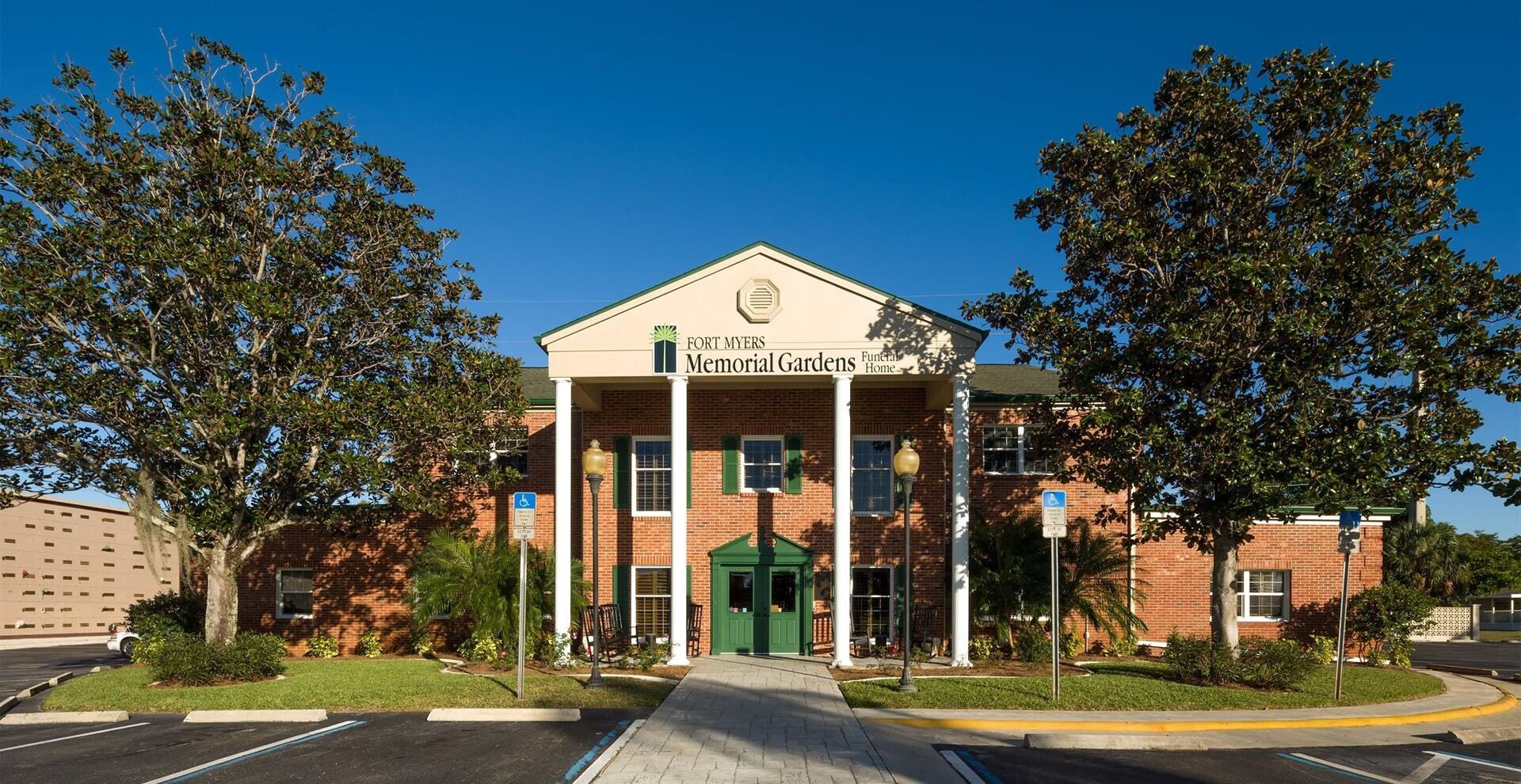
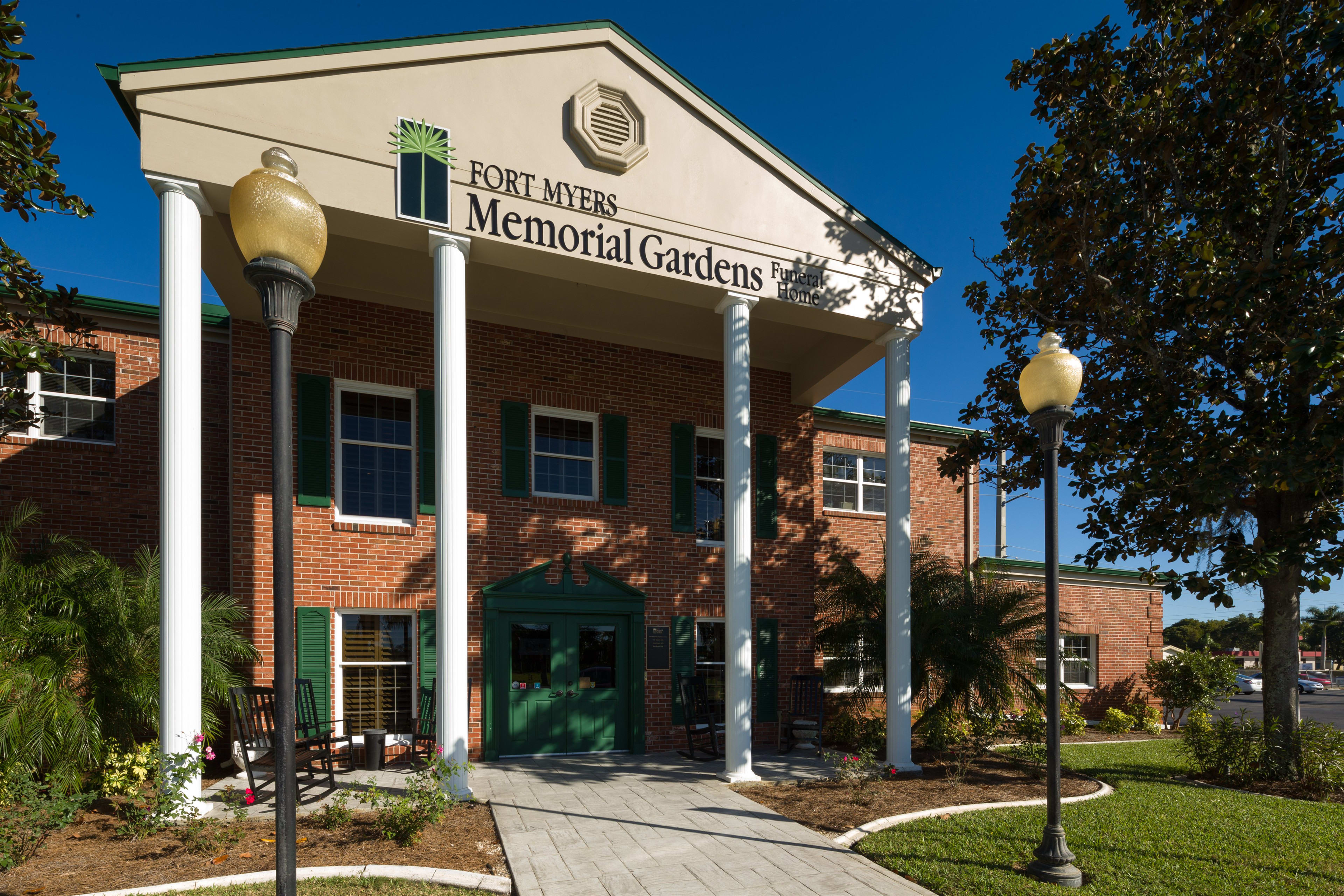
Funeral Cremation & Mortuary Services 1589 Colonial Boulevard, Fort Myers, Florida, 33907Fort Myers Memorial Gardens Funeral Home & Cemetery is a full-service funeral home and cemetery located at 1589 Colonial Boulevard in Fort Myers, Florida. The facility provides compassionate, comprehensive services to help families honor and celebrate the lives of their loved ones with dignity and care.What They OfferFort Myers Memorial Gardens offers a complete range of funeral, cremation, and cemetery services, providing families with personalized options to meet their wishes and cultural traditions. The grounds include beautifully landscaped gardens, mausoleum chapels, and special areas dedicated to veterans, Masonic groups, and faith-based communities. Services are available 24 hours a day, seven days a week, ensuring support whenever its needed. Families can also take advantage of preplanning resources, including free guides and consultations, to ease decision-making in the future.Key StrengthsDecades of trusted service: Established in 1954, with the funeral home added in 1984, the property has a long history of serving the Fort Myers community.Convenient all-in-one location: With both the funeral home and cemetery on one campus, families can handle all arrangements in a single, peaceful setting.Personalized care: The staff focuses on creating services that reflect each individuals life, culture, and values, from traditional ceremonies to unique celebrations of life.Comprehensive support: Beyond funeral services, they offer grief resources, memorial planning tools, and online obituary listings to help families through every stage of remembrance.Location & ContactAddress: 1589 Colonial Blvd, Fort Myers, FL 33907Phone: (239) 243-0014Office Hours: MondayFriday 9 a.m.5 p.m., Saturday 9 a.m.2 p.m., Sunday by appointmentWhy It MattersFort Myers Memorial Gardens Funeral Home & Cemetery provides a caring, serene environment where families can find comfort, closure, and meaningful ways to celebrate the lives of those they love. With decades of experience, dedicated staff, and beautiful grounds, it remains a trusted choice for end-of-life care and remembrance in Southwest Florida.
Fort Myers Memorial Gardens Funeral Home & Cemetery
Cemetery 1589 Colonial Boulevard, Fort Myers, Florida, 33907Fort Myers Memorial Gardens Funeral Home & Cemetery is a full-service funeral home and cemetery located at 1589 Colonial Boulevard in Fort Myers, Florida. The facility provides compassionate, comprehensive services to help families honor and celebrate the lives of their loved ones with dignity and care.What They OfferFort Myers Memorial Gardens offers a complete range of funeral, cremation, and cemetery services, providing families with personalized options to meet their wishes and cultural traditions. The grounds include beautifully landscaped gardens, mausoleum chapels, and special areas dedicated to veterans, Masonic groups, and faith-based communities. Services are available 24 hours a day, seven days a week, ensuring support whenever its needed. Families can also take advantage of preplanning resources, including free guides and consultations, to ease decision-making in the future.Key StrengthsDecades of trusted service: Established in 1954, with the funeral home added in 1984, the property has a long history of serving the Fort Myers community.Convenient all-in-one location: With both the funeral home and cemetery on one campus, families can handle all arrangements in a single, peaceful setting.Personalized care: The staff focuses on creating services that reflect each individuals life, culture, and values, from traditional ceremonies to unique celebrations of life.Comprehensive support: Beyond funeral services, they offer grief resources, memorial planning tools, and online obituary listings to help families through every stage of remembrance.Location & ContactAddress: 1589 Colonial Blvd, Fort Myers, FL 33907Phone: (239) 243-0014Office Hours: MondayFriday 9 a.m.5 p.m., Saturday 9 a.m.2 p.m., Sunday by appointmentWhy It MattersFort Myers Memorial Gardens Funeral Home & Cemetery provides a caring, serene environment where families can find comfort, closure, and meaningful ways to celebrate the lives of those they love. With decades of experience, dedicated staff, and beautiful grounds, it remains a trusted choice for end-of-life care and remembrance in Southwest Florida.
Fort Myers Memorial Gardens Funeral Home & Cemetery
Cremation 1589 Colonial Boulevard, Fort Myers, Florida, 33907Fort Myers Memorial Gardens Funeral Home & Cemetery is a full-service funeral home and cemetery located at 1589 Colonial Boulevard in Fort Myers, Florida. The facility provides compassionate, comprehensive services to help families honor and celebrate the lives of their loved ones with dignity and care.What They OfferFort Myers Memorial Gardens offers a complete range of funeral, cremation, and cemetery services, providing families with personalized options to meet their wishes and cultural traditions. The grounds include beautifully landscaped gardens, mausoleum chapels, and special areas dedicated to veterans, Masonic groups, and faith-based communities. Services are available 24 hours a day, seven days a week, ensuring support whenever its needed. Families can also take advantage of preplanning resources, including free guides and consultations, to ease decision-making in the future.Key StrengthsDecades of trusted service: Established in 1954, with the funeral home added in 1984, the property has a long history of serving the Fort Myers community.Convenient all-in-one location: With both the funeral home and cemetery on one campus, families can handle all arrangements in a single, peaceful setting.Personalized care: The staff focuses on creating services that reflect each individuals life, culture, and values, from traditional ceremonies to unique celebrations of life.Comprehensive support: Beyond funeral services, they offer grief resources, memorial planning tools, and online obituary listings to help families through every stage of remembrance.Location & ContactAddress: 1589 Colonial Blvd, Fort Myers, FL 33907Phone: (239) 243-0014Office Hours: MondayFriday 9 a.m.5 p.m., Saturday 9 a.m.2 p.m., Sunday by appointmentWhy It MattersFort Myers Memorial Gardens Funeral Home & Cemetery provides a caring, serene environment where families can find comfort, closure, and meaningful ways to celebrate the lives of those they love. With decades of experience, dedicated staff, and beautiful grounds, it remains a trusted choice for end-of-life care and remembrance in Southwest Florida.