Personalized Memory Care That Puts Seniors First in Holmdel, NJ
Complete Care - Ocean/Monmouth/Middlesex Multiple Locations
For more information about the author, click to view their website: Complete Care at Holmdel NJ
Oct 14, 2026
New Jersey - Ocean & Monmouth Counties

Email US
Click to Email Us
Personalized Memory Care That Puts Seniors First in Holmdel, NJ
Caring for someone living with Alzheimer's disease or another form of dementia is a journey that often changes over time. In the beginning, families may notice occasional forgetfulness, repeated questions, or difficulty remembering appointments. As cognitive changes progress, everyday activities such as getting dressed, managing medications, and navigating familiar surroundings may require additional assistance.
For families in Holmdel, Middletown, Hazlet, Matawan, Colts Neck, and surrounding Monmouth County communities, finding the right memory care support can become an important part of planning for a loved one's future.
The goal is not simply to find a place where assistance is available. Families also want an environment that respects their loved one's individuality, provides appropriate supervision, and encourages meaningful daily experiences.
Complete Care at Holmdel NJ, located at 713 North Beers Street in Holmdel, provides memory care services within a residential community that emphasizes personalized support, comfort, and engagement.
Through personal care assistance, medication support, meals, supervision, and access to nursing staff, the community offers services for older adults whose memory-related needs require additional attention.
Understanding the importance of personalized memory care can help families make informed decisions while keeping their loved one's dignity and well-being at the center of care.
Understanding Memory Care and Its Purpose
Memory care is a specialized form of residential senior care for individuals experiencing Alzheimer's disease, dementia, or other significant cognitive challenges.
Although some individuals with dementia can continue living at home with appropriate assistance, others eventually require more structured support.
Memory care communities are designed to address the ways cognitive changes can affect everyday life.
Common Memory Care Needs
Individuals may need assistance with:
Remembering daily routines
Bathing and dressing
Medication management
Personal hygiene
Eating and nutrition
Navigating unfamiliar environments
Recognizing potential hazards
Communicating needs
Participating in appropriate activities
Maintaining emotional comfort
The amount of assistance required varies.
A person experiencing early-stage memory changes may remain capable of many everyday activities, while someone with more advanced dementia may need substantial personal care and supervision.
Why Personalized Memory Care Matters
Every person living with dementia has a unique personality, history, and set of abilities.
Two individuals with the same diagnosis may experience very different symptoms.
One person may communicate clearly but struggle with short-term memory. Another may have difficulty expressing needs while remaining physically active.
A personalized approach helps ensure that care reflects these differences.
Looking Beyond the Diagnosis
Personalized memory care considers:
Medical and cognitive needs
Physical abilities
Daily routines
Communication preferences
Favorite activities
Personal interests
Cultural traditions
Dietary requirements
Family relationships
Individual comfort and safety
At Complete Care at Holmdel, the community emphasizes tailoring services and support to the individual.
This approach recognizes that quality senior care involves more than completing daily tasks. It also involves understanding what matters to each resident.
The Importance of Memory Care in Monmouth County
Monmouth County includes established communities where many older adults have lived for decades.
Residents of Holmdel, Middletown, Red Bank, Matawan, Hazlet, and Colts Neck often have longstanding family relationships and connections to familiar neighborhoods.
When memory care becomes necessary, families may prefer a nearby community so they can remain involved.
Why Location Matters
Choosing memory care close to home may make it easier to:
Visit regularly
Attend care planning discussions
Communicate with staff
Maintain family traditions
Celebrate birthdays and holidays
Respond to changing needs
Preserve meaningful relationships
Complete Care at Holmdel's location in Monmouth County provides a local option for families evaluating residential memory support.
How Dementia Affects Everyday Activities
Dementia is not a single disease. It is a general term for symptoms involving cognitive decline severe enough to interfere with everyday functioning.
Alzheimer's disease is the most common cause of dementia, but other conditions can also affect thinking, memory, language, and behavior.
Memory and Orientation
An individual may forget recent conversations, become confused about dates, or have difficulty recognizing familiar locations.
Communication
Some people experience difficulty finding words, following conversations, or expressing physical discomfort.
Personal Care
Dementia may affect the ability to complete familiar tasks such as bathing, dressing, or grooming.
Judgment and Safety
Cognitive changes may make it harder to recognize hazards, follow instructions, or respond appropriately during unfamiliar situations.
Emotional Well-Being
Individuals may experience anxiety, frustration, sadness, or confusion.
These symptoms can also have other causes. Sudden confusion or abrupt behavioral changes require prompt medical evaluation.
Personal Care Assistance That Respects Individual Abilities
As memory loss progresses, certain everyday tasks may become more difficult.
A person might forget the steps involved in getting dressed or struggle to remember when medications should be taken.
Others may require physical help with bathing or mobility.
Complete Care at Holmdel provides personal care assistance as part of its residential services.
Important Areas of Support
Bathing and personal hygiene
Residents may receive assistance with personal hygiene according to their assessed needs.
Dressing and grooming
Caregivers can provide guidance or hands-on assistance with familiar personal care routines.
Medication assistance
Medication-related support helps address the challenges of managing prescribed medication routines.
Supervision
Appropriate supervision can help address individual safety and support needs.
Encouraging Remaining Independence
Needing assistance does not mean a resident loses the ability to make meaningful choices.
For example, someone may need help getting dressed while still selecting their preferred clothing.
Another resident may enjoy choosing activities or participating in simple household routines.
Recognizing remaining abilities can help preserve dignity and personal identity.
Creating a Supportive Memory Care Environment
The physical environment can influence how comfortable someone with dementia feels.
Unfamiliar surroundings may create confusion, especially when a person has difficulty remembering room locations or navigating new spaces.
Memory care environments should consider accessibility, orientation, privacy, and supervision.
Features Families Should Evaluate
When exploring a memory care community, look for:
Clear walking pathways
Accessible resident accommodations
Appropriate staff supervision
Comfortable shared areas
Suitable lighting
Emergency response procedures
Secure access arrangements
Opportunities for meaningful activities
Complete Care at Holmdel offers private and semi-private room options within its memory care services.
Families should discuss the specific security features and supervision arrangements available for their loved one's needs.
Why Familiar Daily Routines Are Helpful
For some people living with dementia, a predictable routine can provide comfort.
Knowing when meals, activities, and rest periods usually occur may make the day easier to navigate.
Familiar routines can also reduce unnecessary frustration.
Elements of a Structured Day
A daily routine might include:
Morning personal care
Breakfast
Gentle activity
Social interaction
Lunch
Rest or quiet time
Familiar recreational activities
Dinner
Evening relaxation
Schedules should remain flexible.
Residents may have different levels of energy, comfort, and interest from day to day.
Maintaining Familiar Habits
Families can help by sharing information about important routines.
For example, someone who has always enjoyed reading in the morning may appreciate having books nearby.
A person who regularly listens to music may feel more comfortable when familiar songs are part of the day.
Small details can help caregivers understand what provides comfort.
Meaningful Activities and Cognitive Engagement
A dementia diagnosis does not eliminate the importance of hobbies, creativity, and social connection.
Many older adults continue enjoying familiar activities even as their cognitive abilities change.
The key is adjusting activities to the individual's interests and abilities.
Examples of Meaningful Activities
Depending on individual needs, suitable activities may include:
Listening to familiar music
Looking through family photographs
Arts and crafts
Simple games
Gentle exercise
Storytelling
Gardening-related activities
Group conversations
Sensory activities
Familiar hobbies
These activities should emphasize enjoyment rather than performance.
Families should ask Complete Care at Holmdel about its current activity calendar and how engagement is adapted for residents with different cognitive needs.
Nutrition and Dining in Memory Care
Eating well is important for older adults, but dementia may create additional challenges.
A resident may forget to eat, struggle with utensils, or have difficulty communicating food preferences.
Some individuals experience changes in appetite or require specialized diets because of other medical conditions.
Complete Care at Holmdel provides meals as part of its residential services.
Nutrition Considerations
Families should ask about:
Meal schedules
Food preferences
Dietary restrictions
Hydration
Food allergies
Changes in appetite
Assistance during meals
Swallowing difficulties
An appropriate care plan should reflect each resident's nutritional requirements.
Why Mealtime Routines Matter
Predictable mealtimes may provide structure and familiarity.
For some individuals, dining with others also offers opportunities for social interaction.
The environment should be comfortable and responsive to individual needs.
Medication Support and Nursing Services
Older adults living with dementia may also have chronic medical conditions.
These could include arthritis, diabetes, hypertension, or heart disease.
Managing several prescriptions can become difficult when memory and thinking abilities change.
Complete Care at Holmdel offers medication assistance and lists nursing staff among its services.
Questions About Medication Management
Families may want to ask:
Who provides medication assistance?
How are prescriptions reviewed?
How are medication changes communicated?
What happens if a resident refuses medication?
How are side effects addressed?
How are families informed about concerns?
Specific nursing capabilities and medical coordination arrangements should be confirmed directly with the community.
Supporting Emotional Comfort and Personal Identity
Dementia can affect how someone communicates feelings and responds to unfamiliar situations.
A person may become anxious when routines change or frustrated when they cannot explain a need.
Caregivers can help by approaching these moments calmly and respectfully.
Helpful Communication Approaches
Speak clearly and calmly.
Use short sentences.
Allow extra time for responses.
Offer simple choices.
Reduce unnecessary distractions.
Avoid arguing about forgotten details.
Acknowledge emotions.
Provide reassurance when appropriate.
The goal is to reduce distress and support meaningful communication.
The Value of Personal History
Knowing a resident's background can make interactions more familiar.
Families may share information about favorite music, previous occupations, hobbies, cultural traditions, and important relationships.
This can help the care team better understand the resident as an individual.
How Memory Care Can Support Family Caregivers
Family caregiving often begins with small responsibilities.
An adult child may help organize medications or provide transportation.
A spouse may assist with meals and household responsibilities.
As dementia progresses, caregiving can require more consistent supervision and physical assistance.
Common Caregiver Challenges
Families may experience:
Interrupted sleep
Difficulty balancing employment and caregiving
Increased stress
Physical fatigue
Concerns about safety
Difficulty managing medications
Emotional exhaustion
Limited opportunities for personal time
Residential memory care may help by providing structured assistance and supervision.
However, family relationships remain important after the move.
Continuing Family Involvement
Relatives may continue to:
Visit regularly
Share meaningful activities
Attend care discussions
Celebrate family occasions
Provide familiar belongings
Communicate preferences to staff
Support emotional well-being
Family participation should reflect the resident's preferences and applicable privacy requirements.
Respite Care as a Possible Option
Some families need temporary residential support rather than an immediate permanent move.
A caregiver may need time to recover from an illness, travel, or manage other responsibilities.
Short-term respite arrangements can provide an opportunity for appropriate temporary care.
Complete Care at Holmdel lists respite and short-term stays among its services.
Questions About Respite Care
Families should ask:
Are respite stays currently available for memory care residents?
What is the minimum length of stay?
What assessments are required?
Which services are included?
Are medications managed?
What are the admission requirements?
How is pricing determined?
Eligibility and availability should be confirmed directly with the community.
Choosing the Appropriate Level of Care
Not every person diagnosed with dementia requires residential memory care immediately.
Some individuals remain at home with family support and professional services.
Others require more supervision as symptoms progress.
Signs Families May Need to Reevaluate Care
These can include:
Increasing difficulty with personal hygiene
Medication safety concerns
Becoming disoriented
Frequent unsafe situations
Greater supervision requirements
Changes in communication
Difficulty eating or maintaining nutrition
Significant caregiver exhaustion
A healthcare professional can help evaluate the individual's needs.
Memory Care Compared With Assisted Living
Assisted living generally provides assistance with daily tasks while supporting resident independence.
Memory care adds specialized consideration for cognitive impairment, including orientation, supervision, communication, and routine.
Complete Care at Holmdel has separate Seniors Blue Book listings for Assisted Living and Memory Care.
Families should discuss which service is appropriate for their loved one's circumstances.
What to Ask During a Memory Care Tour
A community tour can help families understand how memory care is delivered in everyday life.
The visit should focus on care quality, safety, communication, and the resident experience.
Questions to Bring
How are new residents assessed?
What supervision is available?
What dementia-related training do staff receive?
How are medications managed?
What nursing services are available?
How are behavioral changes addressed?
What activities are offered?
How are family members informed about concerns?
Are private and semi-private rooms available?
What services are included in the monthly rate?
Families should request current written pricing and residency information.
The Seniors Blue Book listing currently identifies a starting memory care price of $8,950 per month, but actual costs may vary according to individual arrangements.
Expert Tip: Share Your Loved One's Story
Memory Care Tip: Before moving a loved one into memory care, prepare a short personal profile with their preferred name, favorite foods, music, important relationships, hobbies, and daily routines. Sharing this information can help caregivers offer more familiar and individualized interactions.
Personal preferences remain important even when memory and communication abilities change.
Frequently Asked Questions About Memory Care in Holmdel, NJ
1. What is memory care?
Memory care is specialized residential support for individuals living with Alzheimer's disease, dementia, or other significant cognitive limitations. It addresses daily assistance, supervision, safety, and individual needs.
2. Does Complete Care at Holmdel provide memory care?
Yes. Complete Care at Holmdel NJ has a dedicated Memory Care listing on SeniorsBlueBook.com and offers personal care, meals, medication assistance, and supervision.
3. Does Complete Care at Holmdel have nursing staff?
Yes. Its Seniors Blue Book listing identifies nursing staff among the community's available services. Families should confirm specific nursing coverage and capabilities.
4. Can families ask about short-term memory care?
The community lists respite and short-term stay services. Families should contact the team to confirm whether those options are currently available for someone needing memory care.
5. How can families schedule a visit?
Families can contact Complete Care at Holmdel directly to discuss accommodations, available services, admission requirements, current pricing, and tour availability.
Discover Personalized Memory Care at Complete Care at Holmdel
Choosing memory care is an important step for older adults and their families.
The right environment should support everyday needs while recognizing each resident's personality, preferences, and remaining abilities.
For families throughout Holmdel, Middletown, Hazlet, Matawan, Colts Neck, and surrounding Monmouth County communities, Complete Care at Holmdel provides personalized residential support for individuals with memory-related care needs.
With personal care services, medication assistance, meals, supervision, nursing staff, and residential accommodations, the community offers an option for families evaluating specialized memory support.
Looking for memory care in Holmdel, New Jersey?
Visit Complete Care at Holmdel NJ on SeniorsBlueBook.com to learn more about available services and connect with the community.
You can also call 732-335-4405 to ask about memory care accommodations, admission requirements, current availability, and scheduling a tour.
Understanding the available options can help families make thoughtful decisions while prioritizing their loved one's comfort, dignity, and well-being.
Other Articles You May Like
What to Do When a Loved One with Dementia Refuses Help
Are you noticing resistance or refusal in a loved one with dementia? Maybe theyre refusing to use a walker, dont want help getting dressed, or insist they are able to live independently. This can be a frustrating time for you as a family member or caregiver, but it can also be confusing and upsetting for your loved one.The goal of providing help, whether with activities of daily living or eventually moving into senior living, is not to take away a persons independence. Its to find ways to support their freedom and autonomy while also keeping them safe. In order to do this, you have to understand why they may be refusing help in the first place and also how to approach these situations with patience and care.Why Might Someone with Dementia Refuse Help?There are various reasons that a person with dementia may refuse help. And before trying to convince your loved one to just accept the help, it can be especially helpful to understand the why behind their refusal.They May Not Realize They Need HelpSome people with dementia experience anosognosia, a condition that can make it difficult to recognize or understand changes in their own abilities. They may genuinely believe they can still do something independently, even when others can clearly see that theyre struggling.Fear or Loss of ControlAccepting any sort of help can feel like a terrifying loss of independence and dignity for someone with dementia. Maintaining independence and having control over everyday decisions can be especially important to older adults. When that is stripped away, it can trigger feelings of sadness, fear, and anxiety.Overstimulation or DiscomfortUnfamiliar routines, loud environments, hunger, or fatigue can sometimes contribute to resistance. Feelings of confusion or discomfort can also make it more difficult to accept help.How to Approach Helping a Loved One with DementiaWhen offering help, its important to focus on maintaining your loved ones independence and not on what they cant do. Say to yourself: How can we help them complete this task safely?You dont want to disrupt their routine or every aspect of their daily life, as it can cause confusion and difficulty adjusting. If your loved one is struggling with household tasks, let them continue doing the parts that they can safely manage themselves. Or if theyre resistant to personal care (bathing, grooming, etc.), look for ways to make the task more comfortable and less intrusive.Independence doesnt always mean doing everything alone. You must find a balance between maintaining your loved ones independence and giving them the support they need, rather than taking everything over. Whether youre helping with medications, personal hygiene, household tasks, or something else, try to offer support only where its needed. Giving your loved one opportunities to make choices throughout the day can help them maintain a sense of control.Start Small and Give Them ChoicesIntroduce one change at a timeYou dont want to suddenly switch several parts of your loved ones routine. When possible, introduce one new change at a time and give them an opportunity to adjust.Offer choicesGive your loved one the opportunity to choose from two reasonable options instead of deciding for them.Find a different way to offer helpSometimes, changing how you offer help can make a difference. Instead of focusing on what your loved one cannot do, explain how your support can make the task easier for them.Know When to Step in for SafetyAlthough maintaining independence and autonomy is important, you must also consider your loved ones safety. Yes, some disagreements arent worth turning into battles over, but when it comes to their health and safety, there are times that you may have to step in.Situations such as unsafe driving, getting lost, medication mistakes, difficulty managing hygiene, or trouble preparing or eating meals can be major areas of concern where you may need to step in. Maybe they are not remembering to turn off kitchen appliances, or they have fallen repeatedly by not using their walker. These are situations where their health and safety are in danger.If youre noticing that your loved ones refusal of help is putting them or someone else at risk, it may be time to talk with a professional about what additional support may be appropriate.When Is It Time to Consider Memory Care?Sometimes, the question isnt whether your loved one wants help. Its whether the level of support they need can still be safely provided at home. If your loved one can no longer get the support they need at home, it may be time to explore additional care options such as memory care.Refusal isnt the only sign its time for memory care, though. Some additional signs include:Their care needs have increased significantlySafety concerns are becoming more frequentFrequent supervision is needed throughout the dayTheyre struggling with activities of daily livingCaregivers feel overwhelmed or burned outThey need a consistent routine and additional supportLooking into memory care doesnt mean that a move has to happen immediately. It can simply be a part of planning ahead, in case situations of refusal or their care needs evolve significantly. Visiting communities, asking questions, and understanding care options can help families feel more prepared if their loved ones needs continue to change.You Dont Have to Figure It Out AloneIf your loved one resists help, youre not failing by trying a different approach or asking others to step in. Dementia can change over time, and the goal is to provide the right amount of support while preserving your loved ones independence and quality of life.At Northland Heights, we know that a dementia diagnosis affects the entire family. Our memory care team provides personalized support in a safe, home-like environment while helping residents maintain their independence and enjoy meaningful moments each day. We believe every resident should feel seen, heard, and valued, and our team approaches care with patience, kindness, and respect.If youre considering memory care for a loved one, learn more about Northland Heights or schedule a tour to see how we can support your family.
Personalized Memory Care in Edison, NJ
Personalized Memory Care in Edison, NJCaring for a loved one with Alzheimer's disease or another form of dementia can bring emotional challenges and important decisions. As memory changes progress, everyday activities such as getting dressed, managing medications, preparing meals, and navigating familiar surroundings may become increasingly difficult.Families often begin by providing support at home. An adult child may help with appointments and medication reminders, while a spouse provides assistance with meals, personal care, and daily routines.Over time, however, dementia-related needs may become more complex, requiring additional supervision and specialized support.For families in Edison, Metuchen, Woodbridge, Piscataway, South Plainfield, and surrounding Middlesex County communities, understanding available memory care options is an important part of planning for a loved one's well-being.Complete Care at Whispering Woods Memory Care, located in Edison, New Jersey, offers personalized support for older adults experiencing Alzheimer's disease, dementia, and other memory-related conditions.Through its secured memory care environment, personal assistance, nursing support, and meaningful daily activities, the community focuses on helping residents maintain comfort, dignity, and quality of life.Understanding Memory Care for SeniorsMemory care is a specialized residential care service designed for individuals experiencing cognitive changes that affect everyday functioning.Although memory care shares some features with assisted living, it places additional emphasis on dementia-related needs, structured routines, personal safety, communication, and individualized assistance.Residents may experience different challenges depending on the type and progression of their condition.Some individuals remain physically active but need assistance with memory and orientation. Others require more extensive help with personal care, mobility, and daily activities.Common Memory Care ServicesSpecialized memory care may include:Assistance with bathing and dressingMedication management or assistanceStructured daily routinesPersonalized supervisionSecure living environmentsNutritious mealsActivities adapted to cognitive abilitiesSocial engagement opportunitiesNursing supportCommunication with familiesThe appropriate level of assistance depends on each resident's individual needs.Why Memory Care Matters in Middlesex CountyMiddlesex County is home to a diverse population that includes many older adults and multigenerational families.According to the U.S. Census Bureau, approximately 17.4% of Middlesex County residents are age 65 or older.As families throughout Edison, New Brunswick, East Brunswick, Old Bridge, Woodbridge, and nearby communities navigate aging-related healthcare needs, understanding specialized senior housing options becomes increasingly important.Alzheimer's disease and other dementias can affect more than memory.They may influence judgment, communication, emotional well-being, and the ability to perform everyday activities.The Importance of Local Memory CareChoosing a memory care community close to home may make it easier for families to:Visit regularlyParticipate in care planningMaintain familiar relationshipsCommunicate with caregiversAttend important appointmentsContinue family traditionsRespond to changing needsComplete Care at Whispering Woods Memory Care is situated at 62 James Street in Edison, providing a local option for families in Middlesex County.How Dementia Affects Everyday LifeDementia is a general term describing symptoms that affect memory, thinking, reasoning, and everyday functioning.Alzheimer's disease is its most common cause, but other conditions can also produce dementia symptoms.The effects vary from person to person.Memory and OrientationSomeone living with dementia may forget recent conversations, become confused about dates, or have difficulty recognizing familiar locations.CommunicationFinding the right words or following conversations may become challenging.Personal CareA person may have difficulty remembering the steps involved in bathing, dressing, or grooming.Decision-MakingDementia can affect judgment and the ability to recognize potential hazards.Emotional ChangesSome individuals experience anxiety, frustration, withdrawal, or confusion in unfamiliar situations.These changes can influence the level of care and support required.A healthcare professional should evaluate new or worsening cognitive symptoms. Sudden confusion or abrupt changes in alertness require prompt medical assessment.Personalized Memory Care at Whispering WoodsEvery individual living with dementia has a unique history, personality, and set of needs.A personalized care approach recognizes these differences.Complete Care at Whispering Woods emphasizes services and support tailored to individual residents.Its memory care programming is designed to provide a warm, familiar environment while addressing the challenges associated with memory impairment.Individualized Support May AddressDaily personal careMedication routinesMobility needsNutritionSafety concernsEmotional well-beingCognitive changesSocial engagementMeaningful activitiesFamilies should discuss their loved one's current abilities and support requirements with the community team.A Secure Environment for Memory Care ResidentsSafety is an important consideration when caring for someone living with dementia.Cognitive changes may affect orientation, judgment, and the ability to recognize hazards.Some individuals become confused in unfamiliar locations or need additional supervision during everyday activities.A secured memory care environment can help address certain risks.What Families Should Look ForWhen evaluating memory care, consider:Controlled entrances and exitsAccessible resident accommodationsClear walking pathwaysAppropriate supervisionStaff assistanceEmergency response proceduresComfortable common areasOpportunities for supervised activitiesComplete Care at Whispering Woods offers a secured memory care unit.Families should ask about specific security features, supervision arrangements, and emergency procedures during a community visit.No environment can eliminate every risk, making individualized care planning essential.Assistance With Daily Living ActivitiesAs dementia progresses, familiar activities may become more difficult.For example, a resident may need reminders about grooming or assistance with selecting clothing.Others may require hands-on help with bathing, dressing, and mobility.Personal Care ServicesComplete Care at Whispering Woods provides personal care and assistance as part of its residential services.Support may address:Bathing and hygieneResidents may receive appropriate assistance with personal hygiene according to their care needs.Dressing and groomingCaregivers can help residents complete everyday grooming routines.Medication assistanceThe community provides medication support, helping residents follow appropriate medication arrangements.Daily supervisionAdditional guidance may be available for residents who need help navigating routine activities.Preserving IndependenceReceiving assistance does not mean a person loses the ability to make all personal choices.Even when memory changes are significant, residents may continue expressing preferences about clothing, meals, activities, and familiar routines.Care should support these abilities whenever appropriate.The Importance of Familiar Daily RoutinesMany people living with dementia benefit from predictable routines.Familiar activities can help provide structure and reduce uncertainty.For example, consistent mealtimes, regular personal care, and opportunities for favorite hobbies may make the day easier to navigate.Elements of a Supportive RoutineA daily schedule might include:Morning personal careBreakfastGentle physical activitySocial interactionAppropriate recreational programsLunchRest periodsFavorite hobbiesDinnerQuiet evening activitiesThe schedule should remain flexible enough to accommodate changing needs and preferences.Why Consistency MattersSomeone experiencing memory loss may feel more comfortable when daily activities follow recognizable patterns.Staff who learn about a resident's past routines can help support continuity.Families can contribute by sharing information about familiar habits and preferences.Meaningful Activities for Residents With DementiaMeaningful engagement is an important part of memory care.Although dementia may affect the ability to complete complicated tasks, many individuals continue enjoying familiar activities.The goal is to encourage participation rather than test memory or performance.Activities That May Be AppropriateDepending on the individual's abilities, activities may include:Listening to familiar musicArts and craftsLooking through photographsGentle exerciseStorytellingSimple gamesGardening activitiesGroup conversationsSensory experiencesFamiliar hobbiesComplete Care at Whispering Woods offers daily activities, live entertainment, tailored recreation, and social opportunities.Families should ask how programs are adapted for residents with different cognitive and physical abilities.Why Personal History MattersA person's interests and identity remain important after a dementia diagnosis.Someone who spent years gardening may enjoy flowers or outdoor activities.A former teacher may enjoy reading or familiar educational materials.A lifelong music enthusiast may respond positively to favorite songs.Information Families Can ShareHelpful details include:Preferred nameFormer occupationFavorite musicPersonal hobbiesCultural traditionsImportant family relationshipsFavorite foodsDaily routinesMeaningful memoriesActivities the person dislikesThese details can help caregivers create more familiar and positive daily experiences.Nutrition and Dining SupportDementia can affect eating habits.Some individuals forget mealtimes, have difficulty using utensils, or struggle to communicate their preferences.Others experience reduced appetite or health conditions requiring dietary adjustments.Appropriate nutrition and mealtime support are important aspects of care.Dining at Complete Care at Whispering WoodsThe community offers restaurant-style, dietitian-approved meals, along with snacks and beverages.Its dining services are intended to support both nutrition and an enjoyable resident experience.Important Dining ConsiderationsFamilies should ask about:Dietary restrictionsFood allergiesIndividual preferencesMealtime assistanceHydrationChanges in appetiteTexture-modified mealsSwallowing concernsSpecific accommodations should be discussed with the care team.Nursing and Healthcare SupportResidents living with dementia may also have medical conditions unrelated to memory loss.For example, an older adult may experience arthritis, diabetes, heart disease, or mobility limitations.These conditions can affect everyday care needs.Complete Care at Whispering Woods lists nursing support and comprehensive care services.Questions About Healthcare CoordinationFamilies may ask:How are medical changes monitored?What nursing services are available?How are medications reviewed?Who coordinates with outside physicians?What happens after hospitalization?How are families informed about significant concerns?Understanding these arrangements can help families determine whether the community meets their loved one's needs.Creating Comfort Through the Living EnvironmentThe physical environment can affect a resident's everyday experience.Comfortable accommodations, accessible spaces, and familiar belongings may help create a welcoming atmosphere.Complete Care at Whispering Woods offers private and semi-private memory care accommodations.The broader community also features comfortable shared spaces, patios, outdoor courtyards, and walking areas.Personalizing a Resident's SpaceFamilies may consider bringing suitable familiar belongings, such as:Family photographsFavorite blanketsPersonal artworkMeaningful keepsakesFamiliar clothingFavorite booksApproved decorationsBefore bringing furniture or other belongings, confirm the community's safety and furnishing guidelines.How Memory Care Supports Family CaregiversCaring for someone with dementia can involve significant responsibilities.Family members may coordinate medications, meals, transportation, supervision, and personal care.As needs increase, these responsibilities can become more physically and emotionally demanding.Common Caregiving ChallengesInterrupted sleepDifficulty balancing work and caregivingIncreased physical assistanceFrequent supervisionCommunication difficultiesEmotional stressConcerns about personal safetyLimited opportunities for restA specialized memory care community may provide more consistent support with daily routines.This can help families shift some hands-on responsibilities to the care team while remaining involved in their loved one's life.Family Relationships Still MatterMoving to memory care does not mean family involvement ends.Relatives can continue visiting, sharing meaningful experiences, and participating in appropriate care discussions.The resident's preferences and privacy rights should guide communication and family involvement.When Should Families Consider Memory Care?There is no single point when every person with dementia needs residential care.Some individuals remain safely at home with appropriate support.Others need more supervision and assistance as symptoms progress.Signs Additional Support May Be NeededFamilies may notice:Increasing difficulty with daily activitiesMedication concernsBecoming disorientedFrequent safety concernsChanges in communicationDifficulty managing personal hygieneIncreased need for supervisionGrowing caregiver exhaustionA medical assessment can help determine appropriate care needs.Memory Care Versus Assisted LivingAssisted living generally provides personal assistance with everyday activities.Memory care adds specialized services and an environment designed to address cognitive challenges.Complete Care at Whispering Woods offers both assisted living and a secured memory care unit.Families should ask which option best matches the individual's condition and support requirements.What to Ask During a Memory Care TourA community tour is an opportunity to understand how memory care works in everyday life.Families should look beyond the appearance of the building and ask about care practices.Important QuestionsHow are memory care residents assessed?What dementia-related training do staff members receive?How is supervision provided?How are changes in behavior addressed?What personal care assistance is available?How are medications managed?Which activities are offered?What nursing services are available?How are families kept informed?What is included in monthly pricing?Request current written information about fees, policies, and care services.Expert Tip: Focus on the Person, Not Just the DiagnosisMemory Care Tip: When selecting a memory care community, share your loved one's life story, favorite activities, personal routines, and communication preferences. This information can help caregivers provide support that recognizes the individual's identity and remaining abilities.Personalized care should address both practical needs and emotional well-being.Frequently Asked Questions About Memory Care in Edison, NJ1. What is the difference between memory care and assisted living?Assisted living provides support with daily activities, while memory care includes specialized supervision, routines, and services for individuals experiencing Alzheimer's disease or other forms of dementia.2. Does Complete Care at Whispering Woods offer secured memory care?Yes. Complete Care at Whispering Woods offers a secured memory care unit for residents with dementia-related needs.3. What services are available at Whispering Woods Memory Care?The community provides personalized assistance, meals, medication support, supervision, nursing services, and activities designed to support residents' daily needs.4. Can families arrange a tour of the memory care community?Yes. Families can contact Complete Care at Whispering Woods to inquire about tours, accommodations, admission requirements, and current availability.5. Is memory care appropriate for everyone diagnosed with Alzheimer's disease?Not necessarily. Some individuals can remain at home with appropriate support. Residential memory care may become appropriate when safety, supervision, personal care, or caregiver needs exceed what can be managed in the current setting.Explore Memory Care at Complete Care at Whispering WoodsChoosing memory care is an important decision that involves understanding an individual's changing needs, personal preferences, and daily support requirements.For families throughout Edison, Metuchen, Piscataway, Woodbridge, and surrounding Middlesex County communities, Complete Care at Whispering Woods provides specialized memory care within a supportive residential environment.Its personalized approach combines daily assistance, memory care programming, comfortable accommodations, and opportunities for meaningful engagement.Looking for memory care in Edison, New Jersey?Visit Complete Care at Whispering Woods Memory Care on SeniorsBlueBook.com to learn more about available services and connect with the community.You can also contact the team at 732-744-5541 to discuss care needs, accommodations, and tour availability.Taking time to understand the available options can help families make informed decisions while keeping their loved one's comfort, dignity, and well-being at the center of care.
Making the Transition to Memory Care Easier
Helping a Loved One Adjust to Memory CareMoving a loved one into memory care is an important decision that often brings mixed emotions.Families may feel relieved that additional support will be available while also worrying about how their parent or spouse will respond to a new environment.For someone living with Alzheimer's disease or another form of dementia, changes in surroundings and daily routines may be particularly confusing.A familiar home contains recognizable furniture, personal belongings, and established habits. Moving to a new residence can temporarily disrupt those familiar patterns.For families in Holmdel, Middletown, Hazlet, and surrounding Monmouth County communities, thoughtful preparation may help make the transition more manageable.Brightview Senior Living Holmdel NJ offers specialized memory care through Wellspring Village, a secure neighborhood designed to support residents living with cognitive changes.Understanding how to prepare for a move, preserve familiar routines, and maintain family connections can help families support their loved ones during this transition.Why Moving Can Be Challenging for Someone With DementiaDementia affects memory, thinking, orientation, and the ability to process information.A change in environment may make everyday activities harder to understand.For example, a person may struggle to locate the bathroom in an unfamiliar apartment or become confused about where they are.Others may repeatedly ask when they are going home.Common Responses to a MoveIndividuals may experience:ConfusionAnxietyRestlessnessChanges in sleepIncreased questionsDifficulty recognizing surroundingsSadnessWithdrawalResistance to unfamiliar routinesNot everyone responds the same way.Some residents may adjust relatively quickly, while others require additional time and support.Why Local Memory Care Matters to FamiliesMonmouth County has a substantial older adult population.According to the U.S. Census Bureau, approximately 21.4% of county residents are age 65 or older.Families throughout Holmdel, Matawan, Middletown, Colts Neck, and Red Bank may be balancing dementia caregiving responsibilities with work and other family commitments.Choosing a community within a familiar region can help make visits and ongoing communication more convenient.Brightview Holmdel is located at 2129 State Route 35, providing access for families throughout the surrounding Monmouth County area.Maintaining contact with loved ones can be an important part of the adjustment process.Begin Planning Before Moving DayPreparation can help reduce unnecessary uncertainty.Families should work with the memory care team to understand the admission process and identify the individual's needs.Information to GatherBefore moving, organize:Medical informationCurrent medicationsEmergency contactsDietary needsMobility requirementsPersonal care routinesSleep preferencesCommunication preferencesFavorite activitiesRelevant behavior changesImportant personal historySharing this information can help the care team learn about the resident.Learn About the Person's Life HistoryA memory care team benefits from understanding the individual beyond their diagnosis.Personal history can provide useful insight into what makes someone feel comfortable, engaged, or distressed.Information Families May SharePreferred nameFormer occupationImportant family relationshipsFavorite musicHobbiesCultural traditionsDaily habitsFavorite foodsPersonal accomplishmentsMeaningful memoriesFor example, someone who previously enjoyed gardening may respond positively to plants or outdoor activities.A former teacher may enjoy reading or simple educational discussions.These details can help staff offer more personalized interactions.Preserve Familiar BelongingsPersonal items can provide comfort in a new environment.Photographs, familiar blankets, and meaningful decorations may help create a sense of continuity.Items to Consider BringingFamily photographsFavorite beddingA familiar blanketPersonal artworkA small collection of keepsakesComfortable clothingFamiliar booksFavorite musicApproved furnitureAsk the community which items are appropriate and safe.Avoid Overcrowding the ApartmentToo many belongings can create clutter or make walking routes difficult to navigate.Choose items that are meaningful without compromising accessibility.Brightview Holmdel offers studio and one-bedroom accommodations within Wellspring Village.Families should confirm room dimensions and furnishing guidelines.Make the New Space Easy to RecognizePeople living with dementia may benefit from recognizable environmental cues.These can help them understand familiar spaces and routines.Helpful ApproachesDepending on community policies, families may consider:Displaying a familiar photographKeeping personal items in consistent locationsUsing familiar beddingArranging clothing in an organized wayChoosing recognizable decorationsMaintaining adequate lightingThe goal is to reduce confusion while making the space feel comfortable.Establish Predictable Daily RoutinesA consistent routine can provide reassurance.When meals, activities, personal care, and rest occur in familiar patterns, residents may find the day easier to understand.Important Daily RoutinesMorningMaintain familiar waking and grooming habits when possible.MealsUse consistent mealtimes and familiar food preferences.ActivitiesEncourage enjoyable activities appropriate to the resident's abilities.RestAllow time for relaxation and quiet periods.EveningUse calming routines that may support comfortable sleep.Flexibility remains important.The person's needs and energy levels may change from day to day.How Wellspring Village Supports ResidentsBrightview Holmdel's dedicated memory care neighborhood emphasizes personalized support and meaningful daily engagement.The community provides:Secure accommodationsAssistance with personal careChef-prepared mealsCommunity activitiesDementia-focused supportHousekeepingOutdoor courtyard accessStaff available around the clockA Familiar Community EnvironmentWellspring Village is designed to encourage independence within a secure setting.Its programs focus on residents' interests, abilities, and personal strengths.Families can discuss how these services may support their loved one's specific adjustment needs.Communicating With Someone Who Feels ConfusedA person living with dementia may have difficulty understanding why they moved.They might repeatedly ask to return home or express distress about being in an unfamiliar place.Families should respond with patience.Helpful Communication TechniquesSpeak calmly.Use short sentences.Offer reassurance.Allow extra time for responses.Avoid unnecessary arguments.Acknowledge emotions.Redirect gently when appropriate.Focus on the person's immediate comfort.For example, if someone says they want to go home, asking what they miss about home may provide useful insight.They may be expressing a desire for familiarity or reassurance rather than requesting a specific address.Understanding Questions About Going HomeRepeated requests to go home can be especially difficult for families.The word "home" may represent comfort, familiarity, or a sense of safety.Trying to correct every detail may increase frustration.What May HelpAcknowledge the feeling.Offer reassurance.Encourage a familiar activity.Use photographs or meaningful conversation.Discuss recurring distress with the care team.If the behavior becomes significantly more frequent or intense, a healthcare professional should assess possible medical or emotional contributors.The Role of Family VisitsFamily visits can help preserve relationships during the transition.However, the best visiting routine varies.Some residents enjoy frequent visits immediately.Others become distressed during departures or need time to establish new routines.Questions for the Care TeamWhen are visits encouraged?Are there recommended visiting routines?How does the resident respond after visits?Can relatives participate in activities?Are there quiet spaces for family time?What should families do if visits cause distress?The care team may help develop a schedule based on the resident's responses.Making Family Visits MeaningfulVisits do not need to involve complicated activities.Simple shared experiences can be valuable.Ideas for VisitsListen to favorite music.Look through photographs.Enjoy a snack together.Sit in a comfortable outdoor area.Discuss familiar interests.Read aloud.Share a quiet conversation.Participate in an appropriate community activity.Focus on connection rather than testing the person's memory.Avoid repeatedly asking questions they may struggle to answer.Maintaining Relationships as Dementia ProgressesDementia can affect communication, but relationships remain meaningful.A person may have difficulty recalling names or recent events while still responding positively to familiar voices, expressions, and activities.Ways Families Can Stay ConnectedUse a warm, familiar tone.Offer appropriate physical reassurance.Share music.Maintain regular contact.Respect quiet moments.Adapt conversations to the person's abilities.Celebrate enjoyable experiences without demanding detailed recall.Connection does not always depend on perfect memory.Working With the Memory Care TeamGood communication between families and staff can help identify what is working and what needs attention.Questions to Ask After Move-InHow is my loved one adjusting?Are they eating and sleeping adequately?Which activities do they enjoy?Have staff noticed distress or confusion?How are medications managed?Are personal care routines working?Have any safety concerns emerged?When will the care plan be reviewed?Families should understand how to contact staff and receive updates.Supporting the Family Caregiver During the TransitionMoving a loved one into memory care can change family responsibilities.Someone who previously provided daily hands-on support may experience relief, sadness, uncertainty, or a loss of routine.These emotions can coexist.Helpful Caregiver StrategiesMaintain personal healthcare appointments.Stay connected with supportive friends.Discuss concerns with the care team.Participate in caregiver support groups.Set realistic expectations.Allow time to adjust to the new family routine.Focus on meaningful visits.Residential memory care changes how support is delivered, but family relationships continue to matter.When Adjustment Concerns Need Medical AttentionSome distress is understandable during a transition.However, persistent or significant changes should not automatically be attributed to dementia or relocation.Concerning Changes May IncludeSudden severe confusionSignificant changes in alertnessPersistent refusal of food or fluidsNew physical symptomsMajor sleep disruptionSevere agitationSudden decline in functioningThese concerns should be communicated promptly to the care team and appropriate healthcare professionals.Sudden confusion can signal an urgent medical condition.Create a Flexible Adjustment PlanThere is no universal timetable for settling into memory care.Families can work with staff to establish manageable goals.During the First Few DaysFocus on familiar belongings, personal care needs, and understanding the new environment.During the First Few WeeksEncourage comfortable routines, identify preferred activities, and monitor emotional responses.Over the Following MonthsContinue reviewing the care plan, maintaining family contact, and adjusting routines as needs change.Some residents adjust gradually.Others experience periods of increased confusion or distress.Personalized care remains important throughout the process.Expert Tip: Comfort Over CorrectionMemory Care Transition Tip: When someone living with dementia feels confused about a new environment, focus first on reassurance and emotional comfort. Familiar routines, meaningful belongings, and calm communication may be more helpful than repeatedly correcting their understanding.The objective is to support the person's well-being and dignity.Frequently Asked Questions About Moving to Memory Care1. How long does it take to adjust to memory care?Adjustment varies by individual. Some residents settle within weeks, while others need longer. Cognitive abilities, health, routines, and personal preferences can influence the process.2. What belongings should families bring?Familiar photographs, clothing, bedding, and approved personal items may provide comfort. Check community safety and furnishing guidelines.3. Should family members visit frequently after move-in?Visiting arrangements should reflect the resident's preferences and responses. Discuss an appropriate schedule with the care team.4. What if my loved one repeatedly asks to go home?Respond calmly, acknowledge their feelings, and offer reassurance. Discuss recurring distress with staff and healthcare professionals when needed.5. How does Brightview Holmdel support memory care residents?Its Wellspring Village neighborhood provides a secure environment, personalized care, dementia-focused activities, dining, and assistance with daily routines.Begin the Next Chapter With Brightview HolmdelTransitioning to memory care can be emotional for both residents and family members.Thoughtful preparation, familiar routines, respectful communication, and ongoing family involvement may help make the experience more manageable.Brightview Senior Living Holmdel NJ offers specialized memory care through Wellspring Village, designed to support individuals living with Alzheimer's disease and other dementias.Considering memory care for yourself or someone you love?Visit Brightview Senior Living Holmdel NJ on SeniorsBlueBook.com to learn more about the community, explore its services, and connect with the team.A personalized conversation can help families prepare for the transition while keeping their loved one's comfort, preferences, and dignity at the center of care.
Local Services By This Author

Complete Care at Holiday City, Toms River
Inpatient Rehab Facilities 4 Plaza Drive, Toms River, New Jersey, 08757At Complete Care at Holiday City, we provide post-acute rehabilitation programs to help patients recover from illness, injury, or surgery, regain their strength, and transition home as soon as possible. We also provide advanced clinical specialties for those who require more time and assistance, in addition to around-the-clock nursing care, in a welcoming setting that feels like home.

Complete Care at Brick
Rehabilitation Facilities 415 Jack Martin Boulevard, Brick Township, New Jersey, 08724At Complete Care at Brick, we provide post-acute rehabilitation programs to help patients recover from illness, injury, or surgery, regain their strength, and transition home as soon as possible. We also provide advanced clinical specialties for those who require more time and assistance, in addition to around-the-clock nursing care, in a welcoming setting that feels like home. We provide extensive rehabilitation services up to seven days a week, tailored to individual needs and goals. In order to help progress and recovery, we adjust therapies based on our patients abilities and tolerance so their quality of life can continue to improve after transitioning home.
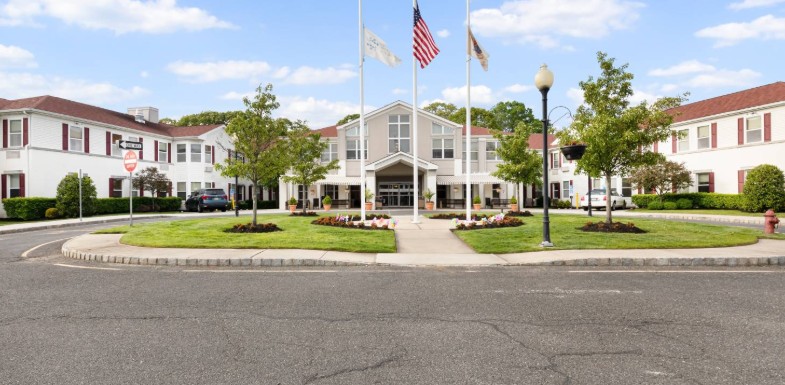
Complete Care at Wall NJ
Rehabilitation Facilities 1725 Meridian Trail, Wall Township, New Jersey, 07719At Complete Care at Wall, we provide post-acute rehabilitation programs to help patients recover from illness, injury, or surgery, regain their strength, and transition home as soon as possible. We also provide advanced clinical specialties for those who require more time and assistance, in addition to around-the-clock nursing care, in a welcoming setting that feels like home. We provide extensive rehabilitation services up to seven days a week, tailored to individual needs and goals. In order to help progress and recovery, we adjust therapies based on our patients abilities and tolerance so their quality of life can continue to improve after transitioning home.