Complete Care at Laurelton
475 Jack Martin Boulevard, Brick Township, New Jersey, 08724
Skilled Nursing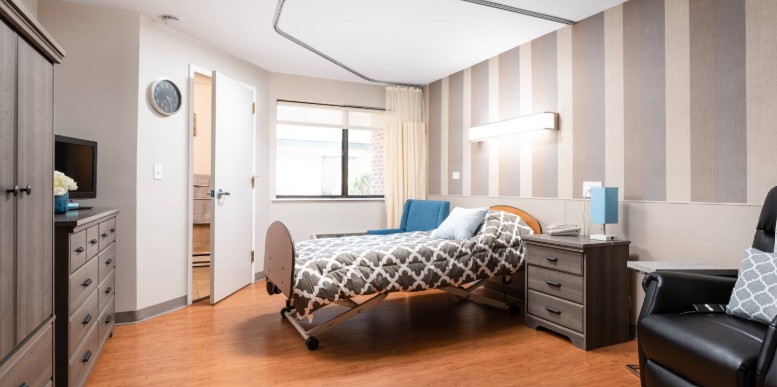



About Complete Care at Laurelton
At Complete Care at Laurelton, we provide post-acute rehabilitation programs to help patients recover from illness, injury, or surgery, regain their strength, and transition home as soon as possible. We also provide advanced clinical specialties for those who require more time and assistance, in addition to around-the-clock nursing care, in a welcoming setting that feels like home.
General Property Features
- Private Rooms, Semi-Private Rooms
- Secured Memory Care Unit, Skilled Nursing Facility
Skilled Nursing
Additional Levels of Care Offered
Complete Are At Bea Lea - Toms River
Skilled Nursing 1351 Old Freehold Road, Ocean County, Toms River, New Jersey, 08753At Complete Care at Bey Lea Assisted Living, we offer an experience that is completely yours. We tailor our services and support so the time you spend with us is comfortable, enriching, and engaging. In addition to beautifully appointed living spaces, we provide personal care, meals, medication assistance, and supervision. Our long-term care programs provide 24/7 support for individuals with chronic illnesses, disabilities, or cognitive impairments who require ongoing assistance with activities of daily living. These programs offer comprehensive medical oversight, nursing care, personal care services, and social engagement to support residents health, safety, and quality of life. We provide long-term care in a homelike environment, with a focus on maintaining dignity, comfort, and functional independence for as long as possible.
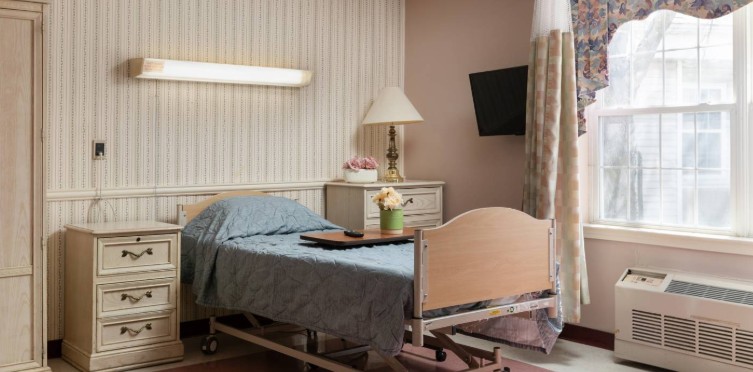
Complete Care At Shorrock Gardens
Skilled Nursing 75 Old Toms River Road, Ocean County, Brick Township, New Jersey, 08723At Complete Care at Shorrock Gardens, we provide post-acute rehabilitation programs to help patients recover from illness, injury, or surgery, regain their strength, and transition home as soon as possible. We also provide advanced clinical specialties for those who require more time and assistance, in addition to around-the-clock nursing care, in a welcoming setting that feels like home.
Complete Care At Shrewsbury NJ
Hospice 555 Shrewsbury Avenue, Monmouth County, Shrewsbury, New Jersey, 07702Our approach to hospice emphasizes effective management of symptoms and side effects related to both the disease and its treatment, while also addressing emotional, psychological, and spiritual needs. We provide compassionate, end-of-life care focused on comfort, dignity, and quality of life for patients with terminal illnesses. Our team works closely with patients and their loved ones to ensure peace of mind during this challenging time, helping to create a supportive and peaceful environment.
Complete Care At Monmouth NJ
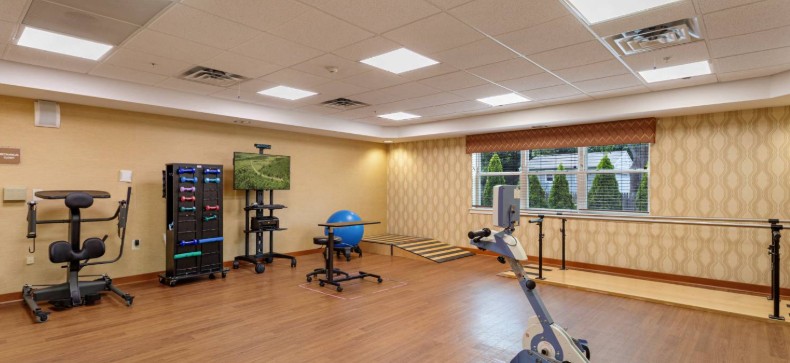
Rehabilitation Facilities 229 Bath Avenue, Monmouth County, Long Branch, New Jersey, 07740At Complete Care at Monmouth, we provide post-acute rehabilitation programs to help patients recover from illness, injury, or surgery, regain their strength, and transition home as soon as possible. We also provide advanced clinical specialties for those who require more time and assistance, in addition to around-the-clock nursing care, in a welcoming setting that feels like home.
Videos
Continue Your Search! Explore More Local Options.
Start SearchingLet’s engage and get educated!
Browse through thousands of expert articles in over 100 different categories.
Browse NowArticles You May Like

Personalized Memory Care That Puts Seniors First in Holmdel, NJ
Personalized Memory Care That Puts Seniors First in Holmdel, NJCaring for someone living with Alzheimer's disease or another form of dementia is a journey that often changes over time. In the beginning, families may notice occasional forgetfulness, repeated questions, or difficulty remembering appointments. As cognitive changes progress, everyday activities such as getting dressed, managing medications, and navigating familiar surroundings may require additional assistance.For families in Holmdel, Middletown, Hazlet, Matawan, Colts Neck, and surrounding Monmouth County communities, finding the right memory care support can become an important part of planning for a loved one's future.The goal is not simply to find a place where assistance is available. Families also want an environment that respects their loved one's individuality, provides appropriate supervision, and encourages meaningful daily experiences.Complete Care at Holmdel NJ, located at 713 North Beers Street in Holmdel, provides memory care services within a residential community that emphasizes personalized support, comfort, and engagement.Through personal care assistance, medication support, meals, supervision, and access to nursing staff, the community offers services for older adults whose memory-related needs require additional attention.Understanding the importance of personalized memory care can help families make informed decisions while keeping their loved one's dignity and well-being at the center of care.Understanding Memory Care and Its PurposeMemory care is a specialized form of residential senior care for individuals experiencing Alzheimer's disease, dementia, or other significant cognitive challenges.Although some individuals with dementia can continue living at home with appropriate assistance, others eventually require more structured support.Memory care communities are designed to address the ways cognitive changes can affect everyday life.Common Memory Care NeedsIndividuals may need assistance with:Remembering daily routinesBathing and dressingMedication managementPersonal hygieneEating and nutritionNavigating unfamiliar environmentsRecognizing potential hazardsCommunicating needsParticipating in appropriate activitiesMaintaining emotional comfortThe amount of assistance required varies.A person experiencing early-stage memory changes may remain capable of many everyday activities, while someone with more advanced dementia may need substantial personal care and supervision.Why Personalized Memory Care MattersEvery person living with dementia has a unique personality, history, and set of abilities.Two individuals with the same diagnosis may experience very different symptoms.One person may communicate clearly but struggle with short-term memory. Another may have difficulty expressing needs while remaining physically active.A personalized approach helps ensure that care reflects these differences.Looking Beyond the DiagnosisPersonalized memory care considers:Medical and cognitive needsPhysical abilitiesDaily routinesCommunication preferencesFavorite activitiesPersonal interestsCultural traditionsDietary requirementsFamily relationshipsIndividual comfort and safetyAt Complete Care at Holmdel, the community emphasizes tailoring services and support to the individual.This approach recognizes that quality senior care involves more than completing daily tasks. It also involves understanding what matters to each resident.The Importance of Memory Care in Monmouth CountyMonmouth County includes established communities where many older adults have lived for decades.Residents of Holmdel, Middletown, Red Bank, Matawan, Hazlet, and Colts Neck often have longstanding family relationships and connections to familiar neighborhoods.When memory care becomes necessary, families may prefer a nearby community so they can remain involved.Why Location MattersChoosing memory care close to home may make it easier to:Visit regularlyAttend care planning discussionsCommunicate with staffMaintain family traditionsCelebrate birthdays and holidaysRespond to changing needsPreserve meaningful relationshipsComplete Care at Holmdel's location in Monmouth County provides a local option for families evaluating residential memory support.How Dementia Affects Everyday ActivitiesDementia is not a single disease. It is a general term for symptoms involving cognitive decline severe enough to interfere with everyday functioning.Alzheimer's disease is the most common cause of dementia, but other conditions can also affect thinking, memory, language, and behavior.Memory and OrientationAn individual may forget recent conversations, become confused about dates, or have difficulty recognizing familiar locations.CommunicationSome people experience difficulty finding words, following conversations, or expressing physical discomfort.Personal CareDementia may affect the ability to complete familiar tasks such as bathing, dressing, or grooming.Judgment and SafetyCognitive changes may make it harder to recognize hazards, follow instructions, or respond appropriately during unfamiliar situations.Emotional Well-BeingIndividuals may experience anxiety, frustration, sadness, or confusion.These symptoms can also have other causes. Sudden confusion or abrupt behavioral changes require prompt medical evaluation.Personal Care Assistance That Respects Individual AbilitiesAs memory loss progresses, certain everyday tasks may become more difficult.A person might forget the steps involved in getting dressed or struggle to remember when medications should be taken.Others may require physical help with bathing or mobility.Complete Care at Holmdel provides personal care assistance as part of its residential services.Important Areas of SupportBathing and personal hygieneResidents may receive assistance with personal hygiene according to their assessed needs.Dressing and groomingCaregivers can provide guidance or hands-on assistance with familiar personal care routines.Medication assistanceMedication-related support helps address the challenges of managing prescribed medication routines.SupervisionAppropriate supervision can help address individual safety and support needs.Encouraging Remaining IndependenceNeeding assistance does not mean a resident loses the ability to make meaningful choices.For example, someone may need help getting dressed while still selecting their preferred clothing.Another resident may enjoy choosing activities or participating in simple household routines.Recognizing remaining abilities can help preserve dignity and personal identity.Creating a Supportive Memory Care EnvironmentThe physical environment can influence how comfortable someone with dementia feels.Unfamiliar surroundings may create confusion, especially when a person has difficulty remembering room locations or navigating new spaces.Memory care environments should consider accessibility, orientation, privacy, and supervision.Features Families Should EvaluateWhen exploring a memory care community, look for:Clear walking pathwaysAccessible resident accommodationsAppropriate staff supervisionComfortable shared areasSuitable lightingEmergency response proceduresSecure access arrangementsOpportunities for meaningful activitiesComplete Care at Holmdel offers private and semi-private room options within its memory care services.Families should discuss the specific security features and supervision arrangements available for their loved one's needs.Why Familiar Daily Routines Are HelpfulFor some people living with dementia, a predictable routine can provide comfort.Knowing when meals, activities, and rest periods usually occur may make the day easier to navigate.Familiar routines can also reduce unnecessary frustration.Elements of a Structured DayA daily routine might include:Morning personal careBreakfastGentle activitySocial interactionLunchRest or quiet timeFamiliar recreational activitiesDinnerEvening relaxationSchedules should remain flexible.Residents may have different levels of energy, comfort, and interest from day to day.Maintaining Familiar HabitsFamilies can help by sharing information about important routines.For example, someone who has always enjoyed reading in the morning may appreciate having books nearby.A person who regularly listens to music may feel more comfortable when familiar songs are part of the day.Small details can help caregivers understand what provides comfort.Meaningful Activities and Cognitive EngagementA dementia diagnosis does not eliminate the importance of hobbies, creativity, and social connection.Many older adults continue enjoying familiar activities even as their cognitive abilities change.The key is adjusting activities to the individual's interests and abilities.Examples of Meaningful ActivitiesDepending on individual needs, suitable activities may include:Listening to familiar musicLooking through family photographsArts and craftsSimple gamesGentle exerciseStorytellingGardening-related activitiesGroup conversationsSensory activitiesFamiliar hobbiesThese activities should emphasize enjoyment rather than performance.Families should ask Complete Care at Holmdel about its current activity calendar and how engagement is adapted for residents with different cognitive needs.Nutrition and Dining in Memory CareEating well is important for older adults, but dementia may create additional challenges.A resident may forget to eat, struggle with utensils, or have difficulty communicating food preferences.Some individuals experience changes in appetite or require specialized diets because of other medical conditions.Complete Care at Holmdel provides meals as part of its residential services.Nutrition ConsiderationsFamilies should ask about:Meal schedulesFood preferencesDietary restrictionsHydrationFood allergiesChanges in appetiteAssistance during mealsSwallowing difficultiesAn appropriate care plan should reflect each resident's nutritional requirements.Why Mealtime Routines MatterPredictable mealtimes may provide structure and familiarity.For some individuals, dining with others also offers opportunities for social interaction.The environment should be comfortable and responsive to individual needs.Medication Support and Nursing ServicesOlder adults living with dementia may also have chronic medical conditions.These could include arthritis, diabetes, hypertension, or heart disease.Managing several prescriptions can become difficult when memory and thinking abilities change.Complete Care at Holmdel offers medication assistance and lists nursing staff among its services.Questions About Medication ManagementFamilies may want to ask:Who provides medication assistance?How are prescriptions reviewed?How are medication changes communicated?What happens if a resident refuses medication?How are side effects addressed?How are families informed about concerns?Specific nursing capabilities and medical coordination arrangements should be confirmed directly with the community.Supporting Emotional Comfort and Personal IdentityDementia can affect how someone communicates feelings and responds to unfamiliar situations.A person may become anxious when routines change or frustrated when they cannot explain a need.Caregivers can help by approaching these moments calmly and respectfully.Helpful Communication ApproachesSpeak clearly and calmly.Use short sentences.Allow extra time for responses.Offer simple choices.Reduce unnecessary distractions.Avoid arguing about forgotten details.Acknowledge emotions.Provide reassurance when appropriate.The goal is to reduce distress and support meaningful communication.The Value of Personal HistoryKnowing a resident's background can make interactions more familiar.Families may share information about favorite music, previous occupations, hobbies, cultural traditions, and important relationships.This can help the care team better understand the resident as an individual.How Memory Care Can Support Family CaregiversFamily caregiving often begins with small responsibilities.An adult child may help organize medications or provide transportation.A spouse may assist with meals and household responsibilities.As dementia progresses, caregiving can require more consistent supervision and physical assistance.Common Caregiver ChallengesFamilies may experience:Interrupted sleepDifficulty balancing employment and caregivingIncreased stressPhysical fatigueConcerns about safetyDifficulty managing medicationsEmotional exhaustionLimited opportunities for personal timeResidential memory care may help by providing structured assistance and supervision.However, family relationships remain important after the move.Continuing Family InvolvementRelatives may continue to:Visit regularlyShare meaningful activitiesAttend care discussionsCelebrate family occasionsProvide familiar belongingsCommunicate preferences to staffSupport emotional well-beingFamily participation should reflect the resident's preferences and applicable privacy requirements.Respite Care as a Possible OptionSome families need temporary residential support rather than an immediate permanent move.A caregiver may need time to recover from an illness, travel, or manage other responsibilities.Short-term respite arrangements can provide an opportunity for appropriate temporary care.Complete Care at Holmdel lists respite and short-term stays among its services.Questions About Respite CareFamilies should ask:Are respite stays currently available for memory care residents?What is the minimum length of stay?What assessments are required?Which services are included?Are medications managed?What are the admission requirements?How is pricing determined?Eligibility and availability should be confirmed directly with the community.Choosing the Appropriate Level of CareNot every person diagnosed with dementia requires residential memory care immediately.Some individuals remain at home with family support and professional services.Others require more supervision as symptoms progress.Signs Families May Need to Reevaluate CareThese can include:Increasing difficulty with personal hygieneMedication safety concernsBecoming disorientedFrequent unsafe situationsGreater supervision requirementsChanges in communicationDifficulty eating or maintaining nutritionSignificant caregiver exhaustionA healthcare professional can help evaluate the individual's needs.Memory Care Compared With Assisted LivingAssisted living generally provides assistance with daily tasks while supporting resident independence.Memory care adds specialized consideration for cognitive impairment, including orientation, supervision, communication, and routine.Complete Care at Holmdel has separate Seniors Blue Book listings for Assisted Living and Memory Care.Families should discuss which service is appropriate for their loved one's circumstances.What to Ask During a Memory Care TourA community tour can help families understand how memory care is delivered in everyday life.The visit should focus on care quality, safety, communication, and the resident experience.Questions to BringHow are new residents assessed?What supervision is available?What dementia-related training do staff receive?How are medications managed?What nursing services are available?How are behavioral changes addressed?What activities are offered?How are family members informed about concerns?Are private and semi-private rooms available?What services are included in the monthly rate?Families should request current written pricing and residency information.The Seniors Blue Book listing currently identifies a starting memory care price of $8,950 per month, but actual costs may vary according to individual arrangements.Expert Tip: Share Your Loved One's StoryMemory Care Tip: Before moving a loved one into memory care, prepare a short personal profile with their preferred name, favorite foods, music, important relationships, hobbies, and daily routines. Sharing this information can help caregivers offer more familiar and individualized interactions.Personal preferences remain important even when memory and communication abilities change.Frequently Asked Questions About Memory Care in Holmdel, NJ1. What is memory care?Memory care is specialized residential support for individuals living with Alzheimer's disease, dementia, or other significant cognitive limitations. It addresses daily assistance, supervision, safety, and individual needs.2. Does Complete Care at Holmdel provide memory care?Yes. Complete Care at Holmdel NJ has a dedicated Memory Care listing on SeniorsBlueBook.com and offers personal care, meals, medication assistance, and supervision.3. Does Complete Care at Holmdel have nursing staff?Yes. Its Seniors Blue Book listing identifies nursing staff among the community's available services. Families should confirm specific nursing coverage and capabilities.4. Can families ask about short-term memory care?The community lists respite and short-term stay services. Families should contact the team to confirm whether those options are currently available for someone needing memory care.5. How can families schedule a visit?Families can contact Complete Care at Holmdel directly to discuss accommodations, available services, admission requirements, current pricing, and tour availability.Discover Personalized Memory Care at Complete Care at HolmdelChoosing memory care is an important step for older adults and their families.The right environment should support everyday needs while recognizing each resident's personality, preferences, and remaining abilities.For families throughout Holmdel, Middletown, Hazlet, Matawan, Colts Neck, and surrounding Monmouth County communities, Complete Care at Holmdel provides personalized residential support for individuals with memory-related care needs.With personal care services, medication assistance, meals, supervision, nursing staff, and residential accommodations, the community offers an option for families evaluating specialized memory support.Looking for memory care in Holmdel, New Jersey?Visit Complete Care at Holmdel NJ on SeniorsBlueBook.com to learn more about available services and connect with the community.You can also call 732-335-4405 to ask about memory care accommodations, admission requirements, current availability, and scheduling a tour.Understanding the available options can help families make thoughtful decisions while prioritizing their loved one's comfort, dignity, and well-being.
Oct 14, 2026
What to Expect During Short-Term Rehabilitation in Monmouth County, NJ
What to Expect During Short-Term Rehabilitation in Monmouth County, NJRecovering from surgery, an injury, or a serious illness can be challenging, particularly for older adults who experience changes in mobility, strength, or everyday functioning. Even after leaving the hospital, some individuals may need additional care before they can safely return to familiar activities.Tasks such as walking, bathing, getting dressed, preparing meals, or moving around the home may become more difficult during recovery. Some patients also experience fatigue, discomfort, reduced endurance, or concerns about falling.For seniors and families throughout Monmouth County, New Jersey, short-term rehabilitation can provide an important step between hospitalization and returning to everyday life.Complete Care at Monmouth NJ is a rehabilitation facility option for individuals and families exploring post-acute care and recovery support.Understanding what happens during rehabilitation, how treatment goals are established, and how progress is evaluated can help families make informed decisions about their loved one's next stage of care.What Is Short-Term Rehabilitation?Short-term rehabilitation provides therapeutic services for individuals recovering from surgery, illness, injury, or hospitalization.Some patients return home immediately after leaving the hospital. Others require additional therapy or nursing care to address functional limitations before they can safely manage daily activities.Rehabilitation programs focus on helping individuals improve or adapt their abilities according to their medical condition.Common Reasons for Short-Term RehabilitationOlder adults may need rehabilitation after:Hip or knee replacement surgeryFalls and fracturesStrokeOrthopedic injuriesSerious infectionsProlonged hospitalizationNeurological conditionsSignificant weaknessChanges in mobilityIllnesses affecting enduranceThe appropriate rehabilitation services depend on each patient's needs, medical recommendations, and ability to participate.Why Rehabilitation Matters in Monmouth CountyMany older adults throughout Monmouth County have established homes, family relationships, and familiar daily routines.Following a significant health event, returning to those routines may become an important personal goal.However, medical stability does not always mean a patient has regained the strength or functional abilities needed to live safely at home.Benefits of Exploring Local RehabilitationChoosing a rehabilitation facility within Monmouth County may make it easier for families to:Visit regularlyParticipate in care discussionsCommunicate with therapistsUnderstand treatment goalsMonitor rehabilitation progressCoordinate follow-up appointmentsPrepare for dischargeMaintain meaningful family relationshipsComplete Care at Monmouth NJ is an option for families researching rehabilitation services in Monmouth County.Specific treatment capabilities, admission requirements, and available services should be confirmed directly with the facility.How Rehabilitation Goals Are EstablishedOne of the most important parts of short-term rehabilitation is identifying realistic treatment goals.Rather than focusing only on general improvement, rehabilitation professionals evaluate which everyday activities have become difficult.Examples of Functional GoalsA patient's goals may include:Walking safely with appropriate equipmentGetting out of bed independentlyTransferring from a chairUsing the bathroom safelyDressing with less assistanceImproving standing balanceManaging stairsIncreasing enduranceCommunicating more effectivelyCompleting essential daily activitiesGoals should reflect the individual's previous abilities, current medical condition, and expected discharge environment.Why Specific Goals MatterA general goal such as "getting stronger" may be difficult to measure.A more specific goal involving walking distance, transfer assistance, or daily self-care provides a clearer way to evaluate progress.The treatment team should explain how goals are selected and reviewed.Physical Therapy: Restoring Movement and StrengthPhysical therapy is an important rehabilitation service for individuals experiencing mobility limitations.Following hospitalization, patients may have difficulty walking, balancing, standing, or completing movements that previously felt routine.Physical therapists evaluate these limitations and recommend appropriate exercises and movement activities.Physical Therapy May AddressMuscle strengthWalking abilityBalanceCoordinationEnduranceStanding toleranceSafe transfersMobility equipment useStair navigationFunctional movementRehabilitation After SurgeryAn older adult recovering from orthopedic surgery may need assistance rebuilding strength and learning safe movement techniques.Treatment must follow any medical restrictions established by the surgeon.Recovery After IllnessSomeone who experienced prolonged hospitalization may feel weak or fatigued.Physical therapy may focus on gradually improving activity tolerance according to the individual's condition.Progress Happens at Different RatesRecovery is not always consistent from day to day.Some patients experience improvements quickly, while others need additional time.Therapists adjust treatment based on medical recommendations, progress, and individual tolerance.Occupational Therapy: Returning to Everyday ActivitiesPhysical strength is only one part of recovery.Patients must also be able to complete everyday tasks safely.Occupational therapy focuses on practical activities that support personal independence.Activities Occupational Therapy May AddressBathingDressingGroomingToiletingEatingUsing household itemsFine motor coordinationAdaptive equipmentFunctional daily routinesWhy Occupational Therapy MattersA patient may regain walking ability but still struggle with bathing or dressing.Another person may have difficulty gripping utensils following an injury.Occupational therapists help patients practice appropriate techniques and identify strategies that match their abilities.Preparing for Everyday Life at HomeOccupational therapy may also involve recommendations for home safety and assistive equipment.These recommendations should consider the patient's living environment and available support.Speech Therapy and Communication SupportSome patients require speech-language therapy following a stroke, neurological condition, or serious illness.Speech therapy addresses more than the ability to speak clearly.It may also involve understanding language, communication strategies, and swallowing concerns.Speech Therapy May SupportSpeech clarityExpressing thoughtsUnderstanding conversationsCognitive-communication abilitiesCommunication strategiesSwallowing safetyAppropriate eating and drinking techniquesNot every rehabilitation patient requires speech therapy.A qualified professional should determine whether treatment is necessary.Swallowing ConcernsDifficulty swallowing may require specialized evaluation.Families should follow professional recommendations rather than independently changing food textures or liquid consistency.Nursing Care During RehabilitationTherapy is often only one component of the recovery process.Some patients also need nursing assessments, medication administration, or monitoring of medical conditions.Nursing Support May IncludeDepending on the facility and care plan:Medication administrationMonitoring vital signsAssessing changes in conditionPrescribed nursing treatmentsPersonal care assistanceWound care when availableCommunication with physiciansCoordination with therapistsWhy Team Communication MattersChanges in pain, fatigue, blood pressure, or other medical symptoms may affect rehabilitation participation.Communication among nursing staff, therapists, and healthcare providers helps ensure treatment remains appropriate.Families should ask Complete Care at Monmouth NJ about the nursing services available for their loved one's specific condition.Measuring Progress During RehabilitationRehabilitation progress should be evaluated through meaningful functional improvements.A person may improve walking ability while continuing to need assistance with dressing.Another patient may become more independent with transfers but still require help navigating stairs.Progress May Be Measured ThroughWalking distanceBalanceMuscle strengthTransfer abilityEndurancePersonal care participationCommunication skillsUse of adaptive equipmentAbility to follow safety recommendationsWhy Progress Reviews Are ImportantRegular evaluations allow the care team to identify improvements and ongoing challenges.Families should ask:How often is progress evaluated?How are therapy goals updated?What happens if progress slows?Which activities are still difficult?What assistance may be needed after discharge?Clear communication helps patients understand their recovery goals.Common Challenges During Short-Term RehabilitationRecovery can involve physical and emotional challenges.A person may feel frustrated when familiar activities require considerable effort.Others may experience anxiety about returning home.Common Recovery ChallengesThese may include:FatiguePainReduced enduranceLimited mobilityFear of fallingDifficulty sleepingReduced confidenceChanges in appetiteEmotional frustrationPatients should communicate these concerns to their healthcare team.Balancing Therapy and RestAppropriate recovery involves both activity and rest.More intensive exercise is not always better.Rehabilitation should reflect the patient's medical condition and tolerance.The Importance of Safe MobilityMobility is an important part of everyday independence.A person who experiences balance difficulties may struggle with walking, using stairs, or moving between furniture.Mobility Skills That May Be PracticedGetting in and out of bedRising from chairsWalking with recommended equipmentTurning safelyNavigating obstaclesManaging stairs when appropriateUsing bathroom equipmentTransferring between surfacesBuilding Confidence GraduallySome patients become hesitant to move after a fall or injury.Supervised rehabilitation can provide opportunities to practice movement in a structured environment.The goal is safer function, not rushing the recovery process.Planning for Discharge From the BeginningDischarge planning is an essential part of short-term rehabilitation.For many patients, returning home is an important goal.However, a discharge plan must consider the individual's current abilities and support needs.Important Discharge ConsiderationsThe care team should evaluate:MobilityPersonal careMedication routinesHome accessibilityAvailable caregiversFollow-up appointmentsRecommended equipmentOngoing rehabilitation needsTransportationSafety concernsWhy Early Planning HelpsFamilies may need time to arrange medical equipment, modify the home, or coordinate additional care.Discussing these needs early can make the transition more manageable.Preparing the Home After RehabilitationA home that was comfortable before hospitalization may present new challenges when someone returns with mobility limitations.For example, stairs may become difficult.A bathroom may require additional safety equipment.Home Safety ConsiderationsDepending on professional recommendations, changes may include:Removing loose rugsImproving lightingKeeping walkways clearUsing recommended walking aidsInstalling suitable grab barsMaking frequently used items accessibleReviewing stair safetyArranging personal care assistanceA qualified professional can help determine which modifications are appropriate.How Family Caregivers Can HelpFamily members often play an important role in rehabilitation and discharge planning.They may provide information about the patient's previous abilities, household layout, and available support.Helpful Family InvolvementRelatives may:Attend care discussionsAsk about treatment goalsLearn safe assistance techniquesDescribe the home environmentArrange transportationPrepare necessary equipmentCoordinate follow-up careProvide emotional encouragementBe Realistic About Available SupportFamilies should communicate honestly about the help they can provide.A discharge plan should not depend on assistance that is unavailable.The care team can discuss whether additional home services or alternative arrangements may be necessary.Understanding Rehabilitation Costs and CoverageRehabilitation costs depend on the care setting, medical necessity, insurance coverage, and eligibility requirements.Medicare CoverageOriginal Medicare Part A may cover qualifying skilled nursing facility rehabilitation when specific requirements are met.Coverage is subject to benefit limitations and cost-sharing.Not every rehabilitation stay automatically qualifies.Private InsuranceSome insurance plans require prior authorization or participation in approved provider networks.Medicaid and Other Payment ArrangementsCoverage may also depend on Medicaid eligibility or other insurance arrangements.Important Financial QuestionsFamilies should ask:Does the facility accept the patient's insurance?Is prior authorization required?What services are covered?Are copayments or deductibles involved?What happens when coverage ends?Are additional treatments billed separately?What payment options are available?Request current written financial information before admission.Choosing the Right Rehabilitation FacilityA rehabilitation facility should be evaluated according to the patient's medical needs and recovery goals.Important Questions to AskWhich rehabilitation therapies are available?How are initial evaluations completed?How often are therapy sessions scheduled?What nursing services are provided?How are rehabilitation goals established?How is progress measured?What happens if medical needs change?How are families kept informed?When does discharge planning begin?What insurance plans are accepted?Families should also review available licensing and quality information.The appropriate setting depends on the individual's condition, treatment needs, and ability to participate.Rehabilitation Planning TipSenior Rehabilitation Tip: Before beginning short-term rehabilitation, identify the everyday activities that matter most to the patient. Discuss walking, bathing, dressing, stairs, and available caregiver support so the treatment team can establish practical recovery goals and prepare for discharge.Specific goals can help patients and families understand what rehabilitation is working toward.Frequently Asked Questions About Short-Term Rehabilitation1. Who may benefit from short-term rehabilitation?Individuals recovering from surgery, injury, stroke, serious illness, or hospitalization may benefit when a healthcare professional recommends rehabilitation for functional limitations.2. Is rehabilitation the same as skilled nursing?Not exactly. Rehabilitation focuses on improving functional abilities through appropriate therapy. Some rehabilitation programs operate within skilled nursing facilities that also provide medical and nursing services.3. How long does short-term rehabilitation take?Recovery timelines vary according to diagnosis, previous abilities, medical stability, treatment response, and discharge needs. A care team should discuss realistic goals rather than guarantee a specific timeframe.4. Will therapy continue after discharge?Some patients may need home health services, outpatient rehabilitation, or prescribed exercises. Recommendations depend on medical needs, functional abilities, and insurance arrangements.5. What should families ask before admission?Families should confirm available therapies, nursing support, admission requirements, insurance coverage, progress assessments, discharge planning procedures, and current availability.Moving Forward With a Rehabilitation PlanShort-term rehabilitation is about helping individuals work toward meaningful improvements in everyday functioning.For some patients, progress means walking more safely or completing personal care with less assistance.For others, it means learning new techniques, adapting to physical limitations, or preparing for continued support at home.For seniors and families throughout Monmouth County, New Jersey, understanding rehabilitation options can help make recovery planning more manageable.Complete Care at Monmouth NJ is a rehabilitation facility option to explore when considering post-acute services and individualized recovery support.The most important considerations are whether the available services match the patient's needs, how treatment goals will be evaluated, and what arrangements will be necessary after discharge.Learn More About Complete Care at Monmouth NJLooking for short-term rehabilitation in Monmouth County, New Jersey?Visit Complete Care at Monmouth NJ on SeniorsBlueBook.com to explore its rehabilitation listing and connect with the facility.Taking time to understand the available options can help patients and families make informed decisions while working toward a safer and more comfortable recovery.
Oct 14, 2026
Rebuilding Independence Through Rehabilitation in Ocean County, NJ
Rebuilding Independence Through Rehabilitation in Ocean County, NJRecovering from a serious illness, injury, or surgery often involves more than healing physically. For many older adults, it also means rebuilding confidence, improving mobility, and learning how to manage everyday activities safely.A hospital stay can temporarily change a person's ability to walk, stand, dress, bathe, or complete familiar routines. Even after receiving medical clearance to leave the hospital, some individuals may need additional support before returning home.For seniors and families throughout Ocean County, New Jersey, post-acute rehabilitation can provide an important step in the recovery process.Complete Care at Holiday City offers rehabilitation services designed to help individuals regain strength, improve functional abilities, and prepare for the next stage of care.Through physical therapy, occupational therapy, speech therapy, and skilled nursing support, the facility provides individualized rehabilitation programs based on each patient's medical condition, abilities, and recovery goals.Understanding the rehabilitation process can help families prepare for treatment, establish realistic expectations, and make informed decisions about post-hospital care.Understanding Post-Acute RehabilitationPost-acute rehabilitation refers to medical and therapeutic services provided after a significant illness, injury, surgery, or hospitalization.Some patients recover sufficiently to return home directly after leaving the hospital. Others need additional therapy or nursing support because their physical or functional abilities have changed.Rehabilitation focuses on helping patients improve their ability to complete meaningful everyday activities.Who May Benefit From Rehabilitation?Individuals may require rehabilitation following:Hip or knee replacement surgeryFalls and fracturesStrokeOrthopedic injuriesCardiac-related hospitalizationNeurological conditionsSerious infectionsRespiratory illnessesProlonged hospitalizationSignificant muscle weaknessChanges in balance or mobilityThe appropriate rehabilitation program depends on the patient's diagnosis, medical stability, treatment needs, and ability to participate.Why Rehabilitation Matters for Older Adults in Ocean CountyMany older adults throughout Ocean County value maintaining independence and remaining connected to family, friends, and familiar routines.After a medical event, the ability to return to everyday activities may become an important recovery goal.However, some individuals require additional professional assistance before they can safely manage life at home.Benefits of Choosing Rehabilitation Close to HomeA rehabilitation facility within Ocean County may make it easier for families to:Visit their loved onesParticipate in care planning discussionsCommunicate with therapistsUnderstand treatment goalsMonitor recovery progressPrepare the home for dischargeCoordinate follow-up appointmentsProvide emotional encouragementFamily involvement can be especially helpful when rehabilitation goals involve returning to a familiar home environment.Rehabilitation at Complete Care at Holiday CityComplete Care at Holiday City provides post-acute rehabilitation services for individuals recovering from illness, injury, or surgery.Its rehabilitation program includes physical therapy, occupational therapy, and speech therapy.The facility offers rehabilitation services up to seven days per week when appropriate, with treatment adjusted according to individual abilities, goals, and tolerance.Personalized Rehabilitation PlanningA patient's rehabilitation plan may consider:Medical historyRecent hospitalizationCurrent diagnosesPhysical strengthBalanceMobilityEndurancePainPersonal care abilitiesCommunication needsSwallowing difficultiesCognitive functioningPrevious level of independenceIntended discharge environmentThese assessments help healthcare professionals determine which services are appropriate.Why Individualized Care MattersTwo patients recovering from similar medical events may have very different needs.One may require additional assistance with walking, while another struggles primarily with bathing or dressing.An individualized rehabilitation program recognizes these differences and establishes treatment goals accordingly.Physical Therapy: Rebuilding Strength and MobilityPhysical therapy is an important component of post-acute rehabilitation.Following surgery, injury, or hospitalization, patients may experience muscle weakness, reduced balance, and difficulty completing everyday movements.Physical therapists evaluate these limitations and recommend appropriate therapeutic activities.Physical Therapy May AddressMuscle strengthWalking abilityBalanceCoordinationEnduranceStanding toleranceSafe transfersStair navigationMobility equipment useFunctional movementImproving Walking AbilitySome patients need assistance walking after hospitalization.Therapy may involve practicing movement with recommended equipment and gradually increasing activity according to medical guidance.Rebuilding BalanceBalance problems can affect confidence and increase fall risk.Physical therapy may include activities designed to improve stability and safer movement.Restoring EnduranceA prolonged hospital stay can reduce stamina.Patients may need time to rebuild the ability to participate in everyday activities without excessive fatigue.Treatment intensity should reflect individual needs and tolerance.Occupational Therapy: Regaining Everyday IndependencePhysical strength is only one aspect of rehabilitation.Older adults also need the ability to complete daily personal care activities.Occupational therapy focuses on practical skills that support participation in everyday life.Occupational Therapy May AddressBathingDressingGroomingToiletingEatingUsing household itemsFine motor coordinationHand strengthAdaptive equipmentFunctional daily routinesWhy Occupational Therapy MattersA patient may regain the ability to walk but still struggle with getting dressed.Another individual may have difficulty gripping utensils or managing buttons following an injury.Occupational therapists help patients practice appropriate techniques and identify strategies that match their abilities.Preparing for HomeOccupational therapy may also involve recommendations for adaptive equipment or adjustments to daily routines.The objective is to help patients participate in meaningful activities as safely and independently as possible.Speech Therapy: Communication and Swallowing SupportSome individuals experience speech, language, or swallowing difficulties following a stroke, neurological illness, or other medical event.Speech-language therapy addresses these challenges through professional evaluation and individualized treatment.Speech Therapy May SupportSpeech clarityLanguage comprehensionExpressing thoughtsCommunication strategiesCognitive-communication skillsSwallowing safetyAppropriate eating and drinking techniquesCommunication After a StrokeA stroke may affect a person's ability to speak clearly or understand language.Speech-language therapy may help patients develop strategies to communicate more effectively.Swallowing DifficultiesSome medical conditions affect swallowing.A speech-language pathologist may assess swallowing abilities and recommend appropriate treatment.Families should follow professional guidance regarding food textures, liquid consistency, and swallowing precautions.Complete Care at Holiday City offers speech therapy as part of its rehabilitation services.Rehabilitation After Orthopedic SurgeryOrthopedic surgery can temporarily affect movement, strength, and personal independence.Patients recovering from joint replacement, fractures, or other orthopedic procedures may need rehabilitation before returning to their usual activities.Complete Care at Holiday City provides orthopedic and post-surgical care.Common Rehabilitation GoalsThese may include:Improving walking abilityRebuilding strengthPracticing safe transfersIncreasing enduranceImproving balanceManaging mobility limitationsUsing recommended equipmentCompleting personal care activitiesFollowing Surgical RestrictionsSome patients have temporary limitations involving movement or weight-bearing.Therapy should follow the surgeon's recommendations and the patient's medical condition.Supporting a Safe RecoveryRehabilitation may also involve nursing support for prescribed treatments, pain management, wound care, and monitoring for complications.The appropriate services depend on each patient's needs.Rehabilitation After Cardiac EventsSome older adults need additional recovery support after a heart-related hospitalization or procedure.Cardiac events can affect endurance, strength, and the ability to complete ordinary activities.Complete Care at Holiday City includes cardiac care among its specialized clinical services.Recovery Needs May IncludeMonitoring medical symptomsMedication coordinationGradual activity progressionStrength and endurance supportAppropriate nursing assessmentsCommunication with healthcare providersWhy Medical Oversight MattersFollowing a cardiac event, activity recommendations should reflect the patient's condition and medical instructions.Patients should report concerning symptoms such as chest discomfort, unusual breathlessness, or dizziness immediately.Rehabilitation activities should be coordinated with the treating healthcare team.Neurological and Stroke RehabilitationNeurological conditions can affect mobility, balance, communication, and cognitive functioning.Complete Care at Holiday City identifies neurological and stroke care among its available programs.Rehabilitation Following a StrokeDepending on the effects of a stroke, patients may need:Physical therapyTo address strength, movement, balance, and walking.Occupational therapyTo support daily activities such as bathing, dressing, and grooming.Speech therapyTo address communication or swallowing concerns.Skilled nursingTo provide appropriate medical monitoring and prescribed treatment support.Understanding Recovery DifferencesThe effects of neurological conditions vary considerably.Some patients experience weakness or limited coordination.Others have communication difficulties or changes in cognition.Rehabilitation goals should reflect the individual's specific challenges.Pulmonary Rehabilitation SupportCertain respiratory illnesses can affect endurance and the ability to participate in everyday activities.Complete Care at Holiday City includes pulmonary care among its specialized clinical services.Pulmonary Recovery May InvolveMonitoring respiratory symptomsPrescribed respiratory treatmentsOxygen support when medically indicatedAppropriate activity progressionNursing assessmentsRehabilitation to address reduced enduranceTreatment should follow the recommendations of the patient's medical team.Managing Fatigue During RecoveryBreathing difficulties and reduced stamina may limit activity tolerance.Therapists can adjust activities according to the patient's condition.The goal is appropriate participation without exceeding medical restrictions.Skilled Nursing Support During RehabilitationSome individuals require medical attention in addition to therapeutic services.Complete Care at Holiday City provides around-the-clock nursing support for patients requiring clinical care.Nursing Services May IncludeMedication administrationMonitoring vital signsAssessing changes in conditionPrescribed nursing treatmentsWound carePersonal care assistanceCoordination with physiciansCommunication with therapistsWhy Nursing and Rehabilitation Work TogetherChanges in pain, fatigue, blood pressure, or other medical symptoms can influence a patient's ability to participate in therapy.Coordination among healthcare professionals helps ensure that rehabilitation remains appropriate for the person's health needs.Understanding Rehabilitation ProgressRecovery is not always predictable.Some patients improve steadily, while others experience temporary setbacks or require more time.Factors That May Affect ProgressThese include:Type of illness or injuryPrevious mobilityChronic medical conditionsPainFatigueCognitive functioningMedical complicationsTreatment toleranceAvailable support after dischargeHow Progress May Be EvaluatedHealthcare professionals may assess:Walking distanceBalanceStrengthEnduranceTransfer abilityPersonal care participationCommunicationUse of mobility equipmentAbility to perform everyday tasksProgress should be measured according to the patient's individualized goals.Setting Realistic Rehabilitation GoalsEffective rehabilitation focuses on meaningful improvements rather than simply completing a certain number of therapy sessions.Examples of Functional GoalsA patient may work toward:Getting out of bed with less assistanceWalking safely with appropriate equipmentUsing the bathroomGetting dressedImproving standing balanceNavigating stairsIncreasing enduranceCompleting essential daily activitiesWhy Specific Goals MatterA general goal such as becoming stronger may be difficult to measure.A more specific goal involving walking, transfers, or personal care provides a clearer way to evaluate progress.Families should ask how rehabilitation goals are established and reviewed.Managing Pain and Fatigue During RecoveryPain and fatigue can interfere with rehabilitation participation.Some patients experience discomfort after surgery, while others feel unusually tired following serious illness.Symptoms Worth ReportingPatients should inform their healthcare team about:New or worsening painDizzinessUnusual fatigueShortness of breathChanges in mobilityDifficulty sleepingMedication concernsNew weaknessHealthcare professionals can evaluate whether treatment adjustments are necessary.Balancing Therapy and RestRecovery involves appropriate activity and adequate rest.More exercise is not always better.Rehabilitation intensity should follow medical recommendations and individual tolerance.Emotional Well-Being During RehabilitationRecovering from a major health event can be emotionally challenging.Some individuals feel frustrated when familiar activities become difficult.Others worry about returning home or needing additional assistance.Common Emotional ConcernsThese may include:Anxiety about fallingReduced confidenceFrustrationChanges in independenceUncertainty about recoveryConcerns about family responsibilitiesDifficulty adjusting to temporary limitationsSupportive communication and realistic goals may help patients remain engaged in rehabilitation.Persistent emotional distress should be discussed with appropriate healthcare professionals.Planning for a Safe Return HomeDischarge planning is an important part of post-acute rehabilitation.For many patients, returning home is a primary goal.However, discharge arrangements should reflect actual abilities and support needs.Important Discharge ConsiderationsFamilies should discuss:Walking abilityPersonal care needsMedication managementHome accessibilityMobility equipmentAvailable caregiversFollow-up appointmentsTransportationContinued rehabilitationSafety concernsWhy Early Planning MattersFamilies may need time to arrange equipment, coordinate assistance, or prepare the home.Beginning these conversations early can make the transition more manageable.Home Safety After RehabilitationA familiar home may present new challenges after illness or surgery.An individual who previously managed stairs independently may now need support.Bathrooms, hallways, and furniture arrangements may also require attention.Home Safety Recommendations May IncludeDepending on professional assessment:Removing loose rugsImproving lightingClearing walking pathsInstalling suitable grab barsUsing recommended mobility equipmentMaking important items accessibleReviewing stair safetyArranging personal care assistanceQualified healthcare professionals can help determine which changes are appropriate.How Families Can Support RehabilitationFamily members can provide valuable information about the patient's previous abilities, routines, and home environment.Helpful Ways to ParticipateFamilies may:Attend care planning meetingsAsk about rehabilitation goalsCommunicate with therapistsDescribe the home layoutLearn safe assistance techniquesCoordinate transportationPrepare recommended equipmentArrange follow-up careProvide encouragementBe Realistic About Available SupportA discharge plan should reflect the assistance that will actually be available.Families should communicate openly about their ability to provide personal care or mobility support.The healthcare team can discuss alternative arrangements when additional services are needed.Understanding Rehabilitation Costs and InsuranceRehabilitation coverage depends on the care setting, medical necessity, insurance plan, and individual eligibility.Medicare CoverageOriginal Medicare Part A may cover qualifying skilled nursing facility rehabilitation when applicable requirements are met.Coverage is subject to benefit limitations and cost-sharing.Not every rehabilitation stay automatically qualifies.Private InsuranceSome insurance plans require prior authorization or participation in specific provider networks.Medicaid and Other Payment OptionsCoverage may also depend on Medicaid eligibility, private insurance, or other payment arrangements.Important Financial QuestionsFamilies should ask:Is the facility covered by the patient's insurance?Is prior authorization required?Which rehabilitation services are covered?Are deductibles or copayments involved?What happens when coverage ends?Are additional treatments billed separately?What payment options are available?Request written financial information before admission.What to Ask When Choosing a Rehabilitation FacilitySelecting a rehabilitation facility involves evaluating clinical services, therapy availability, communication, and discharge planning.Important QuestionsWhat rehabilitation therapies are available?How often are therapy sessions scheduled?How are treatment goals established?What skilled nursing services are provided?How is progress evaluated?What happens if medical needs change?How are families informed?When does discharge planning begin?What insurance plans are accepted?Can the facility manage the patient's specific condition?Complete Care at Holiday City provides physical, occupational, and speech therapy, along with skilled nursing and specialized clinical programs.Families should discuss individual medical needs and confirm current services directly with the facility.Expert Tip: Focus on Everyday IndependenceSenior Rehabilitation Tip: Before beginning rehabilitation, identify the everyday activities that matter most to the patient. Whether the goal is walking safely, bathing independently, managing stairs, or returning home with assistance, specific functional goals can help guide therapy and discharge planning.Rehabilitation should focus on meaningful improvements that support everyday life.Frequently Asked Questions About Rehabilitation in Ocean County, NJ1. What rehabilitation services does Complete Care at Holiday City provide?Complete Care at Holiday City offers physical therapy, occupational therapy, and speech therapy, along with skilled nursing and specialized post-acute clinical services.2. How often are rehabilitation services available?The facility offers rehabilitation services up to seven days per week, depending on individual needs, treatment goals, and tolerance.3. Who may benefit from post-acute rehabilitation?Individuals recovering from surgery, injury, stroke, serious illness, or hospitalization may benefit when healthcare professionals recommend rehabilitation for functional limitations.4. Does Complete Care at Holiday City provide skilled nursing during recovery?Yes. The facility provides around-the-clock nursing care for individuals requiring medical monitoring and prescribed clinical services.5. Can families contact Complete Care at Holiday City to discuss rehabilitation options?Yes. Families can contact the facility to discuss rehabilitation services, admission requirements, therapy availability, insurance coverage, and current accommodations.Explore Rehabilitation at Complete Care at Holiday CityRecovering after hospitalization can involve physical, emotional, and practical challenges.An appropriate rehabilitation program can help patients work toward improving everyday abilities while receiving necessary medical support.For seniors and families throughout Ocean County, New Jersey, Complete Care at Holiday City offers post-acute rehabilitation services focused on individualized recovery goals.Its programs include physical therapy, occupational therapy, speech therapy, skilled nursing, and specialized clinical support.The facility also emphasizes preparing patients for their next stage of care.Learn More About Complete Care at Holiday CityLooking for rehabilitation facilities in Ocean County, New Jersey?Visit Complete Care at Holiday City on SeniorsBlueBook.com to explore its rehabilitation listing and connect with the facility.Understanding the available rehabilitation services can help patients and families make informed decisions while working toward improved mobility, greater independence, and a safer transition home.
Oct 14, 2026
Choosing Skilled Nursing Care: A Guide for Seniors and Families
Choosing Skilled Nursing Care in Ocean County, NJ: A Guide for Seniors and FamiliesAs older adults experience changes in their health, the need for additional medical attention and personal assistance may become more significant. Chronic illnesses, medication requirements, reduced mobility, and ongoing healthcare concerns can make everyday activities increasingly difficult.Some seniors can continue living at home with occasional support. Others require professional nursing services, consistent medical monitoring, and help with essential daily routines.When care needs become more complex, a skilled nursing facility may provide an appropriate environment for ongoing medical treatment and residential assistance.For seniors and families throughout Ocean County, New Jersey, understanding skilled nursing services is an important part of planning for long-term health, safety, and quality of life.Complete Care at Holiday City provides skilled nursing and long-term residential care for individuals who require professional medical oversight and ongoing assistance.The facility offers around-the-clock nursing care, primary care coordination, chronic illness management, specialized clinical services, and support with activities of daily living.Understanding these services can help families evaluate whether skilled nursing is appropriate for their loved one's needs.Understanding Skilled Nursing CareSkilled nursing refers to medical and nursing services provided or supervised by appropriately licensed healthcare professionals.These services may be necessary when a person requires professional nursing assessments, prescribed treatments, or consistent medical monitoring.Unlike assisted living, which generally emphasizes residential support and assistance with everyday activities, skilled nursing facilities provide more extensive medical services.Common Skilled Nursing ServicesDepending on individual needs, services may include:Around-the-clock nursing careMedication administrationChronic condition managementNursing assessmentsPrimary care coordinationSpecialized clinical treatmentsWound careMobility assistancePersonal care supportNutritional servicesLong-term residential careIndividualized care planningThe appropriate care plan should reflect each resident's health conditions, functional abilities, and personal preferences.Why Skilled Nursing Matters in Ocean CountyMany older adults throughout Ocean County have established family relationships, healthcare routines, and familiar community connections.As medical needs increase, some individuals require more support than family members or home-based services can consistently provide.A skilled nursing facility combines residential assistance with professional healthcare services.Benefits of Exploring Local Skilled NursingChoosing a facility within Ocean County may help families:Visit their loved ones regularlyParticipate in care planningCommunicate with nursing professionalsAttend important medical discussionsMaintain meaningful family relationshipsMonitor changes in care needsProvide emotional encouragementStay involved in long-term care decisionsComplete Care at Holiday City offers a skilled nursing option for families evaluating ongoing medical and residential care in Ocean County.When Should Families Consider Skilled Nursing?Not every older adult with a chronic medical condition requires residential nursing care.Some individuals can remain safely at home with appropriate medical appointments, personal care assistance, and home health services.However, more intensive support may be necessary when healthcare needs become difficult to manage.Signs Additional Nursing Support May Be NeededFamilies may notice:Increasing difficulty managing medicationsFrequent changes in medical conditionOngoing nursing treatment requirementsSignificant mobility limitationsDifficulty completing personal careMultiple chronic health conditionsRepeated hospitalizationsCognitive changes affecting safetyIncreased dependence on caregiversGreater need for professional supervisionThese concerns should be evaluated by qualified healthcare professionals.A skilled nursing recommendation should consider medical necessity, safety, functional abilities, available support, and the individual's preferences.Skilled Nursing at Complete Care at Holiday CityComplete Care at Holiday City provides post-acute care, skilled nursing, and long-term residential services for individuals with different healthcare needs.Its long-term care programs offer 24/7 assistance for residents managing chronic illnesses, disabilities, or cognitive impairments.These services include nursing care, medical oversight, personal assistance, and opportunities for social engagement.Individualized Care PlanningA personalized care plan may consider:Medical diagnosesMedication requirementsNursing treatmentsMobility limitationsNutritional needsPersonal care abilitiesCognitive functioningEmotional well-beingSafety concernsRehabilitation needsResident preferencesWhy Individualized Care MattersEvery resident has different needs.One individual may require regular medication administration and assistance with mobility.Another may need specialized nursing treatments and greater support with everyday activities.An individualized approach helps healthcare professionals address these differences.Care plans should also be reviewed when a resident's condition changes.Around-the-Clock Nursing CareOne of the defining features of skilled nursing is access to professional nursing services throughout the day and night.Older adults with complex health conditions may require nursing assessments, prescribed treatments, or assistance at different times.Complete Care at Holiday City provides around-the-clock nursing support.Nursing Responsibilities May IncludeMonitoring health conditionsAdministering prescribed medicationsAssessing changes in symptomsProviding ordered treatmentsCommunicating with physiciansDocumenting clinical observationsSupporting personal careCoordinating medical servicesResponding to nursing concernsWhy Nursing Availability MattersA resident's medical condition may change unexpectedly.Nursing professionals can assess concerns and coordinate further medical evaluation when necessary.Families should ask about staffing arrangements, licensed nursing availability, emergency procedures, and the facility's ability to manage specific medical needs.Primary Care CoordinationResidents receiving skilled nursing services frequently have multiple health concerns that require coordination among healthcare professionals.Complete Care at Holiday City provides primary care services through an in-house team that may include physicians, nurse practitioners, or physician assistants.Primary Care Services May AddressChronic illness managementNew medical symptomsMedication monitoringMedical assessmentsSpecialist coordinationTreatment planningCommunication with nursing staffPreventive care when appropriateWhy Coordinated Care HelpsA person's health conditions do not always exist independently.For example, medication changes may affect alertness, appetite, or balance.Mobility limitations may influence the management of chronic illnesses.Communication between healthcare professionals helps ensure that these related concerns are considered together.Managing Chronic Medical ConditionsMany individuals entering long-term skilled nursing care live with medical conditions requiring ongoing attention.Some conditions affect physical abilities, while others influence medications, nutrition, cognition, or personal care needs.Diabetes ManagementResidents with diabetes may require:Blood glucose monitoringMedication administrationNutritional planningAppropriate skin assessmentsCoordination with healthcare professionalsHeart DiseaseHeart-related conditions may require ongoing medical monitoring, medication management, and communication with healthcare providers.Arthritis and Mobility LimitationsArthritis can affect comfort, walking, dressing, and other everyday activities.Residents may require personal assistance and appropriate treatment.Neurological ConditionsSome neurological illnesses affect movement, cognition, coordination, or communication.Respiratory ConditionsCertain respiratory illnesses require prescribed treatments, symptom monitoring, or specialized clinical support.Complete Care at Holiday City includes chronic illness management within its clinical services.Individual treatment plans should reflect each resident's diagnoses and medical recommendations.Medication Management and Resident SafetyMedication management is particularly important for older adults with multiple medical conditions.Some residents take several prescriptions, each with different schedules and monitoring requirements.Physical limitations or cognitive changes may make independent medication management difficult.Skilled Nursing Medication SupportNursing professionals may assist with:Administering prescribed medicationsFollowing dosing instructionsMonitoring possible side effectsDocumenting medication administrationCommunicating prescription changesCoordinating with prescribing professionalsReporting treatment concernsQuestions Families Should AskWho administers medications?How are prescriptions reviewed?What happens when a medication changes?How are potential side effects monitored?How are medication concerns communicated?Who coordinates refills?Medication changes should always follow appropriate professional medical guidance.Specialized Clinical ServicesSome skilled nursing residents require advanced medical treatments beyond routine nursing care.Complete Care at Holiday City identifies several specialized clinical programs designed for individuals with complex medical needs.These include:Cardiac carePulmonary careNeurological and stroke-related careRenal-related servicesWound careOrthopedic and post-surgical careBariatric careSpecialized infectious disease servicesIntravenous treatmentsPalliative and supportive careThe facility also identifies advanced clinical capabilities through its PathForward programs.Why Specialized Services MatterSome individuals have medical needs that require specific equipment, professional expertise, or treatment coordination.For example, a person with a complex respiratory condition may require different services than someone receiving specialized wound treatment.Confirm Individual EligibilityNot every clinical service is appropriate or available for every resident.Families should discuss the individual's diagnosis, treatment orders, equipment requirements, and medical stability with the facility's clinical team before admission.Long-Term Residential CareSome patients receive skilled nursing for a relatively short period following hospitalization.Others require ongoing residential care because their medical or functional needs cannot be safely managed in a less intensive setting.Complete Care at Holiday City provides long-term care for individuals with chronic illnesses, disabilities, and cognitive impairments.Long-Term Care May IncludeContinuous nursing supportMedical oversightMedication managementAssistance with personal careNutritional servicesMobility supportRegular care assessmentsSocial activitiesCoordination with healthcare professionalsSupporting Quality of LifeFor long-term residents, a skilled nursing facility becomes part of everyday life.Care should therefore consider more than medications and treatments.Personal interests, relationships, daily routines, emotional health, and cultural preferences remain important.Assistance With Activities of Daily LivingMany skilled nursing residents need help with everyday activities.These are commonly called activities of daily living, or ADLs.They include bathing, dressing, eating, toileting, and moving safely.Bathing and Personal HygieneResidents may require assistance with bathing, grooming, and maintaining personal cleanliness.Support should respect privacy and individual preferences.DressingPhysical limitations may make dressing difficult.Caregivers can provide assistance while encouraging residents to participate in tasks they can manage.EatingSome individuals require physical assistance during meals because of mobility or cognitive limitations.ToiletingResidents may need help with bathroom routines and personal hygiene.MobilityAssistance may be required for walking, transferring, and using recommended mobility equipment.Preserving IndependenceEven when extensive assistance is necessary, residents should have opportunities to make personal choices.Someone who needs help dressing may still select preferred clothing.Another person may require mobility support while continuing to enjoy hobbies and family visits.Preserving these opportunities supports dignity and personal identity.Nutrition and Hydration in Skilled NursingNutrition plays an important role in managing chronic illness and maintaining overall health.Some older adults have dietary restrictions, swallowing concerns, changes in appetite, or functional limitations affecting meals.Nutritional ConsiderationsCare plans may address:Medical dietary restrictionsDiabetes-related nutritionFood allergiesHydrationWeight changesSwallowing safetyMealtime assistancePersonal food preferencesFamilies should discuss nutritional requirements with the facility.Why Comfortable Mealtimes MatterMeals provide structure to the day and may offer opportunities for social interaction.Residents should receive appropriate assistance while maintaining personal preferences whenever medically possible.Wound Care and Skin HealthSome older adults require specialized attention to skin integrity.Wounds may develop because of injury, surgery, prolonged pressure, or complications related to chronic medical conditions.Complete Care at Holiday City identifies wound care among its available clinical services.Wound Care May InvolveWound assessmentsPrescribed dressing changesMonitoring healingSkin protectionPositioning recommendationsCoordination with medical providersSpecialized treatment when indicatedWhy Skin Monitoring MattersReduced mobility can increase the risk of pressure-related skin problems.Certain chronic conditions may also affect healing.Families should ask how the nursing team assesses skin health and manages specific wound care requirements.Mobility Support and Fall PreventionMobility limitations can affect independence and safety.Reduced strength, balance concerns, medication effects, and certain medical conditions may increase fall risk.Fall Prevention ConsiderationsAn individualized care plan may involve:Mobility assessmentsAppropriate walking aidsSafe transfer techniquesAssistance with movementEnvironmental safety measuresMedication reviewsRehabilitation recommendationsNo facility can eliminate every risk of falling.However, appropriate assessment, supervision, and assistance are important parts of resident safety.Supporting Residents With Cognitive ChangesSome long-term care residents experience dementia or other cognitive impairments.These conditions may affect memory, judgment, communication, and everyday activities.Complete Care at Holiday City includes support for individuals with cognitive impairments in its long-term care services.The facility also identifies a secured unit among its clinical capabilities.Supportive Care ApproachesDepending on individual needs, services may include:Familiar daily routinesClear communicationAppropriate supervisionAssistance with personal careMedication supportMeaningful activitiesMonitoring changes in behaviorWhy Sudden Changes MatterSudden confusion should not automatically be attributed to dementia or aging.It may indicate an acute medical issue that requires prompt evaluation.Families should discuss specific cognitive and supervision needs with the clinical team.Emotional Well-Being and Social EngagementResidents receiving skilled nursing care continue to have personal interests, relationships, and emotional needs.Professional care should recognize these aspects of daily life.Meaningful Activities May IncludeDepending on individual abilities and current programming:MusicReadingArts and craftsGroup conversationsGamesFamily visitsCultural celebrationsSpiritual activitiesFamiliar hobbiesRecreational programsRespecting Personal PreferencesSome residents enjoy group activities.Others prefer quieter experiences.A personalized approach should recognize these differences.Persistent emotional distress, withdrawal, or significant changes in behavior should be discussed with appropriate healthcare professionals.Maintaining Dignity in Long-Term CareDignity is an important part of skilled nursing.Residents should be treated respectfully and involved in decisions whenever possible.Everyday Practices That Support DignityThese may include:Respecting privacyUsing preferred namesExplaining care proceduresOffering appropriate choicesSupporting personal grooming preferencesListening to concernsRecognizing cultural traditionsEncouraging remaining abilitiesMaintaining family relationshipsComplete Care at Holiday City emphasizes maintaining comfort, dignity, and functional independence in its long-term care programs.Supporting Family CaregiversFamily members often provide substantial assistance before considering residential skilled nursing.A spouse may help with medications, mobility, meals, and personal hygiene.Adult children may coordinate medical appointments, transportation, and household responsibilities.As healthcare needs increase, these responsibilities may become difficult to manage.Common Caregiving ChallengesPhysical exhaustionInterrupted sleepComplex medication routinesDifficulty responding to medical concernsMobility assistanceBalancing employment and caregivingTransportation responsibilitiesEmotional stressProfessional nursing care can help address medical and personal needs that are difficult to manage consistently at home.Families Can Remain InvolvedRelatives may continue supporting residents through:Regular visitsTelephone conversationsCare planning discussionsSharing personal preferencesFamily celebrationsEmotional encouragementCommunication with healthcare professionalsResident consent and privacy requirements should guide participation in medical decisions.Respite Care and Temporary SupportSome families need temporary residential care rather than long-term placement.A regular caregiver may require additional assistance because of illness, travel, or other responsibilities.Complete Care at Holiday City includes respite care among its clinical and residential services.Questions About Respite CareFamilies should ask:Are short-term stays available?What assessments are required?Which nursing services are included?What are the admission requirements?How long may someone stay?What payment arrangements apply?Availability and eligibility should be confirmed directly with the facility.Understanding Skilled Nursing CostsSkilled nursing expenses depend on medical needs, length of stay, insurance coverage, and individual eligibility.MedicareOriginal Medicare Part A may cover qualifying short-term skilled nursing facility care when applicable requirements are met.Medicare generally does not cover long-term custodial care when that is the only care required.MedicaidMedicaid may cover qualifying nursing facility services for eligible individuals who meet financial and medical requirements.Private Insurance and Other Payment OptionsSome residents use private insurance, long-term care insurance, or personal funds.Important Financial QuestionsFamilies should ask:Which insurance plans are accepted?Is prior authorization required?What services are included?Are deductibles or copayments involved?What happens when coverage ends?Are specialized treatments billed separately?What are the current private-pay rates?Request written financial information before admission.What to Ask During a Skilled Nursing Facility TourA tour provides an opportunity to understand the care environment, available services, and resident experience.Important QuestionsNursing careWhat nursing services are available throughout the day and night?Medical oversightHow are physicians and other healthcare professionals involved?Care planningHow are individual needs assessed and reviewed?Specialized servicesCan the facility manage the resident's specific medical conditions?Personal assistanceHow are bathing, dressing, mobility, and other daily needs addressed?Medication managementHow are prescriptions administered and monitored?Family communicationHow are significant changes in condition reported?Resident activitiesWhat opportunities are available for social engagement?Financial arrangementsWhat services are included in the rate?Families can also review publicly available licensing, inspection, and quality information when comparing facilities.Expert Tip: Focus on the Resident's Complete NeedsSkilled Nursing Tip: Before choosing a skilled nursing facility, prepare a detailed summary of your loved one's medical diagnoses, prescriptions, nursing requirements, mobility limitations, and personal preferences. Discussing both clinical needs and everyday comfort can help guide a more individualized care plan.A thoughtful care arrangement should address the whole person rather than focus only on medical conditions.Frequently Asked Questions About Skilled Nursing in Ocean County, NJ1. What skilled nursing services does Complete Care at Holiday City provide?Complete Care at Holiday City provides around-the-clock nursing care, primary care coordination, long-term residential support, chronic illness management, and specialized clinical services.2. Does Complete Care at Holiday City offer long-term care?Yes. The facility provides long-term residential care for individuals with chronic illnesses, disabilities, or cognitive impairments who require ongoing assistance.3. Are specialized medical services available?Complete Care at Holiday City identifies cardiac, pulmonary, neurological, wound care, and other advanced clinical programs. Specific services and eligibility should be confirmed with the facility.4. Does Medicare cover skilled nursing?Original Medicare may cover qualifying short-term skilled nursing facility services when eligibility requirements are met. It generally does not cover long-term custodial care alone.5. Can families schedule a visit to discuss skilled nursing services?Families can contact Complete Care at Holiday City to ask about nursing care, accommodations, admission requirements, insurance participation, current availability, and tour arrangements.Explore Skilled Nursing at Complete Care at Holiday CityChoosing skilled nursing is an important decision involving medical requirements, personal preferences, safety, and quality of life.For families throughout Ocean County, New Jersey, Complete Care at Holiday City offers skilled nursing and long-term residential care for individuals requiring professional healthcare support.Its services include around-the-clock nursing, primary care coordination, chronic illness management, personal assistance, and specialized clinical programs.The facility's long-term care approach also recognizes the importance of social engagement, family relationships, resident comfort, and dignity.Learn More About Complete Care at Holiday CityLooking for skilled nursing care in Ocean County, New Jersey?Visit Complete Care at Holiday City on SeniorsBlueBook.com to explore its skilled nursing listing and connect with the facility.Understanding the available services and asking detailed questions can help families make informed decisions while keeping their loved one's health, comfort, dignity, and overall well-being at the center of care.
Oct 14, 2026
Personalized Skilled Nursing Care in Monmouth County, NJ
Personalized Skilled Nursing Care in Monmouth County, NJAs people grow older, their healthcare needs may change in ways that make everyday life more challenging. Some seniors continue living independently with occasional assistance, while others require professional nursing services, medical monitoring, and help with daily activities.Managing chronic health conditions, coordinating medications, and responding to changes in mobility or physical abilities can become increasingly difficult for older adults and their families.When care needs become more complex, skilled nursing facilities may provide an appropriate environment for ongoing medical attention and residential support.For families throughout Monmouth County, New Jersey, understanding skilled nursing services is an important part of making informed decisions about long-term healthcare.Complete Care at Ocean Grove NJ provides skilled nursing and long-term care services designed to support individuals with medical conditions, functional limitations, and ongoing personal care needs.Through nursing services, individualized care planning, assistance with daily activities, and access to rehabilitation when appropriate, the facility focuses on supporting residents' comfort, dignity, and quality of life.Understanding how skilled nursing works can help families determine whether this level of care may be suitable for their loved one's needs.What Is Skilled Nursing Care?Skilled nursing care involves medical services delivered or supervised by licensed healthcare professionals.These services are intended for individuals whose health conditions require professional nursing assessment, treatment, or monitoring.Unlike assisted living, which generally emphasizes personal assistance and residential support, skilled nursing facilities can provide more extensive medical services for residents with complex healthcare needs.Common Skilled Nursing ServicesDepending on the individual's condition and treatment plan, services may include:Nursing assessments and monitoringMedication administrationChronic disease managementAssistance with daily activitiesNutritional supportWound careMobility assistanceCoordination with physiciansRehabilitation services when appropriateOngoing medical oversightLong-term residential careIndividualized care planningThe appropriate level of assistance varies according to each resident's medical needs and functional abilities.Why Skilled Nursing Matters in Monmouth CountyMany older adults throughout Monmouth County have established homes, family connections, and familiar daily routines.As health conditions become more complicated, family members may begin exploring residential care options that provide consistent medical attention.Some seniors require additional nursing care because of chronic illness, significant mobility limitations, or ongoing treatment needs.Others may need long-term assistance because they can no longer safely complete essential daily activities without professional support.Benefits of Choosing Local Skilled NursingSelecting a facility within Monmouth County may make it easier for families to:Visit regularlyParticipate in care discussionsCommunicate with healthcare professionalsAttend important care planning meetingsMaintain meaningful family relationshipsRespond to changing healthcare needsSupport emotional well-beingRemain involved in long-term care decisionsComplete Care at Ocean Grove offers a skilled nursing option for families evaluating residential medical care in Monmouth County.When Might Skilled Nursing Be Appropriate?Not every older adult with a chronic illness needs residential skilled nursing.Some individuals can remain safely at home with appropriate assistance, home health services, and medical follow-up.However, more intensive care may become necessary when medical and functional needs exceed what can be consistently managed in the current environment.Signs Additional Nursing Support May Be NeededFamilies may notice:Increasing difficulty managing chronic conditionsComplex medication requirementsSignificant mobility limitationsFrequent changes in medical conditionOngoing nursing treatment needsDifficulty completing personal careGreater dependence on caregiversRepeated hospitalizationsIncreased supervision needsDifficulty coordinating medical servicesA healthcare professional should help evaluate whether skilled nursing is appropriate.The decision should consider medical needs, safety, functional abilities, personal preferences, and available support.Individualized Skilled Nursing at Complete Care at Ocean GroveEvery resident has a different combination of healthcare needs and personal preferences.Someone managing diabetes and arthritis may need different services than another individual with a neurological condition and significant mobility limitations.A personalized care plan helps address these differences.Complete Care at Ocean Grove provides skilled nursing and long-term care services based on individual clinical requirements.Important Areas of Care PlanningA comprehensive assessment may consider:Medical historyCurrent diagnosesPrescribed medicationsNursing treatment requirementsMobility and balanceNutritional needsPersonal care abilitiesCognitive functioningEmotional well-beingSafety concernsRehabilitation needsPersonal preferencesWhy Care Plans Should Be ReviewedHealthcare needs do not always remain the same.A resident may develop a new medical condition, experience changes in mobility, or require additional assistance with everyday activities.Regular reassessment helps the care team determine whether adjustments are necessary.Families should ask how Complete Care at Ocean Grove reviews individualized care plans and communicates significant changes.Around-the-Clock Nursing SupportAccess to professional nursing care is a defining feature of skilled nursing facilities.Residents with complex medical needs may require clinical attention throughout the day and night.Complete Care at Ocean Grove offers around-the-clock nursing services.Nursing Care May IncludeMonitoring vital signsAdministering prescribed medicationsAssessing changes in conditionProviding ordered treatmentsCoordinating with physiciansMonitoring chronic illnessesAddressing nursing concernsSupporting personal careDocumenting clinical observationsWhy Nursing Availability MattersA resident's medical condition may change unexpectedly.Professional nursing staff can assess concerns and determine when further medical evaluation is necessary.Families should discuss the facility's nursing arrangements, clinical capabilities, and procedures for responding to urgent health changes.Managing Multiple Chronic Health ConditionsMany residents receiving skilled nursing services live with more than one chronic medical condition.Managing several illnesses simultaneously can become complicated because treatments may affect different aspects of health.Diabetes ManagementResidents with diabetes may require:Blood glucose monitoringMedication administrationNutritional planningSkin and foot assessments when indicatedCoordination with healthcare providersThe care plan should reflect the individual's diagnosis and prescribed treatment.Heart DiseaseHeart-related conditions may require medication management, monitoring, and communication with physicians.Arthritis and Mobility ConditionsArthritis may affect physical comfort, dressing, walking, and other daily activities.Appropriate assistance and medical treatment can help address these limitations.Neurological ConditionsSome neurological disorders affect strength, movement, cognition, and communication.Residents may require several types of professional support.Chronic Respiratory ConditionsCertain respiratory illnesses require ongoing symptom monitoring or prescribed treatments.An individualized approach considers how these conditions interact and influence everyday functioning.Medication Management and CoordinationMedication management is especially important for residents with multiple medical conditions.Some older adults take several prescriptions with different dosing schedules and monitoring requirements.Managing these medications independently can become difficult when physical or cognitive abilities change.Skilled Nursing Medication ServicesNursing staff may assist with:Administering prescribed medicationsFollowing established dosing schedulesMonitoring for potential side effectsDocumenting medication administrationCommunicating medication changesCoordinating with prescribing providersReporting concerns about treatmentQuestions Families Should AskWho administers medications?How are prescriptions reviewed?What happens when medications change?How are side effects monitored?Who coordinates prescription refills?How are significant concerns communicated?Medication adjustments should always follow appropriate professional guidance.Personalized Assistance With Daily ActivitiesMedical treatment is only one part of everyday life in skilled nursing.Residents may also need help completing essential personal care activities.These are commonly referred to as activities of daily living.Bathing and Personal HygieneSome residents require assistance with bathing, grooming, and maintaining personal hygiene.Support should respect privacy and individual preferences.DressingPhysical limitations may make dressing difficult.Caregivers may assist while encouraging residents to participate in tasks they can still manage.EatingCertain medical or functional conditions may affect a person's ability to eat independently.Appropriate mealtime assistance can be included in an individualized care plan.MobilityResidents may need assistance walking, transferring, or using recommended mobility equipment.ToiletingSome individuals require help with bathroom routines and personal hygiene.Preserving IndependenceEven when significant assistance is necessary, residents should remain involved in personal decisions whenever possible.Meaningful choices about clothing, daily activities, and familiar routines can help support dignity.Wound Care and Skin HealthSome residents require specialized attention to skin integrity and wound healing.Wounds may develop because of surgery, injury, pressure, or complications associated with chronic medical conditions.Complete Care at Ocean Grove identifies wound care among its clinical services.Wound Care May InvolveRegular assessmentsPrescribed dressing changesMonitoring for complicationsSkin protectionPositioning recommendationsCoordination with medical providersSpecialized treatment when appropriateWhy Skin Monitoring MattersOlder adults with reduced mobility may face increased risks related to prolonged pressure.Certain medical conditions can also affect wound healing.Families should ask how the care team evaluates skin health and manages the individual's specific wound care needs.Rehabilitation Services Within Skilled NursingSome skilled nursing residents may benefit from rehabilitation services.The goal may be to improve functional abilities, maintain certain skills, or address limitations after illness or injury.Complete Care at Ocean Grove offers physical therapy, occupational therapy, and speech therapy according to individual needs.Physical TherapyPhysical therapy may address:StrengthBalanceWalkingEnduranceMobilitySafe transfersOccupational TherapyOccupational therapy may focus on:DressingBathingGroomingEveryday tasksAdaptive equipmentFunctional independenceSpeech TherapySpeech-language therapy may address:CommunicationSpeech clarityLanguage difficultiesCognitive-communication needsSwallowing concernsDifferent Residents Have Different GoalsSome patients receive rehabilitation with the goal of returning home.Others participate in therapy while receiving long-term residential care.Treatment goals depend on medical needs, functional abilities, and realistic expectations.Nutrition and Dietary SupportNutrition plays an important role in maintaining overall health.Older adults with chronic conditions may require dietary modifications, assistance during meals, or monitoring of nutritional intake.Important Nutrition ConsiderationsCare plans may address:Dietary restrictionsDiabetes-related nutritional needsHydrationChanges in appetiteFood allergiesWeight managementSwallowing safetyMealtime assistancePersonal food preferencesFamilies should ask how nutritional needs are assessed and how dietary recommendations are coordinated.The Importance of Comfortable MealtimesMeals provide opportunities for both nourishment and daily routine.Whenever medically appropriate, residents should be encouraged to maintain personal food preferences and participate in dining according to their abilities.Mobility Support and Fall PreventionMobility limitations are common among older adults receiving skilled nursing services.Reduced strength, balance difficulties, medication effects, and certain health conditions may increase the risk of falls.Fall Prevention ConsiderationsAn individualized plan may involve:Mobility assessmentsAppropriate walking aidsSafe transfer techniquesAssistance with movementEnvironmental safety measuresMedication reviewsRehabilitation recommendationsNo care environment can eliminate every fall risk.However, appropriate assessment, supervision, and assistance may help address individual safety concerns.Supporting Residents With Cognitive ChangesSome residents receiving skilled nursing care experience dementia or other cognitive limitations.These conditions may affect memory, communication, judgment, and everyday functioning.Supportive Care ApproachesDepending on individual needs, care may include:Familiar daily routinesClear communicationAppropriate supervisionAssistance with personal careMeaningful activitiesMedication supportMonitoring changes in behaviorSudden confusion or significant changes in mental status should receive prompt medical evaluation.Families should confirm the facility's ability to accommodate specific cognitive or behavioral care needs.Emotional Well-Being and Quality of LifeResidents receiving skilled nursing care still have personal interests, relationships, and emotional needs.A supportive residential environment should recognize these aspects of life.Meaningful Activities May IncludeDepending on the facility's current programming and resident abilities:MusicReadingArts and craftsGroup conversationsGamesRecreational activitiesFamily visitsHoliday celebrationsFamiliar hobbiesSpiritual activitiesRespecting Individual PreferencesSome residents enjoy group activities.Others prefer quiet time, reading, or conversations with family members.Care should reflect these differences.Persistent sadness, withdrawal, or emotional distress should be discussed with appropriate healthcare professionals.Supporting Dignity in Long-Term CareA skilled nursing facility may become a long-term home for some residents.For these individuals, everyday comfort and dignity are especially important.Respectful Care May IncludeUsing preferred namesProtecting privacyExplaining care proceduresOffering appropriate choicesRespecting cultural traditionsSupporting personal grooming preferencesListening to concernsMaintaining meaningful family connectionsEven individuals requiring extensive assistance should be treated as active participants in their care whenever possible.How Skilled Nursing Supports Family CaregiversFamily members often provide significant support before considering residential skilled nursing.A spouse may assist with medications, meals, mobility, and personal hygiene.Adult children may coordinate appointments, transportation, and household responsibilities.As medical needs become more complex, these responsibilities may become difficult to manage at home.Common Family Caregiving ChallengesPhysical exhaustionInterrupted sleepComplex medication routinesResponding to medical concernsProviding mobility assistanceBalancing employment and caregivingCoordinating appointmentsConcerns about safetyProfessional nursing care may reduce some of these demands.Family Involvement Remains ImportantFamilies can continue supporting their loved ones through:Regular visitsTelephone conversationsParticipation in care planningSharing personal preferencesCelebrating important occasionsProviding emotional encouragementCommunicating with healthcare professionalsResident consent and privacy requirements should guide involvement in medical decisions.Understanding Short-Term and Long-Term Skilled NursingSkilled nursing facilities may serve individuals with different treatment goals.Short-Term Skilled NursingSome patients require professional nursing services temporarily after hospitalization, illness, or surgery.Their care may include medical treatment and rehabilitation.Long-Term Skilled NursingOther residents require ongoing support because of chronic illnesses, disabilities, or significant functional limitations.Long-term care may include continuing nursing oversight, personal assistance, nutritional services, and individualized assessments.Complete Care at Ocean Grove provides skilled nursing and long-term care options.Families should discuss the appropriate program for their loved one's needs.Medicare, Medicaid, and Skilled Nursing CostsUnderstanding financial arrangements is an important part of long-term care planning.Coverage varies according to the type of care, medical necessity, insurance requirements, and individual eligibility.Medicare CoverageOriginal Medicare Part A may cover qualifying short-term skilled nursing facility care when specific eligibility requirements are met.However, Medicare generally does not pay for long-term custodial care when that is the only service required.Medicaid CoverageMedicaid may help cover qualifying nursing facility care for eligible individuals who meet applicable medical and financial requirements.Private Insurance and Other Payment OptionsSome residents use private insurance, long-term care insurance, or personal funds.Coverage depends on individual policies and arrangements.Questions About CostsFamilies should ask:Which insurance plans are accepted?Is prior authorization required?What services are covered?Are deductibles or copayments involved?What happens when coverage ends?What is the private-pay rate?Are additional clinical services billed separately?Request written financial information before admission.What to Ask During a Skilled Nursing Facility TourA facility tour provides an opportunity to understand the environment, clinical services, and everyday experience.Important QuestionsNursing availabilityWhat nursing professionals are available during different shifts?Medical servicesCan the facility manage the individual's specific medical conditions?Care planningHow are assessments completed and reviewed?Personal careHow are bathing, dressing, mobility, and daily needs addressed?Medication managementHow are prescriptions administered and monitored?RehabilitationAre therapy services available when appropriate?CommunicationHow are families informed about changes in condition?Resident activitiesWhat opportunities exist for recreation and social connection?Financial arrangementsWhat services are included in the rate, and what additional charges may apply?Families may also review publicly available licensing, inspection, and quality information when comparing facilities.Expert Tip: Evaluate the Whole PersonSkilled Nursing Tip: Before choosing a skilled nursing facility, prepare a detailed summary of your loved one's medical conditions, medications, mobility limitations, daily routines, and personal preferences. Discussing both clinical needs and quality-of-life goals can help support a more individualized care plan.The right approach should consider medical requirements alongside comfort, dignity, and meaningful daily experiences.Frequently Asked Questions About Skilled Nursing in Monmouth County, NJ1. What skilled nursing services does Complete Care at Ocean Grove provide?Complete Care at Ocean Grove provides professional nursing services, long-term care, medical monitoring, personal assistance, and access to rehabilitation services according to individual needs.2. What is the difference between skilled nursing and assisted living?Assisted living generally focuses on housing and help with everyday activities. Skilled nursing provides more extensive medical and nursing services for individuals with complex healthcare needs.3. Can skilled nursing residents receive rehabilitation?Yes. Rehabilitation may be included when medically appropriate. Complete Care at Ocean Grove offers physical, occupational, and speech therapy.4. Does Medicare cover long-term skilled nursing care?Medicare may cover qualifying short-term skilled nursing services but generally does not cover long-term custodial care alone. Other payment arrangements may apply based on eligibility.5. Can families contact Complete Care at Ocean Grove to discuss admission?Yes. Families can contact the facility to ask about nursing services, medical requirements, insurance, accommodations, current availability, and opportunities to visit.Explore Skilled Nursing at Complete Care at Ocean GroveChoosing skilled nursing is an important decision that involves understanding medical requirements, personal care needs, safety, and everyday quality of life.For families throughout Monmouth County, New Jersey, Complete Care at Ocean Grove offers skilled nursing and long-term residential care options for individuals who require professional healthcare support.Its services include nursing care, chronic condition management, personal assistance, and access to rehabilitation and specialized clinical services.A personalized approach can help residents receive appropriate care while maintaining dignity and meaningful connections with family and loved ones.Learn More About Complete Care at Ocean Grove NJLooking for skilled nursing care in Monmouth County, New Jersey?Visit Complete Care at Ocean Grove NJ on SeniorsBlueBook.com to explore its skilled nursing listing and connect with the facility.Taking time to understand the available services and ask detailed questions can help families make informed decisions while prioritizing their loved one's health, comfort, and quality of life.
Oct 14, 2026
Beyond the Hospital: A Path to Skilled Nursing Recovery
Beyond the Hospital: A Path to Skilled Nursing RecoveryLeaving the hospital after a serious illness, surgery, or injury can be an important milestone. However, hospital discharge does not always mean an older adult is ready to return to their previous daily routine.Some patients need continued medical supervision, assistance with medications, specialized nursing treatments, or rehabilitation before they can safely manage at home.For families, this transition can raise many questions.Who will oversee medications after discharge? What happens if a loved one requires continued monitoring for a chronic medical condition? How can families determine whether short-term skilled nursing or long-term residential care is appropriate?These decisions can feel particularly complicated when an older adult has several medical conditions or requires more assistance than relatives can realistically provide.For seniors and families throughout Ocean County, New Jersey, understanding skilled nursing services is an important part of planning for safe, appropriate care after hospitalization.Complete Care at Arbors provides post-acute skilled nursing, primary care services, specialized clinical programs, and long-term residential nursing support.Its clinical services are designed to address medical recovery, ongoing health needs, and assistance with daily living.Whether a patient is preparing to return home or needs continued residential support, the goal is to establish a care plan that reflects their current condition and healthcare needs.What Is Skilled Nursing Care?Skilled nursing refers to healthcare services that require qualified nursing or other licensed clinical professionals.Unlike ordinary household assistance, these services involve medical assessment, treatment, and monitoring.Skilled Nursing Services May IncludeNursing assessmentsMedication administrationMonitoring of medical conditionsWound careIntravenous treatment when clinically indicatedCoordination with physiciansChronic disease managementAssistance with daily activitiesClinical observationRehabilitation coordinationThe exact services provided depend on medical orders, facility capabilities, and the patient's individualized care plan.Who May Benefit From Skilled Nursing?Skilled nursing may be appropriate for individuals recovering from serious illness, injury, or surgery.It may also support residents with ongoing medical needs that require professional oversight.Skilled Nursing Is Not the Same as Assisted LivingAssisted living primarily provides residential support with personal activities such as bathing and dressing.Skilled nursing facilities provide a higher level of medical and nursing support for individuals whose conditions require it.Skilled Nursing at Complete Care at ArborsComplete Care at Arbors is a licensed long-term care facility offering post-acute care, skilled nursing, and long-term residential services.Its published programs address both recovery following hospitalization and continuing support for people with chronic illnesses or functional limitations.Verified Clinical Services IncludePost-acute skilled nursingIn-house primary careMedication monitoringChronic illness managementOrthopedic and post-surgical careCardiac-related careNeurological and stroke carePulmonary careRenal-related servicesWound managementCertain intravenous therapiesSpecialized infectious disease servicesRehabilitation therapiesLong-term nursing careThe facility's clinical capabilities also identify access to various medical and specialty professionals.Not every specialized treatment is appropriate or available for every patient. Admission decisions depend on clinical requirements and the facility's ability to meet them.Understanding the Hospital-to-Skilled-Nursing TransitionAn older adult may be medically stable enough to leave the hospital but still require additional healthcare services.This period is often called post-acute care.Common Reasons for Post-Acute Skilled NursingThese may include:Recovery after surgeryComplications from chronic illnessReduced mobility after hospitalizationRecovery from infectionsWound treatmentNeurological changesComplex medication needsContinued nursing supervisionThe Purpose of Post-Acute CarePost-acute care supports recovery or stabilization after the initial hospital treatment.For some people, the next goal is returning home.For others, the care team may determine that ongoing residential assistance is more appropriate.Individualized Planning MattersThe patient's medical condition, previous abilities, current functional status, and available support should guide the care plan.Preparing for Discharge From the HospitalHospital discharge planning should begin before the patient leaves the hospital.Families can help by understanding which services will be necessary and whether a receiving facility can provide them.Information to ReviewCurrent diagnosesRecent proceduresMedication listAllergiesNursing requirementsMobility limitationsDietary restrictionsRehabilitation recommendationsFollow-up appointmentsSpecial equipment needsConfirm the Receiving Facility's CapabilitiesA particular medical service should never be assumed available simply because a facility offers skilled nursing.The admissions and clinical teams should review complex needs before acceptance.Communication Between Care TeamsAccurate transfer information helps the receiving clinicians understand recent treatment and ongoing requirements.Families should ask how the hospital and skilled nursing team coordinate this process.What Happens During Admission to Skilled Nursing?Entering a nursing facility can be unfamiliar for someone who has recently experienced hospitalization.An organized admission process can help establish immediate care priorities.Initial Admission Activities May IncludeReviewing medical recordsVerifying medicationsCompleting nursing assessmentsEvaluating personal care needsReviewing dietary requirementsAssessing mobilityIdentifying rehabilitation needsEstablishing family contactsExplaining daily routinesAdmission at Complete Care at ArborsThe facility describes welcoming new patients, reviewing medications and care requirements, and helping them settle into their accommodations.Its published information also states that a staff member contacts family during the first 24 hours after admission to provide an update and answer questions.Establishing a Care PlanThe clinical team develops services based on the patient's current needs.Families should ask when the initial care plan is reviewed and how changes are communicated.The Role of In-House Primary CareOne distinctive aspect of Complete Care at Arbors is its in-house primary care service.The facility describes a primary care team that may include physicians, nurse practitioners, and physician assistants.Primary Care Responsibilities May IncludeEvaluating new medical concernsManaging chronic conditionsReviewing medicationsMonitoring changes in healthCoordinating specialist referralsWorking with nursing staffCommunicating treatment needsWhy Coordination MattersOlder adults may have several healthcare conditions requiring attention from different professionals.A coordinated primary care approach can help align everyday medical management with the resident's treatment plan.Clinical Oversight Remains IndividualizedThe level and frequency of provider visits depend on the patient's condition and clinical requirements.Families should confirm how physician or advanced practice provider services are arranged.Medication Management After HospitalizationMedication changes are common during a hospital stay.A physician may prescribe a new medication, discontinue an older prescription, or adjust dosage instructions.These changes need to be communicated accurately during the transition to skilled nursing.Potential Medication ConcernsNewly prescribed medicationsChanges in dosageDuplicate prescriptionsDrug interactionsAllergiesMissed dosesSide effectsDifferent administration schedulesMedication ReconciliationMedication reconciliation involves reviewing the current medication list and resolving relevant discrepancies during a care transition.Complete Care at Arbors' ApproachThe facility describes medication monitoring as part of its in-house primary care services.Its nursing and primary care teams coordinate treatment according to medical orders.Family QuestionsAsk who reviews medication changes, how concerns are reported, and what happens when a patient is discharged to another setting.Managing Chronic Conditions in Skilled NursingMany older adults recovering from hospitalization also live with ongoing medical conditions.Managing these conditions is important for both short-term recovery and long-term residential health.Conditions That May Require MonitoringThese include:DiabetesHeart diseaseHigh blood pressureChronic respiratory diseaseNeurological conditionsKidney-related conditionsComplex mobility limitationsCertain cognitive impairmentsRegular AssessmentClinical teams may monitor symptoms, treatment response, vital signs, and changes in everyday functioning.Coordination With SpecialistsSome residents require evaluation or treatment by specialists in addition to the facility's primary care team.Avoid Assuming Every Condition Is Managed IdenticallyCare requirements vary, and certain clinical services may require outside treatment or hospital-level care.Specialized Cardiac and Pulmonary SupportComplete Care at Arbors advertises specialized clinical services for certain heart and respiratory conditions.Its published capabilities include cardiac monitoring resources and selected pulmonary services.Cardiac Needs May IncludeMonitoring after a cardiac eventMedication managementObservation of symptomsCoordination with cardiology providersRehabilitation planningPulmonary Needs May IncludeOxygen-related supportRespiratory monitoringAssistance with prescribed treatmentsCoordination with pulmonary professionalsExamples of Listed CapabilitiesThe facility's clinical information identifies selected services involving CPAP, BiPAP, respiratory therapy, and other advanced interventions.Medical Assessment Is EssentialSuch services must be ordered when appropriate and matched to the patient's condition.Families should discuss specific equipment, monitoring, and staffing needs before admission.Wound Care and Skin HealthSome older adults require professional wound management following surgery, injury, or complications associated with chronic conditions.Wound-Related Concerns May IncludePost-surgical woundsPressure injuriesCertain diabetic woundsSkin breakdownDelayed healingWounds requiring ongoing assessmentWhy Skilled Oversight MattersWound treatment may require nursing procedures, monitoring, and coordination with medical professionals.Complete Care at Arbors' ServicesThe facility identifies wound care among its clinical capabilities.Individual Treatment PlansAppropriate treatment depends on the cause and characteristics of the wound.Families should ask how the wound care team documents progress, addresses complications, and communicates concerns.Supporting Patients After Orthopedic SurgeryJoint replacement or other orthopedic procedures can temporarily affect mobility and personal independence.A patient may require nursing supervision along with appropriate rehabilitation.Post-Surgical Support May AddressPain managementMedication routinesMobility restrictionsSurgical wound monitoringAssistance with personal careTransfersRehabilitation coordinationFollowing Medical InstructionsActivity restrictions should reflect the surgeon's and treating team's recommendations.Preparing for the Next SettingThe care team should consider whether the person can manage stairs, bathrooms, and other features of their intended home.Different Recovery TimelinesProgress varies according to the procedure, medical condition, and individual response to treatment.Stroke and Neurological CareNeurological conditions can affect movement, communication, cognition, and everyday functioning.Complete Care at Arbors identifies neurological and stroke-related services among its clinical specialties.Potential Support NeedsThese may include:Nursing observationMedication administrationMobility assistanceFall risk managementCommunication supportSwallowing-related evaluationRehabilitation servicesAssistance with personal routinesA Coordinated Care TeamNursing staff, medical providers, and therapists may address different aspects of recovery.Supporting FamiliesRelatives may need guidance about changes in communication, functional ability, or supervision.Recovery Is IndividualThe care plan should reflect actual needs and clinically appropriate goals rather than assume a predictable outcome.Infection Management and Clinical PrecautionsSome patients entering skilled nursing require continued monitoring or treatment following an infection.Complete Care at Arbors identifies specialized infectious disease services within its clinical capabilities.Important ConsiderationsThese may include:Prescribed treatmentMedication monitoringInfection prevention proceduresNursing assessmentCoordination with cliniciansAppropriate precautionsFacility Policies MatterInfection-control procedures should follow clinical standards and applicable regulatory requirements.Family CommunicationFamilies can ask how visiting arrangements and resident activities are managed when specific precautions are necessary.Specialized Services Require AssessmentThe appropriate setting depends on the individual's medical needs and the facility's capabilities.Rehabilitation as Part of Skilled Nursing RecoveryPost-acute skilled nursing often includes rehabilitation services when clinically indicated.Complete Care at Arbors offers physical, occupational, and speech therapy.Physical TherapyPhysical therapy may address walking, strength, balance, transfers, and mobility.Occupational TherapyOccupational therapy may address dressing, bathing, coordination, and other everyday functional activities.Speech TherapySpeech-language pathology may address communication, cognitive-communication needs, and swallowing difficulties.Therapy SchedulesThe facility's published clinical capabilities identify therapy services seven days a week.Individual treatment frequency and duration depend on assessment, orders, clinical needs, and applicable coverage.A Coordinated ApproachNursing and therapy professionals work toward goals suited to the patient's health and functional abilities.Why Nursing and Rehabilitation Work TogetherMedical recovery and functional improvement are closely related.A patient may have difficulty participating in rehabilitation when pain, fatigue, infection, or another medical concern is not adequately managed.Nursing May Support Rehabilitation ByAdministering prescribed medicationsMonitoring health changesCoordinating physician instructionsHelping with personal careManaging clinical treatmentsObserving patient toleranceCommunicating relevant concernsTherapy Supports Functional GoalsTherapists focus on mobility, everyday activities, communication, or swallowing as appropriate.Shared Information MattersThe rehabilitation plan should reflect the patient's current medical status.Realistic Recovery GoalsNot every patient will regain their previous level of functioning.A suitable plan focuses on clinically appropriate and achievable goals.Planning a Return Home After Skilled NursingFor many post-acute patients, returning home is an important goal.However, discharge planning should address the practical requirements of everyday life.Home Readiness QuestionsCan the patient move safely between rooms?Is assistance needed for bathing or dressing?Are stairs manageable?Can medications be handled appropriately?Are follow-up appointments arranged?Is rehabilitation still needed?What family support is available?Is the home accessible?Identify Needed ServicesSome individuals may require home healthcare, personal care assistance, outpatient therapy, or mobility equipment.Confirm Medical Follow-UpThe discharge plan should include necessary medication instructions and follow-up care information.Avoid RushingA planned discharge should reflect the patient's actual abilities and available support.What if Returning Home Is Not Appropriate?Some patients experience ongoing limitations that make a return to independent living difficult.A person may require regular nursing support, extensive assistance with personal care, or supervision that cannot be consistently arranged at home.Possible Next Care OptionsThese may include:Additional home supportAssisted living, when appropriateLong-term residential nursing careOther medically suitable arrangementsUnderstanding the DecisionThe appropriate setting depends on medical needs, functional abilities, finances, and personal preferences.Family ParticipationWith proper authorization, relatives may participate in discussions about available options.Care Transitions Require PlanningA move to long-term care is not simply an extension of a short rehabilitation stay.Admissions, payment arrangements, and care plans may change.Long-Term Nursing Care at Complete Care at ArborsComplete Care at Arbors offers long-term residential nursing services for individuals who require ongoing support.Its long-term care program provides round-the-clock assistance for people with chronic illnesses, disabilities, or cognitive impairments.Long-Term Services May IncludeNursing careMedical oversightMedication managementAssistance with activities of daily livingChronic condition managementPersonal careRecreational engagementNutritional supportOngoing care planningThe Goal of Long-Term CareLong-term nursing care focuses on meeting continuing needs while supporting dignity, comfort, and the best practical level of independence.Individualized Residential SupportResidents may have different medical requirements and daily routines.Care plans should consider both clinical needs and personal preferences.Supporting Independence in Long-Term Nursing CareEven when someone requires extensive nursing assistance, meaningful choices remain important.Residents May Continue Participating InSelecting clothingExpressing meal preferencesChoosing suitable activitiesCommunicating daily routinesEnjoying visitorsMaintaining personal interestsIndependence Can Take Different FormsFor one resident, independence may mean walking with appropriate assistance.For another, it may mean making decisions about daily activities despite physical limitations.Respect and DignityCaregivers should encourage appropriate participation without compromising safety.Functional Goals May ChangeResidents' capabilities should be reviewed as medical and personal care needs evolve.Chronic Illness Care Over TimeResidents receiving long-term nursing care may require management of several ongoing conditions.Important Care PrioritiesThese may include:Preventing avoidable complicationsMonitoring symptomsReviewing medication effectivenessMaintaining nutritionSupporting mobilityRecognizing changes in cognitionManaging skin healthCoordinating specialist careThe Role of Geriatric CareComplete Care at Arbors advertises geriatric specialty care focused on the needs of older adults.Its program emphasizes chronic disease management, falls prevention, wound care, and proactive monitoring.Personalization MattersThe care plan should reflect the resident's conditions, treatment goals, and preferences.Dining, Activities, and Residential ComfortSkilled nursing facilities also serve as living environments.Meals, activities, personal space, and social relationships contribute to residents' daily experience.Complete Care at Arbors AmenitiesThe facility advertises:Chef-inspired diningMeals served in communal areas or resident roomsSocial eventsFitness activitiesEducational programsRecreational outingsComfortable living environmentsParticipation Based on AbilityActivities should reflect medical conditions, mobility, and personal preferences.Daily RoutinesA predictable routine may help residents feel more comfortable during both short-term and long-term stays.Family VisitsFamilies should ask about current visiting policies and available spaces for spending time together.The Importance of Family CommunicationWhen a loved one enters skilled nursing care, family members may be uncertain about medical updates and planning responsibilities.Clear communication can help everyone understand the care arrangement.Questions to Ask the Care TeamWho oversees medical treatment?How are medication changes communicated?Who provides rehabilitation updates?When are care meetings held?What happens if health changes suddenly?How are discharge plans developed?Who handles billing questions?Designate Appropriate ContactsThe facility should have accurate information about authorized family members and decision-makers.Respect Patient RightsResidents retain legal rights concerning privacy, participation in decisions, and appropriate communication.Ask Questions EarlyFamilies should understand how to raise concerns and receive information about the care plan.Understanding Medicare Coverage for Skilled NursingMedicare may cover certain skilled nursing facility services when eligibility requirements are satisfied.However, coverage is limited and conditional.Original Medicare RequirementsFor many covered skilled nursing facility stays, Original Medicare requires:A qualifying inpatient hospital stayAdmission within the applicable timeframeA need for qualifying skilled nursing or therapyCare in a Medicare-certified facilityOther applicable coverage conditionsSome Medicare Advantage arrangements operate under different coverage and authorization rules.Benefit LimitsOriginal Medicare has limits on covered skilled nursing facility days per benefit period and may involve coinsurance.Not All Residential Care Is CoveredMedicare generally does not cover ongoing custodial nursing home care when personal assistance is the only care needed.Confirm BenefitsFamilies should verify eligibility, prior authorizations, coverage dates, and costs with the insurer and facility.Medicaid and Long-Term Nursing CareFor individuals needing extended nursing facility care, Medicaid may be a potential source of coverage.New Jersey administers Medicaid through NJ FamilyCare.Important Eligibility FactorsThese may include:IncomeFinancial resourcesResidencyMedical and functional needsApplicable program requirementsMedicaid Coverage Is Not AutomaticA person does not qualify solely because they require nursing home care.Financial and clinical requirements must be met.Verify Facility ParticipationNew Jersey records identify Complete Care at Arbors as participating in Medicare and Medicaid.Families should still confirm current participation, bed availability, and the specific payment arrangement.Seek Appropriate GuidanceA Medicaid planning professional, social worker, or elder law attorney may help families understand different aspects of eligibility and payment.Planning for Long-Term Care ExpensesCare costs can vary according to the level of service, insurance coverage, and length of stay.Questions About CostsFamilies should ask:What is the current daily or monthly rate?Which services are included?How are medications billed?Are therapy services billed separately?What insurance plans are accepted?What happens if coverage ends?How are long-term care payments handled?Understand the Transition From RehabilitationA person whose short-term Medicare-covered stay ends may need another payment arrangement if care continues.Obtain Written InformationBilling policies and service agreements should be reviewed carefully.Plan for Future ChangesLong-term care needs and financial circumstances can change.Families should periodically review available resources and coverage.How to Evaluate a Skilled Nursing FacilityChoosing a skilled nursing provider involves both clinical and residential considerations.Clinical QuestionsWhat nursing coverage is available?What medical providers are on-site?Which specialty services are offered?How are medications reviewed?What therapies are available?How are chronic conditions managed?Residential QuestionsWhat dining options are available?How are personal preferences respected?Are activities offered?How does the facility communicate with families?What accommodations are available?Review Public InformationFamilies may consult New Jersey Department of Health licensing and inspection records and Medicare nursing facility comparison resources.Tour When PossibleA visit can help families understand the physical environment and ask questions relevant to their loved one's needs.Expert Tip: Ask About the Care Plan Beyond Hospital DischargeSkilled Nursing Tip: Before a loved one transfers from the hospital, ask the receiving facility to explain the expected nursing services, medication oversight, rehabilitation goals, and possible next living arrangements. Understanding both the immediate care plan and potential discharge options can help families prepare for changes rather than responding to them at the last minute.The most useful transition plans consider medical treatment, functional abilities, family support, and financial arrangements together.Frequently Asked Questions About Complete Care at Arbors Skilled Nursing1. Does Complete Care at Arbors provide skilled nursing after hospitalization?Yes. Complete Care at Arbors offers post-acute skilled nursing and rehabilitation services for eligible patients recovering after illness, injury, or surgery. Individual admissions depend on medical needs and facility capabilities.2. What types of clinical care are available at Complete Care at Arbors?The facility advertises in-house primary care, medication monitoring, chronic disease management, wound care, cardiac and pulmonary services, neurological and stroke-related programs, and other specialized clinical capabilities. Specific services should be confirmed before admission.3. Does Complete Care at Arbors offer rehabilitation services?Yes. The facility offers physical therapy, occupational therapy, and speech therapy. Its published clinical capabilities identify therapy services available seven days a week, with treatment schedules determined by individual needs.4. Can a patient transition from rehabilitation to long-term nursing care?Potentially. Complete Care at Arbors provides both post-acute and long-term nursing services. A transition depends on clinical assessment, eligibility, available accommodations, and payment arrangements.5. Does Complete Care at Arbors accept Medicare and Medicaid?New Jersey facility records identify Medicare and Medicaid participation. However, coverage depends on the patient's eligibility, applicable program rules, authorized services, and current facility arrangements. Families should verify details before admission.Supporting Recovery and Ongoing Care After HospitalizationThe period following hospitalization can be an important stage in an older adult's healthcare journey.Some individuals need professional nursing supervision and rehabilitation before returning home.Others require continuing medical treatment or personal assistance that may be better provided within a residential nursing facility.For seniors and families throughout Ocean County, New Jersey, Complete Care at Arbors offers post-acute skilled nursing and long-term residential support.Its services include in-house primary care, specialized clinical programs, medication management, rehabilitation services, and ongoing nursing care.The facility's approach addresses both immediate medical needs and longer-term considerations involving mobility, chronic conditions, and everyday functioning.Families can make better-informed decisions by asking about the care plan, available clinical services, insurance coverage, discharge preparation, and possible long-term care arrangements.No single nursing or rehabilitation plan is appropriate for every patient.The best decisions are based on professional assessment, accurate information, and the individual's medical condition and personal goals.Learn More About Complete Care at ArborsLooking for skilled nursing and post-hospital care in Ocean County, New Jersey?Visit Complete Care at Arbors on SeniorsBlueBook.com to explore its Skilled Nursing listing and learn more about nursing supervision, clinical services, and post-acute care.The admissions team can explain current availability, required medical information, and how the facility evaluates the care needs of prospective patients.
Oct 15, 2026
Understanding Hospice Care in Shrewsbury, NJ
Understanding Hospice Care in Shrewsbury, NJWhen someone is living with a terminal illness, healthcare decisions often become more personal and emotionally challenging. Families may find themselves balancing medical appointments, changing symptoms, everyday care needs, and important conversations about their loved one's wishes.During this time, comfort, dignity, and quality of life often become central priorities.Hospice care provides a supportive approach for individuals facing life-limiting illnesses. Rather than focusing on curing the terminal condition, hospice emphasizes relief from pain and other distressing symptoms while addressing emotional, psychological, social, and spiritual needs.For seniors and families in Shrewsbury, Red Bank, Tinton Falls, Eatontown, Long Branch, and surrounding Monmouth County communities, understanding hospice services can make difficult care decisions more manageable.Complete Care at Shrewsbury NJ offers hospice-related care focused on comfort, dignity, symptom management, and individualized support for patients and their loved ones.Through coordination among healthcare professionals, patients, and families, hospice care seeks to honor personal wishes and support meaningful quality of life during serious illness.What Is Hospice Care?Hospice is a specialized approach to healthcare for people living with terminal illnesses.It focuses on comfort and quality of life rather than treatments intended to cure the terminal condition.Hospice care considers the whole person, including physical symptoms, emotional well-being, personal values, and family relationships.The goal is to help individuals live as comfortably and meaningfully as possible.Common Hospice ServicesDepending on the patient's needs and the hospice provider's care plan, services may include:Pain and symptom managementNursing careMedication coordinationPersonal care assistanceEmotional supportSpiritual counseling when desiredSocial work servicesFamily educationCaregiver guidanceMedical equipment and supplies related to the terminal conditionBereavement supportRespite arrangements when appropriateThese services are coordinated according to the person's condition, preferences, and care goals.Why Hospice Care Matters in Monmouth CountyMonmouth County is home to many older adults with longstanding connections to their neighborhoods, family members, and healthcare providers.Communities including Shrewsbury, Red Bank, Little Silver, Oceanport, Rumson, Middletown, and Long Branch include families navigating serious illnesses and changing care needs.When someone develops a life-limiting condition, remaining close to family and familiar surroundings may become especially important.The Value of Local Hospice SupportExploring hospice services in Monmouth County may help families:Remain connected with loved onesParticipate in care discussionsCoordinate with healthcare professionalsUnderstand available servicesAddress changing symptomsMaintain meaningful family relationshipsMake informed decisions about comfort-focused careComplete Care at Shrewsbury provides a local option for families exploring hospice and palliative services.Its Seniors Blue Book hospice listing identifies Monmouth and Ocean counties as service areas.Families should confirm the exact care settings and geographic coverage available for their individual circumstances.Understanding the Goals of Hospice CareHospice focuses on helping individuals experience the greatest possible comfort during the course of a terminal illness.This may involve treating pain, reducing distressing symptoms, and supporting emotional needs.Physical ComfortHealthcare professionals may address pain, nausea, breathing difficulties, anxiety, and other symptoms associated with serious illness.Emotional SupportPatients may experience sadness, fear, frustration, or uncertainty.Hospice care recognizes these emotional responses and provides appropriate support.Spiritual Well-BeingSome individuals find comfort through faith, spiritual practices, reflection, or meaningful conversations.Hospice should respect each person's beliefs and preferences.Family SupportFamilies may need guidance about what to expect, how to respond to symptoms, and how to provide comfort.Hospice care generally includes education and support for loved ones.Hospice Care at Complete Care at ShrewsburyComplete Care at Shrewsbury describes a hospice approach centered on individualized support and comfort.Its program emphasizes managing symptoms and treatment-related side effects while addressing emotional, psychological, and spiritual concerns.Important Areas of Hospice SupportThe community's approach includes:Symptom managementComfort-focused careAttention to emotional needsPsychological supportSpiritual considerationsFamily involvementRespect for patient dignityQuality-of-life planningThe specific services available depend on the patient's medical needs and hospice arrangements.Families should ask how hospice care is coordinated, which healthcare professionals are involved, and whether an outside hospice organization participates in delivering services.Pain and Symptom ManagementPain management is one of the most important parts of hospice care.People with terminal illnesses may experience discomfort associated with their condition or its treatment.However, pain is not the only symptom that requires attention.Symptoms Hospice May AddressDepending on the diagnosis, patients may experience:PainShortness of breathNauseaFatigueRestlessnessAnxietyDifficulty sleepingChanges in appetiteDigestive discomfortOther distressing symptomsHealthcare professionals evaluate these concerns and develop appropriate management strategies.Why Individualized Treatment MattersTwo patients with the same diagnosis may experience different symptoms.One person may require more attention to pain control.Another may be troubled primarily by breathing difficulties or nausea.A personalized hospice plan should reflect the individual's actual symptoms and goals.Communication Is ImportantPatients and families should report changes in comfort, breathing, alertness, or other symptoms to the care team.Medication changes should always be directed by qualified healthcare professionals.The Difference Between Hospice and Palliative CareHospice and palliative care share an emphasis on relief from suffering, but they are not identical.Understanding the distinction can help families explore appropriate services.Palliative CarePalliative care focuses on improving quality of life for people living with serious illnesses.It can be provided at different stages of illness and may occur alongside treatments intended to cure or control the condition.Palliative services may include:Pain managementSymptom reliefEmotional supportCare planningAssistance with treatment decisionsSupport for family membersHospice CareHospice is generally intended for people with terminal illnesses who meet applicable eligibility criteria and choose comfort-focused care rather than curative treatment of the terminal illness.How Complete Care at Shrewsbury Addresses BothComplete Care at Shrewsbury identifies both hospice care and a supportive palliative care program among its services.The palliative program emphasizes symptom management, advance care planning, and psychosocial support.Families should discuss which service matches their loved one's diagnosis, prognosis, and treatment goals.When Should Families Consider Hospice?There is no single symptom or event that automatically determines when hospice is appropriate.The decision depends on medical circumstances, prognosis, and the individual's preferences.Hospice may be discussed when a serious illness is progressing despite treatment or when the burdens of disease-directed treatment outweigh its expected benefits.Situations That May Prompt a DiscussionFamilies may notice:Increasing symptom burdenFrequent hospitalizationsProgressive functional declineSignificant changes in daily abilitiesGreater dependence on othersDifficulty tolerating treatmentIncreasing fatigueA desire to prioritize comfortThese observations should prompt discussions with healthcare professionals rather than assumptions about eligibility.Hospice EligibilityUnder the Medicare hospice benefit, a physician must certify that the individual has a life expectancy of six months or less if the illness follows its expected course.A patient may remain eligible beyond six months when the required recertification criteria continue to be met.Families should ask the treating physician and hospice provider about individual eligibility requirements.Supporting Emotional Well-BeingSerious illness can affect a person's emotional health.Patients may experience uncertainty about their condition, concern for family members, or sadness about changes in physical abilities.Some may want to discuss their feelings openly.Others prefer quiet support.Helpful Emotional Support StrategiesCaregivers and family members can:Listen without judgmentAllow patients to express concernsRespect personal preferencesOffer reassuranceMaintain familiar routinesProvide opportunities for meaningful conversationsEncourage professional counseling when appropriateEmotional support should reflect the person's personality and wishes.The Importance of PresenceA meaningful interaction does not always require a long conversation.Holding a hand, listening to favorite music, or simply sitting together may provide comfort.Families should focus on what the individual finds reassuring.Spiritual Support and Personal ValuesFor some individuals, faith and spiritual practices provide comfort during serious illness.Others find meaning through family relationships, personal reflection, music, cultural traditions, or memories.Hospice care should recognize these differences.Spiritual Support May IncludeConversations with clergyPersonal prayerSpiritual counselingCultural traditionsMeditationMeaningful musicFamily ritualsQuiet reflectionParticipation should always be voluntary.A person's wishes, beliefs, and values should guide the support offered.Family Involvement in Hospice CareFamilies often play an important role in hospice care.They may provide emotional comfort, communicate preferences, or help make decisions when legally authorized.Some relatives also assist with practical daily needs.Ways Families Can ParticipateAttend care discussionsAsk about symptom managementShare personal preferencesProvide familiar belongingsMaintain regular visitsParticipate in meaningful activitiesCommunicate concernsSupport emotional well-beingThe appropriate level of involvement depends on the patient's preferences, decision-making capacity, and privacy rights.Why Communication MattersFamilies should understand whom to contact when symptoms change.They should also know how urgent concerns are handled and what support is available outside regular office hours.Clear communication can help prevent confusion during stressful situations.Understanding Different Levels of Hospice CareHospice care is not always delivered in the same setting or at the same intensity.Under Medicare, hospice has four defined levels of care.Routine Home CareRoutine hospice services can be provided wherever a person calls home, including a private residence, assisted living community, or nursing facility.The care plan determines the services provided.Continuous Home CareContinuous home care is used during certain brief periods of crisis when additional nursing care is needed to manage symptoms at home.It is not the same as routine 24-hour personal caregiving.Inpatient Respite CareEligible patients may receive short-term inpatient respite care to provide temporary relief for their usual caregivers.Medicare generally allows up to five consecutive days per respite stay.General Inpatient CareGeneral inpatient hospice care is intended for symptoms requiring intensive management that cannot be adequately provided in another setting.What Families Should ConfirmComplete Care at Shrewsbury's Seniors Blue Book hospice listing identifies respite and continuous care.However, families should confirm the specific services, eligibility requirements, provider arrangements, and settings available before admission.Respite Support for Family CaregiversFamily caregiving during serious illness can be physically and emotionally demanding.Relatives may coordinate medications, meals, appointments, personal care, and supervision.These responsibilities can become difficult when a loved one's needs increase.When Respite Care May Be HelpfulTemporary care may provide support when a caregiver:Needs medical treatmentIs recovering from illnessHas urgent family responsibilitiesRequires restNeeds time to arrange ongoing supportComplete Care at Shrewsbury describes respite care among its services.Families should ask whether respite is provided under a hospice arrangement, as a separate facility service, or both.Eligibility, duration, coverage, and costs may differ.Comfort and Dignity in Everyday CareHospice care should recognize the individual beyond their medical diagnosis.Personal preferences remain important, even when someone requires extensive assistance.Everyday ConsiderationsThese may include:Preferred daily routinesComfortable clothingFavorite musicFamiliar photographsDesired visiting arrangementsCultural traditionsPersonal grooming preferencesPrivacyQuiet timeAppropriate food and drink preferencesSome individuals enjoy frequent family interaction.Others prefer a calm environment with fewer visitors.Care planning should reflect these preferences whenever possible.Advance Care Planning and Patient WishesAdvance care planning allows people to communicate their healthcare preferences before important decisions become urgent.These conversations can be difficult, but they may help families understand what matters most to their loved one.Topics Worth DiscussingGoals for medical careComfort prioritiesPreferred care settingHospitalization preferencesAdvance directivesHealthcare decision-makersReligious or cultural wishesFamily involvementA healthcare professional can explain the medical implications of different choices.An attorney or other qualified professional may assist with legal documentation when appropriate.The Value of Early ConversationsDiscussing preferences before a crisis can give patients more opportunity to participate.Families may also find it easier to make decisions when they understand their loved one's stated wishes.Hospice Care and Medicare CoverageUnderstanding payment arrangements is an important part of hospice planning.Medicare Part A generally covers qualifying hospice services when eligibility requirements are met and the individual elects care through a Medicare-certified hospice provider.Covered hospice services may include appropriate medical, nursing, medication, equipment, counseling, and other support related to the terminal illness.Important Coverage DetailsFamilies should know:Hospice eligibility must be established.A Medicare-certified hospice provider is required for Medicare hospice benefits.Hospice care generally focuses on comfort rather than curative treatment of the terminal illness.Certain medication copayments and respite coinsurance may apply.Room and board are generally not covered simply because someone receives hospice in a nursing facility.Coverage for conditions unrelated to the terminal illness follows applicable Medicare rules.Families should confirm individual benefits and financial responsibilities with the hospice provider and insurer.What to Ask When Exploring Hospice ServicesFamilies should feel comfortable asking detailed questions before selecting hospice care.Important QuestionsWho evaluates hospice eligibility?Which hospice provider will coordinate care?What services are included?Where can care be delivered?How is pain managed?What support is available after hours?How are emergencies handled?Are social work and spiritual services available?What assistance is available for family caregivers?How does respite care work?What costs are not covered?How are care plans updated?Complete Care at Shrewsbury can explain its hospice-related services and coordination arrangements.Hospice Care Tip: Begin With Personal PrioritiesHospice Planning Tip: Ask your loved one what comfort and quality of life mean to them. Some people value familiar music, time with family, relief from specific symptoms, or a peaceful environment. Sharing these preferences with the care team can help guide individualized support.The best conversations begin with listening to the person receiving care.Frequently Asked Questions About Hospice in Shrewsbury, NJ1. What is the main purpose of hospice care?Hospice focuses on comfort and quality of life for people with terminal illnesses. Services may address pain, other symptoms, emotional needs, spiritual concerns, and family support.2. Does Complete Care at Shrewsbury offer hospice care?Yes. Complete Care at Shrewsbury identifies hospice services among its care programs, emphasizing symptom management, comfort, dignity, and support for patients and families.3. Is hospice the same as palliative care?No. Palliative care can be provided at many stages of serious illness, including alongside curative treatments. Hospice is a specialized form of comfort-focused care for eligible individuals with terminal illnesses.4. Can families receive temporary respite support?Complete Care at Shrewsbury lists respite care among its services. Families should confirm whether the available respite arrangement falls under a hospice benefit or a separate care program.5. Does Medicare cover hospice care?Medicare Part A generally covers qualifying services provided through a Medicare-certified hospice organization when eligibility and election requirements are satisfied. Families should confirm individual coverage and any applicable charges.Explore Hospice Care at Complete Care at ShrewsburyWhen a loved one is facing a terminal illness, families deserve clear information, appropriate medical guidance, and supportive care focused on what matters most to the individual.Hospice provides an approach that prioritizes comfort, dignity, symptom relief, and meaningful quality of life.For families throughout Shrewsbury, Red Bank, Tinton Falls, Eatontown, Long Branch, Middletown, and surrounding Monmouth County communities, Complete Care at Shrewsbury offers hospice-related support alongside its broader palliative and long-term care services.Its approach emphasizes individualized symptom management, emotional well-being, spiritual considerations, and close communication with loved ones.Looking for hospice care in Shrewsbury, New Jersey?Visit Complete Care at Shrewsbury NJ on SeniorsBlueBook.com to explore the hospice listing and connect with the team.Families can discuss hospice eligibility, comfort-focused care, respite arrangements, and the services available for their loved one's specific needs.Understanding the options and asking questions early can help families make informed decisions while keeping comfort, dignity, and personal wishes at the center of care.
Oct 14, 2026
Skilled Nursing and Resident Well-Being in Ocean County, NJ
Skilled Nursing and Resident Well-Being in Ocean County, NJWhen ongoing health needs make daily life more complicated, families often wonder whether care at home is still enough. Managing medications, monitoring chronic conditions, and helping with mobility can require professional attention over time. Skilled nursing may be an appropriate option when a person needs regular clinical assessment or care that cannot reliably be provided in a less intensive setting.For residents and families in Ocean County, New Jersey, Complete Care at Laurelton is a skilled nursing option worth exploring. This guide explains the questions to ask and the care principles to look for when assessing services in the county. Specific clinical capabilities, staffing arrangements, insurance participation, and admission requirements should be confirmed with the facility.The decision is about more than finding a bed. Families want to know how medical concerns will be addressed, how the resident will spend each day, and what role loved ones can continue to play. Understanding the difference between medical services and ordinary personal assistance makes this conversation easier to navigate.A useful starting point is skilled nursing for older adults. Looking closely at clinical care and quality of life can help families identify the right questions for the treating team and understand what realistic progress or ongoing support could involve. Choices should reflect individual medical recommendations, preferences, and the ability to meet needs safely.Balancing Medical Needs and Everyday EnjoymentNursing care can be clinically complex while still allowing meaningful personal routines. A resident may need assistance with medications or mobility yet continue enjoying favorite music, books, calls with friends, or quiet time outdoors when appropriate.Ask how the facility adapts recreational opportunities to fatigue, disability, and personal interests. Everyday preferences deserve discussion during care planning alongside laboratory results and treatment schedules.What Skilled Nursing Care Actually MeansSkilled nursing refers to clinical services that must be delivered or supervised by appropriately licensed professionals. A resident may need medication administration, assessment of changes in condition, complex treatment, or regular coordination with a medical provider.This is different from a residence that primarily helps with meals, transportation, and bathing. Care needs can also change: a person may arrive after hospitalization and later require a different plan as their condition stabilizes or progresses.An admission conversation should start with the individual's diagnosis, current treatments, mobility, cognition, and daily needs. A facility must confirm that it has the staffing, equipment, and clinical capabilities to meet those requirements.Families should never assume that a service is available simply because a building is described as a nursing facility.Individualized Assessments and Care PlansA useful nursing care plan begins with a thorough assessment. The team may consider vital signs, pain, nutrition, skin condition, medication routines, fall risks, sleep, personal-care needs, and the resident's own goals.Family observations can help when the resident wishes to include relatives, but the resident's rights and privacy remain important.The plan should explain what assistance is needed, how concerns will be monitored, and when reassessment should occur.As health needs change, the team may adjust services or recommend another level of care.Ask who leads care conferences, how progress is communicated, and how the resident can express preferences. A clear process is more valuable than vague assurances that every need will be handled.Medical Monitoring and Medication SafetyOlder adults may manage several conditions at once. A medication that helps one condition can affect balance, appetite, alertness, or another treatment.Nursing oversight supports careful administration and observation, while prescribers remain responsible for treatment decisions.Families can help by providing an accurate medication list and reporting previous allergies or adverse reactions.Questions should cover prescription changes, pharmacy arrangements, after-hours concerns, laboratory monitoring, and notification procedures.Sudden confusion, breathing difficulty, chest pain, or another significant new symptom warrants prompt clinical attention rather than assuming it is a normal part of aging.Questions About Staffing and CommunicationStaffing should be discussed in terms of the resident's specific requirements.Ask which licensed professionals are available during daytime, overnight, weekends, and holidays, and how residents summon help.A facility should explain how urgent symptoms are escalated and how routine observations reach medical decision-makers.Find out whether one primary contact coordinates communication with the resident and, with permission, relatives.Written notes about appointments, care-plan changes, and treatments can help avoid confusion across shifts.Families should also learn the complaint and grievance process before problems arise.Support With Everyday ActivitiesClinical needs often overlap with personal needs.A resident may require help transferring from bed to a chair, using the bathroom, eating safely, or getting dressed.These activities are essential parts of the day, and assistance should protect privacy while recognizing what a person can still do.Someone who needs mobility help may nevertheless make decisions about clothing, activities, and visiting arrangements.When touring a nursing facility, ask how staff learn preferred routines and what happens if assistance needs increase at night.A resident-centered approach combines necessary support with opportunities to retain choice, identity, and comfort.Nutrition, Hydration and Skin HealthNutrition and hydration can become complicated during prolonged illness.Appetite, swallowing ability, medications, and disease-specific dietary restrictions all influence what is appropriate.Residents with limited mobility may also need careful attention to skin condition and pressure-injury risk.These issues require individualized evaluation, not a one-size-fits-all meal plan.Families can ask how eating difficulties are recognized, whether dietary specialists are involved when appropriate, and how concerns are reported.Medical recommendations should guide any changes in diet, fluid intake, or texture.Meaningful choices about meals can remain part of daily life whenever clinically feasible.Relationships, Activities and Emotional HealthA person does not stop having interests simply because they need nursing care.Reading, favorite music, family calls, spiritual practices, conversation, and appropriately adapted recreation can all contribute to everyday well-being.The right activity may be a short visit rather than a large group gathering.Facilities should consider energy levels, mobility, communication needs, and personal preference.Family members may continue sharing stories and routines that matter to the resident.Ask how the team supports social engagement and what happens if someone becomes withdrawn or persistently distressed.Emotional or behavioral changes may deserve medical evaluation as well as supportive conversation.Understanding Coverage and PaymentInsurance rules vary according to the reason for a stay.Medicare may cover qualifying short-term skilled nursing services when specific medical and benefit requirements are met, but it generally does not pay for long-term custodial care alone.Medicaid can cover eligible nursing-facility care under applicable financial and clinical rules.Private insurance, long-term care insurance, and personal funds may also play a role.Before admission, request a written explanation of rates, covered services, coinsurance, authorization requirements, and what happens if coverage changes.Ask who can clarify financial questions and what services could create additional costs.Never rely on a quoted starting rate without reviewing the full arrangement.Transitions and Changes in Level of CareNeeds may change after hospitalization, illness, or a shift in cognitive or physical abilities.Some residents need additional therapy for a period; others require more intensive medical services or a revised long-term plan.Families should understand how the team evaluates a change and which transitions can be supported within the setting.Ask about the procedure for hospital transfers, readmission, outside specialist visits, and advance care planning.Residents should be able to share preferences about goals and treatment in discussion with qualified healthcare professionals.Preparing for a Visit or AdmissionBring an accurate medication list, recent clinical summaries, allergy information, insurance details, and a description of how the person managed at home.It is useful to note changes in appetite, sleep, mood, mobility, and communication.These observations help the intake team evaluate practical and medical needs.During a visit, observe the overall environment and ask for explanations rather than relying solely on amenities or marketing materials.Current inspection information, clinical suitability, financial terms, and resident preferences are all relevant to the decision.Skilled Nursing Planning TipSenior Care Tip: Before selecting a skilled nursing community, write down the exact treatments, nursing assessments, mobility assistance, and daily routines the person needs. Use this list during the admission conversation, and ask the team to explain which needs it can meet and how care is reassessed.Frequently Asked Questions About Skilled Nursing1. When is skilled nursing appropriate?Skilled nursing may be appropriate when a person requires licensed nursing assessment, ongoing medical treatments, or other clinical services that cannot be safely arranged in a less intensive setting. A clinician should assess the specific needs.2. How is skilled nursing different from assisted living?Assisted living generally emphasizes housing and help with everyday activities. Skilled nursing facilities provide a more clinical level of nursing supervision and treatment for residents who need it.3. Can families participate in the care plan?Residents may choose to involve family members or other representatives, consistent with consent and privacy rules. Ask about care conferences and the process for receiving important updates.4. Does Medicare pay for long-term nursing home care?Original Medicare may cover qualifying short-term skilled nursing services but generally does not cover long-term custodial care alone. Medicaid, long-term care insurance, and private payment follow different rules.5. What should we ask before admission?Discuss the person's diagnosis, medication needs, nursing services, staff availability, care-plan reviews, current costs, payment options, and whether the facility can meet the specific clinical requirements.Making a Thoughtful Skilled Nursing DecisionChoosing skilled nursing is a significant decision, and there is no single checklist that fits every resident.The important questions are whether the setting can meet specific clinical needs, communicate clearly, protect personal dignity, and offer appropriate support with everyday life.Conversations with the treating healthcare team can help clarify the level of care needed.Before deciding, request a care assessment, review the written services and payment terms, and ask how changes in condition will be managed.Prioritize a setting that understands the person as an individual rather than focusing only on medical diagnoses.Learn More About Complete Care at LaureltonLooking for skilled nursing care in Ocean County, New Jersey?To explore Complete Care at Laurelton and ask about skilled nursing options, visit the community's Seniors Blue Book profile:
Oct 14, 2026
Rebuilding Mobility After a Hospital Stay in Ocean County, NJ
Rebuilding Mobility After a Hospital Stay in Ocean County, NJAfter an injury, surgery, stroke, or difficult hospital stay, the next step may be a rehabilitation program rather than an immediate return to everyday routines. People can be medically ready to leave the hospital yet still struggle with walking, bathing, speaking, or completing ordinary tasks. Therapy and appropriate nursing support can help them work toward functional goals.For residents and families in Ocean County, New Jersey, Complete Care at Shorrock Gardens NJ is a rehabilitation facility option worth exploring. This guide explains the questions to ask and the care principles to look for when assessing services in the county. Specific clinical capabilities, staffing arrangements, insurance participation, and admission requirements should be confirmed with the facility.Choosing rehabilitation involves understanding what needs to improve, which professionals will be involved, and what must happen before discharge. A thoughtful plan also considers the home environment and the help that will be available afterward.A useful starting point is recovering after hospitalization. Looking closely at mobility and balance rehabilitation can help families identify the right questions for the treating team and understand what realistic progress or ongoing support could involve. Choices should reflect individual medical recommendations, preferences, and the ability to meet needs safely.Rebuilding Confidence With MovementAfter hospitalization, fear of falling may make patients avoid movement even when activity is recommended. Rehabilitation can help patients practice specific movements in a supervised environment, beginning with abilities they can manage and building gradually. The goal is safe function, not speed.Before discharge, discuss walking surfaces, stair use, footwear, equipment, and help needed for transfers. A person who can walk in a therapy gym may still need additional planning for a crowded home or uneven entrance.What Rehabilitation Aims to AchieveRehabilitation helps a person work toward practical functional goals after surgery, injury, hospitalization, or serious illness. The goal is not simply to complete a certain number of therapy sessions. It is to improve safe participation in everyday life when possible.For one patient, that may mean getting out of bed more independently; for another, it may mean walking to the bathroom, using stairs, or learning a safer way to dress.Recovery varies with diagnosis, pre-hospital abilities, pain, fatigue, and other conditions. The treatment team should identify measurable priorities and explain how they will review progress. No reputable program can promise complete recovery or a fixed discharge date for every patient.Physical Therapy and Functional MobilityPhysical therapy may work on balance, strength, endurance, safe transfers, and walking with or without recommended equipment.A person weakened by a hospital stay might begin with brief supervised movement before progressing toward longer distances. Someone recovering from orthopedic surgery may have precautions that influence which activities are appropriate.Therapists adjust treatment to medical restrictions and individual tolerance. Families can ask what movements are safe between sessions, whether an assistive device is recommended, and which skills must improve before discharge.Progress may be gradual and is not always the same from one day to the next.Occupational Therapy and Daily RoutinesOccupational therapy focuses on meaningful everyday tasks such as bathing, dressing, toileting, grooming, and using household items.For a patient with limited hand function, practicing buttons or adapted utensils may be important. For someone with balance limitations, a safer sequence for getting dressed may help reduce risk.Therapy may also identify equipment or home-environment changes worth discussing before discharge.The objective is not to make every person perform tasks identically; it is to find safe, achievable ways to participate in personal routines. Patients and families should describe the real demands of the intended home environment.Setting Meaningful Rehabilitation GoalsBefore treatment begins, describe the patient's usual life: whether there are entry steps, whether they live alone, how far they normally walk, and which activities they most want to resume.Functional goals should be individualized and achievable. A patient may prioritize getting to the bathroom safely before attempting longer outdoor walks.Ask therapists to explain how goals will be measured and how often progress is discussed. Fatigue, pain, medical restrictions, and changing symptoms may require adjustments; these are reasons for reassessment, not automatic signs of failure.Speech, Communication and Swallowing NeedsSpeech-language therapy may be appropriate after a stroke, neurological event, or illness affecting communication or swallowing.Treatment can address speech clarity, understanding language, memory-related communication strategies, or swallowing safety, depending on professional assessment.Not every rehabilitation patient needs speech therapy.Swallowing concerns should be handled by qualified professionals because inappropriate food textures or unapproved changes in diet may increase risk.Families can ask how recommendations are communicated to nursing and dietary staff and whether they will receive instructions for home.Nursing Support During RecoveryTherapy is only one part of post-acute recovery.Some patients also require medication administration, symptom monitoring, wound care, help with personal needs, or coordination with prescribing clinicians.A change in pain, alertness, breathing, or blood pressure may affect the ability to participate safely in rehabilitation.Communication between nursing staff and therapists helps align activities with the patient's medical condition.Ask who should be contacted about new symptoms, how appointments are coordinated, and what happens if the patient is unable to participate in therapy on a particular day.Discharge Planning Starts EarlyA safe transition home depends on more than a discharge date.The care team should consider whether the patient can move through the home, manage essential self-care, take medications correctly, and reach follow-up appointments.The availability of a family caregiver, home health services, transportation, or equipment can also influence the plan.Families should describe entry stairs, bathroom layout, sleeping arrangements, and who will be present after discharge.Ask for clear written instructions about:Warning signs that require medical attentionMedication changesRecommended mobility equipmentActivity restrictionsFollow-up appointmentsHome health or outpatient therapy needsIf home is not yet safe, the team should discuss realistic alternatives.Costs and Coverage for RehabilitationCoverage depends on the specific setting, insurance plan, medical necessity, and benefit rules.A stay in a skilled nursing rehabilitation program is not the same insurance category as an inpatient rehabilitation hospital.Under Original Medicare, qualifying skilled nursing facility coverage has defined eligibility conditions, benefit periods, and potential cost-sharing. Other insurance plans may require authorization or impose network restrictions.Before admission, confirm the facility's designation, the services being requested, expected patient responsibilities, and what happens if the insurer ends coverage.The admission or billing team should provide details for the patient's particular plan rather than relying on generalized advertising.Preparing the Family for the Next StepRelatives can help by describing the home layout and identifying who can provide support after discharge.If a caregiver will help with transfers or medications, they may benefit from training before the patient leaves.An honest description of available assistance is essential; promising more support than a household can provide may create avoidable risk.Request written instructions about equipment, follow-up visits, activity limits, symptoms that need urgent attention, and any recommended home health or outpatient services.The team should explain the plan in language the patient and family understand.How to Compare Rehabilitation OptionsAsk whether the program can meet the specific therapy and medical needs, not only whether it uses the term "rehabilitation."Review the rehabilitation setting, clinical staffing, typical scheduling process, transfer arrangements, and discharge-planning approach.Services and frequency depend on evaluations, medical need, and insurance requirements.Talk about costs early and verify authorization with the payer.Public quality information may offer additional context, but the individual patient's condition, goals, and ability to participate should guide the ultimate planning conversation.Rehabilitation Planning TipExpert Tip: Before a rehabilitation admission, list the everyday tasks the patient must manage after discharge, along with stairs, bathroom features, and available caregiver support. Use this information to discuss practical therapy goals and a safer transition plan.Frequently Asked Questions About Rehabilitation1. Who may need rehabilitation after hospitalization?A patient may benefit when illness, surgery, injury, or a neurological event has affected walking, self-care, communication, or other functional skills, and appropriate clinicians recommend therapy.2. Is rehabilitation the same as skilled nursing?Not exactly. Rehabilitation emphasizes functional recovery through appropriate therapies. Some rehabilitation programs operate within skilled nursing facilities, where medical and nursing support may also be available.3. How long does rehabilitation take?The length varies according to diagnosis, prior abilities, treatment response, medical stability, and discharge needs. A care team should discuss realistic goals rather than guarantee a fixed timeline.4. Will therapy continue after discharge?Some patients may need home health, outpatient rehabilitation, or continued exercises prescribed by clinicians. Recommendations depend on function, insurance rules, and the discharge plan.5. What should families discuss before admission?Ask which therapy disciplines are available, how evaluations work, what nursing support is provided, how progress is tracked, when discharge planning begins, and how insurance coverage is verified.Moving Forward With a Rehabilitation PlanRehabilitation is a process of working toward meaningful daily abilities.The right plan connects medical stability, therapy goals, personal preferences, and a practical discharge destination. Even small improvements can matter when they help someone complete a task with greater comfort or safety.Before choosing a program, ask the care team which therapies are appropriate, how progress will be reviewed, and what support may still be needed afterward.Clear expectations make it easier for patients and families to participate in recovery planning.Learn More About Complete Care at Shorrock Gardens NJTo explore Complete Care at Shorrock Gardens NJ and ask about rehabilitation services in Ocean County, New Jersey, visit the community's Seniors Blue Book profile.Contact the facility directly to confirm services, assessments, insurance participation, pricing, and availability before making care arrangements.
Oct 14, 2026
Supporting Independence Through Skilled Nursing Care in Ocean County
Supporting Independence Through Skilled Nursing Care in Ocean County, NJAs older adults experience changes in their health, maintaining independence while receiving appropriate medical support becomes increasingly important. Chronic illnesses, mobility limitations, complex medication schedules, and everyday personal care needs can make living independently more difficult.Some seniors can continue living at home with assistance from family members or home care providers. Others require professional nursing services, ongoing medical monitoring, and help with essential daily activities.When healthcare needs become more complex, skilled nursing facilities may provide an appropriate care environment.For seniors and families throughout Ocean County, New Jersey, understanding how skilled nursing supports medical needs while respecting personal independence can help make long-term care decisions more manageable.Complete Care at Green Acres is a skilled nursing facility option for individuals and families exploring professional nursing services and residential support.Skilled nursing care is not only about treating medical conditions. It also involves helping residents maintain their remaining abilities, participate in everyday routines, and preserve dignity and meaningful relationships.Understanding these priorities can help families identify the services and care environment that best match their loved one's needs.Understanding Skilled Nursing CareSkilled nursing involves medical and nursing services delivered or supervised by appropriately licensed healthcare professionals.These services may be necessary when an individual requires ongoing medical assessment, prescribed treatments, medication administration, or other professional nursing interventions.Some individuals receive skilled nursing temporarily after hospitalization, while others require long-term residential care because of chronic conditions or significant functional limitations.Common Skilled Nursing ServicesDepending on the resident's needs and the facility's capabilities, services may include:Nursing assessments and monitoringMedication administrationChronic illness managementMedical care coordinationWound careAssistance with daily activitiesMobility supportNutritional servicesRehabilitation when appropriateLong-term residential assistanceIndividualized care planningMonitoring changes in conditionThe appropriate services depend on medical recommendations, functional abilities, and individual treatment goals.Why Skilled Nursing Matters in Ocean CountyMany older adults throughout Ocean County have established homes, family relationships, and familiar routines.As health needs change, some seniors require more medical attention than family members or home-based services can consistently provide.Families may begin exploring skilled nursing when their loved one needs regular nursing assessments, ongoing medical treatments, or substantial help with everyday activities.Benefits of Considering Local Skilled NursingChoosing a facility within Ocean County may help families:Visit their loved ones regularlyParticipate in care planning meetingsCommunicate with healthcare professionalsUnderstand changes in medical needsMaintain familiar relationshipsProvide emotional supportAttend important discussionsStay involved in long-term care decisionsComplete Care at Green Acres is an option for families evaluating skilled nursing services within Ocean County.The facility's current medical capabilities, staffing arrangements, insurance participation, and admission requirements should be confirmed directly before making care arrangements.Preserving Independence Through Everyday RoutinesOne important goal of person-centered skilled nursing is helping residents maintain the abilities they still have.An older adult may need assistance with certain medical or personal care activities while remaining capable of completing other tasks.For example, a resident may require help getting dressed but still be able to select preferred clothing.Another person may need mobility assistance while continuing to participate in familiar hobbies.Everyday Activities That Support IndependenceDepending on individual abilities, residents may be encouraged to participate in:Personal groomingChoosing clothingEating independently when safeReadingFamiliar hobbiesSocial activitiesMaking daily decisionsCommunicating personal preferencesWhy Small Choices MatterMaintaining independence does not always mean completing every activity without help.Sometimes independence means having opportunities to make decisions and participate in familiar routines.A resident-centered approach provides appropriate assistance without unnecessarily replacing abilities that a person can still use safely.Individualized Assessments and Care PlanningEvery resident has unique healthcare needs, functional abilities, and personal preferences.A useful skilled nursing care plan begins with a comprehensive assessment.Areas That May Be EvaluatedHealthcare professionals may consider:Medical historyCurrent diagnosesMedication requirementsNursing treatmentsPhysical mobilityBalanceNutritional needsSkin healthPersonal care abilitiesCognitive functioningEmotional well-beingSafety concernsIndividual preferencesWhy Personalized Planning MattersTwo older adults with similar medical conditions may require different levels of assistance.One may need regular medication administration while remaining relatively independent with everyday activities.Another may require extensive assistance with mobility, bathing, and dressing.A personalized plan should address these differences.Reviewing Care PlansHealth conditions can change over time.A resident may develop new symptoms, experience reduced mobility, or require additional nursing services.Families should ask how Complete Care at Green Acres reviews care plans, evaluates changing needs, and communicates treatment adjustments.Medical Monitoring and Medication SafetyMany skilled nursing residents manage several health conditions simultaneously.Some take multiple medications with different dosing schedules and monitoring requirements.Medication management can become complicated when physical limitations or cognitive changes affect the ability to follow treatment instructions.Nursing Medication SupportDepending on the care plan, nursing professionals may assist with:Administering prescribed medicationsMonitoring potential side effectsDocumenting medication administrationFollowing treatment schedulesCommunicating prescription changesCoordinating with healthcare providersReporting changes in medical conditionWhy Medical Monitoring MattersSome medications can affect balance, alertness, appetite, or other aspects of health.Healthcare professionals should consider how treatments interact with existing medical conditions.Families can support this process by providing accurate medication histories and reporting known allergies or previous adverse reactions.Questions Families Should AskWho administers medications?How are prescriptions reviewed?What happens when medications change?How are side effects monitored?Who communicates with prescribing providers?How are significant concerns reported?Medication changes should always follow appropriate medical guidance.Coordinating Care for Chronic Medical ConditionsOlder adults receiving skilled nursing care may live with chronic illnesses requiring ongoing treatment.Managing multiple conditions can affect everyday functioning and quality of life.Diabetes ManagementResidents with diabetes may need medication administration, blood glucose monitoring, nutritional planning, and medical assessments.Heart DiseaseIndividuals with heart-related conditions may require symptom monitoring, prescription management, and coordination with healthcare professionals.ArthritisArthritis can affect comfort, mobility, dressing, and participation in daily activities.Neurological ConditionsSome neurological illnesses influence movement, cognition, coordination, and communication.Respiratory ConditionsCertain respiratory illnesses require prescribed treatments, symptom monitoring, or specialized medical support.Why Coordinated Care Is ImportantMedical conditions can influence one another.For example, reduced mobility may affect skin health and overall physical functioning.Medication changes may also influence alertness or balance.A coordinated approach helps healthcare professionals consider the resident's overall condition rather than managing each diagnosis separately.Questions About Nursing Staffing and CommunicationStaffing and communication are important considerations when choosing a skilled nursing facility.Families should understand which healthcare professionals are available and how resident concerns are addressed.Important Staffing QuestionsWhat licensed nursing staff are available during the day?What nursing coverage is provided overnight?How are weekend and holiday needs addressed?How do residents request assistance?What happens when urgent medical evaluation is necessary?How are physicians contacted?How are changes in condition documented?Family CommunicationResidents may choose to involve relatives or other representatives in care discussions.Families should ask how important updates are communicated and who serves as the primary contact.Written information about care conferences, medication changes, and treatment recommendations can help reduce confusion.Resident consent and privacy requirements should guide family participation.Assistance With Activities of Daily LivingMedical needs often overlap with personal care requirements.Some skilled nursing residents need help completing essential everyday activities.These are commonly called activities of daily living.Bathing and HygieneResidents may require assistance with bathing, grooming, and maintaining personal cleanliness.Personal care should respect privacy and preferred routines.DressingPhysical limitations may make dressing difficult.Caregivers can provide appropriate assistance while encouraging residents to participate in tasks they can manage.EatingSome individuals need assistance during meals because of physical or cognitive limitations.ToiletingResidents may require help with bathroom routines and personal hygiene.MobilityAssistance may be necessary for walking, transferring, and using mobility equipment.Encouraging ParticipationA supportive care approach recognizes that needing help does not eliminate the desire for independence.Even small opportunities to participate in familiar activities can help preserve dignity.Mobility Support and Fall PreventionMobility challenges can affect safety and confidence.Reduced muscle strength, balance difficulties, certain medical conditions, and medication effects may increase the risk of falling.Individualized Mobility Support May IncludeMobility assessmentsAppropriate assistive devicesSafe transfer techniquesSupervised movement when neededEnvironmental safety measuresMedication reviewsRehabilitation recommendationsWhy Individual Needs MatterSome residents can walk with a recommended mobility aid.Others require substantial assistance transferring or moving around.A mobility plan should reflect individual abilities rather than apply the same restrictions to everyone.No care environment can eliminate every fall risk, but appropriate assessment and assistance are important.Nutrition, Hydration, and Skin HealthNutrition and hydration can become more complicated when older adults experience chronic illness or reduced mobility.Some residents have dietary restrictions, swallowing difficulties, changes in appetite, or conditions affecting nutritional intake.Nutritional ConsiderationsCare plans may address:Individual dietary requirementsFood allergiesDiabetes-related nutritional needsHydrationChanges in weightSwallowing safetyMealtime assistancePersonal food preferencesSkin HealthResidents with limited mobility may require additional attention to skin integrity.Prolonged pressure, certain medical conditions, and changes in nutrition can contribute to skin-related concerns.Professional assessments may help identify appropriate preventive measures and treatment needs.Maintaining Personal PreferencesWhenever medically appropriate, residents should have opportunities to express preferences about meals and daily routines.The goal is to combine appropriate medical guidance with everyday comfort.Rehabilitation and Maintaining Functional AbilitiesSome skilled nursing residents may benefit from rehabilitation services when medically appropriate.Not every resident participates in rehabilitation with the goal of returning home.For individuals receiving long-term care, therapy may focus on specific functional abilities or strategies for completing daily activities.Physical TherapyPhysical therapy may address:StrengthBalanceWalkingEnduranceSafe transfersFunctional mobilityOccupational TherapyOccupational therapy may focus on:DressingBathingGroomingPersonal care routinesAdaptive equipmentEveryday functional tasksSpeech TherapySpeech-language therapy may address communication, language difficulties, or swallowing concerns.Individualized Rehabilitation GoalsThe appropriate therapy plan depends on medical condition, functional abilities, and treatment recommendations.Families should confirm which rehabilitation services are currently available at Complete Care at Green Acres.Relationships, Activities, and Emotional Well-BeingA person does not stop having interests simply because they need nursing care.Personal relationships, familiar hobbies, and meaningful routines remain important.Activities That May Support Well-BeingDepending on resident abilities and facility programming, these may include:ReadingMusicArts and craftsGroup conversationsGamesFamily visitsSpiritual activitiesCultural celebrationsFamiliar hobbiesRecreational programsDifferent Residents Have Different InterestsSome people enjoy participating in group activities.Others prefer quiet conversations, reading, or individual hobbies.A personalized care environment should recognize these differences.Recognizing Emotional ChangesMoving into residential care can sometimes lead to uncertainty, frustration, or sadness.Persistent withdrawal, anxiety, or emotional distress should be discussed with appropriate healthcare professionals.Maintaining Dignity in Skilled NursingDignity should remain central to skilled nursing care.Even when residents require extensive assistance, they deserve respect, privacy, and opportunities to participate in decisions.Everyday Practices That Support DignityThese may include:Using preferred namesExplaining care proceduresRespecting privacyOffering appropriate choicesSupporting grooming preferencesRecognizing cultural traditionsListening to concernsEncouraging remaining abilitiesMaintaining family connectionsWhy Personal Identity MattersEvery resident has a unique history, personality, and collection of meaningful experiences.Learning about preferred routines, interests, and relationships can help caregivers provide more individualized support.Understanding Skilled Nursing Costs and Payment OptionsInsurance coverage depends on the reason for care, medical necessity, and individual eligibility.MedicareOriginal Medicare Part A may cover qualifying short-term skilled nursing facility services when specific medical and benefit requirements are met.However, Medicare generally does not cover long-term custodial care when that is the only service required.MedicaidMedicaid may help cover qualifying nursing facility care for eligible individuals who meet applicable financial and clinical requirements.Private Insurance and Other Payment OptionsSome residents use long-term care insurance, private insurance, or personal funds.Coverage depends on individual policies and arrangements.Important Financial QuestionsFamilies should ask:Which insurance plans are accepted?Is prior authorization required?What services are included?Are deductibles or copayments involved?What happens when coverage changes?Are additional services billed separately?What are the current private-pay rates?Written financial information should be reviewed before admission.Preparing for a Skilled Nursing Facility VisitA facility visit allows families to understand the environment, available services, and everyday resident experience.Before visiting, prepare an accurate summary of the prospective resident's medical needs.Information to BringConsider preparing:Current medication listMedical diagnosesAllergy informationRecent healthcare summariesMobility requirementsPersonal care needsInsurance detailsDietary requirementsPersonal preferencesQuestions to Ask During a VisitClinical capabilitiesCan the facility manage the individual's medical needs?Nursing supportWhat nursing services are available throughout the day and night?Care planningHow are individual needs assessed and reviewed?Daily assistanceHow are personal care and mobility needs supported?CommunicationHow are changes in condition reported?ActivitiesWhat opportunities are available for meaningful engagement?PaymentWhat services are included, and what additional charges may apply?Families can also review publicly available licensing, inspection, and quality information.Expert Tip: Preserve Abilities Whenever PossibleSkilled Nursing Tip: Before choosing a skilled nursing facility, identify which daily activities your loved one can still complete safely and which require assistance. Discuss these abilities during care planning so support can be tailored to medical needs without unnecessarily limiting independence.Small opportunities for choice and participation can contribute meaningfully to quality of life.Frequently Asked Questions About Skilled Nursing in Ocean County, NJ1. When is skilled nursing care appropriate?Skilled nursing may be appropriate when an individual requires licensed nursing assessments, prescribed medical treatments, or ongoing clinical support that cannot safely be provided in a less intensive care setting.2. How can skilled nursing support independence?Skilled nursing care can support independence by providing appropriate assistance while encouraging residents to participate in daily activities they can safely manage. Care plans should consider both medical needs and personal preferences.3. Can families participate in skilled nursing care planning?Residents may choose to involve family members or other representatives, consistent with consent and privacy rules. Families can ask about care conferences and communication procedures.4. Does Medicare pay for long-term nursing home care?Original Medicare may cover qualifying short-term skilled nursing facility services but generally does not cover long-term custodial care alone. Medicaid, private insurance, or personal payment may apply depending on eligibility.5. What should families ask Complete Care at Green Acres before admission?Families should confirm nursing services, clinical capabilities, staffing arrangements, rehabilitation availability, insurance participation, costs, admission requirements, and current availability.Making an Informed Skilled Nursing DecisionChoosing skilled nursing care involves more than evaluating medical treatments.Families should also consider how residents are supported with daily activities, how personal preferences are respected, and how healthcare professionals communicate about changing needs.For seniors and families throughout Ocean County, New Jersey, Complete Care at Green Acres is an option to explore when considering professional nursing services and long-term residential support.The most appropriate care environment is one that can address the individual's medical requirements while recognizing dignity, remaining abilities, emotional well-being, and quality of life.Before making a decision, families should request a care assessment, review available services, discuss payment arrangements, and confirm how ongoing needs will be managed.Learn More About Complete Care at Green AcresLooking for skilled nursing care in Ocean County, New Jersey?Visit Complete Care at Green Acres on SeniorsBlueBook.com to explore its skilled nursing listing and connect with the facility.Taking time to understand the available services can help families make informed decisions while keeping their loved one's health, comfort, independence, and dignity at the center of care.
Oct 14, 2026
Comfort, Dignity, and Support Through Life's Final Chapter
Comfort, Dignity, and Support Through Life's Final ChapterWhen a loved one is living with a serious or life-limiting illness, healthcare decisions can become increasingly complex. Families may find themselves balancing medical treatments, changing care needs, emotional concerns, and questions about what matters most to the person receiving care.For some individuals, the focus of treatment eventually shifts from attempting to cure an illness toward providing comfort, managing symptoms, and protecting quality of life.This transition can bring difficult questions.How can pain and other symptoms be managed? What does hospice care provide? Can an older adult receive hospice support while living in a nursing facility? How can family members participate in care decisions while respecting their loved one's wishes?Understanding these options can help families approach end-of-life care with greater clarity.For seniors and families throughout Ocean County, New Jersey, Complete Care at Arbors offers hospice-related support and palliative care services within its long-term care setting.The facility's published approach emphasizes comfort, dignity, symptom management, emotional well-being, and communication with patients and their loved ones.Complete Care at Arbors is a licensed long-term care facility rather than a separately identified hospice agency. When formal hospice benefits are needed, families should confirm arrangements with an appropriately certified hospice provider and understand how that provider coordinates care with the facility.By considering medical needs, personal preferences, spiritual values, and family relationships, a thoughtful care plan can help make an emotionally challenging time more supportive and meaningful.Understanding Hospice CareHospice care is a specialized approach for individuals with a terminal illness who choose to focus on comfort and quality of life rather than curative treatment for that illness.It recognizes that healthcare needs extend beyond physical symptoms.Emotional concerns, family relationships, personal values, and spiritual preferences may all become important parts of care.Hospice Care May AddressPain managementShortness of breathNauseaAnxietyOther distressing symptomsPersonal care needsEmotional supportFamily educationSpiritual counselingGrief and bereavement supportThe Goal of HospiceHospice aims to support comfort and dignity while providing appropriate care for symptoms associated with a terminal illness.Hospice Is Not the Same as Stopping All CareChoosing hospice does not mean abandoning healthcare.Instead, treatment priorities change toward symptom relief and support consistent with the patient's goals.Hospice Support at Complete Care at ArborsComplete Care at Arbors identifies Hospice Care among its specialized long-term care services.The facility describes an approach focused on symptom management, comfort, dignity, and emotional and spiritual needs.Published Hospice Priorities IncludeManagement of symptoms and treatment-related side effectsComfort-focused supportEmotional and psychological well-beingSpiritual considerationsCommunication with loved onesIndividualized care planningA supportive residential environmentUnderstanding the Facility's RoleComplete Care at Arbors provides long-term residential nursing care and may support residents receiving hospice services.However, a separately certified hospice agency is generally responsible for managing and furnishing the formal Medicare hospice benefit.Confirming Hospice ArrangementsFamilies should ask which hospice agencies can serve residents, how hospice visits are scheduled, and how facility staff coordinate with the selected provider.The responsibilities of each organization should be clearly explained before services begin.Hospice Care Versus Palliative CareThe terms hospice care and palliative care are related but do not mean exactly the same thing.Palliative CarePalliative care focuses on relief from symptoms and stress associated with serious illness.It may be appropriate at different stages of illness and can be provided alongside treatments intended to manage or cure a condition.Hospice CareHospice care focuses on individuals who meet applicable terminal illness eligibility criteria and elect comfort-oriented hospice benefits.Under Medicare, this generally involves a physician-certified prognosis of six months or less if the illness follows its expected course.Why the Distinction MattersA person can receive palliative care without enrolling in hospice.Hospice, in turn, includes palliative care as part of its broader approach.Both Can Support Quality of LifeThe appropriate option depends on the patient's condition, treatment goals, prognosis, and preferences.Palliative Care at Complete Care at ArborsComplete Care at Arbors also advertises a dedicated post-acute palliative care program.Its published description identifies the program as supportive care for patients living with serious illness who may be transitioning between hospital, post-acute, home, or long-term care settings.Palliative Care PrioritiesThese include:Symptom managementAdvance care planningPsychosocial supportUnderstanding patient goalsFamily communicationEmotional concernsSpiritual supportAn Interdisciplinary ApproachThe facility describes professionals working together to address physical, emotional, and spiritual needs.Individual Treatment DecisionsThe palliative care plan should reflect the patient's condition and preferences.It does not automatically require stopping disease-directed treatment.When to Ask About Palliative CareFamilies may consider a consultation when symptoms are difficult to manage or when they need help understanding complex treatment decisions.Recognizing When Hospice May Be AppropriateHospice discussions often arise when an illness has progressed despite treatment or when the burden of continued curative interventions outweighs their expected benefits.However, hospice eligibility should not be determined solely by age or diagnosis.Conditions That May Lead to a Hospice DiscussionThese may include:Advanced cancerEnd-stage heart diseaseAdvanced pulmonary diseaseSevere neurological conditionsAdvanced dementia under qualifying circumstancesOther terminal illnessesImportant Changes to DiscussFamilies may notice declining function, increasing symptom burden, repeated hospitalizations, or significant changes in daily care needs.These observations can prompt discussion with a treating clinician.Eligibility Requires Medical CertificationFor Medicare hospice benefits, the appropriate physicians must certify that the person has a life expectancy of six months or less if the illness runs its normal course.Families Can Ask Questions EarlyDiscussing hospice does not automatically enroll someone in the program.An informational conversation can help individuals understand their options.Putting the Patient's Wishes FirstEnd-of-life care should reflect what matters most to the person receiving care.Some individuals prioritize remaining comfortable in familiar surroundings.Others place particular importance on family visits, spiritual practices, privacy, or limiting burdensome interventions.Questions Worth DiscussingWhat does comfort mean to the patient?Which symptoms are most concerning?What treatments does the patient want to continue?Where would the person prefer to receive care?Who should participate in healthcare decisions?Are there spiritual or cultural preferences?What matters most during daily life?Respecting Individual ChoicePatients with decision-making capacity should remain central to their healthcare decisions.When Another Person Must ParticipateIf the patient cannot make certain decisions, an appropriately authorized healthcare representative may need to act according to applicable law and the patient's known wishes.Documenting PreferencesHealthcare professionals and qualified legal advisors can explain appropriate advance directives and other relevant documents.Personalized Comfort-Focused Care PlansA hospice plan should address the individual's actual symptoms and support needs.Not everyone experiences the same physical or emotional concerns.Care Planning May IncludeMedical diagnosesCurrent symptomsPain management needsMedication arrangementsMobilityPersonal careEating and drinking concernsEmotional well-beingFamily involvementSpiritual preferencesThe Role of the Hospice TeamA Medicare-certified hospice develops and oversees an individualized hospice plan with its interdisciplinary team, the patient or representative, and relevant caregivers.Coordination With Facility StaffWhen a resident receives hospice within a long-term care facility, the hospice team and facility staff should coordinate responsibilities.Regular ReviewThe care plan should be updated as symptoms, comfort needs, and preferences change.Pain Management and Physical ComfortPain is one concern that families frequently associate with serious illness.Pain may arise from the underlying condition, complications, or other medical problems.Comfort-Focused Pain Care May InvolveClinical pain assessmentsPrescribed medicationsMedication adjustmentsPositioningAppropriate supportive equipmentNon-medication comfort measuresOngoing monitoringUnderstanding Individual NeedsSome patients can describe pain clearly.Others may communicate discomfort through facial expressions, movement, restlessness, or changes in behavior.Professional Oversight MattersMedication management must be directed by qualified healthcare professionals.Comfort Is the PriorityThe care team should evaluate whether the treatment is relieving distress while considering side effects and the patient's preferences.Managing Shortness of Breath and Other SymptomsTerminal illnesses can create symptoms beyond pain.These may affect rest, appetite, communication, and everyday comfort.Symptoms That May Require SupportThese include:Shortness of breathNauseaConstipationAnxietyFatigueAgitationSleep difficultiesOther illness-related discomfortIndividualized TreatmentSymptom management depends on the underlying illness, severity of symptoms, and medical recommendations.Communication Is ImportantFamily members should report noticeable changes to the care team.Avoid Assuming Every Symptom Is ExpectedSudden or severe changes require appropriate professional evaluation.The treatment approach should be consistent with the patient's established goals of care.Nursing Support in a Residential SettingResidents receiving hospice services in a nursing facility may continue requiring assistance with everyday activities.Facility Support May IncludePersonal hygieneDressingPositioningToiletingMobility assistanceMealsResidential supervisionRoutine nursing careResponsibilities Should Be DefinedThe nursing facility and hospice agency have related but distinct roles.The hospice agency generally coordinates hospice-covered services associated with the terminal illness.The facility continues to provide residential and nursing services according to applicable agreements and professional requirements.Avoid Duplicated or Unclear ServicesFamilies should ask which organization supplies medications, equipment, nursing visits, and other relevant services.Communication Between TeamsChanges in symptoms or condition should be shared appropriately among responsible providers.Emotional Support During Serious IllnessLife-limiting illness can affect emotional well-being as well as physical comfort.Patients may experience uncertainty, sadness, anxiety, anger, or concerns about loved ones.Emotional Support May InvolveListening to concernsCounselingSocial work servicesSupportive conversationsHelping explain care optionsEncouraging family communicationRespecting privacyDifferent Individuals Have Different NeedsSome people want to discuss their illness openly.Others prefer shorter conversations or quiet companionship.Respect Personal BoundariesPatients should have opportunities to express feelings without pressure to respond in a particular way.Professional SupportQualified counseling or behavioral health professionals may be appropriate when distress is significant.Spiritual and Cultural ConsiderationsFor some individuals, spiritual beliefs or cultural traditions become particularly important during serious illness.Others may prefer nonreligious sources of reflection and comfort.Support May IncludeVisits from spiritual advisorsPrayer or religious observancesOpportunities for quiet reflectionFamiliar musicCultural traditionsConversations about personal valuesRespect for end-of-life customsHospice Spiritual CounselingMedicare hospice benefits include spiritual counseling when appropriate to the patient's plan of care.Choice Is EssentialSpiritual services should reflect the individual's beliefs rather than assume everyone shares the same preferences.Coordinating With FamiliesFamilies can inform the hospice team and facility about meaningful traditions or practices.Family Communication and Shared Decision-MakingClear communication can help reduce confusion during a difficult time.When several relatives are involved, disagreements or misunderstandings may arise about treatment choices or everyday care.Helpful Communication PracticesIdentify the authorized decision-makerClarify the patient's wishesEstablish a primary contactRequest updates from the care teamAsk questions about changes in conditionKeep relevant documents availableShare concerns promptlyCare MeetingsFamilies may benefit from discussions involving hospice professionals, facility staff, and appropriately authorized representatives.Keep the Patient CentralWhenever possible, the patient's preferences should guide decisions.Understand Privacy RequirementsHealthcare information should be shared according to applicable consent and legal authorization.Advance Care PlanningAdvance care planning allows individuals to consider and communicate their healthcare preferences before a crisis occurs.These conversations may be especially important when serious illness affects the person's ability to make future decisions.Topics May IncludeTreatment preferencesHospital transfersResuscitation decisionsArtificial nutrition or hydrationComfort-focused carePreferred decision-makersSpiritual considerationsPreferred care settingAdvance DirectivesWritten advance directives can document preferences and identify a healthcare decision-maker under applicable law.Medical OrdersCertain decisions may also be reflected in medical orders completed through appropriate clinical processes.Obtain Qualified GuidanceHealthcare providers and appropriately qualified legal professionals can explain which documents apply.No family should assume that choosing hospice automatically resolves every separate treatment decision.Making Thoughtful Decisions About Hospital TransfersFamilies sometimes worry about whether a loved one should return to the hospital when a new medical concern develops.There is no single answer for every situation.Important ConsiderationsThese may include:The patient's stated goalsNature of the medical concernPotential benefits of hospitalizationExpected burdens of treatmentAvailable symptom managementHospice coverage arrangementsExisting advance directivesCommunication Before a CrisisThe care team should discuss possible future scenarios when appropriate.Hospice CoordinationHospital services related to a terminal illness usually require arrangement through the hospice team for coverage under the hospice benefit.Avoid Unnecessary AssumptionsHospice enrollment does not mean every hospital transfer is prohibited.Decisions should reflect clinical circumstances, patient preferences, and applicable coverage rules.Family Visits and Meaningful Time TogetherDuring serious illness, families may place greater importance on spending time together.Meaningful visits do not always require lengthy conversations or planned activities.Ways to Spend Time TogetherThese may include:Sharing family photographsListening to favorite musicReading aloudHolding a loved one's handSitting quietlySharing memoriesCelebrating meaningful traditionsProviding reassuring companionshipMatch Activities to ComfortA patient who is fatigued may prefer short visits.Another may welcome regular family gatherings.Respect Rest and PrivacyPatients should have opportunities for quiet and uninterrupted rest.Ask About Facility ArrangementsFamilies can discuss current visiting policies, private spaces, and any accommodations that may support visits.Supporting Family CaregiversA serious illness affects relatives as well as the person receiving care.Family members may be managing medical information, financial matters, household responsibilities, and emotional concerns.Common Caregiver ChallengesThese may include:FatigueAnxietySleep disruptionUncertainty about decisionsChanges in family responsibilitiesDifficulty balancing employmentEmotional distressHospice Family SupportHospice programs generally include social work, counseling, and education for patients and families.Respite CareQualifying hospice patients may receive short-term inpatient respite care under applicable benefit rules.Complete Care at Arbors also advertises a separate respite care program. Families should confirm whether a proposed stay is facility respite, hospice-covered respite, or another arrangement.Different Benefits Have Different RequirementsRespite availability, payment, and admission arrangements depend on the individual's circumstances and applicable coverage.Grief and Bereavement SupportGrief may begin before a loved one dies.Family members may experience anticipatory grief while adjusting to the changes associated with serious illness.Grief May InvolveSadnessAnxietyAngerDifficulty concentratingChanges in sleepFeelings of uncertaintyConcern about the futureSupport Before and After a DeathThe Medicare hospice benefit includes grief and bereavement counseling services for eligible families.Individual Responses VaryPeople experience grief differently.There is no universal timetable or correct emotional response.Seeking Additional AssistanceProfessional counseling, community support, or spiritual resources may be helpful when family members need additional support.What to Ask About a Hospice AgencyWhen hospice is provided in a nursing facility, families should understand which organization holds responsibility for the formal hospice services.Important QuestionsWhich hospice agency will provide care?Is the agency Medicare-certified?Who is the hospice medical director?How frequently will hospice nurses visit?How are urgent symptoms addressed?Which medications are covered?Who supplies necessary equipment?What counseling is available?How are facility staff involved?How are families contacted after hours?Choosing a Hospice ProviderEligible patients generally have the right to choose an appropriate hospice provider that can serve them.Verify ArrangementsNot every hospice agency serves every facility or patient.Families should confirm participation and service arrangements before enrollment.Understanding Hospice Care in a Nursing FacilityHospice services may be delivered wherever an eligible patient lives, including a nursing facility.However, hospice enrollment and nursing facility residency are separate arrangements.The Hospice Agency's RoleThe hospice team oversees the hospice plan of care and arranges services covered under the hospice benefit.The Nursing Facility's RoleThe facility continues to provide appropriate residential and nursing services under applicable regulations and agreements.Coordinating Daily SupportThe two teams may need to coordinate medication administration, symptom reporting, equipment, personal care, and family communication.Avoid Assuming the Facility Is a Hospice AgencyComplete Care at Arbors advertises hospice-related care, but its verified state license is for long-term care.Families should establish which certified hospice organization would provide the formal benefit.Medicare Hospice Eligibility and CoverageMedicare Part A provides hospice benefits when applicable eligibility requirements are satisfied.General Eligibility RequirementsThese include:Medicare Part A coverageCertification of terminal illness under Medicare rulesElection of the hospice benefitCare through a Medicare-certified hospice providerUnderstanding the Six-Month PrognosisHospice eligibility generally requires a physician-certified life expectancy of six months or less if the illness follows its normal course.This is a medical prognosis, not a guarantee of when death will occur.Continuing Beyond Six MonthsEligible patients may continue receiving hospice care beyond six months when the required medical recertification standards are met.Covered Hospice ServicesThe benefit may include nursing, medication for symptom control, medical equipment, counseling, appropriate therapies, and other authorized hospice-related services.Does Medicare Pay for Room and Board?Families should understand that hospice coverage and residential charges are not always the same.An Important Medicare LimitationWhen a person receives routine hospice care while living in a nursing facility, Medicare generally does not cover the facility's room and board solely through the hospice benefit.Possible Separate Payment ArrangementsDepending on circumstances, nursing facility charges may be paid through personal resources, qualifying Medicaid arrangements, or other applicable coverage.Short-Term Inpatient ExceptionsMedicare hospice benefits may cover certain qualifying short-term inpatient or respite stays arranged through the hospice team.Request a Written Financial ExplanationFamilies should confirm:What the hospice benefit coversWhat the nursing facility chargesWhether Medicaid may applyWhich services involve separate paymentWho handles billing questionsCoverage and eligibility must be verified for the individual patient.Medicaid and Hospice SupportSome individuals may receive hospice services while qualifying for Medicaid benefits.Medicaid hospice arrangements vary according to program requirements and the person's circumstances.Important QuestionsDoes the patient qualify for Medicaid?What hospice benefits apply?Is nursing facility coverage available?What residential charges remain?How are the hospice agency and facility paid?Are authorizations required?Financial and Clinical EligibilityThe appropriate government agencies determine Medicaid eligibility.Do Not Assume Complete CoverageHaving Medicaid does not automatically mean that every requested service or expense will be covered.Request Assistance When NecessaryA social worker, benefits professional, or qualified financial advisor may help families understand relevant payment arrangements.When Hospice Needs ChangeA patient's condition may change while receiving hospice services.Symptoms can become more difficult to control, or the person may require a different level of care.Possible ChangesThese may include:Increased painSevere shortness of breathSignificant agitationChanges in mobilityIncreased personal care needsChanges in eating or swallowingOther distressing symptomsHospice Levels of CareMedicare recognizes different hospice care levels, including routine home care, continuous home care under qualifying circumstances, inpatient respite, and general inpatient care for certain uncontrolled symptoms.Assessment Is RequiredThe hospice team determines the appropriate level of care according to clinical needs and benefit requirements.The Facility May Continue Supporting the ResidentWhen feasible and appropriate, nursing facility staff may coordinate with the hospice team as care needs change.Planning a Hospice ConsultationFamilies do not need to have every answer before requesting information.A consultation can help explain services, eligibility, and care responsibilities.Helpful Information to PrepareCurrent diagnosesMedical historyRecent hospitalizationsMedication listPresent symptomsExisting care arrangementsInsurance informationAdvance directivesHealthcare decision-maker informationPersonal care preferencesQuestions About Care GoalsFamilies should discuss what the patient considers most important.Questions About the SettingAsk whether hospice services can be coordinated within the current residence.Questions About PaymentClarify hospice benefits and any separate residential charges.No Obligation to Decide ImmediatelyAn informational discussion can help families understand options before electing hospice.Expert Tip: Clarify Who Provides Each ServiceHospice Planning Tip: When arranging hospice care inside a nursing facility, request a joint discussion with the facility care team and the selected hospice agency. Ask who will manage symptoms, provide nursing visits, supply medications and equipment, communicate with family, and respond after hours. Clearly defined responsibilities can help reduce confusion and support coordinated care.The goal is to create an understandable plan that reflects the patient's wishes and provides appropriate assistance.Frequently Asked Questions About Hospice at Complete Care at Arbors1. Does Complete Care at Arbors offer hospice care support?Yes. Complete Care at Arbors identifies hospice care among its specialized long-term care services. Its published approach focuses on comfort, symptom management, dignity, and emotional and spiritual support. Families should verify which certified hospice agency provides formal hospice benefits and how services are coordinated with the facility.2. What is the difference between hospice and palliative care?Palliative care focuses on symptom relief and quality of life for people living with serious illness and may accompany disease-directed treatment. Hospice is a specialized comfort-focused benefit for individuals who meet terminal illness eligibility requirements and elect hospice care.3. Can someone receive hospice services while living at Complete Care at Arbors?Hospice care can generally be provided in nursing facilities when an eligible patient receives services through an appropriate hospice provider. Families should confirm the hospice agency's ability to serve the resident and the facility's coordination arrangements.4. Does Medicare cover hospice care and nursing facility room and board?Medicare Part A covers qualifying hospice services provided through a Medicare-certified hospice. However, routine nursing facility room and board is generally not covered by the Medicare hospice benefit. Separate payment arrangements may be required, depending on individual circumstances.5. How can families arrange a hospice or palliative care consultation?Families can contact Complete Care at Arbors to discuss the resident's needs, the facility's palliative and hospice-related services, available hospice coordination arrangements, and current admission or care requirements. A treating clinician and certified hospice provider can explain eligibility for formal hospice benefits.Supporting Comfort and Dignity During Serious IllnessHospice and palliative care recognize that meaningful healthcare involves more than diagnosing and treating disease.For individuals living with serious or terminal illness, symptom relief, emotional well-being, personal preferences, and family relationships may become central priorities.These services can help patients and loved ones understand available options and develop a care plan that reflects individual values.For seniors and families throughout Ocean County, New Jersey, Complete Care at Arbors provides palliative care and hospice-related support within its long-term nursing environment.Its published programs emphasize symptom management, advance care planning, psychosocial support, dignity, and emotional and spiritual needs.Families considering formal hospice services should clarify the role of an appropriately certified hospice agency and understand how that agency coordinates with the nursing facility.Care planning should include discussion of current symptoms, treatment goals, advance directives, family communication, and financial arrangements.Although difficult decisions may arise, open conversations and coordinated professional support can help families approach care with greater clarity.The goal is not to promise a particular outcome or remove the uncertainty associated with serious illness.It is to provide appropriate comfort-focused care while respecting the dignity, choices, and relationships of the individual receiving support.Learn More About Complete Care at ArborsLooking for hospice-related or palliative care support in Ocean County, New Jersey?Visit Complete Care at Arbors on SeniorsBlueBook.com to explore its Hospice listing and learn more about its comfort-focused care approach and long-term residential services.Families should also ask which licensed hospice agencies can provide formal hospice benefits within the facility and how responsibilities are shared.Thoughtful planning, individualized symptom management, and communication can help older adults and their loved ones navigate serious illness while preserving dignity and personal choice.
Oct 15, 2026
Preparing for Inpatient Rehabilitation in Ocean County, NJ
Preparing for Inpatient Rehabilitation in Ocean County, NJRecovering from surgery, a serious illness, or an injury can be challenging, especially for older adults who experience changes in strength, mobility, or everyday functioning. Even after leaving the hospital, some patients may require additional rehabilitation and medical support before returning to their usual routines.Tasks that once seemed simple, such as walking, getting dressed, bathing, or climbing stairs, can become difficult following a significant health event. Some individuals also experience fatigue, discomfort, reduced endurance, or concerns about falling.For seniors and families throughout Ocean County, New Jersey, inpatient rehabilitation can provide an important step between hospitalization and returning to everyday life.Complete Care at Green Acres is a rehabilitation facility option for individuals and families exploring post-acute recovery services and professional care.Understanding how rehabilitation works, what services may be involved, and how progress is evaluated can help families make informed decisions about their loved one's recovery.What Is Inpatient Rehabilitation?Inpatient rehabilitation involves therapeutic services provided in a residential healthcare setting for individuals recovering from illness, injury, surgery, or hospitalization.Some patients can safely return home directly after leaving the hospital. Others need additional therapy or nursing support because their physical abilities have changed.A rehabilitation program may help individuals work toward improving functional abilities while receiving appropriate medical supervision.Common Reasons for RehabilitationOlder adults may need rehabilitation following:Hip or knee replacement surgeryFalls and fracturesStrokeOrthopedic injuriesSerious infectionsNeurological conditionsProlonged hospitalizationRespiratory illnessSignificant muscle weaknessChanges in mobility or balanceThe appropriate rehabilitation setting depends on the individual's medical condition, functional abilities, and treatment requirements.Why Rehabilitation Matters in Ocean CountyMany older adults throughout Ocean County have established homes, family relationships, and familiar daily routines.Following an illness or injury, returning to those routines may become an important personal goal.However, being medically stable enough to leave the hospital does not necessarily mean a patient can safely complete everyday activities at home.Benefits of Choosing Local RehabilitationExploring rehabilitation facilities within Ocean County may help families:Visit their loved ones regularlyParticipate in rehabilitation discussionsCommunicate with therapistsUnderstand treatment goalsMonitor progressCoordinate medical follow-upPrepare the home for dischargeMaintain meaningful family relationshipsComplete Care at Green Acres provides an option for families researching rehabilitation services in Ocean County.Specific programs, therapy frequency, nursing capabilities, and admission requirements should be confirmed directly with the facility.What Happens During a Rehabilitation Stay?A rehabilitation stay typically involves several stages, beginning with an assessment and continuing through treatment, progress evaluations, and discharge planning.Understanding these stages can help patients and families prepare for the process.Step 1: Admission and Initial AssessmentThe first stage involves reviewing the patient's medical condition, recent hospitalization, medications, and current functional abilities.Healthcare professionals may evaluate:MobilityBalanceStrengthEndurancePainPersonal care abilitiesCommunicationSwallowingCognitive functioningNursing requirementsThese assessments help identify appropriate treatment goals.Step 2: Developing an Individualized PlanFollowing the initial evaluations, the care team establishes a rehabilitation plan based on the patient's medical needs and abilities.The plan may involve physical therapy, occupational therapy, speech-language therapy, and nursing services.Step 3: Participating in RehabilitationPatients participate in prescribed activities designed to address functional limitations.Treatment intensity and scheduling depend on the individual's medical condition and tolerance.Step 4: Monitoring ProgressTherapists assess changes in mobility, personal care abilities, endurance, and other functional skills.Goals may be adjusted when necessary.Step 5: Preparing for DischargeDischarge planning focuses on determining which services, equipment, and assistance the patient may need after leaving the facility.Physical Therapy: Improving Strength and MobilityPhysical therapy is an important component of many rehabilitation programs.Following hospitalization, patients may experience difficulty standing, walking, balancing, or transferring between surfaces.Physical therapists evaluate these challenges and recommend appropriate exercises and functional activities.Physical Therapy May AddressWalking abilityMuscle strengthBalanceCoordinationEnduranceStanding toleranceSafe transfersStair navigationMobility equipment useRebuilding Strength After IllnessAn older adult who spent an extended period in the hospital may experience muscle weakness.Physical therapy may involve gradually increasing activity according to the patient's condition.Rehabilitation After SurgerySomeone recovering from orthopedic surgery may need assistance improving walking and movement.Therapy must follow the surgeon's medical recommendations and activity restrictions.Why Progress VariesNot everyone recovers at the same pace.A person's age, previous physical abilities, medical history, and treatment response can influence rehabilitation progress.Therapists should adjust treatment according to the patient's tolerance and needs.Occupational Therapy: Regaining Everyday SkillsPhysical mobility is only one part of recovery.Patients must also be able to complete practical activities such as dressing, bathing, grooming, and using household items.Occupational therapy focuses on these functional tasks.Activities Occupational Therapy May AddressBathingDressingGroomingToiletingEatingUsing utensilsFine motor coordinationManaging personal belongingsUsing adaptive equipmentCompleting household activitiesWhy Occupational Therapy MattersA person may regain walking ability but still have difficulty getting dressed.Another individual may experience limited hand movement following an injury.Occupational therapy can help patients practice appropriate techniques or learn adapted methods.Preparing for Daily LifeTherapists may also discuss equipment or environmental adjustments that could make certain activities easier to manage after discharge.The goal is to support safe participation in everyday routines.Speech Therapy and Communication SupportSome individuals need speech-language therapy after a stroke, neurological condition, or serious illness.Speech therapy involves more than improving speech clarity.It may also address understanding language, expressing thoughts, and swallowing difficulties.Speech Therapy May SupportSpeech clarityLanguage comprehensionCommunication strategiesExpressing needsCognitive-communication abilitiesSwallowing safetyAppropriate eating and drinking techniquesCommunication After a StrokeA stroke may affect a person's ability to speak clearly or understand conversations.Speech-language therapy may help address these limitations through individualized treatment.Swallowing DifficultiesSome medical conditions affect swallowing.A qualified speech-language pathologist may evaluate swallowing safety and recommend appropriate strategies.Families should follow professional dietary and swallowing recommendations.Not every rehabilitation patient requires speech therapy, and specific services should be confirmed with the facility.Nursing Care During RehabilitationSome patients require medical attention in addition to therapy.Following hospitalization, an individual may need medication administration, nursing assessments, or monitoring of chronic health conditions.Nursing Services May IncludeDepending on the facility's capabilities and treatment plan:Medication administrationMonitoring vital signsAssessing changes in conditionPrescribed nursing treatmentsPersonal care assistanceWound careCoordination with physiciansCommunication with rehabilitation professionalsWhy Nursing and Therapy Work TogetherA patient's medical condition can influence rehabilitation participation.For example, pain, fatigue, breathing difficulties, or changes in blood pressure may affect activity tolerance.Communication among healthcare professionals helps ensure that rehabilitation remains appropriate.Families should ask Complete Care at Green Acres about its nursing services and the specific clinical needs it can accommodate.Setting Realistic Recovery GoalsAn effective rehabilitation program should focus on meaningful functional goals rather than simply completing therapy sessions.The goals should reflect the patient's condition, previous abilities, and intended discharge environment.Examples of Recovery GoalsA patient may work toward:Walking with appropriate equipmentGetting out of bed more independentlyStanding safelyUsing the bathroomDressing with less assistanceImproving balanceManaging stairsIncreasing enduranceCompleting familiar daily activitiesWhy Measurable Goals MatterA general goal such as improving strength may be difficult to evaluate.A more specific goal, such as walking a particular distance with an appropriate level of assistance, provides a clearer way to assess progress.Families should ask how rehabilitation goals are established, measured, and reviewed.Understanding Rehabilitation ProgressRecovery does not always follow a predictable schedule.Some individuals improve quickly, while others require additional time or experience temporary setbacks.Factors That May Affect ProgressThese include:Type of injury or illnessPrevious physical abilitiesChronic medical conditionsPainFatigueCognitive abilitiesMedical complicationsParticipation toleranceAvailable supportQuestions About ProgressFamilies may ask:How often are therapy goals reviewed?What improvements have been observed?Which activities remain difficult?What happens when progress slows?Are treatment goals adjusted?What assistance may be required after discharge?Clear communication helps families understand realistic expectations.Managing Pain and Fatigue During RecoveryPain and fatigue can affect a patient's ability to participate in rehabilitation.Some older adults experience discomfort following surgery, while others feel unusually tired after prolonged illness.Symptoms Worth ReportingPatients should communicate concerns such as:New or worsening painDizzinessShortness of breathUnusual weaknessIncreased fatigueDifficulty sleepingChanges in mobilityMedication concernsHealthcare professionals can evaluate whether treatment adjustments are needed.Balancing Activity and RestRehabilitation should involve appropriate activity combined with adequate rest.More exercise is not always better.Treatment intensity should follow medical recommendations and individual tolerance.Preparing for a Safe Return HomeFor many rehabilitation patients, returning home is an important goal.However, a successful transition requires planning.The care team should evaluate whether the person can safely complete essential activities and whether additional support is available.Important Discharge ConsiderationsFamilies should discuss:Walking abilityPersonal care needsMedication routinesHome accessibilityTransportationMobility equipmentCaregiver availabilityFollow-up appointmentsOngoing rehabilitationSafety concernsWhy Early Discharge Planning MattersFamilies may need time to prepare the home, arrange transportation, or obtain equipment.Discussing these needs early can make the transition more manageable.Home Safety After RehabilitationA home that was comfortable before hospitalization may present new challenges after illness or injury.Someone who previously climbed stairs independently may now need assistance.Bathroom layouts, furniture placement, and walking surfaces may also need attention.Home Safety ConsiderationsDepending on the patient's abilities and professional recommendations, improvements may include:Removing loose rugsImproving lightingClearing walking pathsInstalling appropriate grab barsUsing recommended mobility devicesMaking frequently used items accessibleReviewing stair safetyArranging additional personal careA qualified professional can help identify appropriate changes.The Role of Family CaregiversFamily members can provide valuable information throughout rehabilitation.They may understand the patient's previous abilities, preferred routines, home environment, and available support.Ways Families Can ParticipateRelatives may:Attend care planning discussionsAsk about rehabilitation goalsShare information about the homeLearn safe assistance techniquesCoordinate transportationPrepare recommended equipmentArrange follow-up careProvide emotional encouragementBe Realistic About Caregiving ResponsibilitiesFamilies should communicate honestly about the amount of support they can provide.A discharge plan should not depend on assistance that will not be available.Healthcare professionals can discuss additional support options when necessary.Understanding Rehabilitation Costs and InsuranceThe cost of rehabilitation depends on the care setting, medical needs, insurance coverage, and applicable eligibility requirements.An important distinction exists between an inpatient rehabilitation hospital and a skilled nursing facility providing rehabilitation.Coverage rules may differ.Medicare CoverageOriginal Medicare Part A may cover qualifying skilled nursing facility care when specific eligibility requirements are met.Medicare coverage is subject to applicable benefit limits and cost-sharing.Different requirements apply to inpatient rehabilitation hospital services.Private InsuranceSome insurance plans require prior authorization or participation in an approved provider network.Questions About PaymentFamilies should ask:What type of rehabilitation facility is this?Is the facility covered by the patient's insurance?Is prior authorization required?Which services are covered?Are deductibles or copayments involved?What happens when approved coverage ends?What additional charges may apply?Always request current written financial information before admission.What to Ask When Choosing a Rehabilitation FacilityChoosing rehabilitation involves understanding whether a facility can meet the individual's specific medical and functional needs.Important QuestionsWhich therapy services are available?How are initial evaluations completed?How often are therapy sessions scheduled?What nursing services are provided?How are goals established?How is progress measured?What happens if medical needs change?How are families informed?When does discharge planning begin?What insurance plans are accepted?Families should also review publicly available licensing and quality information when comparing rehabilitation facilities.Rehabilitation Tip: Plan Beyond the Hospital StaySenior Rehabilitation Tip: Before admission, make a list of the everyday activities the patient needs to manage after discharge. Include walking, bathing, dressing, stairs, medications, and available caregiver assistance. This information can help the rehabilitation team establish practical goals and identify what support may be needed at home.Rehabilitation planning should consider both immediate recovery and the patient's next living environment.Frequently Asked Questions About Inpatient Rehabilitation1. Who may benefit from inpatient rehabilitation?Individuals recovering from surgery, injury, stroke, serious illness, or hospitalization may benefit when healthcare professionals determine that rehabilitation is medically appropriate.2. Is inpatient rehabilitation the same as skilled nursing?Not exactly. Inpatient rehabilitation hospitals and skilled nursing facilities offering rehabilitation have different clinical structures and coverage requirements. Families should confirm the specific care setting.3. How long does rehabilitation usually take?Recovery timelines depend on the individual's diagnosis, functional abilities, medical stability, treatment response, and discharge needs. There is no universal rehabilitation timeline.4. Can rehabilitation continue after discharge?Yes. Some patients may need home health services, outpatient rehabilitation, or continued exercises recommended by healthcare professionals.5. What should families ask Complete Care at Green Acres before admission?Families should confirm therapy services, nursing support, admission requirements, insurance coverage, progress evaluations, discharge planning, and current availability.Moving Forward With a Rehabilitation PlanInpatient rehabilitation can be an important step in recovering after a significant health event.For some individuals, progress means walking more safely or completing personal care with less assistance.For others, rehabilitation may involve learning new techniques, adapting to physical limitations, or preparing for continued support after discharge.For seniors and families throughout Ocean County, New Jersey, understanding rehabilitation services can help make recovery planning more manageable.Complete Care at Green Acres is a rehabilitation facility option to consider when exploring post-hospital care and individualized recovery support.The most important considerations are whether the facility can address the patient's needs, how treatment goals will be evaluated, and what arrangements will be necessary after the rehabilitation stay.Learn More About Complete Care at Green AcresLooking for inpatient rehabilitation services in Ocean County, New Jersey?Visit Complete Care at Green Acres on SeniorsBlueBook.com to explore its rehabilitation listing and connect with the facility.Understanding the available care options can help patients and families make informed decisions while working toward a safer and more comfortable recovery.
Oct 14, 2026
Regaining Strength With Rehabilitation in Wall Township, NJ
Regaining Strength With Rehabilitation in Wall Township, NJRecovering from surgery, a serious illness, or an injury can be challenging, especially for older adults. Even after leaving the hospital, patients may need additional support to regain strength, improve mobility, and return to everyday activities.Tasks that once felt simple, such as getting dressed, walking across a room, preparing meals, or climbing stairs, can become difficult during recovery.For seniors and families in Wall Township, Spring Lake, Belmar, Manasquan, Howell, and surrounding Monmouth County communities, choosing the right rehabilitation facility can be an important step toward a safer return home.Complete Care at Wall NJ, located at 1725 Meridian Trail in Wall Township, provides post-acute rehabilitation services designed to support individuals recovering from illness, injury, or surgery.Through individualized treatment plans, physical therapy, occupational therapy, speech therapy, and skilled nursing support, the facility focuses on helping patients rebuild functional abilities and prepare for the next stage of recovery.Understanding what rehabilitation involves can help families make informed decisions when planning care after hospitalization.What Is Post-Acute Rehabilitation?Post-acute rehabilitation refers to therapy and supportive medical services provided after a hospitalization, surgery, or significant illness.Some individuals can return home immediately after leaving the hospital.Others need additional therapy or nursing care before they can safely manage everyday responsibilities.Common Reasons for RehabilitationPatients may need rehabilitation following:Joint replacement surgeryOrthopedic injuriesFalls and fracturesStrokeSerious illnessProlonged hospitalizationSignificant weaknessMobility limitationsChanges in daily functioningRecovery needs differ depending on the person's medical condition, physical abilities, and goals.A healthcare team evaluates these factors to determine which services are appropriate.Why Rehabilitation Matters for Seniors in Monmouth CountyMonmouth County is home to a significant population of older adults.Many residents have spent decades building lives in communities such as Wall Township, Spring Lake, Belmar, Sea Girt, Manasquan, Neptune, and Howell.When an older adult experiences a major health event, remaining close to family can be an important consideration.The Benefits of Local RehabilitationChoosing a rehabilitation facility in Monmouth County may help families:Visit more convenientlyParticipate in care discussionsCommunicate with healthcare professionalsPrepare for a return homeCoordinate follow-up appointmentsMaintain family connectionsUnderstand ongoing care needsComplete Care at Wall offers a local rehabilitation option for patients and families throughout the area.Its location in Wall Township also provides access for families in nearby Ocean County communities.Understanding the Recovery Process After HospitalizationLeaving the hospital does not always mean a person has fully recovered.A patient may be medically stable but still experience weakness, pain, fatigue, or difficulty completing everyday activities.These limitations can create challenges when returning home.Common Post-Hospitalization ConcernsAn individual may experience:Reduced strengthDifficulty walkingBalance problemsTrouble getting dressedLimited enduranceChanges in communicationSwallowing difficultiesOngoing medication needsDifficulty moving safely between surfacesPost-acute rehabilitation helps address functional limitations through appropriate treatment and support.The goal is to improve abilities when possible and help patients prepare for a suitable discharge setting.Personalized Rehabilitation at Complete Care at WallEvery recovery journey is different.Some individuals require a relatively short period of therapy following surgery.Others need additional time because of multiple health conditions or significant functional limitations.Complete Care at Wall develops rehabilitation plans based on each patient's abilities, treatment needs, and recovery goals.An Individualized ApproachPersonalized rehabilitation considers:Medical historyCurrent physical abilitiesRehabilitation goalsStrength and mobilityPain or discomfortEnduranceCognitive or communication needsPersonal care requirementsAnticipated discharge settingThe facility describes adjusting therapy according to patients' abilities and tolerance.This approach is important because rehabilitation should challenge individuals appropriately without ignoring medical limitations.Physical Therapy: Rebuilding Strength and MobilityPhysical therapy is a major component of post-acute rehabilitation.It focuses on movement, strength, balance, coordination, and physical function.After an illness or surgery, patients may struggle with activities that require the arms, legs, and torso.Physical Therapy May AddressWalkingStandingSitting and rising from chairsBalanceStrengthCoordinationEnduranceStair navigationSafe transfersMobility equipment useRehabilitation After SurgeryAn older adult recovering from knee or hip surgery may need help improving movement and walking ability.Physical therapy can address functional goals based on the surgeon's recommendations and the patient's condition.Rehabilitation After IllnessSomeone recovering from a serious illness may experience weakness because of reduced activity during hospitalization.Therapy may focus on gradually improving strength, endurance, and mobility.The Importance of Appropriate ProgressionRecovery is not always linear.Some days may be more difficult than others.Therapists adjust activities according to medical recommendations, progress, and tolerance.At Complete Care at Wall, rehabilitation services may be available up to seven days per week, depending on the individual's needs and treatment plan.Occupational Therapy: Returning to Everyday ActivitiesOccupational therapy focuses on the skills people need to participate in daily life.Although physical therapy often emphasizes larger movements and mobility, occupational therapy addresses functional activities such as dressing, bathing, grooming, and other daily tasks.Everyday Activities Occupational Therapy May SupportDressingBathingGroomingToiletingPreparing simple mealsUsing utensilsManaging household tasksFine motor coordinationUsing adaptive equipmentRegaining Everyday IndependenceConsider an older adult recovering from a wrist injury.They may experience difficulty buttoning clothing, holding utensils, or using a phone.Occupational therapy may help address these challenges through appropriate exercises, task practice, and adaptive strategies.Preparing for HomeOccupational therapists may also help patients learn safer ways to complete activities at home.Depending on individual needs, this can involve recommendations for mobility aids, bathroom equipment, or other adjustments.Complete Care at Wall includes occupational therapy within its rehabilitation program.Speech Therapy: Supporting Communication and SwallowingSpeech therapy is sometimes misunderstood as a service only for speaking difficulties.Speech-language professionals also address communication, language, cognition-related communication skills, and swallowing disorders.These challenges may occur after a stroke, neurological condition, surgery, or serious illness.Speech Therapy May Help WithSpeech clarityUnderstanding spoken languageExpressing thoughtsCommunication strategiesCertain cognitive-communication difficultiesSwallowing safetyAppropriate eating and drinking strategiesCommunication After a StrokeSome individuals experience difficulties speaking or understanding language after a stroke.Speech-language therapy may help patients work toward improved communication or develop alternative strategies.Swallowing ConcernsDifficulty swallowing can create important medical risks.A speech-language professional may evaluate swallowing and recommend appropriate treatment strategies or dietary modifications in coordination with the medical team.Complete Care at Wall offers speech therapy as part of its post-acute rehabilitation services.Skilled Nursing Support During RehabilitationRehabilitation often involves more than therapy appointments.Some patients also require ongoing medical monitoring, medication administration, or nursing services.Complete Care at Wall provides skilled nursing services and round-the-clock nursing care.Nursing Support May InvolveDepending on individual needs:Monitoring health conditionsMedication administrationAssessing changes in conditionSupporting treatment plansCoordinating with physiciansAssisting with personal careAddressing medical concernsSupporting discharge planningWhy Nursing and Rehabilitation Work TogetherA patient's medical condition can affect their ability to participate in therapy.For example, pain, fatigue, blood pressure changes, or other health concerns may influence treatment tolerance.Communication among healthcare professionals helps align therapy with the patient's medical needs.Rehabilitation After an Orthopedic InjuryFalls, fractures, and joint problems can significantly affect mobility.After orthopedic surgery or an injury, older adults may need time to rebuild functional abilities.Common Rehabilitation GoalsDepending on the injury and medical instructions, goals may include:Improving walking abilityRebuilding strengthIncreasing endurancePracticing safe transfersImproving balanceLearning to use mobility equipmentCompleting personal care activitiesTherapy plans should follow medical restrictions and the patient's individual recovery needs.Not everyone will return to their previous level of function, but rehabilitation can help determine achievable goals.Recovery After a StrokeA stroke may affect movement, speech, swallowing, cognition, or coordination.Rehabilitation needs vary considerably.Some people require extensive assistance, while others have more limited impairments.Rehabilitation Services That May Be HelpfulPhysical therapyMay address strength, balance, walking, and mobility.Occupational therapyMay help with dressing, bathing, hand use, and everyday functioning.Speech therapyMay address communication and swallowing problems.Skilled nursingMay support ongoing medical care and monitoring.An interdisciplinary approach can help address several functional needs.Families should ask whether a facility can meet the patient's specific medical and rehabilitation requirements.The Role of Emotional Support During RecoveryRecovering from a significant health event can be emotionally difficult.Patients may feel frustrated when simple tasks require assistance.Others may experience anxiety about returning home or uncertainty about their future abilities.Common Emotional ChallengesFrustrationFear of fallingLoss of confidenceChanges in daily independenceFatigueUncertainty about recoveryConcern about family responsibilitiesComplete Care at Wall describes an approach that considers emotional well-being alongside physical rehabilitation.Why Encouragement MattersSupportive communication and realistic goals may help patients remain engaged in rehabilitation.However, persistent sadness, anxiety, or significant behavioral changes should be discussed with healthcare professionals.Emotional needs deserve attention just as physical limitations do.Preparing for a Safe Return HomeFor many patients, returning home is an important rehabilitation goal.However, discharge planning should begin before the actual discharge date.Families need to understand what the patient will be able to manage and what additional support may be necessary.Important Questions Before DischargeCan the patient walk safely?Is assistance needed with bathing or dressing?Can the patient manage stairs?Are mobility devices required?What medications are prescribed?Will continued therapy be necessary?Is home care appropriate?Are follow-up appointments scheduled?Does the home need modifications?A discharge plan should reflect the individual's functional abilities and healthcare requirements.Home Safety Considerations After RehabilitationSome older adults return home with temporary or permanent mobility limitations.An environment that was previously manageable may now present challenges.Home Safety Improvements May IncludeRemoving loose rugsKeeping walking paths clearImproving lightingInstalling appropriate grab barsUsing recommended mobility equipmentMaking frequently used items accessibleReviewing stair safetyArranging additional assistance when neededRecommendations should be tailored to the person's abilities.A therapist or other qualified professional may help identify suitable modifications.The Importance of Family InvolvementFamily members often provide valuable information about the patient's previous routines and living environment.They may also help coordinate appointments, transportation, and ongoing support.Ways Families Can ParticipateRelatives may:Discuss rehabilitation goalsAttend care planning meetingsAsk about progressShare information about the home environmentLearn recommended safety techniquesPrepare for dischargeCoordinate follow-up servicesOffer emotional encouragementParticipation should follow the patient's consent and privacy preferences.Understanding Different Recovery TimelinesOne of the most common questions families ask is how long rehabilitation will take.There is no universal timeline.Recovery depends on factors such as:Type of injury or illnessPrevious functional abilitiesMedical complexityIndividual response to treatmentRehabilitation goalsAvailable home supportOngoing healthcare needsSome individuals progress quickly.Others require longer periods of rehabilitation or additional care.Realistic Recovery GoalsA thoughtful rehabilitation plan focuses on measurable functional improvements rather than promising complete recovery.For one patient, success may mean walking independently.For another, the goal may be transferring safely with assistance or improving the ability to complete personal care.Progress should be evaluated against individual circumstances.Rehabilitation Versus Long-Term CarePost-acute rehabilitation and long-term care serve different purposes.Post-Acute RehabilitationPost-acute care focuses on recovery and improving functional abilities after an illness, injury, or hospitalization.Treatment often includes therapy and skilled nursing services.Long-Term CareLong-term care supports individuals who need ongoing assistance because of chronic conditions, disabilities, or functional limitations.Complete Care at Wall offers both post-acute rehabilitation and long-term care.Families should discuss the patient's needs to determine which program is appropriate.Understanding Rehabilitation Costs and CoverageFinancial considerations are an important part of selecting a rehabilitation facility.Coverage may depend on Medicare, Medicaid, private insurance, medical necessity, eligibility requirements, and the specific services being provided.Questions About CoverageFamilies should ask:Does the facility accept the patient's insurance?Is prior authorization required?What rehabilitation services are covered?Are there deductibles or copayments?What happens if the approved stay ends?Are additional services billed separately?Who can explain the financial arrangements?Original Medicare Part A may cover qualifying skilled nursing facility care for eligible individuals, subject to applicable conditions, benefit limits, and cost-sharing.Coverage is not guaranteed simply because a physician recommends rehabilitation.Families should verify individual benefits with the facility and insurance provider.What to Ask When Choosing a Rehabilitation FacilitySelecting a post-acute rehabilitation facility involves understanding both its clinical services and everyday environment.Questions to ConsiderWhat rehabilitation therapies are available?How often are therapy sessions scheduled?Are nursing services provided around the clock?How are treatment plans developed?How is progress evaluated?How do therapists adjust treatment?What happens if medical needs change?How are families kept informed?When does discharge planning begin?What assistance is available when transitioning home?Complete Care at Wall offers physical, occupational, and speech therapy, as well as skilled nursing services.Families should discuss the patient's specific needs with the admissions and clinical team.Rehabilitation Tip: Prepare for Life After TherapySenior Rehabilitation Tip: Before discharge, ask the care team to explain which activities the patient can complete independently, which require assistance, and what equipment or services may be needed at home. A clear transition plan can make the next stage of recovery easier to manage.The goal is not simply to finish rehabilitation but to prepare for everyday life after leaving the facility.Frequently Asked Questions About Rehabilitation in Wall Township, NJ1. What rehabilitation services does Complete Care at Wall provide?Complete Care at Wall offers post-acute rehabilitation, including physical therapy, occupational therapy, and speech therapy, along with skilled nursing services.2. How often are rehabilitation services available?The facility states that rehabilitation services may be provided up to seven days per week, depending on individual needs, goals, and tolerance.3. Who may benefit from post-acute rehabilitation?Individuals recovering from surgery, illness, injury, hospitalization, or changes in functional abilities may benefit from rehabilitation when medically appropriate.4. Does Complete Care at Wall provide skilled nursing?Yes. The facility provides skilled nursing and round-the-clock nursing care for patients requiring appropriate medical and supportive services.5. Can families contact Complete Care at Wall to discuss rehabilitation?Yes. Families can contact the admissions team to ask about rehabilitation services, medical requirements, insurance coverage, availability, and facility tours.Explore Rehabilitation Services at Complete Care at WallRecovering from surgery, illness, or injury can require patience, professional guidance, and individualized support.For seniors and families throughout Wall Township, Spring Lake, Belmar, Manasquan, Howell, Neptune, and surrounding Monmouth County communities, Complete Care at Wall offers post-acute rehabilitation designed to help patients rebuild functional abilities and prepare for the next stage of care.Through physical therapy, occupational therapy, speech therapy, skilled nursing, and individualized rehabilitation planning, the facility supports patients with a range of recovery needs.Looking for post-acute rehabilitation in Wall Township, New Jersey?Visit Complete Care at Wall NJ on SeniorsBlueBook.com to explore the facility's services and connect with the team.You can also call 732-312-1800 to ask about rehabilitation programs, admission requirements, insurance coverage, and current availability.A personalized rehabilitation plan can help patients and families prepare for recovery with appropriate medical support and realistic goals for returning to everyday activities.
Oct 14, 2026
Personalized Skilled Nursing Care in Shrewsbury, NJ
Personalized Skilled Nursing Care in Shrewsbury, NJAs older adults experience changes in health and daily functioning, their need for medical attention and personal assistance may increase. Some individuals can manage chronic conditions at home with occasional support, while others require more consistent nursing care, professional monitoring, and help with everyday activities.For families, recognizing when a loved one needs skilled nursing care can be a difficult decision. Concerns about medication management, ongoing medical conditions, physical limitations, and personal safety often become central to the conversation.When care needs exceed what family members or home-based services can reasonably provide, a skilled nursing facility may offer an appropriate alternative.For seniors and families in Shrewsbury, Red Bank, Eatontown, Tinton Falls, Little Silver, Middletown, and surrounding Monmouth County communities, understanding skilled nursing services can help make long-term care planning more manageable.Complete Care at Shrewsbury, located in Shrewsbury, New Jersey, provides skilled nursing, medical oversight, rehabilitation, and long-term residential care designed to support individuals with complex healthcare needs.Through personalized care planning, around-the-clock nursing services, and coordination among healthcare professionals, the facility focuses on supporting residents' medical needs while respecting their comfort, dignity, and everyday preferences.What Is Skilled Nursing Care?Skilled nursing care involves healthcare services delivered by licensed nurses and other qualified medical professionals.These services may be necessary when an individual requires ongoing medical assessment, prescribed treatments, rehabilitation, or close monitoring of complex health conditions.Unlike residential settings that primarily provide help with daily living activities, skilled nursing facilities are equipped to manage a broader range of medical needs.Common Skilled Nursing ServicesDepending on the patient's condition and care plan, services may include:Around-the-clock nursing careMedication administrationChronic disease managementMedical monitoringWound careAssistance with personal careNutritional supportRehabilitation therapiesPrimary care coordinationSpecialized clinical treatmentsLong-term residential assistanceDischarge and transition planningThe appropriate services depend on each person's health, abilities, and medical recommendations.Why Skilled Nursing Matters in Monmouth CountyMonmouth County includes many established communities where older adults have lived for decades.From Shrewsbury and Red Bank to Eatontown, Tinton Falls, Long Branch, and Middletown, families often want their loved ones to remain close to familiar relationships and local support systems.When complex medical needs develop, choosing a skilled nursing facility within the community may make family involvement easier.Benefits of Choosing Local Skilled NursingA nearby facility can help relatives:Visit regularlyParticipate in care discussionsCommunicate with healthcare professionalsMonitor changing care needsMaintain meaningful relationshipsAttend important appointments and meetingsSupport emotional well-beingPlan future care arrangementsComplete Care at Shrewsbury offers a local skilled nursing option for residents throughout Monmouth County and surrounding areas.Its location at 89 Avenue at the Commons provides access for families in nearby communities.When Might Skilled Nursing Be Necessary?Not every older adult with a chronic condition requires skilled nursing.Some people can remain at home with appropriate medical appointments, home health services, or personal care assistance.However, more intensive medical needs may require professional nursing support in a residential setting.Situations That May Require Skilled NursingAn individual may need additional care when experiencing:Complex chronic illnessesFrequent changes in medical conditionExtensive medication needsSignificant mobility limitationsDifficulty completing daily activitiesSpecialized treatment requirementsOngoing nursing assessmentsRecovery needs after hospitalizationMedical complications requiring professional monitoringA healthcare professional should evaluate whether skilled nursing is appropriate.The decision should reflect medical necessity, functional abilities, safety, and available support.Around-the-Clock Nursing SupportOne of the primary features of skilled nursing is the availability of nursing care throughout the day and night.Older adults with complex medical conditions may need ongoing assessments or assistance that cannot be scheduled only during regular business hours.Complete Care at Shrewsbury provides 24-hour nursing services.Why Nursing Availability MattersNursing professionals may help with:Monitoring vital signsAdministering prescribed medicationsRecognizing changes in conditionProviding ordered treatmentsCoordinating with physiciansSupporting personal careAddressing medical concernsCommunicating with families and other providersIndividualized Nursing NeedsNot every resident requires the same level of medical attention.One person may need regular medication administration and health monitoring.Another may require more extensive nursing treatments.Care planning should reflect the individual's medical condition and functional needs rather than assuming everyone requires identical services.Primary Care Coordination at Complete Care at ShrewsburySkilled nursing residents often have several healthcare needs occurring at the same time.For example, an older adult may experience diabetes, arthritis, heart disease, and mobility limitations.Managing these conditions requires coordination among healthcare professionals.Complete Care at Shrewsbury describes an in-house primary care team that may include physicians, nurse practitioners, or physician assistants.Primary Care Services May AddressChronic health conditionsNew medical symptomsMedication monitoringMedical assessmentsCoordination with specialistsCommunication with nursing staffTreatment planningPreventive healthcare when appropriateWhy Coordinated Primary Care HelpsWhen healthcare professionals communicate regularly, treatment decisions can consider how different conditions affect one another.For example, medication changes may influence balance or appetite.Mobility limitations may affect an individual's ability to participate in daily activities.A coordinated approach helps the care team evaluate the complete clinical picture.Managing Chronic Health ConditionsMany individuals entering long-term skilled nursing care have chronic illnesses that require ongoing attention.These conditions may affect physical abilities, energy, nutrition, medications, and personal care needs.Diabetes ManagementDiabetes may require blood glucose monitoring, medication administration, nutritional guidance, and ongoing medical assessments.Heart DiseaseIndividuals with heart disease may need medication management, symptom monitoring, and coordination with medical specialists.Arthritis and Mobility LimitationsArthritis can affect comfort, walking, dressing, and other everyday activities.Appropriate treatment may include medication, assistance, and rehabilitation recommendations.Neurological ConditionsCertain neurological conditions can affect mobility, cognition, communication, and coordination.These needs may require several types of professional support.Chronic Respiratory ConditionsSome individuals need prescribed respiratory treatments, symptom monitoring, or specialized medical attention.Complete Care at Shrewsbury offers long-term care programs with medical oversight and nursing support for residents with chronic illnesses and disabilities.Personalized Long-Term Residential CareSome patients enter a skilled nursing facility for a relatively short period after hospitalization.Others require ongoing residential care because their medical and functional needs are unlikely to be met safely in a less intensive setting.Complete Care at Shrewsbury provides long-term care services for individuals who require consistent support.Long-Term Care May IncludeNursing supervisionMedication managementPersonal care assistanceMedical monitoringNutritional supportAssistance with mobilitySocial engagementRegular care assessmentsCoordination with healthcare providersSupporting Quality of LifeLong-term care involves more than medical treatment.Residents also have personal interests, relationships, preferences, and daily routines.A thoughtful care plan should consider both clinical needs and quality of life.Assistance With Activities of Daily LivingSome individuals receiving skilled nursing care need substantial help with everyday activities.These are commonly called activities of daily living, or ADLs.They include bathing, dressing, eating, toileting, and moving safely.Areas Where Personal Assistance May Be NeededBathing and hygieneResidents may require help with bathing and maintaining personal hygiene.Dressing and groomingCaregivers may assist with clothing and familiar grooming routines.MobilityIndividuals may need assistance walking, transferring, or using mobility equipment.Mealtime activitiesSome residents need physical assistance during meals.ToiletingSupport may be necessary for personal hygiene and bathroom routines.Preserving Remaining IndependenceEven when someone requires extensive assistance, personal choices remain meaningful.A resident may need help dressing but still choose preferred clothing.Another may require mobility assistance while continuing to enjoy hobbies and social activities.The goal is to provide appropriate support while recognizing individual abilities.Rehabilitation Services Within Skilled NursingSkilled nursing and rehabilitation services often work together.Some residents require therapy after surgery, hospitalization, or changes in functional abilities.Complete Care at Shrewsbury offers physical therapy, occupational therapy, and speech therapy as part of its post-acute services.Physical TherapyPhysical therapy may help individuals work on:StrengthBalanceWalkingMobilityEnduranceSafe transfersFunctional movementOccupational TherapyOccupational therapy focuses on activities used in everyday life.These may include:DressingBathingGroomingFine motor activitiesUsing adaptive equipmentCompleting functional tasksSpeech TherapySpeech-language therapy may address communication, speech clarity, language difficulties, and swallowing concerns.Different Goals for Different ResidentsSome patients receive rehabilitation with the goal of returning home.Others participate in therapy to maintain or improve specific abilities during long-term care.Treatment plans should reflect individual medical needs and realistic goals.Specialized Clinical CareCertain individuals require more complex medical treatments.Complete Care at Shrewsbury describes advanced clinical programs through its PathForward initiative.These programs focus on structured medical services and coordinated care for patients with specialized needs.Questions About Advanced Clinical ServicesFamilies should ask:Can the facility manage the specific diagnosis?Which specialized treatments are available?What medical professionals oversee the care?Are outside specialists involved?What equipment is required?How are complications handled?Does the patient meet admission criteria?The availability of specialized care should always be confirmed directly with the clinical team.Not every service is appropriate for every patient.Medication Management and SafetyOlder adults with multiple medical conditions may take several prescription medications.These medications may have different dosing schedules, monitoring requirements, and potential side effects.Medication management can become particularly complicated when someone experiences cognitive changes or physical limitations.Skilled Nursing Medication SupportNursing professionals may assist with:Administering prescribed medicationsMonitoring for possible side effectsDocumenting medication administrationCommunicating changesCoordinating with prescribing providersReviewing treatment concernsComplete Care at Shrewsbury's primary care and nursing teams work together to monitor medications and coordinate healthcare.Why Communication MattersFamily members should provide accurate medication histories during admission.They should also ask how new prescriptions and changes are communicated.Medications should only be adjusted under appropriate medical direction.Nutrition and Everyday WellnessNutrition plays an important role in managing chronic illness and supporting overall health.Older adults may have dietary needs associated with diabetes, heart disease, swallowing difficulties, or other medical conditions.Some individuals also require assistance eating.Important Nutrition ConsiderationsCare plans may address:Dietary restrictionsFood allergiesHydrationChanges in weightAppetite concernsSwallowing safetyMealtime assistancePersonal food preferencesFamilies should discuss specific dietary needs with the facility.The Importance of Familiar RoutinesMealtimes may also provide daily structure and opportunities for social interaction.Residents' preferences should be considered whenever medically appropriate.Cognitive Support in Long-Term CareSome residents receiving skilled nursing services also experience cognitive impairment.Changes in memory, communication, judgment, or orientation can affect everyday activities.Complete Care at Shrewsbury's long-term care programs include support for individuals living with cognitive impairments.Supportive Care May InvolveFamiliar routinesClear communicationAppropriate supervisionAssistance with personal careMeaningful activitiesMedication managementMonitoring changes in behaviorRecognizing Changes in ConditionSudden confusion should not automatically be attributed to dementia or aging.It may be associated with infection, medication effects, or another medical concern.Prompt assessment is important when a resident experiences an abrupt change in mental status.Social Engagement and Emotional Well-BeingMedical needs are important, but residents also benefit from personal relationships and meaningful activities.A skilled nursing facility is not simply a place where treatments are provided.For many long-term residents, it becomes their everyday living environment.Meaningful Activities May IncludeDepending on current programming and individual abilities:MusicGamesArts and craftsReadingGroup conversationsCommunity celebrationsFamily visitsFamiliar hobbiesRecreational activitiesComplete Care at Shrewsbury includes social engagement within its long-term care approach.Why Personal Preferences MatterSome residents enjoy group activities.Others prefer quieter experiences.An individualized approach should recognize different interests, cultural backgrounds, and physical abilities.Maintaining Dignity in Skilled Nursing CareDignity is an essential part of long-term residential care.Residents should be treated respectfully and involved in decisions whenever possible.Everyday Practices That Support DignityThese may include:Using a resident's preferred nameRespecting privacyExplaining care proceduresOffering appropriate choicesMaintaining personal grooming preferencesListening to concernsSupporting family relationshipsRecognizing cultural traditionsComplete Care at Shrewsbury emphasizes comfort, dignity, and functional independence within its long-term care services.How Family Members Can Stay InvolvedChoosing skilled nursing does not mean families stop participating in their loved one's care.Relatives often remain important sources of emotional support.They may also provide information about medical history, personal preferences, and familiar routines.Ways Families Can ParticipateVisit regularlyCommunicate with the care teamAttend care planning meetingsAsk about treatment goalsShare important personal informationDiscuss changes in healthParticipate in celebrationsSupport meaningful activitiesFamily involvement should reflect the resident's consent and privacy rights.Questions About Medicare and Medicaid CoverageUnderstanding skilled nursing costs is an important part of care planning.Complete Care at Shrewsbury's Seniors Blue Book listing identifies Medicare and Medicaid as payment methods.However, eligibility and payment arrangements depend on the resident's circumstances.Medicare CoverageOriginal Medicare Part A may cover qualifying skilled nursing facility care when specific conditions are met.Coverage is generally intended for medically necessary skilled services and is subject to benefit limitations and cost-sharing.Medicare does not generally pay for long-term custodial care when that is the only care required.Medicaid CoverageMedicaid may cover qualifying nursing facility care for eligible individuals who meet financial and medical requirements.Rules vary according to the applicable program.Questions Families Should AskIs the facility in the patient's insurance network?Is prior authorization required?What services are covered?Are there copayments or deductibles?What happens when short-term coverage ends?Is Medicaid accepted for long-term care?What expenses are the family's responsibility?Request current written financial information before admission.How to Choose a Skilled Nursing FacilitySelecting skilled nursing care requires more than comparing locations.Families should consider clinical capabilities, personal care services, staffing, communication, and overall resident experience.Important Questions During a TourNursing careWhat nursing services are available throughout the day and night?Medical oversightHow are physicians and advanced practice providers involved?Care planningHow are individual needs assessed and reviewed?Clinical servicesCan the facility manage the person's specific medical condition?Personal careHow are bathing, dressing, mobility, and daily needs addressed?RehabilitationAre physical, occupational, and speech therapies available when appropriate?CommunicationHow are families informed about changes in condition?CostsWhat services and expenses are included?Review Public Facility InformationFamilies can also review information from the New Jersey Department of Health and Medicare's Care Compare.These resources provide licensing, inspection, staffing, and quality information that can help inform a decision.It is useful to consider public records alongside the person's medical needs and the family's observations during a visit.Expert Tip: Review Medical Needs and Daily PreferencesSkilled Nursing Tip: Before choosing a facility, prepare a list of your loved one's medical conditions, medication requirements, mobility needs, and everyday preferences. Discussing both clinical care and quality-of-life priorities can help the team develop a more personalized care plan.A strong care plan should recognize the resident as an individual, not simply a collection of diagnoses.Frequently Asked Questions About Skilled Nursing in Shrewsbury, NJ1. What skilled nursing services does Complete Care at Shrewsbury provide?Complete Care at Shrewsbury offers 24-hour nursing care, primary care coordination, post-acute rehabilitation, long-term residential care, and specialized clinical programs.2. Does Complete Care at Shrewsbury provide long-term care?Yes. The facility provides long-term care for individuals with chronic illnesses, disabilities, or cognitive impairments who require ongoing assistance and medical oversight.3. Are rehabilitation services available?Yes. Complete Care at Shrewsbury offers physical therapy, occupational therapy, and speech therapy according to individual treatment needs.4. Does Complete Care at Shrewsbury accept Medicare or Medicaid?Its Seniors Blue Book listing identifies Medicare and Medicaid as payment methods. Coverage and eligibility must be verified for each individual.5. Can families schedule a tour?Yes. Families can contact Complete Care at Shrewsbury to ask about skilled nursing services, admission requirements, accommodations, insurance, and tour availability.Explore Skilled Nursing at Complete Care at ShrewsburyChoosing skilled nursing care is an important decision for older adults and their families.When complex medical conditions, mobility limitations, or ongoing personal care needs require professional support, a skilled nursing facility may provide an appropriate care environment.For families throughout Shrewsbury, Red Bank, Eatontown, Tinton Falls, Middletown, Little Silver, and surrounding Monmouth County communities, Complete Care at Shrewsbury offers skilled nursing and long-term care services designed around individual needs.With around-the-clock nursing, primary care coordination, rehabilitation services, and personalized assistance, the facility provides options for individuals who need consistent clinical and residential support.Looking for skilled nursing care in Shrewsbury, New Jersey?Visit Complete Care at Shrewsbury on SeniorsBlueBook.com to explore the facility's skilled nursing listing and connect with the team.You can also call 732-676-5800 to ask about nursing services, long-term care options, admission requirements, insurance coverage, and current availability.Understanding the available services can help families make informed decisions while keeping their loved one's health, dignity, comfort, and quality of life at the center of care.
Oct 14, 2026
A More Comfortable Retirement With Assisted Living in Holmdel, NJ
A More Comfortable Retirement With Assisted Living in Holmdel, NJRetirement should be a time to enjoy meaningful experiences, spend time with loved ones, and focus on the activities that bring happiness. However, as people grow older, everyday responsibilities can sometimes become more challenging.Preparing meals, maintaining a home, managing medications, and completing personal care routines may require additional effort. For some older adults, these responsibilities gradually take away time and energy that could otherwise be spent enjoying retirement.For seniors in Holmdel, Middletown, Hazlet, Matawan, Colts Neck, and surrounding Monmouth County communities, assisted living provides an opportunity to simplify daily routines while maintaining independence and personal choice.Complete Care at Holmdel, located at 713 North Beers Street in Holmdel, New Jersey, offers personalized assisted living services in a comfortable residential environment.With assistance tailored to individual needs, convenient dining, engaging activities, and thoughtful amenities, the community provides an option for older adults who want additional daily support without giving up the parts of life they enjoy.What Makes Assisted Living Different?Assisted living is designed for older adults who need assistance with certain daily activities but do not necessarily require the intensive medical care provided in a skilled nursing facility.The goal is to combine residential living with personal support while encouraging residents to maintain as much independence as possible.Some older adults need help with bathing or dressing. Others benefit from medication assistance, convenient meals, or reduced household responsibilities.Common Assisted Living ServicesThese may include:Assistance with bathing and dressingMedication management or assistancePersonal grooming supportMeals and dining servicesHousekeepingLaundry assistanceTransportationSocial activitiesWellness programmingSupervision and daily supportThe services provided depend on each community and the individual's care needs.At Complete Care at Holmdel, personal care, meals, medication assistance, and supervision are among the core services offered.Why Assisted Living Matters in Monmouth CountyMonmouth County includes established residential communities where many older adults have lived for decades.From Holmdel and Middletown to Red Bank, Matawan, Hazlet, and Colts Neck, seniors often have strong connections to familiar neighborhoods, healthcare professionals, friends, and family members.As care needs change, moving into assisted living does not necessarily mean leaving those important relationships behind.The Benefits of Staying Close to HomeChoosing an assisted living community in Monmouth County may help older adults:Maintain family relationshipsWelcome regular visitorsStay near familiar neighborhoodsContinue meaningful traditionsAccess local medical appointmentsParticipate in nearby activitiesFeel connected to their communityComplete Care at Holmdel offers a local residential care option for families throughout the surrounding area.For adult children helping an aging parent, nearby senior housing can also make visits and care-related conversations easier to arrange.Personalized Support for Everyday ActivitiesOne of the biggest advantages of assisted living is having assistance available when everyday tasks become difficult.A person experiencing arthritis may struggle to fasten buttons or wash their hair.Someone with reduced balance may feel uncomfortable bathing without help.Another older adult may need assistance remembering medication routines.These needs can develop gradually and differ from person to person.Personal Care That Reflects Individual NeedsComplete Care at Holmdel provides personalized support intended to make daily life more comfortable.Assistance may involve:Bathing and personal hygieneResidents can receive help with bathing and grooming according to their needs.DressingCaregivers may assist individuals who have difficulty putting on clothing or managing fasteners.Medication routinesThe community provides access to medication assistance through in-house medication technicians.Daily supervisionStaff support helps residents manage activities that require guidance or assistance.Maintaining IndependencePersonalized support should recognize what each resident can still do independently.A person who requires assistance bathing may remain capable of choosing their clothing, participating in activities, and managing other personal routines.The objective is to provide appropriate help without unnecessarily limiting individual choices.Comfortable Living Spaces That Feel Like HomeMoving to assisted living is a significant change.Older adults often want reassurance that their new residence will feel comfortable, familiar, and personal.Complete Care at Holmdel offers spacious accommodations designed to provide a welcoming residential experience.Features of the Living EnvironmentAccording to the community's official information, accommodations offer:Comfortable living spacesCable televisionComplimentary Wi-FiAccess to common areasResidential amenitiesSupport servicesThe Seniors Blue Book listing also identifies private and semi-private accommodation options.Families should ask about available layouts, room features, and personal furnishing guidelines.Making the Space PersonalResidents may want to bring familiar belongings such as:Family photographsFavorite blanketsBooksPersonal artworkSmall keepsakesComfortable clothingDecorative itemsFavorite hobby materialsThese belongings can help create a sense of familiarity.Before bringing larger furniture, families should confirm room dimensions and community requirements.Chef-Inspired Dining Without the Daily WorkPreparing meals is an important daily responsibility, but it can become difficult when an older adult experiences fatigue, joint pain, or reduced mobility.Grocery shopping, cooking, cleaning dishes, and organizing meals all take time and effort.Assisted living dining services can simplify these responsibilities.Dining at Complete Care at HolmdelThe community offers restaurant-style, dietitian-approved meals.Residents have the flexibility to enjoy meals in the dining room or in the privacy of their accommodations.Benefits of Convenient DiningDining services may provide:Less time spent cookingReduced grocery shoppingMore consistent mealtime routinesOpportunities for social interactionMore time for personal interestsAccess to prepared mealsRespecting Dietary PreferencesFamilies should ask about accommodations for:Food allergiesDiabetes-related dietary needsPhysician-recommended dietsPersonal food preferencesTexture-modified mealsAppetite changesMealtime assistanceSpecific nutritional requirements should be discussed with the community's care team.Freedom From Housekeeping and Laundry ResponsibilitiesHousehold responsibilities can become increasingly tiring with age.Vacuuming, cleaning bathrooms, changing linens, doing laundry, and organizing repairs may require more physical effort than before.These tasks can also create unnecessary stress for seniors who would rather spend their time enjoying retirement.Housekeeping Support at HolmdelComplete Care at Holmdel offers concierge services that assist with housekeeping and laundry arrangements.The community also provides support for admissions, family visits, and personal requests.How These Services Simplify RetirementReducing household responsibilities may allow residents to:Save energy for enjoyable activitiesSpend more time with friendsParticipate in recreational programsWelcome family visitorsRelax comfortablyMaintain a pleasant living environmentThe value is not simply having someone complete chores.It is having greater flexibility in how everyday time is spent.An Engaging Lifestyle With Activities and EntertainmentAn enjoyable retirement involves more than housing and personal care.Opportunities for recreation, social interaction, and meaningful activities can contribute to a fulfilling daily routine.Complete Care at Holmdel offers an activities calendar designed to provide different ways for residents to remain engaged.Activities and Programs May IncludeFitness classesSocial gatheringsEducational workshopsLive entertainmentGroup outingsRecreational activitiesCommunity celebrationsOpportunities to explore new interestsResidents can select activities that match their interests and abilities.Why Variety MattersNot every older adult enjoys the same activities.Some prefer group games and social events.Others appreciate quiet conversations, music, educational programs, or personal hobbies.A good senior living experience recognizes these differences.The opportunity to choose how to spend the day can be an important part of maintaining independence.Staying Physically Active in Assisted LivingAppropriate physical activity can support mobility, balance, strength, and general well-being.However, older adults have different health conditions and physical abilities.An individual with arthritis may benefit from different activities than someone recovering from an illness.Wellness Opportunities at Complete Care at HolmdelThe community lists access to a therapy gym among its wellness amenities.It also offers fitness-related activities through its recreational programming.Senior-Friendly Physical ActivitiesDepending on healthcare recommendations, older adults may participate in:Gentle stretchingWalkingBalance activitiesAppropriate strengthening exercisesGroup fitnessAdapted movement programsResidents should consult healthcare professionals about exercises appropriate for their abilities and medical conditions.Why Consistency MattersPhysical wellness is often supported through regular, manageable activity rather than occasional strenuous exercise.An enjoyable routine can make participation easier to maintain.Transportation for Medical AppointmentsTransportation can become a concern for older adults who no longer drive.Some people reduce driving because of vision changes, physical limitations, or personal preference.However, medical appointments and other responsibilities still require reliable transportation.Complete Care at Holmdel provides transportation for doctor's appointments as part of its community services.How Transportation Support Can HelpTransportation arrangements may:Make attending appointments more convenientReduce reliance on relatives for every tripHelp residents maintain medical follow-upSimplify appointment planningSupport access to appropriate healthcare servicesFamilies should confirm transportation schedules, service areas, accessibility, and any applicable charges.Medication Assistance for Greater ConvenienceMedication schedules can become complicated as people age.An older adult may take several prescriptions at different times.Changes in treatment can create additional confusion.Some residents need reminders, while others require more direct medication assistance.Medication Support at HolmdelComplete Care at Holmdel provides access to in-house medication technicians.Families should ask how the community manages:Medication schedulesPrescription changesRefillsMedication storageDocumentationCommunication with healthcare providersThe exact level of assistance should reflect the resident's care plan and applicable professional requirements.Why Medication Coordination MattersAppropriate medication routines are important for managing chronic conditions.However, residents should never change prescriptions without guidance from their healthcare professionals.Personal Grooming and Salon ServicesMaintaining familiar grooming routines can contribute to comfort and personal confidence.Many older adults enjoy regular hair appointments or other personal grooming services.Arranging transportation to outside appointments may eventually become inconvenient.Complete Care at Holmdel provides access to beauty and barber services.Benefits of Convenient GroomingResidents may appreciate:Easier access to appointmentsLess transportation planningContinuation of familiar routinesOpportunities for personal careGreater daily convenienceFamilies should ask about appointment availability and any additional charges.Hospitality That Recognizes Individual PreferencesSmall everyday interactions can influence how residents experience assisted living.Being greeted warmly, having concerns addressed, and celebrating personal milestones can help create a welcoming environment.Complete Care at Holmdel emphasizes a resident experience based on personal attention and hospitality.Thoughtful Community TouchesIts official website highlights:Welcome giftsBirthday celebrationsConcierge assistancePersonalized interactionsHelp with personal requestsResident-focused hospitalityThese features aim to make community living feel more personal.Why Individual Preferences MatterSome residents enjoy frequent social interaction.Others prefer quiet time and familiar routines.Recognizing personal preferences is an important part of helping residents feel comfortable.How Assisted Living Supports Family CaregiversFamily members often provide assistance long before considering assisted living.An adult child may help with groceries, household chores, and transportation.A spouse may provide assistance with bathing, medications, and daily activities.Over time, these responsibilities may become more demanding.Common Challenges for Family CaregiversPhysical exhaustionDifficulty balancing work and caregivingIncreasing personal care responsibilitiesTransportation demandsEmotional stressConcerns about safetyLimited personal timeAssisted living can reduce some of these responsibilities by providing daily support in a residential setting.More Time for Meaningful Family ConnectionsWhen community staff assist with personal care and household needs, family visits can focus more on relationships.Relatives may enjoy shared meals, conversations, celebrations, and recreational activities.Family involvement remains important even after an older adult moves into assisted living.Assisted Living Versus Memory CareAlthough assisted living and memory care share certain services, they are designed for different needs.Assisted LivingAssisted living generally supports older adults who need assistance with daily activities while maintaining personal independence.Services may include personal care, meals, medication assistance, housekeeping, and activities.Memory CareMemory care is designed for individuals living with Alzheimer's disease or other forms of dementia who require specialized support.Complete Care at Holmdel also offers a secured memory care unit.Families should discuss cognitive needs, supervision, safety, and care requirements when evaluating which setting is appropriate.The presence of both services does not guarantee that every individual can move between them; transitions depend on assessment and availability.Understanding Assisted Living Costs in HolmdelCost is an important part of senior living planning.Monthly assisted living expenses may depend on accommodation type, personal care needs, and included services.The Seniors Blue Book listing for Complete Care at Holmdel advertises pricing starting at $6,750 per month.However, actual rates and available services may change.Questions About PricingFamilies should ask:What is included in the monthly rate?Are personal care services included?Does medication assistance involve additional fees?Are meals and housekeeping covered?Is laundry assistance included?Are transportation services included?Are there one-time community fees?How are care increases handled?What payment options are accepted?The listing identifies Medicaid as a payment option, but eligibility, admission requirements, and specific payment arrangements should be verified directly with the community.Original Medicare generally does not cover assisted living room and board.What to Look for During a Community TourVisiting an assisted living community can help families better understand the daily environment.A tour should involve more than viewing accommodations.Important Areas to EvaluateResident comfortDo the shared spaces appear welcoming and comfortable?Staff communicationAre questions answered clearly and respectfully?Personal careHow is assistance determined and provided?ActivitiesDoes the calendar reflect different interests and abilities?DiningAre meals appealing and dietary accommodations available?AccessibilityCan the resident move comfortably through essential spaces?PricingAre fees and policies clearly explained?Families should take notes and compare responses before making a decision.Expert Tip: Consider the Entire Daily ExperienceAssisted Living Tip: Before choosing a community, think about your loved one's typical dayfrom waking up and enjoying meals to personal care, activities, and family visits. The right assisted living environment should make these experiences more manageable while respecting personal preferences.This approach helps families evaluate both practical assistance and quality of life.Frequently Asked Questions About Assisted Living in Holmdel, NJ1. What services does Complete Care at Holmdel provide?Complete Care at Holmdel provides personalized assisted living services, including personal care, meals, medication assistance, supervision, housekeeping, laundry support, transportation, and activities.2. Where is Complete Care at Holmdel located?The community is located at 713 North Beers Street, Holmdel, NJ 07733, serving older adults and families throughout Monmouth County and nearby communities.3. Does Complete Care at Holmdel offer activities for residents?Yes. The community offers fitness classes, social events, educational workshops, group outings, live entertainment, and recreational activities.4. Does Complete Care at Holmdel offer both assisted living and memory care?Yes. The community provides assisted living and a secured memory care unit. Families should ask which level of care matches their loved one's individual needs.5. How can families schedule a tour?Families can contact Complete Care at Holmdel to discuss available accommodations, services, pricing, admission requirements, and tour arrangements.Discover Assisted Living at Complete Care at HolmdelAssisted living can offer older adults a balance of daily assistance, comfortable accommodations, meaningful activities, and personal independence.For families throughout Holmdel, Middletown, Hazlet, Matawan, Colts Neck, and surrounding Monmouth County communities, Complete Care at Holmdel provides residential support designed around individual needs.From chef-inspired dining and housekeeping to medication assistance, wellness amenities, and recreational programming, the community offers opportunities for a more convenient and engaging retirement lifestyle.Looking for assisted living in Holmdel, New Jersey?Visit Complete Care at Holmdel on SeniorsBlueBook.com to explore its listing, learn more about available services, and connect with the community.You can also call 732-335-4405 to discuss assisted living accommodations, current pricing, and tour availability.Choosing the right assisted living community begins with understanding your options and identifying the environment that best supports your loved one's comfort, independence, and everyday well-being.
Oct 14, 2026
Planning a Safer Return Home After Rehabilitation in Ocean County, NJ
Planning a Safer Return Home After Rehabilitation in Ocean County, NJReturning home after hospitalization is an important milestone, but it does not always mean the recovery process is complete. Following surgery, injury, stroke, or serious illness, older adults may experience weakness, reduced mobility, difficulty completing daily activities, or changes in their ability to live independently.Even familiar routines such as getting out of bed, walking to the bathroom, dressing, or preparing meals may become challenging.For seniors and families throughout Ocean County, New Jersey, post-acute rehabilitation can provide an important step between hospitalization and returning home.Complete Care at Brick offers rehabilitation services designed to help individuals improve physical abilities, address functional limitations, and prepare for the next stage of recovery.Through physical therapy, occupational therapy, speech therapy, and skilled nursing support, rehabilitation programs can help patients work toward realistic goals based on their medical conditions and personal needs.An important part of rehabilitation is planning for what happens after discharge. Understanding how recovery goals, home safety, and continued care work together can help families prepare for a more manageable transition.Understanding Post-Acute RehabilitationPost-acute rehabilitation refers to therapeutic and medical services provided after a hospital stay or significant health event.Some individuals recover sufficiently to return home immediately after hospitalization. Others need additional professional support because they have not regained the strength, mobility, or functional abilities necessary for everyday activities.Rehabilitation focuses on helping patients improve or adapt their abilities through appropriate therapeutic services.Common Reasons for RehabilitationOlder adults may need rehabilitation following:Hip or knee replacement surgeryFalls and fracturesStrokeOrthopedic injuriesNeurological conditionsSerious infectionsCardiac-related hospitalizationRespiratory illnessesProlonged hospital staysSignificant muscle weaknessChanges in balance or mobilityThe appropriate rehabilitation program depends on the patient's diagnosis, medical stability, functional abilities, and treatment goals.Why Rehabilitation Matters in Ocean CountyMany older adults throughout Ocean County have established homes, family relationships, and familiar daily routines.Following an injury or illness, returning to those surroundings may become an important personal goal.However, medical clearance from the hospital does not necessarily mean someone can immediately resume all previous activities.For example, a patient may be medically stable but still need assistance with walking, bathing, or safely navigating stairs.Benefits of Exploring Rehabilitation LocallyChoosing a rehabilitation facility within Ocean County may help families:Visit regularlyParticipate in treatment discussionsCommunicate with therapistsUnderstand recovery goalsMonitor functional progressCoordinate follow-up appointmentsPrepare the home for dischargeMaintain emotional support during recoveryComplete Care at Brick offers post-acute rehabilitation services for individuals and families exploring recovery options in Ocean County.Rehabilitation at Complete Care at BrickComplete Care at Brick provides rehabilitation services for individuals recovering from illness, injury, surgery, or hospitalization.Its rehabilitation program includes physical therapy, occupational therapy, and speech therapy, supported by skilled nursing and clinical services.Treatment is individualized according to each patient's condition, abilities, and recovery goals.An Individualized Rehabilitation Plan May ConsiderMedical historyRecent hospitalizationCurrent diagnosesPhysical strengthBalanceWalking abilityEndurancePainPersonal care needsCommunication abilitiesSwallowing concernsCognitive functioningPrevious level of independenceIntended discharge environmentWhy Personalized Planning MattersTwo patients with similar medical conditions may have different rehabilitation needs.One may need assistance rebuilding walking ability after surgery.Another may struggle with bathing, dressing, or managing everyday tasks.An individualized rehabilitation plan helps address these differences rather than assuming every patient follows the same recovery process.Physical Therapy: Improving Mobility Before Returning HomePhysical therapy is an important component of post-acute rehabilitation.Following hospitalization, older adults may experience muscle weakness, reduced balance, and difficulty completing movements that were previously routine.Physical therapists evaluate these limitations and recommend appropriate treatment activities.Physical Therapy May AddressMuscle strengthWalking abilityBalanceCoordinationEnduranceStanding toleranceSafe transfersStair navigationMobility equipment useFunctional movementPracticing Everyday MovementRehabilitation may involve practicing activities patients will need after returning home.These may include:Getting out of bedStanding from a chairWalking to the bathroomTurning safelyUsing recommended mobility equipmentNavigating steps when appropriateWhy Mobility Goals MatterA patient who can walk in a therapy area may still face challenges in a home with narrow spaces, stairs, or uneven walking surfaces.Therapy goals should consider the actual environment where the patient expects to live.Occupational Therapy: Preparing for Daily IndependenceBeing able to walk is only one part of returning home.Older adults must also manage everyday personal care activities, sometimes with assistance or adapted techniques.Occupational therapy focuses on practical skills that help individuals participate in daily routines.Occupational Therapy May AddressBathingDressingGroomingToiletingEatingUsing household itemsFine motor coordinationHand strengthAdaptive equipmentFunctional daily activitiesWhy Occupational Therapy Is ImportantA patient recovering from an injury may regain mobility but still struggle with dressing.Another individual may have difficulty using utensils or completing grooming routines.Occupational therapists help patients practice appropriate techniques and identify strategies that match their abilities.Preparing for the Home EnvironmentOccupational therapy may also involve recommendations for bathroom equipment, adaptive tools, or adjustments to familiar activities.The goal is to support safe participation in daily life while considering the individual's physical limitations.Speech Therapy and Communication SupportSome patients need speech-language therapy following a stroke, neurological condition, or serious illness.Speech therapy can address several functions that affect everyday living.Speech Therapy May SupportSpeech clarityLanguage comprehensionExpressing thoughtsCommunication strategiesCognitive-communication abilitiesSwallowing safetyAppropriate eating and drinking techniquesCommunication Challenges After IllnessSome individuals experience difficulty expressing needs or understanding information after neurological events.Speech-language therapy may help address these concerns through individualized treatment.Swallowing SafetyCertain medical conditions affect swallowing.A qualified speech-language pathologist may assess swallowing function and recommend appropriate strategies.Families should follow professional recommendations regarding food textures, liquid consistency, and swallowing precautions.Complete Care at Brick offers speech therapy as part of its rehabilitation services.Skilled Nursing Support During RehabilitationSome rehabilitation patients require medical attention in addition to therapy.They may need nursing assessments, medication administration, wound care, or monitoring of chronic conditions.Complete Care at Brick provides skilled nursing services to support patients with clinical needs.Nursing Support May IncludeMedication administrationMonitoring vital signsAssessing changes in conditionPrescribed nursing treatmentsWound carePersonal care assistanceCoordination with physiciansCommunication with rehabilitation professionalsWhy Nursing and Therapy Coordination MattersMedical conditions can influence rehabilitation participation.For example, pain, fatigue, changes in blood pressure, or respiratory symptoms may affect a patient's activity tolerance.Communication among healthcare professionals helps ensure rehabilitation activities remain appropriate.Measuring Rehabilitation ProgressRehabilitation progress should be evaluated according to meaningful functional goals.Completing therapy sessions is not the only measure of improvement.The ability to perform everyday activities safely is also important.Progress May Be Measured ThroughWalking distanceBalanceMuscle strengthTransfer abilityEndurancePersonal care participationCommunication skillsUse of adaptive equipmentAbility to follow safety recommendationsWhy Progress VariesRecovery depends on several factors, including:Type of illness or injuryPrevious physical abilitiesChronic medical conditionsPainFatigueCognitive functioningMedical complicationsTreatment responseNot every patient recovers at the same pace.Healthcare professionals should evaluate progress regularly and adjust goals when necessary.Why Discharge Planning Should Begin EarlyOne of the most important parts of post-acute rehabilitation is preparing for discharge.For many patients, returning home is the primary goal.However, a safe transition requires careful planning.The healthcare team should consider whether the patient can complete essential activities and what additional assistance may be necessary.Important Discharge QuestionsFamilies should discuss:Can the patient walk safely?Is assistance needed with bathing or dressing?Can the patient navigate stairs?What mobility equipment is recommended?Are medications changing?Will continued rehabilitation be necessary?Are follow-up appointments scheduled?Is home health care recommended?What assistance should family members provide?Why Early Planning HelpsFamilies may need time to arrange equipment, transportation, or additional care.Beginning discharge discussions early can help reduce confusion and prepare everyone for the next stage of recovery.Evaluating Home Safety Before DischargeA home that was comfortable before hospitalization may present new challenges after an illness or injury.Someone who previously walked independently may now require a mobility aid.Stairs, bathrooms, and furniture arrangements can become important safety concerns.Home Safety ConsiderationsDepending on professional recommendations, changes may include:Removing loose rugsImproving lightingClearing walking pathsInstalling suitable grab barsUsing recommended mobility equipmentMaking frequently used items accessibleReviewing stair safetyArranging personal care assistanceWhy the Home Layout MattersRecovery goals should reflect the patient's actual living environment.For example, someone who lives in a home with stairs may need different mobility preparation than someone whose essential rooms are on one level.Families should describe the home layout to the rehabilitation team.Preparing Family Caregivers for the TransitionFamily members often play an important role after rehabilitation.They may provide transportation, help coordinate medications, prepare meals, or assist with mobility.However, caregiving responsibilities should match the family's actual abilities.Helpful Ways Families Can PrepareRelatives may:Attend care planning meetingsDiscuss treatment goalsLearn recommended assistance techniquesReview medication instructionsPrepare the home environmentArrange transportationCoordinate follow-up appointmentsIdentify additional support needsBe Realistic About Available AssistanceA discharge plan should not assume that family members can provide services they are unable to manage.For example, assisting someone with transfers may require specific techniques or equipment.Families should ask for instruction when appropriate and discuss alternative services if additional support is needed.Understanding Continued Therapy After DischargeSome individuals complete rehabilitation and return home without needing additional formal therapy.Others require continued treatment.The appropriate next step depends on medical needs, functional abilities, and recommendations from healthcare professionals.Possible Continued Care OptionsThese may include:Home health servicesCertain patients may qualify for medically necessary nursing or therapy services at home.Outpatient rehabilitationPatients may attend scheduled therapy appointments after returning home.Prescribed home exercisesTherapists may recommend activities appropriate for the patient's condition.Personal care assistanceSome individuals need help bathing, dressing, preparing meals, or completing everyday routines.Why Follow-Up MattersRecovery may continue after a rehabilitation stay.Patients should understand their activity restrictions, medication instructions, follow-up appointments, and symptoms that require medical attention.Managing Pain and Fatigue During RecoveryPain and fatigue can affect rehabilitation progress and daily functioning.Some patients experience discomfort following surgery, while others feel unusually tired after serious illness.Symptoms Worth ReportingPatients should inform their healthcare team about:New or worsening painDizzinessUnusual fatigueShortness of breathChanges in mobilityDifficulty sleepingMedication concernsNew weaknessHealthcare professionals can determine whether additional evaluation or treatment adjustments are necessary.Balancing Activity and RestRecovery involves appropriate activity combined with rest.More exercise is not always better.Treatment intensity should reflect medical recommendations and individual tolerance.Emotional Adjustment After HospitalizationReturning home after a major health event can involve emotional challenges.Some older adults feel frustrated when they can no longer complete activities as easily as before.Others worry about falling or becoming dependent on family members.Common Emotional ConcernsThese may include:Fear of fallingReduced confidenceAnxiety about returning homeFrustrationChanges in independenceUncertainty about recoveryConcern about family responsibilitiesSupporting Emotional Well-BeingFamilies can help by:Listening to concernsEncouraging realistic goalsRecognizing improvementsMaintaining familiar routinesProviding appropriate assistanceSupporting communication with healthcare professionalsPersistent emotional distress should be discussed with qualified professionals.Understanding Rehabilitation Costs and InsuranceRehabilitation coverage depends on the care setting, medical necessity, insurance plan, and applicable eligibility requirements.Medicare CoverageOriginal Medicare Part A may cover qualifying skilled nursing facility rehabilitation when specific requirements are met.Coverage is subject to benefit limitations and cost-sharing.Not every rehabilitation stay automatically qualifies.Private InsuranceSome insurance plans require prior authorization or participation in specific provider networks.Medicaid and Other Payment OptionsCoverage may also depend on Medicaid eligibility, private insurance, or other payment arrangements.Important Financial QuestionsFamilies should ask:Does the facility accept the patient's insurance?Is prior authorization required?Which rehabilitation services are covered?Are deductibles or copayments involved?What happens when approved coverage ends?Are additional treatments billed separately?What payment options are available?Request current written financial information before admission.What to Ask When Choosing a Rehabilitation FacilityChoosing a rehabilitation facility involves understanding whether its services match the patient's specific needs.Important QuestionsWhat rehabilitation therapies are available?How are initial assessments completed?How often are therapy sessions scheduled?What nursing services are provided?How are treatment goals established?How is progress measured?What happens if medical needs change?How are families kept informed?When does discharge planning begin?What insurance plans are accepted?Complete Care at Brick provides physical therapy, occupational therapy, speech therapy, and skilled nursing services.Families should confirm current programs, individual eligibility, insurance participation, and availability directly with the facility.Expert Tip: Plan for Home Before Rehabilitation EndsSenior Rehabilitation Tip: Before discharge, walk through a typical day at home with the rehabilitation team. Discuss getting out of bed, using the bathroom, preparing meals, navigating stairs, and managing medications. Identifying challenges early can help determine which equipment, continued services, or caregiver assistance may be necessary.The goal is not simply to leave the rehabilitation facility but to prepare for a transition that reflects the patient's actual abilities and needs.Frequently Asked Questions About Rehabilitation in Ocean County, NJ1. What rehabilitation services does Complete Care at Brick provide?Complete Care at Brick offers physical therapy, occupational therapy, and speech therapy, along with skilled nursing and specialized clinical services for eligible patients.2. Who may benefit from post-acute rehabilitation?Individuals recovering from surgery, injury, stroke, serious illness, or hospitalization may benefit when healthcare professionals recommend rehabilitation for functional limitations.3. How long does rehabilitation usually take?The duration depends on the patient's diagnosis, medical stability, previous abilities, treatment response, and discharge needs. There is no universal rehabilitation timeline.4. Can rehabilitation continue after returning home?Yes. Some patients may need home health services, outpatient therapy, or continued exercises recommended by healthcare professionals. The appropriate services depend on individual needs and coverage.5. What should families ask before rehabilitation discharge?Families should confirm mobility needs, personal care assistance, medication instructions, recommended equipment, follow-up appointments, continued therapy, and any warning signs that require medical attention.Preparing for the Next Stage of RecoveryRehabilitation is an important part of recovering from a significant health event.For some patients, progress means walking more safely or completing personal care with less assistance.For others, it means learning new techniques, adapting to physical limitations, or preparing for continued support at home.For seniors and families throughout Ocean County, New Jersey, understanding rehabilitation and discharge planning can make the recovery process more manageable.Complete Care at Brick offers post-acute rehabilitation services focused on individualized treatment goals and functional recovery.Its rehabilitation programs include physical therapy, occupational therapy, speech therapy, and skilled nursing support.By discussing treatment goals, home safety, and continued care needs early, patients and families can prepare for the next stage of recovery with greater confidence.Learn More About Complete Care at BrickLooking for rehabilitation facilities in Ocean County, New Jersey?Visit Complete Care at Brick on SeniorsBlueBook.com to explore its rehabilitation listing and connect with the facility.Understanding the available rehabilitation options can help patients and families make informed decisions while preparing for a safer and more comfortable return home.
Oct 14, 2026
Enjoying Independence With Assisted Living Support in Edison, NJ
Enjoying Independence With Assisted Living Support in Edison, NJGrowing older brings new opportunities to enjoy life, spend time with loved ones, and pursue meaningful interests. However, changing health needs and everyday responsibilities can sometimes make independent living more challenging.Tasks such as preparing meals, managing medications, maintaining a home, and getting dressed may gradually require additional time and assistance.For many older adults, the goal is not to give up independence. Instead, they want to continue making personal choices while receiving help with activities that have become difficult.For seniors in Edison, Metuchen, Woodbridge, Piscataway, South Plainfield, and surrounding Middlesex County communities, assisted living offers a way to balance personal independence with appropriate daily support.Complete Care at Whispering Woods, located in Edison, New Jersey, provides personalized assisted living services within a welcoming residential environment.Through personal care assistance, dining services, medication support, and engaging lifestyle opportunities, the community helps residents enjoy everyday life while receiving support tailored to their needs.What Is Assisted Living?Assisted living is a residential senior housing option designed for older adults who need assistance with certain activities of daily living but do not necessarily require the intensive medical services of a skilled nursing facility.Residents receive support based on their individual circumstances while continuing to make choices about personal routines, hobbies, and daily activities.Common Assisted Living ServicesAssisted living communities may provide:Assistance with bathing and dressingPersonal grooming supportMedication assistanceNutritious mealsHousekeeping and laundryTransportation arrangementsSocial and recreational activitiesWellness programsMobility assistanceSupport with daily routinesThe amount and type of assistance vary according to each resident's needs.At Complete Care at Whispering Woods, services are designed to help older adults maintain comfort, dignity, and a sense of independence.Why Assisted Living Matters in Middlesex CountyMiddlesex County is home to older adults with diverse lifestyles, family relationships, and healthcare needs.Communities such as Edison, Woodbridge, New Brunswick, Metuchen, East Brunswick, and Piscataway offer established neighborhoods where many seniors have lived for decades.As people age, familiar homes may become more difficult to maintain.Some older adults begin requiring assistance with personal care. Others want to simplify their daily routines and spend less time managing household responsibilities.The Value of Staying Close to HomeChoosing assisted living in Edison may make it easier for seniors to remain connected to their communities.A convenient location can help residents:Maintain relationships with family membersWelcome regular visitorsStay near familiar neighborhoodsAttend local appointmentsEnjoy outings in surrounding communitiesPreserve meaningful family traditionsComplete Care at Whispering Woods is located at 62 James Street in Edison, providing a local assisted living option for families throughout Middlesex County.Personalized Assistance With Everyday ActivitiesOne of the main benefits of assisted living is access to personal care support when it is needed.As older adults experience changes in mobility, strength, or health, certain activities may become more difficult.An individual with arthritis may struggle with buttons or reaching overhead.Someone with balance limitations may need assistance getting into or out of the shower.Another resident may simply need help organizing daily medication routines.Areas Where Assistance May Be HelpfulBathing and personal hygieneResidents may receive help with bathing and grooming according to their individual needs.DressingPersonal care staff can assist residents who experience difficulty putting on clothing or managing fasteners.Medication assistanceResidents may receive appropriate support with prescribed medication routines.MobilitySome individuals may need assistance navigating daily activities or moving safely between areas.General personal careAssistance can be arranged according to assessed functional needs.Supporting Remaining AbilitiesAn important part of assisted living is recognizing what residents can continue doing independently.Someone who needs bathing assistance may still be able to dress, eat, and participate in activities without help.The appropriate care plan should reflect those abilities rather than assuming every resident requires the same level of support.Comfortable Accommodations That Feel Like HomeMoving to assisted living involves more than selecting care services.Older adults also want a comfortable personal space where they can relax, enjoy privacy, and display meaningful belongings.Complete Care at Whispering Woods offers different accommodation options, including studio, one-bedroom, and two-bedroom suites.Residential FeaturesDepending on the accommodation selected, features may include:Personal living spacesIndividual call bellsUtilitiesCable televisionComplimentary Wi-FiAccess to community amenitiesFamilies should confirm the available floor plans, room configurations, and included features when scheduling a visit.Creating a Familiar Living SpacePersonal belongings can help a new residence feel welcoming.Residents may wish to bring:Family photographsFavorite beddingBooksPersonal artworkKeepsakesComfortable clothingSmall decorative itemsFavorite hobby suppliesBefore bringing furniture or larger belongings, families should confirm room dimensions and community guidelines.Dining Services That Simplify Daily LifePreparing meals can become challenging when an older adult experiences reduced mobility, fatigue, or difficulty shopping.Grocery shopping, cooking, washing dishes, and planning meals all require time and physical effort.Assisted living dining services can reduce these responsibilities.Dining at Complete Care at Whispering WoodsThe community provides restaurant-style dining with dietitian-approved meals.Residents also have access to snacks and beverages, including options in the community's bistro.Benefits of Convenient DiningResidents may appreciate:Less time spent cookingReduced grocery shoppingConsistent meal routinesOpportunities for social interactionMore time for favorite activitiesAccess to prepared mealsThe community also describes flexibility for residents who prefer enjoying meals in the privacy of their rooms.Questions About Dietary NeedsFamilies should ask how the community accommodates:Food allergiesIndividual preferencesMedically recommended dietsDiabetes-related dietary needsChanges in appetiteMeal assistanceTexture-modified foodsSpecific dietary needs should always be discussed directly with the care team.Freedom From Household ResponsibilitiesMaintaining a home can require considerable physical effort.Cleaning, laundry, changing bedding, and arranging repairs may become exhausting over time.For an older adult who wants to spend more energy enjoying retirement, these tasks can feel like unnecessary burdens.Complete Care at Whispering Woods provides housekeeping and laundry assistance as part of its residential support services.How Household Support Can HelpReducing routine chores may allow residents to:Conserve physical energyEnjoy hobbiesParticipate in community eventsSpend time with friendsWelcome family visitorsRelax without household maintenance concernsIndependence Through ConvenienceReceiving assistance with housekeeping does not mean someone loses control over their daily life.Residents may still make choices about how they organize their belongings, decorate their rooms, and spend their time.The goal is to make daily responsibilities more manageable.Staying Socially Connected in Assisted LivingSocial interaction is an important part of overall well-being.However, older adults may experience fewer opportunities to connect with others after retirement, changes in mobility, or reduced access to transportation.Living alone does not automatically mean someone feels lonely.Still, having convenient opportunities for social engagement can be valuable.Social Activities at Whispering WoodsComplete Care at Whispering Woods offers:Daily activitiesLive entertainmentRecreational programmingFitness classesEducational workshopsSocial eventsScheduled shopping and social outingsThese programs create opportunities for residents to participate according to their interests and abilities.Why Variety MattersNot every resident enjoys the same activities.Some people prefer group entertainment or games.Others enjoy creative hobbies, educational programs, or quiet conversations.A supportive environment should recognize these differences and allow residents to make meaningful choices.The Benefits of Outdoor SpacesSpending time outdoors can be a pleasant part of daily life.Residents may enjoy fresh air, gentle movement, or relaxing in comfortable surroundings.Complete Care at Whispering Woods offers outdoor features that include patios, courtyards, and walking paths.Outdoor Activities Residents May EnjoyDepending on individual mobility and health, residents may appreciate:Short walksConversations outdoorsRelaxing on the patioEnjoying garden viewsReading outsideParticipating in suitable outdoor activitiesFamily members should ask about outdoor accessibility and any assistance required for residents with mobility limitations.Supporting Physical WellnessMaintaining physical abilities is an important part of healthy aging.Appropriate physical activity may help older adults preserve strength, mobility, endurance, and balance.However, exercise should always reflect the person's health conditions and physical abilities.Wellness Opportunities at Whispering WoodsThe community offers access to a nearby therapy gym and wellness-related amenities.Its activity programming also includes fitness opportunities.Appropriate Activities May IncludeWalkingGentle stretchingBalance exercisesLight strength activitiesAdapted movement programsRehabilitation services when recommendedResidents should consult healthcare professionals about suitable physical activities, particularly when managing chronic health conditions or recovering from illness.Convenient Medication and Transportation SupportMedication routines can become complicated as people age.Some older adults take several prescriptions at different times throughout the day.Others may need assistance remembering doses or coordinating medication changes.Complete Care at Whispering Woods offers access to in-house medication technicians for medication assistance.Why Medication Support MattersAppropriate assistance can help residents follow established medication routines.Families should ask:How are medications organized?Who provides medication assistance?How are changes communicated?What happens when prescriptions require renewal?How are medication concerns addressed?Medication changes should always be managed by qualified healthcare professionals.Transportation for Local AppointmentsThe community also provides transportation services for local medical appointments.Transportation arrangements can reduce the need for residents and family members to coordinate every trip independently.Families should confirm current scheduling procedures, service boundaries, and availability.Maintaining Personal Appearance and ConfidencePersonal grooming is an important part of everyday comfort.Many older adults enjoy maintaining familiar hairstyles, personal grooming routines, and other habits.However, arranging transportation to outside appointments may become difficult.Complete Care at Whispering Woods offers access to beauty and barber services.Why Convenient Grooming Services Are HelpfulThese services may allow residents to:Maintain preferred hairstylesContinue personal care routinesReduce transportation needsEnjoy familiar grooming experiencesFeel comfortable with their appearanceFamilies should ask about appointment scheduling and applicable charges.Personalized Hospitality and Resident ExperienceQuality assisted living involves more than completing daily care tasks.Small interactions can influence how comfortable residents feel in their community.Complete Care at Whispering Woods emphasizes a resident-centered experience that recognizes individual preferences and everyday moments.The community describes services such as welcome gifts, birthday celebrations, concierge assistance, and personalized support.Everyday Details That MatterResidents may appreciate:Being greeted warmlyHaving concerns addressedReceiving assistance when neededCelebrating personal milestonesMaintaining familiar routinesFeeling included in community lifeThese small details can help create a welcoming residential environment.How Assisted Living Supports Family CaregiversFamily members often provide assistance long before an older adult moves into assisted living.An adult child may manage transportation, groceries, medications, and household chores.A spouse may begin helping with dressing, bathing, and mobility.These responsibilities may increase over time.When Family Support Becomes More DemandingCaregivers may experience:Difficulty balancing work and familyPhysical exhaustionIncreased stressLimited personal timeTrouble coordinating appointmentsConcerns about safetyInterrupted sleepAssisted living may help by providing personal care and practical daily services.More Time for Family RelationshipsWhen certain daily responsibilities are handled by community staff, family visits can focus more on enjoyable experiences.Relatives may have more time for conversations, shared meals, celebrations, and familiar activities.Family involvement remains important even after someone moves into assisted living.Understanding Different Senior Care NeedsNot every older adult requires the same level of assistance.Some individuals benefit from occasional personal care.Others need specialized cognitive support or more intensive medical services.Complete Care at Whispering Woods offers assisted living and a secured memory care unit.Assisted LivingAssisted living is generally appropriate for residents who need assistance with everyday activities while maintaining personal independence.Memory CareMemory care provides specialized support for individuals living with Alzheimer's disease or other forms of dementia.Families should discuss the individual's needs with healthcare professionals and the community team to determine the appropriate care setting.Questions to Ask During an Assisted Living TourTouring a community can help families understand its environment, services, and everyday routines.Important QuestionsHow are personal care needs assessed?What assistance is available?How are medications managed?What meals and dining options are offered?Is housekeeping included?What activities are available?How does transportation work?What are the visiting arrangements?How are families informed about concerns?What is included in monthly pricing?The Seniors Blue Book listing currently shows assisted living pricing starting at $6,850 per month, but rates and services may change.Families should request current written pricing and confirm which services are included.Senior Living Tip: Focus on Everyday ComfortAssisted Living Tip: When comparing communities, think about what a typical day would look like for your loved one. Personalized care, comfortable accommodations, convenient meals, meaningful activities, and opportunities for family visits can all influence quality of life.A good decision considers both practical support and personal preferences.Frequently Asked Questions About Assisted Living in Edison, NJ1. What services does Complete Care at Whispering Woods provide?The community offers assisted living services including personal care, meals, medication assistance, housekeeping, laundry, transportation, and recreational activities.2. Where is Complete Care at Whispering Woods located?The community is located at 62 James Street, Edison, NJ 08820, serving seniors and families throughout Middlesex County and surrounding areas.3. Does the community offer private accommodations?Complete Care at Whispering Woods offers private and semi-private room options, along with various residential layouts. Families should confirm current availability.4. Are activities available for assisted living residents?Yes. The community offers daily activities, fitness opportunities, entertainment, educational programming, and scheduled social outings.5. Can families schedule a tour of Complete Care at Whispering Woods?Yes. Families can contact the community to discuss assisted living services, accommodation options, pricing, and tour availability.Discover Assisted Living at Complete Care at Whispering WoodsFinding the right assisted living community involves more than selecting a place to live.It means finding an environment that provides appropriate personal assistance while supporting comfort, dignity, independence, and meaningful daily experiences.For seniors and families throughout Edison, Metuchen, Woodbridge, Piscataway, and surrounding Middlesex County communities, Complete Care at Whispering Woods offers personalized assisted living services and a variety of residential amenities.From chef-inspired dining and housekeeping to medication assistance, daily activities, and comfortable accommodations, the community provides opportunities for seniors to enjoy everyday life with added support.Interested in exploring assisted living in Edison, New Jersey?Visit Complete Care at Whispering Woods on SeniorsBlueBook.com to learn more about its services, accommodations, and community offerings.You can also contact the community at 732-744-5541 to ask questions or arrange a tour.The right assisted living environment can help older adults enjoy familiar routines, meaningful relationships, and greater peace of mind while receiving the daily assistance they need.
Oct 14, 2026
Personalized Skilled Nursing Care in Ocean County, NJ
Personalized Skilled Nursing Care in Ocean County, NJAs older adults experience changing health needs, families may begin exploring care options that offer more medical support than can be provided at home. Chronic illnesses, mobility limitations, complex medication schedules, and ongoing nursing requirements can make everyday activities increasingly difficult.For some seniors, occasional assistance is enough. Others require consistent medical monitoring, professional nursing care, and help with activities such as bathing, dressing, and moving safely.For families in Ocean County, New Jersey, understanding skilled nursing services can make an important difference when planning appropriate long-term care.Complete Care at Shorrock Gardens is a skilled nursing facility serving individuals who need professional nursing services, personalized assistance, and a supportive residential care environment.When evaluating skilled nursing, families should consider not only medical needs but also daily comfort, dignity, communication, and opportunities for meaningful activities.Understanding how skilled nursing facilities operate can help older adults and their families make informed decisions about healthcare and residential support.What Is Skilled Nursing Care?Skilled nursing care refers to medical and nursing services delivered or supervised by appropriately licensed healthcare professionals.These services are generally intended for individuals who require more extensive clinical support than ordinary residential assistance can provide.Some people receive skilled nursing temporarily while recovering from an illness or medical procedure. Others need ongoing nursing services because of chronic conditions, disabilities, or significant functional limitations.Common Skilled Nursing ServicesDepending on the facility's capabilities and individual care plans, services may include:Nursing assessments and monitoringMedication administrationChronic condition managementAssistance with personal careMobility supportNutritional servicesWound care when available and medically indicatedCoordination with physiciansRehabilitation services when appropriateLong-term residential assistanceCare planning and reassessmentThe specific services provided should reflect the resident's medical condition and individualized needs.Why Skilled Nursing Matters in Ocean CountyOcean County, New Jersey, is home to a substantial population of older adults.Many residents have established close relationships with family members, friends, healthcare professionals, and community organizations.As people age, some eventually need a higher level of medical supervision or ongoing assistance with everyday activities.Skilled nursing facilities help address these needs by combining residential support with professional nursing services.The Benefits of Local Skilled NursingChoosing a skilled nursing facility within Ocean County may make it easier for families to:Visit regularlyParticipate in care planning discussionsCommunicate with healthcare professionalsAttend important meetingsMonitor changes in care needsMaintain family relationshipsProvide emotional supportCoordinate ongoing healthcare decisionsRemaining in the same county can be especially meaningful for residents who value familiar relationships and family involvement.When Should Families Consider Skilled Nursing?Determining whether skilled nursing is appropriate requires careful consideration.Not every older adult with a chronic illness needs residential nursing care.Some individuals can remain safely at home with appropriate services, while others need more consistent medical support.Signs a Higher Level of Care May Be NeededFamilies may notice:Increasing difficulty managing medicationsFrequent changes in medical conditionSignificant mobility limitationsOngoing nursing treatment needsDifficulty completing personal careComplex chronic illnessesRepeated hospitalizationsIncreased supervision requirementsGreater dependence on family caregiversThese concerns do not automatically mean someone needs nursing home placement.A healthcare professional should evaluate medical needs, functional abilities, safety, and available support.The Importance of Individualized Care PlanningEvery resident has different healthcare needs.Two people with similar medical diagnoses may require different levels of assistance.For example, one individual with arthritis may need help bathing and dressing, while another remains physically independent but requires regular nursing assessments.A personalized care plan considers the complete situation.What a Care Plan May IncludeMedical historyCurrent diagnosesMedication requirementsNursing treatmentsMobility and balanceNutritionPersonal care needsCognitive abilitiesEmotional well-beingRehabilitation goalsResident preferencesWhy Regular Assessments MatterHealth conditions can change over time.A resident may develop new symptoms, recover from an illness, or experience changes in mobility.Care plans should be reviewed and updated as needed.Families can ask Complete Care at Shorrock Gardens how assessments are performed, how often care plans are discussed, and how residents participate in decisions.Nursing Care and Medical MonitoringProfessional nursing services are a central part of skilled nursing care.Licensed nurses may provide assessments, administer prescribed treatments, and monitor residents for changes in condition.Nursing Responsibilities May IncludeMonitoring vital signsAdministering medicationsObserving changes in symptomsCoordinating prescribed treatmentsCommunicating with physiciansAddressing nursing concernsSupporting personal careDocumenting clinical observationsFamilies should confirm the facility's licensed nursing coverage, staffing arrangements, and ability to manage their loved one's specific medical needs.Why Communication Between Professionals MattersA resident's health can be affected by several conditions at once.For example, medications prescribed for one illness may influence balance, appetite, or alertness.Coordinated communication helps healthcare professionals consider how different treatments and conditions interact.Managing Chronic Health ConditionsMany older adults entering skilled nursing facilities have medical conditions that require ongoing treatment.Managing several chronic illnesses simultaneously can be especially challenging.DiabetesDiabetes may require medication administration, blood glucose monitoring, nutritional planning, and regular medical evaluation.Heart DiseaseIndividuals with heart conditions may need symptom monitoring, medication management, and coordination with healthcare providers.ArthritisArthritis can affect mobility, comfort, and everyday tasks such as bathing, dressing, and walking.Neurological ConditionsSome neurological illnesses affect movement, communication, cognition, or coordination.Respiratory ConditionsCertain respiratory illnesses require prescribed treatments, monitoring, or assistance with managing symptoms.A skilled nursing care plan should address each condition while considering the resident's overall health and functional abilities.Medication Management and SafetyMedication management is an important consideration for older adults with complex healthcare needs.Some residents take several prescriptions throughout the day.Others require medications with specific administration or monitoring requirements.Questions Families Should AskWho administers medications?How are prescriptions reviewed?What happens when a medication changes?How are potential side effects monitored?How are missed doses handled?Who coordinates with prescribing providers?How are family members informed about significant concerns?Medication administration should follow professional standards and the resident's prescribed treatment plan.Residents and family members should not independently change medication schedules without appropriate healthcare guidance.Personal Care Assistance in Skilled NursingHealthcare needs often overlap with difficulties completing everyday activities.A person may have several medical conditions while also needing assistance bathing, dressing, or moving safely.Skilled nursing facilities can provide personal care support as part of an individualized care plan.Activities of Daily LivingThese commonly include:BathingAssistance with personal hygiene and bathing routines.DressingSupport with clothing and grooming.EatingAssistance when physical or cognitive limitations affect mealtime activities.ToiletingHelp with bathroom routines and personal hygiene.MobilitySupport with walking, transferring, and using appropriate mobility equipment.Preserving Resident IndependenceEven when substantial assistance is required, residents should be encouraged to participate in activities they can manage.Someone who needs help dressing may still choose preferred clothing.Another resident may require assistance walking while remaining capable of making personal decisions.Respecting these abilities can help preserve dignity and a sense of control.Nutrition and Hydration in Long-Term CareNutrition is essential to overall health, particularly for older adults managing chronic conditions.Some residents have dietary restrictions, swallowing difficulties, changes in appetite, or limitations that affect their ability to eat independently.Nutritional ConsiderationsCare teams may address:Individual dietary requirementsFood allergiesDiabetes-related nutritional needsHydrationWeight changesSwallowing concernsMeal assistancePersonal food preferencesFamilies should ask how Complete Care at Shorrock Gardens evaluates nutritional needs and coordinates dietary services.Why Mealtime Comfort MattersMeals also provide daily structure and opportunities for social interaction.Residents should have appropriate assistance while maintaining personal preferences whenever medically possible.Mobility and Fall PreventionMobility limitations can affect an older adult's safety and independence.Reduced strength, balance concerns, medication effects, and certain medical conditions may increase fall risk.Helpful Safety ConsiderationsA care plan may include:Mobility assessmentsAppropriate assistive devicesSafe transfer techniquesSupervised movement when neededEnvironmental safety measuresMedication reviewsRehabilitation recommendationsA fall prevention plan should reflect the resident's abilities rather than apply the same restrictions to everyone.No facility can eliminate every fall risk, but individualized assessment and appropriate assistance are important.Emotional Well-Being and Social ConnectionOlder adults receiving skilled nursing care still have interests, relationships, and personal goals.Medical treatment is only one part of daily life.Meaningful interaction can support emotional comfort and help residents maintain connections with others.Activities That May Be AppropriateDepending on the resident's abilities and the facility's programming, these may include:MusicArts and craftsReadingGroup conversationsGamesHoliday celebrationsSpiritual activitiesFamiliar hobbiesFamily visitsFamilies should ask about current recreational programming and whether activities can be adapted for residents with mobility or cognitive limitations.Respecting Personal PreferencesSome people enjoy group activities.Others prefer quiet conversations or individual hobbies.A supportive residential environment should recognize these differences.Supporting Residents With Cognitive ChangesSome skilled nursing residents also experience memory loss or other cognitive challenges.These conditions may affect communication, orientation, judgment, and daily routines.Supportive approaches may include:Familiar schedulesClear explanationsAppropriate supervisionAssistance with personal careCalm communicationMeaningful activitiesMonitoring changes in behaviorSudden confusion should always receive prompt medical attention because it may indicate an acute health problem rather than ordinary aging.Families should confirm whether Complete Care at Shorrock Gardens can meet the specific cognitive and supervision needs of their loved one.How Skilled Nursing Supports Family CaregiversFamily members often provide extensive assistance before considering residential nursing care.A spouse may manage medications, meals, mobility, and personal hygiene.An adult child may coordinate appointments, transportation, and household responsibilities.As medical needs increase, these tasks may become difficult to manage consistently.Common Family Caregiving ChallengesPhysical exhaustionInterrupted sleepDifficulty balancing work and caregivingManaging several prescriptionsResponding to changes in medical conditionProviding mobility assistanceConcerns about personal safetyProfessional nursing care may reduce the amount of direct medical and personal assistance relatives need to provide.Family Relationships Remain ImportantFamilies can continue participating through:Regular visitsTelephone callsCare planning discussionsSharing personal preferencesCelebrationsFamiliar activitiesEmotional supportFamily involvement should respect the resident's wishes, consent, and privacy rights.Understanding Short-Term and Long-Term CareSkilled nursing facilities may serve individuals with different care goals.Short-Term Skilled CareSome patients need skilled nursing temporarily following hospitalization, surgery, or acute illness.Their care may involve nursing treatments and rehabilitation with the goal of returning to a less intensive setting.Long-Term Residential CareOther individuals require ongoing support because of chronic medical conditions, disabilities, or significant limitations in daily functioning.Long-term care may involve continuing nursing oversight, personal assistance, nutritional services, and care planning.Families should ask which programs and admission options are currently available at Complete Care at Shorrock Gardens.Skilled Nursing Costs and Insurance CoverageUnderstanding payment arrangements is essential before admission.Costs depend on the type of care, length of stay, medical needs, insurance coverage, and individual eligibility.MedicareOriginal Medicare Part A may cover qualifying short-term skilled nursing facility services when applicable eligibility requirements are satisfied.However, Medicare generally does not cover long-term custodial care when that is the only service needed.MedicaidMedicaid may help pay for qualifying nursing facility care for eligible individuals, subject to financial and medical requirements.Private Insurance and Other Payment OptionsSome residents use private insurance, long-term care insurance, or personal funds.Coverage depends on individual policies.Questions About CostsFamilies should ask:Which insurance plans are accepted?Is prior authorization necessary?What services are included?Are there deductibles or copayments?What happens when coverage changes?Are additional services billed separately?What is the current private-pay rate?Request written information about charges and coverage before making admission arrangements.What to Ask During a Skilled Nursing Facility TourVisiting a facility provides an opportunity to better understand the environment and available services.The visit should focus on clinical suitability, resident comfort, communication, and daily life.Questions Worth AskingNursing careWhat nursing services are available throughout the day and night?Care planningHow are residents assessed, and how often are plans reviewed?Medical needsCan the facility manage the individual's specific health conditions?Personal assistanceHow are bathing, dressing, mobility, and other daily needs supported?CommunicationHow are family members informed about significant changes?DiningHow are nutritional needs and personal preferences addressed?ActivitiesWhat opportunities are available for social engagement?CostsWhat is included in the rate, and what additional charges may apply?Families can also review publicly available licensing and inspection information when comparing nursing facilities.Expert Tip: Consider Medical Needs and Daily ComfortSkilled Nursing Tip: Before selecting a skilled nursing facility, prepare a written summary of your loved one's medical conditions, medications, mobility needs, and personal routines. Discuss both clinical services and everyday comfort during the admission process.A thoughtful care plan should support the whole person, not only address medical diagnoses.Frequently Asked Questions About Skilled Nursing in Ocean County, NJ1. What is skilled nursing care?Skilled nursing care involves medical and nursing services delivered or supervised by licensed healthcare professionals for individuals requiring ongoing clinical support.2. How is skilled nursing different from assisted living?Assisted living generally focuses on housing and personal assistance. Skilled nursing provides more extensive nursing and medical oversight for individuals with complex healthcare needs.3. Can someone receive skilled nursing temporarily?Yes. Some individuals receive skilled nursing for a limited period after hospitalization or illness. Others need long-term residential care.4. Does Medicare cover skilled nursing?Original Medicare may cover qualifying short-term skilled nursing services when eligibility conditions are met. It generally does not cover long-term custodial care alone.5. What should families ask Complete Care at Shorrock Gardens before admission?Families should confirm nursing services, staffing, admission requirements, medical capabilities, current availability, insurance participation, and costs.Explore Skilled Nursing at Complete Care at Shorrock GardensChoosing skilled nursing is an important decision that requires attention to medical needs, personal comfort, safety, and quality of life.For families throughout Ocean County, New Jersey, Complete Care at Shorrock Gardens is a skilled nursing option to consider when exploring professional nursing services and residential support.Understanding the available care arrangements, admission requirements, and ongoing services can help families make informed decisions.Learn More About Complete Care at Shorrock GardensLooking for skilled nursing care in Ocean County, New Jersey?Visit Complete Care at Shorrock Gardens on SeniorsBlueBook.com to explore its skilled nursing listing and connect with the facility.Taking time to ask questions and review the available options can help families find a care arrangement that reflects their loved one's individual needs, dignity, and well-being.
Oct 14, 2026
Recovering After Hospitalization in Monmouth County, NJ
Recovering After Hospitalization in Monmouth County, NJRecovering from surgery, a serious illness, or an injury can take time, especially for older adults who experience changes in strength, balance, or mobility. Even after leaving the hospital, patients may need additional medical support and rehabilitation before they can safely return to their usual daily activities.Tasks that once seemed simple, such as walking, climbing stairs, bathing, dressing, or preparing meals, may become difficult during recovery. Some individuals also experience fatigue, discomfort, or reduced confidence in their physical abilities.For seniors and families in Monmouth County, New Jersey, post-acute rehabilitation can provide an important step between hospitalization and returning home.Complete Care at Ocean Grove NJ offers individualized rehabilitation services designed to help patients rebuild functional abilities following illness, injury, or surgery.Through physical therapy, occupational therapy, speech therapy, and skilled nursing support, the facility helps patients work toward realistic recovery goals while preparing for the next stage of care.Understanding the rehabilitation process can help families make informed decisions about recovery services, treatment expectations, and discharge planning.What Is Post-Acute Rehabilitation?Post-acute rehabilitation involves medical and therapeutic services provided after a hospital stay or significant health event.Some patients can return home immediately after hospital discharge. Others may still need assistance with walking, personal care, medication management, or other activities.A rehabilitation facility provides an environment where patients can receive therapy and appropriate clinical support while working toward improved functioning.Common Reasons for RehabilitationOlder adults may need post-acute rehabilitation following:Hip or knee replacement surgeryFalls and fracturesStrokeHeart-related hospitalizationOrthopedic injuriesSerious infectionsRespiratory illnessesProlonged hospitalizationSignificant weaknessChanges in mobility or coordinationThe type and intensity of rehabilitation depend on the patient's medical condition, abilities, and treatment goals.Why Rehabilitation Matters in Monmouth CountyMany older adults throughout Monmouth County have established homes, family relationships, and familiar daily routines.When a medical condition interrupts everyday life, returning to those routines may become an important recovery goal.However, some patients need additional professional support before returning home.The Benefits of Local RehabilitationChoosing a rehabilitation facility within Monmouth County may help families:Visit more convenientlyCommunicate with healthcare professionalsAttend care planning discussionsParticipate in discharge planningCoordinate follow-up appointmentsPrepare the home for changing mobility needsMaintain emotional support during recoveryFor many families, being involved in the rehabilitation process helps them better understand what assistance their loved one may need after discharge.Personalized Rehabilitation at Complete Care at Ocean GroveRecovery needs vary considerably.A patient recovering from orthopedic surgery may need physical therapy to improve walking ability.Someone recovering from a stroke may require several different rehabilitation services.Another individual may need additional nursing care because of medical complications.Complete Care at Ocean Grove provides rehabilitation services tailored to individual needs, goals, abilities, and treatment tolerance.Its rehabilitation program may offer services up to seven days per week when appropriate.Individualized Recovery PlanningA rehabilitation plan may consider:Medical historyRecent hospitalizationPhysical strengthBalance and mobilityPain levelsEnduranceCognitive abilitiesPersonal care needsCommunication challengesSwallowing difficultiesPrevious functional abilitiesAnticipated discharge needsThe treatment team uses this information to establish realistic goals.Why Individualized Care MattersTwo patients who undergo similar surgeries may recover at different rates.Age, existing medical conditions, previous mobility, and complications can affect progress.A personalized rehabilitation program should reflect those differences rather than assume everyone follows the same recovery schedule.Physical Therapy: Rebuilding Strength and MobilityPhysical therapy is an important part of post-acute rehabilitation.It focuses on movement, strength, balance, coordination, and physical function.Following an illness or surgery, older adults may find it difficult to stand, walk, or complete activities that require strength and endurance.Physical Therapy May AddressWalkingStandingBalanceMuscle strengthCoordinationEnduranceStair navigationSafe transfersUse of mobility equipmentFunctional movementRegaining Confidence With MovementSomeone who has experienced a fall may become hesitant to walk independently.Physical therapy may help address mobility limitations through supervised exercises and movement practice.The goal is to support safer function while considering the patient's abilities and medical restrictions.Rehabilitation After Joint SurgeryPatients recovering from certain orthopedic procedures may need therapy to improve strength and movement.Treatment should follow the surgeon's recommendations and any weight-bearing or movement restrictions.Therapists can help patients practice activities relevant to everyday life.Occupational Therapy: Returning to Daily ActivitiesPhysical mobility is only one part of recovery.Many older adults also need help regaining the ability to complete personal care and household tasks.Occupational therapy focuses on activities that support daily independence.Everyday Skills Occupational Therapy May AddressDressingBathingGroomingToiletingEatingUsing utensilsManaging personal belongingsFine motor coordinationUsing adaptive equipmentCompleting household tasksWhy Occupational Therapy Is ImportantA patient may regain the ability to walk but still struggle with dressing or bathing.Another person may have limited hand movement after an injury.Occupational therapists evaluate these challenges and help individuals develop appropriate strategies.Preparing for HomeTherapy may also include recommendations for equipment or changes to everyday routines.Depending on the patient's abilities, these may involve bathroom safety equipment, mobility aids, or adapted methods for completing familiar tasks.Families should discuss which recommendations are appropriate for their home environment.Speech Therapy: Communication and Swallowing SupportSpeech therapy is another important rehabilitation service.Although commonly associated with speaking difficulties, speech-language therapy can address several functions affected by illness or neurological conditions.Speech Therapy May Help WithSpeech clarityLanguage comprehensionExpressing thoughtsCommunication strategiesCognitive-communication difficultiesSwallowing concernsAppropriate eating and drinking strategiesRehabilitation After a StrokeA stroke may affect speech, language, memory-related communication, or swallowing.Some patients need assistance understanding conversations or expressing their needs.Speech-language therapy may help address these challenges.Swallowing SafetyCertain medical conditions can make swallowing difficult.A speech-language pathologist may evaluate swallowing and recommend suitable treatment strategies.Families should not change prescribed food textures or liquid consistency without professional guidance.Complete Care at Ocean Grove includes speech therapy in its rehabilitation services.Skilled Nursing Support During RecoverySome patients require more than rehabilitation exercises.Following hospitalization, they may need medication administration, nursing assessments, wound care, or monitoring of ongoing medical conditions.Complete Care at Ocean Grove provides around-the-clock nursing support alongside its rehabilitation services.Nursing Services May SupportMedication administrationMedical monitoringPrescribed treatmentsChanges in health conditionWound careCoordination with physiciansPersonal care needsRehabilitation participationDischarge preparationWhy Nursing and Therapy Work TogetherA patient's medical condition can affect rehabilitation progress.For example, pain, fatigue, breathing difficulties, or changes in blood pressure may influence treatment tolerance.Communication between nursing staff, therapists, and medical providers helps ensure rehabilitation activities remain appropriate.Rehabilitation After Orthopedic SurgeryOrthopedic procedures can temporarily limit mobility and everyday function.Older adults recovering from hip surgery, knee replacement, or fractures may need assistance rebuilding strength and movement.Complete Care at Ocean Grove includes orthopedic and post-surgical care among its specialized services.Rehabilitation Goals May IncludeImproving walking abilityRebuilding muscle strengthPracticing safe transfersImproving balanceIncreasing enduranceManaging mobility limitationsLearning appropriate equipment useReturning to personal care activitiesThe Importance of Following Medical RestrictionsRecovery should be guided by the treating medical team.Some patients have temporary limitations involving weight-bearing, movement, or physical activity.Therapy must follow these restrictions while working toward functional improvements.Rehabilitation Following a StrokeA stroke can affect movement, communication, coordination, and everyday functioning.The effects vary from person to person.Some individuals experience weakness on one side of the body.Others have difficulty with speaking, swallowing, balance, or personal care.Complete Care at Ocean Grove identifies neurological and stroke care among its clinical programs.A Coordinated Rehabilitation ApproachDepending on individual needs, care may include:Physical therapyHelping address movement, strength, and balance.Occupational therapySupporting personal care and everyday tasks.Speech therapyAddressing communication and swallowing challenges.Skilled nursingProviding clinical monitoring and prescribed treatment support.Rehabilitation goals should reflect the patient's condition and potential for improvement.Recovery After Cardiac or Respiratory IllnessSome older adults require rehabilitation following heart-related hospitalization or significant respiratory illness.These conditions may cause weakness, fatigue, and reduced endurance.Complete Care at Ocean Grove describes cardiac and pulmonary care as part of its specialized post-acute services.Cardiac RecoveryCare may address:Monitoring heart-related symptomsMedication coordinationGradual activity progressionStrength and enduranceAppropriate nutritional guidanceCommunication with healthcare providersPulmonary RecoveryPatients recovering from certain respiratory illnesses may require:Symptom monitoringPrescribed respiratory treatmentsOxygen support when medically indicatedActivity tolerance assessmentAppropriate rehabilitationClinical follow-upThe exact treatment approach depends on diagnosis and medical recommendations.Wound Care During RehabilitationSome patients recovering from surgery, injury, or serious illness require professional wound care.Wounds may need regular assessment and treatment to reduce complications.Complete Care at Ocean Grove includes wound care among its specialized clinical services.Wound Care May InvolveWound assessmentsPrescribed dressing changesMonitoring for complicationsSkin protectionTreatment coordinationSpecialized care when appropriatePatients with diabetes, circulation problems, or reduced mobility may have additional wound-related concerns.Families should ask how the facility manages the individual's specific wound care requirements.Managing Pain and Fatigue During RecoveryPain and fatigue can affect participation in rehabilitation.A person may struggle to complete exercises when discomfort is not adequately managed.Others may experience fatigue following prolonged hospitalization.Why Communication MattersPatients should tell their healthcare team about:New or worsening painDizzinessShortness of breathUnusual fatigueChanges in mobilityDifficulty sleepingMedication concernsTherapists and medical professionals can evaluate whether adjustments are necessary.Balancing Activity and RestRecovery often requires appropriate activity combined with rest.More exercise is not always better.Rehabilitation intensity should reflect medical recommendations and the patient's tolerance.Emotional Support During RehabilitationRecovery can be emotionally challenging.Patients may feel frustrated when they need assistance with tasks they previously completed independently.Others worry about returning home or regaining their previous abilities.Common Emotional ChallengesThese may include:FrustrationAnxietyFear of fallingReduced confidenceUncertainty about recoveryChanges in independenceConcern about family responsibilitiesSupportive communication and realistic goals may help patients remain engaged.Persistent emotional distress should be discussed with appropriate healthcare professionals.The Importance of Discharge PlanningA successful rehabilitation experience includes planning for what happens after the patient leaves the facility.For some individuals, returning home is the main goal.Others may require additional support or a different care arrangement.Important Discharge QuestionsFamilies should ask:Can the patient walk safely?Is assistance needed with bathing or dressing?Can the patient manage stairs?What mobility equipment is recommended?Are medication changes necessary?Will continued rehabilitation be needed?Are follow-up appointments scheduled?Is home care recommended?What assistance should family members provide?A discharge plan should match the patient's actual abilities and available support.Preparing the Home After RehabilitationAfter illness or surgery, familiar homes may present new accessibility challenges.A person who previously managed stairs easily may now require assistance.Bathroom layouts, narrow walking paths, and poor lighting may also create difficulties.Home Safety ConsiderationsDepending on the patient's needs, recommendations may include:Removing loose rugsImproving lightingKeeping walkways clearInstalling appropriate grab barsUsing recommended mobility equipmentMaking frequently used items accessibleReviewing stair safetyArranging personal care assistanceQualified healthcare professionals can help determine which changes are appropriate.How Families Can Support RehabilitationFamily members can play an important role in recovery planning.They may provide information about the patient's previous abilities, home environment, and personal preferences.Helpful Ways to ParticipateFamilies can:Attend care discussionsAsk about rehabilitation goalsShare information about the homeDiscuss mobility limitationsLearn recommended assistance techniquesCoordinate follow-up carePrepare transportationProvide emotional encouragementFamily participation should respect the patient's wishes and privacy.Understanding Rehabilitation Costs and InsuranceRehabilitation coverage depends on the patient's insurance, medical needs, and applicable eligibility requirements.Some patients may qualify for coverage through Medicare, Medicaid, or private insurance.Medicare CoverageOriginal Medicare Part A may cover qualifying skilled nursing facility rehabilitation when the applicable requirements are met.Coverage is subject to benefit limitations and cost-sharing.Not every rehabilitation stay qualifies automatically.Private InsuranceSome insurance plans require prior authorization or participation in a specific provider network.Questions About PaymentFamilies should ask:Is the facility covered by the insurance plan?Is authorization required?What services are covered?Are there deductibles or copayments?What happens if coverage ends?Are additional treatments billed separately?What payment options are available?Request written financial information before admission.What to Ask When Choosing a Rehabilitation FacilityA rehabilitation facility should be evaluated based on clinical capabilities, therapy services, communication, and discharge planning.Important QuestionsWhat rehabilitation therapies are available?How often are therapy sessions scheduled?How are individual goals established?What skilled nursing services are available?How is progress measured?What happens if a patient experiences medical complications?How are families kept informed?When does discharge planning begin?What insurance plans are accepted?Can the facility manage the patient's specific medical needs?Complete Care at Ocean Grove offers physical, occupational, and speech therapy, along with skilled nursing and specialized post-acute programs.Families should discuss the patient's individual needs directly with the admissions team.Rehabilitation Tip: Plan for Everyday LifeSenior Rehabilitation Tip: Before beginning rehabilitation, identify the everyday activities that matter most to the patient. Whether the goal is walking safely, managing stairs, bathing independently, or returning home with assistance, specific functional goals can help guide therapy and discharge planning.Rehabilitation should focus on meaningful abilities rather than simply completing a predetermined number of sessions.Frequently Asked Questions About Rehabilitation in Monmouth County, NJ1. What rehabilitation services does Complete Care at Ocean Grove provide?Complete Care at Ocean Grove offers physical therapy, occupational therapy, and speech therapy, along with skilled nursing services and specialized post-acute care programs.2. How often is rehabilitation available?The facility states that rehabilitation services may be provided up to seven days per week, depending on individual treatment needs, goals, and tolerance.3. Who may benefit from post-acute rehabilitation?Individuals recovering from surgery, injury, stroke, serious illness, or hospitalization may benefit from rehabilitation when medically appropriate.4. Does Complete Care at Ocean Grove provide skilled nursing during rehabilitation?Yes. The facility offers around-the-clock nursing care to support patients requiring medical monitoring and prescribed treatments during recovery.5. Can families schedule a visit to discuss rehabilitation services?Yes. Families can contact Complete Care at Ocean Grove to discuss rehabilitation programs, clinical requirements, insurance coverage, admission procedures, and current availability.Explore Rehabilitation at Complete Care at Ocean GroveRecovering after hospitalization can involve physical, emotional, and practical challenges.An appropriate rehabilitation program can help patients work toward improved functional abilities while addressing ongoing medical needs.For seniors and families throughout Monmouth County, New Jersey, Complete Care at Ocean Grove offers post-acute rehabilitation services focused on individualized recovery goals.Its services include physical therapy, occupational therapy, speech therapy, skilled nursing, and specialized clinical programs for patients with different recovery needs.The facility also emphasizes discharge planning to help patients prepare for the next stage of care.Learn More About Complete Care at Ocean Grove NJLooking for rehabilitation facilities in Monmouth County, New Jersey?Visit Complete Care at Ocean Grove NJ on SeniorsBlueBook.com to explore its rehabilitation listing and learn more about available services.Taking time to understand the available rehabilitation options can help patients and families make informed decisions while working toward a safer and more comfortable recovery.
Oct 14, 2026
Living Well With the Right Daily Support
Living Well With the Right Daily SupportGrowing older does not mean giving up independence, personal interests, or the ability to enjoy meaningful everyday experiences. For many seniors, maintaining control over their routines and lifestyle remains a priority, even when certain daily activities become more challenging.An older adult may still enjoy spending time with friends, participating in community events, or relaxing with a favorite book but require assistance with bathing, dressing, medications, or household responsibilities.These changes can create important questions for families.How can an older loved one receive dependable daily support while maintaining personal freedom? What type of residential care is appropriate? Which amenities and activities contribute to a fulfilling retirement lifestyle?For seniors and families throughout Ocean County, New Jersey, assisted living offers an opportunity to combine comfortable residential accommodations with personalized assistance and convenient services.Complete Care at Bey Lea Assisted Living provides a supportive residential environment where older adults can receive personal care, meals, medication assistance, and supervision according to their individual needs.The community emphasizes personalized services, comfortable accommodations, social engagement, and a resident experience that prioritizes dignity and everyday enjoyment.Understanding how assisted living works can help families determine whether this combination of support and independence is appropriate for their loved one.Understanding Assisted Living and Personal CareAssisted living is intended for older adults who need support with certain everyday activities but do not necessarily require the continuous medical treatment provided in a skilled nursing facility.Residents can maintain personal routines while receiving assistance with activities that have become difficult.Common Assisted Living ServicesDepending on individual needs, these may include:Bathing and personal hygieneDressing and groomingMedication assistanceMobility supportDaily supervisionMeal preparation and diningHousekeepingLaundryRecreational activitiesSocial engagementThe amount of assistance varies from person to person.Independence Remains ImportantA resident may need help with one activity but continue managing several others independently.For example, someone who requires assistance with bathing may still choose their clothing, participate in activities, and maintain a preferred daily schedule.Personal Choice MattersAppropriate assistance should support the resident's abilities rather than unnecessarily replace them.The goal is to balance comfort, supervision, and individual preferences.Assisted Living at Complete Care at Bey LeaComplete Care at Bey Lea Assisted Living is a licensed comprehensive personal care home in Ocean County, New Jersey.The community provides residential personal care services along with amenities designed to support daily comfort and engagement.Verified Community FeaturesThese include:Personal care assistanceMedication supportResident supervisionPrivate suitesRestaurant-style diningDietitian-approved mealsHousekeeping and laundryCourtyard gardensComfortable gathering spacesSocial eventsLive entertainmentEducational activitiesRecreational programmingBeauty and barber servicesAccess to nearby therapy resourcesA Personalized Care PhilosophyComplete Care at Bey Lea emphasizes tailoring services to residents' individual needs.This approach allows families to discuss specific daily challenges and appropriate support arrangements.Understanding the Licensed SettingNew Jersey identifies the assisted living operation as a Comprehensive Personal Care Home.Although the broader Bey Lea property also includes skilled nursing and rehabilitation services, assisted living is a separate residential care offering.Families should clarify which services belong to each program.Recognizing When Daily Assistance May Be HelpfulOlder adults may begin needing additional assistance gradually.An individual who previously handled household responsibilities independently may notice that some tasks require more energy or concentration.Signs Worth DiscussingThese may include:Difficulty getting dressedProblems maintaining personal hygieneForgotten medication dosesReduced ability to prepare mealsIncreasing household clutterDifficulty keeping up with laundryChanges in mobilityConcerns about living aloneGreater dependence on family caregiversLook at Everyday PatternsAn occasional difficult day does not automatically mean residential care is necessary.However, repeated challenges with essential activities may indicate that an assessment would be useful.Discuss Preferences RespectfullyFamilies should ask their loved ones which responsibilities they would welcome assistance with and which activities they want to continue managing independently.Personalized Assistance With Activities of Daily LivingActivities of daily living, often called ADLs, are essential self-care tasks.These activities may become difficult because of arthritis, weakness, mobility limitations, or other health changes.Daily Activities May IncludeBathingDressingToiletingEatingGroomingMoving between positionsWalking or other mobility needsIndividualized SupportOne resident may need reminders or supervision.Another may require hands-on assistance with several activities.The appropriate arrangement should be based on an assessment of the individual's needs.Supporting DignityCaregivers should explain assistance clearly, respect personal boundaries, and allow residents to participate when possible.Encouraging Existing AbilitiesAn older adult who can complete part of a daily routine independently should have opportunities to continue doing so safely.The Importance of a Personalized Care PlanResidents do not all have the same abilities, preferences, or healthcare requirements.A personalized care plan helps identify appropriate assistance.Areas to Discuss During an AssessmentThese may include:Bathing and dressing needsMobilityMedication routinesNutritional requirementsCognitive considerationsPersonal preferencesDaily schedulesExisting medical conditionsFamily involvementCare Needs Can ChangeAn older adult recovering from an illness may temporarily need additional assistance.Another resident may gradually require more support over time.Reviewing the PlanFamilies should ask how the community reassesses care requirements, communicates changes, and determines whether additional services are appropriate.Clear ExpectationsA written care plan can help residents, families, and staff understand which tasks are included in the agreed assistance.Medication Assistance and Everyday ConfidenceManaging medications can become more complicated when an older adult takes several prescriptions.Different medications may have different schedules, instructions, and refill requirements.Common ChallengesThese may include:Forgetting scheduled dosesConfusing medication instructionsDifficulty opening packagingKeeping track of refillsManaging prescription changesCoordinating multiple healthcare providersMedication Support at Complete Care at Bey LeaThe community confirms that it offers medication assistance and has in-house medication technicians.Questions Families Should AskHow are medications stored? Who assists with administration? How are prescription changes handled? What happens if a dose is missed?Clinical ResponsibilitiesMedication administration and treatment decisions must follow applicable professional requirements.Families should confirm how the community addresses medication needs that exceed routine assistance.Comfortable Private Residential AccommodationsA personal living space plays an important role in maintaining independence.Residents may appreciate having a comfortable area where they can relax, enjoy familiar belongings, and spend time with visitors.Accommodations at Bey LeaThe assisted living community advertises spacious private suites with complimentary Wi-Fi.Personalizing the SpaceResidents may wish to include:Family photographsFavorite beddingArtworkBooksComfortable furnishingsMeaningful keepsakesAccessibility ConsiderationsFamilies should review the bathroom layout, storage, walking areas, and available space for mobility equipment.Understanding Residence OptionsProspective residents should request current information about available suites, permitted furnishings, and applicable accommodation fees.A personal tour can help families evaluate comfort and practicality.Restaurant-Style Dining and NutritionPreparing meals can become tiring when grocery shopping, cooking, or cleanup requires more effort than before.Assisted living dining services can simplify these responsibilities.Dining at Complete Care at Bey LeaThe community advertises chef-inspired, restaurant-style dining with dietitian-approved meals.Dining PreferencesResidents may enjoy meals in the community dining room or choose to eat in the privacy of their rooms, according to the community's arrangements.Benefits of Shared MealsCommunity dining can provide opportunities for:ConversationSocial interactionFamiliar routinesMeeting neighborsEnjoying special occasionsIndividual Dietary NeedsOlder adults may require adjustments for allergies, medical conditions, or other nutritional concerns.Families should ask how dietary requirements are evaluated and accommodated.Medical diets should follow appropriate healthcare guidance.Making Mealtimes Part of an Enjoyable RoutineFor many people, food is closely connected to family traditions, memories, and personal preferences.A favorite meal may provide comfort, while eating with others can create opportunities for meaningful conversation.Questions About Dining ServicesFamilies may want to ask:What meals are included?Can residents choose among menu options?Are meals available at flexible times?Is assistance provided when needed?Can family members join residents?How are dietary restrictions handled?Respecting PreferencesA resident who enjoys social dining may prefer eating with neighbors.Another may appreciate occasional quiet meals in a private suite.Daily Enjoyment MattersDining should support nutrition while remaining a comfortable part of the resident's lifestyle.Housekeeping and Laundry ServicesMaintaining a home involves responsibilities that may become burdensome over time.Cleaning, laundry, and organizing personal spaces can require physical effort.Complete Care at Bey Lea provides housekeeping and laundry assistance as part of its resident services.Everyday BenefitsThese services may help reduce the need for residents to manage:Routine cleaningLaundryLinen changesCertain household tasksCoordination of cleaning assistanceMore Time for Personal InterestsReducing chores may allow older adults to spend more time reading, participating in activities, visiting with family, or relaxing.Maintaining Personal ChoiceResidents can continue arranging their personal belongings and following familiar habits when appropriate.Confirm the Service ScheduleFamilies should ask about housekeeping frequency, laundry arrangements, and any additional charges.Wellness and Staying ActivePhysical and recreational activities can contribute to an enjoyable daily routine.Older adults have different interests and abilities, so an appropriate wellness program should offer meaningful choices.Opportunities at Bey LeaThe community advertises fitness classes, social activities, educational workshops, and other recreational programming.Wellness Activities May EncourageAppropriate physical movementSocial participationIntellectual engagementEnjoymentRegular routinesPersonal interestsA Personalized ApproachSomeone with mobility limitations may require a different activity from a resident who enjoys regular exercise.Medical Guidance MattersResidents should consult qualified healthcare professionals about exercise restrictions and rehabilitation needs.Community fitness activities are not substitutes for prescribed physical therapy.Access to Therapy ResourcesSome older adults may benefit from rehabilitation or other clinical services because of changes in mobility, strength, or functioning.Complete Care at Bey Lea Assisted Living identifies access to a nearby therapy gym among its amenities.Possible Therapy NeedsThese may include:Balance difficultiesReduced strengthWalking limitationsRecovery after illnessChanges in everyday functioningRehabilitation Is a Separate ServicePhysical, occupational, and speech therapy must be prescribed or recommended as appropriate and provided by qualified professionals.Understand the ArrangementsFamilies should ask whether therapy is offered directly to assisted living residents, whether separate referrals are required, and how services are paid for.Avoid Assuming CoverageAccess to rehabilitation facilities does not mean that all therapies are included in assisted living fees.Social Engagement and Meaningful ActivitiesOpportunities for connection can be an important part of residential life.Some older adults find that social activities become more difficult when transportation, mobility, or household responsibilities interfere.Assisted living can place organized activities closer to home.Bey Lea's Published ActivitiesThese include:Social eventsLive entertainmentFitness classesEducational workshopsRecreational programsCommunity outingsSpecial celebrationsActivities for Different PersonalitiesOne resident may enjoy attending group events regularly.Another may prefer a smaller gathering or occasional participation.Participation Is a ChoiceResidents should have opportunities for meaningful engagement without feeling pressured to attend every event.Keeping Existing InterestsFamilies can ask whether the community provides activities related to a loved one's established hobbies and preferences.Courtyard Gardens and Relaxing Common SpacesComfortable shared spaces give residents opportunities to enjoy time outside their private accommodations.Complete Care at Bey Lea advertises courtyard gardens and relaxing common areas.Possible UsesResidents may enjoy:Quiet conversationSitting outdoorsReadingSpending time with visitorsObserving seasonal changesParticipating in suitable recreationAccessibility ConsiderationsWalking routes and seating arrangements should reflect each resident's mobility needs.Weather and Personal HealthOutdoor activities should be appropriate for the weather and individual health conditions.A Balance of Socializing and PrivacyResidents may benefit from having both private space and comfortable areas for spending time with others.Beauty, Barber, and Personal Wellness ServicesPersonal grooming can be an enjoyable part of maintaining familiar routines.Complete Care at Bey Lea identifies beauty and barber services among its residential amenities.Why These Services May MatterOlder adults may appreciate convenient access to familiar grooming routines without arranging outside transportation.Personal ChoiceResidents should retain preferences regarding haircuts, grooming, and appearance.Important QuestionsAsk whether appointments are required, which services are available, and whether charges apply.Supporting Individual IdentityPersonal appearance and grooming preferences are meaningful aspects of independence.Family Involvement in Assisted LivingFamilies often remain closely involved after a loved one moves into assisted living.A residential care arrangement changes how daily assistance is delivered, but it does not replace the importance of family relationships.Ways Families Can ParticipateThese may include:Visiting regularlySharing personal preferencesAttending appropriate care discussionsCelebrating birthdaysJoining community eventsCommunicating health concernsSupporting familiar traditionsBey Lea's Resident ExperienceThe community highlights hospitality touches, birthday celebrations, and attention to family visits.Supporting RelationshipsFamiliar interactions and celebrations can help residents maintain important connections.Privacy and AuthorizationMedical information and formal care decisions must follow applicable privacy and consent requirements.Communicating With the Care TeamClear communication helps families understand what assistance is being provided.Questions Worth AskingWho is the primary family contact?How are changes in health reported?Who updates care plans?How are medication concerns communicated?How can families raise questions?What happens during an emergency?How are resident preferences documented?Share Useful Personal InformationFamilies can explain favorite routines, dietary preferences, hobbies, and activities that bring comfort.Keep Information CurrentEmergency contacts and relevant healthcare information should be reviewed when circumstances change.Understanding Different Levels of Senior CareThe broader Complete Care at Bey Lea property offers more than one type of care.Its licensed assisted living operation is distinct from its skilled nursing and long-term care operation.Assisted LivingPrimarily focuses on residential personal care, medication assistance, meals, supervision, and everyday services.Skilled NursingProvides clinical nursing care and treatment for residents who require a higher level of medical services.RehabilitationMay involve medically appropriate physical, occupational, or other therapies designed to address functional limitations.Why the Difference MattersA resident's needs may change over time.Families should understand which services are provided within assisted living and which require separate assessments, admission, or coverage arrangements.Planning for Changing Care NeedsAn older adult may enter assisted living with limited personal care requirements and later need additional support.Changes May InvolveMobility limitationsMedication complexityIncreased personal care needsCognitive changesNew medical conditionsRecovery after hospitalizationImportant QuestionsFamilies should ask how the community evaluates changing needs and whether certain services require another care setting.Avoid Assuming Automatic TransfersAccess to skilled nursing or rehabilitation at the same property does not guarantee admission to those services.Eligibility, availability, and financial arrangements must be reviewed.Reassess RegularlyCare planning should reflect actual functioning and health rather than an outdated assessment.Understanding Assisted Living CostsThe financial commitment for assisted living depends on accommodations, services, and individual needs.Expenses to ReviewThese may include:Monthly accommodation chargesPersonal care servicesMedication assistanceDiningHousekeepingLaundryOptional amenitiesHealthcare servicesAdditional support requirementsAsk for Written PricingThe community should explain what is included and what may involve separate charges.Medicare ConsiderationsOriginal Medicare generally does not cover ongoing assisted living room, board, and custodial care.Certain medically necessary services may be covered separately when applicable conditions are met.Other Funding OptionsSome individuals may explore long-term care insurance, private resources, or qualifying public benefits.Availability and eligibility depend on the specific program and individual circumstances.What to Look for During an Assisted Living TourA community tour is one of the most useful ways to evaluate whether a residential setting fits an older adult's preferences and needs.Areas to ExplorePrivate suitesDining spacesCourtyard gardensCommon roomsRecreation areasAccessibility featuresAvailable wellness amenitiesQuestions About Daily CareAsk how assistance is arranged, what medication support is available, and how supervision needs are assessed.Questions About LifestyleRequest information about activities, dining flexibility, housekeeping, family visits, and recreational programming.Questions About CostsReview current rates, the service agreement, and any additional care-related charges.Consider the Resident's PreferencesThe appropriate residence should feel comfortable to the person who will live there.Expert Tip: Focus on What the Senior Can Still DoAssisted Living Tip: Before choosing a senior living community, create two lists: everyday activities your loved one manages independently and tasks where additional assistance would be valuable. Use both lists during the care assessment. The right support should reduce unnecessary challenges while preserving meaningful choices, familiar routines, and personal abilities.Assisted living works best when support is tailored to the individual's needs rather than assuming every resident requires the same level of assistance.Frequently Asked Questions About Complete Care at Bey Lea Assisted Living1. Does Complete Care at Bey Lea offer assisted living?Yes. Complete Care at Bey Lea operates a licensed comprehensive personal care home that provides assisted living services. Its offerings include personal care, meals, medication assistance, and supervision based on resident needs.2. What personal care services are available?The community provides personalized assistance and supervision. Families should discuss specific needs involving bathing, dressing, grooming, mobility, or other activities of daily living during the admission assessment.3. Does Complete Care at Bey Lea provide meals and housekeeping?Yes. The community advertises chef-inspired, dietitian-approved meals, restaurant-style dining, housekeeping, and laundry services. Residents may have the option of dining in a shared dining room or their private suites.4. What wellness and recreational activities are offered?Complete Care at Bey Lea offers fitness classes, social gatherings, live entertainment, educational programs, recreational activities, and outings. It also advertises courtyard gardens, common spaces, and access to nearby therapy resources.5. How can families learn about assisted living prices and availability?Families can contact Complete Care at Bey Lea Assisted Living to request current pricing, available accommodations, information about personal care services, and a community tour. Admission and service arrangements depend on individual needs and current availability.Finding the Right Balance of Independence and SupportChoosing assisted living involves more than determining whether an older adult needs help with everyday activities.Families also want a comfortable environment where their loved ones can maintain privacy, enjoy meaningful relationships, participate in activities, and continue making personal choices.Personalized care can help residents manage challenges involving hygiene, dressing, medication routines, and household responsibilities without unnecessarily limiting their independence.For older adults throughout Ocean County, New Jersey, Complete Care at Bey Lea Assisted Living offers a residential setting combining personal assistance, dining, wellness opportunities, and social engagement.The community provides private suites, medication assistance, housekeeping, laundry, comfortable common spaces, and recreational programming intended to enhance everyday living.Its broader senior care property also offers separate skilled nursing and rehabilitation services, giving families additional options to explore when healthcare needs change.An appropriate assisted living decision should begin with a clear assessment of the older adult's needs and personal preferences.Families can benefit from visiting the community, reviewing current care arrangements, asking questions about staffing and services, and understanding the financial agreement.With the right support, older adults may continue enjoying familiar interests and daily routines while receiving assistance where it is needed most.Learn More About Complete Care at Bey Lea Assisted LivingLooking for personalized assisted living in Ocean County, New Jersey?Visit Complete Care at Bey Lea Assisted Living on SeniorsBlueBook.com to explore its Assisted Living listing and learn more about residential accommodations, personal care, medication assistance, dining, and community amenities.Discover how a residential environment that balances everyday assistance with individual choice can help older adults continue living comfortably and meaningfully.
Oct 15, 2026
Personalized Skilled Nursing and Long-Term Care in Ocean County, NJ
Personalized Skilled Nursing and Long-Term Care in Ocean County, NJFinding the right care for an aging loved one can become challenging when medical needs increase and everyday activities require additional assistance. Conditions such as heart disease, diabetes, mobility limitations, neurological disorders, and cognitive changes may require ongoing medical attention and professional nursing support.For some older adults, assistance from relatives or home care providers may be sufficient. Others need consistent nursing supervision, medication management, specialized clinical treatments, and help with essential daily activities.When healthcare needs become more complex, skilled nursing facilities may provide an appropriate environment for ongoing medical care and residential support.For seniors and families throughout Ocean County, New Jersey, understanding skilled nursing services can help make decisions about long-term care more manageable.Complete Care at Bey Lea provides skilled nursing, long-term residential care, post-acute services, and specialized clinical programs for individuals with a range of healthcare needs.Its services include around-the-clock nursing care, primary care coordination, chronic disease management, and individualized assistance with everyday activities.By combining professional medical attention with resident-centered support, skilled nursing care can address both healthcare requirements and quality-of-life priorities.Understanding Skilled Nursing CareSkilled nursing involves medical and nursing services delivered or supervised by licensed healthcare professionals.These services may be appropriate for individuals who require regular clinical assessments, prescribed treatments, medical monitoring, or ongoing nursing interventions.Some patients receive skilled nursing temporarily following hospitalization, while others require long-term residential care.Common Skilled Nursing ServicesDepending on individual needs, skilled nursing may include:Around-the-clock nursing careMedication administrationChronic disease managementMedical assessmentsPrimary care coordinationWound carePersonal care assistanceMobility supportNutritional servicesRehabilitation when appropriateSpecialized clinical treatmentsLong-term residential supportThe appropriate services depend on each resident's medical condition, functional abilities, and care plan.Why Skilled Nursing Matters in Ocean CountyMany older adults throughout Ocean County have established family relationships, healthcare routines, and familiar daily activities.As medical conditions become more complicated, some individuals need more assistance than family members or home-based services can provide consistently.A skilled nursing facility offers residential support along with professional nursing services.Benefits of Exploring Local Skilled NursingChoosing skilled nursing within Ocean County may help families:Visit loved ones regularlyParticipate in care planningCommunicate with healthcare professionalsAttend important medical discussionsMaintain family relationshipsMonitor changing care needsCoordinate treatment decisionsProvide emotional encouragementComplete Care at Bey Lea offers a skilled nursing option for families evaluating medical and long-term residential care in Ocean County.When Might Skilled Nursing Be Necessary?Not every older adult with a chronic condition requires residential nursing care.Some people can remain safely at home with appropriate services, equipment, and family support.However, skilled nursing may become necessary when medical conditions or functional limitations require more extensive professional attention.Signs Additional Nursing Support May Be NeededFamilies may notice:Increasing difficulty managing medicationsMultiple chronic medical conditionsFrequent changes in healthOngoing nursing treatment needsSignificant mobility limitationsDifficulty completing personal careRepeated hospitalizationsGreater dependence on caregiversCognitive changes affecting daily safetyIncreased need for medical supervisionA qualified healthcare professional should evaluate whether skilled nursing is appropriate.The decision should consider medical necessity, safety, functional abilities, personal preferences, and available support.Skilled Nursing at Complete Care at Bey LeaComplete Care at Bey Lea provides post-acute rehabilitation, skilled nursing, and long-term residential care.Its services are designed to address individual healthcare needs while supporting comfort, dignity, and functional abilities.The facility provides 24-hour nursing support and access to coordinated primary care.Individualized Care PlanningA comprehensive care assessment may consider:Medical historyCurrent diagnosesPrescribed medicationsNursing treatment requirementsMobility limitationsNutritional needsCognitive functioningPersonal care abilitiesEmotional well-beingSafety concernsRehabilitation needsIndividual preferencesWhy Personalized Planning MattersEvery resident has a different combination of medical and personal needs.One individual may need regular medication administration and assistance with walking.Another may require specialized wound treatment or more extensive support with daily activities.A personalized care plan helps address these differences.Around-the-Clock Nursing SupportProfessional nursing care is a central part of skilled nursing services.Residents with complex medical conditions may require clinical attention during the day, overnight, or at other times.Complete Care at Bey Lea provides around-the-clock nursing services for individuals requiring ongoing medical support.Nursing Responsibilities May IncludeMonitoring vital signsAdministering prescribed medicationsAssessing changes in conditionProviding ordered treatmentsCoordinating with physiciansMonitoring chronic illnessesSupporting personal careDocumenting clinical observationsResponding to nursing concernsWhy Nursing Availability MattersA resident's health can change unexpectedly.Nursing professionals can assess concerns, communicate with medical providers, and coordinate further evaluation when necessary.Families should discuss specific staffing arrangements, medical capabilities, and emergency procedures before admission.Primary Care CoordinationMany skilled nursing residents manage several medical conditions simultaneously.These conditions may require communication among physicians, nurses, specialists, and other healthcare professionals.Complete Care at Bey Lea provides primary care through an in-house team that may include physicians, nurse practitioners, or physician assistants.Primary Care Services May AddressChronic disease managementNew medical symptomsMedication reviewsMedical assessmentsSpecialist coordinationTreatment planningCommunication with nursing staffPreventive care when appropriateWhy Coordinated Care Is ImportantA medication prescribed for one condition may affect another aspect of health.For example, some treatments can influence balance, appetite, blood pressure, or alertness.When healthcare professionals communicate regularly, they can consider these relationships while reviewing the overall care plan.Managing Chronic Health ConditionsOlder adults receiving skilled nursing care may have chronic illnesses requiring consistent treatment and monitoring.Some conditions affect mobility, while others influence medication requirements, nutrition, or everyday functioning.Diabetes ManagementDiabetes care may involve:Blood glucose monitoringMedication administrationNutritional planningSkin assessments when indicatedCommunication with healthcare professionalsHeart DiseaseResidents with heart-related conditions may need symptom monitoring, medication management, and ongoing medical evaluation.ArthritisArthritis can affect comfort, mobility, dressing, and other everyday activities.Neurological ConditionsSome neurological disorders affect movement, cognition, coordination, and communication.Respiratory IllnessesCertain respiratory conditions require prescribed treatments, monitoring, or specialized clinical support.Complete Care at Bey Lea includes chronic illness management among its long-term care services.Specialized Clinical CareSome skilled nursing residents require medical treatment beyond routine nursing assistance.Complete Care at Bey Lea identifies several advanced clinical services for individuals with complex healthcare needs.Cardiac CareThe facility provides cardiac-related services for individuals recovering from or managing certain heart conditions.Care may include:Monitoring symptomsMedication managementMedical assessmentsNutritional guidanceAppropriate rehabilitationCoordination with healthcare providersPulmonary CareComplete Care at Bey Lea identifies pulmonary care among its clinical services.Depending on medical needs and clinical eligibility, this may involve respiratory treatments, oxygen support, and coordination of specialized care.Neurological and Stroke CareSome individuals recovering from stroke or managing neurological conditions need assistance with mobility, communication, or everyday activities.A coordinated treatment plan may involve nursing support and rehabilitation services.Renal CareIndividuals managing kidney-related conditions may require medication monitoring, symptom assessment, and coordination with specialists.Wound CareThe facility provides wound care services for individuals requiring professional assessment and treatment.Specific treatments depend on the resident's medical condition and clinical recommendations.Confirm Individual Treatment NeedsNot every advanced clinical service is suitable or available for every patient.Families should discuss diagnoses, treatment orders, equipment requirements, and eligibility directly with the facility's clinical team.Medication Management and SafetyManaging multiple medications can become complicated for older adults with chronic illnesses.Some prescriptions have specific administration schedules, monitoring requirements, or potential side effects.Physical limitations and cognitive changes may also affect a person's ability to manage medications independently.Medication Support May IncludeAdministering prescribed medicationsFollowing treatment schedulesMonitoring possible side effectsDocumenting medication administrationCoordinating prescription changesCommunicating with prescribing professionalsReporting treatment concernsQuestions Families Should AskWho administers medications?How are prescriptions reviewed?What happens when medications change?How are potential side effects monitored?Who coordinates with prescribing providers?How are significant concerns communicated?Medication changes should always follow professional medical guidance.Long-Term Residential CareSome patients enter skilled nursing facilities for temporary care following hospitalization.Others require ongoing residential support because of chronic illnesses, disabilities, or significant functional limitations.Complete Care at Bey Lea provides long-term care for individuals who need consistent medical and personal assistance.Long-Term Care Services May IncludeNursing supervisionMedical oversightMedication managementPersonal care assistanceNutritional servicesMobility supportRegular care assessmentsSocial activitiesCoordination with healthcare professionalsSupporting Quality of LifeFor long-term residents, a skilled nursing facility becomes part of everyday life.Residents continue to have personal interests, relationships, preferences, and familiar routines.A thoughtful care plan should consider these needs alongside medical treatment.Assistance With Activities of Daily LivingSome skilled nursing residents need substantial assistance with essential everyday activities.These are commonly called activities of daily living, or ADLs.Bathing and HygieneResidents may require help with bathing, grooming, and maintaining personal cleanliness.DressingPhysical limitations or cognitive changes can make dressing more difficult.Caregivers may provide support while encouraging residents to participate in tasks they can safely manage.EatingSome individuals need assistance during meals because of physical or cognitive limitations.ToiletingSupport may be necessary for bathroom routines and personal hygiene.MobilityResidents may require help walking, transferring, or using mobility equipment.Preserving IndependenceEven when assistance is necessary, residents should have opportunities to make personal choices.Someone who needs help dressing may still select preferred clothing.Another individual may require mobility assistance while continuing to participate in familiar hobbies.Preserving remaining abilities can help support dignity and quality of life.Wound Care and Skin HealthOlder adults with reduced mobility or certain chronic illnesses may require additional attention to skin integrity.Wounds can develop because of surgery, injury, prolonged pressure, or complications associated with existing medical conditions.Complete Care at Bey Lea provides professional wound care services.Wound Care May InvolveRegular wound assessmentsPrescribed dressing changesMonitoring healingSkin protectionPositioning recommendationsSpecialized treatment when appropriateCoordination with healthcare professionalsWhy Monitoring MattersIndividuals with diabetes, circulation problems, or limited mobility may face additional wound-related concerns.Families should ask how the clinical team evaluates skin health and manages specific wound care needs.Nutrition and HydrationNutrition is important for older adults managing chronic medical conditions.Some residents have dietary restrictions, swallowing difficulties, changes in appetite, or physical limitations affecting meals.Nutritional ConsiderationsCare plans may address:Dietary requirementsDiabetes-related nutritionFood allergiesHydrationWeight changesSwallowing safetyMealtime assistancePersonal food preferencesFamilies should discuss specific nutritional requirements with the clinical team.Why Mealtime Comfort MattersMeals provide opportunities for nourishment, social interaction, and familiar daily routines.Whenever medically appropriate, residents should have opportunities to express personal food preferences.Mobility Support and Fall PreventionMobility limitations can affect resident safety and everyday functioning.Reduced strength, balance difficulties, medication effects, and chronic medical conditions may increase fall risk.Fall Prevention May InvolveMobility assessmentsAppropriate walking aidsSafe transfer techniquesAssistance with movementEnvironmental safety measuresMedication reviewsRehabilitation recommendationsIndividual Needs MatterSome residents can walk using recommended equipment.Others require assistance with transfers or personal care.A mobility plan should reflect the resident's abilities rather than apply the same restrictions to everyone.No facility can eliminate every fall risk, but appropriate assessment and assistance are important considerations.Rehabilitation Services Within Skilled NursingSome residents receiving skilled nursing may also benefit from rehabilitation.Complete Care at Bey Lea offers physical therapy, occupational therapy, and speech therapy.Its rehabilitation services may be provided up to seven days per week based on individual needs and tolerance.Physical TherapyPhysical therapy may address:StrengthBalanceWalkingEnduranceCoordinationSafe transfersOccupational TherapyOccupational therapy may focus on:DressingBathingGroomingEveryday activitiesAdaptive equipmentFunctional independenceSpeech TherapySpeech-language therapy may address:Speech clarityLanguage comprehensionCommunication strategiesCognitive-communication concernsSwallowing difficultiesDifferent Residents Have Different GoalsSome patients receive rehabilitation with the goal of returning home.Others may participate in therapy while receiving long-term residential care.Treatment should reflect professional recommendations and realistic functional goals.Supporting Residents With Cognitive ChangesSome individuals receiving long-term skilled nursing services experience dementia or other cognitive impairments.These conditions may affect memory, judgment, communication, and daily functioning.Complete Care at Bey Lea provides long-term care for individuals with cognitive impairments.Supportive Approaches May IncludeFamiliar daily routinesClear communicationAppropriate supervisionPersonal care assistanceMedication supportMeaningful activitiesMonitoring changes in behaviorFamily involvement when appropriateRecognizing Medical ChangesSudden confusion should not automatically be attributed to dementia or normal aging.It may indicate an acute medical condition requiring prompt evaluation.Families should discuss specific cognitive and supervision needs with the clinical team.Emotional Well-Being and Mental Health SupportLiving with chronic illness can affect emotional health.Some residents experience anxiety, sadness, frustration, or difficulty adjusting to changes in independence.Complete Care at Bey Lea identifies psychology and psychiatric care among its clinical services.Emotional Support May AddressAnxietyDepressionStressAdjustment difficultiesBehavioral concernsEmotional responses to illnessTreatment should reflect professional assessment and individual needs.Why Emotional Well-Being MattersPhysical health and emotional well-being are connected.Persistent sadness, withdrawal, or significant changes in behavior should be discussed with qualified healthcare professionals.Social Engagement and Quality of LifeResidents receiving skilled nursing care continue to have interests, relationships, and personal preferences.A supportive residential environment should recognize these aspects of everyday life.Meaningful Activities May IncludeDepending on individual abilities and current facility programming:MusicReadingArts and craftsGroup conversationsGamesFamily visitsCultural celebrationsSpiritual activitiesFamiliar hobbiesRecreational programsRecognizing Individual PreferencesSome residents enjoy group activities.Others prefer quiet conversations or individual hobbies.A personalized approach should recognize these differences.Meaningful social connections can help support emotional comfort and quality of life.Maintaining Dignity in Skilled Nursing CareDignity is an important part of residential nursing care.Residents deserve respectful treatment and opportunities to participate in decisions whenever possible.Everyday Practices That Support DignityThese may include:Respecting privacyUsing preferred namesExplaining care proceduresOffering appropriate choicesSupporting grooming preferencesRecognizing cultural traditionsListening to concernsEncouraging remaining abilitiesMaintaining family relationshipsComplete Care at Bey Lea emphasizes comfort, dignity, and functional independence within its long-term care approach.Supporting Family CaregiversFamily members often provide extensive assistance before considering skilled nursing placement.A spouse may help with medications, mobility, meals, and personal hygiene.Adult children may coordinate appointments, transportation, and household responsibilities.As healthcare needs become more complex, these tasks may become difficult to manage consistently.Common Family Caregiving ChallengesPhysical exhaustionInterrupted sleepComplex medication routinesDifficulty responding to medical concernsMobility assistanceBalancing work and caregivingTransportation responsibilitiesEmotional stressProfessional nursing care may help address medical and personal needs that exceed what can safely be provided at home.Family Involvement Remains ImportantRelatives can continue supporting residents through:Regular visitsTelephone conversationsCare planning meetingsSharing personal preferencesFamily celebrationsFamiliar activitiesEmotional encouragementCommunication with healthcare professionalsResident consent and privacy rights should guide family participation in medical decisions.Respite Care and Temporary SupportSome families need temporary residential support rather than permanent placement.A regular caregiver may require assistance because of illness, travel, or other responsibilities.Complete Care at Bey Lea offers respite care as part of its long-term care services.Questions About Respite CareFamilies should ask:Are short-term stays currently available?What assessments are required?Which nursing services are included?What are the admission requirements?How long may a respite stay last?What payment arrangements apply?Availability and eligibility should be confirmed directly with the facility.Understanding Skilled Nursing Costs and InsuranceSkilled nursing costs depend on medical needs, length of stay, insurance coverage, and individual eligibility.Medicare CoverageOriginal Medicare Part A may cover qualifying short-term skilled nursing facility care when specific eligibility requirements are met.However, Medicare generally does not pay for long-term custodial care when that is the only service required.Medicaid CoverageMedicaid may help pay for qualifying nursing facility care for eligible individuals who meet applicable medical and financial requirements.Private Insurance and Other Payment OptionsSome residents use private insurance, long-term care insurance, or personal funds.Important Financial QuestionsFamilies should ask:Which insurance plans are accepted?Is prior authorization required?What services are covered?Are deductibles or copayments involved?What happens when coverage changes?Are specialized services billed separately?What are the current private-pay rates?Request written financial information before admission.What to Ask During a Skilled Nursing Facility TourA facility visit provides an opportunity to understand the clinical services, care environment, and daily routines.Important QuestionsNursing careWhat nursing coverage is available throughout the day and night?Medical oversightHow are physicians and other healthcare professionals involved?Clinical servicesCan the facility manage the resident's specific medical conditions?Care planningHow are individual needs assessed and reviewed?Personal assistanceHow are bathing, dressing, mobility, and other daily needs supported?Medication managementHow are prescriptions administered and monitored?Family communicationHow are significant changes in condition reported?Resident activitiesWhat opportunities are available for meaningful social engagement?Financial arrangementsWhat services are included, and what additional charges may apply?Families can also review publicly available licensing, inspection, and quality information when comparing facilities.Expert Tip: Consider Medical Needs and Personal Preferences TogetherSkilled Nursing Tip: Before selecting a skilled nursing facility, prepare a detailed summary of your loved one's medical conditions, prescribed treatments, medications, mobility limitations, and personal preferences. Discussing both clinical requirements and everyday routines can help support a more individualized care plan.The right care arrangement should consider the whole person rather than focus only on medical diagnoses.Frequently Asked Questions About Skilled Nursing in Ocean County, NJ1. What skilled nursing services does Complete Care at Bey Lea provide?Complete Care at Bey Lea provides around-the-clock nursing care, primary care coordination, long-term residential support, chronic condition management, rehabilitation, and specialized clinical services.2. Does Complete Care at Bey Lea offer long-term care?Yes. The facility provides long-term residential care for individuals with chronic illnesses, disabilities, or cognitive impairments requiring ongoing assistance.3. Are rehabilitation services available?Yes. Complete Care at Bey Lea offers physical therapy, occupational therapy, and speech therapy. Rehabilitation frequency depends on individual needs and treatment tolerance.4. Does Medicare cover skilled nursing care?Original Medicare may cover qualifying short-term skilled nursing facility services when eligibility requirements are met. It generally does not cover long-term custodial care alone.5. Can families contact Complete Care at Bey Lea before admission?Yes. Families can contact the facility to discuss nursing services, specialized clinical requirements, insurance participation, admission procedures, accommodations, and current availability.Explore Skilled Nursing at Complete Care at Bey LeaChoosing skilled nursing is an important decision involving medical needs, personal comfort, safety, and quality of life.For seniors and families throughout Ocean County, New Jersey, Complete Care at Bey Lea offers skilled nursing and long-term residential care for individuals requiring professional healthcare assistance.Its services include around-the-clock nursing, primary care coordination, chronic condition management, and specialized clinical programs.The facility also provides personal assistance, rehabilitation services, and opportunities for meaningful engagement.When evaluating care options, families should consider whether the facility's clinical capabilities and residential services match their loved one's individual needs.Learn More About Complete Care at Bey LeaLooking for skilled nursing care in Ocean County, New Jersey?Visit Complete Care at Bey Lea on SeniorsBlueBook.com to explore its skilled nursing listing and connect with the facility.Taking time to review available services and ask detailed questions can help families make informed decisions while keeping their loved one's health, comfort, dignity, and quality of life at the center of care.
Oct 14, 2026
Comprehensive Skilled Nursing Care in Monmouth County, NJ
Comprehensive Skilled Nursing Care in Monmouth County, NJAs older adults experience changing healthcare needs, everyday activities can become increasingly complicated. Some seniors manage chronic conditions with regular doctor visits and occasional assistance, while others need consistent nursing care, medical supervision, and support with essential daily activities.Managing several prescriptions, addressing mobility limitations, monitoring medical conditions, and coordinating treatment appointments can become challenging for both older adults and their families.When healthcare needs exceed what can safely be managed at home, skilled nursing facilities may provide an appropriate level of medical and personal support.For families throughout Monmouth County, New Jersey, understanding skilled nursing options is an important part of planning for a loved one's health, comfort, and long-term well-being.Complete Care at Monmouth provides skilled nursing and long-term care services designed for individuals with complex medical conditions, disabilities, cognitive impairments, and ongoing personal care needs.Through around-the-clock nursing support, primary care coordination, individualized treatment plans, and specialized clinical services, the facility focuses on meeting residents' healthcare needs while supporting dignity, comfort, and meaningful daily experiences.Understanding what skilled nursing involves can help families make informed decisions about residential care.What Is Skilled Nursing Care?Skilled nursing care refers to medical and nursing services provided or supervised by licensed healthcare professionals.These services may be necessary when an older adult requires ongoing medical monitoring, professional nursing assessments, prescribed treatments, or substantial assistance with daily functioning.Skilled nursing facilities can provide both short-term and long-term services depending on a person's healthcare needs.Common Skilled Nursing ServicesDepending on individual requirements, services may include:Nursing assessments and monitoringMedication administrationChronic condition managementPrimary care coordinationWound carePersonal care assistanceMobility supportNutritional servicesRehabilitation when appropriateSpecialized medical treatmentsLong-term residential supportIndividualized care planningThe appropriate level of care is determined through professional assessment and ongoing evaluation.Why Skilled Nursing Matters in Monmouth CountyMany older adults throughout Monmouth County have longstanding family relationships, established healthcare routines, and meaningful community connections.As health needs change, some individuals require more medical support than family caregivers or home-based services can consistently provide.A skilled nursing facility can offer residential care alongside professional nursing services.Benefits of Choosing Skilled Nursing LocallyFinding care within Monmouth County may make it easier for families to:Visit their loved ones regularlyAttend care planning meetingsCommunicate with healthcare professionalsParticipate in important decisionsMaintain familiar relationshipsCelebrate family occasionsMonitor changing care needsProvide emotional encouragementComplete Care at Monmouth offers a local skilled nursing option for residents and families evaluating ongoing medical and residential care.When Is Long-Term Skilled Nursing Appropriate?Not every person with a chronic medical condition requires residential nursing care.Some individuals can remain safely at home with appropriate services, equipment, and family support.However, skilled nursing may become necessary when medical needs and functional limitations require more extensive professional assistance.Signs Additional Nursing Support May Be NeededFamilies may notice:Frequent changes in medical conditionComplex medication requirementsOngoing nursing treatmentsSignificant mobility limitationsDifficulty completing personal careGreater dependence on caregiversChronic conditions requiring close monitoringRepeated hospitalizationsCognitive changes affecting daily safetyIncreasing need for professional supervisionThese situations should be evaluated by healthcare professionals.The appropriate care setting depends on the individual's health, abilities, safety requirements, and available support.Personalized Nursing Care at Complete Care at MonmouthEvery resident has unique medical and personal needs.Someone managing diabetes and heart disease may require different services than an individual experiencing a neurological disorder or significant mobility limitations.Complete Care at Monmouth emphasizes individualized treatment plans and medical oversight.Areas Considered During Care PlanningA comprehensive care assessment may address:Medical diagnosesCurrent medicationsNursing requirementsPhysical mobilityPersonal care abilitiesNutritional needsCognitive functioningEmotional well-beingSafety concernsRehabilitation needsIndividual preferencesLong-term care goalsWhy Individualized Assessments MatterA person's health can change over time.New medical concerns, changes in mobility, or increased assistance needs may require adjustments to the care plan.Regular evaluations help determine whether existing services remain appropriate.Families should ask how the facility reviews care plans and communicates significant changes.Around-the-Clock Nursing SupportAccess to professional nursing care is an important feature of skilled nursing facilities.Older adults with complex medical conditions may require clinical attention at different times throughout the day or night.Complete Care at Monmouth provides 24/7 nursing support as part of its long-term care services.Nursing Responsibilities May IncludeMonitoring health conditionsAdministering prescribed medicationsAssessing changes in symptomsProviding ordered treatmentsCommunicating with physiciansSupporting personal careCoordinating clinical servicesMonitoring treatment responsesDocumenting medical observationsWhy Continuous Nursing Availability MattersA resident's health may change unexpectedly.Nursing professionals can assess concerns and coordinate additional medical evaluation when needed.Families should discuss specific nursing services, staffing arrangements, and emergency procedures during the admission process.Coordinated Primary Care ServicesResidents receiving skilled nursing care often manage several health concerns at once.These conditions may require communication among nurses, physicians, specialists, and other healthcare professionals.Complete Care at Monmouth identifies an in-house primary care team that includes physicians, nurse practitioners, or physician assistants.Primary Care Coordination May AddressChronic illness managementNew medical symptomsMedication reviewsRoutine assessmentsSpecialist referralsTreatment coordinationPreventive care when appropriateCommunication with nursing staffThe Value of Medical CoordinationFor example, a medication prescribed for one condition may influence balance, alertness, or appetite.An individual with diabetes may also experience circulation problems or mobility limitations.When healthcare professionals communicate, they can consider these interconnected needs when adjusting care.Managing Chronic Health ConditionsChronic illnesses can affect several aspects of everyday life.Some residents need regular monitoring and prescribed medications, while others require additional support with mobility or personal care.Diabetes ManagementDiabetes care may involve:Blood glucose monitoringMedication administrationNutritional planningSkin assessments when indicatedCommunication with healthcare providersHeart DiseaseIndividuals with heart-related conditions may need medication coordination, monitoring, and ongoing medical evaluations.ArthritisArthritis can affect mobility, personal care, comfort, and participation in daily activities.Neurological ConditionsSome neurological conditions affect movement, communication, cognition, or coordination.Chronic Respiratory ConditionsCertain respiratory illnesses require ongoing monitoring, prescribed treatments, or specialized clinical support.Complete Care at Monmouth includes chronic disease management within its long-term care services.The specific treatment approach depends on each resident's medical needs.Medication Management and SafetyManaging several prescriptions can become complicated as older adults develop additional health conditions.Medications may have different administration schedules and potential side effects.Professional medication management is an important part of skilled nursing care.Medication Services May IncludeAdministering prescribed medicationsMonitoring possible side effectsDocumenting medication administrationCoordinating prescription changesCommunicating with physiciansReviewing treatment concernsMonitoring medication effectivenessQuestions Families Should AskWho administers medications?How are prescriptions reviewed?What happens when medications change?How are possible interactions addressed?Who coordinates refills?How are important concerns communicated?Medication changes should always follow appropriate medical guidance.Specialized Clinical SupportSome residents require treatment beyond routine nursing care.Complete Care at Monmouth identifies several advanced clinical capabilities designed for individuals with complex medical conditions.Depending on clinical assessment and availability, these may include:Specialized wound careCardiac-related monitoring and treatmentPulmonary careNeurological careRenal-related supportComplex medical treatmentsBariatric careSpecialized infection managementBariatric-Friendly AccommodationsComplete Care at Monmouth describes accommodations for individuals requiring expanded-capacity equipment.These include specialized beds, chairs, medical devices, and transfer equipment.Appropriate equipment can help staff provide assistance while considering resident comfort and safety.Confirm Individual Clinical NeedsNot every specialized treatment is appropriate for every resident.Families should ask whether the facility can manage their loved one's diagnosis, prescribed treatments, and equipment requirements.Clinical eligibility and available services should be confirmed directly with the care team.Assistance With Everyday ActivitiesSkilled nursing care includes attention to daily personal needs.Some residents require assistance because of physical limitations, chronic illness, or cognitive changes.Activities of Daily LivingThese commonly include:Bathing and hygieneAssistance with bathing, grooming, and personal cleanliness.DressingSupport with clothing and personal appearance.EatingHelp with meals when physical or cognitive limitations interfere.MobilityAssistance with walking, transfers, and recommended mobility devices.ToiletingSupport with bathroom routines and personal hygiene.Supporting Remaining IndependenceReceiving assistance does not eliminate the importance of personal choice.For example, a resident who requires help dressing may still choose preferred clothing.Another may need mobility support while continuing to enjoy hobbies and family visits.Recognizing remaining abilities helps support dignity and quality of life.Wound Care and Skin HealthOlder adults with reduced mobility or certain medical conditions may require specialized attention to skin integrity.Wounds can develop because of injury, surgery, pressure, or complications associated with chronic illness.Complete Care at Monmouth identifies wound care among its clinical services.Wound Management May InvolveRegular assessmentsPrescribed dressing changesMonitoring healingSkin protectionPositioning recommendationsCoordination with healthcare professionalsSpecialized treatment when appropriateWhy Monitoring MattersSome wounds require close clinical attention because of infection risk or delayed healing.Families should ask how the facility assesses skin health and coordinates specialized wound treatment.Nutrition and HydrationNutrition is important for older adults managing chronic health conditions.Some residents have dietary restrictions, swallowing difficulties, changes in appetite, or functional limitations that affect eating.Nutritional ConsiderationsCare plans may address:Dietary restrictionsDiabetes-related nutritional needsHydrationFood allergiesChanges in appetiteWeight monitoringSwallowing concernsMealtime assistancePersonal food preferencesThe appropriate diet should reflect medical recommendations and individual needs.Supporting Comfortable MealtimesMeals can also provide structure and opportunities for social interaction.Whenever medically appropriate, residents should be encouraged to participate in dining according to their preferences and abilities.Supporting Residents With Cognitive ChangesSome individuals receiving long-term skilled nursing care experience dementia or other cognitive impairments.These conditions may affect memory, judgment, communication, and daily functioning.Complete Care at Monmouth includes support for residents with cognitive impairments in its long-term care programs.Helpful Care ApproachesDepending on individual needs, support may include:Familiar routinesClear communicationAppropriate supervisionMedication assistancePersonal care supportMeaningful activitiesMonitoring behavioral changesFamily communicationSudden confusion or significant changes in mental status require prompt medical evaluation.Families should ask about the facility's ability to accommodate specific cognitive and behavioral needs.Emotional Well-Being and Mental Health SupportPhysical health is only one part of a resident's overall well-being.Some older adults experience anxiety, sadness, stress, or difficulty adjusting to changes in health and independence.Complete Care at Monmouth identifies psychology and psychiatric services among its available programs.These services are intended to address appropriate mental health needs through individualized treatment.Emotional Support May IncludeProfessional mental health evaluationCounseling when appropriateMedication management when prescribedSupport for adjustment difficultiesCommunication with healthcare providersFamily involvement when appropriatePersistent sadness, anxiety, or significant behavioral changes should be discussed with qualified professionals.Social Activities and Quality of LifeA skilled nursing facility is also an everyday living environment for many residents.Even when medical needs are complex, personal interests and relationships remain important.Meaningful Activities May IncludeDepending on individual abilities and current programming:MusicReadingArts and craftsGroup conversationsGamesRecreational activitiesFamily visitsCultural celebrationsFamiliar hobbiesSpiritual activitiesWhy Personal Preferences MatterSome residents enjoy group participation.Others prefer quiet activities or individual conversations.A resident-centered care plan should recognize these differences.Complete Care at Monmouth emphasizes social engagement and quality of life within its long-term care approach.Maintaining Comfort and DignityLong-term skilled nursing should support more than medical treatment.Residents deserve respectful care and opportunities to maintain personal identity.Dignity in Everyday CareThis may include:Respecting privacyUsing preferred namesExplaining treatmentsOffering appropriate choicesListening to concernsRecognizing cultural traditionsSupporting grooming preferencesEncouraging remaining abilitiesMaintaining family relationshipsSmall everyday interactions can have a meaningful influence on resident comfort.How Skilled Nursing Supports Family CaregiversFamily members often provide extensive support before considering residential nursing care.An adult child may coordinate medications, medical appointments, and transportation.A spouse may provide mobility assistance, meals, and personal care.As healthcare needs increase, these responsibilities may become difficult to manage.Common Caregiving ChallengesPhysical exhaustionComplex medication routinesInterrupted sleepDifficulty managing medical concernsMobility assistanceTransportation responsibilitiesEmotional stressBalancing work and caregivingProfessional skilled nursing services may help address needs that are difficult to manage consistently at home.Family Involvement Remains ImportantRelatives can continue supporting residents through:Regular visitsTelephone conversationsCare planning discussionsSharing personal preferencesFamily celebrationsEmotional encouragementCommunication with healthcare professionalsResident consent and privacy requirements should guide family participation in medical decisions.Respite Care and Temporary Residential SupportSome families may need short-term care rather than permanent placement.A regular caregiver may require temporary assistance because of illness, travel, or other responsibilities.Complete Care at Monmouth includes respite care among its services.Questions About Respite CareFamilies should ask:Are short-term stays currently available?What assessments are required?Which nursing services are included?How long can a respite stay last?What payment arrangements apply?Can the facility accommodate specific medical conditions?Availability and eligibility should be confirmed directly with the facility.Understanding Skilled Nursing CostsSkilled nursing expenses depend on the resident's needs, length of stay, insurance coverage, and eligibility.MedicareOriginal Medicare Part A may cover qualifying short-term skilled nursing facility care when applicable requirements are satisfied.However, Medicare generally does not cover long-term custodial care when that is the only service needed.MedicaidMedicaid may cover qualifying nursing facility care for eligible individuals who meet medical and financial requirements.Private Insurance and Other Payment OptionsSome residents use private insurance, long-term care insurance, or personal funds.Questions About PaymentFamilies should ask:Which insurance plans are accepted?Is prior authorization required?What services are covered?Are copayments involved?What happens when coverage ends?Are specialized treatments billed separately?What are the current private-pay rates?Written financial information should be reviewed before admission.What to Ask During a Skilled Nursing TourVisiting a skilled nursing facility allows families to learn more about the care environment and available services.Important QuestionsNursing careWhat nursing services are available throughout the day and night?Medical coordinationHow are physicians and other healthcare professionals involved?Care planningHow are individual needs assessed and reviewed?Specialized servicesCan the facility manage the person's specific medical conditions?Daily assistanceHow are bathing, dressing, mobility, and other needs supported?Medication managementHow are prescriptions administered and monitored?Family communicationHow are significant changes in condition reported?Resident activitiesWhat opportunities are available for meaningful engagement?Financial arrangementsWhat services are included, and what charges may apply?Families should also review publicly available licensing, inspection, and quality information when comparing facilities.Skilled Nursing Tip: Consider Medical and Personal Needs TogetherSenior Care Planning Tip: Before choosing a skilled nursing facility, prepare a list of your loved one's medical diagnoses, medications, mobility needs, daily routines, and personal preferences. Discussing clinical requirements alongside quality-of-life priorities can help support a more individualized care plan.The right care arrangement should consider the whole person rather than focus only on medical conditions.Frequently Asked Questions About Skilled Nursing in Monmouth County, NJ1. What skilled nursing services does Complete Care at Monmouth provide?Complete Care at Monmouth provides around-the-clock nursing care, primary care coordination, long-term residential services, chronic illness management, and specialized clinical support.2. Does Complete Care at Monmouth offer long-term care?Yes. The facility provides long-term residential care for individuals with chronic illnesses, disabilities, or cognitive impairments requiring ongoing support.3. Are specialized clinical services available?Complete Care at Monmouth identifies advanced clinical programs, including wound care, cardiac-related services, pulmonary care, and support for complex medical needs. Specific availability should be confirmed.4. Does Medicare cover skilled nursing care?Original Medicare may cover qualifying short-term skilled nursing services when eligibility requirements are satisfied. It generally does not cover long-term custodial care alone.5. Can families arrange a tour of Complete Care at Monmouth?Yes. Families can contact the facility to discuss admission requirements, nursing services, accommodations, insurance participation, current availability, and tour arrangements.Explore Skilled Nursing at Complete Care at MonmouthChoosing skilled nursing is an important decision for older adults and their families.When chronic health conditions, medical complexity, or significant functional limitations require professional support, a skilled nursing facility may provide an appropriate residential care environment.For families throughout Monmouth County, New Jersey, Complete Care at Monmouth offers skilled nursing and long-term care services designed around individual healthcare needs.Its programs include around-the-clock nursing support, primary care coordination, chronic illness management, personal assistance, and access to specialized clinical services.A thoughtful approach to skilled nursing also recognizes the importance of emotional well-being, family involvement, resident preferences, and everyday comfort.Learn More About Complete Care at MonmouthLooking for skilled nursing care in Monmouth County, New Jersey?Visit Complete Care at Monmouth on SeniorsBlueBook.com to explore its skilled nursing listing and learn more about available services.Taking time to understand available care arrangements can help families make informed decisions while keeping their loved one's health, dignity, comfort, and quality of life at the center of care.
Oct 14, 2026
Understanding Skilled Nursing Care in Wall Township, NJ
Understanding Skilled Nursing Care in Wall Township, NJAs older adults experience changes in health, mobility, and daily functioning, their care needs may become more complex. Some seniors can continue living independently with occasional assistance, while others require ongoing medical attention, nursing supervision, and help with everyday activities.For families, recognizing when a loved one needs a higher level of care can be challenging. Questions may arise about medication management, chronic health conditions, personal safety, mobility limitations, and whether enough support is available at home.For seniors and families throughout Wall Township, Spring Lake, Belmar, Manasquan, Neptune, Howell, and surrounding Monmouth County communities, skilled nursing facilities provide an important option for individuals requiring consistent medical and personal care.Complete Care at Wall, located at 1725 Meridian Trail in Wall Township, New Jersey, offers skilled nursing and long-term care services designed to address complex healthcare needs while supporting comfort, dignity, and quality of life.Through around-the-clock nursing care, medical oversight, personal assistance, and specialized long-term care programs, the facility provides support for individuals whose needs extend beyond traditional assisted living.Understanding skilled nursing services can help families make informed decisions about their loved one's healthcare and long-term living arrangements.What Is Skilled Nursing Care?Skilled nursing care involves medical and nursing services provided by licensed healthcare professionals.These services may be necessary when a person has complex medical conditions, requires ongoing monitoring, or needs treatments that cannot be safely managed through ordinary personal assistance alone.Skilled nursing facilities can also provide long-term residential services for individuals who require substantial daily support.Common Skilled Nursing ServicesDepending on individual needs, services may include:Around-the-clock nursing careMedication administrationMedical monitoringChronic disease managementWound careAssistance with daily activitiesNutritional supportMobility assistanceRehabilitation services when appropriateCare planning and coordinationSpecialized medical treatmentsThe type and frequency of services depend on the resident's medical condition and individualized care plan.At Complete Care at Wall, skilled nursing services are combined with long-term care programs for individuals who require ongoing support.Why Skilled Nursing Matters in Monmouth CountyMonmouth County includes a substantial population of older adults, many of whom have longstanding connections to local neighborhoods and family members.Communities such as Wall Township, Spring Lake, Belmar, Manasquan, Sea Girt, Neptune, and Howell are home to families navigating changing senior healthcare needs.As older adults develop chronic illnesses or functional limitations, they may eventually require services beyond those available through independent living, home care, or assisted living.The Importance of Local Skilled NursingChoosing a skilled nursing facility close to home may help families:Visit more frequentlyParticipate in care discussionsMaintain personal relationshipsCommunicate with healthcare professionalsAttend important meetingsSupport emotional well-beingRemain involved in long-term planningComplete Care at Wall provides a local skilled nursing option within Monmouth County.Its location also offers access for families traveling from nearby Ocean County communities.Understanding the Difference Between Skilled Nursing and Assisted LivingAssisted living and skilled nursing both support older adults, but they serve different levels of need.Assisted LivingAssisted living generally serves individuals who need assistance with everyday activities such as bathing, dressing, meals, or medication routines.Residents typically do not require the same level of continuous nursing care provided in a skilled nursing facility.Skilled NursingSkilled nursing facilities can provide more extensive medical services, nursing supervision, and assistance for individuals with complex health conditions.Residents may require frequent clinical monitoring, specialized treatments, or substantial support with daily functioning.When Skilled Nursing May Be AppropriateSkilled nursing may be worth considering when an individual:Requires frequent nursing assessmentsHas complex medication needsNeeds specialized wound careExperiences significant functional limitationsRequires extensive personal assistanceHas multiple chronic conditionsNeeds ongoing medical supervisionCannot be safely supported in a less intensive settingA healthcare professional should help evaluate the appropriate level of care.Around-the-Clock Nursing CareOne of the defining features of skilled nursing facilities is access to nursing support throughout the day and night.Older adults with complex conditions may experience changes in their health that require timely professional assessment.Complete Care at Wall offers 24-hour nursing care as part of its skilled nursing and long-term care services.Why Continuous Nursing Availability MattersNursing staff may help with:Monitoring changes in conditionAdministering medicationsAssessing symptomsProviding prescribed treatmentsSupporting personal careCommunicating with physiciansCoordinating clinical servicesResponding to medical concernsIndividual Needs VaryNot every resident requires the same intensity of nursing services.Some may need regular medication management and monitoring.Others may require more specialized treatments.Care plans should reflect the individual's condition, medical recommendations, and functional abilities.Managing Chronic Health ConditionsMany older adults live with chronic medical conditions that require ongoing attention.These may include diabetes, heart disease, chronic respiratory conditions, neurological disorders, arthritis, and other illnesses.Managing several conditions at the same time can become complicated.Chronic Care Needs May IncludeRegular health monitoringMedication administrationNutritional planningSymptom assessmentCoordination with physiciansMobility supportPersonal care assistanceMonitoring for changes in conditionComplete Care at Wall includes chronic disease management and proactive health monitoring within its geriatric long-term care services.Why Coordinated Care Is ImportantA medical condition can affect several aspects of daily life.For example, someone with diabetes may also have mobility limitations or require wound care.A person with heart disease may need careful medication coordination and monitoring.A comprehensive care plan considers these interconnected needs.Specialized Wound Care ServicesSome individuals require professional care for wounds that are difficult to manage at home.Wounds can develop after surgery, injury, pressure, or complications associated with certain chronic conditions.Appropriate wound care may involve regular assessments, dressing changes, and specialized treatment.When Wound Care May Be NeededExamples include:Pressure injuriesSurgical woundsCertain chronic woundsSkin injuries requiring professional treatmentWounds associated with complex medical conditionsComplete Care at Wall identifies specialized wound care among its clinical capabilities.Why Professional Monitoring MattersSome wounds require close attention because of infection risks or delayed healing.Healthcare professionals may evaluate wound progression, skin condition, and treatment response.Families should ask about the facility's specific wound care capabilities and how specialist recommendations are coordinated.Advanced Clinical Services for Complex NeedsSome residents need medical support beyond routine nursing care.Complete Care at Wall describes advanced clinical capabilities for individuals requiring specialized services.The New Jersey Collaborating Center for Nursing identifies services such as wound vacuum therapy, total parenteral nutrition, and certain complex infusion treatments among the facility's reported capabilities.Understanding Complex Clinical CareSpecialized infusion therapySome conditions require medication delivered through prescribed intravenous or other infusion arrangements.Nutritional supportCertain patients may require specialized nutrition when ordinary eating or digestion cannot adequately meet their needs.Advanced wound managementSpecialized equipment and clinical treatments may be appropriate for certain wounds.Important Questions for FamiliesAvailability of a listed clinical service does not mean every treatment is appropriate or available for every patient.Families should ask:Can the facility manage the specific medical condition?What staff training is required?Which treatments are currently available?Is physician authorization needed?What equipment is used?How is the resident monitored?Are outside specialists involved?Clinical eligibility should be evaluated individually.Long-Term Care for Ongoing Support NeedsSome individuals require skilled nursing or residential assistance for an extended period.Long-term care may be appropriate when chronic illness, disability, or cognitive limitations create ongoing support needs.Complete Care at Wall offers long-term care programs designed for individuals who require consistent medical oversight and personal assistance.Long-Term Services May IncludeNursing careMedication managementPersonal assistanceMobility supportNutritional servicesSocial engagementOngoing assessmentsChronic condition monitoringCare coordinationSupporting Functional IndependenceEven when someone requires extensive care, it is important to recognize their remaining abilities.A resident may need help with dressing but still enjoy selecting clothing.Another person may need mobility assistance while continuing to participate in conversations and favorite activities.Long-term care should support meaningful personal choices whenever possible.Personal Care Assistance in Skilled NursingMedical treatment is only part of everyday life in a skilled nursing facility.Residents may also need help with activities of daily living.These activities include bathing, dressing, eating, toileting, and moving safely.Personalized Daily AssistanceCare teams may provide support with:Bathing and hygieneHelping residents maintain personal cleanliness and comfort.Dressing and groomingProviding assistance appropriate to physical and cognitive abilities.MobilityHelping residents move safely according to care plans.Mealtime needsProviding assistance when residents have difficulty eating independently.ToiletingSupporting residents who need assistance with personal hygiene and bathroom routines.The amount of help should be determined through individual assessments.The Importance of Individualized Care PlanningTwo people with similar diagnoses may require very different services.One resident may have significant mobility limitations but remain cognitively independent.Another may walk independently while needing supervision because of cognitive impairment.A personalized care plan considers these differences.Areas a Care Plan May AddressMedical diagnosesMedicationsNursing treatmentsNutritionMobilityPersonal careCognitive abilitiesSafety concernsRehabilitation needsEmotional well-beingPersonal preferencesCare Plans Should Change With NeedsHealth conditions can improve, worsen, or fluctuate.Residents should be reassessed when meaningful changes occur.Families can ask how the care team reviews treatment goals and communicates updates.Supporting Residents With Cognitive ChangesSome individuals receiving long-term skilled nursing care experience memory loss or other cognitive limitations.These changes can affect communication, orientation, decision-making, and everyday safety.Complete Care at Wall's long-term care services include support for residents with cognitive impairments.Helpful Care ApproachesDepending on individual needs, support may involve:Familiar routinesClear communicationAppropriate supervisionAssistance with daily activitiesMeaningful engagementPersonal comfort measuresMonitoring changes in behaviorSudden Changes Require AttentionConfusion should not automatically be attributed to aging or dementia.Sudden changes in mental status may indicate infection, medication effects, or another serious condition.These changes require prompt medical assessment.Nutrition and Everyday WellnessNutrition is an important part of long-term health.Older adults may have dietary needs associated with diabetes, heart disease, swallowing difficulties, or other medical conditions.Some individuals also require assistance eating.Nutrition ConsiderationsAn appropriate care plan may include attention to:Dietary requirementsHydrationWeight changesFood preferencesSwallowing safetyMealtime assistanceNutritional supplementation when prescribedFamilies should ask how the facility evaluates nutritional needs and coordinates care with appropriate professionals.Mealtime as Part of Daily LifeMeals are not only about nutrition.They may also provide familiar routines and opportunities for social connection.Residents' dietary needs and personal preferences should both be considered whenever possible.Social Engagement in Long-Term CareOlder adults receiving skilled nursing care still benefit from meaningful activities and relationships.Medical needs may limit certain forms of participation, but many residents can continue enjoying appropriate recreational experiences.Complete Care at Wall includes social engagement within its long-term care programs.Meaningful Activities May IncludeDepending on the facility's current programming and individual abilities:MusicGamesGroup conversationsArts and craftsReadingCelebrationsRecreational programsFamiliar hobbiesFamily visitsActivities should be adapted to residents' physical and cognitive abilities.Why Individual Preferences MatterSome residents enjoy group activities.Others prefer quiet conversations or independent interests.Respecting those preferences can help preserve personal identity and comfort.Maintaining Dignity and ComfortA skilled nursing facility is both a healthcare setting and, for long-term residents, a place where everyday life unfolds.Residents should be treated with respect and included in decisions to the extent possible.Dignity in Daily CareRespectful care may involve:Explaining proceduresRespecting privacyUsing preferred namesRecognizing cultural preferencesOffering appropriate choicesEncouraging remaining abilitiesListening to concernsSupporting meaningful family relationshipsComplete Care at Wall emphasizes dignity, comfort, and functional independence within its long-term care approach.How Skilled Nursing Supports Family CaregiversFamily members may provide years of assistance before considering residential skilled nursing.An adult child may coordinate medical appointments, medications, meals, and household responsibilities.A spouse may help with mobility and personal care.When medical needs increase, these responsibilities may become difficult to manage at home.Common Family Caregiving ChallengesManaging complicated medication routinesProviding physical assistanceResponding to nighttime needsCoordinating medical appointmentsMonitoring chronic conditionsAddressing safety concernsBalancing employment and caregivingA skilled nursing facility can provide professional services that may be difficult to arrange consistently in a private home.Family Relationships Remain ImportantRelatives can continue supporting residents through:VisitsTelephone callsCare planning discussionsSharing personal preferencesFamily celebrationsEmotional encouragementCommunication with the care teamParticipation should respect the resident's consent and privacy rights.Respite Care and Temporary SupportNot every family needs permanent residential care.Some caregivers require short-term assistance because of travel, illness, work demands, or other responsibilities.Complete Care at Wall also lists respite care among its services.What Is Respite Care?Respite care provides temporary support while a regular caregiver is unavailable.It may offer assistance with personal care, nursing needs, and other services, depending on the individual's requirements.Questions About Respite AvailabilityFamilies should ask:Are short-term stays currently available?What admission assessments are required?Can the facility manage the person's medical needs?How long can a respite stay last?What services are included?What payment arrangements are accepted?Availability and eligibility should be confirmed directly with the facility.Understanding Hospice and Comfort-Focused CareSome individuals living with serious illness may eventually need care focused primarily on comfort and quality of life.Complete Care at Wall identifies hospice care among its long-term service offerings.Hospice services are intended for people who meet applicable eligibility requirements and choose a care approach emphasizing comfort rather than curative treatment of the terminal illness.Comfort-Focused Support May AddressPain and symptom managementEmotional needsPersonal careFamily communicationSpiritual concernsComfort and dignityHospice arrangements and providers should be discussed with healthcare professionals and the facility.Not every long-term care resident needs or qualifies for hospice.What Families Should Know About Skilled Nursing CostsSkilled nursing expenses depend on the type of care, length of stay, insurance coverage, and individual eligibility.Complete Care at Wall's Seniors Blue Book listing identifies Medicare and Medicaid as payment methods.However, coverage requirements differ considerably.MedicareOriginal Medicare Part A may help pay for a qualifying short-term skilled nursing facility stay when specific eligibility conditions are met.It generally does not pay for long-term custodial care when that is the only care required.MedicaidMedicaid may help cover qualifying long-term nursing facility care for eligible individuals, subject to financial, medical, and program requirements.Private Payment and Other CoverageSome residents may use private funds, long-term care insurance, or other available coverage.Families should review their specific circumstances with the admissions and financial team.Questions About CostsWhat is the daily or monthly rate?What services are included?Are there additional clinical charges?Does the facility accept the resident's insurance?What documentation is required?Is prior authorization necessary?What happens when insurance coverage changes?How is Medicaid eligibility handled?Request current written information before making an admission decision.What to Look for During a Skilled Nursing Facility TourA facility visit can help families understand the care environment and ask important questions.Areas to EvaluateNursing availabilityWhat licensed nursing staff are available during different shifts?Medical capabilitiesCan the facility manage the individual's specific clinical needs?Personal careHow are bathing, dressing, mobility, and other needs addressed?Resident comfortAre rooms and common areas appropriate for the individual?CommunicationHow are families informed about changes in condition?ActivitiesWhat opportunities exist for meaningful engagement?CostsAre rates and services explained clearly?Review Public InformationFamilies may also review available licensing, inspection, and quality information.The New Jersey Department of Health maintains facility records, and Medicare's Care Compare provides information about federally certified nursing homes.Quality and inspection data should be considered alongside clinical suitability, personal preferences, and discussions with the care team.Skilled Nursing Tip: Ask About Long-Term GoalsSenior Care Planning Tip: When choosing skilled nursing care, ask how the facility will support both medical needs and everyday quality of life. Discuss comfort, personal preferences, activities, family involvement, and realistic functional goalsnot only diagnoses and treatments.A comprehensive plan should recognize the resident as a person with individual priorities.Frequently Asked Questions About Skilled Nursing in Wall Township, NJ1. What skilled nursing services does Complete Care at Wall provide?Complete Care at Wall offers 24-hour nursing care, long-term care, chronic condition management, wound care, and specialized clinical services according to individual needs.2. What is the difference between skilled nursing and rehabilitation?Skilled nursing focuses on professional nursing and medical care for individuals with complex needs. Rehabilitation focuses on therapy intended to improve functional abilities. The two services can overlap, depending on the patient's condition.3. Does Complete Care at Wall offer long-term residential care?Yes. The facility provides long-term care for individuals requiring ongoing assistance because of chronic illnesses, disabilities, or cognitive impairments.4. Does Complete Care at Wall accept Medicare or Medicaid?Its Seniors Blue Book listing identifies Medicare and Medicaid as payment methods. Individual eligibility and coverage must be verified.5. How can families inquire about skilled nursing availability?Families can contact Complete Care at Wall directly to discuss medical needs, admission requirements, insurance, current availability, and opportunities to visit the facility.Explore Skilled Nursing at Complete Care at WallChoosing skilled nursing care is an important decision for older adults and their families.When chronic health conditions, mobility limitations, or complex medical needs require professional attention, a skilled nursing facility may provide the services and supervision necessary for ongoing support.For families throughout Wall Township, Spring Lake, Belmar, Manasquan, Neptune, Howell, and surrounding Monmouth County communities, Complete Care at Wall offers 24-hour nursing care, long-term residential support, and specialized clinical services.Its approach emphasizes individualized care, medical oversight, personal assistance, dignity, and everyday comfort.Looking for skilled nursing care in Wall Township, New Jersey?Visit Complete Care at Wall on SeniorsBlueBook.com to explore the facility's skilled nursing listing and learn more about available services.You can also contact Complete Care at Wall at 732-312-1800 to ask about skilled nursing care, long-term care options, admission requirements, insurance, and current availability.Understanding the available care options can help families make informed decisions while prioritizing their loved one's health, comfort, and quality of life.
Oct 14, 2026
Personalized Memory Care in Edison, NJ
Personalized Memory Care in Edison, NJCaring for a loved one with Alzheimer's disease or another form of dementia can bring emotional challenges and important decisions. As memory changes progress, everyday activities such as getting dressed, managing medications, preparing meals, and navigating familiar surroundings may become increasingly difficult.Families often begin by providing support at home. An adult child may help with appointments and medication reminders, while a spouse provides assistance with meals, personal care, and daily routines.Over time, however, dementia-related needs may become more complex, requiring additional supervision and specialized support.For families in Edison, Metuchen, Woodbridge, Piscataway, South Plainfield, and surrounding Middlesex County communities, understanding available memory care options is an important part of planning for a loved one's well-being.Complete Care at Whispering Woods Memory Care, located in Edison, New Jersey, offers personalized support for older adults experiencing Alzheimer's disease, dementia, and other memory-related conditions.Through its secured memory care environment, personal assistance, nursing support, and meaningful daily activities, the community focuses on helping residents maintain comfort, dignity, and quality of life.Understanding Memory Care for SeniorsMemory care is a specialized residential care service designed for individuals experiencing cognitive changes that affect everyday functioning.Although memory care shares some features with assisted living, it places additional emphasis on dementia-related needs, structured routines, personal safety, communication, and individualized assistance.Residents may experience different challenges depending on the type and progression of their condition.Some individuals remain physically active but need assistance with memory and orientation. Others require more extensive help with personal care, mobility, and daily activities.Common Memory Care ServicesSpecialized memory care may include:Assistance with bathing and dressingMedication management or assistanceStructured daily routinesPersonalized supervisionSecure living environmentsNutritious mealsActivities adapted to cognitive abilitiesSocial engagement opportunitiesNursing supportCommunication with familiesThe appropriate level of assistance depends on each resident's individual needs.Why Memory Care Matters in Middlesex CountyMiddlesex County is home to a diverse population that includes many older adults and multigenerational families.According to the U.S. Census Bureau, approximately 17.4% of Middlesex County residents are age 65 or older.As families throughout Edison, New Brunswick, East Brunswick, Old Bridge, Woodbridge, and nearby communities navigate aging-related healthcare needs, understanding specialized senior housing options becomes increasingly important.Alzheimer's disease and other dementias can affect more than memory.They may influence judgment, communication, emotional well-being, and the ability to perform everyday activities.The Importance of Local Memory CareChoosing a memory care community close to home may make it easier for families to:Visit regularlyParticipate in care planningMaintain familiar relationshipsCommunicate with caregiversAttend important appointmentsContinue family traditionsRespond to changing needsComplete Care at Whispering Woods Memory Care is situated at 62 James Street in Edison, providing a local option for families in Middlesex County.How Dementia Affects Everyday LifeDementia is a general term describing symptoms that affect memory, thinking, reasoning, and everyday functioning.Alzheimer's disease is its most common cause, but other conditions can also produce dementia symptoms.The effects vary from person to person.Memory and OrientationSomeone living with dementia may forget recent conversations, become confused about dates, or have difficulty recognizing familiar locations.CommunicationFinding the right words or following conversations may become challenging.Personal CareA person may have difficulty remembering the steps involved in bathing, dressing, or grooming.Decision-MakingDementia can affect judgment and the ability to recognize potential hazards.Emotional ChangesSome individuals experience anxiety, frustration, withdrawal, or confusion in unfamiliar situations.These changes can influence the level of care and support required.A healthcare professional should evaluate new or worsening cognitive symptoms. Sudden confusion or abrupt changes in alertness require prompt medical assessment.Personalized Memory Care at Whispering WoodsEvery individual living with dementia has a unique history, personality, and set of needs.A personalized care approach recognizes these differences.Complete Care at Whispering Woods emphasizes services and support tailored to individual residents.Its memory care programming is designed to provide a warm, familiar environment while addressing the challenges associated with memory impairment.Individualized Support May AddressDaily personal careMedication routinesMobility needsNutritionSafety concernsEmotional well-beingCognitive changesSocial engagementMeaningful activitiesFamilies should discuss their loved one's current abilities and support requirements with the community team.A Secure Environment for Memory Care ResidentsSafety is an important consideration when caring for someone living with dementia.Cognitive changes may affect orientation, judgment, and the ability to recognize hazards.Some individuals become confused in unfamiliar locations or need additional supervision during everyday activities.A secured memory care environment can help address certain risks.What Families Should Look ForWhen evaluating memory care, consider:Controlled entrances and exitsAccessible resident accommodationsClear walking pathwaysAppropriate supervisionStaff assistanceEmergency response proceduresComfortable common areasOpportunities for supervised activitiesComplete Care at Whispering Woods offers a secured memory care unit.Families should ask about specific security features, supervision arrangements, and emergency procedures during a community visit.No environment can eliminate every risk, making individualized care planning essential.Assistance With Daily Living ActivitiesAs dementia progresses, familiar activities may become more difficult.For example, a resident may need reminders about grooming or assistance with selecting clothing.Others may require hands-on help with bathing, dressing, and mobility.Personal Care ServicesComplete Care at Whispering Woods provides personal care and assistance as part of its residential services.Support may address:Bathing and hygieneResidents may receive appropriate assistance with personal hygiene according to their care needs.Dressing and groomingCaregivers can help residents complete everyday grooming routines.Medication assistanceThe community provides medication support, helping residents follow appropriate medication arrangements.Daily supervisionAdditional guidance may be available for residents who need help navigating routine activities.Preserving IndependenceReceiving assistance does not mean a person loses the ability to make all personal choices.Even when memory changes are significant, residents may continue expressing preferences about clothing, meals, activities, and familiar routines.Care should support these abilities whenever appropriate.The Importance of Familiar Daily RoutinesMany people living with dementia benefit from predictable routines.Familiar activities can help provide structure and reduce uncertainty.For example, consistent mealtimes, regular personal care, and opportunities for favorite hobbies may make the day easier to navigate.Elements of a Supportive RoutineA daily schedule might include:Morning personal careBreakfastGentle physical activitySocial interactionAppropriate recreational programsLunchRest periodsFavorite hobbiesDinnerQuiet evening activitiesThe schedule should remain flexible enough to accommodate changing needs and preferences.Why Consistency MattersSomeone experiencing memory loss may feel more comfortable when daily activities follow recognizable patterns.Staff who learn about a resident's past routines can help support continuity.Families can contribute by sharing information about familiar habits and preferences.Meaningful Activities for Residents With DementiaMeaningful engagement is an important part of memory care.Although dementia may affect the ability to complete complicated tasks, many individuals continue enjoying familiar activities.The goal is to encourage participation rather than test memory or performance.Activities That May Be AppropriateDepending on the individual's abilities, activities may include:Listening to familiar musicArts and craftsLooking through photographsGentle exerciseStorytellingSimple gamesGardening activitiesGroup conversationsSensory experiencesFamiliar hobbiesComplete Care at Whispering Woods offers daily activities, live entertainment, tailored recreation, and social opportunities.Families should ask how programs are adapted for residents with different cognitive and physical abilities.Why Personal History MattersA person's interests and identity remain important after a dementia diagnosis.Someone who spent years gardening may enjoy flowers or outdoor activities.A former teacher may enjoy reading or familiar educational materials.A lifelong music enthusiast may respond positively to favorite songs.Information Families Can ShareHelpful details include:Preferred nameFormer occupationFavorite musicPersonal hobbiesCultural traditionsImportant family relationshipsFavorite foodsDaily routinesMeaningful memoriesActivities the person dislikesThese details can help caregivers create more familiar and positive daily experiences.Nutrition and Dining SupportDementia can affect eating habits.Some individuals forget mealtimes, have difficulty using utensils, or struggle to communicate their preferences.Others experience reduced appetite or health conditions requiring dietary adjustments.Appropriate nutrition and mealtime support are important aspects of care.Dining at Complete Care at Whispering WoodsThe community offers restaurant-style, dietitian-approved meals, along with snacks and beverages.Its dining services are intended to support both nutrition and an enjoyable resident experience.Important Dining ConsiderationsFamilies should ask about:Dietary restrictionsFood allergiesIndividual preferencesMealtime assistanceHydrationChanges in appetiteTexture-modified mealsSwallowing concernsSpecific accommodations should be discussed with the care team.Nursing and Healthcare SupportResidents living with dementia may also have medical conditions unrelated to memory loss.For example, an older adult may experience arthritis, diabetes, heart disease, or mobility limitations.These conditions can affect everyday care needs.Complete Care at Whispering Woods lists nursing support and comprehensive care services.Questions About Healthcare CoordinationFamilies may ask:How are medical changes monitored?What nursing services are available?How are medications reviewed?Who coordinates with outside physicians?What happens after hospitalization?How are families informed about significant concerns?Understanding these arrangements can help families determine whether the community meets their loved one's needs.Creating Comfort Through the Living EnvironmentThe physical environment can affect a resident's everyday experience.Comfortable accommodations, accessible spaces, and familiar belongings may help create a welcoming atmosphere.Complete Care at Whispering Woods offers private and semi-private memory care accommodations.The broader community also features comfortable shared spaces, patios, outdoor courtyards, and walking areas.Personalizing a Resident's SpaceFamilies may consider bringing suitable familiar belongings, such as:Family photographsFavorite blanketsPersonal artworkMeaningful keepsakesFamiliar clothingFavorite booksApproved decorationsBefore bringing furniture or other belongings, confirm the community's safety and furnishing guidelines.How Memory Care Supports Family CaregiversCaring for someone with dementia can involve significant responsibilities.Family members may coordinate medications, meals, transportation, supervision, and personal care.As needs increase, these responsibilities can become more physically and emotionally demanding.Common Caregiving ChallengesInterrupted sleepDifficulty balancing work and caregivingIncreased physical assistanceFrequent supervisionCommunication difficultiesEmotional stressConcerns about personal safetyLimited opportunities for restA specialized memory care community may provide more consistent support with daily routines.This can help families shift some hands-on responsibilities to the care team while remaining involved in their loved one's life.Family Relationships Still MatterMoving to memory care does not mean family involvement ends.Relatives can continue visiting, sharing meaningful experiences, and participating in appropriate care discussions.The resident's preferences and privacy rights should guide communication and family involvement.When Should Families Consider Memory Care?There is no single point when every person with dementia needs residential care.Some individuals remain safely at home with appropriate support.Others need more supervision and assistance as symptoms progress.Signs Additional Support May Be NeededFamilies may notice:Increasing difficulty with daily activitiesMedication concernsBecoming disorientedFrequent safety concernsChanges in communicationDifficulty managing personal hygieneIncreased need for supervisionGrowing caregiver exhaustionA medical assessment can help determine appropriate care needs.Memory Care Versus Assisted LivingAssisted living generally provides personal assistance with everyday activities.Memory care adds specialized services and an environment designed to address cognitive challenges.Complete Care at Whispering Woods offers both assisted living and a secured memory care unit.Families should ask which option best matches the individual's condition and support requirements.What to Ask During a Memory Care TourA community tour is an opportunity to understand how memory care works in everyday life.Families should look beyond the appearance of the building and ask about care practices.Important QuestionsHow are memory care residents assessed?What dementia-related training do staff members receive?How is supervision provided?How are changes in behavior addressed?What personal care assistance is available?How are medications managed?Which activities are offered?What nursing services are available?How are families kept informed?What is included in monthly pricing?Request current written information about fees, policies, and care services.Expert Tip: Focus on the Person, Not Just the DiagnosisMemory Care Tip: When selecting a memory care community, share your loved one's life story, favorite activities, personal routines, and communication preferences. This information can help caregivers provide support that recognizes the individual's identity and remaining abilities.Personalized care should address both practical needs and emotional well-being.Frequently Asked Questions About Memory Care in Edison, NJ1. What is the difference between memory care and assisted living?Assisted living provides support with daily activities, while memory care includes specialized supervision, routines, and services for individuals experiencing Alzheimer's disease or other forms of dementia.2. Does Complete Care at Whispering Woods offer secured memory care?Yes. Complete Care at Whispering Woods offers a secured memory care unit for residents with dementia-related needs.3. What services are available at Whispering Woods Memory Care?The community provides personalized assistance, meals, medication support, supervision, nursing services, and activities designed to support residents' daily needs.4. Can families arrange a tour of the memory care community?Yes. Families can contact Complete Care at Whispering Woods to inquire about tours, accommodations, admission requirements, and current availability.5. Is memory care appropriate for everyone diagnosed with Alzheimer's disease?Not necessarily. Some individuals can remain at home with appropriate support. Residential memory care may become appropriate when safety, supervision, personal care, or caregiver needs exceed what can be managed in the current setting.Explore Memory Care at Complete Care at Whispering WoodsChoosing memory care is an important decision that involves understanding an individual's changing needs, personal preferences, and daily support requirements.For families throughout Edison, Metuchen, Piscataway, Woodbridge, and surrounding Middlesex County communities, Complete Care at Whispering Woods provides specialized memory care within a supportive residential environment.Its personalized approach combines daily assistance, memory care programming, comfortable accommodations, and opportunities for meaningful engagement.Looking for memory care in Edison, New Jersey?Visit Complete Care at Whispering Woods Memory Care on SeniorsBlueBook.com to learn more about available services and connect with the community.You can also contact the team at 732-744-5541 to discuss care needs, accommodations, and tour availability.Taking time to understand the available options can help families make informed decisions while keeping their loved one's comfort, dignity, and well-being at the center of care.
Oct 14, 2026

When Going Home Isnt the Next Step: Guide for Monmouth & Ocean Cty
When Going Home Isnt the Next Step: A Guide for Monmouth & Ocean County FamiliesWhen an older loved one needs more support, families in Monmouth and Ocean Counties often find themselves navigating unfamiliar territory. A hospital discharge may lead to rehabilitation. A fall may reveal that living alone is no longer safe. Or a family caregiver may realize that managing medications, meals, personal care, and medical appointments has become too much to handle alone.The good news is that senior care isn't one-size-fits-all. Depending on a person's needs, there are options ranging from short-term rehabilitation to assisted living and long-term skilled nursing care.For families across the Jersey Shore, Complete Care provides a continuum of senior care services through multiple communities in Monmouth and Ocean Counties, including locations in Holmdel, Long Branch, Ocean Grove, Wall, Shrewsbury, Toms River, and Brick.Understanding the Right Level of CareOne of the most important steps in choosing senior care is understanding what type of support a loved one actually needs.Post-Acute RehabilitationAfter a hospitalization, surgery, stroke, illness, or injury, an older adult may not be ready to return home immediately. Post-acute rehabilitation provides a bridge between the hospital and home, helping individuals regain strength, mobility, and independence.Depending on the location and individual needs, Complete Care provides physical, occupational, and speech therapy along with nursing and clinical support.For families in Toms River, Brick, Wall, and surrounding communities, having rehabilitation options nearby can make it easier for family members to remain involved during recovery.Skilled NursingSome individuals need more than therapy. Skilled nursing may be appropriate for people who require ongoing medical monitoring, wound care, medication management, chronic disease management, or other specialized clinical services.Complete Care communities offer a variety of clinical programs, with services differing by location. These may include orthopedic and postsurgical care, cardiac care, wound care, neurological and stroke care, pulmonary care, and memory care.When comparing skilled nursing communities, families should ask specifically about the clinical services available at each location.Assisted LivingAssisted living can be a good option for older adults who need help with daily activities but still want to maintain as much independence as possible.Support may include assistance with bathing, dressing, medications, meals, and other everyday routines, along with opportunities for social engagement and activities.For families in Holmdel, Middletown, Red Bank, Freehold, and neighboring Monmouth County communities, assisted living can offer an alternative to managing increasing care needs at home.Long-Term CareFor some seniors, rehabilitation is only one step in a longer care journey. Chronic illness, cognitive impairment, disability, or increasing difficulty with daily activities may eventually require ongoing nursing support.Long-term care provides assistance around the clock while also addressing the social and emotional needs that contribute to quality of life.A Local Presence MattersFor families choosing senior care, location can be an important consideration.Being close to home makes it easier for spouses, children, grandchildren, and friends to visit regularly and remain involved in care. That's particularly meaningful in Monmouth and Ocean Counties, where families may live in neighboring communities but still want their loved one to remain close to their established support system.Complete Care has a broad local presence, with communities serving residents throughout the region. Its Monmouth County locations include communities in Holmdel, Long Branch, Ocean Grove, Wall Township, and Shrewsbury. Ocean County options include multiple communities in Toms River and Brick Township.Because services vary by location, families should contact the individual community to determine which level of care and specialized programs are available.What Should Families Look For?Whether you're looking for assisted living in Monmouth County, skilled nursing in Ocean County, or rehabilitation following a hospital stay, consider more than just the building.Ask: What level of care does my loved one need today? What happens if their needs change? What rehabilitation and therapy services are available? Does the community offer specialized clinical care? How involved can family members be in the care plan? What activities and social opportunities are available? How close is the community to family? And whenever possible, visit in person.Notice how staff interact with residents. Ask questions. Talk with the admissions and care teams. Pay attention to whether residents appear engaged and comfortable.These observations can help families understand what daily life may actually feel like for their loved one.Planning Before a CrisisMany families begin researching senior care only after a crisisa fall, hospitalization, diagnosis, or caregiver burnout.Planning ahead can provide more choices and less pressure.Even if your loved one isn't ready for assisted living or long-term care today, learning about senior care communities in Monmouth and Ocean Counties can help your family understand what resources are available if circumstances change.Having these conversations early also gives older adults an opportunity to participate in decisions about their own future.Complete Care in Monmouth & Ocean CountiesFor families looking for assisted living, post-acute rehabilitation, skilled nursing, or long-term care in Monmouth and Ocean Counties, Complete Care offers multiple local communities and a range of care services.The right choice will depend on your loved one's medical needs, level of independence, preferences, and family circumstances. Taking the time to understand those needsand exploring local options before a crisis occurscan make the process easier for everyone.Frequently Asked QuestionsWhat types of care does Complete Care provide?Complete Care offers assisted living, post-acute rehabilitation, skilled nursing, and long-term care. Specific services and clinical programs vary by location.Where does Complete Care serve Monmouth County?Complete Care has communities in areas including Holmdel, Long Branch, Ocean Grove, Wall Township, and Shrewsbury.Where does Complete Care serve Ocean County?Complete Care has multiple communities in Toms River and Brick Township, among other nearby locations.What is post-acute rehabilitation?Post-acute rehabilitation helps individuals recover after hospitalization, surgery, illness, or injury. Therapy and nursing services are designed to help patients regain function and return home safely when possible.If you're researching senior care options in Monmouth or Ocean County, NJ, visit Complete Care's Seniors Blue Book listing for more information about available services and local care options.
Oct 04, 2026
Restoring Strength and Independence Through Rehabilitation
Restoring Strength and Independence Through Rehabilitation in Ocean County, NJRecovering from surgery, an injury, or a serious illness often requires more than a hospital stay. Even after medical treatment is complete, some older adults experience weakness, mobility limitations, fatigue, or difficulty performing everyday activities.Tasks such as walking, dressing, bathing, preparing meals, or moving safely around the home may become challenging during recovery. Some individuals also require continued medical monitoring and professional therapy before returning to their previous routines.For seniors and families throughout Ocean County, New Jersey, post-acute rehabilitation can provide an important step between hospitalization and returning home.Complete Care at Laurelton offers rehabilitation services designed to help patients rebuild strength, improve functional abilities, and prepare for the next stage of recovery.Through physical therapy, occupational therapy, speech therapy, and skilled nursing support, the facility provides individualized treatment based on each patient's medical condition, abilities, and rehabilitation goals.Understanding how rehabilitation works can help families make informed decisions about recovery services, expected progress, and discharge planning.What Is Post-Acute Rehabilitation?Post-acute rehabilitation refers to medical and therapeutic services provided after a significant illness, injury, surgery, or hospitalization.Some patients are ready to return home shortly after hospital discharge. Others need additional support because their physical or functional abilities have changed.A rehabilitation program helps individuals work toward improving strength, mobility, coordination, communication, and everyday independence.Common Reasons for Post-Acute RehabilitationOlder adults may need rehabilitation following:Hip or knee replacement surgeryFalls and fracturesStrokeOrthopedic injuriesCardiac-related hospitalizationNeurological conditionsSerious infectionsRespiratory illnessesProlonged hospital staysSignificant muscle weaknessChanges in balance or mobilityThe appropriate rehabilitation program depends on the patient's medical diagnosis, physical condition, treatment needs, and ability to participate.Why Rehabilitation Matters in Ocean CountyMany older adults throughout Ocean County have established homes, family relationships, and familiar daily routines.After an illness or injury, returning to those routines may become an important recovery goal.However, being medically stable enough to leave the hospital does not necessarily mean someone can immediately resume all previous activities.A person may still need help walking, bathing, getting dressed, or managing stairs.Benefits of Choosing Rehabilitation Close to HomeExploring rehabilitation facilities within Ocean County may help families:Visit loved ones regularlyParticipate in care planning discussionsCommunicate with therapistsUnderstand treatment goalsMonitor rehabilitation progressCoordinate follow-up appointmentsPrepare for dischargeMaintain meaningful family relationshipsComplete Care at Laurelton provides a rehabilitation option for families evaluating post-acute care services within Ocean County.Personalized Rehabilitation at Complete Care at LaureltonEvery patient's recovery experience is different.Someone recovering from orthopedic surgery may need physical therapy to improve strength and mobility.Another individual may require occupational therapy to regain the ability to complete personal care activities.Patients recovering from neurological conditions may benefit from several types of rehabilitation services.Complete Care at Laurelton offers individualized rehabilitation programs designed around patient needs and treatment goals.Its rehabilitation services may be provided up to seven days per week, depending on medical needs, abilities, and tolerance.Individualized Rehabilitation PlanningA rehabilitation assessment may consider:Medical historyRecent hospitalizationCurrent diagnosesPhysical strengthBalance and coordinationWalking abilityEndurancePain levelsPersonal care needsCommunication abilitiesSwallowing difficultiesCognitive functioningPrevious level of independenceAnticipated discharge environmentThese assessments help healthcare professionals establish appropriate treatment goals.Why Personalized Planning MattersTwo patients with similar diagnoses may have different recovery needs.One individual may struggle primarily with walking.Another may need assistance with dressing, bathing, or communication.An individualized approach helps the rehabilitation team address these differences.Physical Therapy: Rebuilding Strength and MobilityPhysical therapy is an important part of post-acute rehabilitation.Following surgery, injury, or hospitalization, older adults may experience muscle weakness, reduced balance, and difficulty completing movements that were previously routine.Physical therapists evaluate these limitations and recommend appropriate exercises and functional activities.Physical Therapy May AddressMuscle strengthWalking abilityBalanceCoordinationEnduranceStanding toleranceSafe transfersStair navigationMobility equipment useFunctional movementImproving Walking AbilitySome patients require additional assistance walking after hospitalization.Physical therapy may involve practicing movement using appropriate equipment and gradually increasing activity according to medical recommendations.Restoring BalanceBalance difficulties may increase the risk of falls.Therapy may include activities designed to improve stability and safer movement.Rebuilding EnduranceA prolonged hospital stay can affect stamina.Patients may need time to regain the ability to participate in everyday activities without excessive fatigue.Rehabilitation intensity should reflect medical recommendations and individual tolerance.Occupational Therapy: Regaining Everyday SkillsPhysical mobility is only one aspect of rehabilitation.Older adults must also be able to complete essential personal care activities.Occupational therapy focuses on practical skills that support participation in everyday life.Occupational Therapy May AddressBathingDressingGroomingToiletingEatingUsing household itemsFine motor coordinationHand strengthAdaptive equipmentFunctional daily routinesWhy Occupational Therapy MattersA patient may regain walking ability but still struggle with getting dressed.Another individual may experience difficulty using utensils or managing buttons following an injury.Occupational therapists help patients practice appropriate techniques and identify strategies that match their abilities.Preparing for HomeOccupational therapy may also involve recommendations for assistive equipment or modifications to familiar activities.The objective is to help patients participate in daily routines as safely and independently as possible.Speech Therapy: Communication and Swallowing SupportSome individuals require speech-language therapy following a stroke, neurological condition, or serious illness.Speech therapy involves more than improving speech clarity.It may also address understanding language, expressing thoughts, and swallowing concerns.Speech Therapy May SupportSpeech clarityLanguage comprehensionExpressing thoughtsCommunication strategiesCognitive-communication abilitiesSwallowing safetyAppropriate eating and drinking techniquesCommunication After a StrokeA stroke may affect a person's ability to speak clearly or understand conversations.Speech-language therapy may help patients develop strategies to communicate more effectively.Swallowing DifficultiesSome medical conditions affect swallowing.A qualified speech-language pathologist may evaluate swallowing function and recommend appropriate treatment strategies.Families should follow professional recommendations regarding food textures, liquid consistency, and swallowing precautions.Complete Care at Laurelton offers speech therapy as part of its rehabilitation services.Rehabilitation After Orthopedic SurgeryOrthopedic procedures can temporarily affect mobility, strength, and personal independence.Patients recovering from joint replacement, fractures, or other orthopedic procedures may require therapy before returning home.Complete Care at Laurelton provides orthopedic and post-surgical rehabilitation services.Common Rehabilitation GoalsThese may include:Improving walking abilityRebuilding muscle strengthPracticing safe transfersIncreasing enduranceImproving balanceManaging mobility limitationsUsing recommended equipmentCompleting personal care activitiesFollowing Medical RestrictionsSome patients have temporary limitations involving weight-bearing or movement.Therapy must follow the surgeon's recommendations and the patient's medical condition.Supporting Recovery After SurgeryRehabilitation may also involve nursing services for prescribed treatments, pain management, wound care, and monitoring for complications.The appropriate services depend on each patient's needs.Cardiac Rehabilitation SupportSome older adults need additional care after a heart-related hospitalization or procedure.Cardiac conditions can affect endurance, strength, and the ability to complete everyday activities.Complete Care at Laurelton includes cardiac care among its specialized clinical services.Recovery Needs May IncludeMonitoring medical symptomsMedication coordinationGradual activity progressionStrength and endurance supportNursing assessmentsCommunication with healthcare providersAppropriate nutritional guidanceWhy Medical Oversight MattersFollowing a cardiac event, activity recommendations should reflect the patient's medical condition and treatment instructions.Concerning symptoms such as chest discomfort, unusual shortness of breath, or dizziness should be reported immediately.Rehabilitation activities should be coordinated with the treating medical team.Neurological and Stroke RehabilitationNeurological conditions can affect mobility, balance, communication, coordination, and cognitive functioning.Complete Care at Laurelton identifies neurological and stroke care among its specialized programs.Rehabilitation Following a StrokeDepending on individual needs, treatment may involve:Physical therapyAddressing strength, balance, walking, and functional movement.Occupational therapySupporting bathing, dressing, grooming, and other daily activities.Speech therapyAddressing communication or swallowing difficulties.Skilled nursingProviding clinical monitoring and prescribed treatment support.Understanding Recovery DifferencesThe effects of neurological conditions vary considerably.Some patients experience weakness on one side of the body.Others may have communication difficulties, reduced coordination, or changes in cognitive functioning.Rehabilitation goals should reflect each patient's specific challenges.Pulmonary Recovery and Respiratory SupportSome older adults require rehabilitation following serious respiratory illness.Conditions affecting lung function can reduce endurance and make everyday activities more difficult.Complete Care at Laurelton identifies pulmonary care among its specialized clinical services.Pulmonary Care May IncludeMonitoring respiratory symptomsPrescribed respiratory treatmentsOxygen support when medically indicatedAppropriate activity progressionNursing assessmentsRehabilitation for reduced enduranceCommunication with healthcare professionalsManaging Activity ToleranceRespiratory conditions can affect a patient's ability to participate in physical activity.Therapists may adjust rehabilitation exercises according to medical recommendations and tolerance.Patients should report concerning changes in breathing or other symptoms promptly.Skilled Nursing Support During RehabilitationSome patients require medical attention in addition to therapy.Following hospitalization, an individual may need medication administration, wound care, nursing assessments, or monitoring of chronic medical conditions.Complete Care at Laurelton provides around-the-clock nursing services alongside its rehabilitation programs.Nursing Support May IncludeMedication administrationMonitoring vital signsAssessing changes in conditionPrescribed nursing treatmentsWound carePersonal care assistanceCoordination with physiciansCommunication with rehabilitation professionalsWhy Nursing and Rehabilitation Work TogetherMedical conditions can influence rehabilitation participation.For example, pain, fatigue, changes in blood pressure, or respiratory symptoms may affect activity tolerance.Communication among healthcare professionals helps ensure that therapy remains appropriate.Managing Pain and Fatigue During RecoveryPain and fatigue can interfere with rehabilitation progress.Some patients experience discomfort after surgery.Others feel unusually tired following prolonged hospitalization.Symptoms Worth ReportingPatients should inform their healthcare team about:New or worsening painDizzinessUnusual fatigueShortness of breathChanges in mobilityDifficulty sleepingMedication concernsNew weaknessHealthcare professionals can determine whether additional evaluation or treatment adjustments are necessary.Balancing Activity and RestRecovery involves appropriate physical activity and adequate rest.More exercise is not always better.Rehabilitation intensity should follow medical recommendations and individual tolerance.Measuring Progress During RehabilitationRehabilitation progress should be evaluated according to meaningful functional goals.Completing therapy sessions is not the only measure of improvement.The ability to perform everyday tasks safely is also important.Progress May Be Measured ThroughWalking distanceBalanceMuscle strengthTransfer abilityEndurancePersonal care participationCommunication skillsUse of adaptive equipmentAbility to complete daily activitiesWhy Progress VariesRecovery depends on several factors, including:Type of illness or injuryPrevious physical abilitiesChronic medical conditionsPainFatigueCognitive functioningMedical complicationsTreatment responseNot every patient recovers at the same pace.Healthcare professionals should review progress regularly and adjust goals when necessary.Setting Realistic Rehabilitation GoalsEffective rehabilitation focuses on meaningful functional improvements.A patient may want to return home, but several smaller goals may need to be achieved first.Examples of Functional GoalsThese may include:Getting out of bed with less assistanceWalking safely with appropriate equipmentUsing the bathroomDressing more independentlyImproving standing balanceNavigating stairsIncreasing enduranceCompleting essential daily activitiesWhy Specific Goals MatterA general goal such as becoming stronger may be difficult to measure.A specific goal involving walking distance, transfers, or personal care provides a clearer way to evaluate progress.Families should ask how treatment goals are established and reviewed.Emotional Well-Being During RehabilitationRecovering from a significant illness or injury can be emotionally challenging.Some patients feel frustrated when familiar activities become difficult.Others worry about returning home or needing additional assistance.Common Emotional ConcernsThese may include:Fear of fallingReduced confidenceAnxiety about recoveryFrustrationChanges in independenceUncertainty about future abilitiesConcerns about family responsibilitiesSupporting Emotional HealthFamilies can help by:Listening to concernsEncouraging realistic goalsRecognizing improvementsMaintaining familiar routinesProviding emotional supportCommunicating with healthcare professionalsPersistent emotional distress should be discussed with qualified professionals.The Importance of Discharge PlanningDischarge planning is an essential part of post-acute rehabilitation.For many patients, returning home is an important goal.However, a safe transition depends on the individual's abilities and available assistance.Important Discharge QuestionsFamilies should ask:Can the patient walk safely?Is assistance needed with bathing or dressing?Can the patient navigate stairs?What mobility equipment is recommended?Are medications changing?Will continued rehabilitation be necessary?Are follow-up appointments scheduled?Is home health care recommended?What assistance should family members provide?Why Early Planning HelpsFamilies may need time to arrange equipment, transportation, home modifications, or additional care.Discussing these needs early can make the transition more manageable.Complete Care at Laurelton emphasizes individualized rehabilitation and preparation for life after the rehabilitation stay.Preparing the Home After RehabilitationA home that was comfortable before hospitalization may present new challenges when someone returns with mobility limitations.An individual who previously managed stairs independently may now require assistance.Bathroom layouts, furniture placement, and walking surfaces may also need attention.Home Safety ConsiderationsDepending on professional recommendations, changes may include:Removing loose rugsImproving lightingClearing walking pathsInstalling suitable grab barsUsing recommended mobility equipmentMaking frequently used items accessibleReviewing stair safetyArranging personal care assistanceQualified healthcare professionals can help determine which modifications are appropriate.How Families Can Support RehabilitationFamily members play an important role in recovery planning.They may provide information about the patient's previous abilities, home environment, and personal routines.Helpful Ways to ParticipateFamilies may:Attend care planning discussionsAsk about rehabilitation goalsCommunicate with therapistsDescribe the home layoutLearn safe assistance techniquesPrepare recommended equipmentCoordinate transportationArrange follow-up appointmentsProvide emotional encouragementBe Realistic About Available SupportA discharge plan should reflect the assistance that will actually be available.Families should communicate honestly about their ability to provide personal care or mobility assistance.Healthcare professionals can discuss additional support options when necessary.Understanding Rehabilitation Costs and InsuranceRehabilitation costs depend on the care setting, medical necessity, insurance plan, and applicable eligibility requirements.Medicare CoverageOriginal Medicare Part A may cover qualifying skilled nursing facility rehabilitation when specific requirements are met.Coverage is subject to benefit limitations and cost-sharing.Not every rehabilitation stay automatically qualifies.Private InsuranceSome insurance plans require prior authorization or participation in specific provider networks.Medicaid and Other Payment OptionsCoverage may also depend on Medicaid eligibility, private insurance, or other payment arrangements.Questions About PaymentFamilies should ask:Does the facility accept the patient's insurance?Is prior authorization required?Which rehabilitation services are covered?Are deductibles or copayments involved?What happens when coverage ends?Are additional treatments billed separately?What payment options are available?Request current written financial information before admission.What to Ask When Choosing a Rehabilitation FacilityChoosing a rehabilitation facility involves evaluating clinical capabilities, therapy availability, communication, and discharge planning.Important QuestionsWhat rehabilitation therapies are available?How often are therapy sessions scheduled?How are treatment goals established?What skilled nursing services are provided?How is progress measured?What happens if medical needs change?How are families informed?When does discharge planning begin?What insurance plans are accepted?Can the facility manage the patient's specific condition?Complete Care at Laurelton provides physical therapy, occupational therapy, speech therapy, skilled nursing, and specialized clinical services.Families should discuss individual needs directly with the facility and confirm current program availability.Expert Tip: Focus on Functional RecoverySenior Rehabilitation Tip: Before beginning rehabilitation, identify the everyday activities that matter most to the patient. Whether the goal is walking safely, bathing more independently, managing stairs, or returning home with assistance, specific functional goals can help guide therapy and discharge planning.Rehabilitation should focus on meaningful improvements that support everyday life.Frequently Asked Questions About Rehabilitation in Ocean County, NJ1. What rehabilitation services does Complete Care at Laurelton provide?Complete Care at Laurelton offers physical therapy, occupational therapy, and speech therapy, along with skilled nursing and specialized post-acute clinical services.2. How often are rehabilitation services available?The facility offers rehabilitation services up to seven days per week, depending on individual treatment needs, goals, and tolerance.3. Who may benefit from post-acute rehabilitation?Individuals recovering from surgery, injury, stroke, serious illness, or hospitalization may benefit when healthcare professionals recommend rehabilitation for functional limitations.4. Does Complete Care at Laurelton provide skilled nursing during rehabilitation?Yes. Complete Care at Laurelton provides around-the-clock nursing care for individuals requiring medical monitoring and prescribed clinical services during recovery.5. Can families contact Complete Care at Laurelton before admission?Yes. Families can contact the facility to discuss rehabilitation services, therapy availability, admission requirements, insurance participation, and current accommodations.Explore Rehabilitation at Complete Care at LaureltonRecovering after hospitalization can involve physical, emotional, and practical challenges.An appropriate rehabilitation program can help patients work toward improving mobility, strength, communication, and everyday functioning while receiving necessary medical support.For seniors and families throughout Ocean County, New Jersey, Complete Care at Laurelton offers post-acute rehabilitation services focused on individualized recovery goals.Its programs include physical therapy, occupational therapy, speech therapy, skilled nursing, and specialized clinical support.The facility also emphasizes preparing patients for their next stage of care.Learn More About Complete Care at LaureltonLooking for rehabilitation facilities in Ocean County, New Jersey?Visit Complete Care at Laurelton on SeniorsBlueBook.com to explore its rehabilitation listing and connect with the facility.Understanding the available rehabilitation services can help patients and families make informed decisions while working toward improved mobility, greater independence, and a safer transition home.
Oct 14, 2026
Managing Complex Health Needs With Skilled Nursing Care
Managing Complex Health Needs With Skilled Nursing Care in Ocean County, NJAs older adults experience changes in their health, managing everyday medical needs can become increasingly difficult. Chronic illnesses, mobility limitations, multiple prescriptions, and the need for specialized treatments may require more consistent professional support.For some seniors, occasional assistance at home is enough. Others need ongoing nursing assessments, prescribed medical treatments, and help with personal activities throughout the day.When health conditions become more complicated, a skilled nursing facility may provide an appropriate environment for ongoing medical care and residential assistance.For seniors and families throughout Ocean County, New Jersey, understanding skilled nursing services is an important part of planning for health, safety, and long-term well-being.Complete Care at Brick provides skilled nursing, long-term residential care, primary care coordination, and specialized clinical services for individuals with a variety of healthcare needs.Its care programs include around-the-clock nursing support, assistance with everyday activities, and medical services for individuals managing chronic or complex conditions.Understanding these services can help families evaluate whether skilled nursing may be appropriate for their loved one's needs.Understanding Skilled Nursing CareSkilled nursing involves medical and nursing services delivered or supervised by appropriately licensed healthcare professionals.These services may be necessary when an individual requires ongoing medical monitoring, prescribed treatments, or professional nursing assessments.Some patients receive skilled nursing temporarily after hospitalization. Others require long-term residential care because their medical or functional needs cannot be safely managed in a less intensive setting.Common Skilled Nursing ServicesDepending on individual needs and facility capabilities, services may include:Around-the-clock nursing careMedication administrationChronic illness managementPrimary care coordinationNursing assessmentsSpecialized clinical treatmentsWound careMobility assistancePersonal care supportNutritional servicesRehabilitation when appropriateLong-term residential careThe appropriate care plan should reflect each resident's diagnoses, abilities, medical recommendations, and personal preferences.Why Skilled Nursing Matters in Ocean CountyMany older adults throughout Ocean County have established homes, healthcare routines, and meaningful family relationships.As healthcare needs increase, some individuals require more assistance than family members or home-based services can consistently provide.Managing several medical conditions may involve complicated medication schedules, regular nursing treatments, and ongoing monitoring.Benefits of Exploring Local Skilled NursingChoosing a facility within Ocean County may help families:Visit their loved ones regularlyParticipate in care planning discussionsCommunicate with healthcare professionalsAttend important medical meetingsMaintain family relationshipsMonitor changing healthcare needsCoordinate follow-up careProvide emotional encouragementComplete Care at Brick offers a skilled nursing option for families considering residential medical care in Ocean County.When Might Skilled Nursing Be Necessary?Not every older adult with a chronic illness needs residential skilled nursing.Some people can remain safely at home with appropriate medical care, personal assistance, and family support.However, more extensive professional care may be necessary when medical conditions become difficult to manage.Signs Additional Nursing Care May Be NeededFamilies may notice:Frequent changes in medical conditionComplex medication requirementsOngoing nursing treatment needsSignificant mobility limitationsDifficulty completing personal careMultiple chronic illnessesRepeated hospitalizationsIncreased supervision requirementsCognitive changes affecting safetyGreater dependence on family caregiversThese circumstances should be evaluated by qualified healthcare professionals.The appropriate setting depends on medical necessity, individual abilities, safety, and available support.Personalized Care Planning at Complete Care at BrickEvery skilled nursing resident has different healthcare needs.One individual may require regular medication administration and support with mobility.Another may need complex medical treatments, specialized equipment, and extensive personal care assistance.Complete Care at Brick provides individualized care planning based on each resident's condition and treatment requirements.Areas Considered During Care PlanningA comprehensive assessment may address:Medical diagnosesMedication requirementsNursing treatmentsMobilityBalanceNutritional needsPersonal care abilitiesCognitive functioningEmotional well-beingSafety concernsRehabilitation needsIndividual preferencesWhy Individualized Planning MattersA care plan should consider the complete person rather than focus on a single diagnosis.An individual living with heart disease may also experience arthritis, diabetes, or mobility limitations.These conditions can influence one another.Regular reassessment helps healthcare professionals determine whether the existing care plan remains appropriate.Around-the-Clock Nursing SupportAccess to professional nursing services throughout the day and night is an important feature of skilled nursing care.Residents with complex medical needs may require monitoring, medication administration, or prescribed treatments at different times.Complete Care at Brick provides around-the-clock nursing support.Nursing Services May IncludeMonitoring vital signsAdministering medicationsAssessing changes in conditionProviding ordered nursing treatmentsCommunicating with physiciansMonitoring chronic illnessesSupporting personal careDocumenting medical observationsCoordinating clinical servicesWhy Nursing Availability MattersA resident's medical condition may change unexpectedly.Nursing professionals can evaluate concerns, communicate with medical providers, and coordinate further assessment when necessary.Families should ask about staffing, nursing coverage, emergency procedures, and the facility's ability to meet specific medical needs.Coordinated Primary Care ServicesOlder adults receiving skilled nursing often have several medical conditions that require ongoing treatment.Managing these conditions may involve communication among physicians, nurses, specialists, therapists, and other healthcare professionals.Complete Care at Brick provides primary care coordination through an in-house team that includes physicians, nurse practitioners, or physician assistants.Primary Care May AddressChronic disease managementNew medical symptomsMedication reviewsRoutine clinical assessmentsSpecialist coordinationTreatment planningCommunication with nursing staffPreventive healthcare when appropriateWhy Medical Coordination Is ImportantA treatment that helps one medical condition may influence another.For example, certain medications may affect blood pressure, balance, appetite, or alertness.Coordinated medical oversight helps healthcare professionals consider these relationships when making treatment decisions.Managing Chronic Health ConditionsMany skilled nursing residents live with chronic illnesses requiring consistent attention.Some conditions affect mobility and personal care.Others require regular medication administration, specialized treatments, or medical monitoring.Diabetes ManagementDiabetes care may involve:Blood glucose monitoringMedication administrationNutritional planningSkin assessments when indicatedCommunication with healthcare providersHeart DiseaseIndividuals with heart-related conditions may need symptom monitoring, medication management, and coordination with medical professionals.ArthritisArthritis can affect comfort, walking, dressing, and participation in daily activities.Neurological ConditionsCertain neurological illnesses affect movement, cognition, coordination, and communication.Respiratory IllnessesSome respiratory conditions require prescribed treatments, symptom monitoring, or specialized clinical support.Complete Care at Brick offers chronic illness management as part of its skilled nursing and long-term care services.Specialized Cardiac CareSome older adults require additional clinical support because of heart-related conditions.Complete Care at Brick identifies cardiac care among its specialized services.Its Heart Success program focuses on structured support for individuals managing heart failure and related conditions.Cardiac Care May IncludeMonitoring symptomsMedication coordinationMedical assessmentsNutritional guidanceAppropriate activity recommendationsCommunication with healthcare providersFollow-up planningWhy Cardiac Monitoring MattersHeart-related symptoms can change over time.Shortness of breath, swelling, chest discomfort, or unusual fatigue should be reported promptly.Sudden or severe symptoms may require emergency medical attention.Families should discuss the resident's specific cardiac needs and confirm whether the facility can provide the prescribed treatments.Pulmonary Care and Respiratory SupportSome residents experience chronic respiratory conditions that require additional medical attention.Complete Care at Brick identifies pulmonary care and specialized respiratory capabilities among its clinical services.Pulmonary Care May AddressMonitoring respiratory symptomsPrescribed respiratory treatmentsOxygen support when medically indicatedBreathing-related equipmentCoordination with medical specialistsAppropriate activity recommendationsWhy Respiratory Needs Require AssessmentNot every skilled nursing facility can accommodate every level of respiratory care.Families should confirm whether the available equipment, professional coverage, and clinical services match the individual's prescribed treatment plan.Renal Care and Kidney HealthKidney-related conditions can require careful monitoring and medical coordination.Complete Care at Brick provides renal care services for individuals managing acute kidney injury or chronic kidney disease.Renal Care May IncludeMonitoring kidney functionMedication reviewsFluid managementElectrolyte monitoringSymptom managementCoordination with nephrology specialistsDialysis coordination when appropriateWhy Individualized Renal Care MattersKidney conditions can influence medication choices, fluid requirements, and other aspects of medical treatment.Care plans should reflect professional recommendations and the resident's overall health.Families should confirm the specific renal services and coordination arrangements available.Wound Care and Skin HealthSome individuals require specialized attention to wound healing and skin integrity.Wounds may develop because of surgery, injury, pressure, or complications associated with chronic illnesses.Complete Care at Brick provides wound care among its clinical services.Wound Management May IncludeWound assessmentsPrescribed dressing changesMonitoring healingSkin protectionPositioning recommendationsSpecialized treatments when appropriateCoordination with healthcare professionalsWhy Monitoring MattersOlder adults with diabetes, circulation concerns, or reduced mobility may face additional challenges involving wound healing.Families should ask how the care team monitors skin health and manages the individual's specific wound care needs.Medication Management and SafetyMedication management is an important part of skilled nursing care.Some older adults take multiple prescriptions with different administration schedules and monitoring requirements.Physical limitations or cognitive changes may make independent medication management difficult.Medication Services May IncludeAdministering prescribed medicationsFollowing established schedulesMonitoring possible side effectsDocumenting medication administrationCoordinating prescription changesCommunicating with prescribing professionalsReporting treatment concernsQuestions Families Should AskWho administers medications?How are prescriptions reviewed?How are medication changes communicated?What happens if side effects occur?Who coordinates prescription refills?How are potential interactions addressed?Medication changes should always follow appropriate professional guidance.Long-Term Residential CareSome residents require skilled nursing temporarily after a hospital stay.Others need ongoing residential support because of chronic illness, disability, or cognitive impairment.Complete Care at Brick provides long-term care services for individuals requiring consistent medical and personal assistance.Long-Term Care May IncludeOngoing nursing supportMedical oversightMedication managementAssistance with daily activitiesMobility supportNutritional servicesRegular assessmentsSocial activitiesCoordination with healthcare professionalsSupporting Everyday ComfortFor long-term residents, a skilled nursing facility becomes part of daily life.Residents continue to have personal interests, relationships, preferences, and familiar routines.A thoughtful care plan should recognize these aspects alongside medical needs.Assistance With Activities of Daily LivingMany skilled nursing residents need help completing essential everyday activities.These are commonly called activities of daily living.Bathing and HygieneResidents may require assistance with bathing, grooming, and personal cleanliness.DressingPhysical or cognitive limitations may make dressing difficult.Caregivers can provide assistance while encouraging residents to participate in tasks they can safely manage.EatingSome individuals require help during meals because of physical limitations or medical conditions.ToiletingSupport may be necessary for bathroom routines and personal hygiene.MobilityResidents may need assistance walking, transferring, or using recommended mobility equipment.Preserving IndependenceEven when substantial assistance is required, residents should have opportunities to make personal choices.Someone who needs help dressing may still choose preferred clothing.Another resident may require mobility assistance while continuing to enjoy familiar hobbies.Respecting remaining abilities supports dignity and quality of life.Bariatric Care and Specialized Mobility NeedsSome individuals require specialized equipment and assistance because of body size, medical conditions, or mobility limitations.Complete Care at Brick identifies bariatric care among its available clinical services.The facility describes accommodations that may include expanded-capacity beds, chairs, medical devices, and specialized transfer equipment.Why Appropriate Equipment MattersSuitable equipment can help healthcare professionals provide assistance while considering resident comfort and safety.Questions Families Should AskIs the required equipment available?What mobility assistance is provided?Can the facility meet the individual's weight and transfer requirements?Are specialized clinical assessments necessary?What additional services may be required?These needs should be reviewed before admission.Supporting Residents With Cognitive ChangesSome long-term care residents experience dementia or other cognitive impairments.These conditions may affect memory, communication, judgment, and daily functioning.Supportive Care May IncludeFamiliar routinesClear communicationAppropriate supervisionMedication assistancePersonal care supportMeaningful activitiesMonitoring behavioral changesFamily involvement when appropriateWhy Medical Monitoring Remains ImportantSudden confusion should not automatically be attributed to dementia or normal aging.It may indicate an acute medical condition requiring prompt assessment.Families should discuss specific cognitive care and supervision needs with the clinical team.Emotional Well-Being and Mental Health SupportLiving with chronic illness can affect emotional health.Some residents experience anxiety, sadness, frustration, or difficulty adjusting to changes in independence.Complete Care at Brick identifies psychology and psychiatric services among its clinical programs.Emotional Support May AddressAnxietyDepressionStressAdjustment difficultiesBehavioral concernsEmotional responses to illnessTreatment should reflect professional assessment and individual needs.Why Emotional Health MattersPhysical healthcare and emotional well-being are connected.Persistent sadness, withdrawal, or significant changes in behavior should be discussed with qualified healthcare professionals.Social Engagement and Quality of LifeSkilled nursing care should address more than medical treatments.Residents benefit from meaningful relationships, familiar activities, and opportunities for personal choice.Complete Care at Brick describes recreational programming, social activities, live entertainment, and personalized wellness opportunities.Meaningful Activities May IncludeDepending on resident abilities and current programming:MusicReadingArts and craftsGroup conversationsGamesSocial eventsFamily visitsCultural celebrationsFamiliar hobbiesRecreational activitiesRecognizing Different PreferencesSome residents enjoy group activities.Others prefer quiet conversations or individual hobbies.A personalized approach should recognize these differences.Nutrition and Dining SupportNutrition plays an important role in maintaining health and managing chronic conditions.Some residents require dietary modifications, assistance during meals, or monitoring of nutritional intake.Complete Care at Brick describes dietitian-approved dining options and opportunities for residents to eat in shared dining areas or their rooms.Nutritional ConsiderationsCare plans may address:Medical dietary restrictionsDiabetes-related nutritional needsFood allergiesHydrationWeight changesSwallowing concernsMealtime assistancePersonal food preferencesResidents should receive appropriate assistance while maintaining personal preferences whenever medically possible.Family Involvement in Skilled NursingFamily members often play an important role in supporting older adults receiving residential nursing care.They may provide information about medical history, preferred routines, personal interests, and previous abilities.Ways Families Can Stay InvolvedRelatives may:Visit regularlyAttend care planning meetingsCommunicate with healthcare professionalsShare important personal informationParticipate in family celebrationsSupport familiar activitiesAsk questions about changing needsProvide emotional encouragementWhy Communication MattersFamilies often want to understand how their loved one's condition is being monitored.They should ask how medical changes are reported, who coordinates updates, and how care planning decisions are discussed.Resident consent and privacy rights should guide family participation.Understanding Skilled Nursing CostsSkilled nursing costs depend on the individual's medical needs, length of stay, insurance coverage, and eligibility.MedicareOriginal Medicare Part A may cover qualifying short-term skilled nursing facility care when applicable medical and benefit requirements are satisfied.Medicare generally does not cover long-term custodial care when that is the only service required.MedicaidMedicaid may cover qualifying nursing facility care for eligible individuals who meet applicable medical and financial requirements.Private Insurance and Other Payment OptionsSome residents use private insurance, long-term care insurance, or personal funds.Important Financial QuestionsFamilies should ask:Which insurance plans are accepted?Is prior authorization required?What services are covered?Are deductibles or copayments involved?What happens when coverage changes?Are specialized services billed separately?What are the current private-pay rates?Request written financial information before admission.What to Ask During a Skilled Nursing Facility TourA facility visit provides an opportunity to learn more about the care environment, clinical services, and daily routines.Important QuestionsNursing servicesWhat nursing coverage is available throughout the day and night?Medical coordinationHow are physicians and specialists involved?Complex medical needsCan the facility manage the resident's specific diagnoses and prescribed treatments?Care planningHow are individual needs assessed and reviewed?Personal assistanceHow are bathing, dressing, mobility, and other daily needs supported?Medication managementHow are prescriptions administered and monitored?Family communicationHow are important changes in condition reported?Resident activitiesWhat opportunities are available for meaningful engagement?Financial arrangementsWhat services are included, and what additional charges may apply?Families should also review publicly available licensing, inspection, and quality information when comparing skilled nursing facilities.Expert Tip: Review Complex Medical Needs Before AdmissionSkilled Nursing Tip: Before selecting a skilled nursing facility, prepare a detailed summary of your loved one's diagnoses, medications, nursing treatments, medical equipment requirements, and mobility limitations. Ask the clinical team to confirm which services can be provided and whether additional coordination is necessary.A thoughtful admission assessment should consider both medical complexity and everyday quality of life.Frequently Asked Questions About Skilled Nursing in Ocean County, NJ1. What skilled nursing services does Complete Care at Brick provide?Complete Care at Brick provides around-the-clock nursing care, primary care coordination, long-term residential support, chronic condition management, and specialized clinical services.2. Can Complete Care at Brick support residents with complex medical conditions?The facility identifies specialized programs involving cardiac care, pulmonary services, renal care, wound care, and other clinical needs. Individual eligibility and current treatment availability should be confirmed directly.3. Does Complete Care at Brick provide long-term residential care?Yes. Complete Care at Brick offers long-term care for individuals who require ongoing nursing, medical oversight, and assistance with daily activities.4. Does Medicare cover skilled nursing care?Original Medicare may cover qualifying short-term skilled nursing facility services when eligibility requirements are met. It generally does not cover long-term custodial care alone.5. Can families contact Complete Care at Brick before admission?Yes. Families can contact the facility to discuss nursing services, medical requirements, insurance participation, admission procedures, accommodations, and current availability.Explore Skilled Nursing at Complete Care at BrickChoosing skilled nursing is an important decision involving medical requirements, personal comfort, safety, and quality of life.For families throughout Ocean County, New Jersey, Complete Care at Brick offers skilled nursing and long-term residential care for individuals requiring professional healthcare support.Its services include around-the-clock nursing, primary care coordination, chronic illness management, and specialized clinical programs for individuals with complex medical needs.The facility also provides residential assistance, dining services, social activities, and opportunities for family involvement.When exploring care options, families should evaluate whether the facility's services match their loved one's medical needs and personal preferences.Learn More About Complete Care at BrickLooking for skilled nursing care in Ocean County, New Jersey?Visit Complete Care at Brick on SeniorsBlueBook.com to explore its skilled nursing listing and connect with the facility.Taking time to understand the available services can help families make informed decisions while keeping their loved one's health, comfort, dignity, and overall well-being at the center of care.
Oct 14, 2026
Regaining Strength, Confidence, and Everyday Independence
Regaining Strength, Confidence, and Everyday IndependenceRecovering from surgery, a serious illness, or an unexpected injury can change an older adult's everyday routine. Activities that once required little effortwalking to the kitchen, getting dressed, climbing stairs, or carrying on a conversationmay suddenly become more challenging.A hospital stay can also affect strength, endurance, and confidence. Even after the initial medical condition has stabilized, a person may need additional support before returning to normal activities.For many older adults, rehabilitation plays an important role in this next stage of recovery.Physical therapy can help address movement and balance. Occupational therapy focuses on the practical skills needed for daily activities. Speech therapy may support communication, cognitive-communication abilities, and swallowing difficulties.Together, these services can help individuals work toward meaningful recovery goals.For seniors and families throughout Ocean County, New Jersey, understanding the rehabilitation process can make it easier to choose appropriate care and prepare for a successful transition after hospitalization.Complete Care at Arbors provides personalized post-acute rehabilitation services for individuals recovering from illness, injury, surgery, and certain neurological conditions.The facility offers physical therapy, occupational therapy, and speech therapy up to seven days a week, with treatment plans adjusted to each patient's abilities, tolerance, and rehabilitation goals.Through individualized therapy, coordinated healthcare support, and discharge planning, Complete Care at Arbors helps patients work toward their best achievable level of functioning.Understanding Post-Acute RehabilitationPost-acute rehabilitation refers to therapy and related healthcare services provided after an acute medical event.A patient may no longer require hospitalization but still need professional assistance to regain strength, movement, communication, or independence in everyday activities.Common Reasons for RehabilitationThese may include:Hip or knee replacementBone fracturesStrokeOrthopedic injuriesMajor surgerySerious illnessExtended hospitalizationReduced mobilityPhysical deconditioningCertain neurological conditionsRecovery Is Different for EveryoneSome patients may need a short course of therapy, while others require a longer rehabilitation program.The expected duration depends on medical condition, functional abilities, treatment goals, and progress.The Purpose of RehabilitationThe goal is not simply to complete exercises.It is to help individuals recover or adapt the abilities needed for meaningful everyday activities.Rehabilitation Services at Complete Care at ArborsComplete Care at Arbors provides post-acute rehabilitation as part of its broader healthcare services.Its official website confirms access to three primary rehabilitation disciplines.Verified Therapy ServicesPhysical therapyOccupational therapySpeech therapyTherapy AvailabilityThe community advertises rehabilitation services up to seven days a week, based on individual care plans and clinical needs.Personalized Rehabilitation ProgramsTherapy plans are developed according to the patient's condition, abilities, goals, and tolerance.Coordinated Healthcare SupportComplete Care at Arbors also provides nursing and medical services to help address clinical needs during recovery.These services support rehabilitation but are distinct from the therapy disciplines themselves.Physical Therapy: Restoring Movement and StrengthPhysical therapy focuses on movement, strength, coordination, balance, and functional mobility.These abilities can be affected by surgery, injury, neurological conditions, and extended periods of inactivity.Physical Therapy May AddressWalkingStandingBalanceMuscle strengthEnduranceTransfersStair navigationCoordinationMobility aid useRebuilding Confidence in MovementAn older adult may feel uncertain about walking after a fall or hospitalization.Physical therapy can provide structured opportunities to practice appropriate movements under professional guidance.Functional ProgressA patient may work toward transferring from a bed to a chair, walking a suitable distance, or navigating a familiar environment.Individualized TreatmentExercises and mobility activities should reflect the patient's medical condition and current abilities.Therapy does not guarantee a return to previous functioning, but it can support progress toward realistic goals.Occupational Therapy: Making Daily Activities EasierOccupational therapy focuses on everyday activities that contribute to independence and personal well-being.Someone recovering from surgery may be able to walk but still have difficulty getting dressed, bathing, or preparing a simple meal.Occupational therapy addresses these practical challenges.Everyday Skills May IncludeDressingBathingGroomingToiletingEatingUsing household objectsFine motor coordinationHand functionPersonal care routinesPracticing Meaningful TasksA therapist may help someone learn techniques for dressing with limited mobility or using appropriate adaptive equipment.Adapting to Physical ChangesNot every rehabilitation goal involves returning to exactly the same method of performing an activity.Sometimes learning a safer or more manageable technique is an important achievement.Preparing for HomeOccupational therapy can also help identify potential challenges involving bathrooms, bedrooms, kitchens, and other everyday environments.Speech Therapy: Communication and Swallowing RecoverySpeech-language pathology addresses conditions affecting speech, language, communication, cognition, and swallowing.These difficulties may occur after stroke, neurological illness, surgery, or other medical conditions.Speech Therapy May SupportSpeech clarityWord retrievalLanguage understandingExpressing needsCognitive-communication skillsVoiceSwallowing functionCommunication Is Part of IndependenceAn older adult may need to explain discomfort, ask questions, communicate preferences, or participate in healthcare decisions.Speech therapy may help address challenges that interfere with these activities.Swallowing Needs Require Clinical AttentionDifficulty swallowing can affect nutrition and health.A speech-language pathologist may evaluate swallowing function and recommend appropriate strategies or further assessment.Individualized GoalsTherapy may focus on clearer speech, more effective communication, or safer eating and drinking, depending on the patient's needs.Rehabilitation After Joint Replacement SurgeryHip and knee replacement procedures often require a period of recovery involving mobility and daily activity training.An older adult may have temporary movement restrictions, pain, weakness, or difficulty performing routine tasks.Rehabilitation Goals May IncludeStanding safelyImproving walking abilityPracticing transfersManaging appropriate stairsIncreasing strengthDeveloping balanceUsing mobility equipmentReturning to personal care routinesFollowing Surgical PrecautionsThe treating surgeon and healthcare team may establish movement restrictions or other postoperative instructions.Therapists incorporate these requirements into the rehabilitation plan.Complete Care at Arbors' Orthopedic ProgramThe facility specifically identifies orthopedic and post-surgical rehabilitation among its clinical services.Progress Is IndividualRecovery time and abilities vary according to the procedure, medical history, and response to therapy.Rehabilitation After a Fracture or FallAn injury involving a broken bone can affect an older adult's confidence as well as mobility.Some individuals become hesitant to stand or walk after experiencing a fall.Potential Rehabilitation PrioritiesThese may include:Strengthening appropriate muscle groupsImproving transfersPracticing safe walkingAddressing balanceUsing prescribed mobility aidsManaging daily activitiesPreparing for accessibility needs at homeUnderstanding Fall RiskFalls can involve several factors, including weakness, balance difficulties, vision changes, medications, and environmental hazards.Rehabilitation and PreventionTherapists may identify strategies that address relevant mobility limitations.Safety Comes FirstPatients should follow medical weight-bearing restrictions and other instructions throughout recovery.Stroke Recovery and RehabilitationA stroke can affect several different abilities.Some individuals experience weakness on one side of the body. Others develop communication difficulties, changes in coordination, or swallowing problems.Because symptoms vary, stroke rehabilitation often requires an individualized, interdisciplinary approach.Physical Therapy After StrokeMay address walking, balance, transfers, strength, and movement control.Occupational Therapy After StrokeMay address dressing, grooming, hand use, coordination, and other daily activities.Speech Therapy After StrokeMay help individuals experiencing communication, language, cognitive-communication, or swallowing difficulties.Complete Care at Arbors' Stroke ServicesThe facility identifies neurological and stroke recovery as part of its specialized clinical offerings.Recovery Goals Must Be RealisticStroke rehabilitation progress depends on factors such as the type and severity of injury, health conditions, and treatment response.Therapy should be guided by qualified professionals and adjusted as needs change.Rebuilding Strength After Extended HospitalizationOlder adults may experience weakness and reduced endurance after spending significant time in the hospital.A person who previously walked independently may need assistance standing, transferring, or covering short distances.Possible Changes After HospitalizationReduced muscle strengthIncreased fatigueDecreased enduranceBalance limitationsDifficulty performing personal careLower confidence in mobilityWhat Is Deconditioning?Physical deconditioning refers to a reduction in strength or functional capacity associated with illness, inactivity, or other circumstances.Rehabilitation GoalsTherapy may focus on gradually rebuilding appropriate activity tolerance and daily functioning.The Importance of PacingPatients should not be expected to perform activities beyond their current medical or physical abilities.Care plans should accommodate rest, fatigue, and gradual progress.Creating an Individualized Rehabilitation PlanEffective rehabilitation begins with understanding the patient's current abilities and goals.A person recovering from knee surgery may have different needs from someone recovering from a stroke.An Assessment May ConsiderMedical conditionPrevious level of independenceCurrent mobilityStrength and balancePersonal care abilitiesCommunicationSwallowing concernsPain or fatigueHome environmentAvailable caregiversSetting Meaningful GoalsA goal might involve walking to the bathroom safely, preparing for a family meal, or managing dressing with less assistance.Measuring ProgressThe rehabilitation team can evaluate functional changes and determine whether therapy goals should be modified.Family ParticipationWith appropriate consent, relatives may share details about the patient's usual routines and home environment.This information can help therapists develop more practical goals.How Often Does Rehabilitation Take Place?Therapy frequency depends on the patient's medical condition, rehabilitation plan, and ability to tolerate treatment.Complete Care at Arbors advertises therapy services up to seven days a week.When Does Therapy Begin?The facility states that its goal is to begin therapy within 24 hours of admission when appropriate to the individual's care plan.Does Every Patient Receive Therapy Daily?Not necessarily.The schedule depends on clinical needs, orders, tolerance, and applicable coverage or authorization arrangements.Rest and Recovery Are ImportantPatients may require periods of rest between therapy and other care activities.Ask About the Daily RoutineFamilies can request a general schedule to help coordinate visits without unnecessarily interrupting treatment.Why Rehabilitation Goals May ChangeRecovery does not always occur in a straight line.Some patients improve steadily, while others experience fatigue, complications, or changes that require adjustments.Reasons for Modifying GoalsThese may include:Improvement in physical abilityIncreased enduranceChanges in medical conditionPain or fatigueNew mobility limitationsChanges in discharge arrangementsRegular ReassessmentThe rehabilitation team should evaluate progress and update treatment plans when appropriate.Celebrating Meaningful MilestonesProgress may include walking farther, dressing with less assistance, or communicating more effectively.Avoid Comparing PatientsTwo people with similar diagnoses may have very different rehabilitation experiences.The focus should remain on each individual's functional goals.The Role of Nursing During RehabilitationRehabilitation patients may also require nursing support while they recover.Nursing services can help address clinical needs that affect therapy participation.Nursing Support May IncludeMedication administrationMonitoring medical conditionsWound carePain-related treatment coordinationObservation of clinical changesAssistance with daily careCommunication with physiciansCoordinated TreatmentTherapists and nursing professionals may work together when a patient's medical condition affects participation.Clinical Stability MattersA patient experiencing medical complications may require adjustments to the rehabilitation schedule.Appropriate Professional OversightRehabilitation should be delivered within an individualized healthcare plan rather than treated as a general fitness program.Nutrition and Energy During RecoveryRecovering from illness, injury, or surgery can affect appetite, hydration, and nutritional needs.Adequate nutrition is one consideration in supporting the body's recovery processes.Factors That May Affect NutritionReduced appetiteFatigueDietary restrictionsSwallowing difficultiesMedical conditionsChanges in eating habitsDining at Complete Care at ArborsThe facility advertises chef-inspired meals and dining options in communal areas or private rooms.Clinical Dietary RequirementsMedical diets and swallowing-related precautions should follow qualified professional recommendations.Mealtime PreferencesComfortable dining arrangements may help patients maintain familiar routines during their stay.Emotional Confidence During RehabilitationPhysical recovery is not the only concern following a major health event.An older adult may feel uncertain about leaving the hospital, returning home, or performing activities that were previously easy.Common ConcernsThese may include:Fear of fallingWorry about becoming dependentFrustration with slower progressAnxiety about going homeChanges in daily routineUncertainty about future mobilitySupportive CommunicationPatients should have opportunities to express concerns and ask questions about rehabilitation goals.Recognizing ProgressMeaningful milestones may help patients see how their abilities are changing.When Additional Support Is NeededPersistent emotional distress should be evaluated by appropriately qualified healthcare or mental health professionals.Preparing for a Safe Return HomeFor many rehabilitation patients, returning home is an important goal.However, successful discharge planning involves more than deciding that therapy is complete.The patient must be able to function appropriately in the intended environment, with available assistance where needed.Important Discharge ConsiderationsWalking abilityTransfersBathroom accessStairsMedication routinesMeal preparationMobility equipmentPersonal careTransportationAvailable family supportUnderstand the Home LayoutA person returning to a residence with stairs may need different preparation from someone living in a single-level home.Consider Support After DischargeSome patients require home healthcare, outpatient therapy, or non-medical caregiving after rehabilitation.A Personalized PlanComplete Care at Arbors describes developing individualized discharge plans that may include home health resources, therapy recommendations, and patient or family education.Home Safety and AccessibilityThe home environment can affect how safely an older adult performs everyday activities after rehabilitation.Potential ConcernsThese may include:Poor lightingLoose rugsNarrow walkwaysStairsBathroom accessDifficult furniture transfersInadequate space for mobility equipmentPossible Accessibility ImprovementsDepending on professional recommendations, changes may include improved lighting, safer walking routes, grab bars, or appropriate equipment.Occupational Therapy InputAn occupational therapist may help identify practical strategies for managing daily tasks in the home.Avoid Unnecessary AssumptionsNot every patient needs every type of modification.Recommendations should reflect the person's abilities and environment.Understanding Mobility EquipmentSome patients leave rehabilitation using a walker, cane, wheelchair, or other mobility aid.Important QuestionsWhich equipment is appropriate?How should it be adjusted?Does the patient know how to use it?Are caregivers trained to assist?Is the home accessible?How will equipment be obtained?Equipment Must Be SuitableThe correct type and fit should be determined by qualified professionals.Training MattersImproper use can create additional safety risks.Planning Before DischargeNecessary equipment arrangements should be addressed before the patient returns home whenever possible.Family Caregiver PreparationFamily members may provide additional assistance after an older adult returns home.However, they should understand what help will realistically be required.Questions Families Should AskCan the patient get out of bed independently?Is help needed with bathing?How should transfers be assisted?Are special precautions necessary?What appointments are scheduled?Will home therapy continue?Who should be contacted with concerns?Training Before DischargeFamilies should ask whether the care team can provide relevant instruction for approved assistance techniques.Caregiver AvailabilityThe discharge plan should account for when family members are actually available.Professional AssistanceHome care or other support services may be necessary when family help is insufficient.Continuing Rehabilitation After Returning HomeSome patients need further therapy after leaving a post-acute rehabilitation facility.Follow-Up Options May IncludeHome-based physical therapy when eligibleOutpatient physical therapyOccupational therapySpeech therapyPhysician follow-upOther prescribed servicesWhy Continuity MattersA transition plan should identify which ongoing services are appropriate.Following Professional InstructionsPatients should follow their clinicians' recommendations regarding exercises, mobility precautions, and treatment schedules.ReassessmentIf functional abilities change after discharge, the individual may require additional evaluation.Preventing Avoidable Hospital ReadmissionsReturning home is an important achievement, but managing care after discharge is also important.Complete Care at Arbors identifies a Complete Catch program that focuses on strategies intended to reduce preventable hospital readmissions following post-acute care.Potential Planning PrioritiesThese may include:Understanding medicationsScheduling follow-up visitsRecognizing changes in conditionArranging suitable supportCoordinating therapyClarifying who to contact with concernsA Discharge Plan Should Be UnderstandablePatients and authorized caregivers should know what assistance is needed and what instructions to follow.Medical Changes Require AttentionWorsening symptoms or new health concerns should be evaluated appropriately.No Outcome Is GuaranteedDischarge planning and readmission-prevention strategies can support continuity of care but cannot guarantee that hospitalization will never be needed again.Celebrating Rehabilitation MilestonesRecovery can involve substantial effort.Acknowledging progress can be meaningful for patients who have worked toward functional goals.Complete Success at ArborsComplete Care at Arbors describes its Complete Success program as recognizing patients who reach rehabilitation goals and successfully transition home.Examples of Meaningful MilestonesThese may include:Walking with greater independenceCompleting personal care tasksImproving transfersReturning to family activitiesCommunicating more effectivelyPreparing for dischargeProgress Is PersonalA small improvement may represent a significant achievement for someone recovering from a serious medical event.The Focus Is Functional IndependenceA successful outcome should reflect the patient's condition, goals, and appropriate next level of care.Understanding Insurance and Rehabilitation CoverageRehabilitation services may be covered under Medicare, Medicaid, or private insurance when applicable requirements are satisfied.However, coverage is not automatic.Original Medicare Skilled Nursing Facility CoverageOriginal Medicare Part A may cover qualifying skilled nursing facility services, including appropriate rehabilitation, when the beneficiary meets relevant requirements.These generally include a qualifying inpatient hospital stay, a need for covered skilled services, and admission to a Medicare-certified facility.Medicare AdvantagePlans may have different authorization, network, and coverage procedures.Private InsuranceCoverage depends on the policy and any applicable authorizations.Questions to Ask Before AdmissionFamilies should confirm:Whether the facility participates with the insurance planWhether prior authorization is requiredWhat costs may applyHow coverage duration is determinedWhat happens if coverage ends before the patient is ready to leaveComplete Care at Arbors identifies Medicare, Medicaid, and private insurance among its accepted payment arrangements, subject to verification.Choosing a Rehabilitation FacilityThe right rehabilitation setting should match the patient's medical needs, therapy requirements, and realistic goals.Questions About TherapyAre physical, occupational, and speech therapies available?How soon is therapy expected to begin?How are goals established?How frequently is progress reviewed?What happens when progress changes?Questions About Clinical SupportWhich nursing services are available?How are medical conditions managed?What specialists may be involved?How are changes communicated?Questions About Returning HomeWhen does discharge planning begin?Can families participate in planning?What equipment may be required?Are home health referrals coordinated?How are follow-up therapy arrangements discussed?Questions About InsuranceRequest current information about plan participation, authorizations, and potential out-of-pocket costs.Expert Tip: Connect Every Therapy Goal to Real LifeSenior Rehabilitation Tip: Before rehabilitation begins, identify three everyday activities your loved one wants to perform again, such as walking to the dining table, getting dressed independently, or communicating clearly with family members. Share these priorities with the therapy team. Meaningful rehabilitation goals should connect clinical progress with the activities that matter most to the individual.This approach can help patients and families understand why specific therapy activities are included in the recovery plan.Frequently Asked Questions About Rehabilitation at Complete Care at Arbors1. Does Complete Care at Arbors offer short-term rehabilitation?Yes. Complete Care at Arbors provides post-acute rehabilitation for eligible patients recovering from illness, injury, or surgery. Services are tailored to individual medical and functional needs.2. What types of therapy are available?The facility offers physical therapy, occupational therapy, and speech therapy. Its published program provides therapy services up to seven days a week, based on individual care plans and treatment tolerance.3. Can Complete Care at Arbors help patients recovering from joint replacement surgery or stroke?Yes. The facility advertises orthopedic and post-surgical rehabilitation as well as neurological and stroke recovery services. Admission and treatment plans depend on a professional assessment of each patient's needs.4. How does Complete Care at Arbors prepare patients to return home?The facility describes developing individualized discharge plans that may include home health resources, therapy recommendations, education, and coordination of the patient's next care arrangements. The plan depends on functional progress and available support.5. How can families learn about rehabilitation admission and insurance coverage?Families can contact Complete Care at Arbors to discuss clinical eligibility, therapy services, current availability, accepted insurance plans, possible authorizations, and estimated costs. Coverage depends on the individual's plan and applicable requirements.Moving Toward Greater Independence After RehabilitationRecovery after surgery, illness, or injury often requires patience, professional guidance, and a realistic understanding of functional abilities.For some older adults, the greatest challenge is regaining strength and mobility.Others may need assistance with dressing, bathing, communication, or swallowing.Physical therapy, occupational therapy, and speech therapy address these different aspects of recovery and can work together to support meaningful everyday goals.For seniors and families throughout Ocean County, New Jersey, Complete Care at Arbors offers individualized post-acute rehabilitation with therapy services available up to seven days a week.Its programs include orthopedic rehabilitation, post-surgical recovery, stroke-related care, and functional support following other medical events.The facility also emphasizes personal rehabilitation goals, communication with families, and planning for life after discharge.Families can support the process by sharing information about the patient's previous abilities, understanding therapy goals, reviewing progress, and preparing the intended home environment.Rehabilitation does not guarantee that every person will return to their previous level of independence.However, individualized treatment and thoughtful discharge planning can help patients work toward their best achievable level of function.Learn More About Complete Care at Arbors RehabilitationLooking for post-acute rehabilitation in Ocean County, New Jersey?Visit Complete Care at Arbors on SeniorsBlueBook.com to explore its Rehabilitation Facilities listing and learn more about physical therapy, occupational therapy, speech therapy, orthopedic recovery, and stroke rehabilitation.The admissions team can explain how individualized rehabilitation plans are developed and how the facility helps patients prepare for their next stage of recovery.