Personalized Skilled Nursing and Long-Term Care in Ocean County, NJ
Complete Care - Ocean/Monmouth/Middlesex Multiple Locations
For more information about the author, click to view their website: Complete are at Bea Lea - Toms River
Oct 14, 2026
New Jersey - Ocean & Monmouth Counties

Email US
Click to Email Us
Finding the right care for an aging loved one can become challenging when medical needs increase and everyday activities require additional assistance. Conditions such as heart disease, diabetes, mobility limitations, neurological disorders, and cognitive changes may require ongoing medical attention and professional nursing support.
For some older adults, assistance from relatives or home care providers may be sufficient. Others need consistent nursing supervision, medication management, specialized clinical treatments, and help with essential daily activities.
When healthcare needs become more complex, skilled nursing facilities may provide an appropriate environment for ongoing medical care and residential support.
For seniors and families throughout Ocean County, New Jersey, understanding skilled nursing services can help make decisions about long-term care more manageable.
Complete Care at Bey Lea provides skilled nursing, long-term residential care, post-acute services, and specialized clinical programs for individuals with a range of healthcare needs.
Its services include around-the-clock nursing care, primary care coordination, chronic disease management, and individualized assistance with everyday activities.
By combining professional medical attention with resident-centered support, skilled nursing care can address both healthcare requirements and quality-of-life priorities.
Understanding Skilled Nursing Care
Skilled nursing involves medical and nursing services delivered or supervised by licensed healthcare professionals.
These services may be appropriate for individuals who require regular clinical assessments, prescribed treatments, medical monitoring, or ongoing nursing interventions.
Some patients receive skilled nursing temporarily following hospitalization, while others require long-term residential care.
Common Skilled Nursing Services
Depending on individual needs, skilled nursing may include:
Around-the-clock nursing care
Medication administration
Chronic disease management
Medical assessments
Primary care coordination
Wound care
Personal care assistance
Mobility support
Nutritional services
Rehabilitation when appropriate
Specialized clinical treatments
Long-term residential support
The appropriate services depend on each resident's medical condition, functional abilities, and care plan.
Why Skilled Nursing Matters in Ocean County
Many older adults throughout Ocean County have established family relationships, healthcare routines, and familiar daily activities.
As medical conditions become more complicated, some individuals need more assistance than family members or home-based services can provide consistently.
A skilled nursing facility offers residential support along with professional nursing services.
Benefits of Exploring Local Skilled Nursing
Choosing skilled nursing within Ocean County may help families:
Visit loved ones regularly
Participate in care planning
Communicate with healthcare professionals
Attend important medical discussions
Maintain family relationships
Monitor changing care needs
Coordinate treatment decisions
Provide emotional encouragement
Complete Care at Bey Lea offers a skilled nursing option for families evaluating medical and long-term residential care in Ocean County.
When Might Skilled Nursing Be Necessary?
Not every older adult with a chronic condition requires residential nursing care.
Some people can remain safely at home with appropriate services, equipment, and family support.
However, skilled nursing may become necessary when medical conditions or functional limitations require more extensive professional attention.
Signs Additional Nursing Support May Be Needed
Families may notice:
Increasing difficulty managing medications
Multiple chronic medical conditions
Frequent changes in health
Ongoing nursing treatment needs
Significant mobility limitations
Difficulty completing personal care
Repeated hospitalizations
Greater dependence on caregivers
Cognitive changes affecting daily safety
Increased need for medical supervision
A qualified healthcare professional should evaluate whether skilled nursing is appropriate.
The decision should consider medical necessity, safety, functional abilities, personal preferences, and available support.
Skilled Nursing at Complete Care at Bey Lea
Complete Care at Bey Lea provides post-acute rehabilitation, skilled nursing, and long-term residential care.
Its services are designed to address individual healthcare needs while supporting comfort, dignity, and functional abilities.
The facility provides 24-hour nursing support and access to coordinated primary care.
Individualized Care Planning
A comprehensive care assessment may consider:
Medical history
Current diagnoses
Prescribed medications
Nursing treatment requirements
Mobility limitations
Nutritional needs
Cognitive functioning
Personal care abilities
Emotional well-being
Safety concerns
Rehabilitation needs
Individual preferences
Why Personalized Planning Matters
Every resident has a different combination of medical and personal needs.
One individual may need regular medication administration and assistance with walking.
Another may require specialized wound treatment or more extensive support with daily activities.
A personalized care plan helps address these differences.
Around-the-Clock Nursing Support
Professional nursing care is a central part of skilled nursing services.
Residents with complex medical conditions may require clinical attention during the day, overnight, or at other times.
Complete Care at Bey Lea provides around-the-clock nursing services for individuals requiring ongoing medical support.
Nursing Responsibilities May Include
Monitoring vital signs
Administering prescribed medications
Assessing changes in condition
Providing ordered treatments
Coordinating with physicians
Monitoring chronic illnesses
Supporting personal care
Documenting clinical observations
Responding to nursing concerns
Why Nursing Availability Matters
A resident's health can change unexpectedly.
Nursing professionals can assess concerns, communicate with medical providers, and coordinate further evaluation when necessary.
Families should discuss specific staffing arrangements, medical capabilities, and emergency procedures before admission.
Primary Care Coordination
Many skilled nursing residents manage several medical conditions simultaneously.
These conditions may require communication among physicians, nurses, specialists, and other healthcare professionals.
Complete Care at Bey Lea provides primary care through an in-house team that may include physicians, nurse practitioners, or physician assistants.
Primary Care Services May Address
Chronic disease management
New medical symptoms
Medication reviews
Medical assessments
Specialist coordination
Treatment planning
Communication with nursing staff
Preventive care when appropriate
Why Coordinated Care Is Important
A medication prescribed for one condition may affect another aspect of health.
For example, some treatments can influence balance, appetite, blood pressure, or alertness.
When healthcare professionals communicate regularly, they can consider these relationships while reviewing the overall care plan.
Managing Chronic Health Conditions
Older adults receiving skilled nursing care may have chronic illnesses requiring consistent treatment and monitoring.
Some conditions affect mobility, while others influence medication requirements, nutrition, or everyday functioning.
Diabetes Management
Diabetes care may involve:
Blood glucose monitoring
Medication administration
Nutritional planning
Skin assessments when indicated
Communication with healthcare professionals
Heart Disease
Residents with heart-related conditions may need symptom monitoring, medication management, and ongoing medical evaluation.
Arthritis
Arthritis can affect comfort, mobility, dressing, and other everyday activities.
Neurological Conditions
Some neurological disorders affect movement, cognition, coordination, and communication.
Respiratory Illnesses
Certain respiratory conditions require prescribed treatments, monitoring, or specialized clinical support.
Complete Care at Bey Lea includes chronic illness management among its long-term care services.
Specialized Clinical Care
Some skilled nursing residents require medical treatment beyond routine nursing assistance.
Complete Care at Bey Lea identifies several advanced clinical services for individuals with complex healthcare needs.
Cardiac Care
The facility provides cardiac-related services for individuals recovering from or managing certain heart conditions.
Care may include:
Monitoring symptoms
Medication management
Medical assessments
Nutritional guidance
Appropriate rehabilitation
Coordination with healthcare providers
Pulmonary Care
Complete Care at Bey Lea identifies pulmonary care among its clinical services.
Depending on medical needs and clinical eligibility, this may involve respiratory treatments, oxygen support, and coordination of specialized care.
Neurological and Stroke Care
Some individuals recovering from stroke or managing neurological conditions need assistance with mobility, communication, or everyday activities.
A coordinated treatment plan may involve nursing support and rehabilitation services.
Renal Care
Individuals managing kidney-related conditions may require medication monitoring, symptom assessment, and coordination with specialists.
Wound Care
The facility provides wound care services for individuals requiring professional assessment and treatment.
Specific treatments depend on the resident's medical condition and clinical recommendations.
Confirm Individual Treatment Needs
Not every advanced clinical service is suitable or available for every patient.
Families should discuss diagnoses, treatment orders, equipment requirements, and eligibility directly with the facility's clinical team.
Medication Management and Safety
Managing multiple medications can become complicated for older adults with chronic illnesses.
Some prescriptions have specific administration schedules, monitoring requirements, or potential side effects.
Physical limitations and cognitive changes may also affect a person's ability to manage medications independently.
Medication Support May Include
Administering prescribed medications
Following treatment schedules
Monitoring possible side effects
Documenting medication administration
Coordinating prescription changes
Communicating with prescribing professionals
Reporting treatment concerns
Questions Families Should Ask
Who administers medications?
How are prescriptions reviewed?
What happens when medications change?
How are potential side effects monitored?
Who coordinates with prescribing providers?
How are significant concerns communicated?
Medication changes should always follow professional medical guidance.
Long-Term Residential Care
Some patients enter skilled nursing facilities for temporary care following hospitalization.
Others require ongoing residential support because of chronic illnesses, disabilities, or significant functional limitations.
Complete Care at Bey Lea provides long-term care for individuals who need consistent medical and personal assistance.
Long-Term Care Services May Include
Nursing supervision
Medical oversight
Medication management
Personal care assistance
Nutritional services
Mobility support
Regular care assessments
Social activities
Coordination with healthcare professionals
Supporting Quality of Life
For long-term residents, a skilled nursing facility becomes part of everyday life.
Residents continue to have personal interests, relationships, preferences, and familiar routines.
A thoughtful care plan should consider these needs alongside medical treatment.
Assistance With Activities of Daily Living
Some skilled nursing residents need substantial assistance with essential everyday activities.
These are commonly called activities of daily living, or ADLs.
Bathing and Hygiene
Residents may require help with bathing, grooming, and maintaining personal cleanliness.
Dressing
Physical limitations or cognitive changes can make dressing more difficult.
Caregivers may provide support while encouraging residents to participate in tasks they can safely manage.
Eating
Some individuals need assistance during meals because of physical or cognitive limitations.
Toileting
Support may be necessary for bathroom routines and personal hygiene.
Mobility
Residents may require help walking, transferring, or using mobility equipment.
Preserving Independence
Even when assistance is necessary, residents should have opportunities to make personal choices.
Someone who needs help dressing may still select preferred clothing.
Another individual may require mobility assistance while continuing to participate in familiar hobbies.
Preserving remaining abilities can help support dignity and quality of life.
Wound Care and Skin Health
Older adults with reduced mobility or certain chronic illnesses may require additional attention to skin integrity.
Wounds can develop because of surgery, injury, prolonged pressure, or complications associated with existing medical conditions.
Complete Care at Bey Lea provides professional wound care services.
Wound Care May Involve
Regular wound assessments
Prescribed dressing changes
Monitoring healing
Skin protection
Positioning recommendations
Specialized treatment when appropriate
Coordination with healthcare professionals
Why Monitoring Matters
Individuals with diabetes, circulation problems, or limited mobility may face additional wound-related concerns.
Families should ask how the clinical team evaluates skin health and manages specific wound care needs.
Nutrition and Hydration
Nutrition is important for older adults managing chronic medical conditions.
Some residents have dietary restrictions, swallowing difficulties, changes in appetite, or physical limitations affecting meals.
Nutritional Considerations
Care plans may address:
Dietary requirements
Diabetes-related nutrition
Food allergies
Hydration
Weight changes
Swallowing safety
Mealtime assistance
Personal food preferences
Families should discuss specific nutritional requirements with the clinical team.
Why Mealtime Comfort Matters
Meals provide opportunities for nourishment, social interaction, and familiar daily routines.
Whenever medically appropriate, residents should have opportunities to express personal food preferences.
Mobility Support and Fall Prevention
Mobility limitations can affect resident safety and everyday functioning.
Reduced strength, balance difficulties, medication effects, and chronic medical conditions may increase fall risk.
Fall Prevention May Involve
Mobility assessments
Appropriate walking aids
Safe transfer techniques
Assistance with movement
Environmental safety measures
Medication reviews
Rehabilitation recommendations
Individual Needs Matter
Some residents can walk using recommended equipment.
Others require assistance with transfers or personal care.
A mobility plan should reflect the resident's abilities rather than apply the same restrictions to everyone.
No facility can eliminate every fall risk, but appropriate assessment and assistance are important considerations.
Rehabilitation Services Within Skilled Nursing
Some residents receiving skilled nursing may also benefit from rehabilitation.
Complete Care at Bey Lea offers physical therapy, occupational therapy, and speech therapy.
Its rehabilitation services may be provided up to seven days per week based on individual needs and tolerance.
Physical Therapy
Physical therapy may address:
Strength
Balance
Walking
Endurance
Coordination
Safe transfers
Occupational Therapy
Occupational therapy may focus on:
Dressing
Bathing
Grooming
Everyday activities
Adaptive equipment
Functional independence
Speech Therapy
Speech-language therapy may address:
Speech clarity
Language comprehension
Communication strategies
Cognitive-communication concerns
Swallowing difficulties
Different Residents Have Different Goals
Some patients receive rehabilitation with the goal of returning home.
Others may participate in therapy while receiving long-term residential care.
Treatment should reflect professional recommendations and realistic functional goals.
Supporting Residents With Cognitive Changes
Some individuals receiving long-term skilled nursing services experience dementia or other cognitive impairments.
These conditions may affect memory, judgment, communication, and daily functioning.
Complete Care at Bey Lea provides long-term care for individuals with cognitive impairments.
Supportive Approaches May Include
Familiar daily routines
Clear communication
Appropriate supervision
Personal care assistance
Medication support
Meaningful activities
Monitoring changes in behavior
Family involvement when appropriate
Recognizing Medical Changes
Sudden confusion should not automatically be attributed to dementia or normal aging.
It may indicate an acute medical condition requiring prompt evaluation.
Families should discuss specific cognitive and supervision needs with the clinical team.
Emotional Well-Being and Mental Health Support
Living with chronic illness can affect emotional health.
Some residents experience anxiety, sadness, frustration, or difficulty adjusting to changes in independence.
Complete Care at Bey Lea identifies psychology and psychiatric care among its clinical services.
Emotional Support May Address
Anxiety
Depression
Stress
Adjustment difficulties
Behavioral concerns
Emotional responses to illness
Treatment should reflect professional assessment and individual needs.
Why Emotional Well-Being Matters
Physical health and emotional well-being are connected.
Persistent sadness, withdrawal, or significant changes in behavior should be discussed with qualified healthcare professionals.
Social Engagement and Quality of Life
Residents receiving skilled nursing care continue to have interests, relationships, and personal preferences.
A supportive residential environment should recognize these aspects of everyday life.
Meaningful Activities May Include
Depending on individual abilities and current facility programming:
Music
Reading
Arts and crafts
Group conversations
Games
Family visits
Cultural celebrations
Spiritual activities
Familiar hobbies
Recreational programs
Recognizing Individual Preferences
Some residents enjoy group activities.
Others prefer quiet conversations or individual hobbies.
A personalized approach should recognize these differences.
Meaningful social connections can help support emotional comfort and quality of life.
Maintaining Dignity in Skilled Nursing Care
Dignity is an important part of residential nursing care.
Residents deserve respectful treatment and opportunities to participate in decisions whenever possible.
Everyday Practices That Support Dignity
These may include:
Respecting privacy
Using preferred names
Explaining care procedures
Offering appropriate choices
Supporting grooming preferences
Recognizing cultural traditions
Listening to concerns
Encouraging remaining abilities
Maintaining family relationships
Complete Care at Bey Lea emphasizes comfort, dignity, and functional independence within its long-term care approach.
Supporting Family Caregivers
Family members often provide extensive assistance before considering skilled nursing placement.
A spouse may help with medications, mobility, meals, and personal hygiene.
Adult children may coordinate appointments, transportation, and household responsibilities.
As healthcare needs become more complex, these tasks may become difficult to manage consistently.
Common Family Caregiving Challenges
Physical exhaustion
Interrupted sleep
Complex medication routines
Difficulty responding to medical concerns
Mobility assistance
Balancing work and caregiving
Transportation responsibilities
Emotional stress
Professional nursing care may help address medical and personal needs that exceed what can safely be provided at home.
Family Involvement Remains Important
Relatives can continue supporting residents through:
Regular visits
Telephone conversations
Care planning meetings
Sharing personal preferences
Family celebrations
Familiar activities
Emotional encouragement
Communication with healthcare professionals
Resident consent and privacy rights should guide family participation in medical decisions.
Respite Care and Temporary Support
Some families need temporary residential support rather than permanent placement.
A regular caregiver may require assistance because of illness, travel, or other responsibilities.
Complete Care at Bey Lea offers respite care as part of its long-term care services.
Questions About Respite Care
Families should ask:
Are short-term stays currently available?
What assessments are required?
Which nursing services are included?
What are the admission requirements?
How long may a respite stay last?
What payment arrangements apply?
Availability and eligibility should be confirmed directly with the facility.
Understanding Skilled Nursing Costs and Insurance
Skilled nursing costs depend on medical needs, length of stay, insurance coverage, and individual eligibility.
Medicare Coverage
Original Medicare Part A may cover qualifying short-term skilled nursing facility care when specific eligibility requirements are met.
However, Medicare generally does not pay for long-term custodial care when that is the only service required.
Medicaid Coverage
Medicaid may help pay for qualifying nursing facility care for eligible individuals who meet applicable medical and financial requirements.
Private Insurance and Other Payment Options
Some residents use private insurance, long-term care insurance, or personal funds.
Important Financial Questions
Families should ask:
Which insurance plans are accepted?
Is prior authorization required?
What services are covered?
Are deductibles or copayments involved?
What happens when coverage changes?
Are specialized services billed separately?
What are the current private-pay rates?
Request written financial information before admission.
What to Ask During a Skilled Nursing Facility Tour
A facility visit provides an opportunity to understand the clinical services, care environment, and daily routines.
Important Questions
Nursing care
What nursing coverage is available throughout the day and night?
Medical oversight
How are physicians and other healthcare professionals involved?
Clinical services
Can the facility manage the resident's specific medical conditions?
Care planning
How are individual needs assessed and reviewed?
Personal assistance
How are bathing, dressing, mobility, and other daily needs supported?
Medication management
How are prescriptions administered and monitored?
Family communication
How are significant changes in condition reported?
Resident activities
What opportunities are available for meaningful social engagement?
Financial arrangements
What services are included, and what additional charges may apply?
Families can also review publicly available licensing, inspection, and quality information when comparing facilities.
Expert Tip: Consider Medical Needs and Personal Preferences Together
Skilled Nursing Tip: Before selecting a skilled nursing facility, prepare a detailed summary of your loved one's medical conditions, prescribed treatments, medications, mobility limitations, and personal preferences. Discussing both clinical requirements and everyday routines can help support a more individualized care plan.
The right care arrangement should consider the whole person rather than focus only on medical diagnoses.
Frequently Asked Questions About Skilled Nursing in Ocean County, NJ
1. What skilled nursing services does Complete Care at Bey Lea provide?
Complete Care at Bey Lea provides around-the-clock nursing care, primary care coordination, long-term residential support, chronic condition management, rehabilitation, and specialized clinical services.
2. Does Complete Care at Bey Lea offer long-term care?
Yes. The facility provides long-term residential care for individuals with chronic illnesses, disabilities, or cognitive impairments requiring ongoing assistance.
3. Are rehabilitation services available?
Yes. Complete Care at Bey Lea offers physical therapy, occupational therapy, and speech therapy. Rehabilitation frequency depends on individual needs and treatment tolerance.
4. Does Medicare cover skilled nursing care?
Original Medicare may cover qualifying short-term skilled nursing facility services when eligibility requirements are met. It generally does not cover long-term custodial care alone.
5. Can families contact Complete Care at Bey Lea before admission?
Yes. Families can contact the facility to discuss nursing services, specialized clinical requirements, insurance participation, admission procedures, accommodations, and current availability.
Explore Skilled Nursing at Complete Care at Bey Lea
Choosing skilled nursing is an important decision involving medical needs, personal comfort, safety, and quality of life.
For seniors and families throughout Ocean County, New Jersey, Complete Care at Bey Lea offers skilled nursing and long-term residential care for individuals requiring professional healthcare assistance.
Its services include around-the-clock nursing, primary care coordination, chronic condition management, and specialized clinical programs.
The facility also provides personal assistance, rehabilitation services, and opportunities for meaningful engagement.
When evaluating care options, families should consider whether the facility's clinical capabilities and residential services match their loved one's individual needs.
Learn More About Complete Care at Bey Lea
Looking for skilled nursing care in Ocean County, New Jersey?
Visit Complete Care at Bey Lea on SeniorsBlueBook.com to explore its skilled nursing listing and connect with the facility.
Taking time to review available services and ask detailed questions can help families make informed decisions while keeping their loved one's health, comfort, dignity, and quality of life at the center of care.

Other Articles You May Like
Can a Nursing Home Stay Be Temporary?
When a parent, spouse, or other loved one enters a nursing home after a fall, hospitalization, surgery, or serious medical event, families often assume that the move has become permanent.Sometimes it has. Sometimes it has not.A nursing facility can serve very different purposes depending on the persons needs. One resident may be there temporarily for rehabilitation and skilled nursing after a hospital stay. Another may need ongoing help with daily activities and long-term care. A third person may have lived in a nursing facility for months or years but later decide that returning to a home in the community is worth exploring.Pennsylvania has a program specifically designed for people who want to consider that possibility. The states Nursing Home Transition Program helps eligible nursing facility residents explore moving back to a home of their choice in the community with appropriate services and supports.For families, the important lesson is simple: entering a nursing home does not automatically answer the question of where someone must live for the rest of their life.A Nursing Home Stay Can Be Short-Term or Long-TermThe phrase nursing home can be misleading because not every person in a nursing facility is there for the same reason.Some people enter a skilled nursing facility after being discharged from the hospital. They may need physical therapy, occupational therapy, wound care, medication management, or other skilled services before they are ready to function more independently.Medicare explains that nursing homes may provide short-term rehabilitation after surgery or illness as well as long-term care for people who need ongoing assistance with activities such as bathing, dressing, or eating. Medicare may cover qualifying skilled nursing facility care for a limited period, while it generally does not cover long-term custodial care when that is the only type of care needed.That distinction can matter enormously for a family.Consider a parent who falls at home and breaks a hip. After surgery, the hospital may discharge that parent to a skilled nursing facility because going directly home would not yet be safe. Several weeks of rehabilitation may improve strength, mobility, and confidence.At that point, the family should not assume that remaining in the facility is automatically the next step. It may be appropriate to ask whether returning home is realistic and, if so, what assistance would be required.Families facing those larger care decisions may also benefit from understanding how long-term care planning works in Pennsylvania, especially when legal authority, Medicaid eligibility, the family home, and future care costs are all becoming part of the same conversation.What Is Pennsylvanias Nursing Home Transition Program?Pennsylvanias Nursing Home Transition Program was created to help nursing facility residents who want to move back into the community.According to the Pennsylvania Department of Human Services, the program is intended to help consumers understand available long-term services and supports and determine whether community living may be possible. The process can include evaluating the persons health needs, housing situation, available support, and barriers that must be addressed before a move can safely occur.This does not mean every nursing facility resident can simply choose to leave and automatically receive services at home.Eligibility and transition planning depend on the individual.A person may need significant assistance with mobility, medication, bathing, meals, transportation, or other daily needs. Their current home may require accessibility changes. A suitable home may need to be located. Benefits or services may need to be arranged before the transition can occur.The purpose of the transition process is to determine whether those pieces can be put together in a way that supports the individual outside the nursing facility.What Does Returning to the Community Mean?Returning to the community does not necessarily mean returning to the exact house where someone lived before entering the nursing home.Pennsylvania describes the Nursing Home Transition Program as helping people move to a home of their choice in the community. Depending on the persons circumstances, that may involve returning to a previous residence or establishing another appropriate community living arrangement. The larger question is whether the individual can receive appropriate care and support in a setting outside the nursing facility.Pennsylvania also provides information about alternatives to nursing homes, including programs that provide long-term services and supports in community settings for people who meet program requirements.For many families, this changes the conversation from:Can Mom manage completely on her own?to:What services would Mom need in order to live safely outside the nursing home?Those are very different questions.A person may no longer be able to live without assistance, yet still potentially be able to live in the community with appropriate support.What Kinds of Services May Help Someone Live at Home?Pennsylvania offers Home and Community-Based Services for certain people who qualify for long-term services and supports.The exact services available depend on the persons eligibility, care needs, program enrollment, and service plan. Families should not assume that a particular service will automatically be available simply because a person wants to leave a nursing home.Possible needs that may be considered as part of community-based care can include personal assistance, home health services, medical equipment, transportation, home accessibility needs, and coordination of long-term services and supports.Pennsylvanias Community HealthChoices program is one route through which qualifying Medicaid participants may receive long-term services and supports. The state explains that qualifying participants can include people who need the level of care provided by a nursing facility but receive long-term services and supports in another setting.The legal and financial side of that planning can become complicated quickly. Entrusted Legacy Laws Pennsylvania elder law and Medicaid planning services address the broader issues families may face when a loved one needs long-term care, including planning for care costs, Medicaid eligibility, legal documents, and asset protection.How Does the Nursing Home Transition Process Begin?Families do not have to wait for someone at the nursing facility to bring up the subject.Pennsylvania states that a resident or family member can begin exploring Nursing Home Transition assistance by asking nursing facility staff to initiate a referral. People enrolled in Community HealthChoices can contact their managed care organization for assistance. People who are not enrolled in Community HealthChoices can contact the state-designated Nursing Home Transition coordination provider. Pennsylvania also provides an Office of Long-Term Living Nursing Home Transition Helpline for people who have questions or encounter difficulties during the process.This is important because families may not realize that they can raise the issue themselves.A nursing facility may be focused on the persons immediate medical and care needs. Adult children may be focused on work, transportation, finances, and visiting. A spouse may simply be relieved that the loved one is receiving care.Weeks can pass before anyone asks whether the current living arrangement is intended to be temporary or whether the person wants to explore returning to the community.If returning home is important to the resident, that preference is worth discussing early.What Can Delay a Transition Back Home?Wanting to return home and being ready to return home are not always the same thing.Pennsylvania notes that the timing of a Nursing Home Transition can vary significantly because the process may depend on housing availability, home modifications, the arrangement of in-home services, and other individual circumstances.A transition plan may need to address several practical questions. Is there an appropriate place to live? Can the person safely enter and move around the home? Who will provide assistance with bathing, dressing, meals, or transfers if those services are needed? How will medications and medical appointments be managed? What equipment is necessary? What happens if the persons condition changes? Who has legal authority to help with financial or health care decisions? How will the cost of long-term care services be handled? None of these questions necessarily means community living is impossible. They do mean that a safe transition often requires coordination.The Legal Side of Returning Home Can Matter TooMost discussions about leaving a nursing home understandably begin with medical needs and housing. Legal planning can be just as important.A person who needs significant care may also need someone who can communicate with financial institutions, manage bills, coordinate benefits, sign documents, or make health care decisions if the person cannot do so independently.That is why powers of attorney and other estate planning documents should be reviewed as part of broader long-term care planning.The way assets are owned can also affect planning. Families may be worried about savings, the family home, Medicaid eligibility, or what will remain for a spouse or children.Those concerns can lead people to make quick decisions such as transferring a home to a child, adding someone to a deed, moving money, or giving assets away. Those steps can have significant legal and Medicaid consequences.Families should understand the rules before changing ownership of major assets.For people concerned specifically about their residence, Entrusted Legacy Law also explains how Pennsylvania Medicaid and the family home can intersect. The answer depends on circumstances such as ownership, marital status, Medicaid eligibility, and estate recovery, which is why a one-size-fits-all strategy can create problems. Does Medicaid Planning Still Matter If Someone Wants to Go Home?Yes, potentially.Returning home does not necessarily eliminate the need for long-term care. It may change where that care is delivered.A person who leaves a nursing facility may still need extensive assistance each day. Paying privately for ongoing care can place substantial pressure on a household, especially when care needs continue for years.Some people may qualify for Medicaid-funded long-term services and supports in the community, depending on their financial and clinical eligibility and the applicable Pennsylvania program.Pennsylvanias Community HealthChoices program, for example, includes long-term services and supports for qualifying Medicaid participants who require a nursing facility level of care.Financial eligibility for Medicaid can be complicated. Income, resources, marital status, prior transfers, and other circumstances may affect the analysis. Families who are beginning to think about these issues can use Entrusted Legacy Laws Medicaid Planning Checklist as an educational starting point before making major financial or property decisions.What If the Person Has Been in the Nursing Home for a Long Time?A long stay does not necessarily mean the resident should never ask about community living.Pennsylvania describes the Nursing Home Transition Program as a resource for people currently residing in nursing facilities who want to explore receiving services in a community setting. The state does not describe the program only as a discharge option for people who recently entered rehabilitation.That means a resident who has been in a nursing facility for a longer period may still have reason to ask about transition assistance.The actual feasibility of moving will depend on the individuals health, housing, support needs, program eligibility, and other circumstances.Some people may discover that a community transition is realistic.Others may determine that the nursing facility remains the safest or most appropriate setting.The value of asking the question is that the decision can be based on the persons current circumstances and preferences rather than an assumption that a prior placement can never be reconsidered.A Family Conversation Worth HavingImagine an older adult named Robert who enters a nursing facility after a serious fall.At first, his family is simply focused on getting him through rehabilitation. Robert needs help transferring from bed to chair, uses a walker, and cannot safely prepare meals.Two months later, he is stronger. He still needs assistance, but his needs have changed. Robert begins telling his daughter that he wants to return home.The family could assume that the answer is no because he still needs care.A more useful response would be to ask what support would be required for Robert to live safely in the community. Could he qualify for long-term services and supports? Would his home need modifications? Does he need help with bathing or meals? Is transportation available? Are his powers of attorney current? Could Medicaid planning affect how his ongoing care is funded? The answers might ultimately show that returning home is possible. They might also show that significant barriers remain.Either way, the family has more information. That is a much stronger position than making a permanent decision based on assumptions.What Families Should Ask Before Assuming a Nursing Home Stay Is PermanentIf someone you love is living in a Pennsylvania nursing facility and wants to return to the community, several questions can help start a productive conversation: What is the purpose of the current nursing facility stay? Has the persons condition improved or changed? What level of assistance is still needed? Does the resident want to return to the community? What housing would be available? What services would be necessary to make the move safe? Could the person qualify for Pennsylvania Home and Community-Based Services? Who should be contacted to initiate a Nursing Home Transition referral? Are current powers of attorney and other planning documents sufficient? Could Medicaid eligibility or asset planning affect the familys choices? These questions bring together medical, financial, housing, legal, and personal considerations rather than treating a nursing home placement as a single decision that can never be revisited.Start With the Question: What Does Your Loved One Want?Long-term care planning is not only about where care happens or how it will be paid for. It is also about preserving as much choice and independence as circumstances reasonably allow.For some people, a nursing facility will remain the appropriate setting.For others, rehabilitation may be one stage in a recovery that eventually leads back home.Some long-term nursing facility residents may also be able to explore returning to the community with services and support.Pennsylvanias Nursing Home Transition Program gives families a formal way to ask whether that option may be realistic.If your family is trying to understand how a nursing home stay, Medicaid eligibility, the family home, powers of attorney, and long-term care planning fit together, you can schedule a consultation with Entrusted Legacy Law to discuss your situation and the Pennsylvania planning options that may apply. This article is for educational purposes only and is not legal advice. Eligibility for Medicaid, Nursing Home Transition assistance, Home and Community-Based Services, and other long-term care programs depends on individual circumstances and current program requirements.
Supporting Long-Term Nursing Needs in Thomasville, AL
When an older adult needs ongoing medical assistance, family members often begin searching for a care environment that can provide appropriate nursing services while supporting daily comfort and personal well-being.For some individuals, the need develops gradually. Chronic medical conditions may make everyday responsibilities increasingly difficult. Others experience a significant illness, injury, or hospitalization that changes their level of independence.A person may require assistance with medications and mobility. Another may need wound treatment, dietary monitoring, or regular nursing assessments. Some individuals also benefit from rehabilitation even when they are receiving long-term residential care.For families in Thomasville, Alabama, understanding the role of skilled nursing can help clarify available care options.Skilled nursing facilities provide licensed nursing services, medical coordination, assistance with daily living, and appropriate rehabilitation for individuals requiring substantial healthcare support.Care should address the person's medical needs while also considering comfort, relationships, recreation, and individual preferences.Crowne Health Care of Thomasville provides short-term rehabilitation and long-term skilled nursing at its Mosley Drive location.The facility offers 24-hour nursing, therapy services, dietary support, social services, and activities designed to encourage resident participation.For older adults throughout Clarke County, learning how long-term nursing care works can help families prepare for an informed decision.What Is Long-Term Skilled Nursing?Long-term skilled nursing provides ongoing residential care for individuals with medical or functional needs that may exceed the capabilities of assisted living or ordinary home care.Common NeedsResidents may require:Licensed nursingMedication managementAssistance with bathing and dressingMobility supportChronic condition monitoringDietary servicesWound careRehabilitationCare coordinationSocial servicesThe level of assistance depends on individual assessment. Skilled Nursing Versus Assisted LivingAssisted living generally emphasizes residential assistance and daily living support.Skilled nursing provides a higher level of professional nursing and clinical care.Long-Term Care Versus RehabilitationSome residents stay for short-term recovery.Others require an extended residential arrangement. Crowne Health Care of ThomasvilleCrowne Health Care of Thomasville is part of Crowne Health Care's family-owned network of Alabama healthcare facilities.The Thomasville location was previously associated with the Thomasville Health Care and Rehabilitation Center name.Its published information describes an 80-bed facility offering professional nursing and rehabilitation services.Twenty-Four-Hour Skilled NursingRegistered nurses, licensed nurses, and certified nursing assistants provide appropriate nursing and personal care.RehabilitationPhysical, occupational, and speech therapy services support individual goals.Wound TherapyThe facility advertises wound-related nursing treatment.IV TherapySelected residents may receive medically appropriate intravenous services.Dementia-Related CareCrowne Thomasville identifies Alzheimer's and dementia support among its services.Dietary SupportA registered dietitian helps oversee nutritional planning.Social ServicesLicensed social work services support residents and families.Recreational ActivitiesThe community provides games, music, social events, and creative programs. Verified Contact InformationCrowne Health Care of ThomasvilleAddress: 1425 Mosley Drive, Thomasville, AL 36784County: Clarke County, AlabamaPhone: 334-636-5614Call to verify admission eligibility, room availability, specific treatment capabilities, and payment arrangements.Personalized Nursing Care PlansResidents have different healthcare needs.A long-term nursing care plan should reflect each person's diagnoses, medications, functional abilities, and preferences.Clinical AssessmentThe care team evaluates relevant medical conditions.Nursing ResponsibilitiesStaff identify required treatments and monitoring.Physician CoordinationNurses communicate with appropriate treating professionals.Medication ReviewMedication schedules are maintained according to medical orders.Daily AssistanceCare plans address bathing, dressing, eating, mobility, and other activities.Regular ReassessmentTreatment plans are updated when needs change.Resident ParticipationIndividuals should have opportunities to express goals and preferences whenever possible. Chronic Conditions and Ongoing MonitoringSome residents live with several medical conditions.DiabetesPatients may require appropriate blood glucose monitoring, medication management, or wound-related care.Heart DiseaseClinical assessment may involve medication management and monitoring for relevant symptoms.Neurological ConditionsStroke-related changes or other disorders may affect mobility and daily functioning.Respiratory ConditionsCertain residents require specialized monitoring or treatment.Complex Medical NeedsThe Thomasville facility also describes care for selected residents with tracheostomy, dialysis-related, or postoperative needs.Confirming CapabilitiesFamilies should describe all clinical requirements before admission.A service mentioned by the provider does not guarantee acceptance of every medical situation. Wound Care and IV ServicesSome individuals require medical treatment that ordinary residential assistance cannot provide.Wound AssessmentQualified clinicians evaluate wounds and follow prescribed treatment plans.Dressing ChangesProfessional care may be necessary for complex wounds.Infection MonitoringConcerning symptoms should be assessed promptly.IV TherapyCertain prescribed treatments may be administered intravenously.Clinical SafetyAppropriate supplies, monitoring, and professional qualifications are essential.Individual EligibilityThe facility determines whether it can safely provide each requested treatment.Rehabilitation During Long-Term CareRehabilitation is not limited to residents preparing for immediate discharge.Some long-term residents may benefit from appropriate therapy.Physical TherapyMay address mobility, strength, and transfers.Occupational TherapyMay support everyday activities and adaptive strategies.Speech TherapyMay address communication or swallowing difficulties.Maintaining AbilitiesCertain treatment plans focus on preserving function.Recovery After IllnessA long-term resident may require rehabilitation after a new medical event.Personalized GoalsThe treatment plan depends on professional assessment and clinical eligibility.Supporting Residents With DementiaSome residents experience changes in memory, judgment, and communication.Familiar RoutinesPredictable activities may help provide structure.Personal CareAssistance may be required for daily responsibilities.CommunicationStaff may adapt communication according to cognitive abilities.SafetyIndividual precautions should reflect the resident's needs.Family ParticipationRelatives may provide valuable information about established habits.Medical ReviewSudden cognitive changes may indicate medical concerns requiring prompt assessment.Crowne Thomasville advertises dementia-related care, but families should discuss supervision requirements and specific capabilities before admission. Nutrition and Individual Dietary NeedsFood is an important part of both health and residential life.Registered DietitianThe facility advertises dietitian oversight of its dining program.Traditional MealsMenus incorporate familiar Southern dishes.Balanced NutritionMeal planning considers nutritional requirements.Special DietsThe provider states that dietary restrictions and requests can be accommodated.Swallowing ConcernsCertain individuals require modified textures or professional swallowing evaluation.Resident PreferencesMeal choices should consider personal likes and dislikes where possible.Social Activities and Everyday Quality of LifeLong-term nursing care involves more than clinical appointments and treatments.Group GamesThe Thomasville facility advertises bingo, dominoes, and other games.MusicMusical activities create opportunities for entertainment.Creative ProgramsSewing and other activities may appeal to residents with familiar hobbies.Seasonal EventsThe facility promotes special events and celebrations.Social InteractionSmall and large group activities support participation.Individual ChoiceResidents should be able to participate according to their interests and abilities.Family RelationshipsVisits and communication with loved ones remain important.Amenities at Crowne ThomasvilleThe provider lists amenities intended to support residential comfort.Private AccommodationsThe facility advertises private rooms.Common Living AreasShared spaces offer places for gathering.Front Porch and PatioOutdoor areas may provide opportunities for recreation when appropriate.LibraryA library offers another option for leisure.Beauty ShopResidents may be able to access grooming services.Therapy RoomRehabilitation services have dedicated space.Visiting ProfessionalsThe facility describes periodic dental and podiatry services.Availability and specific arrangements should be confirmed during a tour.Why Skilled Nursing Matters in Clarke CountyThomasville families may prefer care options within a familiar part of southwest Alabama.Easier Family ContactA nearby facility may make visits more practical.Local RelationshipsResidents may remain connected to their communities. Ongoing Medical SupportSkilled nursing can address needs that exceed ordinary residential assistance.Short-Term RecoveryThe facility also provides rehabilitation for qualifying residents.ContinuitySome individuals need long-term care after an unsuccessful return home.Individual PlanningFamilies should evaluate services based on the resident's specific requirements rather than location alone.Preparing for Long-Term AdmissionFamilies should organize medical and personal information.Medical RecordsPrepare diagnoses, treatment orders, and relevant medical history.Medication ListInclude current prescriptions and allergies.Functional NeedsExplain mobility and daily assistance requirements.Cognitive ConcernsShare relevant communication and behavioral information.Financial InformationReview insurance, Medicaid, private payment, and other resources.Personal BelongingsAsk which furnishings and decorations are permitted.Family ContactsIdentify individuals authorized to receive updates.Understanding Costs and CoveragePayment depends on the level of care and applicable benefits.MedicareOriginal Medicare may cover qualifying short-term skilled nursing care under specific conditions.Long-Term Residential CareMedicare generally does not cover indefinite custodial nursing home residence.MedicaidEligible individuals may qualify for nursing facility benefits.Private InsuranceSome plans provide relevant coverage.Long-Term Care InsuranceCertain policies may help cover qualifying services.Written EstimatesFamilies should request current costs, payment terms, and information about coverage changes. Expert Tip for Long-Term Care DecisionsExpert Tip: During a facility tour, ask how the team balances medical responsibilities with resident preferences.Discuss daily routines, meals, favorite activities, family communication, and care plan reviews.A suitable long-term nursing environment should address clinical safety and quality of daily life together. How to Get StartedDiscuss nursing needs with the responsible healthcare professional.Contact Crowne Health Care of Thomasville at 334-636-5614.Explain diagnoses, medications, and required treatments.Ask about admission criteria and bed availability.Arrange a tour.Discuss nursing, therapy, social services, and dietary needs.Verify insurance and payment arrangements.Review admission and family communication procedures. Frequently Asked Questions1. Where is Crowne Health Care of Thomasville located?The facility is at 1425 Mosley Drive, Thomasville, AL 36784. Call 334-636-5614.2. Does the facility offer long-term skilled nursing?Yes. Crowne Health Care of Thomasville provides long-term nursing care and short-term rehabilitation.3. What rehabilitation services are available?The facility advertises physical therapy, occupational therapy, and speech therapy.4. Does Crowne Thomasville provide wound care?Yes. Wound therapy and selected additional medical treatments are among its advertised services. Suitability depends on clinical assessment.5. Are recreational activities available for long-term residents?Yes. The facility provides games, music, creative activities, and other scheduled social events.Support Medical Needs and Everyday Well-BeingLong-term skilled nursing should address both ongoing healthcare requirements and the resident's quality of daily life.Crowne Health Care of Thomasville offers nursing, rehabilitation, dietary support, social services, and recreation for residents in Clarke County.Families can contact the facility to discuss clinical needs, current availability, and admission procedures.Seniors Blue Book Listing: [https://seniorsbluebook.com/senior-housing/crowne-health-care-of-thomasville]Find Crowne Health Care of Thomasville on Seniors Blue BookExplore skilled nursing resources and contact Crowne Health Care of Thomasville to discuss long-term care and rehabilitation.
Rebuilding Strength After Surgery in Mobile, AL
Surgery can be an important step toward improved health, but recovery often continues long after a patient leaves the hospital. An older adult recovering from a joint replacement may need help walking safely. Someone who experienced a serious injury may require professional nursing and rehabilitation before returning home. Another individual may have difficulty completing ordinary activities after an extended hospitalization. These challenges can affect confidence, mobility, and everyday independence.For patients in Mobile, Alabama, short-term skilled nursing and rehabilitation can provide a structured environment for continued recovery.Skilled nursing rehabilitation combines licensed nursing care with appropriate physical, occupational, and speech therapy to address medical and functional needs. Treatment goals depend on each person's diagnosis, abilities, and recovery expectations.Crowne Health Care of Springhill provides skilled nursing and rehabilitation services on Dauphin Street in Mobile.The facility offers around-the-clock nursing, private accommodations, physical rehabilitation, orthopedic and cardiac rehabilitation, and social services.Its rehabilitation facilities and individualized care planning make it an option for families exploring post-hospital recovery or longer-term nursing support. Understanding Rehabilitation After SurgerySurgery may address an injury or medical condition, but patients often require time and professional assistance to restore function.WeaknessReduced movement during illness or hospitalization can affect muscle strength.Mobility LimitationsCertain procedures require temporary restrictions.Pain and DiscomfortPatients may need prescribed pain management and appropriate activity.Personal Care NeedsBathing, dressing, and other daily tasks may become challenging.Medical MonitoringSome individuals require wound care, medications, or ongoing clinical assessment.Recovery GoalsRehabilitation plans may focus on returning home or reaching the highest practical level of independence. Crowne Health Care of SpringhillCrowne Health Care of Springhill is part of Crowne Health Care, a family-owned network of Alabama senior healthcare facilities.Located in Mobile's Springhill area, the facility combines skilled nursing with professional rehabilitation. Twenty-Four-Hour NursingRegistered nurses, licensed practical nurses, and certified nursing assistants provide appropriate care.Physical TherapyServices may address walking, strength, mobility, and balance.Occupational TherapyResidents may work on daily living activities and appropriate adaptive strategies.Speech TherapyTreatment may address speech, language, or swallowing-related conditions.Orthopedic RehabilitationRehabilitation may be provided for qualifying orthopedic injuries or procedures.Cardiac RehabilitationThe facility advertises cardiac-related rehabilitation services.Individualized Care PlansStaff coordinate care according to the resident's medical and functional requirements. Verified Contact InformationCrowne Health Care of SpringhillAddress: 3712 Dauphin Street, Mobile, AL 36608County: Mobile County, AlabamaPhone: 251-304-3000Contact the facility to confirm current admission availability and insurance arrangements. Physical Therapy and Mobility RecoveryPhysical therapy may help residents work toward safer movement after illness or surgery.WalkingTherapists evaluate appropriate walking goals.TransfersSome residents need practice moving between a bed, chair, and wheelchair.BalanceBalance-related treatment may help address certain mobility difficulties.StrengthExercises are selected according to medical needs.EnduranceResidents may work toward greater activity tolerance.Assistive DevicesTherapists may recommend appropriate equipment.Treatment must follow surgical restrictions and individual medical instructions. Occupational Therapy and Everyday ActivitiesReturning home requires more than being able to walk.Residents may need to manage ordinary activities.DressingOccupational therapists may teach appropriate techniques for clothing and personal care.BathingTreatment can address functional needs related to hygiene.GroomingSome individuals need strategies for using their hands or managing limited mobility.Household ActivitiesTherapists may discuss safe approaches to daily tasks.Adaptive EquipmentCertain residents benefit from recommended assistive devices.Personal GoalsTherapy should reflect activities that matter to the individual.Speech Therapy and Swallowing NeedsSome patients require speech-language pathology as part of rehabilitation.CommunicationCertain conditions affect speech clarity or language.Neurological RecoveryStroke and other neurological conditions may influence communication abilities.SwallowingSome patients need evaluation or treatment for swallowing difficulties.Cognitive CommunicationCertain individuals require support with communication-related thinking skills.Caregiver EducationRelatives may benefit from appropriate strategies.Clinical CoordinationTreatment recommendations depend on professional evaluation.Orthopedic RehabilitationCrowne Springhill identifies orthopedic recovery as one of its rehabilitation areas.After Joint SurgerySome patients need therapy following knee or hip procedures.After FracturesRehabilitation may focus on mobility and activities of daily living.Following InjuryResidents may need a structured recovery plan.Weight-Bearing RestrictionsSurgeon instructions determine permitted activity.Pain ManagementThe healthcare team coordinates treatment according to medical orders.Recovery ProgressFunctional goals should be reviewed regularly.The facility must assess whether it can safely meet each patient's specific needs.Cardiac Rehabilitation and Medical CoordinationSome individuals recovering from cardiac illness may need supervised rehabilitation.Individual AssessmentActivity should be based on cardiovascular status and medical recommendations.Physical EnduranceCertain patients may work toward improved tolerance for activity.Medication ManagementThe nursing team coordinates prescribed medications.MonitoringRelevant symptoms and clinical findings are assessed.Team CommunicationTherapists, nurses, and physicians collaborate.SafetyChest pain, severe breathing difficulties, or other emergency symptoms require immediate medical attention.Private Rooms and Recovery ComfortCrowne Health Care of Springhill emphasizes private accommodations.Private BedroomsThe facility advertises all-private resident rooms.Private BathroomsRooms include private bathrooms with walk-in showers.Familiar BelongingsAppropriate personal items may help make a room comfortable.Family VisitsThe facility encourages appropriate family involvement.Room AmenitiesThe provider describes televisions, Wi-Fi access, telephones, and mini-refrigerators.AccessibilityFamilies should ask about mobility equipment and individualized room requirements.Rehabilitation Facilities and AmenitiesThe Springhill facility advertises a renovated therapy gym.Therapy EquipmentThe gym supports appropriate rehabilitation activities.Coordinated SessionsTherapists establish treatment according to each care plan.Resident ParticipationGoals should reflect medical instructions and abilities.CourtyardThe facility provides outdoor areas for appropriate recreation.Social ActivitiesResidents can participate in organized gatherings and other suitable activities.ChapelAn on-site chapel offers opportunities for spiritual participation. Why Rehabilitation Matters in Mobile CountyPatients in Mobile County may require additional recovery support after treatment at area hospitals.Access to Skilled CareA local facility may help families identify appropriate post-hospital support.Family ParticipationNearby relatives may attend care discussions when permitted.Medical CoordinationNurses and therapists can communicate with treating physicians.Recovery PlanningSome residents are preparing to return home.Other Living ArrangementsCertain individuals may need long-term residential assistance.Local Senior Housing OptionsCrowne Place Assisted Living is located next door, but admission there is separate and depends on eligibility, availability, and individual needs.Preparing to Return HomeDischarge planning should begin early.MobilityCan the resident safely perform appropriate walking and transfers?Personal CareWhat assistance is needed with bathing and dressing?MedicationsAre medication instructions understood?EquipmentWill a walker or other device be necessary?Caregiver SupportCan family members realistically provide required assistance?Follow-Up ServicesWill home health or outpatient rehabilitation be recommended?Returning home should depend on professional assessment rather than a fixed timeline. Understanding Insurance CoverageMedicare may cover qualifying skilled nursing rehabilitation under applicable rules.Clinical EligibilityA patient must meet medical requirements.Medicare Part ACoverage depends on qualifying conditions and benefit-period rules.Medicare AdvantageSeparate authorization and network requirements may apply.Private InsurancePlans differ in covered services and cost sharing.Long-Term CareExtended custodial residential care follows different payment arrangements.Written CostsFamilies should request information about insurance approval and financial responsibility before admission. Expert Tip for Rehabilitation PlanningExpert Tip: Ask the rehabilitation team to identify three measurable recovery goals.Examples might include transferring safely from bed to chair, walking a defined distance with appropriate assistance, and completing a dressing routine.Review progress regularly and ask how each goal relates to the planned discharge destination. How to Get StartedAsk the treating clinician whether skilled rehabilitation is appropriate.Call Crowne Health Care of Springhill at 251-304-3000.Confirm current room and therapy availability.Provide medical records and treatment orders.Discuss rehabilitation goals and restrictions.Review accepted insurance and expected costs.Arrange a tour when appropriate.Ask about family communication and discharge planning. Frequently Asked Questions1. Where is Crowne Health Care of Springhill located?The facility is at 3712 Dauphin Street, Mobile, AL 36608. Phone: 251-304-3000.2. Does Crowne Springhill provide rehabilitation?Yes. It advertises physical, occupational, and speech therapy, including orthopedic and cardiac rehabilitation services.3. Are private rooms available?The facility's official website states that all resident rooms are private and have private bathrooms.4. Does the facility provide 24-hour nursing?Yes. Crowne Health Care of Springhill advertises around-the-clock nursing and appropriate physician oversight.5. Is Crowne Place Assisted Living part of the same facility?Crowne Place is a separate assisted living community located next door. Its services and admission requirements differ from skilled nursing.Take the Next Step Toward RecoveryRecovery after surgery or illness may require ongoing therapy, nursing care, and coordinated planning.Crowne Health Care of Springhill provides rehabilitation and skilled nursing services for residents with short-term or longer-term needs.For families throughout Mobile County, understanding the facility's clinical services and discharge planning approach can help clarify available options.Seniors Blue Book Profile: https://seniorsbluebook.com/senior-housing/crowne-health-care-of-springhill-mobile-alFind Crowne Health Care of Springhill on Seniors Blue BookExplore skilled nursing and rehabilitation services at Crowne Health Care of Springhill in Mobile.
Local Services By This Author
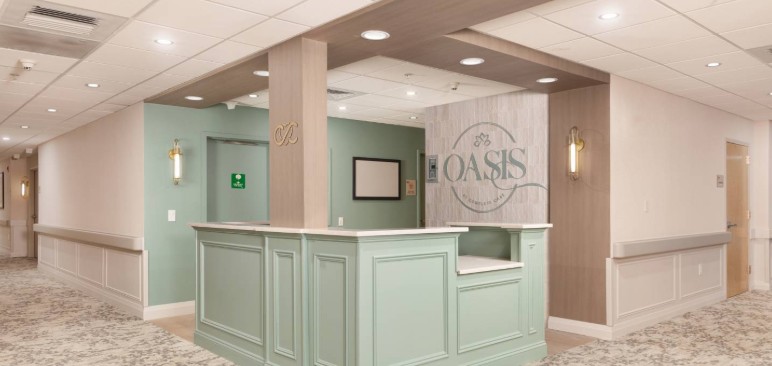
Complete Care at Shrewsbury NJ
HospiceOur approach to hospice emphasizes effective management of symptoms and side effects related to both the disease and its treatment, while also addressing emotional, psychological, and spiritual needs. We provide compassionate, end-of-life care focused on comfort, dignity, and quality of life for patients with terminal illnesses. Our team works closely with patients and their loved ones to ensure peace of mind during this challenging time, helping to create a supportive and peaceful environment.
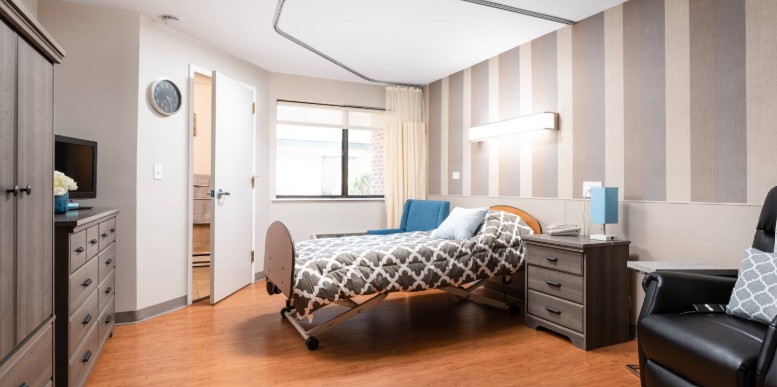
Complete Care at Laurelton
Skilled NursingAt Complete Care at Laurelton, we provide post-acute rehabilitation programs to help patients recover from illness, injury, or surgery, regain their strength, and transition home as soon as possible. We also provide advanced clinical specialties for those who require more time and assistance, in addition to around-the-clock nursing care, in a welcoming setting that feels like home.
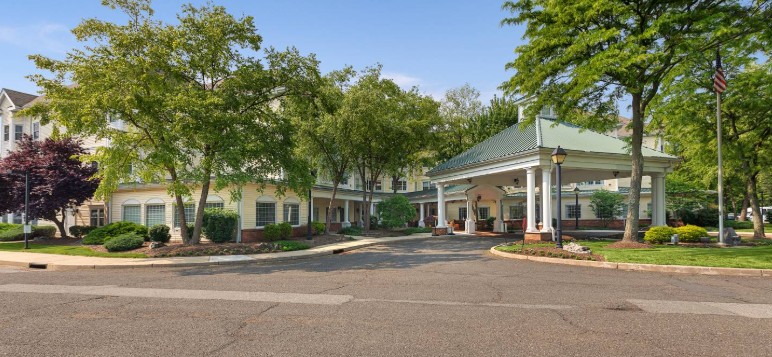
Complete Care at Whispering Woods
Assisted LivingAt Complete Care at Whispering Woods, we offer an experience that is completely yours. We tailor our services and support so the time you spend with us is comfortable, enriching, and engaging. In addition to beautifully appointed living spaces, we provide personal care, meals, medication assistance, and supervision. We see the resident experience as a core part of our brand. Our goal is to turn every interaction into a moment where people feel safe, valued, and welcome. We believe in being more intentional in the moments we already have with our residents and guests: greeting someone warmly, anticipating a need, following up on a concern. A remarkable resident experience is another way we care for you completely.