Physical Activity for Senior Care
Comfort Keepers
Sep 05, 2024

Email US
Click to Email Us
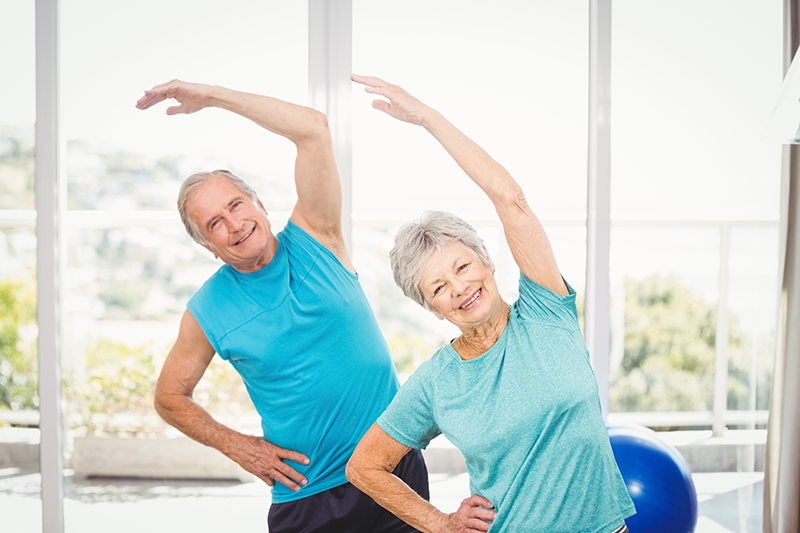
As seniors age, physical activities can have not only positive physical effects, but positive cognitive effects as well.
In one study, 100 nursing-home residents performed resistance exercises three times a week for 10 weeks. At the end, the exercise group could lift significantly more weight, climb more stairs, and walk faster and farther than their sedentary counterparts.
It’s been proven time and again that exercise is good for seniors’ physical and mental health. Regular exercise, even in small amounts, can improve mood, relieve stress and improve health. According to the CDC, four of the five most expensive health conditions older adults face can be prevented or managed with physical activity. But, only about 35% of adults over the age of 65 are physically active.
Any senior starting a new exercise plan should consult with their physician. And, it is helpful for family and members of the care team to assist and support physical activity in any way they can.
 | For those that are physically able to begin an exercise program, regular movement can help them live a more vibrant and healthy life. Some of the health benefits include:
|
Each individual has different needs when it comes to exercise and varying health conditions that may need to be taken into consideration before beginning an exercise regimen. A health professional to determine the best approach to physical activity with senior care.
There are a variety of ways to incorporate aerobic activity, strength-building exercises, stretching and balance – all without leaving the comfort of home!
Aerobic exercise – Walking in place, dancing or aerobic routines can help get the heart rate up. These activities improve cardiovascular health and help older adults maintain a healthy weight.
Strength building exercises – there are many easy strength-building exercises that can help seniors build the muscles they need to do everyday activities and prevent muscle loss. And, exercises can be done with household items or using body weight, so no expensive equipment is required.
Stretching – Stretching before and after exercise can help prevent soreness after exercise. And, the additional benefit is improved flexibility, which is good for older adult’s physical health. For those looking to improve their flexibility even more, there are exercise routines available online that include yoga or stretching routines specifically for seniors.
Balance exercises – Balance exercises help seniors prevent falls and improve mobility. Yoga, tai chi, and other low-impact activities can all help improve balance and overall physical health.
Those that need a little assistance getting started should not hesitate to reach out to their doctor, family or caregiver. It is never too late to adopt an active lifestyle!
Comfort Keepers® Can Help
For seniors that need a little extra help living an active lifestyle, Comfort Keepers caregivers can help with encouragement, support and assistance with physician-prescribed exercise plans. And, caregivers can encourage overall health through meal planning, grocery shopping, meal preparation and activities. Our custom care plans focus on physical and mental health and wellness activities. Our goal is to see that clients have the means to find the joy and happiness in each day, regardless of age or acuity.
To learn more about our in-home care services, contact your local Comfort Keepers location today.
References
Centers for Disease Control and Prevention. “Adults Need More Physical Activity.” Web. 2019.
Health and Human Services. “Facts & Statistics: Physical Activity.” Web. 2017.
National Council on Aging. “Exercise Programs That Promote Senior Fitness.” Web.
Reader’s Digest Canada, “5 of the Best Exercises for Seniors to Build Strength, Improve Balance and Boost Heart Health.” Web.
Harvard Health Publishing. “Exercise after age 70.” Web. 2007.
Other Articles You May Like
Understanding Your Digital Footprint
Digital what? Footprint? You may be thinking thats what you leave behind at the beach. While that may be correct, it is also what you leave behind every time you provide your email, set up a new online account, or allow your data to be tracked. Your digital footprint is the trail you leave behind with Location services on your phone. It is the data you leave behind when commenting on Aunt Sallys Facebook page, sharing your familys vacation pictures on Instagram, or traipsing around the internet to various sites looking for that cute Lladro figurine your mother wanted for Christmas. All of it tells something about you whether you realized it was happening or not.Most of the time, the sharing of your data what you do, how you do it, etc. may not be a big deal. Or is it? The reality is that your data supports big business every day. It is collected, bought and sold (mostly without your knowledge) by data brokers (i.e., Acxiom, Epsilon), credit and identity bureaus (i.e., Experian, Equifax, TransUnion), and Big Tech Companies (i.e., Google, Amazon, Meta, Microsoft, Apple) that share your data with their partners and ad networks.The danger to you is when there is a data breach at one of the many sites that has your data and your data is captured and posted on the dark web. This enables nefarious characters to better target you for scams and potentially steal your identity. Call Lily in the Details today 941-237-0157 and schedule Understanding Your Digital Footprint, Navigating the Online World Safely and Wisely for your community.
Serving America and our community
By Dr. David RiceSouthwest Florida is home to more than 100,000 veterans, according to the U.S. Department of Veterans Affairs.They own homes, manage businesses and pay taxes here. They volunteer at local nonprofits and donate to local causes. They are the core of our community.Nearly every day, at least one veteran walks into Advocate Radiation Oncology for treatment. Cancer impacts people from every background, including veterans. Even the most hardened veterans struggle with a cancer diagnosis, which is understandable; no one is invincible and cancer generates a wave of emotions shock, anxiety, frustration, fear and stress.Over the years, veterans in Charlotte and Sarasota counties have found an ally inside the treatment room Dr. Brian Lawenda. A board-certified, Harvard-trained physician who completed medical school at Temple University, Lawenda has all the credentials to help a patient feel confident that they're in good hands, medically speaking. Then they find out something else about their physician. He is a veteran, too, having served this country 13 years with the U.S. Navy and attaining the rank of commander."When I enlisted, I took an oath to serve this country and uphold the U.S. Constitution," Lawenda said. "When I became a doctor, I pledged to dedicate my practice to patients and the community I serve, and it's especially gratifying when those patients are fellow veterans."The best doctors don't just treat symptoms; they connect with patients, usually through shared experiences they're from the same state, cheer for the same sports team or attended the same university. Lawenda's military experience helps create an instant doctor-patient bond that continues during treatment and beyond. In fact, Lawenda has become the region's go-to radiation oncologist for veterans, not just Navy veterans, but those who have admirably served across all six branches of the military."When he told me he served in the Navy, it gave me comfort," said Ret. Command Master Chief Scott Fusco, a North Port resident who recently completed prostate cancer treatments at Advocate. "I had absolute trust in him from that point on."Lawenda wasn't the only veteran on Fusco's care team, either. His urologist also served in the Navy and referred Fusco to Dr. Lawenda for treatment."We served at different times and places, but we're all part of the same team," Fusco said. "They've been there, done that, just like me. There is instant respect, instant trust."Lawenda, who sees patients at Advocate's cancer treatment centers in Port Charlotte and Venice, specializes in the treatment of prostate, lung, breast, head and neck, rectal, liver, bone, cervical and other types of cancers. Although Lawenda doesn't technically specialize in the treatment of veterans, he is especially proud to support patients like Fusco on their cancer journey."A veteran may retire or end their military service, but he or she will never stop serving this country and their community," Lawenda said. "Being able to help local veterans beat cancer is extremely gratifying and certainly rewarding. The military is a brotherhood and a sisterhood, and I'll continue fighting for my brothers and sisters."About the AuthorDr. David Rice is a board-certified radiation oncologist who sees patients through Advocate Radiation Oncologys cancer treatment centers in Port Charlotte and Venice. Visit AdvocateRO.com for more information.
Holiday Visits: Prepare the Home, Protect Your Peace
A warm welcome doesn't require a perfect house. Whether family is coming for an afternoon or staying a few nights, a little planning now can make holiday gatherings more comfortable for everyone.1. Have the conversation earlyConfirm dates, overnight arrangements, food preferences, and any mobility needs. Let guests know what works for you, including visit length and quiet time.2. Create a comfortable place to landFresh linens, a clear bedside surface, and an easy-to-reach lamp can make a guest space feel welcoming. No guest room? Agree on sleeping arrangements ahead of time.3. Make movement easierClear hallways and stairs, secure or remove loose rugs, and check lighting between sleeping areas and bathrooms. Keep frequently used items within comfortable reach.4. Put safety before tidinessStore medications securely, especially when children are visiting. Check smoke and carbon monoxide alarms according to the manufacturer's instructions, and keep exits clear.5. Share the hostingInvite family to bring a dish, help with cleanup, or organize an activity. Keep meals simple and make room for breaks. Being together matters more than doing everything yourself.6. Make space for connectionSet out a few family photos, plan a favorite game, or ask guests to share a memory. Often, the simplest traditions are the ones everyone remembers.