Red Light Therapy: The Pros and Cons
HealthLight
For more information about the author, click to view their website: Red Light Therapy Pros and Cons
May 24, 2023
National


Do you have concerns regarding the long list of unpleasant and potentially dangerous side effects associated with today’s pharmaceutical pain medications? Do you need to manage acute or chronic pain but do not want to risk the possibility of addiction associated with commonly prescribed opiods? Are you looking to avoid the pain, risks, recovery time, and high cost of surgery? If so, you might want to consider a highly effective healing modality known as “Red Light Therapy.”
Red Light Therapy can be defined as “the use of red and near-infrared light to stimulate healing, relieve pain, and reduce inflammation.” Red Light Therapy devices have been granted FDA clearance for increasing circulation, relieving pain, relaxing muscles, relieving muscle spasms, and relieving the aches and stiffness caused by arthritis. If you are wondering what Red Light Therapy can do for you or your patients, here is a list of Red Light Therapy pros and cons:
Red Light Therapy Pros:
Red Light Therapy is also known as “low-level light therapy” (“LLLT,”) and as “photobiomodulation” (“PBM.”)
Red Light Therapy Relieves Pain:
Medical science has found that Red Light Therapy provides pain relief effective enough to help patients avoid the risks of pain medications and even surgery: “In recent years, evidence for the use of light therapy as a nonpharmacologic approach for pain reduction has gained momentum, and both pre-clinical and clinical studies have demonstrated its efficacy and continue to explore its efficacy in a variety of pain syndromes.” And, “Cutaneous application of red light (660nm) has been shown to reduce pain in neuropathies and complex regional pain syndrome-I…” And today, science affirms that: “…light therapy can increasingly be a useful therapeutic analgesic modality, providing a safe and effective option to reduce the physical, psychological, economic, and societal burden that acute and chronic pain inflicts on so many patients.”
Red Light Therapy Accelerates Healing:
Red Light Therapy releases beneficial chemicals within cells and tissues through photobiomodulation, a process like photosynthesis in the plant world: “Radiation of tissue with light causes an increase in mitochondrial products such as ATP, NADH, protein, and RNA…” Light also causes the increased bioavailability of Nitric Oxide (NO), a potent vasodilator. And vasodilation “…increases the availability of oxygen to treated cells, and also allows for greater traffic of immune cells into tissue. These two effects contribute to accelerated healing.” So not only is Red Light Therapy effective and beneficial for pain relief, but Red Light Therapy “…can accelerate the body’s ability to heal itself.” This is a major therapeutic outcome which pain relievers and muscle relaxants cannot achieve!
Red Light Therapy is Fast-Acting:
Red Light Therapy begins being therapeutic very quickly, because, “…the duration of light exposure for red and infrared light treatments is short and only requires seconds to minutes to cause photobiomodulation.” Because beneficial chemicals are rapidly released into cells and tissues within seconds to minutes, Red Light Therapy generates a quick and dependable decrease in pain to the point where, “Fast acting pain relief occurs within minutes of application…
Red Light Therapy Regenerates Nerves:
Science has found that Red Light Therapy can actually support the body’s efforts to regenerate nerves, leading to the return of sensation. This is especially important for those suffering from numbing conditions of the lower limbs or hands. “Photobiomodulation therapy (PBMT) effects an important role in neural regeneration and function enhancement, such as expression of nerve growth factor and nerve regeneration…”
Red Light Therapy Increases Circulation:
Maintaining good circulation and microcirculation are quite crucial to good health. And one of the easiest ways to improve circulation is by using Red Light Therapy. In fact, Red Light Therapy devices have been granted clearance from the FDA for increasing circulation.
Red Light Therapy Excels at Treating Musculoskeletal Problems:
For many decades now, Red Light Therapy has been regarded as “…an effective treatment modality to reduce pain in adult patients with musculoskeletal disorders.” “According to the more than 4000 studies on pub.med.gov, it can be concluded that the majority of laboratory and clinical studies have demonstrated that LLLT has a positive effect on acute and chronic musculoskeletal pain.” Because of its success with all of the types of musculoskeletal issues seen by chiropractors and physical therapists, Red Light Therapy is utilized by these practitioners worldwide, who regard Red Light Therapy as a safe and effective way to treat and prevent a wide range of these issues.
Red Light Therapy is Non-Invasive:
Unlike the use of corticosteroid injections and surgery, Red Light Therapy is non-invasive. It usually causes no pain, except perhaps when damaged nerves begin to regenerate. “With the advantage of being non-invasive, the applications of PBM are broad, going from pain relief to promoting the recovery of tendinopathies, nerve injuries, osteoarthritis and wound healing.”
Red Light Therapy is Relaxing:
People report that Red Light Therapy feels relaxing, comforting, and soothing. Pain, stiffness, soreness, and muscle tension quickly disappear. Many acupuncturists employ Red Light Therapy to relax their patients before needle insertion, making needling easier. Physical therapists and massage therapists use Red Light Therapy to relax patients and make hand work easier.
Red Light Therapy Poses No Risks or Safety Issues:
Red Light Therapy has been found to be risk free and can be administered without worry regarding harmful side effects or safety issues. “PBM has an almost complete lack of reported adverse effects…” And a recent 2021 study concluded that, “In addition to its label as a nonpharmacologic therapy, light therapy is attractive to both clinicians and patients due to its noninvasiveness and lack of side effects, ultimately increasing patient compliance.”
Red Light Therapy is Non-Toxic and Non-Addictive:
Unlike many pharmaceuticals currently prescribed for pain relief and chronic conditions, especially opioids, Red Light Therapy offers the major benefits of delivering pain relief plus accelerated healing while being non-toxic and non-addictive.
Red Light Therapy Can Treat a Large Tissue Area:
Depending upon the size of the therapy pad, Red Light Therapy can treat a large area of the body, such as the upper or lower back, upper or lower leg or arm, or the entire shoulder, knee, or elbow. HealthLight makes a large 264 Diode Red Light Therapy Pad and a Long 180 Diode Pad, and either pad can easily treat large areas of tissue.
Red Light Therapy Can Treat Every Body Area (Except the Eyes):
Red Light therapy can benefit virtually every external part of the body, from the toes up to the head, as well as internal organs such as the liver, the heart, the stomach, etc. But placing Red Light Therapy Pads that include infrared light directly over open eyes is not recommended. However, face masks can be worn safely over closed eyes. HealthLight makes a 104 Diode Face Mask that emits only red light and blue light. This mask is safe to place over closed eyes, and can achieve medical-grade results — and does not need a controller.
Red Light Therapy Can Treat an Extensive Range of Issues:
Since scientific studies have proven that, “These low doses of light have demonstrated the ability to heal skin, nerves, tendons, cartilage and bones,” Red Light Therapy can help stimulate, support, and accelerate healing for a wide range of issues throughout the body. Dr. Michael R. Hamblin of Harvard University proclaims, “To a very great extent I believe that almost all types and variety of human diseases can be treated with light (of one kind or another).”
Red Light Therapy is Simple and Easy to Administer:
Nothing could be simpler and easier than Red Light Therapy. Just place the Red Light Therapy Pads directly on the body wherever pain relief and increased circulation are needed, turn on the device, select a setting, and the light waves produced by the pads do their work. Sessions are usually programmed to run twenty minutes, after which time most devices shut off automatically.
Red Light Therapy Can Be Used at Home:
Because Red Light Therapy is so safe and so easy to administer, no risk is involved with using LED Red Light Therapy devices at home. Many chiropractors have developed in-home programs for chronic conditions based on patients self-administering LED Red Light Therapy between office visits. As Dr. Hamblin explains, “LED devices are considered totally harmless with no risk of eye damage or skin burns, and are ideally suited to home use.” And a 2019 study concluded that PBM devices used at home, “…have good potential for effective and safe treatments in a variety of medical conditions requiring frequent sessions.”
Red Light Therapy Can Be Administered While Doing Other Activities:
Red Light Therapy offers the distinct advantage of allowing other activities during treatment. You can read, listen to music, watch television, use your phone or tablet, or even nap, as the Red Light Therapy device should shut off automatically.
Red Light Therapy Can Treat Multiple Issues Simultaneously:
From two to six areas of the body can be treated during a single therapy session by using a controller that can operate multiple Red Light Therapy Pads simultaneously — providing you or your patients an extensive therapy session that benefits several problem areas at one time. HealthLight makes multi-port controllers that are able to power either 2, 3, or 6 Red Light Therapy Pads at once.
Red Light Therapy Can Be a Stand Alone Treatment or Used with Other Therapies:
Red Light Therapy can be used as a standalone treatment, or in conjunction with other healing modalities such as chiropractic, acupuncture, physical therapy, or massage therapy. Utilizing Red Light Therapy with other therapies will usually augment, amplify, and accelerate their therapeutic results.
Red Light Therapy Devices are Portable:
Red Light Therapy devices are lightweight, which allows them to be portable. Devices can be easily packed in a suitcase or backpack — and used at the office or while on vacation. Red Light Therapy devices made by HealthLight are lightweight, compact, and include a handy carry bag — making it extremely easy to take your Red Light Therapy device with you wherever you go.
Red Light Therapy Devices are Easy to Maintain:
A well made Red Light Therapy device should require no maintenance, as long as the Therapy Pads and controller are handled properly. Good quality LEDs (such as those used by HealthLight) should last for many years. Therapy Pads can be kept clean and sanitary for individual or family use, or for use by health clinics, by placing them in lightweight clear plastic bags. These bags can then be disposed of and replaced as needed, keeping your Red Light Therapy Pads clean and ready for the next treatment session.
Red Light Therapy Cons:
In comparison to the extensive list of Red Light Therapy pros, the cons are minimal:
Red Light Therapy Pads that include Infrared LEDs Should Not be used over open eyes.
But pads that emit only red light and/or blue light are safe over closed eyes.
Red Light Therapy Should Not be used with pharmaceuticals that cause light sensitivity.
Red Light Therapy Should Not be used over a developing fetus.
But other body areas may be treated during pregnancy.
Red Light Therapy Should Not be used over active cancer.
While “Applying PBM therapy over the site of a tumor has been considered to be a contraindication,” Red Light Therapy can provide positive benefits to cancer patients. “In contrast, it was realized that PBM was highly effective in the mitigation of numerous distressing side effects that occur as a result of a range of different kinds of cancer therapy.” As a result, “PBM is becoming a well-established approach to mitigate or prevent the development of cancer therapy associated side effects…”
.png)
- To view the original version of this article visit healthlightllc.com/2022/11/25/red-light-therapy-pros-and-cons/
- Seniors Blue Book was not involved in the creation of this content.
Other Articles You May Like
Pain Management in Sarasota, FL
Pain can change almost every part of an older adult's day.A painful knee can make getting out of a chair more difficult. Back pain may interfere with sleep. Shoulder pain can make dressing or reaching into a cabinet uncomfortable. Arthritis can gradually reduce walking, exercise, and social activity. After surgery or injury, pain may also make someone afraid to move even when movement is an important part of recovery.For seniors searching for pain management in Sarasota, FL, the right resource depends on what is causing the pain and how it is affecting everyday function.Some people need evaluation from a physician or medical pain specialist. Others may benefit from physical or occupational therapy designed to improve strength, flexibility, mobility, and the ability to complete everyday activities with less discomfort.What Is Pain Management?Pain management means identifying and using appropriate strategies to reduce pain, improve function, and help someone continue participating in everyday life.The National Institute on Aging distinguishes between two broad types of pain.Acute PainAcute pain generally begins suddenly and is expected to improve as the body heals.Examples may include pain following: Surgery A fracture Injury Dental problems Other short-term medical conditions Chronic PainPain lasting three months or longer is generally considered chronic.Older adults may experience chronic pain related to conditions such as: Osteoarthritis Back problems Neuropathy Previous injuries Shingles Cancer Other chronic health conditions The National Institute on Aging notes that ongoing pain can interfere with sleep, eating, daily activities, social participation, and emotional well-being. It also emphasizes that persistent pain should not simply be dismissed as an unavoidable part of aging. (nia.nih.gov)Pain Management Is Not One TreatmentThe best approach depends on the underlying cause.A pain-management plan may involve: Medical evaluation Physical therapy Occupational therapy Exercise Activity modification Heat or cold when appropriate Manual therapy Medication Behavioral strategies Assistive devices Injections or procedures Treatment from a pain specialist The CDC notes that several noninvasive, non-medication approachesincluding physical therapy and exercise therapycan improve pain and function for certain chronic conditions such as back pain and hip or knee osteoarthritis. (cdc.gov)That does not mean every pain problem should automatically be treated with exercise.New, unexplained, severe, or rapidly worsening pain deserves appropriate medical evaluation.FOX RehabilitationPhone: 854-222-4766FOX Rehabilitation provides geriatric-focused physical and occupational therapy in patients' homes and senior living communities. Physical therapy services address pain, mobility, strength, flexibility, balance, endurance, and functional independence. Smile Home TherapySeniors Blue Book Phone: 941-557-5073Smile Home Therapy provides in-home physical and occupational therapy for Sarasota-area adults and seniors. Its pain-management program uses individualized combinations of manual therapy, exercise, therapeutic activities, education, and selected therapeutic modalities to address chronic pain and everyday function. Why Pain Management Matters Locally in SarasotaSarasota County has one of Florida's largest older populations.Approximately 38.8% of Sarasota County residents are age 65 or older, according to current U.S. Census Bureau estimates.Older adults are more likely to encounter conditions that may contribute to ongoing discomfort, including: Osteoarthritis Joint replacement Spinal conditions Neuropathy Previous injuries Cancer treatment Reduced mobility Post-surgical pain Pain can also have a cascading effect.Someone who hurts may stop walking.Less walking may lead to: Weakness Reduced endurance Poorer balance Greater dependence on family Eventually, a problem that began as pain can start affecting independence.Local in-home rehabilitation resources such as FOX Rehabilitation and Smile Home Therapy can be particularly useful in Sarasota because care can be brought into the environment where seniors actually live.How to Get Started With Pain Management1. Describe the Pain ClearlyBefore an appointment, consider: Where does it hurt? When did it begin? Is it constant or intermittent? What makes it worse? What makes it better? Does it interrupt sleep? Does it affect walking? Does it interfere with dressing or bathing? NIA recommends being specific when describing pain because those details can help healthcare professionals understand the problem. (nia.nih.gov)2. Start With Medical Evaluation When the Cause Is UnknownPain management works best when the underlying condition is understood.3. Ask Whether Physical or Occupational Therapy May HelpTherapy may be particularly relevant when pain interferes with movement or everyday function.4. Contact FOX RehabilitationFor therapy-based pain-management services:FOX Rehabilitation SBB Phone: 854-222-4766FOX provides geriatric-focused physical and occupational therapy in home and senior-living environments. (seniorsbluebook.com)5. Contact Smile Home TherapyFor Sarasota-area home-based therapy:Smile Home Therapy SBB Phone: 941-557-5073Smile provides individualized therapy that includes a dedicated chronic-pain management program. (seniorsbluebook.com)6. Discuss Functional GoalsInstead of focusing only on a pain score, identify activities you want to improve.Examples might include: Walking to the mailbox Sleeping comfortably Dressing independently Returning to gardening Shopping Climbing steps 7. Review ProgressIf pain or function is not improving, tell the treating professional.The plan may need to change or additional medical evaluation may be necessary.Related CategoriesPhysical Therapy Occupational Therapy Arthritis & Joint Care
3 Best Associations for Specific Ailments in Sarasota, FL
When a Diagnosis Changes Everything, You Don't Have to Navigate It AloneA diagnosis whether it's Parkinson's disease, dementia, or significant hearing loss rarely arrives with a roadmap. One day your loved one is managing fine, and the next you're trying to figure out where to turn for support, education, equipment, or simply someone who understands exactly what you're going through.Families in Sarasota often discover that the missing piece isn't more medical treatment it's community. Condition-specific associations exist precisely for this gap. They're not hospitals or doctor's offices; they're organizations built around one diagnosis or one type of need, staffed and run by people who live and breathe that specific challenge every day. For families feeling isolated by a new diagnosis, finding the right association can be the difference between struggling alone and finding a whole network of people who already know the way forward.Below, we highlight three trusted associations serving Sarasota-area seniors and their families, each focused on a distinct and specific need.What Are "Associations for Specific Ailments," and Who Are They For?Associations for specific ailments are nonprofit organizations built around a single diagnosis, condition, or category of need rather than general senior services. Unlike a home care agency or an assisted living community, these organizations typically don't provide hands-on medical care. Instead, they focus on: Education helping individuals and families understand a diagnosis and what to expect Support groups connecting people facing the same condition, and connecting caregivers with each other Specialized equipment or resources free or low-cost tools that address a specific need Referrals pointing families toward the right doctors, therapies, and community resources Advocacy raising awareness and funding research or programs specific to the condition The 3 Best Associations for Specific Ailments in Sarasota, FL1. Parkinson Place Phone: 941-893-4188Parkinson Place Center for All Movement Disorders is a 501(c)(3) nonprofit founded in 2012, based in a dedicated facility at 5969 Cattleridge Blvd in Sarasota. The organization was built around a simple idea: that people living with Parkinson's disease and other movement disorders along with their families and caregivers deserve a dedicated space to address the physical, mental, emotional, and social sides of the disease, not just the medical ones.Services offered: Parkinson Place runs an extensive calendar of programming, offering more than 85 free in-person and online monthly classes and programs. That includes Rock Steady Boxing, general fitness classes, pedaling programs, and voice therapy all designed around research showing that structured movement and vocal exercise can help slow the progression of Parkinson's symptoms. For caregivers and family members, the center runs two dedicated support groups: "Circle of Support" and the "Caregivers Only Club," giving spouses, adult children, and other caregivers a space to process what they're experiencing. The center also brings in expert speakers monthly, including its Medical Director and a neuropsychologist on staff, to keep members and families current on treatment approaches.What families should know: Every class and every membership at Parkinson Place is completely free. The organization operates out of an 11,000-square-foot destination facility, giving it the space to run dozens of concurrent programs rather than a single weekly meeting. Because the center is dedicated exclusively to movement disorders, staff and volunteers bring a depth of specialized knowledge that general senior centers typically can't match.Best for: Sarasota-area families managing a Parkinson's or other movement disorder diagnosis who want free, evidence-based group programming plus dedicated caregiver support in one place. 2. The Dubin Center Phone: 239-437-3007The Dubin Center formally the Alvin A. Dubin Alzheimer's Resource Center has been supporting dementia caregivers and families in Southwest Florida for more than three decades. What began as a Lee County-based organization has expanded into Sarasota and Manatee counties, made possible through the support of Larry and Nicci Lieberman (Larry is the great-nephew of the center's namesake, Zelda Dubin) who share the family's commitment to ensuring no one faces dementia alone.Services offered: The Dubin Center provides local expertise with resource referrals, education, and support groups all at no cost to families. In Sarasota specifically, the center runs multiple monthly support groups, including one open to all family caregivers navigating the challenges of caring for someone with dementia, and another specifically for caregivers whose loved ones live in a memory care facility. Groups are offered both in person and via Zoom for flexibility. Beyond support groups, the Dubin Center's team helps families navigate a wide range of resources, including home healthcare, community placement, hospice, and respite care. The organization also offers structured education, including the Savvy Caregiver program, a six-week, evidence-based curriculum designed to build confidence and understanding in family caregivers.What families should know: The Dubin Center values personal autonomy, choice, comfort, and dignity in every interaction with individuals living with dementia and their caregivers. As a nonprofit, most services are offered free or at very low cost, with scholarships available for families who need additional financial assistance. The Sarasota office can be reached directly for questions about attending a support group.Best for: Families navigating a dementia diagnosis whether newly diagnosed or further along who need ongoing education, emotional support, and help figuring out next steps like memory care placement or respite options. 3. Florida Telecommunications Relay (Free Equipment) Phone: 239-461-0334Florida Telecommunications Relay, Inc. (FTRI) is a statewide nonprofit organization founded in 1979 that administers Florida's Specialized Telecommunications Equipment Distribution Program. FTRI's mission is to provide equitable telecommunications access for Florida residents who are deaf, hard of hearing, deafblind, or speech-impaired a need that becomes especially common as people age and experience hearing loss.Services offered: FTRI provides free amplified telephones and other specialized communication equipment to qualified Florida residents, at no cost, for as long as the equipment is needed. The program offers a range of amplified telephones designed for individuals with mild, moderate, or severe hearing loss, along with ring signalers and other accessories. Equipment is available through a statewide network of Regional Distribution Centers and community partner organizations, including local distribution events held in the Sarasota area, such as sessions at the Sarasota Hearing Center on Fruitville Road. FTRI staff provide hands-on training on how to use the equipment, so seniors and family members leave knowing exactly how their new phone works.What families should know: To qualify, an applicant must be a permanent Florida resident, at least three years of age, and certified as having a hearing loss or speech impairment. The program is funded through a small monthly surcharge on Florida landline telephone service, rather than taxpayer dollars, and equipment is provided as a loan for as long as it's needed there's no cost to apply or to keep the equipment while eligible. This is an especially valuable resource for Sarasota seniors on a fixed income who may otherwise go without a phone they can actually hear.Best for: Sarasota seniors experiencing hearing or speech difficulties who want to stay independently connected with family, friends, and emergency services without the cost of specialized equipment. Why This Matters Locally in SarasotaSarasota County is one of the most senior-dense communities in Florida, and Florida itself has one of the oldest populations in the country. That reality means Sarasota families are more likely than most to be navigating a Parkinson's diagnosis, a dementia diagnosis, or age-related hearing loss at any given time often more than one at once, since these conditions frequently overlap in aging adults.Local, condition-specific associations matter here for a few reasons: They fill the gap between a diagnosis and a treatment plan. A neurologist can prescribe medication, but rarely has the time to walk a family through what daily life with Parkinson's or dementia actually looks like. These organizations exist to do exactly that. They reduce isolation for caregivers, not just patients. Caregiving for a spouse or parent with a progressive condition is one of the most isolating experiences a person can go through. Local support groups in person, in a Sarasota building, with people from the same community offer something video calls with distant relatives can't. They remove cost as a barrier. All three organizations featured here provide their core services free of charge, which matters enormously for Sarasota's many seniors living on fixed incomes. They keep seniors safely connected. Whether it's a free amplified phone that lets a senior call for help in an emergency, or a caregiver support group that catches burnout before it becomes a crisis, these resources directly support seniors' ability to remain safe and engaged in their own homes. How to Get Started Identify the specific need. Is this about a movement disorder like Parkinson's, a dementia diagnosis, or a hearing/speech challenge? Each association above specializes in one of these areas, so starting with the right one saves time. Reach out directly most services require no referral. All three organizations allow individuals and family members to call or visit their website directly; you generally don't need a doctor's referral to get started. Ask about caregiver-specific resources, not just patient resources. If you're the primary caregiver, ask each organization about their support groups and education programs designed specifically for you burnout prevention matters as much as direct patient support. Confirm any eligibility requirements. For example, FTRI's free equipment program requires Florida residency and a certified hearing or speech condition have that documentation ready before applying. Attend one program before committing further. Most support groups and classes welcome newcomers to sit in on a session first. This is a low-pressure way to see if the group and format are the right fit. Build your resource network. Many families end up using more than one of these associations at once, alongside home care or medical providers don't hesitate to ask each organization for referrals to other local resources they trust.
Beyond Pills: A Guide to Modern Pain Management
Mention "pain management" and a lot of people picture one thing: a prescription bottle. But that picture is outdated. Modern pain management for seniors looks a lot more like a toolbox than a single pill, combining several approaches that work together, often with better results and fewer risks than medication alone.Here's what that toolbox actually includes.Why Chronic Pain in Seniors Needs a Different ApproachChronic pain, pain lasting three months or longer, is common in older adults, often tied to arthritis, neuropathy, old injuries, or ongoing back issues. Unlike acute pain that signals fresh tissue damage, chronic pain often involves changes in the nervous system itself, which is part of why a single pill rarely solves it on its own.The current, evidence-based approach is called multimodal pain management: combining several treatments that address pain through different mechanisms at the same time.1. Physical and Movement-Based TherapyMovement is one of the most effective, and most underused, tools in pain management.What it includes: Physical therapy to rebuild strength and improve function Targeted stretching and mobility work Tai chi and yoga, which combine gentle movement with mindfulness Occupational therapy for adapting daily tasks around pain limitations Why it matters: Physical therapy helps retrain the nervous system, improve circulation, and restore muscle and joint function, benefits that tend to build over weeks and months, not overnight.2. Injections and Interventional ProceduresWhen conservative treatment isn't enough, targeted procedures can offer more direct relief.Common options include: Joint injections deliver anti-inflammatory medication directly into a painful joint, often used for arthritis Epidural steroid injections reduce inflammation around spinal nerves Nerve blocks interrupt pain signals from a specific area, sometimes used for chronic knee, back, or neck pain Spinal cord stimulation uses a small implanted device to send electrical signals that help mask pain signals These procedures are typically performed by a pain management specialist and can provide significant relief for the right candidates.3. Non-Opioid MedicationsMedication still plays a role, it's just not the only role, and opioids aren't the default anymore.Options that don't carry opioid risks include: Acetaminophen, often a first-line option for many types of pain Anti-inflammatory medications (NSAIDs), helpful for arthritis and musculoskeletal pain, though kidney and stomach effects require monitoring in seniors Topical treatments, like lidocaine or capsaicin creams, which act locally with less systemic effect Antidepressants and anticonvulsants, which are commonly and effectively used specifically for nerve-related pain, not just mood 4. Psychological and Behavioral SupportThis is the piece that often gets left out of the conversation entirely, and it shouldn't be.Why it matters:Chronic pain isn't just physical. It's what's known as a biopsychosocial experience, meaning it's shaped by the body, thoughts, emotions, and daily life all at once. Long-term pain affects mood, sleep, and outlook, and those factors can, in turn, intensify how pain is experienced.Approaches that help: Cognitive-behavioral therapy (CBT), which helps reframe how pain is processed and managed day to day Mindfulness and relaxation techniques, which can reduce the stress response tied to chronic pain Support groups, which reduce the isolation that often accompanies long-term pain 5. Complementary and Hands-On TherapiesThese aren't standalone solutions, but they often support the rest of a treatment plan effectively.Common options include: Massage therapy, which relaxes tense muscles and improves circulation Chiropractic care, which may help specific types of back and neck pain TENS (transcutaneous electrical nerve stimulation), which uses mild electrical currents to modulate pain signals Ultrasound therapy, sometimes used for localized pain and inflammation Why Combining Approaches Works BetterHere's the key insight behind modern pain management: no single treatment addresses everything. Medication may help with inflammation, physical therapy rebuilds function, and psychological support addresses the emotional toll, three different mechanisms, working together.The goal typically isn't eliminating pain entirely, it's meaningfully reducing pain and improving day-to-day function and quality of life.What a Personalized Plan Actually Looks LikeA good pain management plan should be built around the individual, not a standard protocol. That typically means considering: The specific type, location, and severity of pain Existing health conditions and medications Personal preferences and lifestyle Ongoing check-ins to adjust the plan as needed Pain Management Has Evolved, and That's Good NewsModern pain management isn't about choosing between "pills" and "nothing." It's a genuinely broader field, offering real, evidence-based options that go far beyond a prescription pad. For many seniors, the right combination can mean meaningfully less pain and meaningfully more independence.Let Seniors Blue Book Help You Find the Right Care TeamManaging chronic pain effectively often takes a team, physical therapists, pain specialists, and mental health support working together. Seniors Blue Book connects families with trusted, local pain management providers who take a comprehensive, personalized approach.If you're a pain management, physical therapy, or behavioral health provider looking to reach seniors searching for these services, we'd love to help you connect with them.Get listed and get connected. Contact Seniors Blue Book today.Email: [email protected] | Phone: 800-201-9989 Disclaimer: This article is for general informational purposes only and does not constitute medical advice. Pain management options and their suitability vary by individual health condition. Please consult a physician or pain management specialist before starting any new treatment.
Local Services By This Author
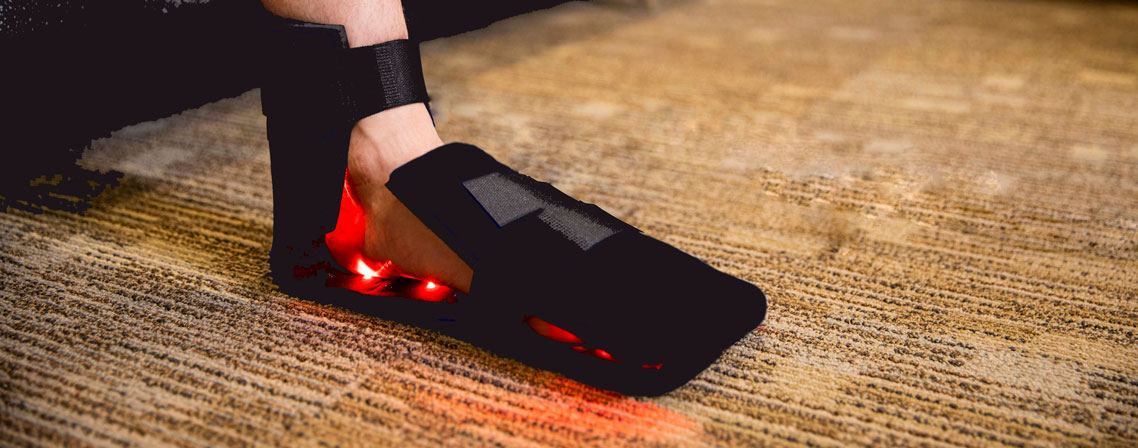
HealthLight Light Therapy Devices
Pain Management Device 110 Front Street, Jupiter, Florida, 33477HealthLight is a leading health technology company that specializes in developing and manufacturing innovative therapy pads based on low-level light therapy. Our mission is to provide safe, effective, and affordable solutions to help individuals find relief from pain and improve circulation. HealthLight offers drug-free, non-invasive, medical-grade relief. Our light therapy pads are typically found in doctor's offices, but are now available to the public.FDA-cleared and backed by 3,000 research studies, HealthLight offers powerful, tested pain relief. Join the thousands of people who got their lives back from often endless pain by using HealthLight light therapy pads at home and wherever they may be. Many of our customers reduce or even eliminate powerful pain meds from their daily regimen. Our team of experts includes doctors, engineers, and scientists who are dedicated to designing and developing cutting-edge technology that delivers real results. Our products are safe and easy to use.At HealthLight, we believe that everyone deserves access to the latest healthcare technology, which is why we offer our products at affordable prices. Our devices are easy to use, portable, and can be used in the comfort of your own home, making them ideal for busy individuals seeking effective pain management and injury recovery.Since our inception, HealthLight has earned a reputation as a trusted provider of health technology solutions. Independent testing has shown that HealthLight therapy pads stand apart from the competition, delivering more light energy to the skin than light therapy pads from other companies. This is due to our exclusive LED technology. If you are looking for a safe, effective, and affordable way to manage pain and improve circulation, look no further than HealthLight.
HealthLight Light Therapy Devices
Pain Management 110 Front Street, Jupiter, Florida, 33477HealthLight is a leading health technology company that specializes in developing and manufacturing innovative therapy pads based on low-level light therapy. Our mission is to provide safe, effective, and affordable solutions to help individuals find relief from pain and improve circulation. HealthLight offers drug-free, non-invasive, medical-grade relief. Our light therapy pads are typically found in doctor's offices, but are now available to the public.FDA-cleared and backed by 3,000 research studies, HealthLight offers powerful, tested pain relief. Join the thousands of people who got their lives back from often endless pain by using HealthLight light therapy pads at home and wherever they may be. Many of our customers reduce or even eliminate powerful pain meds from their daily regimen. Our team of experts includes doctors, engineers, and scientists who are dedicated to designing and developing cutting-edge technology that delivers real results. Our products are safe and easy to use.At HealthLight, we believe that everyone deserves access to the latest healthcare technology, which is why we offer our products at affordable prices. Our devices are easy to use, portable, and can be used in the comfort of your own home, making them ideal for busy individuals seeking effective pain management and injury recovery.Since our inception, HealthLight has earned a reputation as a trusted provider of health technology solutions. Independent testing has shown that HealthLight therapy pads stand apart from the competition, delivering more light energy to the skin than light therapy pads from other companies. This is due to our exclusive LED technology. If you are looking for a safe, effective, and affordable way to manage pain and improve circulation, look no further than HealthLight.