Supporting the Spiritual Needs of Patients and Families During Hospice
Emmaus Catholic Hospice
For more information about the author, click to view their website: Emmaus Catholic Hospice
Jun 16, 2026
Colorado - Denver Metro


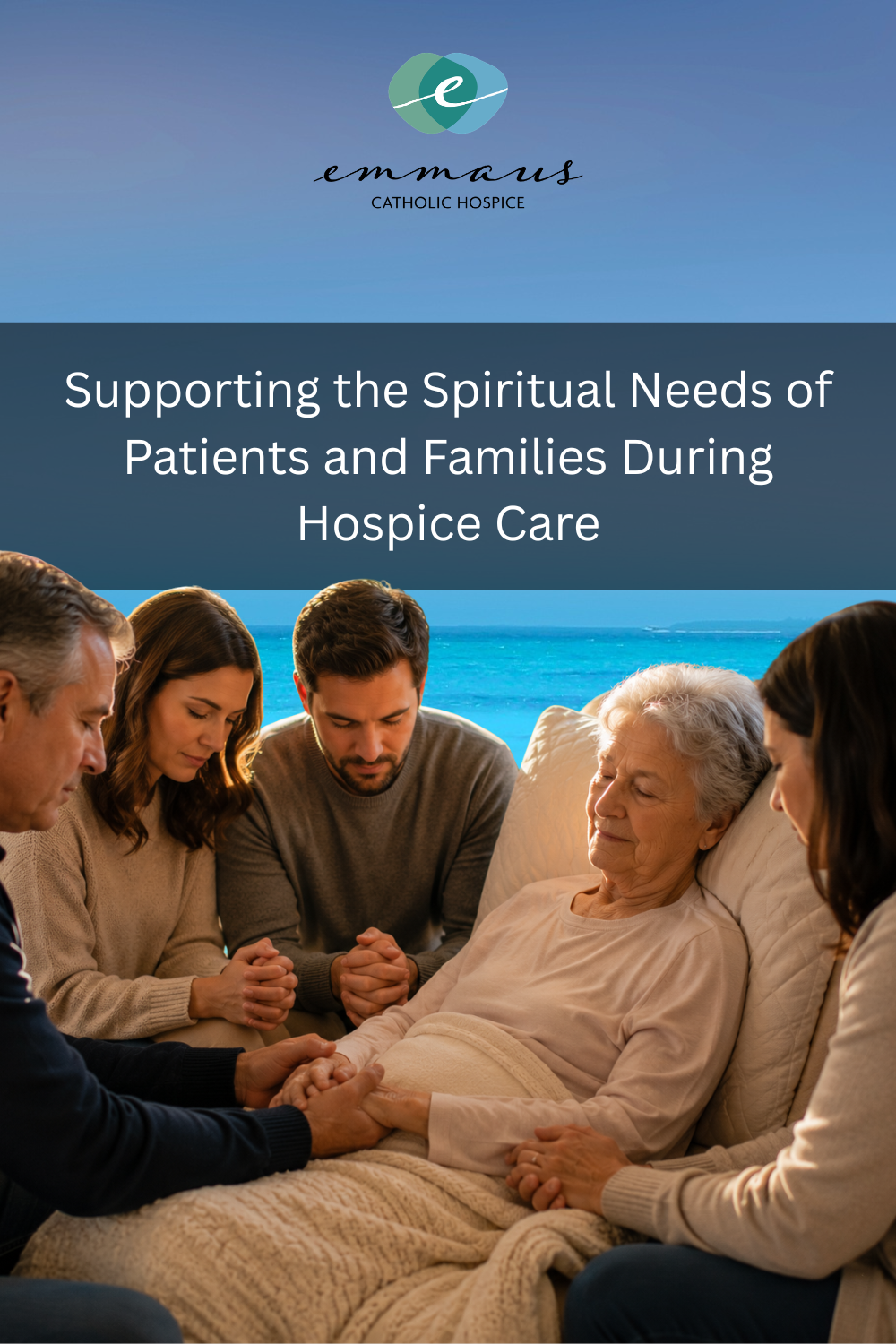
Supporting the Spiritual Needs of Patients and Families During Hospice Care
Serious illness affects every aspect of life.
While physical symptoms often receive the most attention, many individuals facing end-of-life challenges discover that emotional and spiritual questions become equally important. Patients may reflect on their life's purpose, relationships, faith, personal legacy, and the meaning of their experiences.
Families often find themselves navigating similar questions while supporting loved ones through difficult transitions.
Hospice care recognizes that people are more than their medical conditions. True compassionate care addresses the whole person—body, mind, and spirit.
For families seeking faith-centered support, Emmaus Catholic Hospice provides hospice services that honor spiritual beliefs while offering compassionate care, guidance, and comfort throughout life's final chapter.
Spiritual Care Is an Essential Part of Hospice
Hospice is designed to address the complete needs of patients and families.
This includes:
- Physical comfort
- Emotional well-being
- Social support
- Spiritual care
While every person's beliefs are unique, spiritual care provides opportunities for reflection, encouragement, and connection.
For many individuals, faith serves as a source of strength during uncertain times.
Hospice teams help create space for those spiritual needs to be acknowledged and supported.
Questions That Often Arise During Serious Illness
As individuals approach the later stages of life, deeper questions often emerge.
Patients may wonder:
- What has my life meant?
- Have I accomplished what I hoped to accomplish?
- How will my family be cared for?
- What legacy will I leave behind?
- How can I find peace?
Family members may ask similar questions while coping with grief and uncertainty.
Spiritual care creates opportunities to explore these concerns in a supportive and compassionate environment.
Denver's Strong Faith Communities
Denver is home to vibrant faith communities that provide support, encouragement, and connection for individuals and families.
Many older adults have spent decades participating in:
- Parish life
- Volunteer ministries
- Community outreach
- Faith-based friendships
- Religious traditions
When serious illness occurs, maintaining these spiritual connections often becomes especially meaningful.
Catholic hospice care helps patients remain connected to the beliefs and practices that have guided them throughout their lives.
Finding Comfort Through Faith
Faith often provides comfort in ways that medical care alone cannot.
Many individuals find strength through:
Prayer
Prayer can bring peace, hope, and reassurance during difficult times.
Sacred Traditions
Religious rituals often provide familiarity and comfort.
Reflection
Patients may find value in reflecting on their life's journey and accomplishments.
Community Support
Faith communities frequently offer encouragement and companionship.
These resources help many individuals face uncertainty with greater confidence and peace.
The Role of Chaplains and Spiritual Care Providers
Spiritual care professionals play an important role in hospice services.
Their responsibilities may include:
- Listening without judgment
- Offering prayer and encouragement
- Facilitating meaningful conversations
- Supporting families
- Providing spiritual guidance
- Helping patients explore concerns and hopes
Their goal is not to direct beliefs but to support each person's unique spiritual journey.
Legacy Matters
One of the most meaningful aspects of spiritual care involves helping individuals reflect on the lives they have lived.
Patients often wish to:
- Share family stories
- Express gratitude
- Pass on wisdom
- Strengthen relationships
- Preserve traditions
These conversations can be deeply meaningful for both patients and loved ones.
Families frequently treasure these moments long after a loved one's passing.
Reconciliation and Healing
Serious illness sometimes creates opportunities for healing relationships.
Patients may wish to:
- Reconnect with family members
- Resolve misunderstandings
- Express forgiveness
- Seek forgiveness
- Strengthen personal relationships
Hospice professionals understand the importance of these conversations and provide supportive environments where healing can occur.
Supporting Families Through Grief
Spiritual care is not limited to patients.
Family members often experience:
- Fear
- Anticipatory grief
- Anxiety
- Sadness
- Uncertainty
Hospice teams provide resources and guidance that help families navigate these emotions.
Support often continues through bereavement services after a loved one's passing.
Creating Moments of Peace
Many families describe hospice as a time when life slows down.
Instead of focusing solely on medical appointments and treatments, individuals can concentrate on:
- Relationships
- Faith
- Reflection
- Gratitude
- Personal connections
These experiences often create profound moments of peace and meaning.
Respecting Individual Beliefs
While Emmaus Catholic Hospice provides faith-based services, compassionate spiritual care always begins with respect.
Every patient has unique beliefs, experiences, and preferences.
Care plans are developed to honor those values while providing individualized support.
This approach helps ensure that spiritual care remains meaningful and personal.
Hospice and Dignity Go Hand in Hand
Spiritual care contributes significantly to preserving dignity.
When individuals feel heard, respected, and supported, they often experience greater peace and comfort.
Hospice recognizes that every person deserves compassionate care that honors not only physical needs but also emotional and spiritual well-being.
Jeanette Richardson of Emmaus Catholic Hospice shares, "Spiritual care helps patients and families find comfort, meaning, and peace during life's most important moments. We are honored to walk beside them while honoring their faith and personal journey."
Frequently Asked Questions
What is spiritual care in hospice?
Spiritual care addresses emotional, faith-based, and existential concerns that may arise during serious illness.
Do patients need to be Catholic to receive care?
Hospice services are provided with respect for each individual's beliefs and values.
What does a hospice chaplain do?
Chaplains provide spiritual support, prayer, listening, and guidance for patients and families.
Can spiritual care help family members?
Yes. Family members often benefit from spiritual support and bereavement resources.
Why is spiritual care important?
Many individuals find comfort, peace, and meaning through spiritual reflection and support.
Learn More Through Seniors Blue Book
Hospice care involves caring for the whole person. Emmaus Catholic Hospice provides compassionate, faith-centered support that addresses physical, emotional, and spiritual needs while helping families navigate life's final journey with dignity and peace.
Visit their Seniors Blue Book listing today to learn more about available hospice services and resources for Denver-area families.
Other Articles You May Like
Comfort, Dignity, and Support Through Life's Final Chapter
Comfort, Dignity, and Support Through Life's Final ChapterWhen a loved one is living with a serious or life-limiting illness, healthcare decisions can become increasingly complex. Families may find themselves balancing medical treatments, changing care needs, emotional concerns, and questions about what matters most to the person receiving care.For some individuals, the focus of treatment eventually shifts from attempting to cure an illness toward providing comfort, managing symptoms, and protecting quality of life.This transition can bring difficult questions.How can pain and other symptoms be managed? What does hospice care provide? Can an older adult receive hospice support while living in a nursing facility? How can family members participate in care decisions while respecting their loved one's wishes?Understanding these options can help families approach end-of-life care with greater clarity.For seniors and families throughout Ocean County, New Jersey, Complete Care at Arbors offers hospice-related support and palliative care services within its long-term care setting.The facility's published approach emphasizes comfort, dignity, symptom management, emotional well-being, and communication with patients and their loved ones.Complete Care at Arbors is a licensed long-term care facility rather than a separately identified hospice agency. When formal hospice benefits are needed, families should confirm arrangements with an appropriately certified hospice provider and understand how that provider coordinates care with the facility.By considering medical needs, personal preferences, spiritual values, and family relationships, a thoughtful care plan can help make an emotionally challenging time more supportive and meaningful.Understanding Hospice CareHospice care is a specialized approach for individuals with a terminal illness who choose to focus on comfort and quality of life rather than curative treatment for that illness.It recognizes that healthcare needs extend beyond physical symptoms.Emotional concerns, family relationships, personal values, and spiritual preferences may all become important parts of care.Hospice Care May AddressPain managementShortness of breathNauseaAnxietyOther distressing symptomsPersonal care needsEmotional supportFamily educationSpiritual counselingGrief and bereavement supportThe Goal of HospiceHospice aims to support comfort and dignity while providing appropriate care for symptoms associated with a terminal illness.Hospice Is Not the Same as Stopping All CareChoosing hospice does not mean abandoning healthcare.Instead, treatment priorities change toward symptom relief and support consistent with the patient's goals.Hospice Support at Complete Care at ArborsComplete Care at Arbors identifies Hospice Care among its specialized long-term care services.The facility describes an approach focused on symptom management, comfort, dignity, and emotional and spiritual needs.Published Hospice Priorities IncludeManagement of symptoms and treatment-related side effectsComfort-focused supportEmotional and psychological well-beingSpiritual considerationsCommunication with loved onesIndividualized care planningA supportive residential environmentUnderstanding the Facility's RoleComplete Care at Arbors provides long-term residential nursing care and may support residents receiving hospice services.However, a separately certified hospice agency is generally responsible for managing and furnishing the formal Medicare hospice benefit.Confirming Hospice ArrangementsFamilies should ask which hospice agencies can serve residents, how hospice visits are scheduled, and how facility staff coordinate with the selected provider.The responsibilities of each organization should be clearly explained before services begin.Hospice Care Versus Palliative CareThe terms hospice care and palliative care are related but do not mean exactly the same thing.Palliative CarePalliative care focuses on relief from symptoms and stress associated with serious illness.It may be appropriate at different stages of illness and can be provided alongside treatments intended to manage or cure a condition.Hospice CareHospice care focuses on individuals who meet applicable terminal illness eligibility criteria and elect comfort-oriented hospice benefits.Under Medicare, this generally involves a physician-certified prognosis of six months or less if the illness follows its expected course.Why the Distinction MattersA person can receive palliative care without enrolling in hospice.Hospice, in turn, includes palliative care as part of its broader approach.Both Can Support Quality of LifeThe appropriate option depends on the patient's condition, treatment goals, prognosis, and preferences.Palliative Care at Complete Care at ArborsComplete Care at Arbors also advertises a dedicated post-acute palliative care program.Its published description identifies the program as supportive care for patients living with serious illness who may be transitioning between hospital, post-acute, home, or long-term care settings.Palliative Care PrioritiesThese include:Symptom managementAdvance care planningPsychosocial supportUnderstanding patient goalsFamily communicationEmotional concernsSpiritual supportAn Interdisciplinary ApproachThe facility describes professionals working together to address physical, emotional, and spiritual needs.Individual Treatment DecisionsThe palliative care plan should reflect the patient's condition and preferences.It does not automatically require stopping disease-directed treatment.When to Ask About Palliative CareFamilies may consider a consultation when symptoms are difficult to manage or when they need help understanding complex treatment decisions.Recognizing When Hospice May Be AppropriateHospice discussions often arise when an illness has progressed despite treatment or when the burden of continued curative interventions outweighs their expected benefits.However, hospice eligibility should not be determined solely by age or diagnosis.Conditions That May Lead to a Hospice DiscussionThese may include:Advanced cancerEnd-stage heart diseaseAdvanced pulmonary diseaseSevere neurological conditionsAdvanced dementia under qualifying circumstancesOther terminal illnessesImportant Changes to DiscussFamilies may notice declining function, increasing symptom burden, repeated hospitalizations, or significant changes in daily care needs.These observations can prompt discussion with a treating clinician.Eligibility Requires Medical CertificationFor Medicare hospice benefits, the appropriate physicians must certify that the person has a life expectancy of six months or less if the illness runs its normal course.Families Can Ask Questions EarlyDiscussing hospice does not automatically enroll someone in the program.An informational conversation can help individuals understand their options.Putting the Patient's Wishes FirstEnd-of-life care should reflect what matters most to the person receiving care.Some individuals prioritize remaining comfortable in familiar surroundings.Others place particular importance on family visits, spiritual practices, privacy, or limiting burdensome interventions.Questions Worth DiscussingWhat does comfort mean to the patient?Which symptoms are most concerning?What treatments does the patient want to continue?Where would the person prefer to receive care?Who should participate in healthcare decisions?Are there spiritual or cultural preferences?What matters most during daily life?Respecting Individual ChoicePatients with decision-making capacity should remain central to their healthcare decisions.When Another Person Must ParticipateIf the patient cannot make certain decisions, an appropriately authorized healthcare representative may need to act according to applicable law and the patient's known wishes.Documenting PreferencesHealthcare professionals and qualified legal advisors can explain appropriate advance directives and other relevant documents.Personalized Comfort-Focused Care PlansA hospice plan should address the individual's actual symptoms and support needs.Not everyone experiences the same physical or emotional concerns.Care Planning May IncludeMedical diagnosesCurrent symptomsPain management needsMedication arrangementsMobilityPersonal careEating and drinking concernsEmotional well-beingFamily involvementSpiritual preferencesThe Role of the Hospice TeamA Medicare-certified hospice develops and oversees an individualized hospice plan with its interdisciplinary team, the patient or representative, and relevant caregivers.Coordination With Facility StaffWhen a resident receives hospice within a long-term care facility, the hospice team and facility staff should coordinate responsibilities.Regular ReviewThe care plan should be updated as symptoms, comfort needs, and preferences change.Pain Management and Physical ComfortPain is one concern that families frequently associate with serious illness.Pain may arise from the underlying condition, complications, or other medical problems.Comfort-Focused Pain Care May InvolveClinical pain assessmentsPrescribed medicationsMedication adjustmentsPositioningAppropriate supportive equipmentNon-medication comfort measuresOngoing monitoringUnderstanding Individual NeedsSome patients can describe pain clearly.Others may communicate discomfort through facial expressions, movement, restlessness, or changes in behavior.Professional Oversight MattersMedication management must be directed by qualified healthcare professionals.Comfort Is the PriorityThe care team should evaluate whether the treatment is relieving distress while considering side effects and the patient's preferences.Managing Shortness of Breath and Other SymptomsTerminal illnesses can create symptoms beyond pain.These may affect rest, appetite, communication, and everyday comfort.Symptoms That May Require SupportThese include:Shortness of breathNauseaConstipationAnxietyFatigueAgitationSleep difficultiesOther illness-related discomfortIndividualized TreatmentSymptom management depends on the underlying illness, severity of symptoms, and medical recommendations.Communication Is ImportantFamily members should report noticeable changes to the care team.Avoid Assuming Every Symptom Is ExpectedSudden or severe changes require appropriate professional evaluation.The treatment approach should be consistent with the patient's established goals of care.Nursing Support in a Residential SettingResidents receiving hospice services in a nursing facility may continue requiring assistance with everyday activities.Facility Support May IncludePersonal hygieneDressingPositioningToiletingMobility assistanceMealsResidential supervisionRoutine nursing careResponsibilities Should Be DefinedThe nursing facility and hospice agency have related but distinct roles.The hospice agency generally coordinates hospice-covered services associated with the terminal illness.The facility continues to provide residential and nursing services according to applicable agreements and professional requirements.Avoid Duplicated or Unclear ServicesFamilies should ask which organization supplies medications, equipment, nursing visits, and other relevant services.Communication Between TeamsChanges in symptoms or condition should be shared appropriately among responsible providers.Emotional Support During Serious IllnessLife-limiting illness can affect emotional well-being as well as physical comfort.Patients may experience uncertainty, sadness, anxiety, anger, or concerns about loved ones.Emotional Support May InvolveListening to concernsCounselingSocial work servicesSupportive conversationsHelping explain care optionsEncouraging family communicationRespecting privacyDifferent Individuals Have Different NeedsSome people want to discuss their illness openly.Others prefer shorter conversations or quiet companionship.Respect Personal BoundariesPatients should have opportunities to express feelings without pressure to respond in a particular way.Professional SupportQualified counseling or behavioral health professionals may be appropriate when distress is significant.Spiritual and Cultural ConsiderationsFor some individuals, spiritual beliefs or cultural traditions become particularly important during serious illness.Others may prefer nonreligious sources of reflection and comfort.Support May IncludeVisits from spiritual advisorsPrayer or religious observancesOpportunities for quiet reflectionFamiliar musicCultural traditionsConversations about personal valuesRespect for end-of-life customsHospice Spiritual CounselingMedicare hospice benefits include spiritual counseling when appropriate to the patient's plan of care.Choice Is EssentialSpiritual services should reflect the individual's beliefs rather than assume everyone shares the same preferences.Coordinating With FamiliesFamilies can inform the hospice team and facility about meaningful traditions or practices.Family Communication and Shared Decision-MakingClear communication can help reduce confusion during a difficult time.When several relatives are involved, disagreements or misunderstandings may arise about treatment choices or everyday care.Helpful Communication PracticesIdentify the authorized decision-makerClarify the patient's wishesEstablish a primary contactRequest updates from the care teamAsk questions about changes in conditionKeep relevant documents availableShare concerns promptlyCare MeetingsFamilies may benefit from discussions involving hospice professionals, facility staff, and appropriately authorized representatives.Keep the Patient CentralWhenever possible, the patient's preferences should guide decisions.Understand Privacy RequirementsHealthcare information should be shared according to applicable consent and legal authorization.Advance Care PlanningAdvance care planning allows individuals to consider and communicate their healthcare preferences before a crisis occurs.These conversations may be especially important when serious illness affects the person's ability to make future decisions.Topics May IncludeTreatment preferencesHospital transfersResuscitation decisionsArtificial nutrition or hydrationComfort-focused carePreferred decision-makersSpiritual considerationsPreferred care settingAdvance DirectivesWritten advance directives can document preferences and identify a healthcare decision-maker under applicable law.Medical OrdersCertain decisions may also be reflected in medical orders completed through appropriate clinical processes.Obtain Qualified GuidanceHealthcare providers and appropriately qualified legal professionals can explain which documents apply.No family should assume that choosing hospice automatically resolves every separate treatment decision.Making Thoughtful Decisions About Hospital TransfersFamilies sometimes worry about whether a loved one should return to the hospital when a new medical concern develops.There is no single answer for every situation.Important ConsiderationsThese may include:The patient's stated goalsNature of the medical concernPotential benefits of hospitalizationExpected burdens of treatmentAvailable symptom managementHospice coverage arrangementsExisting advance directivesCommunication Before a CrisisThe care team should discuss possible future scenarios when appropriate.Hospice CoordinationHospital services related to a terminal illness usually require arrangement through the hospice team for coverage under the hospice benefit.Avoid Unnecessary AssumptionsHospice enrollment does not mean every hospital transfer is prohibited.Decisions should reflect clinical circumstances, patient preferences, and applicable coverage rules.Family Visits and Meaningful Time TogetherDuring serious illness, families may place greater importance on spending time together.Meaningful visits do not always require lengthy conversations or planned activities.Ways to Spend Time TogetherThese may include:Sharing family photographsListening to favorite musicReading aloudHolding a loved one's handSitting quietlySharing memoriesCelebrating meaningful traditionsProviding reassuring companionshipMatch Activities to ComfortA patient who is fatigued may prefer short visits.Another may welcome regular family gatherings.Respect Rest and PrivacyPatients should have opportunities for quiet and uninterrupted rest.Ask About Facility ArrangementsFamilies can discuss current visiting policies, private spaces, and any accommodations that may support visits.Supporting Family CaregiversA serious illness affects relatives as well as the person receiving care.Family members may be managing medical information, financial matters, household responsibilities, and emotional concerns.Common Caregiver ChallengesThese may include:FatigueAnxietySleep disruptionUncertainty about decisionsChanges in family responsibilitiesDifficulty balancing employmentEmotional distressHospice Family SupportHospice programs generally include social work, counseling, and education for patients and families.Respite CareQualifying hospice patients may receive short-term inpatient respite care under applicable benefit rules.Complete Care at Arbors also advertises a separate respite care program. Families should confirm whether a proposed stay is facility respite, hospice-covered respite, or another arrangement.Different Benefits Have Different RequirementsRespite availability, payment, and admission arrangements depend on the individual's circumstances and applicable coverage.Grief and Bereavement SupportGrief may begin before a loved one dies.Family members may experience anticipatory grief while adjusting to the changes associated with serious illness.Grief May InvolveSadnessAnxietyAngerDifficulty concentratingChanges in sleepFeelings of uncertaintyConcern about the futureSupport Before and After a DeathThe Medicare hospice benefit includes grief and bereavement counseling services for eligible families.Individual Responses VaryPeople experience grief differently.There is no universal timetable or correct emotional response.Seeking Additional AssistanceProfessional counseling, community support, or spiritual resources may be helpful when family members need additional support.What to Ask About a Hospice AgencyWhen hospice is provided in a nursing facility, families should understand which organization holds responsibility for the formal hospice services.Important QuestionsWhich hospice agency will provide care?Is the agency Medicare-certified?Who is the hospice medical director?How frequently will hospice nurses visit?How are urgent symptoms addressed?Which medications are covered?Who supplies necessary equipment?What counseling is available?How are facility staff involved?How are families contacted after hours?Choosing a Hospice ProviderEligible patients generally have the right to choose an appropriate hospice provider that can serve them.Verify ArrangementsNot every hospice agency serves every facility or patient.Families should confirm participation and service arrangements before enrollment.Understanding Hospice Care in a Nursing FacilityHospice services may be delivered wherever an eligible patient lives, including a nursing facility.However, hospice enrollment and nursing facility residency are separate arrangements.The Hospice Agency's RoleThe hospice team oversees the hospice plan of care and arranges services covered under the hospice benefit.The Nursing Facility's RoleThe facility continues to provide appropriate residential and nursing services under applicable regulations and agreements.Coordinating Daily SupportThe two teams may need to coordinate medication administration, symptom reporting, equipment, personal care, and family communication.Avoid Assuming the Facility Is a Hospice AgencyComplete Care at Arbors advertises hospice-related care, but its verified state license is for long-term care.Families should establish which certified hospice organization would provide the formal benefit.Medicare Hospice Eligibility and CoverageMedicare Part A provides hospice benefits when applicable eligibility requirements are satisfied.General Eligibility RequirementsThese include:Medicare Part A coverageCertification of terminal illness under Medicare rulesElection of the hospice benefitCare through a Medicare-certified hospice providerUnderstanding the Six-Month PrognosisHospice eligibility generally requires a physician-certified life expectancy of six months or less if the illness follows its normal course.This is a medical prognosis, not a guarantee of when death will occur.Continuing Beyond Six MonthsEligible patients may continue receiving hospice care beyond six months when the required medical recertification standards are met.Covered Hospice ServicesThe benefit may include nursing, medication for symptom control, medical equipment, counseling, appropriate therapies, and other authorized hospice-related services.Does Medicare Pay for Room and Board?Families should understand that hospice coverage and residential charges are not always the same.An Important Medicare LimitationWhen a person receives routine hospice care while living in a nursing facility, Medicare generally does not cover the facility's room and board solely through the hospice benefit.Possible Separate Payment ArrangementsDepending on circumstances, nursing facility charges may be paid through personal resources, qualifying Medicaid arrangements, or other applicable coverage.Short-Term Inpatient ExceptionsMedicare hospice benefits may cover certain qualifying short-term inpatient or respite stays arranged through the hospice team.Request a Written Financial ExplanationFamilies should confirm:What the hospice benefit coversWhat the nursing facility chargesWhether Medicaid may applyWhich services involve separate paymentWho handles billing questionsCoverage and eligibility must be verified for the individual patient.Medicaid and Hospice SupportSome individuals may receive hospice services while qualifying for Medicaid benefits.Medicaid hospice arrangements vary according to program requirements and the person's circumstances.Important QuestionsDoes the patient qualify for Medicaid?What hospice benefits apply?Is nursing facility coverage available?What residential charges remain?How are the hospice agency and facility paid?Are authorizations required?Financial and Clinical EligibilityThe appropriate government agencies determine Medicaid eligibility.Do Not Assume Complete CoverageHaving Medicaid does not automatically mean that every requested service or expense will be covered.Request Assistance When NecessaryA social worker, benefits professional, or qualified financial advisor may help families understand relevant payment arrangements.When Hospice Needs ChangeA patient's condition may change while receiving hospice services.Symptoms can become more difficult to control, or the person may require a different level of care.Possible ChangesThese may include:Increased painSevere shortness of breathSignificant agitationChanges in mobilityIncreased personal care needsChanges in eating or swallowingOther distressing symptomsHospice Levels of CareMedicare recognizes different hospice care levels, including routine home care, continuous home care under qualifying circumstances, inpatient respite, and general inpatient care for certain uncontrolled symptoms.Assessment Is RequiredThe hospice team determines the appropriate level of care according to clinical needs and benefit requirements.The Facility May Continue Supporting the ResidentWhen feasible and appropriate, nursing facility staff may coordinate with the hospice team as care needs change.Planning a Hospice ConsultationFamilies do not need to have every answer before requesting information.A consultation can help explain services, eligibility, and care responsibilities.Helpful Information to PrepareCurrent diagnosesMedical historyRecent hospitalizationsMedication listPresent symptomsExisting care arrangementsInsurance informationAdvance directivesHealthcare decision-maker informationPersonal care preferencesQuestions About Care GoalsFamilies should discuss what the patient considers most important.Questions About the SettingAsk whether hospice services can be coordinated within the current residence.Questions About PaymentClarify hospice benefits and any separate residential charges.No Obligation to Decide ImmediatelyAn informational discussion can help families understand options before electing hospice.Expert Tip: Clarify Who Provides Each ServiceHospice Planning Tip: When arranging hospice care inside a nursing facility, request a joint discussion with the facility care team and the selected hospice agency. Ask who will manage symptoms, provide nursing visits, supply medications and equipment, communicate with family, and respond after hours. Clearly defined responsibilities can help reduce confusion and support coordinated care.The goal is to create an understandable plan that reflects the patient's wishes and provides appropriate assistance.Frequently Asked Questions About Hospice at Complete Care at Arbors1. Does Complete Care at Arbors offer hospice care support?Yes. Complete Care at Arbors identifies hospice care among its specialized long-term care services. Its published approach focuses on comfort, symptom management, dignity, and emotional and spiritual support. Families should verify which certified hospice agency provides formal hospice benefits and how services are coordinated with the facility.2. What is the difference between hospice and palliative care?Palliative care focuses on symptom relief and quality of life for people living with serious illness and may accompany disease-directed treatment. Hospice is a specialized comfort-focused benefit for individuals who meet terminal illness eligibility requirements and elect hospice care.3. Can someone receive hospice services while living at Complete Care at Arbors?Hospice care can generally be provided in nursing facilities when an eligible patient receives services through an appropriate hospice provider. Families should confirm the hospice agency's ability to serve the resident and the facility's coordination arrangements.4. Does Medicare cover hospice care and nursing facility room and board?Medicare Part A covers qualifying hospice services provided through a Medicare-certified hospice. However, routine nursing facility room and board is generally not covered by the Medicare hospice benefit. Separate payment arrangements may be required, depending on individual circumstances.5. How can families arrange a hospice or palliative care consultation?Families can contact Complete Care at Arbors to discuss the resident's needs, the facility's palliative and hospice-related services, available hospice coordination arrangements, and current admission or care requirements. A treating clinician and certified hospice provider can explain eligibility for formal hospice benefits.Supporting Comfort and Dignity During Serious IllnessHospice and palliative care recognize that meaningful healthcare involves more than diagnosing and treating disease.For individuals living with serious or terminal illness, symptom relief, emotional well-being, personal preferences, and family relationships may become central priorities.These services can help patients and loved ones understand available options and develop a care plan that reflects individual values.For seniors and families throughout Ocean County, New Jersey, Complete Care at Arbors provides palliative care and hospice-related support within its long-term nursing environment.Its published programs emphasize symptom management, advance care planning, psychosocial support, dignity, and emotional and spiritual needs.Families considering formal hospice services should clarify the role of an appropriately certified hospice agency and understand how that agency coordinates with the nursing facility.Care planning should include discussion of current symptoms, treatment goals, advance directives, family communication, and financial arrangements.Although difficult decisions may arise, open conversations and coordinated professional support can help families approach care with greater clarity.The goal is not to promise a particular outcome or remove the uncertainty associated with serious illness.It is to provide appropriate comfort-focused care while respecting the dignity, choices, and relationships of the individual receiving support.Learn More About Complete Care at ArborsLooking for hospice-related or palliative care support in Ocean County, New Jersey?Visit Complete Care at Arbors on SeniorsBlueBook.com to explore its Hospice listing and learn more about its comfort-focused care approach and long-term residential services.Families should also ask which licensed hospice agencies can provide formal hospice benefits within the facility and how responsibilities are shared.Thoughtful planning, individualized symptom management, and communication can help older adults and their loved ones navigate serious illness while preserving dignity and personal choice.
Understanding Hospice Care in Shrewsbury, NJ
Understanding Hospice Care in Shrewsbury, NJWhen someone is living with a terminal illness, healthcare decisions often become more personal and emotionally challenging. Families may find themselves balancing medical appointments, changing symptoms, everyday care needs, and important conversations about their loved one's wishes.During this time, comfort, dignity, and quality of life often become central priorities.Hospice care provides a supportive approach for individuals facing life-limiting illnesses. Rather than focusing on curing the terminal condition, hospice emphasizes relief from pain and other distressing symptoms while addressing emotional, psychological, social, and spiritual needs.For seniors and families in Shrewsbury, Red Bank, Tinton Falls, Eatontown, Long Branch, and surrounding Monmouth County communities, understanding hospice services can make difficult care decisions more manageable.Complete Care at Shrewsbury NJ offers hospice-related care focused on comfort, dignity, symptom management, and individualized support for patients and their loved ones.Through coordination among healthcare professionals, patients, and families, hospice care seeks to honor personal wishes and support meaningful quality of life during serious illness.What Is Hospice Care?Hospice is a specialized approach to healthcare for people living with terminal illnesses.It focuses on comfort and quality of life rather than treatments intended to cure the terminal condition.Hospice care considers the whole person, including physical symptoms, emotional well-being, personal values, and family relationships.The goal is to help individuals live as comfortably and meaningfully as possible.Common Hospice ServicesDepending on the patient's needs and the hospice provider's care plan, services may include:Pain and symptom managementNursing careMedication coordinationPersonal care assistanceEmotional supportSpiritual counseling when desiredSocial work servicesFamily educationCaregiver guidanceMedical equipment and supplies related to the terminal conditionBereavement supportRespite arrangements when appropriateThese services are coordinated according to the person's condition, preferences, and care goals.Why Hospice Care Matters in Monmouth CountyMonmouth County is home to many older adults with longstanding connections to their neighborhoods, family members, and healthcare providers.Communities including Shrewsbury, Red Bank, Little Silver, Oceanport, Rumson, Middletown, and Long Branch include families navigating serious illnesses and changing care needs.When someone develops a life-limiting condition, remaining close to family and familiar surroundings may become especially important.The Value of Local Hospice SupportExploring hospice services in Monmouth County may help families:Remain connected with loved onesParticipate in care discussionsCoordinate with healthcare professionalsUnderstand available servicesAddress changing symptomsMaintain meaningful family relationshipsMake informed decisions about comfort-focused careComplete Care at Shrewsbury provides a local option for families exploring hospice and palliative services.Its Seniors Blue Book hospice listing identifies Monmouth and Ocean counties as service areas.Families should confirm the exact care settings and geographic coverage available for their individual circumstances.Understanding the Goals of Hospice CareHospice focuses on helping individuals experience the greatest possible comfort during the course of a terminal illness.This may involve treating pain, reducing distressing symptoms, and supporting emotional needs.Physical ComfortHealthcare professionals may address pain, nausea, breathing difficulties, anxiety, and other symptoms associated with serious illness.Emotional SupportPatients may experience sadness, fear, frustration, or uncertainty.Hospice care recognizes these emotional responses and provides appropriate support.Spiritual Well-BeingSome individuals find comfort through faith, spiritual practices, reflection, or meaningful conversations.Hospice should respect each person's beliefs and preferences.Family SupportFamilies may need guidance about what to expect, how to respond to symptoms, and how to provide comfort.Hospice care generally includes education and support for loved ones.Hospice Care at Complete Care at ShrewsburyComplete Care at Shrewsbury describes a hospice approach centered on individualized support and comfort.Its program emphasizes managing symptoms and treatment-related side effects while addressing emotional, psychological, and spiritual concerns.Important Areas of Hospice SupportThe community's approach includes:Symptom managementComfort-focused careAttention to emotional needsPsychological supportSpiritual considerationsFamily involvementRespect for patient dignityQuality-of-life planningThe specific services available depend on the patient's medical needs and hospice arrangements.Families should ask how hospice care is coordinated, which healthcare professionals are involved, and whether an outside hospice organization participates in delivering services.Pain and Symptom ManagementPain management is one of the most important parts of hospice care.People with terminal illnesses may experience discomfort associated with their condition or its treatment.However, pain is not the only symptom that requires attention.Symptoms Hospice May AddressDepending on the diagnosis, patients may experience:PainShortness of breathNauseaFatigueRestlessnessAnxietyDifficulty sleepingChanges in appetiteDigestive discomfortOther distressing symptomsHealthcare professionals evaluate these concerns and develop appropriate management strategies.Why Individualized Treatment MattersTwo patients with the same diagnosis may experience different symptoms.One person may require more attention to pain control.Another may be troubled primarily by breathing difficulties or nausea.A personalized hospice plan should reflect the individual's actual symptoms and goals.Communication Is ImportantPatients and families should report changes in comfort, breathing, alertness, or other symptoms to the care team.Medication changes should always be directed by qualified healthcare professionals.The Difference Between Hospice and Palliative CareHospice and palliative care share an emphasis on relief from suffering, but they are not identical.Understanding the distinction can help families explore appropriate services.Palliative CarePalliative care focuses on improving quality of life for people living with serious illnesses.It can be provided at different stages of illness and may occur alongside treatments intended to cure or control the condition.Palliative services may include:Pain managementSymptom reliefEmotional supportCare planningAssistance with treatment decisionsSupport for family membersHospice CareHospice is generally intended for people with terminal illnesses who meet applicable eligibility criteria and choose comfort-focused care rather than curative treatment of the terminal illness.How Complete Care at Shrewsbury Addresses BothComplete Care at Shrewsbury identifies both hospice care and a supportive palliative care program among its services.The palliative program emphasizes symptom management, advance care planning, and psychosocial support.Families should discuss which service matches their loved one's diagnosis, prognosis, and treatment goals.When Should Families Consider Hospice?There is no single symptom or event that automatically determines when hospice is appropriate.The decision depends on medical circumstances, prognosis, and the individual's preferences.Hospice may be discussed when a serious illness is progressing despite treatment or when the burdens of disease-directed treatment outweigh its expected benefits.Situations That May Prompt a DiscussionFamilies may notice:Increasing symptom burdenFrequent hospitalizationsProgressive functional declineSignificant changes in daily abilitiesGreater dependence on othersDifficulty tolerating treatmentIncreasing fatigueA desire to prioritize comfortThese observations should prompt discussions with healthcare professionals rather than assumptions about eligibility.Hospice EligibilityUnder the Medicare hospice benefit, a physician must certify that the individual has a life expectancy of six months or less if the illness follows its expected course.A patient may remain eligible beyond six months when the required recertification criteria continue to be met.Families should ask the treating physician and hospice provider about individual eligibility requirements.Supporting Emotional Well-BeingSerious illness can affect a person's emotional health.Patients may experience uncertainty about their condition, concern for family members, or sadness about changes in physical abilities.Some may want to discuss their feelings openly.Others prefer quiet support.Helpful Emotional Support StrategiesCaregivers and family members can:Listen without judgmentAllow patients to express concernsRespect personal preferencesOffer reassuranceMaintain familiar routinesProvide opportunities for meaningful conversationsEncourage professional counseling when appropriateEmotional support should reflect the person's personality and wishes.The Importance of PresenceA meaningful interaction does not always require a long conversation.Holding a hand, listening to favorite music, or simply sitting together may provide comfort.Families should focus on what the individual finds reassuring.Spiritual Support and Personal ValuesFor some individuals, faith and spiritual practices provide comfort during serious illness.Others find meaning through family relationships, personal reflection, music, cultural traditions, or memories.Hospice care should recognize these differences.Spiritual Support May IncludeConversations with clergyPersonal prayerSpiritual counselingCultural traditionsMeditationMeaningful musicFamily ritualsQuiet reflectionParticipation should always be voluntary.A person's wishes, beliefs, and values should guide the support offered.Family Involvement in Hospice CareFamilies often play an important role in hospice care.They may provide emotional comfort, communicate preferences, or help make decisions when legally authorized.Some relatives also assist with practical daily needs.Ways Families Can ParticipateAttend care discussionsAsk about symptom managementShare personal preferencesProvide familiar belongingsMaintain regular visitsParticipate in meaningful activitiesCommunicate concernsSupport emotional well-beingThe appropriate level of involvement depends on the patient's preferences, decision-making capacity, and privacy rights.Why Communication MattersFamilies should understand whom to contact when symptoms change.They should also know how urgent concerns are handled and what support is available outside regular office hours.Clear communication can help prevent confusion during stressful situations.Understanding Different Levels of Hospice CareHospice care is not always delivered in the same setting or at the same intensity.Under Medicare, hospice has four defined levels of care.Routine Home CareRoutine hospice services can be provided wherever a person calls home, including a private residence, assisted living community, or nursing facility.The care plan determines the services provided.Continuous Home CareContinuous home care is used during certain brief periods of crisis when additional nursing care is needed to manage symptoms at home.It is not the same as routine 24-hour personal caregiving.Inpatient Respite CareEligible patients may receive short-term inpatient respite care to provide temporary relief for their usual caregivers.Medicare generally allows up to five consecutive days per respite stay.General Inpatient CareGeneral inpatient hospice care is intended for symptoms requiring intensive management that cannot be adequately provided in another setting.What Families Should ConfirmComplete Care at Shrewsbury's Seniors Blue Book hospice listing identifies respite and continuous care.However, families should confirm the specific services, eligibility requirements, provider arrangements, and settings available before admission.Respite Support for Family CaregiversFamily caregiving during serious illness can be physically and emotionally demanding.Relatives may coordinate medications, meals, appointments, personal care, and supervision.These responsibilities can become difficult when a loved one's needs increase.When Respite Care May Be HelpfulTemporary care may provide support when a caregiver:Needs medical treatmentIs recovering from illnessHas urgent family responsibilitiesRequires restNeeds time to arrange ongoing supportComplete Care at Shrewsbury describes respite care among its services.Families should ask whether respite is provided under a hospice arrangement, as a separate facility service, or both.Eligibility, duration, coverage, and costs may differ.Comfort and Dignity in Everyday CareHospice care should recognize the individual beyond their medical diagnosis.Personal preferences remain important, even when someone requires extensive assistance.Everyday ConsiderationsThese may include:Preferred daily routinesComfortable clothingFavorite musicFamiliar photographsDesired visiting arrangementsCultural traditionsPersonal grooming preferencesPrivacyQuiet timeAppropriate food and drink preferencesSome individuals enjoy frequent family interaction.Others prefer a calm environment with fewer visitors.Care planning should reflect these preferences whenever possible.Advance Care Planning and Patient WishesAdvance care planning allows people to communicate their healthcare preferences before important decisions become urgent.These conversations can be difficult, but they may help families understand what matters most to their loved one.Topics Worth DiscussingGoals for medical careComfort prioritiesPreferred care settingHospitalization preferencesAdvance directivesHealthcare decision-makersReligious or cultural wishesFamily involvementA healthcare professional can explain the medical implications of different choices.An attorney or other qualified professional may assist with legal documentation when appropriate.The Value of Early ConversationsDiscussing preferences before a crisis can give patients more opportunity to participate.Families may also find it easier to make decisions when they understand their loved one's stated wishes.Hospice Care and Medicare CoverageUnderstanding payment arrangements is an important part of hospice planning.Medicare Part A generally covers qualifying hospice services when eligibility requirements are met and the individual elects care through a Medicare-certified hospice provider.Covered hospice services may include appropriate medical, nursing, medication, equipment, counseling, and other support related to the terminal illness.Important Coverage DetailsFamilies should know:Hospice eligibility must be established.A Medicare-certified hospice provider is required for Medicare hospice benefits.Hospice care generally focuses on comfort rather than curative treatment of the terminal illness.Certain medication copayments and respite coinsurance may apply.Room and board are generally not covered simply because someone receives hospice in a nursing facility.Coverage for conditions unrelated to the terminal illness follows applicable Medicare rules.Families should confirm individual benefits and financial responsibilities with the hospice provider and insurer.What to Ask When Exploring Hospice ServicesFamilies should feel comfortable asking detailed questions before selecting hospice care.Important QuestionsWho evaluates hospice eligibility?Which hospice provider will coordinate care?What services are included?Where can care be delivered?How is pain managed?What support is available after hours?How are emergencies handled?Are social work and spiritual services available?What assistance is available for family caregivers?How does respite care work?What costs are not covered?How are care plans updated?Complete Care at Shrewsbury can explain its hospice-related services and coordination arrangements.Hospice Care Tip: Begin With Personal PrioritiesHospice Planning Tip: Ask your loved one what comfort and quality of life mean to them. Some people value familiar music, time with family, relief from specific symptoms, or a peaceful environment. Sharing these preferences with the care team can help guide individualized support.The best conversations begin with listening to the person receiving care.Frequently Asked Questions About Hospice in Shrewsbury, NJ1. What is the main purpose of hospice care?Hospice focuses on comfort and quality of life for people with terminal illnesses. Services may address pain, other symptoms, emotional needs, spiritual concerns, and family support.2. Does Complete Care at Shrewsbury offer hospice care?Yes. Complete Care at Shrewsbury identifies hospice services among its care programs, emphasizing symptom management, comfort, dignity, and support for patients and families.3. Is hospice the same as palliative care?No. Palliative care can be provided at many stages of serious illness, including alongside curative treatments. Hospice is a specialized form of comfort-focused care for eligible individuals with terminal illnesses.4. Can families receive temporary respite support?Complete Care at Shrewsbury lists respite care among its services. Families should confirm whether the available respite arrangement falls under a hospice benefit or a separate care program.5. Does Medicare cover hospice care?Medicare Part A generally covers qualifying services provided through a Medicare-certified hospice organization when eligibility and election requirements are satisfied. Families should confirm individual coverage and any applicable charges.Explore Hospice Care at Complete Care at ShrewsburyWhen a loved one is facing a terminal illness, families deserve clear information, appropriate medical guidance, and supportive care focused on what matters most to the individual.Hospice provides an approach that prioritizes comfort, dignity, symptom relief, and meaningful quality of life.For families throughout Shrewsbury, Red Bank, Tinton Falls, Eatontown, Long Branch, Middletown, and surrounding Monmouth County communities, Complete Care at Shrewsbury offers hospice-related support alongside its broader palliative and long-term care services.Its approach emphasizes individualized symptom management, emotional well-being, spiritual considerations, and close communication with loved ones.Looking for hospice care in Shrewsbury, New Jersey?Visit Complete Care at Shrewsbury NJ on SeniorsBlueBook.com to explore the hospice listing and connect with the team.Families can discuss hospice eligibility, comfort-focused care, respite arrangements, and the services available for their loved one's specific needs.Understanding the options and asking questions early can help families make informed decisions while keeping comfort, dignity, and personal wishes at the center of care.
Senior Living, Home Care, Hospice & More
Senior Living, Home Care, Hospice & More: Find the Right Local Resources in One PlaceFinding the right support for an aging loved one can raise more questions than answers. Should you consider assisted living or arrange help at home? What's the difference between home care and home health care? How do you find hospice services when a family member is facing a serious illness?These decisions often involve unfamiliar terminology, different levels of assistance, and providers offering services that may sound similar.Seniors Blue Book helps older adults, families, and caregivers explore senior living communities, home care agencies, home health providers, hospice services, and other aging-related resources through one convenient directory. Instead of searching across multiple unrelated websites, families can begin by understanding their options and identifying local providers to contact.Finding appropriate care starts with knowing which services address your needs. Here's how to make that process easier.Understanding Your Senior Care OptionsSenior care isn't a one-size-fits-all service. Different types of assistance support different needs, from maintaining independence at home to receiving specialized medical care.For example, an older adult who needs help preparing meals may benefit from non-medical home care. Someone recovering from surgery might require skilled nursing or rehabilitation. A person experiencing significant memory loss may need a residential community with specialized supervision.Understanding these differences helps families avoid spending time researching services that don't match their circumstances.It also encourages better conversations. Rather than contacting a provider with only a general request for senior care, families can ask more specific questions about the assistance they need.Senior Living Options: Choosing the Right Level of CareMoving into a senior living community is a significant decision. The appropriate environment depends on the person's abilities, preferences, health needs, and available support.Independent LivingIndependent living communities generally serve older adults who can manage their daily activities without regular personal care assistance.These communities may offer convenient amenities, recreational activities, social opportunities, and fewer household maintenance responsibilities.For someone who enjoys an active lifestyle but wants a simpler living arrangement, independent living may be worth exploring.However, independent living typically doesn't provide the same level of personal assistance or medical care available in higher-support settings.Assisted LivingAssisted living communities provide housing along with assistance with certain activities of daily living.Depending on the community, residents may receive help with bathing, dressing, mobility, and medication-related needs.Assisted living can be appropriate for older adults who need more regular support but don't necessarily require continuous skilled nursing care.When comparing communities, ask about staffing, available services, additional fees, and how changing care needs are handled.Memory CareMemory care is designed for individuals living with Alzheimer's disease or other forms of dementia who require specialized support.These communities often provide structured routines, staff training focused on cognitive impairment, and environmental features intended to support safety.A family may begin considering memory care when a loved one requires more supervision than can safely be provided in their current living arrangement.Because dementia affects people differently, a healthcare professional can help evaluate the individual's needs and appropriate care options.Skilled Nursing FacilitiesSkilled nursing facilities provide nursing services and may offer rehabilitation for individuals with more extensive medical needs.Some people stay temporarily while recovering from illness, injury, or surgery. Others require longer-term nursing support.Families should ask about available services, therapy programs, staffing, anticipated care needs, and payment arrangements.A healthcare professional or discharge planner can help determine whether skilled nursing is appropriate.Home Care: Helping Older Adults Remain IndependentMany older adults prefer to stay in their own homes as they age.For individuals who can remain at home with additional support, in-home services may help address everyday challenges without requiring a residential move.However, it's important to understand the distinction between non-medical home care and home health care.Non-Medical Home CareNon-medical home care focuses on assistance with daily routines and household activities.Depending on the agency, services may include:Bathing, dressing, grooming, and personal care assistanceMeal preparation and light housekeepingCompanionship and social engagementHelp with errands and daily routinesRespite support for family caregiversFor example, an older adult who can manage most personal activities but struggles with shopping and preparing meals might benefit from scheduled caregiver visits.When comparing home care agencies, ask about caregiver training, supervision, scheduling requirements, and what happens when a regular caregiver is unavailable.Home Health CareHome health care involves clinical services provided at home by qualified healthcare professionals.Services may include skilled nursing, physical therapy, occupational therapy, and other medically appropriate treatment.Someone recovering after hospitalization might receive home health services as part of a coordinated discharge plan.The difference is that non-medical home care primarily supports daily living, while home health care addresses clinical and rehabilitation needs.Some older adults may benefit from both services, depending on their circumstances.Hospice and Palliative Care: Support During Serious IllnessWhen someone is living with a serious illness, families may need additional guidance about comfort, symptom management, and available support.Hospice and palliative care share a focus on quality of life, but they are not identical.What Hospice Care ProvidesHospice care focuses on comfort and quality of life for individuals with terminal illnesses who meet eligibility requirements.Depending on the care plan, hospice services may include nursing support, symptom management, emotional support, spiritual care, and assistance for family caregivers.Hospice can often be provided in a person's home or another appropriate care setting.Families exploring hospice should ask about eligibility, services, after-hours availability, and how the care team communicates with relatives.Understanding Palliative CarePalliative care is specialized care intended to relieve symptoms and improve quality of life for people with serious illnesses.Unlike hospice, palliative care may be provided alongside treatments directed at the underlying condition.For example, someone receiving ongoing treatment for a serious illness may also receive palliative care to help manage discomfort, fatigue, or other symptoms.Healthcare professionals can help patients and families understand which services are appropriate based on the individual's condition and goals.Other Senior Resources That Support Everyday LifeHealthcare and residential care are important, but they aren't the only services older adults may need.Daily independence often depends on access to transportation, community activities, professional guidance, and practical household assistance.Transportation ServicesTransportation can become an important concern when an older adult no longer drives or has difficulty reaching appointments.Depending on local availability, services may include senior transportation programs, wheelchair-accessible transportation, and non-emergency medical transportation.Before selecting a provider, confirm service areas, reservation requirements, accessibility accommodations, and costs.Legal and Financial PlanningPlanning for aging may involve estate documents, powers of attorney, retirement income, and long-term care expenses.Elder law attorneys and qualified financial professionals can help individuals address these matters within their respective areas of expertise.Understanding available planning resources before an urgent need develops can give families more time to evaluate their options.Community Programs and Social ActivitiesMaintaining meaningful relationships and participating in enjoyable activities can contribute to overall well-being.Senior centers, community organizations, and recreational programs may offer exercise classes, educational workshops, social gatherings, and creative activities.These opportunities can be particularly valuable for individuals who have recently retired, relocated, or experienced changes in their social routines.How to Find Local Senior Resources With Seniors Blue BookKnowing which type of service you need is an important first step. The next challenge is finding providers who serve your community.A general internet search can produce numerous results, but not all of them will be relevant to your circumstances.Seniors Blue Book provides local market directories that organize aging-related resources and help families begin identifying potential providers.Start With Your Local MarketVisit the Seniors Blue Book local markets directory to explore the areas it serves.The local markets page allows visitors to search by state and select a market to begin researching resources. Senior Living Near MeThis is helpful for families who want to research senior care in their own community or help a loved one living elsewhere.Focus on the Appropriate Service CategoryOnce you've identified the relevant local market, begin with the services that address your immediate needs.Someone who wants to remain at home might investigate non-medical home care. A family exploring a residential move can research senior living communities.If multiple needs overlap, consider each separately.For example, a person may require both transportation assistance and help with household tasks.Organizing your search by service category can make the process easier to manage.Build a Shortlist of ProvidersAs you identify potential organizations, record their contact information and relevant details.Focus initially on a manageable number of providers rather than contacting every organization available.Consider their services, operating areas, accessibility, and whether they appear to address your particular needs.A shortlist provides a practical foundation for comparing options.Questions to Ask Before Choosing a Senior Care ProviderFinding a listing is only the beginning. Families should contact potential providers directly before making a decision.Start with questions that help determine whether the organization can meet the individual's needs.Services: What assistance is provided, and what limitations apply?Costs: What fees are involved, and are there additional charges?Staffing: What qualifications and training do staff members have?Availability: Is the organization accepting new clients or residents?Care changes: Can services be adjusted as needs increase?Communication: How are family members informed about concerns or changes?For residential communities, arrange a visit when possible.For home care services, ask about caregiver assignments, supervision, scheduling, and backup coverage.Review applicable licensing and professional qualifications independently. A directory listing should not be treated as an endorsement or guarantee of service quality.Making Senior Care Decisions With ConfidenceCare decisions are often easier when families understand their priorities before comparing organizations.Begin by considering the older adult's current abilities, health needs, preferences, and financial circumstances.Whenever possible, involve the person receiving care in discussions and decisions.For example, an older adult who strongly prefers remaining at home may want to explore available support services before considering a move.Another person may welcome the social opportunities and convenience of a residential community.Neither choice is automatically right for everyone.Consider Present and Future NeedsA service that meets someone's needs today may not provide adequate support later.Ask prospective providers how they respond when care requirements change.For senior living communities, this may involve understanding available care levels and circumstances that would require a move.For home care agencies, it may involve exploring scheduling flexibility and the types of assistance offered.Thinking ahead can help families understand possible limitations without assuming future needs can be predicted.Discuss Costs EarlySenior care expenses vary significantly depending on the service and level of assistance.Request clear information about payment arrangements and potential additional fees.If insurance or public benefits may be involved, confirm eligibility and coverage with the appropriate organization.Avoid making assumptions about what Medicare, Medicaid, or private insurance will pay for.Understanding financial considerations early can help families compare realistic options.Frequently Asked Questions About Finding Senior ResourcesWhere can I find senior living, home care, and hospice services near me?You can use a local senior resource directory to explore providers serving your community. Seniors Blue Book organizes aging-related services across its local markets, helping families identify organizations to research and contact.What is the difference between home care and home health care?Non-medical home care primarily helps with everyday activities, such as bathing, meal preparation, and companionship. Home health care provides clinical services, including skilled nursing or therapy, when medically appropriate.How do I know if assisted living is right for my parent?Assisted living may be appropriate when an older adult needs regular assistance with daily activities but doesn't require continuous skilled nursing care. The decision should consider personal preferences, safety, health needs, available support, and professional assessments when appropriate.Can hospice care be provided at home?Yes. Hospice services may be provided in a person's home or another appropriate setting, depending on their needs and the provider's arrangements. Eligibility and available services should be discussed with healthcare professionals and hospice organizations.Can I use Seniors Blue Book to research senior care for someone in another community?Yes. The local markets directory allows visitors to explore the areas Seniors Blue Book serves. This can help adult children and family caregivers begin researching resources for loved ones who live elsewhere.Find the Right Senior Resources in One PlaceFinding appropriate senior care begins with understanding the available services and identifying what matters most to the person receiving support.Some older adults benefit from assistance at home. Others need residential care, clinical services, or specialized support during serious illness. Many also rely on transportation, community programs, and other resources that make everyday life easier.You don't need to make every decision at once.Start by identifying the most immediate need, exploring relevant service categories, and contacting providers to learn more.Seniors Blue Book brings senior living, home care, hospice, and other aging-related resources together to help families take that first step.Visit the Seniors Blue Book local markets directory to find your community and begin exploring senior care services and resources that may meet your needs or those of someone you love.
Local Services By This Author

Emmaus Catholic Hospice
Hospice 5290 East Yale Circle, Denver, Colorado, 80222Our mission is to provide Catholic home hospice care, support and education that honors the dignity of each person we serve. Care of the whole person body and soul takes place wherever someone calls home, where patients and families have more freedom to be together and where so many prefer to spend their final days. Emmaus Catholic Hospice is committed to home hospice care centered in Jesus Christ and rooted in Catholic moral and ethical standards issued by the United States Conference of Catholic Bishops (USCCB). We adhere to God's perfect timing and with the assertion patients should be kept as free of pain as possible so that they may die comfortably and with dignity, and in the place where they wish to die. Please call today with any questions - 303-322-1413.