Why Inpatient Rehabilitation Improves Recovery Outcomes for Patients i
Encompass Health Rehabilitation Hospital of Littleton
For more information about the author, click to view their website: Encompass Health Rehabilitation Hospital of Littleton
Jul 01, 2026
Colorado - Denver Metro


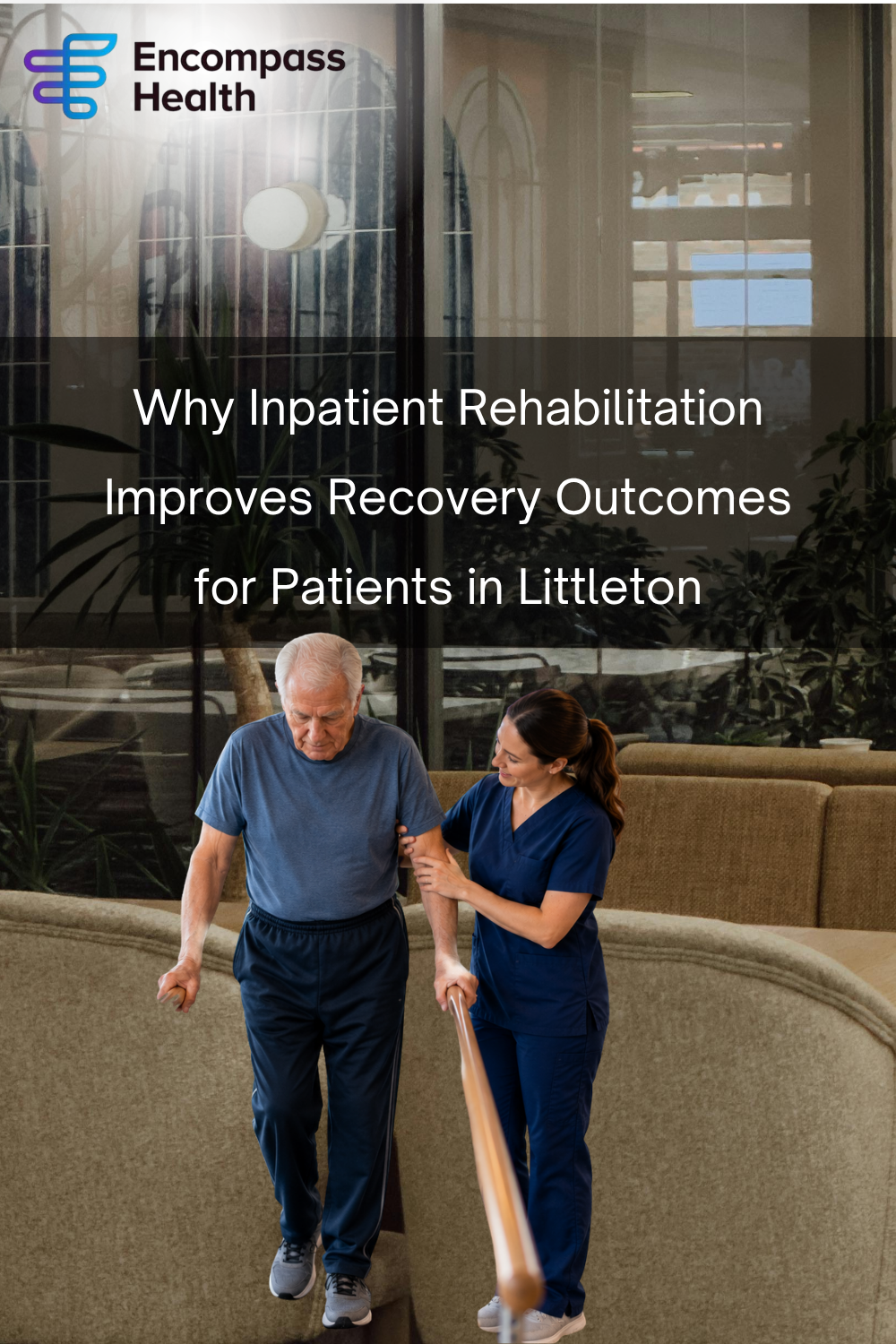
Why Inpatient Rehabilitation Improves Recovery Outcomes for Patients in Littleton
Recovery after a serious illness, injury, stroke, or surgery is rarely straightforward.
For many patients and families, hospital discharge brings relief—but also uncertainty. Questions quickly follow: What happens next? Will recovery continue at home? Is more therapy needed? How can we prevent setbacks?
These questions matter because what happens after hospitalization often determines long-term outcomes.
The recovery period immediately following a medical event is one of the most important phases of healing. During this time, structured rehabilitation can dramatically improve strength, mobility, safety, and overall function.
For patients in Littleton, inpatient rehabilitation has become an essential step in restoring health and independence. Facilities like Encompass Health Rehabilitation Hospital of Littleton provide intensive rehabilitation programs designed to help patients recover more effectively.
The right rehabilitation environment can make a meaningful difference in how well—and how quickly—patients regain their quality of life.
Understanding Inpatient Rehabilitation
Inpatient rehabilitation is specialized care for patients who need intensive therapy and medical supervision after a major health event.
Unlike standard hospital care, rehabilitation focuses specifically on improving function and restoring independence.
This may include recovery after:
- Stroke
- Neurological conditions
- Joint replacement
- Orthopedic injuries
- Serious illness
- Surgery
- Cardiac events
- Traumatic injury
The goal is to help patients safely regain physical and functional abilities.
This includes everyday activities like:
- Walking
- Transferring safely
- Dressing
- Bathing
- Using stairs
- Performing daily routines
These abilities are critical to living independently.
Why Recovery Outcomes Depend on Early Rehabilitation
Timing matters in recovery.
The sooner patients begin appropriate rehabilitation, the greater the opportunity to improve outcomes.
Without structured therapy, patients may experience:
- Loss of strength
- Reduced mobility
- Poor balance
- Increased fall risk
- Slower recovery
- Functional decline
Even short periods of inactivity can significantly impact strength and endurance, especially for older adults.
Early rehabilitation helps patients regain momentum.
This is why inpatient rehab often plays such a valuable role.
Why Littleton Families Choose Rehabilitation Hospitals
Littleton is home to active adults and seniors who value independence, mobility, and quality of life. Whether enjoying Colorado’s outdoors, spending time with family, or participating in community activities, maintaining function matters greatly.
When health challenges interrupt that lifestyle, families want strong recovery support.
The goal isn’t simply survival after illness or surgery.
The goal is returning to life.
That requires focused rehabilitation.
Inpatient rehabilitation helps bridge the gap between acute hospital care and returning home safely.
What Makes Inpatient Rehabilitation Effective?
Inpatient rehabilitation offers several important advantages that can improve outcomes.
Intensive Therapy
Patients participate in structured therapy designed to build measurable progress.
Consistent therapy helps improve:
- Strength
- Balance
- Endurance
- Coordination
- Functional mobility
Repetition and structured progress lead to better recovery.
Team-Based Care
Recovery often requires support from multiple specialists.
This may include:
- Physical therapists
- Occupational therapists
- Speech therapists
- Rehabilitation nurses
- Physicians
Collaborative care improves coordination and patient outcomes.
Personalized Treatment Plans
No two recovery journeys are identical.
Each patient enters rehabilitation with unique goals and challenges.
Personalized plans ensure care aligns with each patient’s needs.
This targeted approach improves efficiency and effectiveness.
How Encompass Health Rehabilitation Hospital of Littleton Supports Recovery
Encompass Health Rehabilitation Hospital of Littleton provides specialized inpatient rehabilitation designed to help patients recover after serious medical events.
The hospital focuses on restoring mobility, function, and independence through comprehensive rehabilitation services.
Patients receive personalized care built around clear recovery goals.
Recovery Focused on Function
Healing is important—but function is what determines independence.
Patients need more than rest.
They need support regaining the ability to perform everyday tasks safely and confidently.
Rehabilitation focuses directly on these functional goals.
Building Strength and Confidence
Many patients leave the hospital feeling physically weak and emotionally uncertain.
They may worry about:
- Falling
- Returning home safely
- Managing stairs
- Performing daily tasks
Rehabilitation helps rebuild both physical ability and confidence.
Progress often starts with small victories that build over time.
Safe Transition Planning
Returning home safely is one of the most important outcomes of rehabilitation.
Discharge planning helps ensure patients are prepared for the next stage of recovery.
Lenore Christensen of Encompass Health Rehabilitation Hospital of Littleton explains:
“Effective rehabilitation helps patients do more than recover physically. It gives them the strength, tools, and confidence to return to daily life with greater independence.”
That’s what successful recovery looks like.
Patients Who Benefit Most from Inpatient Rehabilitation
Inpatient rehabilitation can be especially valuable for patients recovering from major events that significantly impact mobility or function.
Patients often benefit when they need:
- Intensive therapy
- Medical supervision
- Structured recovery support
- Help regaining daily function
This level of care is especially important when safe return home depends on stronger physical recovery.
Signs Rehabilitation May Be Needed After Hospitalization
Families should ask whether additional rehabilitation is needed if a loved one is experiencing:
- Difficulty walking
- Increased fall risk
- Significant weakness
- Trouble with daily tasks
- Reduced mobility
- Slow recovery progress
These signs often indicate structured rehabilitation could improve outcomes.
The right support can prevent setbacks.
Questions to Ask When Choosing a Rehabilitation Hospital
Families should carefully evaluate rehabilitation programs.
Important questions include:
- What therapies are offered?
- How intensive is treatment?
- Is care personalized?
- How is progress measured?
- How is discharge planning handled?
The answers help families identify programs that prioritize strong recovery outcomes.
Better Recovery Starts with the Right Support
Recovering from illness, surgery, or injury requires more than time.
It requires structured support, targeted therapy, and a team focused on progress.
Inpatient rehabilitation gives patients the opportunity to rebuild strength, restore function, and improve long-term outcomes.
For Littleton families, choosing the right rehabilitation hospital can make a major difference in recovery success.
Encompass Health Rehabilitation Hospital of Littleton helps patients move forward with strength, confidence, and greater independence.
Recovery becomes stronger with the right care.
Visit Their Seniors Blue Book Listing Today
Looking for inpatient rehabilitation in Littleton?
Visit the Seniors Blue Book listing for Encompass Health Rehabilitation Hospital of Littleton to learn more and connect with their team.
Frequently Asked Questions
What is inpatient rehabilitation?
Inpatient rehabilitation provides intensive therapy and medical support for patients recovering from serious illness, surgery, injury, or stroke.
Why is rehabilitation important after hospitalization?
Rehabilitation improves strength, mobility, safety, and independence while reducing recovery setbacks.
Who benefits most from inpatient rehabilitation?
Patients recovering from surgery, stroke, illness, injury, or neurological conditions often benefit greatly.
How does rehabilitation improve outcomes?
It provides structured therapy, personalized treatment, and medical support to accelerate recovery.
Why choose rehabilitation in Littleton?
Littleton offers strong healthcare access and rehabilitation services focused on restoring independence and quality of life.
Other Articles You May Like
Rehabilitation Hospitals-Inpatient in Boise, ID
A major illness or injury can change a persons abilities quickly. After the immediate medical crisis has stabilized, families may still face questions about walking, dressing, communication, swallowing, medication management, and home safety.Inpatient rehabilitation hospitals provide intensive therapy with continued medical and nursing support. Saint Alphonsus Regional Rehabilitation Hospital serves Boise patients who need a coordinated hospital-based rehabilitation program.What Inpatient Rehabilitation Hospitals IncludeAn inpatient rehabilitation hospital serves patients who are stable enough to leave acute care but still require intensive rehabilitation and close clinical oversight.Care is organized around functional goals such as transferring safely, improving mobility, communicating, completing personal care, and preparing to return home.This setting differs from outpatient therapy and skilled nursing care. Admission generally requires a qualifying medical need, the ability to participate in intensive therapy, and a reasonable expectation that rehabilitation will improve function.Saint Alphonsus Regional Rehabilitation HospitalPhone: 208-605-3000Saint Alphonsus Regional Rehabilitation Hospital is located at 711 North Curtis Road in Boise. Its programs address recovery following stroke, brain injury, spinal cord injury, hip fracture, and other neurological or orthopedic conditions.The hospital is accredited by The Joint Commission.Daily Care and TherapyThe hospital states that its program includes: Three hours of therapy five days per week 24-hour rehabilitation nursing Frequent physician visits Individualized rehabilitation planning Physical, occupational, and speech therapy as appropriate The care team connects clinical recovery with practical goals that are meaningful to the patient.Hospital Amenities and Family ParticipationThe Seniors Blue Book listing identifies 40 private rooms, a courtyard, Wi-Fi, televisions, telephones, and a nonsmoking environment.Families should ask when they can observe therapy, receive caregiver training, and participate in discharge discussions.Coverage and Admission QuestionsMedicare and other insurance plans may cover inpatient rehabilitation when medical criteria are met, but coverage is not automatic. A referral, clinical review, and authorization may be required.Ask the admissions team what documentation is needed, whether the hospital is in network, and how coverage denials or appeals are handled.Why This Matters Locally in BoiseBoise residents may transition to inpatient rehabilitation from hospitals throughout the Treasure Valley. A local program can support continuity with nearby physicians and make it easier for relatives to participate in training.The most appropriate facility is one that can meet the patients clinical needs, accept the insurance plan, and provide a realistic discharge pathway.How to Get Started Ask the acute-care team whether the patient meets inpatient rehabilitation criteria. Request evaluations from physical, occupational, and speech therapy as appropriate. Call Saint Alphonsus Regional Rehabilitation Hospital at 208-605-3000. Provide medical records, medication information, therapy notes, and insurance details. Ask about the therapy schedule, nursing services, physician involvement, and discharge goals. Confirm coverage and plan for transportation, caregiver training, home safety, and follow-up services. Related Seniors Blue Book Categories Rehabilitation Facilities in Boise, ID Stroke Rehabilitation in Boise, ID Physical Therapy in Boise, ID
Inpatient, Outpatient, or Home-Based: Which Rehab Fits?
When a doctor says "you'll need rehab," that word alone doesn't tell you much. Rehab can mean a multi-week stay in a facility, a few weekly visits to a clinic, or a therapist coming straight to the living room. Three very different experiences, and picking the right one matters for how smoothly recovery actually goes.Here's a clear breakdown of each setting, so you can figure out which one actually fits the situation.The Three Main Rehab Settings Inpatient Rehab Outpatient Rehab Home-Based Rehab Where it happens Live-in facility Clinic visits Senior's own home Typical intensity 3+ hours of therapy daily 1 to 3 sessions per week Varies by need Best for Complex recovery needing 24/7 care Stable patients who can travel Homebound or transportation-limited seniors Living situation Temporary stay at facility Living at home Living at home Inpatient Rehab: When Intensive Support Is NeededInpatient rehab involves a temporary stay at a dedicated facility, with round-the-clock medical support and structured daily therapy.What to expect: A minimum of three hours of therapy daily, often six days a week On-site nursing care and medical monitoring A team approach involving physical, occupational, and speech therapy as needed Shorter overall stays compared to skilled nursing, due to the intensity of care Best suited for: Recovery from stroke, major surgery, or traumatic injury Seniors who need 24-hour medical supervision during recovery Situations where the intensity of care can't safely happen anywhere else yet Outpatient Rehab: Structure Without Giving Up HomeOutpatient rehab means attending scheduled therapy sessions at a clinic or rehab center, while continuing to live at home.What to expect: Typically 1 to 3 therapy sessions per week Access to specialized equipment and clinical resources More flexibility around scheduling compared to inpatient care Lower overall cost, since there's no 24-hour facility stay involved Best suited for: Seniors who are medically stable and able to travel safely Continuing therapy after completing an inpatient stay Situations where less intensive, ongoing support is enough One added benefit: practicing mobility and daily tasks in the same environment where a senior actually lives can make progress feel more relevant and easier to carry into everyday life once therapy sessions transition to a home-based or independent phase.Home-Based Rehab: Bringing Therapy to the DoorHome-based rehab means a licensed therapist comes directly to the senior's home to provide treatment, no travel required.What to expect: Personalized sessions built around the senior's actual living space A therapist assessment of the home for safety hazards Portable equipment, adapted to what's realistically available at home Flexibility for seniors with limited mobility or no reliable transportation Best suited for: Seniors with significant transportation challenges Those who feel unsafe or overwhelmed traveling to a clinic Continuing progress after inpatient or outpatient rehab in a more independent phase One thing worth noting: home-based rehab can come in two different forms, home health (for those who are homebound and need closer medical monitoring) and home-based outpatient therapy (for those who are medically stable but simply prefer receiving care at home). These follow different Medicare rules, so it's worth confirming which type applies to a specific situation.How to Decide Which Setting FitsAsk these questions to help narrow it down: Does this recovery require 24-hour medical supervision, or is the person medically stable? Complex or unstable conditions often mean inpatient rehab is necessary, at least initially. Can the person travel safely to a clinic? If yes, outpatient rehab offers more flexibility. If not, home-based rehab may be the better fit. How much therapy intensity does recovery actually require? More frequent, intensive therapy usually points toward inpatient care. Lighter, ongoing support often works well as outpatient or home-based rehab. What does the support system at home look like? Seniors without consistent support at home may need the added structure of inpatient care, at least in the earlier stages of recovery. It's Not Always One or the OtherMany seniors move through more than one setting during recovery. A common path looks like: Starting with inpatient rehab for intensive, early-stage recovery Transitioning to outpatient rehab as strength and mobility improve Shifting to home-based therapy for the final stretch, focused on independence in daily life A physician or discharge planner typically helps guide these transitions based on ongoing progress, not a single, fixed decision made all at once.Let Seniors Blue Book Help You Navigate the OptionsFiguring out the right rehab setting shouldn't feel like guesswork during an already stressful time. Seniors Blue Book connects families with trusted, local inpatient, outpatient, and home-based rehabilitation providers who can guide the right path forward.If you're a rehabilitation provider looking to reach families navigating these decisions, we'd love to help you connect with them.Get listed and get connected. Contact Seniors Blue Book today.Email: [email protected] | Phone: 800-201-9989 Disclaimer: This article is for general informational purposes only and does not constitute medical advice. The right rehabilitation setting depends on individual medical needs and should be determined in consultation with a physician or discharge planning team. Insurance and Medicare coverage may vary by setting and individual circumstances.
Rehabilitation Hospitals in Denver, CO
Recovering from a stroke, serious injury, major surgery, or complex illness can require much more than a few therapy appointments each week. Some patients need daily medical supervision, intensive rehabilitation, and help relearning essential activities before they can safely return home.For Denver-area families, the period immediately following an acute hospital stay often brings difficult questions. Is the patient ready to go home? Can family members safely provide the necessary support? Would a skilled nursing facility offer enough therapy? Is the patient able to participate in a more intensive rehabilitation program?Rehabilitation hospitals provide a hospital-level setting for people who are medically stable but still need coordinated medical care and intensive therapy. Encompass Health Rehabilitation Hospital of Littleton is one local option serving patients and families in the Denver metropolitan area.What Is a Rehabilitation Hospital?A rehabilitation hospital, sometimes called an inpatient rehabilitation facility or IRF, provides intensive rehabilitation services to patients who remain in the hospital while receiving care.Medicare describes inpatient rehabilitation as an option for people recovering from a serious surgery, illness, or injury who need an intensive therapy program, physician supervision, and coordinated services from doctors, nurses, and therapists. Rehabilitation hospitals may provide physical therapy, occupational therapy, speech-language therapy, nursing services, medications, meals, and other hospital services required during recovery.Unlike outpatient rehabilitation, where a patient travels to scheduled appointments and returns home, inpatient rehabilitation surrounds the patient with medical and therapeutic support throughout the day and night.The Centers for Medicare & Medicaid Services explains that inpatient rehabilitation facilities may be freestanding hospitals or specialized units within acute care hospitals. Patients admitted to these programs must generally be capable of participating in an intensive rehabilitation schedule.Who May Benefit From Inpatient Rehabilitation?Rehabilitation hospitals commonly serve people recovering from conditions such as: Stroke Traumatic brain injury Spinal cord injury Neurological disorders Hip fractures Joint replacement surgery Amputation Multiple traumatic injuries Complex orthopedic conditions Serious illness that has caused significant weakness Surgery followed by a major loss of mobility or independence Admission is based on the individuals medical needs, rehabilitation goals, ability to participate in therapy, and expected benefit from an intensive program. A physician must determine that the patient requires hospital-level rehabilitation, ongoing medical supervision, and coordinated care.What Happens During a Rehabilitation Hospital Stay?Each patient enters rehabilitation with different abilities, limitations, and goals. One person may be working toward walking safely after a stroke, while another may need to relearn dressing, bathing, swallowing, or communicating after a brain injury.Nursing and Medical SupportRehabilitation hospitals provide more medical oversight than a typical outpatient therapy program. Nursing teams monitor the patients condition, administer medications, reinforce safety strategies, and help patients practice skills outside scheduled therapy sessions.Physicians and other members of the rehabilitation team review the patients progress and adjust the care plan when needed. This coordinated approach helps connect medical treatment with functional recovery.Encompass Health Rehabilitation Hospital of LittletonEncompass Health Rehabilitation Hospital of Littleton provides inpatient rehabilitation services at 1001 West Mineral Avenue in Littleton. Its location places the hospital within the southern Denver metropolitan area, making it accessible to families in Littleton and surrounding communities. The hospitals main telephone number is (303) 334-1100.The hospital provides a structured inpatient program that includes three hours of therapy per day, five days per week. Patients also receive 24-hour nursing care, frequent visits from independent physicians, and support from an interdisciplinary rehabilitation team.An Interdisciplinary Rehabilitation TeamRecovery often involves more than one medical or functional concern. A patient may need help with mobility while also managing medications, nutrition, communication problems, or discharge planning.At Encompass Health Rehabilitation Hospital of Littleton, the care team may include: Physical therapists Occupational therapists Speech therapists Rehabilitation nurses Physicians Dietitians Pharmacists Case managers These professionals work together around the patients individual diagnosis, abilities, and recovery goals.For families, coordinated care can make it easier to understand how different parts of treatment fit together. The therapist working on walking, the nurse monitoring medications, and the case manager preparing for discharge can communicate through one organized plan.Stroke RehabilitationA stroke can affect strength, balance, speech, memory, swallowing, vision, and the ability to complete daily tasks. The effects vary widely, which makes individualized therapy especially important.Encompass Health Rehabilitation Hospital of Littleton offers stroke rehabilitation designed to help patients rebuild physical and cognitive abilities. Treatment may address mobility, communication, coordination, memory, medication management, and everyday activities.The hospital also lists Stroke Rehabilitation among its Joint Commission certifications.Brain Injury RehabilitationTraumatic brain injuries may affect physical movement as well as thinking, behavior, memory, speech, and emotional regulation. Progress can be difficult to predict, and treatment often requires several rehabilitation disciplines.The hospitals brain injury rehabilitation services are designed to support the restoration of physical and cognitive function following brain trauma. Therapy may focus on movement, communication, memory, safety awareness, and daily routines.Neurological RehabilitationNeurological conditions can affect balance, coordination, strength, speech, cognition, and independence. Encompass Health Rehabilitation Hospital of Littleton provides neurological rehabilitation for patients recovering from or managing conditions such as Parkinsons disease and other neurological disorders.The hospital lists Parkinsons Disease Rehabilitation among its Joint Commission certifications.Spinal Cord Injury RehabilitationA spinal cord injury may lead to major changes in mobility, sensation, strength, and the ability to perform everyday activities. Rehabilitation can include mobility training, transfer practice, equipment education, self-care training, and preparation for returning home.Encompass Health Rehabilitation Hospital of Littleton provides spinal cord injury rehabilitation intended to improve mobility and help patients regain as much independence as possible.Orthopedic RehabilitationPatients recovering from joint replacement, amputation, fracture, or another complex orthopedic condition may need intensive therapy before returning home safely.Orthopedic rehabilitation at the Littleton hospital may include mobility training, pain-management support, strengthening, and practice with activities such as dressing, cooking, and moving through the home.Onsite DialysisDialysis needs can complicate rehabilitation placement because patients may otherwise have to travel to another location for treatment.Encompass Health Rehabilitation Hospital of Littleton offers onsite dialysis using portable dialysis equipment. This allows qualifying patients to receive dialysis at the rehabilitation hospital rather than transferring to another facility for the procedure.Hospital Amenities and Patient SupportThe hospital lists a range of amenities and support services, including: Private rooms Bariatric rooms Free Wi-Fi Parking A courtyard A family lounge Interpreter services Spanish translators Service-animal access Support groups Transportation services Therapy animals Tours for prospective patients and families Some accommodations or services may require advance approval or depend on availability, so families should confirm their needs before admission.The hospital also offers access to the MyEHC Caregiver App, which allows authorized caregivers to follow a loved ones rehabilitation progress during the hospital stay.Accreditation and RecognitionEncompass Health Rehabilitation Hospital of Littleton is accredited by The Joint Commission.The hospital was also included in Newsweek and Statistas 2025 list of Americas Best Physical Rehabilitation Centers. According to Encompass Health, the ranking methodology considered CMS quality measures, professional surveys, accreditation information, and patient-review data.Families should consider accreditation and recognition as part of a broader evaluation that also includes the patients medical needs, insurance network, therapy tolerance, location, discharge goals, and personal preferences.Rehabilitation Hospitals Versus Skilled Nursing FacilitiesFamilies sometimes use the terms rehabilitation hospital and skilled nursing facility interchangeably, but they represent different levels of care.A rehabilitation hospital generally provides: An intensive daily therapy schedule Hospital-level medical supervision Frequent physician involvement Around-the-clock nursing Multiple therapy disciplines Coordinated treatment for complex recovery needs A skilled nursing facility may provide rehabilitation and nursing services, but the therapy schedule is often less intensive. Skilled nursing can be appropriate for people who need more time to recover, cannot yet tolerate an intensive program, or require ongoing nursing support.One setting is not automatically better than the other. The right choice depends on the patients medical stability, endurance, rehabilitation potential, therapy needs, and ability to participate.Why Rehabilitation Hospital Access Matters LocallyDenver and its surrounding communities are spread across a large metropolitan area. When a patient is recovering from a serious medical event, long or complicated travel can create additional stress for both the patient and the family.A rehabilitation hospital in Littleton can provide a south metro option for patients whose families, physicians, or support systems are located in that portion of the Denver area.Local access may also make it easier for family caregivers to: Attend care-planning meetings Learn safe transfer techniques Observe therapy sessions when permitted Prepare the patients home Practice medication and equipment routines Participate in discharge education Coordinate transportation and follow-up appointments Family participation can be particularly important when the patient will need assistance after discharge. Caregivers may need training in mobility support, fall prevention, communication strategies, equipment use, or daily care routines before the patient returns home.How to Get Started1. Ask About Rehabilitation EarlyBegin discussing post-hospital care before the anticipated discharge date. Ask the acute-care hospitals physician, case manager, or discharge planner whether inpatient rehabilitation may be appropriate.2. Request an Evaluation or ReferralA provider must determine whether the patient meets the requirements for inpatient rehabilitation. Families may ask the current care team to send a referral to Encompass Health Rehabilitation Hospital of Littleton.The hospitals admissions liaisons can assist with the referral process. Families and providers may call (303) 334-1100 for admissions information.3. Confirm the Patient Can ParticipateAsk whether the patient is medically stable and able to participate in an intensive therapy schedule. At the Littleton hospital, qualifying patients generally receive three hours of therapy per day, five days per week.4. Verify Insurance CoverageMedicare covers medically necessary inpatient rehabilitation when eligibility requirements are met. Private insurance and Medicare Advantage plans may have their own networks, prior-authorization requirements, or cost-sharing rules.Before admission, ask: Is this hospital in the patients network? Is prior authorization required? What deductible or copayment may apply? Are physician services billed separately? Is transportation covered? Are there limits on the number of covered days? Encompass Health advises patients to confirm network and authorization requirements directly with their insurance provider.5. Discuss Specific Medical NeedsTell the admissions team about any needs that could affect placement, including: Dialysis Bariatric accommodations Wound care Swallowing difficulties Cognitive or communication concerns Oxygen use Mobility equipment Dietary restrictions Interpreter needs This information helps the hospital determine whether it can safely and appropriately meet the patients needs.6. Ask About Discharge PlanningRehabilitation should prepare the patient for the next setting, whether that is home, assisted living, skilled nursing, or another level of care. Related Senior Care CategoriesPhysical TherapyOccupational TherapySpeech Therapy This article was researched and written by Seniors Blue Book. Seniors Blue Book connects seniors, families, and caregivers with trusted local senior care resources across the country. Browse local listings, read expert articles, and order a free printed guide at seniorsbluebook.com.
Local Services By This Author
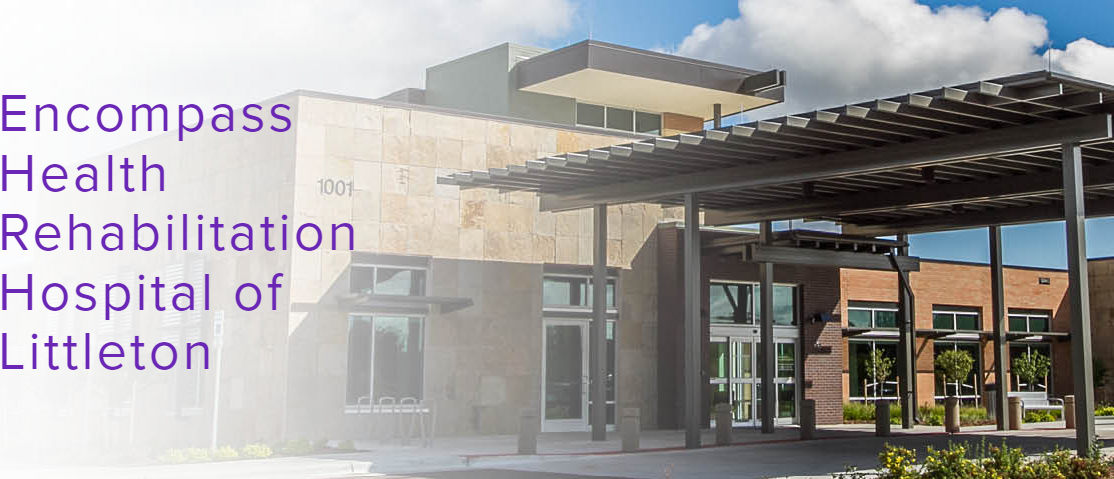
Encompass Health Rehabilitation Hospital of Littleton
Rehabilitation Hospitals 1001 West Mineral Avenue, Littleton, Colorado, 80120Encompass Health Rehabilitation Hospital of Littleton: The Best Inpatient Rehabilitation Services Available.When it comes to choosing the right facility for rehabilitation after an illness or injury, it is a decision that will have a big impact on your recovery and quality of life. At Encompass Health Rehabilitation Hospital of Littleton, we know how important this choice is and are dedicated to offering the best care to help you get your independence back and come back to your normal life. Situated in the city of Littleton, Colorado, we are one of the leading providers of inpatient rehabilitation services and we offer care for stroke, brain injury, hip fracture, and other neurological and orthopedic complications.High Quality Rehabilitation Services to Suit Your NeedsAt Encompass Health Rehabilitation Hospital of Littleton, we are committed to providing quality care and treatment to each patient as an individual with particular needs and objectives in mind. We offer a vast range of specialized services and the latest technology to ensure that you receive the best rehabilitation from our facility.Our Services Include:Three Hours of Therapy, Five Days Per Week: We offer a very rigorous rehabilitation program that entails minimum of three hours of therapy each day, five days a week. This type of therapy schedule guarantees that you get the needed level of focus and frequency for your recovery to progress as it should.24/7 Nursing Care: We have a complement of dedicated nursing staff who will give you quality care and support around the clock. Our nurses are not only experienced in general nursing but are also qualified in rehabilitation nursing hence you will be taken care of by professionals during your stay with us.Frequent Physician Visits: We provide frequent visits by physicians to evaluate on your progress and alter the treatment plan if need be. We have access to independent physicians to give a thorough assessment and a individualized approach to your care.Vaue Addition: Expertise Across a Range of SpecialtiesAt Encompass Health Rehabilitation Hospital of Littleton, we have a team of professionals who are well conversant with various conditions that exist. Some of the key areas of our practice include:Neurological Rehabilitation: Our neurological rehabilitation program is aimed at patients with stroke, brain injury and other neurological disorders. We employ the most innovative technologies and approaches to enhance the cognitive and physical potential and help the patients to get the maximum possible recovery.Orthopedic Rehabilitation: For those with orthopedic injuries or surgeries including hip fractures and joint replacements, our orthopedic rehabilitation services aims at enhancing the ability to move, be strong and function properly. Our team uses the latest technologies to ensure that the patient gets the best outcome and is able to go back to his or her daily activities.Stroke Rehabilitation: Stroke is one of the most common causes of disability and it needs a proper approach. Our stroke rehabilitation program is specifically designed for the stroke patients and the therapy is given according to the needs of the patient.Our approach is evidence based and we develop individual care plans for each patient.Spinal Cord Injury Rehabilitation: Patients with spinal cord injuries have particular concerns and our spinal cord injury rehabilitation program is designed to address those concerns. We employ physical therapy, occupational therapy and new and innovative treatment methods to help the patients regain their function and improve their quality of life.Advanced Therapies and TechnologiesWe think that better rehabilitation is only possible with the best tools. That is why Encompass Health Rehabilitation Hospital of Littleton employs the latest technologies and therapeutic methods in our treatment plans. Some of our approach include:Real-World Simulations: To make sure that patients can go back to their daily lives, we use real life simulations to teach them how to do daily activities and functional tasks. This approach has the advantage of transferring therapy to the real life thus making the whole process more meaningful.Cutting-Edge Technologies: We have the latest technology to help with the recovery process. This includes the latest rehabilitation technology, innovative therapeutic devices and current diagnostic and monitoring equipment.Personalized Treatment Plans: We know that each patients recovery is different. Our clinical therapists will work with you to create a treatment plan that is relative to your goals and problems. This individualized approach ensures that you receive the most relevant and optimal treatment throughout the rehabilitation process.If you or a loved one is in need of specialized rehabilitation services, we invite you to learn more about how Encompass Health Rehabilitation Hospital of Littleton can assist you on your path to recovery. Contact us today to discuss your needs and explore how our comprehensive rehabilitation programs can support your journey to better health and independence.