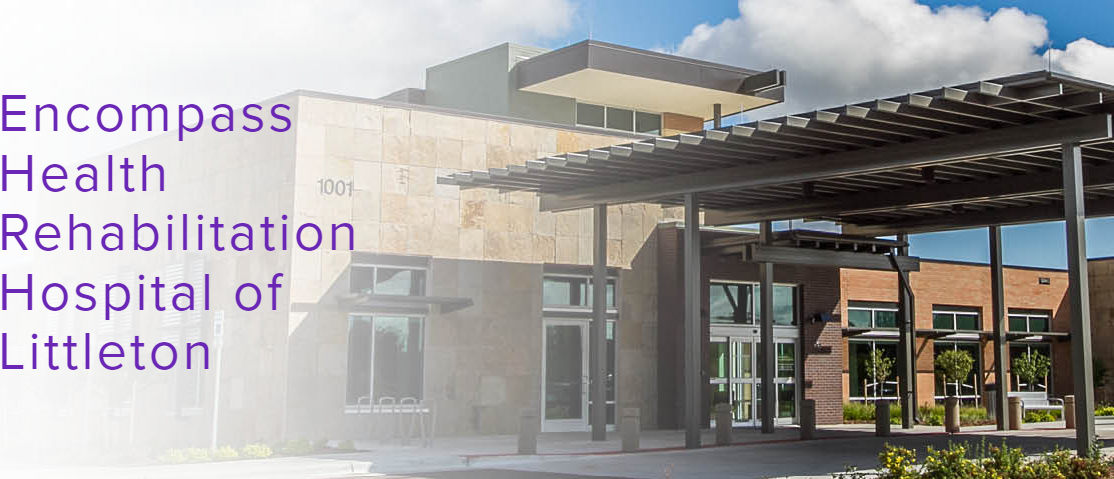
Encompass Health Rehabilitation Hospital of Littleton
1001 West Mineral Avenue, Littleton, Colorado, 80120
Counties Served: Colorado - Adams County,Arapahoe County,Broomfield County,Denver County,Douglas County,Jefferson County
Rehabilitation Hospitals
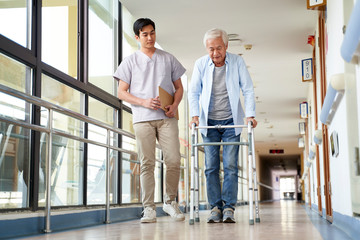
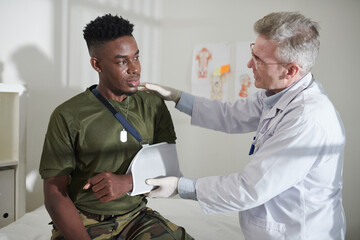
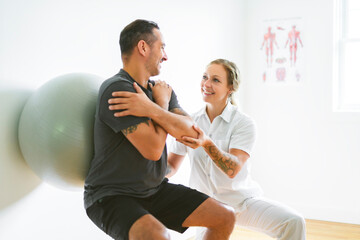


About Encompass Health Rehabilitation Hospital of Littleton
Encompass Health Rehabilitation Hospital of Littleton: The Best Inpatient Rehabilitation Services Available.
When it comes to choosing the right facility for rehabilitation after an illness or injury, it is a decision that will have a big impact on your recovery and quality of life. At Encompass Health Rehabilitation Hospital of Littleton, we know how important this choice is and are dedicated to offering the best care to help you get your independence back and come back to your normal life. Situated in the city of Littleton, Colorado, we are one of the leading providers of inpatient rehabilitation services and we offer care for stroke, brain injury, hip fracture, and other neurological and orthopedic complications.
High Quality Rehabilitation Services to Suit Your Needs
At Encompass Health Rehabilitation Hospital of Littleton, we are committed to providing quality care and treatment to each patient as an individual with particular needs and objectives in mind. We offer a vast range of specialized services and the latest technology to ensure that you receive the best rehabilitation from our facility.
Our Services Include:
Three Hours of Therapy, Five Days Per Week: We offer a very rigorous rehabilitation program that entails minimum of three hours of therapy each day, five days a week. This type of therapy schedule guarantees that you get the needed level of focus and frequency for your recovery to progress as it should.
24/7 Nursing Care: We have a complement of dedicated nursing staff who will give you quality care and support around the clock. Our nurses are not only experienced in general nursing but are also qualified in rehabilitation nursing hence you will be taken care of by professionals during your stay with us.
Frequent Physician Visits: We provide frequent visits by physicians to evaluate on your progress and alter the treatment plan if need be. We have access to independent physicians to give a thorough assessment and a individualized approach to your care.
Vaue Addition: Expertise Across a Range of Specialties
At Encompass Health Rehabilitation Hospital of Littleton, we have a team of professionals who are well conversant with various conditions that exist. Some of the key areas of our practice include:
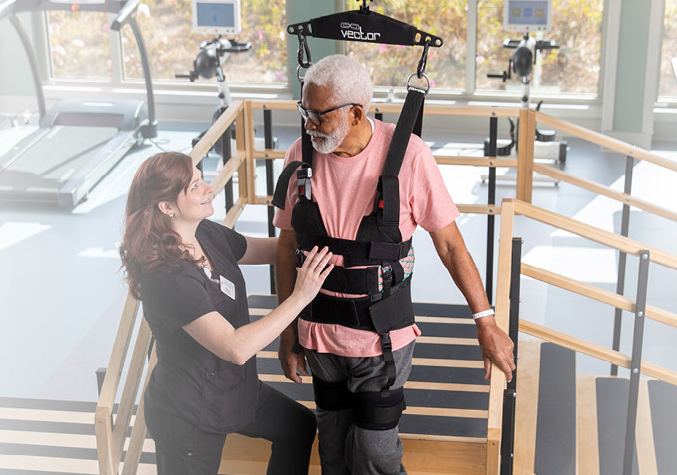
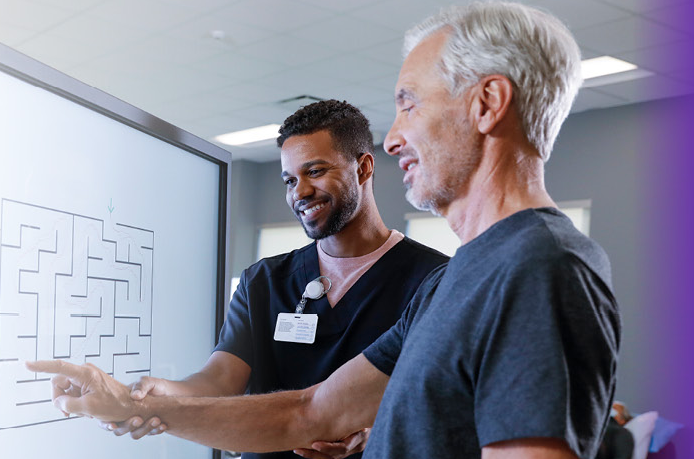
Neurological Rehabilitation: Our neurological rehabilitation program is aimed at patients with stroke, brain injury and other neurological disorders. We employ the most innovative technologies and approaches to enhance the cognitive and physical potential and help the patients to get the maximum possible recovery.
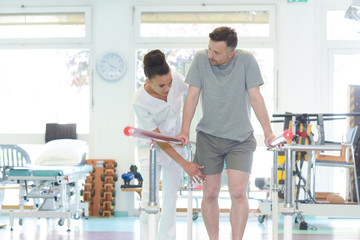
Orthopedic Rehabilitation: For those with orthopedic injuries or surgeries including hip fractures and joint replacements, our orthopedic rehabilitation services aims at enhancing the ability to move, be strong and function properly. Our team uses the latest technologies to ensure that the patient gets the best outcome and is able to go back to his or her daily activities.
Stroke Rehabilitation: Stroke is one of the most common causes of disability and it needs a proper approach. Our stroke rehabilitation program is specifically designed for the stroke patients and the therapy is given according to the needs of the patient.
Our approach is evidence based and we develop individual care plans for each patient.
Spinal Cord Injury Rehabilitation: Patients with spinal cord injuries have particular concerns and our spinal cord injury rehabilitation program is designed to address those concerns. We employ physical therapy, occupational therapy and new and innovative treatment methods to help the patients regain their function and improve their quality of life.
Advanced Therapies and Technologies
We think that better rehabilitation is only possible with the best tools. That is why Encompass Health Rehabilitation Hospital of Littleton employs the latest technologies and therapeutic methods in our treatment plans. Some of our approach include:
Real-World Simulations: To make sure that patients can go back to their daily lives, we use real life simulations to teach them how to do daily activities and functional tasks. This approach has the advantage of transferring therapy to the real life thus making the whole process more meaningful.
Cutting-Edge Technologies: We have the latest technology to help with the recovery process. This includes the latest rehabilitation technology, innovative therapeutic devices and current diagnostic and monitoring equipment.
Personalized Treatment Plans: We know that each patients recovery is different. Our clinical therapists will work with you to create a treatment plan that is relative to your goals and problems. This individualized approach ensures that you receive the most relevant and optimal treatment throughout the rehabilitation process.
If you or a loved one is in need of specialized rehabilitation services, we invite you to learn more about how Encompass Health Rehabilitation Hospital of Littleton can assist you on your path to recovery.
Contact us today to discuss your needs and explore how our comprehensive rehabilitation programs can support your journey to better health and independence.
Videos
Continue Your Search! Explore More Local Options.
Start SearchingLet’s engage and get educated!
Browse through thousands of expert articles in over 100 different categories.
Browse NowArticles You May Like
A Familys Guide to Rehabilitation Hospitals in Littleton, CO
A Familys Guide to Rehabilitation Hospitals in Littleton, COWhen a loved one is recovering from surgery, stroke, injury, or serious illness, one of the most important decisions a family can make is choosing the right rehabilitation hospital.The decision often comes during a stressful time.Families are processing hospital updates, treatment plans, discharge timelines, and the emotional impact of a major health eventall while trying to make the best choice for recovery.Its easy to feel overwhelmed.But choosing the right rehabilitation hospital can significantly influence recovery outcomes, long-term independence, and quality of life.For patients in Littleton, rehabilitation options play a critical role in helping individuals regain strength, mobility, and confidence after hospitalization. Facilities like Encompass Health Rehabilitation Hospital of Littleton provide specialized care focused on helping patients rebuild function and return to daily life.The right rehabilitation hospital does far more than provide therapyit creates the foundation for meaningful recovery.Why Rehabilitation Matters After HospitalizationAfter a major health event, discharge from the hospital does not mean recovery is complete.Many patients still need significant support to regain physical and functional abilities.Common challenges after hospitalization include: Muscle weakness Reduced endurance Poor balance Limited mobility Difficulty completing daily tasks Increased fall risk Without focused rehabilitation, these challenges can slow recovery and reduce independence.Rehabilitation bridges the gap between acute hospital care and returning home safely.That bridge is essential.What Makes a Great Rehabilitation Hospital?Not all rehabilitation programs offer the same level of care.Families should evaluate multiple factors when choosing a rehabilitation hospital.The best programs combine expertise, personalized care, strong therapy, and excellent communication.Here are the most important areas to evaluate.Look for Comprehensive Therapy ServicesRehabilitation is most effective when patients have access to multiple therapy disciplines.Depending on the condition, recovery may require: Physical therapy Occupational therapy Speech therapy Nursing support Physician oversight Comprehensive therapy ensures patients receive well-rounded care.A multidisciplinary approach improves outcomes.Prioritize Personalized CareEvery recovery journey is different.Two patients recovering from the same surgery may have completely different needs, goals, and challenges.Thats why individualized care matters.Families should ask: Are treatment plans personalized? How often is progress evaluated? Are goals tailored to each patient? Personalized care creates more meaningful progress.It helps ensure treatment aligns with the patients recovery priorities.Ask About Therapy IntensityRecovery often depends on consistency and repetition.Strong rehabilitation programs provide structured therapy designed to help patients make measurable progress.Families should understand: How often therapy occurs How progress is measured How goals are adjusted Intensive, goal-driven therapy often leads to stronger results.This is especially important after stroke, surgery, or serious injury.Evaluate Communication with FamiliesRehabilitation works best when families stay informed and involved.Good communication helps families understand: Treatment goals Recovery progress Challenges Discharge planning Families should feel comfortable asking questions and participating in planning.Clear communication reduces stress and improves confidence.Why Littleton Families Value Quality RehabilitationLittleton is known for its active, family-centered community. Residents value mobility, independence, and staying connected to daily life.Whether its enjoying the outdoors, participating in community activities, or spending time with loved ones, functional independence matters.When illness or injury interrupts daily life, families want rehabilitation that supports meaningful recovery.The goal isnt simply improvement.The goal is getting back to life.That requires quality rehabilitation.How Encompass Health Rehabilitation Hospital of Littleton Supports RecoveryEncompass Health Rehabilitation Hospital of Littleton provides specialized inpatient rehabilitation designed to help patients recover after surgery, stroke, illness, injury, and other serious medical events.The hospital focuses on helping patients regain function, confidence, and independence.Recovery Centered on Patient GoalsEffective rehabilitation begins by understanding what matters most to each patient.Goals may include: Walking independently Returning home safely Regaining strength Improving mobility Completing daily activities Recovery plans are strongest when they align with these meaningful goals.Supporting Functional IndependenceTherapy focuses on real-life outcomes.Patients work toward improving the skills needed for daily living.This includes mobility, balance, strength, endurance, and safety.Each improvement contributes to greater independence.Building Confidence for the Next StageRecovery is both physical and emotional.Many patients feel uncertain after major health events.The right rehabilitation environment helps rebuild confidence.Lenore Christensen of Encompass Health Rehabilitation Hospital of Littleton explains: Choosing the right rehabilitation hospital can significantly impact recovery. Patients need expert care, personalized therapy, and a team committed to helping them regain independence. That commitment matters.Questions Families Should Ask Before ChoosingBefore selecting a rehabilitation hospital, families should ask: What conditions do you specialize in? How personalized is treatment? What therapy services are available? How involved are families in recovery planning? What support exists for discharge transitions? These questions help families make informed decisions.The right answers can reveal a lot about care quality.Signs a Rehabilitation Hospital Is the Right FitA strong rehabilitation hospital often demonstrates: Experienced clinical teams Clear communication Personalized care plans Strong patient engagement Measurable progress Most importantly, the environment should feel supportive, encouraging, and focused on patient success.That culture matters.Recovery Starts with the Right ChoiceChoosing a rehabilitation hospital is one of the most important decisions families make during recovery.The right care environment can improve outcomes, strengthen recovery, and help patients regain independence faster.For Littleton families, high-quality rehabilitation offers more than therapy.It offers hope, progress, and a path forward.Encompass Health Rehabilitation Hospital of Littleton provides rehabilitation care designed to help patients rebuild strength, restore function, and move forward with confidence.The right choice today can shape tomorrows recovery.Visit Their Seniors Blue Book Listing TodayLooking for a rehabilitation hospital in Littleton?Visit the Seniors Blue Book listing for Encompass Health Rehabilitation Hospital of Littleton to learn more and connect with their team.Frequently Asked QuestionsWhat does a rehabilitation hospital do?A rehabilitation hospital provides intensive therapy and medical support to help patients recover after surgery, stroke, illness, or injury.How do I choose a rehabilitation hospital?Evaluate therapy services, care quality, communication, personalized treatment, and overall patient outcomes.Why is personalized rehabilitation important?Personalized care ensures therapy aligns with the patients unique recovery needs and goals.How does rehabilitation improve recovery?It improves mobility, strength, function, and confidence while supporting safe return home.Why choose rehabilitation in Littleton? Littleton offers access to quality rehabilitation services focused on helping patients regain independence and quality of life.
Jul 01, 2026
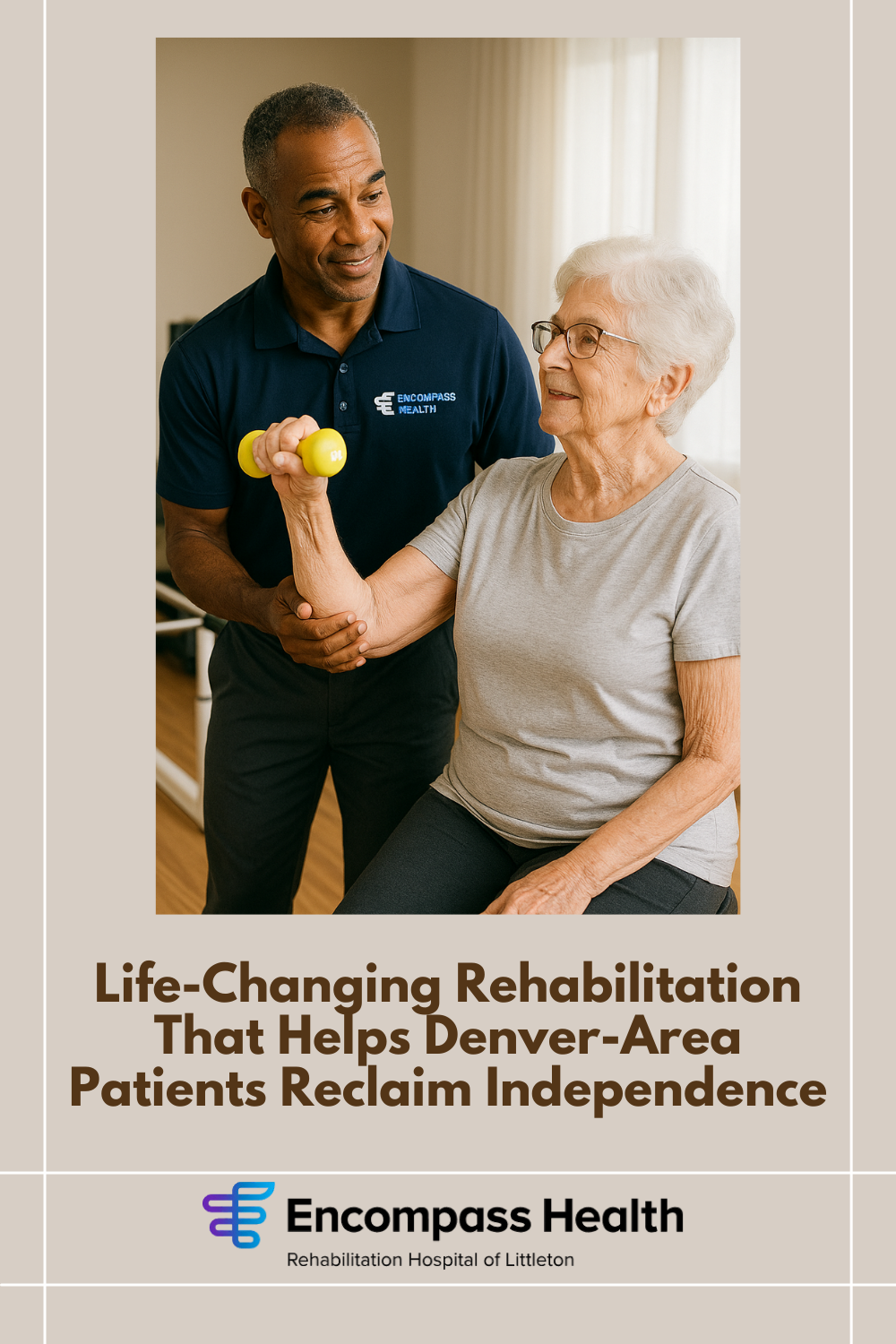
Life-Changing Rehabilitation That Helps Denver-Area Patients Reclaim Independence
Rehabilitation after a major injury, surgery, or illness is more than a medical process its a profound journey of rebuilding strength, identity, and hope. For individuals across the Denver metro region, that journey often leads to Encompass Health Rehabilitation Hospital of Littleton, a trusted leader in comprehensive, inpatient rehabilitation. Located in one of the most scenic and community-centered areas in the Denver South region, Encompass Health Littleton helps seniors and adults recover from life-changing events such as stroke, neurological disorders, trauma, orthopedic surgeries, amputations, and cardiac complications. Through a blend of cutting-edge technology, licensed rehabilitation expertise, and compassionate care, the hospital empowers patients to regain independence and return to the daily activities that matter most. A Mission Built on Strength, Support, and Renewal The staff at Encompass Health Littleton understand that recovery is deeply personal. Whether a patient hopes to walk the trails at Clement Park, return home to a multi-level house in Highlands Ranch, or resume caring for grandchildren in Englewood, the hospitals care team aligns therapy goals with each patients lifestyle. Lenore Christensen, a respected member of the hospitals team, describes their commitment beautifully: We meet people during some of the hardest moments of their lives. Our goal is to give them hope, structure, and the tools to reclaim what matters most to them. Lenore Christensen This approach highlights what makes Encompass Health different: a deep respect for the individual, paired with highly specialized clinical care. Why Patients Choose Encompass Health Rehabilitation Hospital of Littleton Encompass Health is nationally recognized for delivering inpatient rehabilitation that helps patients recover faster and more fully than they often do in other post-acute settings. Their model is built on: Intensive Therapy Up to 3 Hours Per Day Physical therapy, occupational therapy, and speech therapy are delivered by licensed specialists who tailor each session to the patients goals and abilities. Daily Physician Oversight Physicians with rehabilitation expertise evaluate progress daily and address any medical concerns quickly a key factor for safety and better outcomes. 24/7 Rehabilitation Nursing Around-the-clock nursing ensures that patients receive continuous monitoring, support, and education tailored to their rehabilitation needs. A Collaborative, Interdisciplinary Team Therapists, nurses, case managers, dietitians, social workers, and physicians communicate daily to coordinate care and measure progress. Family Education & Caregiver Training Before discharge, families receive hands-on guidance to help them feel prepared and confident supporting their loved one at home. This comprehensive approach creates a foundation for measurable progress and a safer, more successful return to independent living. Advanced Technology That Drives Real Results To help patients overcome physical, cognitive, and neurological challenges, Encompass Health Littleton incorporates advanced rehabilitation tools, including: Robotic-assisted gait training systems to rebuild walking ability Noninvasive neurostimulation technologies for stroke and movement disorders Virtual therapy and balance systems to address fall risks Adaptive equipment stations for relearning daily activities Cognitive retraining software for memory, speech, and problem-solving These tools help patients achieve goals that once seemed unreachable from taking their first steps after a stroke to relearning how to speak or perform essential daily tasks.A Healing Environment That Reflects Littletons Community Spirit Littleton is known for its peaceful neighborhoods, mountain views, and rich community culture. Encompass Health mirrors this atmosphere with an uplifting, therapeutic environment designed to reduce stress and encourage progress. Patients benefit from: Bright therapy gyms filled with natural light Modern rehabilitation equipment Welcoming patient rooms Social spaces for support and interaction Real-life training environments that replicate home activities This thoughtful design helps patients regain comfort, confidence, and a sense of normalcy as they work through recovery. Preparing Patients for Real Life in Colorados Unique Conditions The hospital understands the realities of returning home in Colorado: High Altitude Adjustments Patients recovering from respiratory or cardiac events receive specialized monitoring to help adjust to Denvers thinner air. Outdoor-Centric Lifestyle Therapy often focuses on helping patients safely return to walking paths, parks, and other recreation common in Littleton and South Denver. Multi-Level Homes Since many Colorado homes have stairs, therapy integrates stair training, balance work, and functional mobility exercises. Weather & Seasonal Concerns Therapists address safety strategies for walking on winter ice or managing mobility devices in snowy conditions. Localized therapy makes recovery more meaningful and practical for patients everyday lives. A Support System for the Whole Family Rehabilitation impacts more than the patient families also experience uncertainty, stress, and emotional strain. Encompass Health Littleton provides: Education about medical conditions and recovery expectations Hands-on caregiver training for mobility, transfers, or home safety Guidance on home modifications Assistance planning next steps after discharge Emotional support during a challenging time This support helps families feel confident and informed, reducing the fear of transitioning back home. Who Benefits Most from Inpatient Rehabilitation? Inpatient rehabilitation is ideal for individuals who have experienced: Stroke or TIA Traumatic brain injury Spinal cord injury Amputation Severe orthopedic injuries or surgeries Neurological conditions including Parkinsons or MS Cardiac or pulmonary complications Significant functional decline following hospitalization Patients who need daily therapy, medical management, and structured, goal-driven rehabilitation often see the greatest improvement in this setting. A Trusted Resource for the South Denver Community Encompass Health Rehabilitation Hospital of Littleton proudly serves patients from: Littleton Highlands Ranch Centennial Englewood Lakewood South Denver Ken Caryl Bow Mar Their reputation for clinical excellence, compassionate care, and strong patient outcomes makes them one of the most trusted rehabilitation hospitals in the region. Call to Action If you or a loved one is recovering from a major health event, Encompass Health Rehabilitation Hospital of Littleton offers expert care, advanced technology, and the support needed to reclaim strength and independence. Learn more on their Seniors Blue Book listing FAQs 1. How long does inpatient rehabilitation typically last? Most patients stay 13 weeks, depending on injury, progress, and overall health. 2. How often will therapy occur? Patients receive intensive therapy up to three hours per day, five to seven days per week. 3. Can families participate in sessions? Yes families are encouraged to observe and participate in caregiver training. 4. Does insurance cover inpatient rehabilitation? Medicare, Medicaid, and most private insurance plans cover qualifying rehabilitation stays. 5. How is inpatient rehab different from skilled nursing rehabilitation? Inpatient rehab offers more intensive therapy, daily physician oversight, and a higher level of medical support.
Nov 21, 2025
The Role of Rehabilitation Hospitals in Helping Seniors Return Home Sa
The Role of Rehabilitation Hospitals in Helping Seniors Return Home SafelyFor many seniors, returning home after hospitalization is one of the biggest recovery goals. Yet going home safely often requires more than medical stability alone. Seniors may still face mobility challenges, weakness, balance issues, or difficulty performing everyday tasks independently.Rehabilitation hospitals help bridge the gap between acute medical care and successful transitions back home.In Littleton, where many older adults wish to remain active and independent, rehabilitation services play a critical role in helping seniors rebuild strength, improve confidence, and prepare for daily life after illness or injury.Encompass Health Rehabilitation Hospital of Littleton provides specialized rehabilitation focused on helping patients safely regain function and independence.Recovery Does Not End at Hospital DischargeAfter hospitalization, many seniors still experience: Fatigue Reduced strength Limited mobility Difficulty with daily tasks Balance concerns Without rehabilitation, these challenges may increase risks of falls or rehospitalization.Rehabilitation hospitals provide structured therapy programs designed specifically to help patients regain independence before returning home.Successful recovery means helping patients feel prepared and confident for life after discharge, says Lenore Christensen of Encompass Health Rehabilitation Hospital of Littleton. Therapy focuses on practical goals that support long-term independence and safety.Physical Therapy Helps Patients Move Safely AgainPhysical therapists help seniors improve mobility and endurance following illness or surgery.Therapy often focuses on: Walking safely Improving balance Building strength Practicing stairs Increasing endurance These skills help patients navigate home environments more confidently.Occupational Therapy Supports Everyday LivingOccupational therapists help seniors regain the ability to perform daily activities independently.Patients may practice: Bathing Dressing Meal preparation Household tasks Safe transfers Therapists also recommend home modifications or adaptive equipment that improve safety and accessibility.Rehabilitation Includes Real-World PreparationOne advantage of rehabilitation hospitals is that therapy often focuses on practical, real-life tasks.Patients work toward goals such as: Getting in and out of bed safely Using bathrooms independently Preparing simple meals Walking short distances confidently These activities help create smoother transitions home.Home Safety Planning Is EssentialPreparing for discharge often includes evaluating potential safety concerns at home.Rehabilitation teams may recommend: Grab bars Mobility aids Improved lighting Furniture adjustments Fall prevention strategies These recommendations help reduce injury risks and support continued independence.Family Education Improves Recovery OutcomesFamilies play an important role in helping seniors transition home successfully.Rehabilitation staff often educate caregivers about: Safe transfer techniques Mobility assistance Equipment usage Recovery expectations This communication helps families feel more prepared and confident.Emotional Support Helps Seniors Feel ReadyMany seniors feel anxious about returning home after hospitalization.Common concerns include: Falling again Managing daily tasks Losing independence Being alone during recovery Rehabilitation hospitals help build confidence gradually through supervised therapy and encouragement.Feeling emotionally prepared is just as important as physical readiness.Littleton Seniors Value IndependenceLittletons active senior population places strong importance on remaining independent and connected to the community.Rehabilitation services help seniors work toward goals such as: Returning to favorite activities Attending family events Walking outdoors safely Managing daily routines independently These goals help motivate recovery and create meaningful progress.Successful Rehabilitation Improves Quality of LifeRehabilitation is not simply about medical recoveryit is about restoring confidence, mobility, and overall well-being.Patients who complete structured rehabilitation programs often experience: Greater independence Improved mobility Increased safety Better emotional wellness Reduced risk of rehospitalization These outcomes can significantly improve quality of life after illness or injury.Helping Seniors Transition Home With ConfidenceReturning home safely after hospitalization requires preparation, support, and personalized rehabilitation.Encompass Health Rehabilitation Hospital of Littleton helps seniors regain strength, rebuild confidence, and prepare for successful recovery beyond the hospital setting.For families navigating rehabilitation decisions, specialized recovery support can make an important difference in helping loved ones heal safely and independently.To learn more about rehabilitation services and recovery resources, visit the Seniors Blue Book listing for Encompass Health Rehabilitation Hospital of Littleton.Frequently Asked QuestionsWhy is rehabilitation important before returning home?Rehabilitation helps seniors regain strength, mobility, and confidence needed for safe independent living.What therapies are commonly provided?Patients may receive physical therapy, occupational therapy, and speech therapy depending on their needs.How does rehabilitation improve safety?Therapy helps improve balance, strength, and daily living skills while reducing fall risks.Why is family involvement important?Families often help support recovery at home and benefit from education about safety and mobility assistance.What happens after rehabilitation ends? Patients may continue therapy through outpatient or home-based services depending on recovery goals.
May 24, 2026
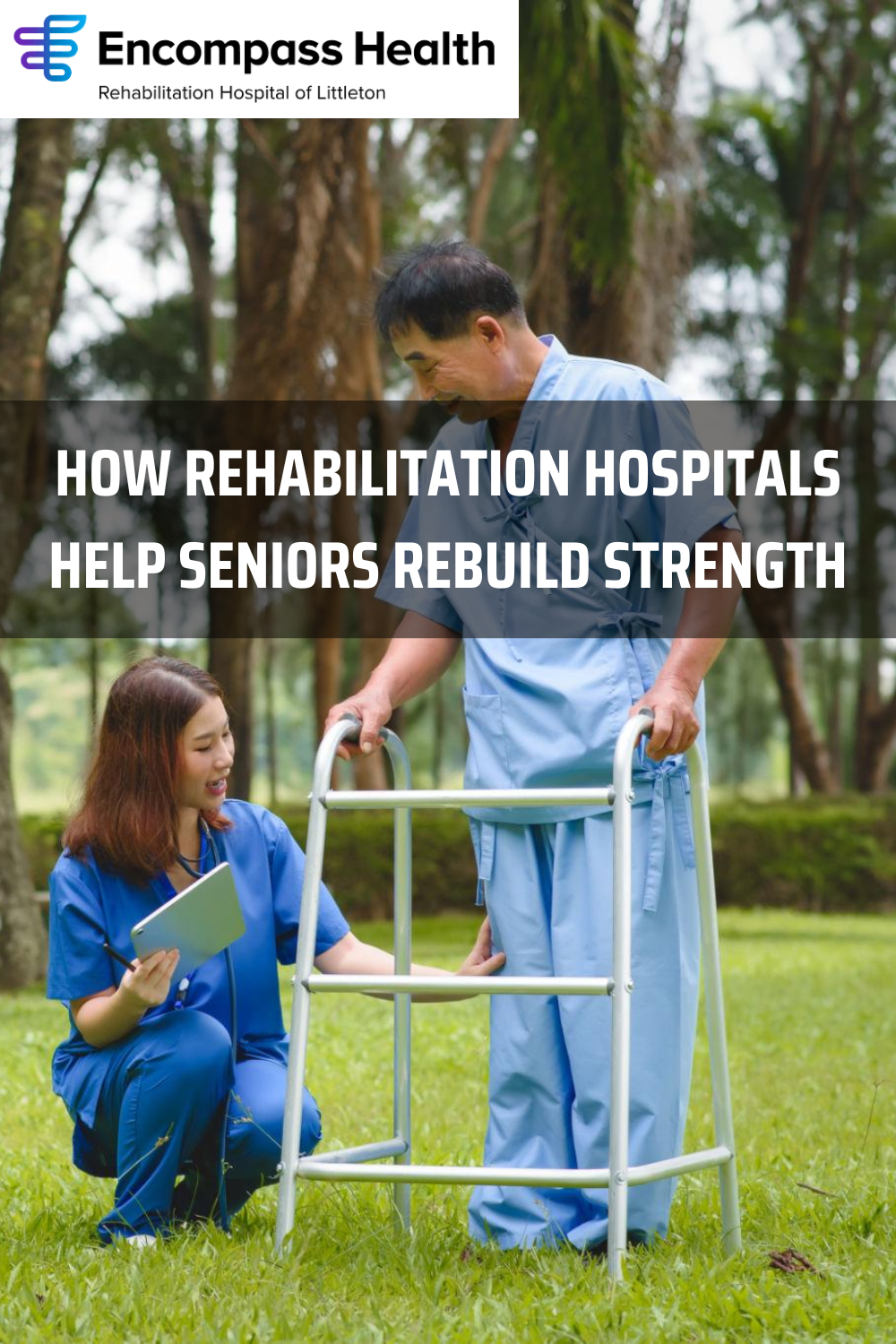
How Rehabilitation Hospitals Help Seniors Rebuild Strength
How Rehabilitation Hospitals Help Seniors Rebuild StrengthFalls are one of the leading causes of injury among older adults, and recovery after a fall can be physically and emotionally challenging. For many seniors, even a minor fall can affect mobility, confidence, and independence.In Littleton, where many older adults lead active lifestyles, rehabilitation hospitals help seniors recover safely after fractures, surgeries, and fall-related injuries. Through structured therapy programs and personalized care, rehabilitation services help patients regain strength while reducing the risk of future falls.Encompass Health Rehabilitation Hospital of Littleton provides rehabilitation support focused on helping seniors recover confidently and safely after injuries.Why Falls Affect Seniors DifferentlyAs people age, injuries often require longer recovery periods.A fall may lead to: Broken bones Reduced mobility Muscle weakness Fear of falling again Loss of independence Even after physical healing begins, emotional effects can linger.Fear after a fall can sometimes limit a seniors confidence even more than the injury itself, says Lenore Christensen of Encompass Health Rehabilitation Hospital of Littleton. Rehabilitation helps patients rebuild both physical strength and emotional confidence.Rehabilitation Helps Prevent Long-Term DeclineWithout proper rehabilitation, fall-related injuries can lead to decreased activity levels and long-term mobility loss.Therapy programs help seniors: Restore balance Build strength Improve coordination Increase flexibility Practice safe movement Early rehabilitation often improves long-term recovery outcomes.Physical Therapy Focuses on Mobility and BalancePhysical therapists work closely with patients recovering from fractures, surgeries, or balance issues.Therapy may include: Strength exercises Walking practice Balance training Endurance building Fall prevention strategies Improving mobility safely helps patients regain confidence and independence.Occupational Therapy Supports Daily ActivitiesOccupational therapists help seniors return to daily routines after injury.This may include practicing: Dressing Bathing Cooking Household movement Safe transfers Therapists also recommend adaptive equipment that improves safety at home.Fall Prevention Education MattersRehabilitation hospitals often help seniors identify fall risks and create safer living environments.Recommendations may include: Removing tripping hazards Improving lighting Installing grab bars Using mobility aids correctly Education helps reduce the likelihood of future injuries.Emotional Recovery Is Important TooAfter a fall, many seniors become fearful about moving independently.This fear can lead to: Reduced physical activity Social isolation Increased dependence Anxiety Supportive rehabilitation environments help patients gradually rebuild trust in their abilities through supervised therapy and encouragement.Families Benefit From Rehabilitation GuidanceFamily members often feel uncertain about how to support loved ones after a fall.Rehabilitation teams help families understand: Safe mobility techniques Home safety planning Equipment needs Recovery expectations This guidance improves confidence for both seniors and caregivers.Helping Seniors Return to Active LivingLittleton seniors value staying active and connected to their communities.Rehabilitation helps patients return to meaningful activities such as: Walking outdoors Attending family gatherings Shopping independently Participating in hobbies Recovery is about restoring quality of lifenot simply healing injuries.Encompass Health Rehabilitation Hospital of Littleton provides rehabilitation services designed to help seniors regain mobility, confidence, and independence after fall-related injuries.To learn more about rehabilitation services and senior wellness resources, visit the Seniors Blue Book listing for Encompass Health Rehabilitation Hospital of Littleton.Frequently Asked QuestionsWhy are falls dangerous for seniors?Falls can lead to fractures, mobility loss, hospitalization, and reduced independence.What therapies help after a fall?Physical therapy and occupational therapy commonly support recovery after injuries.Can rehabilitation reduce future fall risks?Yes. Rehabilitation helps improve strength, balance, and safety awareness.How does emotional recovery affect rehabilitation?Fear after a fall can impact mobility and confidence, making emotional support important during recovery.What home safety changes help prevent falls? Improved lighting, grab bars, reduced clutter, and mobility aids can help improve safety.
May 24, 2026
Enhancing Recovery for Seniors: The Role of Inpatient Rehabilitation at Encompass Health Littleton
Article Title: Enhancing Recovery for Seniors: The Role of Inpatient Rehabilitation at Encompass Health LittletonAs the aging population grows, so does the need for specialized and effective rehabilitation services that can help seniors regain independence, mobility, and quality of life after illness, injury, or surgery. Encompass Health Rehabilitation Hospital of Littleton stands out as a leader in inpatient rehabilitation, providing advanced care tailored to the unique needs of older adults.Located in Littleton, Colorado, Encompass Health Rehabilitation Hospital of Littleton is part of one of the nations largest providers of post-acute healthcare services. The facility offers an interdisciplinary approach to rehabilitation that blends clinical excellence, compassionate support, and patient-centered outcomes. This article explores how their comprehensive services help seniors and their families navigate the path to recovery with confidence.Why Inpatient Rehabilitation Is Crucial for SeniorsRehabilitation is not just for athletes or accident victims. For many seniors, it's a vital step toward regaining strength, functionality, and independence after medical events such as: Stroke Hip fractures Joint replacements Cardiac surgery Neurological conditions like Parkinsons or multiple sclerosis Prolonged hospitalization or ICU stays While outpatient therapy has its benefits, inpatient rehabilitation offers a more intensive, immersive approach with 24/7 medical supervision and coordinated care from a team of specialists.Key Advantages of Inpatient Rehabilitation at Encompass Health Littleton1. Personalized Care PlansEvery patient receives a customized rehabilitation plan tailored to their medical condition, personal goals, and functional needs. Therapists and physicians work closely with the patient and their family to develop objectives that prioritize mobility, self-care, and cognitive function.2. Daily Therapy RegimenPatients typically receive a minimum of three hours of therapy per day, five days a week. This can include physical therapy, occupational therapy, and speech-language pathology. The focused environment helps accelerate recovery compared to standard nursing or assisted living facilities.3. 24/7 Medical SupportUnlike outpatient therapy or even many skilled nursing facilities, Encompass Health Littleton provides round-the-clock nursing care and frequent physician oversight. This is crucial for seniors who may have complex medical needs or be at risk of complications.4. Advanced TechnologyThe hospital utilizes state-of-the-art equipment, including robotic-assisted therapy, virtual reality tools, and gait training systems to support optimal rehabilitation outcomes.5. Interdisciplinary Team ApproachA team of rehabilitation physicians, nurses, therapists, case managers, and dietitians collaborate to ensure holistic care. This coordinated effort addresses not only the physical aspects of recovery but also emotional, nutritional, and psychological well-being.6. Family InvolvementFamily members are encouraged to participate in therapy sessions and care planning. This helps prepare them to support the seniors transition back home and ensures they feel confident in assisting with care routines.What Makes Encompass Health Littleton Unique?National Reach with Local HeartAs part of Encompass Healths national network, the Littleton location benefits from cutting-edge research, standardized best practices, and shared clinical expertisewhile still offering personalized care rooted in the local community.Stroke and Neurological Rehabilitation SpecializationEncompass Health Littleton has specialized programs for stroke recovery and other neurological conditions. These services are backed by clinical pathways proven to improve function and reduce readmissions.Seamless Transitions and Discharge PlanningFrom the day of admission, discharge planning begins. The case management team helps coordinate home modifications, outpatient therapy, medical equipment, and caregiver supportensuring patients return home safely and with the right level of continued care.When Is Inpatient Rehabilitation the Right Choice?Inpatient rehab is ideal for seniors who: Need more intensive therapy than offered in a nursing home or outpatient clinic Have multiple health conditions requiring close medical supervision Require assistance with mobility, self-care, or speech following a health event Are recovering from a fall, stroke, surgery, or prolonged illness Live alone and may not be safe at home during recovery Families should consult a hospital physician or discharge planner to evaluate if an inpatient rehab facility like Encompass Health Littleton is appropriate.Supporting Caregivers Through the Rehabilitation JourneyCaregiving can be physically and emotionally exhausting. Encompass Health Littleton offers educational resources and caregiver training to ease the transition from inpatient care to home. Supportive services include: Training on transferring and mobility assistance Medication management education Home safety recommendations Emotional support groups and caregiver networks By empowering caregivers, Encompass Health ensures that seniors continue to make progress even after returning home.Testimonials from Families and Patients The care my mother received at Encompass Health Littleton was outstanding. She went from being bedridden after a stroke to walking with a walker. The staff not only helped her physically but gave her confidence and hope. Sandra, daughter of a former patient I didnt think Id ever return home after my fall, but the team here made it possible. They treated me with kindness, pushed me to work hard, and made me feel human again. George, former patient Final Thoughts: Recovery Is Possible with the Right SupportChoosing the right rehabilitation facility can make a world of difference in a seniors quality of life and long-term recovery. Encompass Health Rehabilitation Hospital of Littleton offers an ideal environment for healing, with a team that truly understands the challengesand triumphsof senior recovery. Whether you're a family member seeking the best care for a loved one, or a senior preparing for a life-changing procedure, know that support, strength, and a path forward await at Encompass Health Littleton.
Jul 28, 2025
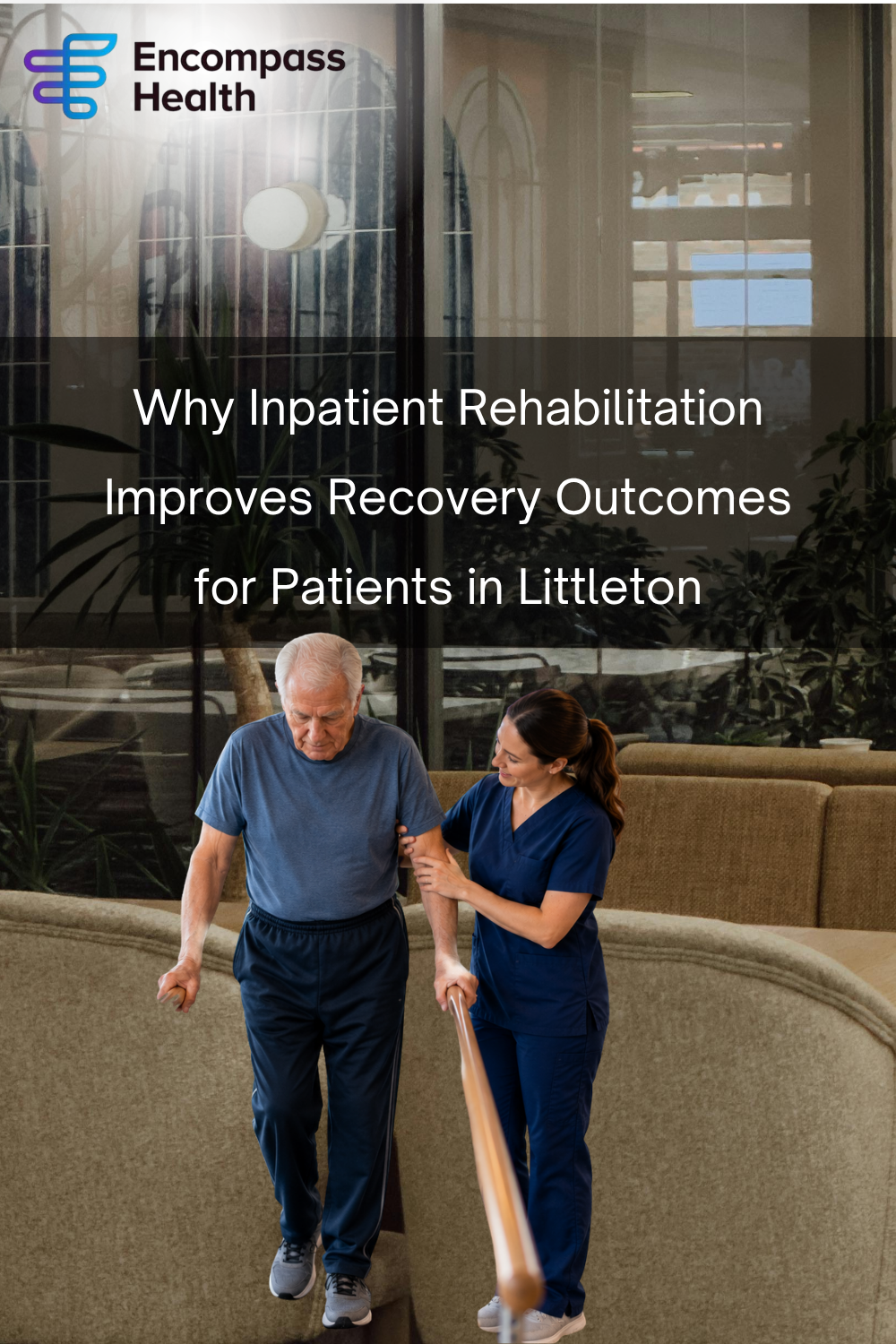
Why Inpatient Rehabilitation Improves Recovery Outcomes for Patients i
Why Inpatient Rehabilitation Improves Recovery Outcomes for Patients in LittletonRecovery after a serious illness, injury, stroke, or surgery is rarely straightforward.For many patients and families, hospital discharge brings reliefbut also uncertainty. Questions quickly follow: What happens next? Will recovery continue at home? Is more therapy needed? How can we prevent setbacks?These questions matter because what happens after hospitalization often determines long-term outcomes.The recovery period immediately following a medical event is one of the most important phases of healing. During this time, structured rehabilitation can dramatically improve strength, mobility, safety, and overall function.For patients in Littleton, inpatient rehabilitation has become an essential step in restoring health and independence. Facilities like Encompass Health Rehabilitation Hospital of Littleton provide intensive rehabilitation programs designed to help patients recover more effectively.The right rehabilitation environment can make a meaningful difference in how welland how quicklypatients regain their quality of life.Understanding Inpatient RehabilitationInpatient rehabilitation is specialized care for patients who need intensive therapy and medical supervision after a major health event.Unlike standard hospital care, rehabilitation focuses specifically on improving function and restoring independence.This may include recovery after: Stroke Neurological conditions Joint replacement Orthopedic injuries Serious illness Surgery Cardiac events Traumatic injury The goal is to help patients safely regain physical and functional abilities.This includes everyday activities like: Walking Transferring safely Dressing Bathing Using stairs Performing daily routines These abilities are critical to living independently.Why Recovery Outcomes Depend on Early RehabilitationTiming matters in recovery.The sooner patients begin appropriate rehabilitation, the greater the opportunity to improve outcomes.Without structured therapy, patients may experience: Loss of strength Reduced mobility Poor balance Increased fall risk Slower recovery Functional decline Even short periods of inactivity can significantly impact strength and endurance, especially for older adults.Early rehabilitation helps patients regain momentum.This is why inpatient rehab often plays such a valuable role.Why Littleton Families Choose Rehabilitation HospitalsLittleton is home to active adults and seniors who value independence, mobility, and quality of life. Whether enjoying Colorados outdoors, spending time with family, or participating in community activities, maintaining function matters greatly.When health challenges interrupt that lifestyle, families want strong recovery support.The goal isnt simply survival after illness or surgery.The goal is returning to life.That requires focused rehabilitation.Inpatient rehabilitation helps bridge the gap between acute hospital care and returning home safely.What Makes Inpatient Rehabilitation Effective?Inpatient rehabilitation offers several important advantages that can improve outcomes.Intensive TherapyPatients participate in structured therapy designed to build measurable progress.Consistent therapy helps improve: Strength Balance Endurance Coordination Functional mobility Repetition and structured progress lead to better recovery.Team-Based CareRecovery often requires support from multiple specialists.This may include: Physical therapists Occupational therapists Speech therapists Rehabilitation nurses Physicians Collaborative care improves coordination and patient outcomes.Personalized Treatment PlansNo two recovery journeys are identical.Each patient enters rehabilitation with unique goals and challenges.Personalized plans ensure care aligns with each patients needs.This targeted approach improves efficiency and effectiveness.How Encompass Health Rehabilitation Hospital of Littleton Supports RecoveryEncompass Health Rehabilitation Hospital of Littleton provides specialized inpatient rehabilitation designed to help patients recover after serious medical events.The hospital focuses on restoring mobility, function, and independence through comprehensive rehabilitation services.Patients receive personalized care built around clear recovery goals.Recovery Focused on FunctionHealing is importantbut function is what determines independence.Patients need more than rest.They need support regaining the ability to perform everyday tasks safely and confidently.Rehabilitation focuses directly on these functional goals.Building Strength and ConfidenceMany patients leave the hospital feeling physically weak and emotionally uncertain.They may worry about: Falling Returning home safely Managing stairs Performing daily tasks Rehabilitation helps rebuild both physical ability and confidence.Progress often starts with small victories that build over time.Safe Transition PlanningReturning home safely is one of the most important outcomes of rehabilitation.Discharge planning helps ensure patients are prepared for the next stage of recovery.Lenore Christensen of Encompass Health Rehabilitation Hospital of Littleton explains: Effective rehabilitation helps patients do more than recover physically. It gives them the strength, tools, and confidence to return to daily life with greater independence. Thats what successful recovery looks like.Patients Who Benefit Most from Inpatient RehabilitationInpatient rehabilitation can be especially valuable for patients recovering from major events that significantly impact mobility or function.Patients often benefit when they need: Intensive therapy Medical supervision Structured recovery support Help regaining daily function This level of care is especially important when safe return home depends on stronger physical recovery.Signs Rehabilitation May Be Needed After HospitalizationFamilies should ask whether additional rehabilitation is needed if a loved one is experiencing: Difficulty walking Increased fall risk Significant weakness Trouble with daily tasks Reduced mobility Slow recovery progress These signs often indicate structured rehabilitation could improve outcomes.The right support can prevent setbacks.Questions to Ask When Choosing a Rehabilitation HospitalFamilies should carefully evaluate rehabilitation programs.Important questions include: What therapies are offered? How intensive is treatment? Is care personalized? How is progress measured? How is discharge planning handled? The answers help families identify programs that prioritize strong recovery outcomes.Better Recovery Starts with the Right SupportRecovering from illness, surgery, or injury requires more than time.It requires structured support, targeted therapy, and a team focused on progress.Inpatient rehabilitation gives patients the opportunity to rebuild strength, restore function, and improve long-term outcomes.For Littleton families, choosing the right rehabilitation hospital can make a major difference in recovery success.Encompass Health Rehabilitation Hospital of Littleton helps patients move forward with strength, confidence, and greater independence.Recovery becomes stronger with the right care.Visit Their Seniors Blue Book Listing TodayLooking for inpatient rehabilitation in Littleton?Visit the Seniors Blue Book listing for Encompass Health Rehabilitation Hospital of Littleton to learn more and connect with their team.Frequently Asked QuestionsWhat is inpatient rehabilitation?Inpatient rehabilitation provides intensive therapy and medical support for patients recovering from serious illness, surgery, injury, or stroke.Why is rehabilitation important after hospitalization?Rehabilitation improves strength, mobility, safety, and independence while reducing recovery setbacks.Who benefits most from inpatient rehabilitation?Patients recovering from surgery, stroke, illness, injury, or neurological conditions often benefit greatly.How does rehabilitation improve outcomes?It provides structured therapy, personalized treatment, and medical support to accelerate recovery.Why choose rehabilitation in Littleton? Littleton offers strong healthcare access and rehabilitation services focused on restoring independence and quality of life.
Jul 01, 2026
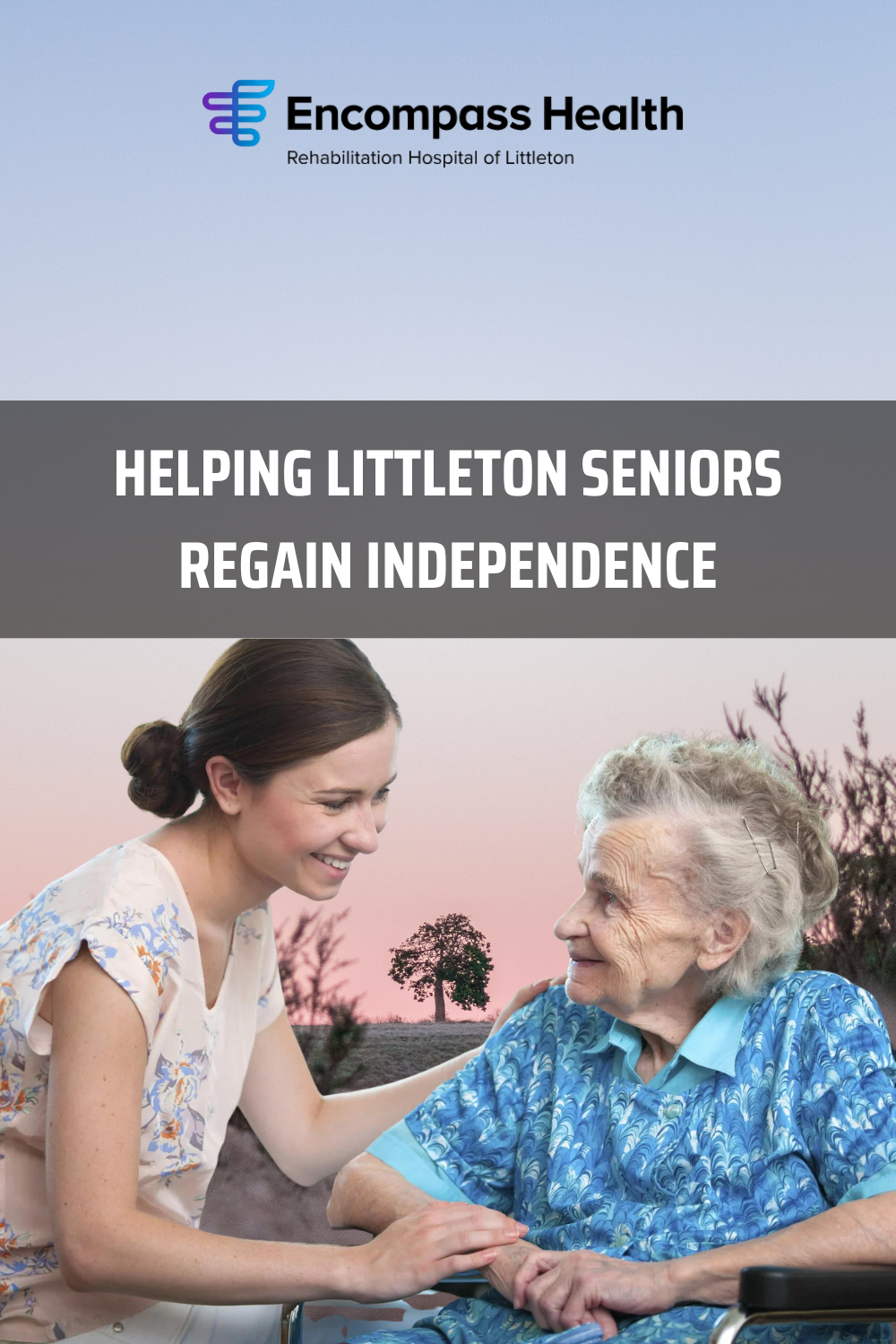
Helping Littleton Seniors Regain Independence
Helping Littleton Seniors Regain IndependenceA stroke can change life instantlynot only for the person experiencing it but also for their entire family. Recovery often involves physical, emotional, and cognitive challenges that require patience, support, and specialized care.For seniors in Littleton, rehabilitation hospitals provide an essential pathway toward rebuilding independence after stroke-related medical events. Through personalized therapy programs and coordinated rehabilitation services, many older adults are able to regain mobility, communication skills, and confidence.Encompass Health Rehabilitation Hospital of Littleton helps stroke survivors navigate recovery with structured rehabilitation designed around each patients unique needs and goals.Understanding Stroke RecoveryEvery stroke affects the brain differently, meaning recovery experiences vary from person to person.Some individuals may experience: Weakness or paralysis Difficulty speaking Balance problems Memory changes Swallowing difficulties Fatigue Emotional changes Rehabilitation focuses on helping patients rebuild skills and adapt safely to new challenges.Stroke recovery requires patience, teamwork, and encouragement, says Lenore Christensen of Encompass Health Rehabilitation Hospital of Littleton. Each patients journey is unique, and therapy programs are designed to help individuals regain as much independence and confidence as possible.Early Rehabilitation Improves Recovery PotentialResearch consistently shows that early rehabilitation can improve stroke recovery outcomes.Starting therapy soon after hospitalization may help: Improve mobility faster Reduce muscle weakness Support communication recovery Prevent complications Encourage cognitive improvement Rehabilitation hospitals specialize in providing structured therapy programs that begin during the critical early stages of recovery.Physical Therapy Supports MobilityAfter a stroke, many patients struggle with balance, coordination, or walking safely.Physical therapists help patients: Improve strength Relearn movement patterns Build endurance Reduce fall risks Practice safe mobility Therapy sessions often focus on practical goals such as walking independently, climbing stairs, or safely transferring between surfaces.Occupational Therapy Helps Restore Daily Living SkillsStroke survivors may experience difficulty performing everyday tasks.Occupational therapy focuses on helping patients regain independence with activities such as: Dressing Bathing Meal preparation Writing Household routines Therapists may also recommend adaptive equipment that improves safety and function at home.Speech Therapy Supports Communication RecoverySpeech-language pathologists play a major role in stroke rehabilitation.Therapy may address: Speech clarity Language comprehension Memory and cognition Swallowing difficulties These services help patients communicate more effectively while improving overall safety and confidence.Emotional Recovery Is Equally ImportantStroke recovery often affects emotional health as well.Patients may feel: Frustrated Anxious Depressed Fearful about future independence Supportive rehabilitation environments help encourage motivation and emotional resilience throughout recovery.Family support and positive reinforcement also contribute significantly to emotional healing.Littleton Seniors Benefit From Community SupportLittletons strong sense of community often plays an important role in recovery journeys.Family members, neighbors, faith communities, and local support systems frequently help seniors remain motivated during rehabilitation.Remaining close to familiar surroundings and loved ones can positively influence emotional wellness during recovery.Recovery Takes Time and PatienceStroke rehabilitation is often gradual. Progress may happen in small but meaningful steps.Successful recovery requires: Consistent therapy Emotional encouragement Realistic goal-setting Ongoing support Many stroke survivors regain significant independence through structured rehabilitation programs tailored to their abilities and needs.Helping Stroke Survivors Rebuild ConfidenceRecovery after stroke is not only about regaining physical abilitiesit is also about rebuilding confidence and restoring quality of life.Rehabilitation hospitals help patients work toward personal goals such as returning home safely, participating in family activities, and enjoying everyday routines again.Encompass Health Rehabilitation Hospital of Littleton provides specialized stroke rehabilitation designed to support recovery, independence, and hope throughout the healing process.To learn more about stroke rehabilitation and senior recovery resources, visit the Seniors Blue Book listing for Encompass Health Rehabilitation Hospital of Littleton.Frequently Asked QuestionsWhat therapies help stroke recovery?Stroke rehabilitation commonly includes physical therapy, occupational therapy, and speech therapy.How soon should stroke rehabilitation begin?Early rehabilitation often improves recovery outcomes and supports better long-term independence.Can seniors recover independence after a stroke?Many stroke survivors regain significant function and independence through structured therapy programs.Why is emotional support important during recovery?Emotional encouragement helps patients stay motivated and engaged throughout rehabilitation.What challenges may stroke survivors experience? Challenges may include mobility issues, speech difficulties, memory changes, fatigue, and emotional stress.
May 24, 2026
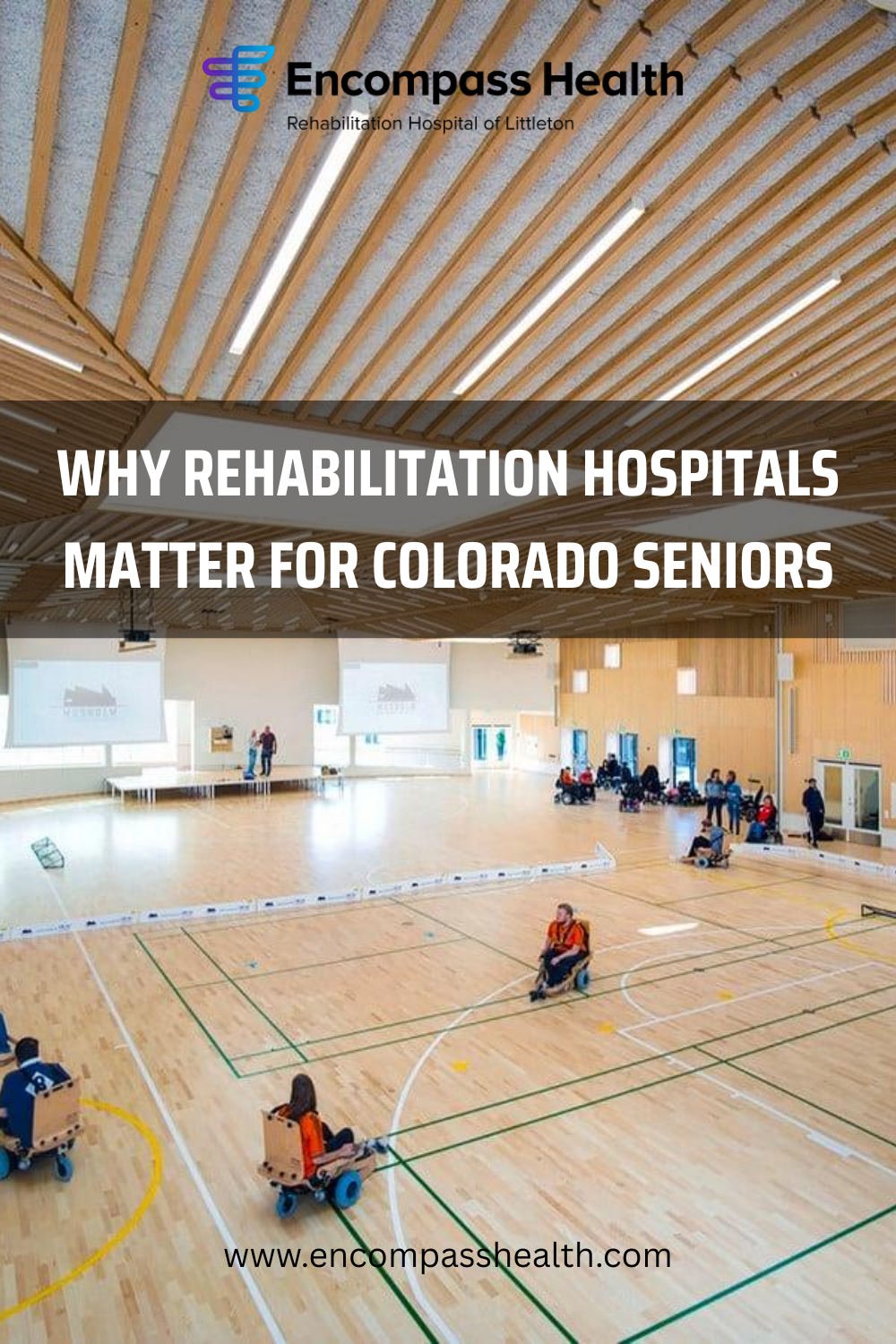
Why Rehabilitation Hospitals Matter for Colorado Seniors
Why Rehabilitation Hospitals Matter for Colorado SeniorsFor many older adults in Colorado, surgery represents both a challenge and an opportunity. Whether recovering from a joint replacement, stroke, cardiac procedure, or serious illness, the days and weeks following hospitalization can determine how successfully a senior regains independence and quality of life.In Littleton, where active lifestyles and strong family connections are central to the community, rehabilitation hospitals play a vital role in helping seniors recover safely and confidently. Modern rehabilitation programs are no longer simply focused on physical healingthey are designed to help individuals rebuild strength, restore mobility, and regain the confidence needed to return to everyday life.Encompass Health Rehabilitation Hospital of Littleton provides specialized rehabilitation services that help seniors transition from hospitalization back to independence through personalized therapy and compassionate support.Why Rehabilitation Is Essential After HospitalizationAfter surgery or illness, many seniors experience weakness, reduced mobility, and difficulty managing routine activities.Without structured rehabilitation, recovery may become slower and more difficult. Seniors may face increased risks of: Falls Rehospitalization Loss of independence Muscle weakness Isolation Long-term mobility issues Rehabilitation hospitals help bridge the gap between acute medical treatment and returning home safely.Recovery is about more than healing physically, says Lenore Christensen of Encompass Health Rehabilitation Hospital of Littleton. It is about helping patients regain confidence, independence, and the ability to return to meaningful daily life.Littleton Seniors Value Active LivingLittletons scenic parks, walking trails, and close-knit neighborhoods make it a community where many seniors remain active throughout retirement.Older adults in the area often enjoy: Outdoor recreation Community activities Family gatherings Volunteer work Local cultural events When injuries or illnesses interrupt those routines, rehabilitation becomes especially important for restoring mobility and independence.Many seniors are highly motivated to recover because they want to return to the activities and lifestyles they enjoy.Rehabilitation Hospitals Provide Specialized CareRehabilitation hospitals differ from standard medical hospitals because they focus specifically on recovery and functional improvement.Patients often receive intensive therapy services such as: Physical therapy Occupational therapy Speech therapy Mobility training Balance support Cognitive rehabilitation The goal is not only to treat medical conditions but also to help individuals regain the skills needed for everyday living.Physical Therapy Helps Rebuild StrengthAfter surgery or illness, even basic movement can become challenging.Physical therapists help patients improve: Walking ability Balance Endurance Muscle strength Flexibility Coordination Therapy programs are designed around each individuals condition and recovery goals.For seniors recovering from orthopedic procedures such as knee or hip replacements, physical therapy often plays a critical role in restoring mobility and reducing fall risks.Occupational Therapy Supports Everyday IndependenceOccupational therapy focuses on helping patients safely perform daily activities.This may include assistance with: Dressing Bathing Meal preparation Transfers and mobility Using adaptive equipment The goal is to help seniors regain confidence and function within their normal routines.Therapists often practice real-world tasks that support successful transitions home.Speech Therapy Supports Cognitive and Communication RecoverySome seniors require speech therapy after strokes, neurological conditions, or illnesses that affect communication or swallowing.Speech-language pathologists may help patients improve: Speech clarity Memory skills Cognitive processing Swallowing safety Communication abilities These services can significantly improve quality of life and independence during recovery.Personalized Recovery Plans Lead to Better OutcomesEvery recovery journey is different.Some patients recover quickly after surgery, while others require longer rehabilitation due to complex medical conditions or mobility challenges.Personalized treatment plans allow rehabilitation teams to tailor therapy intensity and goals based on the individuals: Health condition Strength level Lifestyle goals Cognitive abilities Support system At Encompass Health Rehabilitation Hospital of Littleton, interdisciplinary teams collaborate to create individualized care strategies that support long-term success.Emotional Recovery Matters TooHospitalization and physical setbacks often affect emotional health as much as physical wellness.Many seniors experience: Anxiety about falling again Fear of losing independence Depression during recovery Frustration with physical limitations Supportive rehabilitation environments help patients stay motivated through encouragement, structure, and measurable progress.Positive emotional support often improves participation in therapy and overall recovery outcomes.Families Play an Important Role in RehabilitationFamily involvement often contributes significantly to successful rehabilitation.Care teams may work closely with families to discuss: Recovery expectations Home safety planning Equipment needs Mobility assistance techniques Continued therapy recommendations This communication helps families feel informed and prepared for the transition home.Why Early Rehabilitation Can Improve Long-Term IndependenceThe sooner rehabilitation begins after hospitalization, the better many patients recover.Early therapy helps: Prevent muscle loss Improve mobility faster Reduce complications Build confidence Support safer transitions home Proactive rehabilitation often helps seniors maintain greater independence over time.Helping Seniors Return to the Life They LoveFor many older adults, rehabilitation is not simply about healingit is about reclaiming daily life.Whether the goal is walking independently again, attending family events, returning to hobbies, or simply moving through the home safely, rehabilitation hospitals help seniors work toward meaningful personal goals.Encompass Health Rehabilitation Hospital of Littleton provides specialized rehabilitation care focused on helping seniors regain strength, confidence, and independence after illness, injury, or surgery.To learn more about rehabilitation services and senior recovery resources, visit the Seniors Blue Book listing for Encompass Health Rehabilitation Hospital of Littleton.Frequently Asked QuestionsWhat does a rehabilitation hospital do?Rehabilitation hospitals provide therapy and recovery services that help patients regain strength, mobility, and independence after illness or injury.What therapies are commonly provided?Patients may receive physical therapy, occupational therapy, speech therapy, and mobility training.How long do patients stay in rehabilitation?Length of stay depends on the patients condition, recovery goals, and therapy progress.Why is rehabilitation important after surgery?Rehabilitation helps restore mobility, improve strength, reduce fall risks, and support independence.Can families participate in the recovery process? Yes. Rehabilitation teams often involve families in education, discharge planning, and ongoing support discussions.
May 24, 2026
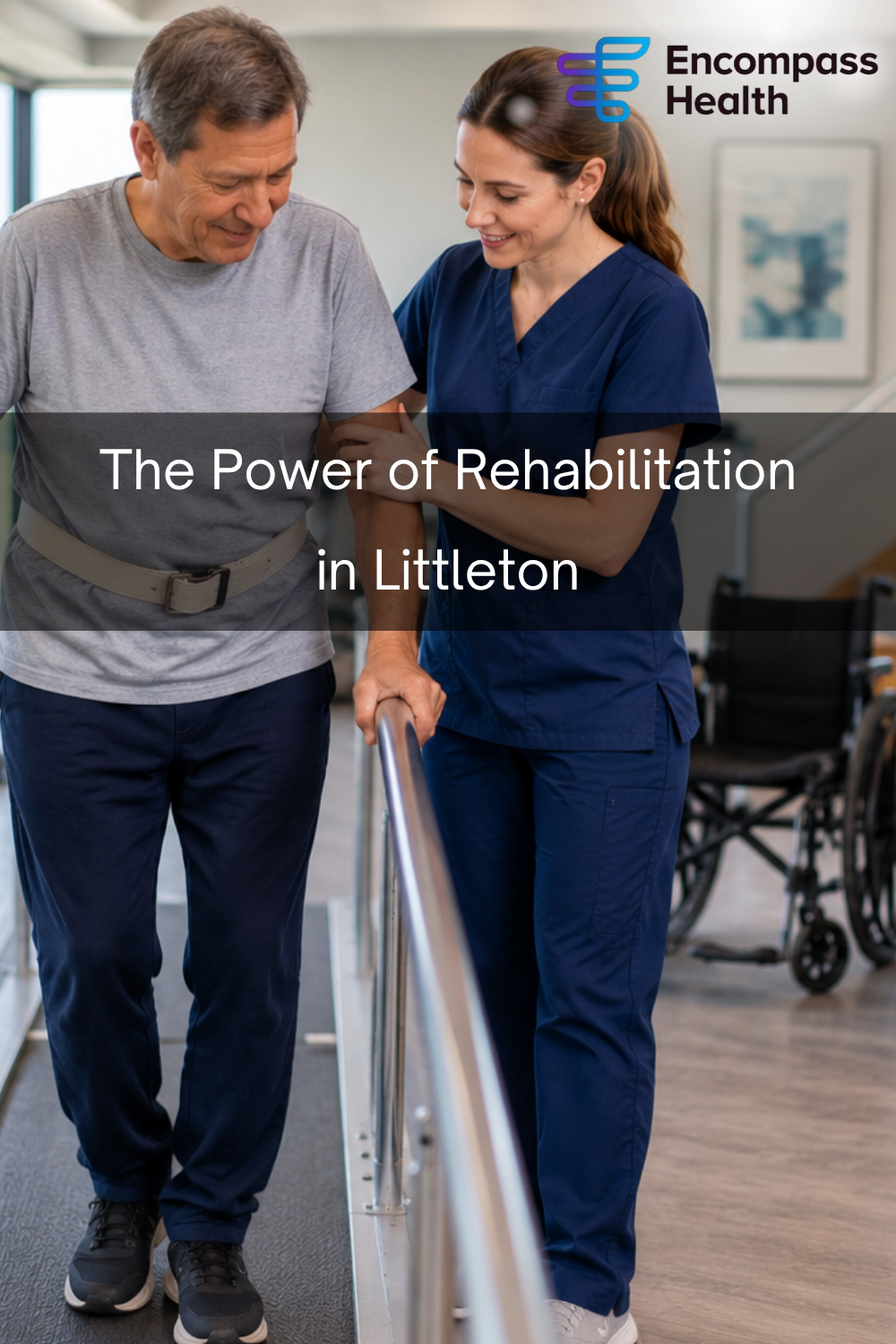
The Power of Rehabilitation in Littleton
The Power of Rehabilitation in LittletonA stroke or serious injury can change life in an instant.One day, everyday tasks may feel routine and effortless. The next, walking across a room, climbing stairs, getting dressed, or speaking clearly may suddenly feel overwhelming. For patients and families, these moments can be frightening, emotional, and deeply uncertain.The biggest question often becomes: Will life ever feel normal again?Recovery after stroke or injury is rarely easy, but progress is possible. With the right rehabilitation support, many patients regain strength, rebuild confidence, and restore meaningful independence.For individuals in Littleton, specialized rehabilitation care plays a critical role in that journey. Facilities like Encompass Health Rehabilitation Hospital of Littleton help patients recover through intensive, personalized rehabilitation programs designed to improve mobility, function, and quality of life.Recovery doesnt happen all at oncebut every step forward matters.Stroke and Injury Recovery Is About RelearningAfter a stroke or serious injury, recovery often involves rebuilding skills that were once automatic.Patients may face challenges such as: Weakness on one side of the body Reduced mobility Loss of balance Difficulty speaking Cognitive changes Pain or limited range of motion Difficulty completing daily tasks These changes can affect every part of daily life.Simple routines may suddenly require significant effort.That can feel frustrating and discouraging.But recovery is often a process of retraining the body and brain.Thats where rehabilitation becomes essential.Why Early Rehabilitation MattersThe first weeks following stroke or injury are especially important.During this time, the body and brain have tremendous potential for recovery and adaptation.Early rehabilitation helps patients: Regain mobility Improve strength Restore balance Rebuild coordination Improve communication skills Prevent complications Without structured therapy, progress may slow and functional decline may increase.The right rehabilitation support creates momentum.That momentum can make a major difference in long-term recovery.Why Independence Matters So MuchFor many patients, the goal of recovery goes far beyond medical healing.The true goal is independence.Patients want to return to the activities that give life meaning: Walking safely Living at home Spending time with family Returning to hobbies Managing daily routines These goals are deeply personal.After stroke or injury, even small improvements can represent major milestones.Standing independently. Walking farther. Using stairs again. Getting dressed without assistance.Each achievement matters.The Littleton Recovery JourneyLittleton is home to active individuals who value independence, mobility, and quality of life. Whether enjoying Colorados outdoor spaces, connecting with family, or staying involved in the community, physical function plays a major role in daily life.When stroke or injury interrupts that lifestyle, rehabilitation becomes about more than recovery.It becomes about reclaiming life.Families want to know their loved one has every opportunity to recover as fully as possible.Specialized rehabilitation helps make that possible.How Rehabilitation Supports Stroke and Injury RecoveryRehabilitation provides structured therapy focused on restoring functional ability.This often includes: Physical therapy Occupational therapy Speech therapy Medical oversight Nursing support This multidisciplinary approach helps address both physical and cognitive challenges.Recovery becomes more effective when all aspects of healing are supported.How Encompass Health Rehabilitation Hospital of Littleton Helps Patients RecoverEncompass Health Rehabilitation Hospital of Littleton provides comprehensive inpatient rehabilitation for patients recovering from stroke, injury, surgery, and serious medical events.Their approach focuses on helping patients regain as much function and independence as possible.Personalized Recovery PlansEvery patients recovery journey is unique.Stroke severity, injury type, mobility level, and overall health all influence rehabilitation needs.Personalized treatment plans ensure therapy aligns with each patients goals and challenges.This individualized approach helps maximize recovery potential.Intensive Therapy Builds ProgressRecovery requires consistent effort.Therapy helps patients build strength, coordination, endurance, and confidence over time.Small improvements add up.What feels impossible in the early stages of recovery can gradually become achievable.That progress builds hope.Emotional Support Matters TooStroke and injury recovery is not only physical.Patients often experience frustration, fear, and emotional stress.Supportive rehabilitation environments help patients stay motivated and focused on progress.Lenore Christensen of Encompass Health Rehabilitation Hospital of Littleton explains: Recovery after stroke or injury can feel overwhelming, but progress is possible with the right support. Rehabilitation helps patients rebuild strength, confidence, and independence one step at a time. That hope is powerful.Common Recovery Goals in RehabilitationRehabilitation goals vary from patient to patient.Common goals may include: Walking independently Improving balance Regaining upper body function Improving speech and communication Returning home safely Completing daily activities independently Progress is measured by meaningful improvements in function.Thats what ultimately supports independence.Family Support During RecoveryFamilies play an important role in the rehabilitation process.They provide encouragement, motivation, and emotional support during recovery.Families often feel more confident when they understand: Recovery goals Therapy progress Discharge planning Long-term expectations Strong communication between care teams and families improves outcomes.Recovery works best as a team effort.Choosing the Right Rehabilitation HospitalFamilies evaluating rehabilitation hospitals should ask important questions.These include: What therapies are offered? Is treatment personalized? How intensive is therapy? How is progress measured? How are families involved? The answers help determine whether a facility can provide strong recovery support.Quality rehabilitation can make a major difference.Recovery Begins with the Next StepStroke or injury can change life suddenlybut it does not eliminate the possibility of progress.With the right rehabilitation support, patients can rebuild strength, restore function, and regain meaningful independence.Recovery takes time, effort, and support.But each step forward matters.For Littleton families, Encompass Health Rehabilitation Hospital of Littleton provides specialized rehabilitation care focused on helping patients move forward with confidence.The path to independence starts with one step at a time.Visit Their Seniors Blue Book Listing TodayLooking for stroke or injury rehabilitation in Littleton?Visit the Seniors Blue Book listing for Encompass Health Rehabilitation Hospital of Littleton to learn more and connect with their team.Frequently Asked QuestionsWhy is rehabilitation important after stroke?Rehabilitation helps patients regain mobility, strength, coordination, and independence after stroke.Can patients recover fully after injury or stroke?Recovery varies, but many patients make significant progress with early and intensive rehabilitation.What therapies are included in stroke rehabilitation?Rehabilitation may include physical therapy, occupational therapy, speech therapy, and medical support.How long does stroke rehabilitation take?Recovery timelines vary based on severity, goals, and overall health.Why choose rehabilitation in Littleton? Littleton offers strong rehabilitation resources focused on helping patients regain independence and quality of life.
Jul 01, 2026
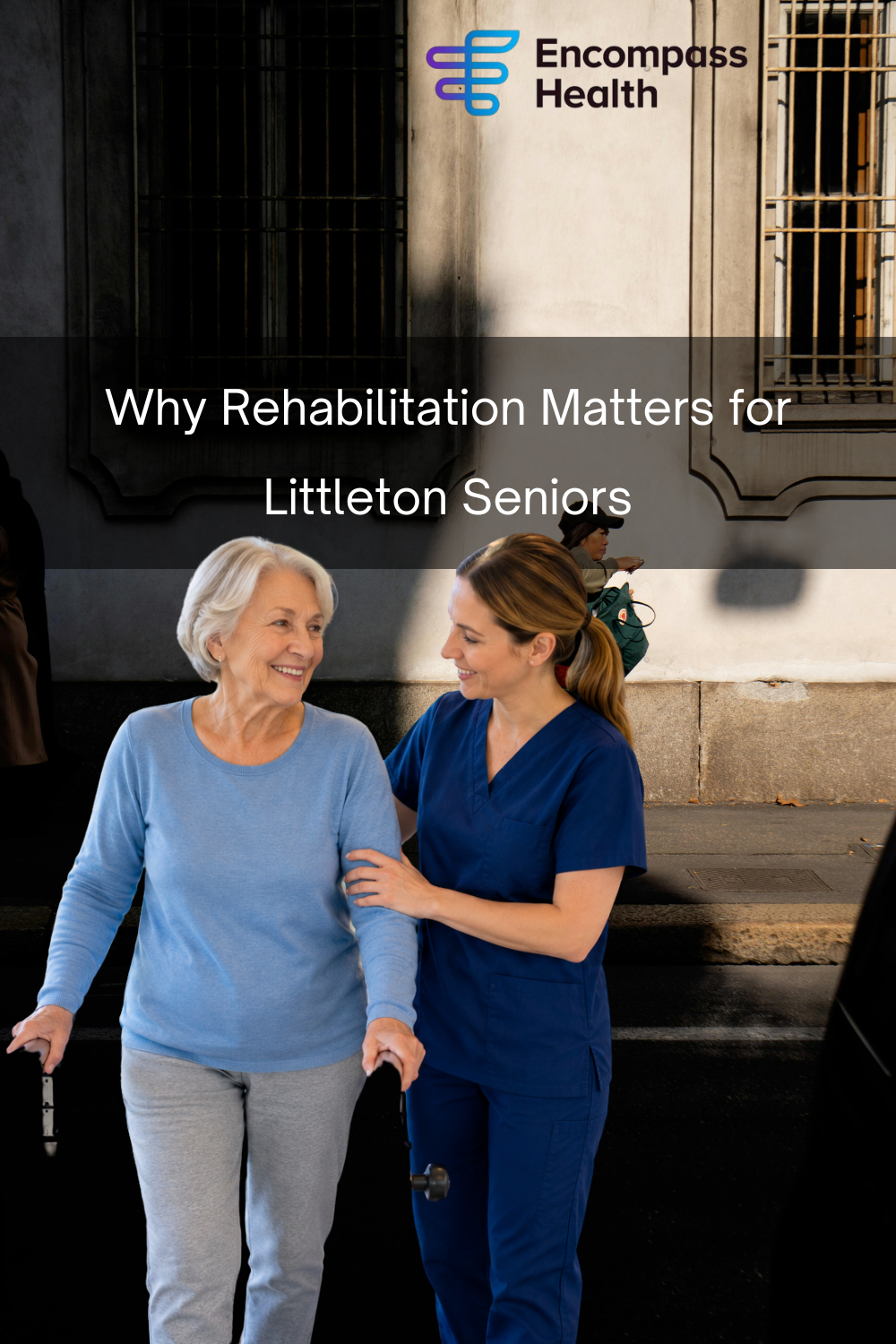
Why Rehabilitation Matters for Littleton Seniors
Why Rehabilitation Matters for Littleton SeniorsA hospital stay can be life-changing.Whether it follows major surgery, a stroke, joint replacement, illness, injury, or another serious health event, leaving the hospital is often only the beginning of the recovery journey. Many patients and families assume the hardest part is over once discharge happensbut in reality, recovery often depends on what happens next.The period after hospitalization is critical.Without proper rehabilitation, patients may struggle with mobility, strength, balance, daily tasks, and overall confidence. This can lead to setbacks, complications, or even hospital readmission.For patients in Littleton and surrounding communities, inpatient rehabilitation can play a powerful role in helping individuals recover safely and regain independence. Facilities like Encompass Health Rehabilitation Hospital of Littleton provide specialized rehabilitation care designed to help patients rebuild strength and function after major medical events.Recovery is rarely instantbut with the right rehabilitation support, progress becomes possible.Recovery Is More Than HealingMany people think recovery simply means allowing time for the body to heal.Healing is important, but recovery involves much more.After surgery or hospitalization, patients often face challenges such as: Muscle weakness Limited mobility Reduced endurance Pain management Balance issues Difficulty performing daily activities Emotional stress or anxiety Even routine tasks can suddenly feel difficult.Getting out of bed. Walking safely. Using stairs. Bathing independently. Preparing meals.These everyday activities matter greatly to long-term independence.Thats where rehabilitation becomes essential.Why Rehabilitation Matters After HospitalizationRehabilitation focuses on helping patients regain physical function, strength, mobility, and independence.The goal is not only recoveryits helping individuals return to meaningful daily life.Rehabilitation may support recovery after: Stroke Joint replacement Cardiac events Neurological conditions Orthopedic injuries Serious illness Surgery Traumatic injury A structured rehabilitation program helps patients progress safely while reducing risk of complications.Without proper rehabilitation, recovery may slow significantly.Why Littleton Families Prioritize RehabilitationLittleton offers residents access to excellent healthcare resources, active neighborhoods, and a strong sense of community. Many older adults in the area enjoy active lifestyles, whether walking local trails, spending time with family, or participating in community activities.When illness or injury disrupts that lifestyle, recovery becomes deeply personal.Families want their loved ones to regain as much independence as possible.This is especially important for seniors who wish to return home safely after hospitalization.Rehabilitation provides the bridge between hospital discharge and independent living.What Inpatient Rehabilitation OffersInpatient rehabilitation provides intensive therapy and medical support in a structured setting.Patients receive coordinated care focused on measurable recovery goals.Services often include: Physical therapy Occupational therapy Speech therapy Nursing care Medical oversight Personalized treatment planning This team-based approach supports whole-person recovery.Each patient receives care tailored to their condition, goals, and progress.How Encompass Health Rehabilitation Hospital of Littleton Supports RecoveryEncompass Health Rehabilitation Hospital of Littleton focuses on helping patients recover from serious illness, injury, surgery, and hospitalization through comprehensive inpatient rehabilitation.The hospital provides specialized rehabilitation care designed to improve strength, mobility, and overall function.The goal is to help patients regain confidence and independence.Personalized Recovery PlansNo two recovery journeys are identical.Each patient enters rehabilitation with different needs, challenges, and goals.Some may need support rebuilding mobility after surgery. Others may focus on regaining strength after illness or neurological recovery.Personalized plans help ensure therapy is targeted and effective.This individualized approach leads to stronger outcomes.Intensive Therapy for Better ProgressConsistent therapy is essential for meaningful recovery.Rehabilitation helps patients steadily build strength, endurance, and functional ability in a safe environment.Small daily improvements often lead to major long-term progress.Recovery happens one step at a time.Restoring ConfidencePhysical recovery is only one part of healing.Many patients feel fear or uncertainty after a major medical event.They may worry about falling, losing independence, or returning home safely.Rehabilitation helps rebuild confidence.Lenore Christensen of Encompass Health Rehabilitation Hospital of Littleton shares: Recovery is about more than physical healing. Its about helping patients rebuild strength, confidence, and independence so they can return to the life they value. That philosophy reflects the heart of rehabilitation care.The Benefits of Comprehensive RehabilitationPatients who receive focused rehabilitation often experience significant benefits.These may include: Improved mobility Increased strength Better balance Greater endurance Reduced fall risk Enhanced independence Improved quality of life Families often notice meaningful improvements during rehabilitation.Progress may begin with small milestones: Standing independently Walking farther Regaining daily routines Completing personal tasks safely Each step matters.Who Benefits Most from Rehabilitation?Rehabilitation can benefit many individuals recovering from serious medical events.Patients often benefit most when they need help regaining function after: Surgery Stroke Injury Illness Neurological conditions Rehabilitation is especially important when returning home safely requires improved mobility or functional strength.Early intervention often leads to better outcomes.Questions Families Should Ask About RehabilitationWhen evaluating rehabilitation hospitals, families should ask important questions.These include: What therapies are available? Is care personalized? How is progress measured? What discharge planning support exists? How is family communication handled? The answers reveal how well a rehabilitation program supports recovery.Strong communication and individualized care are key.Recovery Is a JourneySupport MattersHealing after surgery, illness, or injury takes time.But recovery becomes stronger when patients receive the right support at the right time.Rehabilitation provides the structure, therapy, and encouragement patients need to rebuild strength and function.For Littleton families, choosing high-quality rehabilitation care can make a meaningful difference in long-term recovery outcomes.Encompass Health Rehabilitation Hospital of Littleton helps patients move forward with greater strength, confidence, and independence.Recovery starts with the next step.Visit Their Seniors Blue Book Listing TodayLooking for rehabilitation care in Littleton?Visit the Seniors Blue Book listing for Encompass Health Rehabilitation Hospital of Littleton to learn more and connect with their team.Frequently Asked QuestionsWhat is inpatient rehabilitation?Inpatient rehabilitation provides intensive therapy and medical support to help patients recover after illness, injury, surgery, or hospitalization.Who benefits from rehabilitation hospitals?Patients recovering from stroke, surgery, injury, or serious illness often benefit greatly from inpatient rehabilitation.Why is rehabilitation important after surgery?Rehabilitation improves strength, mobility, balance, and independence while reducing complications and fall risk.How long does rehabilitation take?Length of stay varies depending on the patients condition, progress, and recovery goals.Why choose rehabilitation in Littleton? Littleton offers access to strong healthcare resources and rehabilitation services focused on helping patients recover safely and effectively.