The Orthopaedic Group Therapy - Semmes
7930-B Moffett Road, Semmes, Alabama, 36575
Counties Served: Alabama - Mobile
Physical Therapy



About The Orthopaedic Group Therapy - Semmes
The Orthopaedic Group, P.C., is committed to excellence in treating all of your orthopaedic needs. For more than 40 years, patients across the Gulf Coast have placed their trust in our carespecialized orthopaedic care in the spine, shoulder and elbow, hand and wrist, hip and knee, and foot and ankle. Our board-certified, fellowship-trained doctors and their staff have extensive education and experience in evaluating, diagnosing, and treating all orthopaedic injuries and conditions.
With compassion and expert care, our doctors and staff are dedicated to helping our patients return to active, healthy lifestyles.
At The Orthopaedic Group, P.C., our specialty-trained doctors are recognized leaders in the diagnosis and treatment of orthopaedic conditions and injuries. When you are seen by one of our experts, you know youre being treated by an experienced doctor who is focused on your recovery and dedicated to providing you exceptional orthopaedic care.
The Orthopaedic Group Offer Expert Doctors In:
Foot & Ankle
Hand & Elbow
Joint Replacement
Pediatric
Spine
Sports Medicine
General Orthopaedics
What We Offer:
Bone Health
Electromyography and Nerve Conduction Velocity
Mobile Surgery Center
MRI
Occupational Therapy
Physical Therapy
Saturday Sports Care
Workers Compensation
X-Ray
Physical Therapy:
At The Orthopaedic Group, P.C., we offer in-house physical therapy at our Airport Boulevard office, with additional therapy clinics in Mobile and Baldwin Counties. This allows constant communication and coordination between our doctors and therapists. Our certified physical therapists provide conservative injury treatment, pre-and postoperative treatment, and spine care and management.
See More
Additional Services Offered
The Orthopaedic Group - Gulf Shores
Orthopedics 350 Cypress Bend Drive, Suite 102, Baldwin County, Gulf Shores, Alabama, 36542The Orthopaedic Group, P.C., is committed to excellence in treating all of your orthopaedic needs. For more than 40 years, patients across the Gulf Coast have placed their trust in our carespecialized orthopaedic care in the spine, shoulder and elbow, hand and wrist, hip and knee, and foot and ankle. Our board-certified, fellowship-trained doctors and their staff have extensive education and experience in evaluating, diagnosing, and treating all orthopaedic injuries and conditions.With compassion and expert care, our doctors and staff are dedicated to helping our patients return to active, healthy lifestyles.At The Orthopaedic Group, P.C., our specialty-trained doctors are recognized leaders in the diagnosis and treatment of orthopaedic conditions and injuries. When you are seen by one of our experts, you know youre being treated by an experienced doctor who is focused on your recovery and dedicated to providing you exceptional orthopaedic care.The Orthopaedic Group Offer Expert Doctors In:Foot & AnkleHand & ElbowJoint ReplacementPediatricSpineSports MedicineGeneral OrthopaedicsWhat We Offer:Bone HealthElectromyography and Nerve Conduction VelocityMobile Surgery CenterMRIOccupational TherapyPhysical TherapySaturday Sports CareWorkers CompensationX-RayPhysical Therapy:At The Orthopaedic Group, P.C., we offer in-house physical therapy at our Airport Boulevard office, with additional therapy clinics in Mobile and Baldwin Counties. This allows constant communication and coordination between our doctors and therapists. Our certified physical therapists provide conservative injury treatment, pre-and postoperative treatment, and spine care and management.

The Orthopaedic Group - Springhill
Orthopedics 3610 Springhill Memorial Drive North, Mobile County, Mobile, Alabama, 36608The Orthopaedic Group, P.C., is committed to excellence in treating all of your orthopaedic needs. For more than 40 years, patients across the Gulf Coast have placed their trust in our carespecialized orthopaedic care in the spine, shoulder and elbow, hand and wrist, hip and knee, and foot and ankle. Our board-certified, fellowship-trained doctors and their staff have extensive education and experience in evaluating, diagnosing, and treating all orthopaedic injuries and conditions.With compassion and expert care, our doctors and staff are dedicated to helping our patients return to active, healthy lifestyles.At The Orthopaedic Group, P.C., our specialty-trained doctors are recognized leaders in the diagnosis and treatment of orthopaedic conditions and injuries. When you are seen by one of our experts, you know youre being treated by an experienced doctor who is focused on your recovery and dedicated to providing you exceptional orthopaedic care.The Orthopaedic Group Offer Expert Doctors In:Foot & AnkleHand & ElbowJoint ReplacementPediatricSpineSports MedicineGeneral OrthopaedicsWhat We Offer:Bone HealthElectromyography and Nerve Conduction VelocityMobile Surgery CenterMRIOccupational TherapyPhysical TherapySaturday Sports CareWorkers CompensationX-RayPhysical Therapy:At The Orthopaedic Group, P.C., we offer in-house physical therapy at our Airport Boulevard office, with additional therapy clinics in Mobile and Baldwin Counties. This allows constant communication and coordination between our doctors and therapists. Our certified physical therapists provide conservative injury treatment, pre-and postoperative treatment, and spine care and management.
OrthoASAP Walk-In Clinic
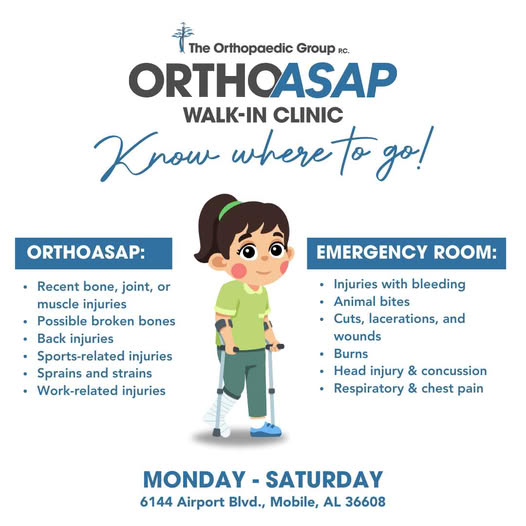
Orthopedics 6144 Airport Boulevard, Mobile County, Mobile, Alabama, 36608OrthoASAP Walk-In ClinicAccidents happen, injuries occur, and pain can strike unexpectedlyoften at the most inconvenient times. Whether youre a weekend warrior who twisted your ankle playing sports or someone whos been struggling with joint pain for months, finding timely care is essential to getting back on your feet. Thats where The Orthopaedic Group, P.C.s newest service, the OrthoASAP Walk-In Clinic, steps in to offer immediate relief when you need it most.What is OrthoASAP?OrthoASAP Walk-In Clinic is designed to provide patients with immediate, same-day orthopaedic care for non-life-threatening injuries and conditions. Located at the Airport Boulevard location of The Orthopaedic Group, P.C., the clinic offers patients an easy and convenient way to access expert care without needing an appointment. Whether its a sprain, strain, or any musculoskeletal issue that requires urgent attention, OrthoASAP Walk-In Clinic is here to help.Why Choose OrthoASAP?1. Immediate Access to CareWhen youre hurt, the last thing you want to do is wait for the bone doctor. OrthoASAP Walk-In Clinic eliminates the need to schedule an appointment and lets you see an orthopaedic specialist more convenientlywithout the long waits or cumbersome paperwork often accompanying traditional ER visits.2. Convenient and EfficientThe clinic is designed to streamline care and give you more availability by making it a walk-in with hours outside our regular practice hours. Walk in, get assessed, and receive immediate attention from a team of experts. Its the perfect option for busy individuals who need fast, effective treatment.3. Orthopaedic ExpertiseOrthoASAP Walk-In Clinic is staffed by professionals with specialized knowledge of musculoskeletal injuries. Our group of Advanced Practitioners is made of Nurse Practitioners and Physicians Assistants, all of who work hand-in-hand with all of our Board-Certified Surgeons. Youre seeing a member of the same team who has provided specialized orthopaedic care in the spine, shoulder and elbow, hand and wrist, hip and knee, and foot and ankle to patients in Mobile and Baldwin Counties for over 50 years.4. Wide Range of ServicesFrom fractures and sprains to joint pain and sports injuries, OrthoASAP Walk-In Clinic is equipped to handle various conditions. The clinic offers services such as:Evaluation of musculoskeletal injuriesX-rays on-siteSplints and bracesA care plan with an orthopedic physician initiated Who Can Benefit From OrthoASAP?OrthoASAP Walk-In Clinic is perfect for anyone needing urgent orthopaedic care. Some common injuries and conditions treated include:Sprains and strainsBroken bones or fracturesJoint injuriesSports-related injuriesWork-related injuriesBack and neck painTendon and ligament injuriesWhether youre an athlete dealing with an acute injury or someone whos dealing with sudden pain, OrthoASAP Walk-In Clinic gives you access to expert care when you need it most.No Appointment NeededOne of the most convenient aspects of OrthoASAP Walk-In Clinic is theres no appointment necessary. Simply walk in during the clinics hours, and youll be seen promptly by an orthopaedic professional. This makes it an excellent option for those with busy schedules or anyone dealing with a last-minute injury. If youre unsure whether your condition requires immediate care, just come in and let the experts assess your situation.What to Expect at Your VisitUpon arrival at OrthoASAP Walk-In Clinic, our friendly staff will help and guide you through check-in. The clinic is equipped with state-of-the-art technology, including on-site X-rays, to quickly diagnose your condition. After your evaluation, the provider will discuss treatment options and develop a plan to help you heal as quickly as possible.Before you leave, youll have an appointment with one of our Board-Certified Orthopaedic Surgeons for your follow-up care. Convenient Location & HoursThe OrthoASAP Walk-In Clinic is centrally located and easy to access, ensuring that you have access to quality care when you need it the most. The clinics hours are designed to accommodate busy schedules, and the team is dedicated to ensuring a fast, streamlined process from start to finish.Get Back on Your Feet Faster with OrthoASAPDont let an injury or musculoskeletal issue sideline you for long. With OrthoASAP Walk-In Clinic, The Orthopaedic Group, P.C. has made it easier than ever to get the care you need, when you need it. No appointment necessary, no long waitsjust expert, efficient orthopaedic care in a walk-in setting.Visit OrthoASAP Walk-In Clinic today for fast, compassionate care, and get back to the activities you lovepain-free!
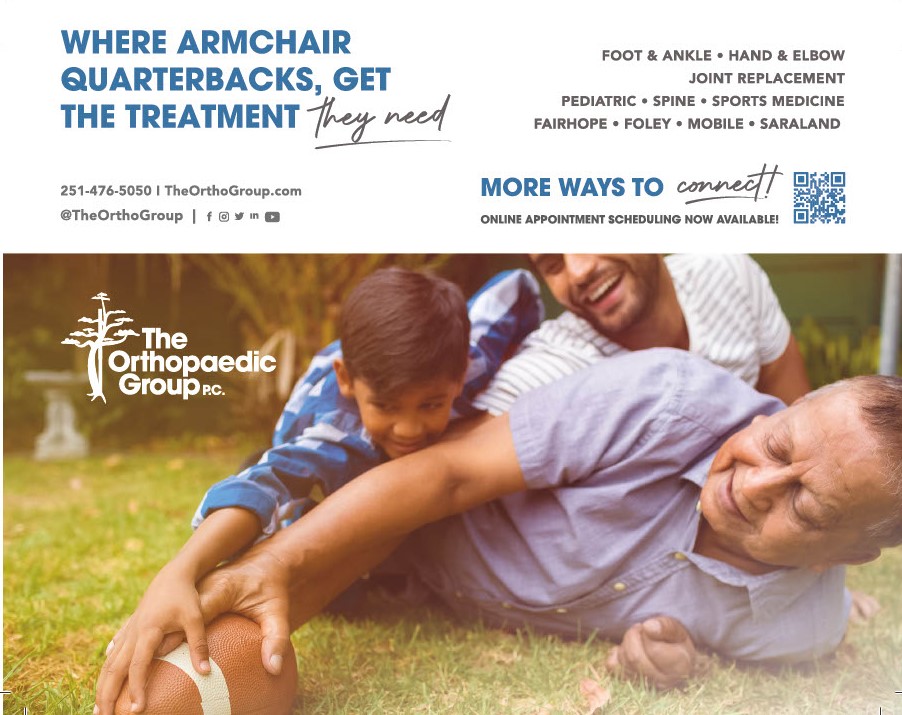
The Orthopaedic Group - Foley
Orthopedics 1711 North McKenzie Street, Suite 100, Baldwin County, Foley, Alabama, 36535The Orthopaedic Group, P.C., is committed to excellence in treating all of your orthopaedic needs. For more than 40 years, patients across the Gulf Coast have placed their trust in our carespecialized orthopaedic care in the spine, shoulder and elbow, hand and wrist, hip and knee, and foot and ankle. Our board-certified, fellowship-trained doctors and their staff have extensive education and experience in evaluating, diagnosing, and treating all orthopaedic injuries and conditions.With compassion and expert care, our doctors and staff are dedicated to helping our patients return to active, healthy lifestyles.At The Orthopaedic Group, P.C., our specialty-trained doctors are recognized leaders in the diagnosis and treatment of orthopaedic conditions and injuries. When you are seen by one of our experts, you know youre being treated by an experienced doctor who is focused on your recovery and dedicated to providing you exceptional orthopaedic care.The Orthopaedic Group Offer Expert Doctors In:Foot & AnkleHand & ElbowJoint ReplacementPediatricSpineSports MedicineGeneral OrthopaedicsWhat We Offer:Bone HealthElectromyography and Nerve Conduction VelocityMobile Surgery CenterMRIOccupational TherapyPhysical TherapySaturday Sports CareWorkers CompensationX-RayPhysical Therapy:At The Orthopaedic Group, P.C., we offer in-house physical therapy at our Airport Boulevard office, with additional therapy clinics in Mobile and Baldwin Counties. This allows constant communication and coordination between our doctors and therapists. Our certified physical therapists provide conservative injury treatment, pre-and postoperative treatment, and spine care and management.
Claim This Business Listing
- Are you the owner of this business listing? If so, please click the button below to take control of it today.
- This feature enables businesses to update their information and become part of the Seniorsbluebook.com network. It is a simple, yet effective way for businesses to connect with seniors and their families who are looking for senior related services.
Continue Your Search! Explore More Local Options.
Start SearchingLet’s engage and get educated!
Browse through thousands of expert articles in over 100 different categories.
Browse NowArticles You May Like
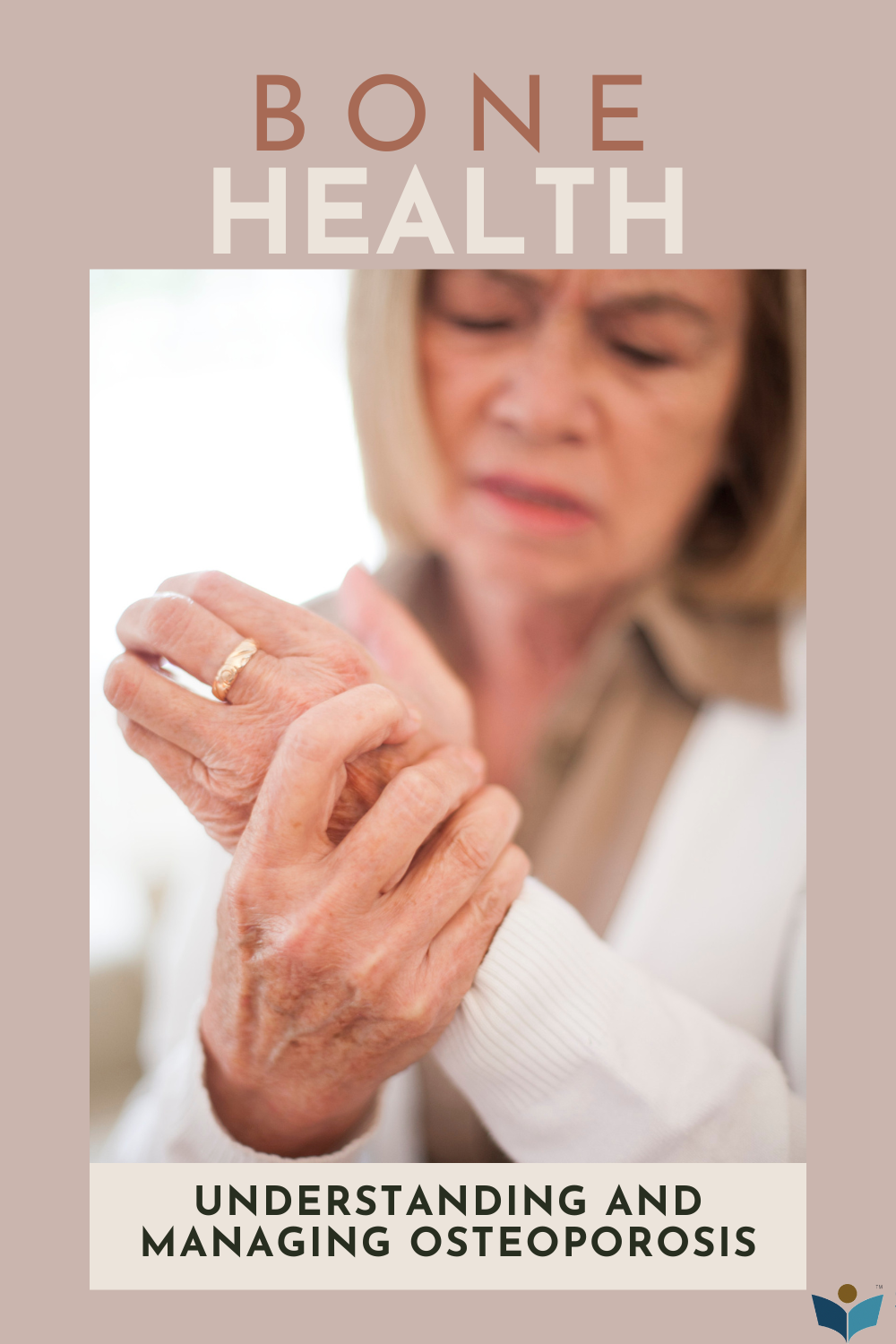
Understanding and Managing Osteoporosis
Bone Health - Understanding and Managing Osteoporosis An estimated 54 million Americans are affected by osteoporosis, a condition that weakens bones, making them more prone to fractures from minor incidents. An estimated 50% of women and 20% of men will break a bone from osteoporosis. The trained specialists at The Orthopaedic Group, P.C., emphasize the importance of bone health, especially among seniors, to manage and prevent this condition. Identifying Risks and Signs Osteoporosis often goes unnoticed until a fracture occurs. Risk factors include a history of falls, being over 65 (men) or 50 (women), a family history of the condition, and lifestyle habits like smoking or alcohol use. Certain medical conditions and treatments also increase susceptibility. Diagnosis and Screening Healthcare providers use DEXA Scan (dual-energy X-ray absorptiometry) to diagnose osteoporosis and assess fracture risk. This scan is recommended for adults over 65 and those with risk factors. It's a quick, painless procedure using minimal x-rays. Prevention and Treatment Diet plays a key role, with a focus on high-calcium foods (preferably Calcium Citrate) and Vitamin D supplementation for absorption. Exercise, including weight-bearing and balance activities, is vital for enhancing bone density and preventing deterioration. Medication and Personal Care For those at high risk, medications may be prescribed to mitigate bone loss or increase bone mass. Oral health care is critical due to the potential risk of osteonecrosis of the jaw from osteoporosis medications. The Orthopaedic Group offers a comprehensive orthopedic bone health care and education program through its Fracture Liaison Service (FLS), which provides tailored treatment plans to reduce fracture risk and improve quality of life. The Orthopaedic Group, P.C., advocates for proactive screening, preventive nutrition and exercise, and informed treatment decisions to address osteoporosis. Our specialists focus on maintaining independence and well-being so you can live the life you love! Learn more about our fellowship-trained doctors and advanced practice providers at www.TheOrthoGroup.com.
Jun 03, 2024

Spine and Orthopedic Care in Mobile, AL
Spine and Orthopedic Care in Mobile, ALBack and neck discomfort can affect nearly every part of daily life. Sitting, walking, sleeping, driving, and performing household tasks may become difficult when spinal pain persists.For older adults in Mobile, Alabama, these symptoms can interfere with independence and mobility.Some people experience muscle-related discomfort, while others have arthritis, nerve irritation, or other spinal conditions.Because back and neck pain can arise from several causes, appropriate medical evaluation is important.The Orthopaedic Group Springhill, now operating at the Dauphin/I-65 Springhill Medical Center campus, provides orthopedic specialty care for patients in Mobile County.The practice's regional orthopedic specialists address conditions involving the spine, joints, and other musculoskeletal structures.What Is Spine Orthopedic Care?Spine orthopedic care focuses on conditions affecting the bones, discs, joints, muscles, and related structures of the back and neck.Evaluation may be appropriate for:Persistent back painNeck stiffnessPain traveling into an arm or legReduced mobilityCertain nerve-related symptomsSpinal arthritisInjuriesDifficulty standing or walkingOngoing pain following previous treatmentTreatment depends on the diagnosis and individual health needs.Common Spine Problems Among Older AdultsDegenerative ChangesSpinal joints and discs may change with age.These changes are common, although they do not always cause symptoms.Spinal StenosisSpinal stenosis involves narrowing around certain spinal structures.It may produce pain, numbness, weakness, or walking-related symptoms.Muscle StrainMuscle strain can cause discomfort after unfamiliar movements or physical activity.Disc-Related ConditionsDisc problems may contribute to back or neck pain and sometimes nerve irritation.Osteoporosis-Related FracturesPeople with reduced bone density may experience vertebral fractures.New or severe pain deserves medical evaluation.The Orthopaedic Group Springhill Medical CampusThe Orthopaedic Group has relocated its former Springhill Avenue clinic to the Springhill Medical Center campus.The current location is listed as the Dauphin/I-65 SMC Campus.The practice announced that services from the previous Springhill Avenue office transitioned to the new location.Orthopedic Specialty EvaluationPatients can receive assessment for orthopedic conditions involving the spine and other musculoskeletal structures.Diagnostic ImagingThe location includes an MRI center.MRI may be used when medically appropriate to evaluate selected spine or joint conditions.Treatment PlanningDepending on the diagnosis, patients may receive recommendations for conservative treatment, physical therapy, additional testing, or surgical consultation.Verified Current AddressThe Orthopaedic Group Dauphin/I-65 SMC CampusAddress: 3610 Springhill Memorial Drive North, Mobile, AL 36608Phone: 251-476-5050MRI Center: 251-800-4212Website: https://www.theorthogroup.comPublished orthopedic office hours are Monday through Friday, 8:00 AM to 5:00 PM.Important: The former Springhill Avenue office has closed following the move. Patients should use the current Springhill Memorial Drive address.Why Spine Care Matters in Mobile CountyMobile County includes older adults who may be managing arthritis, previous injuries, chronic conditions, or reduced mobility.Spinal discomfort can influence daily activities and independence.Maintaining Everyday FunctionBack pain may make standing, walking, lifting, or sleeping difficult.Appropriate care may improve function for some patients.Accessing Diagnostic ServicesA local orthopedic clinic with MRI availability can help coordinate certain evaluations when imaging is necessary.Supporting RehabilitationPhysical therapy is commonly used for selected spinal conditions.Patients may benefit from education, strengthening, and appropriate movement training.Nonsurgical Treatment for Spine ProblemsMany back and neck conditions can be managed without surgery.Physical TherapyTherapy may focus on mobility, strength, posture, and functional movement.MedicationMedications may be considered based on diagnosis and health history.Activity ModificationTemporary changes may help patients avoid aggravating symptoms.Other Medical InterventionsSome conditions require specialized procedures or additional consultation.Treatment selection should be based on clinical findings.When Is Spine Surgery Considered?Surgery may be discussed for certain conditions involving nerve compression, spinal instability, or other structural problems.The decision depends on symptoms, examination findings, imaging, prior treatment, and overall health.Surgery is not routinely necessary for most episodes of uncomplicated back pain.Warning Signs That Require Immediate EvaluationSeek urgent medical attention for back pain accompanied by:New loss of bladder or bowel controlSignificant or progressive weaknessNumbness around the groinSevere pain following traumaOther serious neurological symptomsThese concerns should not be managed through home exercises alone.Preparing for a Spine EvaluationBring a list of medications, previous imaging, medical history, and details about symptoms.Explain whether discomfort travels into an arm or leg.Describe activities that have become difficult.Expert Tip for Spine HealthExpert Tip: When discussing back or neck pain, explain whether symptoms change with walking, sitting, bending, or lying down. These patterns can help your healthcare provider determine which examinations or tests may be useful.How to Get Started in MobileStep 1: Discuss SymptomsConsult a healthcare professional about ongoing or worsening pain.Step 2: Confirm the Updated LocationUse the Springhill Memorial Drive address.Step 3: Contact The Orthopaedic GroupCall 251-476-5050 to schedule an appointment.Step 4: Review InsuranceConfirm specialist coverage and any referral requirements.Step 5: Follow Medical RecommendationsComplete prescribed testing, rehabilitation, or follow-up.Frequently Asked Questions About Spine Orthopedics1. Does every person with back pain need surgery?No. Many back pain conditions respond to conservative management.2. Can physical therapy help chronic back pain?Physical therapy may improve movement and function for appropriate patients.3. Is the Springhill Avenue clinic still open?No. The practice announced that services transitioned to its new Springhill Medical Center campus location.4. Does the new location have MRI services?Yes. The official location page lists an MRI center.5. Does Medicare cover orthopedic spine evaluations?Medically necessary specialist care may be covered under Medicare, subject to applicable requirements.Find Appropriate Spine and Orthopedic Care in MobileBack and neck pain can interfere with independence, but a professional evaluation can help identify treatment options.The Orthopaedic Group provides orthopedic services at its updated Springhill Medical Center campus location.Contact the practice to discuss your symptoms and available appointments.Featured ProviderThe Orthopaedic Group Springhill Medical CampusCategory: OrthopedicsAddress: 3610 Springhill Memorial Drive North, Mobile, AL 36608Phone: 251-476-5050Explore more on SeniorsBlueBook.com.
Oct 22, 2026
Orthopedic Care for Seniors in Thomasville, AL
Orthopedic Care for Seniors in Thomasville, ALWhen knee pain, shoulder stiffness, or other joint problems interfere with daily activities, older adults may need more than occasional rest and over-the-counter treatment.For families in Thomasville, Alabama, orthopedic problems can affect mobility, independence, and quality of life.Someone who once enjoyed walking or gardening may begin limiting activity because of pain.Others may struggle to recover from fractures or previous injuries.Orthopedic specialists can help evaluate these concerns and explain appropriate treatment options.The Orthopaedic Group provides regional orthopedic care throughout southwest Alabama. The practice has historically identified Thomasville among its satellite service communities, although its current official clinic directory does not list a Thomasville office.Residents seeking orthopedic appointments can contact the practice to confirm current provider schedules and the nearest available location.Understanding Orthopedic ServicesOrthopedic care focuses on conditions affecting bones, joints, muscles, tendons, ligaments, and related structures.Treatment can involve nonsurgical strategies or surgery when necessary.Common Reasons for EvaluationOlder adults may seek orthopedic care for:ArthritisPersistent knee painHip discomfortShoulder problemsFracturesJoint injuriesBack painReduced flexibilityDifficulty walkingPain affecting everyday activitiesAn evaluation helps identify the most appropriate treatment.Common Orthopedic Conditions Among SeniorsOsteoarthritisOsteoarthritis can cause pain and stiffness in weight-bearing joints.Treatment may focus on improving movement and reducing functional limitations.Osteoporosis and FracturesReduced bone density can increase fracture risk.A fracture may require immobilization, surgery, rehabilitation, or other care.Tendon InjuriesCertain tendon conditions can interfere with shoulder, knee, or ankle movement.Muscle WeaknessWeakness may accompany chronic pain or prolonged inactivity.Physical therapy may help selected patients improve strength.The Orthopaedic Group and Regional Orthopedic CareThe Orthopaedic Group is an established orthopedic practice serving Gulf Coast and southwest Alabama communities.Its current website lists locations in Mobile, Baldwin County, Monroeville, Saraland, Chatom, and other areas.Orthopedic Specialist EvaluationThe practice offers musculoskeletal diagnosis and treatment planning.Patients may receive recommendations involving appropriate imaging, physical therapy, medications, injections, or surgical evaluation.Joint CareSpecialists address conditions involving knees, hips, shoulders, and other joints.Treatment depends on the individual diagnosis.Injury ManagementOrthopedic care may be appropriate for fractures, sprains, and other injuries.Surgical ConsultationSome advanced conditions require discussion of operative treatment.Appointment InformationThe Orthopaedic GroupOrthopedic Appointments: 251-476-5050Website: https://www.theorthogroup.comThomasville Location Status: A currently operating Thomasville clinic could not be confirmed from the practice's official locations directory.Patients should call before making travel arrangements.Why Orthopedic Access Matters in Clarke CountyThomasville is part of Clarke County in southwest Alabama.Older adults in smaller communities may face additional travel when visiting specialty providers.Joint pain and mobility limitations can make travel even more difficult.Access to Specialist CareA clear referral and appointment plan helps families understand where treatment will occur.Local RehabilitationThomasville residents may have access to local physical therapy services after orthopedic evaluation.Coordinating rehabilitation near home may make recurring appointments easier to manage.Family InvolvementRelatives may help with transportation, records, and postoperative support.Nonsurgical Orthopedic TreatmentMany conditions can be managed without surgery.Physical TherapyAppropriate rehabilitation may improve strength and function.MedicationsA provider may recommend medication based on the diagnosis and medical history.Activity ModificationSome patients benefit from temporarily changing activities.Bracing and SupportCertain injuries or conditions may require braces or mobility equipment.InjectionsSome joint conditions may be treated with injections when appropriate.When Might Surgery Be Necessary?Surgical evaluation may be appropriate for certain fractures, severe joint disease, or structural injuries.The decision depends on medical findings, functional limitations, previous treatment, and overall health.Patients should ask about alternatives and expected recovery.Preparing for Orthopedic Care Outside ThomasvilleWhen an appointment requires travel, planning can help.Confirm the Office AddressAsk which location will provide the consultation.Bring RecordsInclude imaging, medications, and relevant medical history.Plan TransportationPatients with mobility limitations may need assistance.Ask About Follow-UpFind out whether additional appointments or physical therapy will be necessary.Expert Tip for Rural FamiliesExpert Tip: When scheduling specialist care outside your immediate community, ask whether imaging, follow-up visits, and rehabilitation can be coordinated to reduce unnecessary travel.How to Get Started With Orthopedic CareStep 1: Discuss SymptomsSpeak with a primary care provider about persistent joint or mobility concerns.Step 2: Contact The Orthopaedic GroupCall 251-476-5050.Step 3: Verify Appointment LocationConfirm whether any Thomasville outreach appointments are available or which regional clinic should be used.Step 4: Review CoverageAsk about insurance and referral requirements.Step 5: Follow the Treatment PlanComplete recommended evaluation, rehabilitation, and follow-up.Frequently Asked Questions About Orthopedics1. Does every orthopedic condition require surgery?No. Many conditions are managed using nonsurgical treatment.2. Can physical therapy help joint pain?It may improve movement and function for selected musculoskeletal conditions.3. Is there a current Orthopaedic Group clinic in Thomasville?The practice's current official directory does not list a Thomasville location. Call 251-476-5050 to confirm current service availability.4. Can primary care providers refer patients to orthopedic specialists?Yes. Primary care providers commonly coordinate referrals when medically appropriate.5. Does Medicare cover orthopedic appointments?Medically necessary services may be covered under applicable Medicare rules.Explore Orthopedic Care Options Near ThomasvillePersistent joint discomfort and mobility problems deserve appropriate evaluation.For Clarke County families, The Orthopaedic Group offers access to regional orthopedic specialists.Contact the practice to confirm current locations and discuss appointment options.Featured ProviderThe Orthopaedic Group Thomasville Service AreaCategory: OrthopedicsLocation: Thomasville, Clarke County, AlabamaPhone: 251-476-5050Explore more on SeniorsBlueBook.com.
Oct 22, 2026
Physical Therapy for Back Pain in Semmes, AL
Physical Therapy for Back Pain in Semmes, ALBack pain can make ordinary routines difficult. Sitting for long periods, lifting groceries, walking, and completing household chores may become uncomfortable when muscles or spinal structures are irritated.For older adults in Semmes, Alabama, persistent back pain can interfere with independence and daily activities.Physical therapy offers a structured approach to evaluating movement limitations and improving strength, flexibility, and physical function.The Orthopaedic Group Therapy Semmes provides outpatient rehabilitation for people recovering from injuries, orthopedic procedures, and certain spine-related conditions.For residents of western Mobile County, access to local physical therapy may help make rehabilitation more practical.Understanding Back PainBack pain can develop for several reasons.Some episodes involve muscles and soft tissues. Others may be associated with arthritis, disc problems, or nerve irritation.Common CausesThese include:Muscle strainJoint stiffnessOsteoarthritisDisc-related conditionsPoor activity tolerancePrevious injuriesCertain spinal disordersReduced muscle strengthA medical professional can determine whether additional evaluation is needed.What Is Physical Therapy for Back Pain?Physical therapy focuses on improving movement and functional abilities.A therapist may evaluate posture, strength, flexibility, walking patterns, and activities affected by pain.Treatment is tailored to the individual.Therapeutic ExerciseAppropriate exercises may improve strength and mobility.Movement EducationPatients may learn ways to perform everyday tasks with less unnecessary strain.Functional TrainingTreatment may address standing, walking, lifting, or changing positions.Spine ManagementCertain spinal conditions require specific rehabilitation approaches.The Orthopaedic Group Therapy SemmesThe Orthopaedic Group operates a physical therapy clinic on Moffett Road in Semmes.Its certified therapists provide conservative injury treatment, preoperative and postoperative therapy, and spine care and management.The practice identifies physical and occupational therapy services at the Semmes location.Spine RehabilitationPatients with appropriate back or neck conditions may receive individualized treatment.Conservative Injury TreatmentSome musculoskeletal injuries can be treated with rehabilitation rather than surgery.Postoperative RecoveryTherapy may support strength and movement following orthopedic procedures.Occupational TherapyThe practice's occupational therapists focus on functional recovery, including selected upper-extremity conditions.Verified Semmes LocationThe Orthopaedic Group Therapy SemmesAddress: 7930-B Moffett Road, Semmes, AL 36575Phone: 251-450-1280Website: https://www.theorthogroup.comPatients should call to confirm current office hours and appointments.Why Physical Therapy Matters in SemmesSemmes is located in western Mobile County and serves residents of nearby communities, including Wilmer and surrounding areas.For patients needing recurring rehabilitation appointments, having care within the community can be helpful.Improving AccessLocal outpatient therapy may reduce travel requirements.Supporting Everyday ActivitiesBack pain may interfere with household responsibilities, shopping, and mobility.Supporting RecoveryTherapists can help patients understand appropriate movement strategies and treatment goals.Why Avoiding All Activity May Not HelpPeople experiencing back discomfort sometimes stop moving because they fear worsening the problem.Rest may be appropriate during certain acute episodes, but extended inactivity can contribute to weakness.A healthcare professional can explain which activities are safe.Gradual MovementAppropriate walking and therapeutic exercise may help some patients.StrengtheningMuscles supporting the trunk, hips, and legs contribute to functional movement.Activity ModificationChanging how tasks are performed may reduce unnecessary strain.When Back Pain Requires Urgent EvaluationSeek prompt medical assessment for serious symptoms.These may include:New loss of bladder or bowel controlProgressive leg weaknessNumbness around the groinSevere pain following traumaFever with concerning spinal symptomsSuch symptoms should not be treated through exercises alone.Building a Practical Recovery PlanA physical therapist may help patients establish goals based on everyday activities.Improve Standing ToleranceSome patients need to build strength and endurance for household tasks.Practice WalkingAppropriate walking programs may support function.Learn Safe Lifting TechniquesMovement education can help patients manage routine activities.Develop Home ExercisesPrescribed exercises support progress between appointments.What to Expect During an EvaluationThe therapist reviews symptoms, medical history, and physical limitations.Assessment may involve movement, strength, posture, and neurological screening as appropriate.The treatment plan is based on findings and personal goals.Patients should report worsening symptoms or unexpected changes.Expert Tip for Back PainExpert Tip: Before your appointment, identify which positions make your back feel better or worse. Changes with sitting, standing, walking, or bending can provide useful information during the evaluation.How to Get Started With Physical Therapy in SemmesStep 1: Discuss Persistent SymptomsContact a healthcare professional about ongoing pain or mobility concerns.Step 2: Contact The Orthopaedic Group TherapyCall 251-450-1280.Step 3: Confirm Referral RequirementsAsk about current scheduling and physician referral procedures.Step 4: Review InsuranceVerify therapy coverage and applicable costs.Step 5: Participate in RehabilitationFollow treatment instructions and attend appropriate sessions.Frequently Asked Questions About Back Pain Therapy1. Can physical therapy help chronic back pain?It may improve movement and function for many people with musculoskeletal back pain.2. Does back pain always require imaging?No. Imaging decisions depend on medical history, symptoms, and examination findings.3. Does The Orthopaedic Group have a therapy clinic in Semmes?Yes. The practice lists its therapy location on Moffett Road.4. Can seniors perform strengthening exercises?Many older adults can benefit from appropriate strengthening under professional guidance.5. Does Medicare cover outpatient physical therapy?Medicare may cover medically necessary services when applicable requirements are met.Find Support for Better Movement in SemmesBack pain can interfere with daily life, but appropriate rehabilitation may help patients improve movement and activity tolerance.The Orthopaedic Group Therapy Semmes provides outpatient treatment within western Mobile County.Contact the clinic to discuss available therapy services and scheduling.Featured ProviderThe Orthopaedic Group Therapy SemmesCategory: Physical TherapyAddress: 7930-B Moffett Road, Semmes, AL 36575Phone: 251-450-1280Explore more on SeniorsBlueBook.com.
Oct 22, 2026
Physical Therapy for Mobility in Mobile, AL
Physical Therapy for Mobility in Mobile, ALRegaining mobility after an injury, surgery, or period of illness can take time. Activities that once felt effortless, such as walking, climbing stairs, or getting out of a chair, may become difficult when muscles are weak or joints are stiff.For older adults in Tillman's Corner and the surrounding Mobile area, physical therapy can provide a structured approach to improving everyday function.The Orthopaedic Group Therapy Tillman's Corner offers outpatient rehabilitation designed to address movement limitations, injuries, postoperative recovery, and spine-related concerns.Located in western Mobile County, the clinic provides a community-based rehabilitation option for people working toward greater mobility and independence.What Is Mobility-Focused Physical Therapy?Mobility-focused physical therapy addresses limitations affecting movement and daily activities.Therapists assess strength, balance, flexibility, walking patterns, and functional abilities.Treatment plans are individualized.Common Reasons for RehabilitationThese include:Difficulty walkingReduced balanceWeakness after injuryRecovery following surgeryJoint stiffnessArthritis-related limitationsPersistent back discomfortDifficulty standingReduced enduranceMovement-related painThe appropriate therapy depends on the underlying condition.Why Mobility Changes Affect Older AdultsMobility involves several physical abilities working together.Muscle strength supports standing and walking.Joint flexibility allows movement.Balance and coordination help prevent instability.When one area becomes limited, everyday tasks may become harder.Reduced StrengthWeak muscles may make standing and climbing stairs difficult.Joint PainArthritis or injuries may affect walking patterns.Balance ProblemsInstability can reduce confidence.InactivityExtended inactivity may contribute to declining endurance and strength.The Orthopaedic Group Therapy Tillman's CornerThe Orthopaedic Group operates a physical therapy location on Highway 90 in Tillman's Corner.The clinic offers rehabilitation services through the practice's therapy department.Its certified therapists provide conservative injury treatment, preoperative and postoperative treatment, and spine care and management.Orthopedic RehabilitationTherapy addresses appropriate conditions involving bones, joints, muscles, and movement.Postoperative TherapyPatients recovering from orthopedic procedures may need strengthening and movement training.Spine RehabilitationCertain back and neck problems may benefit from individualized therapy.Occupational TherapyThe practice lists occupational therapy services across selected therapy clinics, including Tillman's Corner.These services may address functional activities and upper-extremity concerns.Verified Tillman's Corner LocationThe Orthopaedic Group Therapy Tillman's CornerAddress: 5201 Highway 90 West, Suite A, Mobile, AL 36619Phone: 251-450-1280Website: https://www.theorthogroup.comThe official current locations directory identifies this address for the Tillman's Corner therapy clinic.Why Physical Therapy Matters in Western Mobile CountyTillman's Corner serves residents in the southern and western portions of the Mobile area.Older adults may need transportation to healthcare appointments, shopping, family events, and other activities.When mobility becomes difficult, maintaining independence can require additional support.Convenient Rehabilitation AccessA neighborhood therapy location may make regular appointments easier to coordinate.Supporting Family CaregiversTherapists may educate families about appropriate movement precautions and home exercises.Maintaining Everyday FunctionRehabilitation may help patients improve strength and mobility for tasks such as walking, standing, and transferring.Physical Therapy After HospitalizationSome older adults experience weakness after a hospital stay.Extended inactivity, illness, or surgery may reduce strength and endurance.A medical provider can determine whether outpatient physical therapy is appropriate.Rebuilding StrengthTherapeutic exercise may help address muscle weakness.Walking TrainingPatients may work on walking mechanics and endurance.Functional TransfersTherapy may include standing from a chair or moving safely between positions.Balance TrainingSome patients need additional work on stability and coordination.Rehabilitation After Orthopedic SurgeryFollowing certain surgeries, physical therapy may help restore appropriate function.The program depends on the procedure and medical restrictions.Patients should follow the surgeon's instructions.Joint Replacement RecoveryRehabilitation may address strength, movement, and walking.Shoulder Surgery RecoverySome procedures require movement restrictions during early healing.Fracture RecoveryRehabilitation may begin when medically appropriate.Improving Mobility at HomeHome environments can influence everyday movement.Families may consider:Clear walking pathsAdequate lightingStable furnitureAppropriate footwearSafe bathroom arrangementsProperly fitted mobility equipmentA healthcare professional can recommend changes based on the patient's needs.The Importance of Home Exercise ProgramsPhysical therapy often involves exercises between appointments.These should be performed according to the therapist's recommendations.Follow the Prescribed PlanAvoid adding difficult exercises without guidance.Monitor SymptomsReport worsening pain, dizziness, or other concerning changes.Track Functional ProgressProgress may involve walking farther, standing more easily, or completing familiar tasks with greater confidence.When Mobility Problems Need Medical AttentionSudden weakness, inability to walk, severe pain, or new neurological symptoms may require urgent evaluation.Physical therapy should not replace appropriate medical assessment.Patients should also discuss persistent or worsening limitations with their healthcare provider.Expert Tip for Mobility RecoveryExpert Tip: Focus rehabilitation goals on the activities you want to regain. Walking to the mailbox, getting into a vehicle, or standing to prepare a meal can provide meaningful ways to measure improvement.How to Get Started With Physical Therapy in Tillman's CornerStep 1: Identify Mobility ConcernsWrite down which activities have become difficult.Step 2: Speak With a Healthcare ProviderDiscuss symptoms and whether therapy is appropriate.Step 3: Contact The Orthopaedic Group TherapyCall 251-450-1280 to ask about scheduling.Step 4: Verify Referral and Insurance RequirementsConfirm the necessary documentation and applicable costs.Step 5: Participate in the Treatment PlanAttend therapy sessions and complete appropriate home exercises.Frequently Asked Questions About Mobility Rehabilitation1. Can physical therapy improve walking ability?It may improve strength, balance, and walking function for appropriate patients.2. Is physical therapy helpful after hospitalization?Some patients benefit from rehabilitation to address weakness and reduced mobility.3. Does The Orthopaedic Group have a clinic in Tillman's Corner?Yes. Its official locations directory lists the therapy office at 5201 Highway 90 West, Suite A.4. Can older adults benefit from strength training?Many older adults can improve strength through appropriately designed exercise programs.5. How can patients schedule physical therapy?Contact The Orthopaedic Group's therapy department at 251-450-1280.Take the Next Step Toward Greater MobilityMobility supports independence, confidence, and meaningful daily activities.When injury, surgery, or illness creates physical limitations, appropriate rehabilitation may help patients regain function.The Orthopaedic Group Therapy Tillman's Corner provides outpatient rehabilitation for residents of western Mobile County.Contact the clinic to discuss available services and take an informed step toward improving everyday movement.Featured ProviderThe Orthopaedic Group Therapy Tillman's CornerCategory: Physical TherapyAddress: 5201 Highway 90 West, Suite A, Mobile, AL 36619Phone: 251-450-1280Explore more on SeniorsBlueBook.com.
Oct 22, 2026
Physical Therapy for Joint Pain in Saraland, AL
Physical Therapy for Joint Pain in Saraland, ALPersistent joint pain can interfere with walking, working, sleeping, and enjoying everyday activities.For older adults in Saraland, Alabama, knee stiffness, shoulder discomfort, back pain, or muscle weakness may gradually reduce independence.Although some symptoms improve with rest, ongoing movement problems often deserve professional evaluation.Physical therapy offers a structured approach to improving strength, flexibility, movement, and functional abilities.The Orthopaedic Group Therapy Saraland provides outpatient rehabilitation at the same location as The Orthopaedic Group's Saraland orthopedic clinic.This arrangement supports communication between medical providers and therapists, particularly when patients need coordinated orthopedic treatment.What Is Physical Therapy for Joint Pain?Physical therapy addresses movement-related limitations.A therapist evaluates symptoms, strength, flexibility, posture, and functional movement.Treatment is based on individual findings rather than a standard exercise program.Common Reasons for TherapyThese may include:Knee painHip discomfortShoulder stiffnessArthritisBack painMuscle weaknessPostoperative limitationsDifficulty walkingReduced joint mobilityMovement-related injuriesWhy Joint Pain Affects Daily ActivitiesJoints are involved in nearly every movement.Pain may cause people to adjust how they walk, stand, or lift objects.These changes can place additional demands on other muscles and joints.Reduced ActivitySome patients become less active to avoid discomfort.WeaknessLimited movement may contribute to reduced strength.Balance ChangesPain or instability can affect walking confidence.Functional LimitationsPatients may struggle with stairs, transfers, or household activities.Physical therapy can help address selected limitations.The Orthopaedic Group Therapy SaralandThe Orthopaedic Group operates physical therapy at 106 Saraland Loop.The practice has announced that its orthopedic specialists and therapy staff now share the same facility.Its physical therapists provide conservative injury treatment, preoperative and postoperative rehabilitation, and spine-related care.Orthopedic RehabilitationTherapy may be appropriate for muscle, bone, joint, and movement-related conditions.Postoperative RecoveryPatients recovering from orthopedic surgery may need strengthening and functional training.Conservative TreatmentSome injuries and joint problems can be managed without surgery.Spine RehabilitationThe therapy department addresses selected spine-related conditions.Provider CoordinationPhysicians and therapists can communicate about restrictions, diagnoses, and rehabilitation progress.Verified Saraland Therapy LocationThe Orthopaedic Group Therapy SaralandAddress: 106 Saraland Loop, Saraland, AL 36571Phone: 251-450-1280Orthopedic Appointments: 251-476-5050Website: https://www.theorthogroup.comPublished therapy office hours are Monday through Friday, 8:00 AM to 5:00 PM.Why Physical Therapy Matters in Saraland and Mobile CountySaraland serves residents in northern Mobile County.For older adults, having physical therapy close to home can make multiple appointments easier to manage.Consistent RehabilitationSome conditions require ongoing therapy.A local clinic may reduce the travel burden.Coordinated Orthopedic SupportHaving orthopedic and therapy services together may simplify care transitions.Supporting IndependenceAppropriate rehabilitation may improve the ability to walk, stand, and complete everyday activities.Physical Therapy for Knee ArthritisKnee arthritis can affect walking, stairs, and standing.Treatment may involve strengthening muscles around the knee and hip, improving flexibility, and practicing appropriate movement.StrengtheningMuscles help support joint stability.Functional TrainingPatients may practice sitting, standing, and walking.Activity PlanningTherapists can help patients develop manageable activity routines.Physical Therapy for Shoulder PainShoulder problems may interfere with dressing, reaching, and lifting.The appropriate program depends on the underlying condition.Therapy may focus on movement, strengthening, and functional activities.Certain injuries require specific restrictions.Rehabilitation After SurgeryPostoperative therapy follows instructions from the surgeon.Goals may include restoring movement, rebuilding strength, and returning to appropriate activities.Patients should understand restrictions and report worsening symptoms.The Role of Home ExercisesTherapists may recommend exercises outside the clinic.These are selected based on the evaluation and treatment plan.Patients should avoid adding challenging movements without guidance.Tracking ImprovementProgress may involve:Increased walking distanceEasier standingImproved joint movementGreater confidenceBetter tolerance for household activitiesExpert Tip for Joint RehabilitationExpert Tip: Tell your therapist about the daily activity you most want to improve. A practical goal, such as climbing stairs comfortably or reaching into a cupboard, can make rehabilitation more relevant to everyday life.How to Get Started With Therapy in SaralandStep 1: Discuss SymptomsSpeak with an orthopedic or other appropriate healthcare provider.Step 2: Contact the Therapy DepartmentCall 251-450-1280.Step 3: Confirm Referral RequirementsAsk about The Orthopaedic Group's current physician referral process.Step 4: Verify InsuranceReview coverage, authorization, and possible costs.Step 5: Begin Your ProgramAttend the evaluation and follow treatment instructions.Frequently Asked Questions About Joint Physical Therapy1. Can physical therapy improve arthritis symptoms?It may improve movement and function for many people with arthritis.2. Are orthopedic services and physical therapy at the same Saraland address?Yes. Both are listed at 106 Saraland Loop.3. Is physical therapy appropriate after surgery?It often forms part of postoperative care when prescribed.4. Can therapy help shoulder stiffness?Certain shoulder conditions may benefit from appropriate mobility and strengthening exercises.5. Does Medicare cover joint rehabilitation?Medically necessary outpatient physical therapy may be covered under Medicare Part B, subject to applicable rules.Support Better Movement in SaralandJoint pain does not have to be addressed without guidance.Appropriate physical therapy may help patients improve strength, movement, and functional confidence.The Orthopaedic Group Therapy Saraland provides coordinated rehabilitation within its local orthopedic facility.Contact the therapy department to learn about available appointments.Featured ProviderThe Orthopaedic Group Therapy SaralandCategory: Physical TherapyAddress: 106 Saraland Loop, Saraland, AL 36571Phone: 251-450-1280Explore more on SeniorsBlueBook.com.
Oct 22, 2026
Physical Therapy for Injury Recovery in Mobile, AL
Physical Therapy for Injury Recovery in Mobile, ALAn injury can make ordinary movement difficult almost overnight.Someone who previously walked comfortably may suddenly need assistance. A shoulder injury can make dressing painful, while a knee problem may interfere with stairs or household responsibilities.For older adults in Mobile, Alabama, recovering from musculoskeletal injuries often requires more than rest.Physical therapy helps patients address movement limitations, muscle weakness, balance problems, and functional challenges.The Orthopaedic Group Therapy Mobile provides outpatient rehabilitation through the practice's Airport Boulevard location.Its physical therapists work alongside orthopedic specialists, helping patients pursue appropriate recovery goals.What Is Physical Therapy for Injury Recovery?Physical therapy is a healthcare service that evaluates and treats movement-related limitations.After an injury, therapy may focus on improving function while respecting healing precautions.Common Conditions TreatedPhysical therapy may be appropriate for:Joint sprainsMuscle strainsTendon problemsFracture recoveryShoulder injuriesKnee problemsBack painPostoperative limitationsBalance difficultiesReduced strength after inactivityThe appropriate treatment depends on the diagnosis.How Injuries Affect Older AdultsOlder adults may have chronic conditions that influence recovery.Arthritis, osteoporosis, reduced strength, or previous injuries can make rehabilitation more complicated.Changes in MobilityAn injury may temporarily limit walking or standing.Muscle WeaknessReduced activity during healing may contribute to weakness.Fear of ReinjurySome patients avoid movement because they worry about causing additional damage.Daily Activity LimitationsInjuries may make dressing, bathing, driving, or household activities more difficult.A rehabilitation plan considers these functional concerns.The Orthopaedic Group Therapy MobileThe Orthopaedic Group provides outpatient physical therapy at its Airport Boulevard location.Its certified therapists offer conservative injury treatment, preoperative and postoperative rehabilitation, and spine care.The location is part of a larger orthopedic practice with specialty physicians and diagnostic resources.Physical Therapy EvaluationThe therapist reviews symptoms, injury history, movement, strength, and functional difficulties.Therapeutic ExerciseAppropriate exercises help address strength, flexibility, coordination, and movement.Gait and Balance TrainingPatients with lower-extremity injuries may need supervised walking practice.Spine RehabilitationTherapists may address selected neck and back conditions.Coordinated Orthopedic CareCommunication between orthopedic specialists and therapists supports the treatment process.Verified Mobile Therapy OfficeThe Orthopaedic Group Therapy MobileAddress: 6144 Airport Boulevard, Mobile, AL 36608Therapy Phone: 251-450-1280Orthopedic Appointments: 251-476-5050Website: https://www.theorthogroup.comThe therapy location's current published office hours are Monday through Friday, 7:00 AM to 5:00 PM.Why Injury Rehabilitation Matters in Mobile CountyMobile County is home to older adults with different healthcare and mobility needs.An injury can make it harder to attend appointments, manage household tasks, or participate in community activities.Access to rehabilitation within Mobile provides a local option for ongoing treatment.Supporting IndependencePhysical therapy may help patients work toward walking, standing, and completing daily tasks more comfortably.Coordinating TreatmentThe practice's orthopedic and therapy services can help streamline communication.Supporting Family CaregiversTherapists may provide appropriate education about movement precautions and home exercises.Recovery After a Lower-Extremity InjuryInjuries affecting the hips, knees, ankles, or feet may interfere with walking.Rehabilitation may address strength, balance, and movement.Walking MechanicsA therapist can evaluate walking patterns and mobility equipment needs.StrengtheningExercises may target muscles supporting injured areas.Functional ActivitiesPatients may practice standing, stepping, and safe transfers.Recovery After Upper-Extremity InjuriesShoulder, elbow, and wrist injuries can affect dressing, lifting, and household tasks.Physical therapy may address movement and strength when appropriate.Certain hand or wrist conditions may also involve occupational therapy, depending on individual needs.When to Seek Medical EvaluationNew or worsening symptoms should be discussed with the healthcare team.Significant swelling, severe pain, new weakness, or concerns after an injury may require reassessment.Emergencies should be managed through appropriate emergency services.Understanding Home Exercise ProgramsRehabilitation often continues between appointments.A therapist may recommend exercises to support progress.Patients should follow the prescribed schedule rather than increasing repetitions without guidance.Why Consistency MattersRegular appropriate practice can help build strength and movement skills.Why Safety MattersExercises that produce severe or worsening symptoms should be discussed with the therapist.Expert Tip for Injury RecoveryExpert Tip: Ask your therapist which everyday activities are safe during your current stage of recovery. Knowing what to do, what to avoid, and when to progress can help make rehabilitation more manageable.How to Get Started With Therapy in MobileStep 1: Obtain Appropriate Medical EvaluationDiscuss the injury with a healthcare professional.Step 2: Contact the Physical Therapy DepartmentCall 251-450-1280.Step 3: Confirm Referral and Coverage RequirementsAsk about scheduling procedures and insurance benefits.Step 4: Prepare Your RecordsBring injury information and relevant medical instructions.Step 5: Participate in TreatmentAttend appointments and follow the individualized plan.Frequently Asked Questions About Injury Rehabilitation1. Can physical therapy help after a fracture?It may help restore movement and function once the treating provider determines rehabilitation is appropriate.2. Is physical therapy always necessary after an injury?No. The need depends on the injury, symptoms, and functional limitations.3. Does The Orthopaedic Group provide physical therapy in Mobile?Yes. Its Airport Boulevard location includes outpatient therapy.4. Can older adults benefit from strengthening after an injury?Many can benefit from appropriately designed exercise programs.5. How long does injury rehabilitation take?Duration depends on the condition, healing progress, and individual goals.Move Toward Better Function After InjuryAn injury can temporarily change daily life, but appropriate rehabilitation may help patients regain movement and confidence.The Orthopaedic Group Therapy Mobile offers coordinated outpatient therapy for residents of Mobile County.Contact the therapy department to discuss recovery needs and appointment options.Featured ProviderThe Orthopaedic Group Therapy MobileCategory: Physical TherapyAddress: 6144 Airport Boulevard, Mobile, AL 36608Phone: 251-450-1280Explore more on SeniorsBlueBook.com.
Oct 22, 2026
Physical Therapy After Surgery in Foley, AL
Physical Therapy After Surgery in Foley, ALRecovering from orthopedic surgery can require patience, consistent rehabilitation, and a clear understanding of what the body needs during healing.For older adults in Foley, Alabama, returning to everyday activities after knee surgery, hip replacement, shoulder procedures, or other orthopedic treatment may involve temporary limitations.Walking, standing, dressing, and climbing stairs can become challenging.Physical therapy provides a structured approach to restoring appropriate strength, movement, and function.The Orthopaedic Group Therapy Foley offers outpatient physical therapy and works within the practice's orthopedic care network.The connection between orthopedic providers and therapists can support coordinated treatment from initial evaluation through rehabilitation.What Is Post-Surgical Physical Therapy?Post-surgical rehabilitation helps patients restore movement and function following medical procedures.The treatment plan depends on the surgery, healing stage, surgeon's instructions, and individual health.Common GoalsThese may include:Improving range of motionRestoring muscle strengthSupporting safe walkingImproving balanceRebuilding endurancePracticing functional movementReturning to daily activitiesTreatment must follow medical precautions.Why Rehabilitation Is ImportantSurgery may address the underlying orthopedic problem, but patients often need additional rehabilitation.Muscles may become weaker during recovery.Joints can feel stiff, and movement patterns may change.Physical therapy helps patients work toward restoring appropriate function.Preventing Excessive InactivityExtended inactivity can contribute to weakness.Supporting HealingAppropriate exercise follows surgical restrictions.Regaining ConfidenceSupervised movement may help patients become more comfortable with daily tasks.The Orthopaedic Group Therapy FoleyThe Orthopaedic Group operates a physical therapy clinic on South McKenzie Street in Foley.Its certified physical therapists provide conservative injury treatment, preoperative and postoperative rehabilitation, and spine-related therapy services.Individualized EvaluationsTherapists assess movement, strength, mobility, symptoms, and daily limitations.Postoperative RehabilitationTherapy may address functional recovery after knee, hip, shoulder, or other orthopedic procedures.Therapeutic ExerciseExercises are designed according to the patient's needs and healing progress.Spine RehabilitationThe practice identifies spine care and management among its therapy services.Communication With Orthopedic ProvidersThe Orthopaedic Group emphasizes communication between its physicians and therapy professionals.This supports coordinated care when treatment requires both specialties.Verified Foley Therapy LocationThe Orthopaedic Group Therapy FoleyAddress: 3790 South McKenzie Street, Foley, AL 36535Therapy Phone: 251-450-1280Orthopedic Appointments: 251-476-5050Website: https://www.theorthogroup.comThe therapy office is separate from the orthopedic clinic on North McKenzie Street.Why Post-Surgical Therapy Matters in Baldwin CountyFoley serves older adults from southern Baldwin County, including nearby Gulf Coast communities.Patients recovering from orthopedic surgery may need multiple therapy sessions over several weeks.Having a therapy office within Foley can make appointments more convenient.Supporting Recovery Close to HomeRegular therapy may be easier to attend when travel distances are manageable.Helping Family CaregiversRelatives may provide transportation, assistance with meals, and help with household tasks during recovery.Returning to Community ActivitiesThe goal of rehabilitation may include returning to walking, shopping, social activities, or other important routines.Rehabilitation After Knee SurgeryKnee procedures can temporarily affect walking, strength, and movement.A physical therapist may work on bending and straightening the knee, improving leg strength, and restoring functional mobility.Walking PracticePatients may begin using prescribed equipment.StrengtheningExercises may target muscles supporting the knee.Stairs and TransfersTherapy may involve practical tasks such as standing or using steps.Rehabilitation After Hip SurgeryHip surgery may require temporary movement precautions.A therapist can help patients follow the surgeon's instructions while working toward improved mobility.Activities may include walking, balance training, and functional transfers.Rehabilitation After Shoulder SurgeryShoulder rehabilitation often requires careful progression.Certain procedures limit lifting or movement during early healing.Therapists coordinate rehabilitation according to the medical plan.Recognizing Recovery ConcernsSome soreness may occur during rehabilitation.However, worsening pain, unusual swelling, fever, wound concerns, or new neurological symptoms should be reported to the treating healthcare team.Severe symptoms may require urgent evaluation.Preparing for Your First Therapy VisitBring:Surgical discharge instructionsMedication listRelevant imaging or medical recordsInsurance detailsInformation about current mobility limitationsExplain your rehabilitation goals and concerns.Expert Tip for Postoperative PatientsExpert Tip: Before beginning outpatient rehabilitation, make sure your physical therapist has the surgeon's activity restrictions and recovery instructions. This helps guide appropriate movement progression.How to Get Started With Therapy in FoleyStep 1: Review the Surgical PlanConfirm when rehabilitation should begin.Step 2: Contact the Therapy DepartmentCall 251-450-1280.Step 3: Confirm Referral RequirementsThe Orthopaedic Group's published patient information directs physical therapy scheduling through its physician referral process.Step 4: Verify InsuranceAsk about coverage and applicable costs.Step 5: Follow the Rehabilitation ProgramAttend therapy sessions and complete approved home exercises.Frequently Asked Questions About Post-Surgical Therapy1. When should physical therapy begin after surgery?The timing depends on the procedure and surgeon's instructions.2. Can physical therapy help after knee replacement?Yes. Rehabilitation commonly addresses strength, movement, and functional recovery.3. Does the Foley therapy office share an address with the orthopedic office?No. The physical therapy clinic is on South McKenzie Street, while the orthopedic clinic currently operates on North McKenzie Street.4. Does Medicare cover postoperative physical therapy?Medicare may cover medically necessary outpatient therapy subject to applicable requirements.5. How do I schedule with The Orthopaedic Group Therapy Foley?Call 251-450-1280 for current scheduling procedures.Work Toward a Stronger RecoveryRecovery after surgery involves more than waiting for an incision to heal.Appropriate physical therapy can help patients regain strength, mobility, and functional confidence.The Orthopaedic Group Therapy Foley offers local rehabilitation for southern Baldwin County residents.Contact the clinic to learn about current therapy availability and referral requirements.Featured ProviderThe Orthopaedic Group Therapy FoleyCategory: Physical TherapyAddress: 3790 South McKenzie Street, Foley, AL 36535Phone: 251-450-1280Explore more on SeniorsBlueBook.com.
Oct 22, 2026
Walk-In Orthopedic Injury Care in Mobile, AL
Walk-In Orthopedic Injury Care in Mobile, ALAn unexpected injury can interrupt everyday life without warning. A misstep while walking may lead to ankle pain. Lifting a heavy object may result in a painful shoulder. An older adult may develop wrist swelling after catching themselves during a fall.When these situations occur, one of the first questions is where to seek medical attention.Some injuries require emergency treatment, while others can be evaluated in a specialized orthopedic walk-in clinic.For families and older adults in Mobile, Alabama, understanding the difference can help them choose an appropriate healthcare setting.Orthopedic walk-in clinics provide prompt evaluation and treatment for certain non-life-threatening injuries involving bones, joints, muscles, ligaments, and tendons.Unlike a general medical clinic, an orthopedic-focused facility concentrates on musculoskeletal conditions.OrthoASAP Walk-In Clinic, operated by The Orthopaedic Group, P.C., provides walk-in orthopedic care at its Airport Boulevard location in Mobile.The clinic treats appropriate acute orthopedic injuries, including sprains, strains, suspected fractures, swollen joints, and certain sports- or work-related injuries.Patients do not need to schedule a traditional appointment before visiting, although insurance referral requirements may still apply.For Mobile County residents experiencing unexpected orthopedic pain or injury, learning how OrthoASAP works can make the next steps more manageable.What Is Orthopedic Walk-In Care?Orthopedic walk-in care provides evaluation and treatment for musculoskeletal injuries that do not require an emergency department.The musculoskeletal system includes bones, joints, muscles, tendons, ligaments, and related structures.Common Conditions EvaluatedOrthopedic walk-in clinics may assess:SprainsMuscle strainsSuspected fracturesJoint injuriesSwelling after an injuryCertain minor dislocationsSports-related injuriesWork-related injuriesSelected minor lacerationsSudden musculoskeletal painThe appropriate treatment depends on the condition and clinical findings.How Walk-In Care Differs From Scheduled OrthopedicsA traditional orthopedic appointment may be arranged in advance to evaluate chronic conditions, review imaging, or discuss planned treatment.Walk-in orthopedic services focus primarily on injuries and urgent musculoskeletal concerns that can be safely evaluated without an appointment.How It Differs From an Emergency RoomAn emergency department can evaluate life-threatening injuries and serious medical conditions.An orthopedic walk-in clinic provides a narrower range of care for appropriate non-emergency injuries.OrthoASAP Walk-In Clinic in MobileOrthoASAP Walk-In Clinic is part of The Orthopaedic Group, P.C., an orthopedic medical practice serving patients across Mobile and surrounding Alabama communities.The clinic is located within The Orthopaedic Group's Airport Boulevard facility.It was created to improve access to timely orthopedic assessment when injuries occur unexpectedly.Walk-In AppointmentsOrthoASAP does not require patients to reserve a conventional appointment for eligible walk-in services.Orthopedic-Focused EvaluationThe clinic concentrates on musculoskeletal injuries and conditions.Experienced Clinical PersonnelThe Orthopaedic Group states that OrthoASAP is staffed by orthopedic advanced practitioners, nurses, medical assistants, and X-ray technicians.Suspected FracturesThe clinic evaluates appropriate suspected fractures and determines necessary follow-up.Sprains and StrainsPatients experiencing certain ligament or muscle injuries may receive evaluation and treatment.Joint ProblemsOrthoASAP advertises treatment for swollen joints and selected acute joint-related conditions.Follow-Up CoordinationPatients requiring continued care may be directed toward appropriate orthopedic specialists or additional services.Verified OrthoASAP Contact InformationOrthoASAP Walk-In ClinicParent Practice: The Orthopaedic Group, P.C.Address: 6144 Airport Boulevard, Mobile, AL 36608Phone: 251-476-5050Website: https://www.theorthogroup.com/OrthoASAP Information: https://www.theorthogroup.com/ortho-asap/Category: OrthopedicsService Area: Mobile County and surrounding communitiesPublished Walk-In Hours:Monday through Friday: 8:00 AM to 8:00 PMSaturday: 8:00 AM to 3:00 PMSunday: ClosedThe dedicated OrthoASAP page and Airport Boulevard office page publish weekday hours through 8:00 PM. Some other pages of the practice's website list a 6:00 PM weekday closing time. Call 251-476-5050 to confirm the current hours before visiting, particularly in the evening.When Should You Visit an Orthopedic Walk-In Clinic?The appropriate setting depends on the severity of the injury.OrthoASAP is designed for selected orthopedic concerns that do not require emergency stabilization.After a Minor FallA person who develops localized wrist, ankle, or joint pain after a fall may need evaluation for a possible fracture or sprain.However, falls involving head injuries, severe pain, inability to stand, or other serious symptoms may require emergency care.After a Sports InjurySudden pain or swelling involving a knee, ankle, shoulder, or other joint may warrant orthopedic assessment.After a Work InjurySome work-related injuries can be evaluated at OrthoASAP.Workers' compensation cases require appropriate reporting and authorization.Following an Awkward MovementA sudden strain or joint injury may need professional examination when pain or limitation is significant.Persistent Swelling After an InjurySwelling that develops or persists after an injury may require evaluation.When You Are UnsureCalling the clinic can help clarify its services, but emergency symptoms should be directed to an emergency department rather than delayed for walk-in assessment.When the Emergency Room Is the Right ChoiceA walk-in orthopedic clinic is not appropriate for every injury.The Orthopaedic Group directs patients with certain serious conditions to an emergency room.Seek Emergency Evaluation forOpen fractures, including bone protruding through the skinSevere bleedingHead traumaSuspected serious spine injuriesLife-threatening injuriesMajor traumaSevere deformity or loss of circulationNew weakness or numbness associated with serious injuryAdditional emergency symptoms may include chest pain, difficulty breathing, loss of consciousness, or stroke-like symptoms.Call 911 when emergency assistance is needed.Patients should not attempt to walk on an obviously unstable injury or drive themselves when doing so would be unsafe.Understanding Sprains and StrainsSprains and strains are common musculoskeletal injuries.Although the terms are sometimes used interchangeably, they involve different tissues.What Is a Sprain?A sprain involves a ligament, which connects bones and helps stabilize joints.Ankle and wrist sprains are common examples.What Is a Strain?A strain involves muscle or tendon tissue.It may occur after lifting, sudden movement, or overexertion.Possible SymptomsThese can include:Localized painSwellingTendernessReduced movementBruisingDiscomfort during activityWhy Diagnosis MattersA severe sprain and certain fractures can produce similar symptoms.A clinician may need to examine the injury and determine whether imaging is appropriate.Treatment Depends on SeverityRecommendations may involve activity modification, supportive devices, medication guidance, rehabilitation, or specialist follow-up.Suspected Fractures and Prompt EvaluationA fracture is a break in a bone.Some fractures are obvious because of deformity or severe pain.Others are harder to recognize.Common SymptomsThese may include:Pain after injurySwellingTendernessBruisingDifficulty movingDifficulty bearing weightVisible deformity in more significant injuriesFractures in Older AdultsBone strength may decline with age, particularly in individuals with osteoporosis.Some fractures can occur after relatively minor trauma.Why Evaluation Is ImportantAn untreated fracture may require a different treatment approach from a sprain.ImagingX-rays may be used when clinically indicated.Understanding LimitationsCertain fractures may not be apparent on initial imaging.Additional testing or follow-up may be necessary.Orthopedic Injuries and Fall Concerns for Older AdultsFalls are an important health concern among older adults.Not every fall causes an injury, but a fall can reveal changes in balance, strength, vision, or mobility.Wrist InjuriesSomeone may injure a wrist while attempting to stop a fall.Ankle InjuriesA twisted ankle can cause a sprain or fracture.Shoulder InjuriesLanding awkwardly may affect the shoulder.Hip InjuriesHip pain following a fall, especially with an inability to stand or bear weight, may indicate a serious injury requiring emergency evaluation.Repeated FallsFrequent falling deserves medical assessment.Beyond the Immediate InjuryOnce an injury has been evaluated, a healthcare professional may recommend further assessment of fall-related risks.OrthoASAP focuses on orthopedic care, not comprehensive management of every underlying cause of falling.What Happens During an OrthoASAP Visit?Walk-in orthopedic evaluation begins with understanding the symptoms and mechanism of injury.RegistrationPatients provide identification, insurance information, and relevant medical details.Medical HistoryThe clinical team may ask:When did the injury occur?How did it happen?Where is the pain?Can the affected area move normally?Is there swelling?Has the patient had a similar injury before?What medications are being taken?Physical ExaminationThe clinician assesses the affected area as appropriate.Imaging When IndicatedAn X-ray or another diagnostic study may be considered.Treatment RecommendationsThe clinician discusses the findings and appropriate care options.Follow-Up InstructionsPatients may receive guidance about activity limitations, return precautions, or specialist appointments.What Services May Require a Scheduled Appointment?Not all orthopedic services are handled through walk-in care.The Orthopaedic Group identifies certain services for which scheduled visits or separate referral arrangements may be needed.Injection TherapyPatients seeking certain injections, including cortisone injections, may need a scheduled appointment.Reviewing Advanced ImagingA dedicated visit may be appropriate to discuss MRI or CT results.Physical TherapyTherapy may require an appropriate referral and scheduling.Advanced Diagnostic ImagingMRI and other specialized imaging services generally follow separate scheduling and authorization requirements.Chronic Orthopedic ConditionsSome ongoing orthopedic conditions may be more appropriately addressed through a specialist appointment.Patients should contact The Orthopaedic Group when uncertain which setting is suitable.Why OrthoASAP Matters Locally in Mobile CountyMobile County includes older adults, working families, students, recreational athletes, and people whose daily activities involve physical movement.Injuries can occur during work, exercise, household activities, or ordinary movement.Access Without a Traditional AppointmentWalk-in care may be helpful when an injury occurs unexpectedly.Saturday AvailabilityOrthoASAP advertises Saturday hours, offering an additional opportunity for evaluation outside the usual weekday schedule.Orthopedic-Focused ServicesPatients with appropriate injuries may be assessed by a team focused on musculoskeletal conditions.Access to the Broader Orthopedic PracticeOrthoASAP operates within The Orthopaedic Group's Airport Boulevard facility.Planning Follow-Up CareSome patients require specialist assessment or rehabilitation after an initial visit.Family ConvenienceA local walk-in option can help residents explore timely care without waiting for a routine appointment.Orthopedic Rehabilitation After an InjurySome injuries require more than an initial evaluation.Depending on the condition, rehabilitation may be recommended.Physical TherapyTherapy may help restore strength, mobility, flexibility, and functional movement.Occupational TherapyCertain upper-extremity injuries may affect everyday activities such as dressing, writing, or household tasks.Follow-Up ImagingSome injuries require repeat imaging or additional diagnostic evaluation.Specialist VisitsA patient may need orthopedic follow-up to assess healing or discuss other treatments.Returning to ActivityThe timeline depends on the injury and individual recovery.Avoid Rushing RecoveryPatients should follow clinical instructions rather than returning to demanding activities before it is appropriate.Insurance and Walk-In Orthopedic CostsOrthoASAP accepts many major insurance plans.However, coverage depends on the patient's specific policy.Specialist CopaymentsThe Orthopaedic Group states that an OrthoASAP copayment generally follows the patient's specialist-office benefit.Referral RequirementsCertain insurance plans require a primary care referral.The walk-in clinic's no-appointment policy does not remove an insurer's referral requirements.Uninsured PatientsThe clinic publishes a $200 deposit requirement for uninsured patients.This is a deposit rather than a guaranteed total treatment price.Additional ChargesImaging, procedures, equipment, or follow-up services may involve additional costs.Workers' CompensationThe clinic evaluates certain work-related injuries, but employer reporting and authorization requirements apply.Verify Before VisitingWhen possible, ask the insurer and clinic about network participation, copayments, referrals, and anticipated charges.Preparing for a Walk-In Orthopedic VisitA little preparation can help patients communicate important information.Bring IdentificationHave a photo ID or other requested documentation.Bring Insurance InformationProvide the current insurance card.Know Your MedicationsPrepare a list of prescription medications, over-the-counter medications, and supplements.Describe the InjuryExplain how and when the symptoms began.Bring Relevant RecordsPrevious imaging reports or other medical information may be helpful when available.Ask About MobilityAn injured person may need assistance getting to the clinic.Avoid Delaying Emergency CareDo not spend time gathering documents when symptoms require immediate emergency assessment.Expert Tip for Orthopedic InjuriesExpert Tip: Before visiting an orthopedic walk-in clinic, note how the injury occurred, where the pain is located, whether swelling developed, and which movements are difficult.If possible, record the approximate time of injury and whether symptoms have changed.This information can help the orthopedic team understand what happened and determine an appropriate evaluation.For severe injuries, suspected open fractures, head trauma, or other emergency symptoms, go directly to an emergency department.How to Get Started With OrthoASAP Walk-In ClinicStep 1: Evaluate the InjuryDetermine whether symptoms appear appropriate for non-emergency orthopedic care.Step 2: Recognize Emergency Warning SignsSeek emergency treatment for serious trauma or concerning symptoms.Step 3: Confirm Clinic HoursCall 251-476-5050, especially if visiting during the evening.Step 4: Check Insurance RequirementsAsk whether a referral, copayment, or authorization is required.Step 5: Visit the ClinicGo to 6144 Airport Boulevard, Mobile, AL 36608.Step 6: Explain SymptomsShare the injury history, current pain, swelling, and movement difficulties.Step 7: Review the EvaluationDiscuss clinical findings and the recommended treatment plan.Step 8: Follow Care InstructionsArrange any recommended specialist appointment, imaging, rehabilitation, or follow-up care.Frequently Asked Questions About Orthopedic Walk-In Care in Mobile1. Does OrthoASAP Walk-In Clinic require an appointment?No. OrthoASAP provides walk-in orthopedic care for appropriate non-life-threatening injuries. However, some insurance plans may still require a referral.2. Where is OrthoASAP Walk-In Clinic located?OrthoASAP is located at 6144 Airport Boulevard, Mobile, AL 36608, within The Orthopaedic Group's Airport Boulevard facility. The telephone number is 251-476-5050.3. What injuries does OrthoASAP treat?The clinic evaluates appropriate sprains, strains, suspected fractures, minor dislocations, swollen joints, certain lacerations, and selected sports- or work-related orthopedic injuries.4. Is OrthoASAP open on Saturdays?Yes. The clinic advertises Saturday hours from 8:00 AM to 3:00 PM. Official pages differ on weekday closing times, so call ahead to verify current hours.5. How much does an OrthoASAP visit cost without insurance?The clinic publishes a $200 deposit for uninsured patients. The total cost may vary depending on evaluation, imaging, procedures, and other services.Get Timely Attention for Unexpected Orthopedic InjuriesOrthopedic injuries can affect mobility, comfort, work, and everyday independence.Some conditions require immediate emergency care, while others can be evaluated through an orthopedic walk-in clinic.Understanding the appropriate care setting can help patients avoid unnecessary delays and receive guidance suited to their condition.For residents throughout Mobile County, OrthoASAP Walk-In Clinic offers convenient access to non-emergency musculoskeletal evaluation through The Orthopaedic Group, P.C.Its services include assessment of appropriate fractures, sprains, strains, joint injuries, and other orthopedic concerns.The clinic also provides a pathway to follow-up orthopedic services when needed.Whether an injury occurs at home, during exercise, or at work, seeking the right level of care is an important first step toward recovery.Contact OrthoASAP to confirm current operating hours and insurance requirements, or visit during available walk-in hours for an appropriate orthopedic concern.Featured Seniors Blue Book ListingOrthoASAP Walk-In ClinicRecommended Main SBB Category: OrthopedicsParent Organization: The Orthopaedic Group, P.C.Address: 6144 Airport Boulevard, Mobile, AL 36608County: Mobile County, AlabamaPhone: 251-476-5050Website: https://www.theorthogroup.com/Walk-In Clinic Information: https://www.theorthogroup.com/ortho-asap/Services: Walk-in evaluation of non-emergency orthopedic injuries, sprains, strains, suspected fractures, selected minor dislocations, swollen joints, certain lacerations, and sports- or work-related musculoskeletal injuries.Clinical Team: Orthopedic advanced practitioners, nurses, medical assistants, and X-ray technicians.Walk-In Appointments: No traditional appointment required for eligible services.Published Hours: Monday through Friday, 8:00 AM to 8:00 PM; Saturday, 8:00 AM to 3:00 PM, according to the dedicated OrthoASAP page.Hours Note: Another official location directory lists weekday hours until 6:00 PM. Confirm current hours at 251-476-5050.Insurance: Most major insurance plans accepted, subject to network and referral requirements.Uninsured Patients: $200 visit deposit advertised; additional costs may apply.Workers' Compensation: Initial evaluations available with required employer notification and authorization.Important Service Distinction: OrthoASAP is for non-life-threatening orthopedic conditions. Serious injuries require emergency medical services.Seniors Blue Book Business Profile: https://seniorsbluebook.com/listings/orthoasap-walkin-clinicFind OrthoASAP Walk-In Clinic on Seniors Blue BookLooking for orthopedic care in Mobile, Alabama?Explore OrthoASAP Walk-In Clinic through its dedicated Seniors Blue Book Orthopedics listing.Learn about walk-in injury evaluations, orthopedic services, clinic hours, and insurance information.Contact The Orthopaedic Group at 251-476-5050 for current operating hours or information about appropriate walk-in care.
Oct 22, 2026
Understanding Common Hand, Wrist and Elbow Conditions
Understanding Hand, Wrist, & Elbow Conditions: When to Seek Orthopaedic CareOur hands, wrists, and elbows play a vital role in nearly every daily activity, from preparing meals and carrying groceries to gardening, typing, and enjoying favorite hobbies. Because we rely on these joints and muscles so often, pain or injury can quickly interfere with everyday life and limit independence.Many hand, wrist, and elbow conditions develop gradually through repetitive use, while others occur suddenly due to an injury or accident. Understanding the most common causes of pain can help you recognize symptoms early and seek the right treatment before the condition worsens.Why Hand, Wrist, and Elbow Pain Shouldnt Be IgnoredPersistent discomfort in the upper extremities is more than just an inconvenience. Left untreated, certain conditions can lead to decreased strength, reduced mobility, chronic pain, and difficulty performing everyday tasks.An evaluation by an orthopaedic specialist can identify the underlying cause and determine whether conservative treatment or a more advanced approach is appropriate.Carpal Tunnel Syndrome: A Common Cause of Hand NumbnessCarpal tunnel syndrome occurs when the median nerve, one of the major nerves supplying the hand, becomes compressed as it travels through a narrow passage in the wrist called the carpal tunnel.Common symptoms include: Tingling or numbness in the fingers Burning sensations Hand weakness Difficulty gripping objects Symptoms that often worsen at nightRepetitive hand movements, certain medical conditions, and wrist anatomy can all contribute to the development of carpal tunnel syndrome.When diagnosed early, treatment may include wrist splints, anti-inflammatory medications, activity modifications, or other non-surgical therapies. More advanced cases may require surgery to relieve pressure on the nerve and restore function.Tennis Elbow Can Affect More Than AthletesDespite its name, tennis elbow frequently affects individuals who have never played tennis.Also known as lateral epicondylitis, this condition develops when repetitive gripping, lifting, or twisting motions place excessive stress on the tendons that attach to the outside of the elbow.Symptoms often include: Pain on the outer part of the elbow Weak grip strength Pain when lifting objects Discomfort during repetitive arm movementsMany patients improve with conservative treatment such as rest, physical therapy, activity modification, and anti-inflammatory medications. When symptoms persist despite non-surgical treatment, additional interventions or surgery may be considered.Ganglion Cysts: Understanding Wrist LumpsGanglion cysts are noncancerous, fluid-filled sacs that most commonly develop around the wrist, although they may also appear in the hands, ankles, or feet.While the exact cause remains unknown, they occur most frequently in adults between the ages of 15 and 40 and are also seen more often in individuals who place repetitive stress on their wrists.Depending on the size and symptoms, treatment options may include: Observation if the cyst is painless Temporary immobilization Aspiration to drain the fluid Surgical removal if the cyst repeatedly returns or causes ongoing discomfortMany ganglion cysts are harmless, but evaluation by a specialist helps determine the best course of treatment.Arthritis of the Hand and WristArthritis develops when the cartilage that cushions joints gradually wears away, leading to inflammation and pain.In the hands and wrists, arthritis may cause: Joint stiffness Swelling Pain during movement Decreased range of motion Tenderness Warmth around affected jointsTreatment focuses on reducing pain, maintaining joint function, and slowing progression whenever possible.Depending on the severity of arthritis, treatment may include: Anti-inflammatory medications Activity modification Splinting Physical or occupational therapy Joint injections Surgical treatment when conservative measures no longer provide reliefEarly management often helps patients maintain better long-term hand function.Overuse Injuries and Repetitive Motion DisordersOne of the most frequent reasons people develop hand, wrist, or elbow pain is repetitive use.Activities such as typing, gardening, construction work, weightlifting, racquet sports, golf, and repetitive lifting can gradually strain muscles, tendons, and ligaments. Falls or direct trauma may also result in fractures, sprains, or dislocations.Symptoms may include: Persistent pain Swelling Tenderness Stiffness Reduced mobility Weakness during everyday activitiesMany overuse injuries respond well to conservative treatment using rest, ice, anti-inflammatory medication, bracing, and physical therapy. If symptoms continue or structural damage is identified, surgical treatment may become the best option.Personalized Treatment for Every PatientEvery hand, wrist, and elbow condition is different, which is why individualized care is so important.Orthopaedic specialists begin with a thorough evaluation that may include a physical examination, diagnostic imaging, and a discussion of your lifestyle and activity level. From there, they develop a personalized treatment plan designed to relieve pain, restore movement, and help you safely return to your normal routine.Whenever possible, treatment begins with non-surgical options. However, when surgery is necessary, fellowship-trained specialists utilize advanced techniques focused on restoring function and improving long-term outcomes.Fellowship-Trained Specialists You Can TrustFor more than 40 years, patients across the Alabama Gulf Coast have trusted The Orthopaedic Group, P.C. for comprehensive orthopaedic care.Their fellowship-trained physicians specialize in diagnosing and treating conditions affecting the hand, wrist, elbow, spine, shoulder, hip, knee, foot, and ankle. The Hand & Elbow Center includes surgeons with advanced fellowship training in hand surgery, microvascular surgery, and upper extremity surgery, allowing patients to receive highly specialized care tailored to their individual needs.Whether youre experiencing numbness, stiffness, chronic pain, or an injury affecting your hand, wrist, or elbow, seeking evaluation early can often lead to more treatment options and better outcomes.Dont Let Hand or Elbow Pain Limit Your LifestylePain in the hand, wrist, or elbow doesnt have to become part of everyday life. Early diagnosis and expert treatment can help restore mobility, reduce discomfort, and allow you to return to the activities you enjoy most.If persistent pain, weakness, or limited motion is interfering with your daily routine, consulting a fellowship-trained orthopaedic specialist is an important first step toward recovery.Contact The Orthopaedic Group for more information.
Jul 24, 2026
Aging Gracefully with Hip and Knee Arthritis: Modern Solutions for Pain-Free Living
As an orthopedic surgeon, I see many patients who fear that hip or knee arthritis marks the end of their active lifestyle. The truth is, it doesnt have to. Advances in surgical techniques and implant technology now allow people to remain active and independent well into their later years. Aging gracefully with arthritis is not just about accepting limitationsits about finding the right solutions to restore movement and quality of life.Hip and knee arthritis most commonly results from years of wear and tear on the joint surfaces, leading to stiffness, pain, and difficulty with daily activities. Early on, conservative measuressuch as weight management, physical therapy, and anti-inflammatory medicationscan help maintain mobility and delay surgery. However, when arthritis progresses to the point where pain limits walking, sleeping, or enjoying life, joint replacement can be a transformative solution.In recent years, minimally invasive joint replacement has redefined how we treat advanced arthritis. For the hip, one of the most exciting innovations is the direct anterior hip replacement approach. Unlike traditional techniques that involve cutting through major muscles, the anterior approach allows the surgeon to work between natural muscle planes at the front of the hip. This muscle-sparing technique often results in less postoperative pain, faster recovery, and a more natural feeling hip. Many patients walk the same day of surgery and return to normal activitiesincluding walking and light exercisewithin just a few weeks.The direct anterior hip replacement also offers unique advantages in precision and safety. Performed on a specialized surgical table, this approach allows real-time imaging and improved visibility of the hip joint, helping ensure accurate implant placement and leg length balance. By preserving the surrounding muscles and soft tissues, patients often experience more stable joint function. As a result, the anterior approach has become an increasingly popular option for active adults seeking a faster, more predictable recovery while maintaining their independence and mobility.For the knee, minimally invasive total knee replacement/resurfacing and partial knee replacement options have also improved recovery times and outcomes. By using smaller incisions and precision-guided instrumentation, we can align implants more accurately, reduce soft tissue trauma, and help patients regain confidence in their new joint sooner.Ultimately, the goal of modern joint replacement is not just to relieve pain, but to help patients maintain the freedom and vitality that make life fulfilling. With careful patient selection, personalized surgical planning, and a focus on early rehabilitation, aging gracefully with arthritis is more achievable than ever.Todays minimally invasive joint replacements empower patients to take charge of their mobilityand to keep doing what they love, well into the future. This article was submited by Dr. Michael Blackmer Fellowship-Trained Hip and Knee Surgeon with The Ortho Group. To find our more information click here: Link to The Ortho Group
Jan 02, 2026
Orthopedic Care for Arthritis in Monroeville, AL
Orthopedic Care for Arthritis in Monroeville, ALArthritis can make ordinary movements uncomfortable. A person may notice stiffness while getting dressed, pain during walks, or difficulty standing after sitting for a long time.For older adults in Monroeville, Alabama, these changes can affect independence and the ability to maintain everyday routines.Although arthritis is common, it should not automatically prevent someone from enjoying meaningful activities.Orthopedic specialists can evaluate joint symptoms and recommend treatment based on the underlying condition.The Orthopaedic Group Monroeville offers specialty orthopedic services for residents of Monroe County and surrounding communities.For families exploring arthritis treatment, understanding both conservative and surgical options can help guide informed decisions.What Is Orthopedic Care for Arthritis?Orthopedic care addresses conditions involving bones, joints, muscles, ligaments, and related structures.Arthritis refers to a group of conditions affecting joints.Different types of arthritis require different approaches.OsteoarthritisOsteoarthritis commonly affects the knees, hips, hands, and spine.Symptoms may include:Joint stiffnessPain during movementReduced flexibilitySwellingDifficulty walkingDiscomfort after physical activityInflammatory ArthritisInflammatory conditions, including rheumatoid arthritis, may require coordinated care with rheumatology professionals.Arthritis Following InjuryPrevious injuries can sometimes contribute to later joint problems.An orthopedic evaluation can help identify current treatment needs.The Orthopaedic Group MonroevilleThe Orthopaedic Group maintains an orthopedic office on South Alabama Avenue in Monroeville.Its broader regional practice provides orthopedic evaluation and treatment for musculoskeletal conditions.The practice has also published updates concerning additional provider coverage in Monroeville.Orthopedic ConsultationsThe provider evaluates symptoms, medical history, physical function, and relevant examination findings.Nonsurgical Arthritis ManagementDepending on the condition, recommendations may include:Physical therapyMedicationActivity modificationAppropriate joint injectionsStrengthening exercisesMobility supportSurgical EvaluationCertain advanced joint conditions may require surgical consultation.Treatment decisions depend on symptoms, medical findings, overall health, and personal goals.Coordination With RehabilitationThe Orthopaedic Group operates regional physical therapy clinics.Patients may be referred for rehabilitation when appropriate.Verified Monroeville OfficeThe Orthopaedic Group MonroevilleAddress: 2016 South Alabama Avenue, Monroeville, AL 36460Phone: 251-476-5050Website: https://www.theorthogroup.comCall to confirm current provider schedules and appointment availability.Why Orthopedic Care Matters in Monroe CountyMonroeville serves older adults throughout Monroe County and nearby southwest Alabama communities.For some residents, travel to larger medical centers can be challenging.Having a local orthopedic office offers access to specialist evaluation closer to home.Maintaining IndependenceArthritis may make standing, walking, shopping, or household activities difficult.Appropriate treatment may help patients improve functional movement.Coordinating Rural HealthcarePatients may receive primary care locally while visiting regional specialists for additional treatment.Organized communication helps families understand the overall plan.Planning Around TransportationSome diagnostic tests, procedures, or rehabilitation services may require appointments outside Monroeville.Patients should confirm locations before scheduling.Why Movement Matters With ArthritisPeople experiencing arthritis pain sometimes avoid physical activity.Rest may be necessary during certain symptom flare-ups, but prolonged inactivity can lead to additional weakness.A healthcare professional can explain appropriate exercise options.StrengtheningMuscles support joint movement.Targeted strengthening can improve function for selected patients.FlexibilityGentle movement may help maintain usable joint range.BalanceJoint pain and weakness can affect stability.Activity PacingPatients may benefit from alternating activity and recovery rather than overexerting themselves.When Is Joint Replacement Considered?For certain advanced joint conditions, surgery may become an option.A specialist considers:Severity of symptomsMedical historyImaging findingsFunctional limitationsResponse to previous treatmentPatient preferencesSurgical recovery may require physical therapy and temporary assistance.Questions Seniors Should Ask About ArthritisUseful questions include:What type of arthritis do I have?Which treatments are appropriate?Can therapy improve movement?Are there medication risks?Is surgery necessary?How will treatment affect daily activities?These discussions can help patients participate in decisions.Preparing for an AppointmentBring:Current medicationsPrevious imaging reportsMedical historyInformation about earlier injuriesInsurance detailsQuestions about treatmentExplain which activities are becoming more difficult.Expert Tip for Arthritis ManagementExpert Tip: Track how arthritis symptoms affect your normal routine. Changes in walking distance, sleep, stair climbing, or household activities can provide useful information during an orthopedic evaluation.How to Get Started in MonroevilleStep 1: Identify Persistent SymptomsRecord pain, stiffness, swelling, and activity limitations.Step 2: Contact The Orthopaedic GroupCall 251-476-5050 to ask about Monroeville appointments.Step 3: Confirm Your VisitAsk which provider will be available and whether additional testing is necessary.Step 4: Review InsuranceConfirm coverage and referral requirements.Step 5: Follow Treatment RecommendationsAttend appropriate follow-up and rehabilitation appointments.Frequently Asked Questions About Orthopedic Arthritis Care1. Can arthritis be treated without surgery?Yes. Nonsurgical approaches may help manage symptoms and improve function.2. Can physical therapy help knee arthritis?Many patients benefit from appropriate strengthening and movement exercises.3. Does The Orthopaedic Group have a Monroeville office?Yes. Its official directory lists 2016 South Alabama Avenue.4. Is arthritis always caused by aging?No. Arthritis has several causes, including autoimmune disease, previous injury, and other factors.5. Can Medicare help cover orthopedic services?Medically necessary orthopedic consultations and treatments may be covered under applicable Medicare rules.Take the Next Step Toward Better Joint HealthArthritis can influence daily activities, but appropriate orthopedic care can help patients understand treatment options.For Monroeville and Monroe County residents, The Orthopaedic Group offers access to regional orthopedic expertise through its local clinic.Contact the practice to discuss persistent joint concerns and available appointments.Featured ProviderThe Orthopaedic Group MonroevilleCategory: OrthopedicsAddress: 2016 South Alabama Avenue, Monroeville, AL 36460Phone: 251-476-5050Explore more on SeniorsBlueBook.com.
Oct 22, 2026
Knee and Hip Orthopedic Care in Foley, AL
Knee and Hip Orthopedic Care in Foley, ALDifficulty walking, climbing stairs, or standing from a chair can make retirement less enjoyable. For older adults in Foley, Alabama, these challenges often begin with knee or hip discomfort that gradually affects everyday activities.Some people notice stiffness after sitting. Others experience pain while shopping, gardening, or spending time outdoors. Over time, discomfort may lead to reduced physical activity and declining muscle strength.Although aging can contribute to joint changes, persistent pain deserves professional evaluation.The Orthopaedic Group Foley provides orthopedic services for patients throughout southern Baldwin County. The practice treats conditions involving bones, joints, muscles, and related structures, offering both nonsurgical and surgical treatment options.Learning how orthopedic care addresses knee and hip problems can help families make decisions that support mobility and independence.What Is Orthopedic Care?Orthopedics focuses on diagnosing and treating musculoskeletal conditions.Orthopedic providers assess problems involving joints, bones, muscles, ligaments, tendons, and certain nerve-related conditions.Treatment depends on the diagnosis and may involve rehabilitation, medication, injections, or surgery.When Should Seniors Consider an Evaluation?Common reasons include:Persistent knee painHip stiffnessDifficulty walkingJoint swellingReduced flexibilityPain following an injuryTrouble climbing stairsJoint instabilityPain affecting sleepIncreasing difficulty with daily activitiesA specialist can help determine whether symptoms are related to arthritis, injury, or another condition.Understanding Knee and Hip ProblemsKnee OsteoarthritisOsteoarthritis can cause changes in the cartilage and surrounding joint structures.Symptoms may include stiffness, pain, swelling, and difficulty bending the knee.Treatment often begins with appropriate nonsurgical options.Hip ArthritisHip arthritis may cause discomfort in the groin, thigh, buttock, or surrounding areas.Patients sometimes notice difficulty getting into vehicles, putting on shoes, or walking longer distances.Tendon and Muscle ProblemsNot all hip or knee discomfort originates inside the joint.Muscles and tendons can also contribute to pain.Previous InjuriesAn old injury may influence joint function years later.A professional evaluation can help identify current limitations.The Orthopaedic Group FoleyThe Orthopaedic Group maintains an orthopedic clinic on North McKenzie Street in Foley.The practice provides access to specialized orthopedic evaluation and treatment.Its regional physicians address conditions involving the knees, hips, shoulders, spine, upper extremities, and other musculoskeletal structures.Individualized Orthopedic EvaluationA provider may review:Medical historySymptoms and activity limitationsPrevious injuriesCurrent medicationsExamination findingsRelevant imagingThe evaluation helps guide appropriate treatment.Nonsurgical TreatmentMany orthopedic concerns can initially be addressed without surgery.Depending on the condition, options may include physical therapy, medications, injections, bracing, or activity modifications.Joint Replacement ConsultationSome individuals with advanced joint disease may benefit from discussing hip or knee replacement.Surgical decisions require careful consideration of symptoms, overall health, prior treatments, and recovery expectations.Coordinated RehabilitationThe Orthopaedic Group operates a separate physical therapy clinic in Foley.This provides an option for coordinated rehabilitation when prescribed.The orthopedic and therapy locations have different addresses.Current Foley Clinic InformationThe Orthopaedic Group FoleyAddress: 1711 North McKenzie Street, Suite 100, Foley, AL 36535Phone: 251-476-5050Website: https://www.theorthogroup.comOffice hours: Monday through Friday, 8:00 AM to 5:00 PM.The practice has announced a future move to 510 South McKenzie Street, planned for early 2027. Its current North McKenzie Street clinic remains open until the move is officially announced.Why Orthopedic Care Matters in Foley and Baldwin CountyFoley serves residents throughout southern Baldwin County, including communities near Gulf Shores, Orange Beach, Summerdale, and Elberta.For many older adults, maintaining mobility is essential for managing household tasks, attending appointments, and enjoying community life.Preserving Everyday IndependenceKnee and hip problems can make routine activities difficult.Improving joint function may help patients remain engaged in personally meaningful activities.Making Specialty Care More AccessibleHaving an orthopedic clinic in Foley gives local residents an option for specialty evaluation without necessarily traveling to Mobile for every appointment.Planning for RehabilitationSome orthopedic conditions require several weeks or months of recovery.Transportation, family assistance, and therapy scheduling may be important considerations.Understanding Nonsurgical Knee and Hip TreatmentsNot every patient with arthritis or joint pain needs surgery.Physical TherapyAppropriate exercises may strengthen muscles supporting the joint and improve function.MedicationCertain medications can help manage symptoms, but older adults should discuss possible side effects and interactions.InjectionsSome patients may benefit from injections when clinically appropriate.Activity ModificationAdjusting movement patterns or temporarily reducing aggravating activities may support recovery.Assistive EquipmentA cane or walker may be useful for certain individuals.Equipment should be properly selected and fitted.When Might Joint Replacement Be Considered?Joint replacement may be discussed when severe symptoms interfere with daily activities and appropriate conservative treatments have not provided adequate relief.An orthopedic surgeon considers the person's diagnosis, imaging findings, medical history, functional limitations, and goals.Surgery is not automatically recommended because someone reaches a particular age.Questions About SurgeryPatients should ask:What are the expected benefits?What are the potential complications?Are other treatments available?What rehabilitation will be required?How long might recovery take?What help will be needed at home?Preparing for an Orthopedic AppointmentBring medication information, previous imaging, and relevant medical history.Explain which movements have become difficult.For example, tell the provider whether knee pain interferes with driving, walking, or standing.Specific information helps clarify treatment priorities.Expert Tip for Joint PainExpert Tip: Keep a short record of when joint discomfort occurs and which activities make it worse. A symptom history can help your orthopedic specialist understand the problem and discuss appropriate treatment options.How to Get Started in FoleyStep 1: Identify Your Main ConcernWrite down symptoms, recent injuries, and daily limitations.Step 2: Contact The Orthopaedic GroupCall 251-476-5050 to request an appointment.Step 3: Confirm the AddressVerify that your visit is scheduled at the current North McKenzie Street office.Step 4: Review InsuranceConfirm benefits and applicable referral requirements.Step 5: Discuss Follow-Up CareAsk whether physical therapy or additional testing may be appropriate.Frequently Asked Questions About Knee and Hip Care1. Can knee arthritis improve without surgery?Many people benefit from nonsurgical symptom management and rehabilitation, although the underlying joint changes may remain.2. Is hip pain always caused by arthritis?No. Tendon problems, bursitis, referred pain, and other conditions can cause similar symptoms.3. Does The Orthopaedic Group offer physical therapy in Foley?Yes. The practice has a separate Foley physical therapy location at 3790 South McKenzie Street.4. Is joint replacement suitable for every older adult?No. Suitability depends on medical circumstances, treatment history, risks, and personal goals.5. How can patients schedule orthopedic care?Call 251-476-5050 to discuss current appointment availability.Supporting Better Mobility in FoleyKnee and hip pain can interfere with independence, but orthopedic care provides opportunities to explore diagnosis and treatment.For Foley and southern Baldwin County residents, The Orthopaedic Group offers local orthopedic services and access to coordinated rehabilitation resources.Contact the clinic to discuss persistent joint symptoms and take an informed step toward better mobility.Featured ProviderThe Orthopaedic Group FoleyCategory: OrthopedicsAddress: 1711 North McKenzie Street, Suite 100, Foley, AL 36535Phone: 251-476-5050Explore more on SeniorsBlueBook.com.
Oct 22, 2026
Orthopedic and Joint Care in Saraland, AL
Orthopedic and Joint Care in Saraland, ALWhen joint pain affects walking, working, sleeping, or caring for family members, finding convenient medical care becomes important.Older adults in Saraland, Alabama, may experience arthritis, injuries, back discomfort, or changes in mobility that interfere with everyday activities.Orthopedic care can help identify the causes of these problems and determine appropriate treatment.The Orthopaedic Group Saraland provides specialty orthopedic services alongside physical therapy at its Saraland Loop location.Bringing orthopedic evaluation and rehabilitation together can make treatment coordination more convenient for patients who need both services.Understanding Orthopedic CareOrthopedics focuses on the bones, joints, muscles, tendons, ligaments, and other structures involved in movement.An orthopedic provider may evaluate:ArthritisJoint painFracturesLigament injuriesTendon disordersBack-related conditionsMobility limitationsShoulder or knee problemsRecovery following injuryTreatment depends on the diagnosis and may involve rehabilitation, medication, injections, or surgery.Why Joint Problems Affect Older AdultsWith aging, some people experience changes in muscle strength, joint flexibility, bone health, and balance.Previous injuries or chronic conditions can contribute to discomfort.However, symptoms should not be dismissed simply because someone is older.A proper evaluation can help distinguish treatable conditions from other sources of pain.Knee and Hip ProblemsThese may interfere with walking, climbing stairs, and standing.Shoulder ConditionsShoulder injuries or arthritis may affect lifting and reaching.FracturesOsteoporosis and fall-related injuries can increase fracture concerns.Spine ConditionsBack and neck problems may affect posture, movement, or nerve function.The Orthopaedic Group SaralandThe Orthopaedic Group operates its Saraland clinic at 106 Saraland Loop.The organization has announced that orthopedic services and physical therapy are now housed together at this location.The combined arrangement supports communication between orthopedic specialists and therapists.Orthopedic EvaluationPatients may receive assessment for injuries, arthritis, joint problems, and other musculoskeletal concerns.Nonsurgical TreatmentTreatment may involve physical therapy, medications, activity modifications, or other appropriate interventions.Surgical ConsultationPatients with certain serious injuries or advanced joint problems may need surgical evaluation.Physical Therapy CoordinationThe Saraland location also provides physical therapy.Therapists work with orthopedic providers to support rehabilitation and functional recovery.Verified Saraland ClinicThe Orthopaedic Group SaralandAddress: 106 Saraland Loop, Saraland, AL 36571Orthopedic Appointments: 251-476-5050Physical Therapy: 251-450-1280Website: https://www.theorthogroup.comWhy Orthopedic Care Matters in SaralandSaraland is part of northern Mobile County and serves residents of nearby communities.Older adults may need ongoing care for arthritis, injuries, and mobility concerns.A combined orthopedic and therapy location can reduce the need to travel between different offices for certain appointments.Continuity of TreatmentPatients may receive specialist evaluation and then transition to appropriate rehabilitation.Family ConvenienceRelatives helping with transportation or appointments may find coordinated scheduling useful.Supporting IndependenceAddressing joint pain and movement problems can help older adults work toward meaningful daily activities.Understanding Orthopedic RehabilitationPhysical therapy is often used after injuries, surgery, or during treatment for chronic musculoskeletal conditions.A therapist may focus on:StrengthJoint mobilityWalking abilityBalanceFunctional movementRecovery after surgeryRehabilitation should follow medical recommendations and be adjusted as the patient progresses.Before SurgerySome patients benefit from strengthening and preparation.After SurgeryTherapy may address movement restrictions and weakness.Without SurgeryRehabilitation may help manage certain conditions conservatively.When to Seek Orthopedic CareConsult a healthcare professional when persistent pain interferes with daily activities.Other reasons for evaluation include joint swelling, reduced movement, recurrent instability, or discomfort after injury.Sudden severe pain, deformity, or inability to bear weight after trauma may require urgent medical care.Questions to Ask During an AppointmentConsider asking:What is causing my symptoms?Are imaging tests necessary?What nonsurgical options are available?Would physical therapy help?Are there activities I should avoid?What improvement should I expect?When should I return?Clear communication can improve understanding of the treatment plan.Expert Tip for Coordinated Orthopedic CareExpert Tip: If your treatment involves both an orthopedic provider and physical therapist, make sure each understands your goals and any activity restrictions. Coordinated communication can help make rehabilitation safer and more focused.How to Get Started in SaralandStep 1: Document SymptomsRecord pain, weakness, and movement limitations.Step 2: Contact The Orthopaedic GroupCall 251-476-5050 for orthopedic appointments.Step 3: Ask About TherapyIf rehabilitation is recommended, contact the therapy department at 251-450-1280.Step 4: Verify CoverageConfirm insurance participation and referral requirements.Step 5: Participate in Follow-UpAttend appointments and follow instructions for home exercises or activity restrictions.Frequently Asked Questions About Orthopedic Care1. Are orthopedic and therapy services available at the same Saraland location?Yes. The practice announced its combined clinic and physical therapy location at 106 Saraland Loop.2. Does joint pain always require surgery?No. Many conditions can be treated using nonsurgical approaches.3. Can physical therapy help after orthopedic surgery?Yes. Rehabilitation may help restore strength and function following appropriate procedures.4. Should seniors see an orthopedic provider after a fall?An evaluation may be necessary if pain, swelling, weakness, or other injury symptoms occur.5. How can patients schedule appointments?Call 251-476-5050 for orthopedic care or 251-450-1280 for physical therapy information.Find Coordinated Orthopedic Support in SaralandJoint pain and mobility problems can affect independence, but specialist evaluation and rehabilitation may help patients understand their options.The Orthopaedic Group Saraland provides orthopedic and physical therapy services at a shared location.Contact the clinic to discuss symptoms and explore available treatment.Featured ProviderThe Orthopaedic Group SaralandCategory: OrthopedicsAddress: 106 Saraland Loop, Saraland, AL 36571Phone: 251-476-5050Explore more on SeniorsBlueBook.com.
Oct 22, 2026
Shoulder and Joint Orthopedics in Gulf Shores, AL
Shoulder and Joint Orthopedics in Gulf Shores, ALShoulder pain can turn everyday movements into difficult tasks. Reaching into a cabinet, getting dressed, carrying groceries, or sleeping comfortably may become challenging when the shoulder is stiff or painful.For older adults in Gulf Shores, Alabama, shoulder problems can interfere with the active lifestyle many residents enjoy.Although some discomfort may improve with rest, persistent pain or restricted movement deserves medical attention.Orthopedic specialists evaluate musculoskeletal conditions, including problems affecting the shoulder, elbow, wrist, and other joints.The Orthopaedic Group Gulf Shores provides regional access to orthopedic care for patients in southern Baldwin County.Understanding the causes of shoulder pain and the available treatment options can help seniors recognize when to seek appropriate medical care.What Is Shoulder Orthopedic Care?Shoulder orthopedic care focuses on conditions affecting the bones, muscles, tendons, ligaments, and joints involved in arm movement.The shoulder is complex because it allows a wide range of motion while relying on several structures for stability.When one part becomes injured or irritated, activities involving lifting or reaching may become painful.Common Reasons to Visit an Orthopedic SpecialistPatients may seek evaluation for:Persistent shoulder painDifficulty raising an armReduced range of motionShoulder weaknessPain during sleepInjuries following fallsRotator cuff problemsArthritisElbow discomfortOther joint-related conditionsThe symptoms and medical history help guide the examination.Common Shoulder Conditions Among Older AdultsRotator Cuff ProblemsThe rotator cuff consists of muscles and tendons that help move and stabilize the shoulder.Injuries or degeneration may cause pain and weakness.Treatment depends on the severity of the condition.Shoulder ArthritisArthritis can affect the shoulder joint, contributing to stiffness and pain.Some individuals experience difficulty reaching overhead or behind the back.Frozen ShoulderFrozen shoulder, also called adhesive capsulitis, causes significant restriction in shoulder movement.Treatment may include appropriate therapy and medical interventions.Bursitis and Tendon IrritationInflamed or irritated tissues can cause discomfort during movement.A specialist can help distinguish among possible causes.FracturesFalls and other injuries may cause fractures involving the shoulder or upper arm.Prompt medical evaluation is important after significant trauma.The Orthopaedic Group Gulf ShoresThe Orthopaedic Group maintains an orthopedic clinic on Cypress Bend Drive in Gulf Shores.The practice's regional specialists provide evaluation and treatment for orthopedic conditions involving the upper and lower extremities, spine, and other musculoskeletal structures.Clinical EvaluationA specialist may review medical history, symptoms, previous injuries, and daily limitations.The examination may involve assessing shoulder motion, strength, tenderness, and stability.Imaging and DiagnosisX-rays or other imaging may be recommended when necessary.Not every patient requires advanced imaging.Nonsurgical TreatmentAppropriate treatment may include physical therapy, medication, injections, activity modification, or other conservative strategies.Surgical ConsultationSome severe injuries or joint conditions may require surgical evaluation.Patients should discuss expected benefits, alternatives, risks, and rehabilitation requirements.Verified Gulf Shores LocationThe Orthopaedic Group Gulf ShoresAddress: 350 Cypress Bend Drive, Suite 102, Gulf Shores, AL 36542Phone: 251-476-5050Website: https://www.theorthogroup.comPatients should confirm current specialist schedules and appointment times directly.Why Orthopedic Care Matters in Gulf ShoresGulf Shores is a coastal community in Baldwin County, known for outdoor recreation, waterfront activities, and a mix of year-round residents and visitors.For older adults, mobility can be especially important for enjoying this environment.Walking, carrying personal belongings, getting in and out of vehicles, and participating in family activities all depend on comfortable movement.Supporting an Active LifestyleShoulder and joint problems may discourage people from activities they enjoy.Appropriate evaluation can help patients understand limitations and explore options for improving function.Convenient Specialty AccessA local orthopedic location allows residents to seek specialty assessment closer to home.Coordinating RecoveryCertain treatments require follow-up and physical therapy.Patients should plan for transportation, home assistance, and rehabilitation when necessary.Managing Shoulder Pain Without SurgeryMany shoulder conditions can be treated conservatively.Physical TherapyAppropriate exercises may improve movement, strength, and shoulder function.Activity ChangesTemporarily modifying activities may help avoid aggravating symptoms.MedicationCertain medications may help manage pain or inflammation, subject to medical guidance.InjectionsAn orthopedic specialist may consider injections for selected conditions.Follow-UpPersistent or worsening symptoms may require reassessment.When Is Shoulder Surgery Considered?Surgery may be discussed for certain significant injuries or joint conditions.The decision depends on examination findings, medical history, symptoms, and functional limitations.Older adults should understand that recovery may involve temporary restrictions and rehabilitation.Questions to AskWhat is the diagnosis?Are nonsurgical treatments appropriate?What happens if treatment is delayed?What are the risks of surgery?Will physical therapy be necessary?How long might recovery take?Preventing Shoulder InjuriesAppropriate strengthening and mobility exercises may help support shoulder health.Older adults should avoid suddenly increasing repetitive lifting or overhead activities.Persistent pain should not be ignored.If shoulder pain begins after a fall or is associated with significant weakness, seek medical evaluation.Expert Tip for Shoulder MobilityExpert Tip: Tell your orthopedic provider which shoulder movements have become difficult. Reaching overhead, dressing, lifting, and sleeping comfortably are useful examples that help explain how symptoms affect daily life.How to Get Started in Gulf ShoresStep 1: Record Your SymptomsNote where pain occurs and which movements aggravate it.Step 2: Contact The Orthopaedic GroupCall 251-476-5050 to request appointment information.Step 3: Confirm Specialist AvailabilityAsk which providers see patients at the Gulf Shores location.Step 4: Review InsuranceConfirm network participation and any referral requirements.Step 5: Follow Treatment RecommendationsAttend follow-up appointments and prescribed rehabilitation.Frequently Asked Questions About Shoulder Orthopedics1. Does rotator cuff pain always require surgery?No. Many shoulder conditions can be managed through nonsurgical treatment, depending on the diagnosis.2. Can physical therapy improve shoulder movement?Appropriate physical therapy may improve strength, mobility, and function for selected conditions.3. Is shoulder arthritis common among seniors?Arthritis becomes more common with age, but symptoms and treatment needs vary considerably.4. Can shoulder problems affect sleep?Yes. Certain shoulder conditions cause discomfort when lying on the affected side or changing positions.5. How do I contact The Orthopaedic Group Gulf Shores?Call 251-476-5050 to confirm appointments and provider schedules.Maintain Comfortable Movement Along the Gulf CoastShoulder pain can interfere with everyday routines, but an orthopedic evaluation can help determine appropriate next steps.For Gulf Shores residents, The Orthopaedic Group provides access to regional musculoskeletal expertise.Contact the practice to learn about available appointments and treatment options.Featured ProviderThe Orthopaedic Group Gulf ShoresCategory: OrthopedicsAddress: 350 Cypress Bend Drive, Suite 102, Gulf Shores, AL 36542Phone: 251-476-5050Explore more on SeniorsBlueBook.com.
Oct 22, 2026
Orthopedic Care for Joint Pain in Fairhope, AL
Orthopedic Care for Joint Pain in Fairhope, ALJoint pain can quietly change a person's everyday routine. What begins as occasional knee stiffness or shoulder discomfort may eventually make walking, gardening, shopping, and household activities more difficult.For older adults in Fairhope, Alabama, persistent joint pain can affect independence and the ability to enjoy an active lifestyle along the Eastern Shore.Although occasional soreness is common, worsening pain should not automatically be accepted as a normal part of aging.Orthopedic specialists diagnose and treat conditions involving bones, muscles, joints, ligaments, and tendons. Their expertise can help patients understand the causes of discomfort and explore treatment options.The Orthopaedic Group Fairhope provides specialized orthopedic care for patients in Baldwin County, helping individuals address joint problems, injuries, and other musculoskeletal concerns.Understanding available orthopedic services can help seniors and their families make informed decisions before mobility limitations become more serious.Understanding Orthopedic CareOrthopedics is the medical specialty focused on diagnosing and treating conditions affecting the musculoskeletal system.This system includes the structures that allow people to stand, walk, lift, bend, and perform everyday activities.Who May Benefit From Orthopedic Services?An orthopedic evaluation may be appropriate for people experiencing:Persistent knee or hip painShoulder stiffnessJoint swellingArthritisBack or neck discomfortDifficulty walkingRepeated falls related to mobility problemsFracturesTendon or ligament injuriesPain that interferes with sleepTreatment depends on the underlying diagnosis and the patient's overall health.Why Joint Pain Becomes More Common With AgeJoints experience changes throughout life.Cartilage, muscles, ligaments, and surrounding tissues can be affected by aging, previous injuries, chronic health conditions, and physical activity.OsteoarthritisOsteoarthritis is a common condition involving changes to cartilage and other structures within joints.The knees, hips, hands, and spine are frequently affected.Symptoms may include stiffness, pain, swelling, and reduced mobility.Tendon and Ligament ProblemsTendons and ligaments help stabilize joints.Injury, overuse, or degeneration can produce discomfort or movement restrictions.Previous InjuriesOlder injuries sometimes contribute to ongoing joint symptoms.A professional evaluation can help determine whether changes in treatment are necessary.Muscle WeaknessWeak surrounding muscles may make some movements more difficult.Physical therapy and appropriate strengthening can be part of treatment.The Orthopaedic Group FairhopeThe Orthopaedic Group operates an orthopedic clinic in Fairhope, providing regional access to specialty care for musculoskeletal conditions.The practice has served Gulf Coast communities for decades and includes physicians with specialized orthopedic training.Its broader services address conditions involving the spine, shoulders, elbows, hands, wrists, hips, knees, feet, and ankles.Orthopedic EvaluationA visit generally begins with reviewing symptoms, medical history, and physical limitations.The specialist may examine joint movement, strength, tenderness, and other relevant findings.Diagnostic imaging may be recommended when necessary.Nonsurgical TreatmentMany orthopedic conditions do not require surgery.Depending on the diagnosis, options may include:Physical therapyMedicationsActivity modificationAppropriate injectionsBracingStrengthening programsOther conservative measuresSurgical EvaluationWhen nonsurgical treatments do not provide adequate improvement, an orthopedic surgeon may discuss whether surgery is appropriate.Patients should understand potential benefits, risks, alternatives, and recovery requirements.Diagnostic ImagingThe Fairhope office includes access to an MRI center.MRI imaging may help evaluate certain injuries and conditions involving joints, muscles, ligaments, and other tissues.Not every patient requires an MRI.Verified Fairhope LocationThe Orthopaedic Group FairhopeAddress: 8096 Twin Beech Road, Suite 100, Fairhope, AL 36532Orthopedic Appointments: 251-476-5050MRI Center: 251-800-4737Website: https://www.theorthogroup.comOrthopedic office hours are published as Monday through Friday, 8:00 AM to 5:00 PM.Why Orthopedic Care Matters in Baldwin CountyFairhope is located along Mobile Bay and serves older adults from the Eastern Shore and surrounding Baldwin County communities.Many residents value opportunities to remain active through walking, community events, gardening, and time with family.Joint pain can interfere with these activities.Supporting IndependenceHip or knee discomfort can make it difficult to stand, walk, or use stairs.Orthopedic treatment may help address limitations that interfere with everyday living.Improving Access to Specialty CareA local orthopedic clinic may reduce the need for repeated travel to more distant healthcare facilities.This can be especially helpful for seniors arranging transportation or recovering from an injury.Coordinating With Primary CareAn orthopedic specialist may work with primary care providers, physical therapists, and other professionals to develop appropriate treatment recommendations.Common Treatment Options for Knee and Hip ArthritisArthritis treatment is individualized.Some people benefit from physical therapy and medication. Others may require additional interventions.Physical TherapyAppropriate exercise can improve strength, joint support, and functional movement.Medication ManagementA healthcare professional may recommend medications based on symptoms and medical history.Older adults should discuss potential interactions and side effects.InjectionsCertain joint conditions may be treated with injections when medically appropriate.Joint ReplacementSome patients with advanced disease may be candidates for hip or knee replacement.Surgery is considered after reviewing symptoms, examination findings, previous treatment, and overall health.When Should Seniors Seek an Orthopedic Evaluation?Consider consulting a healthcare professional when:Joint pain lasts for several weeksWalking becomes increasingly difficultStiffness limits daily activitiesPain frequently interrupts sleepA previous injury causes ongoing symptomsMobility decreases without a clear explanationSudden severe pain, an obvious deformity, or inability to bear weight after an injury may require urgent evaluation.Preparing for Your Orthopedic AppointmentBring relevant information, including:Current medicationsPrevious imagingMedical historyInformation about earlier injuriesQuestions about treatmentInsurance detailsDescribe how pain affects specific activities.For example, explaining that knee pain prevents climbing front steps gives the provider useful information about functional limitations.Expert Tip for Seniors With Joint PainExpert Tip: Do not focus only on how severe your pain feels. Tell your orthopedic specialist what the discomfort prevents you from doing. A clear description of daily limitations can help guide treatment toward meaningful improvements.How to Get Started With Orthopedic Care in FairhopeStep 1: Identify Your SymptomsRecord where pain occurs, how long it has been present, and what makes it better or worse.Step 2: Contact The Orthopaedic GroupCall 251-476-5050 to discuss available appointments.Step 3: Confirm InsuranceAsk about provider participation, referrals, and applicable costs.Step 4: Prepare Your RecordsBring previous imaging reports and relevant medical information.Step 5: Discuss Treatment OptionsAsk about nonsurgical approaches, expected recovery, and appropriate follow-up.Frequently Asked Questions About Orthopedics1. Does arthritis always require joint replacement?No. Many people manage arthritis using nonsurgical approaches, including exercise, medication, and physical therapy.2. Can orthopedic care help older adults stay active?Appropriate treatment may improve movement and reduce limitations caused by certain musculoskeletal conditions.3. Does The Orthopaedic Group have an office in Fairhope?Yes. The practice's official directory lists its Fairhope location on Twin Beech Road.4. Is MRI necessary for every joint problem?No. The need for imaging depends on symptoms, examination findings, and clinical judgment.5. Does Medicare cover orthopedic consultations?Medicare may cover medically necessary specialist services, subject to plan requirements and applicable cost-sharing.Take the Next Step Toward Better MobilityPersistent joint pain deserves attention, especially when it affects meaningful activities.For older adults in Fairhope and Baldwin County, The Orthopaedic Group provides a local option for orthopedic evaluation and treatment planning.Contact the Fairhope clinic to learn about available appointments and explore care options that support comfort, movement, and independence.Featured ProviderThe Orthopaedic Group FairhopeCategory: OrthopedicsAddress: 8096 Twin Beech Road, Suite 100, Fairhope, AL 36532Phone: 251-476-5050Explore more on SeniorsBlueBook.com.
Oct 22, 2026
Orthopedic Injury Care for Seniors in Mobile, AL
Orthopedic Injury Care for Seniors in Mobile, ALA fall, sudden joint injury, or persistent pain can disrupt an older adult's daily routine almost immediately.Someone who previously managed independently may suddenly have difficulty walking, dressing, or completing household responsibilities.For families in Mobile, Alabama, knowing where to find appropriate orthopedic evaluation can be an important part of responding to injuries and maintaining long-term mobility.Orthopedic care focuses on conditions involving bones, joints, muscles, ligaments, tendons, and related structures.The Orthopaedic Group Mobile provides specialty orthopedic services, including an OrthoASAP walk-in clinic at its Airport Boulevard location.This combination of scheduled specialty appointments and orthopedic walk-in access offers options for patients with different musculoskeletal concerns.What Is Orthopedic Injury Care?Orthopedic injury care involves evaluating and treating problems affecting the musculoskeletal system.Injuries may occur during falls, recreational activities, household work, or ordinary movements.Common Orthopedic InjuriesThese include:FracturesSprainsMuscle strainsTendon injuriesJoint injuriesShoulder problemsKnee injuriesWrist injuriesBack-related conditionsPersistent pain following traumaThe appropriate treatment depends on the type and severity of the injury.Why Older Adults Face Unique Injury ConcernsCertain age-related changes can influence injury risk and recovery.Some older adults have osteoporosis, arthritis, reduced muscle strength, or balance problems.Medications and chronic conditions may also affect mobility.Bone HealthOsteoporosis can weaken bones and increase fracture risk.A relatively minor fall may cause significant injury in someone with reduced bone density.Balance and MobilityJoint pain, weakness, or neurological conditions may increase instability.Recovery ConsiderationsHealing and rehabilitation depend on overall health, medical conditions, and the injury involved.Older adults may require a coordinated plan involving several healthcare professionals.The Orthopaedic Group MobileThe Orthopaedic Group maintains its Airport Boulevard office in Mobile.The location offers orthopedic specialty services, diagnostic resources, physical therapy, occupational therapy, and an orthopedic walk-in clinic.OrthoASAP Walk-In ClinicThe practice offers walk-in orthopedic evaluation for appropriate injuries and musculoskeletal concerns.Patients should confirm the types of conditions accepted, current hours, and whether emergency treatment is more appropriate.A walk-in orthopedic clinic is not a substitute for an emergency department when serious injuries or medical emergencies occur.MRI CenterThe Airport Boulevard location includes an MRI center.MRI may help evaluate certain soft tissue injuries and other conditions when medically indicated.Physical TherapyThe practice also offers physical therapy at this location.Therapists provide conservative injury treatment, preoperative and postoperative rehabilitation, and spine-related care.Occupational TherapyOccupational therapists may help patients with functional activities, particularly conditions affecting the hand, wrist, and elbow.Verified Mobile Office InformationThe Orthopaedic Group MobileAddress: 6144 Airport Boulevard, Mobile, AL 36608Orthopedic Appointments: 251-476-5050Physical Therapy: 251-450-1280Website: https://www.theorthogroup.comThe practice publishes weekday and Saturday hours for its OrthoASAP walk-in clinic. Patients should verify current hours before visiting.Why Orthopedic Care Matters in Mobile CountyMobile County includes a significant older adult population and a wide range of neighborhoods and surrounding communities.For seniors managing arthritis, reduced mobility, or previous injuries, timely orthopedic care can be important.Access to Specialized ServicesHaving orthopedic evaluation, imaging, and rehabilitation within one practice may simplify certain care arrangements.Supporting Recovery After FallsFalls can lead to fractures, joint injuries, or soft tissue damage.A medical evaluation can help determine the type of injury and appropriate treatment.Coordinating Ongoing CareSome patients need follow-up appointments, physical therapy, or specialist consultation.Communication between providers and family caregivers can help support recovery.What Happens After an Orthopedic Injury?The first step is determining whether emergency care is needed.Severe injuries, significant deformities, open fractures, or symptoms suggesting serious medical problems require urgent evaluation.For less severe concerns, an orthopedic professional may assess the injury and recommend treatment.Medical EvaluationThe provider reviews the symptoms, medical history, and how the injury occurred.ImagingX-rays or other tests may be ordered when appropriate.Treatment PlanningTreatment may involve immobilization, medication, physical therapy, or surgical consultation.RehabilitationSome injuries require exercises and functional training to restore appropriate movement.Recovery After a FractureFracture recovery depends on the affected bone, injury severity, treatment method, and patient health.Older adults may also need assistance with everyday activities while movement is restricted.Managing MobilityTemporary use of a walker, cane, brace, or other device may be recommended.Preventing Additional FallsThe healthcare team may review fall risks and home safety.Returning to ActivityMovement should progress according to medical clearance and rehabilitation instructions.Orthopedic Surgery and RehabilitationCertain orthopedic injuries require surgical treatment.When surgery is recommended, patients should discuss:Expected benefitsPotential complicationsRecovery restrictionsRehabilitation requirementsFollow-up appointmentsAssistance needed at homePlanning before surgery may make recovery easier.When to Seek Emergency CareAn orthopedic walk-in clinic is not appropriate for every injury.Emergency evaluation may be necessary for severe trauma, uncontrolled bleeding, an obvious deformity, loss of circulation, severe neurological symptoms, or other life-threatening concerns.If symptoms suggest an emergency, call 911 or seek appropriate emergency services.Expert Tip for Injury RecoveryExpert Tip: After an orthopedic injury, ask your healthcare provider when movement is safe and what activities should be avoided. Clear recovery instructions can help prevent unnecessary complications.How to Get Started With Orthopedic Care in MobileStep 1: Assess UrgencyDetermine whether emergency evaluation is required.Step 2: Contact The Orthopaedic GroupCall 251-476-5050 to discuss appointments or OrthoASAP services.Step 3: Bring Relevant InformationInclude medications, medical history, and details about the injury.Step 4: Discuss Treatment OptionsAsk whether rehabilitation or follow-up is necessary.Step 5: Follow the Recovery PlanComplete recommended care and report worsening symptoms.Frequently Asked Questions About Orthopedic Injuries1. Can seniors visit an orthopedic walk-in clinic without an appointment?The Orthopaedic Group operates OrthoASAP for appropriate orthopedic concerns. Patients should confirm current procedures and hours.2. Does every fracture require surgery?No. Treatment depends on the fracture's location, alignment, stability, and other medical factors.3. Does the Mobile office offer physical therapy?Yes. The Airport Boulevard location includes physical therapy services.4. Can orthopedic care help after a fall?Yes. Orthopedic professionals evaluate injuries affecting bones, joints, and related structures.5. Does Medicare cover orthopedic injury care?Medically necessary services may be covered under Medicare, subject to applicable eligibility and payment requirements.Find Appropriate Orthopedic Support in MobileOrthopedic injuries can affect independence, but prompt evaluation and treatment can help patients understand their recovery options.The Orthopaedic Group Mobile provides access to specialty care, imaging, rehabilitation, and orthopedic walk-in services.Contact the practice to learn about available appointments and appropriate treatment options.Featured ProviderThe Orthopaedic Group MobileCategory: OrthopedicsAddress: 6144 Airport Boulevard, Mobile, AL 36608Phone: 251-476-5050Explore more on SeniorsBlueBook.com.