$2,200/month


About Autumn House West
Life circumstances may change and yet the desire for care and comfort remains. Whether you are in need of a personal care facility, Alzheimers or dementia services, we commit to providing premier personal care, resort-style amenities and customized support programs to meet the needs of every individual. Our cost-effective Premier Personal Care plans, with no application fees or financial pre-qualifications, makes excellent sense. Live life to the fullest at Autumn House!General Property Features
- Private Rooms, Furnished Apts Available, Guest Parking
- Laundry Service - Provided, Laundry Service - Self Serve, Respite/Short Term Stay, Scheduled Transportation, Transportation, Activities, Housekeeping
- Secured Memory Care Unit, Retirement Community
- Small Pets
Assisted Living
- www.Autumnhousewest.com
- 110
- $2,200.00
- Private Pay, Long Term Care Insurance, Veterans Administration
- Price Dependent Levels of Care
- Memory Care (Dementia)
- Personal Care Home (PA-Only)
Additional Levels of Care Offered
Autumn House West
Memory Care 914 W Market St, York County, York, Pennsylvania, 17401Life circumstances may change and yet the desire for care and comfort remains. Whether you are in need of a personal care facility, Alzheimers or dementia services, we commit to providing premier personal care, resort-style amenities and customized support programs to meet the needs of every individual. Our cost-effective Premier Personal Care plans, with no application fees or financial pre-qualifications, makes excellent sense. Live life to the fullest at Autumn House!
Autumn House West
Personal Care Assistance 914 W Market St, York County, York, Pennsylvania, 17401Life circumstances may change and yet the desire for care and comfort remains. Whether you are in need of a personal care facility, Alzheimers or dementia services, we commit to providing premier personal care, resort-style amenities and customized support programs to meet the needs of every individual. Our cost-effective Premier Personal Care plans, with no application fees or financial pre-qualifications, makes excellent sense. Live life to the fullest at Autumn House!
Continue Your Search! Explore More Local Options.
Start SearchingLet’s engage and get educated!
Browse through thousands of expert articles in over 100 different categories.
Browse NowArticles You May Like
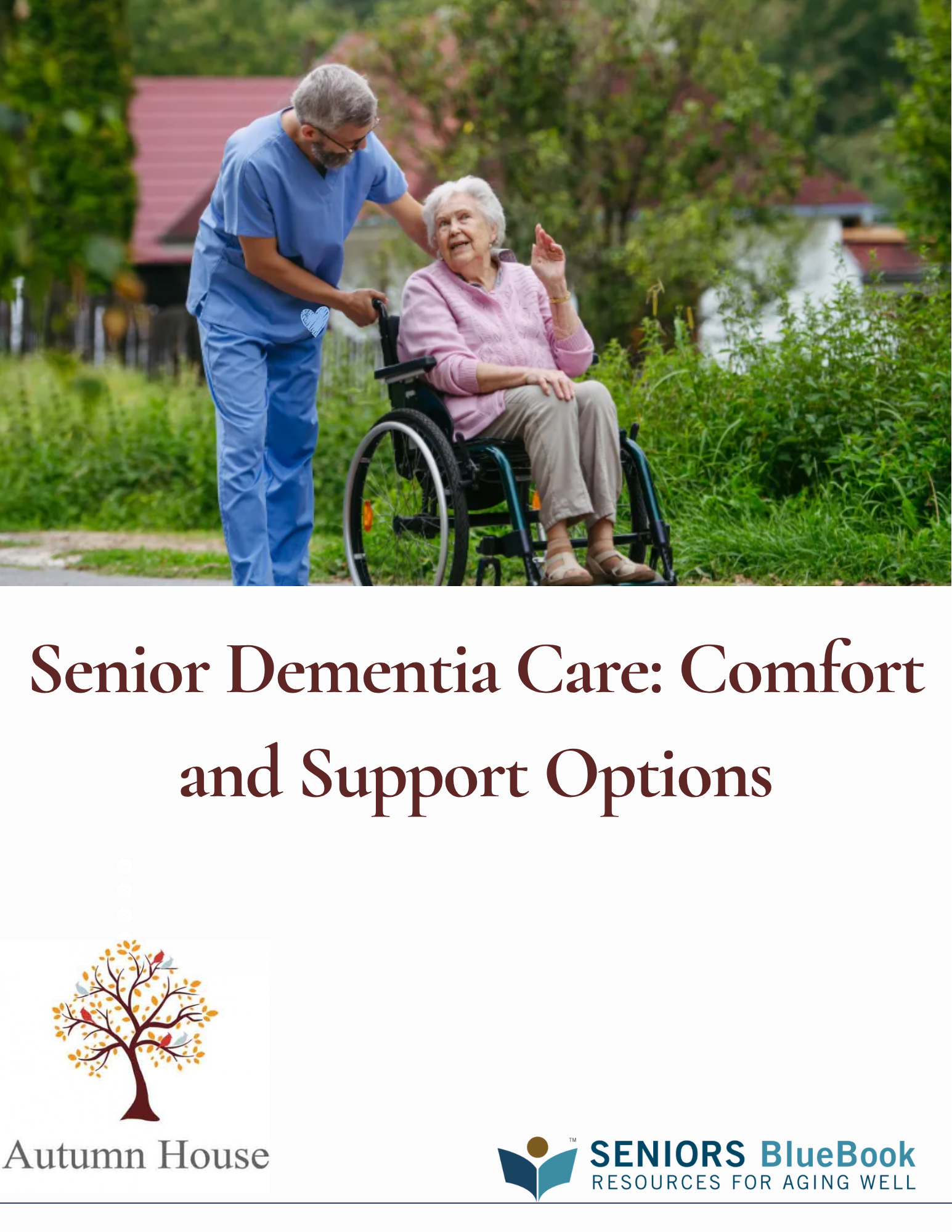
Senior Dementia Care: Comfort and Support Options
Senior dementia care provides structured support, safety, and daily guidance for individuals living with memory loss. At Autumn House West in York, PA, families can find compassionate care designed to meet evolving needs while preserving dignity. This guide explains how care works, what services to expect, and how to evaluate dementia care options for seniors. It also explores how local options, such as senior living in York, PA, can support your loved one. What Is Senior Dementia Care? Senior dementia care is specialized support for individuals with Alzheimers disease or other forms of memory loss. It focuses on safety, routine, and personalized assistance with daily activities. This type of care is commonly offered through Memory Care and Personal Care services in structured environments. Understanding Dementia Care for Seniors As dementia progresses, individuals may need increasing levels of support. Early stages may involve reminders and supervision, while later stages often require full-time assistance. According to the Alzheimers Association, more than 6.7 million Americans aged 65 and older are living with Alzheimers disease, highlighting the growing need for quality dementia care for seniors. Families exploring Senior living in York, PA, often look for communities that provide both structure and flexibility. Compared to traditional Skilled nursing facilities in York, PA, dementia-focused communities typically offer more personalized routines and engagement. Key Services That Support Safety and Comfort Dementia care is designed to create a safe and supportive daily experience. At Autumn House West, approved services include Memory Care and Personal Care, which provide essential support without overwhelming residents. Here are some core services that make a difference: Medication assistance to ensure consistency and safety On-site rehabilitation services to support mobility and recovery Personalized care plans tailored to each residents needs These services are integrated into daily routines, helping residents feel secure while maintaining as much independence as possible. Daily Life in a Supportive Community Setting A well-designed environment plays a major role in quality of life. Residents benefit from structured days filled with meaningful activities and familiar routines. At Autumn House West, residents can enjoy art and fitness classes, as well as game nights that promote engagement and routine. Activity rooms and social spaces support connection, while movie screenings and religious services provide familiarity and comfort. Dining, housekeeping, and laundry services help simplify daily life, while WiFi and cable TV access support connectivity and entertainment. On-site transportation and outings to local attractions, including museums and restaurants, encourage continued engagement with the York, PA community. You can explore more about these features on the amenities available at Autumn House West. When to Consider Memory Care vs Other Options Families often compare Memory Care with other options such as Skilled nursing facilities in York, PA, or newer communities in New senior living in York, PA. The right choice depends on the level of support needed. Care Option Best For Level of Support Personal Care Early-stage dementia Assistance with daily activities Memory Care Moderate to advanced dementia Structured supervision and support Skilled Nursing Facilities Complex medical needs 24-hour medical care Memory Care is typically appropriate when: Safety concerns increase, such as wandering or confusion Daily activities require consistent supervision Behavioral or cognitive changes become more frequent Personal Care can be suitable for earlier stages, offering assistance while maintaining independence. You can review available options through the levels of care offered at Autumn House West. Finding Senior Dementia Care Near York, PA Searching for senior dementia care near York, PA, often starts with understanding what matters most to your family. Location, services, and environment all play important roles. Communities like Autumn House West offer a local solution within Senior living in York, PA, making it easier for families to stay connected. Compared to larger Skilled nursing facilities in York, PA, smaller community settings may provide a more personalized experience. To explore helpful insights and resources, visit the Autumn House West blog and resources page. For additional guidance, trusted organizations such as the Alzheimers Association and the National Institute on Aging provide valuable information on dementia care and progression. About Autumn House West in York, PA Autumn House West is a senior living community located in York, PA, offering Memory Care and Personal Care services. The community focuses on providing structured support while maintaining a comfortable and engaging environment. Residents benefit from activity rooms and social spaces, dining, housekeeping services, laundry services, and community and event rooms. Additional features include on-site transportation, medication assistance, on-site rehabilitation services, and activities such as art classes and fitness classes. Families can learn more by visiting the Autumn House West home page. Explore Senior Dementia Care Options in York, PA Choosing the right senior dementia care is an important step in supporting your loved ones well-being. Autumn House West offers a thoughtful balance of care, comfort, and connection within the York, PA community. If you are comparing options or exploring dementia care for seniors, we are here to help guide you. Frequently Asked Questions What stage of dementia needs 24-hour care? 24-hour care is often needed in the middle to late stages of dementia. At this point, individuals may experience significant memory loss, confusion, and difficulty with daily activities. Safety concerns, such as wandering or falls, may also increase. Continuous supervision helps ensure both safety and comfort. What is the dementia support group in York, PA? York, PA, offers several dementia support groups through local healthcare providers and organizations. Groups are often available through hospitals, senior centers, and the Alzheimers Association. These groups provide emotional support, education, and shared experiences for caregivers and families. Checking local resources or community listings can help you find one nearby. What calms dementia patients? Calming strategies often include maintaining a consistent routine, reducing noise, and creating a familiar environment. Activities such as music, gentle exercise, or simple conversations can also help reduce anxiety. Engaging in structured programs, such as art classes or social activities, may provide comfort. Each individual may respond differently, so personalization is key. Can people with dementia have good days and bad days? Yes, people with dementia often experience fluctuations in mood and cognition. Some days may feel clearer and more manageable, while others may be more challenging. These changes are a normal part of the condition. Supportive care and structured routines can help create more stable and positive experiences.
May 18, 2026
What are the Foods To Avoid After 60 for Better Bone Health
Maintaining strong bones after the age of 60 is one of the most crucial steps toward preserving mobility, independence, and a vibrant lifestyle. The good news is that improving bone health often starts with small, consistent dietary changes. By learning the foods to avoid after 60, you can protect your bone density, reduce inflammation, and keep your body functioning at its best. Seniors who monitor their diet also benefit from improved digestion, heart health, and overall energy levels. This guide highlights the foods to avoid in the elderly after 60, along with easy-to-understand reasons why certain meals or ingredients may weaken bones or contribute to long-term health problems. Whether youre caring for a loved one or making healthier choices for your own well-being, understanding these foods is the first step toward healthier aging. Autumn House West is committed to supporting seniors through expert nutrition, well-balanced meals, and safe dining options. For more information, please visit Autumn House West. High Sodium Foods High-sodium foods are among the most essential ones to avoid after 60, as excessive salt can pull calcium from the bones and raise blood pressure. Items like processed cheese, canned soups, deli meats, frozen dinners, and salted snacks are well-known contributors to hypertension and bone loss. These items also align with the 10 worst foods for seniors, particularly for those monitoring their heart or kidney function. Sodium is commonly found in many processed foods, including sauces, snacks, and packaged meals. Because they offer little nutrition and often exacerbate inflammation, these choices fall under the category of 7 foods to avoid over 60, particularly for individuals with osteoporosis or arthritis. Reducing sodium and replacing it with flavor-rich herbs and spices is a simple way to boost overall health. To better manage dietary needs, consider using supportive services at Autumn House West, where balanced meals and professional assistance help protect your long-term well-being. Fried Foods Fried foods are some of the most harmful foods to avoid after 65, mainly because they contain high amounts of saturated and trans fats. These unhealthy fats can clog arteries, increase inflammation, and add unnecessary strain to aging bones and joints. Over time, fried foods contribute to chronic diseases, placing them on the list of the 10 worst foods for seniors. Switching to healthier cooking methods, such as roasting, boiling, steaming, or grilling, can help reduce inflammation and support bone strength. These lighter options are easier to digest and beneficial for weight management, which plays a crucial role in maintaining strong bones. Educational tools for empowering seniors can also encourage healthier eating habits. Better alternatives include: Grilled vegetables with a natural smoky flavor. Roasted root vegetables are rich in vitamins. Steamed fish is packed with lean protein. Whole grains are often boiled to create nutrient-dense salads. Sugar-Free Foods and Drinks Sugar-free foods and drinks often seem like a wise choice, but many contain artificial sweeteners linked to digestive problems, increased cravings, and even weight gain. Due to these risks, sugar-free snacks and drinks often appear on the list of foods to avoid after 60 for the elderly. Many of these sweeteners may also worsen inflammation or affect heart health, placing them among the seven foods to avoid over 60 if eaten in excess. Choosing whole fruits, naturally sweet vegetables, or small amounts of honey can give you sweetness without the added chemicals. Learning to read nutrition labels is especially helpful for those trying to protect bone health as they age. At Autumn House West, our senior care programs emphasize balanced meals and safe, wholesome nutrition to promote long-term wellness. To learn more about how sweeteners impact aging, visit the trusted resource from the National Institute on Aging. Empty Calorie Foods Empty-calorie foods, such as candy, chips, pastries, sugary cereals, and soda, provide energy but offer little to no nutritional value. They are known to contribute to weight gain, fatigue, and poor bone health, making them significant foods to avoid after the age of 60. For seniors focused on maintaining strength, coordination, and mobility, these foods also fall into the category of the 10 worst foods for seniors. Instead of nutrient-poor snacks, consider healthier choices like: Hummus with crisp vegetables. Greek yogurt topped with fruit. Fresh apple slices with nut butter. Air-popped popcorn seasoned with herbs. Replacing empty calories with nutrient-dense snacks can improve bone health, boost metabolism, and enhance overall well-being. Seniors living in communities with exceptional amenities have more opportunities to enjoy balanced, nutritious dining experiences. For additional guidance on nutrient-dense eating, explore the USDAs official dietary guidelines. Raw or Undercooked Foods Raw or undercooked foods become increasingly risky as the immune system weakens with age. Items such as raw seafood, unpasteurized milk, deli salads, soft cheeses, and undercooked meats can harbor bacteria that may lead to severe infections. Because older adults often recover more slowly, these items are classified as foods to avoid after 65. Foodborne illnesses can cause dehydration, bone pain, fever, and long-term health complications. These risks make raw or undercooked foods part of the seven foods to avoid for seniors over 60, especially those with chronic conditions. Always follow proper cooking guidelines and avoid unpasteurized products whenever possible. For seniors who need assistance with meal planning or food safety, senior care options at Autumn House West ensure that every meal is prepared safely to support strong bones and excellent health. You can also reference Healthlines guide to foods to avoid as you age for further insight. Take Charge of Your Wellness Start Building Stronger Bones Today Your food choices play a decisive role in how you age. By avoiding certain foods after 60, including those high in sodium, fried foods, empty-calorie snacks, sugar-free substitutes, and raw or undercooked foods, you can protect your bones and strengthen your entire body. These categories, which include the foods to avoid after 60 in the elderly, foods to avoid after 65, the seven foods to prevent over 60, and the 10 worst foods for seniors, can significantly impact mobility, energy, and long-term health. At Autumn House West, we believe that better nutrition leads to a better life. Our team is here to support you with balanced meals, safe dining practices, and a warm, caring environment designed for a healthier aging experience. Call us at 717-845-7214 or schedule a tour today to discover a community committed to your wellness and long-term strength. Frequently Asked Questions What not to eat in your 60s? In your 60s, its important to limit foods high in sodium, sugar, and unhealthy fats because they can raise the risk of heart disease and high blood pressure. Processed foods, fried foods, and sugary snacks can make weight management harder and reduce overall energy levels. Seniors should also avoid raw or undercooked meats and seafood, as their immune system becomes weaker with age. Reducing these foods can support better digestion, bone health, and long-term wellness. What is the best diet for a 60-year-old? The best diet for someone in their 60s focuses on whole, nutrient-dense foods that support heart, bone, and brain health. A balanced mix of lean proteins, whole grains, vegetables, and healthy fats works well for most older adults. Foods rich in calcium, vitamin D, fiber, and antioxidants can help reduce inflammation and maintain strength. Staying hydrated and managing portion sizes are also key to maintaining energy and preventing health issues. What fruits should seniors not eat? Most fruits are healthy for seniors, but some may need to be limited depending on individual health conditions. Very high-sugar fruits, such as grapes, cherries, or mangoes, may not be ideal for seniors with diabetes or blood sugar concerns. Fruits that are hard to chew, such as certain apples or unripe pears, can also be challenging for individuals with dental issues. Its always best to choose softer, fiber-rich fruits and enjoy higher-sugar fruits in moderation.
May 18, 2026
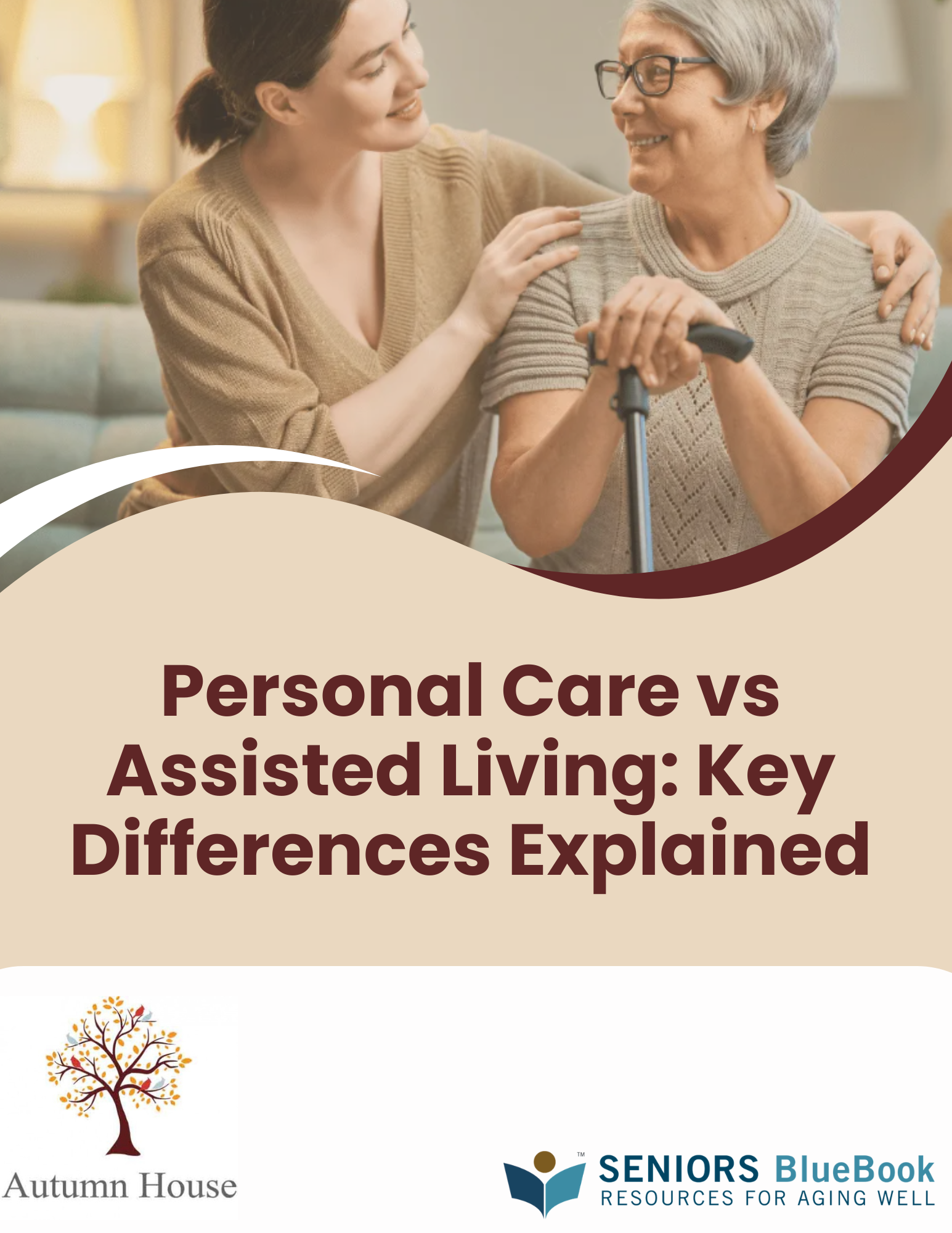
Personal Care vs Assisted Living: Key Differences Explained
If you are comparing personal care vs assisted living, you are likely trying to understand which option best supports your loved ones daily needs and independence. At Autumn House West in York, Pennsylvania, families often ask how these two care types differ and which is more appropriate. This guide explains what each option includes, how they compare in Pennsylvania, and how to make a confident decision. What is the difference between personal care and assisted living? Personal care vs assisted living mainly differ by state terminology and level of support. In Pennsylvania, personal care homes provide help with daily activities, while assisted living residences offer similar support but follow different licensing rules. Both provide supervision, assistance, and a structured environment, but services and regulations can vary. What Is a Personal Care Home in Pennsylvania? Understanding what is a personal care home is essential when comparing options. In Pennsylvania, a personal care home assists with daily living activities such as bathing, dressing, medication reminders, and meals in a supervised setting. These communities are designed for individuals who do not require intensive medical care but still benefit from consistent support. Many families searching for a personal care home near me in York or nearby areas find this option ideal for maintaining independence with added safety. Personal care home requirements in Pennsylvania are regulated by the state and include staffing standards, safety protocols, and resident care plans. Each personal care home license ensures the community meets guidelines for quality and safety, giving families peace of mind. What Is Assisted Living and How Does It Compare? When evaluating assisted living vs nursing homes, it helps to understand that assisted living focuses on daily support rather than medical care. Assisted living communities offer similar services to personal care, including help with activities of daily living, meals, and social engagement. However, assisted living residences may provide a more structured level of oversight depending on licensing and regulations. While both options promote independence, assisted living may include additional service coordination. Compared to nursing homes, both personal care and assisted living offer less clinical care and more lifestyle-focused support. Nursing homes typically provide 24-hour medical supervision, making them suitable for individuals with complex health needs. Key Differences: Personal Care vs Assisted Living Pennsylvania When comparing personal care vs assisted living Pennsylvania, the main differences often come down to licensing and service structure rather than daily experience. Feature Personal Care Home Assisted Living Licensing State-regulated personal care home license Separate assisted living regulations Care Focus Daily assistance and supervision Daily assistance with structured oversight Medical Care Limited Limited Environment Residential and supportive Residential with coordinated services Both options provide help with daily activities, meals, and social engagement while supporting independence. How to Choose the Right Option for Your Needs Choosing between personal care vs assisted living depends on your loved ones health, independence level, and preferences. Consider these factors: Level of assistance needed with daily activities Desire for independence versus structured support Medical needs and whether advanced care is required Budget and long-term planning According to the National Institute on Aging, nearly 70% of adults over age 65 will need some form of long-term care, making it important to plan and choose the right environment early. If you are exploring a personal care home near me in York, PA, it is helpful to schedule tours and ask detailed questions about services and daily routines. Services and Lifestyle at Autumn House West Autumn House West, located in York, Pennsylvania, offers Personal Care and Memory Care services in a supportive environment. Residents benefit from amenities that encourage engagement and daily comfort, including art classes, fitness classes, game nights, and outings to local attractions such as museums and restaurants. Additional support services like medication assistance, housekeeping services, and on-site transportation help residents maintain a balanced and manageable routine. Learn more about available care options on the levels of care page or explore the amenities available. You can also explore helpful insights on the community blog or take a quick care assessment to better understand your needs. Finding Personal Care and Assisted Living Near You When searching for a personal care home near me, location and accessibility play a major role. York, Pennsylvania, and the surrounding areas offer convenient access to healthcare providers, local attractions, and community resources. Autumn House West provides a central location that allows residents to stay connected to family, friends, and familiar surroundings. Families can also review a helpful cost comparison guide when evaluating options. For additional guidance, trusted sources like the Centers for Disease Control and Prevention and the Administration for Community Living provide reliable information on aging and long-term care planning. Explore Care Options That Fit Your Needs Choosing between personal care vs assisted living is a meaningful decision, and having the right information makes all the difference. At Autumn House West in York, PA, families can explore supportive care options designed to promote independence, comfort, and connection.