
PHONE
Click to View NumberGeneral Property Features
- Private Rooms, Semi-Private Rooms
- Laundry Service - Provided, Laundry Service - Self Serve, Scheduled Transportation, Activities, Housekeeping
- Assisted Living Community
- All Pets Considered
Assisted Living
- 230528
- 10
- $3,700.00
- Medicaid, Medicaid Waiver, Private Pay, PACE
- Price All Inclusive
- Yes
Continue Your Search! Explore More Local Options.
Start SearchingLet’s engage and get educated!
Browse through thousands of expert articles in over 100 different categories.
Browse NowArticles You May Like
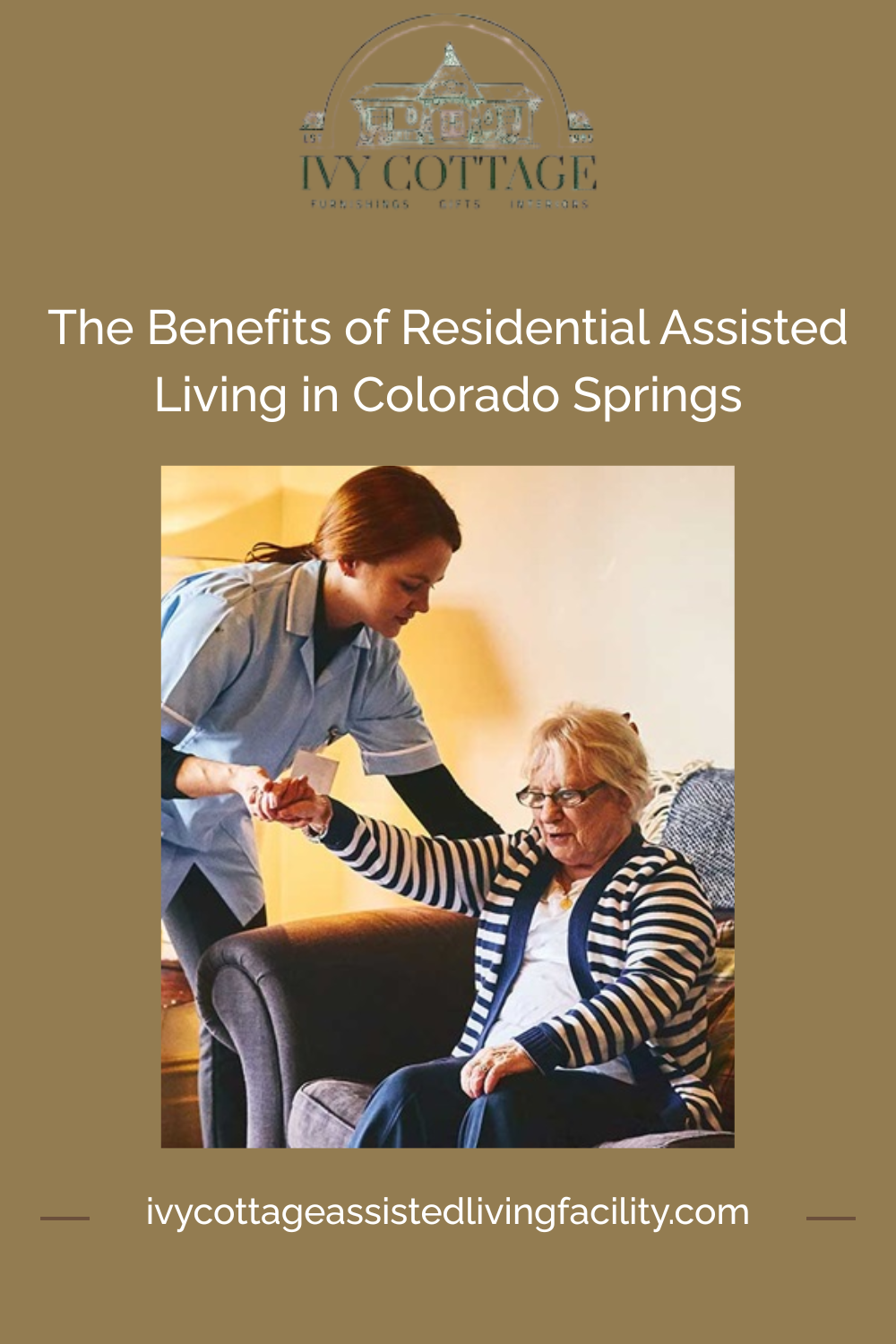
The Benefits of Residential Assisted Living in Colorado Springs
The Benefits of Residential Assisted Living in Colorado Springs When families begin searching for assisted living options, many picture large communities with dozensor even hundredsof residents. While these environments work well for some, others prefer a more intimate, home-like setting where personalized attention and close relationships are at the center of care. In Colorado Springs, residential assisted living homes are becoming an increasingly popular choice for seniors who want a quieter, more personalized experience. Communities like Ivy Cottage Assisted Living, led by Catherine A. Hartman, provide a smaller-scale approach to care that feels more like home than a traditional facility. For seniors who value familiarity, individualized care, and meaningful connections, residential assisted living offers a unique and comforting alternative. What Is Residential Assisted Living? Residential assisted living homes are smaller communities, often located in traditional houses within residential neighborhoods. These homes typically serve a limited number of residents, allowing caregivers to provide more individualized attention. Unlike larger assisted living facilities, residential homes focus on creating a family-like atmosphere. Residents receive support with daily activities such as: Bathing and dressing Medication management Meal preparation and nutrition Mobility assistance Housekeeping and laundry Companionship and social engagement Because of the smaller setting, caregivers can build deeper relationships with residents and tailor care more closely to individual needs. The Benefits of a Smaller, Home-Like Environment Many families find that residential assisted living provides a level of comfort and personalization that is difficult to achieve in larger communities. Personalized Attention With fewer residents, caregivers can spend more time with each individual, ensuring their needs are met promptly and thoughtfully. Familiar, Comfortable Setting Residential homes often feel more like a traditional home than a facility. This can be especially comforting for seniors transitioning from their own homes. Stronger Relationships Residents and caregivers often develop close, meaningful connections, creating a supportive and nurturing environment. Reduced Noise and Activity Levels For seniors who prefer a quieter lifestyle, smaller homes provide a calm and peaceful atmosphere. Supporting Seniors in Colorado Springs Colorado Springs offers an ideal setting for retirement, with beautiful mountain views, welcoming neighborhoods, and access to quality healthcare. Seniors living in residential assisted living homes often enjoy: Quiet, residential surroundings Easy access to local parks and outdoor spaces Proximity to medical providers and services Opportunities for family visits in a comfortable setting With attractions like Garden of the Gods and scenic drives around Pikes Peak, seniors can still enjoy the beauty of the region while receiving supportive care. A Local Perspective from Catherine A. Hartman Leaders in residential assisted living understand that care is not just about meeting physical needsits about creating a sense of belonging. Catherine A. Hartman of Ivy Cottage Assisted Living emphasizes the importance of personalized, compassionate care. We strive to create a home where residents feel comfortable, respected, and truly cared for, says Catherine A. Hartman. Our smaller setting allows us to focus on each individual and provide care that feels personal and meaningful. This approach helps residents feel secure while maintaining their dignity and independence. Ideal for Seniors Who Need More Personalized Care Residential assisted living can be an excellent option for seniors who need assistance with daily activities but do not require intensive medical care. It is especially beneficial for individuals who: Prefer a quieter, home-like environment Need more one-on-one attention Feel overwhelmed in larger communities Value close relationships with caregivers Have mild to moderate care needs Families often choose residential homes when they want a more personalized experience for their loved ones. Supporting Emotional Well-Being Moving into assisted living can be a significant life transition. Smaller residential settings often make this adjustment easier by providing a familiar and welcoming environment. Residents benefit from: Consistent routines Close relationships with caregivers A sense of belonging Reduced feelings of loneliness These factors contribute to improved emotional well-being and overall quality of life. Family Involvement and Peace of Mind Residential assisted living homes often encourage strong family involvement. The smaller environment allows for more open communication between families and caregivers. Families appreciate: Regular updates on their loved ones well-being Opportunities for meaningful visits A comfortable and welcoming environment Personalized care that reflects their loved ones needs This level of communication helps families feel confident in their decision. A Personalized Approach to Daily Living Daily life in a residential assisted living home often feels more relaxed and flexible compared to larger facilities. Residents may enjoy: Home-cooked meals shared at a dining table Quiet afternoons in a living room setting Personalized activity schedules Outdoor relaxation in gardens or patios This environment helps create a sense of normalcy and comfort. When Is Residential Assisted Living the Right Choice? Families may consider residential assisted living when they want a more personalized care environment for their loved one. Signs it may be the right fit include: A need for assistance with daily activities Preference for smaller, quieter settings Desire for individualized care Difficulty adjusting to larger communities Increased need for companionship and support Exploring options early allows families to make thoughtful decisions and find the best possible fit. A Home Where Seniors Can Thrive Residential assisted living offers a unique blend of personalized care, comfort, and community. For seniors who value a home-like environment and individualized attention, this option provides a meaningful alternative to larger facilities. Ivy Cottage Assisted Living is dedicated to creating a warm, welcoming space where seniors can feel at home while receiving the care they need. To learn more about their services and approach, visit the Seniors Blue Book listing for Ivy Cottage Assisted Living today. Frequently Asked Questions What is the difference between residential assisted living and traditional assisted living? Residential assisted living takes place in smaller, home-like settings with fewer residents, while traditional assisted living communities are typically larger facilities. How many residents typically live in a residential assisted living home? Most homes serve a small number of residents, allowing for more personalized care. Are medical services provided in residential assisted living? These homes provide non-medical assistance with daily activities, though they may coordinate with healthcare providers when needed. Can families visit regularly? Yes. Residential homes often encourage frequent family visits and involvement. Is residential assisted living more personal than larger communities? Yes. The smaller setting allows caregivers to provide more individualized attention and build closer relationships with residents.