
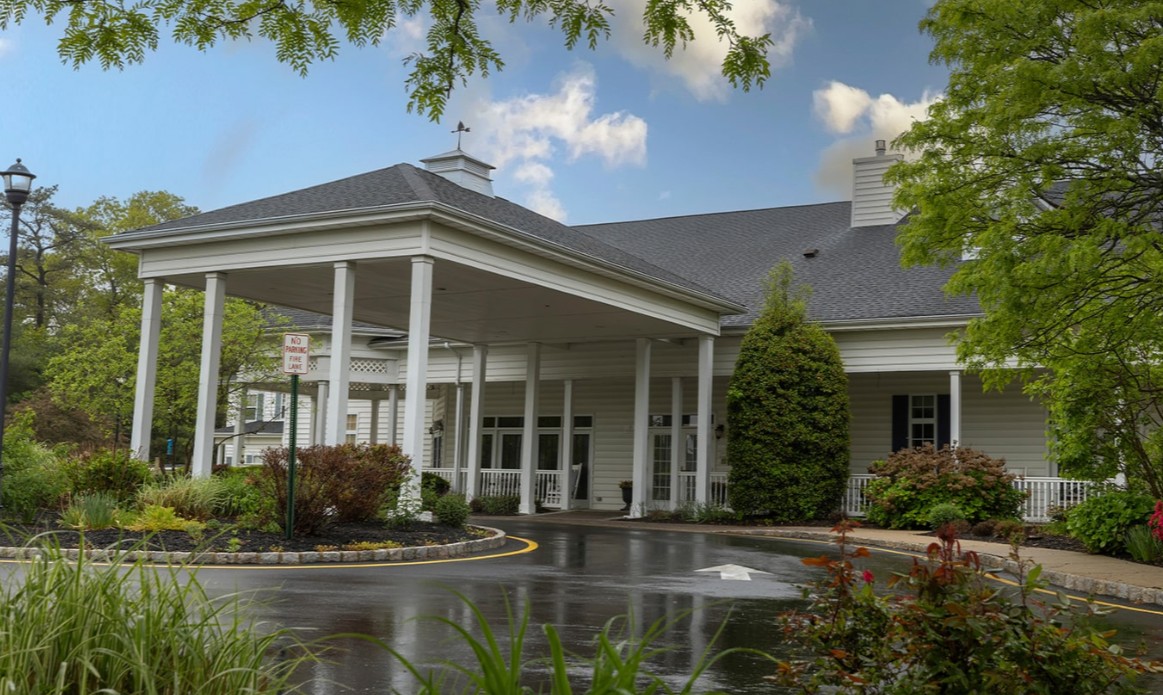


About Mira Vie Senior Living - Memory Care
Surrounded by tall trees and beautifully landscaped gardens, Mira Vie at Brick stands out as a leading Senior Living community for seniors that prioritize elevated experiences. Located on the Jersey Shore, our senior housing offers accommodations and amenities for Assisted Living, Memory Support, and Respite Care. We go above and beyond to offer premium dining and lifestyle services to make senior living a true joy. Mira Vies staff and communities have been honored with the Fortune Best Workplaces in Health Care award. Were proud of our teams unwavering commitment to residents and their families. Great Place to Work has been pioneering workplace culture for over 30 years. More than just lists, theyre a celebration of businesses that prioritize their people.
General Property Features
Additional Levels of Care Offered
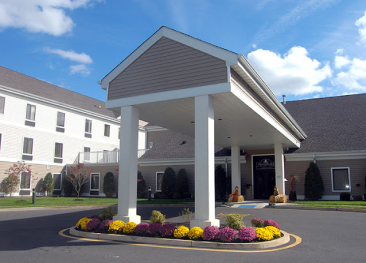
Mira Vie Toms River - Memory Care
Memory Care 1657 Silverton Road, Toms River, New Jersey, 08753Framed by luscious walls of trees, Mira Vie at Toms River is a premier Senior Living community for vibrant seniors in Ocean County, New Jersey. Conveniently located on Silverton Road near the Garden State Parkway, our senior housing provides Assisted Living, Memory Support, and Respite Care services in one central location. Our Memory Support community, known as Moments Matter, is specially designed to provide a friendly, supportive, and secure environment for seniors with memory loss. Our trained professionals at Mira Vie at Toms River provide a rich, vibrant environment for residents to thrive with housing, care, and lifestyle solutions.
Mira Vie Senior Living At Brick, NJ
Assisted Living 458 Jack Martin Blvd., Brick, New Jersey, 08724Surrounded by tall trees and beautifully landscaped gardens, Mira Vie at Brick stands out as a leading Senior Living community for seniors that prioritize elevated experiences. Located on the Jersey Shore, our senior housing offers accommodations and amenities for Assisted Living, Memory Support, and Respite Care. We go above and beyond to offer premium dining and lifestyle services to make senior living a true joy. Mira Vies staff and communities have been honored with the Fortune Best Workplaces in Health Care award. Were proud of our teams unwavering commitment to residents and their families. Great Place to Work has been pioneering workplace culture for over 30 years. More than just lists, theyre a celebration of businesses that prioritize their people.
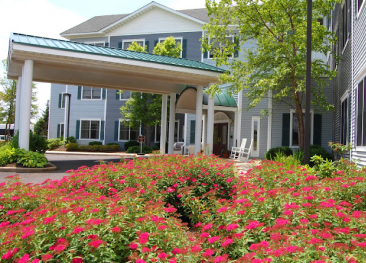
Mira Vie Senior Living At Manalapan
Assisted Living 445 Route 9 South, Manalapan Township, New Jersey, 07726Cradled by dense forest and expansive fields, Mira Vie at Manalapan is a beautiful leading Senior Living community in Monmouth County, New Jersey. Easily accessible off Route 9 in Manalapan Township, our senior housing provides Assisted Living, Respite Care, and Memory Support for seniors, all in one central location for easy access and transitioning.
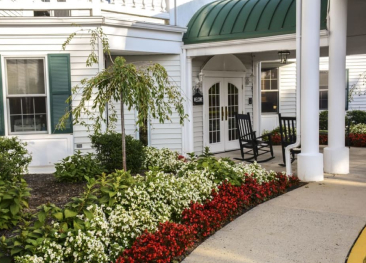
Mira Vie At Tinton Falls
Assisted Living 1 Hartford Drive, Tinton Falls, New Jersey, 07701With beautifully manicured lawns and stately trees, Mira Vie at Tinton Falls is a premier Senior Living community for seniors in Monmouth County, New Jersey. Easily accessible off Shrewsbury Avenue and Newman Springs Road in Tinton Falls, our beautiful senior housing provides leading Assisted Living, Memory Support, and Respite Care services in one convenient central location.
Claim This Business Listing
- Are you the owner of this business listing? If so, please click the button below to take control of it today.
- This feature enables businesses to update their information and become part of the Seniorsbluebook.com network. It is a simple, yet effective way for businesses to connect with seniors and their families who are looking for senior related services.
Continue Your Search! Explore More Local Options.
Start SearchingLet’s engage and get educated!
Browse through thousands of expert articles in over 100 different categories.
Browse NowArticles You May Like

Choosing Assisted Living in Monmouth County, NJ
Choosing Assisted Living in Monmouth County, NJDeciding whether to move into an assisted living community is an important milestone for many older adults and their families. It often begins with small changes in everyday life. Household chores may become physically demanding, managing medications may require additional reminders, or preparing meals may take more energy than it once did.For some seniors, the decision is not driven by a medical emergency. Instead, they want a more convenient lifestyle, opportunities to meet new people, and access to assistance when needed.Others begin exploring assisted living after recognizing that living alone has become increasingly difficult.Whatever the reason, moving into a senior living community should involve thoughtful planning, honest conversations, and an understanding of the available options.For older adults and families throughout Monmouth County, New Jersey, assisted living can provide a balance between personal independence, supportive services, and meaningful social experiences.Mira Vie Senior Living at Manalapan offers assisted living designed around personalized assistance, comfortable accommodations, and opportunities for residents to enjoy an engaging community lifestyle.With apartment-style residences, chef-prepared dining, social activities, and support for everyday needs, the community provides an option for seniors seeking assistance without giving up personal choice.Understanding how to choose assisted living and prepare for the transition can help families approach this decision with greater confidence.When Is It Time to Consider Assisted Living?There is no single age or circumstance that determines when someone should explore assisted living.Some older adults begin researching communities because they want fewer household responsibilities.Others need additional assistance with daily activities.The decision should reflect individual abilities, preferences, and support needs.Common Reasons Seniors Explore Assisted LivingThese may include:Difficulty maintaining a householdChallenges preparing mealsIncreased reliance on family caregiversConcerns about medication routinesDifficulty bathing or dressingReduced mobilityLimited opportunities for social interactionA desire for convenient dining and activitiesConcerns about living aloneInterest in a more supportive residential environmentWhy Planning Early Can HelpExploring assisted living before an urgent situation develops gives families more time to compare communities.Older adults may also have greater opportunities to participate in selecting accommodations, discussing costs, and planning the move.Consider the Person's PreferencesA successful transition begins with understanding what the older adult wants.Some people value privacy and quiet surroundings.Others prioritize social activities, dining, or opportunities to remain physically active.These preferences should guide the search.Understanding Assisted Living ServicesAssisted living provides residential accommodations along with support for individuals who need help with selected daily activities.Unlike skilled nursing facilities, assisted living generally focuses on personal assistance, lifestyle services, and access to appropriate care rather than continuous hospital-level medical treatment.Common Assisted Living ServicesDepending on the resident's care plan and the community's capabilities, services may include:Assistance with bathingHelp with dressingGrooming supportMedication-related assistanceMobility supportMealsHousekeepingCommunity activitiesWellness programsAccess to staff assistanceCoordination with healthcare professionalsMaintaining IndependenceNeeding assistance with one activity does not necessarily mean needing help with everything.Someone may benefit from medication reminders while continuing to manage dressing and personal hygiene independently.Another resident may need help bathing but remain active in social and recreational activities.A personalized care plan should account for these differences.Assisted Living at Mira Vie Senior Living at ManalapanMira Vie Senior Living at Manalapan offers an assisted living environment that combines individualized support with an engaging residential lifestyle.The community emphasizes independence, personal dignity, and opportunities for social connection.Its approach reflects the Mira Vie philosophy of Viva La Vie, which celebrates everyday experiences, relationships, and purposeful living.Community FeaturesMira Vie at Manalapan describes:Apartment-style living accommodationsRenovated resident suitesChef-prepared mealsRestaurant-style diningRefreshed activity spacesSalon and spa amenitiesSocial and recreational eventsPersonalized assistance with daily activitiesWellness opportunitiesRespite care optionsFamilies should confirm current services, amenities, accommodation availability, and pricing directly with the community.A Residential Lifestyle With SupportThe purpose of assisted living is not simply to provide assistance.It is also to create opportunities for residents to enjoy daily life without managing every household responsibility independently.For some older adults, this means having more time for hobbies, friendships, and relaxation.How to Compare Assisted Living CommunitiesChoosing assisted living involves more than selecting an attractive apartment.Families should evaluate the community's services, environment, costs, and suitability for the resident's needs.Start With Daily Support RequirementsConsider which activities the older adult manages independently and which require assistance.Important areas may include:Personal hygieneDressingMedication routinesMobilityNutritionTransportationHousehold responsibilitiesCommunicationSocial participationReview the Available ServicesAsk whether the community can provide appropriate support for the person's current needs.Also discuss how services may change if the resident requires additional assistance later.Consider Lifestyle PreferencesCommunity activities, dining experiences, apartment layouts, and social opportunities can influence daily satisfaction.A community should provide an environment that feels comfortable and compatible with the person's interests.Creating a Senior Living Priorities ChecklistBefore scheduling tours, families can develop a list of priorities.This helps separate essential needs from features that would simply be nice to have.Essential ConsiderationsThese may include:Appropriate personal care assistanceAccessibilityMedication supportAffordable monthly costsSuitable accommodationsConvenient family visitationEmergency response proceduresAbility to accommodate medical needsLifestyle PreferencesThese may include:Social activitiesRestaurant-style diningQuiet spacesOutdoor areasFitness opportunitiesCreative programsReligious or spiritual activitiesAccess to transportationWhy Prioritizing MattersNo community may satisfy every preference.A clear checklist can help families identify which considerations are most important.Understanding Apartment-Style Senior LivingFor many older adults, having a private residence is central to feeling independent.An apartment-style living arrangement can provide personal space while allowing convenient access to community amenities.Mira Vie at Manalapan offers several accommodation options, including studio-style residences, companion suites, and two-bedroom layouts.What to Consider When Choosing an ApartmentFamilies may evaluate:Floor planAccessibilityBathroom designNatural lightingStorageFurniture arrangementsPrivacyProximity to dining and activity spacesSpace for mobility equipmentBringing Familiar BelongingsFavorite furniture, photographs, artwork, and personal keepsakes may help a new residence feel familiar.Families should ask about furnishing guidelines before moving.Planning for Future NeedsAn apartment that works well today should also be evaluated for possible changes in mobility.Accessible layouts and appropriate support can be important considerations.Having the Conversation About MovingSome older adults are enthusiastic about assisted living.Others may feel hesitant, particularly when they have lived in the same home for many years.Families should approach the conversation with respect and patience.Begin With Everyday ChallengesRather than immediately insisting on a move, discuss the activities that have become difficult.For example:Is grocery shopping exhausting?Are household repairs becoming burdensome?Would prepared meals make daily life easier?Is more social interaction appealing?Would access to additional assistance be reassuring?Listen to ConcernsAn older adult may worry about:Losing privacyLeaving familiar surroundingsGiving up independenceMonthly costsAdjusting to new routinesMaking new friendsRecognizing these concerns can help families explore solutions together.Avoid Making AssumptionsSome people view assisted living as a loss of independence.Explaining the differences between assisted living, skilled nursing, and other senior housing options may help clarify expectations.Why Tours Are an Important Part of Choosing Assisted LivingCommunity tours allow prospective residents to see the living environment and ask questions.Photographs and descriptions are useful starting points, but visiting a community provides additional perspective.What to Observe During a TourConsider:CleanlinessApartment layoutsAccessibilityDining areasResident activitiesCommon spacesStaff interactionsPrivacyOverall atmosphereOpportunities for social engagementQuestions to Ask Mira VieHow are resident needs assessed?What assistance is available?How are care plans developed?What dining options are included?What activities are offered?How are emergencies handled?How are families informed about changes?Are renovated apartments available?What is included in monthly pricing?Are short-term stays an option?Include the Future ResidentWhenever possible, the older adult should participate in tours and decisions.Their comfort and preferences are essential.Planning the Financial Side of Assisted LivingAssisted living is a significant financial commitment.Families should understand monthly pricing, additional fees, and how costs may change over time.Mira Vie at Manalapan publishes starting floor-plan pricing, but actual costs depend on accommodation availability and the services required.Questions About PricingAsk:What is the starting monthly rate?Which services are included?Are personal care services charged separately?How are care levels determined?Are meals included?Is housekeeping included?Are there one-time fees?How frequently may rates change?What happens during hospitalization?What are the move-out and refund policies?Does Medicare Cover Assisted Living?Original Medicare generally does not pay for assisted living room and board.It may cover certain qualifying medical services separately when applicable requirements are satisfied.Long-term care insurance and other financial resources may help eligible individuals with certain expenses.Families should confirm their specific coverage and financial responsibilities.Preparing to Downsize From a Longtime HomeMoving into assisted living often requires deciding which belongings to bring, store, donate, or give to family members.This process can be emotional, particularly when personal possessions hold memories.Start With the New Floor PlanBefore sorting belongings, review the dimensions of the future apartment.Identify which furniture pieces will fit comfortably.Prioritize Everyday EssentialsConsider:ClothingPersonal care itemsFavorite furnitureBeddingPhotographsImportant documentsApproved electronicsHobbies and activity suppliesMobility equipmentAllow Time for Sentimental DecisionsOlder adults may want to keep items connected to important life events.Avoid rushing through these decisions unnecessarily.Focus on Comfort and FunctionThe goal is to create a welcoming living space without making it crowded or difficult to navigate.Organizing Medical and Personal InformationPreparing important information before the move can help the admission process proceed more smoothly.Documents Families May NeedDepending on community requirements, these may include:IdentificationMedical historyMedication listPhysician informationEmergency contactsInsurance informationAdvance directivesAuthorized decision-maker documentsRequired assessment formsReview Medication ArrangementsFamilies should clarify how medications will be managed and who is responsible for ordering, storing, and administering them.Communicate Important PreferencesShare information about daily routines, dietary needs, mobility concerns, and personal interests.This information can help staff understand the new resident.What to Expect During the First MonthMoving into an assisted living community involves adjusting to a new environment, schedule, and social setting.Some residents settle in quickly.Others need additional time.The First WeekResidents may focus on:Learning the apartment layoutMeeting staff membersUnderstanding dining schedulesGetting familiar with shared spacesLearning how to request assistanceMeeting neighborsThe Following WeeksResidents may begin exploring:Group activitiesFitness programsCreative hobbiesCommunity eventsShared dining experiencesPreferred daily routinesAllow Independence During AdjustmentFamily members may want to manage every detail.However, allowing residents to make appropriate choices can help them establish ownership of their new lifestyle.Building Friendships in Assisted LivingOne potential benefit of community living is having more opportunities for social interaction.For some older adults, friendships and shared activities become important parts of everyday life.Opportunities for ConnectionMira Vie at Manalapan offers social programming that may include:Group exerciseGamesMusicCreative activitiesEducational programsSocial gatheringsCommunity celebrationsRecreational eventsSchedules may change, and residents should confirm current offerings.Encourage Participation Without PressureNot everyone enjoys large group gatherings.Some people prefer smaller activities or quiet conversations.Residents should be allowed to participate at a comfortable pace.Shared Dining Can HelpEating meals in a community dining room may create informal opportunities to meet neighbors.For some residents, regular conversations at meals help develop new relationships.Wellness and Healthy Aging in Community LivingA fulfilling senior living lifestyle involves more than assistance with personal care.Physical movement, social relationships, intellectual interests, and emotional well-being all matter.Mira Vie incorporates wellness and recreational programming into its community approach.Physical WellnessAppropriate fitness activities may support movement, strength, and general well-being.Residents should follow their healthcare professionals' recommendations when choosing activities.Intellectual EngagementGames, discussions, reading, music, and creative pursuits can provide opportunities for lifelong learning and enjoyment.Social WellnessFriendships and community activities may help residents stay connected.Emotional Well-BeingMaintaining meaningful relationships and personal routines can support adjustment to a new environment.Helping Residents Maintain IndependenceAssisted living should support personal choice and functional independence whenever possible.A resident may require assistance with bathing while continuing to manage social activities independently.Another may benefit from help with medication routines but prefer organizing other parts of the day.Everyday Choices Worth PreservingThese include:Preferred waking timesClothing choicesMeal preferencesSocial activitiesPersonal hobbiesFamily visitsApartment decorationQuiet timeAssistance Should Be IndividualizedCare plans should reflect actual needs rather than assumptions based on age.Families can ask how the community balances personal independence with appropriate safety measures.The Importance of Family InvolvementMoving into assisted living does not end the family's role.Relatives can continue providing emotional connection, encouragement, and support.Ways Families Can Stay ConnectedThese may include:Regular visitsTelephone conversationsAttending community eventsCelebrating family occasionsSharing meals when permittedParticipating in care discussionsHelping maintain familiar traditionsKeep Communication OpenFamilies should understand whom to contact with questions and how changes in resident needs are communicated.Respect Resident PreferencesThe older adult's wishes should guide family involvement whenever possible.When Care Needs Change After MovingA resident's support needs may increase over time.Changes in mobility, cognition, or health may require adjustments to the care plan.Questions About Changing NeedsFamilies should ask:How often are residents reassessed?What additional assistance can be provided?Are increased care levels associated with new charges?How are medical concerns handled?When might another care setting be recommended?Assisted Living and Memory SupportMira Vie at Manalapan offers assisted living as well as a specialized memory support program.These are different service options.Families should ask how assessments determine whether a particular program is appropriate.Respite Care as an OptionMira Vie at Manalapan also advertises respite care, which may provide a short-term stay for eligible guests.Families should inquire about availability, admission requirements, included services, and pricing.Choosing a Licensed Assisted Living CommunityLicensing is an important part of evaluating residential senior care.Mira Vie at Manalapan is listed by the New Jersey Department of Health as a licensed assisted living residence.Why Licensing Information MattersPublic licensing and inspection records can help families understand a facility's regulatory status.Families should review available records and ask questions about any concerns they identify.What Licensing Does Not GuaranteeA license does not guarantee that a community is the right fit for every individual.Families should also evaluate:Personal care servicesResident assessmentsEnvironmentDaily activitiesPricingStaff communicationHealth needsResident preferencesAn informed decision considers both practical needs and lifestyle compatibility.Expert Tip: Plan the Transition Before PackingAssisted Living Transition Tip: Before choosing a move-in date, ask the community for a detailed admission and transition checklist. Review medical paperwork, medication arrangements, apartment measurements, service agreements, and the first-week schedule. Preparing these details early can reduce confusion and help the resident focus on becoming comfortable in the new environment.An organized move allows more attention to be directed toward personal comfort, routines, and building connections.Frequently Asked Questions About Assisted Living1. Does Mira Vie Senior Living at Manalapan offer assisted living?Yes. Mira Vie at Manalapan is a licensed assisted living residence offering personalized support, apartment-style accommodations, dining, wellness opportunities, and social activities.2. What types of accommodations are available?The community describes several assisted living floor plans, including private studios, companion suites, and two-bedroom options. Families should confirm current availability and pricing.3. Can residents maintain independence after moving?Yes. Assisted living is designed to provide assistance with selected daily activities while encouraging residents to remain involved in personal decisions, social experiences, and familiar routines.4. Is it possible to explore a short-term stay before making a long-term decision?Mira Vie at Manalapan advertises respite care for eligible guests. Families should contact the community to confirm whether a short-term stay is available and appropriate.5. How can families schedule a tour?Families can contact Mira Vie Senior Living at Manalapan to ask about apartment availability, care assessments, pricing, services, and opportunities to visit the community.A Thoughtful Transition to Assisted Living in Monmouth CountyMoving into assisted living is a personal decision that involves practical planning, financial considerations, and emotional adjustment.For many older adults, community living can provide opportunities to simplify everyday responsibilities while maintaining independence.The right assisted living environment should offer appropriate assistance, comfortable accommodations, opportunities for friendship, and respect for individual preferences.For seniors and families throughout Monmouth County, New Jersey, Mira Vie Senior Living at Manalapan provides an assisted living option centered on personalized support and an engaging daily lifestyle.With apartment-style accommodations, chef-prepared dining, wellness activities, social programming, and access to assistance, the community offers opportunities for older adults to enjoy greater convenience while remaining active participants in their own lives.By researching communities, discussing personal priorities, and preparing carefully for the move, families can approach this transition with greater confidence.Learn More About Mira Vie Senior Living at ManalapanLooking for assisted living in Monmouth County, New Jersey?Visit Mira Vie Senior Living at Manalapan on SeniorsBlueBook.com to explore its assisted living listing and learn more about available apartments, resident services, social activities, and community amenities.Choosing assisted living with care and preparation can help older adults begin a new chapter while maintaining personal choice, important relationships, and meaningful everyday experiences.
Oct 15, 2026
Memory Care for Seniors in Ocean County, NJ
Memory Care for Seniors in Ocean County, NJMemory loss can change everyday life for both older adults and their families. When a loved one begins forgetting familiar routines, struggling with daily activities, or experiencing confusion, family members may wonder how to provide the right level of care.Conditions such as Alzheimer's disease and other forms of dementia can gradually affect memory, communication, decision-making, and independence. As these changes progress, families may find that maintaining safety and providing consistent support at home becomes increasingly challenging.For seniors and families throughout Ocean County, New Jersey, specialized memory care communities offer an environment designed around the unique needs of individuals experiencing cognitive changes.Mira Vie Toms River Memory Care provides specialized memory support through the Moments Matter at Mira Vieprogram, which emphasizes individualized assistance, meaningful activities, personal dignity, and daily engagement.The community offers a structured living environment supported by trained team members who understand the challenges associated with memory loss.Understanding memory care services can help families make informed decisions about a loved one's comfort, safety, and quality of life.Understanding Memory Care for Older AdultsMemory care is a specialized form of residential senior living designed for individuals experiencing Alzheimer's disease, dementia, or other significant memory-related challenges.Unlike traditional independent living, memory care provides additional structure and assistance to help residents navigate daily activities.Residents may need reminders, guidance, supervision, or hands-on help with certain tasks.Memory Care May Support Individuals ExperiencingAlzheimer's diseaseOther forms of dementiaMemory impairmentDisorientationDifficulty completing daily routinesChanges in communicationReduced safety awarenessIncreasing dependence on caregiversEach person's needs are different, and an individualized assessment helps determine whether memory care is appropriate.Why Specialized Memory Support MattersMemory loss can affect more than remembering names or appointments.Some individuals struggle to understand time, recognize their surroundings, complete personal care, or communicate their needs.A memory care environment aims to provide appropriate assistance while helping residents continue participating in meaningful activities.The goal is to support comfort, dignity, and daily quality of life.Recognizing When a Loved One May Need Memory CareMany families initially support a loved one with memory loss at home.However, changing needs may eventually require additional supervision or specialized care.Recognizing these changes can help families plan before a difficult situation becomes urgent.Common Signs That Additional Support May Be NeededThese may include:Frequently forgetting important medicationsBecoming disoriented in familiar surroundingsDifficulty preparing meals safelyLeaving household appliances unattendedIncreased confusion during daily routinesWandering or attempting to leave unsupervisedDifficulty with bathing or dressingChanges in sleep patternsIncreasing caregiver exhaustionDifficulty maintaining appropriate nutritionThese signs do not automatically mean that residential memory care is required.A healthcare professional should assess new or worsening cognitive symptoms, including potentially treatable causes.Sudden Changes Require Medical AttentionSudden confusion should not be assumed to be dementia progression.Infections, medication effects, dehydration, and other medical conditions can cause abrupt changes in cognition.Prompt medical evaluation is important when symptoms change unexpectedly.Memory Care at Mira Vie Toms RiverMira Vie at Toms River offers specialized memory support through its Moments Matter at Mira Vie program.The program is designed to help individuals experiencing memory loss maintain meaningful connections and participate in daily life.The community emphasizes individualized assistance and an environment intended to support comfort and familiarity.Key Features of the Memory Support ApproachMira Vie describes a program that includes:A secure memory support environmentSupport available 24 hours a dayStructured daily activitiesIndividualized assistanceOpportunities for social engagementA focus on each resident's personal historyRespect for individual abilitiesMeaningful connections with othersRecognizing the Individual Behind the DiagnosisA dementia diagnosis does not erase someone's personality, interests, preferences, or life experiences.Person-centered memory care recognizes these qualities.For example, someone who previously enjoyed music may benefit from participating in familiar musical activities.Another resident may prefer art, conversation, or quieter activities.Understanding personal interests can help caregivers support meaningful participation.The Importance of Structured Daily RoutinesIndividuals living with dementia may find unpredictable environments challenging.A consistent routine can help make daily activities feel more familiar.Memory care communities often use structured schedules to provide an organized approach to meals, activities, personal care, and rest.Benefits of Familiar RoutinesPredictable routines may help:Reduce uncertaintySupport daily participationProvide familiar activity patternsEncourage regular mealsEstablish opportunities for social engagementSupport consistent personal carePromote a sense of comfortBalancing Structure With FlexibilityNot every resident wants to participate in the same activities.A person-centered memory care program should consider individual preferences, energy levels, and changing abilities.Residents may benefit from choices that allow them to remain involved without unnecessary pressure.Personalized Assistance With Daily ActivitiesMemory changes may make everyday tasks more complicated.An individual may forget the sequence of getting dressed or have difficulty organizing personal belongings.Others may require physical assistance alongside memory-related support.Areas Where Assistance May Be NeededThese can include:BathingDressingGroomingToiletingMealsMobilityDaily remindersFollowing routinesCommunicating needsThe amount of assistance depends on the resident's abilities and care plan.Preserving IndependenceProviding support does not mean doing everything for the resident.Whenever safe and appropriate, individuals should be encouraged to participate in activities they can still manage.For example, a resident may need help choosing appropriate clothing but remain able to complete parts of dressing independently.Supporting retained abilities can help preserve dignity and personal identity.Creating a Supportive Environment for Memory LossA thoughtfully designed living environment can make daily life more manageable for individuals experiencing cognitive changes.Memory care communities consider how physical surroundings influence safety, comfort, and orientation.Environmental ConsiderationsHelpful features may include:Clear walking pathsComfortable common areasAppropriate lightingConsistent room arrangementsSupervised access to selected spacesFamiliar furnishingsOpportunities for safe movementWhy Familiarity MattersPeople living with dementia may feel more comfortable when surroundings are recognizable.Personal belongings, photographs, and familiar decorative items may help residents feel connected to their history.Families should ask which personal items can be brought into the community.Safety and SupervisionMira Vie at Toms River describes its memory support environment as secure and offers around-the-clock support.Families should ask how supervision, emergency procedures, visitor access, and wandering risks are managed for their loved one's specific needs.No residential environment can eliminate every risk, making individualized assessment and ongoing communication important.Meaningful Activities and Cognitive EngagementActivities are an important part of daily life in memory care.Individuals experiencing dementia may continue enjoying music, art, familiar tasks, movement, and conversation.Participation should be adapted to personal interests and abilities.Examples of Memory-Friendly ActivitiesPrograms may incorporate:MusicArt projectsFamiliar gamesGentle movementReminiscence activitiesGroup conversationsSensory experiencesSeasonal celebrationsSocial gatheringsSpecific activities should be confirmed with the community.Why Engagement MattersMeaningful activities can provide opportunities for enjoyment, connection, and personal expression.For some residents, participating in an activity may be more important than completing a particular task.Adapting Activities Over TimeDementia symptoms can change.An activity that was appropriate several months ago may become too complicated or tiring.Memory care teams should adjust participation opportunities according to residents' changing needs.Supporting Emotional Well-BeingMemory loss may affect emotional health as well as cognitive functioning.Some individuals experience anxiety, frustration, confusion, or changes in mood.These feelings can become more noticeable when residents have difficulty expressing themselves.Common Emotional ChallengesThese may include:Anxiety in unfamiliar situationsFrustration during conversationsChanges in moodDifficulty adapting to routinesSocial withdrawalFeeling overwhelmedDistress when unable to complete tasksHow Supportive Care Can HelpA calm approach, consistent communication, and familiar activities may help residents feel more comfortable.Caregivers can also observe nonverbal cues to better understand a resident's needs.Persistent or sudden behavioral changes should be discussed with appropriate healthcare professionals.Communication Strategies for Individuals With DementiaDementia can affect how individuals understand and express information.As language abilities change, family members may need to adjust their communication techniques.Helpful Communication PracticesFamilies may consider:Speaking clearlyUsing short sentencesAsking one question at a timeAllowing additional response timeMaintaining a calm toneReducing background distractionsUsing familiar wordsOffering simple choicesAvoiding unnecessary argumentsRespectful Communication MattersEven when someone struggles to remember information, they should continue being treated as an adult whose feelings and preferences matter.Family members should avoid talking about the person as though they are not present.Dining, Nutrition, and Mealtime SupportNutrition is an important consideration for older adults experiencing dementia.Memory difficulties may affect appetite, food recognition, mealtime routines, or the ability to use utensils.Mira Vie at Toms River describes chef-prepared dining as part of its senior living experience.Questions Families Should Ask About DiningThese may include:How are meals adapted to residents' needs?Is assistance available during meals?How are nutritional concerns identified?Can dietary restrictions be accommodated?How are changes in appetite communicated?What happens if swallowing difficulties develop?Why Individualized Mealtime Support MattersSome residents benefit from a quieter environment or assistance organizing a meal.Others may require a medical assessment if swallowing becomes difficult.Families should confirm which services are available and how the community coordinates needs that fall outside routine residential support.The Role of Family InvolvementFamily relationships remain important throughout the progression of dementia.Regular visits, familiar conversations, and shared activities may provide valuable opportunities for connection.Ways Families Can ParticipateRelatives may:Visit regularlyShare personal historyProvide familiar photographsParticipate in suitable activitiesDiscuss changing care needsAttend care planning meetingsCommunicate personal preferencesAsk about changes in behavior or functioningSharing a Resident's Life StoryInformation about a person's previous occupation, hobbies, favorite music, family traditions, and important experiences can help caregivers understand the individual.This knowledge may support more personalized interactions.Maintaining Meaningful ConnectionsNot every visit needs to involve lengthy conversations.Listening to familiar music, looking through photographs, or spending quiet time together may still provide meaningful connection.Helping a Loved One Transition Into Memory CareMoving into a memory care community can be emotionally difficult.Older adults may feel confused by the change, while family members may experience uncertainty about whether they are making the right decision.Planning can make the transition more manageable.Preparing for the MoveFamilies may consider:Learning about the resident's daily scheduleDiscussing personal routines with staffBringing approved familiar belongingsSharing important preferencesClarifying medication arrangementsUnderstanding visitor policiesAsking about adjustment supportEstablishing communication expectationsAllow Time for AdjustmentSome residents settle into a new environment relatively quickly.Others need more time and individualized support.Families should discuss concerns with the community and ask how the care team responds when a resident experiences difficulty adapting.Memory Care Versus Assisted LivingUnderstanding the difference between assisted living and memory care can help families select an appropriate living arrangement.Assisted LivingAssisted living generally serves older adults who need help with certain daily activities but may not require specialized memory support.Residents often receive personalized assistance while maintaining considerable independence.Memory CareMemory care provides a more structured approach for individuals experiencing significant memory impairment or dementia-related needs.It typically includes specialized programming, enhanced supervision, and adapted daily routines.Which Setting Is Appropriate?The decision depends on several factors, including:Cognitive abilitiesSafety concernsPersonal care needsBehavioral symptomsMobilityMedical conditionsCaregiver availabilityProfessional recommendationsMira Vie at Toms River offers both assisted living and specialized memory support, allowing families to discuss the available options with the community.Understanding Memory Care CostsMemory care typically involves residential living costs and specialized support services.Pricing may depend on accommodation type, care needs, and the services included.Questions About PricingFamilies should ask:What is the monthly base rate?Which services are included?Are there additional care-level charges?How are care needs reassessed?Are medication management services included?Is there a community or entrance fee?What is the billing policy during hospitalization?How much notice is required before moving out?Insurance and Financial PlanningTraditional Medicare generally does not pay for long-term residential memory care room and board.However, certain medically necessary healthcare services may be covered separately when eligibility requirements are met.Long-term care insurance or other financial resources may help some families with expenses.Coverage and payment arrangements should be confirmed directly.Choosing a Memory Care Community in Ocean CountySelecting a memory care community is an important decision.Families should evaluate not only the appearance of the building but also how the program supports residents with changing cognitive needs.Important Questions to AskWhat dementia-specific training do team members receive?How are individual care plans developed?What support is available overnight?How are wandering concerns addressed?Which activities are offered?How are families kept informed?How are changes in health monitored?What services are included in monthly pricing?How does the community respond to emergencies?What happens when a resident's care needs increase?Touring the CommunityA tour offers an opportunity to observe the environment and ask detailed questions.Families may want to learn about dining, resident activities, living accommodations, daily schedules, and communication with caregivers.They should also review state licensing and inspection information when evaluating residential care options.Expert Tip: Look Beyond the DiagnosisMemory Care Tip: When evaluating a memory care community, share information about your loved one's personality, favorite activities, lifelong routines, and communication preferences. Ask how the care team uses this information to create meaningful daily experiences. A person-centered approach should recognize the individual, not just the dementia diagnosis.Choosing memory care involves finding a setting that supports both practical care needs and personal dignity.Frequently Asked Questions About Memory Care1. Does Mira Vie Toms River offer specialized memory care?Yes. Mira Vie at Toms River offers specialized memory support through its Moments Matter at Mira Vie program for older adults experiencing memory loss.2. What is the difference between memory care and assisted living?Assisted living provides help with everyday activities, while memory care adds specialized support for dementia-related needs, including structured routines, adapted engagement, and enhanced supervision.3. Is staff support available throughout the day and night?Mira Vie at Toms River describes 24/7 support within its memory care program. Families should confirm staffing arrangements and the level of assistance appropriate for their loved one.4. Can family members visit residents in memory care?Family involvement is an important consideration in residential memory care. Families should contact Mira Vie at Toms River to confirm current visiting policies and opportunities to participate in activities or care discussions.5. How can families determine whether memory care is appropriate?Families should discuss cognitive changes with a qualified healthcare professional and request a care assessment from the community. The appropriate setting depends on cognitive symptoms, safety, daily living needs, and medical considerations.Finding Meaningful Memory Support in Ocean CountySupporting a loved one with Alzheimer's disease or another form of dementia can involve emotional, practical, and financial challenges.Families may need to balance personal independence with increasing supervision, assistance, and safety concerns.Specialized memory care provides an option for individuals who require a structured residential environment and ongoing support.For families throughout Ocean County, New Jersey, Mira Vie Toms River Memory Care offers specialized memory support through a program designed around personalized assistance, engagement, and respect for each resident's individuality.Its Moments Matter at Mira Vie approach emphasizes meaningful experiences, structured activities, and an environment intended to support people living with memory loss.By learning about available services, visiting the community, and asking detailed questions, families can make more informed decisions about long-term support.Learn More About Mira Vie Toms River Memory CareLooking for memory care or dementia support in Ocean County, New Jersey?Visit Mira Vie Toms River Memory Care on SeniorsBlueBook.com to explore its memory care listing and learn more about available accommodations, specialized programming, and resident services.Choosing the right memory care environment begins with understanding your loved one's needs, priorities, and daily routines. The right support can help families focus on comfort, meaningful connections, and quality of life.
Oct 15, 2026
Personalized Assisted Living in Monmouth County, NJ
Personalized Assisted Living in Monmouth County, NJFinding the right balance between independence and daily assistance is an important part of planning for healthy aging. Many older adults want to continue making their own decisions, enjoying familiar routines, and maintaining social relationships, even when certain activities become more challenging.For some seniors, changes in mobility, strength, or overall health can make everyday responsibilities difficult. Tasks such as bathing, dressing, preparing meals, and managing medications may require additional attention or assistance.At the same time, families want to know that their loved ones have access to appropriate support without losing the personal freedom they value.For older adults and families throughout Monmouth County, New Jersey, assisted living can provide a residential environment that combines individualized assistance with opportunities for wellness, social engagement, and purposeful living.Mira Vie at Tinton Falls offers personalized assisted living designed to help residents remain active participants in their daily lives.The community provides comfortable accommodations, assistance with daily activities, chef-prepared dining, wellness opportunities, and an engaging calendar of social experiences.By focusing on each resident's abilities, preferences, and goals, Mira Vie encourages a lifestyle where receiving support and maintaining independence can go hand in hand.What Makes Personalized Assisted Living Different?Personalized assisted living recognizes that older adults do not all require the same level of support.One resident may need occasional help getting dressed but remain independent with other activities. Another may benefit from more consistent assistance with mobility, personal care, or medication routines.An individualized approach considers these differences.Personalized Support May IncludeAssistance with bathingHelp with dressing and groomingMedication-related supportMobility assistanceIndividualized daily routinesHelp with certain personal care needsWellness monitoringCoordination with healthcare professionalsSupport accessing community activitiesThe exact services depend on the resident's assessment, care plan, and the community's capabilities.Why Individual Choice MattersMaintaining independence is not necessarily about completing every task without help.It can also mean retaining the ability to make decisions.Residents may want to choose when they participate in activities, which foods they prefer, or how they spend their free time.Appropriate assistance can help preserve these choices rather than replace them.Assisted Living at Mira Vie at Tinton FallsMira Vie at Tinton Falls offers assisted living with an emphasis on personalized care and a fulfilling community lifestyle.The community's approach reflects the Mira Vie philosophy of Viva La Vie, celebrating opportunities for enjoyment, connection, and purpose.Community Features IncludeComfortable resident apartmentsRenovated living spacesUpdated dining and activity areasRefreshed social loungesChef-prepared mealsWellness and fitness activitiesSocial eventsAssistance with everyday tasksAccess to professional care coordinationFamilies should confirm the current status of renovations, accommodations, amenities, and services when scheduling a tour.A Lifestyle Built Around ParticipationMira Vie emphasizes helping residents remain involved in meaningful activities.Instead of focusing entirely on the assistance someone needs, its lifestyle approach encourages participation in hobbies, friendships, and community experiences.This balance can be particularly valuable for older adults who want greater convenience without giving up control over their routines.Recognizing When Assisted Living May Be HelpfulSome older adults remain comfortable managing daily life independently.Others begin needing assistance with a few activities but do not require around-the-clock skilled nursing care.Recognizing changes early can help families explore options thoughtfully.Common Signs That Additional Support May Be UsefulThese may include:Difficulty bathing safelyChallenges getting dressedTrouble managing medicationsIncreasing fatigue with household tasksReduced mobilityDifficulty preparing regular mealsConcerns about living aloneReduced social participationIncreasing reliance on family caregiversWhen to Begin the ConversationFamilies do not have to wait for a crisis to explore assisted living.Discussing preferences before an urgent need develops gives older adults more opportunities to participate in decisions.Consider Professional InputChanges in physical or cognitive functioning should be discussed with appropriate healthcare professionals.An assisted living assessment can help determine whether the available services match the individual's needs.Developing an Individualized Support PlanA personalized care plan helps identify which daily activities a resident can complete independently and where assistance may be appropriate.The assessment may consider physical abilities, health concerns, mobility, and personal preferences.Areas an Assessment May AddressBathing and dressingMobilityMedication routinesPersonal hygieneCommunicationNutritionCognitive functioningSafety awarenessSocial preferencesExisting health conditionsSupporting Existing AbilitiesA resident may need assistance preparing for a shower but be able to complete certain parts of personal care independently.Another person may need mobility assistance yet enjoy participating in community activities.Good care planning recognizes these remaining abilities.Reviewing Needs Over TimeSupport requirements can change as people age.Families should ask how Mira Vie reassesses resident needs and updates care plans.The objective is to provide appropriate support without unnecessarily limiting independence.Wellness as Part of Everyday Assisted LivingWellness involves more than physical exercise.Older adults may benefit from activities that support movement, mental stimulation, emotional well-being, social relationships, and personal purpose.Mira Vie promotes a multidimensional wellness philosophy that integrates health, engagement, and enjoyable experiences.Dimensions of Senior WellnessThese may include:Physical well-beingEmotional wellnessIntellectual engagementSocial connectionSpiritual fulfillmentPersonal purposeEnvironmental comfortMeaningful recreationWhy Whole-Person Wellness MattersA resident may be physically active but feel isolated.Another may have strong social relationships but need encouragement to participate in appropriate movement.A well-rounded lifestyle offers opportunities across different areas rather than assuming that one type of activity meets everyone's needs.Physical Wellness and Maintaining MobilityMovement remains important for many older adults.Appropriate exercise can help support strength, balance, flexibility, and functional abilities.Mira Vie describes wellness programming designed to accommodate different abilities.Wellness Activities May IncludeDepending on the current schedule:Gentle fitness classesBalance-oriented exercisesSeated movementStretchingGroup wellness activitiesRecreational movementGuided fitness opportunitiesEncouraging Safe ParticipationNot every exercise is appropriate for every resident.Individuals with heart conditions, joint problems, balance limitations, or other medical concerns should follow qualified healthcare recommendations.Movement and IndependenceMaintaining suitable activity levels may help older adults continue participating in daily routines.For example, strength and balance influence standing, walking, and moving around living spaces.However, exercise programs cannot eliminate every fall risk or guarantee functional improvement.Social Engagement and Community ConnectionOne challenge some older adults experience is reduced social interaction.Retirement, changes in mobility, or losing longtime companions can make it harder to maintain regular connections.Assisted living can offer opportunities for social engagement within the residential community.Opportunities for ConnectionMira Vie promotes:Group activitiesSocial gatheringsCreative pursuitsEducational experiencesOrganized eventsCommunity celebrationsGroup outingsShared dining experiencesWhy Friendships MatterMeaningful social relationships can contribute to emotional well-being and a sense of belonging.For some residents, a conversation over breakfast or participating in a favorite activity may become an important part of the day.Respecting Different PersonalitiesNot everyone enjoys large group events.Some residents prefer quiet conversation, reading, or smaller gatherings.An appropriate lifestyle program should accommodate different social preferences.Intellectual Engagement and Lifelong LearningOlder adults continue having interests, curiosity, and opportunities to learn.Intellectual engagement can take many forms, from reading and games to creative activities and educational discussions.Examples of Intellectual ActivitiesThese may include:Book discussionsPuzzlesTriviaCreative writingArt activitiesEducational presentationsDiscussion groupsLearning new hobbiesWhy Personal Interests MatterActivities are more meaningful when they connect with a person's interests.Someone who enjoys literature may prefer reading groups.Another person may enjoy music or artistic projects.Residents should be encouraged to explore opportunities that match their preferences.Engagement Without PressureParticipation should remain a choice.A fulfilling senior living lifestyle allows residents to remain involved in activities they enjoy while respecting their need for rest and privacy.Emotional Well-Being and Personal ConfidenceMoving into assisted living can bring mixed emotions.Some residents appreciate receiving assistance and having fewer household responsibilities.Others worry about losing independence or adjusting to a different environment.Common Emotional ConcernsThese may include:Fear of changeConcern about privacyMissing a longtime homeUncertainty about new routinesAnxiety about making friendsWorry about needing additional supportSupporting Emotional AdjustmentFamilies and community team members can help by:Listening to concernsRespecting personal preferencesEncouraging meaningful activitiesMaintaining familiar relationshipsAllowing time to adjustIncluding residents in decisionsRecognizing When Additional Help Is NeededPersistent sadness, anxiety, or significant behavioral changes should be discussed with qualified healthcare professionals.Assisted living social programs do not replace specialized mental health care when it is needed.Dining as Part of a Healthy Senior LifestyleMeals are an important part of daily life.They provide nutrition, opportunities for social interaction, and familiar routines.Mira Vie emphasizes chef-prepared meals and restaurant-style dining.Dining FeaturesThe broader Mira Vie dining program describes:Freshly prepared mealsSeasonal menu optionsRestaurant-style serviceDietary accommodationsFlexible dining experiencesCasual dining opportunitiesSocial mealtimesSpecific offerings at the community should be confirmed directly.Supporting Nutritional NeedsOlder adults may have dietary requirements related to diabetes, heart health, food allergies, or other medical conditions.Families should discuss these needs with the community before admission.Dining and IndependenceResidents may value the ability to select meals according to their preferences.Dining choices can remain an important part of personal autonomy.The Social Side of MealsShared dining spaces can provide opportunities to meet neighbors and develop friendships.For some residents, regular meals become a favorite time to socialize.Comfortable Apartments and Personal Living SpacesA private living space helps residents maintain a sense of home.Mira Vie at Tinton Falls describes newly renovated apartments and refreshed community spaces.Apartment ConsiderationsFamilies may evaluate:Floor plansBathroom accessibilityStorageLightingPersonal furniture arrangementsPrivacyMobility equipment accessEmergency response featuresProximity to shared spacesPersonalizing the ApartmentMeaningful belongings can make a new residence feel more familiar.Residents may wish to bring photographs, artwork, favorite furniture, or decorative items.Families should confirm furnishing rules and available apartment sizes.Privacy and IndependenceHaving a personal living space can allow residents to relax, entertain visitors, and spend time according to their preferences.Privacy remains important even when daily assistance is necessary.How the Community Environment Supports WellnessShared spaces influence the daily experience of assisted living.Comfortable lounges, inviting dining rooms, and accessible activity areas may encourage residents to participate in community life.Mira Vie at Tinton Falls has announced improvements to its resident apartments, dining spaces, activity areas, and social lounges.Why Common Spaces MatterWell-designed shared spaces can provide opportunities for:ConversationGroup activitiesRelaxationVisiting familyRecreationSocial gatheringsAccessibility Is ImportantFamilies should examine whether common areas are appropriate for residents using walkers or wheelchairs.They should also ask about seating, lighting, accessible restrooms, and assistance navigating the building.Medication Support and Health CoordinationMedication routines can become more complicated with age.Some residents take several prescriptions or need help following a medication schedule.Mira Vie describes assisted living support that includes medication-related assistance and coordination with healthcare professionals.Questions to Ask About Medication SupportWho handles medications?How are prescriptions reviewed?How are medication changes communicated?What happens if a dose is missed?Which services are included in the care agreement?How are outside physicians involved?Maintaining Medical OversightAssisted living communities do not replace hospitals or provide every level of medical treatment.Residents may continue receiving services from their own healthcare providers.Families should understand how the community coordinates care and responds to changing medical needs.Encouraging Resident Participation in Care DecisionsOlder adults should remain involved in decisions about their care whenever possible.Even when someone needs help with certain activities, they may still make meaningful choices about preferences and daily routines.Important Areas of Personal ChoiceThese include:Daily schedulesPreferred activitiesPersonal care routinesDining preferencesApartment arrangementsFamily visitsHealthcare discussionsWhy Communication MattersResidents should feel comfortable expressing concerns or asking questions.Families can ask how care preferences are documented and how changes are communicated.Balancing Safety and AutonomySometimes safety concerns require additional support.The goal should be to address risks while preserving reasonable opportunities for independence.Family Involvement and Peace of MindFamilies often remain closely involved after a loved one moves into assisted living.Regular communication can help relatives understand the resident's experience and changing needs.Ways Families Can Stay ConnectedThese may include:Visiting regularlyAttending community eventsSharing meals when permittedParticipating in care discussionsMaintaining telephone contactCelebrating milestonesDiscussing health concernsQuestions About Family CommunicationFamilies should ask:Who is the main point of contact?How are care updates provided?How are changes in condition communicated?Can family members participate in care planning?What happens during an emergency?Clear communication expectations can help families feel informed.Making the Transition to Assisted Living EasierMoving into a senior living community is a significant life change.A thoughtful transition plan can help residents feel more comfortable.Before MovingFamilies may want to:Tour the communityReview accommodation optionsDiscuss daily routinesAsk about activitiesUnderstand support servicesReview the financial agreementPrepare important documentsPlan which personal belongings to bringDuring the First Few WeeksNew residents may benefit from introductions to neighbors, help understanding activity schedules, and opportunities to participate at a comfortable pace.Allow Time to Settle InSome individuals quickly enjoy the social environment.Others need more time.Families should respect the resident's adjustment process while remaining involved and available for support.Assisted Living Compared With Other Senior Housing OptionsUnderstanding the differences between senior living arrangements can help families select the appropriate setting.Independent LivingIndependent living generally emphasizes a maintenance-free lifestyle for seniors who can manage personal care without regular daily assistance.Assisted LivingAssisted living includes residential services and help with selected daily activities.Memory CareMemory care provides specialized support for individuals experiencing dementia-related needs.Skilled NursingSkilled nursing facilities provide a different level of healthcare for individuals requiring qualifying nursing or rehabilitation services.Choosing the Right SettingA person's health conditions, functional abilities, cognitive needs, and support requirements should guide the decision.Mira Vie at Tinton Falls offers assisted living and specialized memory support. Families can ask about assessments and suitability for each option.Understanding Assisted Living Costs in Monmouth CountyAssisted living pricing varies according to accommodations, care needs, and included services.Families should request detailed information before making a decision.Financial Questions to AskWhat is the base monthly rate?Which personal care services are included?Are meals included?Is medication assistance billed separately?How are care levels determined?Are there additional community fees?How are pricing changes communicated?What happens if care needs increase?What are the payment and refund policies?Medicare and Assisted LivingOriginal Medicare generally does not cover the room-and-board costs of assisted living.Certain medically necessary healthcare services may qualify for coverage separately when eligibility requirements are met.Long-term care insurance or other funding sources may help some residents with qualifying expenses.Families should confirm individual coverage and available payment options.Planning an Assisted Living TourTouring Mira Vie at Tinton Falls can help families understand the community's accommodations, support services, wellness opportunities, and daily atmosphere.What to ObserveConsider:Apartment layoutsCleanlinessAccessibilityDining areasSocial spacesResident activitiesStaff interactionsPrivacyOverall comfortOpportunities for independent participationQuestions to AskHow are care plans personalized?How frequently are needs reassessed?What wellness activities are offered?How are residents encouraged to socialize?How are dietary preferences handled?What support is available overnight?How are healthcare needs coordinated?Are renovated apartments currently available?What services are included in monthly pricing?How does the community support new residents?Confirm Current AvailabilityApartment types, activities, staffing arrangements, and amenities can change.Families should request current information during their visit.Expert Tip: Look for a Balance of Support and Personal ChoiceAssisted Living Tip: Before touring a community, identify three activities your loved one wants to keep doing independently and three areas where assistance would make life easier. Ask how the community's care plan can support both. A good assisted living experience should provide appropriate help while preserving meaningful daily choices.The right amount of assistance can change over time, so ongoing communication and reassessment are important.Frequently Asked Questions About Assisted Living in Monmouth County1. Does Mira Vie at Tinton Falls offer assisted living?Yes. Mira Vie at Tinton Falls provides personalized assisted living services designed to support older adults with daily activities while encouraging independence and an engaging community lifestyle.2. What wellness programs are available?Mira Vie promotes wellness and fitness programs, social engagement, educational activities, and opportunities for recreation. Contact the community to confirm the current schedule and activities offered.3. Can residents make their own daily choices?Assisted living is designed to support personal independence. Residents are encouraged to participate in decisions about their routines, activities, and preferences, subject to individual care and safety needs.4. Does the community provide meals and dining services?Yes. Mira Vie offers chef-prepared meals and restaurant-style dining experiences. Families can ask about current menus, dining arrangements, and dietary accommodations.5. How can families arrange a tour of Mira Vie at Tinton Falls?Families can contact the community directly to request information about available apartments, personal care services, pricing, resident assessments, and scheduling a visit.Choosing Assisted Living That Supports a Fulfilling LifestyleGrowing older does not mean giving up personal interests, friendships, or meaningful daily routines.For many seniors, receiving appropriate assistance can actually create more opportunities to enjoy everyday life.Assisted living provides a residential option that combines support with social connection, wellness activities, and personal independence.For seniors and families throughout Monmouth County, New Jersey, Mira Vie at Tinton Falls offers a personalized assisted living experience centered on resident choice, comfort, and engagement.Its approach includes individualized daily assistance, chef-prepared dining, wellness opportunities, inviting community spaces, and social experiences designed to encourage participation.By evaluating care needs, touring the community, and discussing personal priorities, families can make more informed decisions about the next stage of senior living.Learn More About Mira Vie at Tinton FallsLooking for personalized assisted living in Monmouth County, New Jersey?Visit Mira Vie at Tinton Falls on SeniorsBlueBook.com to explore its assisted living listing and learn more about available accommodations, personal care services, wellness programs, and social activities.Discover how a thoughtfully designed assisted living environment can help older adults maintain independence, build meaningful relationships, and enjoy a more fulfilling daily lifestyle.
Oct 15, 2026
Assisted Living and Senior Independence in Ocean County, NJ
Assisted Living and Senior Independence in Ocean County, NJGrowing older often brings changes in daily routines, physical abilities, and personal priorities. For many seniors, maintaining independence remains one of the most important goals as they navigate these changes.Some older adults enjoy managing their own schedules but begin finding certain activities more challenging. Preparing meals, managing medications, maintaining a home, or getting ready for the day may require additional effort.Family members may also notice that a loved one spends more time alone or has difficulty keeping up with everyday responsibilities.Fortunately, needing occasional assistance does not mean giving up personal freedom.For older adults and families throughout Ocean County, New Jersey, assisted living can provide a balance between independence, personalized support, and opportunities for meaningful social engagement.Mira Vie at Toms River offers assisted living designed to help residents maintain their preferred lifestyles while receiving support with daily activities when needed.The community combines individualized assistance, comfortable accommodations, dining experiences, wellness opportunities, and social activities.By reducing the burden of certain daily responsibilities, assisted living can help seniors focus on the experiences, relationships, and interests that matter most.Understanding Assisted Living for SeniorsAssisted living is a residential senior living option for older adults who need some assistance with everyday activities but want to maintain as much independence as possible.Unlike skilled nursing facilities, assisted living communities primarily focus on residential support, daily living assistance, and lifestyle services.Residents generally have opportunities to make personal choices while receiving help according to an individualized care plan.Common Assisted Living ServicesDepending on the community and resident's needs, assisted living services may include:Assistance with bathingHelp with dressing and groomingMedication managementSupport with mobilityPrepared mealsHousekeeping servicesSocial activitiesWellness programmingAccess to caregiver assistanceCoordination of certain healthcare needsThe level of support should reflect each resident's abilities and needs.Assisted Living Is Not the Same as Losing IndependenceA common misconception is that moving into assisted living means surrendering control over everyday life.In reality, an appropriate assisted living environment should support personal choice.Residents may continue enjoying hobbies, participating in activities, spending time with family, and making decisions about their routines.The purpose of assistance is to make daily life more manageable, not unnecessarily restrict independence.Why Seniors Consider Assisted Living in Ocean CountyFor many older adults throughout Ocean County, remaining independent is closely connected to feeling comfortable, confident, and socially connected.However, maintaining a household can become challenging as physical needs change.Some individuals need assistance with personal care, while others primarily want a more convenient living arrangement.Common Reasons Families Explore Assisted LivingThese may include:Difficulty managing daily activitiesConcerns about medication routinesChallenges with bathing or dressingReduced mobilityIncreasing household responsibilitiesLimited opportunities for social interactionCaregiver concernsDesire for a more supportive environmentInterest in organized activitiesRecognizing When Additional Support May HelpNot every older adult needs assisted living.Some individuals remain comfortable at home with occasional assistance.Others may benefit from a residential setting where support and social opportunities are more readily available.The right choice depends on personal preferences, health conditions, functional abilities, and available support.Assisted Living at Mira Vie at Toms RiverMira Vie at Toms River provides personalized assisted living services designed around resident independence and well-being.The community emphasizes a lifestyle that combines support with opportunities for social engagement, relaxation, and meaningful activities.Community Features IncludeRenovated resident suitesRestaurant-style diningA bistroComfortable common areasA libraryGame and activity spacesSalon amenitiesSocial gatheringsWellness opportunitiesPersonalized daily assistanceFamilies should confirm current amenities, services, and availability when contacting the community.The Mira Vie LifestyleMira Vie describes its philosophy through the concept of Viva La Vie, emphasizing enjoyment, social connection, and purposeful living.The approach recognizes that older adults should have opportunities to pursue interests and personal goals while receiving needed support.Maintaining Personal Choice in Assisted LivingIndependence means different things to different people.For one person, it may mean deciding when to wake up and how to spend the morning.For another, it may involve choosing meals, participating in favorite activities, or maintaining relationships.Everyday Choices That MatterResidents may value the ability to:Select preferred activitiesSpend time with friendsEnjoy personal hobbiesParticipate in social gatheringsMaintain family relationshipsPersonalize their living spaceExpress dining preferencesMake decisions about daily routinesWhy Personal Choice Supports DignityWhen older adults remain involved in decisions, they can retain a stronger sense of personal identity.Even individuals who need assistance with certain tasks may continue managing other activities independently.An individualized care plan should acknowledge these differences.Personalized Assistance With Daily ActivitiesSome seniors need help completing everyday tasks because of arthritis, balance problems, reduced strength, or other health conditions.Assisted living provides access to appropriate support while encouraging residents to participate in activities they can safely manage.Bathing and Personal HygieneBathing may become challenging when a person experiences reduced balance or mobility.Assistance can help residents maintain personal hygiene while addressing safety concerns.Dressing and GroomingSome individuals need help fastening clothing, managing shoes, or completing grooming routines.Caregivers can provide appropriate assistance while respecting personal preferences.Mobility SupportResidents may need assistance navigating their living environment or moving between activities.Mobility needs should be assessed individually.Medication ManagementMira Vie's assisted living services include support with medication routines.Families should ask how medication services are provided, which professionals are involved, and what responsibilities remain with the resident.Comfortable Senior Living AccommodationsA comfortable living environment can make a significant difference in everyday satisfaction.Residents may want enough personal space to relax, welcome visitors, and enjoy familiar belongings.Mira Vie at Toms River offers renovated assisted living suites, including studio-style accommodations.What to Consider When Choosing a SuiteFamilies may evaluate:Room layoutBathroom accessibilityStorage spaceNatural lightingFurniture arrangementsMobility equipment accessPrivacyProximity to shared spacesPersonalization optionsMaking a New Residence Feel FamiliarFamily photographs, favorite furniture, artwork, and meaningful belongings may help residents settle into their new environment.Before moving, ask which personal items are permitted and whether there are specific furnishing guidelines.Dining and Nutrition in Assisted LivingPreparing meals can become tiring for some older adults.Grocery shopping, cooking, and cleaning may require significant effort, especially when mobility or endurance changes.Assisted living communities often provide prepared meals that reduce these responsibilities.Dining at Mira VieMira Vie at Toms River describes chef-prepared meals and restaurant-style dining as part of its resident experience.The community also features upgraded dining and bistro spaces.Why Shared Meals MatterDining can provide opportunities for:Social interactionConsistent mealtime routinesEnjoying a variety of foodsSpending time with neighborsParticipating in community lifeQuestions About Dietary NeedsFamilies should ask:Can dietary restrictions be accommodated?Are alternative meals available?What dining schedules are offered?How are food allergies managed?Is mealtime assistance available?How are nutritional concerns addressed?Specific dietary services should be confirmed directly with the community.Social Engagement and Making New ConnectionsSocial relationships are an important part of healthy aging.Some older adults experience increasing isolation after retirement, the loss of a spouse, or changes in mobility.A residential community may provide additional opportunities to meet people and participate in shared activities.Social Opportunities May IncludeGroup activitiesMusic programsGamesArt projectsEducational eventsSeasonal celebrationsSocial gatheringsOrganized entertainmentCommunity discussionsWhy Social Connection MattersMeaningful interactions may help older adults feel included and connected.The goal is not to keep every resident constantly busy.Rather, a welcoming community should offer opportunities that reflect different personalities and interests.Respecting Individual PreferencesSome residents enjoy frequent group activities.Others prefer quieter hobbies or occasional social interaction.An appropriate assisted living lifestyle should provide room for both.Wellness and Active AgingMaintaining physical and emotional well-being remains important throughout later life.Wellness activities can provide opportunities for movement, engagement, and healthy routines.Mira Vie describes wellness and fitness programming as part of its senior living experience.Wellness Activities May IncludeDepending on the current schedule:Gentle exerciseSeated movement activitiesBalance-oriented activitiesRecreational fitnessGroup wellness programsSocial engagementRelaxation activitiesThe Importance of Appropriate ActivityExercise and movement should reflect individual abilities and medical recommendations.Residents with significant medical conditions should consult qualified healthcare professionals about suitable activities.Healthy Aging Goes Beyond ExerciseWell-being also involves:Social relationshipsMeaningful routinesGood nutritionEmotional supportRestPersonal interestsAppropriate healthcareAn assisted living environment can support these priorities through everyday lifestyle opportunities.Enjoying Hobbies and Personal InterestsRetirement can provide more time for favorite activities.However, household responsibilities or transportation challenges may limit participation.Assisted living communities often create opportunities for residents to pursue interests without needing to organize every detail themselves.Examples of Personal InterestsResidents may enjoy:ReadingCard gamesArtMusicGardening-related activitiesConversation groupsMoviesEducational programsFaith-related activitiesCommunity Amenities at Mira VieMira Vie at Toms River identifies a library, game spaces, poker room, chapel, and other shared areas among its community features.These spaces may offer opportunities for relaxation, reflection, and social engagement.Maintaining Familiar ActivitiesResidents should not feel that moving into assisted living requires abandoning favorite hobbies.Families can ask how personal interests are incorporated into the community's activity schedule.Reducing the Burden of Household ResponsibilitiesMaintaining a home involves more than paying bills.Cleaning, repairs, meal preparation, and everyday upkeep can become physically demanding.For some seniors, these tasks consume time and energy that could otherwise be spent on enjoyable activities.A More Convenient Daily RoutineAssisted living may reduce responsibilities involving:Meal preparationRoutine housekeepingSelected maintenance tasksCertain daily choresCoordinating community activitiesThe exact services included depend on the residence and agreement.More Time for Meaningful ActivitiesWhen some household responsibilities are handled by the community, residents may have more opportunities to socialize, participate in activities, or simply relax.This convenience can be valuable even for individuals who remain relatively independent.Safety and Access to AssistanceSafety is an important consideration when exploring assisted living.Some older adults worry about falling, needing help unexpectedly, or managing health concerns while living alone.Assisted living communities provide access to staff support and individualized assistance.Safety Considerations May IncludeAvailability of caregiversEmergency response proceduresAccessibilityMobility supportMedication managementResident assessmentsCommunication with healthcare providersAsking About StaffingFamilies should understand what assistance is available during the day, evening, and overnight.They should also ask which services require additional arrangements.Individual Needs MatterAssisted living does not replace emergency hospital treatment or skilled nursing care.Residents with complex medical needs may require services beyond what a particular assisted living community can provide.An assessment can help determine whether the setting is appropriate.Supporting Emotional Well-Being During a MoveMoving away from a longtime residence can be emotional.Even when assisted living offers practical benefits, an older adult may feel uncertain about leaving a familiar home.Families should recognize that adjustment takes time.Common ConcernsThese may include:Missing a previous homeWorrying about personal independenceFeeling uncertain about new routinesFear of losing privacyConcern about making friendsDifficulty adapting to unfamiliar surroundingsHow Families Can HelpHelpful approaches may include:Including the older adult in decisionsVisiting the community togetherDiscussing preferencesBringing meaningful belongingsLearning about activitiesMaintaining regular contactAllowing time for adjustmentIndependence During the TransitionWhenever possible, the prospective resident should have a meaningful voice in choosing accommodations and planning the move.The Role of Family RelationshipsMoving into assisted living does not mean family involvement becomes less important.Relationships with relatives and longtime friends can remain an essential part of daily life.Ways Families Can Stay ConnectedThese may include:Regular visitsShared meals when permittedTelephone conversationsParticipating in community eventsCelebrating important occasionsDiscussing care needsSupporting favorite activitiesCommunication With the CommunityFamilies should ask how staff communicate changes in resident needs and how care planning discussions are organized.Clear expectations can help residents, relatives, and staff work together.Respecting PrivacyResidents should continue enjoying appropriate personal privacy and autonomy.Family involvement should reflect the resident's wishes and relevant legal arrangements.Assisted Living Versus Independent LivingUnderstanding different senior living options can help families choose the appropriate setting.Independent LivingIndependent living is generally intended for older adults who can manage everyday personal care without regular assistance.It often emphasizes convenience, social opportunities, and maintenance-free living.Assisted LivingAssisted living includes residential lifestyle services along with assistance for individuals who need help with certain daily activities.When Assisted Living May Be More AppropriateIt may be worth exploring when an older adult:Needs help bathing or dressingRequires assistance with medication routinesExperiences mobility limitationsNeeds more consistent supportWants access to personalized daily assistanceThe appropriate setting depends on individual needs and community admission requirements.Assisted Living Versus Memory CareAlthough both options provide residential support, assisted living and memory care serve different needs.Assisted LivingAssisted living focuses on assistance with daily activities while supporting personal independence.Memory CareMemory care provides specialized services for individuals experiencing Alzheimer's disease, dementia, or significant cognitive impairment.Mira Vie's Available OptionsMira Vie at Toms River offers assisted living and a separate memory support program.Families can ask the community how assessments determine which living option is appropriate.Understanding Assisted Living Costs in Ocean CountyCost is an important part of senior living decisions.Assisted living pricing can vary according to accommodation type, support needs, and included services.Questions to Ask About Monthly CostsThese include:What is the base monthly rate?Which services are included?Are meals included?Is medication assistance an additional cost?How are care levels determined?Are there one-time community fees?What happens if care needs increase?Are there additional charges for activities?What are the payment and refund policies?Does Medicare Pay for Assisted Living?Original Medicare generally does not cover the residential room-and-board costs of assisted living.It may cover certain medically necessary healthcare services separately when eligibility requirements are met.Some long-term care insurance policies or other resources may help with qualifying expenses.Families should verify coverage and financial arrangements directly.Planning a Visit to Mira Vie at Toms RiverTouring a community is one of the most useful ways to evaluate assisted living.A visit provides an opportunity to explore accommodations, learn about daily routines, and ask detailed questions.What to Observe During a TourConsider:Cleanliness and maintenanceAccessibilityApartment layoutsDining spacesCommon areasResident activitiesStaff interactionsOverall atmosphereOpportunities for privacyAvailability of personalized supportQuestions to Ask StaffHow are individual care plans developed?What assistance is available around the clock?How are medications managed?What dining options are offered?How are activity schedules organized?Can family members participate in events?How are changes in health addressed?What is included in monthly pricing?Which accommodations are currently available?How does the community help new residents adjust?Review Licensing InformationMira Vie at Toms River is licensed by the New Jersey Department of Health as an assisted living residence.Families can also review publicly available licensing and inspection information as part of their decision-making process.Expert Tip: Choose Support That Preserves IndependenceAssisted Living Tip: Before touring a community, make two lists: the everyday activities your loved one wants to continue managing independently and the tasks where assistance would be helpful. Discuss both lists during the tour. The best care plan should provide needed support without unnecessarily taking away personal choice or meaningful daily activities.Assisted living should help residents maintain their abilities, preferences, and sense of identity while receiving appropriate assistance.Frequently Asked Questions About Assisted Living in Ocean County1. Does Mira Vie at Toms River provide assisted living?Yes. Mira Vie at Toms River is a licensed assisted living residence offering personalized assistance, senior living accommodations, dining, wellness opportunities, and social activities.2. Can residents remain independent in assisted living?Yes. Assisted living is intended to support independence while providing help with activities that have become difficult. The amount of assistance depends on individual needs and care plans.3. What amenities are available at Mira Vie at Toms River?The community describes renovated suites, chef-prepared dining, bistro spaces, a library, game and activity areas, a salon, chapel, and family gathering spaces. Contact the community to confirm current availability.4. Does assisted living include medication assistance?Mira Vie's assisted living program includes medication management support. Families should ask how medications are handled and whether particular services involve additional charges.5. How can families determine whether assisted living is the right choice?Families can discuss the older adult's needs with healthcare professionals and request an assessment from the community. A tour and conversation about daily assistance, accommodations, costs, and resident preferences can help inform the decision.Enjoying Independence With the Right SupportAging can bring new challenges, but it can also create opportunities to simplify everyday life and focus on meaningful experiences.For older adults who need some assistance but want to maintain personal freedom, assisted living can provide a balance between supportive services and independent living.Residents may benefit from help with daily routines while continuing to enjoy social connections, hobbies, dining, and personal interests.For seniors and families throughout Ocean County, New Jersey, Mira Vie at Toms River offers an assisted living environment designed around personalized support and an engaging community lifestyle.With renovated accommodations, chef-prepared dining, wellness programming, and opportunities for social participation, the community emphasizes comfort, connection, and resident independence.Choosing assisted living is a personal decision that should reflect each individual's needs, priorities, and preferences.By researching services, asking questions, and visiting communities, families can identify options that support both practical care requirements and quality of life.Learn More About Mira Vie at Toms RiverLooking for assisted living that supports senior independence in Ocean County, New Jersey?Visit Mira Vie at Toms River on SeniorsBlueBook.com to explore its assisted living listing and learn more about available accommodations, personalized care, dining, and lifestyle amenities.Discover how the right balance of support, meaningful activities, and personal choice can help older adults enjoy a more comfortable and fulfilling lifestyle.
Oct 15, 2026
Personalized Memory Care for Seniors in Monmouth County, NJ
Personalized Memory Care for Seniors in Monmouth County, NJEvery older adult has a unique story filled with meaningful experiences, personal interests, lifelong relationships, and cherished memories. Even when Alzheimer's disease or another form of dementia begins affecting memory and cognition, those experiences remain an important part of the individual's identity.For families supporting a loved one with memory loss, one of the greatest challenges is finding care that recognizes the person beyond the diagnosis.Memory-related conditions can affect communication, decision-making, daily routines, and personal independence. As these changes progress, older adults may need additional assistance and supervision.However, quality memory care involves more than helping residents complete everyday tasks. It also focuses on creating meaningful experiences, supporting emotional well-being, and preserving personal dignity.For seniors and families throughout Monmouth County, New Jersey, specialized memory care offers a residential option designed around the needs of individuals experiencing cognitive changes.Mira Vie Senior Living, through its memory care community at Tinton Falls, provides individualized memory support through the Moments Matter program.This approach emphasizes each resident's personal history, remaining abilities, preferences, and opportunities for meaningful daily engagement.Understanding person-centered memory care can help families make informed decisions about supporting their loved one's comfort, independence, and quality of life.What Is Personalized Memory Care?Personalized memory care is a specialized approach to senior living that considers the individual needs of residents experiencing Alzheimer's disease, dementia, or other significant cognitive challenges.Rather than using identical activities and routines for every resident, person-centered care recognizes differences in personality, interests, communication, mobility, and personal preferences.Personalized Memory Care May IncludeIndividualized daily assistanceStructured routinesDementia-informed communicationMeaningful activitiesFamily involvementSupport with personal careOpportunities for social engagementAppropriate safety supervisionEmotional reassuranceOngoing assessment of changing needsThe goal is to provide appropriate support while encouraging residents to participate in daily life according to their abilities.Why Individuality MattersTwo residents with similar dementia diagnoses may have very different preferences.One person may enjoy music and group activities.Another may prefer reading, quiet conversations, or familiar household tasks.Understanding these differences helps care teams create opportunities that feel personally meaningful.Understanding Dementia and Its Effects on Daily LifeDementia is a general term describing a collection of symptoms involving changes in memory, thinking, language, or other cognitive abilities that interfere with daily functioning.Alzheimer's disease is one common cause of dementia, but several other conditions can produce similar challenges.Symptoms and progression vary between individuals.Common Changes Families May NoticeThese can include:Increasing forgetfulnessDifficulty remembering familiar routinesConfusion about time or surroundingsTrouble finding wordsDifficulty following instructionsChanges in judgmentReduced problem-solving abilityChanges in moodDifficulty managing personal careIncreased need for supervisionWhy Professional Assessment MattersNot every memory concern indicates dementia.Certain medications, infections, sleep problems, and other medical conditions may contribute to cognitive symptoms.New or worsening changes should be discussed with qualified healthcare professionals.Sudden confusion requires prompt medical attention because it may indicate a condition other than gradual dementia progression.Memory Support at Mira Vie Senior LivingMira Vie at Tinton Falls offers specialized memory support through its Moments Matter program.The program emphasizes dignity, meaningful connections, and personalized experiences for individuals navigating memory loss.Its approach recognizes that residents continue to have preferences, relationships, and abilities worth supporting.Features of the Memory Support ProgramMira Vie describes:A dedicated memory support environmentAround-the-clock supportSpecially trained team membersIndividualized daily assistanceStructured activitiesOpportunities for physical movementMeaningful social engagementPersonalized dining experiencesSupport for resident independenceThe Meaning Behind Moments MatterThe Moments Matter philosophy focuses on creating meaningful experiences in the present.For a resident experiencing significant memory loss, a familiar song, a conversation, or a favorite activity may provide an opportunity for enjoyment and connection.These experiences can remain valuable even when remembering recent events becomes difficult.Why Personal History Is Important in Dementia CareA person's life experiences can help caregivers understand what brings comfort, interest, and familiarity.For example, a former teacher may enjoy discussing books or educational activities.Someone who spent years gardening may appreciate plants, flowers, or nature-related conversations.A person who enjoyed music may respond positively to familiar melodies.Information Families Can ShareRelatives may provide details about:Previous occupationsFavorite hobbiesMeaningful traditionsPreferred musicImportant family relationshipsCultural practicesDaily routinesFavorite foodsCommunication preferencesActivities the person dislikesCreating Familiar ExperiencesWhen caregivers understand a resident's background, they can offer activities and conversations that feel more personal.The purpose is not to test someone's memory.It is to create opportunities for recognition, comfort, participation, and emotional connection.Supporting Personal Dignity Through Memory LossDementia may affect a person's ability to perform familiar tasks, but it does not diminish their worth or need for respect.A person-centered approach should preserve opportunities for personal choice whenever possible.Everyday Choices That MatterThese may include:Choosing clothingSelecting activitiesExpressing food preferencesDeciding when to restParticipating in conversationsChoosing personal belongingsSpending time with preferred companionsEncouraging Remaining AbilitiesSome residents may need reminders rather than complete assistance.Others may be able to participate in one part of a task while requiring help with another.Allowing individuals to complete manageable activities can help preserve dignity and meaningful participation.Avoiding Unnecessary DependenceCare should not automatically remove abilities a resident can safely use.Instead, assistance should be adapted according to current needs.The Importance of Familiar Daily RoutinesPredictable routines can be particularly helpful for individuals experiencing dementia.Changes in memory and orientation may make unexpected situations confusing.A familiar sequence of daily activities can provide structure.Routine Activities May IncludeMorning personal careBreakfastGentle movementSocial activitiesRest periodsFamiliar hobbiesMealsEvening routinesWhy Consistency MattersConsistent routines may help some residents experience less uncertainty.However, routines should remain flexible enough to accommodate individual preferences, fatigue, medical needs, and changing abilities.Adjusting Care Over TimeDementia symptoms can progress.A resident who previously completed a routine with verbal reminders may eventually require more hands-on assistance.Care plans should be reviewed as needs change.Meaningful Activities and Social EngagementActivities play an important role in memory support.For individuals experiencing dementia, opportunities for engagement can support social connection and enjoyment.Mira Vie's Moments Matter program emphasizes meaningful experiences adapted to residents' abilities and comfort levels.Examples of Memory-Friendly ActivitiesThese may include:Familiar musicArt projectsGentle movementReminiscence activitiesSensory experiencesSmall-group conversationsSeasonal celebrationsSimple gamesNature-inspired activitiesFamiliar daily tasksFamilies should confirm the community's current activity schedule.Why Small Groups Can Be HelpfulLarge gatherings can sometimes feel overwhelming to individuals experiencing cognitive changes.Smaller groups may provide a more comfortable setting for participation.Mira Vie describes adapting its memory support programming through specialized small-group activities.Participation Matters More Than PerformanceSomeone experiencing dementia may not remember an activity afterward.That does not mean the experience lacked value.Enjoyment, social interaction, and emotional connection can be meaningful in the moment.Communication Strategies for Residents With DementiaCommunication changes can be among the most difficult aspects of dementia for families.A loved one may struggle to find words, understand questions, or communicate needs.These changes can cause frustration for both the individual and their caregivers.Helpful Communication TechniquesFamily members may benefit from:Speaking clearlyUsing simple sentencesAsking one question at a timeAllowing adequate response timeMaintaining a calm toneReducing unnecessary distractionsUsing familiar wordsOffering limited choicesPaying attention to nonverbal cuesWhy Tone MattersEven when someone has difficulty understanding every word, emotional tone and facial expression may still influence how the interaction feels.A calm, respectful approach is important.Avoid Unnecessary ArgumentsRepeatedly correcting someone with dementia may lead to frustration.When a misunderstanding does not involve immediate safety or medical concerns, a supportive response may be more helpful than insisting on factual accuracy.Supporting Emotional Well-BeingDementia can affect emotional health and behavior.Some individuals experience anxiety, sadness, agitation, or confusion.Others may become withdrawn or less interested in familiar activities.Possible Emotional ChallengesThese may include:Difficulty adjusting to new surroundingsFear or uncertaintyFrustration during conversationsChanges in moodIncreased restlessnessReduced confidenceSocial withdrawalThe Importance of Emotional ValidationPerson-centered memory care recognizes that feelings matter even when memories or explanations are unclear.Caregivers can acknowledge distress, provide reassurance, and look for possible causes of discomfort.Recognizing Unmet NeedsBehavioral changes may sometimes reflect pain, fatigue, hunger, illness, overstimulation, or difficulty communicating.Sudden or significant changes should be evaluated by appropriate healthcare professionals.A Supportive Memory Care EnvironmentPhysical surroundings can influence comfort, orientation, and safety for individuals living with dementia.Mira Vie at Tinton Falls describes a dedicated memory support environment with recently refreshed spaces.The community's memory care model includes controlled access and structured supervision.Environmental Features May IncludeClearly organized walking pathsFamiliar common areasComfortable private spacesAppropriate lightingCalm dining areasSupervised outdoor spacesControlled access pointsAreas for small-group activitiesSpecific features and access arrangements should be confirmed during a tour.Why Environmental Design MattersA predictable environment can help residents navigate daily activities more comfortably.Personal belongings and familiar decorations may also support a sense of belonging.Evaluating Safety ProceduresFamilies should ask about wandering prevention, staff response procedures, door alarms, supervision, and emergency protocols.They should also review available state inspection information and ask how any documented concerns have been addressed.No community can eliminate every risk, making ongoing assessment and communication essential.Personalized Assistance With Daily ActivitiesSome individuals living with dementia require help with dressing, bathing, grooming, or meals.Others may need reminders and supervision rather than direct physical assistance.Daily Support May AddressBathingDressingGroomingToiletingMeal routinesMobilityPersonal organizationDaily remindersCommunicating needsEncouraging ParticipationResidents should be supported in completing activities they can safely manage.For example, someone may need assistance selecting clothing but still be able to put on certain items independently.Respecting Personal PreferencesCare should consider familiar routines and individual comfort.Residents may have strong preferences about clothing, bathing, meals, or daily schedules.These preferences remain relevant even when additional assistance is necessary.Dining and Nutrition in Memory CareMealtimes can become challenging for individuals experiencing dementia.Some residents may forget to eat, have difficulty using utensils, or become distracted during meals.Others may experience changes in appetite.Mira Vie's memory support program emphasizes comfortable dining experiences with reduced distractions.Helpful Dining ConsiderationsThese may include:Calm dining spacesFamiliar mealtime routinesAppropriate assistanceIndividual food preferencesMonitoring changes in appetiteCoordination of dietary needsThe Social Value of MealsShared meals can provide opportunities for connection.A pleasant dining environment may support residents' comfort and participation.Swallowing Concerns Require Professional EvaluationSome individuals with dementia develop swallowing difficulties.Families should ask how the community identifies these concerns and coordinates appropriate medical evaluation.Prescribed dietary modifications should only be made under professional guidance.Family Involvement in Memory SupportMoving into memory care does not end the family's role.Relatives often remain important sources of emotional connection, personal history, and guidance.Ways Families Can ParticipateThese may include:Visiting regularlySharing family photographsProviding favorite musicDiscussing preferences with caregiversParticipating in care planningAttending appropriate eventsCommunicating changes in behaviorHelping personalize the living spaceSharing Information With the Care TeamFamily members can explain how their loved one previously managed everyday routines.They may also identify activities that bring comfort or situations that cause distress.Maintaining RelationshipsDementia may change how relationships are expressed.However, familiar voices, music, gestures, and shared activities can still provide meaningful moments of connection.Preparing for a Move Into Memory CareA transition into memory care can be emotionally difficult for everyone involved.Families may wonder how their loved one will respond to a new environment.Preparation can help make the process more organized.Before MovingConsider:Scheduling a community assessmentDiscussing daily routinesPreparing medical informationReviewing medication arrangementsIdentifying approved personal belongingsSharing communication preferencesUnderstanding visitation proceduresReviewing financial agreementsHelping a New Resident Feel ComfortableFamiliar photographs, clothing, and approved personal items may help establish a sense of familiarity.Families should discuss the most appropriate adjustment strategies with community staff.Allowing Time for AdjustmentSome residents adapt relatively quickly.Others may experience confusion or emotional distress.The care team and family should communicate about changes and identify appropriate support.Understanding Changing Care NeedsDementia symptoms may progress over time.A resident's support requirements can change in areas such as mobility, eating, communication, and personal care.Ongoing Care PlanningFamilies should ask how the community:Reassesses resident needsUpdates individualized care plansCommunicates changesAddresses increasing assistance requirementsCoordinates external healthcare servicesDetermines whether the current setting remains appropriateWhen Additional Medical Care Is NeededMemory care communities are residential care settings.They do not replace hospitals or specialized medical facilities.Residents may occasionally require services beyond the community's scope.Families should understand how these situations are managed.Assisted Living Versus Memory CareMira Vie at Tinton Falls offers both assisted living and specialized memory support.These living options address different needs.Assisted LivingAssisted living generally supports individuals who need help with certain daily activities but do not require specialized dementia programming.Memory CareMemory care provides additional structure, supervision, and tailored engagement for individuals experiencing significant cognitive impairment.Choosing the Right SettingA care assessment should consider:Cognitive functioningSafety awarenessPersonal care needsMobilityCommunicationBehavioral symptomsMedical requirementsFamily supportThe appropriate setting depends on individual needs rather than age alone.Understanding Memory Care CostsMemory care costs can vary based on accommodation type, care requirements, and included services.Families should request a written explanation of pricing and financial responsibilities.Questions to AskWhat is the monthly base rate?Which services are included?Are there additional care-level charges?How are changing needs assessed?Are medication-related services included?Are there one-time community fees?What is the payment policy during hospitalization?What are the notice and refund requirements?Medicare and Long-Term CareOriginal Medicare generally does not cover the residential room-and-board costs of long-term memory care.Certain medically necessary healthcare services may qualify for separate coverage when applicable requirements are met.Long-term care insurance and other financial resources may help eligible families.Specific coverage should be verified directly.What to Look for During a Memory Care TourTouring a community can provide valuable insight into its care philosophy, environment, and resident experience.Questions to Ask Mira VieHow does the Moments Matter program individualize activities?What training do memory support team members receive?How are personal histories incorporated into care?What assistance is available overnight?How are wandering risks addressed?How are care plans updated?What dining assistance is provided?How are families informed about changes?What happens when medical needs increase?What is included in monthly pricing?Observe Everyday InteractionsDuring a tour, families may want to observe how staff communicate with residents and encourage participation.They should also evaluate cleanliness, accessibility, shared spaces, and opportunities for personal privacy.Review Public RecordsNew Jersey provides public information about licensed assisted living residences, including inspection records.Families can use these resources as part of a comprehensive evaluation.Expert Tip: Create a Personal History ProfileMemory Care Tip: Before moving a loved one into memory care, prepare a one-page profile describing their favorite music, hobbies, lifelong interests, family relationships, daily routines, and communication preferences. Share it with the care team and ask how these details can be incorporated into everyday activities. Personal history can help caregivers connect with the individual beyond their diagnosis.Meaningful memory support should focus on what residents can still enjoy, express, and participate in.Frequently Asked Questions About Personalized Memory Care1. Does Mira Vie Senior Living offer memory care in Monmouth County?Yes. Mira Vie at Tinton Falls offers specialized memory support through its Moments Matter program for eligible seniors experiencing Alzheimer's disease, dementia, or other memory-related challenges.2. What makes the Moments Matter program different?The program emphasizes person-centered experiences, individual life histories, meaningful social connections, structured activities, and appropriate support for residents experiencing memory loss.3. Is support available around the clock?Mira Vie describes 24-hour support within its memory care program. Families should confirm the current staffing arrangements and services available for their loved one's specific needs.4. Can families participate in memory care planning?Family involvement can help the care team understand residents' preferences, routines, and personal backgrounds. Families should ask about care conferences, communication policies, and opportunities for participation.5. How can families determine whether memory care is appropriate?Families should discuss cognitive changes with a qualified healthcare professional and request an assessment from the community. The appropriate level of care depends on memory symptoms, safety concerns, daily living needs, and medical requirements.Finding Person-Centered Memory Care in Monmouth CountySupporting someone living with Alzheimer's disease or another form of dementia requires patience, understanding, and an individualized approach.As memory and cognitive abilities change, older adults may need additional assistance with everyday activities, communication, and personal safety.However, the need for support should never overshadow the individual's personality, interests, or life experiences.For families throughout Monmouth County, New Jersey, Mira Vie Senior Living offers specialized memory care through its community at Tinton Falls.Its Moments Matter program emphasizes personalized assistance, meaningful activities, emotional connection, and the dignity of every resident.By taking time to understand each person's history and preferences, memory support can focus on meaningful daily experiences rather than limitations alone.Families exploring residential dementia care should ask detailed questions, review current licensing information, and visit the community to determine whether its services match their loved one's needs.Learn More About Mira Vie Senior Living Memory CareLooking for personalized memory care or Alzheimer's support in Monmouth County, New Jersey?Visit Mira Vie Senior Living on SeniorsBlueBook.com to explore its memory care listing and learn more about the Moments Matter program, specialized services, resident accommodations, and family support.Choosing a memory care community that recognizes each resident's personal story can help families focus on meaningful connections, dignity, and quality of life.
Oct 15, 2026
Memory Care Safety and Dementia Support
Memory Care Safety and Dementia Support in Monmouth County, NJCaring for a loved one with Alzheimer's disease or another form of dementia involves many important decisions. Families often begin by providing reminders, assisting with household responsibilities, or helping manage appointments. As memory-related symptoms progress, however, everyday situations may become more challenging.A parent who once managed daily routines independently may begin forgetting medications, becoming confused about time, or having difficulty navigating familiar surroundings. Another individual may struggle with meals, personal hygiene, or communicating important needs.These changes can create concerns about safety, independence, and the amount of supervision required.For seniors and families throughout Monmouth County, New Jersey, specialized memory care can provide a supportive residential environment designed for individuals experiencing significant cognitive changes.Mira Vie Memory Care offers specialized dementia support through the Moments Matter program, emphasizing personalized assistance, structured daily activities, secure surroundings, and meaningful engagement.The program focuses on helping residents maintain dignity and participate in everyday experiences while receiving appropriate support.Understanding dementia-related safety concerns, the importance of predictable routines, and the decisions involved in choosing memory care can help families plan with greater confidence.Understanding Memory Care and Dementia SupportMemory care is a specialized senior living service designed for individuals with Alzheimer's disease, dementia, or other significant memory-related conditions.Unlike traditional independent living, memory care provides additional supervision and assistance tailored to cognitive changes.Residents may need help remembering routines, completing personal care, navigating their surroundings, or recognizing potential safety concerns.Memory Care Services May IncludeAround-the-clock supervisionIndividualized personal careStructured daily routinesDementia-informed communicationSecure living environmentsAssistance with mealsMeaningful activitiesSocial engagementSupport with daily tasksFamily communication and care planningThe appropriate level of support depends on each resident's cognitive, physical, and medical needs.Why Specialized Care MattersDementia can affect more than memory.Individuals may experience changes in judgment, communication, orientation, attention, and behavior.Specialized memory care aims to address these challenges through consistent support while respecting each person's individuality.Recognizing Dementia-Related Safety ConcernsOne of the most difficult aspects of supporting someone with dementia is recognizing when memory loss begins affecting safety.A person may appear physically healthy but struggle to make safe decisions in everyday situations.Common Safety ConcernsFamilies may notice:Forgetting to turn off appliancesMissing important medicationsBecoming disorientedLeaving home without recognizing risksDifficulty responding to emergenciesConfusion during nighttime hoursTrouble managing personal hygieneUnsafe cooking practicesDifficulty recognizing hazardsIncreasing falls or mobility concernsThese signs should be evaluated in the context of the person's overall health and functioning.Why Early Planning MattersWaiting until a serious incident occurs can make care decisions more stressful.Discussing support options before an emergency allows families to evaluate services, understand costs, and involve their loved one whenever possible.When Medical Evaluation Is EssentialNew or worsening confusion should be discussed with a healthcare professional.Sudden cognitive changes may result from infections, medication effects, dehydration, or other medical conditions.Abrupt confusion is not necessarily ordinary dementia progression and may require urgent medical evaluation.Specialized Memory Support at Mira VieMira Vie Memory Care provides personalized dementia support through the Moments Matter program.The program is designed around residents' individual histories, preferences, abilities, and support needs.Mira Vie emphasizes a secure living environment with continuous supervision and structured opportunities for engagement.Program Features IncludeSupport available 24 hours a dayControlled access to memory support areasIndividualized daily assistanceStructured activitiesDementia-informed team membersOpportunities for gentle movementSocial engagementPersonalized living spacesCalm dining environmentsThe Moments Matter PhilosophyThe program focuses on meaningful daily experiences rather than defining residents solely by their diagnoses.A familiar activity, favorite song, or pleasant conversation may provide enjoyment and connection even when short-term memory is limited.Supporting Individual AbilitiesResidents may have different levels of independence.Some may participate in daily activities with reminders.Others may require more direct assistance.Individualized support helps residents remain involved in activities they can safely manage.Creating a Safer Memory Care EnvironmentA thoughtfully organized physical environment can support individuals who experience disorientation or reduced safety awareness.Mira Vie describes its memory support setting as a secure neighborhood with controlled access and spaces designed to promote comfort.Important Environmental ConsiderationsThese may include:Clearly organized walking areasAppropriate lightingControlled entrances and exitsComfortable common spacesEasy-to-navigate layoutsQuiet areas for relaxationAccessible dining spacesSupervised outdoor areasWhy Familiarity HelpsIndividuals living with dementia may find unfamiliar surroundings confusing.Familiar furnishings, photographs, and personal belongings can provide a sense of continuity.Families should ask which items residents may bring into their accommodations.Safety Requires More Than Building DesignSecurity features are only one part of memory care.Appropriate supervision, individualized assessments, communication, and emergency procedures are also important.No residential community can eliminate every risk.Families should ask how the care team evaluates and responds to individual safety needs.Understanding Wandering and Exit-Seeking BehaviorSome individuals with dementia may walk away from familiar surroundings or attempt to leave an area without understanding potential risks.This behavior can occur for several reasons, including confusion, restlessness, searching for something familiar, or an unmet need.Why Wandering Can Be DangerousPotential concerns include:Becoming lostExposure to unsafe weatherTraffic hazardsFallsDifficulty requesting assistanceInability to find the way backHow Memory Care May Address WanderingAppropriate approaches may include:Secure access pointsSupervisionClear walking routesIndividualized activity planningIdentifying possible triggersAppropriate staff responsesCommunication with family membersQuestions Families Should AskDuring a community tour, ask how staff recognize wandering patterns, what supervision is provided, and how exit-seeking incidents are managed.Families should also understand emergency notification procedures.The Value of Predictable Daily RoutinesDementia can make changes in routine difficult to understand.A consistent daily schedule may provide familiarity and help reduce uncertainty.Memory care communities often organize activities around regular times for personal care, meals, social engagement, and rest.A Supportive Daily Routine May IncludeMorning personal careBreakfastGentle physical activitySocial engagementLunchQuiet timeIndividualized activitiesDinnerEvening routinesWhy Consistency MattersPredictable routines can make everyday experiences more familiar.Some residents may feel more comfortable when activities follow recognizable patterns.Flexibility Remains ImportantA structured schedule should not force everyone to participate in identical activities.Residents may experience fatigue, changes in mood, or medical concerns.Care routines should reflect individual abilities and preferences.Supporting Morning and Evening RoutinesTransitions between activities may be particularly challenging for individuals experiencing dementia.Morning and evening routines can involve several steps that become harder to remember.Morning SupportSome residents may need assistance with:Getting dressedPersonal hygieneChoosing clothingPreparing for breakfastRemembering daily plansEvening SupportOthers may need help with:Preparing for bedChanging clothingFollowing nighttime routinesManaging confusionSettling into familiar activitiesRecognizing Late-Day ConfusionSome individuals with dementia experience increased confusion or agitation later in the day, sometimes called sundowning.This pattern does not affect everyone.Families should ask how the community responds to changes in behavior or evening restlessness.Medical causes of new symptoms should also be considered.Personal Care That Supports DignityAs dementia progresses, familiar personal care tasks may become more difficult.Residents may forget the steps involved in dressing or bathing.Others may resist assistance because they feel confused or uncomfortable.Areas Requiring Support May IncludeBathingDressingGroomingToiletingPersonal hygieneMobilityMeal participationWhy Respectful Assistance MattersPersonal care can involve sensitive situations.Caregivers should explain activities clearly, protect privacy, and respect personal preferences.Maintaining Remaining IndependenceSome residents may complete parts of a task with reminders.Others may need hands-on assistance.The appropriate approach should encourage participation without compromising safety.Communication Strategies for Dementia CareCommunication difficulties can create frustration for residents and families.A person may struggle to find words, understand instructions, or express discomfort.Dementia-informed communication techniques can make interactions more manageable.Helpful Strategies IncludeSpeaking calmlyUsing short sentencesAsking one question at a timeMaintaining eye contactAllowing response timeReducing background distractionsOffering simple choicesPaying attention to nonverbal communicationAvoid Repeated ArgumentsA person experiencing dementia may remember events differently or misunderstand a situation.Repeated correction can sometimes increase distress.A respectful response that acknowledges feelings may be more helpful when there is no immediate safety concern.Observe Nonverbal CuesFacial expressions, gestures, body language, and changes in behavior may provide important information.Caregivers should consider whether discomfort, pain, hunger, or other needs could be influencing behavior.The Importance of Meaningful ActivitiesMemory care should involve more than supervision and assistance.Opportunities for meaningful activities can support enjoyment and social connection.Mira Vie's Moments Matter program emphasizes individualized engagement through structured experiences.Activities May IncludeMusicArtFamiliar gamesReminiscenceGentle exerciseGroup conversationsSensory activitiesSeasonal celebrationsSimple creative projectsActivities Should Match AbilitiesA resident who previously enjoyed complicated games may now prefer simpler versions.Someone who once loved gardening may enjoy arranging flowers or discussing familiar plants.Adapted activities can help individuals participate without feeling overwhelmed.Why Personal Interests MatterA resident's history can guide activity selection.Families should share information about favorite hobbies, occupations, music, and routines.Preventing OverstimulationSome individuals living with dementia become overwhelmed by excessive noise, crowded spaces, or multiple simultaneous activities.A calmer environment may make it easier to participate.Possible Signs of OverstimulationThese may include:RestlessnessIrritabilityWithdrawalIncreased confusionDifficulty following instructionsFatigueHelpful ApproachesCaregivers may:Reduce unnecessary noiseOffer quieter spacesSimplify activitiesProvide rest breaksLimit competing instructionsAdjust group sizeMira Vie describes specialized small-group activities and calm memory support spaces within its approach.Specific arrangements should be confirmed during a tour.Dining Safety and Nutritional SupportMealtimes can become more complicated when dementia affects attention, coordination, or recognition.Some individuals forget to eat.Others have difficulty using utensils or following mealtime routines.Memory Care Dining ConsiderationsFamilies should ask about:Meal schedulesNutritional monitoringDietary restrictionsMealtime supervisionAssistance with eatingChanges in appetiteCoordination of medical concernsCreating Comfortable MealtimesMira Vie emphasizes calm, low-distraction dining environments within its memory support approach.A familiar and comfortable setting may help residents focus on meals.Recognizing Swallowing DifficultiesSome individuals develop swallowing problems as their medical needs change.Coughing, choking, or difficulty managing food should be reported to qualified healthcare professionals.Families should not independently change prescribed food textures or liquid consistency.Responding to Changes in BehaviorDementia may affect how individuals communicate frustration, discomfort, or unmet needs.Behaviors such as restlessness, agitation, or withdrawal can have several possible causes.Potential Contributing FactorsThese may include:PainIllnessFatigueHungerMedication effectsEnvironmental changesConfusionAnxietyDifficulty communicatingWhy Individual Assessment MattersA change in behavior should not automatically be dismissed as a symptom of dementia.The care team may need to assess medical, emotional, or environmental causes.Family Input Can HelpRelatives may recognize familiar patterns or know which activities provide comfort.Sharing this information can support individualized responses.Family Caregivers and the Decision to Seek Memory CareChoosing memory care can be emotionally difficult.Many family members want to continue providing care at home for as long as possible.However, increasing support needs may eventually exceed what one household can safely manage.Signs Families May Need Additional HelpThese may include:Frequent nighttime supervisionRepeated wandering incidentsDifficulty maintaining medication routinesUnsafe household activitiesIncreasing personal care needsSignificant caregiver exhaustionDifficulty balancing employment and caregivingGrowing concerns about living aloneCaregiver Well-Being MattersProviding dementia care can involve substantial physical and emotional demands.Family members may experience fatigue, disrupted sleep, or stress.Seeking additional support does not diminish the importance of the family's role.How to Decide Whether Memory Care Is AppropriateThere is no single point at which everyone with dementia requires residential memory care.The decision should consider the individual's symptoms, preferences, safety needs, and available support.Questions to ConsiderCan the person remain safe at home?Is supervision needed throughout the day or night?Are medications being managed appropriately?Is the person eating regularly?Are personal care needs being met?Have wandering concerns developed?Is the current caregiving arrangement sustainable?What does the individual's healthcare team recommend?Explore Available OptionsSome families may initially consider in-home assistance or other support services.Others may determine that specialized residential memory care is more appropriate.A healthcare assessment and conversation with the community can help clarify the options.Involving the Older Adult in DecisionsDementia can affect decision-making abilities, but individuals should still be involved in discussions whenever possible.Their opinions, preferences, and emotional responses matter.Ways to Encourage ParticipationDepending on abilities, families may:Discuss preferences calmlyOffer manageable choicesVisit the community togetherShare photographsAsk about favorite activitiesExplain changes using familiar languageLegal Decision-Making ConsiderationsSome families rely on authorized decision-makers when an individual can no longer make certain decisions independently.Families should review applicable legal documents and obtain professional guidance when necessary.Preparing for a Memory Care TourA community tour can help families evaluate safety features, staff support, activities, and overall suitability.Questions About SafetyAsk:What supervision is available overnight?How are entrances and exits managed?How does the team respond to wandering?What emergency procedures are in place?How are falls addressed?What happens when a resident's needs change?Questions About Daily LifeAsk:How are routines personalized?What activities are offered?How are meals organized?Can families participate in events?How are personal interests incorporated?What accommodations are currently available?Questions About CareAsk:How are residents assessed?How often are care plans updated?What training do team members receive?How are medication needs managed?How are families informed about changes?Which services are included in the monthly cost?Families should also review available New Jersey licensing and inspection information.Planning a Transition Into Memory CareMoving into a memory care community can require preparation.The transition may be easier when families communicate important routines and personal preferences to the care team.Helpful Preparation StepsThese may include:Completing required assessmentsPreparing medical informationReviewing medicationsSelecting approved personal belongingsSharing personal historyExplaining preferred routinesDiscussing communication needsUnderstanding visitation policiesMaking the Space Feel FamiliarFavorite photographs, approved furnishings, familiar blankets, or other meaningful belongings may support comfort.Monitoring the AdjustmentSome residents settle into their new surroundings quickly.Others need additional reassurance and support.Families should maintain communication with the care team and discuss any significant concerns.Understanding Memory Care CostsMemory care pricing may vary according to accommodations, assistance levels, and included services.Families should request detailed financial information before choosing a community.Important QuestionsWhat is the monthly rate?Which services are included?Are there additional care charges?How are care levels determined?Are medication-related services included?Are there one-time fees?What happens during hospitalization?What are the move-out and refund policies?Medicare and Residential Memory CareOriginal Medicare generally does not cover long-term residential memory care room and board.Some qualifying medical services may be covered separately.Long-term care insurance or other financial resources may help certain families with eligible expenses.Coverage should be verified directly.Expert Tip: Create a Dementia Safety and Care ChecklistMemory Care Planning Tip: Before choosing a memory care community, document your loved one's current needs involving supervision, mobility, meals, medication routines, wandering concerns, and communication. Share the checklist during the care assessment and ask how each need would be addressed. This makes it easier to compare available services and identify important questions before making a decision.The most appropriate memory care setting should reflect the individual's needs rather than a diagnosis alone.Frequently Asked Questions About Dementia Care Safety1. Does Mira Vie Memory Care provide specialized dementia support?Yes. Mira Vie offers specialized memory support through its Moments Matter program, which focuses on structured daily activities, personalized assistance, supervision, and meaningful resident engagement.2. Is Mira Vie Memory Care designed for residents who may wander?Mira Vie describes a secure memory support environment with controlled access points and 24-hour supervision. Families should discuss specific wandering risks and individual safety requirements with the community.3. How can families determine when memory care is needed?Families should consider cognitive changes, safety concerns, personal care requirements, supervision needs, and available caregiver support. A medical assessment and community care evaluation can help guide the decision.4. Can memory care residents participate in activities?Yes. Mira Vie's Moments Matter program emphasizes structured, meaningful activities adapted to residents' personal interests, abilities, and comfort levels.5. How can families learn more about Mira Vie Memory Care?Families can contact Mira Vie at Manalapan to discuss resident assessments, specialized support, available accommodations, pricing, and scheduling a community tour.Choosing Supportive Dementia Care in Monmouth CountyAlzheimer's disease and other forms of dementia can gradually affect an individual's ability to manage everyday activities and recognize safety risks.Families may need to consider changes in supervision, personal care, communication, and living arrangements.Specialized memory care provides one option for older adults who require structured support and a residential environment designed for cognitive challenges.For seniors and families throughout Monmouth County, New Jersey, Mira Vie Memory Care offers personalized memory support through its Moments Matter program.The approach emphasizes secure surroundings, structured routines, individualized assistance, meaningful activities, and respect for residents' dignity.Families exploring memory care should consider the person's unique needs, discuss medical concerns with qualified professionals, visit potential communities, and review available licensing information.Thoughtful planning can help families identify a setting that supports safety while preserving meaningful daily experiences.Learn More About Mira Vie Memory CareLooking for specialized dementia care and memory support in Monmouth County, New Jersey?Visit Mira Vie Memory Care on SeniorsBlueBook.com to explore its memory care listing and learn more about available accommodations, safety features, individualized support, and the Moments Matter program.Choosing memory care is an important family decision. Understanding available services, asking thoughtful questions, and focusing on the individual's changing needs can help guide the next stage of care.
Oct 15, 2026
Maintenance-Free Assisted Living in Ocean County, NJ
Maintenance-Free Assisted Living in Ocean County, NJFor many older adults, retirement represents an opportunity to spend more time enjoying life. After years of working, raising families, and maintaining households, seniors may look forward to pursuing favorite interests, spending time with friends, and enjoying a more relaxed daily routine.However, homeownership and everyday responsibilities do not necessarily become easier with age.Cleaning, preparing meals, arranging home repairs, maintaining outdoor spaces, and managing other household tasks can require significant time and energy. For individuals experiencing changes in mobility, strength, or overall health, these responsibilities may become increasingly demanding.Some older adults also find that living alone provides fewer opportunities for regular social interaction.For seniors and families throughout Ocean County, New Jersey, assisted living offers an opportunity to enjoy a more convenient lifestyle while receiving personalized assistance when necessary.Mira Vie Senior Living at Brick, NJ provides assisted living designed around comfortable accommodations, individualized daily support, engaging activities, and opportunities for meaningful social connection.The community combines apartment-style residences, chef-prepared dining, wellness experiences, and shared social spaces to create an environment where residents can spend more time enjoying their interests.Understanding the benefits of maintenance-free assisted living can help older adults determine whether community living matches their changing needs and personal priorities.What Is Maintenance-Free Assisted Living?Maintenance-free assisted living combines residential accommodations with services that reduce everyday household responsibilities.Rather than managing every aspect of homeownership independently, residents have access to services that make daily living more convenient.Assisted living also provides individualized support with certain personal care activities.Common Services May IncludePrepared mealsRoutine housekeepingMaintenance assistanceSocial activitiesWellness programmingPersonal care supportMedication-related assistanceAccess to caregiversShared community amenitiesScheduled transportation optionsThe exact services and associated costs depend on the community and individual care plan.Why Maintenance-Free Living Appeals to SeniorsSome older adults want to simplify everyday responsibilities without giving up independence.Others need assistance with selected activities but prefer maintaining control over their schedules.A maintenance-free lifestyle can help residents focus on experiences they enjoy instead of managing every household task.Assisted Living at Mira Vie Senior Living at Brick, NJMira Vie Senior Living at Brick, NJ offers an assisted living environment designed around comfort, convenience, and social engagement.The community has updated its resident accommodations and several shared areas to create refreshed spaces for dining, activities, and relaxation.Community Features IncludeRenovated resident suitesApartment-style livingRestaurant-style diningA refreshed bistroUpdated salon amenitiesLibrary spacesGame roomsActivity areasSocial eventsPersonalized daily assistanceMira Vie also offers memory support and short-term respite care, although those services have different purposes from traditional assisted living.The Viva La Vie PhilosophyMira Vie emphasizes a lifestyle philosophy known as Viva La Vie.The concept encourages residents to enjoy meaningful experiences, maintain social connections, and pursue personal interests.Rather than defining senior living entirely by healthcare needs, this approach recognizes the importance of enjoyment, friendship, and everyday choice.Simplifying Everyday Household ResponsibilitiesMaintaining a home involves many tasks that can become physically demanding.Even seniors who remain relatively independent may prefer spending less time handling chores.Responsibilities That May Become EasierCommunity living may reduce the burden of:Routine cleaningMeal preparationCertain maintenance tasksCoordinating household servicesPlanning daily mealsOrganizing recreational activitiesMore Time for Personal InterestsWhen everyday responsibilities become more manageable, residents may have additional opportunities to enjoy hobbies, socialize, or relax.For one person, that may mean reading more frequently.For another, it may involve participating in group activities or spending time with visiting family members.Understanding Included ServicesFamilies should ask which housekeeping, laundry, maintenance, and other services are included in the monthly residential agreement.Not every service is necessarily included in the base price.Comfortable Apartment-Style Senior LivingA private living space remains important for personal comfort and independence.Mira Vie at Brick offers apartment-style accommodations with different floor plans.Available layouts described by the community include assisted living studio apartments with dens and one-bedroom residences.Benefits of Apartment-Style LivingResidents may enjoy:Personal privacySpace for familiar belongingsA comfortable place to relaxOpportunities to welcome visitorsIndependence in daily routinesConvenient access to shared amenitiesChoosing the Right Floor PlanFamilies should consider:Apartment sizeBathroom accessibilityStorageNatural lightingFurniture placementMobility equipment accessPersonal preferencesProximity to dining and activity areasCreating a Familiar Living SpaceMoving into a senior community does not mean leaving personal identity behind.Photographs, favorite furniture, familiar decorations, and meaningful belongings can help create a comfortable environment.Families should confirm which personal items and furnishings are permitted.Dining Without the Burden of CookingPreparing meals can become increasingly tiring for some older adults.Shopping, cooking, cleaning, and maintaining adequate food supplies require ongoing effort.Assisted living can reduce these responsibilities through prepared dining services.Dining at Mira VieMira Vie at Brick highlights chef-prepared meals, restaurant-style dining, and refreshed dining spaces.Its community features include a bistro designed for more casual social interaction.Why Dining Convenience MattersHaving regular access to prepared meals may help residents avoid the burden of cooking every day.It can also create a more consistent daily routine.Dining as a Social ExperienceMeals often become opportunities for residents to:Meet neighborsShare conversationsDevelop friendshipsParticipate in community routinesEnjoy time with othersQuestions About Dietary NeedsFamilies should ask:Are special diets accommodated?What meal choices are available?Can food allergies be addressed?Is assistance available during meals?Are snacks available?How are changes in appetite monitored?Specific dietary accommodations should be confirmed directly with the community.Social Connections and Community LivingSocial engagement is an important part of senior well-being.Some older adults experience fewer opportunities for conversation after retirement, changes in mobility, or the loss of longtime companions.Living in a residential community may create more opportunities for interaction.Community Activities May IncludeGamesMusicGroup gatheringsCreative activitiesEducational programsSocial celebrationsRecreational eventsOrganized outingsWellness activitiesSchedules and specific activities may change.The Value of Everyday FriendshipsMeaningful social connections do not always require elaborate events.Conversations over meals, shared hobbies, and familiar faces can contribute to a sense of belonging.Participation Should Remain OptionalSome residents enjoy frequent social gatherings.Others prefer quiet activities or smaller groups.A supportive community should respect individual personalities and preferences.Staying Active Through Wellness OpportunitiesAppropriate physical activity remains important for many older adults.Regular movement may support strength, flexibility, balance, and overall well-being.Mira Vie's senior living lifestyle includes wellness and fitness opportunities.Wellness Activities May IncludeDepending on the current schedule:Gentle exerciseSeated movementStretchingBalance-oriented activitiesGroup fitnessRecreational movementWellness discussionsMatching Activities to Individual AbilitiesA resident with arthritis may have different needs than someone recovering from surgery.Exercise should reflect medical recommendations and current physical abilities.Why Movement Supports Everyday LifeStrength and balance influence activities such as standing, walking, and moving around a residence.Wellness activities may provide opportunities to remain appropriately active.However, exercise cannot eliminate all fall risks or guarantee improvements in health.Enjoying Hobbies and Leisure ActivitiesMany older adults have lifelong interests they want to continue pursuing.Some enjoy reading, while others prefer art, music, games, or social events.Assisted living communities can provide shared spaces and organized activities that make participation more convenient.Recreational OpportunitiesDepending on availability, residents may enjoy:ReadingCard gamesBoard gamesArt projectsMusic programsEducational discussionsHoliday celebrationsSocial gatheringsUpdated Community SpacesMira Vie at Brick highlights renovations to its library, game rooms, and activity areas.These shared spaces are intended to support enjoyable activities and resident interaction.Supporting Personal InterestsResidents should be encouraged to continue meaningful hobbies.Families can ask whether specific activities are offered or whether residents can help shape the activity calendar.Personalized Assistance With Daily ActivitiesA convenient lifestyle is only one reason older adults explore assisted living.Some individuals also require help with selected personal care tasks.Mira Vie at Brick provides assisted living support designed to help residents maintain independence while receiving appropriate assistance.Daily Support May AddressBathingDressingGroomingMobilityMedication routinesPersonal care needsAccessing community activitiesIndependence and Assistance Can CoexistA resident may need help getting ready in the morning but remain independent with social activities.Another person may require medication-related support while continuing to make most everyday decisions.An individualized care plan should recognize these differences.Avoiding Unnecessary DependenceAssistance should support residents' abilities rather than automatically replace activities they can safely manage.Personal choice remains important.Medication Support and Healthcare CoordinationManaging several medications can become complicated.Some older adults benefit from assistance with medication routines or coordination with healthcare professionals.Mira Vie's assisted living services include medication-related support and health monitoring within its broader care approach.Questions Families Should AskHow are medications managed?What services are provided by licensed professionals?How are prescriptions reviewed?How are medication changes communicated?Are medication services included in the monthly fee?How are outside healthcare providers involved?Understanding the Limits of Assisted LivingAssisted living is not the same as hospital care or skilled nursing.Individuals with significant medical needs may require services beyond those available in a residential community.A professional assessment can help determine the appropriate setting.Safety and Peace of MindSome older adults become concerned about managing unexpected situations while living alone.Others experience mobility challenges or need additional assistance.Assisted living communities provide access to staff support and emergency response arrangements.Important Safety QuestionsFamilies should ask about:Staff availabilityEmergency response proceduresApartment safety featuresMobility assistanceMedication supportOvernight assistanceResident assessmentsCommunication with family membersWhy Individual Assessment MattersTwo residents may have different safety needs.One may walk independently.Another may require assistance with transfers or mobility equipment.A personalized care plan should consider individual abilities and potential risks.Review Public InformationMira Vie at Brick is licensed as an assisted living residence by the New Jersey Department of Health.Families can review available state licensing and inspection information as part of their research.Maintaining Privacy and IndependenceOne concern some seniors have about moving into assisted living is losing personal freedom.However, appropriate assisted living should preserve opportunities for residents to make meaningful decisions.Everyday Choices May IncludeHow to spend free timeWhich activities to attendPersonal clothing preferencesDining choicesApartment decorationsVisiting familyPreferred hobbiesSocial participationA Balance Between Support and ChoiceThe purpose of assistance is to address activities that have become difficult.Residents should continue participating in decisions according to their abilities and applicable care requirements.The Emotional Benefits of Simplifying Daily LifeHousehold responsibilities and health concerns can create stress.For some older adults, knowing that appropriate services are available may make daily routines feel more manageable.Common Reasons Seniors Appreciate ConvenienceThese may include:Less worry about household upkeepFewer meal preparation responsibilitiesMore social opportunitiesAccess to assistanceOrganized activitiesA comfortable living environmentAdjustment Takes TimeEven when a move provides practical benefits, leaving a longtime home can be emotional.Residents may miss familiar surroundings or feel uncertain about new routines.Families can help by acknowledging these feelings and allowing time for adjustment.Staying Connected With FamilyMoving into assisted living does not replace family relationships.Visits, telephone calls, and shared activities can remain important parts of everyday life.Ways Families Can Remain InvolvedThese may include:Regular visitsAttending community eventsCelebrating special occasionsSharing meals when permittedParticipating in care discussionsSupporting personal hobbiesMaintaining family traditionsCommunication With StaffFamilies should understand how care-related updates are shared.They can ask whom to contact regarding changes in health, assistance needs, or daily routines.Respecting the Resident's WishesFamily involvement should reflect the resident's preferences and applicable legal arrangements.Personal dignity and privacy remain important.Understanding Additional Care OptionsMira Vie at Brick offers several senior living options, including assisted living, memory support, and respite care.Although these services are located within the same broader community, they serve different needs.Assisted LivingAssisted living offers personalized support with everyday activities alongside residential lifestyle amenities.Memory SupportMemory support provides specialized programming and supervision for individuals experiencing Alzheimer's disease or other significant cognitive changes.Respite CareRespite care provides short-term residential support for eligible guests.It may be considered when a family caregiver needs temporary relief or when someone wants to experience community living for a limited period.Choosing the Appropriate ServiceFamilies should request an assessment and confirm which services meet the individual's current needs.Availability and admission requirements may differ among programs.Financial Planning for Assisted Living in Ocean CountyThe cost of assisted living depends on accommodations, care needs, and included services.Mira Vie at Brick advertises starting floor-plan pricing, but rates and availability may change.Families should request a current written estimate rather than rely on previously published amounts.Questions About Monthly CostsAsk:What is the base monthly rate?Which meals are included?Is housekeeping included?Are there additional personal care fees?How are care levels determined?Are there one-time charges?Are activities and transportation included?How are price increases communicated?What happens during hospitalization?What are the move-out policies?Medicare and Assisted LivingOriginal Medicare generally does not cover long-term assisted living room and board.However, qualifying medical services may be covered separately under applicable Medicare rules.Long-term care insurance or other financial resources may help some families with eligible expenses.Coverage and payment arrangements should be verified.What to Look for During a Community TourVisiting an assisted living community can help prospective residents understand its environment and services.A tour also provides an opportunity to ask detailed questions.Evaluate the ApartmentsConsider:AccessibilityLayoutStorageBathroom designLightingPrivacyAvailable floor plansExplore the Shared SpacesAsk to see:Dining roomsBistro areasLibraryActivity spacesLoungesSalonOutdoor areasLearn About Daily ServicesFind out how meals, housekeeping, activities, and personal assistance are organized.Discuss Resident NeedsAsk how care plans are developed and updated.A community should be able to explain whether its available support matches the individual's requirements.Expert Tip: Compare Convenience With Actual Care NeedsAssisted Living Tip: When researching senior living communities, separate lifestyle preferences from essential care requirements. Create one list covering dining, housekeeping, activities, and apartment amenities, and another covering medication support, mobility, bathing, and other personal care needs. Review both with the community before deciding whether the available services are a good fit.An enjoyable lifestyle matters, but the community must also be able to meet the resident's practical support requirements.Frequently Asked Questions About Assisted Living in Ocean County1. Does Mira Vie Senior Living at Brick, NJ offer assisted living?Yes. Mira Vie at Brick is a New Jersey-licensed assisted living residence providing apartment-style accommodations, personalized daily assistance, dining services, and community activities.2. What types of apartments are available?Mira Vie at Brick advertises assisted living studios with dens and one-bedroom floor plans. Families should confirm current accommodations, pricing, and availability directly with the community.3. Does the community provide meals and activities?Yes. Mira Vie at Brick offers chef-prepared dining and opportunities for social engagement, recreation, and wellness. Specific activities and menus may change.4. Does Mira Vie at Brick offer memory care or short-term stays?Yes. The community also advertises specialized memory support and respite care. These services have different eligibility and support arrangements from standard assisted living.5. How can families arrange an assisted living tour?Families can contact Mira Vie Senior Living at Brick, NJ to discuss resident assessments, apartment availability, monthly costs, lifestyle amenities, and scheduling a personalized visit.Enjoying a More Convenient Senior Lifestyle in Ocean CountyGrowing older can create opportunities to rethink how time and energy are spent.For some seniors, maintaining a large home and managing everyday household responsibilities becomes less appealing.Others want more social opportunities or access to assistance with selected activities.Maintenance-free assisted living can provide an alternative that combines residential comfort, convenience, and personalized support.For older adults and families throughout Ocean County, New Jersey, Mira Vie Senior Living at Brick, NJ offers assisted living designed around comfortable accommodations and an engaging community lifestyle.With renovated apartments, chef-prepared dining, refreshed activity spaces, wellness opportunities, and personalized daily assistance, the community encourages residents to focus on meaningful experiences.Choosing assisted living involves evaluating both practical needs and personal preferences.By comparing accommodations, understanding costs, reviewing care services, and visiting the community, families can make more informed decisions about senior housing.Learn More About Mira Vie Senior Living at Brick, NJLooking for maintenance-free assisted living in Ocean County, New Jersey?Visit Mira Vie Senior Living at Brick, NJ on SeniorsBlueBook.com to explore its assisted living listing and learn more about resident accommodations, personalized support, dining, community activities, and lifestyle amenities.Discover how a convenient residential lifestyle, meaningful activities, and appropriate daily support can help older adults spend more time enjoying the people and experiences that matter most.