$330/day
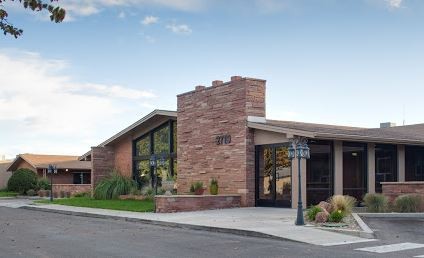
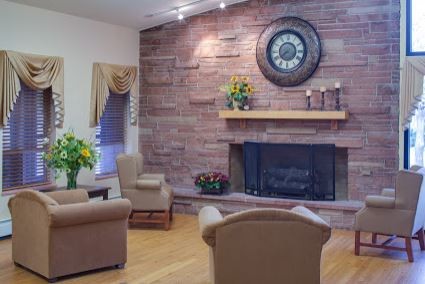

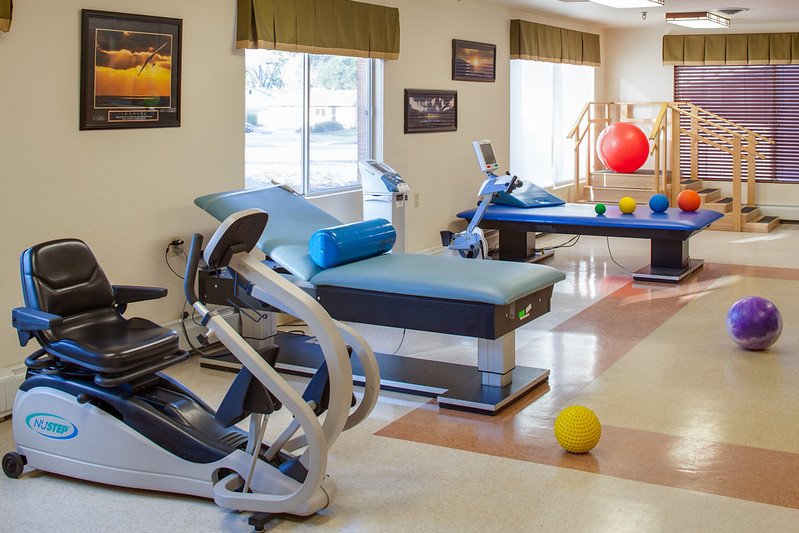


About Pikes Peak Post Acute
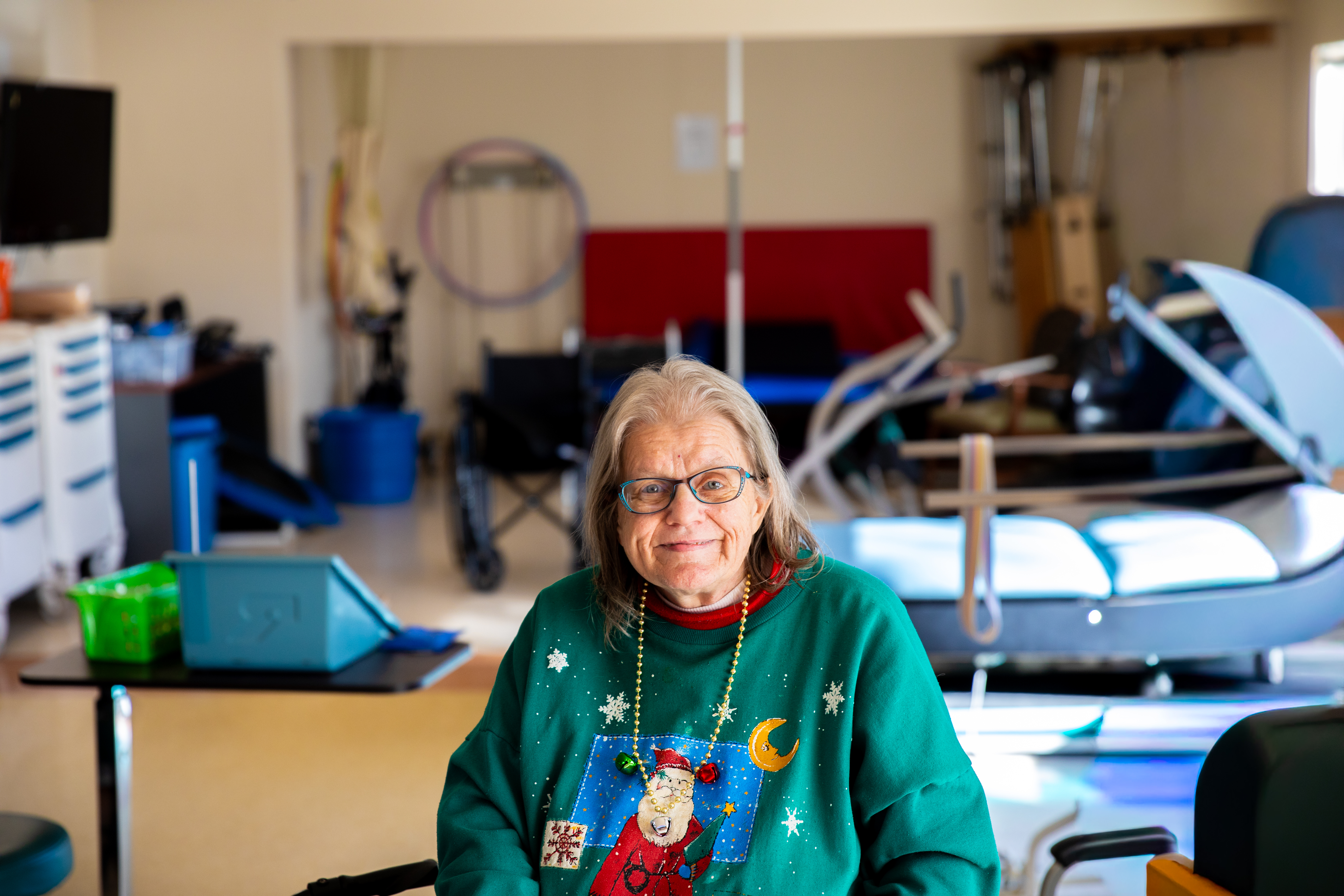
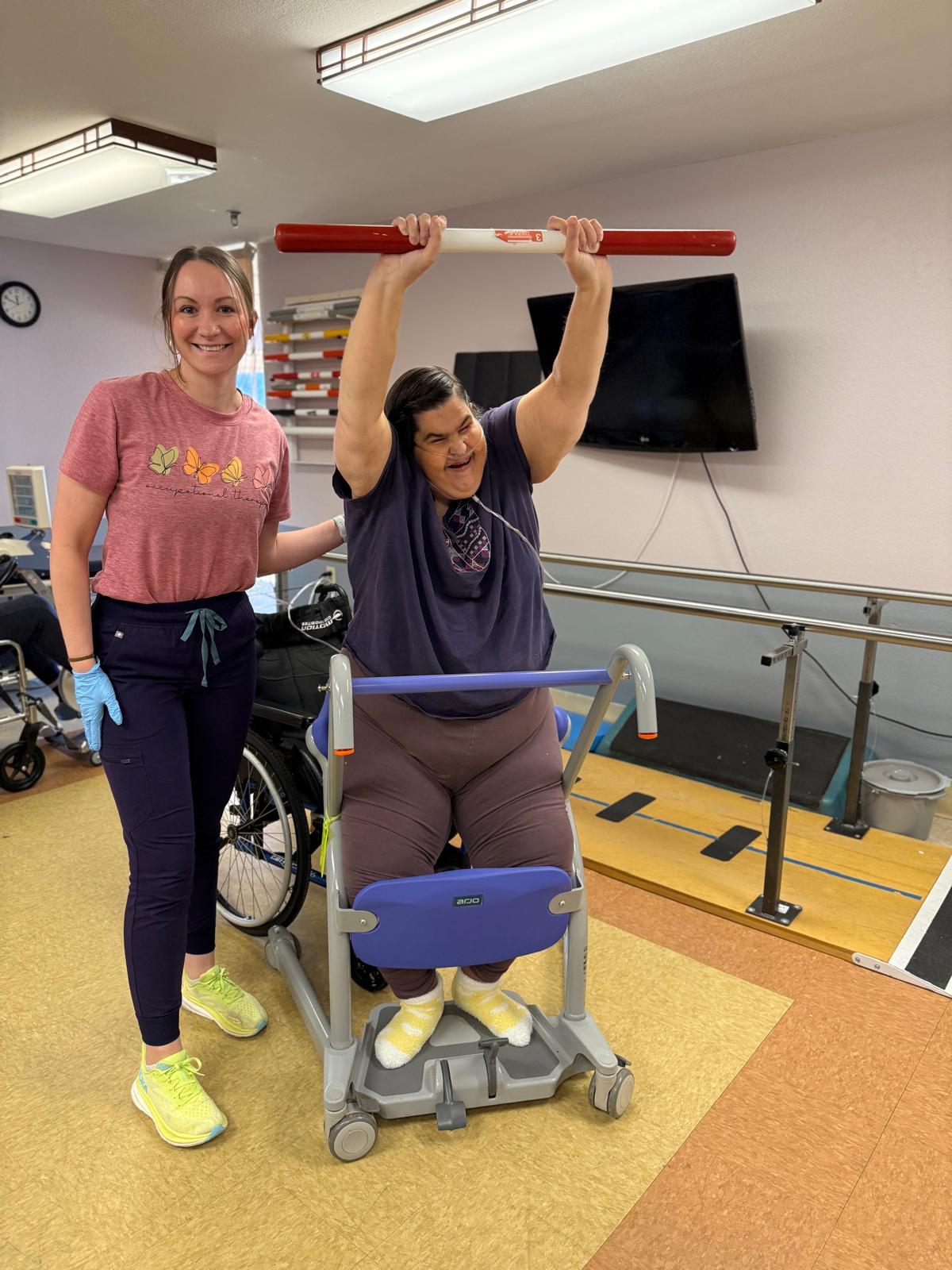
Pikes Peak Post Acute provides exceptional, compassionate care in a welcoming and comfortable setting. Our 210-bed community offers private and semi-private rooms, two advanced therapy gyms, a secure memory care unit, and comprehensive long-term and specialized care services. Our dedicated team guides each resident through every step of their recovery, delivering personalized support where comfort, safety, and wellbeing always come first.
General Property Features
- Private Rooms, Semi-Private Rooms, Wanderguard
- Social Programs
- Secured Memory Care Unit, Skilled Nursing Facility
Skilled Nursing
- https://pikespeakpa.com/
- 1376237198
- $330.00
- $330.00
- $348.00
- 210
- Private Pay, Private Insurance, Long Term Care Insurance, Medicaid, Medicare, PACE, Managed Care Benefits, Other
- Secured Memory Care Unit, Intermediate Care, Long-Term Care, Long-Term Chronic Care, Ostomy Care, Rehab and Therapy, Respite Care, Short-Term Care, Skilled Care, Sub Acute Unit, Trach Care, Wound Vac, Physical Therapy, Occupational Therapy, Speech Therapy, Bariatric Bed
Continue Your Search! Explore More Local Options.
Start SearchingLet’s engage and get educated!
Browse through thousands of expert articles in over 100 different categories.
Browse NowArticles You May Like
The Importance of Skilled Nursing and Rehabilitation for Colorado Spri
The Importance of Skilled Nursing and Rehabilitation for Colorado Springs SeniorsAfter a hospitalization, many seniors are eager to return home as quickly as possible. But recovery often takes more time, support, and rehabilitation than families initially expect.Whether recovering from surgery, illness, injury, or a medical emergency, older adults frequently need specialized care to safely rebuild strength, mobility, and independence.Skilled nursing and post-acute rehabilitation services help Colorado Springs seniors transition from hospital care to successful recovery while reducing the risk of complications and rehospitalization.What Is Post-Acute Care?Post-acute care refers to specialized rehabilitation and nursing services provided after a hospital stay.The goal is to help patients recover safely enough to return home or transition to the next appropriate level of care.Post-acute rehabilitation centers may provide: Skilled nursing care Physical therapy Occupational therapy Speech therapy Medication management Wound care Nutritional support Pain management Patients often enter rehabilitation after experiencing: Joint replacement surgery Stroke Falls or fractures Cardiac procedures Respiratory illness Serious infections Rainin Johnson of Pikes Peak Post Acute explains, Recovery is not only about healing medicallyit is about helping patients regain confidence, strength, and independence so they can safely return to daily life.Why Rehabilitation Matters for SeniorsHospital stays can significantly weaken older adults, even after relatively short admissions.Seniors may suddenly struggle with: Walking safely Climbing stairs Getting dressed Preparing meals Maintaining balance Without proper rehabilitation, these challenges can increase risks of: Falls Rehospitalization Long-term mobility loss Loss of independence Structured rehabilitation programs help seniors recover more fully while improving safety and long-term outcomes.Colorado Springs Seniors Value Active LivingColorado Springs seniors often enjoy active lifestyles centered around: Walking trails Golf Gardening Family activities Community events Outdoor recreation Maintaining mobility and independence is essential for continuing these activities.Rehabilitation services help seniors regain the physical abilities needed to participate in the routines and hobbies they value most.Physical Therapy Helps Rebuild StrengthPhysical therapy plays a central role in recovery after surgery or illness.Therapists work with patients to improve: Strength Endurance Balance Flexibility Walking ability Fall prevention Therapy programs are individualized based on each patients condition and recovery goals.This is especially important after orthopedic surgeries such as: Knee replacements Hip replacements Spinal procedures Occupational Therapy Supports Daily IndependenceOccupational therapy focuses on helping seniors safely perform everyday tasks again.Therapists may assist patients with: Dressing Bathing Cooking Safe home mobility Adaptive equipment use The goal is to help seniors safely transition back to independent living whenever possible.Speech Therapy Supports Cognitive and Swallowing RecoverySpeech therapy is often important after strokes, neurological events, or certain medical conditions.Speech-language pathologists may help patients improve: Communication skills Memory and cognition Swallowing safety Problem-solving abilities These services can greatly improve quality of life and daily functioning.Emotional Recovery Is Part of Healing TooRecovery is not only physical.Many seniors experience emotional stress after hospitalization due to: Fear of losing independence Frustration with physical limitations Anxiety about recovery progress Depression or isolation Supportive rehabilitation environments help patients stay motivated and emotionally encouraged throughout the healing process.Rainin Johnson shares, Patients recover best when they feel supported, respected, and encouraged every step of the way.Nutrition Supports Faster RecoveryHealing requires proper nutrition.Post-acute rehabilitation centers often provide meals tailored to support: Wound healing Muscle rebuilding Energy restoration Hydration Chronic disease management For many seniors, nutritional support becomes an important part of improving overall recovery outcomes.Preventing Falls During RecoveryFalls remain one of the biggest risks for seniors recovering from illness or injury.Rehabilitation programs focus heavily on: Balance training Safe transfer techniques Mobility improvement Strength exercises Home safety preparation These strategies help reduce injury risks and prepare seniors for safer independent living.Questions Families Should Ask When Choosing Rehabilitation CareSelecting a post-acute rehabilitation provider is an important healthcare decision.Families should ask: What therapy services are available? How often are therapy sessions provided? What experience exists with specific medical conditions? How are discharge plans coordinated? What communication occurs with families? What physician oversight is available? Touring facilities and observing staff interactions can provide valuable insight into care quality and patient support.Preparing for a Safe Return HomeOne major goal of rehabilitation is helping patients safely transition back home.Discharge planning may include: Home safety recommendations Mobility equipment coordination Family caregiver education Medication management guidance Home health referrals Careful planning helps reduce rehospitalization risks and supports smoother transitions.Family Caregivers Need Support TooHospitalizations and rehabilitation periods can be stressful for family members.Caregivers often worry about: Recovery progress Home safety Long-term independence Medication management Transportation needs Strong rehabilitation teams keep families informed and involved throughout the recovery process.Clear communication often helps reduce anxiety and improve outcomes.Personalized Care Improves OutcomesEvery senior recovers differently depending on: Overall health Medical history Mobility level Personal goals Emotional needs Personalized rehabilitation plans help patients progress at appropriate paces while focusing on meaningful recovery goals.Why Early Rehabilitation MattersStarting rehabilitation quickly after hospitalization often improves outcomes significantly.Early therapy can help: Prevent muscle loss Improve mobility faster Reduce complications Increase confidence Shorten recovery timelines Timely intervention helps seniors return to daily life more successfully.Final ThoughtsPost-acute rehabilitation and skilled nursing services provide essential support for Colorado Springs seniors recovering from illness, injury, or surgery.Through therapy, nursing care, emotional support, and personalized recovery plans, rehabilitation centers help older adults rebuild independence and safely return to the lifestyles they value most.For families navigating post-hospital recovery, skilled rehabilitation services provide valuable guidance, care, and reassurance during important healing transitions.To learn more about skilled nursing and rehabilitation services, visit the Seniors Blue Book listing for Pikes Peak Post Acute.FAQsWhat is post-acute rehabilitation?Post-acute rehabilitation provides skilled nursing and therapy services after hospitalization to help patients recover safely.What therapies are offered in rehabilitation centers?Most centers provide physical, occupational, and speech therapy services.How long do seniors stay in rehabilitation?Length of stay depends on medical needs, recovery progress, and physician recommendations.Does Medicare cover rehabilitation services?Medicare may cover qualifying short-term rehabilitation services after hospitalization.Why is rehabilitation important after surgery or illness? Rehabilitation helps seniors regain strength, mobility, balance, and independence while reducing fall and rehospitalization risks.
May 06, 2026
Supporting Recovery After Hospital Stays
Supporting Recovery After Hospital StaysRecovering from a serious illness, surgery, or injury often requires more than hospital care alone. Many seniors need additional medical supervision and rehabilitation before they are ready to return home safely. Post-acute care facilities provide this important bridge between hospital treatment and independent living.In Colorado Springs, Pikes Peak Post Acute offers skilled nursing and rehabilitation services designed to help patients recover, regain strength, and return to daily life with confidence. With experienced healthcare professionals like Rainin Johnson guiding care, the facility focuses on personalized recovery plans that address each patients unique needs.For seniors in the Pikes Peak region, post-acute care services play a critical role in helping individuals recover safely while preventing hospital readmissions.What Is Post-Acute Care?Post-acute care refers to medical and rehabilitation services provided after a patient leaves the hospital. These services help individuals continue healing while receiving professional supervision and therapy.Post-acute care often includes: Skilled nursing care Physical therapy Occupational therapy Speech therapy Medication management Wound care and medical monitoring This level of care ensures that patients continue receiving support during the recovery process.Rainin Johnson of Pikes Peak Post Acute emphasizes that rehabilitation is about restoring independence. Our goal is to help patients recover safely while rebuilding the strength and confidence they need to return home, says Rainin Johnson of Pikes Peak Post Acute. Who Benefits from Post-Acute Care?Post-acute care is commonly recommended for individuals who require additional recovery time following hospitalization.Patients may benefit from these services after experiencing: Joint replacement surgery Stroke or neurological events Heart procedures Fractures or falls Severe infections or illnesses Complications related to chronic conditions Post-acute facilities provide structured rehabilitation programs that help patients regain mobility and independence.Rehabilitation Therapies That Support RecoveryA key component of post-acute care is rehabilitation therapy. Therapy programs help patients rebuild strength and relearn important daily skills.Physical TherapyPhysical therapists focus on improving strength, balance, and mobility. Therapy may include walking exercises, balance training, and strength building.These programs help reduce fall risks and improve overall mobility.Occupational TherapyOccupational therapists help patients regain the ability to perform everyday activities such as dressing, bathing, cooking, and household tasks.The goal is to restore independence in daily living.Speech TherapySpeech-language therapists assist patients who may have difficulty with communication, swallowing, or cognitive function following neurological events.These therapies support both recovery and long-term health.The Importance of Skilled Nursing SupportPost-acute care facilities provide skilled nursing supervision to monitor patients throughout the recovery process.Skilled nursing services may include: Medication administration Wound care and medical treatments Monitoring vital signs and symptoms Coordination with physicians Managing complex medical conditions This level of supervision ensures patients receive appropriate care as they heal.Preventing Hospital ReadmissionsOne of the primary goals of post-acute care is reducing the likelihood that patients will need to return to the hospital.Structured rehabilitation and medical monitoring can help identify potential complications early, allowing healthcare providers to address concerns before they escalate.Benefits of post-acute care include: Improved recovery outcomes Reduced risk of complications Professional support during healing Safe transition from hospital to home These services provide both patients and families with reassurance during recovery.Recovery in the Colorado Springs CommunityColorado Springs offers a strong healthcare network that supports seniors throughout every stage of carefrom hospital treatment to rehabilitation and home care.Facilities like Pikes Peak Post Acute contribute to this network by providing specialized rehabilitation services that help patients recover safely close to home.The citys natural beauty and peaceful environment also support healing. Many patients find that recovering in a calm setting surrounded by mountain views and fresh air can improve their overall well-being.Supporting Families During RecoveryWhen a loved one is recovering from illness or surgery, family members often feel overwhelmed by the responsibilities of caregiving.Post-acute care facilities provide professional support that allows families to focus on encouragement and emotional support rather than complex medical care.Care teams work closely with families to provide updates, coordinate care plans, and prepare patients for a safe return home.Preparing for a Safe Transition HomeA successful recovery does not end when a patient leaves a rehabilitation facility. Care teams often assist with discharge planning to ensure continued progress at home.Discharge planning may include: Home safety recommendations Continued therapy services Coordination with home health providers Education for family caregivers These steps help ensure patients maintain their progress and avoid complications after leaving the facility.Connect with Pikes Peak Post AcuteIf you or a loved one are recovering from surgery, illness, or injury, Pikes Peak Post Acute offers skilled nursing and rehabilitation services designed to support a safe and successful recovery.Visit the Pikes Peak Post Acute listing on Seniors Blue Book to learn more about their post-acute care programs and how they help seniors regain strength and independence in Colorado Springs.Frequently Asked QuestionsWhat is post-acute care?Post-acute care includes medical and rehabilitation services provided after a patient leaves the hospital.How long do patients stay in post-acute care facilities?The length of stay varies depending on the patients recovery needs and therapy progress.What therapies are available in post-acute care?Patients may receive physical therapy, occupational therapy, and speech therapy as part of their recovery plan.Does Medicare cover post-acute care? Medicare may cover short-term skilled nursing care following a qualifying hospital stay.
Mar 10, 2026
How Skilled Nursing and Post-Acute Care Support Healing in Colorado Sp
How Skilled Nursing and Post-Acute Care Support Healing in Colorado SpringsWhen a hospital stay ends, recovery is often just beginning. For many families in Colorado Springs, the transition from hospital to home can feel overwhelmingespecially when a loved one still needs medical attention, therapy, or daily support.Thats where post-acute care plays a vital role.Pikes Peak Post Acute provides a bridge between hospital care and home, offering skilled nursing and rehabilitation services that help individuals recover safely, regain independence, and return to their daily lives with confidence.What Is Post-Acute Care?Post-acute care refers to the specialized medical and rehabilitation services provided after a hospital stay. It is designed for individuals who are not yet ready to return home but no longer require acute hospital care.Post-Acute Care Typically Includes: 24/7 skilled nursing support Physical, occupational, and speech therapy Medication management Wound care and medical monitoring Assistance with daily living activities The goal is to support recovery while preventing complications or hospital readmissions.Who Benefits from Post-Acute Care?Post-acute care is ideal for individuals recovering from a variety of health events.Common Reasons for Admission Include: Joint replacement surgeries (hip or knee) Stroke recovery Cardiac procedures Serious illness or infection Falls or injuries Each patient receives a personalized care plan tailored to their specific condition and recovery goals.A Focus on Rehabilitation and IndependenceAt the heart of post-acute care is rehabilitation. The goal is not just to healbut to help patients regain strength, mobility, and independence.Therapy Services May Include: Physical Therapy Improving strength, balance, and mobility Occupational Therapy Relearning daily tasks like dressing and bathing Speech Therapy Supporting communication and swallowing functions Therapists work closely with patients to set achievable goals and track progress over time. Recovery is a journey, and every step matters, says Rainin Johnson. Our team is committed to helping each patient regain confidence, strength, and independence in a supportive environment. The Importance of Skilled NursingIn addition to therapy, skilled nursing ensures that medical needs are consistently monitored and managed.Skilled Nursing Services Include: Medication administration and monitoring Chronic condition management Post-surgical care Coordination with physicians and specialists Having access to licensed professionals 24/7 provides peace of mind for both patients and their families.Creating a Healing EnvironmentRecovery is not just physicalits emotional as well. A supportive, encouraging environment can make a significant difference in how quickly and successfully someone heals.Pikes Peak Post Acute focuses on: Compassionate, attentive care Comfortable and clean living spaces Encouragement and motivation during therapy Opportunities for social interaction when appropriate This holistic approach helps patients stay engaged and positive throughout their recovery.Staying Close to Home in Colorado SpringsChoosing a post-acute care facility in Colorado Springs allows patients to remain close to family, friends, and familiar surroundings.Benefits of Staying Local: Easier family visits and involvement Continuity with local healthcare providers Reduced stress during recovery Stronger emotional support system Colorado Springs growing healthcare network ensures access to high-quality care within the community.Preventing Hospital ReadmissionsOne of the key goals of post-acute care is to reduce the likelihood of returning to the hospital.How This Is Achieved: Close monitoring of medical conditions Consistent therapy and rehabilitation Education for patients and families Careful discharge planning By addressing potential issues early, patients can recover more safely and effectively.Preparing for the Transition HomeA successful return home is the ultimate goal for many post-acute care patients.Discharge Planning Includes: Assessing readiness for independent living Providing home safety recommendations Coordinating follow-up care and appointments Educating families on caregiving needs This preparation helps ensure a smooth transition and continued recovery.When Long-Term Care Is NeededWhile many patients return home after rehabilitation, some may require longer-term care due to ongoing medical needs.In these cases, Pikes Peak Post Acute provides: Continued skilled nursing support Assistance with daily living activities Ongoing therapy and wellness programs A stable, supportive environment Families can feel confident knowing their loved one is receiving consistent, professional care.Choosing the Right Post-Acute Care ProviderSelecting a facility is an important decision that can impact recovery outcomes.Factors to Consider: Quality of therapy services Staff experience and qualifications Cleanliness and comfort of the facility Communication with families Location and accessibility Visiting the facility and speaking with staff can help families make an informed choice.Take the Next Step Toward RecoveryIf your loved one is transitioning from hospital care and needs additional support, Pikes Peak Post Acute offers the expertise and compassion needed for a successful recovery. Visit their Seniors Blue Book listing today to learn more, explore services, and schedule a tour.FAQs1. How long do patients typically stay in post-acute care? Length of stay varies depending on recovery needs, but many stays are short-term.2. Is post-acute care covered by insurance? Many insurance plans, including Medicare, may cover certain services.3. Can family members visit during recovery? Yes, family involvement is encouraged and supported.4. What types of therapy are offered? Physical, occupational, and speech therapy are commonly available. 5. What happens after discharge? Patients may return home with follow-up care or transition to another level of support if needed.
Mar 23, 2026
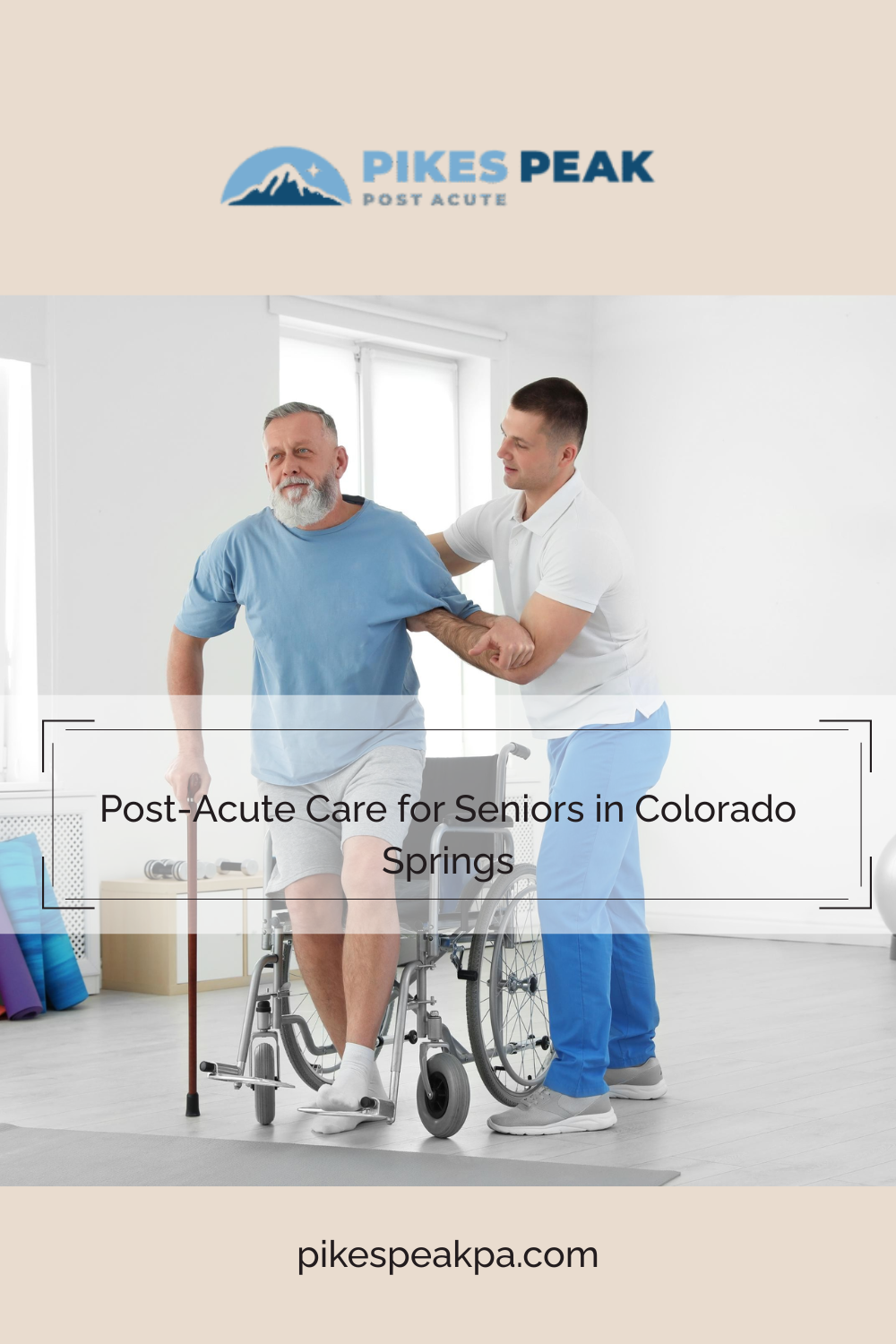
Post-Acute Care for Seniors in Colorado Springs
Post-Acute Care for Seniors in Colorado Springs Recovering after a hospital stay can be one of the most critical phases in a seniors healthcare journey. While hospitals provide immediate medical treatment, many patients need additional time and support to regain strength, mobility, and independence before returning home. In Colorado Springs, where seniors enjoy active lifestyles and community engagement, post-acute care plays a vital role in helping individuals transition safely from hospital to home. Facilities like Pikes Peak Post Acute, led by Rainin Johnson, specialize in providing skilled nursing and rehabilitation services designed to support recovery and long-term wellness. For seniors and their families, understanding post-acute care options can make a significant difference in recovery outcomes. What Is Post-Acute Care? Post-acute care refers to specialized medical and rehabilitative services provided after a hospital stay. These services help patients recover from illness, injury, or surgery in a structured and supportive environment. Post-acute care typically includes: Skilled nursing care Physical therapy Occupational therapy Speech therapy Medication management Wound care and monitoring The goal is to help patients regain independence and safely return to their daily lives. Why Post-Acute Care Is Important After hospitalization, many seniors are not yet ready to return home safely. Without proper follow-up care, they may be at risk for complications or hospital readmission. Post-acute care helps: Restore strength and mobility Improve balance and coordination Manage ongoing medical needs Prevent complications Reduce hospital readmissions This level of care provides a bridge between hospital treatment and independent living. Supporting Recovery in Colorado Springs Colorado Springs is known for its active lifestyle and beautiful surroundings. Many seniors in the area enjoy spending time outdoors, visiting local attractions, and staying socially engaged. Popular destinations include: Garden of the Gods Pikes Peak Palmer Park Community events and senior centers Post-acute care helps seniors recover so they can return to these activities safely and confidently. A Personalized Approach to Rehabilitation Recovery is different for every individual. Post-acute care facilities develop personalized treatment plans tailored to each patients specific needs and goals. Care plans may include: Daily therapy sessions Strength and mobility training Pain management strategies Nutritional support Health monitoring This individualized approach helps ensure the best possible recovery outcomes. A Local Perspective from Rainin Johnson Healthcare professionals understand that recovery involves more than physical healingit also requires emotional support and encouragement. Rainin Johnson of Pikes Peak Post Acute emphasizes the importance of patient-centered care. We focus on helping each patient regain independence through personalized care and therapy, says Rainin Johnson. Our team is committed to supporting recovery every step of the way. This dedication helps patients feel confident and motivated throughout their rehabilitation journey. Key Rehabilitation Services Physical Therapy Physical therapy focuses on restoring movement, strength, and balance. Patients may work on: Walking and mobility Strength training exercises Balance improvement Fall prevention strategies Occupational Therapy Occupational therapy helps patients regain the ability to perform everyday tasks. This includes: Dressing and grooming Cooking and meal preparation Using adaptive equipment Home safety techniques Speech Therapy Speech therapy supports communication and swallowing abilities, particularly for patients recovering from strokes or neurological conditions. Preventing Hospital Readmissions One of the primary goals of post-acute care is to reduce the likelihood of returning to the hospital. Facilities achieve this by providing: Continuous medical supervision Early identification of complications Structured therapy programs Medication management This comprehensive care helps ensure a smoother recovery. Supporting Families During Recovery Recovery can be a stressful time for families. Post-acute care facilities provide reassurance through professional care and regular communication. Families benefit from: Updates on patient progress Guidance for post-discharge care Support during decision-making This partnership helps families feel more confident in their loved ones recovery. Preparing for a Safe Return Home A key goal of post-acute care is preparing patients for a safe transition back home. Before discharge, care teams often: Assess home safety Recommend assistive devices Coordinate follow-up care Provide education for patients and families This preparation helps ensure continued recovery after leaving the facility. When Should Seniors Consider Post-Acute Care? Post-acute care may be recommended for seniors who: Are recovering from surgery or injury Require rehabilitation services Need ongoing medical monitoring Are not yet ready to return home safely Early placement in post-acute care can improve recovery outcomes. Helping Colorado Springs Seniors Recover and Thrive Recovery is a crucial step in maintaining independence and quality of life. Post-acute care provides the medical support and rehabilitation services needed to help seniors regain strength and confidence. Pikes Peak Post Acute is dedicated to helping seniors in Colorado Springs recover safely and return to the activities they enjoy. To learn more about their services, visit the Seniors Blue Book listing for Pikes Peak Post Acute today. Frequently Asked Questions How long do patients stay in post-acute care? Length of stay varies depending on the individuals condition, but it may range from a few days to several weeks. Is post-acute care covered by Medicare? Medicare may cover short-term post-acute care following a qualifying hospital stay, depending on eligibility. What types of therapy are offered? Most facilities offer physical, occupational, and speech therapy. Can family members visit patients? Yes. Most facilities encourage family involvement and visitation. What happens after post-acute care? Patients may return home with continued therapy or transition to other care services as needed.
Mar 16, 2026
How Post-Acute Care Helps Seniors Recover and Regain Independence in C
How Post-Acute Care Helps Seniors Recover and Regain Independence in Colorado SpringsIn Colorado Springs, where many seniors enjoy an active lifestyle surrounded by natural beauty, a sudden illness, surgery, or injury can interrupt daily life in an instant. After a hospital stay, the journey back to independence doesnt end at dischargeit often requires structured support, therapy, and medical oversight.Thats where Pikes Peak Post Acute becomes an essential part of the recovery process. Providing skilled nursing and rehabilitation services, they help seniors transition from hospital care to home safelyrestoring strength, confidence, and quality of life along the way.What Is Post-Acute Care?Post-acute care is specialized care provided after a hospital stay for individuals who are not yet ready to return home independently.It typically includes: Skilled nursing care Physical, occupational, and speech therapy Medication management Monitoring of medical conditions Assistance with daily activities This level of care is especially important for seniors recovering from: Joint replacement surgery Stroke or neurological conditions Serious infections or illnesses Falls or injuries Chronic condition flare-ups Rainin Johnson shares, Recovery doesnt happen overnight. Our role is to provide the support, therapy, and encouragement patients need to rebuild their strength and return to their lives.Bridging the Gap Between Hospital and HomeMany families assume that once a loved one leaves the hospital, they are ready to resume normal life. However, without proper rehabilitation, this transition can be difficultand even risky.Post-acute care bridges that gap by: Providing continued medical supervision Offering structured therapy programs Reducing the risk of complications or readmission This ensures a smoother and safer recovery process.A Team-Based Approach to HealingOne of the strengths of Pikes Peak Post Acute is its collaborative care model. Recovery is most effective when multiple professionals work together to address different aspects of health.The Care Team May Include: Nurses providing round-the-clock medical care Physical therapists improving strength and mobility Occupational therapists assisting with daily tasks Speech therapists addressing communication or swallowing issues This comprehensive approach ensures that patients receive well-rounded care.Physical Therapy: Restoring Strength and MobilityAfter surgery or injury, many seniors experience weakness, stiffness, or limited movement.Physical therapy focuses on: Rebuilding muscle strength Improving balance and coordination Increasing flexibility Preventing future falls In Colorado Springs, where many seniors enjoy outdoor activities, regaining mobility is essential for returning to an active lifestyle.Occupational Therapy: Regaining IndependenceOccupational therapy helps patients return to everyday tasks that are essential for independent living.This includes: Dressing and grooming Cooking and meal preparation Bathing and personal hygiene Using assistive devices safely The goal is to help seniors confidently manage daily routines once they return home.Speech Therapy: Supporting Communication and HealthFor patients recovering from strokes or neurological conditions, speech therapy plays a critical role.Therapists help with: Speech clarity and communication Swallowing difficulties Cognitive function These improvements can significantly impact both safety and quality of life.A Safe Environment for RecoveryHealing requires a supportive and structured environment. Pikes Peak Post Acute provides a setting where patients can focus on recovery without the challenges of managing care at home.Features include: 24/7 skilled nursing support Medication oversight Assistance with daily activities Continuous monitoring of health conditions This level of care ensures that patients receive the attention they need during recovery.Reducing Hospital ReadmissionsOne of the key benefits of post-acute care is reducing the likelihood of hospital readmissions.With proper support, patients are more likely to: Follow treatment plans Recover fully before returning home Avoid complications This leads to better outcomes and a smoother recovery process.Supporting Families Through RecoveryRecovery can be a stressful time for families, especially when navigating care decisions and timelines.Pikes Peak Post Acute supports families by: Providing regular updates on progress Offering guidance on next steps Encouraging family involvement in the recovery process This partnership helps families feel informed and confident.Preparing for a Safe Return HomeA major goal of post-acute care is helping patients return home safely.Before discharge, the care team may: Assess the home environment Recommend modifications or equipment Provide instructions for continued care This preparation reduces the risk of setbacks and promotes long-term success.Why Local Care MattersReceiving care close to home in Colorado Springs allows patients to stay connected to family, friends, and familiar surroundings. It also makes it easier for loved ones to stay involved in the recovery process.Local providers understand the community and can tailor care to meet the needs of residents.A Path Back to IndependenceRecovering from a health setback can feel overwhelming, but with the right support, seniors can regain their strength and independence.Pikes Peak Post Acute is dedicated to helping patients take that journeystep by step, day by day.Call to ActionIf you or a loved one needs post-hospital rehabilitation and skilled nursing care, Pikes Peak Post Acute offers the expertise and compassionate support needed for a successful recovery.Visit their Seniors Blue Book listing today to learn more about their services and how they can help.FAQsQ: How long do patients stay in post-acute care? Length of stay varies depending on the condition, but many patients stay for short-term rehabilitation lasting a few weeks.Q: Do I need a referral for post-acute care? In most cases, a referral from a hospital or physician is required.Q: What types of therapy are available? Physical, occupational, and speech therapy are commonly offered.Q: Can family members visit during recovery? Yes, family involvement is encouraged and supported. Q: Will insurance cover post-acute care? Coverage depends on the individuals insurance plan, including Medicare or supplemental coverage.
Apr 30, 2026
Skilled Nursing Care at Pikes Peak Post Acute in Colorado Springs
Skilled Nursing Care at Pikes Peak Post Acute in Colorado SpringsWhen a loved one needs extra support after a hospital stay, surgery, illness, or injury, families are often faced with an important question: where can they find the right balance of medical care, rehabilitation, and compassion? In Colorado Springs, that answer often begins with choosing a skilled nursing provider that understands both the clinical and personal side of recovery.Pikes Peak Post Acute offers skilled nursing care designed to help patients regain strength, improve function, and move forward with dignity. For families navigating a healthcare transition, the right post-acute setting can make a meaningful difference in recovery outcomes, comfort, and peace of mind. What Is Post-Acute Skilled Nursing Care?Post-acute care is specialized support provided after a hospital stay, often for individuals who are not ready to return home independently but no longer require hospital-level treatment. Skilled nursing facilities provide the medical oversight and rehabilitation services needed during this important stage.Skilled nursing care may include: 24/7 nursing support Medication management Wound care and health monitoring Physical, occupational, and speech therapy Recovery support after surgery or illness This level of care helps patients heal in a structured environment while working toward greater independence.Why Post-Acute Care MattersThe days and weeks after a hospitalization are often some of the most important in the recovery process. Without the right support, patients may face setbacks, complications, or avoidable readmissions.A skilled nursing setting helps by: Monitoring health changes closely Supporting safe recovery Providing rehabilitation in one place Helping patients rebuild strength gradually For seniors in particular, post-acute care can be the bridge that helps them move from crisis to stability.A Valuable Resource in Colorado SpringsColorado Springs has a strong healthcare network, and skilled nursing facilities play a key role in supporting patients after hospitalization. As more families seek care options that combine medical oversight with rehabilitation, post-acute centers have become increasingly important.Pikes Peak Post Acute serves this need by providing a recovery-focused environment in the Colorado Springs community. For local families, that means access to continued care without losing sight of comfort, dignity, and long-term goals.Personalized Care for Every PatientNo two recovery journeys are exactly alike. A patient recovering from orthopedic surgery may need a very different care plan than someone managing chronic illness, weakness after hospitalization, or more complex medical needs.That is why individualized care matters.Personalized care plans may focus on: Current health condition and hospital discharge recommendations Strength, mobility, and daily functioning Pain management and medication needs Short-term recovery goals and long-term care planning Rainin Johnson of Pikes Peak Post Acute shares: Recovery takes more than treatment alone. It takes the right support, encouragement, and a care plan that meets each person where they are. Rehabilitation That Supports Real ProgressRehabilitation is one of the most important parts of post-acute care. Skilled therapy helps patients rebuild the abilities they need for daily life, whether that means walking safely, dressing independently, improving balance, or regaining communication skills after a medical event.Therapy services often include: Physical therapy to improve strength, balance, and mobility Occupational therapy to support everyday tasks and independence Speech therapy for communication or swallowing challenges The goal is not just improvement on paper. The goal is helping patients return to daily life with more confidence and ability.Skilled Nursing with a Human TouchClinical expertise is essential, but so is compassion. Recovery can be frustrating, emotional, and physically demanding. Patients often feel vulnerable during this stage, especially after a hospitalization or major health event.A strong skilled nursing team helps patients feel supported by offering: Consistent monitoring and care Clear communication Encouragement during recovery setbacks Respect for personal preferences and comfort That combination of professionalism and compassion can make the recovery process feel less overwhelming.Supporting Families Through TransitionsFamilies often carry a great deal of stress during healthcare transitions. They may be juggling hospital discharge decisions, insurance questions, follow-up appointments, and concerns about what comes next.Pikes Peak Post Acute supports families by helping create a more structured and reassuring transition.Family benefits may include: Greater confidence in the recovery environment Communication about patient progress Support with discharge planning and next steps Peace of mind that their loved one is being monitored closely That support can make a difficult time feel more manageable.Helping Patients Move Toward IndependenceFor many people, skilled nursing care is not the final destination. It is a step toward returning home or moving to a less intensive level of care.Recovery goals often include: Regaining mobility Improving strength and endurance Rebuilding skills for daily living Reducing fall risk Preparing for a safer return home Post-acute care helps patients make that transition more safely and successfully.Long-Term Support When NeededWhile many patients enter skilled nursing for short-term recovery, some individuals may require longer-term care because of ongoing medical or functional needs. In those cases, consistent support and quality of life remain just as important.Pikes Peak Post Acute helps provide: Ongoing nursing care Continued supervision and support A structured setting for chronic care needs Dignified, patient-centered care This makes the community valuable for both rehabilitation and longer-term support needs.Why Families in Colorado Springs May Choose Pikes Peak Post AcuteFamilies looking at skilled nursing options often want a provider that offers both medical capability and personal care. Pikes Peak Post Acute stands out because of its focus on: Skilled nursing support Recovery-centered rehabilitation Personalized care plans Compassionate patient experience Helping patients transition forward safely For families in Colorado Springs, that combination can make all the difference during an important stage of healing.Take the Next Step Toward RecoveryIf you or a loved one need skilled nursing care in Colorado Springs, Pikes Peak Post Acute offers support designed to help patients recover with greater strength, stability, and confidence. Visit their Seniors Blue Book listing to learn more and connect with their team today.FAQs About Skilled Nursing and Post-Acute Care1. What is post-acute care?Post-acute care is medical and rehabilitative support provided after a hospital stay for patients who still need professional care before returning home.2. Who needs skilled nursing care?Individuals recovering from surgery, illness, injury, or hospitalization may benefit from skilled nursing and rehabilitation services.3. What therapies are available in post-acute care?Many skilled nursing communities offer physical, occupational, and speech therapy based on the patients needs.4. Is skilled nursing only for long-term care?No. Many people use skilled nursing for short-term rehabilitation and recovery before returning home.5. How do families know if post-acute care is the right next step?A hospital discharge planner or physician often recommends post-acute care when a patient needs continued support before safely going home.
Mar 25, 2026
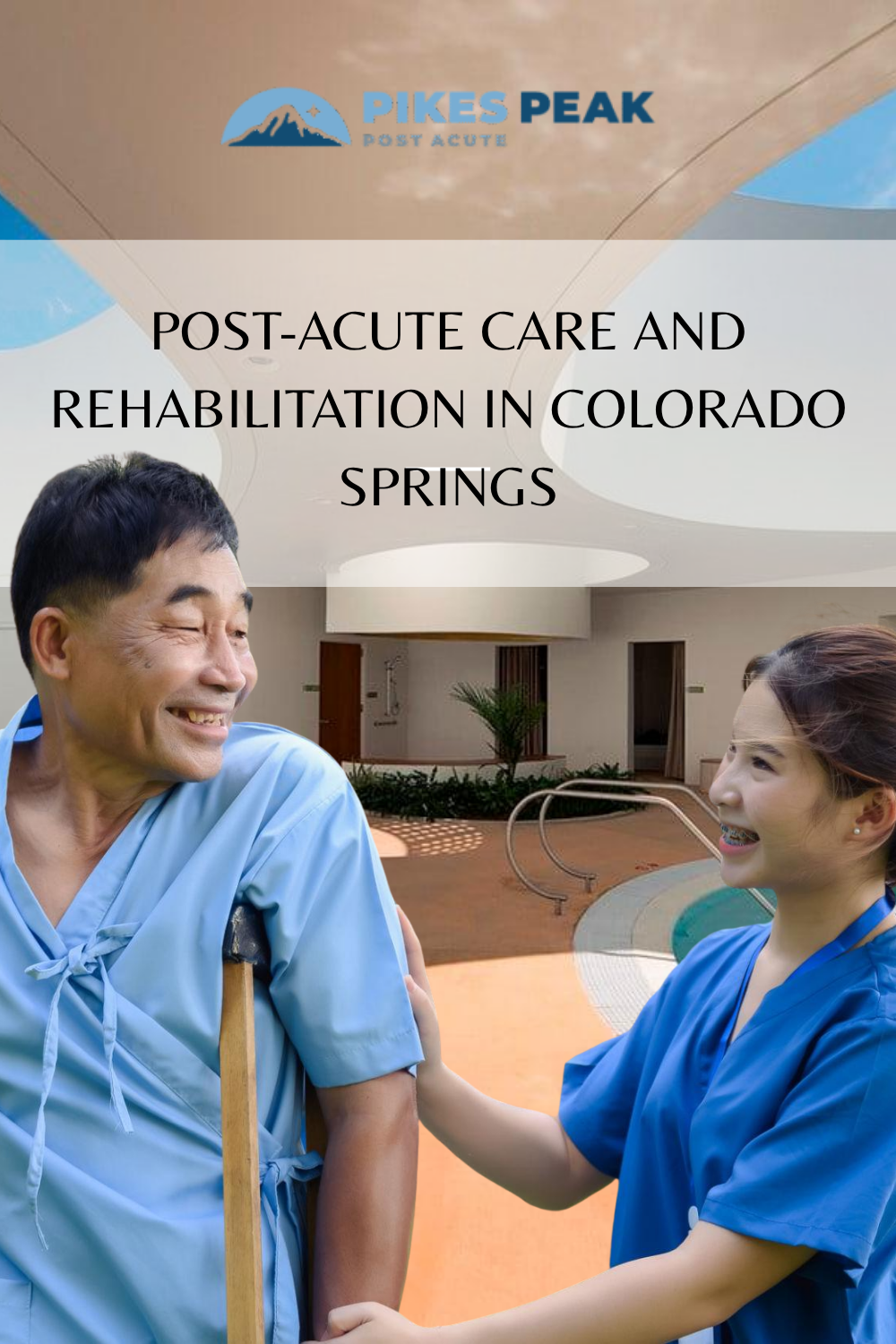
Post-Acute Care and Rehabilitation in Colorado Springs
Post-Acute Care and Rehabilitation in Colorado SpringsWhen a hospital stay ends, the journey to full recovery is just beginning. For many seniors in Colorado Springs, transitioning from hospital to home can be a criticaland sometimes vulnerablestage. Without the right support, recovery can be delayed, and the risk of complications may increase.Pikes Peak Post Acute, led by Rainin Johnson, provides the specialized care and rehabilitation services seniors need to regain strength, rebuild independence, and return home safely.What Is Post-Acute Care?Post-acute care is short-term medical and rehabilitative care designed for individuals recovering from illness, injury, or surgery.It typically includes: Skilled nursing care Physical therapy Occupational therapy Speech therapy Medication management Ongoing health monitoring Unlike long-term care, the goal of post-acute care is recoveryhelping patients return to their normal routines as quickly and safely as possible.Rainin Johnson explains: Our focus is on helping patients regain their independence. Every step of care is designed to support recovery and prepare them for a successful return home. Who Needs Post-Acute Care?Post-acute care is ideal for seniors recovering from: Joint replacement surgery Stroke or neurological conditions Cardiac procedures Severe illness or infection Falls or fractures These situations often require more care than can be provided at home immediately after discharge.The Importance of a Structured Recovery PlanAfter a hospital stay, patients often need continued care and supervision.Post-acute facilities provide: 24/7 nursing support Regular monitoring of recovery progress Coordination with physicians and specialists This structured approach ensures that recovery stays on track and reduces the risk of setbacks.Rehabilitation Services That Restore IndependenceRehabilitation is a key component of post-acute care.At Pikes Peak Post Acute, patients may receive:Physical Therapy Improves strength and mobility Helps patients walk safely again Occupational Therapy Focuses on daily living skills Helps patients regain independence in tasks like dressing and bathing Speech Therapy Supports communication and swallowing abilities These therapies work together to rebuild confidence and function.Preventing Hospital ReadmissionsOne of the primary goals of post-acute care is to prevent hospital readmissions.Through close monitoring and proactive care, staff can: Identify potential complications early Adjust treatment plans as needed Provide education for ongoing care This reduces the likelihood of returning to the hospital.Local Insight: Recovery in Colorado SpringsColorado Springs offers a supportive environment for recovery, with access to quality healthcare and a community focused on wellness.Patients benefit from: Strong local medical networks Access to specialists A setting that encourages active recovery Pikes Peak Post Acute plays an important role in this continuum of care.Preparing for a Safe Return HomeThe ultimate goal of post-acute care is a safe and successful transition home.Before discharge, care teams: Assess the patients readiness Provide education for ongoing care Coordinate follow-up services This preparation ensures patients and families feel confident moving forward.Supporting Families During RecoveryRecovery is a team effort that includes both healthcare providers and family members.Families can: Stay involved in care planning Support therapy progress Help prepare the home environment Pikes Peak Post Acute works closely with families to ensure everyone is informed and supported.Personalized Care for Every PatientNo two recovery journeys are the same.Care plans at Pikes Peak Post Acute are tailored to: Individual medical needs Personal goals Functional abilities This personalized approach leads to better outcomes and a smoother recovery process.A Compassionate Approach to HealingRecovery can be physically and emotionally challenging.Pikes Peak Post Acute focuses on: Compassionate care Encouragement and support Building confidence in patients This human-centered approach makes a meaningful difference in the healing process.A Stronger Path ForwardWith the right support, recovery becomes more than just healingit becomes a return to independence and quality of life.Pikes Peak Post Acute helps seniors: Regain strength Restore mobility Rebuild confidence Providing a clear path forward after hospitalization.Call to ActionIf your loved one needs post-hospital care or rehabilitation support, expert care is available. Visit Pikes Peak Post Acutes Seniors Blue Book listing to connect with Rainin Johnson and learn how they can support a safe and successful recovery.FAQs1. How long does post-acute care last? Length of stay varies depending on recovery needs, typically from a few days to several weeks.2. Does insurance cover post-acute care? Many plans, including Medicare, may cover short-term post-acute care following a hospital stay.3. What therapies are included? Physical, occupational, and speech therapy are commonly provided.4. Can family members visit and participate? Yes, family involvement is encouraged and important for recovery. 5. How is post-acute care different from skilled nursing? Post-acute care is a type of skilled nursing focused specifically on recovery after hospitalization.
May 04, 2026

Post-Acute Care That Helps Colorado Springs Seniors Thrive Again
Post-Acute Care That Helps Colorado Springs Seniors Thrive AgainAfter a hospital stay, the journey to recovery is just beginning. For many seniors in Colorado Springs, the transition from hospital to home can feel overwhelmingphysically, emotionally, and even logistically. Thats where post-acute care becomes essential.Pikes Peak Post Acute provides specialized skilled nursing and rehabilitation services designed to help seniors regain strength, restore independence, and return to daily life with confidence.What Is Post-Acute Care?Post-acute care refers to the medical and rehabilitative services provided after a hospital stay. It acts as a bridge between intensive hospital treatment and returning home.This level of care is ideal for individuals recovering from: Surgery (such as joint replacement) Stroke or neurological events Serious illness or infection Injury or trauma At Pikes Peak Post Acute, patients receive structured, goal-oriented care in a supportive environment focused on recovery.Why Recovery Doesnt End at the HospitalHospitals are designed for acute carenot long-term recovery. Once a patient is stable, they are often discharged even though they still need support.Without proper follow-up care, seniors may face: Delayed healing Increased risk of falls Hospital readmission Loss of independence Rainin Johnson of Pikes Peak Post Acute explains: Our role is to continue the healing process in a way thats focused, personalized, and supportiveso patients can safely return to their lives.A Personalized Approach to RehabilitationEvery recovery journey is unique, and successful outcomes depend on individualized care plans.At Pikes Peak Post Acute, patients benefit from: Comprehensive assessments upon admission Customized therapy programs Ongoing progress monitoring Adjustments based on recovery milestones This ensures that care evolves alongside the patients needs.Therapy Services That Restore IndependenceRehabilitation is at the heart of post-acute care. These therapies help patients regain the skills and strength needed for daily living.Physical TherapyFocuses on rebuilding strength, balance, and mobilityespecially after surgery or injury.Occupational TherapyHelps patients relearn essential daily tasks such as dressing, bathing, and cooking.Speech TherapySupports communication and swallowing functions, often needed after strokes or neurological conditions.Together, these therapies form a comprehensive recovery plan aimed at independence.24/7 Skilled Nursing SupportIn addition to therapy, patients at Pikes Peak Post Acute receive round-the-clock medical care.This includes: Medication management Wound care Monitoring of vital signs Coordination with physicians Having skilled professionals available at all times ensures safety and continuity of care.Creating a Healing EnvironmentRecovery isnt just physicalits emotional as well. A positive, supportive environment can significantly impact healing outcomes.Pikes Peak Post Acute provides: Comfortable patient rooms Encouraging and compassionate staff Opportunities for social interaction This atmosphere helps patients stay motivated and engaged in their recovery process.Preventing Hospital ReadmissionsOne of the key goals of post-acute care is to reduce the likelihood of returning to the hospital.This is achieved through: Structured rehabilitation programs Close medical monitoring Patient education on self-care Safe discharge planning By addressing potential issues early, patients are better prepared for life at home.When Is Post-Acute Care Needed?Families often wonder when this level of care is appropriate. Common situations include: After surgery requiring rehabilitation Following a stroke or cardiac event When intensive therapy is needed before returning home If additional medical monitoring is required Recognizing the need for post-acute care can make a significant difference in recovery outcomes.Why Colorado Springs Supports Successful RecoveryColorado Springs offers an environment that naturally supports healing: Fresh air and scenic surroundings Access to high-quality healthcare A strong sense of community Facilities like Pikes Peak Post Acute build on these advantages by providing expert care tailored to each patients needs.Helping Patients Transition Back HomeThe ultimate goal of post-acute care is to help patients return home safely and confidently.Discharge planning includes: Assessing home safety Coordinating follow-up care Providing education for patients and families This ensures a smooth transition and continued success after leaving the facility.A Partner in RecoveryPikes Peak Post Acute is more than a care providerits a partner in the recovery journey.Through skilled nursing, personalized therapy, and compassionate support, they help seniors move forward with strength and confidence.Call to ActionIf you or a loved one is preparing for recovery after a hospital stay, explore the services offered by Pikes Peak Post Acute. Visit their Seniors Blue Book listing to learn how their team can support a safe and successful recovery.Frequently Asked Questions1. How long do patients stay in post-acute care? Length of stay varies depending on recovery needs, ranging from a few days to several weeks.2. Is post-acute care covered by insurance? Many services are covered by Medicare or private insurance, depending on eligibility.3. Can family members be involved in care? Yes, family involvement is encouraged throughout the recovery process.4. What types of therapy are provided? Physical, occupational, and speech therapy are commonly offered. 5. How do I know if post-acute care is needed? A healthcare provider typically recommends it after a hospital stay.