Providence Place Senior Living of Lancaster
1380 Elm Avenue, Lancaster, Pennsylvania, 17603
Assisted Living$2,850/month


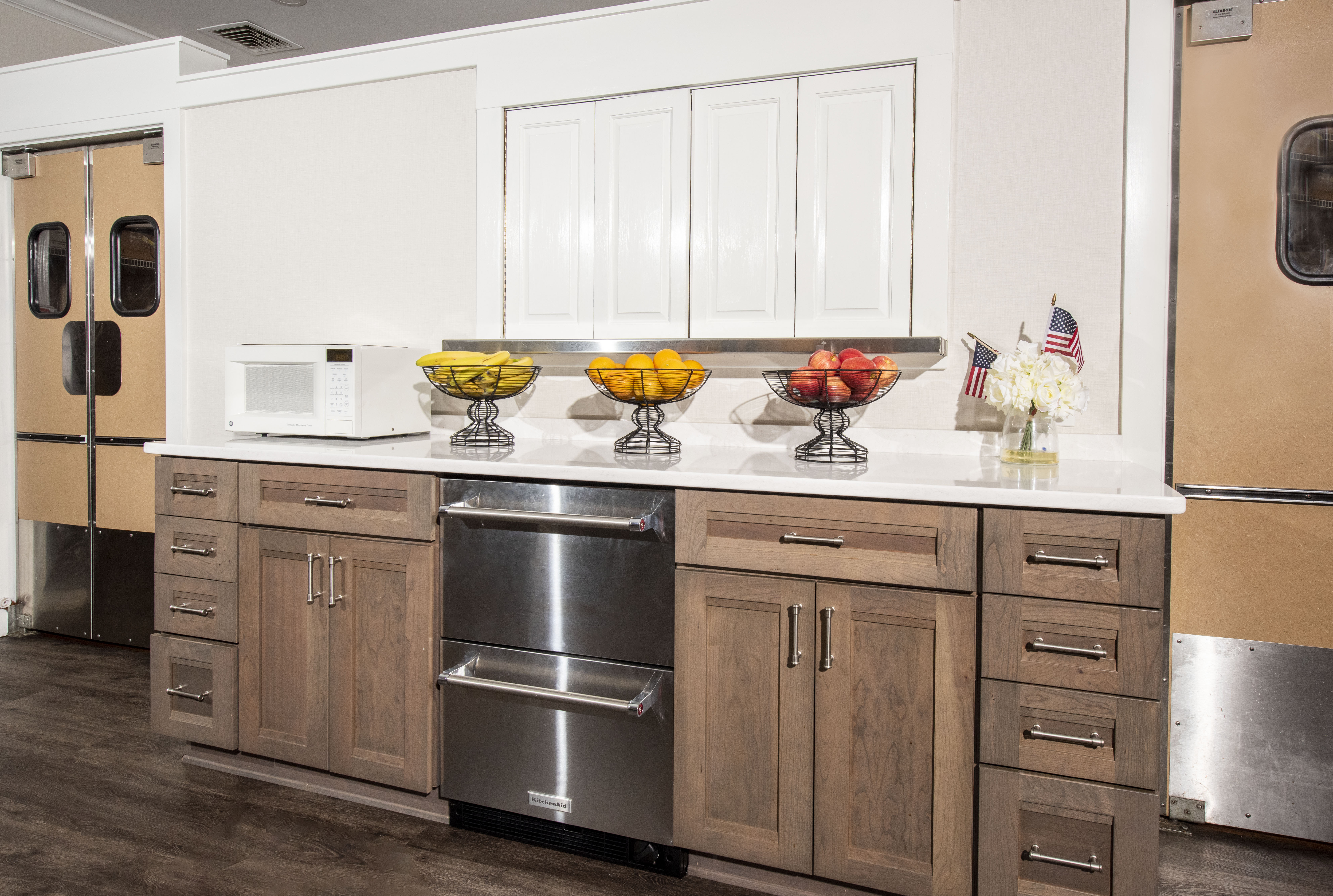
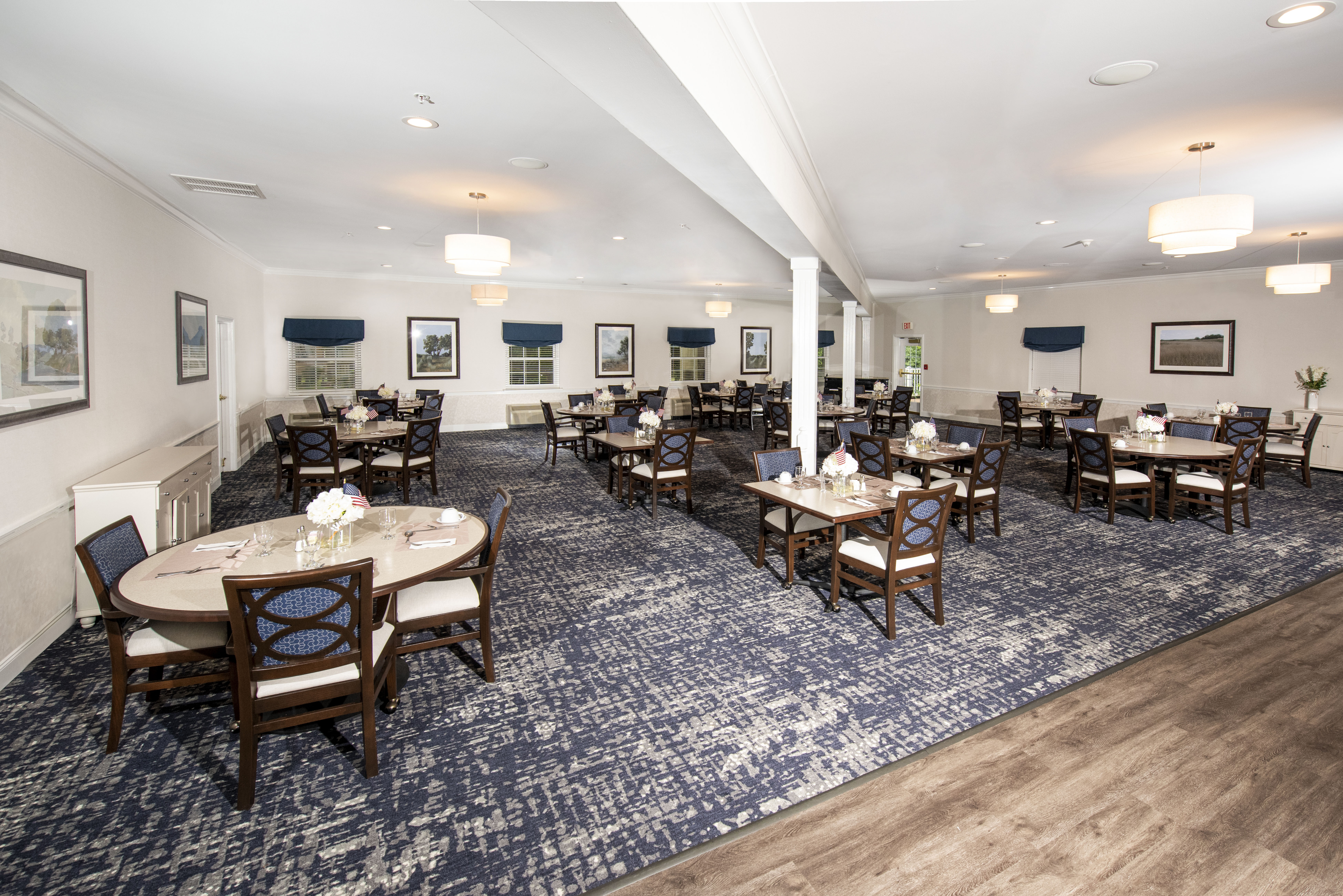


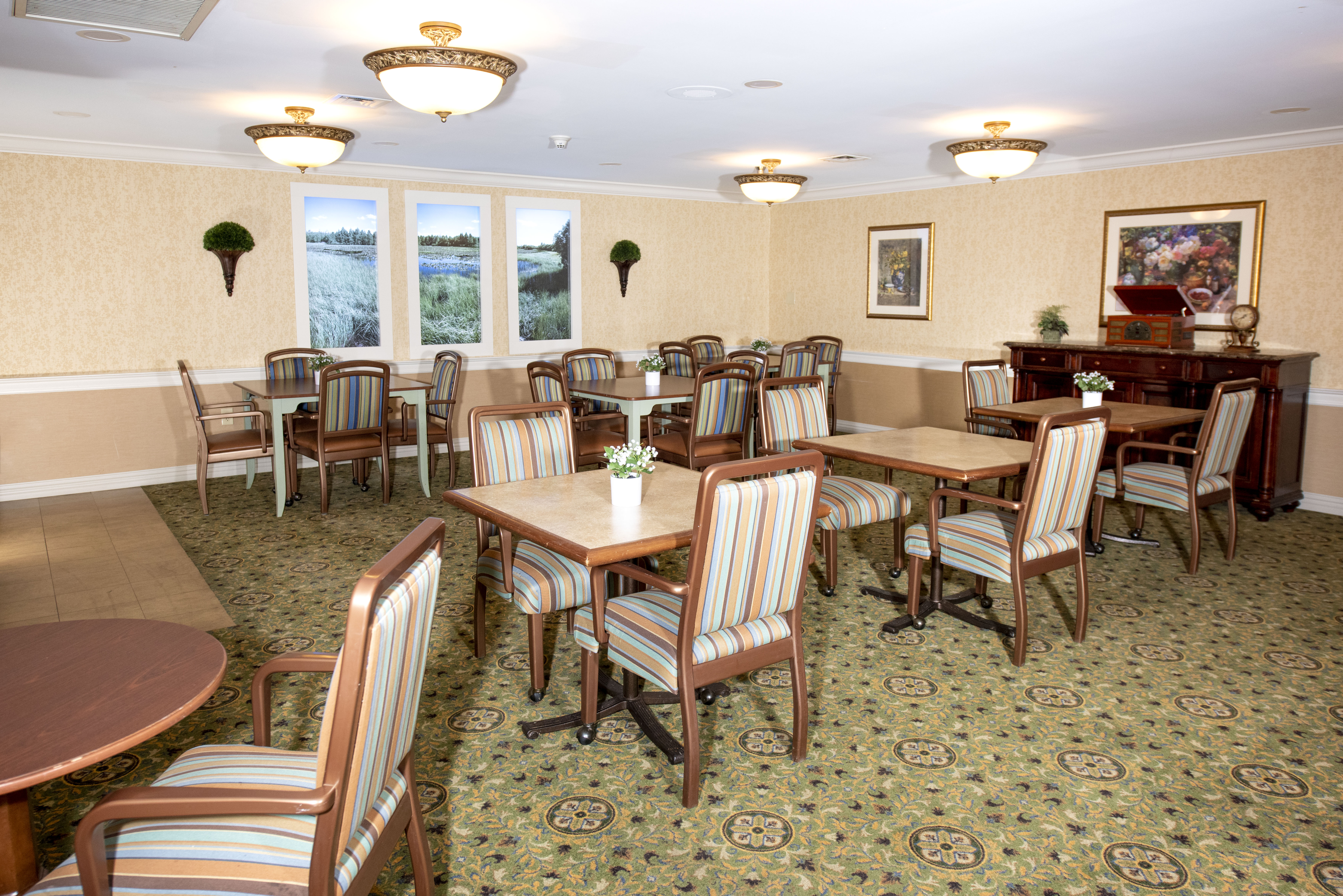
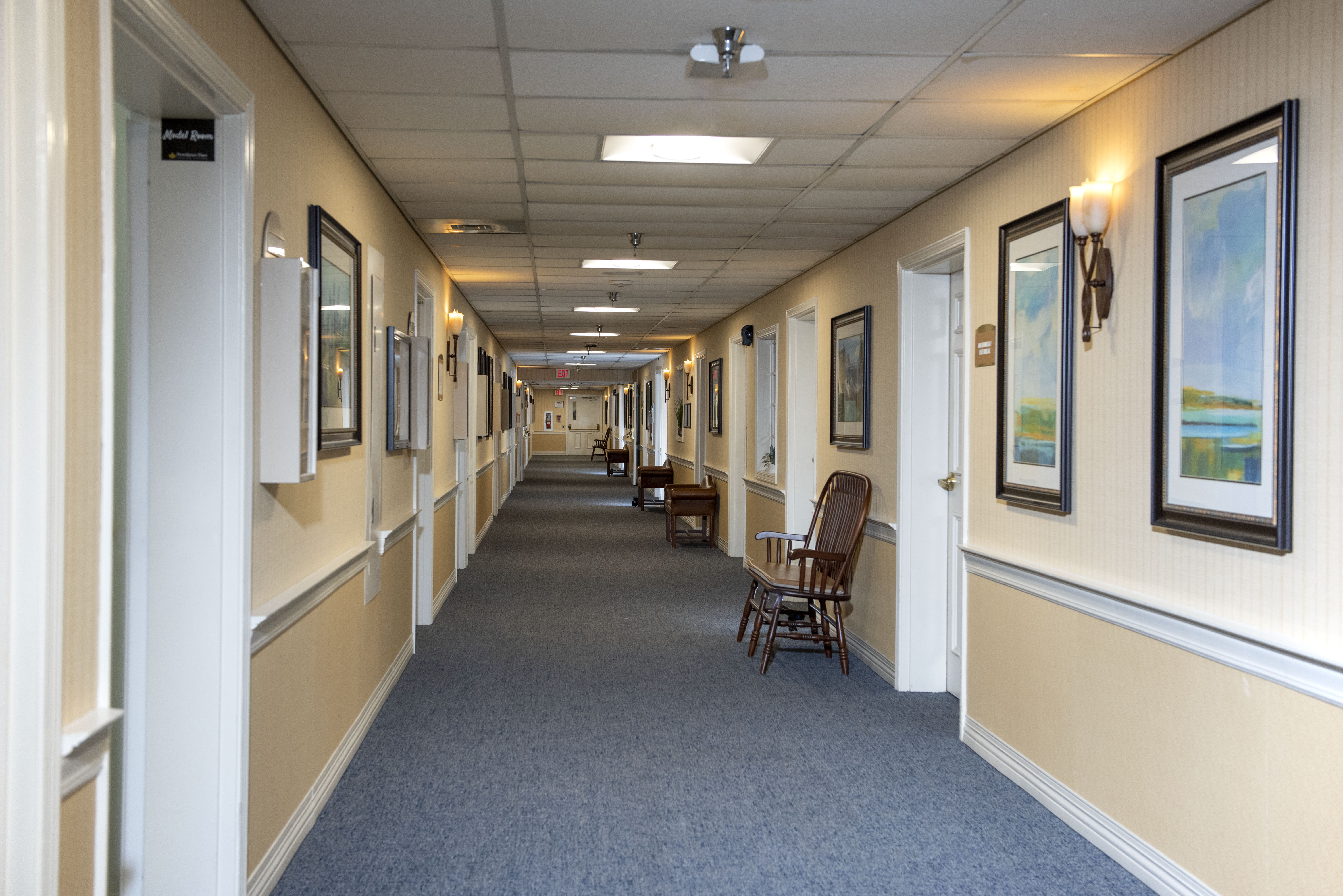
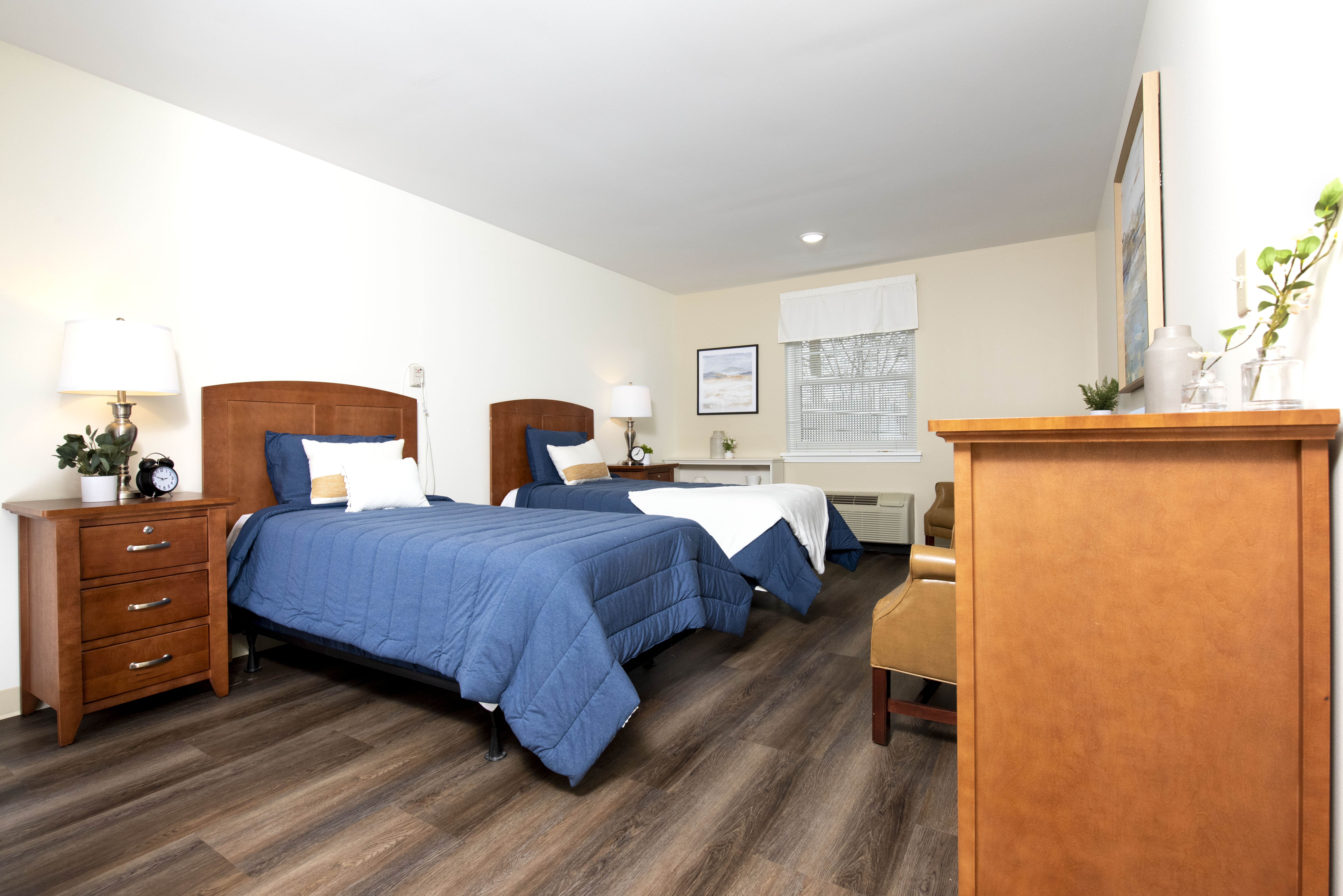
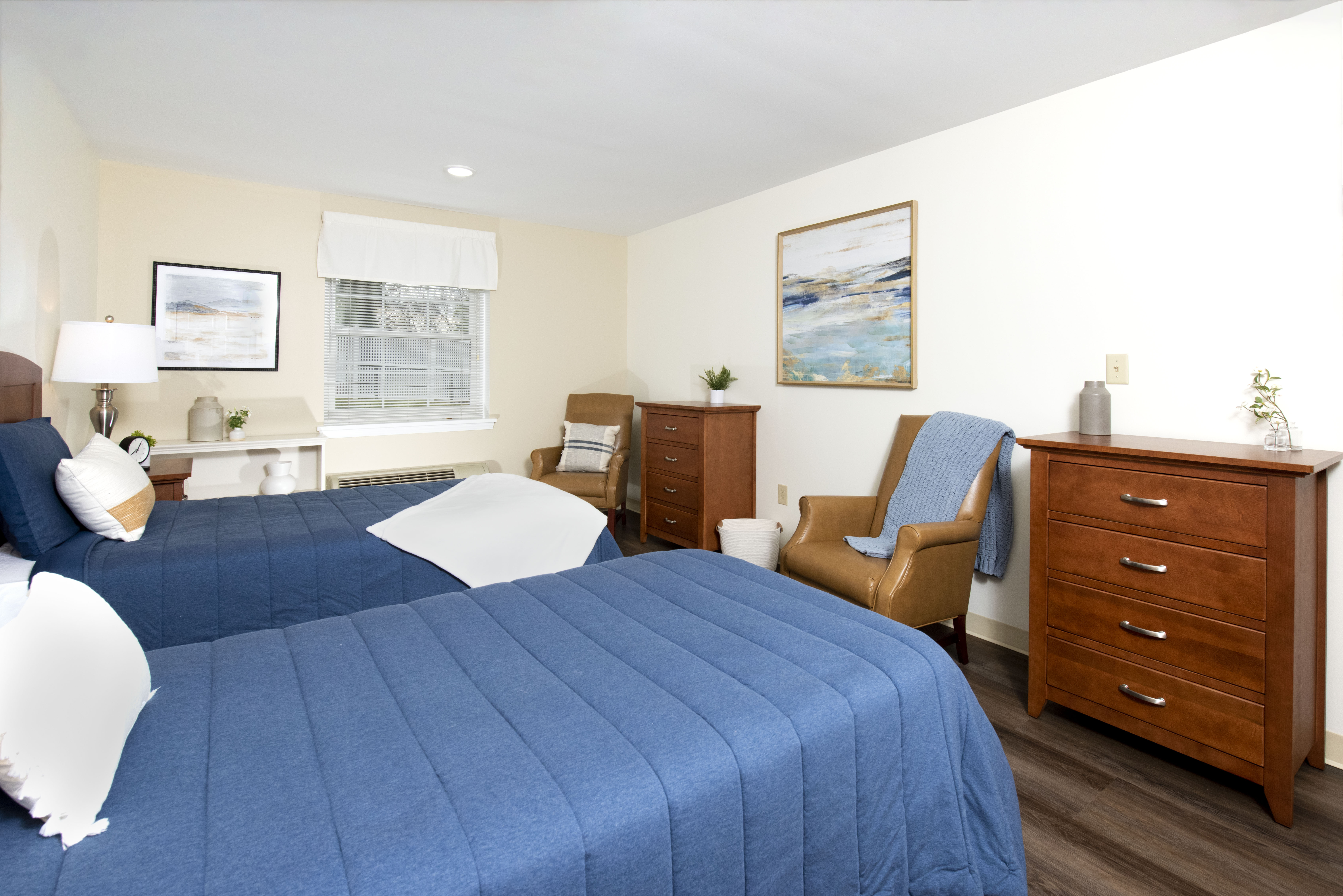
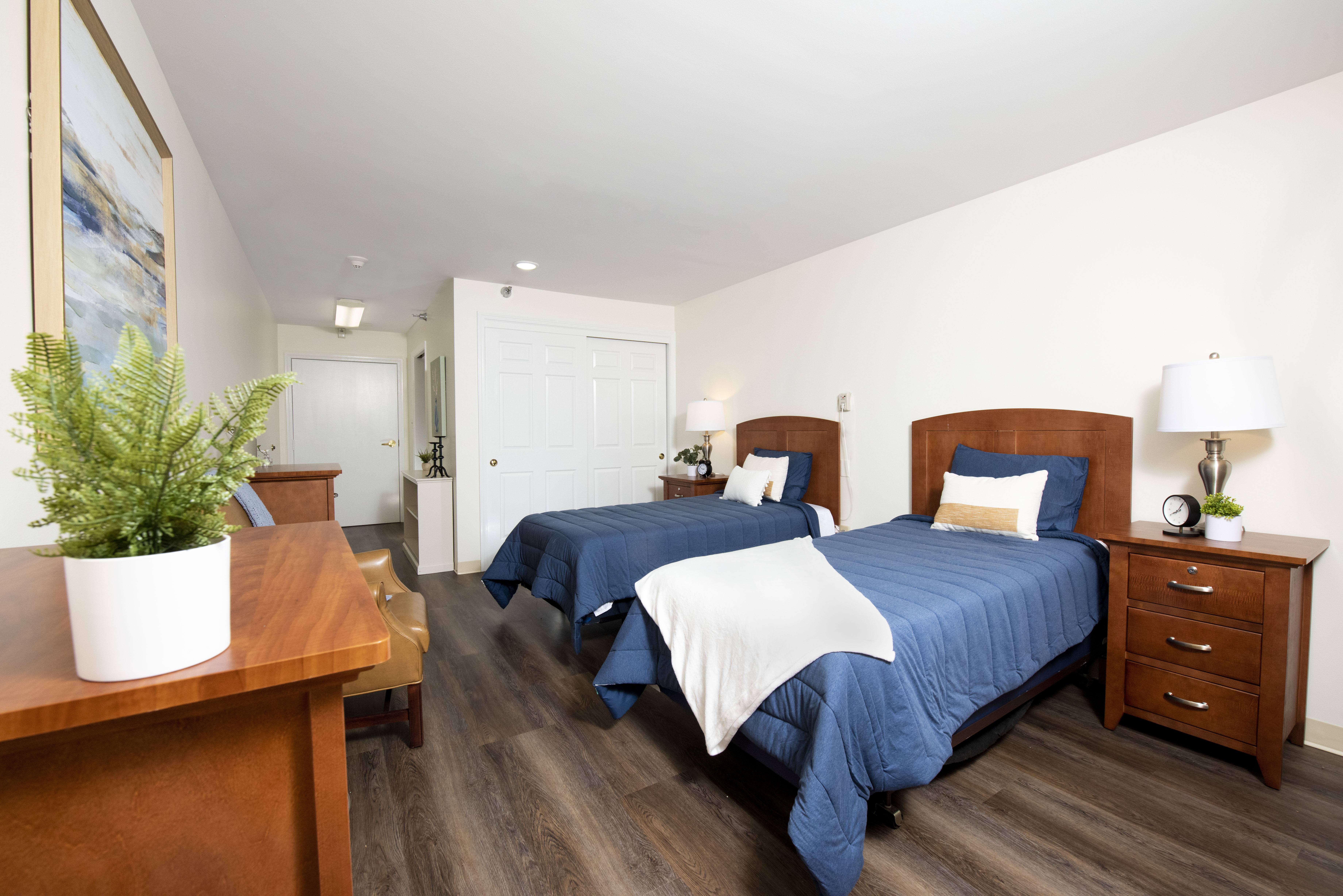
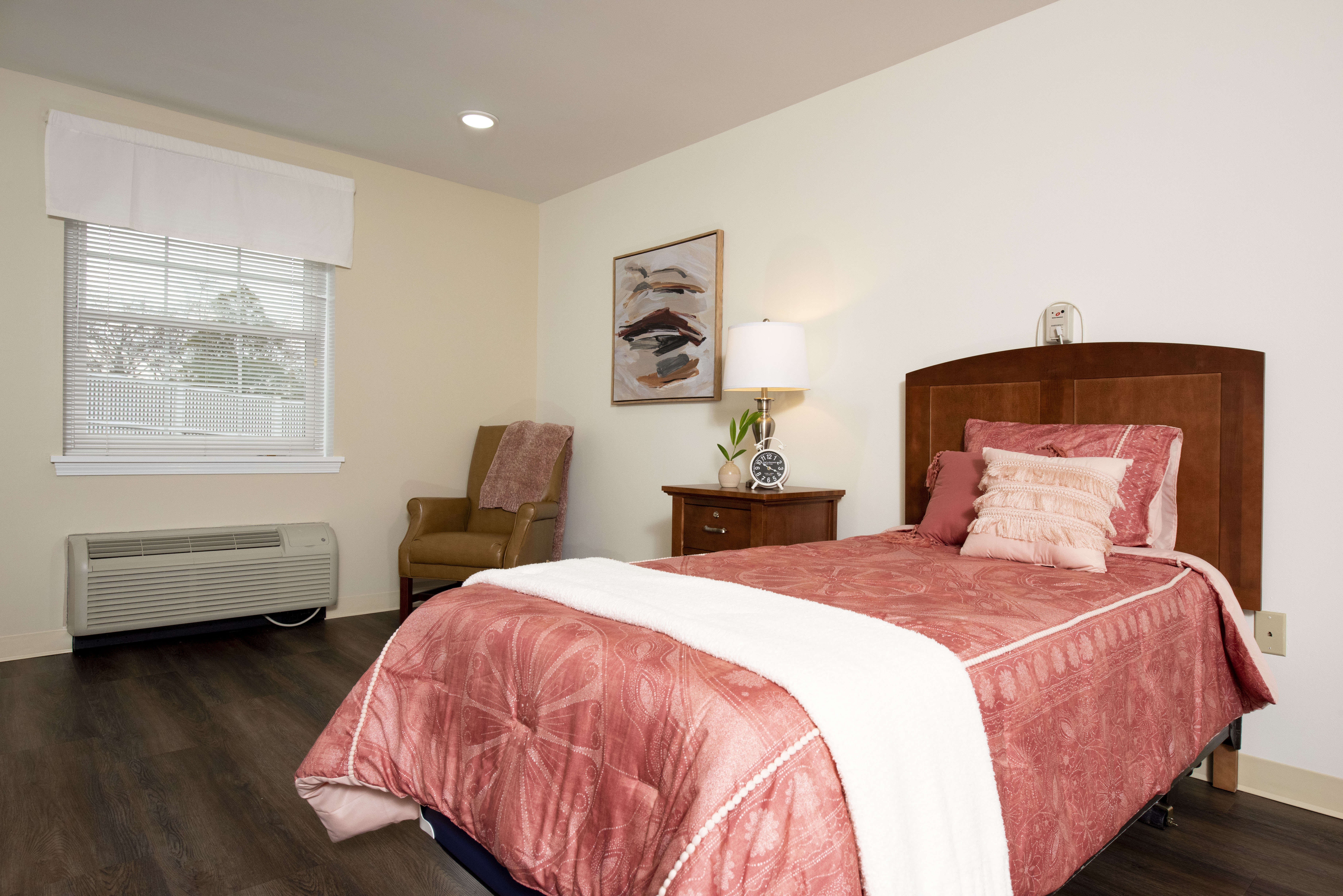
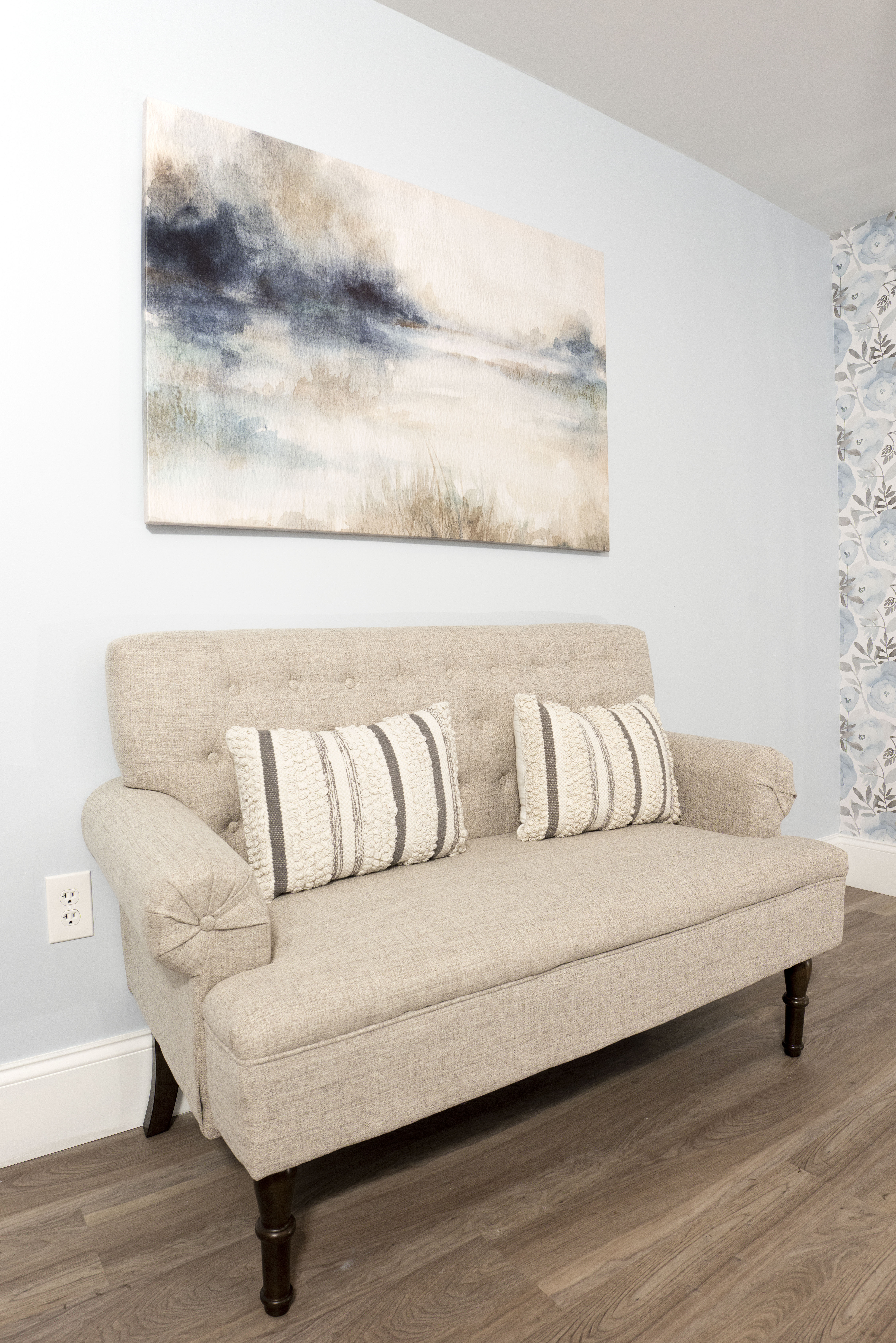


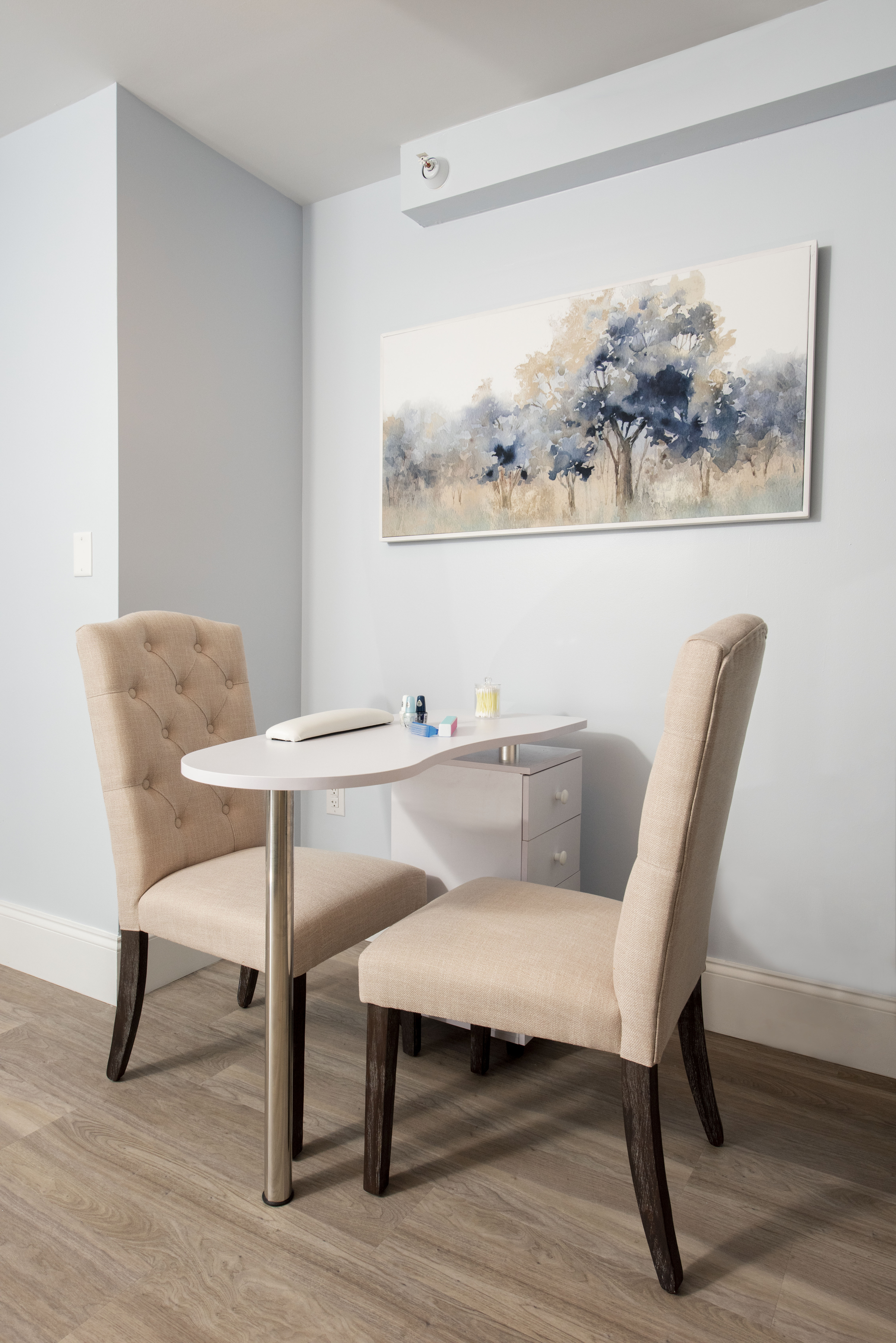
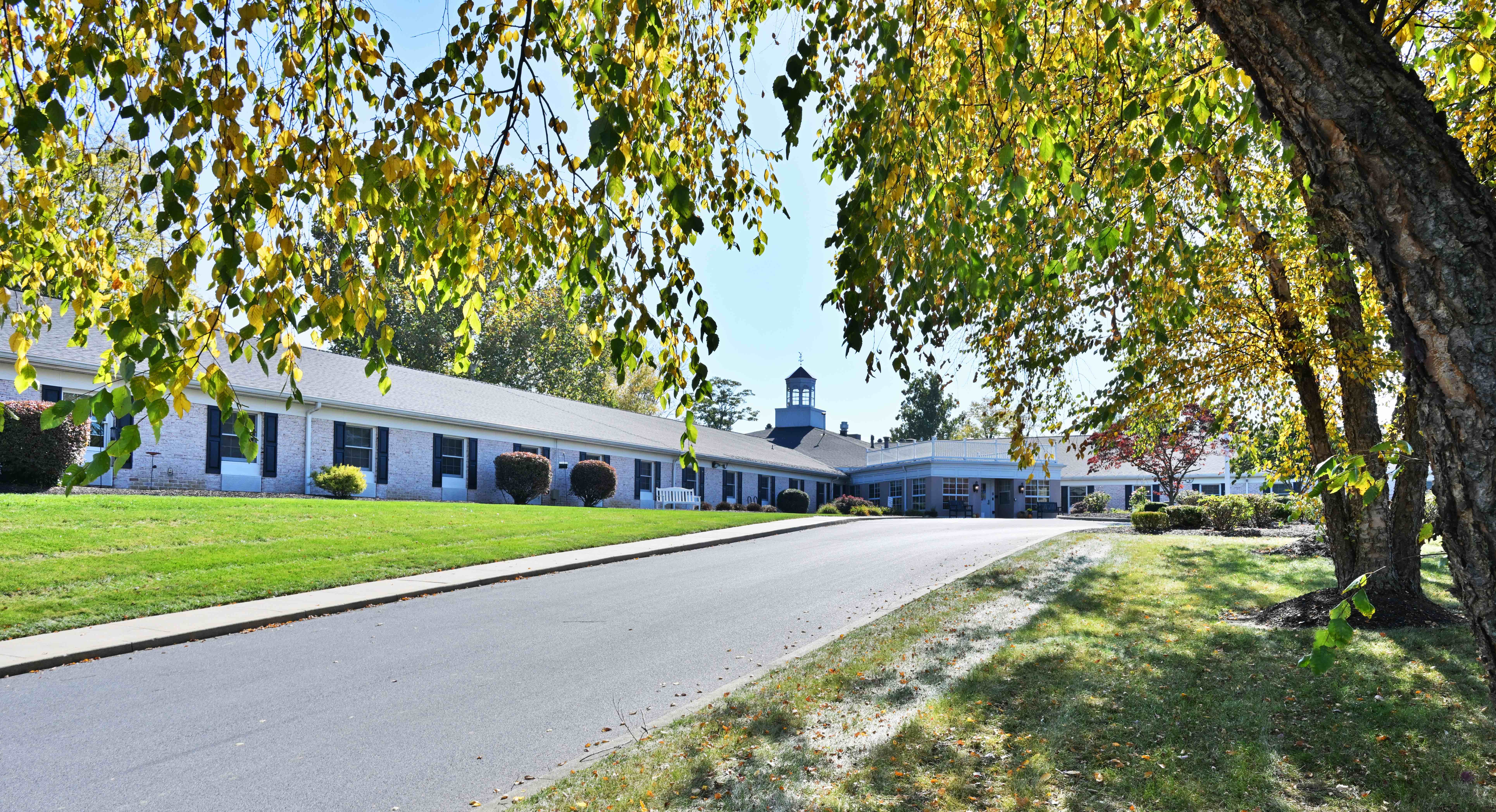
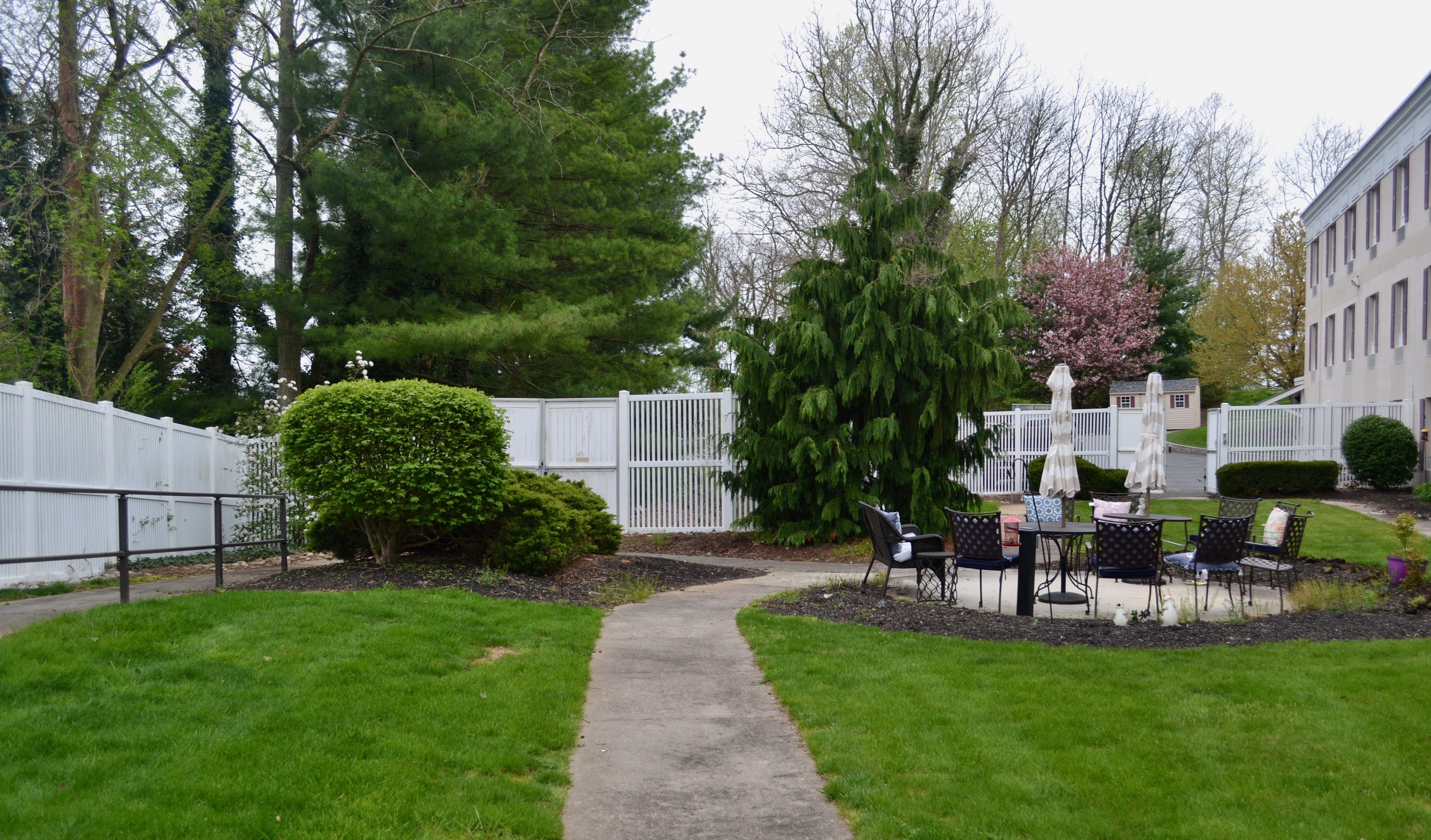


About Providence Place Senior Living of Lancaster
Welcome to Providence Place, a local family-owned senior living company founded in 1998 by former Pennsylvania governor, George M. Leader. Our mission is to enhance the quality of life for our senior residents by delivering vibrant programs and exceptional service at an affordable rate. We offer Independent Living, Personal Care & Assisted Living, and two-levels of Memory Support at each of our seven campuses across Pennsylvania.General Property Features
- Fitness Center, Private Rooms, Semi-Private Rooms, Furnished Apts Available, Guest Parking, Controlled Access
- Laundry Service - Provided, Laundry Service - Self Serve, Nurse on Staff, Respite/Short Term Stay, Scheduled Transportation, Transportation, Activities, Social Programs, Housekeeping
- Assisted Living Community, Secured Memory Care Unit, Retirement Community
- All Pets Considered, Small Pets
Assisted Living
- https://providence-place.com/retirement-communities/lancaster/
- 70
- $2,850.00
- Private Pay, Private Insurance, Long Term Care Insurance, Veterans Administration, PACE
- Price Dependent Levels of Care, Price All Inclusive
- 1 BR, Studio
- Kitchenette, Memory Care (Dementia)
- Yes
- Assisted Living Facility (PA-Only)
Additional Levels of Care Offered

Providence Place Senior Living Of Lancaster
Respite Care 1380 Elm Ave, Lancaster County, Lancaster, Pennsylvania, 17603Welcome to Providence Place, a local family-owned senior living company founded in 1998 by former Pennsylvania governor, George M. Leader. Our mission is to enhance the quality of life for our senior residents by delivering vibrant programs and exceptional service at an affordable rate. We offer Independent Living, Personal Care & Assisted Living, and two-levels of Memory Support at each of our seven campuses across Pennsylvania.
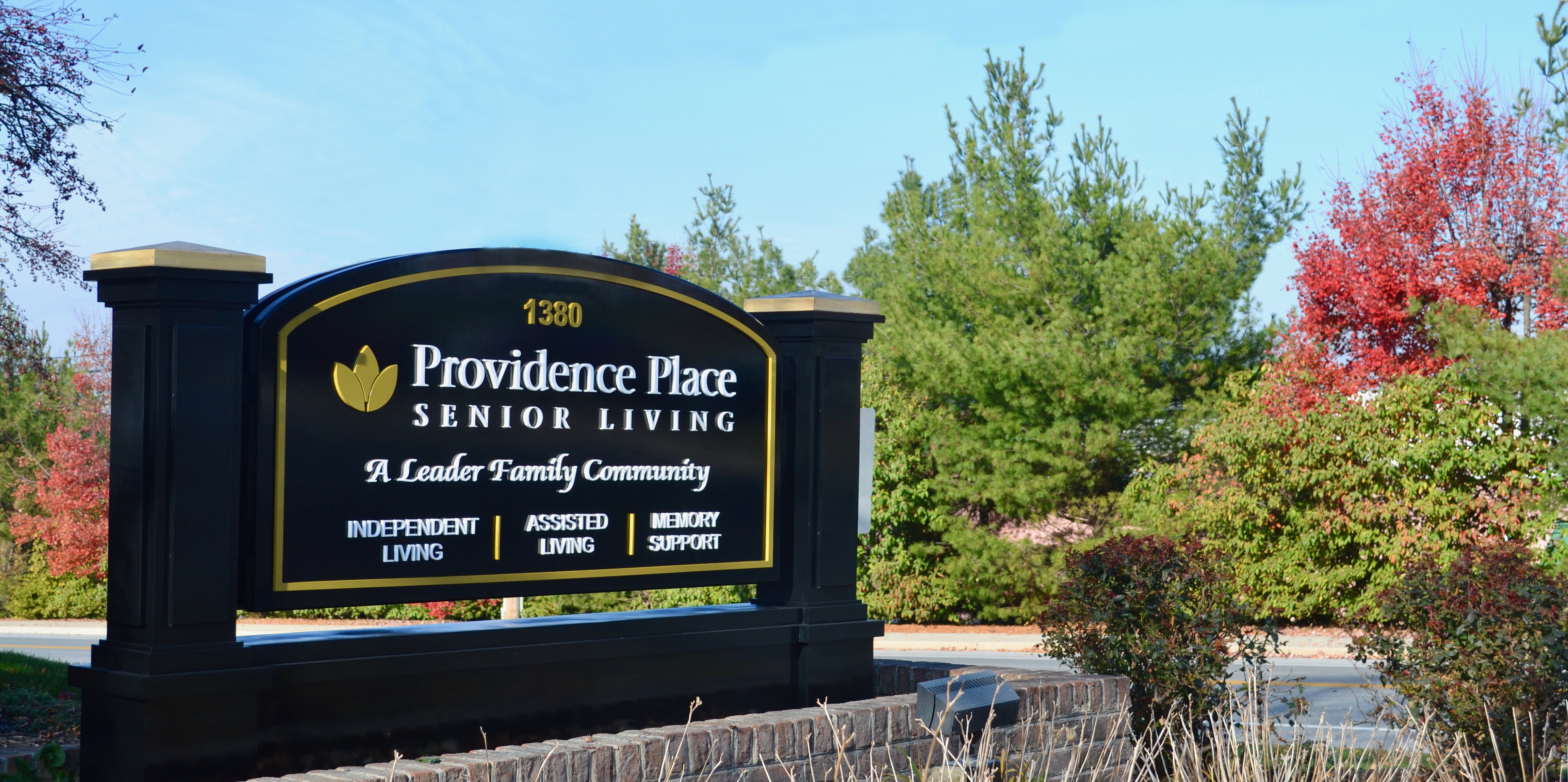
Providence Place Senior Living Of Lancaster
Memory Care 1380 Elm Avenue, Lancaster County, Lancaster, Pennsylvania, 17603Welcome to Providence Place, a local family-owned senior living company founded in 1998 by former Pennsylvania governor, George M. Leader. Our mission is to enhance the quality of life for our senior residents by delivering vibrant programs and exceptional service at an affordable rate. We offer Independent Living, Personal Care & Assisted Living, and two-levels of Memory Support at each of our seven campuses across Pennsylvania.
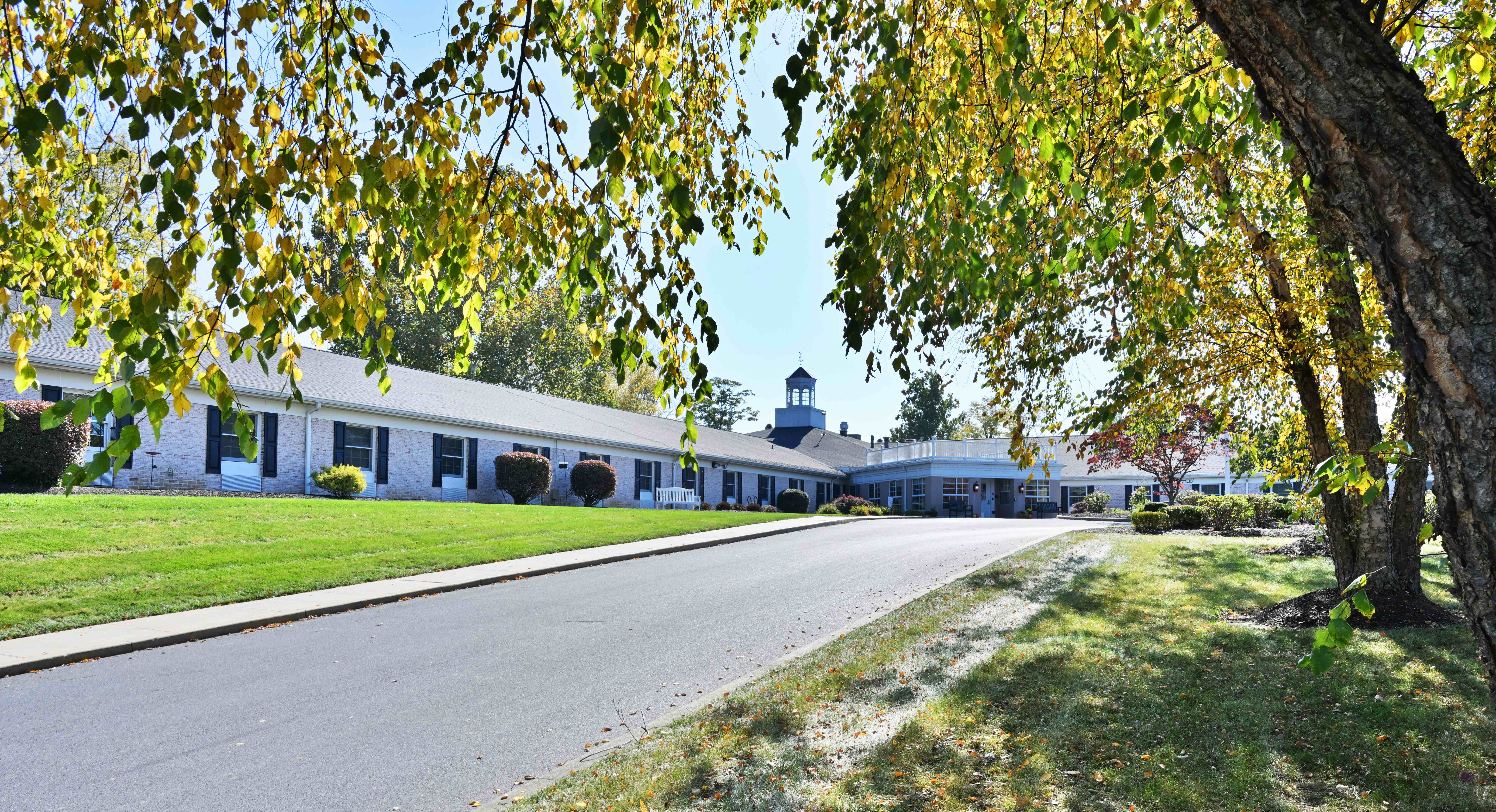
Providence Place Senior Living Of Lancaster
Independent Living 1380 Elm Avenue, Lancaster County, Lancaster, Pennsylvania, 17603Welcome to Providence Place, a local family-owned senior living company founded in 1998 by former Pennsylvania governor, George M. Leader. Our mission is to enhance the quality of life for our senior residents by delivering vibrant programs and exceptional service at an affordable rate. We offer Independent Living, Personal Care & Assisted Living, and two-levels of Memory Support at each of our seven campuses across Pennsylvania.

Providence Place Senior Living Of Lancaster
Support Groups & Services 1380 Elm Ave, Lancaster County, Lancaster, Pennsylvania, 17603Welcome to Providence Place, a local family-owned senior living company founded in 1998 by former Pennsylvania governor, George M. Leader. Our mission is to enhance the quality of life for our senior residents by delivering vibrant programs and exceptional service at an affordable rate.We offer Independent Living, Personal Care & Assisted Living, and two-levels of Memory Support at each of our seven campuses across Pennsylvania.
Videos
Continue Your Search! Explore More Local Options.
Start SearchingLet’s engage and get educated!
Browse through thousands of expert articles in over 100 different categories.
Browse NowArticles You May Like

The Different Types of Senior Living Facilities Explained
Making the decision to move yourself or a loved one into a senior care facility is difficult and often confusing. There are many different options, and each of them provides varying levels of care and support.In this guide, we cover the various types of senior living and what they mean. Independent Living Assisted Living Personal Care Nursing Homes or Skilled Nursing Continuing Care Retirement Communities Active Adult Communities Independent LivingAs the name suggests, independent living is for seniors who can take care of themselves but want to be free of the stress that comes with home ownership. Independent living communities rent out apartments or houses, and the monthly rent includes repairs and home maintenance. Many communities also provide housekeeping and laundry services, plus daily meals.Independent living facilities offer various amenities for residents. These may include a fitness center, game room, activity lounge, beauty or barber shop, and more. Some communities also organize group activities and outings.Assisted LivingAssisted living communities offer the amenities and conveniences of Independent living, along with help to complete daily activities, such as: Bathing Dressing Going to the bathroom Cooking meals Transporting Unlike a nursing home, assisted living doesnt provide advanced or skilled medical care. However, assisted living facilities may offer some medical services, like medication management, access to on-staff nurses, and onsite occupational, physical, or speech therapy. Residents usually have their own apartments and a degree of privacy, yet still receive help when its needed.Assisted living communities are a good fit for seniors who do not require advanced medical attention but have trouble taking care of themselves and performing basic tasks known as activities of daily living (ADLs). Although family members often try to provide care, they may find that they cannot always be there for an aging loved one or provide an adequate level of support. This is where an assisted living facility can help.Personal CarePersonal care facilities help residents take care of daily needs, like meals, housekeeping, laundry, personal hygiene, and taking medications. They usually offer activities for their residents and provide transportation to medical appointments, shopping, and other places.Personal care facilities are often confused with assisted living because, in some states, the two are licensed the same way. In other states, such as Pennsylvania, they are licensed separately. While both provide help with basic tasks, assisted living offers some medical services in addition to daily care assistance. Nursing HomesNursing homes are what most people think of when they start searching for senior care. However, not all older adults require the medical attention provided in this setting. Nursing homes, or skilled nursing facilities, provide medical care from doctors, nurses, physical and occupational therapists, and other professionals. Residents also receive assistance with bathing, dressing, feeding, and other daily living activities. Skilled nursing facilities are often depicted as a long-term solution, but they can also serve as a short-term solution following an injury, surgery, or illness. Seniors may require care in a nursing home due to: Illness Physical challenges, such as incontinence, hearing/vision loss, and limited mobility Mental difficulties, like dementia or Alzheimers Rehabilitation after surgery or a hospital stay If a senior has a lot of medical needs, skilled nursing care is often required.Continuing Care Retirement CommunitiesA continuing care retirement community (CCRC) is a unique living situation. Seniors must enter these communities when they are still relatively healthy and independent, but they sign a contract that guarantees their needs will be taken care of as they age. The contract typically involves an entrance fee that can range from tens of thousands to hundreds of thousands of dollars, and even in the millions at some communities. This entrance fee is usually paid through a monthly plan. In addition to their entrance fee payments, residents of continuing care communities will usually have maintenance fees for the upkeep of their home, cottage, or apartment.Once you are in a CCRC, you can enjoy the amenities it has to offer and receive more advanced care as needed. The idea is that your entrance fee covers the cost of services, so you typically pay little or no extra money for receiving care.The appeal of a CCRC is that it allows seniors to stay in the same community as they age rather than having to search for a new senior living option once their needs change. Residents will simply move within the campus to various facilities as levels of care change. However, the large entrance fees present a financial barrier to many seniors and their families.Active Adult CommunitiesPeople often confuse independent living with active adult communities (also called 55+ communities). The two are actually quite different. An active adult community is very similar to any other residential neighborhood, except there is usually a minimum age requirement for residents. You may either rent or buy your home, depending on the pricing model of the community. Many also have home owners association (HOA) dues or other monthly fees. Active adult communities tend to cover exterior maintenance in their monthly fees so that residents dont have to worry about upkeep.Unlike independent living, 55+ communities dont offer meals, housekeeping, or laundry services. However, they usually have amenities, such as a swimming pool, fitness center, golf course, and more. These communities are for active, healthy adults who want to be free of exterior home maintenance during their retirement years.How to Choose the Right FacilityChoosing the right senior living facility depends on the needs of yourself or your loved one. If you are able to care for yourself but want to live in a community, an independent living facility is probably the best fit. For those who need help with daily tasks, personal care and assisted living can help. Skilled nursing care is designed for seniors who have severe, long-term medical needs. When comparing different types of facilities, ask the staff about what happens when your needs change. Is a higher level of care available? Will they provide referrals or help you find an in-home care provider to visit you at the facility? Consider future needs when evaluating your options.At Providence Place Senior Living, we offer a range of services: Independent Living Assisted Living Memory Care (early and late stage for persons living with dementia or Alzheimers) Our communities provide a homelike setting where seniors can age in place. This means that you can receive additional services as health needs change over time in your same apartment without moving again in most cases.To learn more, request information or schedule a tour at any of our seven campuses across Pennsylvania.
Aug 12, 2026
How to Choose the Right Senior Care Facility for You
Searching for a senior care facility requires a lot of time and dedication. You want to make the best choice for yourself or a loved one, but its hard to know where to start. This guide will walk you through the process of finding a long-term care community.Here are six steps to follow when comparing options and choosing a senior living community: Evaluate your needs (speak to one of our Directors of Sales to learn about care levels). Compare options in your desired geographic area. Understand the levels of care provided at each community. Check the facilitys licensing and record of conduct. Get pricing information and decide if it fits with your budget. Visit the facility in person to evaluate. Step 1: Evaluate Your NeedsFirst, you need to determine what type of care is needed. Once you know this, youll be able to choose the right type of facility. A good place to start is to look at how well you or your loved one can perform the activities of daily living (ADLs). These are activities that are necessary for normal functioning. They are divided into two categories: basic and instrumental.Basic ADLs: Walking and moving from one place to another Feeding yourself Dressing Personal hygiene Continence (controlling bowels and bladder) Toileting Showering Instrumental ADLs: Transportation Shopping Meal prep and cooking Managing finances Home maintenance and cleaning Communication (including by phone and mail) Managing medications If you struggle with one or more of these ADLs, an assisted living or personal care facility might be the right fit.Its also important to look at your medical needs. If you have a chronic, severe condition that requires a lot of medical monitoring on a daily basis, a skilled nursing facility (nursing home) might be a better option. For those with Alzheimers or another form of dementia, its best to find a senior care facility with a dedicated memory care program and a secure memory unit.There are also many seniors who can take care of themselves but are struggling to maintain their home. And others wish to live with their peers to avoid loneliness. Independent living facilities allow you to keep your independence while having the peace of mind that comes from living in a community.Learn more about the different types of senior care.Step 2: Compare Senior Living Options in Your Desired Geographic AreaOnce you know what type of care is needed, its time to start searching for options in your preferred geographic area. Its important to consider where you or your loved one want to live long-term. If youre far away from family, do you wish to move closer? What kind of climate would you prefer? Once youve decided on a location, you can start to compare different options in that area.Step 3: Understand the Levels of Care Provided at the FacilityOnce you have a list of senior living facilities to compare, visit each communitys website or contact them to learn more about their offerings and services. Consider both present and future needs. If you move into an independent living facility but eventually require assisted living, will you have to move to another facility? Or does the community offer multiple service packages? A facility that offers different levels of care may allow you to stay in one place as you age.Step 4: Check the Facilitys Licensing and Record of ConductVerify that each facility on your list is properly licensed with the state. Depending on your state and the type of facility, licensing may be through different government departments. For example, in Pennsylvania, nursing homes and home health care agencies are licensed through the Department of Health, while assisted living facilities are licensed through the Department of Human Services. You can often verify licensing online. A good place to start is to visit your states Department of Health website and search for the type of facility youre considering. Most websites have a search bar. If you type in something like nursing home licensing, you will be able to find the right page on the website. Alternatively, you can contact the Department of Health for assistance.Its also important to find out about any citations a facility has received over the years. Again, this information can be found online or by contacting the proper state department. Pay attention to the type and amount of violations and how they were handled by the facility.If youre searching for a nursing home, the Medicare.gov directory is a good place to start. This directory lists nursing homes throughout the United States that are Medicare or Medicaid certified. Each facility receives ratings in several areas, including health inspections and quality of care.You might also consider finding a Long-Term Care Ombudsman Program (LTCOP) or Citizen Advocacy Group (CAG) using The National Consumer Voice website. These programs advocate for residents in long-term care facilities. They can help you find a senior care facility and make sure that you or a loved one is receiving quality care.Step 5: Get Pricing Information and Decide if It Fits with Your BudgetWhen you have a list of facilities that youre seriously considering, its time to get pricing information. Decide which facilities fit with your budget and narrow down your list. There are many different ways to finance senior living, including long-term care insurance or Medicaid for skilled nursing. You can consult with an eldercare attorney to determine the best financing options.How Much Does Senior Living Cost?Expect to pay a few thousand dollars to over $12,000 monthly for a senior care community. Senior living costs vary greatly depending on geographic location, apartment sizes, amenities, and level of care provided. Some facilities offer custom service packages so that you only pay for the care you need. In general, nursing homes are some of the most expensive options since they provide skilled nursing care. An assisted living facility or personal care home is often a more affordable alternative for seniors who dont have extensive daily medical needs.Keep in mind, the monthly cost often includes all meals, transportation, activities and all utilities associated with your room or apartment.Step 6: Visit the Facility In Person to EvaluateOnce you have your list of senior living facilities narrowed down, its important to visit each one in person. This is the best way to evaluate if its a good fit. Be sure to bring along family members to help; they may notice things you missed. Here are some things to look for while touring a senior care facility.Checklist for Touring Senior Care FacilitiesEnvironment Does the facility look and smell clean? Is the environment homelike and comfortable? What do the rooms look like? Consider the size and layout. Are pets allowed in the community? Are there walking paths or other outdoor areas to enjoy? Amenities and Services What amenities are included in the monthly payment? What services are available onsite? Does the facility offer senior transportation? Are nutritious and appealing meals provided? What activities are offered? Are there religious or spiritual services available? Safety and Quality of Care What safety measures are in place? Do residents have emergency call pendants? What is the protocol for preventing the spread of infectious diseases like COVID-19? If the facility offers memory care, are residents with dementia in a secure setting? What kind of training and certifications do the staff have? Are there any medical professionals on-staff? Are the staff friendly and attentive? Are residents well-cared for? Are residents happy and engaged? Talk to some of the residents and see if they enjoy living there. Choose a Community That Feels Like HomeAt the end of the day, the most important factor in choosing a senior living community is finding somewhere that feels like home. You want a community that is equipped to help you age in place so that you dont have to keep moving as your needs change. At Providence Place Senior Living, our aging-in-place model ensures that you or your loved one can stay in the same apartment for many years and receive more care as needed. Our facilities offer several different levels of care: Independent Living Personal Care and Assisted Living Memory Care (early and late stage) We have locations throughout Pennsylvania, including Chambersburg, York, Lancaster, Collegeville, Hazleton, Pine Grove, and Pottsville. To request more information or schedule a tour at one of our communities, please click below.