The Different Types of Senior Living Facilities Explained
Providence Place of Lancaster
For more information about the author, click to view their website: Providence Place Senior Living of Lancaster
Aug 12, 2026
Pennsylvania - South Central PA


Making the decision to move yourself or a loved one into a
senior care facility is difficult and often confusing. There are many different
options, and each of them provides varying levels of care and support.
In this guide, we cover the various types of senior living
and what they mean.
- Independent
Living
- Assisted
Living
- Personal
Care
- Nursing
Homes or Skilled Nursing
- Continuing
Care Retirement Communities
- Active
Adult Communities
Independent Living
As the name suggests, independent living is for seniors who
can take care of themselves but want to be free of the stress that comes with
home ownership. Independent
living communities rent out apartments or houses, and the monthly rent
includes repairs and home maintenance. Many communities also provide
housekeeping and laundry services, plus daily meals.
Independent living facilities offer various amenities for
residents. These may include a fitness center, game room, activity lounge,
beauty or barber shop, and more. Some communities also organize group
activities and outings.
Assisted Living
Assisted
living communities offer the amenities and conveniences of Independent
living, along with help to complete daily activities, such as:
- Bathing
- Dressing
- Going
to the bathroom
- Cooking
meals
- Transporting
Unlike a nursing home, assisted living doesn’t provide
advanced or skilled medical care. However, assisted living facilities may offer
some medical services, like medication management, access to on-staff nurses,
and onsite
occupational, physical, or speech therapy. Residents usually have
their own apartments and a degree of privacy, yet still receive help when it’s
needed.
Assisted living communities are a good fit for seniors who
do not require advanced medical attention but have trouble taking care of
themselves and performing basic tasks known as activities of daily living
(ADLs). Although family members often try to provide care, they may find that
they cannot always be there for an aging loved one or provide an adequate level
of support. This is where an assisted living facility can help.
Personal Care
Personal care facilities help residents take care of daily
needs, like meals, housekeeping, laundry, personal hygiene, and taking
medications. They usually offer activities
for their residents and provide transportation to medical
appointments, shopping, and other places.
Personal care
facilities are often confused with assisted living because, in some
states, the two are licensed the same way. In other states, such as
Pennsylvania, they are licensed separately. While both provide help with basic
tasks, assisted living offers some medical services in addition to daily care
assistance.
Nursing Homes
Nursing homes are what most people think of when they start
searching for senior care. However, not all older adults require the medical
attention provided in this setting.
Nursing homes, or skilled nursing facilities, provide
medical care from doctors, nurses, physical and occupational therapists, and
other professionals. Residents also receive assistance with bathing, dressing,
feeding, and other daily living activities. Skilled nursing facilities are
often depicted as a long-term solution, but they can also serve as a short-term
solution following an injury, surgery, or illness.
Seniors may require care in a nursing home due to:
- Illness
- Physical
challenges, such as incontinence, hearing/vision loss, and limited
mobility
- Mental
difficulties, like dementia or Alzheimer’s
- Rehabilitation
after surgery or a hospital stay
If a senior has a lot of medical needs, skilled nursing care
is often required.
Continuing Care Retirement Communities
A continuing care retirement community (CCRC) is a
unique living situation. Seniors must enter these communities when they are
still relatively healthy and independent, but they sign a contract that
guarantees their needs will be taken care of as they age.
The contract typically involves an entrance fee that can range from tens of thousands to hundreds of thousands of
dollars, and even in the millions at some communities. This entrance fee is
usually paid through a monthly plan. In addition to their entrance fee
payments, residents of continuing care communities will usually have
maintenance fees for the upkeep of their home, cottage, or apartment.
Once you are in a CCRC, you can enjoy the amenities it has
to offer and receive more advanced care as needed. The idea is that your
entrance fee covers the cost of services, so you typically pay little or no
extra money for receiving care.
The appeal of a CCRC is that it allows seniors to stay in
the same community as they age rather than having to search for a new senior
living option once their needs change. Residents will simply move within the
campus to various facilities as levels of care change. However, the large
entrance fees present a financial barrier to many seniors and their families.
Active Adult Communities
People often confuse independent living with active adult
communities (also called 55+ communities). The two are actually quite
different.
An active adult community is very similar to any other
residential neighborhood, except there is usually a minimum age requirement for
residents. You may either rent or buy your home, depending on the pricing model
of the community. Many also have home owners’ association (HOA) dues or other
monthly fees. Active adult communities tend to cover exterior maintenance in
their monthly fees so that residents don’t have to worry about upkeep.
Unlike independent living, 55+ communities don’t offer
meals, housekeeping, or laundry services. However, they usually have amenities,
such as a swimming pool, fitness center, golf course, and more. These
communities are for active, healthy adults who want to be free of exterior home
maintenance during their retirement years.
How to Choose the Right Facility
Choosing the right senior living facility depends on
the needs of yourself or your loved one. If you are able to care for yourself
but want to live in a community, an independent living facility is probably the
best fit. For those who need help with daily tasks, personal care and assisted living
can help. Skilled nursing care is designed for seniors who have severe,
long-term medical needs.
When comparing different types of facilities, ask the staff
about what happens when your needs change. Is a higher level of care available?
Will they provide referrals or help you find an in-home care provider to visit
you at the facility? Consider future needs when evaluating your options.
At Providence Place Senior Living, we offer a range of
services:
- Independent
Living
- Assisted
Living
- Memory
Care (early and late stage for persons living with dementia or
Alzheimer’s)
Our communities provide a homelike setting where seniors can
“age in place.” This means that you can receive additional services as health
needs change over time in your same apartment without moving again in most
cases.
To learn more, request information or schedule a tour at any of our seven campuses across Pennsylvania.
- To view the original version of this article visit providence-place.com/resources/news/types-of-senior-living-explained/
- Seniors Blue Book was not involved in the creation of this content.
Other Articles You May Like
How to Choose the Right Senior Living Option for Your Changing Needs
Choosing a senior living community is an important decision. For some older adults, the move may be driven by a desire for a more active social lifestyle, while others may be looking for additional support with everyday tasks or healthcare needs.The right senior living option today may not necessarily be the right option several years from now. As we age, our health, mobility, interests, and care needs can change. Planning for those changes can make the transition easier and help seniors maintain a fulfilling lifestyle.Understanding the different types of senior living and thinking about both current and future needs can help seniors and their families make a confident decision.Start by Assessing Your Current NeedsBefore visiting senior living communities, take some time to consider what kind of support is needed right now.Ask questions such as: Is the senior comfortable managing a home independently? Are household chores becoming difficult? Is transportation becoming a concern? Can the senior safely prepare meals? Is assistance needed with bathing, dressing, or medications? Are there concerns about falls or mobility? Would more opportunities for social interaction be beneficial? Are there memory or cognitive concerns? Being honest about current challenges can help narrow down the most appropriate options.Consider Independence and LifestyleNot every senior who moves into a retirement community needs daily assistance. Some older adults choose community living because they want fewer household responsibilities, more social opportunities, or convenient access to activities and amenities.Independent or residential living may be a good choice for seniors who can manage most daily activities on their own but would enjoy: Maintenance-free living Dining options Fitness and wellness activities Social events Clubs and interest groups Educational programs Outdoor spaces Opportunities to meet new friends The goal is to find a lifestyle that supports independence while providing opportunities to remain active and engaged.Understand Personal Care and Assisted LivingAs everyday tasks become more difficult, a senior may benefit from personal care or assisted living.These settings can provide assistance with activities of daily living while still encouraging residents to remain as independent as possible.Depending on the community, support may include assistance with: Bathing and grooming Dressing Personal hygiene Medication management Mobility Meals Other everyday activities Personal care may be appropriate when a senior needs more support than independent living can provide but does not require the intensive medical care offered in a healthcare setting.Know When Memory Care May Be AppropriateFor seniors living with Alzheimer's disease or another form of dementia, specialized memory care may be an important consideration.Memory care communities are designed around the unique needs of individuals experiencing cognitive changes. They may offer structured routines, specialized activities, secure environments, and staff trained to support people living with dementia.Signs that a senior may need more specialized memory support can include: Increasing confusion Getting lost or wandering Difficulty managing medications Problems with everyday tasks Significant changes in behavior Increased safety concerns Difficulty living independently Families should discuss concerns with appropriate healthcare professionals when determining what level of support is needed.Rehabilitation May Be Part of the JourneySenior living needs can change temporarily as well as permanently.An illness, surgery, injury, or hospital stay may leave an older adult needing rehabilitation before returning home or resuming their previous routine.Rehabilitation may include physical, occupational, or speech therapy depending on the individual's needs.When evaluating a senior living community, families may want to ask whether rehabilitation services are available and how the community supports residents following an illness or injury.Think About Future Healthcare NeedsOne of the most important questions to ask is not simply, "What do I need today?" but also, "What might I need in the future?"A senior may currently live independently but eventually need personal care, memory support, rehabilitation, or skilled healthcare.A community that offers multiple levels of care can provide greater flexibility if needs change. Instead of having to search for a completely new community during a stressful time, residents may have access to additional services within the same organization or campus.This type of planning can be particularly valuable for couples whose care needs may develop at different rates.Look at the Community's Approach to IndependenceThe amount of support provided is important, but so is the way that support is provided.A good senior living community should recognize that residents are individuals with their own preferences, routines, interests, and goals.Ask how the community encourages residents to remain independent. Find out whether residents have choices about meals, activities, schedules, and social opportunities.The goal should be to provide assistance where it is needed without taking away opportunities for independence.Consider Social and Emotional Well-BeingSenior living is about much more than housing and healthcare. Social and emotional well-being are important parts of quality of life.Look for a community that offers opportunities for residents to build relationships and remain involved.Activities may include: Exercise and fitness programs Arts and crafts Music Educational classes Games Group outings Volunteer opportunities Clubs Social gatherings Community events During a visit, pay attention to whether residents appear engaged and whether the atmosphere feels welcoming.Evaluate Dining and NutritionGood nutrition becomes increasingly important as we age. However, shopping for groceries, preparing meals, and cleaning up can become challenging for some seniors.When touring a community, ask about dining options and how meals are handled.Consider: Variety of menu choices Nutritional options Special dietary needs Dining schedules Private or communal dining Snacks and beverages Flexibility for individual preferences Mealtimes can also provide valuable opportunities for social connection.Think About LocationLocation is another important consideration. A community that is close to family and friends may make it easier for loved ones to visit regularly.Consider proximity to: Family members Friends Healthcare providers Shopping Places of worship Favorite restaurants Cultural and recreational activities A convenient location can help seniors maintain connections with the people and places that are important to them.Tour More Than One CommunityPhotos and websites can provide useful information, but nothing replaces an in-person visit.When touring a senior living community, pay attention to the overall atmosphere. Are residents interacting with one another? Do staff members seem friendly and attentive? Are common areas clean and comfortable?Ask questions and take notes. If possible, visit at different times of day to get a better understanding of the community's daily routine.Ask About Costs and ContractsFinancial considerations are an essential part of choosing senior living.Costs can vary significantly depending on the type of residence, services, care level, and contract structure.Before making a decision, ask for a clear explanation of: Entrance fees, if applicable Monthly fees Additional care costs Dining costs Transportation Healthcare services Therapy or rehabilitation What happens if care needs increase What services are included in the agreement Understanding the financial commitment ahead of time can help prevent surprises later.Consider a Community With Multiple Levels of CareFor many families, a community that offers several levels of living and care can provide an added sense of security.A senior may enter as an independent resident and later receive additional assistance if needed. Having different services available in one community can make future transitions more manageable.This is one reason Continuing Care Retirement Communities, also known as Life Plan Communities, can be attractive to seniors who want to plan for changing needs while maintaining a familiar home and community environment.Make the Decision With the Senior, Not Just For ThemPerhaps the most important part of choosing senior living is making sure the older adult has a voice in the decision.Whenever possible, involve the senior in conversations, tours, financial planning, and decisions about lifestyle and care.Discuss what matters most to them. They may prioritize privacy, activities, dining, location, gardening, fitness, friendships, or being close to family.A senior living decision is much more likely to feel positive when the individual feels heard and involved.Planning Today Can Make Tomorrow EasierChoosing the right senior living option doesn't have to mean predicting exactly what will happen in the future. Instead, it means understanding current needs, considering potential changes, and choosing an environment that provides appropriate options.The right community can offer independence, social connection, wellness opportunities, and access to additional support when it is needed.Whether you're considering independent living, personal care, memory care, rehabilitation, or a community offering multiple levels of care, taking time to research your choices can help you and your family feel more prepared.Landis Homes provides a range of living and care options designed to support older adults through different stages of life. Exploring senior living options early allows you to focus not only on where you may live today, but also on how a community can support your changing needs in the years ahead.
The Benefits of Living in a Continuing Care Retirement Community
Planning for the future is an important part of enjoying retirement. While many older adults begin retirement in good health and with an active lifestyle, their needs may change over time. One of the challenges of planning ahead is determining where to live and how future care needs will be addressed.A Continuing Care Retirement Community (CCRC), also known as a Life Plan Community, can provide a solution by offering multiple levels of senior living and care within one community.Rather than having to move to a completely different location if care needs change, residents may have access to additional services and care options within the same community. This can provide convenience, flexibility, and peace of mind for seniors and their families.What Is a Continuing Care Retirement Community?A Continuing Care Retirement Community is a senior living community designed to provide different levels of housing and care as a person's needs change.Depending on the community, services may include: Independent or residential living Personal care or assisted living Memory or dementia care Skilled nursing or healthcare Rehabilitation and therapy Wellness and supportive services The specific services and financial arrangements vary from one community to another. However, the overall goal is to create a setting where seniors can remain part of the same community while receiving an appropriate level of support as their circumstances change.Plan for the Future While Enjoying Retirement TodayOne of the biggest advantages of a CCRC is the ability to plan.Many seniors move into a continuing care community while they are still independent and active. They can enjoy the lifestyle, amenities, activities, and social opportunities available today while knowing that additional care options may be available in the future.Planning ahead can be less stressful than waiting until a health crisis or urgent care need forces a family to make a quick decision.Maintain IndependenceMoving into a CCRC does not necessarily mean giving up independence.Many residents begin in independent or residential living, where they maintain their own routines and make decisions about how they spend their time.They may enjoy: Private residences or apartments Dining options Fitness and wellness programs Social activities Clubs and interest groups Educational opportunities Outdoor spaces Community events Residents can remain active and independent while having additional resources available when they need them.Access to Multiple Levels of CareAnother significant benefit is having access to different types of care within the same overall community.A senior may be completely independent when they move in but eventually require additional assistance with everyday activities. Later, they may need rehabilitation or a higher level of healthcare.Having these options available within one community can make transitions easier for both residents and their families.It is important to understand that not every CCRC offers the same services, so prospective residents should ask about the levels of care available and how transitions between them are handled.Less Need for Major MovesMoving can be physically and emotionally challenging, particularly for older adults.A change in health may sometimes require a senior to leave a longtime home and relocate to an assisted living community, memory care facility, or skilled nursing facility.A continuing care community can reduce the likelihood of needing to relocate to an entirely different organization when care needs change.Remaining within a familiar community may allow seniors to maintain relationships with friends, staff, and neighbors even if their living arrangements or level of care changes.Opportunities for Social ConnectionSocial connection is an important part of a fulfilling retirement. Living in a community with other older adults can create many opportunities to meet people and develop friendships.Residents may participate in: Group meals Fitness activities Arts and crafts Educational programs Games and social gatherings Clubs and special-interest groups Volunteer opportunities Community events Having activities and social opportunities close to home can make it easier for residents to remain engaged and active.Wellness Can Be Part of Everyday LifeMany continuing care communities emphasize wellness rather than focusing only on healthcare.Wellness programs may include exercise, fitness classes, educational programs, recreational activities, nutrition resources, and opportunities for social engagement.This holistic approach recognizes that healthy aging involves more than medical care. Physical activity, mental stimulation, meaningful relationships, and enjoyable experiences can all contribute to quality of life.Peace of Mind for FamiliesA CCRC can provide peace of mind not only for residents but also for their families.Adult children often worry about what will happen if their parents' needs change. Knowing that additional care options may be available within the community can make future planning easier.Families can also feel more comfortable knowing that their loved one is living in an environment designed specifically for older adults and that additional support may be available if circumstances change.Couples May Have More OptionsCouples sometimes face a difficult situation when one spouse needs more care than the other.In a continuing care community, there may be opportunities for spouses to remain connected even if their individual care needs are different.One spouse may continue living independently while the other receives additional assistance or healthcare. The specific options depend on the community, but having multiple levels of care in one location can provide greater flexibility for couples.A Sense of CommunityA continuing care retirement community can offer more than housing and healthcare. It can become a place where residents build relationships and develop a sense of belonging.Neighbors may become friends. Staff members may become familiar faces. Shared meals, activities, celebrations, and everyday interactions can create a strong community atmosphere.For many seniors, this sense of connection is one of the most meaningful aspects of community living.What Should You Consider When Choosing a CCRC?Not every continuing care retirement community is the same. Before making a decision, seniors and their families should take time to learn about the community and its services.Consider asking: What levels of living and care are available? What services are included in the monthly fees? How are additional care services priced? What types of residences are available? What happens if a resident's care needs change? Are healthcare and rehabilitation services available? What activities and wellness programs are offered? What dining options are available? How does the community support social engagement? What financial arrangements and contracts are offered? Taking a tour and talking with residents can also provide valuable insight into what daily life is really like.Planning Ahead Can Make the Future EasierOne of the most important advantages of a Continuing Care Retirement Community is the opportunity to think about tomorrow while still enjoying today.Seniors can choose a community that fits their current lifestyle while considering how their needs may change over time. Instead of making decisions during a crisis, families can have a plan in place before additional care becomes necessary.A CCRC can provide a combination of independence, community, wellness, and access to different levels of careall within one setting.For seniors looking for a retirement lifestyle that offers both freedom today and options for tomorrow, a Continuing Care Retirement Community may be worth considering.Landis Homes offers a community where older adults can experience the benefits of senior living while having access to a continuum of services and care. Exploring your options early can help you make an informed decision about the next chapter of your life.
Why Social Connection Is So Important for Seniors
As we age, staying socially connected can become just as important as staying physically active. Friendships, family relationships, community involvement, and regular social activities can bring joy and purpose to everyday life.Retirement and other life changes can sometimes reduce opportunities for social interaction. Children may live farther away, friends may move or pass away, and health or mobility changes may make it harder to participate in activities outside the home.For these reasons, finding meaningful ways to stay connected is an important part of healthy aging. Social connection can support emotional well-being, encourage an active lifestyle, and help seniors continue to feel a strong sense of belonging.Social Connection Can Help Reduce LonelinessLoneliness can affect anyone, but older adults may experience changes in their social networks as they age. Spending too much time alone can leave a senior feeling disconnected from family, friends, and the community around them.Regular social interaction provides opportunities to talk, laugh, share experiences, and simply enjoy another person's company.Even simple activities such as having coffee with a friend, eating a meal with others, attending a group activity, or taking a walk together can help a senior feel more connected.Friendships Give Seniors a Sense of BelongingFriendships remain important throughout life. Having people to talk with and share experiences with can provide comfort and companionship.Senior living communities can provide opportunities to develop new friendships while maintaining existing relationships. Shared meals, social gatherings, clubs, classes, and recreational activities give residents natural opportunities to meet people with similar interests.Making new friends can help a senior feel that they are part of a community rather than living in isolation.Social Activities Can Provide a Sense of PurposeHaving something to look forward to can make a meaningful difference in a person's daily life. Social activities give seniors opportunities to participate, contribute, and remain involved.For example, a senior might: Volunteer in the community Participate in a hobby group Attend an educational class Help organize an activity Join an exercise or walking group Enjoy music, games, or crafts with others Participate in community events These activities can provide structure while encouraging seniors to continue exploring their interests.Staying Connected Can Encourage Physical ActivitySocial interaction and physical activity often go hand in hand. Seniors may be more motivated to take a walk, attend an exercise class, or participate in an outdoor activity when they know friends will be joining them.Being active with others can make exercise more enjoyable and less like a chore.Regular movement is an important part of maintaining strength, balance, mobility, and independence as we age. Social activities that incorporate movement can provide both physical and social benefits.Social Engagement Keeps the Mind ActiveConversations, games, classes, hobbies, and other social activities can provide opportunities for seniors to think, learn, communicate, and solve problems.Trying something new or participating in a discussion with others can help keep everyday life interesting and mentally stimulating.Lifelong learning can also be an enjoyable way for older adults to meet people while exploring new interests or continuing to develop existing ones.Family Connections Remain ImportantWhile friendships and community involvement are valuable, family relationships can also provide an important source of social connection.Regular phone calls, video chats, visits, shared meals, and family activities can help seniors maintain close relationships with children, grandchildren, siblings, and other loved ones.When family members live nearby, visiting in person can be especially meaningful. When distance makes regular visits difficult, technology can help families stay connected between visits.Senior Living Communities Can Create Opportunities for ConnectionOne benefit of a senior living community is the opportunity to live among other people in a similar stage of life.Instead of having to arrange every social interaction, seniors may have activities and opportunities for connection close to home. Dining areas, common spaces, walking paths, fitness programs, educational opportunities, clubs, and community events can make socializing a natural part of daily life.Residents can choose the level of participation that feels right for them. Some may enjoy a busy schedule filled with activities, while others may prefer smaller gatherings and quiet conversations with friends.Staying Connected Can Help Seniors Maintain IndependenceSocial connection is also part of maintaining an active and fulfilling lifestyle. Seniors who remain engaged with others may be more likely to continue participating in hobbies, community activities, exercise, and other interests.Having friends and neighbors nearby can also provide an informal support network. Someone may notice when a friend isn't feeling well, offer encouragement, or simply check in after a difficult day.This sense of community can be especially valuable as circumstances change.It's Never Too Late to Build New RelationshipsSome seniors may hesitate to meet new people after moving to a new community or experiencing major changes in their lives. It can take time to feel comfortable in a new environment.Starting small can help. Saying hello to a neighbor, joining one activity, having a meal with others, or attending a class based on a personal interest can be a good first step.Over time, these small interactions can develop into meaningful friendships.How Families Can Encourage Social ConnectionFamily members can play an important role in helping an older loved one remain socially active.Consider encouraging a senior to: Stay in regular contact with family and friends Participate in activities they enjoy Explore new hobbies Attend community events Volunteer when possible Join an exercise or walking group Try a class or educational program Consider a senior living community if living alone has become isolating Most importantly, listen to what the senior wants. Social connection should be meaningful to the individual rather than simply adding more activities to their schedule.A Connected Life Can Be a Fulfilling LifeGrowing older brings many opportunities to enjoy new experiences, relationships, hobbies, and interests. Staying socially connected can help seniors maintain a sense of belonging and purpose while making everyday life more enjoyable.Whether through family, friendships, volunteering, lifelong learning, hobbies, or a senior living community, there are many ways older adults can remain connected.At Landis Homes, opportunities for community, friendship, wellness, learning, and meaningful engagement can be an important part of the senior living experience. Finding the right environment can help older adults continue living an active and connected life while building relationships and enjoying each new chapter.
Local Services By This Author

Providence Place Senior Living of Lancaster
Support Groups & Services 1380 Elm Ave, Lancaster, Pennsylvania, 17603Welcome to Providence Place, a local family-owned senior living company founded in 1998 by former Pennsylvania governor, George M. Leader. Our mission is to enhance the quality of life for our senior residents by delivering vibrant programs and exceptional service at an affordable rate.We offer Independent Living, Personal Care & Assisted Living, and two-levels of Memory Support at each of our seven campuses across Pennsylvania.
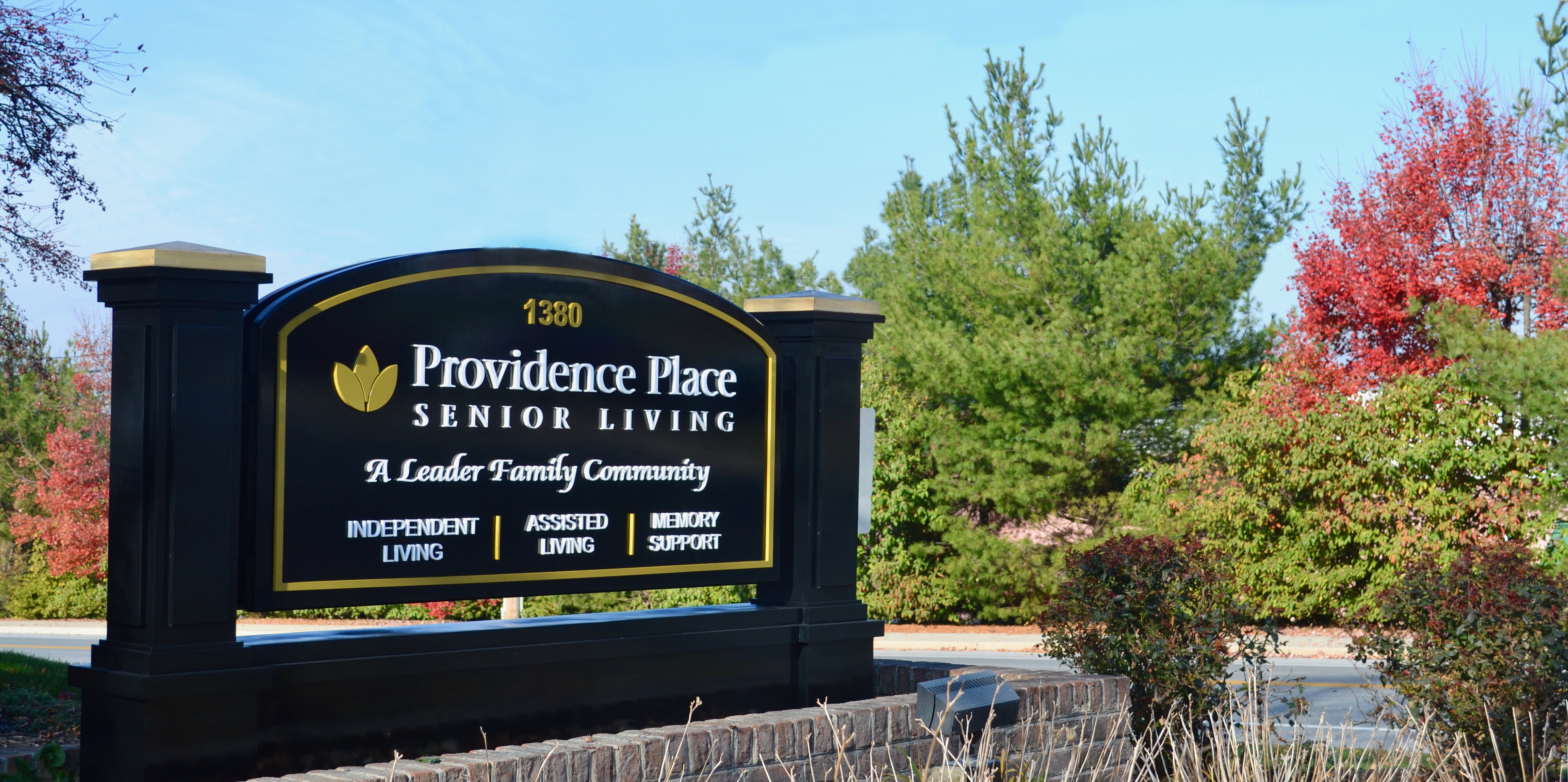
Providence Place Senior Living of Lancaster
Memory Care 1380 Elm Avenue, Lancaster, Pennsylvania, 17603Welcome to Providence Place, a local family-owned senior living company founded in 1998 by former Pennsylvania governor, George M. Leader. Our mission is to enhance the quality of life for our senior residents by delivering vibrant programs and exceptional service at an affordable rate. We offer Independent Living, Personal Care & Assisted Living, and two-levels of Memory Support at each of our seven campuses across Pennsylvania.
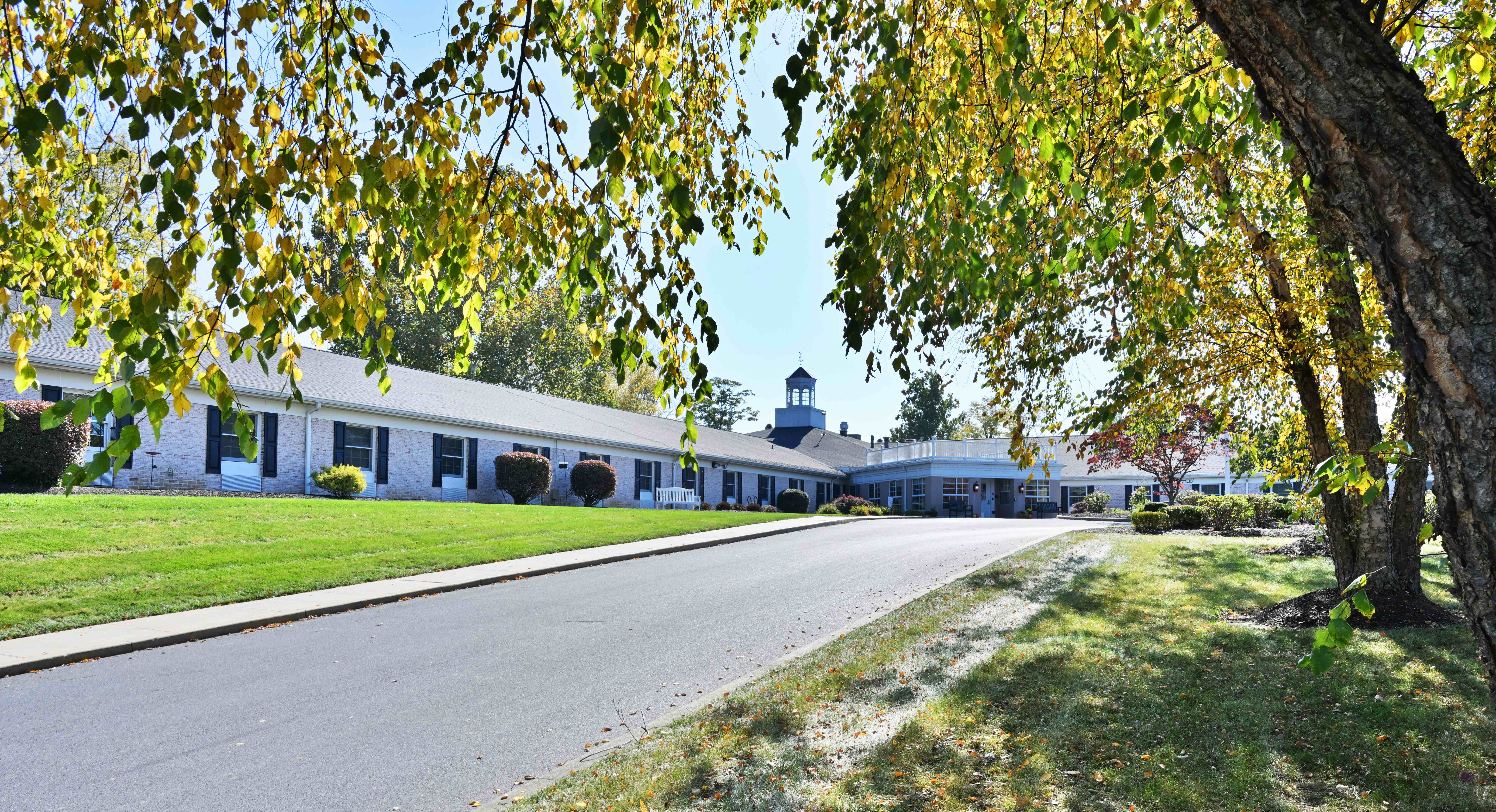
Providence Place Senior Living of Lancaster
Independent Living 1380 Elm Avenue, Lancaster, Pennsylvania, 17603Welcome to Providence Place, a local family-owned senior living company founded in 1998 by former Pennsylvania governor, George M. Leader. Our mission is to enhance the quality of life for our senior residents by delivering vibrant programs and exceptional service at an affordable rate. We offer Independent Living, Personal Care & Assisted Living, and two-levels of Memory Support at each of our seven campuses across Pennsylvania.