
PHONE
Click to View NumberSee More
Additional Services Offered
Dementia Together
Support Groups & Services 4025 Automation Way, F-2, Larimer County, Fort Collins, Colorado, 80525

Dementia Together
Dementia Care 4025 Automation Way, F-2, Larimer County, Fort Collins, Colorado, 80525At Dementia Together, we cultivate joy while building stronger connections for those living with dementia, their care partners, and the community.We offer our family/care partner education and life enrichment programming at no charge to participants so that cost is never a barrier to connection and support.The leadership team at Dementia Together continues to believe that being together is essential, especially when the dementia journey too often (and unnecessarily) pulls us toward isolation and loneliness. We are focused on our challenge to meet the growing need for our services, do more of what we uniquely do and do it better.Were committed to listening to the experts those living with dementia. We continue to cultivate joy and build stronger connections for people living with dementia, their care partners, and our communities.Our mission remains clear: No one has to walk the dementia journey alone. No one has to walk the dementia journey alone.
Continue Your Search! Explore More Local Options.
Start SearchingLet’s engage and get educated!
Browse through thousands of expert articles in over 100 different categories.
Browse NowArticles You May Like
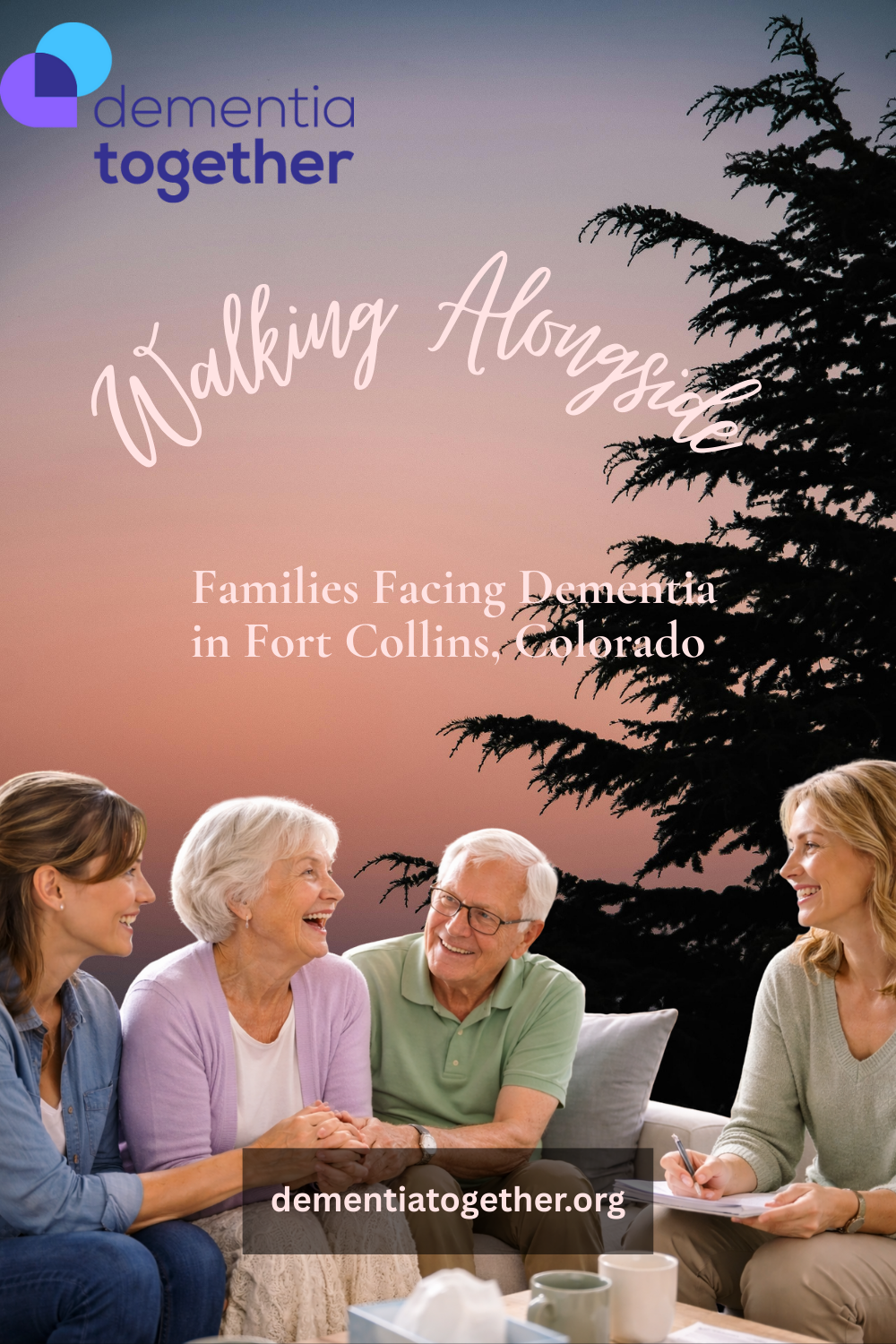
Walking Alongside Families Facing Dementia in Fort Collins, Colorado
Walking Alongside Families Facing Dementia in Fort Collins, ColoradoDementia rarely affects just one person. It reshapes daily routines, family roles, and the emotional landscape of an entire household. In Fort Collinsa community known for its strong sense of connection, outdoor lifestyle, and neighborly spiritfamilies facing dementia often search for something very specific: support that understands both the medical reality of dementia and the human experience of living with it.Thats where Dementia Together plays a vital role. Serving Fort Collins and Northern Colorado, Dementia Together provides dementia-focused support, education, and guidance designed to help individuals and families feel less alone and more prepared as they navigate this journey.Dementia Care Is About People, Not Just SymptomsDementia is often discussed in clinical termsmemory loss, cognitive decline, changes in behaviorbut for families, its deeply personal. It affects relationships, communication, identity, and trust. Dementia Together approaches care and support from this human-centered perspective.Rather than focusing solely on whats been lost, they help families understand what remainsand how to connect meaningfully at every stage of dementia.Their work emphasizes: Preserving dignity and personhood Supporting caregivers emotionally and practically Encouraging understanding, patience, and empathy Building confidence through education and community This philosophy resonates strongly in Fort Collins, where families value informed, compassionate approaches over one-size-fits-all solutions.A Growing Need in Northern ColoradoAs Northern Colorados population ages, dementia-related conditions are becoming more common. Many families find themselves unprepared for the realities of Alzheimers disease and other dementiasespecially in the early stages, when changes may be subtle but unsettling.Dementia Together helps bridge that gap by offering resources that empower families early, not just in moments of crisis. Early education can reduce fear, improve communication, and delay burnout for caregivers.Their services are particularly valuable for: Individuals newly diagnosed with dementia Spouses and partners adjusting to changing roles Adult children supporting parents Caregivers seeking connection and validation Education That Replaces Fear With UnderstandingOne of the most powerful tools Dementia Together provides is education. Understanding why behaviors change can transform frustration into compassion.Educational support may include guidance on: What dementia isand what it is not How dementia affects communication and behavior Practical strategies for responding to challenging moments Setting realistic expectations for different stages By demystifying dementia, families gain clarity and confidence. This knowledge often reduces conflict, guilt, and emotional exhaustion.Claire Richardson of Dementia Together explains the heart of their mission: When families understand dementia, they stop blaming themselves or their loved one. Education creates space for empathy, patience, and more meaningful connection. Support for the Caregiver, Not Just the DiagnosisCaregivers are often the invisible backbone of dementia care. Whether its a spouse, adult child, or close friend, caregiving can be emotionally and physically demandingespecially over time.Dementia Together recognizes that supporting caregivers is essential to supporting the person living with dementia. Their approach validates the caregiver experience while offering tools to cope, adapt, and continue showing up with compassion.Caregiver-focused support helps individuals: Feel seen, heard, and understood Learn they are not alone in their challenges Develop healthier coping strategies Reduce isolation and burnout In Fort Collins, where many caregivers balance work, family, and care responsibilities, this kind of support can be life-changing.Building Community Around a Shared ExperienceDementia can feel isolating, particularly when friends or extended family dont fully understand whats happening. Dementia Together helps counter that isolation by fostering a sense of community among people walking similar paths.Connection with others who get it provides: Emotional relief Practical insight from shared experiences Permission to talk honestly about challenges A reminder that moments of joy are still possible This community-based approach aligns closely with Fort Collins values of mutual support and collective well-being.Supporting Quality of Life at Every StageDementia Togethers work is not limited to a single phase of the disease. Support evolves as needs change, helping families adjust expectations and strategies over time.Their philosophy centers on: Meeting people where they are Focusing on strengths and abilities that remain Encouraging meaningful engagement and routine Respecting each persons unique journey Rather than pushing families toward a fixed path, they offer guidance that adapts to real life.Partnering With Other Local ResourcesDementia care rarely exists in isolation. Dementia Together often complements other services such as non-medical caregiving, home health, adult day programs, and medical providers.Their role is often educational and supportivehelping families better understand how to work with these services, advocate for their loved one, and make informed decisions.This collaborative mindset strengthens the overall dementia care ecosystem in Northern Colorado.Who Can Benefit From Dementia Together?Dementia Together is a valuable resource for: Individuals living with early-stage dementia Family members and caregivers at any stage Those seeking education before a crisis occurs Families navigating difficult transitions Anyone wanting a more compassionate, informed approach to dementia Support is not limited to a diagnosiscuriosity, concern, or a desire to learn is enough to begin.Frequently Asked Questions About Dementia Support in Fort CollinsIs Dementia Together only for people with Alzheimers disease? No. They support individuals and families affected by many forms of dementia.Do you need a formal diagnosis to access support? Not always. Education and guidance can be helpful even before a diagnosis is confirmed.Is support only for caregivers? No. Dementia Together supports both individuals living with dementia and those who care for them.Are services short-term or ongoing? Support can be ongoing or accessed as needed, depending on the familys situation.Does Dementia Together provide medical care? They focus on education, support, and guidancenot medical treatment.You Dont Have to Navigate Dementia AloneDementia changes many things, but it doesnt erase the need for connection, dignity, or understanding. With the right support, families can navigate this journey with more confidence, compassion, and resilience. Dementia Together offers dementia-focused support that honors both the individual and the people who love them. To learn more or explore available resources, visit their Seniors Blue Book listing and take a meaningful step toward informed, compassionate dementia care in Fort Collins and Northern Colorado.
Jan 29, 2026

How Dementia Together Builds Understanding and Support in Northern Col
How Dementia Together Builds Understanding and Support in Northern Colorado A dementia diagnosis changes more than memoryit changes relationships, routines, and the way families experience everyday life. For individuals living with dementia and the people who love them, the journey can feel isolating, confusing, and emotionally overwhelming. In Fort Collins and throughout Northern Colorado, Dementia Together exists to change that experience. Rather than focusing solely on decline, Dementia Together focuses on connection, understanding, and quality of lifehelping individuals and caregivers feel supported, informed, and seen. Their work is rooted in a simple but powerful belief: people living with dementia are still whole people, deserving of dignity, inclusion, and meaningful connection. Redefining Dementia Care Beyond the Medical Model While medical care plays an important role in dementia, it does not address everything families face day to day. Dementia Together fills a critical gap by offering education, emotional support, and community-based resources that help families navigate life with dementianot just manage symptoms. Dementia Together supports: Individuals living with dementia Spouses, adult children, and caregivers Community members seeking understanding Professionals working with older adults Their approach emphasizes empowerment over fear and understanding over stigma. Creating Safe Spaces for Connection and Belonging One of the most painful aspects of dementia is social isolation. As memory changes, individuals may withdrawor be unintentionally excludedbecause others dont know how to interact. Dementia Together creates welcoming spaces where individuals living with dementia and their caregivers can connect without judgment. These programs foster: Social engagement Emotional validation Shared experiences A sense of belonging As Claire Richardson of Dementia Together shares, Connection is essential. When people feel understood and included, it changes how they experience dementiaboth for those living with it and those caring for them. That focus on connection is central to every program they offer. Education That Empowers Caregivers and Families Caregivers often step into their role with little preparation. They may feel unsure how to respond to behavioral changes, communication challenges, or emotional shifts. Dementia Together provides education that helps caregivers: Understand different types of dementia Learn effective communication strategies Respond with empathy rather than frustration Reduce stress and caregiver burnout Education is practical, compassionate, and grounded in real-life experiencehelping caregivers feel more confident and less alone. Supporting Caregivers as Whole People Caregiving can be deeply meaningfulbut also exhausting. Many caregivers neglect their own well-being while focusing on their loved ones needs. Dementia Together recognizes caregivers as individuals who need support, rest, and understanding. Programs and resources often focus on: Emotional support and validation Stress management strategies Peer connection with other caregivers Encouragement to seek help early By supporting caregivers, Dementia Together helps sustain care relationships over the long term. Promoting Dignity and Purpose for Those Living With Dementia A dementia diagnosis does not erase identity, personality, or the desire for purpose. Dementia Togethers philosophy centers on honoring the personnot the diagnosis. Programs emphasize: Strengths rather than losses Engagement at every stage of dementia Respectful, person-centered interaction Opportunities for joy and self-expression This approach helps individuals living with dementia maintain self-worth and emotional well-being, even as abilities change. Building Dementia-Friendly Communities in Northern Colorado Dementia affects entire communitiesnot just individual families. Dementia Together works to build awareness and understanding throughout Fort Collins and Northern Colorado so people living with dementia can remain active members of their communities. Community education helps: Reduce stigma and fear Improve interactions in public spaces Support local businesses and organizations Foster inclusion rather than exclusion A dementia-friendly community benefits everyonecreating safer, more compassionate environments for aging. Early Support Makes a Meaningful Difference Many families wait until a crisis to seek helpbut Dementia Together encourages early connection. Reaching out soon after diagnosis can provide tools, perspective, and emotional grounding that make the journey more manageable. Early support helps families: Plan proactively Build coping strategies Avoid unnecessary isolation Strengthen relationships Even those who are simply noticing early memory changes can benefit from education and guidance. Why Local Dementia Support Matters Dementia Togethers local presence allows them to respond to the specific needs of Northern Colorado families. They understand regional resources, community dynamics, and the realities caregivers face here. Local support means: Accessible programs Familiar community connections Relationships built over time Ongoing guidance as needs evolve That continuity is invaluable during a long, changing journey. When Should You Reach Out to Dementia Together? Dementia Together can support individuals and families when: A new dementia diagnosis has been received Caregivers feel overwhelmed or isolated Communication has become challenging Families want to plan ahead Community members want to learn more There is no too early moment to seek support. Frequently Asked Questions About Dementia Support in Fort Collins Is Dementia Together only for advanced dementia? No. Support is available at all stages, including early diagnosis. Do caregivers need to attend with their loved one? Programs vary, and both caregiver-only and shared experiences are supported. Is this medical care? No. Dementia Together focuses on education, support, and connectionnot medical treatment. Are services limited to Fort Collins? They primarily serve Northern Colorado but support individuals throughout the region. Is there support for caregivers emotional health? Yes. Caregiver well-being is a central focus. Find Dementia Support and Connection Through Seniors Blue Book Living with dementia is challengingbut it does not have to be isolating. Dementia Together offers compassionate education, meaningful connection, and unwavering support for individuals and caregivers throughout Fort Collins and Northern Colorado. Visit their Seniors Blue Book listing to learn more, explore programs, and connect with a trusted local organization dedicated to walking alongside families on the dementia journeywith dignity, understanding, and hope.
Feb 03, 2026
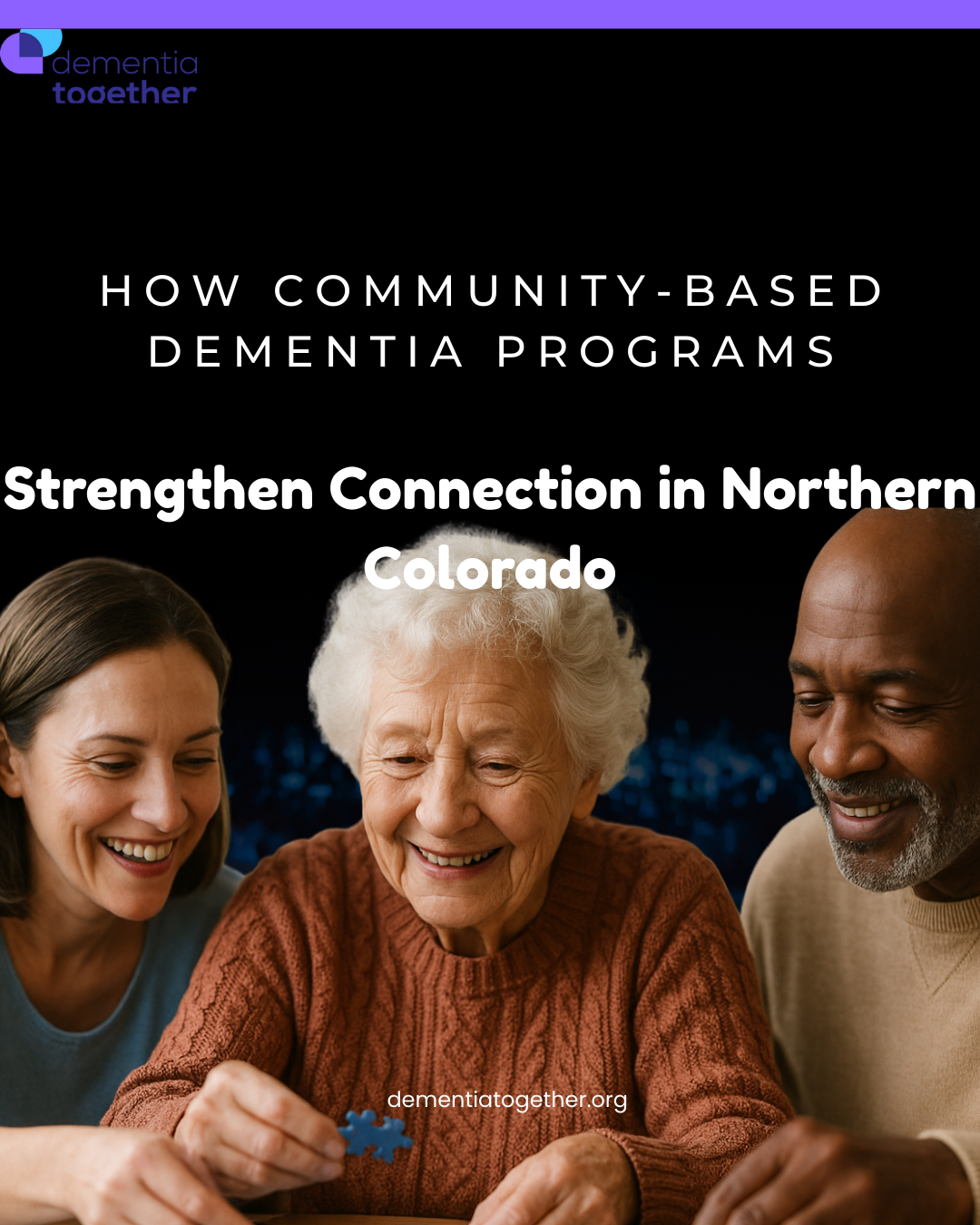
How Community-Based Dementia Programs Strengthen Connection in Northern Colorado
How Community-Based Dementia Programs Strengthen Connection in Northern Colorado Northern Colorado is known for its vibrant community culture, outdoor spirit, and dedication to meaningful connection. From the scenic trails of Horsetooth Reservoir to the welcoming neighborhoods of Windsor, Timnath, and Loveland, families across the region share a commitment to looking out for one another. This is especially true when it comes to supporting loved ones who are living with dementia. Dementia Together, based in Fort Collins and serving all of Northern Colorado, is a nonprofit organization dedicated to reducing stigma, offering empowerment, and creating joyful, connection-based programs for people living with dementia and their care partners. Their mission recognizes a powerful truth: community is one of the strongest tools we have in dementia care. A Community-Based Approach That Brings Hope and Connection Dementia doesnt just affect memoryit affects relationships, communication, confidence, and emotional wellbeing. For many families, the diagnosis can feel overwhelming and isolating. Dementia Together steps in with compassion, education, and accessible programs that invite families back into community life rather than feeling they must withdraw from it. Claire Richardson, a guiding voice and advocate within the organization, explains: When we create opportunities for connection, joy, and belonging, families realize they dont have to face dementia alone. Community support makes the journey lighter and far more meaningful. Claire Richardson This philosophy fuels every program they offer. The Power of Connection-Focused Dementia Programs Dementia Together believes connection is more important than perfection. Their programs focus on joy, engagement, and maintaining meaningful relationshipsnot clinical measurements or performance. 1. Memory Cafs: Joyful Social Gatherings Memory Cafs, hosted throughout Northern Colorado, are warm, welcoming meetups where people with dementia and their care partners can enjoy: Music and rhythm activities Creative arts Conversation and storytelling Light cognitive stimulation Laughter, movement, and friendship These gatherings foster a sense of belonging and help break the isolation that often accompanies dementia. 2. B Sharp Program: Music, Art, and Shared Experience This award-winning, dementia-friendly arts engagement program partners with the Fort Collins Symphony and other cultural organizations. Participants attend concerts, interact with musicians, and experience the emotional benefits of live music an activity shown to improve mood, memory response, and connection. 3. Support and Education for Care Partners Dementia Together empowers care partners through: Educational workshops Caregiver support groups Communication strategy training Stress-reduction tools Resources for emotional resilience Care partners gain confidence, clarity, and a supportive community of others facing similar challenges. 4. Community Education and Stigma Reduction Dementia Together is deeply involved in outreach across Northern Colorado, providing training to: Local businesses Faith communities Schools Healthcare partners Library systems First responders Their goal is to create dementia-friendly environments where every individual feels understood and supported. Why Community Programs Matter in Dementia Care Dementia can slowly shrink a persons world not just through cognitive changes but also through reduced social contact. Research shows that connection-based programs significantly improve: Emotional wellbeing Confidence Communication ability Quality of life Sense of purpose Caregiver resilience Northern Colorado families benefit especially from these outcomes because the region values outdoor activity, strong neighborhood identity, and multigenerational community engagement. Dementia Together programs fit naturally into that culture by encouraging: Participation in local events Involvement in arts and music Connection with volunteers and neighbors Maintaining normalcy and routine Instead of withdrawing after a diagnosis, families can stay connected to the places and experiences that give life meaning. Strengthening Families Through Education and Support One of the most important aspects of Dementia Togethers mission is ensuring that families receive accessible tools and encouragement. Care partners often express feeling overwhelmed or unprepared. Dementia Together helps by offering: Clear, practical communication tools Behavior understanding frameworks Stress and burnout prevention Real-life strategies for daily care Peer connections for emotional support Their message is consistent: you dont have to figure this out alone. The organization also provides referrals and collaborates with local senior resources, aligning with healthcare providers, senior centers, early-stage programs, and memory-support communities. Local Northern Colorado Impact Dementia Together serves families across: Fort Collins Loveland Windsor Timnath Wellington Greeley Estes Park Surrounding Larimer and Weld County areas Their events are hosted in familiar local spaces libraries, churches, community centers, and cultural venues making their programs accessible and community-driven. Northern Colorados landscape of wellness and connection is reflected in their work. Whether its participating in programs near the Lincoln Center, meeting at the Fort Collins Senior Center, or gathering at local parks, Dementia Together integrates care into the heart of community life. Call to Action To learn more about Dementia Togethers programs, support groups, and community resources, visit their Seniors Blue Book listing for details, upcoming events, and contact information. FAQs 1. Are Dementia Together programs free? Many programs, including Memory Cafs and caregiver support groups, are offered at no cost or for a minimal fee thanks to community donations. 2. Do families need a formal diagnosis to attend? No. Anyone concerned about memory changes is welcome. 3. Are programs appropriate for all stages of dementia? Yes from early-stage cognitive changes to more advanced dementia, programs are designed to adapt to each individual's abilities. 4. Can care partners attend without their loved one? Absolutely. Caregiver support and education programs are open to partners, friends, and family members. 5. How do I stay updated on upcoming events? Check their Seniors Blue Book listing or follow their event calendar for Memory Cafs, B Sharp events, and workshops.
Nov 25, 2025
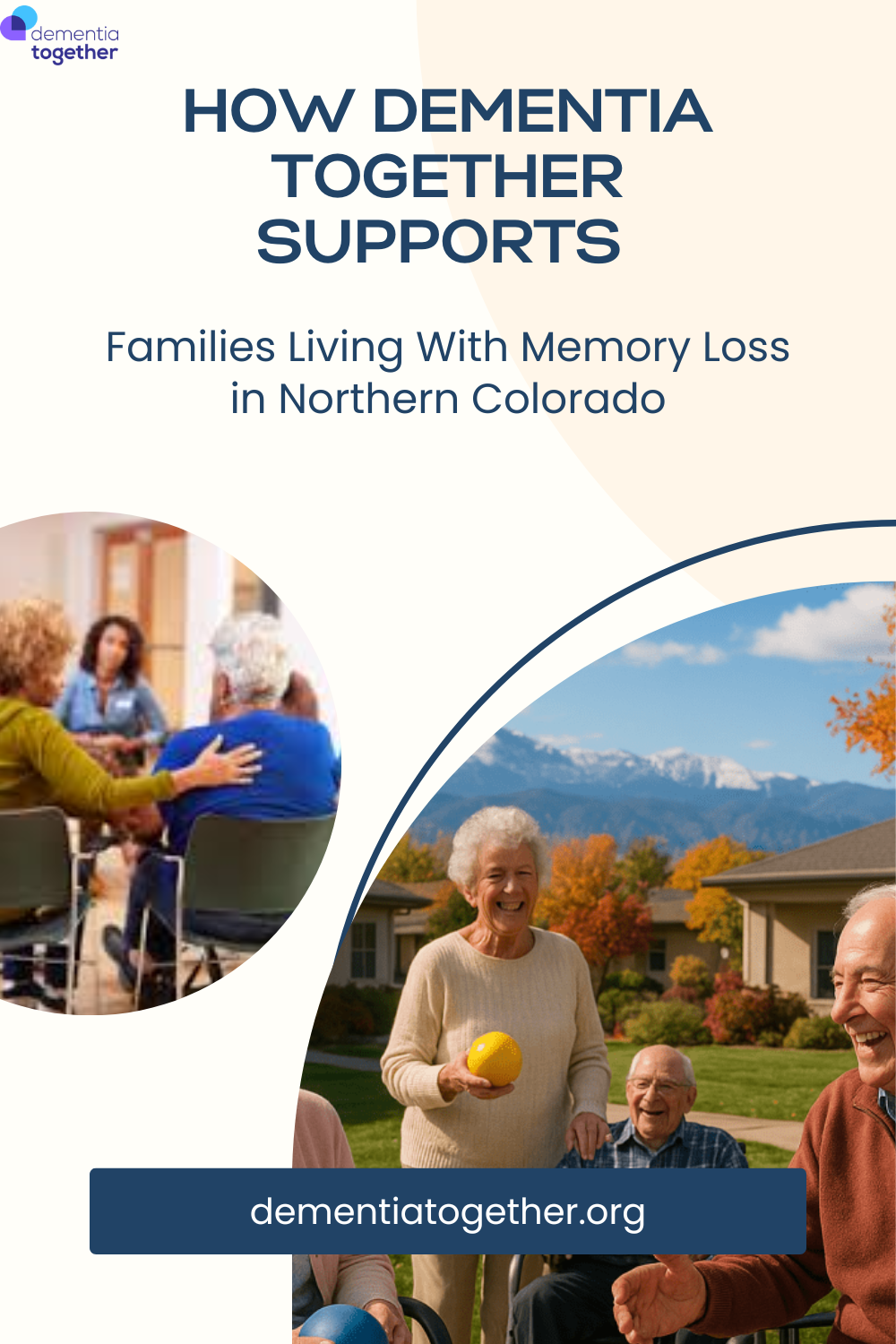
How Dementia Together Supports Families Living With Memory Loss in Northern Colorado
How Dementia Together Supports Families Living With Memory Loss in Northern ColoradoDementia does not just affect memoryit reshapes daily routines, relationships, emotional wellness, and the sense of identity for both the person living with the condition and the loved ones supporting them. In Northern Coloradowhere thousands of families are navigating Alzheimers disease and other forms of dementiaaccess to compassionate, knowledgeable support is essential.Dementia Together, based in Fort Collins, has become one of the regions most trusted, community-centered organizations for memory-loss support. Their mission is simple yet profound: to ensure no one walks the dementia journey alone. Through education, support groups, enrichment programs, and evidence-informed guidance, Dementia Together helps families feel grounded, connected, and hopeful.What makes the organization unique is its warm, relationship-focused approach. Dementia can be overwhelming, but with the right tools and emotional support, individuals and caregivers can maintain meaningful moments, joyful interactions, and a strong quality of life.A Community Approach to Dementia CareDementia Together doesnt operate like a clinical centerit functions like a community of neighbors supporting neighbors. Their programs emphasize connection, dignity, and shared understanding.Our focus is always on relationships, says Claire Richardson. Dementia can feel frightening and isolating, but when families have a safe, supportive space, everything becomes more manageable.This relationship-centered philosophy helps families build resilience, confidence, and emotional strength.Support Groups That Bring Relief, Confidence & HopeIsolation is one of the most significant challenges families face when navigating dementia. Dementia Together combats this through free, accessible support groups for both caregivers and individuals living with cognitive changes.Support Groups Include: Caregiver support circles Early-stage memory loss groups Peer support for adult children of parents with dementia Couples support groups Virtual support options for those in rural areas These groups offer: Practical problem-solving Emotional support Validation and understanding Shared stories and lived experiences Strategies for improving day-to-day interactions Families often describe these groups as lifelines during the hard days.Enrichment Programs That Bring Joy Back Into Everyday LifeOne of Dementia Togethers foundational beliefs is that joy is not only possible but essential for those living with dementia.Their enrichment offerings include:1. B Sharp Music ProgramA partnership with local musicians that uses singing, rhythm, and music-based memory stimulation to enhance emotional engagement.2. Cognitive & Social Engagement ActivitiesArt, storytelling, simple movement, and multisensory experiences help participants stay engaged and connected.3. Community OutingsInclusive, dementia-friendly outings provide opportunities for relaxation, confidence-building, and meaningful social interaction.4. Care-Partner Education Through Shared ActivitiesPrograms that help caregivers connect with loved ones through guided interaction and shared joy.These programs emphasize ability, not losshelping seniors feel seen, valued, and appreciated for who they are today.Education That Empowers FamiliesKnowledge helps reduce fear. Dementia Together equips families with practical, evidence-informed education designed to make daily care less overwhelming.Educational offerings include: Understanding dementia types & progression Communication strategies that reduce frustration Tips for managing behavioral changes Home safety guidance Stress management for caregivers Navigating community resources Families leave feeling more confident, capable, and supported.Serving Fort Collins & Northern Colorado With CompassionFort Collins is home to a large and fast-growing senior population. With its outdoor activity culture, university influence, and strong medical network, the community is uniquely positioned to support individuals aging with cognitive changes.Dementia Together serves families from: Fort Collins Loveland Windsor Wellington Estes Park Greeley Rural Northern Colorado communities By offering both in-person and virtual programs, they ensure accessibility regardless of mobility, transportation, or caregiving schedules.Reducing Caregiver Stress & Strengthening Family ResilienceCaregiving is meaningfulbut also exhausting. Dementia Together supports caregivers through: Stress reduction coaching Encouragement and emotional support Practical tools for daily challenges Education for long-term planning Validation from others who get it Caregivers often share that they feel understood and less alone after attending even one session.A Warm, Hopeful Approach to Dementia CareDementia Together believes that: Connection is always possible Every person has strengths Joy can exist alongside grief Caregivers deserve support Community makes the journey lighter As Claire Richardson beautifully states, Hope is not a cure for dementia, but it is a powerful tool for living well with it. Our work is about helping families find that hope again.Call to ActionIf you or a loved one is navigating dementia in Fort Collins or Northern Colorado, Dementia Together offers free support, education, and joyful engagement programs. Visit their full listing on SeniorsBlueBook.com to explore groups, classes, and community resources.Frequently Asked Questions (FAQs)1. Are Dementia Together programs free?Yes. Most programsincluding support groups and educationare offered at no cost.2. Do I need a diagnosis to attend?No. Anyone concerned about memory changes, or supporting someone with dementia, is welcome.3. Are enrichment programs appropriate for all stages?Many activities are designed to meet participants where they are, from early to moderate stages.4. Does the organization serve rural communities?Yes. Virtual options and community partnerships support those outside Fort Collins.5. Can caregivers attend without the person living with dementia? Absolutelymany caregiver groups are designed specifically for private, supportive discussion.
Dec 05, 2025
Dementia Together Brings Connection, Clarity, and Hope to Northern Colorado Families
Dementia Together Brings Connection, Clarity, and Hope to Northern Colorado FamiliesA dementia diagnosis brings a wave of emotionsuncertainty, confusion, grief, and countless questions about what comes next. In Greeley and throughout Northern Colorado, families facing these challenges dont have to navigate the journey alone. Dementia Together, a compassionate nonprofit organization rooted deeply in community support, is dedicated to helping individuals living with dementiaand the people who love themfind connection, purpose, and joy throughout every stage of the condition.What makes Greeley unique is its distinctly warm, community-oriented nature. Neighbors know each other. Families stay connected. People care deeply about coming together during times of need. Dementia Together embodies that same spirit, offering education, guidance, and meaningful engagement for seniors and caregivers throughout Weld County and the surrounding areas. Whether through memory cafs, support groups, trainings, or joyful connection programs, the organization provides the tools families need to live well with dementianot just manage it.Creating a Community Where No One Walks the Dementia Journey AloneDementia Together believes that connection is vital for both individuals living with dementia and their care partners. The organization focuses on strengthening relationships through empathy, shared activities, and understanding. Rather than centering exclusively on the challenges of dementia, the team embraces a strengths-based, person-centered approach that celebrates each individuals identity, abilities, and story.The heart behind this work is expressed beautifully by Claire Richardson of Dementia Together:We always remind families that there is still joy, still meaning, and still connection availableevery single day. Dementia does not take away a persons value or their ability to experience moments of happiness.This philosophy shapes every program the organization offers, helping families feel supported and uplifted rather than overwhelmed.Programs That Bring Joy, Insight, and SupportDementia Together provides a variety of programs designed to meet families exactly where they are. Each program is carefully created to reduce stress, increase confidence, and help caregivers build meaningful routines with their loved ones.Memory CafsHeld regularly throughout Northern Colorado, these cafs are welcoming, stigma-free social gatherings where individuals with dementia and their care partners enjoy activities, conversation, laughter, and community. They provide a safe environment to have fun and connect with others who truly understand the journey.Support GroupsCaregivers often carry emotional and physical responsibilities that can feel overwhelming. These support groups offer a comforting space for caregivers to share challenges, learn from one another, and gain strength from a community that listens without judgment.Dementia-Friendly EducationThe organization offers free, high-quality training that helps caregivers understand dementia behaviors, communication strategies, and how to create a supportive home environment. These trainings empower families with tools that improve daily life for both the caregiver and their loved one.Joyful Moments EngagementDementia Togethers approach encourages moments of shared joyno matter the stage of dementia. Activities emphasize creativity, music, movement, and connection, helping individuals maintain cognitive, emotional, and social engagement.Community PartnershipsDementia Together collaborates with local agencies, businesses, and senior organizations to foster a dementia-friendly Northern Colorado. Through education and outreach, the organization raises awareness and advocates for more inclusive communities.Serving Greeley With Compassion and Local ExpertiseGreeley has grown into a thriving hub for senior support services, and Dementia Together is proud to serve families throughout the area. With its mix of rural and urban neighborhoods, diverse cultural backgrounds, and strong commitment to community wellness, Greeley provides an ideal environment for the organizations mission.Local families appreciate that Dementia Together understands the unique rhythms and challenges of Northern Colorado life. Whether a family lives near the University District, out toward Windsor, or in rural Weld County, the organization ensures that support is accessible, welcoming, and deeply personal.Understanding Dementia Through a Human LensDementia impacts memory, behavior, communication, and problem-solvingbut it does not erase a persons identity. Dementia Together teaches families how to shift from focusing on what is lost to embracing what remains. Caregivers learn how to communicate more effectively, understand sensory needs, and create moments of joy even during difficult times.This human-centered approach helps caregivers rediscover patience, compassion, and connection. It also reduces stress and burnout by providing tools that make daily caregiving more manageable.A Lifeline for Caregivers in Northern ColoradoCaregivers often face tremendous emotional strain. Many juggle responsibilities at home, work, and caregiving simultaneously. Dementia Together ensures these individuals receive the support, education, and encouragement they need.Families frequently share that the organization has helped them:Better understand dementia behavior changesBuild a stronger, more compassionate bond with their loved oneReduce frustration and communication barriersFind joy in small momentsConnect with others who truly understand their journeyFor many, Dementia Together becomes a lifelinea steady source of reassurance during difficult moments and a reminder that they are never alone.Strengthening the Entire CommunityDementia Togethers work extends beyond individual families. By providing community-wide education, the organization helps businesses, churches, libraries, and civic groups create dementia-friendly environments. This ripple effect strengthens the entire fabric of Northern Colorado.Through workshops, collaborative events, and training programs, Dementia Together raises awareness and encourages a culture of respect, dignity, and inclusion for individuals with cognitive challenges.A Hope-Filled Approach to Living With DementiaEven with dementia, life can still hold meaning, purpose, and connection. Dementia Together emphasizes that a diagnosis is not the end of joyits a shift in how joy is experienced. Families often walk away from the organizations programs feeling more empowered, more hopeful, and more connected.Frequently Asked QuestionsAre Dementia Togethers programs free?Yes. Most programsincluding memory cafs and caregiver educationare offered at no cost.Do I need a formal dementia diagnosis to participate?No. Anyone concerned about cognitive changes is welcome to attend.Can caregivers attend programs without their loved one?Absolutely. Support groups and education sessions are open to caregivers independently.Are programs available in both Greeley and other Northern Colorado areas?Yes. Dementia Together serves families throughout Weld and Larimer Counties.Is training available for businesses or organizations?Yes. Dementia Together provides dementia-friendly awareness training for community partners.Call-to-ActionTo learn more about programs, events, and support services, visit the Dementia Together listing on SeniorsBlueBook.com. Connect with resources that bring comfort, hope, and community to every step of the dementia journey.
Nov 14, 2025
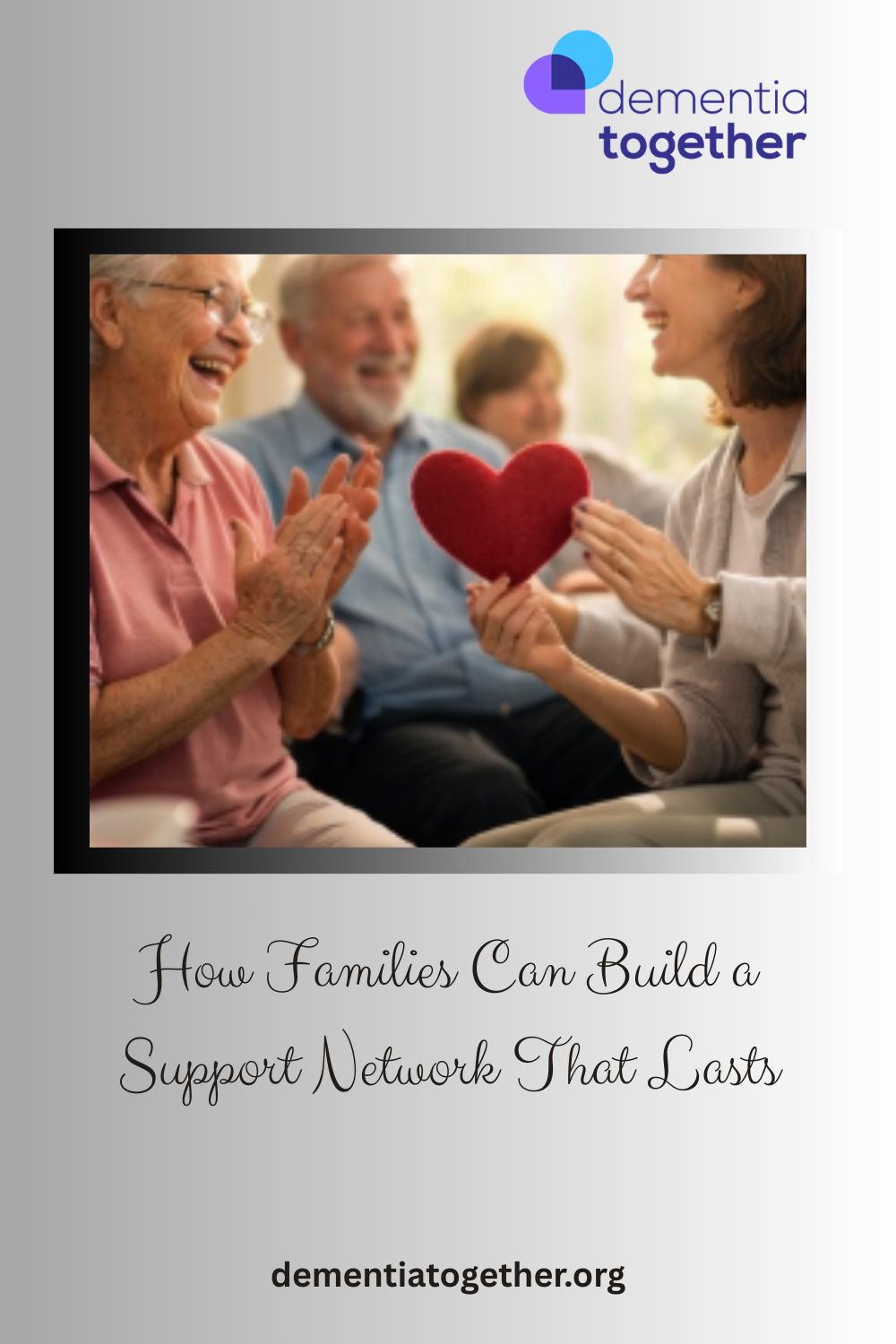
How Families Can Build a Support Network That Lasts
How Families Can Build a Support Network That LastsIn Fort Collins, community is more than a wordits a way of life. But dementia can be isolating. Families may feel like theyre disappearing from social circles as memory changes reshape daily routines. Caregivers become exhausted. Loved ones cant always explain what they need. And the grief of losing someone while theyre still here is real.Yet dementia care doesnt have to be a lonely path. With the right education, support, and connection, families can replace confusion with confidenceand build a network that sustains them.Dementia care is not just about the person with memory lossits about supporting the whole family with tools, understanding, and compassion, says Claire Richardson of Dementia Together.Why Dementia Changes Everything (and Why Education Helps)Dementia impacts more than memory. It can affect: Language and communication Judgment and safety awareness Mood and behavior Sleep patterns Ability to manage daily tasks When families understand these changes, they stop taking behaviors personally and start responding more effectively. Education doesnt remove the painbut it reduces the chaos.What Support Looks Like Beyond CaregivingMany people think dementia support is only about hands-on help. But the most effective dementia care combines: Caregiver coaching: Communication tools, routine building, behavior strategies Support groups: Emotional relief and practical tips from others who understand Resource navigation: Helping families find local services, respite, and community programs Connection opportunities: Reducing isolation for both the person living with dementia and their caregiver In Fort Collins, where families may be balancing careers, kids, and caregiving, having a guide makes a difference.Practical Tools Families Can Start Using TodayCommunication That Reduces Stress Use short sentences and simple choices (Would you like tea or water?) Avoid arguing about facts; focus on feelings and reassurance Redirect gently rather than correcting repeatedly Keep tone calmeven when the situation is hard Routines That Create StabilityDementia thrives on predictability. Consistent routines help reduce anxiety: Same wake time, meals, and bedtime Familiar music or activities in the afternoon Reduced stimulation in the evening to help prevent sundowning Environment Changes That Improve Safety Remove tripping hazards and improve lighting Use labels or visual cues for bathrooms and rooms Lock away medications and hazardous cleaning supplies Consider door alarms if wandering is a concern Small changes can dramatically reduce crises.Caregiver Burnout: The Part No One Warns You AboutCaregivers often push through until they break. Burnout signs include: Chronic exhaustion Irritability or depression Sleep disruption Resentment or guilt Social withdrawal Dementia Together-style support models help caregivers build respite plans and emotional outlets earlybefore the situation becomes unmanageable.Fort Collins Resources and Community ConnectionFort Collins offers community spaces that can support dementia familieslibraries, senior centers, faith communities, parks, and neighborhood networks. But caregivers often dont have time to find them. Resource specialists help connect families to local options and build realistic support plans.FAQs (Fort Collins/Northern Colorado) When should we seek dementia support? Early. Education and planning are most effective before a crisis happens. What is sundowning and how do we manage it? Sundowning is increased confusion/agitation in late afternoon/evening. Routine, reduced stimulation, and reassurance can help. How do we talk to a loved one who is confused? Focus on feelings, use simple language, and avoid arguments about reality. Does dementia support help caregivers too? Yescaregivers need tools, respite planning, and emotional support to stay healthy. What if my loved one refuses help? Start with small, non-threatening changesroutine support, familiar activities, and gentle education for the family.Call to Action If youre navigating dementia in Fort Collins and Northern Colorado, Dementia Together can provide education, guidance, and community connection that helps families feel less alone and more confident. Visit their Seniors Blue Book listing to learn more and reach out.
Jan 26, 2026
.png)
Living Well with Dementia
DEMENTIA TOGETHER, is a nonprofit organization. Our mission is: No one has to walk the dementia journey alone.Through education and enrichment, we work with others to make living well with dementia the expectation, not the exception. We lead and support innovative efforts to enhance well-being and hope. We collaborate locally, nationally, and internationally, while providing services in Northern Colorado where gaps previously existed. We distribute Patient Resource Folders (for local medical providers to share with their patients.)We offer in-person and virtual:Memory Cafs (themed, live, interactive social gatherings which include reminiscing, games, laughter, and music for people living with early to mid-stage dementia and their care partners.)Mobile Memory Cafs (for care community residents, families, and staff.) Contented Dementia (SPECAL) Education, Support, and Consultation (for care partners, families, professionals, and community members who want to be dementia friendly.) We dont charge for our resources or programming so that cost is not a barrier to finding help and connection. Editors Note: This article was submitted by Cyndy Luzinski of Dementia Together. She may be reached at 970-305-5271 or by email at: [email protected]
Sep 16, 2020
Caring Well for a Loved One with Dementia
Caring for a loved one with dementia can be one of lifes greatest challengesand one of its greatest honors. At Dementia Together, we help care partners learn counter-intuitive strategies based on a simplified understanding of dementia as the inability to store recent facts, while still storing feelings the same way as usual.This understanding helps care partners accommodate the disability their loved one is experiencing. Expectations shift when care partners stop assuming recent facts are storedfacts needed to recall what just happened or what was just said.Family members who step into the role of care partner often find that their success depends on their willingness to learn from their loved one. Observing responses, questions, phrases, and nonverbal communication provides ongoing consent for meaningful interaction and effective care.Once primary care partners commit to close observation and skill-building to promote well-beingwhile leveraging their loved ones unique historythe next step is building a skilled care team of family, friends, and professionals. With a strong team, many families can support their loved one at home through the end of life.For some, a tipping point is reached, and moving to a care community becomes the best option. Families often associate this transition with fear and trauma. The old assumption was that memory care transitions are inevitably difficult, and outdated admission practiceslike telling families to stay away to help their loved one adjustare unnecessary at best and unkind at worst.Using SPECAL strategies, transitions can be made without trauma. When staff and families are informed, prepared, and creatively collaborative, transitions can uphold the dignity of those living with dementia.Timing MattersSometimes well-intended families wait too long to expand their care team or consider a move. Delaying can lead to increased resistance and distress for both the person with dementia and the primary care partner. To avoid trauma, transitions must be carefully orchestrated and individualized.Successful Transitions Happen When:Moves or introductions occur while a loved one living with dementia is not distressed.An explanation for the transition is established and usedan explanation that makes sense to the person with dementia.The care community is well-vetted and staffed with SPECAL-trained professionals.Advance directives and medical orders are completed and accessible prior to a move.SPECAL passportsconcise, personalized information (including key explanations)are developed and shared with staff before meeting their new resident. The passport helps SPECAL-trained staff create and sustain successful transitions.We Encourage Families To:Tend to their own well-being so that the journey is sustainable Choose a care community early, just in case the need arises for a move, while still utilizing help at home and simplifying routines as the dementia progressesEngage with care community events and staff so their own comfort is boosted.Attend SPECAL classes, workshops, and support groups through Dementia Together.Identify their own tipping point and make a move when their loved one is not agitated.Ensure a SPECAL passport is in place and shared with those in caregiving roles before any move.Avoid communities that ask families to stay away during transitionsthis reflects a philosophy that expects trauma. It doesnt have to be that way.Editors Note: This post was submitted by Cyndy Luzinski at Dementia Together, a nonprofit organization in Colorado dedicated to helping families navigate dementia with compassion and skill. Dementia Together offers SPECAL education, community programs, and ongoing support at no charge to families so that cost is not a barrier to finding help and connection. To learn more, call 970-305-5271 or email [email protected].
Sep 03, 2025
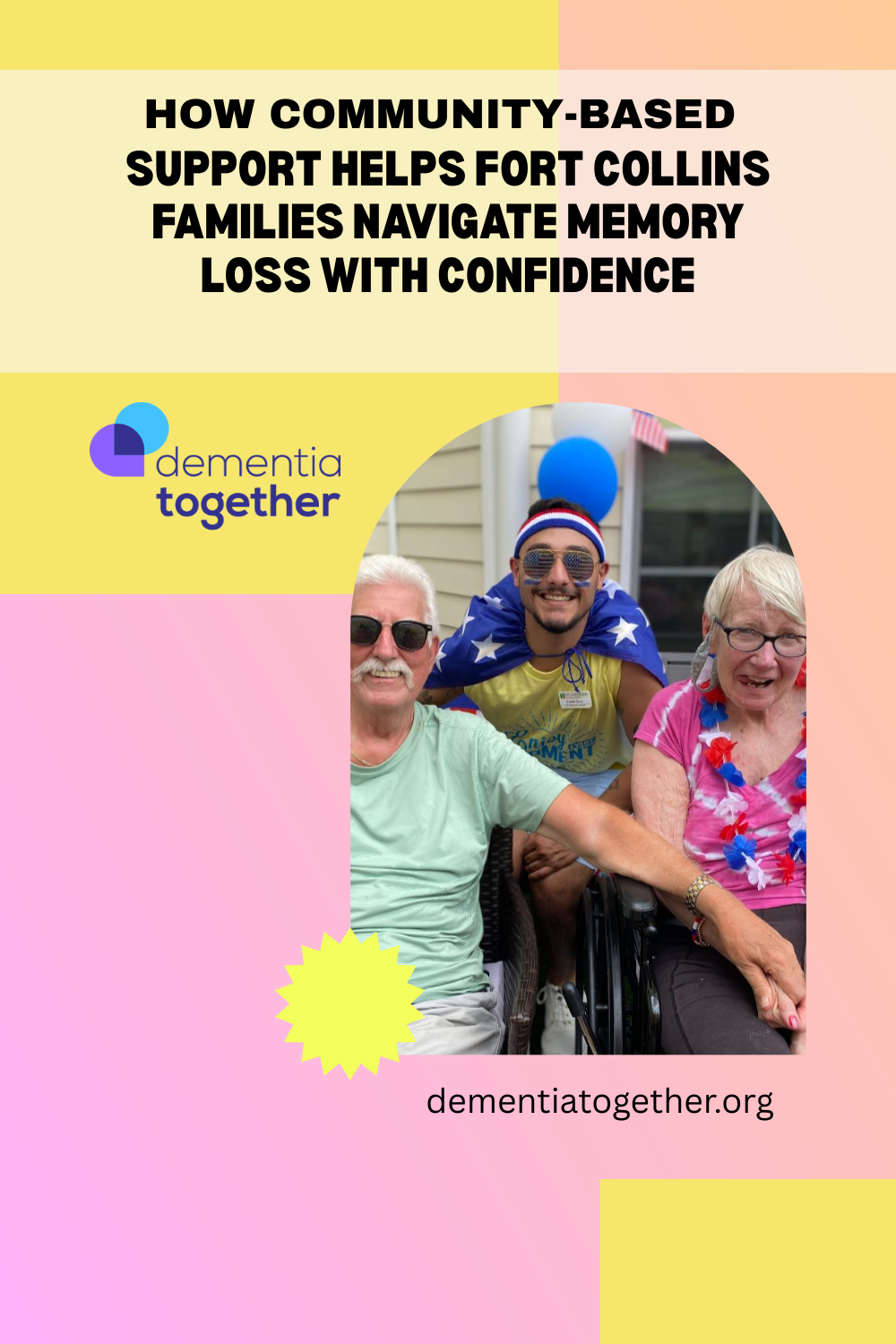
How Community-Based Support Helps Fort Collins Families Navigate Memory Loss with Confidence
How Community-Based Support Helps Fort Collins Families Navigate Memory Loss with ConfidenceIn Fort Collins, Northern Colorado, community is a way of life. From neighborhood gatherings in Old Town to quiet walks along the Poudre River Trail, connection mattersespecially for families facing the challenges of dementia. When memory loss enters the picture, it can feel isolating, confusing, and overwhelming for both individuals and those who love them.Thats where Dementia Together plays a powerful role. Through education, support, and community connection, Dementia Together helps Fort Collins families understand dementia, reduce fear, and build confidenceso no one has to navigate the journey alone.Understanding Dementia Beyond the DiagnosisDementia is not a single disease but a broad term describing conditions that affect memory, thinking, communication, and daily functioning. Alzheimers disease is the most common type, but many families are surprised to learn how varied dementia experiences can be.Beyond medical symptoms, dementia affects: Relationships and family dynamics Emotional well-being Communication and behavior Caregiver stress and burnout Education and support are essentialnot just for those living with dementia, but for caregivers, friends, and the broader community.Why Community Support Is Essential in Fort CollinsFort Collins has a growing population of older adults, many of whom value independence, outdoor activity, and staying socially connected. Dementia can quietly disrupt those connections, leading to isolation if support isnt readily available.Community-based dementia programs help by: Creating safe spaces for connection Reducing stigma around memory loss Offering practical tools for daily challenges Supporting caregivers before burnout occurs Dementia Together focuses on meeting families where they are, emotionally and practically.Education That Empowers FamiliesOne of the greatest fears families face is not knowing what comes next. Dementia Together provides education that replaces uncertainty with understanding.Educational programs often address: What dementia is (and isnt) How dementia progresses Communication strategies that reduce frustration Behavior changes and how to respond compassionately Planning for future care needs Knowledge changes everything, says Claire Richardson of Dementia Together. When families understand dementia, fear decreases and compassion increasesfor their loved one and for themselves. Education empowers families to respond thoughtfully rather than react out of stress.Support Groups That Reduce IsolationCaregiving can be deeply meaningfulbut also emotionally exhausting. Many caregivers feel they must hold it together alone. Dementia Together creates supportive environments where caregivers can connect with others who truly understand.Support groups offer: Emotional validation Practical advice from peers A safe place to share challenges Relief from isolation For many Fort Collins caregivers, these connections become lifelines.Programs That Foster Connection and DignityDementia Together emphasizes strengths, not just losses. Programs are designed to support remaining abilities, encourage engagement, and honor dignity.Community-centered programs may include: Memory cafs or social gatherings Educational workshops Care partner activities Community awareness events These initiatives help individuals with dementia remain active participants in their communities.Supporting the Whole Care NetworkDementia doesnt affect just one personit affects families, friends, and caregivers. Dementia Together supports the entire care network by: Providing guidance during transitions Encouraging self-care for caregivers Connecting families to local resources Promoting realistic expectations This holistic approach strengthens long-term resilience.Reducing Stigma Through AwarenessMisunderstanding dementia often leads to stigma and withdrawal. Dementia Together actively works to educate the broader communityhelping neighbors, businesses, and organizations become more dementia-aware.Greater awareness leads to: Increased patience and empathy Safer, more inclusive public spaces Stronger community support systems Fort Collins becomes a more compassionate place for everyone.Planning Ahead with ConfidenceEarly education and support allow families to plan thoughtfully rather than react in crisis. Dementia Together encourages proactive conversations about: Legal and financial planning Care preferences Safety and supervision Community resources Planning ahead preserves choice and dignity.When Should Families Seek Dementia Support?Dementia support is helpful at any stagenot just when symptoms become severe. Families may benefit when: Memory changes are first noticed A diagnosis is received Caregiving stress begins to build Social isolation increases Early support often leads to better long-term outcomes.Frequently Asked Questions (FAQs)Q1: Do you have to have a dementia diagnosis to participate? No. Many families seek education and support before or during the diagnostic process.Q2: Are programs only for caregivers? No. Programs support individuals with dementia, caregivers, and families.Q3: Are services only available in Fort Collins? While based in Northern Colorado, some resources may be available regionally or virtually.Q4: Is there a cost to participate? Many programs are free or low-cost to encourage accessibility.Q5: Can early education really make a difference? Yes. Early understanding reduces stress and improves quality of life for everyone involved.Building a More Dementia-Friendly CommunityDementia changes lifebut it doesnt erase connection, purpose, or dignity. Through education, support, and compassionate community engagement, Dementia Together helps Fort Collins families face memory loss with understanding instead of fear. Looking for support, education, or connection? Visit Dementia Togethers Seniors Blue Book listing to learn how dementia-focused community programs can support you and your loved onesevery step of the way.
Jan 12, 2026
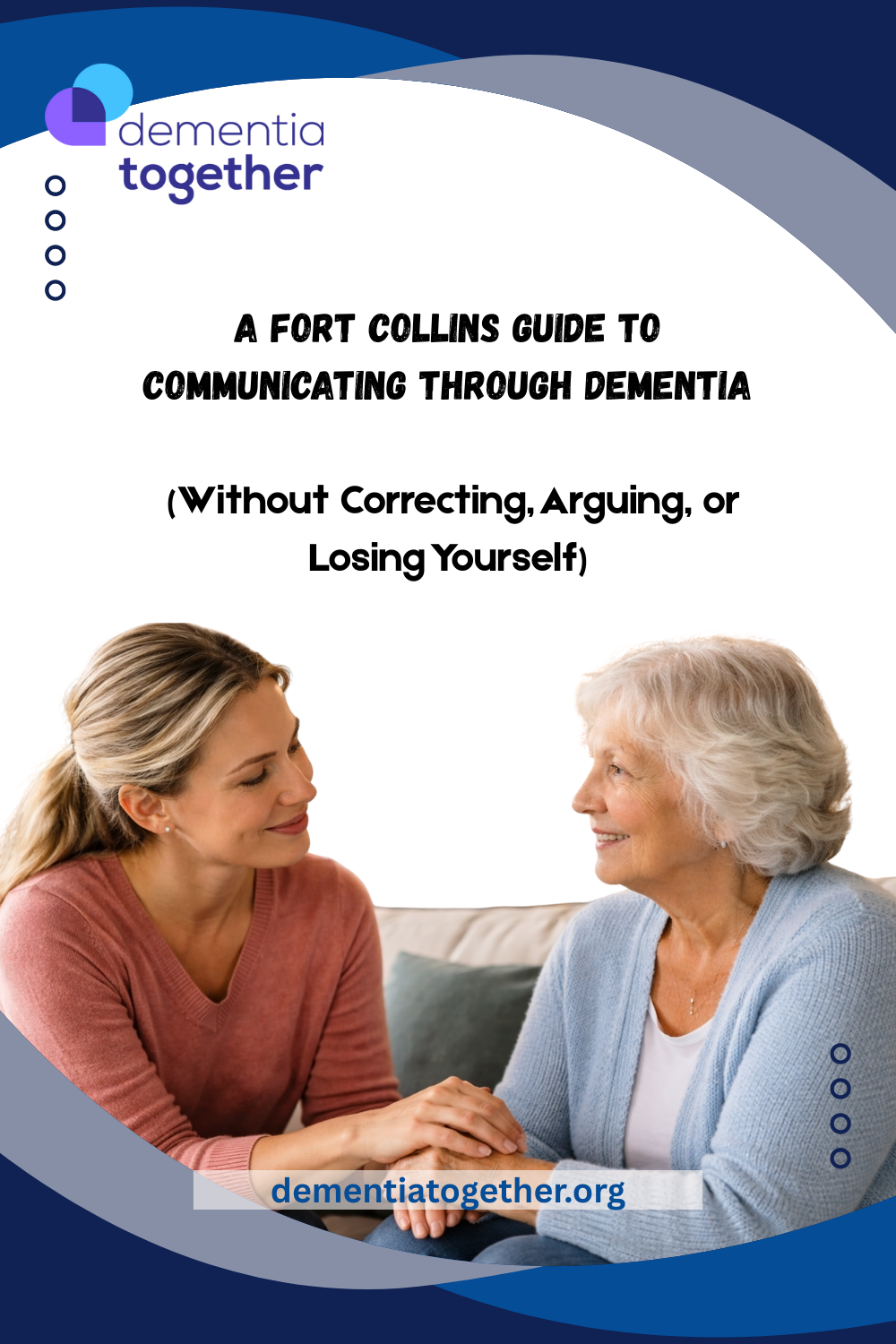
A Fort Collins Guide to Communicating Through Dementia (Without Correcting, Arguing, or Losing Yourself)
A Fort Collins Guide to Communicating Through Dementia (Without Correcting, Arguing, or Losing Yourself)In Fort Collins, you can find community everywhereat a morning walk around Spring Canyon Park, in a familiar coffee shop off College Avenue, or in the quiet kindness of neighbors who notice when something feels off. But dementia has a way of shrinking a familys world. Conversations change. Routines change. And the people who love hardest often feel the most lost.One of the biggest surprises for families is this: dementia care isnt only about memory. Its about connectionhow we speak, how we respond, and how we preserve dignity when the brain is changing.Thats where education and support can be life-changing.Dementia Together in Fort Collins, Northern Colorado provides dementia care education, guidance, and support to help families understand whats happening and respond in ways that reduce conflict, anxiety, and isolation. Their work helps caregivers feel less aloneand helps people living with dementia feel more seen.As Claire Richardson from Dementia Together shares, When families learn how to communicate differently, everything shifts. Its not about fixing the personits about protecting their dignity and keeping connection alive.This article takes a fresh, human angle: a communication toolkit for Fort Collins familiespractical phrases and strategies that help you navigate dementia conversations without constant correcting, arguing, or heartbreak.Why Communication Becomes the Hardest PartMany caregivers say the most painful moments arent the appointments or the paperworktheyre the daily interactions: The repeated questions The accusations (You stole my purse.) The confusion about time (I need to go to work.) The refusal to bathe or eat The sudden anger or fear The heartbreak of being called the wrong name If youre feeling exhausted, youre not failing. Youre responding to a new reality where logic no longer works the way it used to.Dementia changes the brains ability to: Process information quickly Understand complex explanations Recall recent events Interpret tone and facial expression accurately Regulate emotions under stress So when we correct, pressure, or arguewe accidentally raise the stress level and make the moment harder for everyone.The Fort Collins Dementia Communication ToolkitThese tools are simple, but theyre powerful. Theyre designed to reduce distress and preserve dignity.1) Trade Correction for ConnectionInstead of: No, Dad, thats not true. Try: That sounds upsetting. Tell me more. Instead of: Mom, you already asked me that. Try: Good questionlets look at it together. Connection first. Facts later (and sometimes never).2) Use the Yes, And ApproachThis isnt about lyingits about entering their reality to reduce fear.If they say: I need to go pick up the kids. You can respond: Yes, the kids are important. Lets sit for a minute and then well make a plan. This keeps the nervous system calm. Calm is everything in dementia care.3) Shorten Your Sentences (and slow your pace)A long explanation feels like noise when the brain is overwhelmed.Try: One idea at a time Fewer choices More pauses Instead of: We cant go right now because its cold and you dont have your shoes and we already ate lunchremember? Try: Lets put on your shoes. Then well decide. 4) Avoid Why? QuestionsWhy did you do that? can sound like blameand they may not know the answer.Try: Whats going on? How can I help? Are you feeling worried? 5) Redirect Without Announcing Youre RedirectingRedirection works best when its gentle and natural.Examples: Offer a snack Change rooms Put on familiar music Ask for help with a simple task (Can you fold these towels with me?) The 3 Most Common Dementia Conversation Traps (and What to Do Instead)Trap 1: Repeating QuestionsWhat it feels like: Theyre not listening. What it often is: short-term memory not storing the answer.What helps: Answer calmly (briefly) Use a written cue (whiteboard, sticky note, calendar) Pair the answer with reassurance (Youre safe. Were okay.) Trap 2: Accusations and SuspicionWhat it feels like: personal attack What it often is: fear + missing items + confusionWhat helps: Dont argue Validate emotion: Thats frustrating. Help search together Create home bases for important items (keys, purse, wallet) Trap 3: I Want to Go HomeEven when they are home.What it often means: I feel unsafe. Im overwhelmed. I miss something familiar. Try: Tell me about the home youre thinking of. What do you miss most? Then soothe: snack, music, warmth, quiet space. As Claire Richardson says, So often, the words arent the message. Dementia changes language. Our job is to listen for the feeling underneath.Caregiver Stress in Northern Colorado: The Part We Dont Talk About EnoughFort Collins is rich with resources, but caregiving can still feel isolatingespecially when friends dont understand, or when your loved one looks fine to outsiders.If youre juggling work, kids, and dementia care, you may also be carrying: Grief (even while the person is still here) Guilt (no matter what you do) Burnout from constant vigilance Loneliness because your world has shrunk Support groups, education, and coaching can be the difference between surviving and drowning. Dementia Together exists because caregivers deserve toolsand community.A Gentle Do This Today List for Fort Collins FamiliesIf you want one small step that helps immediately: Put a large calendar and a simple daily schedule where its visible Reduce clutter and background noise in main living areas Choose two go-to calming activities (music, folding towels, tea) Identify one trigger pattern (evenings? bathing? leaving the house?) Practice one phrase: Youre safe. Im here. Small changes reduce stressfor both caregiver and loved one.FAQs: Dementia Support in Fort Collins, Northern Colorado1) Whats the best way to talk to someone with dementia?Use short sentences, a calm tone, and emotional validation. Prioritize comfort and connection over correcting details.2) Should I correct my loved one when they say something untrue?Most of the time, no. If it doesnt impact safety, let it go. Correcting often increases distress and conflict.3) What if my loved one gets angry or aggressive?Aggression is often a sign of fear, pain, overstimulation, or unmet needs. Step back, lower your voice, reduce stimulation, and try again later. If it escalates or becomes unsafe, seek professional guidance.4) How can I handle sundowning in the evenings?Keep evenings calm and predictable: soft lighting, familiar music, limited caffeine, simple meals, and fewer visitors. Talk with a provider about sleep and medical factors.5) Where can caregivers in Fort Collins find dementia support?Local dementia education and support programslike Dementia Togethercan provide tools, community, and guidance tailored to Northern Colorado families.You Dont Have to Do Dementia AloneDementia changes the way your loved one communicatesbut it doesnt erase the need for dignity, comfort, and human connection. With the right tools, families can reduce conflict, lower stress, and find moments of peace again. If your family is navigating dementia in Fort Collins or Northern Colorado, visit the Dementia Together listing on Seniors Blue Book to learn more, find support, and connect with resources that meet you where you are.