Friends For Life
7050 West 120th Avenue, Suite 201, Broomfield, Colorado, 80020
Counties Served: Colorado - Adams County,Arapahoe County,Broomfield County,Denver County,Douglas County,Jefferson County
Personalized Visitations


About Friends For Life
Welcome to Friends for Life Personal Visitations, your trusted provider of quality companionship and support services in the Greater Denver area. With a steadfast commitment to enhancing the lives of seniors through meaningful connections, we offer unparalleled personal visitation services rooted in family values and principles of respect, love, and compassion.
At Friends for Life, we understand the importance of companionship and social interaction in promoting overall well-being and happiness for seniors. That's why our dedicated team is here to provide personalized visitation services that foster meaningful connections and enrich the lives of our clients.
Our personal visitation services are designed to provide companionship, emotional support, and assistance with daily activities to promote independence and quality of life for seniors. Whether it's engaging in conversation, sharing a meal, or participating in leisure activities, our compassionate caregivers are dedicated to creating a warm and inviting environment where seniors feel valued, respected, and cherished.
What sets Friends for Life apart is our unwavering commitment to building genuine relationships with our clients. We understand that every individual has their own unique preferences, interests, and life experiences, and we take the time to get to know each client on a personal level. This personalized approach allows us to tailor our visitation services to meet the specific needs and preferences of each individual, ensuring a meaningful and fulfilling experience for our clients.
Our team of compassionate caregivers is dedicated to providing companionship and support that goes beyond the basics. Whether it's accompanying our clients on outings, assisting with household tasks, or simply providing a listening ear, we're here to make every visit a positive and uplifting experience.
In addition to providing companionship and support for seniors, Friends for Life is also committed to supporting caregivers, families, and friends who play a vital role in the lives of their loved ones. We understand that caregiving can be both rewarding and challenging, and we're here to offer guidance, assistance, and understanding every step of the way.
Our vision is to offer a support network that extends beyond personal visitation services, providing assistance and understanding to seniors, caregivers, families, and friends, regardless of the circumstances. Whether you need a helping hand with daily tasks or simply someone to share a friendly conversation with, Friends for Life is here for you.
Our comprehensive range of personal visitation services includes:
- Companionship: Engaging conversation, leisure activities, and emotional support to combat loneliness and enhance quality of life.
- Meal companionship: Sharing meals together and providing assistance with eating, if needed, to promote social interaction and nutrition.
- Outings and activities: Accompanying clients on outings to parks, museums, or other places of interest to provide stimulation and enjoyment.
- Household assistance: Assisting with light household chores such as tidying up, laundry, and pet care to maintain a comfortable living environment.
- Transportation assistance: Providing transportation to medical appointments, errands, or social outings to promote independence and community engagement.
At Friends for Life Personal Visitations, we believe that everyone deserves to age with dignity, independence, and grace. With our unwavering commitment to excellence and compassion, we're honored to be your trusted partner in providing quality personal visitation services to seniors in the Greater Denver area.
Experience the difference that friendship and compassion can make in the lives of your loved ones. Contact Friends for Life today to learn more about our personalized visitation solutions and schedule a complimentary consultation. Together, we can create a brighter tomorrow filled with love, respect, and meaningful connections.
See More
Additional Services Offered

Friends For Life
Non-MedicalWelcome to Friends for Life, your trusted partner in non-medical home care proudly serving the Denver metro area. With a heartfelt commitment to enhancing the lives of seniors, we provide unparalleled in-home assistance that upholds the highest standards of quality and compassion.At Friends for Life, we understand the importance of family values in every aspect of care. Rooted in principles of respect, love, and empathy, our dedicated team ensures that your loved ones receive the personalized attention they deserve. We believe in honoring our clients~ dignity and fostering their desire for independence, while also listening attentively to their unique needs and preferences.Our mission is simple yet profound: to offer comprehensive support that enriches the lives of seniors and their families, creating a nurturing environment where individuals can thrive with dignity and grace. Whether it~s assistance with daily tasks, companionship, or specialized care needs, we~re here to provide unwavering support every step of the way.What sets Friends for Life apart is our unwavering commitment to building meaningful connections with our clients. We recognize that every individual is unique, with their own life story, preferences, and aspirations. That~s why we take the time to get to know each client on a personal level, tailoring our services to meet their specific needs and preferences.Our team of compassionate caregivers embodies the spirit of friendship and companionship, going above and beyond to create a warm and supportive environment where seniors feel valued, respected, and cherished. From assistance with daily activities such as meal preparation, grooming, and medication reminders, to engaging companionship and emotional support, we~re dedicated to making every moment count.In addition to providing exceptional care for seniors, Friends for Life is also committed to supporting caregivers, families, and friends who play a vital role in the lives of their loved ones. We understand that caregiving can be both rewarding and challenging, and we~re here to offer guidance, assistance, and understanding every step of the way.Our comprehensive range of services includes:Personal care assistance: Bathing, grooming, dressing, and hygiene assistance to promote comfort and well-being.Companionship: Engaging conversation, leisure activities, and emotional support to combat loneliness and enhance quality of life.Meal preparation: Nutritious meal planning and preparation tailored to individual dietary needs and preferences.Medication reminders: Gentle reminders and assistance with medication management to ensure adherence to prescribed regimens.Light housekeeping: Assistance with household chores such as laundry, tidying up, and light cleaning to maintain a safe and comfortable living environment.Transportation: Safe and reliable transportation to medical appointments, social outings, and errands to promote independence and community engagement.Respite care: Temporary relief and support for family caregivers, allowing them to recharge and attend to their own needs with peace of mind.At Friends for Life, we believe that everyone deserves to age with dignity, independence, and grace. With our unwavering commitment to excellence and compassion, we~re honored to be your trusted partner in providing quality non-medical home care services to the Greater Denver area.Experience the difference that friendship and compassion can make in the lives of your loved ones. Contact Friends for Life today to learn more about our personalized home care solutions and schedule a complimentary consultation. Together, we can create a brighter tomorrow filled with love, respect, and meaningful connections.
Videos
Continue Your Search! Explore More Local Options.
Start SearchingLet’s engage and get educated!
Browse through thousands of expert articles in over 100 different categories.
Browse NowArticles You May Like

Why Purpose Matters as We Age
Why Purpose Matters as We AgeRetirement is often viewed as a time to relax and slow down. While many older adults enjoy having more flexibility in their schedules, most quickly discover that true happiness during retirement comes from something deeper than leisure alone.Purpose.Having a reason to get up each morning, maintain relationships, pursue interests, and contribute to the community plays a significant role in overall well-being. In fact, studies consistently show that seniors who remain engaged in meaningful activities often experience greater life satisfaction, stronger emotional health, and a higher quality of life.Yet maintaining that sense of purpose can become more difficult as people age. Mobility limitations, transportation challenges, health concerns, and changing social circles sometimes create barriers that prevent seniors from participating in activities they enjoy.Friends For Life helps older adults in Broomfield remain active, engaged, and connected through compassionate non-medical home care services that support independence while encouraging meaningful daily living.Purpose Is Essential at Every AgeMany people associate purpose with careers or raising families.While those experiences certainly provide meaning, purpose continues to matter long after retirement.Purpose can come from:RelationshipsVolunteeringFaith communitiesHobbiesLifelong learningCreative pursuitsHelping othersThese activities provide structure and fulfillment that contribute to healthy aging.Without opportunities for engagement, days can begin to feel repetitive and isolating.Broomfield Offers Opportunities for Active AgingBroomfield is known for its welcoming atmosphere and abundance of recreational opportunities.Seniors throughout the area enjoy:Walking trailsCommunity recreation centersVolunteer programsCultural eventsLocal parksEducational classesMany older adults have spent decades building connections throughout the community.Remaining involved helps preserve those important relationships and contributes to emotional wellness.Staying Active Supports Physical HealthPurpose often encourages activity.Whether it's attending a community event, gardening, meeting friends for coffee, or volunteering, meaningful activities naturally keep people moving.Benefits of staying active include:Improved mobilityBetter balanceIncreased energyEnhanced cardiovascular healthGreater independenceEven modest daily activity can make a significant difference over time.Social Engagement MattersOne of the biggest challenges many seniors face is social isolation.Life changes such as retirement, relocation, health issues, or the loss of friends and spouses can reduce opportunities for connection.Social engagement provides:Emotional supportEncouragementMental stimulationCompanionshipA sense of belongingMaintaining relationships remains an important component of overall wellness.Lifelong Learning Keeps the Mind SharpPurpose often involves continued growth.Many older adults enjoy:ReadingBooks provide entertainment, education, and mental stimulation.Learning New SkillsTechnology classes, hobbies, and workshops encourage personal growth.Sharing KnowledgeSeniors often enjoy mentoring younger generations or passing along valuable life experiences.Exploring New InterestsRetirement can provide opportunities to pursue passions that were previously postponed.Remaining curious and engaged helps support cognitive wellness.Transportation Challenges Shouldn't Limit ParticipationOne of the most common barriers to active aging is transportation.Many seniors eventually become less comfortable driving due to:Vision changesHealth concernsMobility limitationsIncreased trafficWithout transportation options, participation in community activities may decrease.Caregivers can help seniors attend appointments, social events, faith services, and recreational activities, helping them remain connected to the world around them.The Value of Daily StructureHaving meaningful routines contributes to emotional well-being.A purposeful day might include:Morning exerciseSocial interactionHousehold tasksHobbiesVolunteer workFamily communicationStructured days often help seniors feel productive and engaged.Caregivers can help reinforce routines that support independence and wellness.Companionship Encourages ParticipationSometimes seniors stop participating in activities simply because they do not want to do them alone.A companion can provide:EncouragementTransportationShared experiencesEmotional supportMotivationThis added support often helps individuals re-engage with activities they once enjoyed.Families Appreciate Seeing Loved Ones ThriveAdult children frequently worry that aging parents are becoming isolated or inactive.When seniors remain engaged, families often notice:Improved moodGreater confidenceMore energyIncreased social interactionStronger emotional healthThese positive changes benefit everyone involved.Purpose Looks Different for EveryoneThere is no single definition of purposeful aging.For one senior, purpose may involve volunteering at a local organization.For another, it may mean spending time with grandchildren, tending a garden, participating in a church group, or learning new skills.The key is identifying activities that bring fulfillment and meaning.Personalized care helps ensure support aligns with individual goals and interests.Home Care Supports Active LivingNon-medical home care is not simply about assistance with daily tasks.It is also about helping seniors continue living meaningful, fulfilling lives.Caregivers help remove barriers that may prevent participation while encouraging independence and engagement.This support allows older adults to continue pursuing the activities that bring them joy.Jared Kelso of Friends For Life explains, "Every senior deserves opportunities to stay connected, active, and involved in the things that matter most to them. Purpose is a powerful part of healthy aging, and our goal is to help individuals continue living life to the fullest."Frequently Asked QuestionsWhy is purpose important for seniors?Purpose contributes to emotional wellness, motivation, social engagement, and overall quality of life.Can home care help seniors stay active?Yes. Caregivers often provide transportation, companionship, and support that encourage participation in meaningful activities.What activities support healthy aging?Physical activity, social engagement, lifelong learning, volunteering, and hobbies all contribute to wellness.Does social interaction affect senior health?Absolutely. Strong social connections are associated with improved emotional and physical well-being.How can families encourage purposeful aging?Families can support participation in activities, maintain regular communication, and explore home care services that promote engagement.Learn More Through Seniors Blue BookAging well involves more than staying safeit means remaining engaged, connected, and purposeful. Friends For Life helps Broomfield seniors maintain independence while continuing to participate in the activities and relationships that make life meaningful.Visit their Seniors Blue Book listing today to learn more about available services and discover trusted resources that support active, healthy aging at home.
Jun 16, 2026

Helping Seniors Recover Comfortably at Home in Broomfield
Helping Seniors Recover Comfortably at Home in BroomfieldAfter surgery, illness, or hospitalization, many seniors look forward to returning home. Yet the recovery process can be more difficult than families anticipate. Simple daily tasks may suddenly become exhausting, and adult children often struggle to balance caregiving with work and personal responsibilities.For older adults in Broomfield, non-medical home care can provide the extra support needed to recover safely and confidently at home.Friends For Life helps seniors navigate recovery with compassionate assistance that promotes comfort, safety, and independence.Why Recovery at Home Can Be ChallengingHospital stays are often shorter today than they were in previous generations.Many seniors return home still needing help with: Walking safely Meal preparation Medication schedules Personal care Household tasks Transportation Without additional support, recovery can become stressful for both seniors and families.Recovering at home should feel reassuring, not overwhelming, says Jared Kelso of Friends For Life. The right support helps seniors focus on healing instead of struggling with daily tasks.Familiar Environments Encourage HealingHome offers emotional comfort that many seniors deeply value during recovery.Remaining in familiar surroundings allows older adults to: Sleep in their own bed Maintain routines Stay near loved ones Keep pets nearby Feel emotionally secure This comfort can positively influence physical recovery and emotional wellness.Reducing Fall Risks During RecoveryFalls are one of the biggest concerns after surgery or illness.Temporary weakness, dizziness, or medication side effects may increase danger significantly.Caregivers help improve safety by: Assisting with walking Monitoring mobility Helping with transfers Keeping pathways clear Encouraging safe movement Preventing falls often prevents hospital readmissions as well.Nutrition Plays a Major Role in HealingMany seniors lose appetite after surgery or illness, yet proper nutrition is essential during recovery.Caregivers can assist with: Grocery shopping Meal preparation Hydration reminders Healthy snacks Monitoring eating habits Consistent nutrition helps support strength and healing.Transportation Support After HospitalizationDriving restrictions are common after procedures or health setbacks.Companion caregivers help seniors attend: Follow-up appointments Physical therapy sessions Pharmacy visits Medical testing Community activities Reliable transportation prevents missed appointments and additional stress.Temporary Care Can Make a Lasting DifferenceFamilies sometimes assume home care is only for long-term situations.In reality, many seniors benefit from temporary support during recovery periods.Short-term care may: Reduce family stress Improve recovery outcomes Prevent accidents Encourage independence Flexible schedules allow care plans to evolve alongside recovery progress.Emotional Support During Recovery Matters TooHealing is not only physical.Seniors recovering at home may feel: Frustrated Lonely Anxious Discouraged Companion caregivers provide encouragement, conversation, and reassurance that help seniors feel emotionally supported.Families Need Relief During Recovery PeriodsAdult children often attempt to manage everything alone after a loved one returns home.This balancing act can quickly become exhausting.Home care support allows families to: Rest Maintain work schedules Avoid burnout Spend quality time together Professional caregivers help create calmer recovery experiences for everyone involved.Broomfield Seniors Want to Regain IndependenceMany older adults in Broomfield enjoy active lifestyles that include walking trails, social activities, and spending time outdoors.Recovery support helps seniors rebuild confidence and return to normal routines safely.Personalized Care Creates Better OutcomesEvery recovery process is unique.Some seniors need only occasional support, while others require daily assistance temporarily.Flexible care plans allow services to match individual needs and comfort levels.A Compassionate Approach to RecoveryRecovering at home can feel overwhelming without the right support system.Non-medical caregivers provide practical assistance while helping seniors maintain dignity and independence throughout the healing process.Call to ActionTo learn more about compassionate recovery support and non-medical home care in Broomfield, visit the Seniors Blue Book listing for Friends For Life today.FAQsCan caregivers help seniors after surgery?Yes. Caregivers often assist with meals, mobility, transportation, and daily routines during recovery.Is post-hospital care temporary?It can be. Many families use short-term home care during recovery periods.Can caregivers reduce fall risks?Yes. Mobility support and supervision help improve home safety.Does non-medical care include medication reminders?Yes. Caregivers can help seniors stay organized with medications.Why do seniors recover better at home? Familiar surroundings often reduce stress and improve emotional comfort.
May 14, 2026

You Are Not Alone
It started with subtle signs. You visited and noticed that the house was not being kept up as it had been before. Your once fastidious mom was wearing a top with a food stain on it and did not even notice. There was a lot of expired food in the fridge. Little signs that things were slipping. When you suggested help with driving, or cooking, or just around the house it was rebuffed. So, you backed off. But, in the back of your mind, you know the bigger event is coming. The broken bone, or bigger accident. The event that is going to disrupt everything. Yet, you have still done nothing to prepare.Caregiving tends to be a reactive sport, not a proactive one. Why? Because of egos, family dynamics and our busy lives. And also, because dealing with aging is hard. It is hard to be the child of an aging parent who can no longer take care of themselves. It is also hard to be the person aging, who now must rely on others to help them get through their day. But, how much better of an experience for everyone would it be if we just planned a little bit? If your loved one could be in on the decision making when they were well able and before they even needed it. There are so many levels of help that can be set up and so many tools of the trade that can help keep people independent, safe, and happy.So, how do you start? How do you get your mom onboard? How do you convince your siblings that something needs to be done? You start by asking for help. Ask your Doctor, or a Case Manager or a Home Care Agency. There are professionals that can help you get started, point you in the right direction, brainstorm creative solutions or help you begin those difficult conversations. The most important thing to know is that you do not have to do it alone. Creating a team of support around you and your loved one will set everyone up for the best possible outcomes. You just need to ask. Editors Note: This article was submitted by Dana Jessup, CSA, CADDCT, CDP. Dana Jessup is the owner of Friends For Life, Inc. and may be reached at 303-321- 2822 or by email at [email protected].
Apr 22, 2021

How Meaningful Relationships Help Seniors Thrive at Home
How Meaningful Relationships Help Seniors Thrive at HomeAs people age, maintaining independence often becomes a top priority. Many older adults in Broomfield and throughout Colorado want to remain in the homes they love, continue their routines, and stay connected to the communities they helped build. While practical support can make this possible, there is another ingredient that often has an even greater impact on quality of life: meaningful relationships.Aging successfully involves more than managing physical health. Emotional well-being, social engagement, and a sense of belonging play equally important roles. For many seniors, companionship becomes one of the most valuable forms of support they can receive.Friends For Life understands that care is about people first. Through compassionate non-medical home care services, the organization helps older adults maintain independence while fostering genuine human connection that enriches daily life.The Importance of Human ConnectionRelationships are a fundamental part of life.From childhood through older adulthood, meaningful connections provide:Emotional supportEncouragementPurposeJoyA sense of belongingAs people age, maintaining those connections can become more challenging.Retirement, mobility limitations, transportation concerns, and the loss of friends or spouses may reduce opportunities for regular interaction.Without consistent social engagement, seniors can become isolatedeven when surrounded by caring family members.Broomfield's Strong Community SpiritOne of the reasons so many people enjoy living in Broomfield is the community atmosphere.Residents appreciate:Local parks and trailsCommunity eventsVolunteer opportunitiesRecreation programsFaith communitiesFamily-oriented neighborhoodsOlder adults often have deep roots in these communities.Remaining connected to those relationships contributes significantly to emotional health and overall well-being.Loneliness Can Affect More Than EmotionsMany people think of loneliness primarily as an emotional issue.However, research continues to show that social isolation can influence multiple aspects of health.Seniors experiencing prolonged loneliness may face:Increased stressReduced physical activityLower motivationChanges in sleep patternsDecreased engagement in daily lifeMeaningful companionship helps address these concerns by providing regular interaction and support.What Companion Care Really Looks LikeCompanion care involves much more than simply being present.Caregivers actively engage seniors through:ConversationFriendly discussions create opportunities for connection and emotional support.Shared ActivitiesWhether playing cards, gardening, reading, or taking walks, shared experiences make daily life more enjoyable.Community InvolvementCaregivers can help seniors participate in local events, appointments, and social gatherings.Emotional EncouragementSometimes having someone listen and offer support can make all the difference.These interactions often become highlights of the day.Independence and Companionship Work TogetherSome people worry that accepting home care means losing independence.The opposite is often true.Companion caregivers help seniors remain independent by:Providing transportation supportEncouraging activityAssisting with daily routinesReducing isolationOffering practical help when neededThis support enables many seniors to continue living independently in familiar surroundings.Family Members Benefit TooFamily caregivers often worry about loved ones who spend significant time alone.Questions frequently arise:Are they lonely?Are they staying active?Are they emotionally healthy?Is someone checking in regularly?Companion care provides reassurance that seniors are receiving both practical assistance and meaningful social interaction.Families gain peace of mind knowing someone is helping their loved one stay engaged.Building Trust Through ConsistencyOne of the most valuable aspects of companion care is the relationship that develops over time.Consistency allows caregivers to:Understand personal preferencesLearn routinesBuild trustRecognize changes in well-beingCreate genuine friendshipsThese relationships often become an important source of stability and comfort.Finding Joy in Everyday MomentsMany seniors discover that the simplest moments become the most meaningful.Examples include:Sharing a cup of coffeeDiscussing family memoriesWatching favorite television programsTaking a walk through the neighborhoodCelebrating birthdays and holidaysCompanion care helps create opportunities for these experiences.Staying Engaged Supports Healthy AgingHealthy aging involves more than medical care.It also includes:Social interactionMental stimulationEmotional wellnessCommunity participationCompanionship encourages engagement in all of these areas.Seniors who remain connected often report greater life satisfaction and improved overall well-being.Personalized Care Makes the DifferenceEvery senior has unique interests and preferences.Some enjoy outdoor activities.Others prefer books, music, hobbies, or conversation.Personalized companion care reflects these individual interests.This approach creates experiences that feel meaningful and enjoyable rather than routine.Jared Kelso of Friends For Life shares, "The relationships we build are just as important as the services we provide. Meaningful companionship helps seniors feel valued, connected, and supported while maintaining their independence."Frequently Asked QuestionsWhat is companion care?Companion care focuses on social interaction, emotional support, and assistance with daily activities.Can companion care reduce loneliness?Yes. Regular social interaction often helps seniors feel more connected and engaged.Does companion care include transportation assistance?Many non-medical home care services include transportation and community support.Is companion care only for isolated seniors?No. Many active seniors enjoy the added support and social engagement.Can companion care help family caregivers?Absolutely. Families often gain peace of mind knowing loved ones receive regular interaction and support.Learn More Through Seniors Blue BookMeaningful relationships are an essential part of healthy aging. Friends For Life helps Broomfield seniors remain connected, engaged, and independent through compassionate non-medical home care services.Visit their Seniors Blue Book listing to learn more about available services and discover trusted resources for aging well at home.
Jun 16, 2026

How Does One Find Purpose and JOY as They Age?
Studies show aging brings Contentment. BUT, experiencing cognitive or physical decline isnt a bed of roses! Those same studies conclude that a sense of purpose prevents loneliness and can also help maintain physical well-being. Your care teams Primary Goal should be bridging caregiving with total wellness for their client i.e., mind, body and soul. It starts with a written care plan for the aging individual the plan should begin with a Personalized Mission Statement that identifies small to big goals that bring JOY. Goals that bring JOY can be simple - completing a walk around the house, doing a small craft or, something aspirational such as a weekly drive in the mountains or visiting the Denver art museum. Seek JOY with your care team.Editors Note: This article was submitted Jared Kelso, CRTT, CPA.Jared Kelso is CEO & Owner of Friends for Life and may be reached at 303-321-2822 or email at [email protected]
May 17, 2023

The Family Caregiver's Guide to Finding Balance While Caring for an Ag
The Family Caregiver's Guide to Finding Balance While Caring for an Aging Loved OneCaring for an aging parent, spouse, or loved one is one of the most meaningful responsibilities a person can undertake. It is often motivated by love, gratitude, and a deep desire to provide comfort and support. Yet even the most dedicated caregivers eventually discover that caregiving can be physically demanding, emotionally challenging, and mentally exhausting.Across Broomfield and the surrounding Front Range communities, thousands of family caregivers spend countless hours helping older loved ones manage daily life. They coordinate appointments, prepare meals, assist with transportation, manage medications, and provide emotional supportall while balancing careers, families, and personal responsibilities.While caregiving can be rewarding, it should never come at the expense of the caregiver's own well-being. Friends For Life helps families find sustainable solutions through compassionate non-medical home care services that support both seniors and the people who care about them.The Growing Role of Family CaregiversThe number of family caregivers continues to rise across the country.Many individuals find themselves caring for:Aging parentsSpousesGrandparentsOlder siblingsFamily friendsThese responsibilities often develop gradually.What begins as occasional help with errands may eventually evolve into daily caregiving duties.Over time, family caregivers can find themselves managing increasingly complex responsibilities.Caregiving Is a Full-Time CommitmentMany caregivers do not initially recognize how much time and energy caregiving requires.Common responsibilities may include:Grocery shoppingTransportationMeal preparationHousekeepingAppointment coordinationMedication remindersEmotional supportFinancial assistanceThese duties can easily consume dozens of hours each week.When combined with work and family obligations, the result can be overwhelming.Recognizing Caregiver BurnoutCaregiver burnout occurs when ongoing stress begins affecting physical, emotional, and mental health.Warning signs may include:Chronic FatigueFeeling exhausted even after rest.IrritabilityExperiencing frustration more easily than usual.AnxietyConstant worry about a loved one's well-being.Social WithdrawalSpending less time with friends and family.Health ChangesNeglecting personal medical appointments, exercise, or healthy habits.Many caregivers prioritize everyone else's needs while overlooking their own.Why Asking for Help Is Not a FailureOne of the most common misconceptions among caregivers is that accepting help means they are not doing enough.In reality, seeking support often allows caregivers to provide better long-term care.Professional assistance can:Reduce stressPrevent burnoutImprove family relationshipsEnhance senior safetyCreate healthier routinesCaregiving should be viewed as a team effort rather than a solo responsibility.Broomfield Families Face Unique ChallengesBroomfield's growing senior population means more families are navigating caregiving responsibilities.Many caregivers juggle:Commuting to workRaising childrenManaging householdsSupporting aging parentsThese competing demands can create significant pressure.Having additional support often becomes essential rather than optional.How Non-Medical Home Care HelpsNon-medical home care provides practical assistance that complements family caregiving.Services may include:Companion CareProviding social interaction and emotional support.Transportation AssistanceHelping seniors attend appointments and community activities.Meal PreparationSupporting proper nutrition and healthy eating habits.Household AssistanceHelping maintain safe and comfortable living environments.Personal Care SupportAssisting with dressing, grooming, mobility, and daily routines.These services allow family caregivers to focus on relationships rather than constant tasks.The Importance of Respite CareRespite care gives family caregivers time to rest and recharge.This time may be used to:Attend personal appointmentsTake vacationsSpend time with familyExerciseRelaxFocus on personal well-beingRegular breaks help caregivers maintain physical and emotional health.A rested caregiver is often a more effective caregiver.Strengthening Family RelationshipsCaregiving responsibilities can sometimes strain family relationships.Adult children may feel more like managers than sons or daughters.Spouses may become overwhelmed by daily caregiving demands.Professional support helps families shift their focus back toward meaningful connections.Instead of spending every visit managing tasks, loved ones can spend more time simply enjoying each other's company.Planning Before a Crisis OccursMany families seek help only after a major health event or emergency.However, introducing support earlier often produces better outcomes.Benefits of proactive planning include:Reduced stressGreater flexibilityStronger caregiver-client relationshipsImproved safetySmoother transitionsEarly support allows everyone to adjust gradually and comfortably.Caregivers Deserve Support TooFamily caregivers often spend so much time helping others that they forget their own needs matter.Healthy caregiving requires:RestEmotional supportSocial connectionPhysical wellnessPersonal fulfillmentReceiving help allows caregivers to maintain balance while continuing to provide loving support.Building a Sustainable Care PlanEvery family's situation is unique.The most successful care plans consider:Senior needsFamily availabilityHealth concernsFinancial considerationsPersonal preferencesA customized approach often produces the best results.Jared Kelso of Friends For Life shares, "Family caregivers give so much of themselves every day. Our role is to provide support that helps families maintain balance while ensuring seniors continue receiving compassionate, personalized care."Frequently Asked QuestionsWhat is caregiver burnout?Caregiver burnout is physical, emotional, and mental exhaustion caused by ongoing caregiving responsibilities.What is respite care?Respite care provides temporary relief by allowing professional caregivers to assist while family caregivers take a break.Can home care work alongside family caregiving?Yes. Many families use home care services to supplement the support they already provide.How do I know when I need help?If caregiving is affecting your health, relationships, or daily life, additional support may be beneficial.Does accepting help mean giving up caregiving?Not at all. Professional care complements family involvement rather than replacing it.Learn More Through Seniors Blue BookFamily caregivers play an essential role in helping seniors age with dignity and independence. Friends For Life provides compassionate non-medical home care services that support both older adults and the family members who care for them.Visit their Seniors Blue Book listing today to learn more about available services and discover resources that help families navigate caregiving with confidence and peace of mind.
Jun 16, 2026
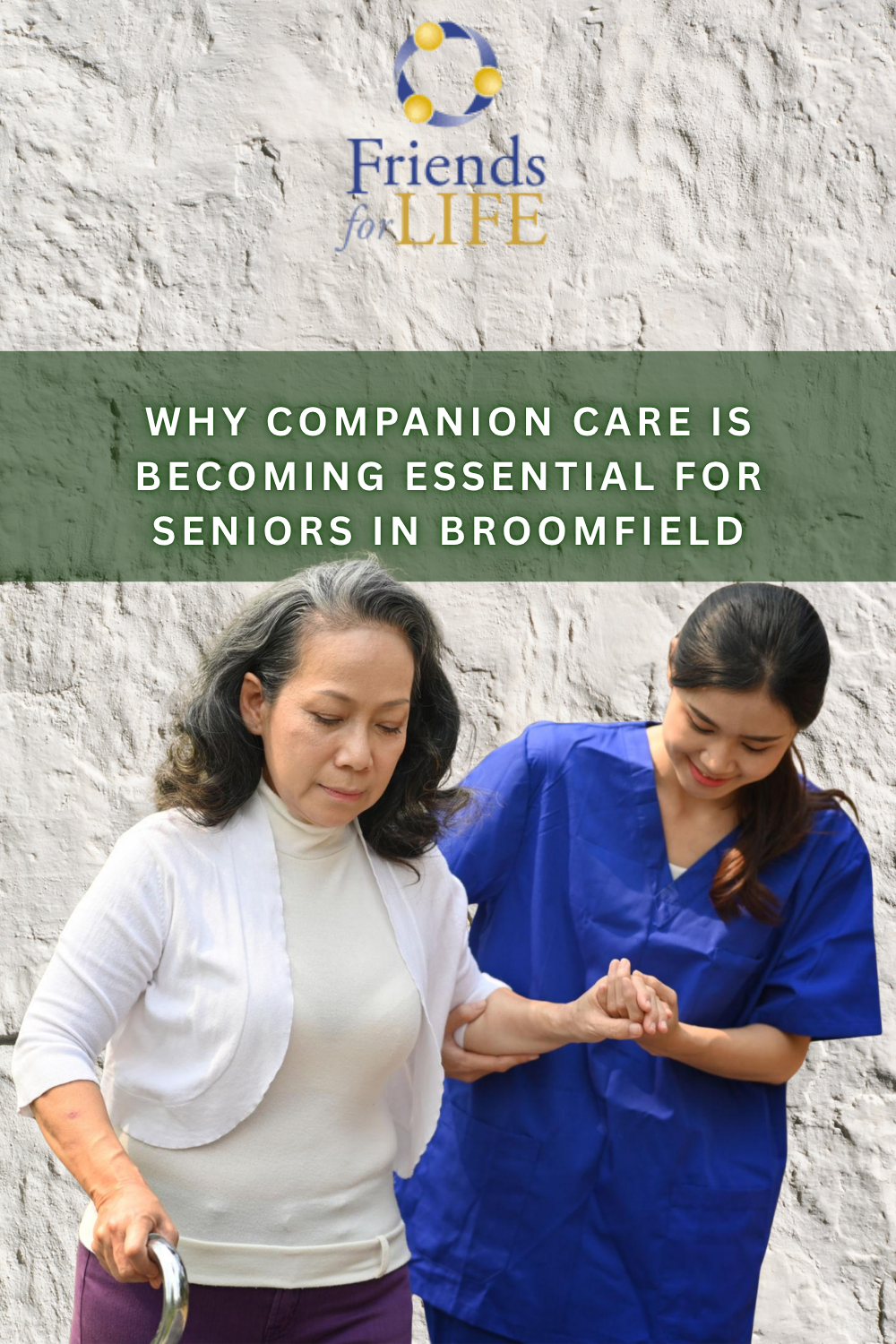
Why Companion Care Is Becoming Essential for Seniors in Broomfield
Why Companion Care Is Becoming Essential for Seniors in BroomfieldAs Broomfield continues to grow into one of Colorados most desirable suburban communities, more families are looking for ways to help aging loved ones remain socially active and emotionally healthy at home.While physical health often receives the most attention, emotional wellness plays an equally important role in successful aging. Many older adults quietly experience loneliness after retirement, losing a spouse, or facing mobility challenges.Companion care has become an increasingly valuable resource for seniors who want connection, conversation, and support while continuing to live independently.Friends For Life understands that companionship can transform everyday life for older adults.The Hidden Effects of Senior IsolationIsolation can affect seniors in ways families may not immediately notice.Older adults who spend long periods alone may experience: Depression Anxiety Poor sleep Memory decline Reduced motivation Loss of appetite Colorado winters can also contribute to reduced social interaction, especially when driving becomes difficult.Families are often surprised by how much emotional wellness improves when seniors have consistent companionship, says Jared Kelso of Friends For Life. Simple human connection makes a powerful difference.Companion Care Is About RelationshipsUnlike medical services, companion care focuses on building supportive relationships and helping seniors remain engaged in daily life.Caregivers may assist by: Sharing meals Playing games Going on walks Attending community activities Providing conversation Helping with errands Encouraging hobbies For many seniors, these moments become highlights of the week.Staying Connected to the Broomfield CommunityBroomfield offers countless opportunities for seniors to remain involved and active.Popular local activities include: Community center programs Walking trails and parks Church gatherings Art classes Farmers markets Coffee meetups Companion caregivers help seniors continue enjoying these activities even when transportation or mobility becomes challenging.Why Transportation Matters for Older AdultsLosing the ability to drive can feel devastating for many seniors.Without reliable transportation, older adults may miss: Medical appointments Family events Grocery shopping Social gatherings Recreational activities Companion caregivers provide safe transportation support that helps seniors maintain independence.Encouraging Mental StimulationMental engagement is an important part of healthy aging.Caregivers often encourage activities like: Reading Puzzles Card games Conversation Music Crafts Storytelling These interactions help stimulate memory and improve mood.The Role of Companionship After LossGrief can significantly impact seniors emotionally and physically.After losing a spouse or close friend, many older adults withdraw socially.Companion care provides: Emotional consistency Gentle encouragement Social interaction Daily structure Reassurance Having someone dependable nearby often eases difficult transitions.Families Benefit From Companion Care TooAdult children frequently worry about aging parents who live alone.Companion care provides peace of mind by ensuring: Someone is checking in regularly Seniors remain socially engaged Daily routines are maintained Potential concerns are noticed early This support can reduce stress and family conflict significantly.Building Confidence Through Daily SupportSometimes seniors avoid activities because they fear falling, forgetting something, or needing help unexpectedly.Companion caregivers help restore confidence by offering encouragement and practical assistance.That confidence can help seniors continue: Attending events Visiting friends Staying physically active Participating in hobbies Personalized Care Creates Meaningful ResultsEvery senior has different preferences and personalities.Some enjoy active outings, while others prefer quiet conversations at home.The best companion care adapts to: Individual interests Energy levels Schedules Comfort levels Personalized support creates stronger caregiver relationships and better experiences overall.Aging Is Healthier When Seniors Feel ConnectedSuccessful aging is about more than medical careit is about maintaining purpose, joy, and human connection.Companion care helps older adults continue participating in the relationships and routines that matter most.Call to ActionFamilies seeking compassionate companionship support for aging loved ones can learn more through the Seniors Blue Book listing for Friends For Life today.FAQsWhat is companion care?Companion care focuses on social interaction, emotional support, and assistance with daily activities.Can caregivers help seniors leave the house safely?Yes. Caregivers often assist with transportation and community outings.Does companion care include medical services?No. Companion care is non-medical support.Is companion care helpful after losing a spouse?Absolutely. Many seniors benefit emotionally from consistent companionship during periods of grief.Can companion care improve senior mental wellness? Yes. Social interaction and mental engagement can improve mood and reduce isolation.
May 14, 2026

Why Seniors Thrive When Care Feels Like Family
Why Seniors Thrive When Care Feels Like FamilyAs people grow older, their needs often change, but one thing remains constant: the desire to feel valued, respected, and connected.While assistance with daily activities is important, the most meaningful senior care often goes beyond tasks and schedules. The best care creates relationships. It fosters trust. It provides reassurance. Most importantly, it helps older adults feel that they are surrounded by people who genuinely care about their well-being.For many seniors, this type of support becomes an extension of family.That philosophy is at the heart of what makes non-medical home care so valuable. Friends For Life helps Broomfield seniors remain independent while building strong, supportive relationships that enrich daily life and provide peace of mind for families.Aging Is a Journey Best SharedThroughout life, people rely on others during important transitions.Whether raising children, pursuing careers, or overcoming challenges, support systems play a critical role.Aging is no different.As older adults encounter changes related to mobility, health, or daily living, having trusted individuals nearby can make all the difference.A strong support network often contributes to:Greater confidenceReduced stressBetter emotional healthIncreased independenceImproved quality of lifeNo one should have to navigate aging alone.The Importance of Feeling ConnectedMany seniors value their independence, but independence does not mean isolation.Healthy aging often depends on maintaining meaningful connections with:Family membersFriendsNeighborsFaith communitiesCaregiversThese relationships provide emotional security and a sense of belonging.When seniors feel connected, they are often more engaged, optimistic, and active.Broomfield's Community-Oriented LifestyleBroomfield offers an environment where community matters.Residents enjoy:Local parks and trailsCommunity festivalsSenior programsVolunteer opportunitiesNeighborhood gatheringsFaith-based activitiesMany seniors have built lifelong relationships within these communities.Remaining connected to those networks contributes significantly to happiness and well-being.Care That Feels Personal Makes a DifferenceThe most effective home care is not one-size-fits-all.Every senior has unique:Life experiencesInterestsPreferencesRoutinesGoalsPersonalized care recognizes these differences.Caregivers take time to understand who seniors arenot just what assistance they require.This individualized approach creates stronger relationships and better outcomes.Trust Is Built Through ConsistencyOne of the most valuable aspects of home care is consistency.Regular visits allow caregivers and clients to develop familiarity and trust.Over time, caregivers learn:Favorite hobbiesFamily traditionsDaily routinesPersonal preferencesImportant milestonesThese details help transform caregiving from a service into a meaningful relationship.Emotional Well-Being MattersPhysical health often receives the most attention, but emotional wellness is equally important.Seniors who feel supported often experience:Greater confidenceImproved moodReduced anxietyStronger motivationIncreased engagementSimple interactions such as sharing stories, enjoying meals together, or discussing current events can significantly enhance emotional well-being.Supporting Family Members TooFamilies often carry significant responsibility when caring for aging loved ones.Adult children may worry about:SafetyLonelinessHealth concernsDaily routinesEmergency situationsProfessional home care provides reassurance.Knowing a trusted caregiver is involved often reduces stress and allows family members to focus on enjoying their relationships rather than managing every detail of care.Everyday Moments Become MeaningfulSome of the most important caregiving moments are also the simplest.Examples include:Sharing a MealMeals become opportunities for conversation and connection.Taking a WalkFresh air and companionship encourage physical activity and emotional wellness.Celebrating MilestonesBirthdays, holidays, and personal achievements become opportunities for joy.ListeningHaving someone genuinely listen creates feelings of value and respect.These everyday interactions help strengthen emotional bonds.Encouraging Confidence and IndependenceSupportive care should empower seniors rather than limit them.Caregivers help older adults continue participating in activities they enjoy while providing assistance when needed.This balance allows seniors to:Maintain routinesPursue hobbiesStay socially connectedPreserve independenceFeel confident in daily lifeIndependence often grows when seniors know support is available.Creating Stability During Times of ChangeAging can bring uncertainty.Health challenges, life transitions, and changing abilities may create stress for seniors and families alike.Reliable caregiving relationships provide stability.Having trusted support available helps seniors feel secure as they navigate these changes.The Value of Compassionate CareTechnical skills are important in caregiving, but compassion often makes the greatest difference.Seniors deserve care that is:RespectfulPatientKindReliableEncouragingWhen care is delivered with genuine compassion, seniors often feel more comfortable accepting support.This creates stronger relationships and better overall experiences.A Community of SupportSuccessful aging rarely happens in isolation.It involves a network of support that includes family members, friends, caregivers, healthcare professionals, and community resources.Together, these individuals create an environment where seniors can continue living fulfilling lives.Jared Kelso of Friends For Life shares, "Our mission is to build relationships that help seniors feel supported, respected, and connected. When care feels personal and meaningful, it has the power to improve every aspect of daily life."Frequently Asked QuestionsWhy is emotional support important for seniors?Emotional support contributes to confidence, mental wellness, social engagement, and overall quality of life.How does home care help families?Home care provides assistance, companionship, and peace of mind while reducing caregiver stress.What makes personalized care different?Personalized care focuses on each individual's unique preferences, routines, and goals.Can home care improve independence?Yes. Appropriate support often helps seniors remain independent longer.Why are relationships important in caregiving?Strong relationships foster trust, comfort, communication, and emotional well-being.Learn More Through Seniors Blue BookAging well involves more than assistance with daily tasksit requires meaningful relationships, trusted support, and compassionate care. Friends For Life helps Broomfield seniors remain independent while building connections that enrich everyday living.Visit their Seniors Blue Book listing today to learn more about available non-medical home care services and discover trusted local resources that support seniors and families throughout the Broomfield community.
Jun 16, 2026
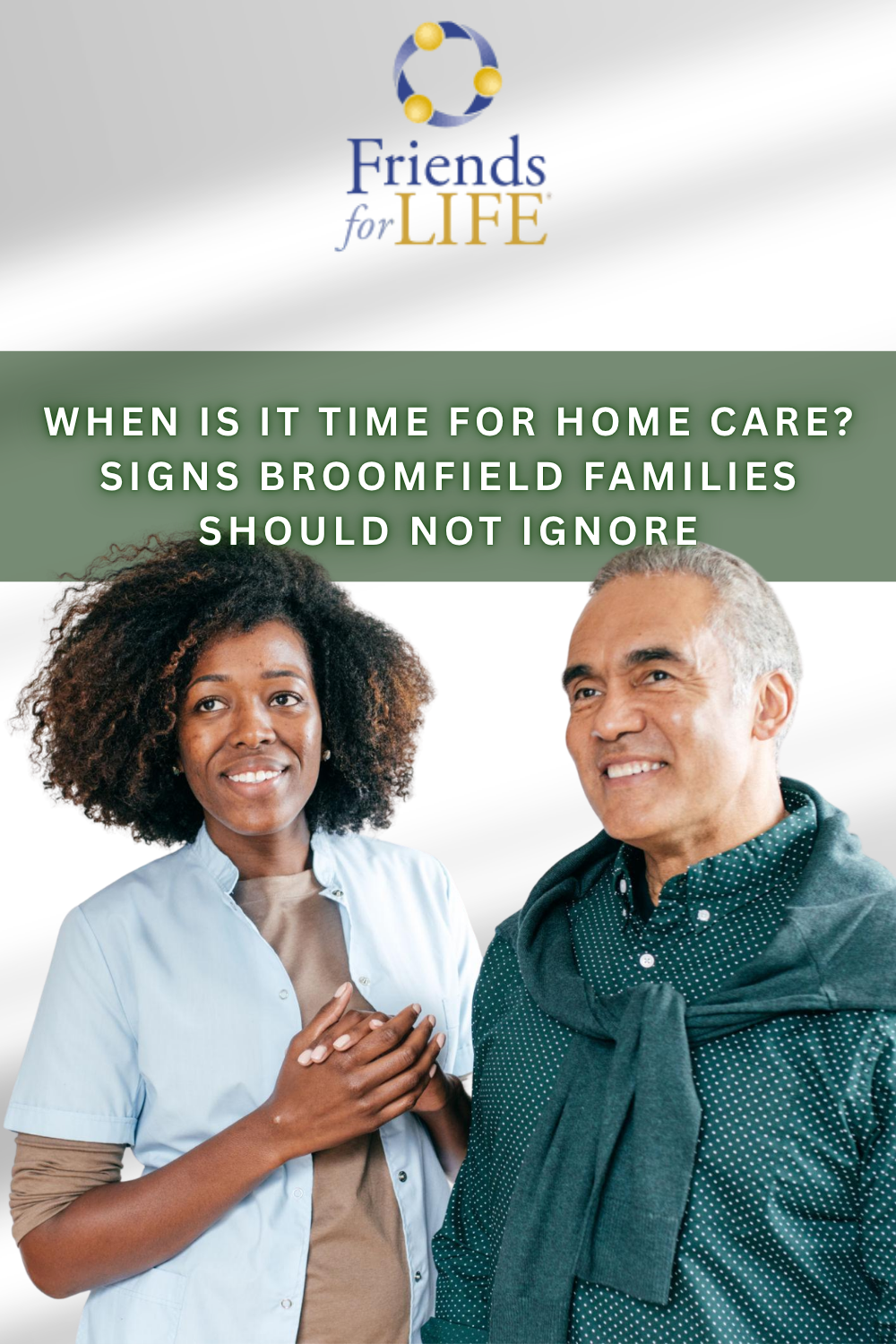
When Is It Time for Home Care? Signs Broomfield Families Should Not Ig
When Is It Time for Home Care? Signs Broomfield Families Should Not IgnoreMost families do not wake up one day suddenly knowing their aging loved one needs help. Instead, the signs usually appear graduallymissed appointments, unopened mail, forgotten medications, or a refrigerator filled with expired groceries.For many families in Broomfield, recognizing those warning signs early can make a major difference in maintaining safety, independence, and quality of life.Non-medical home care offers support that allows seniors to remain in familiar surroundings while receiving help with daily living activities.Friends For Life works closely with families to identify care needs before situations become emergencies.Why Families Often Delay Asking for HelpMany adult children hesitate to explore home care because they worry about: Taking away independence Upsetting their parent Moving too quickly Financial concerns At the same time, seniors may avoid discussing difficulties because they fear losing control.Unfortunately, waiting too long can increase stress and safety risks.Families often tell us they wish they had started support sooner, says Jared Kelso of Friends For Life. Early assistance can prevent crises and help seniors remain independent longer.Physical Signs That Support May Be NeededChanges in physical ability are often among the first indicators that additional support could help.Watch for: Frequent falls Difficulty walking Weight loss Poor hygiene Trouble climbing stairs Fatigue during daily tasks Even subtle changes can signal that everyday activities are becoming more difficult.Household Clues Families Should NoticeThe condition of a seniors home often reflects how well daily responsibilities are being managed.Potential warning signs include: Laundry piling up Expired food Clutter accumulation Missed bills Burnt cookware Unopened mail These changes may indicate memory issues, exhaustion, or mobility limitations.Social Withdrawal Can Signal TroubleMany seniors become more isolated gradually.A loved one who once attended community events or family gatherings may suddenly stop participating.Isolation can contribute to: Depression Cognitive decline Anxiety Reduced physical health Companion caregivers help seniors remain socially engaged and emotionally supported.Medication Mistakes Are CommonMedication management becomes more complicated with age.Warning signs may include: Missed doses Duplicate medications Confusion about schedules Unopened prescriptions Caregivers provide medication reminders and routine support that help reduce errors.Transportation Challenges Affect IndependenceDriving can become stressful due to vision changes, slower reaction times, or mobility limitations.Families may notice: New dents on vehicles Missed appointments Hesitation about driving Confusion in traffic Home care services can provide transportation assistance while helping seniors maintain independence safely.The Emotional Side of Accepting HelpMany seniors initially resist care because they associate help with losing independence.However, non-medical care is designed to support independencenot replace it.Caregivers help older adults continue: Living at home Maintaining routines Participating in hobbies Staying connected to community life This support often improves confidence instead of reducing it.Family Caregivers Cannot Do Everything AloneAdult children frequently try to handle caregiving without outside help.Over time, this can create: Stress Exhaustion Relationship strain Burnout Professional caregivers help families share responsibilities more sustainably.Why Early Planning Leads to Better OutcomesStarting care before a crisis occurs allows seniors and families to: Build caregiver relationships gradually Adjust to routines comfortably Maintain more independence Prevent emergencies Early conversations also allow seniors to participate actively in care decisions.Personalized Care Creates FlexibilityEvery senior has different needs.Some may only need transportation assistance or companionship, while others require more daily support.Flexible care plans allow services to adapt over time.Supporting Aging Adults With CompassionRecognizing the need for support is not a sign of failureit is often an act of love.Compassionate home care allows seniors to maintain dignity while receiving practical assistance that improves daily life.Call to ActionIf your family is noticing signs that a loved one may need additional support, visit the Seniors Blue Book listing for Friends For Life to learn more about non-medical home care options in Broomfield.FAQsWhat are the first signs a senior may need help at home?Common signs include falls, missed medications, poor housekeeping, and social withdrawal.Is home care only for seniors with serious health conditions?No. Many seniors use home care for companionship and assistance with routines.Can home care help prevent hospital visits?Yes. Early support can improve safety and reduce risks.Do caregivers provide transportation assistance?Yes. Many caregivers help seniors attend appointments and errands safely.Why is starting care early beneficial? Early support helps seniors maintain independence and avoid emergency situations.
May 14, 2026

In-Home Personal Care in Broomfield, CO Helps Seniors Stay Comfortable
For many older adults in Broomfield, the goal is simple: keep living at home while getting a little help with the tasks that have become difficult. In-home personal care can make that possible. Rather than changing where someone lives, a caregiver comes to the home to assist with everyday routines, from getting dressed to preparing a meal. The right arrangement protects independence without ignoring practical safety needs. What Does In-Home Personal Care Include?Personal care is hands-on help with activities of daily living. Depending on the persons needs and the care plan, this may include bathing, grooming, dressing, toileting, walking, transfers and reminders to take medication. It is different from skilled home health care, which involves medical services delivered by appropriately licensed clinicians. Families should be clear about which type of help they need before arranging visits.Friends for Life provides non-medical in-home support in Broomfield and across the Denver metro area. Its personal care services address everyday tasks that may be challenging because of age, limited mobility or changing health. A caregiver can also help keep the day organized, while the person receiving care continues to make choices about routines and preferences. Signs It May Be Time to Arrange Help at HomeA need for care does not always begin with a major event. Small changes often appear first. A parent may wear the same clothes for several days because dressing hurts, or begin skipping showers out of fear of slipping. Grocery bags may sit unopened, and household chores may pile up. Someone who used to attend regular appointments may start canceling because getting ready and leaving the house is exhausting.Look for patterns rather than a single off day. Repeated difficulty with hygiene, unsafe transfers, missed meals, growing isolation or caregiver fatigue all merit a conversation. If a loved one has sudden confusion, a fall with injury or another acute medical change, seek medical advice promptly instead of assuming non-medical care will solve it. Support Beyond Bathing and DressingKeeping a home routine manageable often takes more than personal care alone. Meal planning and preparation may help someone eat consistently. Light housekeeping and laundry can reduce clutter. Companionship can add conversation and activities to an otherwise quiet day. Accompaniment can make appointments, errands or a trip out with friends easier to manage.These services can work together, but they should be selected around the individual rather than automatically bundled. A senior who manages bathing independently might only want help with shopping and cooking. Another person may need regular assistance with dressing and safe movement, while family members continue to handle other errands. How to Choose a Home Care Schedule in BroomfieldStart with the hardest parts of the day. Is getting ready in the morning the main concern? Does a spouse need coverage while attending work or appointments? Are evenings more difficult because fatigue affects mobility or judgment? Writing down those specific times makes the first conversation with an agency much more useful.Ask about minimum visit lengths, caregiver availability, how coverage is handled when a regular caregiver is absent, and what happens if needs increase. Discuss costs, cancellation terms and whether the agency is private pay. Friends for Life lists different service options, including companion care, personal care and longer-duration support; families should confirm current rates and the schedule that fits their circumstances. What to Discuss During an In-Home AssessmentAn assessment should cover more than a checklist of chores. Explain how the person moves around the home, any trouble with stairs or bathing, preferred meals, communication needs and daily habits. Share the tasks family members can continue to do and those they cannot reliably cover. Invite the older adult into the conversation as much as possible; a workable plan depends on their comfort and preferences.It is also worth asking how caregivers are screened, how care instructions are shared and whom to call when a schedule needs adjusting. A good fit involves practical competence and personal rapport. If needs change, the care plan should be reviewed instead of continuing on autopilot. Getting Started With Local In-Home CareHome care works best when it solves a clearly identified problem while preserving the persons daily choices. For Broomfield families exploring help with personal care, meals, companionship or respite, Friends for Life offers a consultation and customized care planning. To discuss available services or request an in-home assessment, visit https://friendsforlifeinc.com/ or call (303) 321-2822.
Nov 12, 2026

Right TimeRight ToolsRight Balance
Being Independent Does Not Need to Mean Being AloneThere is a difference between being connected to one another and being connected to the internet. And, the more we use tools and technology to keep us efficient, the less we make personal connections and the more isolated our seniors may become.However, using tools and technology in conjunction with personal interaction is a great way to help keep your loved one safe, healthy and engaged. The first step is to have a clear understanding of where your loved one is cognitively. For issues like medication management, there are smart apps and automatically dispensing pill cases. These are great if your Mom is still able to understand and take her own pills. But, if she is just removing them from the machine to shut it up, then the technology is not helping. People with dementia may take on the immediate issue of stopping the alarm and forget the actual purpose is to take their medication. You may need to couple that smart machine with a personal visit, reminder phone call or a written note with specific instructions to actually take the pills.Online grocery shopping and delivery can help keep nutrition on track. And, having someone there to help unpack the groceries and prepare a few healthy meals is an even better way to ensure that they are eating well.Facetime and Skype are wonderful ways to connect and using memory games from advanced to basic matching is a great way to keep them engaged. But, you need to make sure that they are comfortable using the technology or that you have someone there that can help them to make the call or play the game.If you already are in the midst of caregiving, you can use tools like motion sensor lighting to help illuminate a walking path for seniors who get up at night. Better lighting helps to create a safer environment. You can also use motion sensor remote alarms that will alert a caregiver in another room that the senior has gotten up. It allows you to do more around the house and even get some rest, but remain close by when needed.Using the right tools at the right time with the right balance of personal interaction brings our seniors independence without abandonment.Editors Note: This article was submitted by Dana Jessup, CSA, CADDCT, CDP.Dana Jessup is the owner of Friends For Life, Inc. and may be reached at 303-321-2822 or by email at [email protected].
May 07, 2016

How Non-Medical Home Care Helps Broomfield Seniors Stay Independent
How Non-Medical Home Care Helps Broomfield Seniors Stay IndependentBroomfield, Colorado has become one of the most desirable communities for older adults seeking a balance between suburban comfort and access to the greater Denver metro area. With beautiful parks, active senior programs, and family-oriented neighborhoods, many local seniors hope to remain in their homes for as long as possible. For aging adults, maintaining daily routines often becomes the key to preserving both confidence and independence.That is where non-medical home care can make a meaningful impact. Friends For Life provides compassionate support that helps seniors continue living safely and comfortably in the place they know besthome.Why Routine Matters More With AgeAs people age, daily structure becomes increasingly important. Familiar routines help seniors maintain: Confidence Emotional stability Better sleep habits Medication consistency Cognitive engagement Physical activity Something as simple as morning coffee in a favorite chair or an afternoon walk through a Broomfield neighborhood can provide reassurance and comfort.However, health changes, mobility limitations, or transportation concerns can slowly disrupt those routines.Small daily routines often represent independence for seniors, says Jared Kelso of Friends For Life. Our goal is to help older adults continue enjoying the lifestyle they love while receiving the support they need.What Non-Medical Home Care IncludesMany families misunderstand non-medical home care. These services do not involve medical procedures or nursing care. Instead, caregivers focus on practical assistance and companionship that improve quality of life.Support may include: Meal preparation Transportation Medication reminders Light housekeeping Grocery shopping Bathing assistance Mobility support Social companionship These services are especially valuable for seniors who wish to remain active and independent without moving into a care facility.Broomfield Seniors Value Community ConnectionOne of the reasons seniors enjoy living in Broomfield is the strong sense of community. Residents often participate in: Senior recreation programs Farmers markets Community events Faith-based gatherings Outdoor activities Volunteer opportunities Unfortunately, physical challenges can make participating more difficult over time.Caregivers help bridge those gaps by providing transportation, encouragement, and assistance that allow seniors to stay connected to the community they love.Preventing Isolation Before It StartsLoneliness can quietly affect older adults, especially after retirement, loss of a spouse, or changes in mobility.Seniors who spend too much time alone may experience: Depression Anxiety Reduced physical activity Poor nutrition Cognitive decline Companion caregivers offer meaningful conversation and daily interaction that supports emotional wellness.Even sharing meals or talking during a walk can improve mood and reduce feelings of isolation.Family Caregivers Need Support TooMany adult children in the Broomfield and Westminster areas are balancing careers, parenting responsibilities, and caregiving at the same time.Over time, those responsibilities can become emotionally and physically exhausting.Home care services allow family members to: Avoid burnout Maintain work schedules Focus on meaningful family time Feel reassured about loved one safety Having professional support in place often reduces stress for the entire family.Helping Seniors Stay Safe at HomeHome safety becomes increasingly important with age. Many falls and accidents happen during ordinary activities like bathing, climbing stairs, or carrying laundry.Caregivers help reduce risk by: Assisting with mobility Monitoring routines Identifying household hazards Encouraging hydration and nutrition Providing supervision when needed Simple adjustments can prevent major injuries.Transportation Challenges in Growing CommunitiesBroomfield continues to grow rapidly, and traffic congestion along Highway 36 and surrounding areas can become stressful for older drivers.Seniors who stop driving often feel a sudden loss of independence.Caregivers can assist with: Doctor appointments Prescription pickups Grocery trips Hair appointments Social outings Reliable transportation helps seniors maintain routines without relying solely on family members.Personalized Care Creates Better ExperiencesNo two seniors require the same level of support. Some may need occasional companionship, while others benefit from daily assistance.Flexible care plans allow services to evolve as needs change.The best care relationships prioritize: Respect Consistency Communication Compassion Independence Aging at Home Is About More Than ConvenienceFor many older adults, home represents memories, familiarity, and identity.Remaining at home allows seniors to: Stay near neighbors and friends Maintain favorite hobbies Continue local traditions Enjoy familiar surroundings These emotional benefits can positively impact overall well-being.A Trusted Resource for Broomfield FamiliesChoosing home care can feel overwhelming at first, but families often discover that early support improves life for everyone involved.Compassionate caregivers help seniors maintain dignity while giving families greater peace of mind.Call to ActionTo learn more about compassionate non-medical home care in Broomfield, visit the Seniors Blue Book listing for Friends For Life today.FAQsWhat does non-medical home care include?Services often include companionship, meal preparation, transportation, light housekeeping, and help with daily routines.Can seniors receive part-time care?Yes. Many families begin with only a few hours of weekly support.Is home care only for seniors with serious health issues?No. Many active seniors use home care for companionship and household support.Can caregivers help seniors attend appointments?Yes. Transportation assistance is a common service.Why do routines matter for seniors? Consistent routines support emotional wellness, independence, and cognitive health.
May 14, 2026

How Do You Know When a Parent Needs More Help at Home?
A parent may need more help at home when everyday tasks become unsafe, inconsistent or so difficult that they stop doing them. The clearest signs are usually repeated problems with meals, hygiene, mobility, appointments, medication routines or being alonenot simply reaching a certain age. Families in Broomfield, Colorado, can use these changes to decide whether occasional assistance, regular personal care or more extensive supervision is appropriate. Start With What Has Actually ChangedThink about the past month rather than the past day. Has your parent stopped cooking foods they once enjoyed? Are there unopened groceries, missed appointments or frequent calls for help getting out of a chair? Have they become reluctant to bathe because they are worried about falling? These changes are more useful than a general statement that someone is slowing down.Ask what feels hardest and listen to the answer. Someone may be physically able to prepare food but too tired to shop. Another person may have plenty of energy but feel anxious leaving the house alone. Matching care to the real obstacle helps avoid both too little support and unnecessary restrictions. When Is Companionship Enough?Companionship may be a good starting point when a person can manage personal hygiene and move around safely but needs social interaction, help staying active, or an extra set of hands for errands. A caregiver might share a meal, accompany someone to an activity, help with light household tasks or provide conversation during the day.If the main concern is loneliness or difficulty getting to appointments, these visits may fill an important gap. But companionship alone is not a substitute for hands-on support when bathing, dressing, toileting or transfers are no longer safe. When Does Personal Care Make More Sense?Personal care becomes more relevant when basic self-care takes considerable effort or creates risk. Common examples include needing assistance stepping into a shower, putting on clothes, moving between a bed and chair, or maintaining a regular hygiene routine. Some families also arrange support around meal preparation and medication reminders, depending on the service plan.It helps to ask which activities can still be done independently and which require a nearby helper. The answer may vary by time of day. A person who is steady in the morning might have difficulty moving safely when tired in the evening. Care should be tailored to those patterns instead of assuming the same level of help is necessary all day. What if Your Parent Has Alzheimers or Another Dementia?Memory changes introduce different questions. Does the person become disoriented outside the home, forget meals, repeat tasks unsafely or have trouble following familiar routines? Consistent companionship and dementia-informed activities may help someone stay engaged, but supervision needs should be assessed carefully. A medical professional can evaluate new or worsening symptoms and help rule out treatable causes of confusion.Friends for Life offers Alzheimers and dementia care as part of its non-medical services. Families should describe the specific behaviors and times of day that are difficult, then ask how the agency would address those needs within a home care plan. Does Your Family Need Respiteor a Longer Care Schedule?Sometimes the older adults needs have not dramatically changed, but the family caregiver is reaching a limit. Interrupted sleep, missed work, reduced social time and constant worry can signal the need for respite care. Scheduled relief allows a spouse or adult child to step away while another caregiver provides agreed-upon support.For more complex situations, ask about extended shifts, 24-hour care and live-in care. These terms should not be treated as interchangeable: staffing arrangements, sleep expectations, coverage and prices can differ. Clarify who is present during overnight hours and what happens if the person needs help multiple times at night. If medical monitoring or treatment is required, ask a clinician about appropriate medical services alongside non-medical care. Five Questions to Ask Before Hiring HelpBefore choosing an agency, make sure you can answer five practical questions: What tasks will the caregiver do? How many hours and which days are needed? What screening and training are provided? Who covers a missed shift? How will changes in the care plan be handled? Ask for the written terms, including visit minimums and cancellation policies, so that everyone understands the arrangement.Include your parent in decisions wherever possible. Try framing the conversation around one difficult task or a trial schedule rather than announcing that they can no longer manage on their own. Protecting dignity is part of making home care sustainable. Where Can Broomfield Families Start?You do not need to predict every future need before asking for help. Begin with the routines that are becoming difficult, then revisit the plan as circumstances change. Friends for Life provides companionship, personal care, family respite, dementia support and other non-medical home care options in Broomfield and the greater Denver metro area. To talk through a parents situation or arrange a consultation, visit https://friendsforlifeinc.com/ or call (303) 321-2822.
Nov 12, 2026

The Top 3 Things to Know to Have Success with an In-Home Care Agency
1. You are not alone. Your caregivers and the agency office staff are now a part of your team. Thats right, you have a team now. You are no longer alone on this journey. Set up your new team as an extended part of your family. Share your insights with them and learn from the insights they garner from their time spent with your loved one. Because these new team members dont have the same history and dynamics, you will be surprised by the different relationship they are able to form with your loved one. 2. This is a journey give it some time.Aging is a journey, not a destination. Allow time for the agency to find the right fit and then for those caregivers to develop relationships that will bond them to your loved one and will help make the journey smoother. Everyone understands there are tasks to be handled, but if you have a resistant loved one, allow some time for the caregivers to build trust inside that relationship. You will find that once trust has been built, those tasks (and so much more) can be easily accomplished.3. Communication is the key.Good communication with your team is the key to success. Whether is it receiving reports after every visit or setting up regular team meetings, staying in regular contact is vital to making sure this relationship is best serving you and your loved one. Once care is put in place, the journey continues. If you are in constant communication with your caregivers and your agency team, then you will all be able to adjust and pivot easily. Caregiving tends to be reactive, not proactive. But, with a team in place, trust built and open communication you can get ahead of changing needs and make a plan that will make the experience better for everyone. Creating a team of support around you and your loved one will set everyone up for the best possible outcomes. Editors Note: This article was submitted by Jared Kelso. Jared Kelso is the owner of Friends For Life, Inc. and may be reached at 303-321- 2822 or by email at [email protected].
Jun 28, 2022
Whose Peace of Mind are We Addressing?
At 74, Sarah wakes up each morning and goes through her regular routine. Sure, her arthritis makes the first few steps painful, but she has learned how to adapt.It wasnt too long ago that she was working full time, and before that running a house full of children. Life has been full of the need to adapt, and Sarah has always conquered her new challenges.Jessie is Sarahs daughter. She lives out of town, is working and raising her family. On her last trip home, she noticed that her Mom was not getting around as easily as before and she started to worry about her being on her own.Jessie decided to get Sarah a personal emergency response system, or emergency button, in case she had a fall. It will bring you peace of mind in case something happens when you are alone, she said. But, Sarah keeps the button in her desk drawer. The idea of accidentally hitting it and having the paramedics knock down her door did not bring Sarah peace of mind, it brought on more anxiety.The things that bring peace of mind to a loved one, isnt necessarily what brings peace of mind to the senior. We all have different motivations and priorities. Understanding that when communicating will help families find a comfortable middle ground that meets everyones needs.What is it that truly brings your loved one their own peace of mind? For Sarah, it was connection to her children. Using technology to check in on her made it seem like her children wanted to use the tools instead of talking to her. It made her feel like a problem that Jessie wanted to solve. But, for her daughter, it was a way to make sure that her Mom was safe because she wasnt close by.Taking the time to talk through your own personal motivations and not projecting your feelings onto the senior will help them understand why the safety measures are important to you. Likewise, getting the senior to talk about how the help makes them feel, will allow for open communication and can ultimately lead to compromises that work for everyone.For Sarah and Jessie, they compromised that they would start each day with a quick good morning phone call as a check in, and Sarah agreed to wear the button when she was going up and down the stairs to the basement to do laundry, bringing everyone their own personal peace of mind.Editors Note: This article was submitted by Dana Jessup, CSA, CADDCT, CDP. Dana Jessup is the owner of Friends For Life, Inc. and may be reached at 303-321- 2822 or by email at [email protected].
Apr 26, 2017
7 Great One-on-One Activities to do with Someone with Alzheimer's Disease or Dementia
Keeping individuals with Alzheimer's Disease active stimulates their brain, brings forth moments of joy and promotes a sense of usefulness.Here are some great activities that encourage social engagement and promote self-esteem:Make use of skills that are not forgotten.From buttering bread, to drying dishes, to raking the garden, simple jobs are great for engaging someone with dementia and providing them with a sense of accomplishment and contribution.Take the person on a small trip.Even if he wont remember where he has been, the experience in the moment is what is important. But be selective about your outings and try to avoid crowded places, or having an agenda (like getting the grocery shopping done), as it may be too overwhelming.Go through old photo albums.Help them recall treasured moments from the past. Or if they are at a point in their dementia where they are unable to remember, use the photos as a starting point to tell wonderful stories. Ask them what they think is happening in the picture, rather than what they remember.Play a game or activity the person has always enjoyed.A bridge player may no longer be able to play, but may enjoy holding the cards and a simpler game like matching the suit, color or number.Garden together.If she is unable to help you, bring her outside and sit her next to you as you garden. Letting her enjoy the sunshine and look at the flowers as you garden can prove very comforting.Play sorting games.Try sorting objects like buttons or swatches of fabric by color, shape and design.Go on a walk.Exercise stimulates the brain, body and soul in all of us. No matter where they are in their disease, some form of exercise will be beneficial (for you and them!)Things for caregivers to keep in mind:Break activities down into one step at a time. For instance, fold the napkins and put them away should be delivered as fold the napkins. Then, when they are done folding, you can ask them to put them in the drawer. Dont get stuck on the rules or things being done the right way. The objective is to make the person feel involved and successful. Stay in the moment, use encouraging comments and realistic praises.And remember, it is our duty (and honor), as a caregiver, to help them achieve that sense of enjoyment and purpose, if even just for a moment.Editors Note: This article was submitted by Dana Jessup, CSA, CADDCT, CDPDana Jessup is the owner of Friends For Life, Inc. and may be reached at 303-321-2822 or byemail at [email protected]