
PHONE
Click to View NumberSee More
Additional Services Offered

Northern Colorado Rehabilitation Hospital
Rehabilitation Hospitals 4401 Union Street, Larimer County, Johnstown, Colorado, 80534Top 10% in the United States for Rehabilitative Care It Matters!For more than 15 years, Northern Colorado Rehabilitation Hospital (NCRH) in Johnstown, Colorado has been ranked among the top 10% of inpatient rehabilitation facilities in the nation. This prestigious recognition comes from the Uniform Data System for Medical Rehabilitation (UDSMR), the most widely used medical rehabilitation database in the world.Being named among the nations top facilities is not just a statisticit reflects a commitment to patient-centered, effective, efficient, and timely care. For our patients and their families, it means receiving the highest level of rehabilitative care available, close to home.What the Top 10% Ranking MeansThe UDSMR is a not-for-profit corporation originally developed with support from the National Institute on Disability and Rehabilitation Research, a branch of the U.S. Department of Education. The organization ranks rehabilitation hospitals based on outcomes and quality standards, offering an objective and reliable way to measure performance.This ranking confirms that patients at Northern Colorado Rehabilitation Hospital consistently achieve better outcomes compared to similar facilities nationwide. By tracking progress and outcomes through UDSMRs data, our hospital ensures that every patient benefits from the latest research, best practices, and evidence-based treatment strategies.Through this collaboration with peer hospitals across the country, we continuously refine our care, share knowledge, and raise the bar for rehabilitation nationwide.Why Inpatient Rehabilitation Care MattersRehabilitation is more than just physical recoveryit is about restoring independence, hope, and quality of life. National research highlights the critical difference inpatient rehabilitation makes in long-term outcomes compared to other post-acute care settings.Studies show that patients treated in inpatient rehabilitation facilities, like NCRH, experience:Earlier returns home an average of two weeks sooner than those in skilled nursing facilities.Longer periods at home nearly two months longer before needing additional care.Improved survival rates living nearly two months longer on average.Lower mortality rates 8% lower compared to similar patients.Fewer ER visits about 5% fewer annually.These results reflect our teams dedication to giving every patient the best chance at recovery. At Northern Colorado Rehabilitation Hospital, the goal isnt just dischargeits lasting independence and improved quality of life.Nationally Recognized CertificationsWhile the Top 10% ranking speaks to overall excellence, NCRH also holds disease-specific certifications that demonstrate advanced expertise in treating complex conditions. These recognitions, awarded by The Joint Commission, highlight our hospitals specialized programs for both stroke rehabilitation and brain injury rehabilitation.Advanced Stroke CertificationNorthern Colorado Rehabilitation Hospital is proud to have earned the Joint Commissions Disease-Specific Certification in Stroke Rehabilitation. This award signifies our commitment to helping stroke patients achieve better outcomes through specialized care.Certification requirements address:Compliance with national standards of stroke care.Effective use of evidence-based treatment guidelines.A structured approach to ongoing performance improvement.Patients recovering from strokes at NCRH receive coordinated care from a multidisciplinary team that includes physical therapists, occupational therapists, speech-language pathologists, nurses, and physicians. With stroke recovery, time and intensity matter. At our hospital, patients typically participate in three or more hours of therapy daily, supported by continuous nursing care and daily physician oversight.For stroke survivors and their families, this certification reflects our promise to provide not only rehabilitation but also renewed hope for the future.Brain Injury CertificationNorthern Colorado Rehabilitation Hospital has also received The Joint Commissions Gold Seal of Approval for Brain Injury Rehabilitation. This recognition is reserved for hospitals that meet the highest standards of care for patients with traumatic or acquired brain injuries.Certification requirements focus on:National consensus-based standards.Clinical guidelines proven to optimize recovery.Continuous measurement and improvement of outcomes.This certification underscores our commitment to innovation, research-driven therapies, and compassionate care. Treating brain injuries requires a highly coordinated, patient-specific approach, and our team is trained to address not only the physical but also the cognitive and emotional challenges that accompany recovery.For patients and families facing the overwhelming impact of brain injury, this certification is a sign that NCRH provides care grounded in excellence, safety, and compassion.A Patient-Centered ApproachAt Northern Colorado Rehabilitation Hospital, every patients recovery journey is unique. Our philosophy centers on treating the whole person, not just the condition. That means:Developing individualized treatment plans tailored to each patients goals and needs.Engaging families and caregivers as active members of the care team.Providing therapies that address not only physical recovery but also cognitive, emotional, and social well-being.Our rehabilitation professionals include physicians, nurses, therapists, case managers, and dietitiansall working together to ensure patients progress toward independence in a safe, supportive environment.Local Access to Nationally Ranked CareOne of the greatest benefits of Northern Colorado Rehabilitation Hospital is its location. Patients in Johnstown and the surrounding Northern Colorado region do not have to travel far to access care ranked among the nations best.This combination of local convenience and national excellence means patients can recover close to home, surrounded by family and community support, while still benefiting from care that meets the highest standards in the country.Why Choose Northern Colorado Rehabilitation Hospital?National Recognition Ranked in the top 10% of rehabilitation hospitals in the U.S. for 15 consecutive years.Specialized Certifications Advanced Stroke Rehabilitation Certification and Brain Injury Rehabilitation Certification from The Joint CommissionProven Outcomes Better survival rates, earlier returns home, and fewer complications for patients compared to other care settings.Patient-Centered Philosophy Focused on individualized care that empowers patients and families.Community Commitment Providing world-class care while remaining deeply rooted in the Northern Colorado community.Conclusion: Excellence That Makes a DifferenceFor patients recovering from stroke, brain injury, or other serious conditions, choosing the right rehabilitation hospital is one of the most important decisions they will make. At Northern Colorado Rehabilitation Hospital, our record of success, national recognitions, and specialized certifications speak for themselves.But beyond the awards and data, what truly defines us is our mission: to help patients regain independence, restore quality of life, and find renewed hope for the future.For 15 years and counting, NCRH has been a leader in rehabilitationnot just in Northern Colorado, but in the entire nation. And every day, our dedicated team continues to raise the standard of care, proving that top 10% truly matters when it comes to recovery.
Continue Your Search! Explore More Local Options.
Start SearchingLet’s engage and get educated!
Browse through thousands of expert articles in over 100 different categories.
Browse NowArticles You May Like
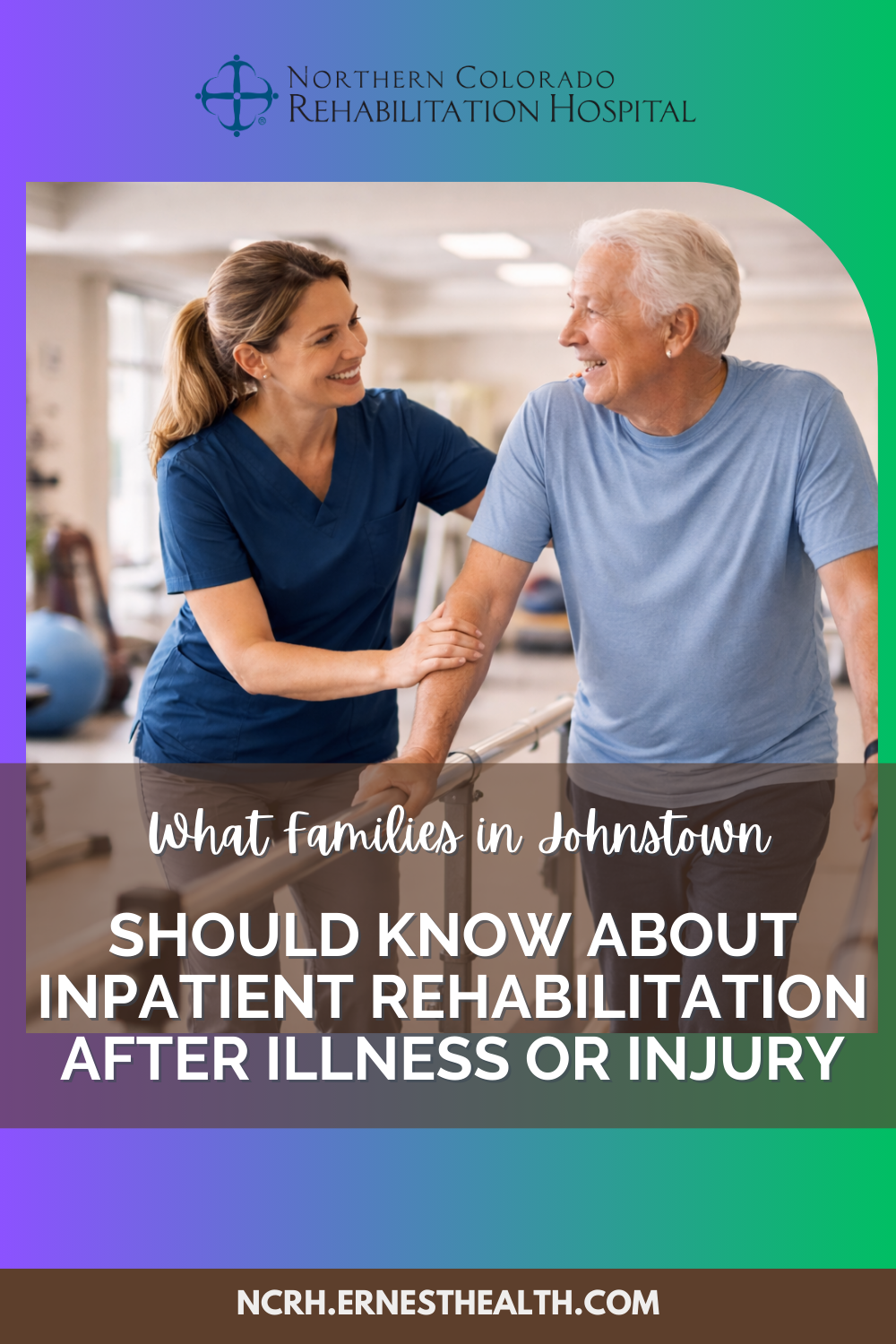
What Families in Johnstown Should Know About Inpatient Rehabilitation After Illness or Injury
What Families in Johnstown Should Know About Inpatient Rehabilitation After Illness or InjuryWhen a loved one experiences a major health eventlike a stroke, serious fall, complicated surgery, or a long hospital staythe first goal is survival and stability. The second goal is getting home. But in between those two goals is a critical step many families in Johnstown dont fully expect: rehabilitation. Recovery isnt just resting. For many seniors, real recovery requires targeted therapy, medical oversight, and a structured environment where strength and function can be rebuilt safely.This is especially true in Northern Colorado, where families often live spread across Johnstown, Loveland, Windsor, and Greeley, balancing work, commutes, and caregiving responsibilities. A senior may be medically stable enough to leave an acute hospital, but still too weak, unsteady, or cognitively affected to return home safely. Thats where an inpatient rehabilitation hospital can make a meaningful difference. Northern Colorado Rehabilitation Hospital helps patients regain independence through intensive therapy and coordinated carebridging the gap between hospital discharge and a safer return to everyday life.What an Inpatient Rehabilitation Hospital Is (and Why Its Different)Inpatient rehab can sound similar to skilled nursing rehab, but inpatient rehabilitation hospitals are designed for people who need a more intensive level of therapy and coordinated medical oversight.Inpatient rehabilitation often includes: A structured therapy schedule (often multiple therapy sessions per day) Coordinated care involving physicians, nurses, and therapists A strong focus on functional recoverywalking, transfers, daily living tasks Support for complex recovery needs (neurological, orthopedic, medical) Patient and family education to prepare for life after discharge The goal is to help people regain as much function as possiblesafely and efficientlyso they can return home or to a lower level of care with confidence.Who Benefits Most From Inpatient RehabilitationInpatient rehab is often recommended when a patient: Has had a stroke or neurological event Is recovering from major orthopedic surgery (complex fractures, multiple injuries) Has significant weakness after illness or hospitalization (deconditioning) Needs intensive therapy to regain basic mobility and self-care skills Requires close medical monitoring during recovery Needs coordinated therapy for speech, swallowing, or cognition For Johnstown seniors, inpatient rehab can be especially valuable when a home environment has stairs, narrow bathrooms, or limited caregiver availability.The Deconditioning Problem: Why Hospital Stays Can Cause Major WeaknessMany families are surprised by how much strength older adults lose during a hospital stayeven a short one. Time in bed, low appetite, infection, and medication changes can create rapid decline in: Leg strength and balance Endurance Confidence walking Ability to do daily tasks (bathing, dressing, toileting) Cognitive sharpness (especially after infection or anesthesia) This is called deconditioning, and its one of the biggest reasons seniors struggle after discharge. Inpatient rehab helps reverse that decline through safe, structured therapy and routine rebuilding.What Intensive Rehab Looks Like Day to DayA hallmark of inpatient rehabilitation is purposeful structure. Patients often participate in a planned schedule of therapies, such as:Physical Therapy (PT)Focuses on: Strength and endurance Walking, stairs, balance Safe transfers (bed-to-chair, toilet, shower) Fall prevention strategies and proper use of mobility devices Occupational Therapy (OT)Focuses on: Dressing, bathing, grooming Safe toileting routines Energy conservation and adaptive tools Home-safety skills (kitchen tasks, reaching, safe movement) Speech Therapy (when needed)Focuses on: Swallowing safety Communication after stroke Cognitive strategies for memory, attention, and problem-solving These therapies work together to rebuild function in a way that translates to real-life independence.Why Rehab Progress Often Requires the Right SettingAt home, families want to helpbut the home environment often isnt designed for rehab. There may be: Cluttered walkways or tight spaces Stairs or uneven surfaces No professional equipment for safe practice Caregivers who arent trained in transfers or fall-risk management Too much fatigue or pain to do exercises consistently A rehabilitation hospital provides the environment, supervision, and routine needed to practice safelywithout the constant fear of falling or failing.The Transition Home: Where Rehab Proves Its ValueA strong inpatient rehab program doesnt end with youre discharged. It ends with a plan. Discharge planning often includes: Home safety recommendations (grab bars, lighting, walkway clearing) Mobility equipment needs (walker, shower chair, raised toilet seat) Caregiver education (safe transfers, fall prevention strategies) Follow-up therapy recommendations (outpatient or home-based) Clear medication and routine plans This is what prevents two steps forward, one step back recovery cycles.As Arba Boci shares: Rehab is about restoring confidence, not just strength. When patients understand their progress and families understand the plan, the transition home becomes safer and less stressful. That confidencebuilt through daily practice and clear communicationcan be one of the biggest gifts rehab provides.Johnstown Families: How to Know If Inpatient Rehab Is the Right Next StepFamilies can ask the hospital discharge team these questions: Is my loved one safe to walk to the bathroom independently? Can they transfer safely from bed to chair without help? Are they able to manage stairs if their home has them? Is confusion or fatigue making safety unreliable? How much assistance will they realistically need at home? Would intensive therapy accelerate recovery and reduce re-hospitalization risk? If the answers raise concern, inpatient rehab may be the safest bridge.Recovery Is More Than Physical: Emotional Support Matters TooAfter a serious health event, seniors may feel fearful, depressed, frustrated, or embarrassed by new limitations. A supportive rehabilitation environment can help by: Building confidence through small wins Providing daily encouragement and structured routine Offering social interaction and reduced isolation Helping families understand what to expect These factors can improve motivationan underrated driver of recovery.A Stronger Path Forward for Johnstown Patients and FamiliesWhen recovery is complex, its worth choosing a setting designed for regaining functionnot just resting. Northern Colorado Rehabilitation Hospital supports patients through coordinated medical oversight and intensive therapies that rebuild the skills needed for safe, independent living.Call to Action: If your loved one is recovering from a stroke, injury, surgery, or prolonged illness and needs structured, intensive rehabilitation, visit Northern Colorado Rehabilitation Hospitals Seniors Blue Book listing to learn more and connect with their team. The right rehab plan can help patients return to life with strength, confidence, and safety.FAQs (Johnstown / Northern Colorado)1) How is inpatient rehabilitation different from skilled nursing rehab? Inpatient rehab typically provides more intensive therapy and coordinated medical oversight, designed for patients who can benefit from a structured, therapy-driven recovery plan.2) How long do inpatient rehab stays usually last? It varies based on goals and progress, but stays are often measured in days to a few weeks depending on complexity.3) What conditions commonly require inpatient rehab? Stroke, serious falls, fractures, complex surgeries, neurological events, and severe deconditioning after hospitalization are common reasons.4) Will families receive training before discharge? Often yesdischarge planning may include caregiver education, equipment recommendations, and a home-safety plan. 5) What happens after inpatient rehab? Many patients transition to home with outpatient therapy, home health services, or another level of supportive care depending on needs.
Jan 21, 2026
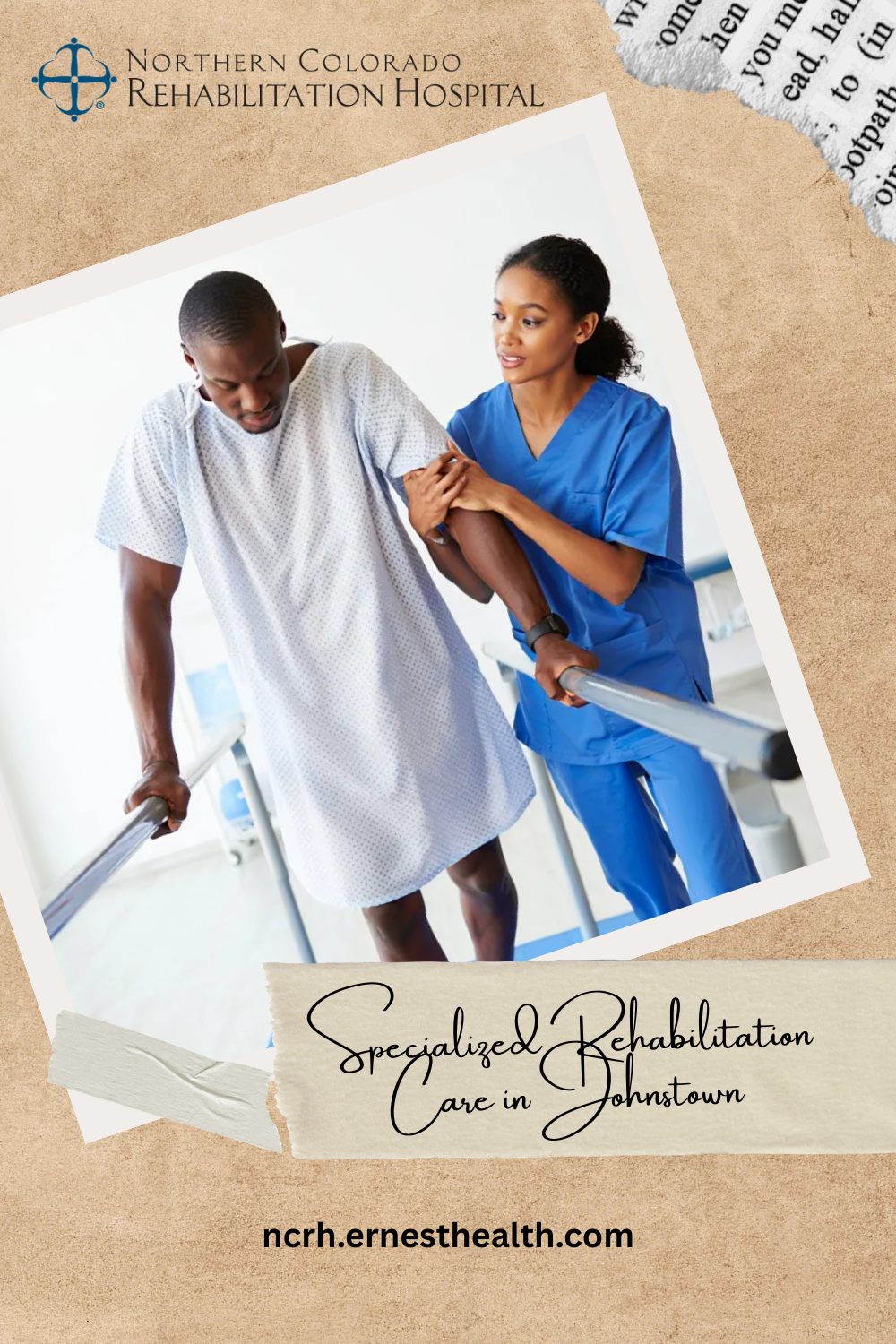
Specialized Rehabilitation Care in Johnstown
Specialized Rehabilitation Care in JohnstownA serious illness, injury, or surgery can change life in an instant. One day independence feels natural; the next, everyday movements require intention, patience, and support. For individuals and families in Johnstown and across Northern Colorado, rehabilitation hospitals play a critical role in helping people regain function, confidence, and momentum after these setbacks.Rehabilitation is not about rushing recoveryits about restoring ability safely and sustainably.Northern Colorado Rehabilitation Hospital provides inpatient rehabilitation services designed to help patients rebuild strength, relearn skills, and prepare for life beyond the hospital. Their care focuses on progress, encouragement, and personalized recovery plans tailored to each individuals goals.Why Rehabilitation Hospitals Matter in Northern ColoradoNorthern Colorado continues to grow, and with that growth comes increased demand for specialized post-acute care. After hospitalization, many patients need more intensive therapy than what outpatient services or home care can provide.Rehabilitation hospitals serve as a vital bridge by offering: Focused, goal-driven therapy Medical oversight during recovery Structured environments that promote healing Preparation for a safe return home or to the next level of care For patients in Johnstown and surrounding communities, having access to a dedicated rehabilitation hospital close to home allows families to stay involved throughout the recovery journey.What Makes Inpatient Rehabilitation DifferentRehabilitation hospitals are designed specifically for recovery. Unlike general hospital units or skilled nursing settings, inpatient rehab focuses intensively on restoring function.Care often includes: Physical therapy to rebuild strength, balance, and mobility Occupational therapy to support daily living skills Speech or cognitive therapy when needed Ongoing medical monitoring to support safe progress Patients participate in structured therapy schedules, helping them make consistent gains while building confidence in their abilities.A Personalized Path to RecoveryNo two recoveries look the same. Age, diagnosis, prior health, and personal goals all influence how rehabilitation should be approached.At Northern Colorado Rehabilitation Hospital, care teams collaborate to: Set realistic, meaningful recovery goals Adjust therapy plans based on progress Encourage independence while ensuring safety This individualized approach helps patients stay motivated and engagedtwo key factors in successful rehabilitation.As Arba Boci from Northern Colorado Rehabilitation Hospital shares: Recovery is deeply personal. Our role is to meet patients where they are, support their progress, and help them regain confidence in what their bodies can do again. That philosophy reinforces a care environment built on respect, patience, and possibility.Supporting Both Patients and FamiliesRehabilitation doesnt affect just the patientit impacts the entire family. Loved ones often carry questions, concerns, and uncertainty about what recovery will look like long-term.Northern Colorado Rehabilitation Hospital supports families by: Communicating progress and goals clearly Educating caregivers on next steps and expectations Preparing everyone for a safe transition after discharge This collaboration helps families feel informed rather than overwhelmed and ensures continuity once formal rehabilitation ends.Preparing for Life After RehabilitationOne of the most important aspects of inpatient rehabilitation is planning for what comes next. Recovery doesnt stop at dischargeit continues at home and in the community.Rehabilitation teams help patients: Practice real-life skills needed at home Build endurance and confidence for daily routines Understand follow-up care and therapy recommendations This forward-looking focus reduces setbacks and helps patients maintain progress long after leaving the hospital.Local Care With Regional ExpertiseLocated in Johnstown, Northern Colorado Rehabilitation Hospital serves patients from across the region, offering a centralized option for advanced rehabilitation care. Local access reduces travel strain for families and supports stronger coordination with referring hospitals and providers.Regional familiarity also means understanding the lifestyles and expectations of Northern Colorado residentsmany of whom want to return to active, independent lives as quickly and safely as possible.Experience, Structure, and AccountabilityEffective rehabilitation requires more than good intentions. It demands structured programs, experienced clinicians, and consistent follow-through.Patients and families value: Clear therapy schedules and expectations Interdisciplinary care teams working together A focused environment dedicated entirely to recovery This structure helps patients stay engaged and see tangible progress over time.Who Benefits Most From Inpatient Rehabilitation?Northern Colorado Rehabilitation Hospital is well-suited for individuals who: Are recovering from stroke, injury, or surgery Need intensive therapy before returning home Require medical oversight during rehabilitation Are motivated to regain independence and function Early placement in a rehabilitation hospital often leads to stronger outcomes and smoother transitions.Frequently Asked Questions About Rehabilitation Hospitals in JohnstownWhat is an inpatient rehabilitation hospital?Its a specialized hospital focused on intensive therapy and recovery following illness, injury, or surgery.How is rehabilitation different from skilled nursing?Rehabilitation hospitals emphasize higher-intensity therapy and functional recovery, while skilled nursing often focuses on medical stability and longer-term care.How long do patients usually stay?Length of stay varies based on diagnosis, progress, and goals.Are families involved in the rehabilitation process?Yes. Education, communication, and discharge planning often include family members.What happens after discharge?Patients typically transition to home, outpatient therapy, or another level of care with a clear plan in place.Moving Forward With Strength and ConfidenceRecovery is rarely linearbut with the right support, progress is possible. For patients and families in Johnstown and Northern Colorado, Northern Colorado Rehabilitation Hospital offers specialized rehabilitation care grounded in expertise, encouragement, and individualized planning. Visit their Seniors Blue Book listing to learn more about Northern Colorado Rehabilitation Hospital and explore rehabilitation services designed to help patients move forward with confidence.
Jan 29, 2026
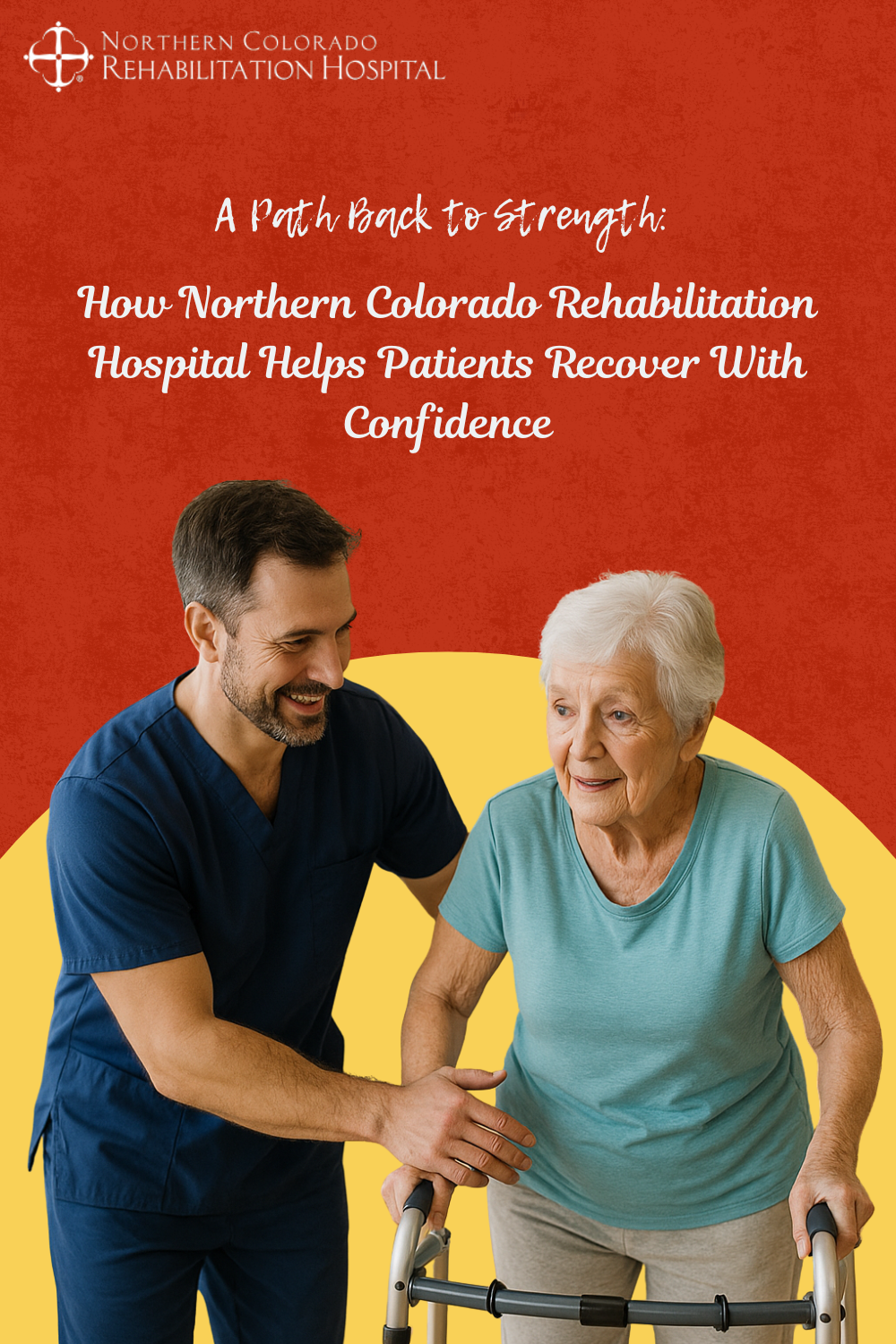
A Path Back to Strength: How Northern Colorado Rehabilitation Hospital Helps Patients Recover With Confidence
A Path Back to Strength: How Northern Colorado Rehabilitation Hospital Helps Patients Recover With ConfidenceHealing after a major illness, surgery, stroke, injury, or prolonged hospitalization requires much more than restit requires expert rehabilitation, the right environment, and a team who believes in your progress even on the hardest days. For patients across Johnstown and Northern Colorado, Northern Colorado Rehabilitation Hospital (NCRH) has become a trusted leader in delivering intensive, outcome-driven rehabilitation that restores hope, functional independence, and quality of life.Located just minutes from I-25, NCRH provides a specialized level of rehabilitative care that goes far beyond what is typically available in skilled nursing facilities or standard hospital discharge programs. Here, patients receive 24/7 medical supervision, daily therapy, and a comprehensive, personalized plan designed to help them reclaim strength after life-altering events.Why Inpatient Rehabilitation MattersInpatient rehabilitation hospitals like NCRH serve patients who need more intensive therapy and medical oversight than can be provided in a nursing home or outpatient setting. Patients often come to NCRH after experiencing: Stroke Traumatic brain injury Spinal cord injury Neurological disorders Amputation Major orthopedic surgeries Respiratory failure Cardiac conditions Complex medical setbacks For families in Johnstown, Greeley, Windsor, Loveland, Fort Collins, and Platteville, NCRH fills a critical need: high-level rehabilitation close to home.A Mission Rooted in Life-Changing RecoveryNorthern Colorado Rehabilitation Hospital believes that rehabilitation is not just medicalit is deeply human. The team understands that patients arrive feeling vulnerable, overwhelmed, and uncertain about their abilities. Their approach is grounded in empathy and empowerment.Every patient comes to us with a story worth fighting for. Our job is to combine clinical expertise with unwavering encouragement so they can rebuild their strength and confidence, shares Arba Boci of NCRH.This philosophy shapes the way the team communicates, motivates, and designs care plansalways centered on dignity, respect, and hope.Evidence-Based Rehabilitation Made PersonalEvery NCRH patient receives a customized rehabilitation plan built around their diagnosis, goals, mobility level, and cognitive needs. Because recovery is not one-size-fits-all, the interdisciplinary team collaborates daily to reassess progress and adjust therapy intensity.Therapies Offered Include:Physical TherapyFocused on improving mobility, gait, balance, strength, endurance, and the ability to safely navigate daily environments.Occupational TherapyHelps patients regain independence with bathing, dressing, cooking, toileting, household tasks, and adaptive equipment use.Speech-Language PathologySupports patients with challenges related to swallowing, communication, cognition, memory, and expressive language after neurological events.Daily Therapy Makes a Measurable DifferenceUnlike traditional rehab settings where patients may receive therapy only a few days per week, NCRH provides multiple hours of therapy every day, accelerating strength and functional recovery.A Modern Facility Designed for Real-Life PracticeNorthern Colorado Rehabilitation Hospital features a spacious, state-of-the-art rehabilitation environment that supports meaningful progress. These real-world training spaces help patients practice essential skills before returning home.Facility Features Include: Advanced therapy gym Gait training and balance technology Therapy apartment for practicing daily living Standing frames and mobility devices Outdoor therapy area for real-world walking On-site diagnostic and medical services 24/7 onsite nursing and physician support Private and semi-private rehabilitation suites The environment feels warm and welcomingnot clinicalhelping patients stay motivated through every stage of recovery.A Team Approach to Whole-Person HealingRecovery requires more than physical progress. NCRH treats the whole personbody, mind, and spirit.The Team Includes: Rehabilitation physicians Nurses specializing in complex illnesses Physical, occupational, and speech therapists Case managers Respiratory therapists Dietitians Social workers Psychologists (as needed) This collaborative approach helps patients: Manage pain Improve coordination Rebuild stamina Strengthen cognitive function Address emotional challenges Prepare for discharge Prevent setbacks at home Families are encouraged to participate in the recovery journey, making transitions smoother and more supportive.Strong Community Partnerships Across Northern ColoradoNCRH works closely with: UCHealth Banner Health Orthopedic surgeons Primary care providers Home health agencies Skilled nursing facilities (for step-down care) Outpatient therapy centers These partnerships ensure continuity from hospital to rehab to home, reducing the risk of readmissions and supporting long-term success.Support Beyond the Hospital StayNorthern Colorado Rehabilitation Hospital understands that healing continues long after discharge. Their case management and discharge team helps families plan next steps with clarity and confidence.Support services include: Home safety evaluations Recommendations for medical equipment Coordination with outpatient therapies Education for caregivers Medication and follow-up planning Connection to resources across Northern Colorado Patients leave NCRH not only strongerbut fully prepared for the next chapter of recovery.A Reputation Built on Outcomes and CompassionNCRH has earned a strong regional reputation for: Above-average rehabilitation outcomes High patient satisfaction scores Faster functional improvement rates Low hospital readmission rates A culture of compassionate care Families often say the hospital feels like a place of encouragement and uplifta space where every goal, no matter how small, is celebrated.Frequently Asked Questions (Northern Colorado-Specific)1. How long do patients typically stay at Northern Colorado Rehabilitation Hospital?Length of stay varies by diagnosis and progress, but most patients remain for 1021 days.2. Can families visit during rehabilitation?Yes. Family involvement is encouraged, especially during training and discharge planning.3. Do patients need a referral?Most patients come through hospital referrals, but individuals can request an evaluation directly.4. Does the hospital offer stroke-specific rehabilitation?Absolutely. NCRH is known for its advanced stroke recovery programs.5. Is this different from a skilled nursing facility?Yes. NCRH provides significantly more therapy, onsite physicians, and hospital-level medical services.Call to Action To learn more about how Northern Colorado Rehabilitation Hospital helps patients rebuild strength and independence, visit their SeniorsBlueBook.com listing. Their team is ready to guide you through every step of the rehabilitation journey.
Nov 19, 2025

Self Advocacy Begins with Knowledge - The Role of Well-Coordinated Rehabilitation and Risk Reduction
Able bodies and disabled bodies are all part of aging. The issue of disability for healthy individuals is not so much whether but when, and not so much which disabling event or illness but, how many and in what combination. The good news is that there are medical specialists and care teams that can champion the importance of coordination of care that includes customized, special attention to functional status and quality of life after a disabling event. This is important to know because functional status is by far the most important factor affecting quality of life and healthcare service utilization in the senior years. Physicians who specialize in Physical Medicine& Rehabilitation (PM&R) are trained to focus on the patient as a whole person and to put the medical management of a disabling event within the context of that individuals life and environment. PM&R medical specialists are also called physiatrists(fee-zy-a-trists0.Asking your care provider about rehabilitation led by a specialist in this area further opens the door to coordinated care on your behalf. By partnering or consulting with a PM&R specialist, your primary care physician, or your hospitalist, neurologist, orthopedic surgeon, trauma surgeon, neurosurgeon or home health care team can enhance the ultimate chances of you doing well quicker and more comprehensively with conditions such as stroke; rheumatoid arthritis; total hip or knee replacement; sports-related injuries; musculoskeletal sprains and pain; neurological diagnoses such as multiple sclerosis, spinal cord injury, and traumatic brain injury; as well as debility that can develop after being in the hospital with a prolonged critical illness. Asking for a referral to a physiatrist can be a priceless form of self-advocacy, since, even today, there remain many physicians, care managers, and home health care providers who are not familiar with the expertise available in the field of PM&R. This article was submitted by Indira S. Lanig MD, Medical Director at Northern Colorado Rehabilitation Hospital, in Johnstown, CO. The NCRH team of physicians and therapists can be reached at 970-619-3454.
Sep 16, 2013
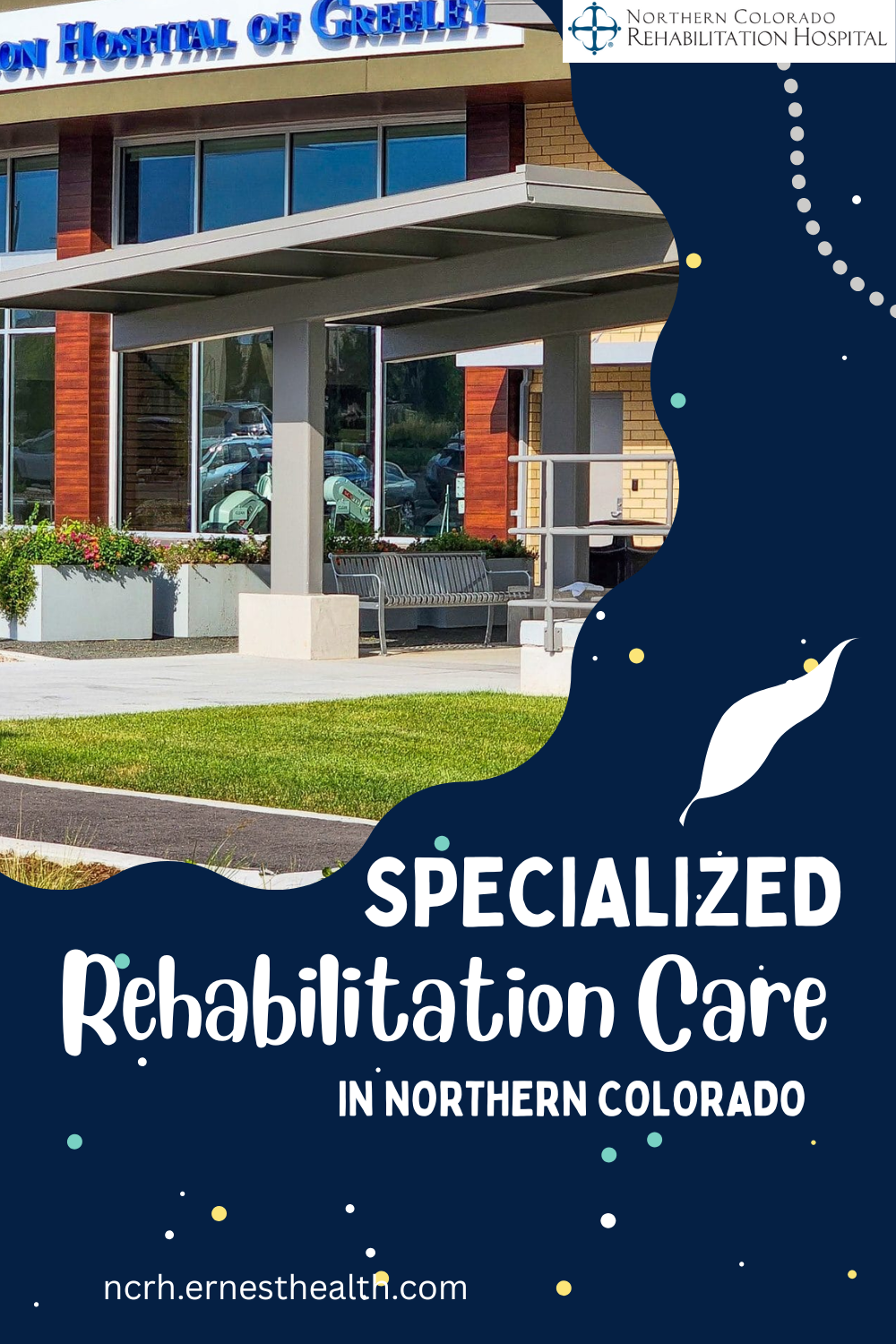
Specialized Rehabilitation Care in Northern Colorado
Specialized Rehabilitation Care in Northern ColoradoWhen a serious illness, injury, or surgery disrupts daily life, recovery often requires more than rest alone. For seniors and adults across Northern Colorado, inpatient rehabilitation hospitals play a vital role in helping patients regain strength, function, and confidence before returning home. These facilities offer intensive, coordinated therapy in a structured medical environment designed specifically for recovery.Located in Johnstown, Northern Colorado Rehabilitation Hospital provides specialized inpatient rehabilitation services for individuals who need focused, goal-oriented therapy following hospitalization. By combining medical oversight with personalized rehabilitation programs, the hospital supports patients on their journey back to independence.What Is Inpatient Rehabilitation?Inpatient rehabilitation hospitals serve patients who are medically stable but require intensive therapy and ongoing clinical supervision. Unlike skilled nursing facilities, inpatient rehab focuses on high-frequency, multidisciplinary therapy designed to accelerate recovery.Patients often receive: At least three hours of therapy per day Physical, occupational, and speech therapy 24/7 nursing care Physician oversight with rehabilitation specialists Individualized care planning and progress monitoring This level of care is especially effective for individuals recovering from significant health events that impact mobility, communication, or daily functioning.Conditions Commonly Treated in Rehabilitation HospitalsInpatient rehabilitation supports recovery from a wide range of conditions, including: Stroke and neurological disorders Orthopedic injuries and joint replacements Spinal cord injuries Traumatic brain injuries Complex medical conditions causing functional decline For seniors in Northern Colorado, access to a dedicated rehabilitation hospital can significantly influence long-term outcomes and quality of life.A Focus on Personalized, Goal-Driven RecoveryEvery recovery journey is different. Northern Colorado Rehabilitation Hospital emphasizes individualized treatment plans based on each patients medical history, functional abilities, and personal goals.Therapy focuses on real-life skills such as: Walking safely and improving balance Regaining strength and endurance Performing daily activities like dressing and bathing Improving speech, cognition, or swallowing Building confidence for returning home This personalized approach helps patients see tangible progress and remain motivated throughout their stay.Arba Boci highlights the importance of comprehensive rehabilitation care: Recovery is about restoring confidence as much as physical ability. When patients feel supported and challenged in the right ways, they can achieve remarkable progress. Coordinated Care from a Multidisciplinary TeamOne of the defining features of inpatient rehabilitation is team-based care. Patients benefit from collaboration among physicians, nurses, therapists, and care coordinators who work together toward shared goals.This coordinated approach ensures: Clear communication across disciplines Consistent progress tracking Prompt response to medical needs Seamless adjustment of therapy plans For families, this structure provides reassurance that care is cohesive and well-managed.Preparing Patients for a Safe Return HomeDischarge planning begins early in the rehabilitation process. The goal is not just improvement, but a safe and sustainable transition back to daily life.Preparation may include: Home safety planning and equipment recommendations Caregiver education and training Coordination with home health or outpatient therapy Medication review and follow-up planning This proactive planning reduces the risk of setbacks and hospital readmissions.Supporting Families During RecoveryRehabilitation affects the entire family. Loved ones often play a key role in motivation, encouragement, and post-discharge support. Northern Colorado Rehabilitation Hospital recognizes this by involving families in education and planning whenever possible.Families gain: A clearer understanding of recovery expectations Guidance on how to support progress at home Confidence in next steps after discharge This partnership helps create a smoother, more confident transition.Why Location Matters in RehabilitationBeing treated close to home can significantly improve recovery. Patients benefit from familiar surroundings, easier family visitation, and continuity with local healthcare providers.Located in Johnstown, Northern Colorado Rehabilitation Hospital serves communities throughout the region, offering accessible, high-quality rehabilitation care without requiring long-distance travel during an already challenging time.When Is Inpatient Rehabilitation the Right Choice?Inpatient rehabilitation is often recommended when: A patient requires intensive daily therapy Medical monitoring is still needed Functional abilities have declined significantly The goal is to return home safely and independently Early referral to rehabilitation can improve outcomes and shorten overall recovery time.Finding Trusted Rehabilitation Resources Through Seniors Blue BookNavigating post-hospital care options can be overwhelming. Seniors Blue Book provides a trusted, neutral resource for families exploring rehabilitation services across Northern Colorado.By visiting the Seniors Blue Book listing for Northern Colorado Rehabilitation Hospital, families can: Learn about inpatient rehabilitation services Understand how rehabilitation fits into recovery planning Make informed decisions during a critical time This guidance helps families move forward with clarity and confidence.Frequently Asked QuestionsHow long do patients typically stay in inpatient rehab? Lengths of stay vary, often ranging from one to several weeks, depending on recovery goals.Is inpatient rehabilitation covered by insurance or Medicare? Coverage depends on medical necessity and individual insurance plans.How much therapy do patients receive each day? Most patients participate in multiple therapy sessions totaling several hours daily.Can families visit during rehabilitation? Yes, family involvement is encouraged as part of the recovery process.What happens after discharge? Patients may continue with home health services or outpatient therapy as needed.Helping Northern Colorado Residents Rebuild IndependenceRecovery after a serious health event takes time, expertise, and encouragement. With focused therapy, medical oversight, and personalized support, inpatient rehabilitation hospitals play a crucial role in helping patients regain independence. Families seeking comprehensive rehabilitation care are encouraged to explore the Seniors Blue Book listing for Northern Colorado Rehabilitation Hospital and take the next step toward recovery with confidence.
Jan 02, 2026
Evaluating Mobility Devices
Although mobility devices can transform an individuals life and give them back some sense of independence and control, they have the potential for injury. Often, the cause is not malfunction, but rather the fact that many individuals choose the wrong device for their needs or use them incorrectly.Consider the following before choosing a mobility device:FIRST, shop for the health care provider that is the right fit for the individuals needs.CANES AND WALKERSConsider the following in choosing the right canes and walkers:How is the individuals balance?Do they have the sensation and strength in their hands to hold the device?Make sure the device is the proper height.Perform routine maintenance checks. WHEELCHAIRSAn individual must be measured properly, and the chair and seating system must fit those measurements:Adjust the chair for the individual. Make sure the individual knows how to operate all functions on the chairReplace worn parts as necessary. STANDERSIt's important to measure the individuals size, functional abilities and the standers purpose. Once delivered, it must be properly adjusted. Do regular routine maintenance checks with parts replacement as needed.RE-EVALUATION, TRAINING, FITTING & REPAIR. It is common for facilities to hold mobility clinics where the individual is evaluated for a device and a prescription is generated. Delivery of the device, re-evaluation, fitting and training will occur.INSURANCEKnowledge of insurance plans and the individual's financial situation is also important. Many plans will cover only one device in a several-year period of time. Understanding of these issues can help in choosing a device that is able to grow and change as needs change.Finding that balance between devices can be very liberating and increase an individuals ability to participate in work, recreation, or other pursuits. Life changes, and so do all of us. It is important to schedule annual visits with a health care professional to evaluate current devices and the potential for new or changes in a mobility prescription. Editors Note: This information was submitted by Beth Bullard, Director of Case Management/Patient Assessment Information Coordinator at Northern Colorado Rehabilitation Hospital in Johnstown. She can be reached at ncrh.ernesthealth.com
Oct 13, 2010
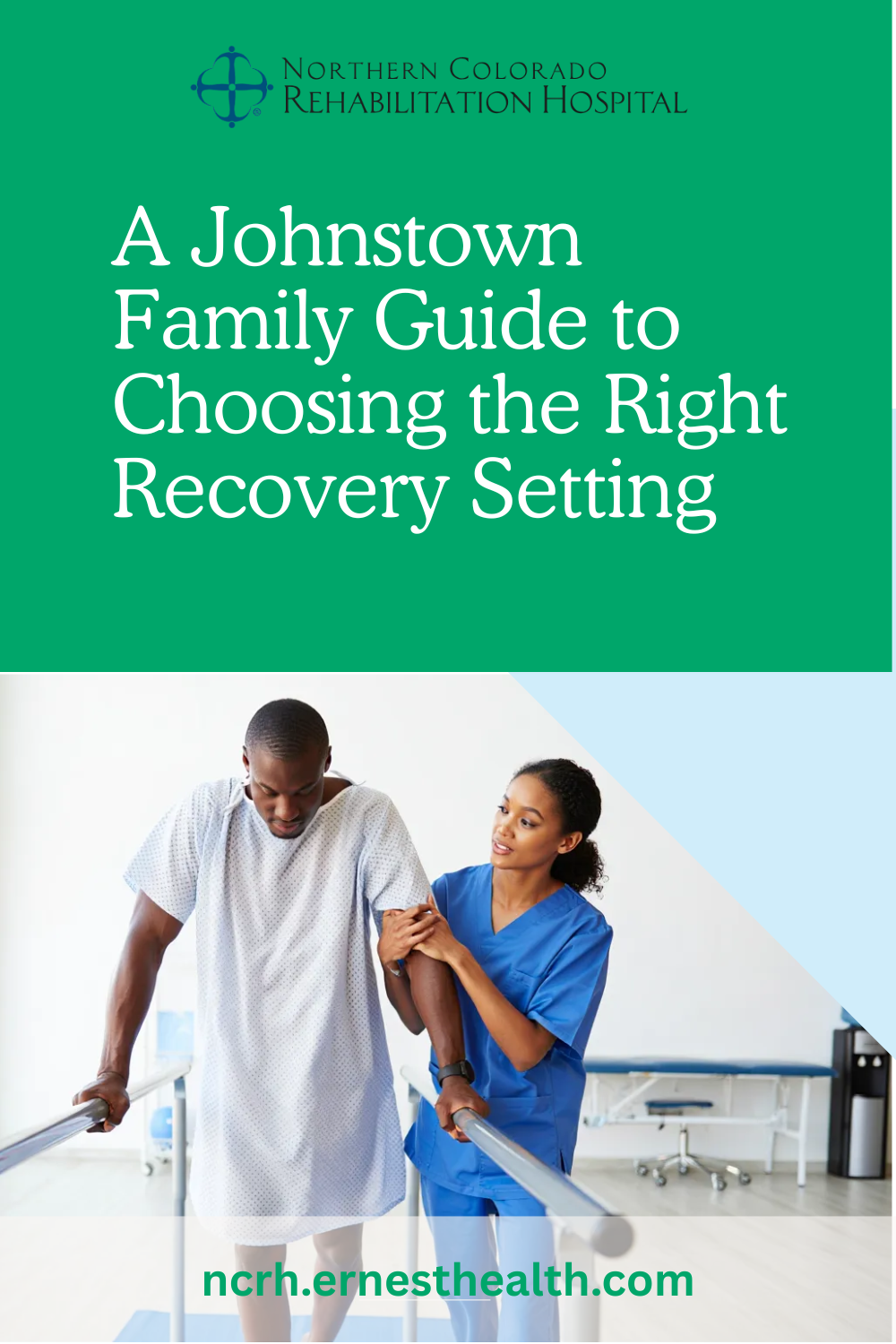
A Johnstown Family Guide to Choosing the Right Recovery Setting
A Johnstown Family Guide to Choosing the Right Recovery SettingAfter a hospital stay, families often expect the next step will be straightforward: Theyll go home and rest. But in many casesespecially after a stroke, serious fall, major surgery, or prolonged illnessgoing straight home is not safe. The body may be medically stable but still too weak for stairs, bathing, meals, or medication routines. Thats when discharge planners start talking about post-acute care, and families are suddenly faced with a big decision:Inpatient rehabilitation hospital (IRF) or skilled nursing facility (SNF)?In Northern Colorado, this question comes up frequently for families in Johnstown, Loveland, Greeley, Fort Collins, and surrounding communities. The right setting can accelerate recovery, reduce complications, and help a loved one regain independence. The wrong setting can lead to slower progress, frustration, and sometimes hospital readmission.Northern Colorado Rehabilitation Hospital in Johnstown provides inpatient rehabilitation services designed for patients who need intensive therapy and coordinated medical oversight after a serious health event. Their role is to help patients rebuild function and confidenceoften faster than families expectthrough an intensive, structured rehab environment.As Arba Boci of Northern Colorado Rehabilitation Hospital says, Choosing the right level of rehab is one of the most important parts of recovery. When patients are placed in the setting that matches their needs, progress is safer, faster, and more meaningful.The First Thing to Know: Both Options Provide RehabBut the Intensity and Oversight DifferFamilies often assume rehab is rehab. But inpatient rehabilitation hospitals and skilled nursing facilities are different in therapy intensity, medical oversight, and eligibility.Inpatient Rehabilitation Hospital (IRF)An inpatient rehab hospital is designed for patients who: Need intensive therapy Can participate in a structured program Require close medical oversight Have the potential to improve function significantly IRFs provide coordinated rehab teams and a strong focus on regaining independence.Skilled Nursing Facility (SNF)A skilled nursing facility is designed for patients who: Need 24/7 nursing care Need therapy but may tolerate a lower intensity Have medical complexity or slower recovery May need longer-term support SNFs can be excellent options for many patients, but therapy intensity and medical model differ.The best option isnt universalthe best option is the right match.A Simple Comparison: Whats Different Day-to-Day?Heres a practical way to understand the difference in real life.Therapy intensity Inpatient Rehab Hospital: typically higher therapy intensity and a more structured therapy schedule. Skilled Nursing: therapy is provided but often at a pace that may be lower intensity depending on patient tolerance and facility model. Medical oversight Inpatient Rehab Hospital: physician oversight and coordinated rehab team focus are central. Skilled Nursing: nursing care is central, with medical oversight and therapy support. Patient profile Inpatient Rehab Hospital: best for patients who can participate and benefit from intensive rehab. Skilled Nursing: best for patients who need more nursing support, slower-paced rehab, or longer recovery time. Goal focus Inpatient Rehab Hospital: maximize function and return home as safely and quickly as possible. Skilled Nursing: stabilize, provide nursing support, and improve function as possibleoften with longer stays. Who Is a Strong Candidate for Inpatient Rehabilitation?Inpatient rehab is often recommended for patients with conditions like: Stroke Brain injury Spinal cord injury Neurological conditions Serious orthopedic injuries Complex medical deconditioning after illness Amputation Significant decline after hospitalization A key factor: the patient must be able to participate in therapy and benefit from a structured rehab environment. Families should ask the care team: Is my loved one medically stable enough for intensive rehab? Can they participate consistently? What functional goals are realistic? Arba Boci notes: Inpatient rehab is designed for recovery momentum. When patients are ready for that level of therapy, they often regain function faster and feel more confident returning home.Who May Be Better Served in Skilled Nursing?Skilled nursing may be the best match when: A patient needs frequent nursing interventions Endurance is too low for intensive therapy Medical complexity requires more nursing support The patient needs a slower, longer recovery timeline Safety concerns remain high and progress may be gradual Many patients recover beautifully in skilled nursing. The goal is simply to match the setting to the persons needs and ability.The Home Readiness Lens: Ask These QuestionsFamilies often feel unsure which setting will get their loved one home safely. These questions help clarify whats needed.1) Can they transfer safely? Bed to chair Chair to toilet Standing balance If transfers are unsafe, intensive rehab may help rebuild these skills quicklybut only if the patient can participate.2) Can they walk or move safely? With a walker? With assistance? Are stairs involved at home? This determines therapy focus and discharge needs.3) Can they manage daily living tasks?Occupational therapy focuses on: Dressing Bathing Toileting Meal prep basics If these skills are significantly impaired, rehab intensity matters. 4) Is medical stability strong enough for intensive therapy?If a patient is still medically fragile, skilled nursing may provide needed stabilization.5) What support exists at home?Even strong rehab doesnt replace home support. Families need to consider: Who will help at home? Is the home safe and accessible? Is home health or outpatient therapy planned? The Johnstown Advantage: Local Rehab Access in Northern ColoradoFor families in Johnstown, having a rehabilitation hospital nearby matters. It can mean: Less travel stress for family visits Easier coordination with Northern Colorado medical systems Quicker transitions from hospital to rehab Stronger continuity during recovery When families can stay involvedattending care conferences, learning safe transfer techniques, understanding discharge plansoutcomes often improve.How to Advocate for the Right PlacementFamilies sometimes feel like they have no choice in discharge planning. In reality, families can ask informed questions and advocate for the best match.Helpful steps: Ask the hospital case manager to explain why a certain setting is recommended Request clarity on therapy needs and tolerance Ask what the realistic recovery goals are in each setting Confirm what insurance criteria apply (Medicare, etc.) Visit or review facility options through trusted local resources The best placement decisions happen when families understand the why behind the recommendation.How Seniors Blue Book Helps Families Compare Recovery OptionsSeniors Blue Book helps Northern Colorado families find and compare trusted local resourcesespecially during time-sensitive transitions after hospitalization. To learn more about inpatient rehabilitation services in Johnstown, visit the Seniors Blue Book listing for Northern Colorado Rehabilitation Hospital.Its a strong starting point for families who want clarity on post-acute care and a recovery environment designed to rebuild function and confidence.Local FAQs: Inpatient Rehab vs Skilled Nursing in Northern ColoradoIs inpatient rehab always better than skilled nursing?Not always. The best setting depends on therapy tolerance, medical stability, and rehab goals.How long do people stay in inpatient rehab?Length varies, but inpatient rehab often focuses on strong daily progress toward functional goals. The care team can provide realistic estimates based on diagnosis and progress.Will my loved one get therapy every day?Therapy schedules vary by setting. Inpatient rehab hospitals are designed around structured therapy programming.Can someone go from inpatient rehab to skilled nursing?Yes. Some patients transition between settings depending on progress and needs.How do we know when someone is ready to go home?Home readiness is based on safe mobility, ability to manage daily tasks, caregiver availability, and a discharge plan that supports continued recovery.Choosing the Right Rehab Setting Can Change the Entire RecoveryRecovery is not just about healingits about rebuilding life skills. When families choose the right setting, seniors often regain strength and confidence faster, avoid setbacks, and return home more safely. Strong CTA: Visit the Seniors Blue Book listing for Northern Colorado Rehabilitation Hospital to learn more about inpatient rehabilitation services in Johnstown and explore whether intensive rehab may be the right next step for your loved ones recovery.
Jan 20, 2026

A Long-Term Acute Care Hospital Helping Johnstown Seniors Recover, Rebuild, and Regain Quality of Life
A Long-Term Acute Care Hospital Helping Johnstown Seniors Recover, Rebuild, and Regain Quality of LifeNorthern Colorado has long been known for its resilience a region shaped by hardworking communities, breathtaking plains and mountain views, and families who look out for each other. In towns like Johnstown, where neighbors still wave as they pass and families gather for Friday night lights, this sense of connection matters deeply. It becomes even more important when a loved one is facing a serious health challenge.Northern Colorado Rehabilitation Hospital (NCRH) in Johnstown provides a critical layer of care for seniors and adults recovering from complex medical conditions. As a Long-Term Acute Care Hospital (LTACH), NCRH fills the gap between ICU-level hospitalization and traditional rehabilitation offering 24/7 medical oversight, advanced therapies, and weeks of intensive recovery support.For families across Greeley, Windsor, Loveland, Berthoud, and the broader Northern Colorado region, NCRH is a trusted place where healing begins again.What Is Long-Term Acute Care And Why Do Seniors Need It?Many families are unfamiliar with the term LTACH until a hospital case manager mentions it. Long-term acute care hospitals serve a unique purpose in todays healthcare system.These hospitals specialize in treating patients who: Are stable enough to leave the ICU Still need daily medical management Require extended recovery time (typically 2030 days) Need intensive rehabilitation after a complex illness Common reasons seniors are referred to NCRH include: Severe pneumonia or respiratory illness Long hospital stays with weakness or deconditioning Strokes or neurological events Ventilator dependence or weaning Post-trauma injuries Major infections requiring IV therapy Complex wounds needing daily care Heart or pulmonary complications Rather than being discharged too early or placed in a setting without enough medical oversight, seniors at NCRH receive the time, specialized staff, and advanced equipment needed for real, sustainable recovery.We Help Patients Get Better, One Step at a Time.Recovery can feel overwhelming for both patients and their families. At NCRH, the care team takes a steady, compassionate approach.Arba Boci, a respected leader at the hospital, explains: Every patient comes to us with a difficult medical journey behind them. Our job is to help them get stronger, safer, and more independent one step at a time. We focus on progress, not perfection.This philosophy appears everywhere throughout the hospitals care process.A Higher Level of Clinical CareNCRH operates more like a hospital than a traditional rehab center. Patients receive: Daily physician oversight 24/7 respiratory therapy Critical-care trained nurses IV antibiotics and infusions Ventilator management and weaning Telemetry and complex monitoring Specialized wound care Advanced imaging and diagnostics This combination of acute-care resources with restorative rehabilitation leads to safer, stronger outcomes.Integrated Rehabilitation to Rebuild Strength and FunctionLong-term acute care doesnt just stabilize patients it prepares them for the next chapter of recovery. NCRH provides a full rehabilitation program, including:Physical Therapy Strength rebuilding Balance and gait training Endurance exercises Mobility and transfer skills Occupational Therapy Activities of daily living (ADLs) Safe bathing, grooming, eating Fine motor skills Cognitive re-training Speech-Language Pathology Swallowing therapy Voice and communication Cognitive therapy for memory and attention Stroke or brain injury recovery The therapy team collaborates closely with nurses and physicians, creating one cohesive plan personalized to what each patient can achieve.A Healing Environment in the Heart of JohnstownThe hospitals setting located near I-25 with easy access for families from Windsor, Milliken, Greeley, and Fort Collins makes visitation simple and supportive. The environment is: Quiet Clean Bright and naturally lit Designed to promote comfort and rest Families often comment that the hospital doesnt feel overwhelming a feature that reduces anxiety and supports emotional well-being.A Team That Communicates With FamiliesSerious illness impacts everyone. NCRH offers clear, consistent communication with: Weekly care conferences Daily nurse updates when needed Discharge planning meetings Family training before going home This transparency helps reduce stress and ensures families know exactly how their loved one is progressing.A Bridge to the Next Level of CareAfter completing their stay at NCRH, patients may transition to: Inpatient rehabilitation centers Skilled nursing facilities Home health care Outpatient therapy Independent living with support Case managers help families understand options and coordinate every detail.Why Northern Colorado Families Choose NCRHSeniors and families trust NCRH because the hospital delivers: A higher level of medical care than standard rehab Expertise in complex and long-term recovery A collaborative, compassionate care team Strong outcomes for respiratory, neurological, and cardiac patients A local, community-centered approach to healing Its more than a hospital its a place where the possibility of strength and independence becomes real again.Call to ActionIf your loved one has been hospitalized with a serious illness and needs continued medical support, Northern Colorado Rehabilitation Hospital is here to help. Visit their Seniors Blue Book listing to learn more or request information from their care coordination team.FAQs for Northern Colorado Families1. How long do patients stay at NCRH?Most stays range from 2030 days, depending on medical needs and progress.2. Is NCRH the same as a nursing home?No. NCRH is a hospital-level program with 24/7 clinical oversight and daily physician visits.3. Do they accept Medicare?Yes NCRH accepts Medicare and many commercial insurance plans.4. Can families visit?Absolutely. Visiting hours are flexible, and family involvement is encouraged.5. What happens after discharge? The care team coordinates next steps such as inpatient rehab, home health, or assisted living based on each patients needs.
Nov 25, 2025
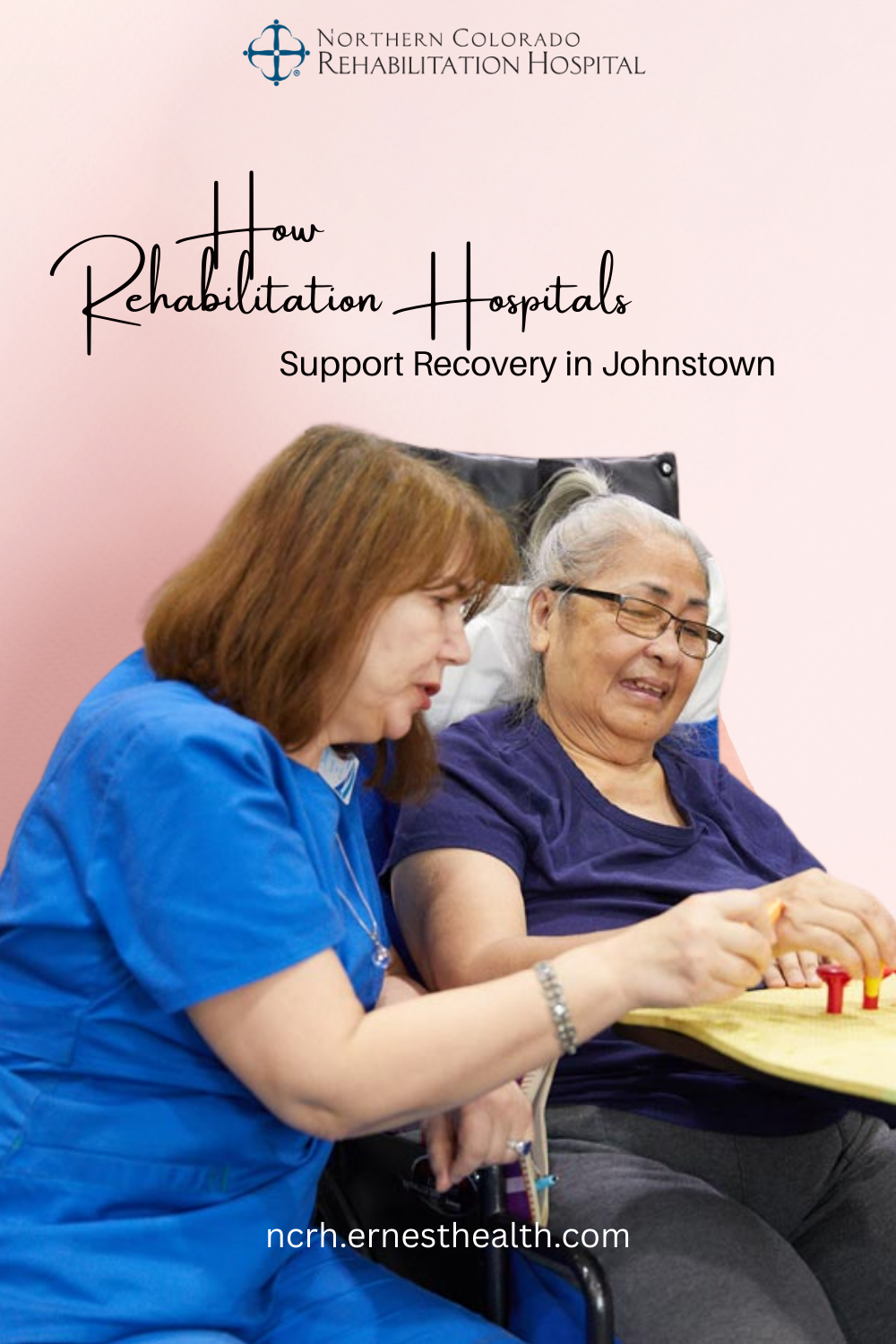
How Rehabilitation Hospitals Support Recovery in Johnstown
How Rehabilitation Hospitals Support Recovery in JohnstownA serious illness, injury, or surgery can change life in an instant. For many seniors in Johnstown and across Northern Colorado, the path back to independence doesnt end when they leave the hospitalit begins with focused rehabilitation. Rehabilitation hospitals play a vital role in helping older adults regain strength, mobility, and confidence so they can return to daily life as safely and independently as possible.Unlike general hospital care, rehabilitation hospitals are designed specifically for recovery. They combine medical oversight with intensive therapy, providing a structured environment where healing is active, purposeful, and measurable.What Makes a Rehabilitation Hospital Different?Rehabilitation hospitals specialize in helping patients recover function after significant health events. These facilities are ideal for individuals who are medically stable but still need intensive therapy and clinical support.Rehabilitation hospitals typically provide: Physician-led care teams 24/7 nursing support Physical, occupational, and speech therapy Individualized recovery plans Ongoing medical monitoring Comprehensive discharge planning For seniors, this focused approach often leads to better outcomes and a smoother return home.Common Reasons Seniors Need Rehabilitation CareOlder adults may require rehabilitation hospital care following a variety of health events. These transitions are critical moments where proper support can prevent setbacks.Common reasons include: Stroke or neurological events Joint replacement or orthopedic surgery Cardiac or pulmonary conditions Falls with injury Prolonged hospital stays Complex medical conditions affecting mobility In Johnstown, where seniors often value independence and active living, rehabilitation goals are centered on restoring function and confidence. Rehabilitation is about helping patients rediscover what theyre capable of after a setback, says Arba Boci. With the right support and therapy, many seniors exceed what they thought was possible. The Power of Intensive TherapyRehabilitation hospitals offer a higher intensity of therapy than many other post-acute settings. Patients often participate in multiple hours of therapy per day, tailored to their specific needs.Therapy services may include:Physical Therapy Strength and endurance training Balance and fall prevention Gait and mobility retraining Occupational Therapy Dressing, bathing, and self-care skills Adaptive techniques for daily tasks Home safety preparation Speech Therapy Swallowing and communication support Cognitive rehabilitation Memory and problem-solving strategies This coordinated approach helps patients regain both physical ability and independence.Recovery in a Supportive, Structured EnvironmentRecovery can be physically and emotionally challenging. Rehabilitation hospitals provide an environment designed to motivate and support patients through the process.Benefits of this setting include: Daily routines that promote progress Encouragement from specialized care teams Clear goals and measurable outcomes Reduced distractions compared to home recovery For many seniors, this structure fosters faster, safer healing.Why Location Matters for RecoveryJohnstowns location within Northern Colorado makes rehabilitation hospitals accessible for families from surrounding communities. Staying close to loved ones during recovery can significantly impact morale and motivation.Family involvement supports recovery by: Encouraging participation in therapy Providing emotional support Learning how to assist after discharge Staying informed about progress Proximity allows families to stay engaged throughout the rehabilitation journey.Preventing Readmissions Through Comprehensive CareOne of the key goals of rehabilitation hospitals is reducing avoidable hospital readmissions. Through close monitoring and proactive care, issues can be addressed early.Rehabilitation hospitals help by: Managing medications carefully Monitoring vital signs and symptoms Educating patients on self-care Coordinating follow-up services This continuity of care supports long-term recovery and stability.Preparing for Life After RehabilitationDischarge planning begins early in the rehabilitation process. The goal is to ensure patients are fully prepared for the next phasewhether thats returning home or transitioning to another level of care.Discharge planning may include: Home safety assessments Equipment recommendations Coordination with home health or outpatient therapy Caregiver education Community resource referrals Thoughtful planning helps maintain recovery gains and reduces stress after discharge.When Is a Rehabilitation Hospital the Right Choice?Rehabilitation hospitals are often recommended when: A patient needs intensive therapy Medical oversight is still required Recovery goals are clearly defined Returning home immediately would be unsafe Choosing the right level of care at the right time can significantly influence recovery outcomes.Frequently Asked Questions (FAQs)Is a rehabilitation hospital the same as a skilled nursing facility? No. Rehabilitation hospitals provide more intensive therapy and physician oversight.How long do patients usually stay? Length of stay varies based on recovery goals, often ranging from days to a few weeks.Do patients receive therapy every day? Yes. Therapy is typically provided daily to maximize recovery.Can families visit during rehabilitation? Yes. Family involvement is encouraged and supported.Will insurance cover rehabilitation hospital care? Coverage depends on the individuals plan and medical necessity.Moving Forward With ConfidenceRecovery after illness or injury is a journeyand having the right support makes all the difference. Rehabilitation hospitals provide seniors with the structure, expertise, and encouragement needed to rebuild strength and reclaim independence. To learn more about rehabilitation hospital services in Northern Colorado, visit the Northern Colorado Rehabilitation Hospital listing on Seniors Blue Book and explore recovery-focused care options designed to help seniors move forward with confidence.
Jan 06, 2026
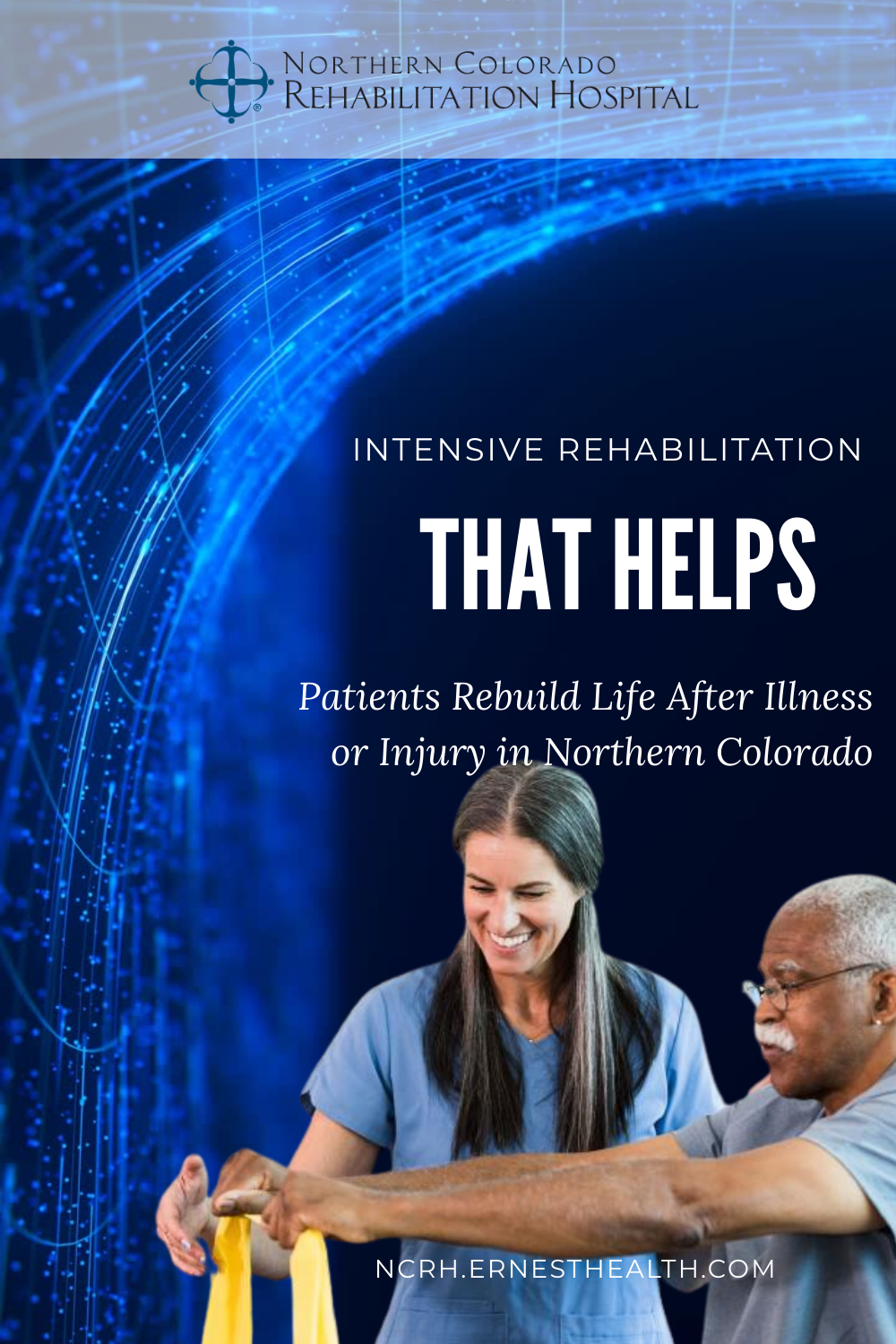
Intensive Rehabilitation That Helps Patients Rebuild Life After Illness or Injury in Northern Colorado
Intensive Rehabilitation That Helps Patients Rebuild Life After Illness or Injury in Northern ColoradoA serious injury, stroke, or complex medical event can change life in an instant. After acute hospital care ends, many patients are not yet ready to return homebut they are ready for focused rehabilitation that helps them regain strength, mobility, and independence. That critical phase of recovery is where inpatient rehabilitation hospitals play an essential role.Serving patients throughout Northern Colorado, Northern Colorado Rehabilitation Hospital provides specialized inpatient rehabilitation services for individuals recovering from life-altering medical events. Located in Johnstown, the hospital offers a highly structured environment where patients receive intensive therapy and medical oversight designed to restore function and confidence.What Makes Inpatient Rehabilitation DifferentInpatient rehabilitation hospitals are distinct from skilled nursing facilities or traditional hospitals. Patients admitted to rehabilitation hospitals must be medically stable but require intensive, coordinated therapy that cannot be safely delivered at home or in lower levels of care.At Northern Colorado Rehabilitation Hospital, patients typically participate in: Multiple hours of therapy per day A customized rehabilitation plan Daily physician oversight Coordinated care across disciplines This model supports recovery from conditions that significantly affect mobility, speech, cognition, or daily living skills.Conditions Commonly Treated at Rehabilitation HospitalsRehabilitation hospitals serve patients with complex recovery needs, including:Neurological Conditions Stroke Brain injury Spinal cord injury Neurological disorders Orthopedic & Medical Recovery Joint replacement complications Trauma or fracture recovery Debility after prolonged hospitalization Cardiac & Pulmonary Rehabilitation Recovery after cardiac events Respiratory weakness or endurance loss Each patients rehabilitation plan is designed around their diagnosis, functional goals, and anticipated discharge setting.According to Arba Boci of Northern Colorado Rehabilitation Hospital, Rehabilitation is about helping patients reclaim the abilities that matter most to them. Our team works intensively with each patient to build strength, skills, and confidence every single day.A Team-Based Approach to RecoverySuccessful rehabilitation requires collaboration. Northern Colorado Rehabilitation Hospital uses a multidisciplinary care model, ensuring patients receive coordinated treatment from a team that may include: Rehabilitation physicians Registered nurses Physical therapists Occupational therapists Speech-language pathologists Case managers and social workers This team meets regularly to evaluate progress, adjust therapy plans, and prepare patients for the next phase of carewhether that is returning home, transitioning to outpatient therapy, or moving to another supportive setting.Rehabilitation With a Clear Discharge GoalOne of the defining features of inpatient rehabilitation is its goal-oriented structure. From the beginning of a patients stay, the care team works toward a realistic discharge plan.Goals may include: Walking independently or with an assistive device Safely transferring in and out of bed Managing personal care tasks Improving speech, swallowing, or cognitive skills Building endurance for daily activities Family education is often part of the process, helping caregivers understand how to support recovery once the patient leaves the hospital.Serving the Growing Needs of Northern ColoradoNorthern Colorado continues to see population growth across communities such as Johnstown, Loveland, Windsor, and Greeley. With that growth comes increased demand for advanced rehabilitation servicesespecially as more residents choose to age in place.Northern Colorado Rehabilitation Hospital serves as a regional resource, accepting patients from surrounding hospitals and healthcare systems. Its centralized location in Johnstown allows families from both Weld and Larimer counties to stay involved in the recovery process without long-distance travel.Being close to home during rehabilitation can improve emotional well-being, motivation, and overall outcomes.Who Is a Good Candidate for Inpatient Rehabilitation?Inpatient rehabilitation may be recommended for individuals who: Require intensive therapy multiple times per day Have experienced a stroke, injury, or major surgery Need coordinated medical and rehabilitative care Are motivated to participate actively in therapy Have the potential to improve functional independence Admission criteria are carefully evaluated to ensure patients benefit from this level of care.Supporting Patients and Families Through RecoveryA sudden health event affects more than just the patientit impacts families, routines, and long-term planning. Northern Colorado Rehabilitation Hospital recognizes this and emphasizes education, communication, and emotional support.Families are encouraged to: Participate in care planning meetings Observe therapy sessions when appropriate Ask questions about recovery timelines and expectations Prepare for safe transitions after discharge This collaborative approach helps families feel informed and empowered rather than overwhelmed.Frequently Asked Questions About Rehabilitation Hospitals in Northern ColoradoHow is inpatient rehabilitation different from skilled nursing?Rehabilitation hospitals provide more intensive therapy, daily physician involvement, and a highly structured recovery program.How long do patients typically stay?Length of stay varies by diagnosis and progress, but many stays range from one to several weeks.Will insurance cover inpatient rehabilitation?Coverage depends on individual insurance plans and medical necessity. Care teams help families navigate this process.What happens after discharge?Patients may transition home with outpatient therapy, home health services, or another level of care based on needs.Can family members visit during rehabilitation?Yes. Family involvement is encouraged and often plays a key role in recovery success.A Critical Step Toward IndependenceRecovering from serious illness or injury requires more than restit requires focused rehabilitation, expert guidance, and a supportive environment. For patients and families in Johnstown and across Northern Colorado, Northern Colorado Rehabilitation Hospital provides inpatient rehabilitation services designed to help individuals rebuild strength, function, and independence. To learn more about services, admission criteria, and recovery programs, visit the Northern Colorado Rehabilitation Hospital listing on Seniors Blue Book. The right rehabilitation support can make a powerful difference in what recovery looks likeand what comes next.
Feb 02, 2026
Health Promotion and Physical Activity for Seniors with Disabilities
Physical Medicine and Rehabilitation Improving the health and function of seniors with disabilities can facilitate levels of participation in all aspects of society and can enhance health-related quality of life on a very personal level. For individuals recovering from a serious illness or disabling event, after their initial rehabilitation, the gains made in restoring function can be lost after returning home unless a community-based health and wellness program can be tailored to the individuals unique circumstances. Traditional definitions of health often described health and disability on opposite ends of the health spectrum. Fortunately, newer definitions, supported by the Department of Health and Human Services, acknowledge that health is multidimensional. Health promotion after disability therefore involves optimizing ones potential in the dynamic interplay of the physical, social, emotional, spiritual, and intellectual elements of being.An important first step in the process of designing a plan of self-care after a disabling event, is for seniors, health care professionals, and community service providers to collaboratively identify the many barriers that seniors with disabilities encounter when seeking to enhance their wellness and physical activity levels. Armed with a shared understanding of an individuals functional limitations, health status , and resources can allow for partnerships and networks of support that create opportunity for customized, adapted health promotion strategies. Physicians specialized in Physical Medicine and Rehabilitation (PM&R) are uniquely trained to facilitate and collaborate with other disciplines to address health related quality of life issues for persons with temporary or permanent disabilities. Self-advocacy therefore often includes the consultative involvement of rehabilitation specialists the in ones core team of health care providers helping to optimize ones health after injury or illness.Editors Note: This article was submitted by Indira S. Lanig MD, Medical Director at Northern Colorado Rehabilitation Hospital, in Johnstown, CO. The NCRH team of wellness-oriented physicians and therapists can be reached at 970-619-3454.
Sep 16, 2012
You Can't Miss What You Don't Know About
Most people are unaware that there is a branch of medicine specifically dedicated to the diagnosis and treatment of temporary and/or chronic physical disability. Physiatry (pronounced Fizz-Eye-A-Tree) is the area of medicine wherein physicians specializes in Physical Medicine& Rehabilitation. (PM&R). Physiatrists are trained to focus on the patient as a whole person and to put the medical management of a disabling event within the context of that individuals life and environment. The roots of the specialty can be traced back to the 1930s. Demand for, prominence of , and national interest in the role of these specialists rose during WWII and again during the Vietnam war when young veterans returned home with a range of injuries that necessitated rehabilitation. Today there are over 7000 Board Certified physiatrists in the U.S.Helping to Keep the Golden Years GoldenPhysiatrists, focus on the patient as a whole person, young or old. Most specialties deal primarily with illness and possible threats to life. The physiatrist deals with these as well as addressing threats to living life fully. Attention is directed to restoring quality function in activities of daily life. These Rehab Medicine specialists often collaborate with a team of health professionals and other physicians in developing and carrying out a care plan that extends beyond hospital or clinic walls out into the family and community. This team may include physical therapists, occupational therapists, speech pathologists, prosthetists, and social workers.By partnering with a physiatrist, a persons primary care physician, neurologist, orthopedic surgeon, or neurosurgeon can enhance the ultimate chance of an individual doing well after or with conditions such as stroke; rheumatoid arthritis; total hip or knee replacement; sports-related injuries; musculoskeletal sprains and pain; neurological diagnoses such as multiple sclerosis, spinal cord injury, traumatic brain injury and ALS; as well as debility that can develop after prolonged critical illness. Asking for a referral to a physiatrist can be a priceless form of self-advocacy, since, even today, there remain many physicians, care managers, and home health care providers who are not familiar with the expertise available in the field of PM&R.Editors Note: This article was written by Indira S. Lanig MD, a physiatrist and Associate Medical Director at Northern Colorado Rehabilitation Hospital, Johnstown CO. The NCRH team of professionals can be reached at 970-619-3454
Sep 12, 2011

Northern Colorado Rehabilitation Hospital: Raising the Standard of Care in Americas Top 10%
When a loved one suffers a life-changing injury, illness, or stroke, the question of what comes next? weighs heavily on families. The recovery journey is often long, complex, and emotionally challenging. Thats why access to world-class rehabilitative care is not just a benefitits a lifeline. For Northern Colorado Rehabilitation Hospital (NCRH) in Johnstown, that mission has been at the heart of its work since opening its doors. Today, NCRH stands proudly recognized in the nations top 10% of rehabilitation hospitals, a distinction awarded by the Uniform Data System for Medical Rehabilitation (UDSMR).This national recognition is more than a badge of honor. It represents a deep commitment to patient-centered, effective, efficient, and timely care, qualities that set NCRH apart in the highly competitive landscape of post-acute rehabilitation. It also underscores what so many patients and families across Northern Colorado already know: recovery is not a one-size-fits-all process, and exceptional outcomes depend on a collaborative, evidence-based approach.Why Rehabilitation MattersToo often, rehabilitation is seen as an afterthoughtsomething that happens after the real medical work of hospitals is complete. But in truth, rehabilitation is one of the most critical components of recovery. Research consistently shows that inpatient rehabilitation facilities (IRFs), such as Northern Colorado Rehabilitation Hospital, offer patients better long-term results compared to skilled nursing facilities (SNFs).A landmark study commissioned by the ARA Research Institute, which analyzed more than 100,000 patients with similar medical profiles, revealed striking differences. Patients who underwent intensive rehabilitation in inpatient facilities: Returned home from their initial stay two weeks earlier. Remained home nearly two months longer before needing additional care. Lived nearly two months longer on average. Experienced an 8% lower mortality rate. Had 5% fewer emergency room visits per year. These statistics translate into something profoundly human: more time spent at home, greater independence, fewer disruptions from emergency health crises, and ultimately, a higher quality of life. For patients and their families, that quality of life is priceless.A Leader in Stroke RecoveryOne area where inpatient rehabilitation demonstrates particularly strong results is stroke recovery. Every year, millions of Americans experience strokes, and while medical advances have dramatically improved survival rates, many patients are left with lasting disabilities. How they recover in the weeks and months after a stroke can determine the trajectory of the rest of their lives.The American Heart Association and American Stroke Association strongly recommend inpatient rehabilitation hospitals for stroke survivors. The reason is clear: facilities like NCRH provide the kind of structured, team-based care that maximizes recovery potential. At NCRH, stroke patients receive: Three or more hours of rehabilitation per day, working with physical therapists, occupational therapists, and speech-language pathologists. Continuous access to specialized nurses, who provide round-the-clock support. Daily visits from physicians, ensuring progress is carefully monitored and treatment plans are adjusted as needed. Recovery from a stroke is never a solo effort. It requires a coordinated team of professionalstherapists, doctors, nurses, patients, and familiesall working together to push the boundaries of whats possible. At Northern Colorado Rehabilitation Hospital, this philosophy is not just encouraged; it is embedded into the very culture of care.What Sets NCRH ApartThe Top 10% ranking by UDSMR is not achieved easily. UDSMR, a nonprofit organization supported by the U.S. Department of Educations National Institute on Disability and Rehabilitation Research, collects and analyzes outcomes data from rehabilitation facilities nationwide. To rank among the nations best, NCRH had to demonstrate not only strong patient results but also a dedication to efficiency, timeliness, and continuous improvement.This recognition reflects several key strengths of NCRH: Patient-Centered Care Every patient arrives with unique needs, goals, and challenges. NCRH builds individualized treatment plans designed around those realities, ensuring care is never one-size-fits-all. Collaboration and Best Practices Through UDSMR, NCRH shares information and collaborates with peer hospitals across the country. This creates a cycle of shared learning that raises the standard of care not only locally but nationally. Highly Skilled Team From physicians to therapists to nurses, the staff at NCRH are specialized in rehabilitation medicine. Their expertise allows patients to benefit from the latest advances in therapeutic techniques and technology. Commitment to Community As part of the Northern Colorado community, NCRH serves not just as a hospital but as a partner in health. Many patients treated here are neighbors, friends, or family members of staff and caregivers, adding an additional layer of compassion to the care experience. Transforming Recovery, One Patient at a TimeBehind every data point, every percentage, and every award are real peoplepatients who walked out of NCRH with renewed strength, confidence, and hope. For someone recovering from a traumatic brain injury, regaining the ability to walk may feel like reclaiming their life. For a stroke survivor, learning to speak again may mean reconnecting with loved ones in ways once thought lost.Northern Colorado Rehabilitation Hospital is more than a medical facility; it is a bridge between crisis and independence. The staffs dedication ensures that every milestone, no matter how small, is celebrated as part of a larger journey toward recovery.A National Model for Rehabilitative ExcellenceIn todays healthcare environment, where efficiency often competes with compassion, Northern Colorado Rehabilitation Hospital proves that both can exist in harmony. Its ranking in the nations top 10% of rehabilitation hospitals is not just a reflection of past achievements but a commitment to the future of rehabilitative medicine.By aligning patient care with evidence-based practices, investing in specialized staff, and fostering collaboration nationwide, NCRH has established itself as a model for what rehabilitation should look like. More importantly, it has set a standard of excellence that directly benefits patients and families across Northern Colorado and beyond.Conclusion: Raising Expectations for RecoveryThe journey of recovery is never easy, but where a patient receives care can make all the difference. At Northern Colorado Rehabilitation Hospital in Johnstown, patients are not just treatedthey are empowered to heal, thrive, and reclaim their lives. Recognition from the Uniform Data System for Medical Rehabilitation places NCRH among the best in the nation, but the hospitals true achievement lies in the lives it transforms every day. For the people of Northern Colorado, having one of the nations top rehabilitation hospitals right in their backyard is not just a point of prideit is a beacon of hope for anyone facing the difficult road to recovery.
Sep 01, 2025
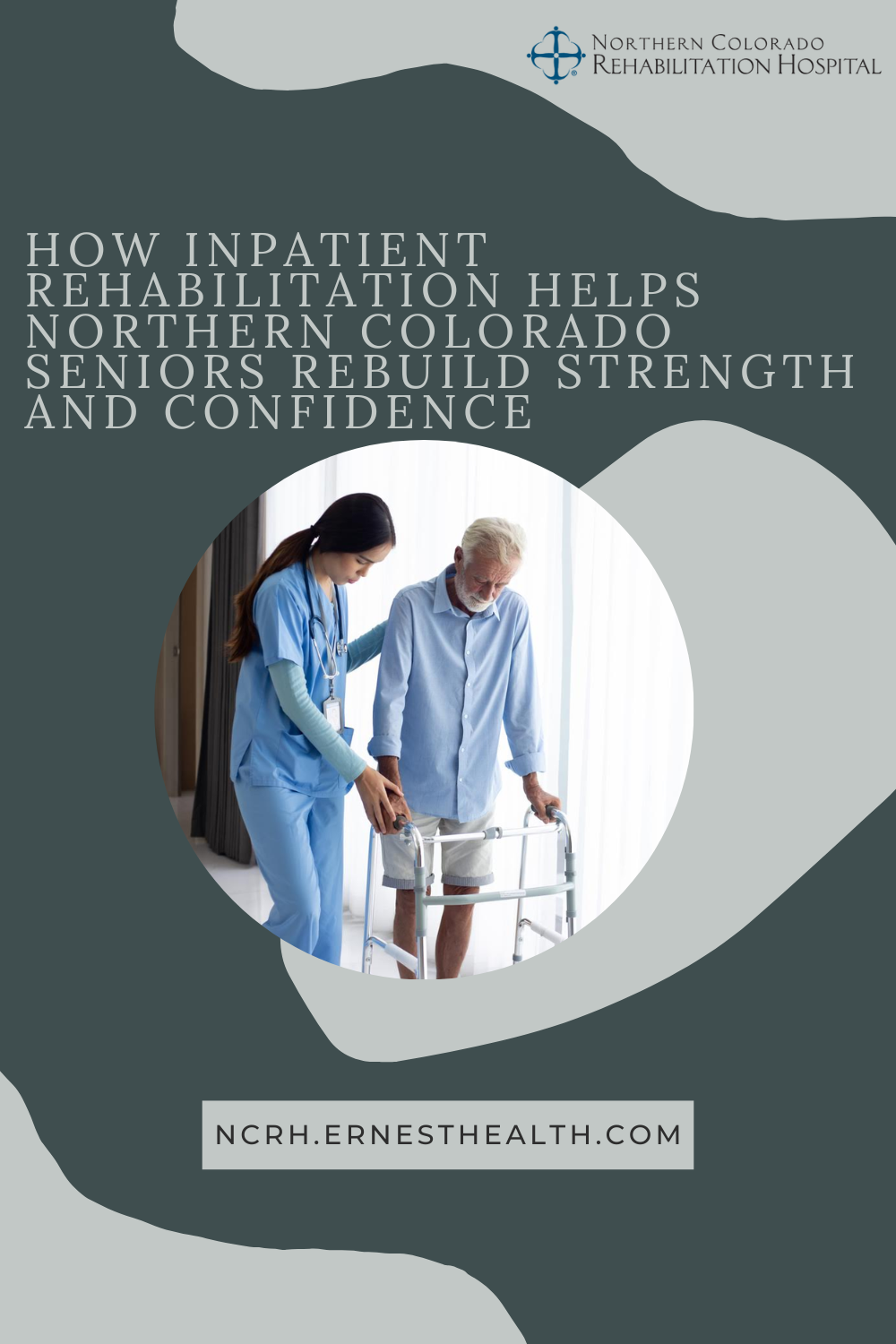
How Inpatient Rehabilitation Helps Northern Colorado Seniors Rebuild Strength and Confidence
How Inpatient Rehabilitation Helps Northern Colorado Seniors Rebuild Strength and ConfidenceAfter a serious illness, injury, or surgery, recovery doesnt end at hospital discharge. For many seniors in Northern Colorado, the next phaserehabilitationis what truly determines how well they regain independence and quality of life. This is where inpatient rehabilitation hospitals play a critical role, offering intensive, coordinated therapy in a medically supervised environment.Northern Colorado Rehabilitation Hospital in Johnstown provides specialized rehabilitation care designed to help patients recover function, rebuild confidence, and transition safely back to daily life.What Makes Inpatient Rehabilitation DifferentInpatient rehabilitation hospitals are designed for patients who need more intensive therapy and medical oversight than can be provided at home or in outpatient settings. Patients typically participate in multiple hours of therapy each day, guided by a multidisciplinary team.Rehabilitation services often include: Physical therapy to restore strength and mobility Occupational therapy to relearn daily activities Speech therapy for communication or swallowing challenges Physician oversight and nursing care Individualized care planning and progress monitoring This structured approach accelerates recovery while maintaining patient safety.Who Benefits Most from Rehabilitation Hospitals?Inpatient rehabilitation is often recommended for seniors recovering from: Stroke or neurological events Orthopedic surgeries such as joint replacement Traumatic injuries or falls Spinal cord or brain injuries Complex medical conditions that affect mobility or independence For patients in Northern Colorado, inpatient rehab provides a focused environment where recovery is the primary goal.A Community-Centered Approach in JohnstownLocated in Johnstown, Northern Colorado Rehabilitation Hospital serves patients from Longmont, Loveland, Greeley, and surrounding communities. Being close to home allows families to remain involved and connected throughout the recovery process.Local rehabilitation care offers: Easier visitation for family and caregivers Coordination with regional hospitals and providers Smoother transitions back into the community This proximity helps patients feel supported rather than isolated during recovery.Personalized Therapy with Measurable GoalsRehabilitation is not one-size-fits-all. Each patient arrives with different challenges, strengths, and goals. Therapy plans are developed collaboratively, focusing on what matters most to the patient.Goals may include: Walking independently or safely with support Regaining the ability to dress or bathe independently Improving speech or cognitive function Building endurance for daily activities Arba Boci, who works closely with rehabilitation patients and families, highlights the importance of individualized care: Recovery looks different for every patient. Our role is to meet people where they are and help them move forward with realistic goals and consistent support. This patient-centered approach helps maintain motivation and momentum.Supporting Emotional Recovery Alongside Physical HealingRehabilitation is both a physical and emotional journey. Seniors may feel frustrated, discouraged, or fearful after a sudden loss of independence. A supportive rehab environment helps patients rebuild confidence as well as strength.Inpatient rehabilitation supports emotional well-being by: Providing encouragement and structure Celebrating progress and milestones Offering reassurance during setbacks Maintaining a consistent daily routine This holistic support plays a critical role in long-term recovery success.Preparing for a Safe Transition HomeOne of the most important aspects of inpatient rehabilitation is discharge planning. The goal is not just improvementbut safe, sustainable independence after discharge.Discharge planning often includes: Home safety assessments Caregiver education and training Coordination with home health or outpatient therapy Equipment recommendations This preparation reduces the risk of falls, readmissions, and setbacks once patients return home.A Partner for Families and CaregiversFamilies are essential partners in the rehabilitation process. Inpatient rehab hospitals provide education, updates, and guidance so caregivers feel prepared to support recovery.Families benefit from: Clear communication about progress Involvement in goal setting Training for ongoing care needs Confidence during the transition home This collaboration helps ensure continuity of care beyond the hospital setting.Frequently Asked QuestionsHow is inpatient rehabilitation different from skilled nursing?Inpatient rehabilitation provides more intensive daily therapy and physician oversight.How long do patients typically stay?Length of stay varies based on diagnosis, progress, and goals.Is inpatient rehab covered by insurance?Coverage depends on diagnosis and insurance plan, including Medicare eligibility.Can family members visit?Yes. Family involvement is encouraged throughout the rehab process.What happens after discharge?Patients may transition home with support or continue therapy in outpatient settings.A Trusted Rehabilitation Resource for Northern ColoradoRecovery after illness or injury requires more than timeit requires expert guidance, encouragement, and structured therapy. Northern Colorado Rehabilitation Hospital offers seniors a focused path toward independence, helping patients rebuild strength and return to life with confidence. To learn more about inpatient rehabilitation services or explore recovery options, visit their Seniors Blue Book listing and connect with a trusted rehabilitation hospital serving Northern Colorado.
Jan 12, 2026
How Specialized Rehabilitation Helps Northern Colorado Seniors Regain Independence
How Specialized Rehabilitation Helps Northern Colorado Seniors Regain IndependenceA medical setbacksuch as a stroke, joint replacement, or serious illnesscan instantly change how a senior moves through daily life. Tasks that once felt automatic may suddenly require assistance, and confidence can take a hit alongside physical strength. For seniors in Johnstown and across Northern Colorado, the period after acute medical treatment is often the most critical phase of recovery.Thats where Northern Colorado Rehabilitation Hospital plays a vital role. As a dedicated rehabilitation hospital, it focuses on helping seniors rebuild function, confidence, and independence through intensive, goal-driven therapy in a supportive medical environment.This article explores why specialized rehabilitation matters for older adults, how inpatient rehab differs from other care settings, and how a focused recovery plan can help Northern Colorado seniors return to life with greater strength and stability.Why the Recovery Phase Is So Important for SeniorsHospitals stabilize medical conditions, but they are not designed for long-term functional recovery. After discharge, many seniors experience weakness, balance issues, or difficulty with daily activities due to: Prolonged bed rest Muscle loss and deconditioning Neurological changes Pain or fear of re-injury Without structured rehabilitation, these challenges can limit independence and increase the risk of falls, readmission, or long-term care placement.What Makes Inpatient Rehabilitation DifferentInpatient rehabilitation hospitals provide a higher level of therapy intensity and medical oversight than other post-acute settings. Patients typically participate in multiple hours of therapy each day, guided by licensed rehabilitation professionals.Services often include: Physical therapy to restore strength, balance, and mobility Occupational therapy to relearn daily living skills Speech therapy for communication or swallowing challenges 24/7 nursing care and physician oversight Coordinated care planning and progress tracking This concentrated approach helps accelerate recovery while maintaining medical safety.Goal-Oriented Therapy That Focuses on Real LifeRehabilitation isnt just about exercisesits about returning to meaningful daily activities. Therapy programs are built around practical goals that reflect how seniors actually live.Common goals may include: Walking safely with or without assistive devices Transferring independently from bed to chair Managing stairs or uneven surfaces Bathing, dressing, and preparing meals Building endurance for daily routines Each therapy plan is customized to the individuals abilities and recovery goals.Why Inpatient Rehab Matters in Northern ColoradoNorthern Colorado seniors often value independence, outdoor activity, and staying connected to their communities. Whether living in Johnstown, Longmont, or nearby towns, many want to return home safely rather than transition into long-term care.Specialized rehabilitation supports this goal by: Improving functional outcomes Reducing long-term disability Supporting safe transitions home Preventing avoidable complications A focused rehab stay can be the turning point that allows seniors to resume independent living.A Collaborative, Team-Based Healing EnvironmentSuccessful rehabilitation depends on collaboration. In an inpatient rehab hospital, care teams work together daily to support progress.Teams may include: Rehabilitation physicians Registered nurses Physical, occupational, and speech therapists Case managers and social workers Dietitians and support staff According to Arba Boci, Recovery works best when care is coordinated and purposeful. Our focus is helping patients regain confidence and function so they can move forward with their lives. This team-based model ensures both medical needs and functional goals are addressed simultaneously.Supporting Emotional Recovery Alongside Physical HealingPhysical setbacks often affect emotional health. Seniors may feel frustrated, anxious, or discouragedespecially if independence has been temporarily lost.Rehabilitation environments help by: Celebrating incremental progress Providing encouragement and motivation Rebuilding confidence after injury or illness Offering structure and daily routine Emotional resilience is a critical component of successful recovery.Reducing the Risk of Hospital ReadmissionOne of the greatest risks after a hospital stay is readmission. Inpatient rehabilitation reduces this risk by addressing the underlying functional challenges that often lead to complications.Benefits include: Close monitoring of medical conditions Medication management and education Safe progression of activity levels Early identification of setbacks This proactive care supports safer, more durable recovery.Preparing for a Successful Return HomeDischarge planning begins early in the rehabilitation process. The goal is not just improvementbut sustainable independence.Preparation may involve: Home safety recommendations Caregiver training and education Coordination with home health or outpatient therapy Equipment evaluation and recommendations Clear follow-up care instructions Families gain reassurance knowing their loved one is preparednot rushedinto the next phase.When Is Inpatient Rehabilitation the Right Choice?Inpatient rehabilitation is often recommended after: Stroke or neurological events Joint replacement or major orthopedic surgery Serious falls or fractures Cardiac or pulmonary conditions General deconditioning after illness Physicians typically recommend inpatient rehab when recovery at home would be unsafe or ineffective.Choosing the Right Rehabilitation HospitalFamilies evaluating rehabilitation options should consider: Therapy intensity and daily schedule Medical oversight and nursing availability Communication with families Patient-centered goal setting Transition planning and follow-up support A quality rehab hospital encourages questions and transparency.Recovery That Restores ConfidenceA medical setback doesnt have to define the future. With specialized rehabilitation, Northern Colorado seniors can rebuild strength, restore confidence, and reclaim independence.To learn more about inpatient rehabilitation services and recovery support, visit Northern Colorado Rehabilitation Hospitals Seniors Blue Book listing and explore whether focused rehab is the right next step for your family.Frequently Asked QuestionsHow long do inpatient rehab stays usually last? Stays typically range from one to several weeks, depending on recovery needs.Is inpatient rehab only for seniors? While commonly used by seniors, inpatient rehab can benefit adults of all ages.Can families visit during rehab stays? Yes. Family involvement is encouraged and often supports recovery.Does rehab replace home care? Rehab often prepares seniors for a safer transition to home care or outpatient therapy. Is inpatient rehab covered by insurance? Coverage depends on medical necessity and individual plans; staff can help explain options.