Oasis Senior Advisors Carrollton-Frisco
Housing Placement & Resource Specialists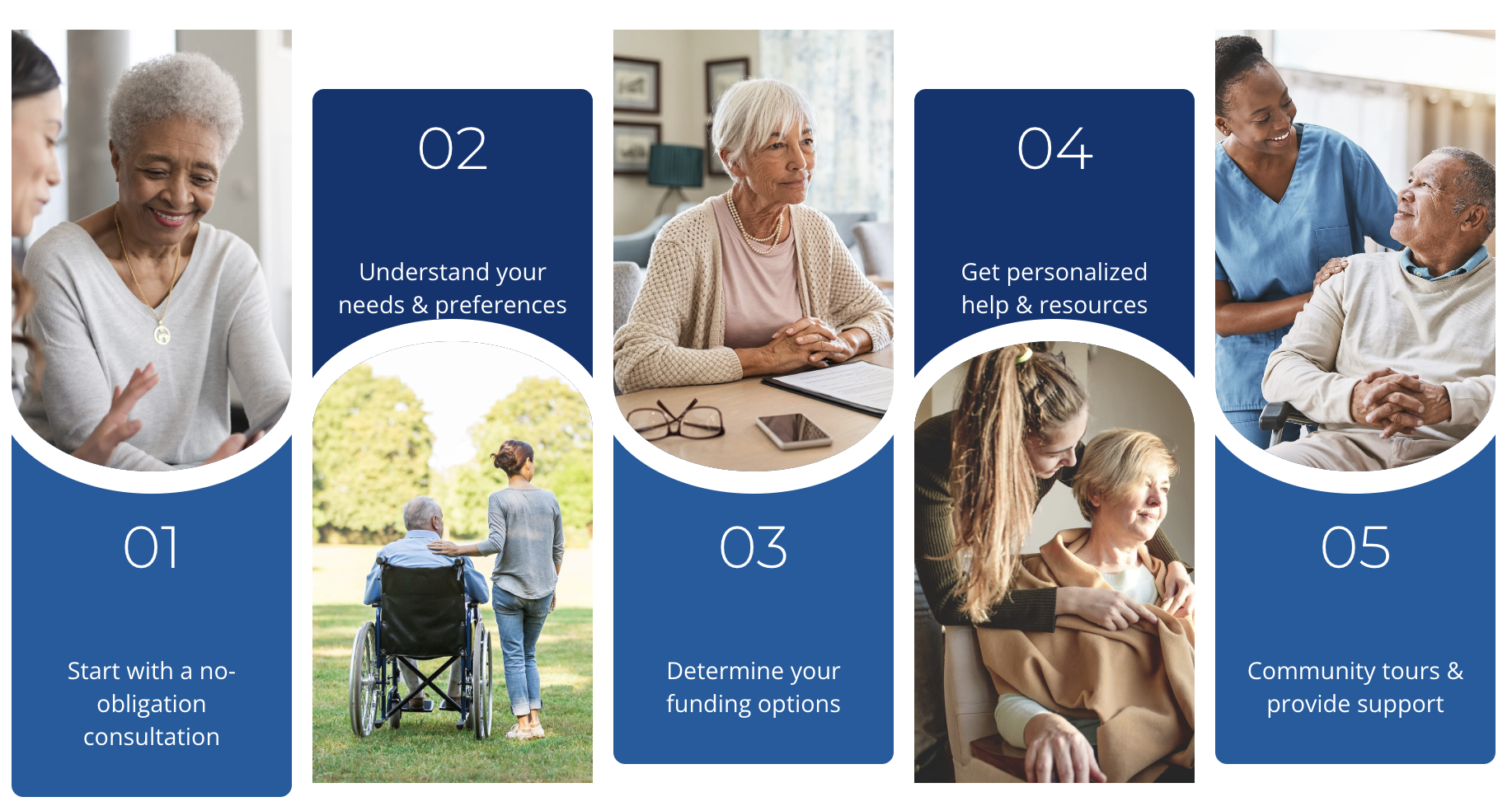



About Oasis Senior Advisors Carrollton-Frisco
Oasis Senior Advisors of Carrollton-FriscoIt can be overwhelming trying to find the right senior living solution for either yourself or a loved one. So many options, so many decisions, and all during an incredibly emotional time. Oasis Senior Advisors of Carrollton-Frisco is there to help make things easier for people in North Texas communities, providing expertise of the local area, as well as guidance and personalized support the whole way.
Oasis' process of identifying the right care options for seniors begins with understanding each family's situation: Priorities, concerns, care requirements, medical needs, lifestyle preferences, location, budget, and long-term goals. Whether you're considering assisted living, independent living, memory care, or other resources, Oasis is there to help you make informed decisions based on those and other factors.
Extensive local knowledge is another great benefit of working with Oasis Carrollton-Frisco. The team's strong relationships with senior living communities and care providers across North Texas, along with their familiarity with available resources in the area, helps them narrow down a list of options that perfectly match the client's circumstances.
After the phone call, the process begins with a conversation to discuss the needs and goals of the client, after which advisors evaluate each factor to put together a personalized list of options. From there, families are given the options, along with educational resources to help compare them. Furthermore, advisors and help schedule and coordinate tours of each facility, so that families can see them firsthand and ask questions before making a decision.
When it comes time to finally move in, Oasis is there to provide support during the transition process, helping the client adjust to their new environment and their family to feel less alone during this significant change in their lives.
Integrity is at the core of everything Oasis does - transparent guidance on what's best for the client, recommendations made with the client's needs first and foremost in mind, options presented fairly and objectively, and respect and confidentiality being important in every interaction. Furthermore, Oasis' services are completely free, taking out the financial stress that comes with such a demanding time.
At Oasis Senior Advisors of Carrollton-Frisco, our mission goes beyond finding a community - it's to help senior find a safe, comfortable, and supportive environment that's right for them. Whether you're planning for the future, need to move in as soon as possible, or are just looking at available options, Oasis is there to help. Please call us at 682-375-9604.
Continue Your Search! Explore More Local Options.
Start SearchingLet’s engage and get educated!
Browse through thousands of expert articles in over 100 different categories.
Browse NowArticles You May Like

7 Tips for the Best Home Health Care Experience
Do you need tips on how to make the best of home health care? Home health care is a service typically recommended for seniors leaving the hospital or another acute care setting after a surgery, procedure, or other health situation, in order to help them recover. Whether the stay was planned or not, it's common for the patient's family members to feel uncertain or anxious about their return home. Fortunately, home health care services help patients recover at home with the skilled care they need. In this article, we'll go through some tips on how to make the most of your loved one's home health care experience.A study published in Frontiers in Public Health demonstrated that the transition from hospital to home is tricky and complex, with "approximately one in five patients [experiencing] adverse events during this transition, including unplanned readmissions within a month of discharge, medication errors, and even death." Home health services provide the care that can prevent these readmissions and adverse events.The suggestions in this article will help you to minimize the stress and maximize the benefits of home health care services, so that your loved one's transition back home is a supportive and restorative one.Understand what home health care isFirst of all, it's important to understand the types of services provided by home health care. These typically include skilled clinical services prescribed by a doctor, and may involve: - Skilled nursing care, like wound care and administration IV medication.- Physical, occupational, or speech therapy.- Monitoring of health conditions.Keep in mind that home health care is not the same as nonmedical home care. Home health care usually does not include services like extensive supervision or help with personal care tasks. However, these services may be included on a short-term basis if a doctor deems them to be medically necessary, alongside the already provided medical care.Before services begin, ask the provider for a care plan that outlines both the specific services they'll provide and the frequency of their visits. This will help to align expectations and avoid confusion.Talk with key staff members before dischargeIf possible, you should meet with the key staff members of the home health care agency prior to your loved one's discharge, but this isn't always feasible. Talking to them on the phone for a brief introduction might be your best bet, as putting a voice to a name and having that voice answer some of your preliminary questions can help put you more at ease.Your loved one may feel overwhelmed when they head back home, and meeting someone new can take a lot of their mental energy. If they're able to meet key staff before leaving the hospital, they may adjust to better treatment at home. Get organized before the first home health care visitA smooth transition starts with preparation. Before the first home health visit: - Clear a safe space in the home for care delivery, especially of physical therapy is involved.- Gather medical records, recent discharge papers, and a list of current medications.- Make a list of questions or concerns, including symptoms to monitor, medication side effects, or changes in mobility or mood.Being organized helps the care provider work more efficiently, so that your loved one gets exactly the care they need from the start.Plan to be present for the first few visitsA family member or trusted caregiver should be present during the initial visits whenever possible. This will allow you to: - Give them a tour of your home, including which areas are good for certain therapies and where medications are kept.- Clarify care goals and ask for follow-up questions.- Learn how to assist with exercises, wound care, or medication routines.- Build a relationship with the home care professionals.- Share your loved one's preferences about relevant aspects of care.- Observe your loved one's response to the care.Even if you can't be there in person, consider joining by phone or video call if possible. Your engagement shows your support and helps ensure that the care is coordinated with preferences and daily routines.Establish a communication stationOftentimes, the home health care staff will use an online medical portal to document what they did during their visit, how your loved one responded, how they're progressing, vital signs, medication times, side effects, etc. If they're not doing this, however, you should find another way to communicate with them.Put a notebook and pen or pencil on the kitchen counter or front entry table and designate it as a communication station for the staff. Ask them to write any questions or concerns in the notebook, and you can also use it to leave notes for them.Ask questions and express concernsRemember, your loved one is still recovering. It will take them time to get their strength back and reacclimate to living at home. The home health care team is a part of this process, and you should work together towards these goals.You can always ask questions, share your observations, and express your concerns to the visiting staff. As most of them will be with your loved one for only a short amount of time, your insight is helpful and necessary. You'll also want to be able to communicate with the staff leadership if needed. Speak with them to make changes to the care schedule, add more services or sessions, ask questions about insurance coverage, or report serious concerns. Keep their contact information in your phone so you can access it quickly if needed.Plan ahead for the end of home health care servicesHome health care is typically temporary, designed to support recovery after hospitalization for illness, injury, or surgery. As your loved one nears the end of the services: - Ask about the next steps, such as outpatient rehab, follow-up with primary care doctors, or community resources. - If needed, explore long-term care options, such as nonmedical home care, assisted living, or a skilled nursing facility.- Talk about future goals, especially if your loved one has a chronic or progressive illness.Transitions can be stressful, but planning ahead reduces the chances of repeat hospitalizations and helps your loved one maintain independence longer.Home health care can be an effective and convenient way to support recovery after a hospitalization or medical event. By understanding what to expect, staying organized, and communicating with the care team clearly, families can help to ensure a smoother and more successful home health care experience. If you want more tips on how to make the best of home health care, Oasis Senior Advisors Carrollton-Frisco can help you. Contact your local advisor, Holly DeLisi, at (682) 375-9604.
Oct 01, 2026

Questions to Ask During Senior Care Plan Reviews
Do you not know what questions to ask during senior care plan reviews? Care plan reviews among the most important touchpoints between families and senior living communities, whether your loved one resides in assisted living, memory care, or a skilled nursing facility. These meetings help to ensure that the community understands the needs of your family member, and that the care they provide continues to reflect those needs over time. In this article, we will walk you through what a care plan review is, why they're important, and the key questions to ask so you can confidently advocate for your loved one.What is a senior care plan?A senior care plan is a personalized outline of the support, services, and goals developed for each resident of a senior living community. It typically includes: - Health conditions and medications.- Daily care needs (ex: bathing, mobility, etc.).- Safety considerations and risk factors.- Preferences, routines, and quality-of-life goals.- Social, emotional, and cognitive needs.Care plans are created when a resident first moves in and are reviewed regularly. This can be every 30, 60, or 90 days, or whenever your loved one's health care changes.Why care plan review meetings matterCare plan reviews make sure that care stays aligned with your loved one's evolving needs. These meetings also give families a chance to: - Clarify how staff support their loved one's daily health, safety, and well-being.- Raise concerns early before small issues become larger problems.- Understand any recommended care adjustments and associated costs.- Strengthen collaboration with the care team.Families who are well prepared for these meetings often feel more confident and supported, and their loved ones benefit from clearer communication and consistent follow-through in their care. Below, we will outline key areas to address and questions to ask during care plan reviews, so you can prepare for and make the most of these meetings.Questions to ask about health and careHow has my loved one's health changed since the last review?- Who this applies to: Any resident, especially those who have chronic conditions or have recently been hospitalized.- Why it matters: Subtle changes in mobility, appetite, sleep, or mood often signal emerging health needs. Early identification of these changes helps prevent complications.- Who should answer: A nurse, care manager, or medication technician.Are the current care services still appropriate, or do you recommend adjustments?- Who this applies to: Residents showing behavioral changes, new confusion, falls, weight loss, or functional decline.- Why it matters: Care needs can shift, and staff may observe changes you don't see during visits. Adjustments ensure your loved one's safety and comfort.- Who should answer: Nursing staff or the care coordinator who oversees the care plan.Questions to ask about daily life and well-beingHow engaged is my loved one in activities and social life?- Who this applies to: Residents who are introverted, experiencing cognitive decline, or resistant to group activities.- Why it matters: Social connection supports emotional well-being, reduces loneliness, and helps maintain cognitive decline.- Who should answer: The activities director or life enrichment staff.Are staff members noticing any signs of isolation, anxiety, or changes in mood?- Who this applies to: Residents adjusting to a new environment or those living with dementia, depression, or grief.- Why it matters: Emotional well-being is as essential as physical health. Early attention can prevent worsening symptoms.- Who should answer: Caregivers, nurses, or a memory care director who observes daily interactions.Questions to ask about next stepsWhat changes or milestones should we anticipate in the coming months?- Who this applies to: Residents living with progressive conditions like dementia, Parkinson's disease, and mobility decline.- Why it matters: Understanding potential changes helps families plan emotionally, medically, and financially.- Who should answer: Nursing staff, memory care specialists, or the care coordinator.Are there additional services or supports we should consider?- Who this applies to: When you notice increasing care needs, new behavioral changes, or declines in independence.- Why it matters: Communities may offer different types of therapy (physical, occupational, or speech), behavioral support, enhanced monitoring, or safety-improving equipment.- Who should answer: The care manager, therapy team, or administrative staff familiar with available services and costs.Personalize the questions for your loved oneEvery senior's needs, routines, and health concerns are different, and the questions you ask should reflect those unique circumstances. Here's how families can adapt the sample questions presented in this guide to suit their own needs.Look for patterns in daily lifeStart by observing what has changed or stayed the same in your loved one's health, mood, or behavior, or independence. Ask yourself: - What have I noticed during my recent visits?- Have there been moments when my loved one seemed confused, frustrated, tired, or withdrawn?- Have they mentioned discomfort, boredom, or concerns about interactions with the staff?These observations help you turn a general question (like "How engaged is my loved one?") into a more specific and targeted one (like "I've noticed they're skipping morning activities. What's making that difficult for them?").Connect your questions to their diagnoses or conditions.Link the questions you have to your loved one's specific health concerns, be they dementia, diabetes, a history of strokes, mobility limitations, or something else. For example: - A memory care resident may require questions about safety behaviors, wandering, agitation triggers, or personalized routines.- A resident with mobility issues may require questions about transfer support, fall prevention, or physical therapy needs.Thinking through their conditions helps you ask questions that can reveal the real challenges staff might be facing.Consider your loved one's personality and preferencesYour loved one's personality matters just as much as their clinical needs. As yourself: - Are they an extrovert or an introvert?- Do they prefer structure or flexibility?- Do they prefer routines with lots of quiet or lots of activity?This helps tailor any questions you may have about daily life. For example: "How are you supporting my mother's morning routine, since she prefers slow, quiet starts to the day?"Reflect on your family's prioritiesThink about what matters most to your loved one and to you. Be it independence, safety, social connection, faith, familiar routines, good nutrition, or something else, let those values guide your questions. For example: - If dignity is a priority, you can ask: "How are you supporting his independence during dressing or bathing?"- If connection is a priority, you can ask: "Who checks in with her socially throughout the day?"During the meetingHere are some tips to make the most of the discussion during your loved one's care plan review meeting.Turn concerns into questionsIf something feels off, turn that feeling into a question. For instance, if your concern is, "Dad seems more tired lately," you can ask, Have you noticed changes in his sleep, energy, or medication effects?" This approach ensures that your questions are grounded in real-life observations.Ask for examplesWhenever you're trying to understand a pattern, ask staff for specific examples. This will help you avoid vague answers and ensure meaningful follow-up.You can frame it like this: "Can you share an example of when this came up recently?"Being prepared for your loved one's care plan review will ensure they are getting the care they need and give you peace of mind. By grounding your questions in your loved one's health, personality, and daily experiences, you'll have a more honest and useful conversation about how their care is actually working. This personalized approach helps staff see the full picture of who your loved one is, and makes sure that the plan truly reflects their needs, preferences, and goals.If you want to learn more about what types of questions to ask during senior care plan reviews, Oasis Senior Advisors Carrollton-Frisco can help you. Contact your local advisor, Holly DeLisi, at (682) 375-9604.
Sep 28, 2026

Social and Recreational Activities in Senior Living
Are you hoping for your loved one to stay active in senior living? Senior living communities provide comfortable, safe living environments for older adults, but they also offer the opportunities for an active, vibrant lifestyle. Staying active and social is very important for the well-being of older adults, and as such, these communities offer a wide variety of activities to keep their residents both physically and mentally engaged - including book clubs, game nights, exercise groups, field trips, art classes, and more. The range of activities means there's something for everyone, no matter their interests or ability level. In this article, we'll explore different aspects of activities in senior living, including why they matter, the different types offered, how they can suit different ability levels, and more.Why social and recreational activities in senior living matterSenior living activities are more than just a way to fill time. They also help to engage residents both with life and with one another.This engagement is particularly important for seniors, as they may no longer perform many of the regular activities they once engaged in, like work, child-rearing, and even housekeeping.A study published in the Journal of Positive Psychology linked meaningful activities to better mood, life satisfaction, and general well-being, making them crucial for every age. Activities also offer a place to form friendships and discover new interests. Other benefits include: - Reduced loneliness.- Improved physical and mental health.- Increased sense of purpose.- A sense of meaning and belonging.- Cognitive stimulation.- Better quality of life.- Increase engagement in the community.Because the abilities and interests of people vary, offering a wide range of activities is a must for senior living environments.Some may even offer 40 activities or more per week, with a full weekly calendar to choose from. Others might have fewer activities but still focus on quality and resident engagement. Others still might directly involve residents in the planning and suggesting of new programs, in order to make sure that they reflect the interests of the residents, while also fostering a sense of ownership and community pride.Types of activities offered in senior livingWhile individual activities vary between communities, most offer similar types, including: - Creative activities, like painting, music therapy, creative writing, crafts, and sing-alongs.- Social activities, like movie nights, card games, birthday celebrations, talent shows, and outings.- Educational and cognitive activities, like classes, book clubs, talks from experts, discussion groups, and language classes.- Physical activities, like exercise classes, swimming, walking, and dancing.- Supportive activities, like mindfulness, prayer groups, support groups, and yoga.- Specific memory care activities, like reminiscence therapy, picture matching, sensory stimulation, and guided walks.Cost of activitiesAs these activities are essential for residents' quality of life, all communities will include some of them in their base fee. However, there may be extra fees in some cases. For example, you might pay for: - The materials used in craft classes.- Premium activities, especially in low-cost communities.- Classes with a guest speaker.- Field trips.- Costs when visiting a restaurant or during a shopping trip.- Professional services from outside providers (like massages).- Private classesAdapting senior living activities for all levels of careSenior living activities should be suited to the abilities of the residents. Within a community, you might see approaches like: - Offering a wide selection of activities, with some suited for more active residents and others for those with limited mobility.- Variation within an activity. For example, flexible art classes might allow residents to paint what they like, perhaps even to do so using their fingers instead of a brush. - Accessible spaces, which make participation easier for residents who use mobility aids.There are also variations between community types, as certain living options cater to seniors with more limited abilities.Independent livingIndependent living communities are designed for seniors who are largely self-sufficient and want to enjoy an active, maintenance-free lifestyle surrounded by peers. Because the residents in these communities are generally active and mobile, they often focus on fun, fitness, and personal growth, with options like hobby clubs, outings, and wellness classes.While there are still likely to be accessible options for those with limited mobility (like arts and crafts or discussion groups), there's usually less variation specifically tailored for those people compared to assisted living or skilled nursing, which provide more hands-on support and adaptive programming.Assisted livingResidents of assisted living communities typically receive help with personal care tasks but remain relatively independent. As a result, activities here are engaging and often focused on the residents' interests. There are generally plenty of activities to choose from, like book clubs and exercise classes. Staff are typically available to provide support to residents where needed.Skilled nursingResidents of skilled nursing facilities have significant medical and personal care needs, and thus a greater variation in their functional abilities. As a result, activities need to be adjusted to better support certain residents.For example, music and exercise programs are available, but are typically designed for those with limited mobility. Activities might also include additional features to support those with limited cognitive abilities.The focus of the activities can also vary. In particular, where assisted living activities tend to be enjoyment-focused, skilled nursing provides many therapeutic recreational activities. These are both enjoyable and help residents retain function, while also promoting physical well-being. Such activities may include gardening, chair yoga, animal therapy, and guided walks.Memory careActivities in memory care units tend to be more structured, shorter, and often sensory-based. They are usually designed to reassure and engage residents, even if they can't perform the activity as they once may have been able to.How senior living communities encourage participation in activitiesCommunities use a variety of approaches to get residents engaged, including: - Resident-focused planning. Activities are planned based on what residents are likely to enjoy.- Flexible, low-pressure activities. Most activities require little commitment and can be adjusted to residents' abilities. This approach makes it easier for residents to turn up and try various activities.- Ample information and advertising. Activities are often advertised in multiple ways, including schedules, posters, and announcements.- Staff attitudes. Staff are trained to be positive and gently encourage residents. They are also consistently involved in the activities as well, making them more predictable and less overwhelming.- Helping residents find activities. Staff may also help residents to find the best activities that suit their interests.- Removing any barriers. This includes targeting anything that makes engaging in activities more challenging.- Resident feedback. Involving residents in event creation and modification can foster a sense of ownership, which in turn encourages participation.Family involvement and visitsFamily members can play a notable role in senior communities. They provide a sense of continuity, ensuring an easier transition from one environment to the next. As a result, most communities encourage family involvement. Family members may be able to participate in activities and collaborate with staff members to promote the best outcomes.Some approaches include:- Joining in with some group activities.- Being part of community celebrations.- Volunteering to help with activities, such as reading to residents.- Talking to staff about their loved one's interests.- Encouraging their loved one to get involved.However, rules vary from community to community, so it's essential to check in with the staff. Following those rules is particularly important for memory, as people with dementia can be highly sensitive to their environment.Social and recreational activities are vital to senior living, helping residents stay active, connected, and fulfilled. By offering a wide variety of options and adapting them to different ability levels, communities create opportunities for engagement and joy, enriching daily life for residents and supporting their well-being.Oasis Senior Advisors Carrollton-Frisco helps families look beyond basic services to understand how each community supports engagement, connection, and well-being. Contact your local advisor, Holly DeLisi, at (682) 375-9604 to find communities that may be a good fit for your lifestyle.The rules and requirements of senior care facilities vary based on company policies and state regulations. The contents of this article represent common guidelines, but may differ from a particular facility's policies or requirements. Oasis can help you learn about the regulations in your state.
Oct 05, 2026

What to Do If Your Parent Struggles with Senior Living | Moving Stress
Is your parent stressed from moving into a senior living community? It can take time for your parents or other loved ones to settle into their new senior living home, but what happens when they're not adjusting to the new environment as easily as you had anticipated? It's true that moving into a new home is a huge change for anyone, but it's one that most people tend to adjust to within a few weeks. If your loved one isn't settling in, they may need extra help. In this article, we'll explain why adjusting can take time, and how to recognize if your loved one needs extra support. What is relocation stress?Relocation stress syndrome, also called transition trauma, is a diagnosis characterized by a set of symptoms related to a move. This can last for weeks, and symptoms include:- Anxiety.- Confusion.- Hopelessness.- Loneliness.- Depression.While anyone can experience relocation stress syndrome, it's more prominent in seniors who have moved into senior living communities. When dementia is involved, the symptoms are compounded and can last even longer.There are many reasons that relocation stress syndrome is more common among those moving into senior living, including: - Chronic health conditions.- Loss of control.- The disorientation of moving from a single-family home to a busy senior living community.- Feeling overwhelmed by additional support and assistance.- Grief over the loss of family, friends, home, and independence.- Cognitive decline.Just because relocation stress syndrome is common, it doesn't mean it's inevitable, or that it has to last a long time. Early intervention is often the key to easing transition stress.Early signs that your parent is struggling to adjust to senior livingWhen your loved one moves into their new home, they'll need to become fully acclimated to the new environment, neighbors, and routine. Watch with patience as they work through it, but still keep an eye out for these potential warning signs that the transition is not a successful one.Isolating themselvesThe easiest way for someone to settle into a new senior living community is to get out and about, learning how to enjoy life in the community. Isolating oneself can feel comfortable, but can also drastically increase the severity of one's symptoms.Expressed feelings of frustration, loneliness, and confusionListen to how your loved one talks about their experience. If they seem overwhelmed by the services or the routine, or if they mention feeling left out or lonely, this could be a sign that they are experiencing transition stress. It's important to remember that disorientation is normal with any move. However, you know your loved one best, and can tell if they are more frustrated, lonely, or confused than normal.Changes to sleep routineSleeping more or less than usual is a potential red flag that your loved one is experiencing relocation stress. If they're having trouble falling or staying asleep when they haven't had trouble with that before, they could be struggling to adjust to their new home.Changes in appetite or weightRelocation stress can lead to changes in appetite, including eating more or less than usual. In addition to observing you loved one's weight and how their clothes fit, you can ask about what they had for meals when you call them. If they have trouble remembering what they ate or say that they just weren't that hungry, it could indicate that they are struggling to eat properly due to the stress of their new life change.Increased need for family contactIf your loved one is calling you multiple times a day or requesting that you visit them daily, this could be an indicator of relocation stress. This "neediness" can stem from them looking for a sense of normalcy and comfort. How families can help their loved one adjust to senior livingIf you notice early signs of relocation stress syndrome, or if you're just looking to keep symptoms at bay and ease your loved one's transition as much as possible, here are some strategies you and other family members can try.Make the most of move-in dayIf possible, make sure your loved one has unpacked all their things and settled in before you leave on move-in day. It can prolong relocation stress if they are still living out of boxes for days after moving in, and it can also be a fall risk. Use your time wisely and get all the boxes unpacked, beds made, cabinets and fridge filled, and art hung on the walls.Have a family contact calendarWhen your loved one moves in, family members might be calling regularly to check in and see how they're doing. However, it can be better for everyone if you spread out the contact so that your loved one is getting just one or two calls a day instead of five. Try making a shared calendar where family and friends can sign up for days that they'll call your loved one on. If you have a few on each day, aim for a morning and evening call.Participate in daily life with themWhen you visit your loved one, don't spend all your time in the apartment. Instead, go with them to meals and activities. Share coffee in the community living room or read the newspaper together in the community library. Taking part in community life alongside your loved one can make them feel more comfortable, and can let them take charge and show you their new home.Ask follow-up questionsIf your loved one is feeling sad or overwhelmed, allow them to share those feelings. Then ask them follow-up questions to validate their concerns, and redirect them to a potential solution. For example, if they're feeling overwhelmed by the busy activity schedule, suggest that they choose just one activity to take part in the next day, instead of trying to do them all.Collaborating with the community's care teamTaking time to adjust to senior living is common, and the staff is always paying close attention to how residents are settling in. You can work with the team to help your loved one feel at home more quickly.Join community communication listsSign up for newsletters, including the activities newsletter and calendar email list, the dining menu email list, and the social work monthly newsletter. The more you know about what's happening in the community, the better you can either ask your loved one direct questions about it or encourage them to take part.Talk about your concernsIf you notice early signs of relocation stress syndrome in your loved one, or suspect that they're acting "off", share your observations with the community nurse or social worker. They can follow up with your loved one or adjust their approach with them to build more trust. In addition, it's important for you to listen to how the staff perceives your loved one's transition, as they might notice things you don't.Participate in care plan meetings as invited If you are invited to your loved one's regular care plan meeting, make it a point to attend either in person or via phone call. You'll learn more about how they're doing in the community, and you can share your observations and offer information that could benefit the staff in helping your loved one adjust to their new life. Attend family eventsMost senior living communities host family events where residents and family members can create memories and share experiences together. When possible, attend these events with your loved one. When to involve additional support If your loved one is taking a long time to adjust, or if their health is being negatively impacted, it may be a good idea to discuss additional support with the community staff. Ideas include:- Reviewing current anxiety or depression medication, and adjusted if needed.- Providing a comfort food menu selection a few times a week to encourage better eating habits.- Settling a goal to attend one activity per week, along with personalized interventions to support this goal.- Encouraging independent leisure pursuits in their apartment, with supplies and guidance provided by the activity team.- Scheduling visits from the community's social worker or another designated team member.- Communicating mental and physical health observations to their primary care physician.- Considering a psychiatric consultant.Helping your loved one adjust to senior living is a balance between being patient and being observant. You'll find the best results when you keep lines of communication open between yourself, your family, and the community staff. Oasis Senior Advisors Carrollton-Frisco can help you find senior living options that your loved one can transition into smoothly. Contact your local advisor, Holly DeLisi, at (682) 375-9604 to learn more.
Sep 24, 2026

Medication Services in Senior Living: Support Options and What To Know
Are you wondering about the different medication services senior living has to offer? Medications become increasingly important as people age, given the higher likelihood of health problems. Seniors may end up with chronic conditions that require multiple medications and complex medication schedules. Taking the proper medication at the right time can be tricky, especially for seniors with poor memory or dementia symptoms. Fortunately, most senior living options provide different levels of medication services. What this looks like depends on state regulations and the type of senior living environment. In this article, we will explain the different types of medication services available and how they may vary depending on the level of senior care.Types of medication services in senior livingTo look at medication services, we first need to consder what the different terms. This is where things get complicated, as there is little consistency between the terms from state to state. Each state may use varying terminology for the levels of medication services. Were going to review the common terms for types of medication services here, so you can have an understanding of what to expect. If you need medication services at the senior living community youre interested in moving to or already live in, its important that you talk through the options with someone at that facility. Medication managementMedication management often refers to the overall system for organizing and managing residents' medications. It can include the areas discussed next, along with planning, storing, monitoring, reviewing, and organizing medications. Each community will have its own specific processes, some of which are more complex than others.Medication reminders Medication reminders are the simplest type of medication support found in senior living. This type of service could be as simple as verbal reminders for residents that its time to take their medication, or an alarm that plays a reminder when the resident should take medication. Because reminders dont involve direct contact with the medication, theyre generally considered a nonmedical service, and as such can be offered by staff without medical licenses. Senior living communities differ in what type of staff member can provide this reminder. The minimum rule is often set by the state in which the facility is located, so while one community might allow certain staff members to provide verbal reminders, another might notThis type of medication service may be offered as an add-on for an additional fee. Be sure to talk with a community representative about any costs that could be associated with medication reminders.Assistance with self-administrationThis type of service supports a resident who administers their own medications. Self-administering medication can be defined differently from one state to another, and usually involves the physical act of removing the medication from its container, handling it, and taking it by mouth (if an oral medication). Some residents can take their own medications but benefit from some degree of assistance from a staff member. Assistance steps can involve: - Bringing the medication container to the resident.- Opening the labeled container, removing medication, and placing it in the residents hand.- Applying any topical medication (e.g., cream).- Placing oral medication in a container and helping the resident lift it to their mouth.- Observing the resident taking medication.These are all common examples of what assisting in self-administration might include. The state in which your community is located might have slightly different definitions or include other actions that constitute assistance with self-administration.If youre interested in this type of service, youll want to talk with someone in the community about the specific procedures and the cost.Medication administrationMedication administration is the highest degree of medication assistance, and can include:- Any approach that requires judging medication dose, strength, or delivery method.- Medication that is provided as needed.- Medication provided through tubes.- Administering drops, inhalers, or suppositories.In the assistance category, staff help residents with their medication, while in administration, staff help with tasks that residents can no longer do themselves. This level of medication service is most likely to be an add-on cost for which residents pay extra, in addition to the monthly rent.Differences between statesThe distinctions between medication reminders, assistance, and administration sound logical and straightforward, yet theyre surprisingly complex in practice. Not only do states define these terms differently, but the tasks in each category differ as well. For example, medication administration is often as described in this article, but sometimes includes different additional tasks: For example, providing medication reminders in Iowa and reading labels aloud to residents in Maine.There is also variation in training requirements. Staff who administer medication typically need to be medically licensed, while those assisting with self-administration may only need to be trained. However, some states and facilities may require higher levels of training or even medical licensing for medication assistance.Levels of medication services by care typeNow lets take a look at how medication services can vary based on the care type you or a loved one lives in.Independent livingBy definition, people in independent living communities dont need much extra support. However, medication reminders are sometimes available as an optional add-on service that a resident might choose to have. Assisted livingAssisted living typically provides some degree of medication support. This can be as simple as medication reminders, but often includes assistance with self-administration as well. Skilled nursingSkilled nursing facilities have the staff required to provide full clinical administration, including medications that are provided as needed or where the medication dose is adjusted.These facilities are also subject to considerable oversight, so medication management systems are likely to be well developed, reducing the risk of errors. Memory careFinally, memory care provides tailored support for people with dementia.Medication management is vital here, as seniors with cognitive decline may not be able to understand their medications or take them effectively as their condition progresses. Medication support will often begin with reminders, then transition to assistance and finally to full administration. However, the exact processes will vary depending on the residents needs and where the memory care is provided. Why medication services matterMedication assistance can be crucial to making sure seniors take the right medications at the right times. This is highly significant because: - Seniors might be taking several different medications each day, which can quickly become confusing.- Missed doses, doubled doses, or taking incorrect medications can lead to serious health issues.- Memory issues or dementia symptoms reduce a persons ability to take medications independently.- Taking medications correctly and consistently promotes better health and reduces the risk of complications.Questions to ask a community about medication servicesVariations in regulations, procedures, and facility types mean that medication services can differ considerably from one facility to the next. As a result, its important to ask questions about the exact processes used. Here are some key questions to begin with:- Who handles medications, and how are they trained?- What is your system for ensuring medication safety?- How do you prevent medication errors?- How do you monitor for medication changes and side effects?- What are the processes in your medication support system? What tasks are residents responsible for, and which ones are staff members responsible for?- What happens if residents refuse their medications?Its also worth discussing your loved ones specific needs and situation, as this allows you to discuss potential challenges early on and find solutions.If medication management is a concern for your loved one, Oasis Senior Advisors Carrollton-Frisco can help you compare communities based on the level of support they provide and explain how medication services work in each setting. Contact your local advisor, Holly DeLisi, at (682) 375-9604 to find options that match your loved ones needs.The rules and requirements of senior care facilities vary based on company policies and state regulations. The contents of this article represent common guidelines, but may differ from a particular facility's policies or requirements. Oasis can help you learn about the regulations in your state.
Oct 16, 2026

Senior Living Dining Options and Nutrition Support
Do you have questions about the available dining options in the senior living community you're considering? The dining options in senior living facilities can significantly improve your quality of life and overall satisfaction with your environment. It's important to have access to food that not only tastes good, but also meets your nutritional and dietary needs. As more seniors seek supported living communities, the food and dining options available in those communities have evolved.The options available also vary across communities. Some meal plans are included with your monthly payments, while others may have additional costs and let you customize what meals you get. Knowing the facts about your dining options and nutrition support can help you ask the right questions and make the most informed decisions about where you live.Residents can choose from multiple dining optionsSenior living dining options can vary depending both on the community and on the level of care you are receiving. Here's a breakdown and examples of what you might find in different facilities. Keep in mind, however, that the dining amenities offered by each facility will also be different, so it's always a good idea to take a tour, ask for sample menus, and even try a meal.Independent livingIndependent living communities will typically have one or more restaurant-style dining areas where you can order food from a menu. This menu may rotate seasonally and change for holidays. These types of communities may also offer grab-and-go or room service options.Most independent living communities have rooms with small kitchens, which gives you the option to prepare some of your own meals. Because of this, these communities are more likely to offer customizable meal plans, allowing you to choose whether to do your own cooking.Assisted livingAssisted living facilities typically have a centralized dining room, and usually offer a menu of entrees and sides. You may place your order with a server, like you would at a restaurant, or enter your choices on paper or electronically before mealtime. In-room dining is available in some facilities, but it might be reserved for residents who have an illness or injury, or are otherwise unable to eat in the dining room safely. Snacks are often available throughout the day when requested. Meal plans in assisted living can vary: Some may be all-inclusive, while others may offer customization options. Assisted living apartments might have a small kitchenette for reheating or warming food.Memory careMemory care facilities provide all meal services and snacks. Their meal plans are typically included in your monthly payments. Meals are usually served in a community dining area, and residents are assisted by caregivers. There's usually a rotating menu, but meals will typically be selected and modified for each resident based on their needs.Skilled nursingLong-term residents of nursing homes often have access to a dining room, or may eat in their rooms based on their needs and preferences. Caregivers will be available to assist those who require help with feeding or meal selection. Short-stay residents of rehabilitation facilities may typically eat in their rooms due to injury or illness.Continuing care retirement communities (CCRCs)CCRCs typically offer multiple dining options, including restaurant-style dining, cafes, bistros, and grab-and-go options. Meal plans here are generally customizable to the level of care you are receiving.If you live in your own condo, cottage, or independent living area, you may choose not to have a meal plan, instead preparing them yourself. Due to the number of meal plans and dining options in a CCRC, you should tour all care levels in the community and ask about specific meal plans and dining areas.Nutrition support services help maintain resident healthNutrition plays a critical role in your overall health. Many factors, including chronic diseases, poor oral health, changes in vision, and alterations in taste in smell, can affect older adults' ability to maintain a balanced diet. Social changes, such as the loss of a spouse or social isolation, can also affect an older adult's nutrition. With poor nutrition can come the worsening of chronic conditions and an overall decline in health.Senior living facilities often offer nutrition services that extend beyond simply serving meals. Here are some of those additional benefits that you might find:- Scheduled meal times.- Opportunities to socialize during meals, which can reduce social isolation.- Menus overseen by a registered dietician or another health care professional.- Programs for weight management.- Communication with your medical team regarding specialty diets, weight loss or gain, or other nutrition-related concerns.Communities often cater to special dietary needsMost communities that cater to older adults will offer accommodations for special dietary needs. This can include personal choices such as vegetarian, vegan, or diet modifications for religious reasons. It is essential to ask about the accommodations that can be made and ensure your dietary needs will be met, as not ever facility offers the same meal modifications.Special diets for allergies and health reasons can often be met in these communities as well. It's a good idea to speak with the dietary team before moving in, and to provide them with any documentation from your medical provider outlining your specific dietary needs.Special diets commonly seen in senior living environments are:- Low or no salt diets: This is important for people with high blood pressure, but may also be recommended for people with heart disease, kidney disease, or diabetes, or for anyone simply looking to improve their health.- Heart-healthy diets: This type may be recommended for people with chronic heart disease or those with a higher risk of developing it.- Diabetic diets: For anyone with diabetes or pre-diabetes, it's important to follow a diabetic diet. Furthermore, set meal times are crucial to ensure that medications are taken and blood sugar is monitored.- Pureed or mechanical soft diets: Due to different conditions that affect your ability to swallow, you may need the texture of your food modified to eat or drink it safely. Common conditions can include Alzheimer's or dementia, stroke, and even short-term injuries or dental procedures.You can provide input to influence dining optionsResidents in senior living communities often have diverse preferences regarding the type of food they like, how it's prepared, and how it's served. Many communities have resident advisory committees, some of which set aside specific times to discuss food. A representative from the dining staff may be present to collect comments and ideas.Depending on the facility you're in, you also have resident rights that ensure staff must listen to any complaints, including those related to food and dining services. Federal and state regulations vary by level of care and by location. If you have thoughts or ideas about the food in your facility, make sure to get involved.If dining, nutrition, and daily quality of life are important factors in your decision, Oasis Senior Advisors Carrollton-Frisco can help you compare communities, ask the right questions during tours, and find options that align with your loved one's needs and preferences. Contact your local advisor, Holly DeLisi, at (682) 375-9604 to start exploring communities in your area.The rules and requirements of senior care facilities vary based on company policies and state regulations. The contents of this article represent common guidelines, but may differ from a particular facility's policies or requirements. Oasis can help you learn about the regulations in your state.
Oct 12, 2026

Senior Care Planning Without Relying on Family | Plan for the Future
Are you in a situation where you cant rely on family for help with senior care? Conversations about senior care tend to assume that the senior's children will need to assist their parents as they age. But this isn't always an option. Many need to plan for care without relying on family at all.Thankfully, aging on one's own is entirely possible. Senior care systems are increasingly recognizing this pattern and helping to support independent aging. When you're aging on your own, planning becomes crucial. You'll need to put systems in place as early as possible, and refine your plans as things change. In this article, we will provide tips to guide you along that path, the types of senior care facilities you might consider moving into, in the event that aging in place is no longer an option.Why some seniors don't rely on family for future careThere are many reasons that people don't rely on family members for future care. It can be as simple as not having any children or close relatives. Other times, they might have close relatives, but those relatives might not be able to help - perhaps because they live out of state or even in another country, or due to other overwhelming responsibilities.Some seniors might simply want to do things on their own, reducing the burden on their loved ones. This can be the best option in the event of any estranged or otherwise difficult relationships.Risks of not planning aheadWithout planning ahead, you run the risk of having to make big decisions in the midst of a crisis. In those instances, your resources, attention, and options are often limited, and you might not get the solution you want.There are also situations where you simply can't make decisions for yourself, such as being in a coma or having late-stage dementia. In those cases, someone needs to make decisions on your behalf. Without the right paperwork, the person and decisions might not be what you hope for at all.In practice, a lack of planning could leave you in assisted living when you'd rather age at home, or mean that you're kept alive with interventions that you never would have chosen.The following three sections highlight the main approaches to take when planning ahead for your own senior care.Set up legal decision-making documentsCertain legal documents are used to express your wishes and ensure that the right people are making decisions for you.Crucial documents include- A living will, detailing your health care wishes. This includes information about comfort care, resuscitation, and life-sustaining treatments (such as feeding tubes).- A health care power of attorney (POA), which gives the nominated person the authority to make decisions for you in specific circumstances. Your living will guides these decisions.- Financial and legal POA. These are similar to a health care POA but for financial and legal matters.- Health Insurance Portability and Accountability Act (HIPAA) release forms. These forms can speed up your health care agent's access to medical information and make it easier for someone to help you with health care decisions.Plan for housing and care needsThe various options for housing and senior care can seem overwhelming at first. However, research and planning now can make a world of difference later, in the event that care needs become significant. Here are the main options to consider when planning where to live as you age: Aging in placeMany older adults wish to continue living in their own homes as they age. Being fully independent is possible for some, but can become difficult as physical abilities, cognition, and overall health decline. Aging in place may require you to rely on outside support, such as: - Home care.- Home health care.- Meal prep assistance or delivery.- Local community assistance programs.- Home modifications for safety.It's also important to stay connected socially when living independently. This is crucial for well-being, and means that there's someone around to notice any declines in health that you might miss.However, even with this support, aging in place can become an unrealistic option for some. It's worth considering other options early, as well as looking for signs that it's time to move to a senior care facility.Independent livingIndependent living communities, as the name implies, are designed for seniors who don't need daily hands-on care but want a simpler, more supportive lifestyle. They often include private apartments or cottages, along with such features as dining options, housekeeping, transportation, social activities, and maintenance-free living. Some are stand-alone communities, while others are part of larger senior living campuses that also offer assisted living, memory care, or nursing care.Independent living can work if you want more convenience, more opportunities for connection, and fewer responsibilities at home while still maintaining a high level of independence. Planning ahead gives you time to compare communities, think about what services and amenities matter to you most, and decide whether a stand-alone setting or a larger community with higher levels of care would be a better fit in the long term.Assisted livingAssisted living provides support with activities of daily living, such as eating and bathing.These types of communities have other benefits, as well, including engagement and connection, prepared meals, transportation, planned activities, and various amenities. In fact, most things you could possibly need are close at hand, which can make a huge difference in the daily life of a senior.Planning ahead gives you the chance to research communities, decide which ones you might like, and talk to them about the future.Skilled nursingSkilled nursing provides a higher level of support for seniors who require ongoing medical supervision, as well as help with daily living. In addition to assistance with tasks like bathing, getting dressed, and moving around, they also have licensed staff available to help manage more complex health needs.A skilled nursing setting may be necessary if you have serious medical concerns, substantial physical limitations, or a condition that most likely requires close monitoring over time. Planning ahead gives you a chance to learn exactly how skilled nursing differs from other senior care options, consider just what level of medical support you might need in the future, and identify communities that would be a reasonable fit for you if that level of support ever becomes necessary.Continuing care retirement communities (CCRCs)CCRCs provide a spectrum of care ranging from independent living to nursing care, so you can simply move within the community as your needs change. The end result is smaller transitions, a familiar environment, and increased financial predictability.This option is quite expensive, however, and it's best to enter them while you're still healthy. As such, they're not the best choice for everyone.Questions to ask yourself about future careWhile the differences between senior care environments are important to consider, you should also consider what matters to you. Here are some questions to ask as you plan for the future:- Do you have a health condition that might limit your ability to care for yourself in the future?- Are there significant health conditions that run in your family? If so, how might these affect your independence?- How important is aging at home to you?- Could you find connection and peace in a community of other people your age?- What happens if you're diagnosed with dementia? When would you consider memory care?Organize your financesNot relying on family when planning for senior care means you might need to rely more heavily on paid services, making aging more expensive. Furthermore, long-term non-medical care comes with limited financial support.Many of the costs must be paid privately, through a combination of personal savings, investments, pensions, and proceeds from asset sales. Medicaid and veteran's benefits are sometimes relevant if you fit the criteria, and long-term care insurance can also be helpful. However, the latter needs to be purchased early, before any significant diagnoses have been made.Here are some important tips for keeping your finances organized while planning for senior care.- Store important documents in a single place, and update them regularly.- Take time to understand the lowest income you're likely to have in the future. This information is crucial for developing a realistic strategy.- Talk to a financial advisor and an elder law attorney to determine the best use of your assets.- Develop a budget that both meets your current needs and allows you to save for the future.- Review spending and future plans regularly. Doing so is crucial, as markets change and your needs may change as well.Oasis can help you plan for future senior care needsPlanning for senior care without relying on family support can feel like a lot to bear by yourself, but with the right legal documents, proper financial planning, and a thoughtful approach to future housing and care, you can make a path that gives you more stability, choice, and peace of mind.Oasis Senior Advisors Carrollton-Frisco can help you think through your options and prepare for what comes next. Whether you're exploring independent or assisted living, or memory or nursing care, Oasis can help you understand the differences between these options, narrow down the right fit, and make a plan that supports your goals for the future. Contact your local advisor, Holly DeLisi, at (682) 375-9604 to learn more.The rules and requirements of senior care facilities vary based on company policies and state regulations. The contents of this article represent common guidelines, but may differ from a particular facility's policies or requirements. Oasis can also help you learn about the regulations in your state.
Sep 24, 2026
Housekeeping, Laundry, and Maintenance Services in Senior Living
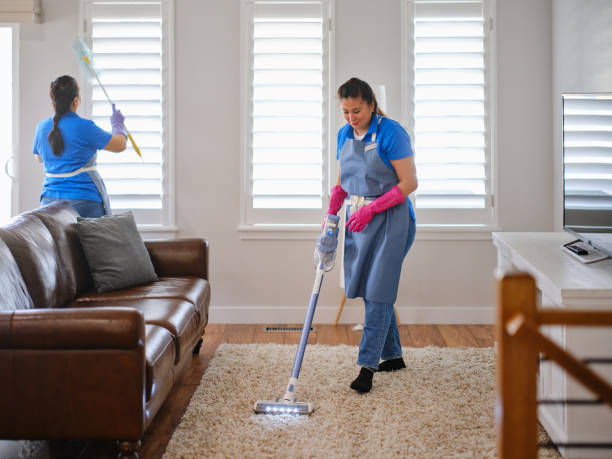
Are you wondering about the housekeeping services different senior living communities offer? Housekeeping, laundry, and maintenance services in senior living are helpful and convenient, and even help seniors remain independent. These services take care of routine chores so residents can enjoy a safer, simpler, and more relaxed lifestyle.It's important to know that services vary among independent living, assisted living, skilled nursing, and memory care - not to mention from one community to the next. In this article, we'll look at those differences and what you can expect from these senior living services.Housekeeping services in senior livingIn senior living, housekeeping services largely focus on cleaning-related tasks, like: - Vacuuming.- Dusting.- Emptying trash.- Wiping surfaces.- Spot cleaning.- Cleaning bathrooms and kitchens.- Occasional deep cleaning for carpets and upholstery, floor scrubbing, and other specialty tasks.However, housekeeping often doesn't include some other tasks you might associate with it, like tidying.Variations: - Some communities may offer light tidy-ups or cleaning each day.- In some states, residents might be able to do their own cleaning if they wish to and are capable.- Residents may be able to request extra cleaning when needed, such as after an illness or when they have visitors.Independent livingIn independent living communities, housekeeping services are designed for convenience and comfort, rather than medical necessity. Weekly or biweekly light cleaning is commonly included in the base rent, and covers such tasks as dusting, vacuuming, bathroom cleaning, and linen changes.Residents who prefer more frequent or specialized cleaning, such as deep cleans, window washing, or tidying personal items, may be able to request these for an additional fee. Because independent living emphasizes autonomy, residents also choose to handle some of the cleaning themselves, or hire outside help if the community allows it.If you need or desire more housekeeping services than the community will provide, bringing in home care is always an option. Many independent living communities have onsite home care services that can be utilized at lower costs, since they are already onsite and thus require less minimum time. Your local Oasis Senior Advisor can help you determine your options.Assisted livingStandard assisted living fees often include basic housekeeping, like weekly cleans and occasional deep cleans. More frequent or intense cleaning generally costs extra.However, the services and their frequency can vary considerably. This is due in part to differences between facilities, and also because assisted living is regulated at state level.Skilled nursingCleaning services tend to be more comprehensive in skilled nursing due to federal requirements, a greater need for infection control, and the abilities and needs of residents. The frequency of cleaning typically increases, with residents sometimes receiving it daily instead of just weekly.Such cleaning is a fundamental part of a nursing home, so it should be included in the standard fee.Memory careMemory care is an interesting case when it comes to housekeeping, as it can be provided in various settings, like stand-alone memory care facilities, assisted living, and skilled nursing. However, housekeeping in memory care tends to be more comprehensive there than for other residents, as those in memory care are often less able to keep things clean and tidy themselves.As such, memory care in assisted living may offer multiple cleans per week instead of just one, and any accidents will be quickly addressed. When memory care takes place in a nursing home, there is another increase in, especially for those residents who have middle or late stage dementia, or are incontinent.Basic cleaning will be provided in the base fee, but there may be extra costs if the amount of work increases dramatically.Laundry services in senior livingThere are generally two distinct laundry services:- Linen services, which includes the washing of bedding, towels, and related items.- Clothing laundry services.Linens are often laundered at least once a week, and more so if they're soiled. The frequency of clothing laundry services is usually quite regular, so residents may need to plan ahead to ensure they have enough clean clothes each week.Variations: - Frequency: Once a week is common, but some facilities may offer more frequent services.- Personal laundry: Residents might be limited by the number of loads, number of items, or weight per week.- Shared laundry rooms: Many assisted living facilities have laundry rooms where the residents or their families can do their own laundry if they so wish.- No laundry service: Some affordable facilities focus on shared laundry rooms and offer assistance to residents, rather than having a separate laundry service.- Extras: Residents will often be able to pay for extra services, like faster turnaround of dry cleaning.While laundry services fold residents' clothes and linen, they may not put them away, depending on the care level. These are also somewhat commercial services, so they may not treat items with the same level of care and attention they would get at home.Independent livingIn independent living, laundry services tend to be more flexible and optional. Many communities provide either in-unit washer and dryers or at least hookups, and/or on-site laundry rooms for residents to use at their own convenience, while others offer pick-up and drop-off laundry services, which might come at an additional cost.Some communities include weekly linen changes or laundry service as part of the rent, particularly in higher-end or all-inclusive communities. Residents who prefer full independence can continue doing their own laundry, or hire outside services if allowed.As with housekeeping, onsite care is always an option when it comes to laundry in independent living. Your local Oasis Senior Advisor can help you determine your options.Assisted livingAssisted living should always provide some level of laundry service or assistance as part of the basic fee, as this service is needed to keep residents safe and healthy. However, it may be as simple as a shared laundry room, where staff can assist residents as needed. Most assisted living communities will not offer in-unit hook ups. Skilled nursingAs with housekeeping services, nursing homes tend to offer more comprehensive laundry services, and must meet stricter requirements than assisted living facilities. Complete laundry services should be provided as part of the basic fee, especially as many residents won't be able to use self-service options.Memory careMemory care residents also tend to receive more frequent laundry services than those in assisted living. Crucially, linens and clothing must be changed whenever they become soiled or wet.Maintenance services in senior livingMaintenance services focus on upkeep and repairs. This includes maintenance throughout the facility and in individual apartments. Groundskeeping is a part of this service as well, including lawn care and snow removal when required.Tasks include:- Preventive maintenance: Scheduled regularly to avoid any issues.- On-request maintenance: Maintenance staff respond to issues within a day or two.- Emergency maintenance: Larger and more upscale communities may have 24/7 emergency maintenance, while other communities may have a slightly delayed response time.- Modifications: Maintenance services sometimes help with personal changes, such as adding grab bars.Maintenance services should be similar across independent living, assisted living, skilled nursing, and memory care, as there's always a need to keep the environment safe and functional.However, maintenance will vary depending on the size of the senior's residence and the amount of equipment they rely on.Benefits of housekeeping, laundry, and maintenance services in senior livingHousekeeping, laundry, and maintenance are all essential for keeping people healthy and safe, and ensuring that senior living facilities function well. A lack of these practices can lead to poor hygiene, increased risk of infection, decreased safety, and poorer mental health.Many residents in assisted living, memory care, or skilled nursing won't be able to reliably perform these tasks on their own, so facilities must offer services to fill the gaps.Some benefits of these services include: - Increased safety: There are no heavy laundry hampers to lift and no strain in maintaining a home.- Improved independence: These services allow residents to focus on other parts of their lives, which fosters a sense of independence.- Health and infection control: Keeping the home, clothes, and linen clean are crucial for decreasing infection risk, minimizing skin irritation, and keeping people healthy.- Better mental health: People tend to feel and do better when their living situation runs smoothly, and when things are kept clean and tidy. Housekeeping, laundry, and maintenance services in senior living ensure that everything is in order, regardless of the resident's abilities.- Less stress: These services can dramatically decrease stress for residents and their families, which can then improve quality of life and overall well-being.Because approaches vary so much, it's important to inquire directly with any organization you're using or considering. This will allow you to ask questions and determine which services are provided, how they work, and whether there are any extra fees for them.If services like housekeeping, laundry, and maintenance are important to your loved one's daily comfort and independence, Oasis Senior Advisors Carrollton-Frisco can help you compare communities and understand what's included at each one. They work with families to evaluate options, ask the right questions during tours, and find communities that align both with care needs and with lifestyle preferences. Contact your local advisor, Holly DeLisi, at (682) 375-9604 to start exploring your options.The rules and requirements of senior care facilities vary based on company policies and state regulations. The contents of this article represent common guidelines, but may differ from a particular facility's policies or requirements. Oasis can help you learn about the regulations in your state.
Oct 16, 2026

Memory Care Options for Seniors With Dementia
Memory Care Options for Seniors with DementiaAre you searching for senior living options for a loved one that has dementia? Seniors living with dementia do not all require the exact same type of support. With the right help, some can continue living at home, while others benefit more from the structure, supervision, and specialized environment of a memory care community. Whichever one is right for a senior all depends on safety concerns, changes in behavior, daily functioning, and how much support family members are able to provide. In this article, we will explain the main types of memory care options, as well as what to consider when deciding which option makes the most sense for you.What are memory care services?Memory care services offer specialized support for people living with dementia, helping to maintain safety, decrease distress, and improve overall quality of life.Key approaches to memory care include:- Supervision and monitoring for safety.- Safe and secure environments.- Assistance with activities of daily living, such as bathing, eating, and using the bathroom.- Managing medication.- Activities for cognitive engagement and social connection.- Increased structure and routines to help reduce confusion.Memory care differs from standard forms of senior care in its dementia-specific approach. Caregivers use routines, cueing, redirection, and other calm communication strategies designed for people with cognitive impairment. Activities in memory care are usually more structured than normal and adapted to attention span, confusion, and sensory needs.Let's look at different memory care options that might be suitable for your situation.In-home memory care servicesWith in-home memory care, as the name implies, seniors remain in their homes and the professionals come to them. If family members are also providing support, this is a good option to provide supplementary care.Care offeredIn-home memory care services are one-on-one and tailored to the individual needs of the senior, with the amount of care dependent on those needs as well as your budget. Options include:- A few hours of support each week.- Full-time daily help.- Daytime, evening, or overnight hours.Typical safety features and amenitiesWith in-home memory care, supervision and assistance is given only when the professional caregiver is present. Family members are responsible for both additional support and for making sure the home is safe.AdvantagesIn-home memory care works well when a person with dementia is still able to stay at home with the right support. It comes with a level of flexibility and familiarity that many families value.Advantages include:- Flexible care schedule.- One-on-one support.- Lower cost if fewer hours are needed.- Familiar home environment and care routines.DisadvantagesAs care needs increase, resulting in more hours being required, the cost of in-home memory care can become unsustainable. Keeping the senior at home can also come with significant challenges, like safety concerns, isolation, caregiver burnout, and an unoptimized environment. The senior's symptoms may also reach the point where the home environment isn't safe or structured enough for them.Adult day care programAdult day care programs are nonresidential services that provide structured activities, assistance with daily living, and social connection during the day. Some of these programs are designed specifically for people with dementia.Some of these programs are also classified as adult day health care, providing nursing oversight and health monitoring, while others have a social focus instead. Dementia-focused programs can fall in either category, in either case having specially trained staff and dementia-specific activities.Care offeredAdult day care programs provide structured support during the day for older adults who still live at home. The exact services vary from program to program, and include:- Daytime supervision.- Structured activities.- Social interaction.- Meals and snacks.- Help with daily tasks.- Transportation (in some programs).- Health monitoring (in some programs).Dementia-specific programs are for smaller groups, with the activities and schedules being based around predictability and repetition.Adult day care programs are best for seniors who are getting support at home but need some supervision during the day, or could benefit from some socialization. This is particularly true for those in the early stages of dementia.Typical safety features and amenitiesAdult day care programs are often held in places like senior centers, community centers, and health care facilities. Because of this, many of the safety and supportive acts of the programs comes from the staff, as opposed to the environment. However, the programs often include simple modifications to support safety, such as simple layouts and controlled entrances and exits.Some programs are run by memory care providers, and thus tend to have more dementia-friendly design features and staff extensively trained in caring for dementia patients.AdvantagesAdvantages of adult day care include:- Reduced loneliness and isolation.- Respite for family caregivers.- Potentially lower costs than full-time residential care.- Reduced number of paid in-home care hours.DisadvantagesThis type of care taking place in the daytime limits how useful it can be for some families, and transportation to and from can be stressful if it isn't provided by the program. The program might also be unsuitable for seniors with late-stage dementia or significant behavioral challenges.Memory care wing in a senior communitySkilled nursing settings and assisted living facilities often have wings devoted to memory care. This wing has many of the features of the broader community, but has also been carefully designed for residents with dementiaCare offeredSenior care communities provide 24/7 staffing and support. Their care includes assistance with activities, such as walking, eating, and using the bathroom. If the memory care wing is part of a skilled nursing facility, nursing care is also available.The memory care wings in these communities provide the care in a dementia-friendly way. For example, the staff know how to redirect and de-escalate behavioral symptoms when necessary.Typical safety features and amenitiesThe safety features of memory care wings are specifically designed for people with dementia, and include:- Secured entrances.- Enclosed courtyards.- Simplified layouts.- Clear signage to support navigation.- Staff trained to ensure resident safety and reduce distress.AdvantagesFor one who already lives in a senior care community, a memory care wing allows them to transition to memory care when necessary without having to move into a completely new community. This environment is best for people with mid-to-late-stage dementia, especially when 24-hour supervision is needed. Memory care wings can typically support more cognitive and behavioral challenges than home care or day programs.DisadvantagesSome memory care wings can feel institutional, and might also be less specialized than dedicated memory care communities, especially if they follow the general structure and approach to care of the wider facility.It's also important to consider that, while memory care tends to have more highly trained staff and a higher staff-to-resident ratio than other community types, the exact requirements vary considerably. Doing careful research to see what the place you're considering offers is critical.Dedicated memory care communityDedicated memory care communities, as the name implies, focus specifically on memory care. Their dementia focus allows for more intentional and tailored design choices that directly address the symptoms.Care offeredCare in a dedicated memory care community is similar to that of a memory care wing, with 24/7 supervision and assistance with daily tasks. There is also considerable support for difficult dementia behaviors and differences in symptoms.Some of these communities are classified as skilled nursing communities and can thus provide nursing care, while others focus on support with daily living. Some of them also have different levels of care and different environments to account for the progression of dementia. This helps to create a more comfortable environment for residents.Typical safety features and amenitiesCommon features include:- Specialized design features.- Clear lines of sight for staff.- High-contrast colors to help with visual confusion.- Circular hallways to reduce confusion.- Reduced noise.Some communities also use memory boxes, which are small displays of personal photos or familiar objects placed outside a resident's room, for the purposes of supporting orientation and sparking recognition.Staff tend to be well-trained in dementia care, and are able to respond to any challenges that arise. Programs are designed for the needs of dementia patients, and often have different variations for different levels of cognitive ability.AdvantagesThese dedicated communities have the highest level of specialization, which can lead to a care environment highly tailored for dementia patients. The staff-to-resident ratio is often very high, to go with the considerable training the staff receive.The environment is best for people with mid-to-late-stage dementia, especially in instances where the senior can't be cared for safely in their own home.DisadvantagesMoving to a memory care community can be a major transition for seniors, especially if their dementia symptoms have become very significant. The costs can be quite high as well, which can make this option an unrealistic one for some.Get help choosing the best memory care optionThe best memory care option for you will depend on your situation. Oasis Senior Advisors Carrollton-Frisco can help you navigate the communities in your area and find the one that fits you best. Contact your local advisor, Holly DeLisi, at (682) 375-9604 to learn more.The rules and requirements of senior care facilities vary based on company policies and state regulations. The contents of this article represent common guidelines, but may differ from a particular facility's policies or requirements. Oasis can help you learn about the regulations in your state.
Sep 24, 2026

Must-Pack Items When Moving to Independent Living
Are you wondering about what you can and can't bring with you to independent living? Your move-in date is approaching, and you're excited to begin a new chapter in the independent living community you've carefully chosen. Between all the anticipation, you might also be feeling a bit overwhelmed with your growing to-do list. Packing and planning for a move is a stressful task at any age, but as you begin to downsize, you might be wondering what to include in your moving boxes and what to leave out. In this article, we will provide some helpful tips for what to bring when moving to your new home, as well as what to leave behind.Furniture to maximize your new spaceIndependent living apartments typically come unfurnished, which means that you can bring your style with you by choosing furniture that matches your aesthetic. However, your new home might be smaller than what you're used to, so thoughtful planning is key to maximizing your new space. You might find that your current furniture will do just fine, or that you want to pick out new items that better suit your new home. Just remember: - Measure everything. Bring a copy of your new home's floor plan, and measure existing furniture before moving.- Think multifunctional. Opt for pieces that offer storage, like a bed with drawers or an ottoman that opens.- The right shelving can make a small closet even more functional. Purchase easily installed shelving, or consider visiting a closet organization store. Remember to bring the dimensions of your new living space.- Prioritize safety. Avoid unstable shelving that could be a fall risk, like over-the-toilet shelving.- Be creative. You might not need a kitchen table in your new home, which could open up that space for a crafting desk or art space instead.Helpful tip: Before deciding what furniture to bring or buy, get a copy of your new home's floor plan. Measure the furniture and sketch it into the layout to make sure everything fits comfortably. This will help you to avoid overcrowding your space. Reach out to your community to request the floor plan for your specific apartment.Linens, towels, and rugsOnce your furniture is in place, cozy up your space with fresh, clean linens and soft textures. This can be especially important when you're moving to independent living and want to bring a sense of home with you.What to bring: - Two to three sets of high-quality sheets for your bed (look for a higher threat count for extra comfort).- A few sets of towels in your favorite colors.- A favorite blanket or quilt that reminds you of home.- Throw rugs to personalize your bedroom.- Area rugs to define spaces.Helpful tip: Rugs can enhance comfort and style, but may pose a trip hazard. Use rug tape or nonslip backings, especially in bathrooms and hallways, to keep rug edges flat and secure.Daily living essentialsIt can be easy to overlook the small, everyday items that make daily life comfortable and familiar. Having these essential items on hand will make your first few days after moving into independent living feel settled and stress-free.Don't forget to pack:- Chargers (for your phone, tablet, hearing aids, etc.).- Toiletries (toothbrush, lotion, shampoo, skin care items, etc.).- Everyday comfort items (slippers, robe, a favorite mug).- Snacks and drinks for moving day and your first week.- A personal digital assistant, like Alexa or Google Home, if you use it regularly.Helpful tip: Pack these items in a box labeled "OPEN FIRST". Include everything you'd want for your first night and morning - like coffee, medication, toothbrush, and pajamas - so you won't have to search through boxes.Personal comforts and hobbiesSome people may overlook this category in favor of just the essentials. While it's easy to only focus on the basics, personal touches can make your new space feel like home, especially during the early days after having first moved in.Items to being: - Photos of loved ones (framed or in albums).- Favorite books.- Craft of hobby supplies (such as knitting materials, puzzles, or art kits).- A small radio or speaker for music or audiobooks.- Keepsakes that fit in small display spaces, like a grandchild's drawing or travel souvenir.Helpful tip: Ask loved ones for something new to brighten your space, like a framed family photo collage to hang on move-in day.Art and decorationsUpdate your new home even more by adding pieces of art and other decorations that express who you are without cluttering the space.Here are some ideas for what to bring: - A few favorite pieces of art, like canvas prints, framed paintings, or handmade crafts.- Small, meaningful decorative objects like figurines, vases, or items from your travels.- A curated bin of holiday decorations that includes your favorite seasonal items or family heirlooms.- Indoor plants to brighten up the living space throughout the year.Helpful tip: Before hanging anything on the walls, check with your community about guidelines for nails, hooks, or adhesive strips. Many independent living apartments have specific rules to protect walls, and using the right hardware can help you decorate safely and stress-free.Important documents and safety itemsOrganization and peace of mind go hand in hand when moving to independent living. Be sure to pack your essential paperwork and safeguard your valuables.What to bring: - Photo ID, insurance cards, and medical documents.- Power of attorney and advance directive paperwork.- A list of emergency contacts.- A small, fireproof safe for your passport, legal documents, and small valuables.Helpful tip: Make copies of your important documents and share them wth a trusted family member before your move.Clothing that suits your lifestyleYour daily routine may shift in independent living, bringing with it more casual social events and community activities close to home. Comfortable, versatile clothing will help you feel more confident and prepared for whatever might come with each day.Pack a wardrobe that includes: - Comfortable everyday clothes for lounging, walking, and dining.- A few dressy outfits for community events or special occasions.- Comfortable shoes with nonslip soles.- Season essentials, like a raincoat, winter coats, sweaters, and scarves.Helpful tip: Use under-bed storage bins or hanging organizers to maximize your closest space if it's smaller than you're used to.Nonessentials to leave behind when moving into independent livingMoving into an independent living community means you'll soon have access to a wide variety of amenities and services designed to make life more convenient. This all-inclusive lifestyle means that you can leave behind certain items. You may choose to either donate them, give them to a family member, or sell them.Here are a few things you can leave behind as you start packing: - Too many kitchen supplies. You'll likely have access to meals in either a dining room or a restaurant-style setting. Bring only what you'll use, such as a coffeemaker, a few plates and cups, one or two pots or small appliances (like a microwave), and basic utensils. Leave behind items for larger meals and duplicates of everyday tools. With the smaller space, think about downsizing the number of place settings if you want to invite guests. Consider also that, if the community doesnt offer full meal services, you have the option of eating out with other residents.- Cleaning supplies. While you'll want to tidy up, you won't necessarily need all the cleaning supplies, thanks to regular housekeeping visits to your apartment. Leave behind a large vacuum cleaner, and instead opt to bring a smaller one. Similar, keep a small bin of cleaning essentials, but leave behind extras. Your housekeeping staff will be happy to take care of the serious cleaning now.- Excess furniture. Moving in a smaller space means being selective. Avoid cluttering your new home with oversized or impractical items. Donate or sell larger items, like large china cabinets or hutches, big sectional sofas, and large dining tables.Helpful tip: Not sure if you should bring an item? Contact your new community. They can provide a list of what's included, as well as guidance on what current residents typically bring with them.Making your move into independent living a smooth transitionMoving to an independent living community is a significant transition that brings with it both change and opportunity. With thoughtful planning and support, the process of downsizing and packing can feel more manageable.Focus on bringing items that add comfort, function, and meaning to your new space. Leave behind what no longer serves you, and trust that your new home will offer the amenities and support to simplify daily life. If you find you need something that you decided not to pack, you can always purchase it. Take your time, ask for help when you need it, and allow yourself space to settle in at your own pace.If you have any more questions about what you can bring with you to independent living, Oasis Senior Advisors Carrollton-Frisco can help you. Contact your local advisor, Holly DeLisi, at (682) 375-9604 for assistance.The rules and requirements of senior care facilities vary based on company policies and state regulations. The contents of this article represent common guidelines, but may differ from a particular facility's policies or requirements. Oasis can help you learn about the regulations in your state.
Oct 16, 2026

Hospice in Senior Living | Your Questions Answered
Do you have questions about hospice? People tend to think of hospice as being a place you go at the end of your life, but it's actually a type of care, not a location. Hospice care can be received in different settings, including where the patient currently lives - be it their home or their senior living community. In this article, we'll explain how hospice care works in senior living communities, including the services offered and who pays for them, to help seniors and their families understand what to expect.What is hospice care?Hospice is a type of care provided to people at the end of life. It's an alternative to traditional medical care in that it emphasizes comfort, symptom management, and quality of life, as opposed to the curative treatment of illness. In fact, part of accepting hospice care involves an agreement to not pursue curative treatment.While that may seem scary, it's important to keep in mind that hospice care is for when things have gotten to the point where treatment is no longer effective. Hospice care usually includes a range of services and support for both the patient and their family. Depending on the patient's needs, the care might be provided by several members of the hospice team, with each playing a different role. The types of support provided as part of hospice may include: - Pain and symptom management.- Nursing care. - Personal care support.- Social work services.- Spiritual support.Hospice is provided by an interdisciplinary team of medical professionals, including: - Hospice physicians.- Nurses.- Medical social workers. - Home health aides.- Volunteers. - Chaplains or spiritual advisors.There are two main types of hospice care: Inpatient care, which is provided either at a hospital or a stand-alone hospice facility; and routine home care, which is provided where the patient currently lives, be it their home or a senior living community. The second type is what we'll be focusing on in this article.Can hospice be provided in senior care communities?Yes, hospice can often be provided in senior care communities, meaning a resident would be able to stay in a familiar setting for end-of-life care, rather than move somewhere else. However, it all depends on the type of community, as well as that community's policies, the needs of the resident, and state rules.Hospice in assisted livingWhile hospice is often available in assisted living, it's not automatic in every case. Assisted living communities mainly focus on personal care as opposed to ongoing medical care, so hospice services are usually brought to them through an outside provider.Hospice in skilled nursingHospice is common in skilled nursing settings, as they already provide 24/7 nursing oversight and a higher level of medical support than general assisted living, and thus are well equipped to provide hospice to residents.Here, while the nursing staff continues handling day-to-day care, the hospice team adds comfort-focused services, symptom management, and support for both the resident and their family.Hospice in memory careHospice in memory care allows for people with dementia to remain in a secure and familiar environment while receiving end-of-life support. However, how it works depends on the community's licensing. In the case of memory care neighborhoods, some are part of assisted living and others part of skilled nursing, while stand-alone communities are typically licensed as either one or the other. While rules and care capacity can vary as a result, hospice is still an important layer of support for those with advanced dementia and other terminal conditions.Hospice in independent livingAs independent living communities are residential as opposed to medical, hospice can be provided in those communities. Residents are often free to bring in outside hospice providers, as they would be in their own homes, but the rules vary from community to community.The main challenge with independent living is that it doesn't provide full-time hands-on care, and while hospice can provide important comfort-based services, it doesn't replace that full-time care. Furthermore, if an independent living resident needs significant help with day-to-day activities, their family might also need to arrange additional private-duty care or consider whether a different care setting would be more appropriate.How hospice and senior living staff work togetherWhen senior living residents are receiving hospice, the staff of the facility continue providing many of the services they have before, including: - Assistance with daily living tasks, such as hygiene.- Room, board, and activities.- Skilled medical care, if it's a skilled nursing setting.Meanwhile, hospice teams provide:- Medical, physical, spiritual, and psychosocial support through their multidisciplinary team.- Short-term inpatient care, when required either for medical crises or to help with caregiving.- Support and guidance with care goals and end-of-life conversations.- Specialized medical equipment, like wheelchairs and oxygen.- Support for the family at the time of their loved one's passing.Who pays for hospice in senior living?Hospice care is fully covered by Medicare. It's also covered by Medicaid in most places, as well as by many private insurance providers. It often comes with no additional costs for families, but they might sometimes be responsible for copays when it comes to medication or short-term inpatient respite care.To be eligible for hospice funding, seniors must first be eligible for hospice care to begin with - they must be certified as terminally ill with six months or less to live, forgo curative treatment for their illness, and choose a care provider that accepts their chosen payment method (Medicare, Medicaid, insurance). It's important to note that Medicare does not pay for the room, board, or care provided by the senior living community.Hospice in senior care focuses on comfort, dignity, and quality of lifeIt's easy to assume that going into hospice care means you're just giving up on life, which is why many people avoid it for as long as possible. However, hospice isn't about giving up at all - it's about focusing on the patient's comfort, dignity, and quality of life when those things matter the most.Hospice gives seniors time to connect with their loved ones and focus on the things that matter to them while feeling more comfortable. Providers take a person-centered approach to care, making sure that the values, wishes, and faith of the senior are respected each step of the way.Another important thing to keep in mind is that going into hospice isn't an irreversible step. Some patients might choose to stop hospice in favor of curative treatment because their health has improved. Others might choose to stop it because they want to try another form of treatment, or simply because they've changed their minds. Ultimately, the choice in each case is that of the patient.Learning about hospice and senior care available to youHospice isn't a journey you and your family have to make by yourselves. While regulations regarding admission to senior care communities vary from state to state, they are more or less inclusive of hospice recipients across the board. As such, senior care advisors, including those from Oasis Carrollton-Frisco, can help you to understand what hospice might look like for you in your situation and location. With how widely things vary regarding hospice in senior living across states and communities within those states, the support of Oasis can make a world of difference. Depending on where you are, there can also be way more options for hospice than you realize. Contact your local advisor, Holly DeLisi, at (682) 375-9604 to learn more.
Sep 24, 2026

5 Steps To Help a Loved One Get Care After a Hospital Visit
Are you wondering what to do after your loved one gets discharged after a hospital stay? When your loved one is in the hospital, be it for a planned procedure or an unplanned emergency, it's easy to become overwhelmed with information. Not only are you trying to keep track of how they're feeling and how their recovery is going, but you're also in communication with their physician, surgeon, therapists, and nursing team. There's so much information rapidly coming at you in all directions, and just when you think you're getting a handle on it, a social worker comes in to talk to you about discharge planning.While everyone is eager to get your loved one home so they can recover in a place where they feel most comfortable, there's a lot to do before they can safely leave the hospital. Taking discharge planning one step at a time can help reduce stress. Here's what to consider as you begin preparing your loved one to leave the hospital.Meet with the hospital discharge plannerYour loved one's discharge from a hospital visit begins days before the planned date of the discharge. A discharge planner, typically a social worker or other trained professional, will meet with the designated family member to discuss the discharge plans. During the initial meeting, the planner will talk about potential discharge dates and learn more from you about: - What support systems, if any, your loved one has in place.- What you and your loved one are worried about regarding them leaving the hospital.- Resources and services in the community that you can contact to set up support.When you meet with the planner, take notes. You're likely to forget the small details if you don't write them down along with all the information you get during the meeting.Make sure you have the planner's contact information, including their email address, so you can send any follow-up questions or concerns after your meeting.Understand that you will probably meet with the planner daily until the day of the discharge.Review the care plan and medical instructionPart of the discharge planning process is understanding what your loved one is going to need when they leave the hospital. Your discharge planner will walk you through the recommendations from your loved one's medical team, including their surgeon, specialist, physician, and therapist. Depending on the reason for your loved one's stay in the hospital, you might find information about: - Upcoming follow-up visits and therapy visit recommendations.- Prescription schedule.- Wound care instructions.- Restorative exercises.- Dietary needs.- Signs of an emergency, or when to get in touch with a doctor ASAP.You'll receive a copy of these instructions, and they may be updated before the discharge. Take notes and ask questions if you need clarification.Choose the right care after a hospital stayChoosing how to get care after hospitalization can be a stressful part of the discharge process. In addition to simply leaving the hospital, the goal is to make sure your loved one continues their recovery in a setting that matches their medical needs, mobility, and level of support.For some seniors, returning home with the right services in place is a safe and appropriate option, but not all seniors who are discharged are cleared to go straight home. Instead, many are encouraged to continue their recovery in a skilled nursing facility in order to get a strong enough return home safely. Others are told that eventually going back home is not a safe option at all, and family members need to begin exploring other long-term senior living options, like assisted living.This decision often comes together quickly. Some may have only a few days to understand care recommendations, evaluate options, and choose a path forward, while trying to make the safest and most sustainable choice.Get help from a professional senior care advisorIn this scenario, it can be valuable to bring in a professional senior care advisor who can do most of the work for you, giving you a list of vetted senior living communities that meet your loved one's needs, preferences, and budget. These advisors provide their services at no cost to family members, and will meet with you either at the hospital or over the phone to learn more about the discharge recommendations, your loved one's challenges, and your plans for the short and long term. Then, they use their knowledge and relationships with senior living communities in your area to identify a few that meet all the necessary criteria.Senior care advisors can even accompany you on a tour of potential communities, or spend time with you afterward to discuss what you observed and address any questions you might still have. Most care advisors will check in regularly to ensure that you are making your most confident decision, even after your loved one has been discharged to the senior living community.Organize supportNow that you know when your loved one will be discharged, and the recommendations for their after-hospital care, it's time to start getting the pieces in place for a successful discharge. If possible, begin working on these steps immediately. You'll also want to delegate tasks to other family members, including those who live far away but can be helpful over the phone or through email.Depending on your loved one's needs, you might need to complete these tasks:- Setting up follow-up appointments and transportation.- Ordering medical supplies, including any durable medical equipment.- Getting prescriptions from the pharmacy.- Setting up services with Meals on Wheels or another meal delivery service, if your loved one is returning home.- Stocking the fridge and cabinets with easy-to-make meals and snack options.- Scheduling home care or home health care visitors as prescribed.- Contacting the senior living community (if your loved one isn't returning home) to determine what you need to bring when your loved one moves, including any medical history or medication records, clothing, comfort items, etc.Remember: If you're working with a senior care advisor, they can be a valuable resource in helping you get organized for the move to the senior living community. They can provide you with options for moving companies, home organizers, and more.Watch for warning signs of complicationsOnce your loved one has left the hospital, your focus shifts to avoiding readmission. You want your loved one to recover successfully and not develop any secondary infections, have a fall, or experience other complications that can bring them back to a hospital setting.Keep your eyes peeled for these potential red flags, and follow up with their physician immediately: - Confusion or acute disorientation. - Swelling in the lower extremities.- Redness or irritation at any suture sites.- Poor balance or near-falls.- Not taking medications as scheduled.- Experiencing unpleasant side effects from medications.- Poor appetite.- Skipping physical therapy, occupational therapy, or physician appointments.- A new cough or fever.- Unmanaged pain.Slow and Steady: Recovering after a hospital visitIt's important to remember that recovery from a hospital visit can take longer for older adults. The deconditioning that occurs when individuals are sedentary in the hospital, in addition to the side effects of medication or anesthetic, can slow down their recovery. Stay patient and supportive, taking note of the small victories. Observe and celebrate their progress. Slow and steady wins the race, especially when it comes to post-hospital recovery. If you are navigating a hospital discharge and feeling unsure about the next steps, Oasis Senior Advisors Carrollton-Frisco can help you make sense of your options. They work closely with families to understand care needs, budget, and timing, then guide you through comparing the communities, scheduling tours, and making a confident decision. Their support is totally free, and their local knowledge can make a fast-moving situation much more manageable. Additionally, original Medicare and most Advantage plans now offer a benefit for a healthcare advocate. These advocates can also help with scheduling appointments, next steps, understanding explanations of benefits, and many other things. Contact your local advisor, Holly DeLisi, at (682) 375-9604 for assistance with navigating discharge or for healthcare advocate recommendations.
Oct 12, 2026

Your Home Health Care Has Ended: Whats Next?
Are you wondering about the next steps after your loved one leaves home health care? For many older adults, home health care plays a crucial role in recovery after an illness, injury, or surgery. It can act as a bridge between a hospital or skilled nursing visit and caring for oneself. It's also a way for homebound people to get the support they need.However, home health care is usually a short-term service. It's meant to help stabilize health, rehabilitate, and teach new skills, but it doesn't last forever.Most funding sources (particularly Medicare) will stop covering home health care services when the patient recovers enough, or sometimes if their progress stalls. This end point may come too soon for some people, especially if they still have health needs or aren't fully independent.The end of home health care doesn't mean the end of support - there are still many options out there for getting the help you need. In this article, we'll highlight options for care depending on your situation when home health care comes to an end.Why home health care endsHome health care provides skilled care that you'd typically need to go to a doctor, hospital, or specialist for. Offered services include the following, depending on your needs:- Skilled nursing care (wound care, IV medication administration, etc.).- Physical therapy.- Speech therapy.- Occupational therapy. - Assistance with personal care (but only if your doctor deems it medically necessary, and only if you need skilled care, too).- Medical social services (only if you need skilled care, too).Home health care services are not simply there to make your life easier. Providers travel to the patients because they have a short-term need for medical care after an injury, illness, surgery, or similar situation, and are considered homebound (meaning that leaving the home is either very difficult or impossible).This process is designed around medical necessity. This means you're typically eligible for the services when you need them, particularly when visiting the doctor would be difficult.Your needs will likely change as you go through home health care, and eventually, the funding will end. What you can do next will depend on your needs at that time.Immediate next stepsHome health care won't end suddenly. Your goals and progress will be assessed before any decision is made, and health care providers will work with you to determine the next steps.This process will typically involve talking about:- Alternative sources of any care required.- Plans for medication management.- Follow-up appointments with specialists and your primary care physician.- How to ensure progress continues.- Local resources and services to support your recoveryThis is also your chance to ask questions. Doing so helps to ensure that you're fully informed about the next steps.If your health has dramatically improvedThis is the best possible outcome and the goal of home health care. However, you'll still need to keep an eye on your health. This includes: - Taking medications as prescribed.- Continuing with any exercises recommended by physical therapists.- Keeping up with personal hygiene.- Eating well.- Exercising at a level you are safe and comfortable with.- Staying socially connected.You may also want in-home support from a family member or home care aide. While home care services don't provide medical support, they can make self-care tasks much safer and easier, and also assist with household tasks.If you still need support with recoveryWhen home health care ends, if your health has improved, you might be visiting specialists instead of having them come to you.Support options here include the following:- In outpatient treatment, you can receive some services at your local hospital, but are not admitted and can return home the same day.- Your primary care provider will continue to provide support, recommendations, and health monitoring. You can make follow-up appointments with specialists to continue your work.- There may also be some programs in your local community, like chronic disease management groups and fall prevention classes. You may find support groups as well, which offer information and social support. If funding has ended but you still need home health careThe end of funding doesn't have to mean the end of home health care. Sometimes you'll simply need to look for other funding sources.Depending on your situation, you may be able to use the following to pay for home health care:- Medicaid.- Private insurance.- Long-term care insurance.- Veterans benefits.You can also dispute the decision to end your home health care. This can be important because home health care agencies don't always fully understand Medicare funding. They may even end care when you're actually still eligible.Your provider is required to give you a notice of Medicare non-coverage when funding has ended. This includes details about how to file an expedited appeal and can help you fight any changes.If your needs exceed what family or home care can provideSome people's care needs end up exceeding anything that home care and home health care can provide. Furthermore, family caregiving is often unrealistic when the individuals care needs are too high, as family members may not have the required skills and can quickly burn out from the workload.In such cases, alternative living arrangements like those listed below may be necessary. Assisted livingAssisted living helps with daily tasks in a supportive environment. While medical support is limited, assisted living ensures that there's always someone on hand to provide support, and that any health issues are quickly noticed. These communities also have a variety of programs and services that continue to support residents nonmedical needs.For example, when a patient receives home health care after hospitalization for a hip fracture, the housekeeping laundry, and meal services at assisted living can help the resident maintain quality of life and good nutrition if their recovery has left them with less mobility than before the fracture.Skilled nursingSkilled nursing facilities are another 24/7 care environment that offers medical support as well as many nonmedical services. This is a good option for people with significant health challenges, helping to improve safety and quality of life.People who require long-term care in skilled nursing often have one or more chronic conditions, physical limitations, or cognitive conditions that make living at home unsafe. Staffed with licensed nursing professionals, trained caregiving staff, attending physicians, and visiting specialists, these facilities provide the greatest access to skilled care outside a hospital setting.Memory careMemory care focuses on people with dementia and provides specialized support to improve their lives. This care may be provided in a stand-alone memory care facility or in another setting, such as a nursing home, assisted living, or even in the individuals home. To decide the next step, youll need to think about current needs and how these might change in the future. Primary care physicians are important here. Theyll often be able to inform you about possible future changes and what such changes mean for care needs. If youre considering different senior care options, Oasis Senior Advisors Carrollton-Frisco is there to help. Contact your local advisor, Holly DeLisi, at (682) 375-9604 for information and guidance.
Oct 12, 2026

The Different Types of Senior Care Explaned
Are you having trouble figuring out what level of senior care would be best for your loved one? As people age, they gradually lose the ability to take care of themselves - they might need help with such tasks as cooking, cleaning, and even using the bathroom. Fortunately, there are a variety of options for senior care that can meet every need one might have. In this article, we'll go through the various types of senior care, and what you can expect from each.Know your area's specific senior care regulationsIt's important to know that the rules and requirements for senior care facilities can vary based on regulations from state to state, and even from facility to facility. While the information in this article is common to many states, it might vary in your specific area. To learn more about the rules and regulations of your state and of whatever facilities you're interested in, contact your local Oasis Senior Advisor.Understanding the spectrum of senior careSenior care can best be viewed as a spectrum, ranging from minimal in-home support to full intensive medical care. In each setting, the care provided is influenced both by the senior's needs and the exact type of community. In some cases, as the senior's care needs increase, they must move from one type of community to another. However, some communities provide multiple levels of care, meaning the senior won't have to move.Below, we'll explain the different types of senior care.Types of senior careIndependent living"Independent living" can refer to any situation where a senior lives without support, most often in their own home. In this specific context, however, we're focusing on specialized living wings and communities that offer services to improve seniors' quality of life, helping them remain independent for longer.Who it's for: Seniors who are either largely or entirely independent, and can meet their own needs.Level of support: Minimal.Care setting: A stand-alone independent living community, or a specialized independent living wing of a much larger senior care community.Key services: - Maintenance, grounds upkeep, and potentially housekeeping.- Emergency responsive services and security features.- Organized social events, classes, and wellness programs.Costs and funding: Independent living wings and communities have fees for accommodation and services used. These fees are generally paid out of pocket, with home sales and loans sometimes being used to cover the costsHome careHome care, as the name implies, brings care services to the senior's home, offering support with personal care and some practical tasks.Who it's for: Seniors who want to remain where they are, and need some support with personal care or housework.Care setting: Home care is most relevant for seniors who still live in their own homes, but it can also be provided in some senior care communities, depending on their rules.Key services: - Assistance with personal care, including such tasks as eating, bathing, and using the bathroom.- Light housework.- Companionship.- Meal preparation.- Transportation, if offered by both the agency and the aide.Level of support: Only non-medical support.Costs and funding: Often out of pocket, as Medicare doesn't cover home care. However, financial support through Medicaid is sometimes possible, depending on the state and on the senior's needs.Assisted livingAssisted living is the first type of facility-based care for many people. It supports seniors' daily tasks while offering a variety of activities and promoting independence.Who it's for: Seniors who need assistance with some daily tasks, but are otherwise relatively independent.Care setting: Specialized assisted living communities and facilities.Key services: - Support with activities of daily living.- Housekeeping, maintenance, and laundry.- Medication reminders.- Social activities.- Transportation.Level of support: Assists with some daily tasks, but medical support is limited. Seniors might also be unable to enter or remain in assisted living if their care needs become too great.Costs and funding: Typically paid for privately, or sometimes through long-term care insurance.Home health careHome health care, similarly to home care, provides its services in the senior's own home. The core difference with home health care is that it focuses on medical services, as opposed to personal care.Who it's for: People who need skilled medical care or rehabilitation, often after a hospital visit.Care setting: In the senior's own home, although some independent or assisted living communities allow residents to hire outside services as needed.Key services: - Skilled nursing care (such as wound care or IV administration).- Physical, speech, or occupational therapy.- Limited home care services and medical social services (but only if such services are ordered).Level of support: Typically short-term skilled nursing care.Costs and funding: Covered by Medicare if the senior meets the requirements (which include a doctor's order, medical need, and being considered homebound).Memory careMemory care provides support for the unique needs of those with dementia. This can be particularly important for middle-to-late-stage dementia, where the symptoms can be too much for other settings.Who it's for: People with significant dementia symptoms who can not longer be supported either at home or in regular assisted living.Care setting: Multiple, including a memory care wing in either an assisted living facility or a skilled nursing setting, as well as whole facilities dedicated to memory care.Key services: Depends on the care setting, but may include: - Assistance with daily living tasks.- 24/7 supervision.- Secure environments that prevent wandering and reduce the risk of injury.- Housekeeping, maintenance, laundry, and meals.- Structured activities that focus on stimulation.Level of support: 24/7 supervision and hands-on practical care. The level of support will often be higher in skilled nursing and dedicated facilities.Costs and funding: Can be expensive. Medicare doesn't cover it directly, but may help cover some of the medical costs. Medicaid coverage, meanwhile, varies from state to state.Skilled nursingSkilled nursing facilities provide the highest level of ongoing care outside of hospitals, giving comprehensive support for seniors with significant medical or daily living needs.Who it's for: Seniors with significant medical or personal care needs, or with complex medical conditions.Care setting: A specialized facility.Key services: - Support with daily living needs.- Housekeeping, maintenance, and laundry.- Skilled nursing care.- Planned social activities.- Transportation.Level of support: High support for medical requirements and daily care needs.Costs and funding: Both Medicare and Medicaid cover skilled nursing care when it's medically necessary. However, Medicare only does so for a short period of time after a qualifying hospital stay to help the patient recover from injury, illness, or surgery.Continuing care retirement communities (CCRCs)CCRCs bring multiple care levels together in one place, allowing residents to age in a single community even as their needs change over time.Who it's for: Seniors who wish to remain in the same living community as care needs change. Residents are often relatively healthy and independent when they first move in, allowing them to make the most of what the community has to offer.Care setting: Planned communities with multiple areas, to support different levels of care.Key services: - Housekeeping, maintenance, and groundskeeping.- Security features.- Meals.- Organized social events, tailored to different ability levels.- Assistance with activities of daily living (at assisted living level of care and higher).- Skilled nursing care (if in a skilled nursing setting).- 24/7 care and supervision (also at skilled nursing level).- May also provide memory care.Level of support: Covers the entire spectrum of support and care, from independent living to skilled nursing.Costs and funding: While CCRCs can end up being a good value for families in the long term, the up-front costs are very high. Many of those costs will need to be paid privately, as both Medicare and Medicaid (as the names imply) focus largely on medical care, not community living.Comparison of services in the different types of senior careThe following table compares services across the different types of care. This information only represents general themes, as their services differ from state to state, and even from facility to facility within the same state.Also important to remember is that these types of care aren't always as discrete as they are listed. For example, an assisted living community might have a wing dedicated to independent living or memory care, while another might allow short-term home health care.Because of that, it's always important to determine the exact services and care levels of the community you're considering.If you're comparing the different types of senior care, Oasis Senior Advisors Carrollton-Frisco can help you understand which options fit the needs, budget, and long-term goals of your loved one. Contact your local advisor, Holly DeLisi, at (682) 375-9604 to review choices in your area and narrow down the next step.