
PHONE
Click to View NumberSee More
Additional Services Offered
Sangre De Cristo Community Care - La Junta
Home Health 207 Colorado Avenue, Otero County, La Junta, Colorado, 81050Sangre de Cristo Community Care is your local expert in end-of-life care, providing services throughout Southern Colorado. Sangre de Cristo Community Care is a not-for-profit organization, offering care to everyone, regardless of one~s ability to pay. Other programs include hospice, palliative care for individuals with serious illnesses; grief support, available to anyone in the community; caregiver assistance; volunteer; We Honor Veterans program and ,others. The mission of Sangre de Cristo Community Care is to enhance the quality of life and to maintain the integrity of individuals and their families in need of supportive or end-of-life services by offering them symptom management, support, comfort, and compassion.
Sangre De Cristo Community Care - La Junta
Hospice 207 Colorado Avenue, Otero County, La Junta, Colorado, 81050Sangre de Cristo Community Care is your local expert in end-of-life care, providing services throughout Southern Colorado. Sangre de Cristo Community Care is a not-for-profit organization, offering care to everyone, regardless of one~s ability to pay. Other programs include hospice, palliative care for individuals with serious illnesses; grief support, available to anyone in the community; caregiver assistance; volunteer; We Honor Veterans program and ,others. The mission of Sangre de Cristo Community Care is to enhance the quality of life and to maintain the integrity of individuals and their families in need of supportive or end-of-life services by offering them symptom management, support, comfort, and compassion.
Continue Your Search! Explore More Local Options.
Start SearchingLet’s engage and get educated!
Browse through thousands of expert articles in over 100 different categories.
Browse NowArticles You May Like
Comfort, Safety, and Healing at Home in Southern Colorado
For many seniors in La Junta and throughout Otero County, home is more than a placeits where life feels steady and familiar. Its where routines are comfortable, memories are close, and independence feels natural. When health needs arise, the fear for many families isnt just about medical care; its about whether daily life will be disrupted or whether a loved one will have to leave home to receive proper support.Home health care changes that narrative. By bringing skilled medical services into the home, home health allows seniors to heal, manage conditions, and maintain quality of life without sacrificing comfort or familiarity. Sangre de Cristo Community Care supports Southern Colorado seniors by making professional care part of everyday liferather than a replacement for it.What Daily Life Really Looks Like With Home HealthHome health is not round-the-clock care, nor is it intrusive. Instead, it integrates into daily routines in a way that feels supportive rather than overwhelming. Visits are scheduled, purposeful, and focused on specific goals set by a physician and care team.A typical day with home health may involve: Morning routines continuing as usual A scheduled visit from a nurse or clinician Education or check-ins related to medications or symptoms Rest, meals, and family time without interruption The goal is to support health needs while allowing life to continue as normally as possible.Comfort Starts With Familiar SurroundingsHealing is often more effective when stress is reduced. Being at homesleeping in ones own bed, eating familiar foods, and following long-standing routinescan have a powerful impact on both physical and emotional recovery.Home health supports comfort by: Eliminating the need for relocation during recovery Reducing confusion or anxiety tied to new environments Allowing seniors to stay close to family and pets Supporting healing in a place that feels safe For many seniors, this familiarity accelerates recovery and improves overall well-being.Safety Without Sacrificing IndependenceOne of the most common concerns families have is safety. Home health addresses this by identifying risks early and providing skilled oversightwithout taking control away from the individual.Safety-focused home health may include: Monitoring vital signs and symptoms Reviewing medications for accuracy and side effects Educating patients on fall prevention or mobility concerns Identifying issues before they become emergencies This proactive approach helps seniors remain independent while reducing preventable risks. Our role is to support people in living safely at home, says Nicole Sanok. Were there to guide, educate, and monitorso seniors can focus on living their lives. Healing That Fits Into Real LifeRecovery doesnt happen in isolationit happens alongside daily life. Home health professionals see firsthand how health needs intersect with routines, habits, and the home environment.This real-life perspective allows providers to: Tailor education to actual daily routines Adjust care recommendations to fit the home setting Identify barriers to recovery that might be missed elsewhere Encourage realistic, sustainable health practices Care becomes practical, not theoreticaldesigned for how seniors actually live.Supporting Chronic Conditions Day by DayNot all home health care is tied to a single event. Many seniors receive home health support to manage chronic conditions safely over time.Daily-life support for chronic conditions may include: Regular health assessments Reinforcement of disease management education Monitoring for subtle changes in condition Coordination with primary care providers This steady oversight helps seniors stay stable and avoid crisis-driven care.Family Life With Home Health in PlaceHome health doesnt replace family involvementit strengthens it. Families often feel more confident knowing a skilled professional is part of the care picture.Families notice benefits such as: Less anxiety about doing something wrong Clear guidance on medications and warning signs Reduced caregiving pressure More meaningful time together With medical concerns addressed, families can focus on connection rather than constant vigilance.Adapting Care as Needs ChangeDaily life isnt static, and home health care is designed to adapt. As seniors improveor if new challenges arisecare plans are adjusted accordingly.This adaptability includes: Changing visit frequency as recovery progresses Adjusting goals based on health status Coordinating additional services if needed Discontinuing services once goals are met Care evolves alongside the individual, ensuring it remains appropriate and supportive.The Rural Advantage of Home-Based CareIn Southern Colorado, distance and access matter. Long drives to appointments can be exhausting, especially during recovery. Home health reduces the need for frequent travel while keeping care connected to local healthcare systems.Local home health offers: Fewer transportation challenges Better continuity with regional providers Understanding of rural lifestyles and limitations Care that aligns with community values This practical advantage makes home health especially valuable in Otero County.Maintaining Dignity in Everyday MomentsDignity is preserved when seniors feel respected, heard, and in control of their daily lives. Home health supports dignity by delivering care discreetly and collaboratively.Dignity-centered home health means: Asking, not assuming Educating rather than directing Encouraging independence whenever possible Respecting preferences and routines These small moments make a meaningful difference in how care is experienced.What Families Often Notice Over TimeAs home health becomes part of daily life, families often observe positive changes that go beyond physical health.Common observations include: Increased confidence in managing health Fewer urgent medical situations Improved communication with providers Greater peace of mind These outcomes reinforce that home health is not just about careits about quality of life.Frequently Asked Questions About Daily Life With Home HealthWill home health disrupt daily routines?No. Care is designed to fit into existing routines, not replace them.How long do visits usually last?Visit length depends on care needs and goals established in the care plan.Can seniors still leave the house if they feel well enough?Yes. Home health does not confine seniors to their homes.Does home health provide help every day?Visit frequency varies and is based on medical necessity.What happens when goals are met?Services may be reduced or discontinued once care goals are achieved.Care That Feels Like Part of LifeHome health works best when it feels like a natural extension of daily lifesupportive, respectful, and reassuring. For seniors in La Junta and across Otero County, it offers a way to heal and manage health without giving up the comfort of home. Sangre de Cristo Community Care provides compassionate home health services rooted in local understanding and professional expertise. Families who want to learn more about services, eligibility, and next steps can find additional information on their Seniors Blue Book listing
Dec 17, 2025
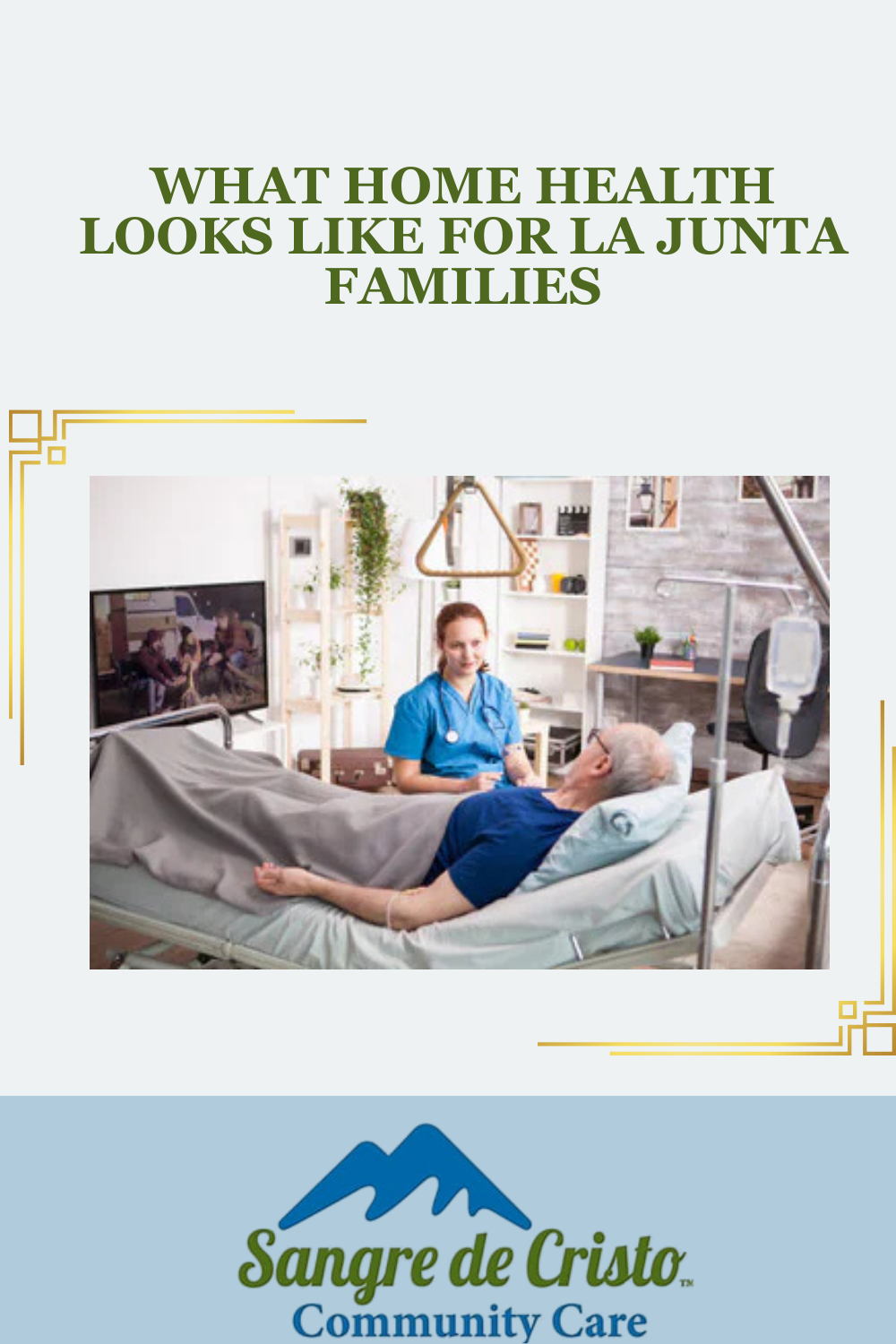
What Home Health Looks Like for La Junta Families
When health challenges arise, many families in La Junta and across Otero County face a difficult question: How do we get the care our loved one needs without uprooting their life? For seniors who have spent years building routines, relationships, and memories in their homes, leaving during a vulnerable moment can feel overwhelming. Home health care offers a compassionate alternativebringing professional medical support directly to the place where seniors feel safest and most at ease.For families navigating recovery, chronic illness, or post-hospital transitions, home health provides both clinical expertise and emotional reassurance. Sangre de Cristo Community Care partners with La Junta families to make professional care feel personal, coordinated, and grounded in the realities of Southern Colorado living.Why Home Health Feels Different From Facility-Based CareHome health is often misunderstood as a scaled-down version of care delivered elsewhere. In reality, it is a focused, goal-driven service designed to meet medical needs while preserving daily life.What makes home health different includes: Care delivered in familiar surroundings One-on-one attention during visits Personalized education tailored to the home environment Reduced exposure to unfamiliar settings and transitions By staying home, seniors can focus on healing and stability rather than adapting to a new place.A Common Scenario for La Junta FamiliesIn rural communities like La Junta, families often live closebut schedules, work, and long distances to healthcare services can complicate caregiving. A typical scenario might look like this:A senior is discharged from the hospital after an illness or procedure. Theyre not sick enough to remain hospitalized, but they arent fully recovered either. Medications have changed, energy is limited, and follow-up appointments may be weeks away. Family members want to help but arent sure how to manage medical needs safely.Home health steps into that gapproviding skilled oversight while families remain closely involved.What Happens During Home Health VisitsHome health care is ordered by a physician and delivered by licensed professionals who come to the home on a scheduled basis. Visits are purposeful and focused on specific goals.During visits, home health professionals may: Assess recovery progress and symptoms Review and manage medications Provide wound care or post-procedure support Educate patients and caregivers on care routines Communicate updates to physicians Each visit builds on the last, helping seniors move steadily toward recovery or stability. Home health allows us to see the whole picture, says Nicole Sanok. When we care for someone in their home, we can tailor education and support in ways that truly fit their daily life. How Home Health Supports the Entire FamilyHome health is not just about the patientits about the family system surrounding them. Loved ones often feel relief when professional guidance enters the picture.Families benefit from home health through: Clear explanations of care plans and expectations Education that builds confidence in caregiving tasks Reduced anxiety about warning signs or complications Ongoing communication and collaboration With support in place, families can focus on being present rather than feeling solely responsible.Local Care That Understands Rural RealitiesSouthern Colorados rural geography shapes how care must be delivered. Long drives, limited transportation, and fewer specialty providers make in-home services especially valuable.Local home health providers understand: Travel challenges for follow-up care The importance of coordinating services efficiently Community resources available in Otero County The value of relationship-based care in small towns This local understanding helps ensure care is practical, accessible, and respectful of daily realities.Supporting Recovery Without DisruptionRecovery often requires rest, consistency, and reduced stressthings that are harder to achieve in unfamiliar environments. Home health minimizes disruption by allowing seniors to heal where they are most comfortable.Benefits of home-based recovery include: Familiar sleeping and eating routines Reduced confusion and anxiety Easier involvement from family members Lower risk of unnecessary setbacks Healing at home often supports both physical and emotional well-being.Managing Ongoing Conditions With ConfidenceNot all home health services are tied to a single event. Many seniors need ongoing monitoring or education to manage chronic conditions safely at home.Home health helps with: Regular assessments to track condition changes Education on symptom management Medication oversight and adjustments Coordination with primary care providers This proactive approach helps seniors stay stable and avoid preventable hospital visits.Building Trust Through Consistent CareTrust grows when care is consistent and communication is clear. Seeing familiar professionals over time allows seniors and families to feel more comfortable asking questions and sharing concerns.Trust-based care leads to: Better understanding of health goals Earlier identification of issues Increased engagement in care plans Stronger partnerships between families and providers This relationship-focused model is especially meaningful in close-knit communities like La Junta.When Families Begin Exploring Home HealthFamilies often explore home health when they notice: Increased difficulty managing medications Slower recovery after illness Concerns about safety or mobility Stress related to caregiving responsibilities Starting services earlyrather than waiting for a crisiscan lead to smoother experiences and better outcomes.Frequently Asked Questions About Home Health for La Junta FamiliesIs home health only for short-term recovery?Home health is often short-term, but it can also support longer recovery or stabilization periods depending on medical needs.Will family members still be involved?Yes. Home health works alongside families, offering education and support rather than replacing involvement.How often do providers visit the home?Visit frequency depends on the care plan and medical needs determined by a physician.Does home health help prevent hospital readmissions?Yes. Monitoring and early intervention often reduce complications that lead to readmission.Is home health available in rural areas like Otero County?Yes. Local providers understand and serve rural communities throughout Southern Colorado.Care That Fits Life at HomeHome health care brings professional support into everyday lifewithout asking seniors to give up the comfort of home or families to navigate care alone. For La Junta families, it offers a way to balance independence, safety, and healing in a familiar setting. Sangre de Cristo Community Care serves Otero County and surrounding areas with compassionate home health services rooted in local understanding and professional expertise. Families interested in learning more can find additional details through their Seniors Blue Book listing
Dec 17, 2025

Advance Directives: Sarahs Story
Sarah was young, in her thirties. She had been in a horrific car accident, left a quadriplegic, unable to speak or do anything for herself.She was being kept alive by a feeding tube inserted in her nose. The liquid meals, while keeping her alive, left her more than uncomfortable.Her place of residence was now at a long-term nursing care facility, operated by a hospital. She, like so many of us, had her own story. She didnt have any family to speak for her. Her only way of communicating was by having a pen placed in her mouth and shuffling-out, hard-to-read scribbles.With an attorney by her side, her day had come. She wrote her wishes, asking that her artificial feedings come to an end, her discomfort come to an end, and she be allowed to start comfort care. Sarah was of sound mind, knowingly asking that the regular feedings she received, the dichotomy of her existence, come to a halt and that she receive care to make her comfortable until she could pass. The hospital denied her wishes, and they were within their rights. If death should become imminent, even if the patient is of sound mind when making such a request, it can be denied by way of protection.Talk to your loved ones and make your wishes known. Everyone, over the age of 18 should have their Advance Directives or Colorado Medical Orders for Scope of Treatment (MOST form) completed. This can include a Medical Durable Power of Attorney (MDPOA): this person, also known as your health agent, is able to make decisions for you, regarding your health, if you are unable to do so: guidelines for CPR, medical interventions for treatment and comfort care, full, selective or comfort focused; and information on artificially administered nutrition, long-term/permanent, short-term/temporary or no artificial nutrition by tube.Sarah maintained that the feeding tube was placed against her will; she never wanted it, and had she known the state of which the accident would have left her, she would have been more prepared, would have made her wishes known ahead of time. The artificial feeding afforded her life. But at what costs? Thats to be determined individually. Medically, it would have added fifteen to 2o years to her life. She noted many stomach inconsistencies. She was uncomfortable.Sarahs case was escalated to the state Supreme Court where her wishes were granted. Her regular, artificial feedings were stopped. She was then given small increments of food, spoon feedings, by mouth and medications to make her comfortable.Its not my desire to place judgment on Sarah or her wishes. Only to provide comfort and support to those in need; be-it to patients with serious illnesses, family members grieving the loss of a loved one and in need of support; or quite possibly, to those who have been in a serious car wreck and seeking quality of life and wanting to be comfortable during their remaining days.Editors Note: This article was written by Gina Paradiso with Sangre de Cristo Hospice & Palliative Care and may be reached at 719-542-0032.
Feb 22, 2018
How Home Health Care Helps Seniors Stay Independent in La Junta and Otero County
For many seniors in La Junta and across Otero County, independence isnt just a preferenceits a way of life shaped by decades of resilience, community ties, and pride in self-reliance. From quiet mornings overlooking open farmland to familiar routines built over years in the same home, staying put matters. Yet when health needs change, the question becomes how to remain independent safely.Home health care offers an answer that honors both independence and well-being. By bringing professional medical support directly into the home, services like those provided by Sangre de Cristo Community Care allow seniors to heal, manage conditions, and age with dignitywithout leaving the place they know best.Independence Looks Different as We AgeIndependence isnt an all-or-nothing concept. As we grow older, it often evolvesfrom doing everything alone to choosing the right kind of support at the right time. Home health care is designed for that in-between space, where a little help can make a big difference.Home health supports independence by helping seniors: Recover safely after illness or hospitalization Manage chronic conditions without frequent travel Avoid unnecessary hospital readmissions Maintain routines in familiar surroundings Rather than taking control away, home health strengthens the ability to live life on ones own terms.Why Staying Home Matters in La JuntaLa Juntas slower pace, strong community bonds, and familiarity are part of what make it home for so many seniors. Relocating during a health challenge can be disruptiveemotionally and physically. Home health care reduces that disruption by delivering skilled services where seniors are most comfortable.Staying home helps seniors: Remain close to family, neighbors, and local support Reduce stress associated with unfamiliar environments Continue daily routines that support emotional health Feel grounded during recovery or ongoing care For rural Southern Colorado communities, home-based care can also reduce the burden of long drives to appointments.What Home Health Care IncludesHome health care is medical care delivered by licensed professionals in a patients home, typically ordered by a physician. Services are personalized and time-limited, focusing on recovery, stabilization, or condition management.Home health services may include: Skilled nursing visits Medication management and education Monitoring of chronic conditions Wound care and post-surgical support Coordination with physicians and care teams Care plans are individualized and adjusted as needs change, ensuring seniors receive appropriate support without unnecessary intrusion. Home health is about meeting people where they arephysically and emotionally, says Nicole Sanok. When care happens at home, seniors are often more comfortable, engaged, and confident in their recovery. Supporting Recovery After HospitalizationOne of the most common reasons families turn to home health is after a hospital stay. Discharge doesnt always mean full recovery, and gaps in care can lead to complications or readmissions.Home health supports recovery by: Monitoring symptoms and vital signs Ensuring medications are taken correctly Educating patients and caregivers Identifying concerns early before they escalate This continuity of care helps seniors heal safely while reducing stress for families.Managing Chronic Conditions at HomeMany seniors live with ongoing health conditions that require monitoring and education but not constant hospitalization. Home health provides regular oversight while allowing seniors to remain active and engaged at home.Chronic condition support may include: Ongoing nursing assessments Education on symptom management Coordination with primary care providers Support for lifestyle adjustments This proactive approach helps stabilize health and maintain quality of life.A Partner for Families and CaregiversHome health doesnt just support seniorsit supports families. Loved ones often want to help but may feel unsure about medical tasks or warning signs. Home health professionals provide guidance, reassurance, and education.Families benefit from: Clear communication and care updates Education on medications and care routines Reduced anxiety about managing medical needs A trusted professional resource at home This partnership allows families to focus on connection rather than constant worry.Personalized Care Rooted in Local UnderstandingCare is most effective when it reflects local realities. In La Junta and Otero County, that means understanding rural lifestyles, travel challenges, and community values.Local home health providers bring: Familiarity with regional healthcare networks Sensitivity to rural access challenges Relationship-based care built on trust A community-centered approach This local perspective enhances continuity and comfort for patients and families alike.When Home Health Is the Right ChoiceHome health may be appropriate when a senior: Is recovering from surgery or illness Needs skilled medical care but can remain at home Has difficulty traveling to appointments Requires monitoring for chronic conditions Would benefit from education and support Starting home health earlybefore complications ariseoften leads to better outcomes and smoother recoveries.Frequently Asked Questions About Home Health in La JuntaIs home health the same as home care?No. Home health provides medical services ordered by a physician, while home care focuses on non-medical assistance.How long does home health last?It varies based on medical needs and progress; services are typically short-term and goal-oriented.Do patients have to be homebound?Many programs require limited mobility, but eligibility depends on individual circumstances.Will families receive updates about care?Yes. Communication with patients and families is an important part of home health services.Does home health replace doctor visits?No. Home health coordinates with physicians but does not replace regular medical care.Independence, SupportedAt HomeHome health care bridges the gap between hospital and home, offering skilled support without sacrificing independence. For seniors in La Junta and across Southern Colorado, it provides a way to heal, manage health, and continue life in familiar surroundings. Sangre de Cristo Community Care serves families throughout Otero County with compassionate, professional home health services designed to support independence and peace of mind. To learn more about services and eligibility, visit their Seniors Blue Book listing for additional information
Dec 17, 2025
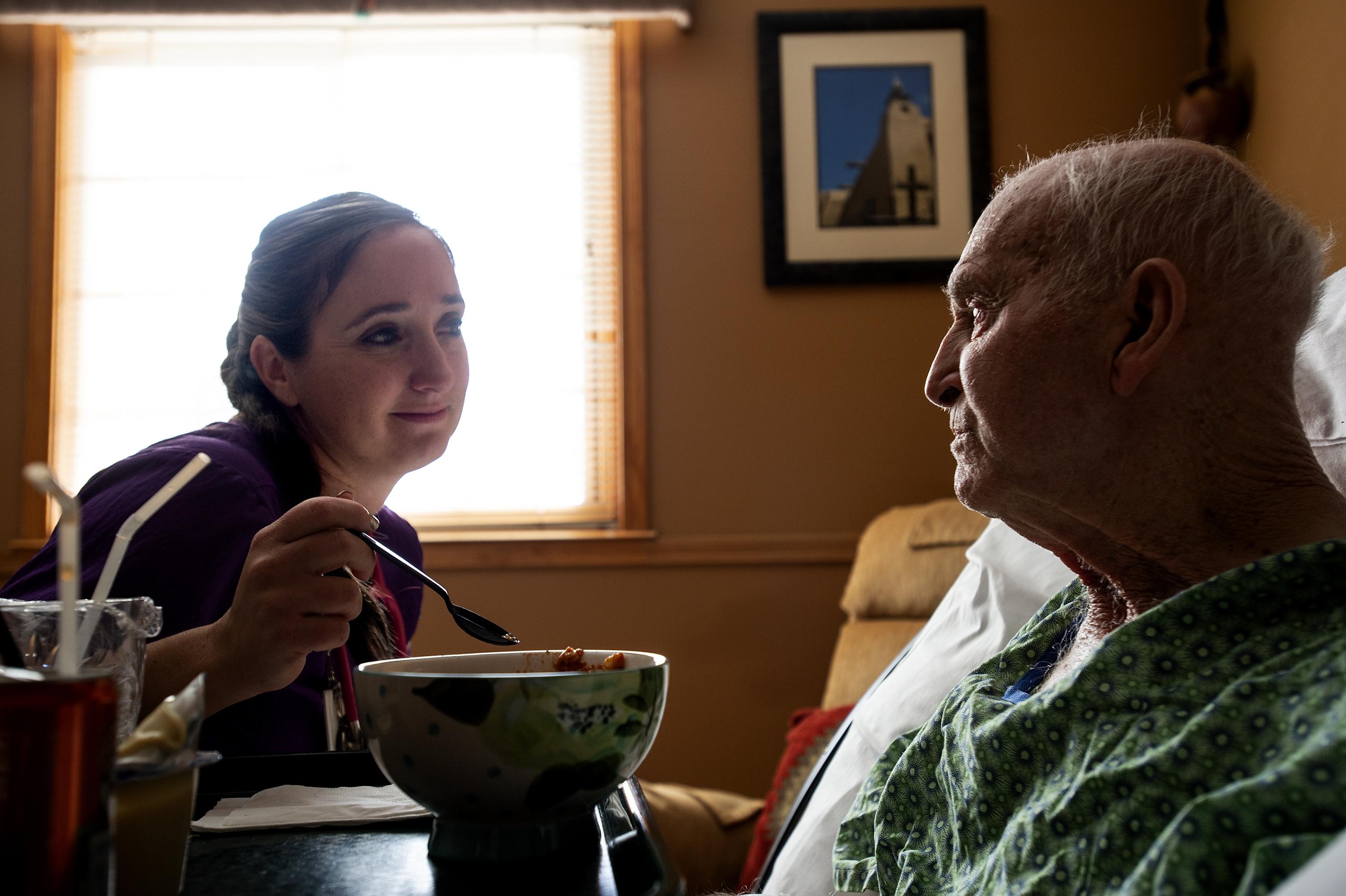
Sangre provides compassionate care to patients and their families
Hospice care exists to afford families the opportunity to spend their final moments surrounded by those closest to them, regardless of circumstances. Focusing on quality and comfort when more conventional treatments become burdensome is equally hard. Hospice and Palliative care have shown to enhance the quality of life and help in maintaining the integrity of patients and their families in need of supportive or end-of-life services by offering them symptom management support, comfort, and compassion.You all are doing Gods work, a patient recently told one of Sangre de Cristo Community Cares chaplains when she stopped by to visit with him and his family. He requested a chaplain after his wifes health started to decline. The family was of strong faith, and the husband admitted he hadnt been to church in a while because he had had a stroke and was unable to attend.Both he and his wife were ailing, lying in hospital beds next to each other. Their son, who also lived with them, had his own medical challenges. It was the holidays, and the family was on services with a different company. They needed 24/7 care, circumstances beyond their control. They transferred to Sangre because we have nurses and CNAs who provide care even during the holidays. Many patients have come to an end-stage of their disease: they have chronic health problems that aren't going to go away and will bring further deterioration to the body and or mind. Hospice care focuses on all aspects of a patients life and well-being. Physical, social, emotional, and spiritual services are provided in developing a care plan tailored to the patients individual needs.Emotional and spiritual support is also offered to the patients loved ones as well, including grief support.
Apr 20, 2023
A New Era of Compassionate Dementia Care in Southern Colorado
For 40 years, Sangre de Cristo Community Care has provided compassionate, expert support to patients and families facing chronic and serious illnesses. Now, we are proud to introduce our new Dementia Care Program, a groundbreaking initiative designed to enhance the quality of life for individuals living with dementia while providing much-needed support for their caregivers.This Medicare-approved program offers dedicated care navigators, 24/7 nurse support, caregiver training, and respite careall aimed at enabling individuals to remain in their homes and communities for as long as possible. With a mission deeply rooted in dignity and quality of life, our team ensures that both patients and caregivers receive personalized guidance and access to essential community resources.Available throughout Southern Colorado, this program is open to Medicare beneficiaries with a dementia diagnosis who are not in a nursing home or PACE program. Self-referrals and provider referrals are accepted.If you or a loved one could benefit from this program, please call 719-553-1919 to learn more. At Sangre de Cristo Community Care, we continue to expand our services with compassion, knowledge, and positivitybecause every moment matters. Editors note: This article was submitted by Stephanie Ivankovich, Marketing Communications Manager for Sangre de Cristo Community Care, and many be reached at 719-542-0032 or by email at [email protected].
Mar 19, 2025
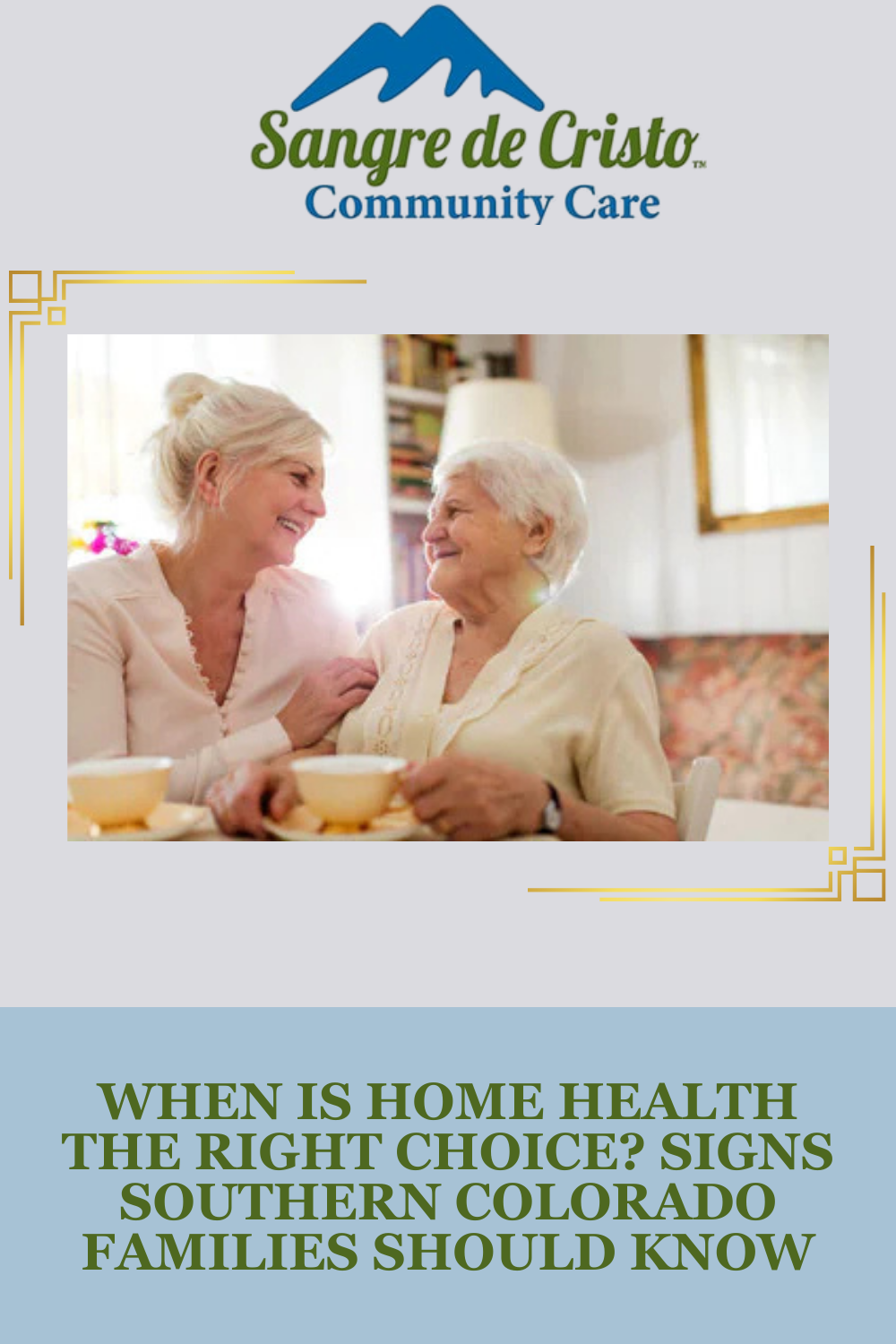
When Is Home Health the Right Choice? Signs Southern Colorado Families Should Know
For many families in La Junta, Rocky Ford, and across Otero County, deciding when to bring in home health care can be just as difficult as deciding what kind of care is needed. Seniors often value independence deeply, and families may worry about stepping in too soonor waiting too long. Home health care exists to support that in-between stage, offering skilled medical care without disrupting daily life.Understanding the signs that home health may be the right next step helps families make informed, proactive decisionsbefore stress, safety concerns, or emergencies take over. Sangre de Cristo Community Care works closely with Southern Colorado families to identify these moments and provide timely, compassionate support.Home Health: A Bridge Between Independence and Higher-Level CareHome health is often misunderstood as either too much care or not enough. In reality, it fills a critical gap between independent living and more intensive options like skilled nursing or inpatient rehabilitation.Home health is appropriate when a senior: Needs skilled medical oversight but can remain at home Is recovering from illness, surgery, or hospitalization Lives with a chronic condition that requires monitoring Struggles with medication changes or new diagnoses Rather than signaling a loss of independence, home health often preserves it by preventing complications and unnecessary transitions.Subtle Signs Families Often OverlookIn rural communities like La Junta, families are resourceful and used to managing challenges. That resilience can sometimes make it harder to recognize when extra help would be beneficial.Common early signs that home health may be needed include: Slower recovery after illness or injury Confusion about medications or dosing schedules Fatigue that interferes with daily routines Increased falls or near-falls Difficulty keeping up with follow-up care instructions Individually, these issues may not seem urgentbut together, they often indicate the need for skilled support.After a Hospital Stay: A Critical Decision PointHospital discharge is one of the most common times families consider home health. Discharge doesnt always mean full recovery, especially for older adults.Home health can be especially helpful when: Medications have been changed or added Wounds or surgical sites need monitoring Mobility is limited or unsteady Follow-up appointments are spaced far apart Home health professionals provide continuity during this transition, helping seniors recover safely while reducing the risk of readmission. We often meet families at a moment of uncertainty, says Nicole Sanok. Home health gives them reassurance that someone skilled is watching closely during recoveryright at home. Managing Chronic Conditions More Safely at HomeMany seniors in Southern Colorado live with chronic conditions such as heart disease, diabetes, respiratory illness, or mobility limitations. These conditions dont always require hospitalization, but they do benefit from regular oversight.Home health can support chronic condition management by: Monitoring symptoms and vital signs Reinforcing education provided by physicians Helping patients recognize early warning signs Coordinating care across providers This proactive approach helps stabilize health and reduces emergency situations.When Family Caregiving Becomes OverwhelmingFamily members often step in naturally when a loved one needs help. Over time, however, caregiving responsibilities can grow more complexespecially when medical tasks are involved.Signs caregiver strain may be developing include: Constant worry about doing something wrong Difficulty balancing work, family, and caregiving Feeling responsible for medical decisions Stress or burnout affecting personal health Home health doesnt replace family involvementit supports it by sharing the medical responsibility and providing guidance.Home Health vs. Home Care: Knowing the Difference MattersOne reason families hesitate is confusion between home health and non-medical home care. Understanding the distinction helps clarify when home health is appropriate.Home health includes: Skilled nursing and medical oversight Physician-ordered services Focus on recovery, stabilization, or condition management Home care focuses on: Non-medical assistance (bathing, meals, companionship) Daily living support rather than clinical care When medical needs are present, home health is often the safer and more effective option.Rural Realities in Otero CountySouthern Colorados geography shapes care decisions. Long distances to hospitals or specialists can make frequent appointments impracticalespecially for seniors with limited mobility.Home health helps address these challenges by: Reducing unnecessary travel Coordinating care locally Identifying issues early before long trips are required Supporting recovery in familiar surroundings This local, practical approach aligns with the realities of rural living.The Benefits of Starting Home Health EarlyFamilies sometimes wait until problems escalate before seeking home health. In many cases, starting earlier leads to better outcomes.Early home health involvement can: Prevent complications Improve recovery timelines Reduce caregiver stress Increase confidence for both seniors and families Rather than being a last resort, home health works best as a proactive support.How Home Health Decisions Are MadeHome health services are typically ordered by a physician, often after a hospital stay or medical evaluation. Families can also initiate conversations with healthcare providers if concerns arise.Steps often include: Discussing concerns with a primary care provider Evaluating eligibility and medical needs Creating a personalized care plan Scheduling in-home visits Clear communication helps ensure services are appropriate and effective.Frequently Asked Questions About Choosing Home HealthDoes needing home health mean a senior cant live independently?No. Home health supports independence by addressing medical needs safely at home.Can home health be temporary?Yes. Many services are short-term and goal-focused.Is home health only after hospitalization?No. It can also support chronic condition management or health changes identified by a physician.Will families still be involved in care?Absolutely. Home health works alongside families, not instead of them.How do we know if home health is enough?Ongoing assessments help determine if care levels need to change.Recognizing the Right MomentChoosing home health is about timingnot crisis. When families recognize early signs and seek support, seniors are more likely to recover safely, remain independent, and avoid unnecessary disruptions. Sangre de Cristo Community Care partners with families throughout La Junta and Otero County to provide skilled, compassionate home health services rooted in local understanding. To learn more about eligibility, services, and next steps, visit their Seniors Blue Book listing for additional information.
Dec 17, 2025
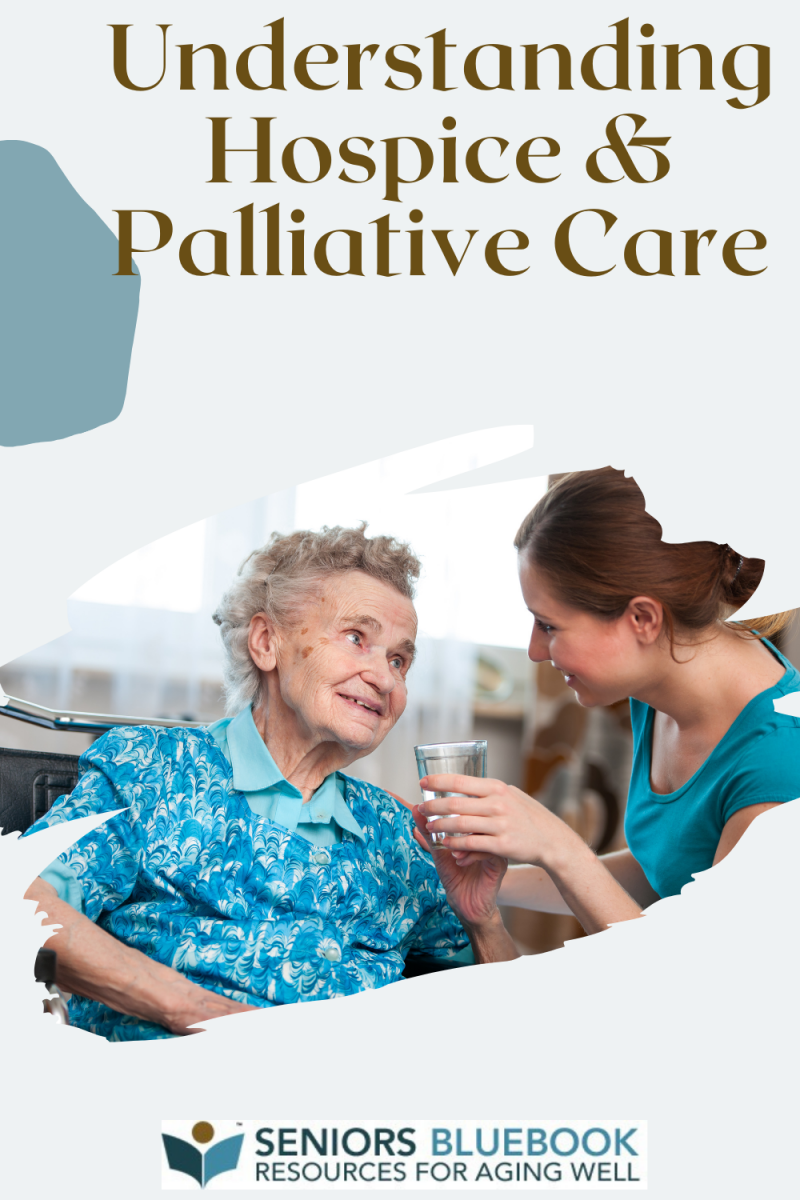
Understanding Hospice & Palliative Care
Hospice and palliative care are similar in many ways, but can be difficult to separate. All hospice care is palliative care, but not all palliative care is hospice care. Hospice works to help terminal patients live comfortably at the end of life, while palliative care undertakes the same whole-person philosophy which can be performed for non-terminal patients, helping them live longer, happier lives.Hospice care focuses on a persons last six months of life. The hospice care team comes in to make the patients remaining life as comfortable as possible by addressing physical symptoms and distress as well as emotional and spiritual issues.Palliative care, while also aiming to manage symptoms and enhance comfort and quality of life for patients, can be delivered concurrently with aggressive therapies and therapies that are aimed at a cure. It can be delivered at any stage of life.