Sunshine State Dermatology and Skin Cancer Center
Dermatology



About Sunshine State Dermatology and Skin Cancer Center
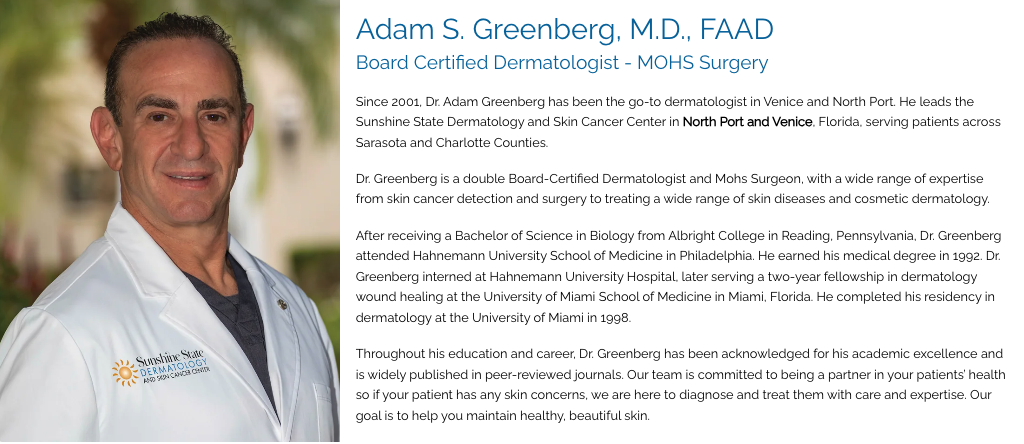
Sunshine State Dermatology and Skin Cancer Center is a physician-owned and operated dermatology practice dedicated to providing comprehensive, compassionate skin care to patients throughout Southwest Florida. Led by double board-certified dermatologist and Mohs Micrographic Surgeon Dr. Adam S. Greenberg, the practice blends advanced medical expertise with a patient-first philosophy, ensuring personalized care for every individual.
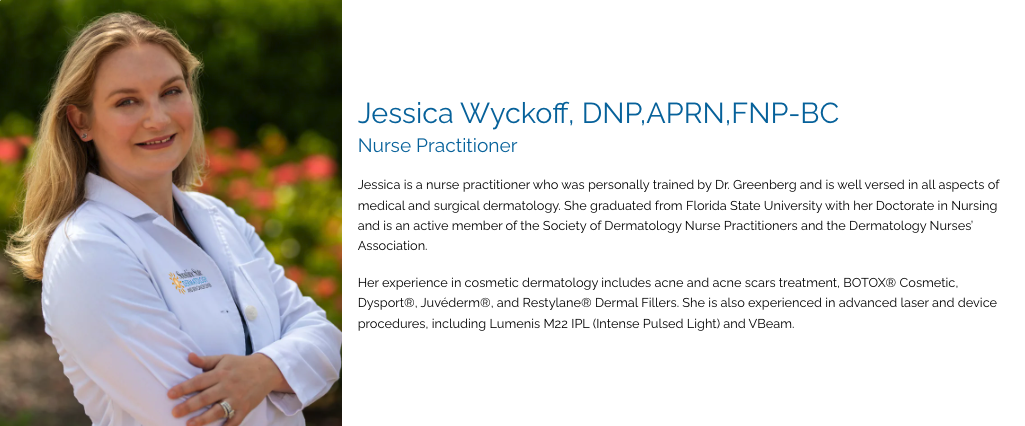
Founded in 2001, Sunshine State Dermatology has built a strong reputation for excellence in medical, surgical, and cosmetic dermatology. The practice is supported by a highly trained team of board-certified providers, advanced practice clinicians, and licensed estheticians who work collaboratively to help patients achieve and maintain healthy, beautiful skin at every stage of life.
Services Offered
Medical Dermatology
The practice provides comprehensive evaluation, diagnosis, and treatment of a wide range of skin conditions for patients of all ages, including:
- Full-body skin cancer screenings and early detection
- Diagnosis and treatment of skin cancers, including basal cell carcinoma, squamous cell carcinoma, and melanoma
- Management of chronic skin conditions such as psoriasis, eczema, acne, rosacea, and dermatitis
- Pediatric dermatology services
- Mole evaluation and monitoring
- Wart treatments and care for common dermatologic concerns
- Photodynamic therapy (PDT) for actinic keratoses and sun-damaged skin
Surgical Dermatology
Sunshine State Dermatology specializes in advanced surgical techniques with a focus on precision, safety, and optimal outcomes, including:
- Mohs Micrographic Surgery for the highest cure rates in skin cancer treatment
- Surgical excisions and skin biopsies
- Cyst and lesion removal
Cosmetic Dermatology
The practice offers a full suite of cosmetic treatments designed to enhance appearance while supporting long-term skin health, such as:
- Neurotoxin injections, including Botox and Dysport
- Dermal fillers to restore volume and smooth wrinkles
- Laser and light-based treatments
- Microneedling and chemical peels
- HydraFacial treatments and other skin-rejuvenation services
Esthetic Services
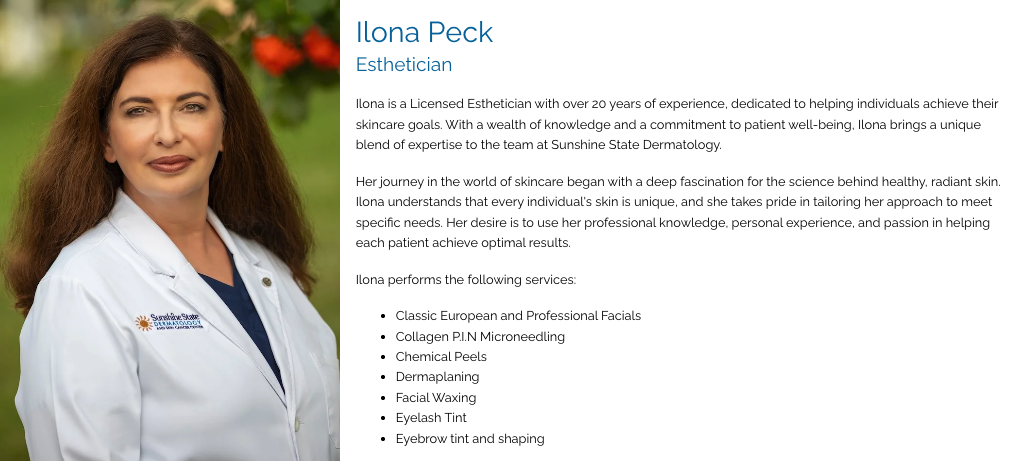
Licensed estheticians provide customized skincare treatments that complement medical and cosmetic care, including:
- Professional facials
- Dermaplaning
- Microneedling
- Chemical peels
- Waxing and tinting services
Two Convenient Locations
Sunshine State Dermatology and Skin Cancer Center proudly serves patients from two Florida locations:
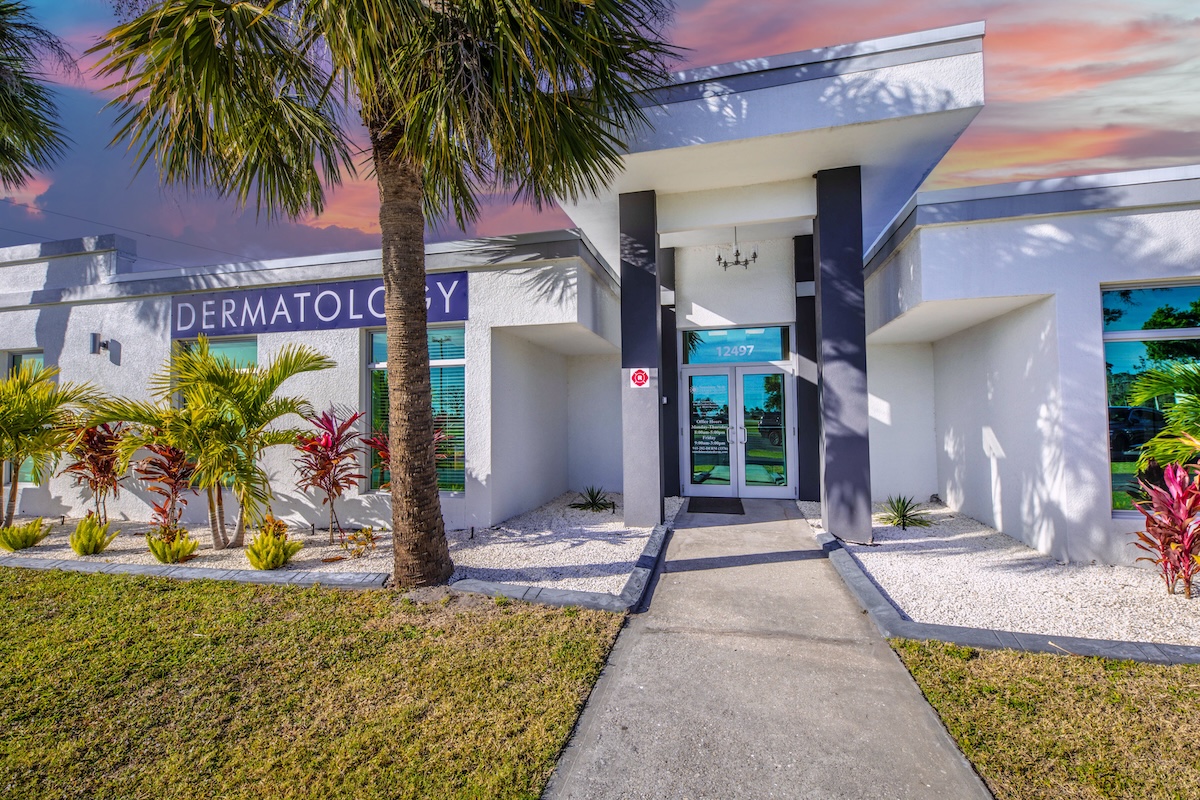
- 12497 Tamiami Trail South, Unit 1, North Port FL 34287
- 1415 East Venice Avenue, Venice FL 34292
Both locations are committed to delivering high-quality dermatologic care in a welcoming, family-oriented environment, with a focus on integrity, transparency, and exceptional patient outcomes.
See More
Additional Services Offered
Sunshine State Dermatology And Skin Cancer Center
Cancer CareSunshine State Dermatology and Skin Cancer Center is a physician-owned and operated dermatology practice dedicated to providing comprehensive, compassionate skin care to patients throughout Southwest Florida. Led by double board-certified dermatologist and Mohs Micrographic Surgeon Dr. Adam S. Greenberg, the practice blends advanced medical expertise with a patient-first philosophy, ensuring personalized care for every individual.Founded in 2001, Sunshine State Dermatology has built a strong reputation for excellence in medical, surgical, and cosmetic dermatology. The practice is supported by a highly trained team of board-certified providers, advanced practice clinicians, and licensed estheticians who work collaboratively to help patients achieve and maintain healthy, beautiful skin at every stage of life.Services OfferedMedical DermatologyThe practice provides comprehensive evaluation, diagnosis, and treatment of a wide range of skin conditions for patients of all ages, including:Full-body skin cancer screenings and early detectionDiagnosis and treatment of skin cancers, including basal cell carcinoma, squamous cell carcinoma, and melanomaManagement of chronic skin conditions such as psoriasis, eczema, acne, rosacea, and dermatitisPediatric dermatology servicesMole evaluation and monitoringWart treatments and care for common dermatologic concernsPhotodynamic therapy (PDT) for actinic keratoses and sun-damaged skinSurgical DermatologySunshine State Dermatology specializes in advanced surgical techniques with a focus on precision, safety, and optimal outcomes, including:Mohs Micrographic Surgery for the highest cure rates in skin cancer treatmentSurgical excisions and skin biopsiesCyst and lesion removalCosmetic DermatologyThe practice offers a full suite of cosmetic treatments designed to enhance appearance while supporting long-term skin health, such as:Neurotoxin injections, including Botox and DysportDermal fillers to restore volume and smooth wrinklesLaser and light-based treatmentsMicroneedling and chemical peelsHydraFacial treatments and other skin-rejuvenation servicesEsthetic ServicesLicensed estheticians provide customized skincare treatments that complement medical and cosmetic care, including:Professional facialsDermaplaningMicroneedlingChemical peelsWaxing and tinting servicesTwo Convenient LocationsSunshine State Dermatology and Skin Cancer Center proudly serves patients from two Florida locations:12497 Tamiami Trail South, Unit 1, North Port FL 342871415 East Venice Avenue, Venice FL 34292Both locations are committed to delivering high-quality dermatologic care in a welcoming, family-oriented environment, with a focus on integrity, transparency, and exceptional patient outcomes.
Sunshine State Dermatology And Skin Cancer Center
Skin ProtectionSunshine State Dermatology and Skin Cancer Center is a physician-owned and operated dermatology practice dedicated to providing comprehensive, compassionate skin care to patients throughout Southwest Florida. Led by double board-certified dermatologist and Mohs Micrographic Surgeon Dr. Adam S. Greenberg, the practice blends advanced medical expertise with a patient-first philosophy, ensuring personalized care for every individual.Founded in 2001, Sunshine State Dermatology has built a strong reputation for excellence in medical, surgical, and cosmetic dermatology. The practice is supported by a highly trained team of board-certified providers, advanced practice clinicians, and licensed estheticians who work collaboratively to help patients achieve and maintain healthy, beautiful skin at every stage of life.Services OfferedMedical DermatologyThe practice provides comprehensive evaluation, diagnosis, and treatment of a wide range of skin conditions for patients of all ages, including:Full-body skin cancer screenings and early detectionDiagnosis and treatment of skin cancers, including basal cell carcinoma, squamous cell carcinoma, and melanomaManagement of chronic skin conditions such as psoriasis, eczema, acne, rosacea, and dermatitisPediatric dermatology servicesMole evaluation and monitoringWart treatments and care for common dermatologic concernsPhotodynamic therapy (PDT) for actinic keratoses and sun-damaged skinSurgical DermatologySunshine State Dermatology specializes in advanced surgical techniques with a focus on precision, safety, and optimal outcomes, including:Mohs Micrographic Surgery for the highest cure rates in skin cancer treatmentSurgical excisions and skin biopsiesCyst and lesion removalCosmetic DermatologyThe practice offers a full suite of cosmetic treatments designed to enhance appearance while supporting long-term skin health, such as:Neurotoxin injections, including Botox and DysportDermal fillers to restore volume and smooth wrinklesLaser and light-based treatmentsMicroneedling and chemical peelsHydraFacial treatments and other skin-rejuvenation servicesEsthetic ServicesLicensed estheticians provide customized skincare treatments that complement medical and cosmetic care, including:Professional facialsDermaplaningMicroneedlingChemical peelsWaxing and tinting servicesTwo Convenient LocationsSunshine State Dermatology and Skin Cancer Center proudly serves patients from two Florida locations:12497 Tamiami Trail South, Unit 1, North Port FL 342871415 East Venice Avenue, Venice FL 34292Both locations are committed to delivering high-quality dermatologic care in a welcoming, family-oriented environment, with a focus on integrity, transparency, and exceptional patient outcomes.
Sunshine State Dermatology And Skin Cancer Center
Medical PracticesSunshine State Dermatology and Skin Cancer Center is a physician-owned and operated dermatology practice dedicated to providing comprehensive, compassionate skin care to patients throughout Southwest Florida. Led by double board-certified dermatologist and Mohs Micrographic Surgeon Dr. Adam S. Greenberg, the practice blends advanced medical expertise with a patient-first philosophy, ensuring personalized care for every individual.Founded in 2001, Sunshine State Dermatology has built a strong reputation for excellence in medical, surgical, and cosmetic dermatology. The practice is supported by a highly trained team of board-certified providers, advanced practice clinicians, and licensed estheticians who work collaboratively to help patients achieve and maintain healthy, beautiful skin at every stage of life.Services OfferedMedical DermatologyThe practice provides comprehensive evaluation, diagnosis, and treatment of a wide range of skin conditions for patients of all ages, including:Full-body skin cancer screenings and early detectionDiagnosis and treatment of skin cancers, including basal cell carcinoma, squamous cell carcinoma, and melanomaManagement of chronic skin conditions such as psoriasis, eczema, acne, rosacea, and dermatitisPediatric dermatology servicesMole evaluation and monitoringWart treatments and care for common dermatologic concernsPhotodynamic therapy (PDT) for actinic keratoses and sun-damaged skinSurgical DermatologySunshine State Dermatology specializes in advanced surgical techniques with a focus on precision, safety, and optimal outcomes, including:Mohs Micrographic Surgery for the highest cure rates in skin cancer treatmentSurgical excisions and skin biopsiesCyst and lesion removalCosmetic DermatologyThe practice offers a full suite of cosmetic treatments designed to enhance appearance while supporting long-term skin health, such as:Neurotoxin injections, including Botox and DysportDermal fillers to restore volume and smooth wrinklesLaser and light-based treatmentsMicroneedling and chemical peelsHydraFacial treatments and other skin-rejuvenation servicesEsthetic ServicesLicensed estheticians provide customized skincare treatments that complement medical and cosmetic care, including:Professional facialsDermaplaningMicroneedlingChemical peelsWaxing and tinting servicesTwo Convenient LocationsSunshine State Dermatology and Skin Cancer Center proudly serves patients from two Florida locations:12497 Tamiami Trail South, Unit 1, North Port FL 342871415 East Venice Avenue, Venice FL 34292Both locations are committed to delivering high-quality dermatologic care in a welcoming, family-oriented environment, with a focus on integrity, transparency, and exceptional patient outcomes.
Sunshine State Dermatology And Skin Cancer Center
Health & WellnessSunshine State Dermatology and Skin Cancer Center is a physician-owned and operated dermatology practice dedicated to providing comprehensive, compassionate skin care to patients throughout Southwest Florida. Led by double board-certified dermatologist and Mohs Micrographic Surgeon Dr. Adam S. Greenberg, the practice blends advanced medical expertise with a patient-first philosophy, ensuring personalized care for every individual.Founded in 2001, Sunshine State Dermatology has built a strong reputation for excellence in medical, surgical, and cosmetic dermatology. The practice is supported by a highly trained team of board-certified providers, advanced practice clinicians, and licensed estheticians who work collaboratively to help patients achieve and maintain healthy, beautiful skin at every stage of life.Services OfferedMedical DermatologyThe practice provides comprehensive evaluation, diagnosis, and treatment of a wide range of skin conditions for patients of all ages, including:Full-body skin cancer screenings and early detectionDiagnosis and treatment of skin cancers, including basal cell carcinoma, squamous cell carcinoma, and melanomaManagement of chronic skin conditions such as psoriasis, eczema, acne, rosacea, and dermatitisPediatric dermatology servicesMole evaluation and monitoringWart treatments and care for common dermatologic concernsPhotodynamic therapy (PDT) for actinic keratoses and sun-damaged skinSurgical DermatologySunshine State Dermatology specializes in advanced surgical techniques with a focus on precision, safety, and optimal outcomes, including:Mohs Micrographic Surgery for the highest cure rates in skin cancer treatmentSurgical excisions and skin biopsiesCyst and lesion removalCosmetic DermatologyThe practice offers a full suite of cosmetic treatments designed to enhance appearance while supporting long-term skin health, such as:Neurotoxin injections, including Botox and DysportDermal fillers to restore volume and smooth wrinklesLaser and light-based treatmentsMicroneedling and chemical peelsHydraFacial treatments and other skin-rejuvenation servicesEsthetic ServicesLicensed estheticians provide customized skincare treatments that complement medical and cosmetic care, including:Professional facialsDermaplaningMicroneedlingChemical peelsWaxing and tinting servicesTwo Convenient LocationsSunshine State Dermatology and Skin Cancer Center proudly serves patients from two Florida locations:12497 Tamiami Trail South, Unit 1, North Port FL 342871415 East Venice Avenue, Venice FL 34292Both locations are committed to delivering high-quality dermatologic care in a welcoming, family-oriented environment, with a focus on integrity, transparency, and exceptional patient outcomes.
Videos
Continue Your Search! Explore More Local Options.
Start SearchingLet’s engage and get educated!
Browse through thousands of expert articles in over 100 different categories.
Browse NowArticles You May Like
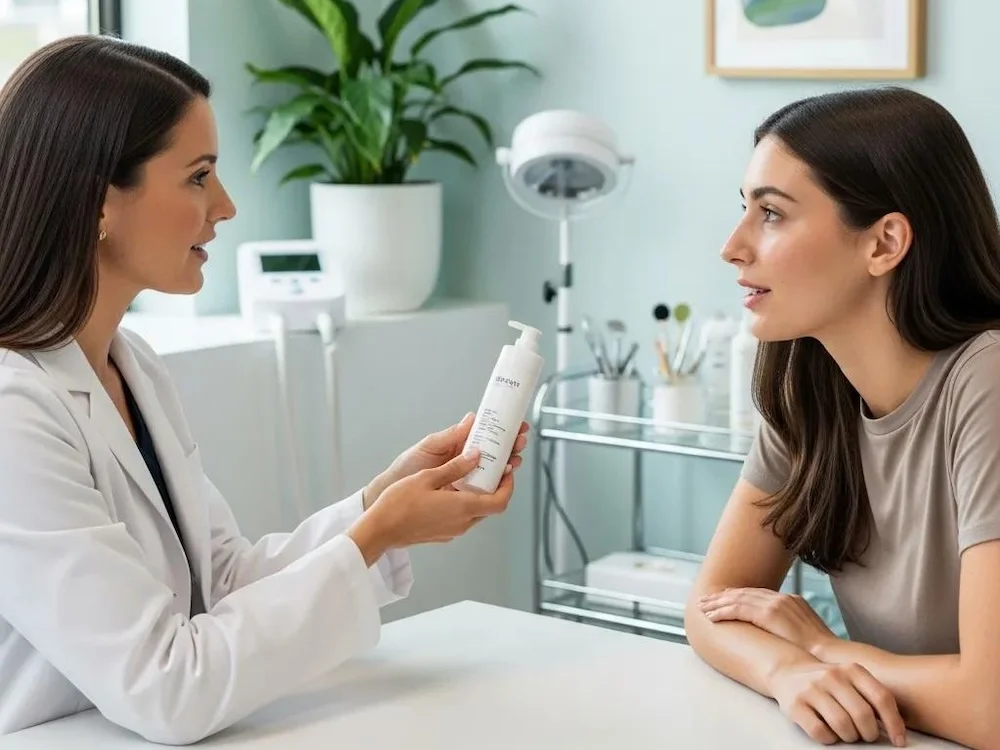
Rethinking Acne Care: Beyond Over-the-Counter Solutions
Acne affects millions of people and can be as frustrating emotionally as it is physically. Overthecounter (OTC) products help many, but moderate to severe acne often needs more than storeshelf solutions. This guide explains why seeing a dermatologist matters, which prescription medicines and office procedures work best, and how a personalized plan improves longterm skin health. Read on to recognize when to seek care and what to expect from professional treatment.When should you see a dermatologist for acne?Knowing when to move from OTC care to professional treatment makes a big difference. Severe acne can show up as painful cysts, deep nodules, or persistent breakouts that dont clear with home remedies. If your acne is leaving scars, causing pain, or impacting your mood and confidence, its time to talk with a dermatologist. Early, appropriate treatment can reduce scarring and improve both skin and wellbeing.Signs your acne likely needs prescription medicationPersistent acne: Breakouts that dont improve after several weeks or months of OTC use are a common sign you need a different approach.Cystic acne: Painful, deep cysts usually require stronger, targeted medications to reduce inflammation and protect skin from scarring.Scarring or emotional impact: If acne is creating visible scars or affecting your mental health, professional treatment can help limit damage and support recovery.Spotting these signs early gives you the best chance for faster, lasting improvement.Which prescription acne medications are most effective?Prescription treatments target acnes root causesexcess oil, bacteria, inflammation, and clogged poresso they often outperform OTC options for moderate to severe cases. Common prescription categories include topical retinoids, oral antibiotics, hormonal treatments, and oral isotretinoin.Topical retinoids: how they helpTopical retinoids like tretinoin and adapalene speed up skin cell turnover and keep pores clear. They reduce inflammation and help improve skin texture, which can lower the chance of scarring over time. Many patients see gradual improvement within a few weeks, but following your dermatologists directions helps manage common side effects like dryness or irritation.How do oral medications treat severe or hormonal acne?When acne is widespread, deep, or linked to hormonal changes, oral medicines can be very effective because they work throughout the body. Theyre usually prescribed when topical treatments arent enough.Benefits and risks of isotretinoin and hormonal therapiesIsotretinoin is a powerful oral retinoid reserved for severe nodulocystic acne or cases resistant to other therapies. It reduces oil production, inflammation, and pore blockage, often producing dramatic resultsbut it requires careful monitoring because of side effects like extreme dryness, increased sun sensitivity, and serious risks including birth defects if pregnancy occurs during treatment. Hormonal optionssuch as combined oral contraceptives or spironolactonecan be very helpful for people whose acne is tied to hormone fluctuations. Both approaches are effective when supervised by a dermatologist who will weigh benefits, risks, and monitoring needs.Which inoffice procedures improve acne and scarring?Office procedures can accelerate results and address scarring that topical or oral meds cant fully fix. These treatments are chosen based on your skin type, scar pattern, and treatment goals.Chemical peels and lasers: what they do for acne and scarsChemical peels remove the top skin layers to encourage fresh, smoother skin and can soften atrophic scars. Laser therapies use focused light to reduce inflammation, target acne lesions, and remodel scar tissue for improved texture. When combined with medical therapy, these procedures often deliver clearer skin and a confidence boost.Research supports the role of inoffice proceduresespecially superficial chemical peelsin managing acne scarring.Acne Scar Management: Isotretinoin & Minimally Invasive ProceduresEarly use of isotretinoin to control lesions and inflammation can help prevent some scarring, but many patients still have noticeable scars. Despite advances in drugs and devices, scar treatment remains challenging and can carry risks. Some inoffice, minimally invasive proceduressuch as chemical peels, dermabrasion, tissue augmentation, and punch excisioncan offer improvement. Superficial chemical peels have been shown to be effective for atrophic scars with relatively few complications.Management of acne scarring, part II: a comparative review of non-laser-based, minimally invasive approaches, 2012How does personalized acne care support longterm skin health?Effective acne care is tailored to you. A dermatologist evaluates your skin type, acne pattern, medical history, and goals to build a plan that combines medication, procedures, and lifestyle changes. That personalized approach helps control acne over time while minimizing side effects.Experts consistently recommend individualized treatment plans for managing acne as a chronic condition.Personalized Acne Care Pathway: Expert Recommendations for Longitudinal ManagementAcne is a chronic disease. The Personalised Acne Care Pathway offers practical guidance for ongoing management, helping clinicians choose treatments that match each patients needs and goals. This patientcentered framework aims to improve longterm control and reduce adverse effects by accounting for individual characteristics and preferences.The personalised acne care pathwayrecommendations to guide longitudinal management from the personalising acne: consensus of experts, J Tan, 2021Lifestyle and skincare steps that support medical treatmentDiet: Cutting back on highglycemic foods and, for some people, dairy, can reduce flareups.Skincare routine: Stick with noncomedogenic, gentle products and a consistent regimen to support treatment goals.Stress management: Practices like mindfulness, yoga, or regular exercise can lower stressrelated flareups and help overall skin health.When these habits are combined with medical therapy, patients usually get better, longerlasting results.How do you schedule an acne consultation at Sunshine State Dermatology?Booking a consultation is the first step toward clearer skin. Sunshine State Dermatology and Skin Cancer Center provides comprehensive carefrom medical therapies to inoffice procedurestailored to your needs.What to expect at your first dermatology appointmentAt your initial visit, the dermatologist will examine your skin, review your medical history, and ask about your current skincare routine and treatment goals. From there, theyll recommend a personalized plan and explain followup timing. Regular visits let your provider track progress and finetune treatments as needed.Medication TypeHow it worksCommon examplesTopical RetinoidsSpeed cell turnover and prevent clogged poresTretinoin, AdapaleneOral AntibioticsReduce acnecausing bacteria and inflammationDoxycycline, MinocyclineHormonal TherapiesAdjust hormone effects that trigger breakoutsCombined birth control pills, Spironolactone This table summarizes common prescription categories, how they work, and examples you may encounter in treatment planning.Managing acne well usually requires a mix of medical care, occasional procedures, and a tailored athome routine. Recognizing when to seek professional help and understanding your options puts you on the path to clearer, healthier skin.Frequently Asked QuestionsWhat are the common side effects of prescription acne medications?Side effects vary by medication. Topical retinoids often cause dryness, redness, and peeling at first. Oral antibiotics can upset the stomach and increase sun sensitivity. Isotretinoin can cause significant dryness, nosebleeds, and mood or lab changesand it has strict pregnancyprevention requirements. Your dermatologist will review expected side effects and how we monitor for safety.How long does it typically take to see results from acne treatments?Expect a gradual process: many patients notice improvement within 4 to 12 weeks on prescription medications. Some inoffice treatments can speed visible improvement, but optimal results often need multiple sessions and steady adherence to your plan.Can lifestyle changes really impact acne treatment outcomes?Yes. Dietary tweaks, a consistent noncomedogenic skincare routine, and stressreduction practices can all help treatments work better. While lifestyle changes arent a cure on their own for moderate to severe acne, they support medical therapy and longterm skin health.Are there natural remedies that can complement acne treatment?Some natural ingredientslike tea tree oil for its antibacterial effects or aloe vera for soothingcan complement care, but they shouldnt replace prescriptions. Always check with your dermatologist before adding new products so we can avoid interactions or irritation.How often should I follow up with my dermatologist during treatment?Followups are important. We typically see patients every 4 to 8 weeks during the early phase of treatment to evaluate response and side effects. Regular checkins help us adjust therapy so you get the best possible outcome.What should I do if my acne worsens during treatment?If your acne gets worse, contact your dermatologist. Some treatments cause an initial flare as the skin adjusts, but persistent or severe worsening may mean we need to change the plan. Prompt communication helps us respond quickly and safely.
Mar 04, 2026
Sunshine State Dermatology Wins Best of Venice 2026 Awards
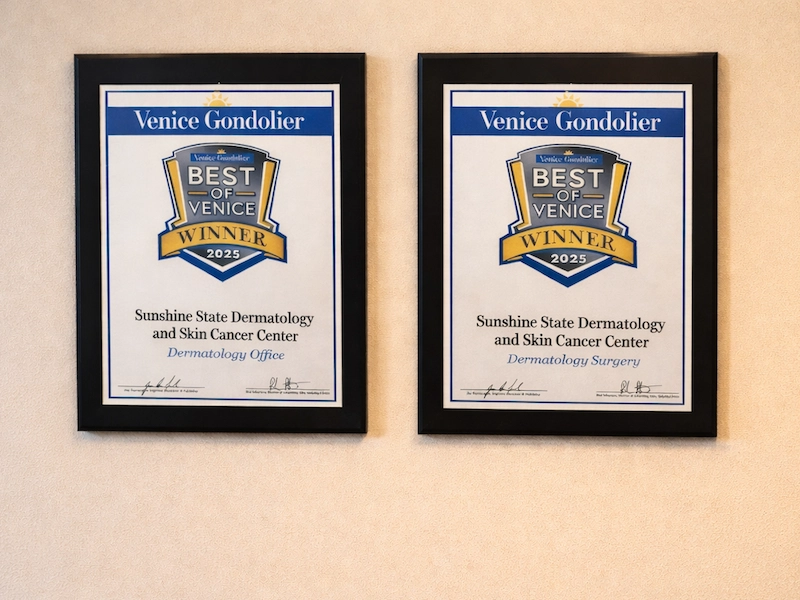
Sunshine State Dermatology and Skin Cancer Center is thrilled and honored to announce that our practice has won two categories in the Venice Gondolier Best of Venice Awards for 2026. In this years community-driven awards, we were voted Best Dermatology Office in Venice and Best Dermatology Surgery in Venice. This incredible double honor means the world to us because it comes from you our amazing Venice community who took the time to vote and show your support. Dr. Adam Greenberg and our entire team are deeply grateful for this recognition, which validates our commitment to providing exceptional dermatological care and surgical expertise after 25+ years of serving the Venice area.A Community-Chosen HonorThe Best of Venice Awards are an annual survey conducted by the Venice Gondolier Sun newspaper, allowing local residents to vote for their favorite businesses and services in town. Being named the best in two categories by our own community is a special honor. Its one thing for a practice to strive for excellence, but its another to have our patients and neighbors recognize that effort and trust us with their votes. These awards arent decided by a small panel theyre decided by you, the people we have the privilege to serve every day. Thats why this recognition carries so much meaning for our team. We are proud to know that our commitment to quality care, compassionate service, and outstanding results has made a positive impact on so many lives in Venice.Best Dermatology Office in Venice speaks to the overall experience and care we provide in our clinic from medical dermatology to cosmetic treatments and were delighted that voters consider us the top dermatology practice in town. Meanwhile, Best Dermatology Surgery in Venice highlights our excellence in surgical dermatology, particularly in skin cancer treatment and Mohs surgery. This dual recognition shows that we are succeeding in our mission on all fronts: delivering both exceptional general dermatologic care and the highest standard of surgical skill.25+ Years Serving Venice with PrideSunshine State Dermatology has deep roots in the Venice community. In fact, Dr. Adam S. Greenberg has been caring for patients here since 2001. Over the past two and a half decades, Dr. Greenberg a Venice native and double board-certified dermatologist has built a practice centered on patient well-being and cutting-edge skin care. After years of dedication, hes become known as the go-to dermatologist in Venice and North Port, treating generations of families and making a difference in countless lives. Our longevity in the community means that were now seeing children and even grandchildren of some of our earliest patients a testament to the trust and relationships weve developed.One of the core reasons behind that trust is our unwavering commitment to exceptional care with a personal touch. From day one, Dr. Greenberg envisioned a practice that offers world-class dermatological expertise while still feeling like a hometown doctors office. We pride ourselves on creating a welcoming environment where patients are treated like family, not just appointments on a schedule. As our Mission Statement expresses, patients are looking not only for excellent medical care but also for a practice that is responsive, informative, and caring from the very first contact. Our staff works together as a team to ensure every patients needs are met and every question is answered, so you feel comfortable and informed about your skin health. This community-first, patient-centered approach has been at the heart of Sunshine State Dermatology for over 25 years.Over the years, our practice has grown and evolved to better serve the community. Weve expanded our services, adopted new technologies, and even opened a second location in North Port all to make top-quality dermatology more accessible to our patients. Yet through all the growth, we have remained a physician-owned and operated practice that prioritizes the doctor-patient relationship and a family-oriented approach to care. In other words, even as we bring in state-of-the-art treatments, we havent lost the friendly, personalized touch that makes patients feel at home. It is incredibly rewarding to see that commitment reflected in awards like these, which show that our community feels the difference.What Sets Sunshine State Dermatology ApartWhy do patients choose Sunshine State Dermatology, and what might have led the Venice community to vote us the best? We believe a few key values and qualities make our practice stand out. Here are some of the things we focus on every day in caring for you:Comprehensive Care for All Ages: We offer a wide range of dermatologic services under one roof medical dermatology for conditions like rashes or acne, surgical dermatology for skin cancer and other lesions, cosmetic treatments for aesthetic concerns, and even pediatric dermatology for the little ones. Our teams decades of combined experience mean weve treated thousands of patients with varying skin concerns, from common to complex. This comprehensive approach allows patients to address all their skin health needs in one trusted practice.Experienced, Expert Team: Our practice is led by Dr. Greenberg, a double board-certified Dermatologist and Mohs Surgeon, and supported by highly trained nurse practitioners and staff. With advanced credentials and continuous education, our providers stay at the forefront of dermatology. We also utilize cutting-edge technology and treatments to ensure optimal outcomes for our patients. In short, when you come to Sunshine State Dermatology, you are in exceptionally capable hands.Patient-Centered Approach: Being a community dermatology office isnt just about medical treatments its about how we make people feel. As a physician-owned practice, we prioritize the physician-patient relationship and treat our patients like family. From the moment you walk in, our goal is to create a welcoming, comfortable atmosphere. We listen attentively to your concerns, explain findings and options in clear terms, and involve you in decisions about your care. We know that empathy and communication are as important as prescriptions and procedures. This warm, personalized approach is a big part of why patients trust us, and its something well never compromise on.Skin Cancer & Surgical Excellence: Skin health is about more than just rashes and wrinkles it can be life-saving. Thats why we place a huge emphasis on skin cancer detection and treatment. Dr. Greenberg has specialized expertise in Mohs micrographic surgery, the gold-standard technique for removing skin cancer with the highest cure rates. Mohs surgery involves removing cancerous tissue layer by layer and examining each layer under a microscope until all cancer cells are gone, preserving as much healthy skin as possible. This precise approach yields up to a 99% cure rate for certain types of skin cancer in a single treatment, while minimizing scarring and tissue loss. Our proficiency in Mohs and other surgical dermatology procedures ensures that patients with skin cancer (or other surgical needs) receive the most accurate, effective, and compassionate care during what can be a scary time. Earning the Best Dermatology Surgery award reflects our dedication to being there for patients when it matters most combining skill and kindness to help them overcome skin cancer.Commitment to Quality & Results: At Sunshine State Dermatology, we are never complacent. We continually strive for the highest quality of care in everything we do. Whether its a routine skin exam, a cosmetic treatment, or a complex skin cancer case, we approach each patient with the same level of thoroughness and dedication. Our philosophy is to treat every patient as we would our own family member with respect, honesty, and the intent to achieve the best possible outcome. We are proud that our focus on excellence and integrity has earned the trust of the community. This double award win serves as motivation to keep raising the bar even higher.Excellence in Dermatologic SurgeryWinning the Best Dermatology Surgery category is particularly meaningful to us because it underscores an area of care that can truly be life-saving: dermatologic surgery for skin cancers. Skin cancer is unfortunately common in Floridas sunshine, and treating it effectively requires a high level of skill and experience. Dr. Greenberg is both a board-certified dermatologist and a fellowship-trained Mohs micrographic surgeon. Mohs surgery is an advanced surgical technique that he has spent years mastering in order to offer our patients the best chance at a cure. In Mohs procedures, Dr. Greenberg serves as the surgeon, pathologist, and reconstructive surgeon all in one, removing cancerous tissue with pinpoint precision and immediately examining it under the microscope. This process continues until we confirm all cancer cells are removed, which is why Mohs has such a high success rate. The result is maximal cancer clearance with minimal impact on healthy surrounding skin a win-win for our patients health and cosmetic outcome.Beyond Mohs surgery, our surgical dermatology services include excisions of various growths, cyst removals, repair of torn earlobes, and other in-office procedures. What sets our surgical care apart is not only technical expertise but also the compassionate care that goes along with it. We understand that the word surgery can make patients anxious, so our team takes extra steps to keep you comfortable and informed. From detailed pre-surgery education to attentive post-operative follow-up, we aim to turn a stressful situation into one where you feel supported and confident in your treatment plan. The Venice communitys vote of confidence in our surgical care tells us that our efforts to combine top-notch surgical skill with personal, comforting care have made a difference. If you or a loved one ever faces a skin cancer diagnosis, know that we are here to provide expert treatment with a human touch.Gratitude to Our Patients and CommunityOn behalf of Dr. Greenberg and the entire Sunshine State Dermatology team, we want to extend our deepest thank you to our patients and the Venice area community. These awards belong to all of you as much as they belong to us. Every vote you cast for us is a vote of confidence an affirmation that you believe in our practice and value the care we provide. That is incredibly humbling, and its something we will never take for granted.To our patients: thank you for trusting us with your skin health. We know you have a choice in who you see for your dermatological needs, and we are honored that you continue to choose Sunshine State Dermatology. Many of you have been with us for years, and its the relationships weve built the conversations at appointments, the shared successes in treatment, even the laughs and stories that truly make this work meaningful. Your health and well-being are why we come to work every day. Whether you come in for an annual skin cancer screening, a quick spot check, or an involved procedure, were grateful for the opportunity to care for you. Hearing that our care has made a positive impact on your life is the greatest reward we could ask for.To the Venice community at large: thank you for embracing us as part of the fabric of this wonderful city. Venice is not just where we work; its our home. Many of our staff, including Dr. Greenberg, live here, raise their families here, and are deeply invested in the communitys wellness. Thats why being recognized by the community is so special it feels like a heartfelt nod from our friends and neighbors. We are proud to contribute to Venices reputation as a place where residents can find top-quality healthcare services close to home. This community has given us so much over the past 25+ years, and were thrilled to give back by keeping Venice healthy and skin cancer-free.Finally, a huge thank you to our amazing team at Sunshine State Dermatology. An award-winning practice is only as strong as the people behind it. From our front desk staff to our medical assistants, nurse practitioners, and administrative team, every person here plays a vital role in the patient experience. It is their hard work, friendliness, and professionalism that create the environment patients know and love. Dr. Greenberg often says that he feels lucky to work with such a skilled and compassionate group of individuals who truly care about our patients. These awards are a tribute to our staffs dedication as much as to Dr. Greenbergs leadership. Thank you, team, for always going above and beyond this would not be possible without you.Continuing Our Mission of Exceptional CareWhile were taking a moment to celebrate this achievement, we also view it as a starting point for even better things ahead. Sunshine State Dermatologys mission has always been to provide exceptional dermatological care for the health and well-being of our patients, and that mission continues stronger than ever. These honors energize us to keep improving and innovating for your benefit. In the coming year and beyond, you can expect us to stay at the forefront of dermatology whether that means adopting new treatment technologies, bringing in additional talented providers, or expanding patient education and outreach in the community.One thing that will never change is our focus on you, the patient. Awards or not, our greatest reward is seeing you achieve healthy, beautiful skin and knowing we helped make a difference. We will continue to tailor our care to each persons unique needs, just as we always have. If youre a long-time patient, we look forward to continuing our journey together. If youre new to the area or considering dermatology care for the first time, we warmly invite you to come see what makes Sunshine State Dermatology an award-winning practice. Our doors are always open, and we are currently accepting new patients at both our Venice and North Port locations.In closing, from the bottom of our hearts, thank you, Venice! Thank you for the double honor of Best Dermatology Office and Best Dermatology Surgery in the Best of Venice 2026 awards. We are excited to display these accolades as a reminder of the trust youve placed in us. More than any trophy or title, its that trust and relationship with our community that we cherish most. We promise to continue earning it every day by providing the highest quality dermatologic care and treating each patient with warmth, respect, and compassion. Heres to healthy skin and many more years of serving this wonderful community! The Sunshine State Dermatology & Skin Cancer Center Team
Mar 04, 2026

Beyond Skin Deep
Article by Emily Leinfuss Photography by Sunshine State Dermatology Originally published in Venice City Lifestyle Sunshine State Dermatology, led by Dr. Adam S. Greenberg, M.D., FAAD, and Nurse Practitioner Jessica Wyckoff, DNP, APRN, FNP-BC, is dedicated to providing exceptional medical, surgical, and cosmetic dermatology care. With over 20 years of service in Sarasota and Charlotte Counties, Dr. Greenberg recently relocated the practice to North Port, strategically situated just three minutes from Venice when heading east on River Road. The practice offers a wide array of medical dermatologic services, addressing various skin concerns such as skin cancer detection and treatment, psoriasis therapies, acne and rosacea treatment, as well as care for conditions like eczema and contact dermatitis. Dr. Greenberg, a board-certified expert in skin cancer detection and treatment, focuses on surgical therapies, including the precise MOHS Micrographic Surgery. Nurse Practitioner Wyckoff, personally trained by Dr. Greenberg, excels in medical, surgical, and cosmetic dermatology. Cosmetic services provided by Wyckoff include acne treatment, BOTOX Cosmetic, Dysport, Juvderm, Restylane Dermal Fillers, and advanced laser procedures. Excitement surrounds the North Port location, allowing the dedicated team to remain close to Venice patients while extending their expertise to serve the North Port community. Both practitioners emphasize the importance of the physician-patient relationship, adopting a family-oriented approach to care. The practice's transition to being physician-owned and operated further empowers patients with knowledge, fostering open discussions about different treatment options for optimal results. Remaining at the forefront of advancements in dermatology, Dr. Greenberg and Wyckoff actively engage in conferences and professional societies. Dr. Greenberg is a Diplomate of the American Board of Dermatology and a member of various dermatological societies, while Wyckoff is actively involved in the Society of Dermatology Nurse Practitioners and the Dermatology Nurses' Association. Beyond skin-deep concerns, Dr. Greenberg emphasizes the role of dermatologists in identifying health issues by considering skin changes as indicators of internal or systemic problems. Wyckoff underscores the dermatologist's crucial role as the first line of defense in interpreting signs, detecting diseases, and enabling timely intervention for holistic healthcare. Regular dermatological check-ups are deemed crucial for proactive health management. Dr. Greenberg and Nurse Practitioner Wyckoff take pride in their track record of assisting misdiagnosed patients, ensuring accurate diagnoses through thorough assessments. Dedicated to dermatology, they find fulfillment in providing excellent care and serving their patients. In summary, Sunshine State Dermatology embodies a commitment to comprehensive dermatological care, merging medical, surgical, and cosmetic expertise to benefit the communities of Venice and North Port. The practice's relocation and dedication to patient-centered care exemplify its mission to address skin health beyond the surface, embracing a holistic approach to healthcare. Sun Protection 101: Essential Tips for Healthy Skin Dr. Adam Greenberg, M.D., FAAD, Medical Director of Sunshine State Dermatology, offers four key sun protection tips for vibrant and healthy skin in sunny Florida: Sunscreen Wisdom: Frontline defense begins with sunscreen. Dr. Greenberg recommends a minimum of 30 SPF, applied every two hours. Opt for products with "broad spectrum, UVA & UVB protection." He favors eco-friendly options containing zinc oxide or titanium dioxide. Clothing Matters: Dr. Greenberg emphasizes the effectiveness of clothing with a minimum 30 UPF factor in blocking harmful rays. Stressing full coverage during outdoor activities, especially swimming, he highlights the significance of protective clothing for overall skin health. Hats with UPF: Nurse Practitioner Jessica Wycoff warns against relying solely on a baseball cap for sun protection. She recommends hats with UPF protection and wide brims to add an extra layer of defense against harmful UV rays. Preventative Dermatology: Dr. Greenberg underscores the critical role of preventative procedures in detecting pre-cancerous sun damage. Regular skin examinations, aided by a dermatoscope, identify subtle changes. Emphasizing the risk of untreated actinic keratoses progressing to squamous cell skin cancer, he advocates timely interventions like cryotherapy or topical treatments for proactive mitigation of sun-induced skin malignancies. Dr. Greenberg and Nurse Practitioner Wyckoff take pride in their track record of assisting misdiagnosed patients, ensuring accurate diagnoses through thorough assessments.
Mar 05, 2026
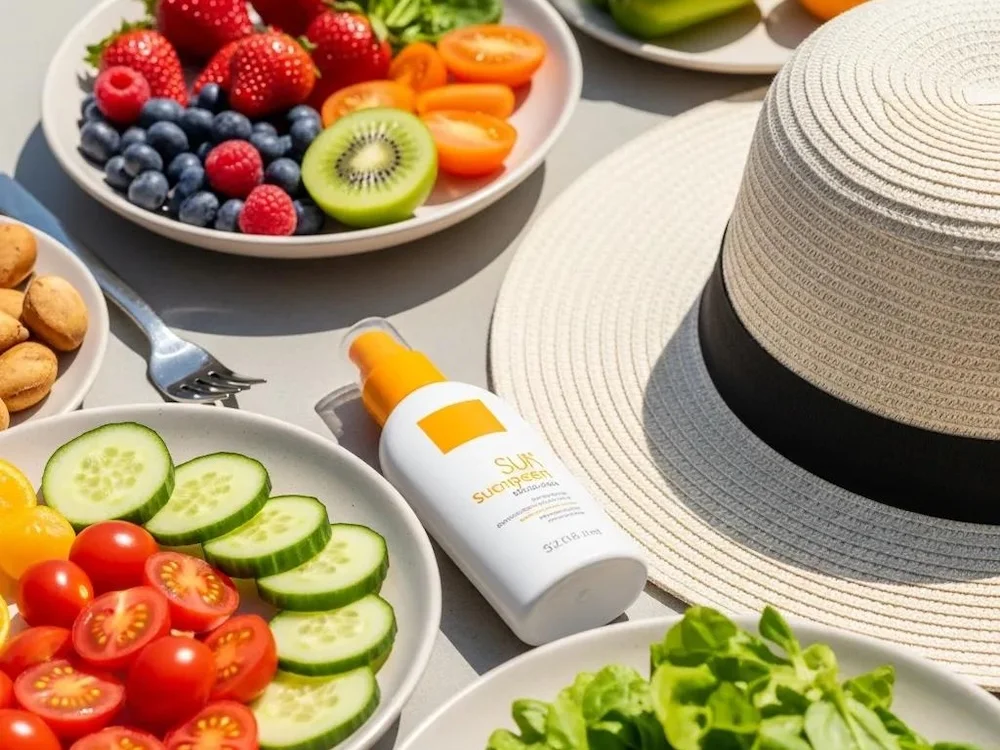
Photoaging: How to Spot the Signs and Protect Your Skin
If you spend time in the sun, photoaging the skin changes caused by ultraviolet exposure is a real concern. This guide explains what photoaging looks like, why it happens, and practical ways to prevent and treat it. Youll learn the common signs (think wrinkles and dark spots), what causes them at the skin level, and when to see a dermatologist. Our goal: give you clear, evidence-based steps to protect your skin and preserve its health.What Is Photoaging and What Causes Premature Skin Aging?Photoaging describes skin damage from repeated ultraviolet (UV) exposure. Unlike natural, time-driven aging, photoaging speeds up the breakdown of collagen and elastin the proteins that keep skin firm and springy. UV radiation is the main culprit, producing visible changes such as lines, uneven pigmentation, and loss of firmness. Knowing how photoaging works helps you choose better prevention and treatment strategies.It helps to distinguish intrinsic (chronologic) aging from extrinsic factors like UV exposure to understand the full picture of skin aging.Understanding Skin Aging: Intrinsic, Extrinsic, and Clinical SignsSkin aging is a natural biological process driven by internal, age-related decline in cellular function (intrinsic aging) as well as cumulative exposure to external harms (extrinsic aging). Together, these forces produce clinical changes such as burns, erythema, hyperpigmentation, telangiectasia, dry or sagging skin, coarse wrinkles, altered texture, and in severe cases skin cancer.Mechanisms of skin aging, AC Mesa-Arango, 2017How Does UV Radiation Lead to Photoaging?UV radiation comes in three types: UVA, UVB, and UVC. UVC is mostly blocked by the atmosphere and doesnt reach our skin. UVA penetrates more deeply and gradually degrades collagen and elastin, which causes wrinkles and sagging over time. UVB affects the outer layers and is the main cause of sunburn and a contributor to skin cancer risk. Repeated exposure to both UVA and UVB causes cumulative damage that accelerates visible aging.What Are the Biological Mechanisms Behind Collagen and Elastin Breakdown?Collagen and elastin give skin its strength and flexibility. UV exposure activates enzymes called matrix metalloproteinases (MMPs) that break down these structural proteins. UV also creates oxidative stress free radicals that harm cells and speed aging. Using sunscreens and topical antioxidants can help protect collagen and elastin from this damage.What Are the Common Signs and Symptoms of Photoaging Skin?Early recognition makes a big difference. Typical signs of photoaging include fine lines and deeper wrinkles, loss of skin elasticity, and uneven pigmentation like age spots. These changes can affect how your skin looks and feels, and catching them early opens more treatment and prevention options.How to Identify Wrinkles, Fine Lines, and Skin Laxity?Wrinkles and fine lines often appear first around the eyes, mouth, and forehead. Skin laxity or sagging becomes more noticeable along the jawline and neck. Check your skin periodically for changes in texture, firmness, and creasing. Early detection lets you act sooner with proven treatments.What Are the Indicators of Hyperpigmentation and Age Spots?Hyperpigmentation shows up as darker patches after repeated sun exposure. Age spots (solar lentigines) are flat, brown areas that develop on skin frequently exposed to sun. They vary in size and intensity, and tend to become more visible with age. Regular self-checks help you spot these changes and discuss options with your dermatologist.How Can You Prevent Sun Damaged Skin and Reduce Photoaging Risks?Prevention focuses on minimizing UV exposure and supporting skin health. Daily sunscreen, sensible habits, and protective clothing are the foundation. These steps significantly lower the risk of long-term sun damage and help keep skin looking healthier as you age.What Are Effective Daily Sunscreen Practices for Florida Residents?In sunny Florida, daily sunscreen is non-negotiable. Use a broad-spectrum sunscreen with at least SPF 30, apply generously to all exposed areas, and reapply every two hours sooner if youre swimming or sweating. Put sunscreen on 1530 minutes before going outside, and combine it with shade, hats, and protective clothing during peak sun hours (roughly 10 a.m. to 4 p.m.).Which Lifestyle Choices and Protective Measures Help Prevent Photoaging?Your lifestyle matters. A diet rich in antioxidants (fruits, vegetables, nuts, fatty fish), staying hydrated, and avoiding tobacco all support skin repair and slow aging. Physical sun protection wide-brimmed hats, UV-blocking sunglasses, and UPF clothing reduces cumulative UV damage and complements sunscreen use.What Are the Best Treatments to Reverse Sun Damage and Improve Photoaged Skin?Prevention is the best strategy, but effective treatments exist to improve sun-damaged skin. Options range from daily topical care to in-office procedures; the right plan depends on your skin and goals. Consulting a dermatologist helps you build a safe, evidence-based approach.How Do Laser and Light Therapies Repair Photoaged Skin?Laser and light therapies target damaged cells and stimulate new collagen production. Fractional lasers create tiny, controlled injuries that prompt the skin to heal and renew, improving texture and reducing pigmentation. Most patients see progressive improvement over a series of treatments.What Role Do Topical Treatments and Injectables Play in Skin Rejuvenation?Topicals such as retinoids and vitamin C help accelerate cell turnover and support collagen formation, improving texture and tone with consistent use. Injectables (dermal fillers and neuromodulators like Botox) smooth lines and restore volume for faster, noticeable results. Combining topicals with professional procedures often delivers the best outcome.Clinical studies back the benefit of retinoids and other topical agents for multiple aspects of photodamage.Photoaging Signs, UV Causes, and Retinoid TreatmentPhotodamage results from cumulative solar ultraviolet radiation (UVR) and is characterized by deep wrinkles, easy bruising, loss of elasticity, patchy pigmentation, rough texture, and telangiectasias. UVR-induced photodamage involves multiple mechanisms. Topical retinoids have been shown to be effective in treating photoaged skin.Topical retinoids: therapeutic mechanisms in the treatment of photodamaged skin, 2016When Should You Seek Professional Dermatology Care for Photoaging?Seeing a dermatologist is important when you notice new or changing spots, persistent texture changes, or when cosmetic concerns affect your quality of life. Regular skin exams let your provider track changes and recommend prevention, topical regimens, or procedural options tailored to your needs.How Does Skin Cancer Screening Integrate with Photoaging Management?Skin cancer screening is a core part of managing sun-damaged skin. Dermatologists look for suspicious lesions during photoaging assessments so concerns can be addressed early. Combining cosmetic and medical care ensures both appearance and long-term skin health are managed responsibly.What Makes Sunshine State Dermatologys Approach Unique for Photoaging?At Sunshine State Dermatology and Skin Cancer Center, we take a comprehensive, patient-first approach. Under Dr. Adam S. Greenbergs leadership, we emphasize early detection, individualized treatment plans, and a balance between medical safety and cosmetic improvement. That means care tailored to your skin type, history, and goals.Treatment TypeDescriptionEffectivenessRecommended FrequencyLaser TherapyTargets damaged skin cells and stimulates collagen productionHighEvery 46 weeksTopical TreatmentsRetinoids and vitamin C serums to support skin renewalModerateDailyInjectablesDermal fillers and neuromodulators for wrinkle reduction and volumeHighEvery 36 months Photoaging affects many people who spend time outdoors, but its manageable. By learning the signs, practicing daily protection, and combining topical care with professional treatments when needed, you can protect your skin and improve its appearance. Regular dermatologic care helps catch problems early and keeps your skin healthy for the long term.Frequently Asked QuestionsWhat is the difference between intrinsic and extrinsic aging?Intrinsic aging is the natural, genetic process of getting older it gradually reduces skin elasticity and moisture. Extrinsic aging comes from outside factors, mainly UV exposure, pollution, and lifestyle choices, and it speeds up visible aging like wrinkles and pigmentation. Both contribute to how your skin looks over time, and both are important when planning prevention and treatment.How often should I apply sunscreen for effective protection?Apply a broad-spectrum sunscreen with at least SPF 30 every day and reapply every two hours when outdoors. Reapply sooner if youre swimming or sweating. Put sunscreen on 1530 minutes before sun exposure to let it absorb properly. Regular reapplication is key to preventing photoaging and lowering skin cancer risk.Can diet influence the effects of photoaging?Yes. A diet rich in antioxidants, vitamins, and omega-3s helps reduce oxidative stress and supports skin repair. Foods high in vitamin C, vitamin E, polyphenols, and healthy fats plus good hydration contribute to healthier skin and can mitigate some effects of photoaging.What are the benefits of antioxidants in skincare?Antioxidants neutralize free radicals produced by UV exposure and environmental stress. This reduces oxidative damage, helps preserve collagen, and supports skin repair. Common topical antioxidants include vitamin C, vitamin E, and green tea extract theyre useful additions to a sun-protection routine.How can I tell if my skin is showing signs of photoaging?Look for new or worsening wrinkles, fine lines, sagging, dark patches, or uneven tone especially in sun-exposed areas like the face, neck, chest, and hands. If you notice changes in texture or color that concern you, schedule a skin check with a dermatologist for a professional assessment.What should I expect during a dermatology consultation for photoaging?During a consultation, your dermatologist will review your skin history, examine areas of concern, and discuss treatment goals. They may recommend preventive measures, topical therapies, or in-office procedures depending on your skin and priorities. The aim is a customized plan that addresses both health and appearance.
Mar 04, 2026
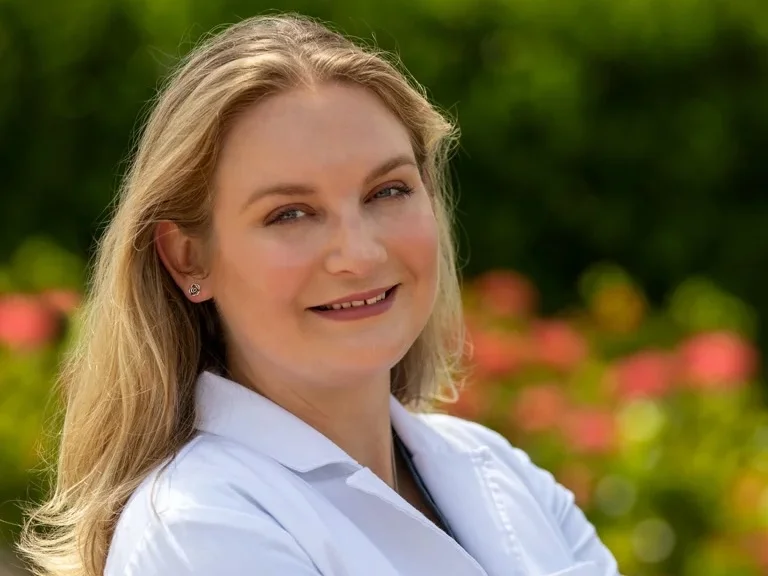
Local Nurse Practitioner Puts Patients Before Charts
By Anastasiia Shchedryk October 26, 2025NORTH PORT, Fla. When a longtime patient came in looking unusually quiet, Jessica Wyckoff noticed before the woman even took a seat.She was just very down, Wyckoff said. Nothing could go right that day.Moments later, the woman broke down and shared that her granddaughter had been diagnosed with cancer.I just held her hand because there are no words when you have that sort of diagnosis, Wyckoff said. A lot of times they dont want to hear, Im sorry, or thats terrible. They just want to be heard and be understood that theyre in a bad place.That moment stuck with Wyckoff, she said. It reminds her why she approaches medicine the way she does by listening first.At Sunshine State Dermatology and Skin Cancer Center in North Port and Venice, Wyckoff sees patients of all ages, from infants to those 65 and older. Her days move between surgeries, skin cancer screenings, and cosmetic procedures such as fillers, Botox, and lasers.What she doesnt do, she says, is treat people like paperwork.I like knowing things about patients what they did for Thanksgiving, where they travel, their dogs name, she said. I like to do things that make patients feel more than just a chart number and a diagnosis.Wyckoffs attentiveness has received recognition. She was awarded a Patients Choice Award on Zocdoc. One reviewer described her as thorough, professional, with a touch of good humor.Her connection to dermatology began long before she had a title. At 16, she worked part-time scanning patient files for Dr. Adam Greenberg, the same physician she now works alongside.I remember thinking that medicine was one of the coolest jobs to be in, she said, and seeing all these really hardworking people around me, I wanted to be just like them when I grew up.Even then, the pace and teamwork of private practice drew her in. During nursing school, she considered emergency medicine until a difficult hospital rotation shifted her focus.I had a terrible experience with a mentor who probably shouldnt have been one, she said. It made me realize that I love private practice because theres not as much bureaucracy, and I wanted to stay in dermatology.She carried that lesson forward, and the same approach shapes how she educates her patients.In an age of online medical misinformation, she often finds herself correcting viral claims.I proceed with the evidence, because Im just like them, she said. I believe everything until Ive been told otherwise or presented with different facts.I hear things like, sunscreen causes skin cancer, she said. She explains that early sunscreens blocked only UVB rays, which prevent burns, leaving users exposed to UVA rays linked to melanoma.Since then, weve learned, she said. Now sunscreens are broad-spectrum, meaning they protect against both UVA and UVB.Wyckoff advises against using Google or Reddit for research, instead recommending reputable sources such as the Journal of the American Academy of Dermatology.I always try to explain the best I can. Now, I dont always achieve that, but I try my best and adjust to whatever the patient seems to have a better learning style with, she said.Her focus on teaching extends beyond patients. I take students a lot, she said. I love being able to be that mentor that I never really had in nursing school, to show what a good experience should be like.Looking ahead, she hopes to deepen that role by getting more involved in dermatology education. Wyckoff said shes been watching new postgraduate programs emerge across the state, including one at Florida Atlantic University, and sees opportunity for herself in that space.I would love to be a teacher of some sort, whether thats online, virtual or taking students as well, she said.At home, Wyckoffs world looks different, but it still carries the same balance of structure and care. Her two sons, ages 6 and 2, keep her grounded.My oldest loves Pokmon, she said. My youngest really likes trucks and firefighters. He likes to dress up as a firefighter and save his animals. We spend a lot of time playing.The drive home is often her decompression time.I love my Taylor Swift, she said with a laugh. Theres a lot of charting that goes on at home, but I know that at the end of the day, Ive dealt with a bunch of complications and things will work themselves out.Across her career, Wyckoff has found purpose in the balance between teaching and treating, whether in the exam room or mentoring the next generation.Education and giving back what my knowledge base is, is the legacy that I can leave behind, she said. I dont think Ill ever stop seeing patients, but I want to give back to the dermatology community and empower people like myself to be nurse practitioners and to work in a specialty.
Mar 05, 2026

Dont Let The Sun Burn You
As summer heats up, Floridians must be mindful of their sun exposure. Harsh ultraviolet rays pose a significant skin cancer threat, and the state has one of the highest rates of melanoma the deadliest form of the disease. Prevention is paramount. At the very least, people are advised to stay out of the sun at peak hours, don wide-brimmed hats and sunglasses while outdoors and apply broad-spectrum SPF 30 (or higher) sunscreen to all exposed areas. Those with outside jobs may even consider wearing long-sleeved shirts and sun-protective neck scarves.Skin cancer preventionAccording to Dr. Adam Greenberg of Sunshine State Dermatology and Skin Cancer Center, a family-oriented practice with offices in North Port and Venice, people in their 50s and 60s should regularly visit a dermatologist for thorough cancer screenings.How often people need to come in depends on the individual, he explains. A 20-year-old will not need to come every year for a skin check, but if they have numerous moles on their body, it may be a different story. I have many patients who have had one or more skin cancers already, and usually, I see them every six months or maybe every year. Its situational. Similarly, the treatment of cancer or precancerous lesions must be approached on a case-by-case basis, says Greenberg.Depending on the type of cancer, how deep it goes, how large it is and where it is, there is a range of options, including the application of a cream; an injection of a medicine; treating the cells with liquid nitrogen; curettage and desiccation, where the lesion is scraped out and cauterized; and surgery.Benefits of Mohs surgeryA simple surgery may be advisable, but sometimes Mohs surgery is the better choice.Mohs is a very precise way of cutting away thin layers of skin in areas where you want to spare skin, such as in the face, ears, back of hands or neck, or in more aggressive skin cancers, says Greenberg, who is double-board-certified in dermatology and Mohs. If Im doing a cancer at the tip of somebodys nose, for example, you have to be real careful and try to take as small of a piece as you can, then process it in the office and look at it under a microscope to see if theres any cancer left. And then you keep repeating the cycle, removing small pieces and analyzing the tissue until there is no more cancer.Managing chronic skin conditionsOther common skin conditions treated at Sunshine State Dermatology include acne, psoriasis, eczema and fungal infections. The treatment is dependent on numerous variables, including the patients wishes.Among the questions that Greenberg will address are: How bad is the acne or psoriasis? How much does it bother the patient? Is there risk of scarring? Has the psoriasis spread all over the body? Is the condition affecting the patients well-being because theyre peeling, itchy or dealing with infected areas?Depending on the specific circumstances, relief may come in the form of topical creams, ingestible medications, light therapies or injectable biologics derived from living cells.The art and science of cosmetic dermatologyAccording to Greenberg, cosmetic dermatology is as much an art as it is a science.You have to listen to what the patient wants, understand their goals and work as a team to achieve the best results, he says.Sunshine State Dermatology offers the following advanced, medical-grade treatments to enhance skin aesthetics and boost confidence for both men and women: Botox injections relax facial muscles, reducing the appearance of fine lines and wrinkles. Dermal fillers plump up the face for a more youthful appearance. Chemical peels remove the damaged outer layers of skin to reveal healthier, more radiant tissue underneath. Microneedling stimulates the skins natural repair processes to target acne scars, enlarged pores and even stretch marks. The procedure can be followed by the application of growth factor serum or biological factors like platelet-rich plasma to enhance skin healing and rejuvenation. Laser light treatments diminish age spots, acne, crows feet, sun-damaged skin, scars or rosacea, and also can stimulate collagen production for a natural tightening and lift. Dermaplaning gently exfoliates dead skin cells and fine facial hairs to smoothen and brighten the complexion. HydraFacials remove impurities and hydrate the skin with the use of a specialized device, freshening the face with a gratifying glow. Teen facials are tailored to address the unique needs of teenage skin, including acne, clogged pores and oily skin. Eyebrow waxing and tinting offer a pleasing shape and color to the eyebrows, helping the eyes appear brighter and giving the face a more lifted look.The Sunshine State Dermatology teamAfter earning his medical degree in 1992 from the Hahnemann University School of Medicine, Greenberg served a two-year fellowship in wound healing and completed his residency in dermatology at the University of Miami.He is joined by two nurse practitioners, Jessica Wyckoff, who holds a doctorate in nursing from Florida State University, and Lindsey Watford, who received bachelors and masters degrees in nursing from Troy University in Alabama. Rounding out the team are two aestheticians, Ilona Peck, a 20-year veteran in helping individuals achieve their skincare goals, and Michelle Horner, a licensed aesthetician with more than 16 years of experience in dermatology.Sunshine State Dermatology is located at 12497 S. Tamiami Trail #1, North Port, and 1415 East Venice Ave., Venice. For more information, call 941-282-3376 or visit www.SunshineStateDerm.com.
Jun 18, 2026

8 Essential Tips for Recovering at Home After Mohs Surgery: Practical
Mohs surgery precisely removes skin cancer while sparing healthy tissue. Thoughtful at-home aftercare lowers infection risk, eases pain and swelling, and supports the best possible cosmetic result. Proper care helps wounds close, reduces scarring, and gets you back to everyday life sooner. This guide gives eight practical, evidence-informed tips you can use at home: step-by-step dressing changes, infection warning signs, safe pain relief, swelling control, proven scar care, nutrition and lifestyle advice, complication recognition, and follow-up timing. We combine clear how-to instructions, quick checklists, and comparison charts so you can follow Mohs wound-care directions confidently. Where helpful, we note how Sunshine State Dermatology and Skin Cancer Center can personalize your plan and arrange follow-up.How should you care for your wound after Mohs surgery?Caring for your Mohs wound means protecting the site, preventing infection, and creating the right environment for organized tissue repair and a good cosmetic result. Early goals are to keep the area clean, maintain an appropriate moisture balance with the dressing your clinician recommends, and avoid pulling or rubbing the repair while new skin grows (re-epithelializes). Typical supplies include sterile gauze, non-adherent dressings, surgical tape, and any prescribed ointment. The best dressing choice depends on the wounds location, drainage level, and tension on the edges. Using proper technique and a regular dressing schedule reduces contamination risk and helps you spot early signs that require clinician review (see the complications section below).Follow this commonly recommended dressing-change routine for the first few days after Mohs:Prepare supplies: Lay out sterile gauze, saline or your prescribed cleanser, any ordered ointment, a non-adherent dressing, and surgical tape.Wash hands thoroughly: Use soap and water for at least 20 seconds before handling the wound or supplies.Remove the old dressing carefully: Loosen tape slowly and lift the dressing without tugging on the skin edges.Clean the wound gently: Irrigate with saline or the solution your provider suggested, then pat the surrounding skin dry with sterile gauze.Apply prescribed ointment and dress: Spread a thin layer of ointment if directed, cover with a non-adherent dressing, and secure it without pulling the skin.These steps are the practical foundation of Mohs wound carefollow them consistently. The next subsection covers showering, minor bleeding, and special-location tips.What are the step-by-step instructions for changing your Mohs surgery dressing?A reliable dressing-change routine lowers contamination risk and supports healing by protecting the incision and keeping moisture balanced. Start by arranging supplies on a clean surface and washing your hands to minimize germs. Remove the old dressing slowly to avoid disturbing fragile tissue, then inspect the incision for normal drainage versus signs of infectionnote color, odor, and amount. Gently cleanse with saline or the solution your clinician recommends, pat dry, and apply a thin layer of antibiotic ointment only if prescribed. Cover with a non-adherent dressing and secure it without excessive tension. Continue scheduled dressing changes unless your provider advises otherwise. The following section explains simple infection-prevention measures that work alongside this routine.Practical infection prevention makes it much less likely that normal postoperative drainage will become a true infection. Keep the wound dry from immersion, avoid pools and hot tubs, and keep dressings clean until your clinician says the site can be left uncovered. Wash your hands before any dressing contact and minimize touching the woundthose two steps are the most effective things you can do at home. Below are specific behaviors to follow during early healing.Avoid soaking the wound: No baths, pools, or hot tubs until your clinician clears you.Limit direct contact: Only touch the wound when youre changing dressings and always with clean hands.Keep pets and dirt away: Prevent animal contact and activities that expose the wound to soil or debris.These simple precautions reduce contamination during the vulnerable early healing phase. The next paragraph explains common infection signs and when to seek evaluation.How can you prevent infection during post-Mohs wound healing?Preventing infection after Mohs centers on limiting exposure, following proper dressing-change technique, and recognizing early warning signs so you can get prompt care. Signs that suggest infection include redness spreading beyond the incision, new or worsening pain, warmth at the site, purulent (yellow or green) drainage, and systemic symptoms like fever or chills. Watching how symptoms change over 2448 hours helps separate normal healing from a complication. Keep dressings clean and dry, avoid unprescribed topical products, and take antibiotics if your provider prescribes them. Daily wound checks help you detect change earlyif youre concerned, photograph the site and contact your clinician; many issues can be triaged by telehealth. See the complications section for thresholds that require in-person care.Below is a brief comparison of common dressing types to help you choose protection based on wound needs and expected drainage.Dressing TypeChange FrequencyProtection LevelPetroleum gauze (with outer dressing)Daily to every other day while drainage continuesKeeps tissue moist and prevents dressings from stickingNon-adherent silicone dressingEvery 23 days or per provider guidanceGentle on fragile skin; low-trauma removalHydrocolloid or absorptive foamEvery 35 days for low to moderate drainageHigher absorbency; reduces how often you change dressingsSterile gauze + tapeDaily changes with cleaningSimple and available; suitable for low-drainage sitesChoosing a dressing balances protection, comfort, and how often you want to change it. Talk with your clinician to match supplies to wound location and your daily routine.Next, well cover safe pain control and swelling-management techniques to keep you comfortable while the site heals.How can you manage pain and reduce swelling after Mohs surgery?Controlling pain and swelling helps you sleep, eat, and avoid behavior that could stress the wound. Pain after Mohs usually peaks in the first 4872 hours and then improves. Using safe pain relievers, applying local measures such as elevation and cold packs, and avoiding activities that raise venous pressure will control most symptoms. Combining medication with non-drug measures gives the most consistent relief and lets you watch for unusual pain patterns that could signal infection or a hematoma. The next section lists common analgesics with safety notes, followed by practical swelling-reduction tips.Over-the-counter options are often enough, but medical history and blood-thinning medications may affect which drugs are safest. Follow your providers instructions about which agents to use. Use the table below to compare common options and safety points; contact your clinician if over-the-counter measures dont control your pain.Pain OptionSafety NotesTypical UseAcetaminophenSafe for many patients when you stay within the daily limitFirst-line for mild to moderate painNSAIDs (ibuprofen, naproxen)Can increase bleeding risk for some peopleconfirm with your clinicianGood for inflammation-related pain and swellingShort-term prescription opioidsReserved for severe pain; use for the shortest effective time under supervisionUsed when OTC options are insufficientTopical analgesicsLocal relief with low systemic absorption; follow product guidanceUseful as an adjunct for surface discomfortThis table helps you pick a safe, effective approach. The following subsection describes non-drug strategies that work well alongside medication.What are safe pain relief options after Mohs surgery?Begin with over-the-counter medicines and conservative measures; reserve prescription analgesics for severe pain after clinician review. Acetaminophen is commonly recommended for mild to moderate pain because it usually doesnt affect bleeding. NSAIDs are effective for inflammatory pain but may be avoided if you have bleeding riskscheck with your surgeon if you take blood thinners. Short courses of opioids are occasionally prescribed for severe pain but are used sparingly because of side effects. Pair medications with rest, elevation, and cold packs to reduce the amount of drug you need while you recover.Reducing swelling supports comfort and lowers tension on wound edges, which helps cosmetic healing. Elevation, intermittent cold therapy, and avoiding activities that increase venous pressure are safe, effective measures at home. Use the numbered list below to get started.Elevate the affected area: Prop extra pillows for facial wounds while sleeping; rest limbs above heart level when possible.Apply intermittent cold: Use a cold pack wrapped in a cloth for 1520 minutes on, then 2030 minutes off during the first 48 hours.Avoid straining activities: Minimize bending, heavy lifting, and vigorous exercise for the initial postoperative days.These measures work with pain medicines to keep you comfortable. The next section offers location-specific tips for minimizing swelling.Which techniques help minimize swelling and discomfort post-Mohs?Swelling control relies on simple mechanical steps that reduce fluid buildup and inflammation at the surgical site, easing discomfort and helping wound edges come together. Elevation lowers hydrostatic pressure and is especially helpful for facial and limb woundskeep the head or limb above heart level while resting. Intermittent cold constricts superficial vessels and reduces inflammationapply through a cloth for 1520 minutes at a time during the first 4872 hours. Avoid activities that sharply raise venous pressure, such as heavy lifting or straining, and return to exercise gradually as swelling and pain improve.With pain and swelling strategies in place, the next major focus is scar prevention and longer-term healingtiming and consistency matter here.What are the best practices for scar care and long-term healing after Mohs surgery?Optimizing long-term scar appearance after Mohs depends on timely, consistent steps: protecting the area from sun, starting silicone-based therapies when appropriate, and adding gentle scar massage during the remodeling phase. Scar maturation takes months; early interventionsmoisture balance, reduced tension, and photoprotectionshape the eventual result. Evidence supports silicone sheets and gels as first-line options for many surgical scars, and in-office treatments or minor revisions can be considered later if needed. The sections below explain when to start each approach and practical techniques to preserve color and texture as the scar heals.Below is a concise comparison of common scar-care options, how they work, and when to begin.TreatmentMechanismWhen to StartSilicone sheets/gelsHydration and mild occlusion that help reduce excess collagenBegin once the incision is fully closed and your provider approves (often 23 weeks)Scar massageMechanical remodeling that improves pliability and textureStart after epithelializationgenerally 26 weeks, per clinician directionBroad-spectrum sunscreenPrevents UV-related darkening and persistent rednessUse as soon as the area is healed enough for sun exposureTopical scar gels (onion extract, silicone blends)Combine hydration with mild anti-inflammatory effectsBegin when your provider recommends, usually after initial closureThis table sets expectations for timing and likely benefits. The next subsection gives clear steps you can follow over months to minimize visible scarring.How can you minimize scarring after Mohs surgery?Minimizing scar visibility is a staged process: protect the repair during early healing, introduce silicone therapy at the right time, and use gentle massage and sun avoidance during remodeling. Start with moisture-balancing dressings and avoid tension across closure lines. When your clinician confirms healing, add silicone sheets or gelsthese hydrate the scar and help modulate collagen. Gentle circular massage (short daily sessions with light pressure) can begin once the skin is strong enough, usually a few weeks after surgery. If a scar remains raised, red, or pigmented after several months, discuss in-office options with your providerfurther treatments are individualized and timed to the maturation process.Sun protection is essential: UV exposure can darken scars and prolong redness, so consistent photoprotection is a cornerstone of scar care, especially in sunny regions. Practical measures are listed below.Use broad-spectrum sunscreen: Apply a high-SPF, broad-spectrum product to healed scars when theyre exposed to daylight.Wear protective clothing: Hats and UPF garments protect facial and scalp scars outdoors.Seek shade during peak UV hours: Limit direct sun exposure between late morning and mid-afternoon.Following these steps reduces pigment changes and supports better remodeling over time. The next section explains why UV avoidance matters biologically for scar outcomes.Why is sun protection crucial for scar prevention and how should you protect your skin?Ultraviolet radiation stimulates pigment-producing cells and can darken scars, prolong redness, or create irregular pigmentation that draws attention to the incision. Broad-spectrum sunscreen protects against UVA and UVB and should be used consistently on healed scars; reapply every two hours when you remain outdoors. Physical barrierswide-brimmed hats, clothing with UPFadd protection, and avoiding peak sun hours lowers cumulative UV dose to healing tissue. In sunny climates, adopting these habits early prevents pigment changes that are hard to reverse later.With scar-care covered, the guide moves to lifestyle and nutrition actions that support tissue repair and overall recovery after Mohs surgery.What lifestyle adjustments support faster recovery after Mohs surgery?Diet, hydration, rest, and measured activity all influence wound healing after Mohs. Protein provides amino acids for collagen, while vitamin C and zinc help collagen cross-linking and immune function. Staying hydrated supports tissue turgor and nutrient delivery. Sleep is important because many repair processes happen during rest. Smoking and excessive alcohol impair healingminimizing those supports better outcomes. The subsections below give practical food, hydration, and activity tips to help you recover without jeopardizing the repair.Here are the key nutrients linked to wound repair and why they matter, along with practical food sources to include while you recover.Protein-rich foods: Lean meats, poultry, fish, legumes, dairy, or plant-based proteins supply the building blocks for tissue repair.Vitamin C sources: Citrus, berries, bell peppers, and leafy greens support collagen formation.Zinc and trace minerals: Nuts, seeds, whole grains, and lean meats provide elements important for cell growth and immune function.These choices create a favorable internal environment for healing. The next subsection explains activity restrictions and phased timing so you can balance mobility with wound protection.Which foods and hydration habits promote optimal post-Mohs healing?A balanced diet rich in protein and micronutrients supports the biochemistry of wound closure and remodeling. Protein supplies amino acids for new tissue, vitamin C is a cofactor for collagen synthesis, and zinc supports cell proliferation and immune defenses. Whole foods deliver these nutrients in bioavailable forms. Aim for steady hydrationuse urine color as a simple guideand avoid heavy alcohol use during early recovery because it can impair immune function. If you have dietary restrictions or take supplements, talk with your clinician to ensure your plan meets your needs without unnecessary or unproven products.Activity restrictions help protect the repair while you remain safely mobile. The list below outlines a common, conservative phased approach.First 4872 hours: Avoid heavy lifting, strenuous exercise, and activities that sharply raise blood pressure or strain the surgical site.Short-term phase (first 12 weeks): Gradually reintroduce light activities while avoiding high-impact or contact sports.Return-to-work considerations: Modify duties that require heavy lifting, exposure to contaminants, or repetitive motions that stress the wound.These phased restrictions help prevent complications and let you return to normal activities predictably. The next section explains how to recognize complications and when to contact your surgical team.What activity restrictions should you follow during Mohs recovery?Restrictions after Mohs are designed to minimize mechanical stress on the incision, prevent rises in venous pressure, and avoid early wound separation or bleeding. Avoid heavy lifting and straining for at least 4872 hours, then increase activity gradually based on swelling, pain, and wound locationfacial wounds are particularly sensitive to sudden tension. Postpone contact sports, vigorous aerobic exercise, and high-risk activities until the wound is well healed and your clinician clears you. If you are taking sedating pain medication, arrange alternate transportation instead of driving until it is safe.With lifestyle and activity guidance in place, the next major section covers how to recognize complications and the thresholds that should prompt contact with your surgical team.How can you recognize and respond to potential complications after Mohs surgery?Early recognition of complicationssuch as infection, uncontrolled bleeding, or wound separationallows prompt treatment that preserves results and reduces the need for more intensive care. Watch for rapidly increasing redness, new severe pain, purulent drainage, fever, or bleeding that wont stop with pressure. Immediate self-care includes applying direct pressure to bleeding sites and keeping the wound clean while you seek assessment; many concerns can be triaged by telehealth. The following subsections list urgent signs and explain when to contact Sunshine State Dermatology and Skin Cancer Center, including what to expect from the clinics response.This short urgent checklist highlights red flags and immediate actions to stabilize the situation before you reach your care team: apply firm pressure to bleeding wounds for 1015 minutes while elevating the site, rinse gross contamination with saline if available, and monitor for systemic symptoms that suggest spreading infection. For suspected infection, track symptom progression over 24 hours and be ready to share photos with your clinician for faster triage. The next subsection details scenarios that warrant prompt contact with your surgical team.What are the warning signs of infection or excessive bleeding?Seek prompt attention if you have increasing pain beyond whats expected, redness that spreads away from the incision, thick or foul-smelling drainage, fever or chills, or bleeding that soaks through dressings or does not stop after 1015 minutes of direct pressure with elevation. If bleeding persists despite firm pressure or you feel faint or lightheaded, treat this as an urgent issue and seek immediate care. For suspected infection, note how quickly symptoms worsendeterioration over 2448 hours is concerningand take photos to help your clinician assess. Early action preserves wound integrity and often allows straightforward treatments.The management of pain and swelling is a key part of post-op care; understanding potential complications helps ensure a smooth recovery.Managing Post-Mohs Surgery Pain and SwellingReported patient symptoms include increasing pain and swelling at the surgical site. Complications in Mohs Surgery, 2014If you have a non-emergent but worrisome postoperative issue, contacting your surgical practice helps determine whether a telehealth check or an in-person visit is needed. Sunshine State Dermatology and Skin Cancer Center provides postoperative evaluation and guidance. When you see red-flag symptomsuncontrolled bleeding, high fever, spreading redness, or severe paincall to arrange an urgent telehealth or clinic visit so clinicians can triage and plan treatment. We serve patients in Sarasota and Charlotte Counties and offer follow-up options to address wound concerns promptly. Below we explain what to expect when you contact the clinic.When should you contact Sunshine State Dermatology for post-operative concerns?Contact Sunshine State Dermatology and Skin Cancer Center if you notice uncontrolled bleeding that wont respond to pressure and elevation, signs of spreading infection (increasing redness, pus, or fever), severe pain that doesnt improve with recommended measures, or any sudden change in the wound that worries you. When you call, staff will advise whether a telehealth wound check or an in-person visit is the right next step, and clinicians will help arrange timely assessment and a treatment plan. This continuity ensures postoperative concerns are reviewed by the team familiar with your procedure. If youre unsure whether a symptom is urgent, call early so your care team can triage and provide reassurance or instructions.Clear, timely wound-care instructions help patients follow recovery plans and reduce avoidable complications.Effective Wound Care Instruction for Mohs Surgery PatientsObjective: To assess whether wound-care instruction given before Mohs versus after improves patient retention. Video Education Provides Effective Wound Care Instruction Pre- or Post-Mohs Micrographic Surgery, 2014With complication recognition and escalation covered, the guide now explains recommended follow-up care and long-term surveillance after Mohs, including when to schedule visits and why ongoing monitoring matters.What is the recommended follow-up care and long-term skin surveillance after Mohs surgery?Follow-up after Mohs usually begins with an early postoperative visit to check healing and remove or inspect sutures, followed by intermediate visits for scar review and longer-term skin exams to detect recurrence or new lesions. The schedule is individualized by tumor type, margins, and patient risk factors. Typical patterns include an early check within 12 weeks, a scar assessment at several weeks to months, and periodic skin exams thereafter. Long-term surveillance enables early detection of recurrence or new skin cancers and improves treatment options. Patients should also perform regular self-skin checks between clinical visits. The paragraph below gives general timing ranges and emphasizes tailoring the plan with your surgical team.How often should you schedule follow-up appointments after Mohs surgery?General guidance suggests an initial postoperative wound check within one to two weeks to assess healing and remove sutures if present, followed by a scar review at one to three months to evaluate cosmetic progress and start scar-care measures. After the acute healing phase, routine skin exams are scheduled based on your clinicians assessment of your skin cancer history and riskannual or more frequent checks may be recommended for higher-risk patients. These visits reinforce sun protection, screen for recurrence, and allow planning for any elective scar revision if needed. Work with your surgical team to create a follow-up plan that fits your pathology and healing progress.Scheduling consistent follow-up ensures wounds are healing as expected and surveillance catches any new or recurrent lesions early. Sunshine State Dermatology and Skin Cancer Center recommends individualized plans and can help schedule routine skin exams and postoperative checks to monitor healing and long-term skin health. Discuss timing and concerns with your clinician to create a plan that balances early detection with convenience.Why is long-term skin health monitoring important after Mohs surgery?Long-term monitoring matters because people with a history of skin cancer have a higher risk of additional lesions. Early detection of recurrence or new cancers often means less invasive treatment and better outcomes. Regular clinician exams complement self-checks and empower patients to report evolving spots, persistent scabs, or new growths promptly. Surveillance visits also reinforce prevention strategiessun protection, regular skin checks, and healthy habitsthat lower future risk. A structured follow-up plan, agreed on with your clinician, supports both peace of mind and quick intervention if changes appear.Pain management is a core part of post-op care, and current guidance supports specific, safe options.Mohs Surgery Aftercare: Pain Management with Acetaminophen and IbuprofenCurrent guidelines recommend acetaminophen and ibuprofen as first-line options for most patients. Practical Interventions to Optimize Patient Adherence in Dermatologic Surgery and Mohs Micrographic Surgery: A Review, D.J. Lewis, 2022Different dressing materials and topical therapies affect healing and scar outcomes. Understanding common properties helps you and your clinician choose the best approach for your wound.Dressing/ProductCharacteristicTypical RecommendationPetroleum gauzeKeeps the wound moist and prevents dressing adherenceUse during the initial drainage phase if prescribedSilicone sheetingOcclusive hydration that helps modulate scar formationBegin after epithelialization when your clinician approvesNon-adherent silicone dressingLow-trauma removal for delicate skinGood choice for early healing on the faceMaintain regular wound checks and early follow-up: Early visits catch problems and guide scar management plans.Adopt evidence-based scar interventions: Timely use of silicone and sunscreen improves long-term outcomes.Engage in long-term surveillance: Periodic skin exams help detect new or recurrent lesions early.Frequently Asked QuestionsWhat should I expect during the initial recovery period after Mohs surgery?Expect some swelling, bruising, and mild discomfort around the surgical site for the first 12 weeks. Pain usually peaks in the first 4872 hours and can often be managed with acetaminophen or ibuprofen as recommended by your clinician. Follow your wound-care instructions, keep the area clean, and avoid strenuous activity. Your provider will schedule follow-up visits to monitor healing and remove sutures if needed.How can I manage anxiety or stress during my recovery from Mohs surgery?Its normal to feel anxious after surgery. Try simple relaxation techniquesdeep breathing, guided meditation, or gentle stretchingand engage in calming activities like reading or listening to music. Staying in touch with your care team about any concerns can also ease worry and help you feel supported during recovery.Are there any specific dietary recommendations to support healing after Mohs surgery?Yes. Aim for a balanced diet with adequate protein and nutrient-dense foods to support repair. Include lean proteins, vitamin Crich fruits and vegetables, and zinc-containing foods such as nuts and whole grains. Stay well hydrated, and discuss supplements with your clinician if you have dietary restrictions or questions.What signs indicate that I should seek medical attention after Mohs surgery?Contact your clinician if you notice increasing redness, spreading warmth, persistent or worsening pain, fever, foul-smelling drainage, or bleeding that wont stop with direct pressure. Early evaluation prevents complications and usually allows simpler treatments.How can I protect my skin from sun exposure during the healing process?Protect healing skin with a broad-spectrum sunscreen (high SPF) once the area is ready for sun exposure, reapplying every two hours outdoors. Wear protective clothing and wide-brimmed hats, and avoid direct sun during peak hours to reduce pigment changes and help the scar mature more favorably.What follow-up care should I expect after my Mohs surgery?Your care plan usually includes an early postoperative visit within 12 weeks to check healing and remove sutures if necessary, a scar review at several weeks to months, and routine skin exams thereafter based on your risk. Your provider will tailor the schedule to your pathology and healing progress to ensure optimal recovery and long-term skin health.
Mar 04, 2026
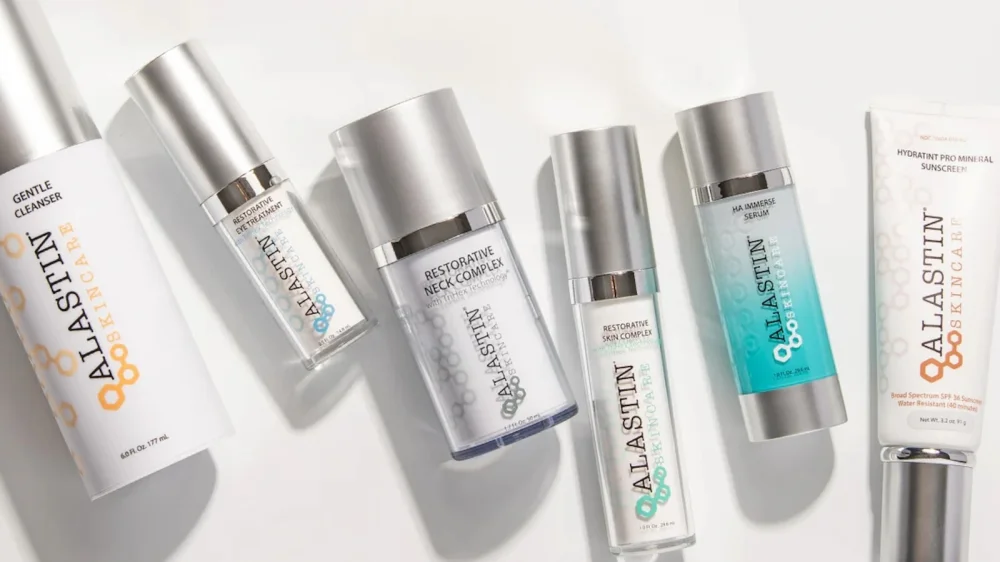
The Running Dermatologist
Article by Emily LeinfussOriginally published in Venice City Lifestyle For Board-Certified Dermatologist Adam S. Greenberg, M.D., FAAD, healthy skin isn't just about appearance, or the latest skincare product. Instead, it's about self-care thats focused on overall well-being.This philosophy shapes the way Dr. Greenberg treats and advises his patients at Sunshine State Dermatology and Skin Cancer Center. It also reflects his own experiences and lifestyle choices."I've always been active, whether it was playing sports in my youth or hitting the gym during my medical residency," he shared. However, as life got busier for him, prioritizing exercise became increasingly challenging. Then he was injured. "I herniated a disc in my late 30s, which made me reassess my fitness routine," Dr. Greenberg recalled. "I gradually eased back into exercise, starting with Pilates to strengthen my core, then progressing to weightlifting and cardio workouts." Dr. Greenberg's getting-back-in-shape journey eventually led him to discover a true passion for running. "About five or six years ago, I started running outside and gradually built up my endurance," he explained. "Running has become a vital part of my daily routine, providing me with endorphins and energy to kickstart my day."He is, however, acutely aware of the risks associated with outdoor exercise, particularly sun exposure. "Running outside in the summer can be challenging, especially when it comes to sun protection," he warned. For that reason, and because of his busy schedule, he usually begins before sunrise. But that doesnt mean the doctor neglects essential elements of sun protection, such as the following: Apply a broad-spectrum sunscreen with SPF 30 or higher whenever you go out, and reapply regularly. Sunshine State Dermatology recommends sunscreen, and other healthy skin products from Elta MD and Alastin. Wear protective clothing and a hat. The company Coolibar makes clothing and accessories with sun-blocking UPF. Discover a range of products for men and women at coolibar.com. Dr. Greenberg is partial to long sleeve hoodies and longer pants in the cooler weather. Also wear a hat with UPF: Coolibar has a large selection of styles. Stay hydrated. Dr. Greenberg stressed the significance of hydration for overall health and for skin health. He explained that proper hydration helps maintain the skin's elasticity and suppleness. "I use a water belt and try to hydrate before the run, he said. For longer runs and marathons he also takes an energy gel with him, for hydration and a nutritional energy boost.In addition to exercise, Dr. Greenberg emphasizes the importance of nutrition in maintaining healthy skin. "I try to focus on protein-rich foods and limit my intake of carbohydrates, although I do have a sweet tooth," he admitted. "My wife makes me a nutritious smoothie every morning, which helps fuel my runs and keeps me energized throughout the day."For Dr. Greenberg, running isn't just about physical healthit's also a way to connect with nature and experience moments of serenity. "I've had some incredible encounters while running, like spotting a bobcat crossing the trail or witnessing the sunrise on Legacy Trail," he shared. "Running allows me to appreciate the beauty of the outdoors while staying active and healthy." As both a dermatologist and an avid runner Dr. Greenberg believes that taking care of your body from the inside out can have profound effects on your skin. He is passionate about educating others on the benefits of exercise for skin healthmoderate exercise has been shown to alleviate oxidative stress, delay skin aging, and improve overall skin health. Dr. Greenberg's journey serves as an inspiring example of how prioritizing fitness, sun protection, and nutrition can lead to not only healthier skin but also a more fulfilling and active lifestyle. Through his advocacy and personal experiences, he continues to empower his patients to take proactive steps towards achieving optimal skin health and overall well-being.
Mar 05, 2026


Winter Dry Skin Made Simple: Expert Tips to Keep Your Skin Hydrated an
Winter-transition dry skinmedically called xerosishappens when the skins barrier loses lipids and water, increasing transepidermal water loss and causing tightness, flaking, and itch. In this guide we explain why even Florida winters can trigger xerosis, how targeted routines rebuild the barrier, practical habit changes that limit moisture loss, and when to see a dermatologist for persistent or severe symptoms. Grounded in dermatology principles and tailored to Sarasota and Charlotte County climates, our recommendations emphasize ceramide- and humectant-based repair, sensible shower habits, humidifier use, and ways to manage eczema and rosacea during drier months. Each section gives clear explanations, step-by-step routines, ingredient comparisons, lifestyle checklists, and clinic-aligned treatment options so you can apply evidence-based care at home or know when to consult a specialist. The guidance reflects the clinical perspective of Sunshine State Dermatology and Skin Cancer Center to help you keep skin comfortable through seasonal change.What Causes Dry Skin During Winter Transitions in Florida?Dry skin in seasonal transitions is driven by increased transepidermal water loss (TEWL) and disruption of the skins lipid barrier, which together reduce the skins ability to hold moisture and resist irritants. Environmental changeslower indoor humidity, cooler nights, and windalter lipid packing and speed TEWL, producing tight, flaky skin that benefits most from barrier-focused care. Everyday habits like long hot showers and harsh cleansers strip natural oils and weaken the outer layer, worsening xerosis and sensitivity. Knowing these mechanisms points to repairing barrier lipids and minimizing moisture loss as the most effective prevention and treatment steps for winter-transition dry skin.Key environmental contributors to dry skin:Low indoor humidity from heating or air conditioning, which increases TEWL and dries the stratum corneum.Wind and cooler night temperatures that disrupt epidermal lipids and speed moisture evaporation.Harsh soaps or prolonged hot showers that strip protective oils and damage the skin barrier.These causes explain why restoring lipids and trapping moisture are the logical next steps for everyday care.How Do Environmental Factors Like Humidity and Temperature Affect Skin?Humidity and temperature control the balance between water retention and evaporation at the skin surface by influencing transepidermal water loss and lipid fluidity in the stratum corneum. When relative humidity drops, the vapor pressure gradient across the skin increases, accelerating TEWL and leaving skin drier and more prone to cracks. Cooler air can also stiffen lipid layers and reduce corneocyte flexibility. Indoor heating or air conditioning often lowers room humidity below ideal levels, compounding outdoor effects and disrupting the lipidslike ceramidesthat seal the barrier. Thats why humidifiers, occlusive moisturizers, and modest shower temperatures are effective countermeasures to restore hydration balance.Why Does Floridas Winter Climate Still Impact Skin Hydration?Floridas winters may be mild by temperature, but seasonal shifts still change behavior and indoor conditions in ways that lower skin hydration. Coastal wind and salt spray, along with greater use of nighttime heating or continuous air conditioning, can reduce local humidity and expose skin to drying agents. Changes in travel, clothing, or bathing routines also affect skin care. For residents of Sarasota and Charlotte Counties, xerosis often stems from humidity shifts and behavior rather than extreme coldso practical measures like humidifiers, barrier-focused moisturizers, and gentle cleansing remain important. Knowing local triggers helps you prioritize simple interventions that protect the skin barrier during seasonal change.What Is the Best Winter Skincare Routine to Manage Dry Skin?An effective winter routine for dry skin centers on gentle cleansing, layered hydration (humectant + emollient + occlusive), and consistent sun protection to preserve barrier function and limit inflammation. Start with a soap-free, low-foaming cleanser to avoid stripping oils, follow with a humectant serum (for example, hyaluronic acid or glycerin) to draw in water, then use a ceramide-rich cream and add an occlusive at night when extra sealing is needed. Weekly supportive treatmentshydrating masks or professional procedurescan boost moisture, and short-term anti-inflammatory treatments can help with flares under dermatology supervision. This approach focuses on rebuilding lipids and reducing TEWL, translating skin physiology into practical daily steps.Recommended morning and evening steps for hydrated winter skin:Morning: Gentle cleanser, hydrating serum (humectant), ceramide-rich moisturizer, and broad-spectrum sunscreen.Evening: Gentle cleanse or oil cleanse, targeted serum as needed, richer emollient or ointment, and an occlusive for severe dryness.Weekly: Hydrating mask or professional hydrating treatment for deeper moisture infusion.This stepwise plan naturally leads to ingredient choicesbelow we compare common actives so you can pick products with purpose.Ingredient comparisonwhat each one does and when to use it: the table below outlines commonly recommended actives for winter dry skin, their mechanisms, and best-use scenarios so you can choose products strategically.IngredientMechanismBest UseCeramidesReplenish stratum corneum lipids and restore barrier integrityDaily moisturizer for most levels of dryness; foundational for barrier repairHyaluronic acidHumectant that attracts and holds water in the epidermisApply under creams to boost hydration; effective in serums for mildmoderate drynessGlycerinHumectant that increases stratum corneum water contentGood in lightweight serums and lotions; pairs well with occlusivesDimethiconeOcclusive that reduces TEWL by forming a semipermeable filmUse at night or as spot treatment for severe xerosis and post-procedure protectionThis comparison supports a layered approachhumectant first, then emollient with ceramides, and occlusive lastto maximize hydration and barrier recovery during winter transitions.How Should You Cleanse and Moisturize for Dry Winter Skin?Start with lukewarm water and a gentle, soap-free cleanser that removes dirt without stripping natural lipids or upsetting pH; avoid rough scrubs or aggressive exfoliants that can worsen barrier damage. After patting skin slightly damp, apply a hydrating serum with hyaluronic acid or glycerin to attract water, then immediately layer a ceramide-rich cream to rebuild lipids. Finish with an occlusivelike dimethicone or a petrolatum-based ointmenton very dry or cracked areas to lock in moisture. Apply products with light upward motions and prefer slightly damp skin to enhance absorption. These techniques reduce TEWL and gradually restore barrier resilience through seasonal dryness.Which Skincare Ingredients Are Most Effective for Winter Hydration?Effective winter ingredients fit into three functional groupshumectants (attract water), emollients (smooth and fill gaps between cells), and occlusives (prevent water loss). Humectants such as hyaluronic acid and glycerin boost epidermal water content; ceramides and fatty acids replenish structural lipids; and occlusives like dimethicone form a protective film to cut TEWL. Pairing a humectant serum with a ceramide-based cream and an occlusive at night is a mechanism-based routine that maximizes hydration and encourages barrier repair. Current dermatology guidance emphasizes layering in the order humectant lipid occlusive to get the best results with minimal irritation.How Can Lifestyle Changes Prevent and Improve Dry Skin in Cold Weather?Lifestyle adjustments target the environmental and behavioral causes of winter xerosis by improving humidity exposure, refining bathing habits, and supporting systemic hydrationeach helping the skin barrier recover. Simple stepsrun a humidifier at home, shorten showers, lower water temperature, choose soft fabrics, and limit diuretic beveragesreduce TEWL and promote lipid repair. Eating foods rich in omega-3 fatty acids and staying consistently hydrated also supports barrier health from the inside, while avoiding irritating detergents and fragranced products decreases contact dermatitis risk. These practical measures boost topical therapies and form a strong foundation for long-term barrier restoration during seasonal transitions.Practical lifestyle measures to implement now:Use a humidifier to keep indoor relative humidity around 4050%, especially in bedrooms.Limit showers to 510 minutes with lukewarm water and choose gentle, fragrance-free cleansers.Wear soft, breathable fabrics and avoid wool directly on irritated skin.Adopting these habits reduces environmental stress on the barrier and supports the topical routines already discussed.What Role Do Humidifiers and Shower Habits Play in Skin Health?Humidifiers raise indoor moisture and reduce the vapor pressure gradient that drives TEWL, helping preserve stratum corneum hydration. Aim for about 4050% relative humidity to balance skin benefit while limiting mold risk; place the unit in a central room and clean it regularly to prevent microbial growth. Shower habits are equally important: short, lukewarm showers reduce lipid loss and protein damage, and applying moisturizer immediately to slightly damp skin traps surface water and improves absorption. Together, humidifier use and mindful bathing decrease the need for stronger medications by protecting the skin environment.How Does Internal Hydration Support Skin During Winter?Systemic hydration and diet support epidermal function by maintaining cellular water balance and supplying fatty acids needed for lipid synthesis in the stratum corneum. Drinking enough water, moderating caffeine and alcohol, and eating omega-3rich foods (like oily fish and flaxseed) provide building blocks for barrier lipids and lower inflammation. Oral hydration alone wont replace topical barrier repair, but it complements external measuresespecially for people prone to xerosis or with inflammatory skin conditions. Combining dietary and hydration strategies with topical care improves outcomes for winter dry-skin management.How Do You Manage Eczema and Rosacea Flare-Ups During Winter?Winter conditions often worsen eczema and rosacea by destabilizing the skin barrier and activating inflammation. Management focuses on minimizing triggers, restoring the barrier, and using targeted anti-inflammatory treatments when needed. For eczema, regular emollient use, avoiding irritants, and short lukewarm showers lower flare frequency; topical corticosteroids or calcineurin inhibitors treat active flares under dermatology guidance. For rosacea, protecting skin from temperature extremes, simplifying the routine with gentle cleansers and barrier-supporting moisturizers, and using prescribed agents such as azelaic acid or ivermectin help control inflammation. If flares are severe or dont respond to first-line measures, a dermatologist can advise escalation to prescription treatments or in-office procedures.Common winter triggers and immediate management steps:Dry air and barrier damage increase eczema flaresprioritize lipid restoration and avoid irritants.Temperature swings and topical irritants provoke rosaceasimplify routines and follow anti-inflammatory treatment plans.Signs that look like infection (pus, spreading redness) warrant prompt dermatology evaluation.Spotting triggers early and treating quickly reduces flare severity and prevents long-term effects from chronic inflammation.What Are the Signs of Winter-Triggered Eczema and Rosacea?Eczema usually appears as intensely itchy, scaly patches that can crack or bleed with severe barrier breakdown. Rosacea often presents as persistent central facial redness, flushing, and sometimes papules or pustules that are sensitive to temperature changes. Red flags requiring evaluation include rapidly spreading redness, signs of secondary infection (increased pain, pus, fever), severe itching that disrupts sleep, or no improvement after consistent emollient use. Distinguishing the two conditions often depends on where the symptoms appear and whether itch (eczema) or flushing and visible blood vessels (rosacea) dominateearly clinical assessment lets a clinician tailor anti-inflammatory and barrier-restorative treatment to your condition.What Dermatologist-Recommended Treatments Help Control Flare-Ups?Dermatologists typically combine barrier repair, trigger avoidance, and targeted anti-inflammatory medications to manage winter flares. For eczema that means emollients plus topical corticosteroids or calcineurin inhibitors for active flares; for inflammatory rosacea, topical azelaic acid or ivermectin may be used. In more severe or refractory cases, systemic agents, phototherapy, or procedures can be considered within an individualized treatment plan. Helpful adjuncts include switching to emollient-based cleansers, using ceramide-containing moisturizers, and offering professional hydrating treatments when appropriate. The approach is stagedstart with nonprescription measures and step up to prescriptions or procedures based on severity and response.When Should You See a Dermatologist for Persistent Dry Skin in Sarasota and Charlotte Counties?Make a dermatology appointment when dry skin causes severe symptoms, doesnt improve with optimized home care, or shows signs of infection or significant barrier breakdown. Timely evaluation clarifies the diagnosis and opens access to prescription or procedural options. Warning signs that justify professional care include bleeding cracks, widespread scaling or thickening, persistent intense itch that disrupts sleep, suspected secondary infection, or no improvement after consistent use of gentle cleansers and barrier-focused moisturizers. A dermatologist can identify underlying conditions (eczema, rosacea, ichthyosis), recommend prescription topical or systemic therapies, and advise on clinic-grade treatments. Local evaluation is particularly helpful when over-the-counter measures dont restore comfort and function.Warning signs that should prompt scheduling an appointment or seeking urgent evaluation:Bleeding or deep fissures that cause pain or limit daily activities.Persistent, severe itch that interferes with sleep or work.Signs of infection (increased warmth, spreading redness, pus).No improvement after several weeks of consistent barrier-repair measures.Early clinic assessment prevents complications and leads to individualized plans that address both symptoms and underlying causes.What Are the Warning Signs That Require Professional Care?See a clinician when home care fails or when physical signs suggest complications: recurrent bleeding, worsening fissures, oozing or crusting that might indicate infection, and large areas of thickened scaling that limit mobility or sleep. Rapid worsening or systemic symptoms (fever, expanding redness) need urgent attention and possible prescription therapy. If you have a known inflammatory skin condition, contact your dermatologist earlier if winter flares increase in frequency or severity despite following your routine. Recognizing these red flags supports timely dermatologic care to prevent lasting issues and restore skin function faster.How Can Sunshine State Dermatology Help With Dry Skin Treatments?Sunshine State Dermatology and Skin Cancer Center offers comprehensive medical and cosmetic dermatology services, skin cancer screening and treatment, and professional procedures that can address persistent winter dry skin and inflammatory flares. Our practice, led by a board-certified dermatologist and MOHS surgeon, provides personalized assessments to differentiate xerosis from eczema or rosacea, recommend prescription topicals or systemic options when needed, and connect patients with in-office hydrating procedures for refractory dryness. If persistent symptoms reduce quality of life or match the warning signs above, scheduling an appointment at Sunshine State Dermatology gives you access to evidence-based prescriptions, clinic-grade products, and treatment plans designed to restore barrier health.Our local care pathway helps you move from home management to medical-grade treatment when appropriate, ensuring tailored therapies and professional oversight for lasting improvement.What Are the Recommended Skincare Products and Professional Treatments for Winter Dry Skin?Choosing products and treatments means matching formulation mechanisms to severity: lightweight, humectant-rich serums for mild dryness; ceramide-heavy creams for moderate barrier repair; and occlusive ointments or in-office hydrating procedures for severe xerosis. Over-the-counter ceramide moisturizers and hyaluronic acid serums form the backbone of daily care, while prescription or medical-grade products may be needed for persistent cases. Professional treatmentssuch as a Hydrafacialdeliver controlled exfoliation and infusion of hydrating serums to improve moisture and texture and complement at-home routines. Comparing products and procedures by formulation and indication helps patients and clinicians select the best options for winter skin needs.Clinic-recommended product/treatment comparison: the table below contrasts common product classes and a professional hydrating procedure by formulation and expected outcome to guide selection.Product / TreatmentFormulation / ProcedureIndication / Expected OutcomeCeramide-rich creamMulti-ceramide emollient creamReplenishes lipids and reduces TEWL; daily use for moderate xerosisHyaluronic acid serumLow- and high-MW HA in serumAttracts epidermal water; use under moisturizer for added hydrationOcclusive ointmentPetrolatum or dimethicone baseSeals moisture overnight; reserved for severe cracks or fissuresHydrafacial (professional)Cleansing, gentle exfoliation, extraction, infusion of hydrating serumsDeeply hydrates, improves texture, and supports barrier recovery when combined with home careWhich Moisturizers and Serums Does Sunshine State Dermatology Recommend?We recommend a tiered product strategy: start with a ceramide-rich daily moisturizer for baseline barrier support, add a humectant serum (hyaluronic acid or glycerin) for extra epidermal hydration, and reserve occlusives or richer ointments for nighttime use or localized severe dryness. If over-the-counter options arent enough, our clinic can suggest medical-grade formulations or prescription emollients matched to your skins needs and sensitivities. These recommendations follow evidence-based stepsrestore lipids, attract water, then seal itso consistent use produces lasting improvement. During an evaluation well help you select products that fit your skin type, medical history, and severity.This clinical product strategy supports gradual escalation from gentle maintenance to prescription-strength choices when needed.How Does a Hydrafacial Provide Deep Hydration for Dry Skin?A Hydrafacial combines gentle cleansing and exfoliation with noninvasive extraction and targeted infusion of hydrating serums to remove surface buildup and deliver humectants and antioxidants into the upper epidermis. The infusion step typically contains humectants and peptides that help retain moisture, while exfoliation and extraction improve product uptake and stimulate gentle turnover without excessive barrier disruption. Many patients see an immediate improvement in hydration and radiance; maintenance frequency depends on severity and goals. Pairing Hydrafacial treatments with a barrier-focused home routine offers the most durable results. For severe xerosis or active inflammatory disease, procedural decisions should be individualized during a dermatology consultation.Sunshine State Dermatology provides professional assessment to determine whether a Hydrafacial or other clinic therapies complement your at-home care and to design a safe, effective treatment schedule that restores comfort and barrier function.Frequently Asked QuestionsWhat are the best practices for using a humidifier to combat dry skin?Use a humidifier to keep indoor humidity between 4050%this range helps reduce TEWL while limiting mold risk. Put the unit in a central room (often the bedroom), clean it regularly to prevent microbial growth, and consider a hygrometer to monitor levels. Integrating a humidifier into your routine can noticeably improve skin hydration during drier months.How can diet influence skin hydration during winter?Diet supports skin hydration by supplying substrates for lipid synthesis and reducing inflammation. Include omega-3rich foods (fatty fish, flaxseed, walnuts), stay consistently hydrated, and moderate diuretics like caffeine and alcohol. While diet wont replace topical barrier repair, it complements external care and helps maintain overall skin resilience.What should I look for in a moisturizer for winter dry skin?Choose moisturizers that combine humectants, emollients, and occlusiveslook for hyaluronic acid or glycerin to attract water, ceramides to restore the barrier, and dimethicone or petrolatum to seal moisture. Pick fragrance-free, hypoallergenic formulas if youre sensitive. A well-rounded moisturizer gives immediate relief and long-term barrier support essential for winter dryness.How often should I apply moisturizer during the winter?Apply moisturizer at least twice dailymorning and nightand reapply after washing hands or face as needed. For best results, put moisturizer on while skin is still slightly damp after bathing to lock in moisture. For severe dryness, use a heavier occlusive at night to maximize overnight repair.Can lifestyle changes really make a difference in managing dry skin?Yes. Small habit changesusing a humidifier, taking shorter lukewarm showers, wearing breathable fabrics, staying hydrated, and improving your dietreduce TEWL and support the skin barrier. Avoiding harsh soaps and fragrances also lowers irritation. When combined with a tailored skincare routine, these measures can lead to clear, measurable improvement.What are the signs that my dry skin may require professional treatment?Seek professional care if your dry skin causes severe symptoms like persistent intense itching, bleeding cracks, or signs of infection (redness, warmth, pus). Other reasons to see a dermatologist include widespread scaling that wont improve with home care or significant discomfort that affects daily life. A dermatologist can evaluate underlying causes and recommend prescription treatments or clinic procedures to restore skin health.
Mar 04, 2026

Early Detection Starts With Healthy Skin
Taking care of your skin is an important part of maintaining your overall health, especially when it comes to detecting skin cancer early. Sunshine State Dermatology and Skin Cancer Center provides comprehensive dermatology and skin cancer services for patients in the Venice and North Port communities.With more than 20 years of service to the area, Sunshine State Dermatology offers care for patients of all ages and is currently accepting new patients.Skin Cancer Screening and TreatmentRegular skin cancer screenings can help identify suspicious areas of the skin that may require further evaluation. Sunshine State Dermatology provides skin cancer screenings as well as treatment options, including Mohs surgery, skin cancer surgery, and skin lesion removal.Dr. Adam S. Greenberg, M.D., FAAD, is a board-certified dermatologist specializing in Mohs surgery. The practice also includes experienced nurse practitioners who provide a variety of dermatologic services.Complete Dermatology ServicesSunshine State Dermatology offers treatment for a wide range of skin conditions and concerns, including:Acne and rosaceaPsoriasis and eczemaGeneral dermatologyAdult and pediatric dermatologySkin cancer screening and treatmentSkin lesion removalMohs surgerySkin cancer surgeryBotox and fillersLasers for fine lines and wrinklesTreatment for pigmentation and sun damageThe practice also offers aesthetic services such as facials, HydraFacial, microneedling, dermaplaning, waxing, and tinting.Serving Venice and North PortWhether you are looking for a routine dermatology appointment, have a skin concern that needs evaluation, or are interested in aesthetic services, Sunshine State Dermatology offers a variety of options under one practice.The practice has locations at 12497 Tamiami Trail S., Unit 1, North Port, FL 34287, and 1415 E. Venice Avenue, Venice, FL 34292.To schedule an appointment or learn more about available services, call 941-282-DERM (3376) or visit sunshinestatederm.com.Sunshine State Dermatology and Skin Cancer Center helping patients take a proactive approach to their skin health for more than 20 years.