Florida Property Tax Changes: What Homeowners Should Know
Safe Harbor Law Firm
For more information about the author, click to view their website: Safe Harbor Law Firm
Nov 18, 2026
Florida - Southwest

Email US
Click to Email Us
Florida’s Amendment 3 brings significant changes to property taxes beginning in 2027, including a larger homestead exemption and new rules that could make December 31, 2026 an especially important date for people considering Florida residency.
Here’s what Florida homeowners and future Florida residents should know.
A Bigger Homestead Exemption
One of the biggest changes is a substantial increase in Florida’s homestead exemption for certain property taxes.
The exemption increases to:
- 2027: Up to $150,000
- 2028: Up to $250,000
- 2029 and beyond: Adjusted for inflation

The increased exemption applies to non-school property taxes. In plain language, more of a qualifying homeowner’s assessed property value may be protected from certain local property taxes. School property taxes are not included in this increase.
How much a homeowner actually saves will depend on the property’s assessed value, local tax rates, eligibility, and the taxing authorities involved.
Considering Florida Residency? December 31 Matters
This may be one of the most important parts of the amendment for people who are considering making Florida their permanent residence.
Under Amendment 3, people who are not Florida residents on December 31, 2026 can still qualify for the existing homestead exemption when eligible. However, the increased homestead exemption generally would not begin until their fifth year of receiving a homestead exemption, to the extent permitted by the U.S. Constitution
If becoming a Florida resident is already part of your plans, now may be an important time to review your options rather than waiting until after December 31.
Florida residency and homestead eligibility involve specific requirements, so establishing residency should be evaluated based on your individual legal, tax, and personal circumstances.
What About Second Homes and Rental Properties?
The changes extend beyond primary residences.
For certain non-homestead properties, the annual cap on increases in assessed value decreases from 10% to 5%. This may affect second homes, rental properties, commercial properties, and other Florida real estate that does not qualify for the homestead exemption.
For people who own multiple Florida properties, this is another part of Amendment 3 worth reviewing.
What Does This Have to Do With Estate Planning?
For many Florida families, real estate is one of their most valuable assets.
Decisions such as adding someone to a deed, transferring property to a family member, placing real estate into a trust, or planning for what happens to a home after death can have implications beyond simply changing ownership.
Florida homestead rules, property taxes, and estate planning can overlap, so it's important to look at the entire picture before changing how property is owned or transferred.
Now Is a Good Time to Review Your Plan
If you are considering Florida residency, transferring property, changing a deed, updating a trust, or planning how your Florida property will pass to loved ones, this may be a good time to review your estate plan.
Safe Harbor Law Firm can help you understand how your Florida real estate fits into your overall estate plan and discuss the considerations that may apply to your situation.
Contact Safe Harbor Law Firm to schedule a consultation.
This information is provided for general educational purposes only and is not intended as legal, tax, or financial advice. Florida residency, homestead eligibility, property-tax treatment, and potential savings depend on individual circumstances.

Other Articles You May Like
More Control and Independence When Health Comes to You
More Control and Independence with Lifespark Senior CareIts your life. At Lifespark, we help you live every day on your terms. With more control. More flexibility. And less stress on you and your loved ones.For older adults and families navigating aging decisions, Lifespark offers a more connected approach. By bringing health care, home support, and senior living together, we help reduce stress, support independence, and prevent avoidable hospital visits so you can age with confidence, wherever you call home.Lifesparks complete senior health network of services goes beyond medical care alone. Services are designed to support your physical health, emotional and spiritual well-being, and connection to others because all these areas matter as we age.By identifying concerns early and coordinating across services, Lifespark helps reduce unnecessary emergency room and hospital visits. Since 2004, more than 85,000 Lifespark clients have spent less time navigating health care and more time living their lives.Services That Meet You Where You AreCommunity Home Care Community Home Care combines licensed caregivers with an RN Case Manager who oversees your in-home care to support daily needs while keeping an eye on changes in health and providing guidance.Skilled Home Health If you are recovering from an illness, injury, or new diagnosis, skilled home health services help you regain strength and confidence. Licensed professionals focus on improving function and independence so you can safely return to everyday activities.Late Life and Hospice Centered on hands-on care, dignity, and personal preferences, Lifesparks team of compassionate professionals focuses on making each day as meaningful and comfortable as possible, for clients and their loved ones.COMPLETE Senior Living In Lifespark Senior Living communities you will experience truly connected health with a flexible approach to wellness that adapts as needs change and keeps you living life to the fullest. Discover innovative wellness and growth programs thatbuild strength, purpose, and belonging. Reduce worry with in-home primary care and access to 24/7 urgent care at home, so youre ready even when unexpected needs arise.Age Magnificently With Confidence lifespark.com 952-345-0919
How Seniors Can Afford Dental Care on a Fixed Income
A dental treatment estimate can complicate a monthly budget when retirement income already covers groceries, prescriptions, and household bills. A recommended crown, dentures, or another dental procedure may require seniors to consider how to cover treatment costs while managing their regular expenses.Fortunately, there are several ways to make dental care more affordable. Reviewing insurance coverage, comparing lower-cost providers, and exploring payment arrangements can help seniors find suitable options. Understanding the expected costs is a useful first step toward making an informed decision.Check What Dental Coverage Will PayOriginal Medicare generally doesn't cover routine dental care, so seniors may need to explore other coverage or payment options. Cleanings, fillings, dentures, and implants are usually paid for out of pocket unless another plan provides coverage. Exceptions apply to certain dental services connected to covered medical treatments.Medicare Advantage is different. Some plans include dental benefits, although the services covered, participating dentists, and annual limits depend on the plan. A benefit that pays for cleanings may not pay much toward a crown or dentures.Before scheduling, patients can confirm coverage for the proposed procedure. The dentist's office may also estimate their out-of-pocket costs. For seniors who qualify for Medicaid, dental coverage depends on the state. Adult dental benefits vary by state, making it important to review the coverage available under each person's plan.Get a Written Estimate Before Making DecisionsA dentist might recommend several procedures during one visit. Perhaps a tooth needs attention now, while another problem can be monitored. Rather than guessing which costs are unavoidable, patients can ask for a written treatment plan showing each procedure and its price.Patients can ask their dentist which treatments are urgent and which can safely be completed in stages. These decisions require professional assessment, especially when severe pain, swelling, or signs of infection are present.Patients can also confirm whether follow-up visits, imaging, or adjustments are included. Dentures may require fittings or later adjustments, and the lowest initial quote isnt necessarily the final amount paid.For expensive treatment, a second professional opinion may clarify the options. The goal isnt to choose the cheapest procedure automatically. Its to understand what the patient needs before deciding how to pay for it.Look for Lower-Cost Dental Care NearbySeniors looking for more affordable dental treatment can explore several types of providers and assistance programs. Availability, eligibility, and treatment options vary by location: Community health centers: Some provide dental services with fees based on household income. Available procedures differ between locations, so patients should confirm whether their treatment is offered. Dental schools: Students may provide reduced-cost care under professional supervision. Appointments can take longer and may involve multiple visits or waiting lists. Nonprofit dental programs: Organizations such as Dental Lifeline Network arrange donated dental care for eligible older adults. Eligibility requirements and waiting lists vary, and these programs may not provide emergency treatment.Patients should compare appointment availability, expected costs, and treatment options before choosing a provider. Those experiencing severe pain or other urgent symptoms should seek an appropriate clinical assessment rather than relying on programs with extended waiting periods.Compare Payment Plans With Other Ways to BorrowEven after checking coverage and lower-cost providers, some dental expenses may require financing. Some dental offices allow patients to divide the cost into payments. Others work with outside financing providers, which means the agreement may be with a lender rather than the dentist.Payment arrangements vary by provider. Some charge interest, require a down payment, or include late-payment fees. Promotional financing may also involve deferred interest, which can be charged from the original transaction date if the balance isn't paid in full by the promotional deadline.People researching dental payment plans for bad credit may also consider personal installment loans. These loans generally provide a lump sum that is repaid through scheduled installments. Approval, interest rates, and repayment terms depend on the lender's requirements and the applicant's financial circumstances.A low credit score can affect the offers available, but it isn't the only detail lenders may review. Income and existing obligations can matter too. Retirement income may be relevant to an application, though no particular source of income guarantees approval.Before agreeing to financing, borrowers should compare the annual percentage rate (APR), fees, number of payments, and total amount repaid. Monthly installments should also fit alongside essential expenses such as rent, food, and medication throughout the repayment period.Talk With Family About Practical SupportFamily members may provide practical or financial assistance when seniors are managing dental expenses. These conversations can focus on specific needs while allowing older adults to remain involved in their treatment and financial decisions. Comparing treatment estimates: Relatives may help review written quotes, contact dental clinics, or understand insurance paperwork. Contributing to treatment costs: Family members who wish to help financially can discuss whether contributions are gifts or loans and whether payments will go directly to the dental provider. Clarifying repayment expectations: When financial support involves repayment, documenting the amount and schedule can help everyone understand the arrangement.Clear communication allows families to coordinate assistance while respecting the older adult's preferences and decision-making role.Plan for Dental Costs That May Come LaterRegular dental examinations can help dentists identify developing problems and recommend treatment when appropriate. Patients may then have more time to plan for expected expenses. Although dental needs vary, having advance notice of recommended care can make budgeting more manageable.Someone living on a fixed income might set aside a modest amount each month if the essentials are already covered. Even a small reserve can help with an examination, a copayment, or transportation to an appointment.It also helps to revisit dental benefits before a new coverage year. A plan that worked well for cleanings may not suit someone expecting more extensive treatment. Comparing the actual coverage, rather than just the premium, can reveal what the household might need to pay.Keep the Treatment and the Budget in View Managing dental expenses on a fixed income requires balancing treatment needs with regular household commitments. A written estimate, a review of available coverage, and comparisons between local providers can help clarify the expected costs. When financing is needed, manageable repayment terms can help seniors receive necessary dental care while maintaining their everyday financial commitments.
Honoring Our Veterans: Compassionate Care Close to Home
Our nation's veterans have dedicated years of their lives to serving and protecting others. As they grow older, many face a new set of challenges, from managing everyday activities to maintaining independence and staying connected with their communities.For aging veterans in Minnesota, remaining in the comfort of home can be especially meaningful. Familiar surroundings, treasured memories, and established routines often provide a sense of stability and belonging.At Seniors Helping Seniors, the philosophy is simple: older adults deserve compassionate assistance, meaningful companionship, and the opportunity to continue living life on their own terms.For veterans and their families, that support can make a meaningful difference.Veterans Deserve Support That Honors Their IndependenceMilitary service often instills a strong sense of independence, determination, and self-reliance. These qualities can remain important throughout a veteran's life.However, accepting assistance with daily activities isn't always easy.A veteran who once traveled the world or managed demanding responsibilities may hesitate to ask for help with grocery shopping, transportation, household chores, or meal preparation.Family members may recognize the need for additional support long before their loved one feels comfortable discussing it.Non-medical in-home care can provide a thoughtful solution. Rather than taking over daily life, caregivers can assist with specific activities while encouraging veterans to remain as independent and involved as possible.The goal is not to change how someone lives but to help them continue enjoying the life they've built.The Unique Value of Seniors Helping SeniorsSeniors Helping Seniors offers a distinctive approach to non-medical home care by connecting older adults with caregivers who understand the experiences and perspectives that often come with aging.For veterans, this relationship-centered philosophy can be especially valuable.A caregiver who shares similar interests, life experiences, or generational memories may help create a comfortable and respectful relationship.Conversations about family, community, military service, or favorite pastimes can become an important part of the day.Some veterans may enjoy sharing stories about their service, while others prefer to focus on current interests and everyday activities. Compassionate companionship means respecting those individual preferences.Whether it's enjoying coffee together, preparing lunch, working on a hobby, or taking a walk, meaningful interactions can help older veterans feel connected and appreciated.Everyday Assistance That Makes Aging at Home EasierNot every veteran requires medical care or extensive daily assistance.Sometimes, a little help with ordinary activities can make remaining at home more manageable.Depending on the local office and individual care plan, non-medical support may include:Companionship: Friendly visits, conversation, games, hobbies, and social engagement.Homemaking: Light housekeeping, laundry, and help maintaining an organized living environment.Meal preparation: Assistance preparing meals and maintaining familiar routines.Transportation: Help getting to appointments, grocery stores, community activities, or other destinations.Errands and shopping: Assistance completing everyday tasks that may have become difficult.Respite support: Giving family caregivers time to rest, work, or attend to personal responsibilities.These services can help veterans preserve their independence while providing additional reassurance for family members.Understanding Veterans' Home Care BenefitsOne important consideration for veterans and their families is whether assistance may be available through the U.S. Department of Veterans Affairs.Certain veterans and surviving spouses may qualify for benefits that help cover eligible long-term care expenses.One program worth exploring is VA Aid and Attendance, an additional monthly payment that may be available to qualifying individuals who receive a VA pension and meet specific care-related requirements.Eligibility depends on several factors, including service history, financial circumstances, and the individual's need for assistance.The VA also offers certain home- and community-based care programs for eligible veterans. Availability and coverage depend on clinical eligibility, enrollment, local resources, and program requirements.Families should understand that not every veteran automatically qualifies for financial assistance and not every non-medical home care service is covered.Before making decisions, veterans and their families should speak with an accredited VA representative or a qualified veterans service officer.A helpful starting point is the U.S. Department of Veterans Affairs website at www.va.gov.Recognizing When an Aging Veteran May Need Extra HelpFor many families, the need for additional assistance develops gradually.A veteran may still be managing independently but beginning to experience challenges with daily routines.Some common signs include:Difficulty keeping up with household choresMissing appointments because transportation is challengingReduced interest in social activitiesTrouble shopping for groceries or preparing mealsIncreased isolation after the loss of a spouse or friendsFamily caregivers feeling overwhelmed by growing responsibilitiesThese changes don't automatically mean that a veteran needs to move into assisted living or another residential setting.In many situations, additional non-medical assistance can help support continued independence at home.A thoughtful conversation about what the veteran wants, what activities have become difficult, and what type of help would feel comfortable is often a good first step.Companionship Matters for Veterans, TooWhile physical assistance is important, emotional connection deserves equal attention.Some older veterans experience loneliness after retirement, the loss of friends or loved ones, or changes in mobility.Minnesota's long winters can also make regular social interaction more challenging.Having someone visit consistently, share conversation, or accompany a veteran on an outing can help maintain a sense of routine and connection.Companionship doesn't have to involve elaborate activities.Sometimes, it's a familiar face arriving for a weekly visit. Other times, it's sharing a favorite meal, discussing a Minnesota sports team, or enjoying a quiet afternoon together.These moments remind older adults that they remain valued members of their communities.Supporting the Families Who Support Our VeteransSpouses, adult children, and other family members frequently provide tremendous support to aging veterans.Many juggle caregiving responsibilities alongside employment, raising children, and managing their own households.Over time, these demands can become physically and emotionally exhausting.Non-medical home care can help families share responsibilities while ensuring their loved one receives personalized attention.For example, having a caregiver assist with errands or companionship for a few hours may allow a spouse to attend an appointment, visit friends, or simply enjoy some time to recharge.This additional support can help families maintain healthier caregiving routines and spend more of their time together enjoying meaningful moments.Serving Veterans Throughout the Twin CitiesSeniors Helping Seniors has Minnesota locations serving the Woodbury, Minneapolis, Plymouth, and West Hennepin areas.For veterans who wish to remain in their own homes, these local offices can be a starting point for exploring companionship and non-medical assistance.Families should contact the appropriate location to discuss available services, scheduling, and individual care needs.Whether someone needs help with errands, companionship during the week, or assistance maintaining daily routines, the right support can make aging at home more comfortable and rewarding.Honoring Service Through Compassionate CareVeterans have given so much in service to our country. As they age, honoring that service means more than expressing gratitude on Veterans Day.It also means recognizing their continued need for independence, dignity, friendship, and meaningful support.At Seniors Helping Seniors, the focus on personal relationships and compassionate assistance reflects the belief that older adults deserve to feel respected, connected, and valued.For Minnesota veterans and their families, a helping hand and a friendly companion can make home an even better place to be.To learn more about non-medical home care and companionship services, contact Seniors Helping Seniors in Woodbury, Minneapolis, Plymouth, or West Hennepin, Minnesota.
Local Services By This Author
Safe Harbor Law Firm
ProbatePam Buff Baker, Esq., owner and founder of Safe Harbor Law Firm works closely with clients to meet their legal needs. In particular, Pam works in all areas of Estate Planning, Elder Law, Probate and Trust Administration. Pam graduated magna cum laude from Tulane University, having majored in chemical engineering. Since graduating from Tulane, Pam has worked in sales, marketing, and technical support for Eka Chemicals (part of Akzo Nobel), a company division that supplies water purification and treatment systems. Later, Pam moved to Naples, Florida. Since then, Pam graduated summa cum laude from Ave Maria School of Law, where she was Associate Editor of the Law Review and a scholarship winner. During her time at Ave Maria School of Law, Pam worked in the legal department of Arthrex and interned for several local law firms. Pam is a champion golfer, having been a varsity player at Tulane, inducted into the Hall of Fame. She was an All-American golfer, three-time conference champion, conference player of the year, and student athlete of the year. When she has free time, Pam likes to play golf and go to the beach and pool with her family. Originally from Chicago, Pam has lived year-round in Naples, Florida since 2005.
Safe Harbor Law Firm
Elder LawAt Safe Harbor Law Firm (formally known as Buff Law Firm PLLC), we focus on estate planning, elder law, and closely related practice areas. Our true focus, however, is helping families plan for and take control of their future. This can involve:Ensuring your assets will go to the people you want, when you want, in the manner you want after you pass awayPreparing for the possibility that you or your spouse will need expensive long-term careand helping you find ways to pay for itEnsuring that people you trust have the authority to make financial and medical decisions on your behalf in the event of incapacityProtecting your assets and those of your heirs against threats such as creditors, lawsuits, divorce, the high cost of long-term care, and moreGuiding your loved ones through the probate and/or trust administration processSafe Harbor Law Firm has helped families from all walks of life find solutions to challenges like these and many more. We welcome the opportunity to do the same for you. Ultimately, our goal is to help you enjoy the peace of mind that comes from having a plan in place for the future. We invite you to contact us for a personal meeting to discuss your particular needs and goals.
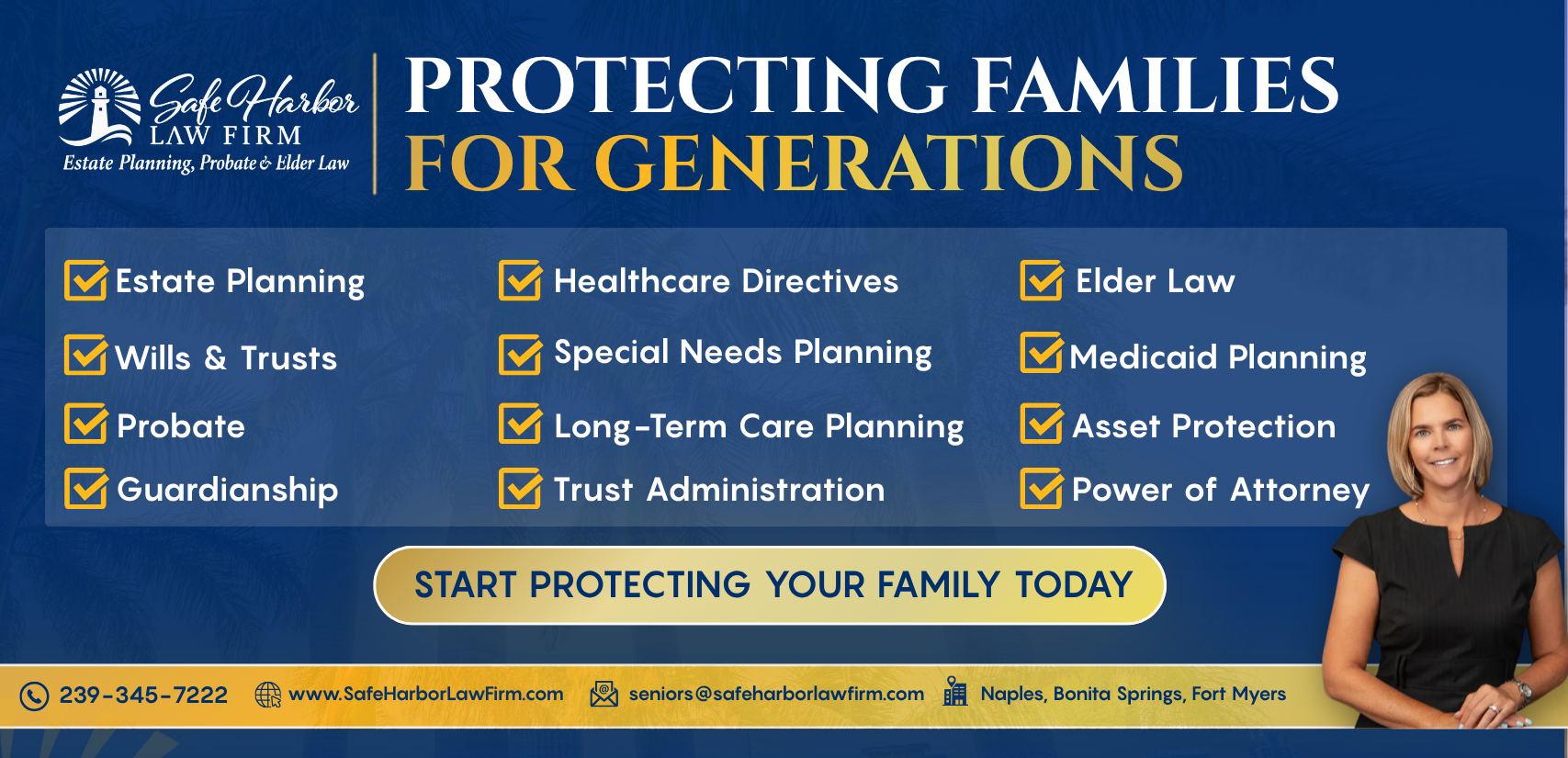
Safe Harbor Law Firm
Legal ServicesAt Safe Harbor Law Firm (formally known as Buff Law Firm PLLC), we focus on estate planning, elder law, and closely related practice areas. Our true focus, however, is helping families plan for and take control of their future. This can involve:Ensuring your assets will go to the people you want, when you want, in the manner you want after you pass awayPreparing for the possibility that you or your spouse will need expensive long-term careand helping you find ways to pay for itEnsuring that people you trust have the authority to make financial and medical decisions on your behalf in the event of incapacityProtecting your assets and those of your heirs against threats such as creditors, lawsuits, divorce, the high cost of long-term care, and moreGuiding your loved ones through the probate and/or trust administration processSafe Harbor Law Firm has helped families from all walks of life find solutions to challenges like these and many more. We welcome the opportunity to do the same for you. Ultimately, our goal is to help you enjoy the peace of mind that comes from having a plan in place for the future. We invite you to contact us for a personal meeting to discuss your particular needs and goals.