Hospice Care that Supports Families Across Northern Colorado
TRU Community Care
For more information about the author, click to view their website: TRU Community Care
Jan 02, 2026
Colorado - Northern Colorado


Hospice Care that Supports Families Across Northern Colorado
Facing serious illness is one of the most challenging experiences a family can endure. When treatments are no longer focused on cure, comfort, dignity, and quality of life become the priority. Hospice care exists to support individuals and families during this deeply personal stage, ensuring that no one faces it alone.
TRU Community Care provides hospice and palliative care services throughout Lafayette and Northern Colorado, focusing on comfort, respect, and emotional support. Their approach honors each person’s values and wishes, helping patients live fully and comfortably while offering families guidance and reassurance during an uncertain time.
Understanding Hospice and Palliative Care
Hospice care is designed for individuals with serious illness who are no longer pursuing curative treatment and are focusing on comfort and quality of life. Palliative care, which can be provided at any stage of illness, focuses on symptom management and support alongside other treatments.
Hospice and palliative care typically include:
-
Pain and symptom management
-
Emotional and spiritual support
-
Nursing and medical oversight
-
Support for family caregivers
-
Guidance with care decisions
This holistic approach addresses physical, emotional, and spiritual needs for both patients and loved ones.
Care Delivered Where Comfort Matters Most
One of the most meaningful aspects of hospice care is its flexibility. Services are often provided wherever the patient calls home—whether that’s a private residence, assisted living community, or skilled nursing facility.
For families in Northern Colorado, this means loved ones can remain in familiar surroundings, surrounded by comfort and personal memories. In-home hospice care also allows families to spend meaningful time together without the stress of frequent hospital visits.
Chelsea James of TRU Community Care emphasizes this philosophy:
“Hospice care is about honoring what matters most to each individual. We focus on comfort, dignity, and being present for both patients and families.”
A Team-Based Approach to Comfort and Support
Hospice care is delivered by a multidisciplinary team working together to address all aspects of a patient’s experience. This team often includes:
-
Physicians and nurse practitioners
-
Registered nurses
-
Social workers
-
Chaplains or spiritual counselors
-
Trained volunteers
Each team member plays a role in ensuring comfort, managing symptoms, and supporting emotional well-being.
Supporting Families and Caregivers
Hospice care extends beyond the patient—it provides vital support for families and caregivers as well. Loved ones often experience fear, exhaustion, and uncertainty during this time.
Hospice support includes:
-
Education on what to expect
-
Guidance on caregiving tasks
-
Emotional counseling and reassurance
-
Bereavement support following loss
This comprehensive care helps families feel supported, informed, and less alone.
Early Hospice Involvement Improves Quality of Life
Many families delay hospice services, believing it’s only for the final days of life. In reality, earlier hospice involvement often improves comfort, reduces hospitalizations, and enhances emotional well-being.
Benefits of timely hospice care include:
-
Better symptom control
-
Increased support for caregivers
-
More time at home with loved ones
-
Improved overall quality of life
Early conversations allow families to focus on meaningful moments rather than crisis management.
Cultural Sensitivity and Personalized Care
Every family approaches end-of-life care differently. TRU Community Care recognizes and respects cultural, spiritual, and personal values when developing care plans.
Personalized hospice care ensures that:
-
Individual beliefs and preferences are honored
-
Care aligns with family values
-
Communication remains respectful and clear
This sensitivity fosters trust and comfort during an emotionally vulnerable time.
Why Local Hospice Care Matters
Local hospice providers understand the community, healthcare landscape, and resources available in Northern Colorado. This familiarity enhances coordination with physicians, hospitals, and senior living communities.
Being based in Lafayette allows TRU Community Care to serve families across the region with responsiveness, compassion, and local insight.
Finding Trusted Hospice Resources Through Seniors Blue Book
Seniors Blue Book serves as a trusted resource for families navigating serious illness and end-of-life care. By highlighting hospice and palliative care providers, it helps families find compassionate support when they need it most.
By visiting the Seniors Blue Book listing for TRU Community Care, families can:
-
Learn about hospice and palliative care services
-
Understand when hospice may be appropriate
-
Connect with supportive care professionals
This guidance helps families make informed, compassionate decisions.
When Is Hospice Care Appropriate?
Hospice care may be appropriate when:
-
A physician determines life expectancy is limited
-
Curative treatments are no longer effective or desired
-
Comfort and quality of life become the focus
-
Families need additional support and guidance
Early consultation allows families to explore options without pressure.
Frequently Asked Questions
Does choosing hospice mean giving up care?
No. Hospice focuses on comfort and support rather than cure.
Is hospice only provided in the last days of life?
No. Hospice can be provided for months when appropriate.
Does hospice care cost extra?
Hospice is often covered by Medicare, Medicaid, and many insurance plans.
Can families be involved in care?
Yes. Families are encouraged to participate and receive support.
Is bereavement support included?
Yes. Many hospice programs offer grief support for families.
Honoring Life with Compassion and Care
End-of-life care is about honoring life, relationships, and personal values. With compassionate hospice support, families in Northern Colorado can focus on comfort, connection, and meaningful moments.
Families seeking hospice or palliative care are encouraged to explore the Seniors Blue Book listing for TRU Community Care and take the next step with understanding and support.

Other Articles You May Like
What Home Hospice Care Looks Like in Mobile, AL
What Home Hospice Care Looks Like in Mobile, ALWhen a loved one begins receiving hospice care at home, families often have practical questions about what happens next.Will a nurse visit every day? Who helps with bathing and personal care? What happens if symptoms become worse during the night? Does the family need to purchase medical equipment, and who should they call when something changes?These questions are understandable, especially when a family is adjusting to caring for someone with an advanced illness.For residents of Mobile, Alabama, hospice care at home offers an opportunity to receive specialized medical support in familiar surroundings. Rather than requiring every patient to move into a separate facility, hospice professionals provide appropriate services wherever the individual calls home.VITAS Healthcare Mobile offers hospice services throughout Mobile County, providing interdisciplinary care focused on comfort, symptom management, dignity, and personal preferences.With a local office on Airport Boulevard, VITAS coordinates hospice services delivered in private residences, assisted living communities, nursing facilities, and other appropriate care settings.Its team includes physicians, registered nurses, hospice aides, social workers, chaplains, and other professionals who contribute to individualized care plans.Understanding what home hospice involves can help patients and families prepare for visits, communicate changing needs, and establish realistic expectations for support.What Is Home Hospice Care?Home hospice care provides comfort-focused medical and supportive services to eligible individuals living with terminal illnesses.The goal is to manage symptoms, support quality of life, and address the patient's physical, emotional, social, and spiritual needs.Hospice care is typically considered when treatment goals have shifted away from curing the terminal illness and toward comfort.Hospice Care Can Take Place in Different SettingsA patient's home may be:A private residenceAn apartmentAn assisted living communityA nursing facilityA long-term care residenceAnother appropriate residential settingHospice professionals visit according to an individualized plan of care.The location of the hospice provider's office does not determine where patients must receive services.What Home Hospice Does Not MeanHospice enrollment does not automatically provide continuous bedside staffing.Under routine hospice care, professionals make scheduled visits and provide additional support according to the patient's needs.Family members, existing caregivers, or facility staff may remain responsible for day-to-day assistance between visits.Understanding these responsibilities is one of the most important parts of preparing for hospice at home.What Happens During the First Hospice Visit?The first hospice visit is an opportunity for patients, family members, and healthcare professionals to begin developing a shared understanding of care needs.The exact admission process varies according to the medical situation.Reviewing Medical InformationThe hospice team may review:The patient's diagnosisCurrent symptomsMedical historyRecent hospitalizationsCurrent medicationsExisting treatment instructionsMobility and functional abilitiesCommunication needsThis information helps clinicians evaluate how to provide appropriate support.Discussing Personal PreferencesHospice care considers more than a diagnosis.The team may ask what matters most to the patient.Some individuals want to remain near family members.Others prioritize relief from pain, fewer unnecessary disruptions, or maintaining familiar routines.These preferences help guide the care plan.Identifying CaregiversThe hospice team needs to know who will provide everyday assistance.This may include spouses, adult children, relatives, professional caregivers, or residential facility personnel.Families should explain honestly what support they can provide.Establishing Communication ProceduresBefore the visit ends, families should know:Whom to call with questionsHow to report changes in symptomsWhat to do outside regular office hoursWhen the next visit is expectedHow medications and equipment will be coordinatedClear communication can reduce confusion after hospice services begin.VITAS Healthcare Mobile and Its Approach to CareVITAS Healthcare Mobile operates a local hospice office at 3929 Airport Boulevard, Suite 3-307, in Mobile, Alabama.The office serves as a home base for hospice professionals who provide care wherever patients reside.VITAS Healthcare has provided hospice services nationally since 1978.Its Mobile and Daphne program serves patients throughout Mobile and Baldwin Counties.The organization emphasizes individualized care based on medical needs, personal values, and patient preferences.Interdisciplinary Hospice ServicesVITAS coordinates care through a team of professionals with different areas of expertise.This approach addresses the fact that advanced illness can affect much more than physical health.A patient may need medication adjustments and personal care assistance.A family caregiver may need help understanding new symptoms.Another household may need guidance about equipment, emotional support, or care planning.The interdisciplinary team works together to address these different concerns.Hospice PhysiciansPhysicians help oversee care related to the terminal illness.Their responsibilities may include evaluating symptoms, reviewing medications, and participating in care planning.The patient's existing physician may continue to be involved when appropriate.Registered NursesHospice nurses are central to the care team.They assess the patient's condition, monitor changes, and help manage symptoms.Nurses also educate caregivers about the care plan and when to report concerns.Hospice AidesHospice aides provide approved personal care services.Depending on the patient's needs, assistance may include bathing, grooming, or other personal comfort activities.Visits are scheduled according to the care plan rather than being automatically available around the clock.Social WorkersSocial workers assist with emotional, family, and practical issues.They may help families understand available resources, discuss care arrangements, and navigate difficult decisions.ChaplainsChaplains offer spiritual and emotional support according to individual preferences.Patients do not need to belong to a particular faith or participate in religious practices.Bereavement SupportVITAS provides grief and bereavement support for families.This assistance recognizes that the effects of advanced illness extend beyond the patient alone.Understanding Hospice Visit SchedulesOne common misunderstanding is that hospice care involves someone staying at the bedside continuously.In most cases, routine hospice care involves individual team members visiting according to the care plan.Nursing VisitsA nurse may visit regularly to assess symptoms, review medications, and provide clinical care.The frequency depends on the patient's needs.Hospice Aide VisitsAn aide may visit to provide approved personal care assistance.Social Work VisitsA social worker may meet with the patient or family to address emotional and practical concerns.Spiritual SupportA chaplain may visit when the patient or family requests spiritual care.Additional VisitsChanges in symptoms or circumstances may require additional assessment.VITAS provides 24/7 access to hospice professionals who can help determine the appropriate response.How the Care Plan ChangesHospice care plans are not necessarily fixed.The team reviews the patient's condition and adjusts services as appropriate.Families should report meaningful changes rather than waiting for the next scheduled visit.Preparing a Home for Hospice ServicesPreparing for home hospice does not necessarily require major renovations.However, some practical adjustments may help improve comfort and accessibility.Choose an Appropriate Resting AreaThe patient may need a bed or resting place that allows caregivers to provide assistance.Consider accessibility, privacy, ventilation, and proximity to family members.Review Walking PathsRemove unnecessary clutter and identify obstacles that could interfere with mobility.Consider Bathroom AccessSome individuals may need assistance reaching the bathroom or using personal care equipment.Organize Important InformationKeep medication lists, emergency contacts, insurance information, and care instructions in an accessible location.Create Space for EquipmentThe patient may require a hospital bed, oxygen equipment, or another medically appropriate device.The hospice team can explain which equipment is necessary and how it will be arranged.Maintain Familiar SurroundingsPhotographs, music, favorite blankets, and meaningful belongings may help preserve comfort.The objective is to create a functional care environment without unnecessarily removing the personal qualities that make the space feel like home.Medical Equipment and Supplies in Home HospiceSome patients need medical equipment to remain comfortable.Hospice organizations coordinate equipment related to the terminal illness and care plan when medically appropriate.Possible EquipmentDepending on clinical needs, this may include:Hospital bedsAppropriate mattressesOxygen equipmentWheelchairsBedside commodesMobility-related equipmentOther medically necessary suppliesNot every patient requires every item.Who Determines What Is Needed?The hospice team evaluates the patient's condition and identifies necessary equipment.Who Arranges Delivery?VITAS helps coordinate appropriate equipment delivery to the patient's residence.What Families Should AskAsk who will explain equipment use, whom to contact if something stops working, and how replacement supplies are requested.Families should also confirm whether specific items are covered under the hospice benefit.Medication Management During HospiceMedications remain an important part of hospice care.Although treatment goals may change, patients often continue receiving medications intended to improve comfort.Symptom-Related MedicationsThese may address:PainNauseaAnxietyBreathing discomfortConstipationOther distressing symptomsMedication ReviewThe hospice team reviews medications to determine which remain appropriate.Some treatments may continue, while others may be adjusted according to clinical needs and patient preferences.Caregiver EducationFamilies may receive instructions about administering prescribed medications and identifying changes that require professional attention.Important Safety ConsiderationsMedication doses should not be changed without appropriate medical instructions.Families should call the hospice team if they are uncertain about medication use or a patient's response.What Happens When Symptoms Change?Advanced illnesses may involve periods of stability followed by unexpected changes.A patient may develop increased pain, restlessness, breathing difficulties, or other symptoms.Families benefit from knowing how the hospice team responds.Step 1: Recognize the ChangeCaregivers should observe what has changed from the patient's usual condition.Step 2: Contact the Hospice TeamVITAS offers access to hospice professionals 24 hours a day, seven days a week.Families should explain the symptoms and follow the instructions provided.Step 3: Receive Clinical GuidanceA hospice professional may recommend appropriate measures, assess the need for a visit, or arrange additional care.Step 4: Adjust the Care Plan When NecessaryMedication changes, additional visits, or a different level of hospice care may be appropriate.Step 5: Review Follow-Up InstructionsCaregivers should understand what to monitor and when to call again.Severe or immediately life-threatening situations require following the patient's established emergency care plan and appropriate emergency instructions.Understanding the Four Levels of Hospice CareMedicare recognizes four levels of hospice care.The appropriate level is determined by the patient's medical needs and applicable coverage criteria.1. Routine Home CareThis is the most common level of hospice care.The patient receives care wherever they call home, with scheduled visits from members of the hospice team.2. Continuous Home CareContinuous home care may be provided during brief periods of acute symptom crisis.VITAS refers to its approach as Intensive Comfort Care.When clinical criteria are met, extended nursing services may be provided in the residence to help manage symptoms.This is not the same as unlimited daily caregiving or permanent around-the-clock staffing.3. General Inpatient CareSometimes symptoms cannot be managed adequately in the patient's usual setting.Short-term inpatient hospice care may be appropriate in a qualifying healthcare facility.The goal is to address uncontrolled symptoms.4. Inpatient Respite CareFamily caregivers may occasionally need a temporary break.Eligible hospice patients may receive short-term inpatient respite care for up to five consecutive days under Medicare hospice guidelines.Availability depends on clinical circumstances, appropriate facilities, and coverage requirements.Why Home Hospice Matters Locally in Mobile CountyMobile County includes older adults living in private homes, assisted living communities, and skilled nursing facilities.Families may be spread across different neighborhoods and communities.When a loved one develops a terminal illness, coordinating care can become complicated.Supporting Familiar RoutinesMany patients prefer to remain near familiar belongings, family members, and everyday routines.Home hospice may help make that possible when appropriate care arrangements are in place.Helping Families Coordinate CareRelatives may have different schedules and responsibilities.A hospice team can provide professional guidance and help clarify medical aspects of the care plan.Working With Senior Living CommunitiesSome patients already live in assisted living or nursing facilities.VITAS provides hospice services in these settings and works with the existing care environment.Understanding Local Emergency PreparednessMobile County residents may need to prepare for severe weather and hurricane-related disruptions.Families receiving home hospice should ask about backup power, medical equipment, medication supplies, evacuation planning, and emergency communication procedures.These concerns are particularly important when equipment depends on electricity or the patient has limited mobility.Hospice Care for Military VeteransSome veterans have healthcare needs, experiences, or personal concerns associated with military service.VITAS participates in the We Honor Veterans initiative.Its program includes efforts to recognize military service and provide veteran-sensitive support.Why Personal History MattersMilitary experiences may influence how an individual approaches medical care, communication, or emotional support.Recognizing ServiceSome veterans appreciate opportunities to reflect on their service.Others prefer privacy.Respecting Individual PreferencesCare should consider the person's wishes rather than assuming all veterans have the same needs.Families can tell the care team if military service is an important part of the patient's life story.Supporting Family Caregivers Between VisitsProfessional hospice care and family caregiving often work together.The hospice team provides medical expertise and approved services.Family members or other caregivers may continue helping with everyday needs.Establish a Primary ContactIdentify the person responsible for communicating with the hospice team.Maintain a Medication RecordFollow the team's instructions for recording medications and relevant changes.Keep a Symptom NotebookRecord observations such as pain, appetite changes, restlessness, or sleep difficulties.Share ResponsibilitiesWhenever possible, divide caregiving tasks among appropriate family members or other helpers.Discuss Physical Assistance NeedsCaregivers should ask for guidance before attempting difficult transfers or mobility assistance.Ask About RespiteIf caregiving becomes overwhelming, discuss available support and whether qualifying inpatient respite care may be appropriate.Understand What Hospice Does Not CoverRoutine hospice generally does not replace all household caregiving or provide continuous supervision.Families may need additional arrangements for daily personal assistance.Communication Questions to Ask VITAS HealthcareClear communication helps families understand what to expect.Questions About VisitsHow often will the nurse visit?How are hospice aide visits scheduled?What happens if symptoms change?Who coordinates the care team?Questions About MedicationsWhich medications are included?Who arranges delivery?Who explains administration instructions?How are prescription changes handled?Questions About EquipmentWhat equipment is appropriate?When will it arrive?Who explains its use?Whom should we call about equipment problems?Questions About Caregiver ResponsibilitiesWhat tasks remain the family's responsibility?What training is available?What should caregivers do overnight?Are respite arrangements available?Questions About After-Hours SupportWhat number should families call?How are urgent requests assessed?When can an additional visit be arranged?What should happen during a medical emergency?Families may find it helpful to keep written answers.Hospice and Health Insurance CoverageFor qualifying individuals, Medicare Part A covers hospice services related to the terminal illness through a Medicare-certified hospice provider.Common Covered ServicesThese may include:Nursing and physician servicesHospice aide assistanceMedical social servicesSpiritual counseling when desiredMedications related to symptom managementAppropriate medical equipment and suppliesQualifying inpatient servicesQualifying respite careBereavement supportWhat Medicare Generally Does Not CoverThe hospice benefit generally does not pay for ordinary residential room and board.It also does not automatically cover independently arranged treatments or services outside the hospice plan.Medicaid and Private InsuranceOther coverage arrangements vary.Families should review benefits, authorization requirements, and potential out-of-pocket expenses before enrollment.Expert Tip for Families Starting Home HospiceExpert Tip: Before the first hospice visit, prepare one page containing the patient's medications, current symptoms, important medical contacts, daily caregiving needs, and preferred emergency contact.Keep a separate list of questions about visit frequency, equipment, after-hours support, and caregiver responsibilities.Having this information ready can help the hospice team develop a practical care plan and reduce confusion during the first days of service.How to Get Started With VITAS Healthcare MobileStep 1: Discuss Hospice With the Healthcare ProviderAsk whether a hospice evaluation is appropriate based on the patient's condition and care goals.Step 2: Contact VITAS HealthcareCall 251-478-8671 to reach the Mobile hospice office.For around-the-clock assistance, VITAS also provides 800-582-9533.Step 3: Confirm the Care LocationExplain whether the patient lives in a private home, assisted living community, or nursing facility.Step 4: Review EligibilityThe hospice team can explain the evaluation and certification process.Step 5: Discuss Home SupportIdentify existing caregivers and any gaps in daily assistance.Step 6: Review Medications and EquipmentAsk what will be provided under the individualized hospice plan.Step 7: Establish the Visit ScheduleUnderstand how nursing, aide, social work, and other services will be coordinated.Step 8: Prepare for Changing NeedsKeep emergency contacts accessible and discuss how to request additional clinical support.Frequently Asked Questions About Home Hospice in Mobile1. Does VITAS Healthcare provide hospice care in private homes in Mobile?Yes. VITAS provides hospice care wherever eligible patients call home, including private residences, assisted living communities, nursing homes, and other appropriate settings throughout its Mobile service area.2. Does a hospice nurse stay at the patient's home 24 hours a day?Not under routine hospice care. Nursing visits follow an individualized schedule. VITAS provides 24/7 access to hospice professionals, and continuous home care may be available during qualifying acute symptom crises.3. Does VITAS provide medical equipment for hospice patients?Yes. VITAS helps coordinate medically appropriate equipment related to the hospice care plan. The specific equipment depends on the patient's clinical needs and coverage requirements.4. What happens if a hospice patient's symptoms become worse at night?Families can contact VITAS through its 24/7 support system. The clinical team can provide guidance, evaluate the situation, and determine whether additional care or a change in services is appropriate.5. How much does VITAS hospice care cost?Medicare Part A generally covers hospice services for eligible beneficiaries when applicable requirements are met. Medicaid and private insurance coverage may also be available. Families should ask VITAS to explain benefits, possible copayments, and any services not covered.Bringing Professional Hospice Support Into the HomeHome hospice care involves more than scheduled medical visits.It requires communication, thoughtful planning, appropriate equipment, symptom management, and coordination among healthcare professionals and caregivers.For patients living with advanced illnesses, receiving services in familiar surroundings may allow them to remain near the people and routines that matter most.For families, understanding who provides each service and what happens between visits is essential.VITAS Healthcare Mobile provides hospice services through an interdisciplinary team that addresses medical, emotional, social, and spiritual needs.With 24/7 access to hospice professionals, individualized care plans, and support delivered wherever patients call home, VITAS offers hospice resources for eligible individuals throughout Mobile County.Families interested in home hospice services can contact the Mobile office to discuss eligibility, care arrangements, equipment, and the responsibilities involved in supporting a loved one at home.Featured Seniors Blue Book ListingVITAS Healthcare MobileRecommended Main SBB Category: HospiceAddress: 3929 Airport Boulevard, Suite 3-307, Mobile, AL 36609County: Mobile County, AlabamaLocal Phone: 251-478-867124/7 Support: 800-582-9533Services: Hospice nursing, physician oversight, hospice aide assistance, pain and symptom management, medical equipment coordination, medication support, social work, chaplain services, grief and bereavement support, and appropriate inpatient or continuous hospice care.Levels of Hospice Care: Routine Home Care, Continuous Home Care, General Inpatient Care, and Inpatient Respite Care.Care Settings: Private homes, assisted living communities, nursing facilities, and other appropriate residential settings.Local Service Area: Mobile County and Baldwin County.Insurance: Medicare, Medicaid, private insurance, and other payment arrangements subject to eligibility and coverage terms.Find VITAS Healthcare Mobile on Seniors Blue BookLooking for hospice care at home in Mobile, Alabama?Explore VITAS Healthcare Mobile through its dedicated Seniors Blue Book business listing on SeniorsBlueBook.com.Review its hospice services, contact information, available levels of care, and support for patients and families.Contact the Mobile VITAS team to discuss hospice eligibility, prepare for care at home, and learn how individualized services can help support comfort and dignity.
When to Begin Hospice Conversations in Daphne, AL
When to Begin Hospice Conversations in Daphne, ALWhen someone you love is living with a serious illness, conversations about the future can be difficult. Families often focus on the next medical appointment, treatment option, or change in symptoms without knowing when to discuss a different approach to care.For many families in Daphne, Alabama, one of the most important questions is also one of the hardest to ask: When should we begin talking about hospice?Hospice care focuses on comfort, dignity, symptom management, and quality of life for individuals living with advanced illnesses. It also provides emotional, practical, and spiritual support for families navigating an uncertain time.Yet many people misunderstand hospice. Some believe it is only appropriate during the final days of life. Others worry that choosing hospice means abandoning their loved one or stopping all medical care.In reality, hospice is a specialized healthcare service designed to address the needs of patients and families when the focus of treatment shifts toward comfort rather than curing the underlying terminal illness.VITAS Healthcare Daphne provides hospice services for eligible patients throughout Baldwin County and surrounding service areas.With a local office at 28260 US-98 in Daphne, VITAS supports patients wherever they call home, including private residences, assisted living communities, and nursing facilities.For families exploring hospice care in Daphne, understanding when to begin the conversation can help ensure that patients receive appropriate support while their wishes and preferences remain central to care decisions.What Is Hospice Care?Hospice is a specialized type of healthcare for people with terminal illnesses who choose care focused on comfort and quality of life.Rather than concentrating primarily on treatments intended to cure the illness, hospice emphasizes managing symptoms and supporting the person's physical, emotional, and spiritual needs.Hospice Care May IncludePain and symptom managementNursing assessments and visitsPhysician oversightHospice aide assistanceEmotional supportSpiritual counseling when desiredSocial work servicesMedical equipment related to the terminal illnessMedications related to symptom managementCaregiver educationShort-term inpatient care when medically necessaryBereavement support for loved onesThe services provided depend on the patient's condition, preferences, and individualized plan of care.Hospice does not necessarily require moving to a separate facility.Many patients receive care in their homes or other residential settings.Why Families Should Discuss Hospice Before a CrisisHospice conversations sometimes begin after a hospitalization or a sudden medical decline.However, waiting until an emergency occurs may leave families with less time to understand care options.An earlier conversation can help patients express their wishes and participate in decisions.More Time to Understand Available SupportFamilies may need time to learn what hospice covers, how visits are arranged, and which services are appropriate.Beginning the discussion early provides an opportunity to ask questions without the added pressure of an immediate crisis.More Opportunities for Patient ParticipationWhen possible, the patient should be involved in decisions about care goals.An individual may have strong preferences about remaining at home, managing symptoms, or avoiding certain burdensome medical interventions.Better Preparation for Family CaregiversCaregivers benefit from understanding whom to call when symptoms change and what support hospice can provide.Clearer Communication With Healthcare ProfessionalsConversations about hospice can help patients, families, and clinicians discuss prognosis, treatment goals, and quality-of-life priorities.Signs It May Be Time to Ask About HospiceThere is no single symptom that automatically determines hospice eligibility.However, changes in health may suggest that a discussion with a healthcare professional would be appropriate.Repeated HospitalizationsFrequent emergency department visits or hospital admissions may indicate increasing medical complexity.Families can ask whether the current treatment plan continues to reflect the patient's goals.Increasing WeaknessSome individuals experience progressive weakness, fatigue, or reduced ability to complete everyday activities.Difficulty Eating or DrinkingChanges in appetite, swallowing, or nutrition may occur with advanced illness.Increased Dependence on OthersAn individual may require more help bathing, dressing, walking, or moving between a bed and chair.Uncontrolled SymptomsPain, shortness of breath, nausea, anxiety, or other symptoms may become more difficult to manage.Progressive Medical ConditionsCertain advanced cancers, neurological diseases, heart conditions, lung diseases, and other illnesses may eventually qualify for hospice services.Eligibility depends on the specific medical situation and physician certification.Families should not assume that someone must experience every one of these changes before asking about hospice.VITAS Healthcare Daphne in Baldwin CountyVITAS Healthcare provides hospice services through its local Mobile and Daphne program.The Daphne office serves as a home base for care teams that visit patients in residential and care settings.VITAS began serving the Mobile and Daphne area in April 2024, expanding access to its hospice services in southern Alabama.Its approach centers on individual care plans developed around each patient's needs, wishes, and preferences.An Interdisciplinary Hospice TeamVITAS identifies several professionals involved in hospice care.The team may include:Hospice physiciansRegistered nursesHospice aidesSocial workersChaplainsAdditional personnel may support patient and family needs according to the care plan.Each professional contributes a different type of expertise.Hospice PhysiciansHospice physicians help guide medical care related to the terminal illness, including symptom management and treatment planning.The patient's existing physician may remain involved when appropriate.Hospice NursesNurses assess symptoms, monitor changes, provide clinical care, and help families understand the care plan.They also educate caregivers about medications and symptom-related concerns.Hospice AidesHospice aides assist with approved personal care activities.These may include bathing, grooming, and other aspects of daily comfort.The specific services and visit frequency depend on the care plan.Social WorkersSocial workers help address emotional, family, and practical challenges associated with advanced illness.They may assist with planning, communication, and connecting families to appropriate resources.ChaplainsChaplains offer spiritual and emotional support according to individual preferences.Patients do not need to follow a particular religion to receive hospice care, and spiritual services are optional.Where VITAS Provides Hospice CareVITAS serves patients wherever they call home.This may include:Private homesAssisted living communitiesNursing homesLong-term care facilitiesOther appropriate residential settingsThe Daphne location is an administrative and care-team office, not a residential hospice facility where patients automatically stay.When symptoms cannot be adequately managed in the usual residence, inpatient hospice care may be arranged when medically necessary.Families should discuss the appropriate setting with the care team.Managing Pain and Other SymptomsSymptom management is a central part of hospice.Advanced illnesses can create physical discomfort that affects rest, communication, movement, and overall quality of life.Pain ManagementHospice professionals assess pain and develop approaches to help improve comfort.Treatment may involve medications and other appropriate interventions.Breathing DifficultiesSome patients experience shortness of breath related to advanced cardiac or pulmonary conditions.The care team can recommend appropriate measures for symptom relief.Nausea and Digestive ConcernsNausea, constipation, and other digestive symptoms may affect comfort.Healthcare professionals can evaluate potential causes and recommend appropriate care.Anxiety and RestlessnessAdvanced illness may also affect emotional well-being.Support can involve clinical evaluation, reassurance, medication when appropriate, and other individualized interventions.Sleep and FatigueChanges in energy and sleep patterns may require adjustments to daily routines and care planning.Families should report new, worsening, or concerning symptoms so clinicians can determine the appropriate response.VITAS Intensive Comfort CareVITAS offers a service known as Intensive Comfort Care.This approach is associated with continuous home care, one of the Medicare hospice levels of care.It may be appropriate when an eligible patient experiences an acute symptom crisis that requires extended nursing attention to maintain comfort at home.Examples may include severe pain or other symptoms that are difficult to manage through routine visits.Intensive Comfort Care is not automatically provided to every hospice patient.It is determined by clinical need and applicable hospice coverage requirements.Families should ask the VITAS team how urgent symptoms are evaluated and when a higher level of care may be appropriate.Why Hospice Matters Locally in Baldwin CountyBaldwin County includes established neighborhoods, retirement communities, and families caring for older relatives in different residential settings.For some individuals, remaining near familiar surroundings and loved ones becomes especially important during advanced illness.Remaining in Familiar SurroundingsReceiving hospice at home may allow a patient to remain surrounded by personal belongings and familiar routines.Supporting Families Across CommunitiesCaregiving responsibilities may involve relatives who live in different parts of Baldwin County.A local hospice team can help families understand available services and develop a coordinated care plan.Supporting Residents in Senior Living CommunitiesSome hospice patients live in assisted living or nursing facilities.VITAS works with patients in these settings and coordinates care with the appropriate facility personnel.Access to Around-the-Clock GuidanceVITAS provides access to hospice experts 24 hours a day, seven days a week.Families can contact the organization when questions or concerns arise outside ordinary business hours.Twenty-four-hour availability for support does not mean that a nurse or aide is automatically present in the patient's home at all times.Hospice Care and Family CaregiversFamily caregivers frequently manage complicated responsibilities during advanced illness.They may help with meals, medications, transportation, personal care, and communication with healthcare professionals.Hospice provides an additional layer of professional support.Understanding the Care PlanFamilies should know which services are scheduled and who is responsible for everyday assistance between visits.Learning About SymptomsHospice nurses may educate caregivers about changes to observe and when to call for help.Emotional SupportSocial workers and other team members can provide appropriate support during difficult conversations.Discussing Caregiver FatigueFamily members should communicate if caregiving responsibilities become overwhelming.Medicare hospice benefits may include short-term inpatient respite care when eligibility and coverage requirements are met.Planning for EmergenciesFamilies should understand the difference between calling the hospice team and contacting emergency services.The hospice provider can explain how urgent situations are handled under the patient's care plan.Hospice Is Not the Same as Giving UpOne common concern is that choosing hospice means losing hope.However, patients and families may define hope differently as an illness progresses.A person may hope to remain at home, spend time with loved ones, experience less pain, or participate in meaningful family occasions.Hospice focuses on supporting these personal priorities.Comfort Remains Active HealthcareHospice patients continue receiving appropriate medical care focused on symptom management and comfort.Care Goals Can ChangeA patient may reconsider treatment choices and care preferences.Hospice Can Be RevokedEligible patients may choose to stop hospice services and pursue another treatment approach.They may return to hospice later if they again meet eligibility requirements.The Six-Month Guideline Is Not a DeadlineA patient can remain in hospice longer than six months when the required clinical criteria continue to be met and eligibility is properly recertified.Understanding Hospice EligibilityUnder the Medicare hospice benefit, eligibility generally involves three important requirements.A Terminal IllnessThe patient has a terminal medical condition.Physician CertificationThe appropriate physicians certify that the patient's life expectancy is six months or less if the illness follows its expected course.Choosing Comfort-Focused CareThe patient elects hospice care for the terminal illness, focusing on comfort rather than curative treatment for that condition.Hospice eligibility should be evaluated by qualified healthcare professionals.Families can request an assessment when they are uncertain whether their loved one qualifies.Does Medicare Cover Hospice Care?Medicare Part A generally covers hospice services for beneficiaries who meet eligibility requirements.Covered hospice services related to the terminal illness may include:Physician servicesNursing careHospice aide servicesMedical social servicesMedications for pain and symptom controlMedical equipment and suppliesCertain therapies for comfortShort-term inpatient care when medically necessaryQualifying respite careGrief counselingSome limited copayments or other costs may apply depending on the service and circumstances.Medicare hospice coverage generally does not pay for ordinary room and board in a private residence, assisted living community, or nursing facility.Medicaid and private insurance arrangements vary.Families should review their specific coverage with VITAS and the applicable insurer.Starting the Hospice Conversation With a Loved OneA discussion about hospice does not need to begin with a decision.It can begin with listening.Ask About Current PrioritiesConsider asking what matters most to the person during this stage of illness.Discuss ComfortAsk whether pain, fatigue, breathing difficulties, or other symptoms are affecting daily life.Explore Treatment PreferencesSome patients want to understand the benefits and burdens of additional medical interventions.Include the Healthcare TeamA physician can explain prognosis and whether hospice may be appropriate.Respect Personal ValuesPatients may have cultural, spiritual, or personal preferences that influence care decisions.Allow Time for QuestionsFamily members may need several conversations before they feel ready to make decisions.Expert Tip for Families Considering HospiceExpert Tip: Instead of waiting for a doctor to mention hospice, ask a direct but open-ended question: "Would our loved one benefit from a hospice evaluation at this stage?"This invites a discussion about prognosis, symptom management, and available support without requiring the family to make an immediate commitment.An evaluation can clarify eligibility and help families understand their options.How to Get Started With VITAS Healthcare DaphneStep 1: Review the Current Medical SituationGather information about the diagnosis, recent hospitalizations, current symptoms, and changes in daily functioning.Step 2: Discuss Care GoalsAsk your loved one about preferences involving comfort, medical treatment, and where care should be provided.Step 3: Contact VITAS HealthcareCall the Daphne office at 251-626-5255.VITAS also provides 24/7 assistance through its national support line at 800-582-9533.Step 4: Ask About Hospice EligibilityThe VITAS team can explain the referral and assessment process.Step 5: Review Available ServicesDiscuss nursing, hospice aides, symptom management, emotional support, and other services appropriate to the patient's needs.Step 6: Understand Insurance CoverageAsk about Medicare, Medicaid, or private insurance and any potential financial responsibilities.Step 7: Develop the Care PlanWhen hospice is appropriate and elected, the team creates an individualized plan based on the patient's needs and preferences.Step 8: Maintain CommunicationKeep the hospice team informed about changes in symptoms, caregiving needs, or personal preferences.Frequently Asked Questions About Hospice in Daphne1. Does VITAS Healthcare provide hospice services in Daphne, Alabama?Yes. VITAS Healthcare operates a Daphne hospice office and provides care for eligible patients in homes, assisted living communities, nursing facilities, and other appropriate settings throughout its service area.2. What is the phone number for VITAS Healthcare Daphne?The local Daphne office can be reached at 251-626-5255. VITAS also offers 24/7 assistance through 800-582-9533.3. Does hospice mean a patient has only a few days left?No. Medicare hospice eligibility generally involves a physician-certified life expectancy of six months or less if the illness follows its expected course. Patients may receive hospice care for longer when they continue meeting eligibility requirements.4. Can a patient receive VITAS hospice care at home?Yes. VITAS provides hospice services wherever eligible patients call home, including private residences and senior living communities. Specific services and visit schedules depend on the individualized care plan.5. Does hospice provide support for family members?Yes. Hospice services may include caregiver education, social work support, spiritual counseling when desired, qualifying respite care, and bereavement services to support loved ones.Making Comfort and Personal Wishes a PriorityConversations about hospice are rarely easy.Families may feel uncertain about timing, medical decisions, and what to expect as an illness progresses.However, learning about hospice before an emergency can provide time to consider available care options, communicate personal preferences, and prepare for changing needs.Hospice focuses on helping patients remain comfortable while supporting the people who care about them.For families throughout Baldwin County, VITAS Healthcare Daphne provides local hospice services backed by an interdisciplinary team and around-the-clock access to assistance.Whether a loved one is experiencing increasing symptoms, frequent hospitalizations, or a progressive terminal illness, an informed conversation with a healthcare professional can be an important next step.Contact VITAS Healthcare Daphne to learn about hospice eligibility, available services, and how its care team can support patients and families.Featured Seniors Blue Book ListingVITAS Healthcare DaphneRecommended Main SBB Category: HospiceAddress: 28260 US-98, Suite C, Daphne, AL 36526County: Baldwin County, AlabamaPhone: 251-626-525524/7 VITAS Support: 800-582-9533Services: Hospice nursing, physician oversight, hospice aide assistance, symptom management, social work, spiritual support, caregiver education, grief and bereavement support, and medically appropriate higher levels of hospice care.Care Locations: Private residences, assisted living communities, nursing homes, and other appropriate settings.Service Area: Baldwin County and other communities served by the local VITAS program.Care Availability: 24/7 telephone support and individualized visits according to medical needs.Payment: Medicare hospice benefits, with other coverage options subject to eligibility and plan requirements.Find VITAS Healthcare Daphne on Seniors Blue BookLooking for hospice care in Daphne, Alabama?Explore VITAS Healthcare Daphne through its Seniors Blue Book listing on SeniorsBlueBook.com.Learn about the organization's hospice services, local contact information, and commitment to individualized comfort-focused care.Contact VITAS to discuss eligibility, request information about the hospice assessment process, and explore available support for patients and families.
Hospice Grief and Bereavement Care in Mobile, AL
Finding Support Before and After Loss: Hospice Grief and Bereavement Care in Mobile, ALGrief does not always begin after someone dies.For families caring for a loved one with a terminal illness, grief may begin much earlier. It can appear during medical appointments, while helping with everyday activities, or in quiet moments when someone realizes that familiar routines are changing.A spouse may grieve the loss of shared plans. Adult children may struggle with watching a parent's health decline. Grandchildren may have questions they do not know how to ask.These experiences are deeply personal, and no two families respond in exactly the same way.For residents of Mobile County, Alabama, understanding the emotional support available through hospice can help make an overwhelming experience more manageable.Amedisys Hospice Mobile provides end-of-life services that include emotional, spiritual, and bereavement support for patients and their loved ones.Hospice recognizes that caring for someone with a terminal illness involves more than treating physical symptoms. It also means supporting the relationships, concerns, and emotions surrounding the individual.Understanding Grief Before a Loved One DiesWhen families hear the word grief, they often think about what happens after death.However, grief can begin while a loved one is still alive.This experience is sometimes called anticipatory grief.It may involve sadness about expected losses, anxiety about the future, or emotional responses to changes already occurring.What Anticipatory Grief Can Look LikeCommon experiences may include:Sadness about changes in a loved one's healthFear of future separationDifficulty concentratingWorry about caregiving decisionsEmotional exhaustionChanges in sleepGuilt about conflicting feelingsA desire to spend more meaningful time togetherSome people experience intense emotions, while others remain focused on practical responsibilities.Both responses can be part of coping with serious illness.There is no single correct emotional reaction.Why Emotional Support Matters in Mobile CountyAccording to U.S. Census Bureau QuickFacts, approximately 19.3% of Mobile County residents are age 65 or older.As local families navigate aging and advanced illness, access to emotional support becomes an important part of comprehensive healthcare.Family relationships may span several generations, and serious illness can affect spouses, adult children, grandchildren, close friends, and other caregivers.Some relatives may live nearby and participate in everyday care.Others may live farther away and struggle with feelings of helplessness or limited involvement.Hospice support can help families communicate and connect with appropriate resources during these transitions.For Mobile County residents, local care coordination may also make it easier to address practical questions while managing emotional concerns.How Hospice Addresses Emotional NeedsHospice care is built around the whole person.Medical needs remain important, but the care model also recognizes emotional, psychological, social, and spiritual concerns.An interdisciplinary hospice team may include social workers, spiritual counselors, bereavement specialists, nurses, aides, and volunteers.Each professional contributes to supporting patients and loved ones.Medical Social WorkersHospice social workers help patients and families navigate emotional and practical challenges.Their role may include:Providing supportive counselingHelping families discuss difficult decisionsIdentifying community resourcesAddressing care-related stressAssisting with planning concernsSupporting communication among family membersFor families experiencing uncertainty or conflict, social work services may help establish a more organized approach to communication.Spiritual SupportSerious illness can lead people to reflect on personal beliefs, meaningful relationships, and life experiences.Hospice chaplains and spiritual counselors provide support that respects individual preferences.A person does not need to belong to a particular faith community to receive spiritual care.Some people want prayer or religious guidance.Others prefer conversations about memories, relationships, forgiveness, or personal meaning.Participation should always reflect the patient's wishes.Bereavement ProfessionalsBereavement professionals focus on helping loved ones navigate grief.They may provide educational materials, personal outreach, support group information, or referrals to additional services.The approach depends on individual needs and the hospice program.How Amedisys Hospice Mobile Supports Grieving FamiliesAmedisys hospice services include bereavement support before and after a patient's death.The organization describes services that may include phone calls, educational materials, support groups, memorial activities, and referrals when additional help is needed.Bereavement support is generally available for up to 13 months following a hospice patient's death.Families should ask the Mobile care team which programs and formats are currently available locally.Support Before a LossFamilies may benefit from discussing what changes to expect during advanced illness.Hospice professionals can help explain the care process and provide opportunities to express concerns.This support may also encourage meaningful conversations between patients and loved ones.Support Immediately After a LossThe period following a death can involve both emotional reactions and practical responsibilities.Families may need information about next steps, communication with loved ones, and available support.Hospice professionals can provide guidance within their professional roles and connect families with appropriate resources.Ongoing Bereavement SupportGrief does not follow a predictable schedule.A person may feel relatively stable in the first weeks and experience stronger emotions months later.Ongoing bereavement services recognize that adjustment often takes time.Follow-up materials, conversations, and support opportunities may help people understand their reactions and identify when additional assistance could be useful.Why Grief Looks Different for EveryoneTwo people may experience the same loss and respond in completely different ways.One person might cry frequently.Another may focus on organizing paperwork or maintaining household routines.Someone else might feel emotionally numb for a period.These differences do not necessarily indicate that one person cared more deeply than another.Grief is influenced by relationships, personal history, culture, support systems, and individual coping patterns.Emotional ResponsesGrief can involve sadness, anger, relief, guilt, loneliness, anxiety, or a combination of emotions.Feelings may change from one day to the next.Physical ResponsesSome people notice fatigue, changes in appetite, difficulty sleeping, headaches, or other physical symptoms.Persistent or concerning symptoms should be evaluated by a healthcare professional.Cognitive ResponsesDifficulty concentrating, forgetfulness, and trouble making decisions can occur during periods of intense stress.Families may benefit from delaying nonurgent decisions when possible and asking trusted individuals for practical help.Helping Children and Teenagers Understand LossChildren may have questions about serious illness and death but struggle to express them.Their understanding depends partly on age, developmental stage, and previous experiences.Adults can help by offering clear, age-appropriate explanations.Use Simple, Accurate LanguageAvoid confusing explanations that suggest death is temporary or similar to ordinary sleep.Instead, use honest language appropriate to the child's level of understanding.Allow QuestionsChildren may ask the same question repeatedly.This can be part of processing unfamiliar information.Provide consistent answers without forcing conversations before the child is ready.Maintain Familiar RoutinesSchool, meals, family activities, and regular schedules can provide reassurance during periods of change.Encourage ExpressionDrawing, writing, storytelling, or talking with a trusted adult may help some children express difficult emotions.Children who experience persistent emotional or behavioral difficulties may benefit from professional counseling.Hospice social workers and bereavement professionals may help families identify appropriate resources.The Role of Family Traditions in Coping With LossFamilies often find meaning in traditions, memories, and shared experiences.For some, faith practices provide comfort.Others may find support through photographs, favorite music, storytelling, community gatherings, or time spent with relatives.There is no requirement to participate in specific rituals.The most meaningful activities are those that reflect the person who is ill or has died and the values of the people involved.Creating Meaningful MomentsDuring hospice care, families may choose to:Share favorite memoriesLook through family photographsRecord stories when the patient wishes and is ableListen to meaningful musicWrite letters or messagesInvite important people to visitParticipate in appropriate spiritual traditionsThese activities should be guided by the patient's comfort, energy, and preferences.A meaningful experience does not need to be elaborate.Sometimes sitting quietly beside a loved one is enough.Understanding Hospice Bereavement Support GroupsSupport groups bring together people who are navigating loss.Participants may share experiences, learn coping strategies, and recognize that their reactions are not unusual.Groups can be facilitated by professionals or trained support personnel.Amedisys describes both virtual and in-person bereavement support options within its broader hospice services.Availability may vary by location.What Happens in a Grief Support Group?Activities may include:Guided discussionsEducational presentationsSharing personal experiencesLearning coping strategiesExploring ways to maintain meaningful connectionsIdentifying additional resourcesParticipation is generally voluntary.People who are uncomfortable speaking may prefer to listen.Some individuals benefit more from one-on-one counseling than from group settings.Families should choose the type of support that best fits their needs.When Additional Mental Health Support May Be NeededGrief can be painful without necessarily being a mental health disorder.However, some people develop symptoms that require additional professional attention.Consider seeking evaluation when someone experiences:Persistent inability to manage essential daily activitiesSevere or worsening depressionSignificant ongoing sleep disruptionHarmful alcohol or substance useIntense distress that remains highly disruptivePersistent feelings of hopelessnessThoughts of self-harmA primary care provider or licensed mental health professional can help determine what support is appropriate.Anyone experiencing immediate danger or thoughts of suicide can call or text 988 in the United States for crisis support, or call 911 when emergency assistance is needed.Hospice bereavement services can provide support and referrals but do not replace specialized mental health treatment when it is necessary.Practical Ways Families Can Support One AnotherPeople often want to help someone who is grieving but do not know what to say.Practical assistance can be more useful than trying to find perfect words.Consider offering specific support, such as:Preparing a mealHelping with errandsProviding transportationAssisting with household tasksOffering company without requiring conversationRemembering significant datesChecking in during the months following a lossAvoid assuming everyone needs the same type of assistance.Ask what would be helpful and respect the person's preferences.Expert Tip: Offer Specific SupportExpert Tip: Instead of telling a grieving person to call whenever they need something, offer a specific and manageable action, such as bringing dinner on a certain day or helping with groceries. Practical support can reduce the burden of having to organize assistance during an emotionally difficult period.Planning for Important Dates and AnniversariesBirthdays, holidays, anniversaries, and family celebrations may bring renewed feelings of grief.These reactions can occur long after the initial loss.Planning ahead may help.Families might choose to:Spend time with supportive relatives or friendsKeep certain traditionsCreate a new remembrance activityVisit a meaningful locationSchedule time for restAttend a support groupSpeak with a counselor when neededThere is no obligation to celebrate or remember in a particular way.The goal is to acknowledge emotional needs while allowing flexibility.Frequently Asked Questions About Hospice Grief Support1. Does hospice provide grief support before a patient dies?Yes. Hospice emotional and bereavement support may begin during the patient's care. Families can receive guidance related to anticipatory grief, communication, and coping.2. How long does hospice bereavement support last?Hospice bereavement programs generally provide support for up to 13 months after a patient's death. Amedisys describes continued support during this period.3. Can family members receive grief counseling through hospice?Hospice programs may provide bereavement counseling, educational support, group services, and referrals. The exact options depend on individual circumstances and local program availability.4. Are hospice grief services only for spouses?No. Hospice bereavement services may support other family members and loved ones affected by a patient's death, based on assessed needs and program arrangements.5. How can I tell whether grief requires professional mental health treatment?Grief responses vary, but persistent severe distress, significant functional difficulties, worsening depression, or safety concerns warrant professional evaluation. A healthcare provider can recommend appropriate treatment or support.Support Can Continue Beyond the Final GoodbyeThe experience of losing a loved one can change how people understand their routines, relationships, and future plans.Hospice recognizes that families may need support before death and long afterward.Through emotional care, spiritual services, bereavement education, and appropriate referrals, hospice teams help families navigate a difficult period with greater understanding.For residents of Mobile County, Amedisys Hospice Mobile offers a local resource for learning about hospice care and the emotional support available to patients and loved ones.Families do not need to wait until a crisis to ask questions about grief or end-of-life support.Beginning these conversations early can help everyone better understand the care process, available resources, and ways to support one another.Find Amedisys Hospice Mobile on Seniors Blue BookLearn more about hospice bereavement services, family support, and end-of-life care offered by Amedisys Hospice Mobile in Mobile County, Alabama.Visit SeniorsBlueBoook.com to explore the company's listing, learn about hospice support services, and connect with the Amedisys care team.
Local Services By This Author

TRU Community Care
Volunteer Opportunities 2594 Trailridge Drive East, Lafayette, Colorado, 80026If you or a loved one is living with advanced illness or coping with loss, TRU can assist with hospice, palliative care, or grief support. TRU provides compassionate medical, emotional, and spiritual care to people coping with end-of-life challenges. Were here to ease your burden and enhance your quality of life.

TRU Community Care
Support Groups & Services 2594 Trailridge Drive East, Lafayette, Colorado, 80026If you or a loved one is living with advanced illness or coping with loss, TRU can assist with hospice, palliative care, or grief support. TRU provides compassionate medical, emotional, and spiritual care to people coping with end-of-life challenges. Were here to ease your burden and enhance your quality of life.
TRU Community Care
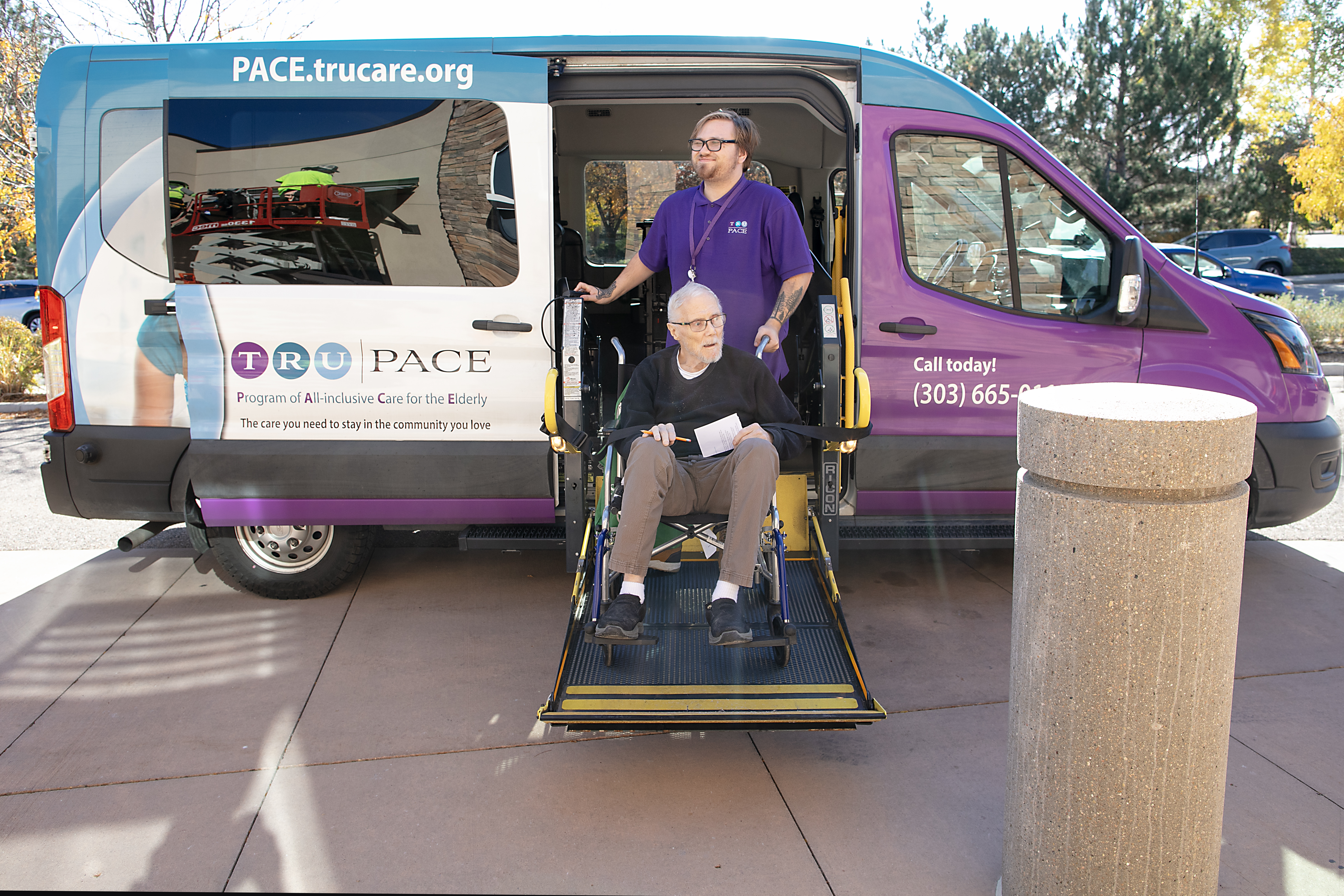
Hospice 2594 Trailridge Drive East, Lafayette, Colorado, 80026TRU Community Care, founded as Boulder Hospice in 1976, is a Colorado-licensed, Medicare and Medicaid-certified, nonprofit health care organization serving the greater Boulder/Denver area and beyond. With a focus on affirming life and providing a continuum of care for members of our community living with advanced illness and loss, TRUs programs include: Hospice, Palliative Care, TRU PACE (Program of All-Inclusive Care for the Elderly), Grief Services, and Landmark Memory Care.