TRU Community Care
Counties Served: Colorado - Adams County, Arapahoe County, Boulder County, Broomfield County, Denver County, Jefferson County, Weld County
Hospice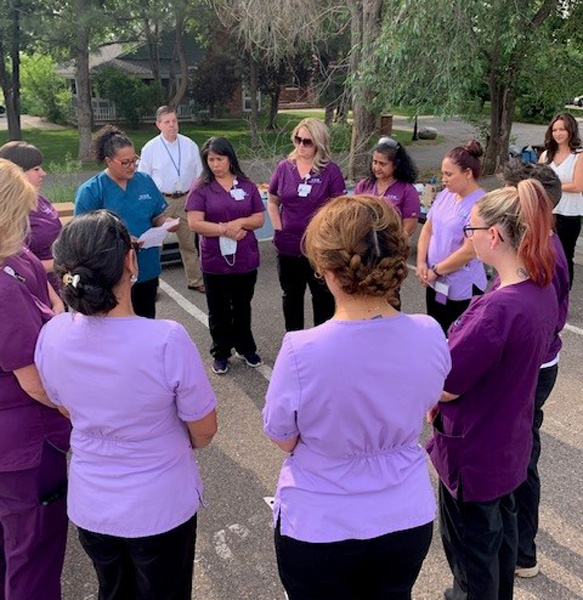
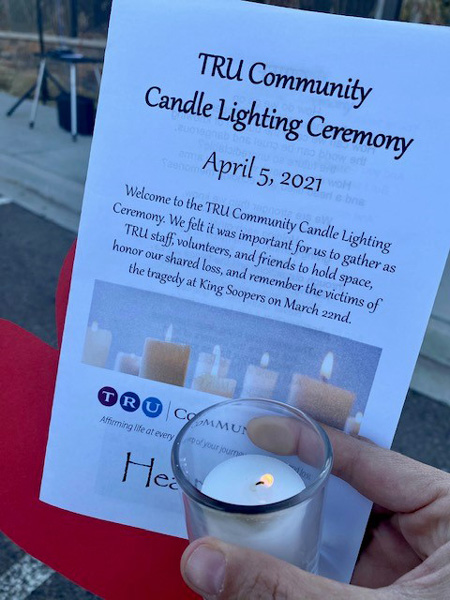

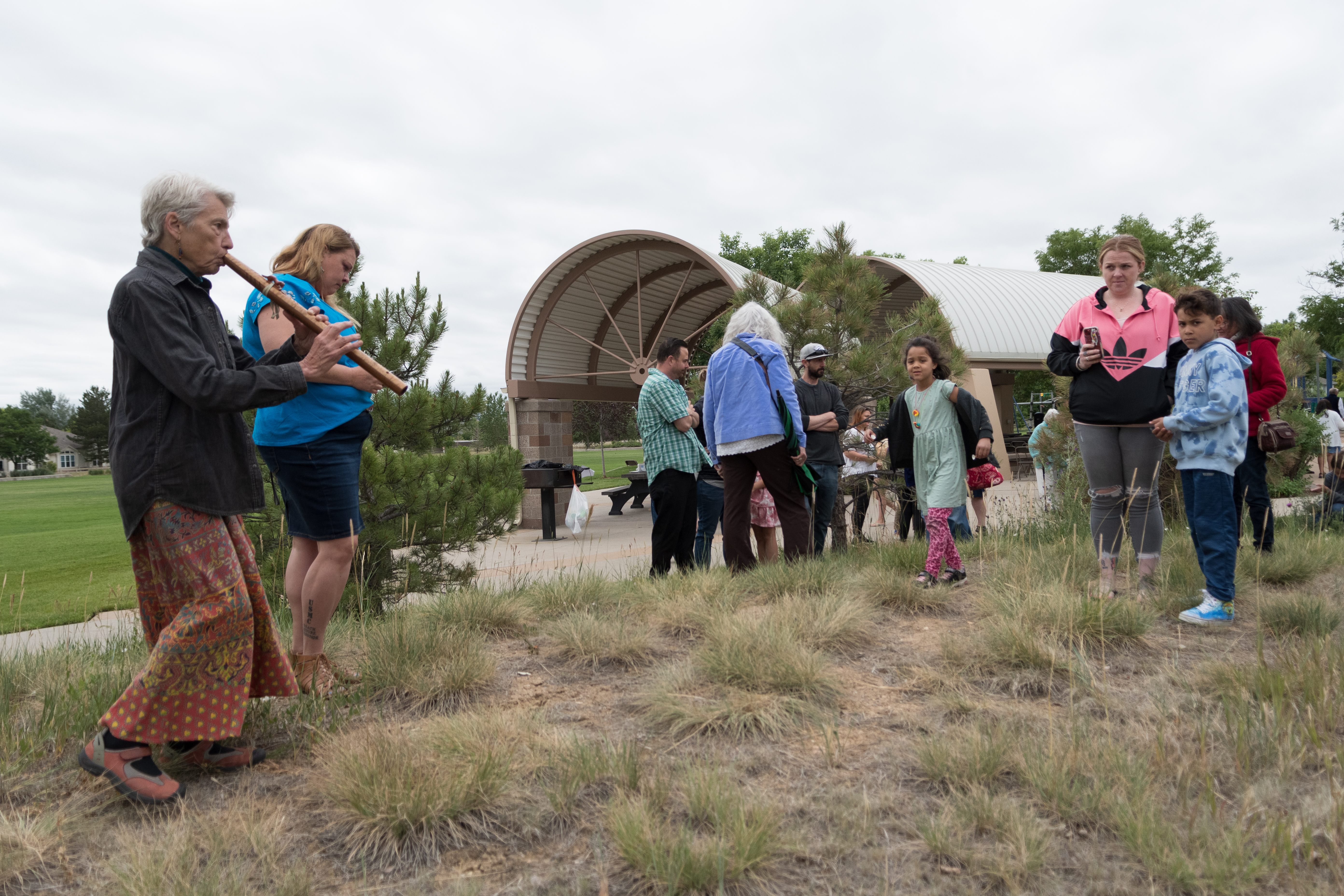
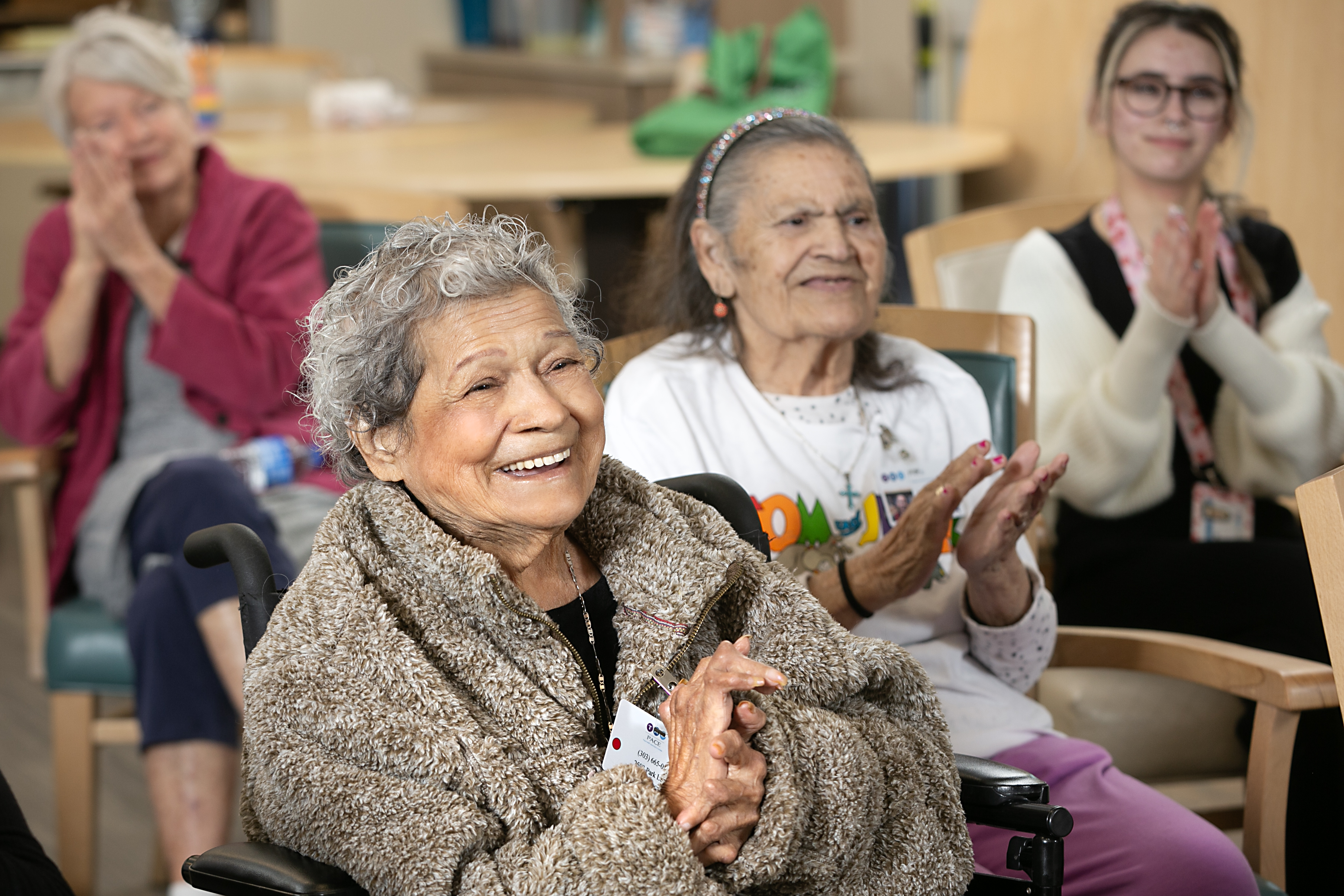
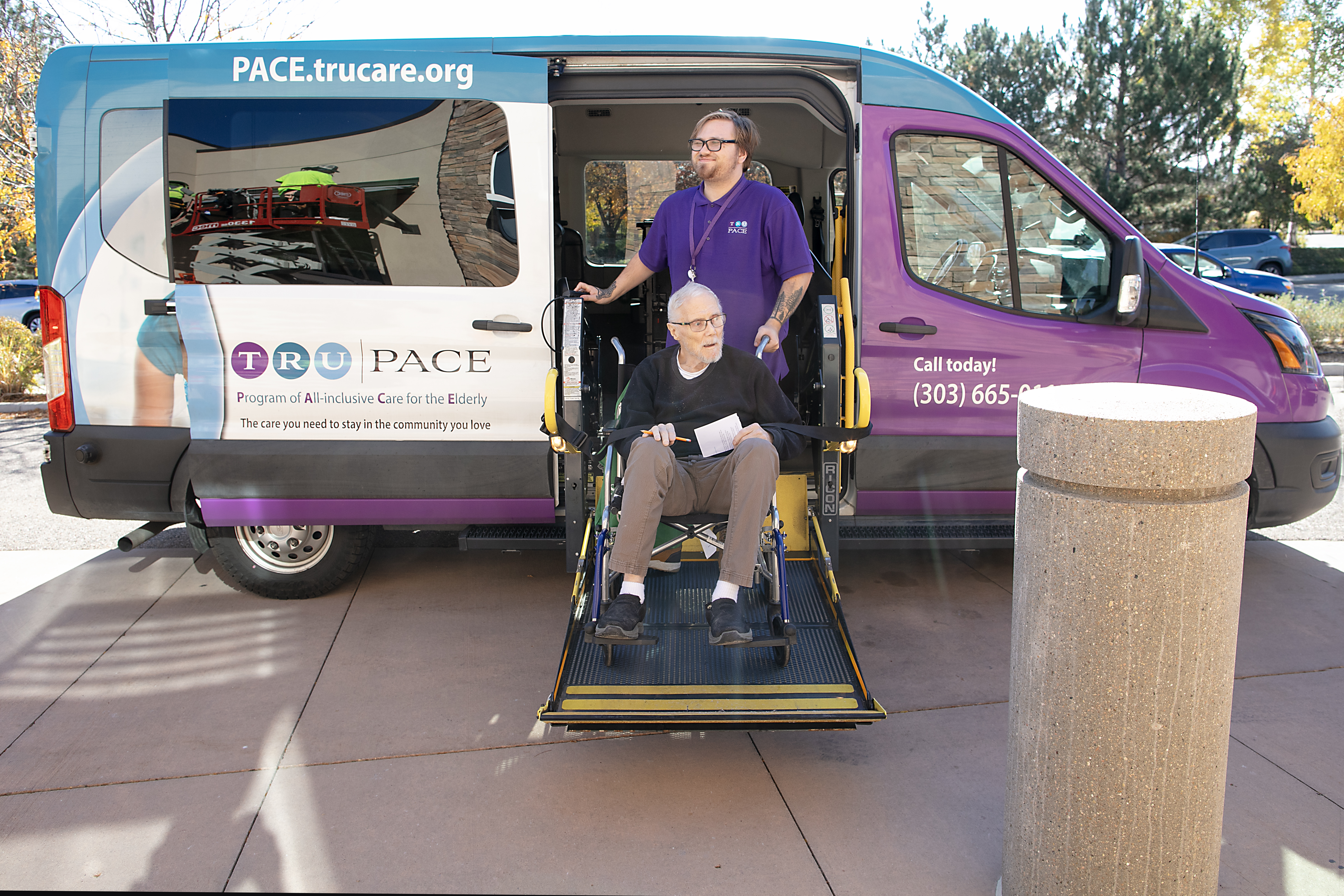
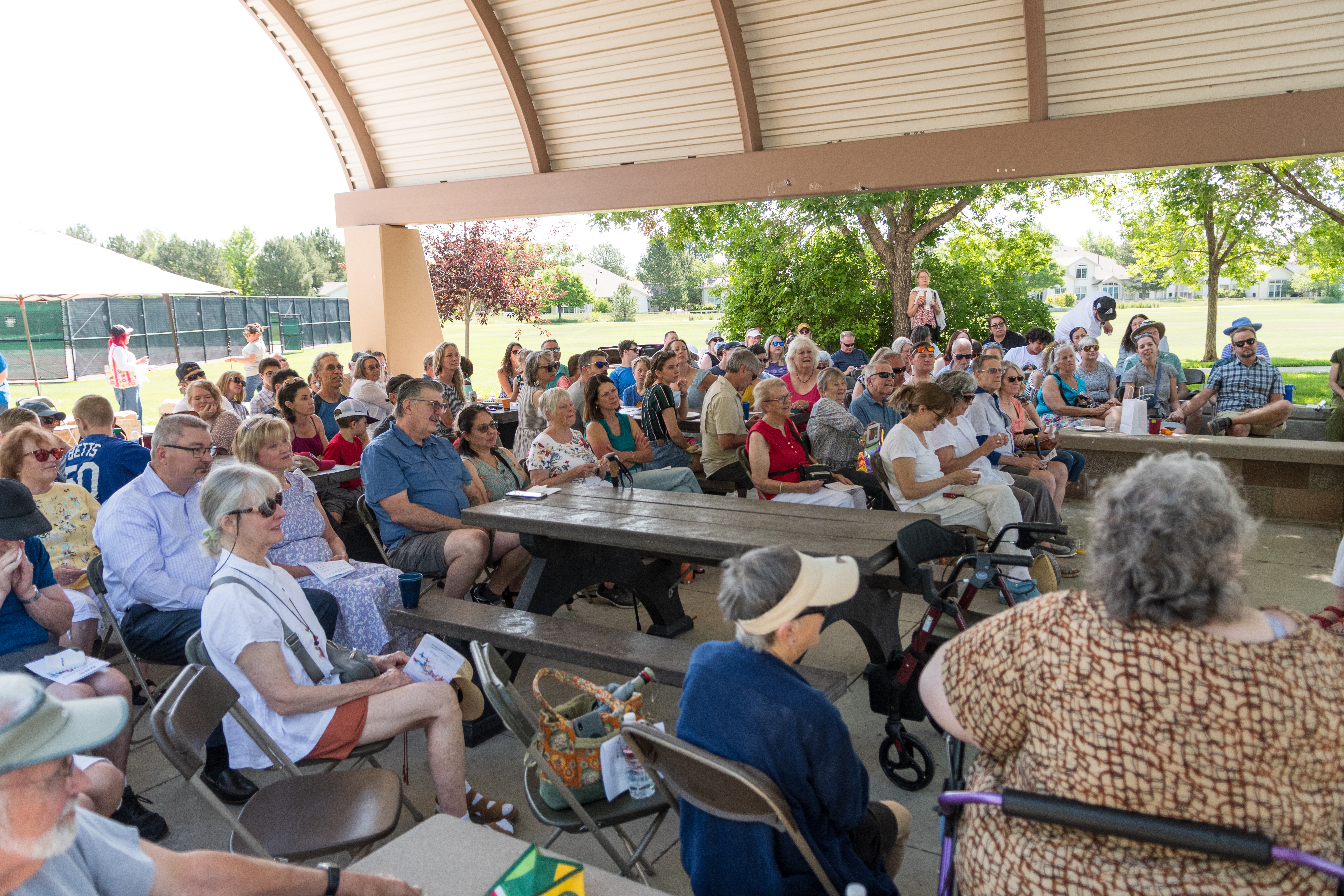
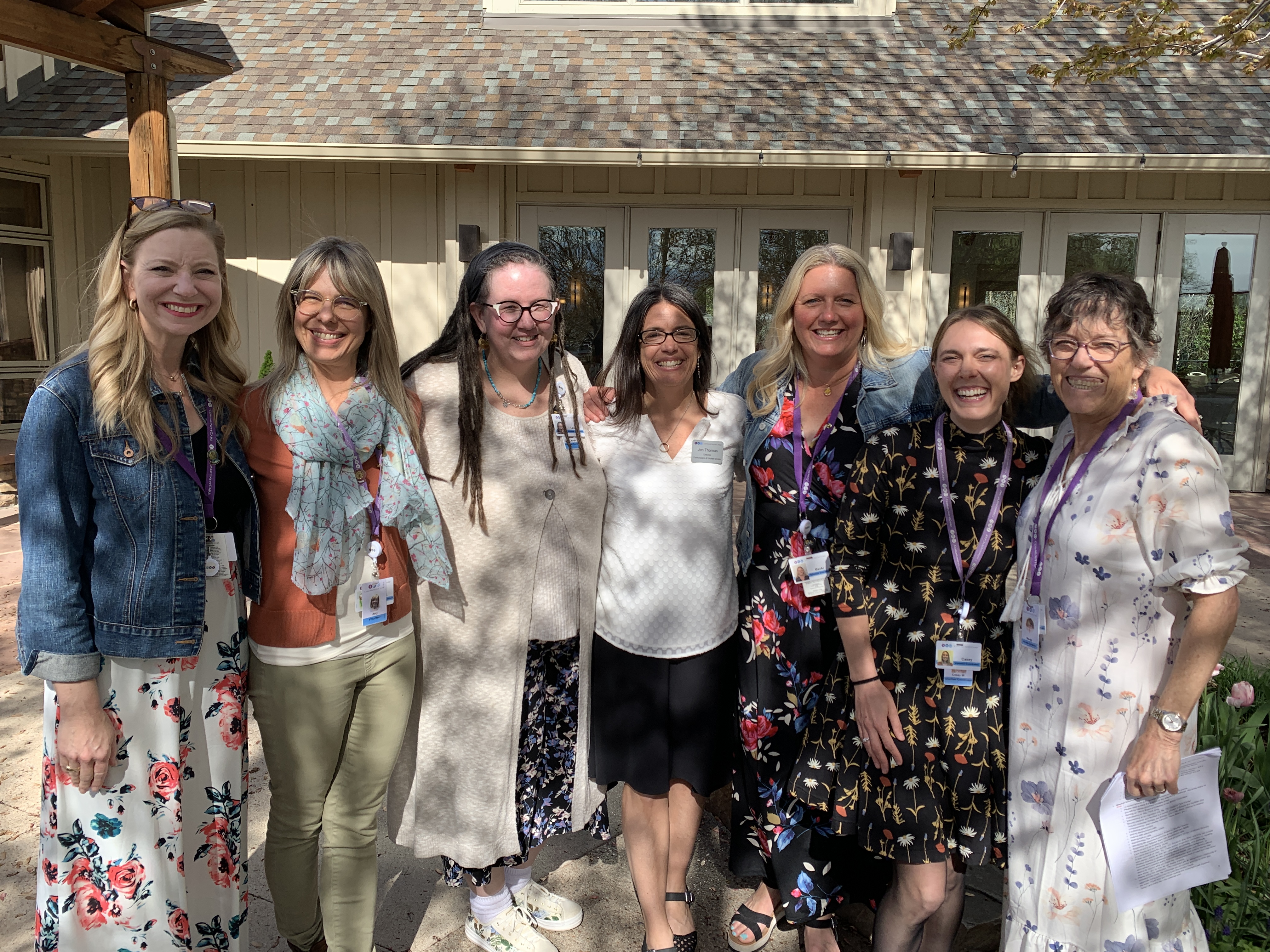
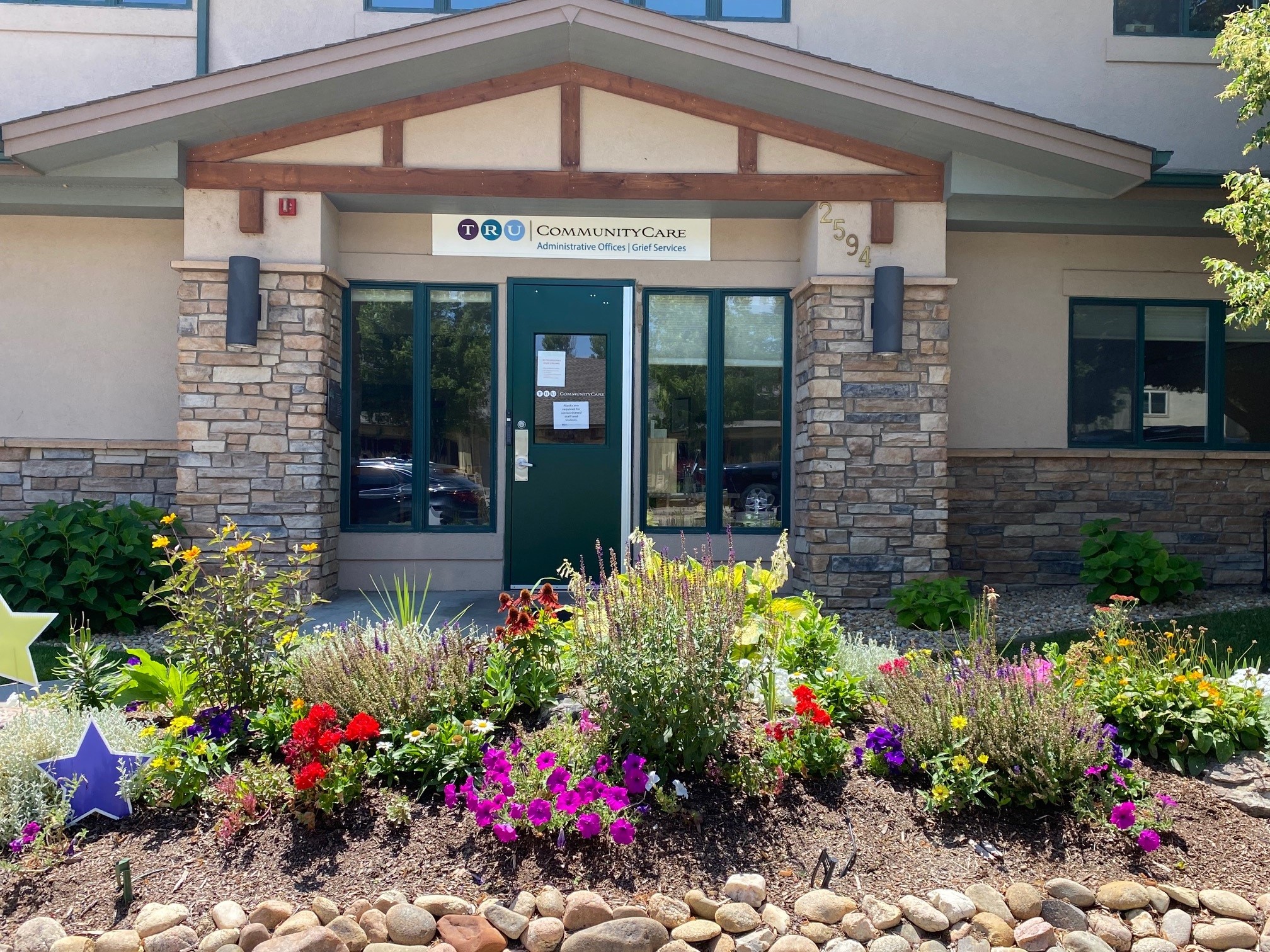


About TRU Community Care
Hospice
- www.trucare.org
- Palliative Care, Inpatient Care, Pain Pumps Available, PCP Oversight, 24/7 Admissions, Home Health Agency, Grief Support Groups, Hospice House, Indigent Patients, Multi-Lingual
- Aroma, Music, Massage, Pet
- Private Pay, Private Insurance, Long Term Care Insurance, Veterans Administration, Medicaid, Medicare, PACE, Managed Care Benefits, Other
- Registered Nurse, Chaplain, Social Worker, Volunteers
Additional Levels of Care Offered
TRU Community Care
Support Groups & Services 2594 Trailridge Drive East, Boulder County, Lafayette, Colorado, 80026If you or a loved one is living with advanced illness or coping with loss, TRU can assist with hospice, palliative care, or grief support. TRU provides compassionate medical, emotional, and spiritual care to people coping with end-of-life challenges. Were here to ease your burden and enhance your quality of life.
TRU Community Care
Volunteer Opportunities 2594 Trailridge Drive East, Boulder County, Lafayette, Colorado, 80026If you or a loved one is living with advanced illness or coping with loss, TRU can assist with hospice, palliative care, or grief support. TRU provides compassionate medical, emotional, and spiritual care to people coping with end-of-life challenges. Were here to ease your burden and enhance your quality of life.
Videos
Continue Your Search! Explore More Local Options.
Start SearchingLet’s engage and get educated!
Browse through thousands of expert articles in over 100 different categories.
Browse NowArticles You May Like

Hospice Care that Supports Families Across Northern Colorado
Hospice Care that Supports Families Across Northern ColoradoFacing serious illness is one of the most challenging experiences a family can endure. When treatments are no longer focused on cure, comfort, dignity, and quality of life become the priority. Hospice care exists to support individuals and families during this deeply personal stage, ensuring that no one faces it alone.TRU Community Care provides hospice and palliative care services throughout Lafayette and Northern Colorado, focusing on comfort, respect, and emotional support. Their approach honors each persons values and wishes, helping patients live fully and comfortably while offering families guidance and reassurance during an uncertain time.Understanding Hospice and Palliative CareHospice care is designed for individuals with serious illness who are no longer pursuing curative treatment and are focusing on comfort and quality of life. Palliative care, which can be provided at any stage of illness, focuses on symptom management and support alongside other treatments.Hospice and palliative care typically include: Pain and symptom management Emotional and spiritual support Nursing and medical oversight Support for family caregivers Guidance with care decisions This holistic approach addresses physical, emotional, and spiritual needs for both patients and loved ones.Care Delivered Where Comfort Matters MostOne of the most meaningful aspects of hospice care is its flexibility. Services are often provided wherever the patient calls homewhether thats a private residence, assisted living community, or skilled nursing facility.For families in Northern Colorado, this means loved ones can remain in familiar surroundings, surrounded by comfort and personal memories. In-home hospice care also allows families to spend meaningful time together without the stress of frequent hospital visits.Chelsea James of TRU Community Care emphasizes this philosophy: Hospice care is about honoring what matters most to each individual. We focus on comfort, dignity, and being present for both patients and families. A Team-Based Approach to Comfort and SupportHospice care is delivered by a multidisciplinary team working together to address all aspects of a patients experience. This team often includes: Physicians and nurse practitioners Registered nurses Social workers Chaplains or spiritual counselors Trained volunteers Each team member plays a role in ensuring comfort, managing symptoms, and supporting emotional well-being.Supporting Families and CaregiversHospice care extends beyond the patientit provides vital support for families and caregivers as well. Loved ones often experience fear, exhaustion, and uncertainty during this time.Hospice support includes: Education on what to expect Guidance on caregiving tasks Emotional counseling and reassurance Bereavement support following loss This comprehensive care helps families feel supported, informed, and less alone.Early Hospice Involvement Improves Quality of LifeMany families delay hospice services, believing its only for the final days of life. In reality, earlier hospice involvement often improves comfort, reduces hospitalizations, and enhances emotional well-being.Benefits of timely hospice care include: Better symptom control Increased support for caregivers More time at home with loved ones Improved overall quality of life Early conversations allow families to focus on meaningful moments rather than crisis management.Cultural Sensitivity and Personalized CareEvery family approaches end-of-life care differently. TRU Community Care recognizes and respects cultural, spiritual, and personal values when developing care plans.Personalized hospice care ensures that: Individual beliefs and preferences are honored Care aligns with family values Communication remains respectful and clear This sensitivity fosters trust and comfort during an emotionally vulnerable time.Why Local Hospice Care MattersLocal hospice providers understand the community, healthcare landscape, and resources available in Northern Colorado. This familiarity enhances coordination with physicians, hospitals, and senior living communities.Being based in Lafayette allows TRU Community Care to serve families across the region with responsiveness, compassion, and local insight.Finding Trusted Hospice Resources Through Seniors Blue BookSeniors Blue Book serves as a trusted resource for families navigating serious illness and end-of-life care. By highlighting hospice and palliative care providers, it helps families find compassionate support when they need it most.By visiting the Seniors Blue Book listing for TRU Community Care, families can: Learn about hospice and palliative care services Understand when hospice may be appropriate Connect with supportive care professionals This guidance helps families make informed, compassionate decisions.When Is Hospice Care Appropriate?Hospice care may be appropriate when: A physician determines life expectancy is limited Curative treatments are no longer effective or desired Comfort and quality of life become the focus Families need additional support and guidance Early consultation allows families to explore options without pressure.Frequently Asked QuestionsDoes choosing hospice mean giving up care? No. Hospice focuses on comfort and support rather than cure.Is hospice only provided in the last days of life? No. Hospice can be provided for months when appropriate.Does hospice care cost extra? Hospice is often covered by Medicare, Medicaid, and many insurance plans.Can families be involved in care? Yes. Families are encouraged to participate and receive support.Is bereavement support included? Yes. Many hospice programs offer grief support for families.Honoring Life with Compassion and CareEnd-of-life care is about honoring life, relationships, and personal values. With compassionate hospice support, families in Northern Colorado can focus on comfort, connection, and meaningful moments. Families seeking hospice or palliative care are encouraged to explore the Seniors Blue Book listing for TRU Community Care and take the next step with understanding and support.
Jan 02, 2026
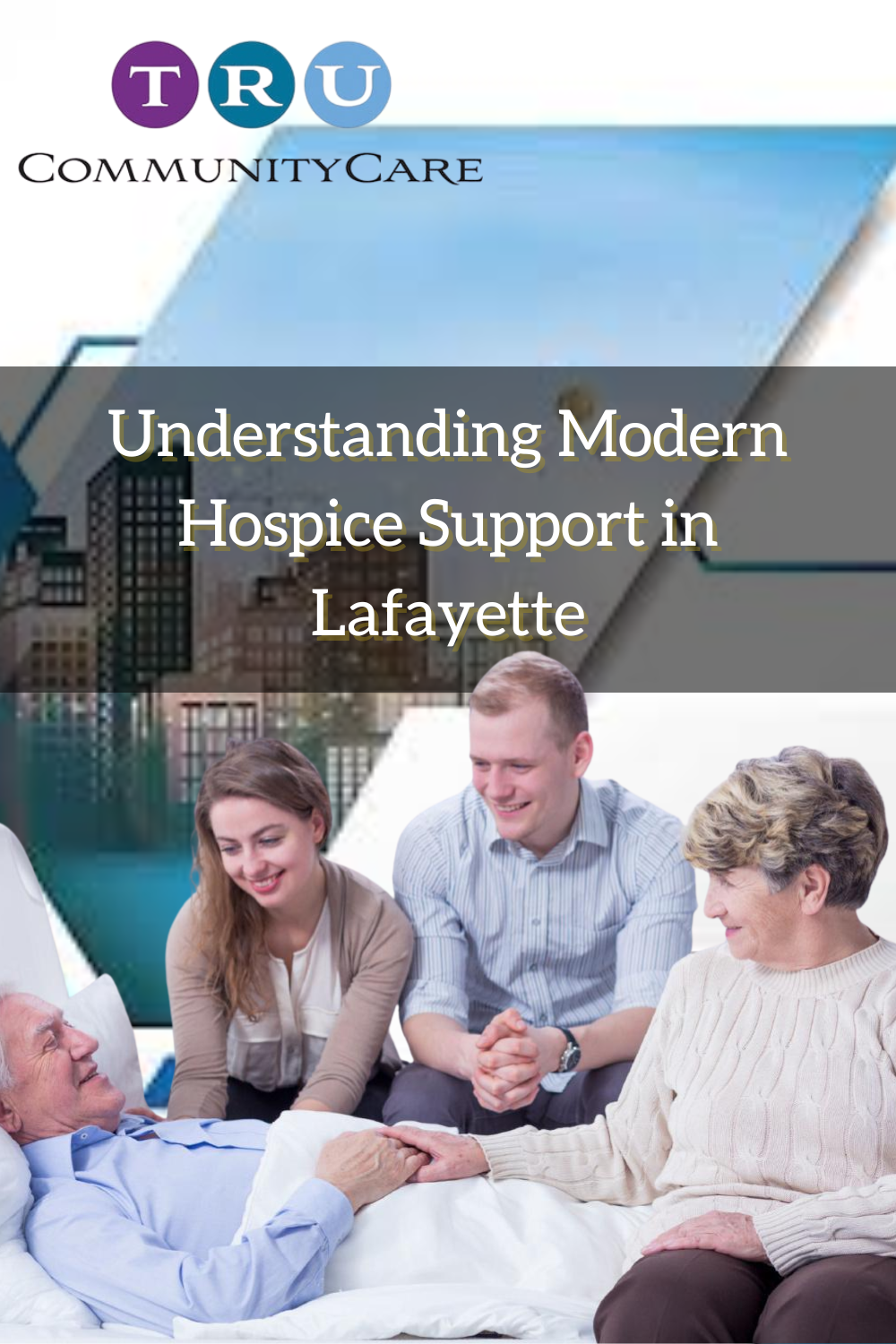
Understanding Modern Hospice Support in Lafayette
Understanding Modern Hospice Support in LafayetteWhen many families first hear the word hospice, they often associate it with giving up hope. In reality, hospice care is not about surrenderingit is about helping individuals live with dignity, comfort, and meaningful support during one of lifes most important transitions.In communities like , where neighbors value compassion, connection, and quality of life, hospice services play a deeply important role for seniors and families navigating serious illness.As more families seek guidance about end-of-life care, understanding what hospice truly provides can help reduce fear and empower thoughtful decisions.What Hospice Care Really MeansHospice focuses on comfort-oriented care for individuals facing life-limiting illnesses. Rather than concentrating solely on curative treatments, hospice prioritizes: Pain management Emotional support Spiritual care Symptom relief Family guidance Quality of life The goal is to help patients remain as comfortable, peaceful, and supported as possible.Hospice is about honoring each persons wishes and helping families feel supported during difficult moments, explains . It allows people to focus on comfort, connection, and meaningful time together.Hospice Care Supports the Entire FamilyOne of the biggest misconceptions about hospice is that it only serves the patient. In reality, hospice provides extensive support for loved ones as well.Families often receive help with: Caregiving education Emotional counseling Grief support Respite care Care coordination Decision-making guidance This holistic approach helps families feel less overwhelmed and more prepared.Why Earlier Hospice Conversations MatterMany families wait too long before considering hospice care because they fear the conversation itself. Unfortunately, delaying support may prevent patients from receiving the full benefits hospice offers.Early hospice involvement can improve: Comfort levels Emotional well-being Symptom management Family preparedness Overall quality of life Hospice teams help patients make the most of their remaining time rather than focusing solely on illness.Lafayettes Community-Centered Spirit Supports Compassionate CareLafayette offers a warm and connected atmosphere that aligns naturally with hospice philosophy. Families often appreciate the citys: Close-knit neighborhoods Community-focused culture Access to healthcare resources Peaceful outdoor surroundings Strong support networks For many seniors, remaining near familiar routines and loved ones brings emotional comfort during serious illness.Hospice Care Can Take Place in Multiple SettingsHospice services are highly flexible and may be provided in: Private homes Assisted living communities Skilled nursing facilities Memory care communities Hospice centers Many patients prefer receiving care in familiar surroundings whenever possible.The Hospice Team ApproachHospice care involves a multidisciplinary team working together to support both patients and families.A hospice team may include:NursesProvide symptom management and medical support.Social WorkersOffer emotional guidance and resource coordination.ChaplainsSupport spiritual and emotional needs regardless of religious background.Hospice AidesAssist with personal care and comfort.VolunteersProvide companionship and additional support.This collaborative approach ensures comprehensive care tailored to each familys needs.Emotional Support Is Just as Important as Physical CareSerious illness affects more than the body. Patients and families often experience fear, grief, anxiety, and uncertainty.Hospice teams help create space for important conversations, emotional processing, and meaningful moments together.Simple actssharing stories, listening to music, sitting together quietlyoften become deeply valuable during this stage of life.Families Gain Guidance During Difficult DecisionsHealthcare systems can feel overwhelming, especially during medical crises. Hospice professionals help families understand options clearly while respecting each patients wishes.This guidance often reduces: Confusion Family conflict Caregiver stress Anxiety about medical decisions Having compassionate professionals nearby helps families feel less alone.Hospice Is About Preserving DignityOne of hospice cares greatest gifts is preserving dignity and personal choice.Patients are encouraged to: Express preferences Maintain routines when possible Spend time with loved ones Focus on comfort and peace Care plans are individualized rather than one-size-fits-all.Bereavement Support Continues After LossHospice care does not end immediately after a loved one passes away. Bereavement support remains available for families coping with grief.Support may include: Counseling Support groups Educational resources Memorial services Individual grief guidance These services help families navigate the emotional healing process with compassion and support.Choosing Compassionate Support During Lifes Final ChapterFacing serious illness is never easy, but families do not have to navigate the journey alone. Hospice care provides comfort, dignity, guidance, and emotional support when it matters most.For families throughout Lafayette and surrounding Colorado communities, TRU Community Care offers compassionate hospice services centered on quality of life and meaningful connection. Visit their Seniors Blue Book listing to learn more about hospice resources and supportive care services.FAQsWhat is hospice care?Hospice care focuses on comfort, symptom management, and emotional support for individuals with life-limiting illnesses.Does hospice mean giving up treatment?Hospice shifts the focus from curative treatment to comfort, dignity, and quality of life.Can hospice care happen at home?Yes. Many hospice patients receive care in their homes or senior living communities.Who qualifies for hospice services?Patients with serious illnesses and limited life expectancy may qualify for hospice care based on physician recommendations.Does hospice provide support for families? Absolutely. Hospice includes emotional counseling, education, respite support, and bereavement services for loved ones.
May 08, 2026

How Hospice Care Supports Comfort, Dignity, and Families in Lafayette
How Hospice Care Supports Comfort, Dignity, and Families in LafayetteWhen a loved one is facing a serious, life-limiting illness, families are often overwhelmed by emotion, uncertainty, and difficult decisions. In these moments, care should focus not only on medical needs but also on comfort, dignity, and meaningful connection. Hospice care provides that supporthelping individuals live their remaining days with peace while surrounding families with guidance and compassion.TRU Community Care serves Lafayette and Northern Colorado families with hospice services rooted in respect, empathy, and whole-person care. Their approach ensures that no one has to face the end-of-life journey alone.What Hospice Care Really MeansHospice care is designed for individuals with a life-limiting illness when curative treatment is no longer the primary focus. Instead of aggressive medical interventions, hospice emphasizes comfort, symptom management, and emotional support.Hospice care typically includes: Pain and symptom management Nursing visits and medical oversight Emotional and spiritual support Assistance with personal care Support for family caregivers Bereavement support for loved ones Care is often provided in the home, allowing individuals to remain in familiar surroundings during this deeply personal time.Choosing Comfort and Quality of LifeMany families worry that choosing hospice means giving up. In reality, hospice is about choosing how someone livesnot how they die. By prioritizing comfort and dignity, hospice care helps individuals focus on what matters most to them.Hospice care supports: Relief from pain and distressing symptoms Greater emotional peace Meaningful time with loved ones Respect for personal wishes and values This approach often brings a sense of calm and control during an otherwise uncertain time.A Community-Based Approach in LafayetteLafayette and surrounding Northern Colorado communities value connection and compassionqualities that are especially important at the end of life. Hospice providers rooted in the community understand local values, family dynamics, and available resources.TRU Community Cares local presence allows them to: Coordinate seamlessly with local physicians Support families close to home Respond quickly to changing needs This community connection helps families feel supported rather than isolated.Supporting the Whole FamilySerious illness affects more than the individualit impacts everyone who loves them. Hospice care recognizes this and offers support not only to the patient but also to caregivers and family members.Chelsea James, who works closely with families at TRU Community Care, explains: Hospice is about walking alongside families during one of the most emotional times of their lives. Our role is to provide comfort, guidance, and reassurance every step of the way. This family-centered approach helps caregivers feel less alone and more confident in the care being provided.Care That Adapts to Changing NeedsEnd-of-life needs can change quickly. Hospice teams are trained to adjust care plans as symptoms evolve, ensuring comfort is maintained at all times.Hospice teams often include: Nurses Physicians Social workers Chaplains or spiritual counselors Home health aides This interdisciplinary approach addresses physical, emotional, and spiritual needs together.Addressing Common Hospice MisconceptionsHospice care is often misunderstood, leading families to delay support that could bring comfort earlier.Important clarifications include: Hospice can be provided for months, not just days Choosing hospice does not mean care stops Hospice focuses on living fully and comfortably Families can discontinue hospice if goals change Understanding these facts helps families make informed decisions without fear.When Is It Time to Consider Hospice?Hospice may be appropriate when: A physician determines a life-limiting prognosis Symptoms are becoming difficult to manage Hospital visits are frequent The focus shifts toward comfort rather than cure Early hospice involvement often improves quality of life for both patients and families.Frequently Asked QuestionsIs hospice only for the final days of life?No. Hospice can support individuals for months, depending on needs and eligibility.Where is hospice care provided?Most hospice care is provided at home, but it can also occur in care communities.Does hospice support caregivers?Yes. Hospice provides education, respite, and emotional support for families.Is hospice covered by insurance?Hospice is often covered by Medicare, Medicaid, and many private insurers.Can spiritual support be included?Yes. Spiritual care is available based on individual beliefs and preferences.A Trusted Hospice Resource for Northern Colorado FamiliesFacing the end of life is never easy, but compassionate care can make the journey more peaceful. TRU Community Care provides hospice services in Lafayette and Northern Colorado that honor dignity, comfort, and connectionsupporting families when they need it most. To learn more about hospice services or explore care options, visit their Seniors Blue Book listing and connect with a trusted local hospice provider.
Jan 12, 2026

Why Many Families Choose In-Home Hospice Care
Why Many Families Choose In-Home Hospice CareHome carries deep emotional meaning. It is where birthdays were celebrated, grandchildren gathered, routines were built, and memories were made. For many seniors in , remaining at home during serious illness brings a sense of peace and familiarity that cannot easily be replicated elsewhere.That is one reason many families choose in-home hospice care when a loved one faces advanced illness.Hospice services delivered at home allow individuals to receive compassionate support while remaining surrounded by the people, pets, belongings, and environments they cherish most.Why Home Matters So Much During Serious IllnessFamiliar surroundings often provide emotional reassurance during physically and emotionally challenging times.Patients receiving hospice care at home may benefit from: Reduced anxiety Greater emotional comfort Personalized routines More family involvement Increased privacy Familiar surroundings For many individuals, being home helps preserve dignity and independence as much as possible.Being able to remain at home can provide tremendous comfort for both patients and families, says . Hospice teams help create a peaceful, supportive environment centered around each persons needs and wishes.Hospice at Home Includes Comprehensive SupportFamilies sometimes worry they will be expected to manage complex medical situations alone. In reality, hospice teams provide extensive guidance and support.Services often include: Pain and symptom management Nursing visits Personal care assistance Emotional counseling Spiritual support Medication coordination Medical equipment arrangements Hospice professionals also educate caregivers so they feel more confident providing support at home.Emotional Connection Becomes the PriorityWhen aggressive medical treatments are no longer the focus, families often find more time and energy for meaningful connection.Patients and loved ones may spend time: Sharing stories Looking through photographs Listening to favorite music Spending quiet moments together Reconnecting with family traditions These experiences often become treasured memories for families after a loved one passes.Lafayette Families Value Personalized CareLafayettes strong community culture aligns closely with the personalized approach hospice care provides.Families in the area often appreciate: Compassion-centered care Strong communication Local healthcare accessibility Family-oriented support systems Community connection Hospice professionals help tailor care plans to reflect each familys unique values and goals.Hospice Helps Manage Symptoms CompassionatelyMany people fear pain and discomfort near the end of life. Hospice teams specialize in symptom management designed to improve comfort and quality of life.Support may address: Pain Breathing difficulties Fatigue Nausea Anxiety Restlessness The goal is always maximizing comfort while respecting patient preferences.Caregivers Need Support TooFamily caregivers often experience emotional exhaustion while trying to care for loved ones during serious illness.Hospice helps caregivers by providing: Education Emotional reassurance Respite support Guidance during difficult moments Access to on-call assistance This support helps reduce feelings of fear and isolation.Spiritual and Emotional Care Matters DeeplySerious illness often raises emotional and spiritual questions for both patients and families.Hospice care recognizes the importance of supporting the whole personnot just physical symptoms.Support may include: Chaplain visits Counseling Legacy projects Emotional conversations Family mediation Care plans respect all cultural backgrounds, beliefs, and traditions.Hospice Encourages Patient ChoiceOne of hospice cares most meaningful aspects is honoring individual preferences.Patients may express wishes regarding: Daily routines Visitors Music and activities Spiritual practices Comfort priorities Care goals This personalized approach helps preserve dignity and autonomy.Families Often Wish They Had Started EarlierMany families later express regret that hospice services were not started sooner.Earlier hospice involvement often allows more time for: Emotional connection Better symptom management Reduced stress Family support Meaningful experiences together Hospice is not about giving upit is about making the most of the time that remains.Compassionate Care During Lifes Most Important MomentsIn-home hospice care helps families focus less on medical logistics and more on connection, comfort, and love.For families throughout Lafayette seeking compassionate end-of-life support, TRU Community Care provides personalized hospice services that honor each individuals wishes and quality of life. Visit their Seniors Blue Book listing to learn more about in-home hospice care resources and family support services.FAQsCan hospice care be provided at home?Yes. Many patients receive hospice services in their own homes or senior living communities.What support does hospice provide families?Hospice offers education, emotional counseling, respite support, and caregiving guidance.Is hospice care focused on pain management?Pain and symptom relief are important parts of hospice care, along with emotional and spiritual support.Can patients still make decisions in hospice care?Absolutely. Hospice care prioritizes personal choice and individualized care planning.Why do families choose hospice at home? Home provides familiarity, comfort, privacy, and greater opportunities for family connection.
May 08, 2026
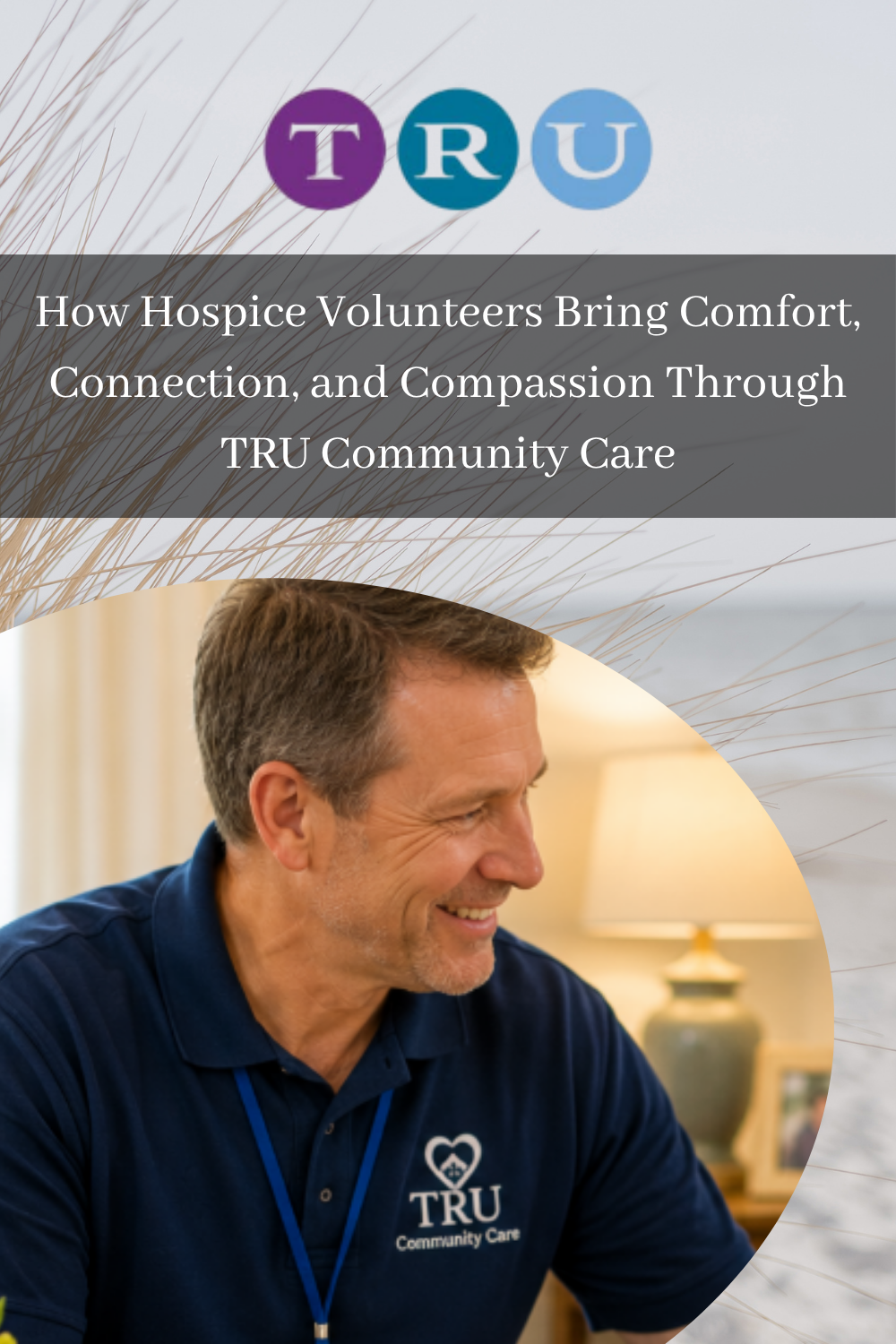
How Hospice Volunteers Bring Comfort, Connection, and Compassion Throu
How Hospice Volunteers Bring Comfort, Connection, and Compassion Through TRU Community CareMany people spend years searching for meaningful ways to give back to their communities. They volunteer at schools, support local charities, mentor young people, or participate in civic organizations. Yet few volunteer opportunities offer the same profound impact as serving individuals and families during one of life's most important journeys.Hospice volunteering is often described as life-changingnot only for the people receiving support, but also for those who choose to serve.At TRU Community Care in Lafayette, Colorado, volunteers play a vital role in helping patients and families experience comfort, dignity, and connection during serious illness and end-of-life care. Through simple acts of kindness, compassionate presence, and meaningful human interaction, volunteers become an essential part of the care team.For individuals seeking a volunteer experience that truly matters, hospice volunteering offers an opportunity to make a lasting difference while strengthening the bonds that connect communities.Understanding the Role of Hospice VolunteersWhen people hear the word "hospice," they often assume volunteers must have medical training.The reality is quite different.Hospice volunteers do not provide medical care. Instead, they focus on providing companionship, emotional support, and practical assistance that enhances quality of life for patients and caregivers.Volunteer responsibilities may include:Visiting with patientsReading books or newspapersListening to life storiesPlaying cards or board gamesProviding companionshipOffering respite for caregiversAssisting with administrative projectsSupporting community eventsHelping with memorial programsThese seemingly simple acts often have a profound impact on patients and families.Why Human Connection MattersSerious illness can sometimes create feelings of loneliness and isolation.Friends may not know what to say. Social circles may shrink. Family members often become overwhelmed with caregiving responsibilities.A hospice volunteer provides something incredibly valuable: presence.Whether sharing a conversation, enjoying quiet companionship, or simply sitting with someone who needs company, volunteers remind patients that they are seen, valued, and supported.For many individuals receiving hospice services, these visits become cherished moments in their week.Supporting Family CaregiversCaregivers are often the unsung heroes of hospice care.Spouses, adult children, and close friends devote countless hours to supporting loved ones. While deeply rewarding, caregiving can also be physically and emotionally exhausting.Hospice volunteers help ease that burden.By spending time with patients, volunteers allow caregivers to:Attend appointmentsRun errandsMeet friendsExerciseRest and rechargeEven a short break can significantly improve a caregiver's well-being and resilience.Listening to Extraordinary Life StoriesOne of the most rewarding aspects of hospice volunteering is the opportunity to hear remarkable stories.Volunteers often meet people who have:Served in the militaryBuilt successful businessesRaised familiesTraveled the worldContributed to their communitiesExperienced significant historical eventsEvery patient brings a lifetime of wisdom, experiences, and memories.Volunteers frequently discover that listening becomes one of the most meaningful gifts they can offer.At the same time, these conversations enrich the volunteer's own perspective on life.Lafayette's Spirit of CommunityLafayette is known throughout Boulder County for its strong sense of community and commitment to helping others.Residents frequently support local causes, participate in community programs, and volunteer their time to improve the lives of neighbors.Hospice volunteering reflects these values perfectly.It provides an opportunity to strengthen community connections while supporting individuals during a meaningful stage of life.As Lafayette continues to grow, the need for compassionate volunteers remains strong.Dispelling Common Myths About Hospice VolunteeringMany people are interested in volunteering but hesitate because of common misconceptions."I Need a Healthcare Background"Hospice volunteers come from many different professional and personal backgrounds.Training is provided to help volunteers feel comfortable and prepared."It Will Be Too Sad"While volunteering can be emotional, it is also filled with meaningful conversations, gratitude, laughter, and connection.Many volunteers describe the experience as uplifting and rewarding."I Don't Have Enough Time"Volunteer opportunities often offer flexible scheduling, allowing individuals to contribute based on their availability.Even a few hours each month can make a significant difference.The Personal Benefits of VolunteeringWhile hospice volunteering focuses on helping others, volunteers frequently report receiving benefits themselves.Many describe:Greater appreciation for lifeStronger communication skillsIncreased empathyPersonal growthA renewed sense of purposeMeaningful relationshipsThe experience often changes how volunteers view aging, caregiving, and community involvement.Becoming Part of a Compassionate TeamHospice volunteers work alongside a dedicated team that may include:NursesPhysiciansSocial workersChaplainsBereavement specialistsAdministrative staffThis collaborative environment ensures volunteers receive support, guidance, and ongoing education.Volunteers are never expected to navigate situations alone.Instead, they become part of a compassionate network focused on serving patients and families.Why Volunteers Are EssentialHospice care is built on the belief that every person deserves dignity, comfort, and meaningful connection.Volunteers help bring that philosophy to life.Their contributions create opportunities for:CompanionshipEmotional supportFamily reliefCommunity engagementLasting memoriesWithout volunteers, many of these experiences would not be possible.According to Mark Flanigan of TRU Community Care, "Our volunteers provide an extraordinary gift through their time, compassion, and willingness to simply be present. They help patients and families feel supported, valued, and connected during some of life's most important moments."Making an Impact That LastsThe influence of hospice volunteers often extends far beyond a single visit.Patients remember the conversations.Families remember the kindness.Caregivers remember the support.Volunteers remember the lives they touched.In many cases, the relationships formed through hospice volunteering leave a lasting impact on everyone involved.Explore Volunteer Opportunities with TRU Community CareIf you are looking for a meaningful way to serve your community, hospice volunteering may be one of the most rewarding experiences available.Visit the TRU Community Care listing on Seniors Blue Book to learn more about volunteer opportunities, training programs, and ways you can make a difference for patients and families throughout Lafayette and Boulder County.Frequently Asked QuestionsDo hospice volunteers need medical experience?No. Volunteers receive training and are not responsible for providing medical care.What do hospice volunteers typically do?Volunteers provide companionship, caregiver respite, administrative support, and assistance with community programs.How much time is required?Volunteer opportunities are often flexible and can be tailored to individual schedules.Is hospice volunteering emotionally difficult?While it can be emotional, many volunteers find the experience deeply rewarding and meaningful.How can I become a hospice volunteer in Lafayette?Contact TRU Community Care through their Seniors Blue Book listing to learn about training and volunteer opportunities.
Jun 09, 2026

Finding Comfort, Compassion, and Connection Through Hospice Care in La
Finding Comfort, Compassion, and Connection Through Hospice Care in Lafayette, ColoradoWhen families hear the word hospice, many immediately think about loss. But for countless Colorado families, hospice care becomes something much deeper: a source of comfort, guidance, dignity, and meaningful connection during one of lifes most emotional seasons.In Lafayette, Colorado, families navigating serious illness often seek compassionate support that focuses not only on medical care, but also on emotional well-being, spiritual peace, and quality of life. Organizations like TRU Community Care help individuals and families approach end-of-life care with greater confidence, support, and understanding.Located in the heart of Boulder County, Lafayette offers a warm and community-oriented atmosphere that many seniors and families appreciate. Known for its scenic mountain views, strong healthcare network, and welcoming neighborhoods, the area has become home to many older adults seeking both active lifestyles and compassionate healthcare resources as they age.As the senior population across Colorado continues to grow, hospice care is becoming an increasingly important conversation for families who want their loved ones to experience comfort, dignity, and personalized care during advanced illness.Understanding What Hospice Care Really MeansOne of the biggest misconceptions about hospice is that it means giving up. In reality, hospice care focuses on helping patients live as fully and comfortably as possible when curative treatment is no longer the primary goal.Hospice emphasizes: Pain and symptom management Emotional support Spiritual care Family guidance Comfort-focused treatment Personalized care planning The goal is to improve quality of life for both patients and their loved ones.Hospice teams often include nurses, physicians, social workers, chaplains, bereavement counselors, and trained volunteers who work together to support the entire family.Chelsea James of TRU Community Care explains, Hospice is about helping people feel supported, respected, and comfortable during an incredibly important stage of life. Families often tell us they wish they had reached out sooner because of the peace and guidance hospice provides.Why More Colorado Families Are Choosing Hospice EarlierIn the past, many families waited until the final days of life to begin hospice services. Today, healthcare professionals increasingly encourage earlier conversations because hospice can provide significant benefits long before a crisis occurs.Earlier hospice involvement may help patients: Better manage pain and symptoms Avoid unnecessary hospital visits Reduce stress and anxiety Receive emotional and spiritual support Spend more meaningful time with loved ones Families also benefit from education and caregiving support during what can otherwise feel like an overwhelming time.Starting hospice earlier often allows patients to remain more comfortable while maintaining greater control over their care preferences.The Importance of Personalized End-of-Life CareEvery persons journey is different. Some patients prioritize spending time at home with family. Others want to focus on symptom management, spiritual reflection, or maintaining certain daily routines for as long as possible.Hospice care is highly individualized because no two families experience serious illness in exactly the same way.TRU Community Care works closely with families to understand each patients goals, values, and wishes. This personalized approach helps create care plans tailored to the emotional, physical, and spiritual needs of both patients and caregivers.Families often find reassurance knowing they are not navigating difficult medical decisions alone.Supporting Family CaregiversOne of the most overlooked aspects of hospice care is the support provided to family caregivers.Adult children, spouses, and loved ones frequently take on caregiving responsibilities with little preparation. Balancing medications, appointments, emotional stress, and daily care tasks can become exhausting.Hospice teams help relieve some of this burden by offering: Education and guidance In-home nursing support Emotional counseling Respite assistance 24/7 on-call support This support allows caregivers to spend more meaningful time with loved ones rather than constantly feeling overwhelmed by medical responsibilities.For many families, hospice becomes a partnership that provides reassurance during uncertain moments.Lafayettes Strong Sense of CommunityLafayettes welcoming atmosphere makes it a comforting place for seniors and families navigating healthcare transitions.The city combines small-town warmth with access to major healthcare systems throughout Boulder County and the Denver metro area. Families appreciate Lafayettes: Community-centered culture Access to parks and walking trails Nearby medical facilities Senior wellness resources Peaceful residential neighborhoods Many older adults choose to remain in Lafayette during retirement because of its balance between outdoor beauty and convenient services.Hospice organizations serving the area often understand the importance of preserving these local community connections during end-of-life care.Common Signs It May Be Time to Discuss HospiceFamilies sometimes hesitate to explore hospice because they are unsure when it is appropriate.While every situation differs, common indicators may include:Frequent HospitalizationsRepeated emergency room visits or hospital stays can signal increasing medical complexity.Declining Physical StrengthPatients may experience difficulty walking, eating, or managing daily tasks independently.Increased Pain or SymptomsChronic discomfort, shortness of breath, or fatigue may become harder to control.Significant Weight LossProgressive illness often affects appetite and overall nutrition.Emotional ExhaustionBoth patients and caregivers may feel physically and emotionally overwhelmed.Having conversations early allows families more time to explore care options thoughtfully and calmly.Hospice Care Happens Wherever Patients Call HomeAnother common misconception is that hospice only takes place in a facility. In reality, many hospice patients receive care wherever they feel most comfortable.This may include: Private homes Assisted living communities Skilled nursing facilities Senior apartment communities For many individuals, remaining in familiar surroundings helps provide emotional comfort and stability.Hospice teams work collaboratively with families and care providers to ensure patients receive coordinated support wherever they reside.The Emotional Impact of Compassionate CareWhile hospice care cannot change a diagnosis, it can dramatically change how families experience this chapter of life.Families frequently describe hospice as bringing: Relief Peace of mind Comfort Better communication Emotional support Meaningful moments together Hospice care encourages families to focus less on fear and more on connection, reflection, and quality time.Many loved ones later express gratitude for the guidance hospice provided during emotionally difficult moments.Starting the Conversation About HospiceDiscussions about end-of-life care are never easy, but avoiding the topic can sometimes lead to rushed decisions during medical crises.Experts often encourage families to begin conversations early by asking questions such as: What matters most to you right now? Where do you feel most comfortable receiving care? What are your goals for quality of life? How can we best support your wishes? These conversations allow patients to maintain a stronger voice in their care decisions.Learn More About TRU Community CareCompassionate hospice care can provide comfort, dignity, and meaningful support during one of lifes most sensitive transitions. For families in Lafayette and throughout Boulder County, TRU Community Care offers personalized guidance focused on quality of life and emotional well-being.To learn more about hospice resources and support services available through TRU Community Care, visit their Seniors Blue Book listing today.FAQsWhat is hospice care?Hospice care focuses on comfort, symptom management, and emotional support for individuals facing serious or terminal illnesses.When should families consider hospice?Families may consider hospice when curative treatment is no longer effective or when quality of life becomes the primary focus.Can hospice care happen at home?Yes. Many patients receive hospice services in their homes, assisted living communities, or nursing facilities.Does hospice support family caregivers?Absolutely. Hospice teams provide education, emotional support, respite resources, and guidance for caregivers.Why do families choose hospice earlier now? Earlier hospice involvement often improves comfort, reduces stress, and provides more comprehensive support for patients and families.
May 21, 2026

How Volunteering with Hospice Can Change Lives Including Your Own
How Volunteering with Hospice Can Change Lives Including Your OwnIn todays fast-moving world, many people search for ways to make a meaningful difference in their communities. Some volunteer at food banks, schools, or animal shelters. Others discover a deeply rewarding opportunity many never initially consider: hospice volunteering.In , volunteer programs through hospice organizations like TRU Community Care provide compassionate support for individuals and families navigating some of lifes most emotional moments. While the work may sound intimidating at first, many volunteers describe the experience as profoundly uplifting, human, and life-changing.Hospice volunteering is not about focusing on deathit is about bringing comfort, companionship, dignity, and connection to people who need it most.What Hospice Volunteers Actually DoOne common misconception is that hospice volunteers perform medical tasks. In reality, volunteers provide non-medical support centered on companionship and emotional care.Volunteer responsibilities may include: Visiting patients for conversation and companionship Reading books aloud Listening to stories and memories Playing music or games Offering caregiver respite Assisting with administrative support Helping with community events Supporting bereavement programs Some volunteers simply sit quietly with patients who do not want to be alone.Volunteers provide an incredible gift through their presence and compassion, says . Even small moments of connection can bring tremendous comfort to patients and families.Why Hospice Volunteers Matter So MuchSerious illness can sometimes create loneliness and emotional isolation for both patients and caregivers. Hospice volunteers help reduce that isolation through genuine human connection.For patients, volunteers may provide: Emotional companionship Social interaction Comfort during difficult days Opportunities to reminisce and share stories A calming, supportive presence For caregivers, volunteers may offer much-needed moments of rest and emotional relief.Volunteering Creates Meaningful Human ConnectionsMany hospice volunteers say they initially joined hoping to help others, but soon discovered how deeply rewarding the experience became personally.Volunteers often gain: Greater appreciation for life Stronger empathy Emotional growth Deeper listening skills New perspectives on relationships and purpose The relationships formed through hospice volunteering are often heartfelt and memorable.Lafayettes Community Spirit Encourages ServiceLafayette is known for its welcoming atmosphere, strong sense of community, and culture of compassion. Residents throughout the area frequently support local causes, healthcare initiatives, and volunteer-driven programs.This community-centered spirit aligns naturally with hospice volunteer work.People in the Lafayette area often value: Neighborly connection Service-oriented living Emotional support networks Community wellness Intergenerational relationships Hospice volunteers become important contributors to this culture of care.Volunteers Receive Training and SupportMany people worry they are unqualified or emotionally unprepared for hospice volunteering. Fortunately, hospice organizations provide comprehensive training designed to help volunteers feel confident and supported.Training may include: Communication skills Understanding grief and loss Patient confidentiality Emotional boundaries Active listening End-of-life care education Volunteers are never expected to navigate situations alone.There Are Many Different Ways to VolunteerHospice volunteering is highly flexible, allowing individuals to contribute according to their comfort levels, schedules, and interests.Volunteer opportunities may include:Direct Patient CompanionshipSpending time with patients through conversation, activities, or quiet support.Administrative AssistanceHelping with office tasks, mailings, or event preparation.Bereavement SupportAssisting with grief programs and memorial events.Veteran-to-Veteran ProgramsVeterans supporting fellow veterans through companionship and shared understanding.Community OutreachParticipating in educational events and fundraising activities.This flexibility allows people from many backgrounds to contribute meaningfully.Retirees Often Find Renewed Purpose Through VolunteeringMany retirees seek ways to stay socially connected and purposeful after leaving long careers. Hospice volunteering provides opportunities to use life experience, compassion, and wisdom in meaningful ways.Volunteers frequently report: Increased fulfillment Stronger community ties Emotional enrichment Continued sense of purpose The experience often becomes personally transformative.Younger Volunteers Also Make an ImpactHospice volunteering is not limited to retirees. Students, working professionals, and younger adults also contribute significantly.Younger volunteers often bring: Fresh energy Diverse perspectives Technology skills Creative activities and engagement Intergenerational interaction can be especially meaningful for patients.Compassionate Presence Matters More Than PerfectionMany new volunteers worry about saying the right thing. In hospice care, however, presence often matters more than words.Simple acts like: Listening attentively Holding a hand Sharing a conversation Sitting quietly nearby can provide tremendous comfort.Patients and families often remember kindness and compassion far more than perfect conversations.Making a Lasting Difference in the CommunityHospice volunteers help strengthen the emotional fabric of communities like Lafayette by ensuring individuals facing serious illness do not feel alone.Their service reflects humanity at its bestshowing up for others with compassion, patience, and dignity during vulnerable moments.For individuals seeking meaningful ways to give back, hospice volunteering offers opportunities to profoundly impact the lives of others while gaining perspective and purpose in return. To learn more about volunteer opportunities, training, and community involvement, visit TRU Community Care on Seniors Blue Book today.FAQsWhat do hospice volunteers do?Hospice volunteers provide companionship, emotional support, caregiver respite, and administrative assistance.Do hospice volunteers need medical training?No. Volunteers receive training and provide non-medical support services.Is hospice volunteering emotionally difficult?While emotionally meaningful, volunteers receive preparation and support to help them navigate experiences compassionately.Can retirees become hospice volunteers?Absolutely. Many retirees find hospice volunteering deeply rewarding and purposeful.Are there flexible volunteer opportunities available? Yes. Volunteers can often choose roles and schedules that match their interests and availability.
May 08, 2026
How Hospice Care Supports Families in Lafayette
How Hospice Care Supports Families in LafayetteWhen a loved one is facing a serious or life-limiting illness, families often find themselves overwhelmed by medical decisions, emotional stress, and uncertainty about what comes next. In Lafayette and across Northern Colorado, hospice care offers a compassionate approach that focuses on comfort, dignity, and quality of lifesupporting both patients and the families who care for them.Hospice is not about giving up hope. It is about redefining hopeshifting the focus toward comfort, meaningful moments, and support during one of lifes most profound transitions.Understanding Hospice Care Beyond the MythsMany families delay hospice care because of misconceptions. Hospice is often misunderstood as end-of-life only or something to consider in the final days. In reality, hospice can provide months of valuable support when introduced earlier.Hospice care focuses on: Pain and symptom management Emotional and spiritual support Comfort-focused medical care Family education and guidance Support through the end-of-life journey This holistic approach helps patients live as fully and comfortably as possible.Why Hospice Care Makes a Difference for SeniorsSeniors facing advanced illness often experience complex symptoms and emotional challenges. Hospice care addresses these needs in a coordinated, compassionate way.Key benefits include: Relief from pain and discomfort Reduced hospitalizations and ER visits Care provided in familiar settings Support for emotional and spiritual needs A care team available around the clock For many families in Lafayette, hospice allows loved ones to remain at home or in a comfortable setting, surrounded by familiar people and routines. Hospice care is about walking alongside families with compassion and respect, says Chelsea James. Our goal is to ensure comfort, dignity, and meaningful connection during a deeply personal time. A Team Approach to Comfort and SupportHospice care is delivered by an interdisciplinary team that works together to support both the patient and their loved ones.A hospice care team may include: Physicians and nurses Social workers Chaplains or spiritual counselors Home health aides Volunteers This team collaborates to address physical symptoms while also supporting emotional, social, and spiritual well-being.Supporting Families, Not Just PatientsSerious illness affects the entire family. Hospice care recognizes this by providing education, counseling, and practical support to caregivers.Family support may include: Guidance on caregiving tasks Emotional support and counseling Help navigating difficult conversations Respite care opportunities Bereavement support after a loss Families often describe hospice as a source of reassurance and relief during an otherwise overwhelming time.Hospice Care in the Lafayette CommunityLafayettes close-knit community and strong emphasis on family connection make hospice care especially meaningful. Local hospice providers understand the importance of honoring cultural values, personal wishes, and family dynamics.Local hospice care supports: Aging in place Care coordination with local providers Family involvement and presence Comfort within familiar surroundings This community-centered approach helps families feel supported and understood.When Is the Right Time for Hospice?Hospice care is typically considered when a physician determines that a patient may have six months or less to live if the illness follows its usual course. However, earlier referral often leads to better symptom control and stronger family support.Hospice may be appropriate when: Treatments are no longer effective or desired Comfort becomes the primary goal Hospitalizations increase Symptoms become harder to manage Families need additional support Early conversations allow families to make informed, compassionate choices.Hospice Care SettingsHospice care can be provided in a variety of settings, depending on patient needs and preferences.Common settings include: The patients home Assisted living or nursing facilities Hospice inpatient units Residential care settings Flexibility allows care to adapt as needs change.Addressing Emotional and Spiritual NeedsEnd-of-life care is about more than physical comfort. Hospice teams support emotional processing, legacy conversations, and spiritual reflectionwhatever that may mean for each individual.This support helps: Reduce fear and anxiety Foster meaningful conversations Provide peace and closure Support families through grief Frequently Asked Questions (FAQs)Does choosing hospice mean stopping all medical care? No. Hospice focuses on comfort and symptom management rather than curative treatment.Can hospice be stopped if circumstances change? Yes. Patients can discontinue hospice if goals or conditions change.Is hospice care covered by insurance? Many hospice services are covered by Medicare, Medicaid, and private insurance.Can family members be involved in care? Absolutely. Families are encouraged to participate and stay involved.Is hospice only for cancer patients? No. Hospice supports individuals with a wide range of serious illnesses.Compassionate Care When It Matters MostHospice care provides families with guidance, comfort, and compassion during one of lifes most challenging seasons. By focusing on dignity, connection, and quality of life, hospice allows families to spend less time worrying and more time being together. To learn more about hospice care options in Northern Colorado, visit the TRU Community Care listing on Seniors Blue Book and explore resources designed to support patients and families with compassion and respect.
Jan 08, 2026
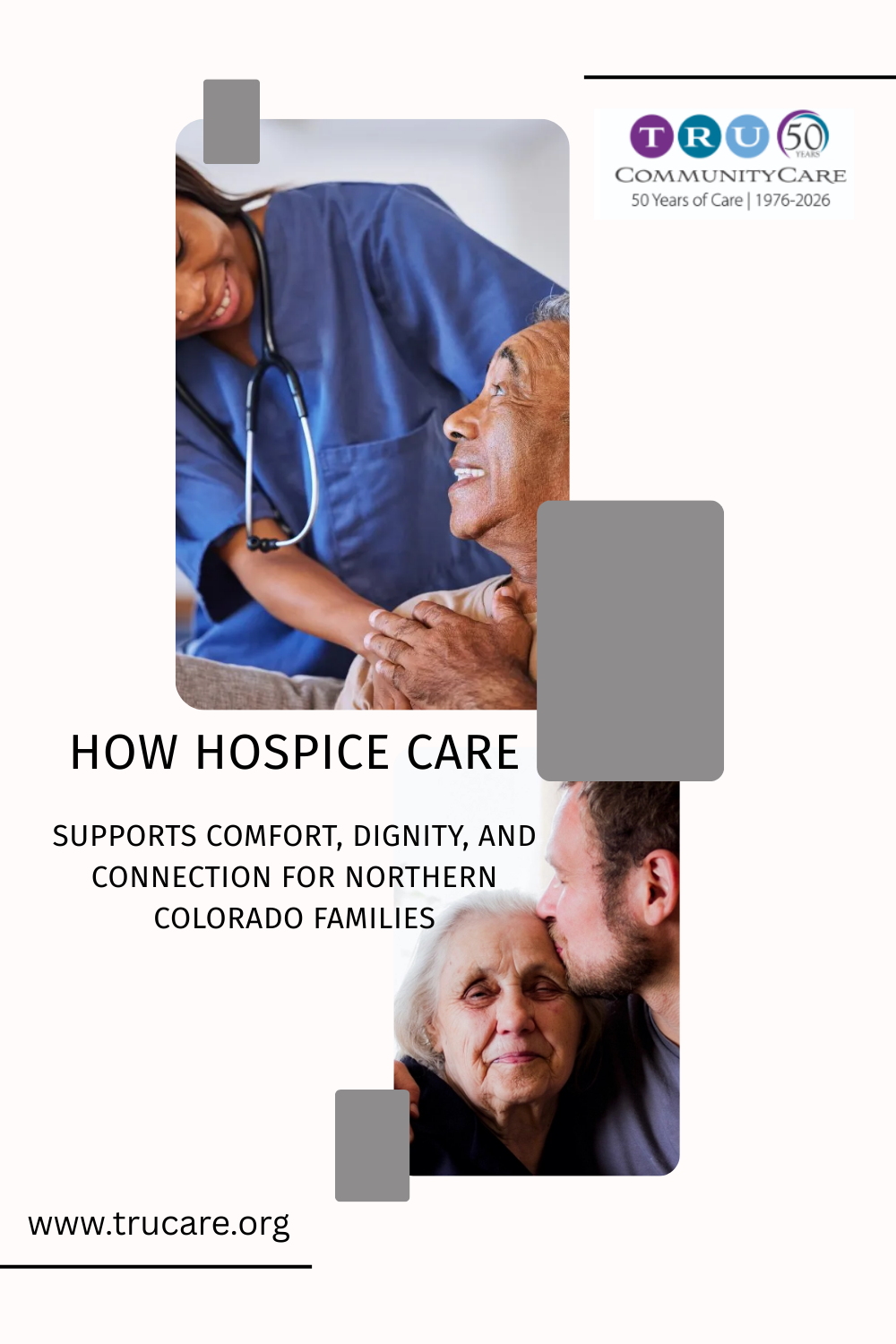
How Hospice Care Supports Comfort, Dignity, and Connection for Northern Colorado Families
How Hospice Care Supports Comfort, Dignity, and Connection for Northern Colorado FamiliesWhen a loved one is facing a serious, life-limiting illness, families often feel unprepared for what comes next. Questions about comfort, pain, emotional support, and quality of life quickly rise to the surface. In Northern Colorado, many families discover that hospice care isnt about giving upits about living fully, comfortably, and meaningfully during lifes final chapter.That philosophy guides the work of TRU Community Care, a trusted hospice provider serving Lafayette and surrounding Northern Colorado communities. Through compassionate, interdisciplinary care, TRU Community Care helps patients and families navigate end-of-life with dignity, clarity, and supportwherever they call home.This article explores what hospice care truly offers, how it supports both patients and families, and why early hospice involvement can profoundly improve quality of life.Rethinking Hospice: Care Focused on Living, Not DyingMany families delay hospice because they misunderstand what it means. Hospice is not about hastening death; it is about prioritizing comfort, relief from symptoms, and emotional well-being when curative treatment is no longer effective or desired.Hospice care focuses on: Pain and symptom management Emotional and spiritual support Preserving dignity and personal wishes Supporting family caregivers Enhancing comfort and peace When introduced early, hospice allows patients to spend more meaningful time with loved onesoften with better symptom control and less stress.Why Hospice Matters for Northern Colorado FamiliesNorthern Colorado families value independence, home-centered living, and close community ties. Hospice aligns with these values by meeting patients where they areoften in their own homes or familiar settings.Hospice care in Lafayette and nearby communities helps by: Reducing unnecessary hospital visits Supporting aging in place when possible Providing 24/7 access to clinical guidance Offering continuity during an emotionally complex time This approach allows families to focus on connection rather than crisis management.What Hospice Care IncludesHospice care is delivered by an interdisciplinary team that addresses the whole personnot just the illness.Hospice teams typically include: Hospice physicians and nurses Certified nursing assistants Social workers Chaplains or spiritual counselors Trained volunteers Bereavement counselors Together, they provide coordinated support tailored to each patients needs, preferences, and values.Comfort Through Expert Symptom ManagementOne of hospices most important roles is managing symptoms that can affect quality of life.Common symptoms addressed include: Pain and discomfort Shortness of breath Anxiety or agitation Fatigue and weakness Nausea or loss of appetite Hospice clinicians specialize in adjusting care plans quickly to keep patients as comfortable as possible.According to Chelsea James, Hospice is about listeningto patients and familiesand responding with care that honors comfort, dignity, and what matters most to them. Emotional and Spiritual Support for the Whole FamilySerious illness affects more than the patient. Family members often experience fear, grief, exhaustion, and uncertainty.Hospice supports families by: Providing counseling and emotional guidance Helping navigate difficult conversations Offering respite and caregiver education Supporting spiritual needs, regardless of belief system Families frequently describe hospice as a source of reassurance and calm during an otherwise overwhelming time.Hospice Care at Home: Familiar, Personal, and PeacefulMany patients prefer to receive hospice care at home, surrounded by familiar people, pets, and routines. Hospice teams support this preference whenever possible.Home-based hospice care offers: Personalized care in a familiar environment Reduced disruption and travel Greater sense of control for patients Opportunities for meaningful moments with loved ones Being at home often brings comfort that no medical facility can replicate.Supporting Caregivers Through the JourneyFamily caregivers play a vital role but often feel unprepared. Hospice teams empower caregivers with education, guidance, and ongoing support.Caregiver support includes: Training on medications and symptom management 24/7 on-call support for urgent questions Emotional reassurance and check-ins Planning for changes as needs evolve This partnership reduces caregiver burnout and fear.The Importance of Timing in Hospice CareMany families wish they had contacted hospice sooner. Early hospice involvement often leads to better experiences for everyone involved.Benefits of earlier hospice care include: Improved symptom control Fewer emergency room visits More time for meaningful conversations Stronger emotional and spiritual support Reduced stress for families Hospice does not require giving up hopeit redefines hope around comfort and connection.Bereavement Support Beyond the LossHospice care doesnt end when a loved one passes. Ongoing bereavement support helps families process grief and adjust after loss.Bereavement services may include: Individual or group counseling Grief education and resources Follow-up support for months after loss Community remembrance programs This continued care reflects hospices commitment to familiesnot just patients.When Is Hospice Appropriate?Hospice is generally appropriate when: A physician determines life expectancy is limited Curative treatment is no longer effective or desired Comfort and quality of life become priorities Families want support managing care at home A hospice consultation does not obligate enrollmentit simply provides information and guidance.Choosing a Hospice Provider in Northern ColoradoFamilies should look for hospice providers who emphasize compassion, communication, and responsiveness.Important questions include: How is symptom management handled? How often will nurses and staff visit? What support is available for caregivers? How are emergencies addressed after hours? A trusted hospice partner brings calm during uncertainty.Honoring Life Through Compassionate CareEnd-of-life care is deeply personal. Hospice allows patients to remain comfortable, respected, and connectedwhile families receive the guidance and support they need.For Northern Colorado families facing serious illness, TRU Community Care offers hospice services grounded in compassion, dignity, and respect. To learn more about hospice care options and support, visit TRU Community Cares Seniors Blue Book listing and explore how hospice can help your family navigate this chapter with care.Frequently Asked QuestionsDoes hospice mean stopping all care? No. Hospice focuses on comfort, symptom management, and quality of life.Can hospice be provided at home? Yes. Most hospice care is delivered in the home or another familiar setting.Is hospice covered by insurance or Medicare? Hospice is often covered; providers can explain eligibility and coverage.Can families change their minds about hospice? Yes. Hospice care is a choice and can be adjusted as circumstances change. How quickly can hospice services begin? Services can often begin within days of referral.
Jan 09, 2026
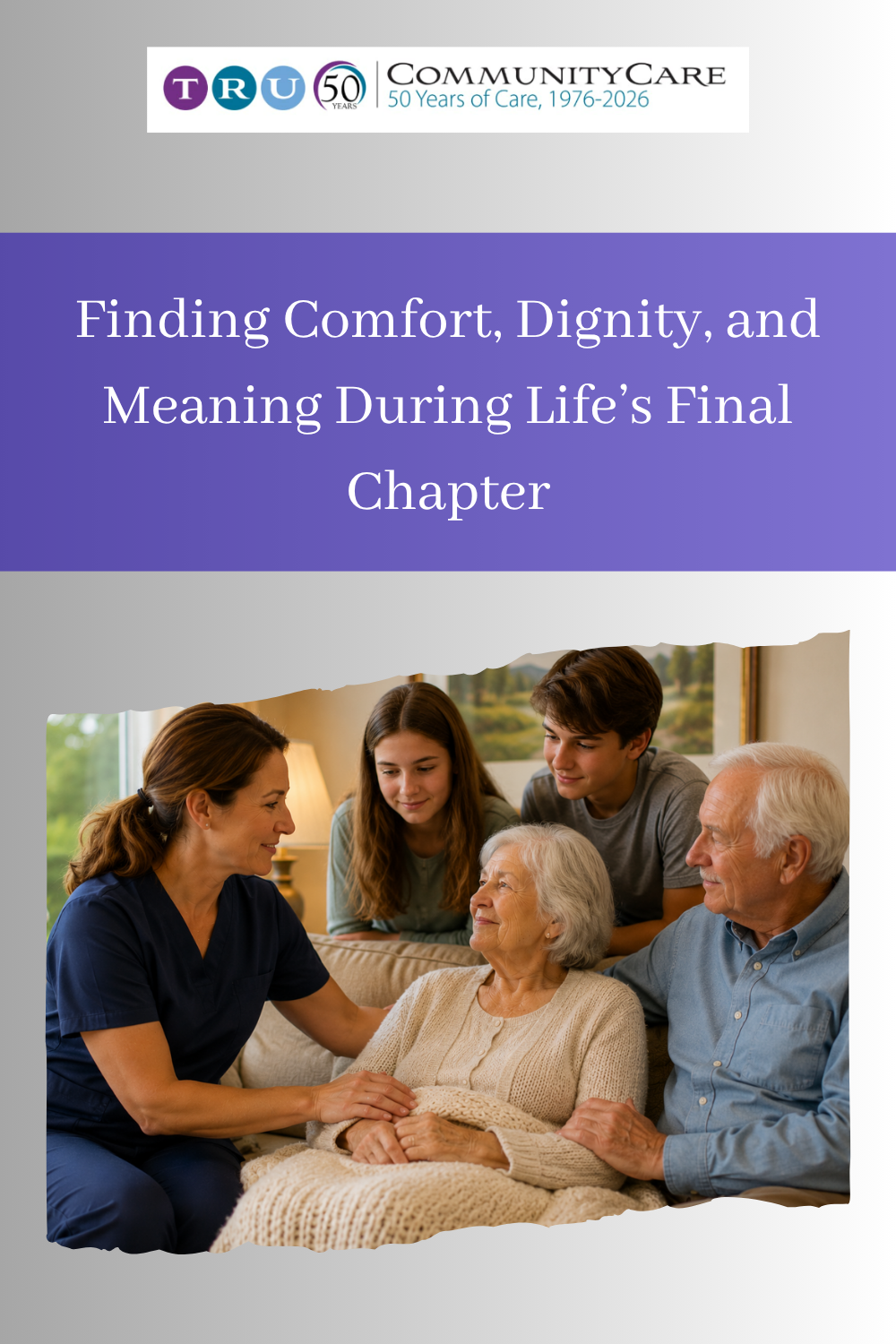
Finding Comfort, Dignity, and Meaning During Lifes Final Chapter
Finding Comfort, Dignity, and Meaning During Lifes Final ChapterLife is filled with milestones. We celebrate births, graduations, weddings, careers, and retirements. Yet one of life's most significant transitions is often the least discussed: the final chapter.When a loved one is facing a serious illness, families frequently find themselves navigating unfamiliar emotions, difficult decisions, and uncertain expectations. Questions arise about comfort, quality of life, and how to make the most of the time that remains.While these conversations can be challenging, hospice care offers something many families are not expecting: an opportunity to focus on comfort, connection, and meaningful moments.Organizations like TRU Community Care in Lafayette help individuals and families shift their attention away from treatments and procedures that may no longer improve quality of life and toward what truly mattersliving each day with dignity, purpose, and support.A Different Perspective on End-of-Life CareWhen people hear the word hospice, they often think only about death.However, hospice professionals see something much broader.They see opportunities for:Family conversationsPersonal reflectionEmotional healingComfort and peaceMeaningful experiencesLasting memoriesHospice care acknowledges that while life may be changing, there is still life to be lived.Every day remains valuable.Every relationship remains important.Every moment matters.What Quality of Life Means to Different PeopleOne of the most remarkable aspects of hospice care is its individualized approach.Quality of life looks different for everyone.For one person, it may mean:Sitting on the porch and enjoying a Colorado sunsetSpending time with grandchildrenListening to favorite musicSharing stories with family membersFor another, it may involve:Managing pain effectivelyRemaining at homeParticipating in spiritual practicesCreating legacy projectsHospice teams help patients identify what matters most and support those goals whenever possible.The Importance of Being PresentSerious illness often changes how families view time.Small moments become meaningful.Conversations that once seemed ordinary become treasured memories.Families frequently discover the importance of simply being together.Hospice care encourages this presence by helping reduce the burden of medical logistics and symptom management.When discomfort is controlled and support systems are in place, families can focus on spending time with one another rather than constantly managing crises.Hospice Supports the Whole FamilyA serious illness affects more than the patient.Spouses, children, siblings, grandchildren, and close friends all experience emotional challenges during this journey.Common feelings include:FearAnxietySadnessUncertaintyGuiltAnticipatory griefHospice teams recognize these realities.That is why support extends beyond the patient to include the entire family.Counselors, social workers, chaplains, and bereavement specialists help loved ones process emotions while navigating complex decisions.Preserving Dignity Through Personalized CareOne of the greatest concerns many individuals have during serious illness is losing control.Hospice care focuses on preserving dignity by respecting personal choices and preferences.Patients remain active participants in decisions about:Daily routinesPersonal goalsSpiritual practicesFamily interactionsComfort measuresThis individualized approach helps people maintain a sense of identity and autonomy during a vulnerable time.The Power of ListeningSometimes the most meaningful support comes not from solving problems but from listening.Hospice professionals spend time understanding:Personal storiesFamily dynamicsFears and concernsHopes and prioritiesPatients often appreciate having someone who will listen without judgment and offer compassionate support.These conversations can provide tremendous comfort for both patients and families.Creating Opportunities for Meaningful MemoriesMany families worry that serious illness will overshadow their remaining time together.Hospice care often helps create opportunities for connection instead.Families may choose to:Share Family StoriesPassing memories from one generation to the next.Review PhotographsReflecting on important life moments.Celebrate MilestonesRecognizing birthdays, anniversaries, and special occasions.Record Personal MessagesCreating lasting gifts for future generations.These experiences often become treasured memories that continue providing comfort long after a loved one has passed.Why Remaining at Home MattersFor many people, home represents comfort and familiarity.It is where cherished memories were created and where loved ones feel most at ease.Hospice services often allow individuals to remain in their homes while receiving comprehensive support.This can provide:Greater comfortFamiliar surroundingsFamily proximityReduced stressEnhanced quality of lifeFor residents of Lafayette and Boulder County, remaining connected to their community often contributes significantly to emotional well-being.Addressing Emotional and Spiritual NeedsSerious illness frequently prompts deeper reflection.Questions about meaning, relationships, faith, and legacy often emerge.Hospice recognizes that emotional and spiritual well-being are just as important as physical comfort.Support may include:CounselingChaplain servicesLegacy workFamily conversationsEmotional guidanceEach individual's beliefs and preferences are respected throughout the process.Compassionate Care Creates ConfidenceOne of the greatest gifts hospice provides is reassurance.Families often feel overwhelmed by uncertainty.Hospice professionals help them understand what to expect while providing guidance and support every step of the way.According to Chelsea James of TRU Community Care, "Hospice care allows families to focus on what matters mostbeing together, creating meaningful moments, and ensuring their loved one experiences comfort, dignity, and compassionate support."A Community-Focused ApproachTRU Community Care has long been a trusted resource throughout Lafayette and Boulder County.Their commitment to compassionate care reflects the values of the communities they serve.By combining clinical expertise with emotional support, hospice professionals help families navigate one of life's most important journeys with confidence and compassion.The Final Chapter Can Still Be BeautifulWhile serious illness is never easy, it does not eliminate opportunities for joy, connection, or meaning.Hospice care helps individuals and families focus on living fully during every stage of life.By prioritizing comfort, dignity, and personal values, hospice creates space for meaningful experiences that families often remember for years to come.Learn More About TRU Community CareIf your family is exploring hospice options or simply wants to better understand available resources, TRU Community Care is here to help.Visit their Seniors Blue Book listing to learn more about their compassionate hospice services and the support they provide throughout Lafayette and surrounding communities.Frequently Asked QuestionsDoes hospice focus only on physical care?No. Hospice addresses physical, emotional, social, and spiritual needs.Can hospice help family members as well?Yes. Hospice provides counseling, education, emotional support, and bereavement services for families.Is hospice only for the final days of life?No. Hospice services can begin much earlier and often provide greater benefits when started sooner.Can patients remain at home while receiving hospice care?Yes. Many hospice services are provided in private homes and residential settings.What makes hospice different from traditional medical care?Hospice focuses on comfort, quality of life, symptom management, and holistic support rather than curative treatment.
Jun 09, 2026
The Lasting Impact of Hospice Bereavement Care
The Lasting Impact of Hospice Bereavement CareGrief does not begin only after loss. For many families in , emotional processing starts long before a loved one passes away. Serious illness often brings waves of sadness, uncertainty, fear, and anticipatory grief that can feel overwhelming without support.One of the most meaningful yet lesser-known aspects of hospice care is bereavement supporta compassionate service designed to help families navigate loss before and after death.Understanding Anticipatory GriefFamilies caring for loved ones with advanced illness often experience emotional stress months before death occurs.Common feelings include: Anxiety Sadness Exhaustion Guilt Fear of the future Emotional numbness These reactions are normal, yet many caregivers feel isolated in their experiences.Hospice care extends beyond physical comfort, explains . Families need emotional support and reassurance throughout the entire journeynot only after a loss occurs.Bereavement Support Is a Core Part of Hospice CareHospice organizations recognize that grief affects every family differently.Bereavement services may include: Individual counseling Support groups Memorial services Educational resources Check-in calls Family grief guidance These services help families process emotions in healthy and compassionate ways.Grief Looks Different for EveryoneThere is no correct way to grieve.Some people openly express emotions, while others process quietly. Some feel sadness immediately, while others experience delayed emotional reactions.Factors influencing grief may include: Relationship dynamics Cultural traditions Spiritual beliefs Sudden versus gradual illness Previous losses Available support systems Hospice professionals provide nonjudgmental support tailored to each familys experience.Lafayettes Community Spirit Helps Families Feel ConnectedLafayettes welcoming and compassionate atmosphere often helps grieving families feel less alone.Community-centered support systems such as: Faith organizations Neighborhood connections Volunteer groups Local memorial events can provide comfort during difficult times.Hospice teams frequently help families identify additional local grief resources when needed.Caregivers Often Neglect Their Own Emotional NeedsDuring serious illness, family caregivers commonly prioritize the patients needs while ignoring their own emotional well-being.After a loss occurs, caregivers may suddenly experience: Emotional exhaustion Identity changes Loneliness Anxiety Difficulty returning to routines Bereavement care encourages caregivers to acknowledge their own healing process.Children and Teens Experience Grief DifferentlyYounger family members often need specialized guidance when coping with loss.Children may express grief through: Behavioral changes Withdrawal Anxiety Difficulty concentrating Confusion about death Hospice bereavement professionals help families communicate openly and support children in age-appropriate ways.Memorial Traditions Can Promote HealingMany families find comfort through meaningful rituals and remembrance activities.Examples include: Planting memorial gardens Creating photo albums Writing letters Sharing family stories Participating in remembrance ceremonies These activities help families honor loved ones while processing grief gradually.Emotional Healing Takes TimeThere is no timeline for grief recovery. Emotional healing often unfolds gradually and unpredictably.Families may experience: Good days and difficult days Emotional triggers during holidays Sudden memories Shifting emotions over time Compassionate bereavement support reminds families that healing is not linear.Hospice Professionals Build Lasting Human ConnectionsHospice teams often form meaningful relationships with patients and families during emotionally vulnerable periods.Because of these connections, bereavement support feels deeply personal rather than clinical.Families frequently express gratitude for having compassionate professionals walk beside them during difficult moments.No Family Should Navigate Grief AloneLoss changes families forever, but compassionate support can help individuals move through grief with understanding, connection, and hope.For families throughout Lafayette, TRU Community Care provides bereavement services designed to support emotional healing long after hospice care ends. Visit their Seniors Blue Book listing to learn more about hospice grief resources, counseling support, and compassionate family care services.FAQsWhat is hospice bereavement care?Bereavement care provides emotional support and grief resources for families before and after the loss of a loved one.How long does hospice grief support last?Many hospice programs offer bereavement services for months after a loved ones passing.Can children receive grief support through hospice?Yes. Hospice organizations often provide age-appropriate grief guidance for children and teens.Is anticipatory grief normal?Absolutely. Many caregivers and family members begin grieving before a loved one passes away.Why is bereavement support important? Grief support helps families process emotions, reduce isolation, and navigate healing in healthy ways.
May 08, 2026
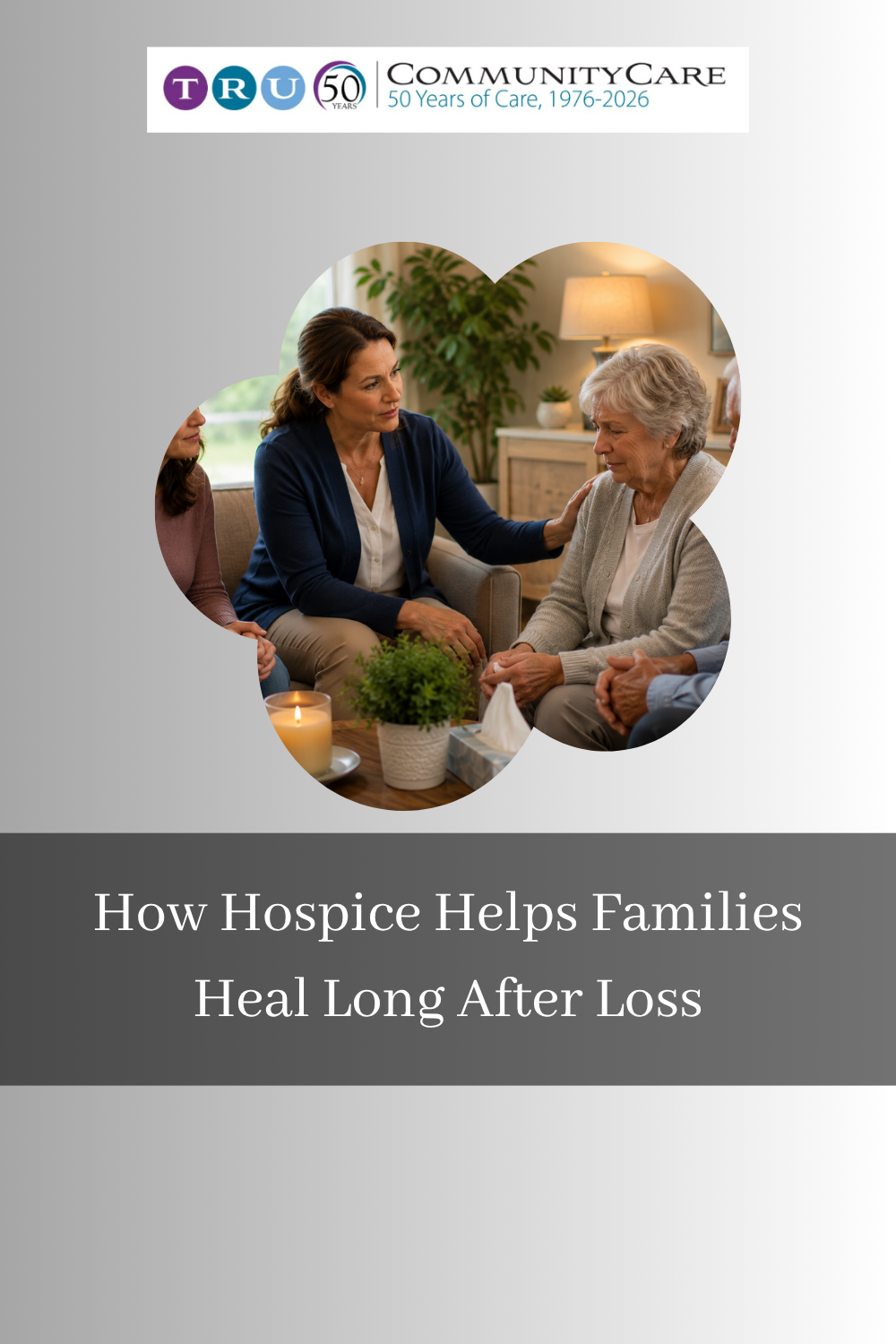
How Hospice Helps Families Heal Long After Loss
How Hospice Helps Families Heal Long After LossWhen a loved one dies, the experience often feels overwhelming.Even when a death is expected, families can find themselves navigating a complicated mix of emotions that include sadness, relief, gratitude, guilt, confusion, and uncertainty. Grief is deeply personal, and no two people experience it in exactly the same way.While many people recognize hospice for the compassionate care it provides during serious illness, fewer realize that hospice support often continues long after a loved one's passing. One of the most valuable yet often overlooked aspects of hospice care is bereavement support.For families throughout Lafayette and Boulder County, grief services offered through organizations like TRU Community Care help individuals process loss, find connection, and move forward with support during one of life's most difficult transitions.Understanding Grief Beyond the FuneralMany people assume grief follows a predictable timeline.In reality, grief is rarely linear.Emotions may change from day to day or even hour to hour.Individuals may experience:SadnessAngerLonelinessReliefAnxietyDisbeliefRegretAcceptanceThere is no "correct" way to grieve.What matters most is having the support needed to process those emotions in a healthy way.Unfortunately, many people find that support becomes less available after the funeral services conclude.Friends and family often return to their routines, while those closest to the loss continue navigating daily life without their loved one.Why Bereavement Support MattersGrief affects far more than emotions.It can influence:Physical HealthFatigue, sleep disruption, appetite changes, and decreased energy are common.Emotional Well-BeingFeelings of sadness, anxiety, or depression may emerge.RelationshipsFamily dynamics sometimes shift after a significant loss.Daily FunctioningConcentration, motivation, and decision-making can become more difficult.Bereavement support helps individuals understand these experiences and develop healthy coping strategies.Hospice Support Does Not End at DeathOne of the unique aspects of hospice care is its commitment to families.Hospice teams understand that grief begins long before a loved one dies and often continues well afterward.Bereavement programs may include:Individual counselingSupport groupsEducational workshopsMemorial servicesGrief resourcesCommunity programsThese services help individuals feel less isolated while providing practical tools for navigating loss.The Different Faces of GriefPeople often expect grief to look a certain way.However, grief can appear differently depending on:PersonalityFamily relationshipsCultural backgroundLife experiencesSpiritual beliefsSome people openly express emotions and seek conversation.Others process grief quietly and internally.Neither approach is wrong.Effective grief support respects these differences and meets people where they are.Anticipatory Grief: Mourning Before a LossMany families experience grief before a loved one passes away.This is known as anticipatory grief.As serious illness progresses, family members may begin grieving:Changes in healthLoss of independenceFuture milestones that may be missedShifting family rolesHospice professionals help families understand these emotions and prepare for what lies ahead.By addressing grief early, families often feel better equipped to navigate the journey.The Importance of Community During GriefOne of the greatest challenges after a loss is feeling alone.Support groups create opportunities to connect with others who understand similar experiences.Participants often discover:They are not aloneTheir feelings are normalOthers share similar strugglesHealing takes timeIn communities like Lafayette, where relationships and community involvement are highly valued, these connections can be especially meaningful.Sharing experiences with others who understand grief often provides comfort that family and friends cannot always offer.Helping Children and Grandchildren Process LossGrief affects individuals of all ages.Children may struggle to understand death and its implications.Common reactions include:ConfusionFearBehavioral changesSadnessWithdrawalBereavement specialists help families communicate openly and age-appropriately about loss.Supporting young family members early can promote healthier long-term coping skills.Finding Meaning After LossOne of the most important aspects of grief support involves helping individuals find meaning and purpose after a loved one's death.This does not mean forgetting the person who died.Instead, it means learning how to move forward while honoring their memory.Families often find comfort through:StorytellingSharing memories and experiences.Legacy ProjectsCreating photo albums, journals, or personal tributes.Community ServiceParticipating in activities that reflect a loved one's values.Family TraditionsContinuing meaningful rituals and celebrations.These activities help preserve connections while encouraging healing.Why Professional Guidance Can Be ValuableWhile family and friends provide important support, grief can sometimes feel too complex to navigate alone.Professional bereavement counselors offer:Objective guidanceEmotional supportCoping strategiesEducation about griefSafe spaces for discussionThese services help individuals understand that grief is not something to "fix" but rather a process to move through with compassion and patience.Healing Does Not Mean ForgettingMany people fear that healing somehow diminishes the importance of their loved one.The opposite is true.Healthy grief allows individuals to continue carrying cherished memories while gradually adapting to life after loss.Healing means learning how to move forward while maintaining a meaningful connection to the person who died.The Role of TRU Community CareTRU Community Care has long been recognized throughout Lafayette and Boulder County for providing compassionate support not only to patients but also to families.Their bereavement programs help individuals navigate grief with understanding, guidance, and community connection.According to Chelsea James of TRU Community Care, "Grief is a deeply personal journey. Our goal is to provide compassionate support and meaningful resources that help families feel less alone as they move through the healing process."There Is No Timeline for GriefPerhaps the most important lesson about grief is that there is no deadline.Some days may feel easier than others.Special occasions, anniversaries, and holidays may bring renewed emotions.This is normal.Grief evolves over time, and support remains valuable throughout that journey.Having access to compassionate resources helps individuals feel understood while honoring their unique experiences.Learn More About TRU Community CareIf you or someone you know is coping with the loss of a loved one, support is available.Visit the TRU Community Care listing on Seniors Blue Book to learn more about their hospice and bereavement programs serving Lafayette, Boulder County, and surrounding communities.Frequently Asked QuestionsWhat is bereavement support?Bereavement support provides counseling, education, and resources that help individuals cope with grief after a loss.How long does grief last?Grief is unique for every person and does not follow a specific timeline.Are hospice bereavement services only for immediate family members?Programs vary, but many services are available to family members and others affected by the loss.Can support groups help with grief?Yes. Many people find comfort and understanding through connections with others experiencing similar losses.Does healing mean forgetting a loved one?No. Healing involves learning to move forward while continuing to honor and remember the person who died.
Jun 09, 2026
Finding Comfort, Compassion, and Peace with TRU Community Care
Finding Comfort, Compassion, and Peace with TRU Community CareFacing a serious illness is one of lifes most difficult journeysfor both patients and the people who love them. Families often find themselves navigating overwhelming emotions, complex medical decisions, and uncertainty about what comes next. In these moments, the focus often shifts from curing illness to something equally important: comfort, dignity, and quality of life.This is where hospice care becomes invaluable.Hospice care is designed to support individuals living with life-limiting illnesses by focusing on comfort, symptom management, and emotional well-being. More than medical care, hospice offers compassionate support that helps patients and families navigate one of lifes most challenging seasons with greater peace and clarity.For families in Lafayette and surrounding communities, TRU Community Care provides compassionate hospice services centered on dignity, comfort, and meaningful support.Hospice care helps families focus less on fear and uncertaintyand more on connection, comfort, and time together.What Is Hospice Care?Hospice care is specialized care for people living with serious illnesses when treatment goals shift from cure-focused care to comfort-focused care.The primary goal of hospice is to improve quality of life.Rather than aggressively treating disease, hospice focuses on managing symptoms, reducing pain, and supporting emotional and spiritual needs.Hospice services often include: Pain management Symptom control Emotional support Spiritual care Family education Care coordination Bereavement support Hospice care treats the whole personnot just the diagnosis.It also recognizes that families need support too.This compassionate approach helps reduce stress while improving comfort during a difficult time.When Is Hospice the Right Choice?Many families struggle with knowing when to begin hospice care.This is one of the most common questions people ask.Hospice may be appropriate when someone is living with a serious illness and curative treatments are no longer effective or aligned with care goals.Conditions commonly supported by hospice include: Advanced cancer Heart disease COPD or lung disease Alzheimers disease Dementia Neurological disorders Hospice is not about giving up hope.Instead, it shifts hope toward comfort, dignity, peace, and meaningful time together.In many cases, starting hospice earlier provides better support and improved quality of life.Common Misconceptions About HospiceUnfortunately, hospice is often misunderstood.These misconceptions can delay families from receiving important support.Common myths include:Hospice Means Giving UpThis is one of the biggest misconceptions.Hospice does not mean giving upit means choosing comfort-focused care.Hospice Is Only for the Last Few DaysMany people think hospice is only for the final days of life.In reality, hospice can provide support for weeks or months.Hospice Only Helps the PatientHospice supports both patients and families.Emotional guidance and family support are major parts of care.Understanding these facts helps families make more informed decisions.Benefits of Hospice CareHospice care offers meaningful benefits for both patients and loved ones.Better ComfortPain and symptoms are managed carefully to improve daily comfort.Emotional SupportPatients and families receive compassionate guidance.Improved Quality of LifeCare focuses on comfort and meaningful moments.Family Peace of MindFamilies feel supported and less overwhelmed.Hospice helps reduce uncertainty while improving care experiences.It allows families to focus on what matters most.Why Lafayette Is a Supportive Community for Hospice CareLafayette offers a compassionate and community-centered environment for families navigating serious illness.Located in Boulder County, Lafayette combines access to quality healthcare with a welcoming, supportive community.Families benefit from: Nearby healthcare systems Community-centered resources Experienced care providers Peaceful surroundings This environment helps families feel supported during difficult transitions.Local hospice care services further strengthen this support.How TRU Community Care Supports Patients and FamiliesAt TRU Community Care, hospice care is centered on helping patients live with dignity, comfort, and peace.Care is personalized to meet each individuals physical, emotional, and spiritual needs.The team works closely with patients and families to create care plans that prioritize comfort and meaningful support.Services may include: Pain and symptom management Emotional support Family guidance Care coordination End-of-life support Bereavement care This holistic approach helps families feel informed, supported, and cared for.Chelsea James understands how deeply meaningful hospice care can be. Hospice care is about creating comfort and peace during one of lifes most important journeys. Our goal is to support patients and families with compassion, dignity, and meaningful care every step of the way. That philosophy helps guide every aspect of care at TRU Community Care.The Importance of Emotional SupportSerious illness affects more than physical health.It impacts emotions, relationships, and family dynamics.Hospice recognizes this reality.Emotional support can help families: Process difficult decisions Navigate grief Reduce anxiety Find comfort and reassurance This support often becomes just as important as medical care.Compassionate guidance can make an enormous difference during difficult times.Questions Families Should Ask About HospiceWhen considering hospice care, families often benefit from asking thoughtful questions.Important questions include: What services are provided? How is pain managed? What family support is available? How are care plans personalized? What emotional or spiritual support is offered? The right hospice provider should offer both expertise and compassion.FAQs About Hospice Care in Lafayette, COWhat is hospice care?Hospice care provides comfort-focused care for people with life-limiting illnesses.Does hospice mean stopping all care?No. Hospice continues care with a focus on comfort and quality of life.When should hospice begin?Hospice may begin when treatment goals shift toward comfort-focused care.Does hospice support families too?Yes. Family support is a major part of hospice care.Why choose hospice care in Lafayette?Lafayette offers strong healthcare access and supportive community resources.Compassion Makes All the DifferenceEnd-of-life care is about more than managing illness.It is about preserving dignity, improving comfort, and helping families focus on meaningful moments together.Hospice care provides compassionate support during one of lifes most important transitions.For families in Lafayette and nearby communities, TRU Community Care offers trusted hospice care designed to bring comfort, peace, and support when it matters most.If your family is exploring hospice care options, now is the right time to learn more about compassionate local support. Visit TRU Community Care on Seniors Blue Book to connect with their team and learn more about their hospice services.
Jun 26, 2026
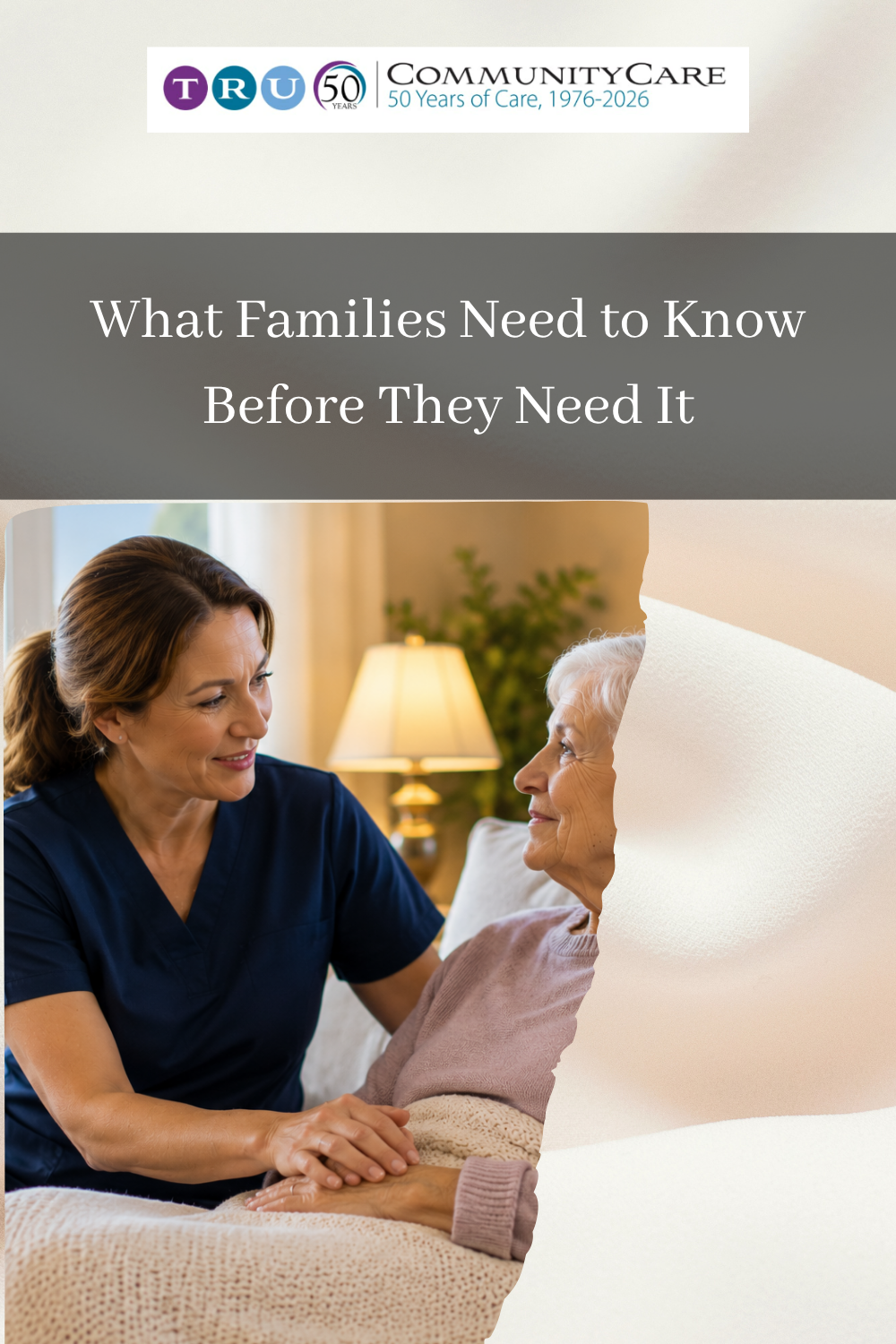
What Families Need to Know Before They Need It
What Families Need to Know Before They Need ItFew healthcare decisions are as emotionally significant as those involving end-of-life care. Yet despite the importance of hospice services, many families do not fully understand what hospice isor when it should be considereduntil they are facing a medical crisis.Unfortunately, misconceptions about hospice often prevent individuals and families from accessing valuable support at a time when it could make the greatest difference.Hospice care is not about giving up. It is about improving quality of life, maximizing comfort, supporting families, and ensuring individuals can spend their remaining time with dignity and meaning.For residents throughout Lafayette, Boulder County, and surrounding Colorado communities, organizations like TRU Community Care provide compassionate hospice services that focus on comfort, connection, and personalized support during life's most challenging transitions.What Hospice Care Really MeansOne of the most common misconceptions about hospice is that it is only for the final days of life.In reality, hospice care is designed for individuals facing a life-limiting illness when curative treatments are no longer the primary focus and comfort becomes the priority.Hospice care addresses the whole person, including:Physical comfortEmotional supportSpiritual careSocial needsFamily educationCaregiver assistanceThe goal is to help individuals live as fully and comfortably as possible while providing families with guidance and support.Why Families Often Wait Too LongMany people associate hospice with a loss of hope.However, hospice care often introduces a different kind of hopehope for comfort, peace, meaningful moments, and improved quality of life.Families frequently delay hospice because they believe:Hospice is only for the final days.Choosing hospice means giving up.Medical care will stop.Their loved one is not "sick enough."These misconceptions can prevent families from receiving valuable services that could greatly improve both patient and caregiver experiences.In many cases, families later wish they had started hospice sooner.The Benefits of Early Hospice SupportWhen hospice begins earlier, patients and families often have more time to benefit from the services available.These services may include:Pain and Symptom ManagementSpecialized care teams focus on maximizing comfort and reducing distressing symptoms.Emotional SupportCounselors and social workers help patients and families navigate complex emotions.Family EducationCaregivers receive guidance and training that helps them feel more confident.Spiritual CareIndividuals can receive support that aligns with their beliefs and values.Additional ResourcesHospice teams connect families with services and equipment that improve daily comfort.The earlier these supports are introduced, the more impact they can have.Hospice Care Is About Living WellOne of the most important truths about hospice is that it focuses on livingnot dying.Hospice teams help individuals spend time doing what matters most.For one person, that may mean sitting outside and enjoying Colorado's mountain views. For another, it may involve spending time with grandchildren, attending a family gathering, or simply enjoying a favorite meal.Comfort-focused care allows patients to prioritize meaningful experiences rather than spending valuable time navigating repeated hospital visits and medical interventions.Supporting Families Through Difficult ConversationsConversations about serious illness and end-of-life wishes are rarely easy.Many families avoid discussing topics such as:Healthcare goalsTreatment preferencesAdvance directivesPersonal valuesFamily concernsHospice professionals help facilitate these discussions with compassion and expertise.Having open conversations often reduces uncertainty and helps families feel more prepared for future decisions.A Team-Based Approach to CareHospice care involves an interdisciplinary team working together to support both patients and families.This team may include:PhysiciansProviding oversight and medical guidance.NursesManaging symptoms and coordinating care.Social WorkersOffering emotional support and practical resources.ChaplainsProviding spiritual care when desired.VolunteersOffering companionship and assistance.Bereavement SpecialistsSupporting families before and after a loss.This collaborative approach ensures that care addresses every aspect of a person's well-being.Hospice Care Can Be Provided in Many SettingsMany people assume hospice requires moving to a specific facility.In reality, hospice services are often delivered wherever a person calls home.Care may be provided in:Private residencesAssisted living communitiesSkilled nursing facilitiesMemory care communitiesIndependent living settingsThis flexibility allows individuals to remain in familiar environments whenever possible.Why Hospice Matters in Communities Like LafayetteLafayette is known for its strong sense of community, beautiful outdoor spaces, and commitment to quality of life.Families here often prioritize meaningful relationships, personal connections, and compassionate support.Hospice care aligns closely with these values.Rather than focusing solely on medical needs, hospice emphasizes comfort, dignity, and human connection.This holistic approach helps individuals remain surrounded by the people, places, and experiences that matter most.The Importance of Supporting CaregiversSerious illness affects entire families.Caregivers often experience:Physical exhaustionEmotional stressAnxietyUncertaintyGriefHospice recognizes that family members need support as well.Education, respite assistance, counseling, and ongoing communication help caregivers feel less alone during a difficult time.According to Chelsea James of TRU Community Care, "Hospice is about helping people experience comfort, dignity, and meaningful moments while providing families with the support they need to navigate an incredibly important chapter of life."Beyond Medical CareWhat makes hospice unique is its focus on the whole person.While symptom management remains essential, hospice also recognizes the importance of:RelationshipsLegacyEmotional healingSpiritual well-beingPersonal goalsPatients often discover opportunities to create meaningful memories, strengthen family bonds, and focus on what matters most.Hospice Is a Gift of SupportMany families describe hospice as one of the most compassionate services they have ever experienced.Rather than facing serious illness alone, they gain access to a team dedicated to comfort, dignity, and quality of life.Hospice does not take away hope.It shifts the focus toward making every day as meaningful and comfortable as possible.Learn More About TRU Community CareIf you have questions about hospice services or want to better understand available options, TRU Community Care is here to help.Visit their Seniors Blue Book listing to learn more about their compassionate hospice programs and the support they provide to patients and families throughout Lafayette, Boulder County, and surrounding communities.Frequently Asked QuestionsWhat is hospice care?Hospice is specialized care focused on comfort, symptom management, and quality of life for individuals facing a life-limiting illness.When should hospice be considered?Hospice may be appropriate when curative treatments are no longer the primary goal and comfort-focused care becomes the priority.Does hospice mean medical care stops?No. Hospice continues providing medical support focused on symptom management and comfort.Can hospice be provided at home?Yes. Many hospice services are delivered in private residences and other community settings.How does hospice support families?Hospice offers education, counseling, caregiver support, bereavement services, and ongoing guidance throughout the care journey.
Jun 09, 2026
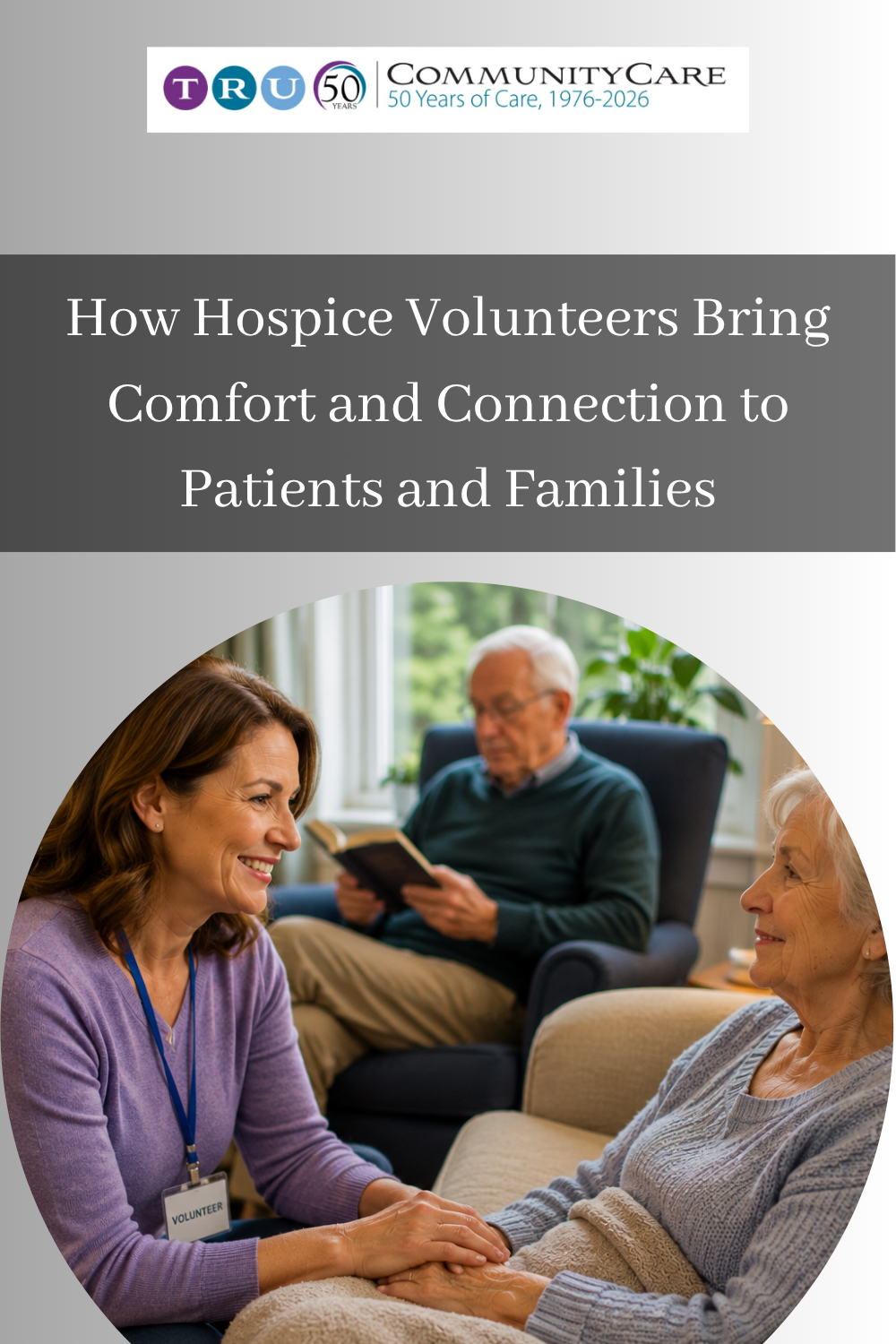
How Hospice Volunteers Bring Comfort and Connection to Patients and Fa
How Hospice Volunteers Bring Comfort and Connection to Patients and FamiliesWhen people think about hospice care, they often picture nurses, physicians, social workers, and chaplains working together to support patients and families. While these professionals play an essential role, there is another group of individuals whose contributions often leave a lasting impact: hospice volunteers.Volunteers are a unique part of the hospice experience. They offer something that cannot be prescribed, measured, or delivered through medical treatment alonethe gift of presence.For patients facing serious illness, a volunteer's visit can provide companionship, conversation, laughter, and connection. For caregivers, it can offer reassurance and a much-needed opportunity to rest. For families, it often becomes a reminder that they are not alone.Throughout Lafayette, Boulder County, and surrounding Colorado communities, hospice volunteers working alongside organizations like TRU Community Care help bring compassion, dignity, and human connection to individuals during one of life's most meaningful journeys.Hospice Is About More Than HealthcareHospice care focuses on improving quality of life for individuals living with a life-limiting illness.While symptom management and clinical care are important, hospice also recognizes that emotional and social well-being matter just as much.People facing serious illness often experience challenges that extend beyond physical symptoms.They may face:LonelinessIsolationAnxietyFearChanges in routineReduced social interactionVolunteers help address these needs by providing companionship and support that complements the work of the clinical team.What Hospice Volunteers DoHospice volunteers fill many different roles depending on patient and family needs.Some volunteers provide direct companionship by:Visiting with patientsReading books aloudSharing conversationsPlaying gamesListening to life storiesLooking through family photographsOthers provide practical support by:Running errandsAssisting with administrative tasksSupporting community eventsHelping with memorial programsEvery role contributes to creating a more supportive experience for patients and families.The Power of Simply Being ThereIn today's fast-paced world, people often feel pressure to solve problems.Hospice volunteers learn an important lesson: sometimes the greatest gift is simply showing up.Patients do not always need advice.Sometimes they need:A listening earA caring presenceSomeone to share a memory withA person willing to sit quietly beside themThese seemingly simple moments often become deeply meaningful.The ability to offer genuine companionship without expectations can provide tremendous comfort.Supporting Family CaregiversCaregiving is one of the most demanding responsibilities a person can undertake.Family members often spend countless hours coordinating appointments, managing medications, assisting with daily activities, and providing emotional support.Even the most dedicated caregivers need occasional breaks.Hospice volunteers help by providing respite opportunities that allow caregivers to:Attend appointmentsRun errandsExerciseMeet friendsRest and rechargeKnowing a trusted volunteer is spending time with their loved one often provides families with peace of mind.Listening to Life StoriesEvery person has a story worth telling.Hospice volunteers frequently hear incredible accounts of:Military serviceCareer achievementsFamily traditionsPersonal challengesHistorical eventsLife lessonsFor patients, sharing these memories can be both comforting and empowering.Reflecting on life experiences helps many individuals recognize the impact they have made on others.These conversations also preserve important family history and create meaningful connections.The Importance of Community ConnectionLafayette and Boulder County are known for strong community values and meaningful personal relationships.Hospice volunteers embody those values through service.Their involvement demonstrates that compassion extends beyond healthcare professionals and family members.Communities become stronger when individuals support one another during difficult times.Volunteers remind patients and families that they remain valued members of the community.Benefits for VolunteersWhile volunteers give generously of their time, many describe the experience as equally rewarding for themselves.Volunteers often gain:New perspectives on lifeGreater appreciation for relationshipsPersonal growthMeaningful friendshipsA deeper sense of purposeMany report that volunteering helps them better understand resilience, gratitude, and the importance of human connection.Dispelling Common Myths About Hospice VolunteersSome people assume hospice volunteers need medical backgrounds.This is not true.Volunteers receive specialized training designed to prepare them for their role.Others worry that volunteering will be emotionally overwhelming.While hospice work can be emotional, volunteers receive ongoing support and guidance to help them navigate these experiences.Most importantly, volunteers are never expected to provide medical care.Their role centers on companionship, support, and presence.Creating Moments That MatterThe impact of hospice volunteers is often found in small moments.A shared laugh.A favorite song.A conversation about grandchildren.A walk outside on a beautiful Colorado afternoon.These moments may seem simple, but they often become treasured memories for patients and families alike.Hospice care teaches that quality of life is measured not only in days but in experiences.Volunteers help create those experiences.A Compassionate PartnershipHospice volunteers work closely with nurses, social workers, chaplains, and other professionals to provide comprehensive support.Together, they help ensure that patients receive care that addresses:Physical comfortEmotional well-beingSocial connectionSpiritual needsFamily supportThis team-based approach reflects the holistic philosophy that defines hospice care.According to Chelsea James of TRU Community Care, "Hospice volunteers provide an extraordinary gift through their time, compassion, and willingness to be present. Their support often brings comfort not only to patients but to entire families."Making a Difference One Visit at a TimeHospice volunteering is a powerful reminder that meaningful care is not always about doing moreit is often about being present.Through kindness, compassion, and human connection, volunteers help transform difficult moments into opportunities for comfort, dignity, and peace.Their contributions enrich the lives of patients, families, and communities alike.Learn More About TRU Community CareWhether you are seeking hospice services or interested in learning about volunteer opportunities, TRU Community Care offers compassionate programs designed to support patients and families throughout Lafayette and Boulder County.Visit their Seniors Blue Book listing to discover how their team helps individuals navigate serious illness with comfort, dignity, and meaningful connection.Frequently Asked QuestionsWhat do hospice volunteers do?Hospice volunteers provide companionship, emotional support, respite assistance, and other non-medical services to patients and families.Do hospice volunteers provide medical care?No. Volunteers do not provide medical services. They focus on companionship and supportive activities.How are hospice volunteers trained?Hospice organizations provide specialized training that prepares volunteers for their responsibilities.Can volunteers help family caregivers?Yes. Volunteers often provide respite visits that allow caregivers time to rest or attend to personal needs.Why are volunteers important in hospice care?Volunteers provide meaningful human connection, emotional support, and companionship that enhance quality of life for patients and families.