How Cappella of Grand Junction Redefines Memory Care
Cappella of Grand Junction
For more information about the author, click to view their website: Cappella of Grand Junction
Oct 21, 2025
Colorado - Western Slope


A Place Where Every Story Matters
At Cappella of Grand Junction, memory care is more than a service - it’s a calling. Tucked in the heart of Colorado’s Western Slope, this vibrant community provides a nurturing environment for seniors living with Alzheimer’s or other forms of dementia. Here, every resident is seen as an individual with a lifetime of experiences, relationships, and memories worth honoring.
The Cappella philosophy is simple: connection builds well-being. Residents are surrounded by warmth, familiarity, and understanding - supported by a dedicated team trained to meet not only physical needs but also emotional and spiritual ones.
The Heart of Compassionate Care
When someone receives a dementia diagnosis, it affects the entire family. That’s why Cappella’s approach to memory care begins with empathy. Care partners are trained in techniques that help preserve dignity and foster joy - from gentle touch and eye contact to reminiscence therapy and creative engagement.
“It’s about meeting people where they are and celebrating who they are today,” shares Barbara Schumacher, from the Cappella of Grand Junction team. “We want every interaction to feel meaningful - every day holds a chance for connection.”
Individualized Support for Each Resident
Every journey through memory loss is unique. Cappella’s team works closely with families to create personalized care plans that evolve as needs change. Whether a resident enjoys art, gardening, music, or quiet reflection, the goal is to keep familiar routines and spark joy through purposeful activity.
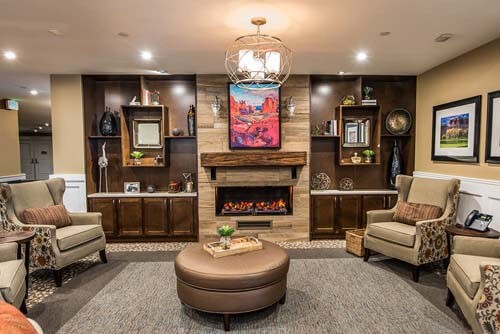
The secure memory care neighborhood is designed with calm lighting, open spaces, and sensory cues that reduce confusion and promote safety - allowing residents to move freely and comfortably.
Local Connection in Grand Junction
In Mesa County, more than 12% of residents are over age 65, and that number continues to grow. With an increasing need for dementia support services, Cappella of Grand Junction has become a trusted local resource for families seeking compassionate, professional care.
The community frequently partners with local organizations and hosts educational events for caregivers - helping Grand Junction families understand the stages of memory loss and learn new ways to support their loved ones.
Life Enrichment that Nurtures the Spirit
Programs like music therapy, storytelling, and art engagement are part of daily life. Studies show that music and creative expression can unlock memories, reduce anxiety, and improve overall mood in individuals living with dementia. At Cappella, these aren’t “extra” activities - they’re central to the mission of helping each resident thrive.
Even simple pleasures like gardening in the courtyard or sharing laughter at a meal can make an incredible difference. Compassion lives in the small moments.
Family Partnership and Peace of Mind
Cappella’s care philosophy extends to families. Loved ones are always encouraged to visit, participate in care planning, and stay connected. Staff offer open communication and consistent updates, creating trust and reducing the stress that often accompanies caregiving transitions.
Families often describe Cappella as an extension of home — a place where their loved one is truly known, respected, and loved.
Frequently Asked Questions About Memory Care
1. What is memory care?
Memory care is a specialized form of senior living that provides a secure environment and structured support for individuals with Alzheimer’s or other forms of dementia.
2. How does Cappella of Grand Junction personalize care?
Each resident’s life story, interests, and abilities shape their individual care plan — ensuring every day includes meaningful engagement and familiarity.
3. What makes Cappella different from other memory care communities?
Cappella blends person-centered care with local community values — emphasizing dignity, autonomy, and joyful living.
4. Can families stay involved in daily life?
Absolutely. Family involvement is encouraged through visits, activities, and open communication with care partners.
5. Is there support for caregivers and families?
Yes. Cappella offers educational resources and emotional support to families navigating the dementia journey.
A Community Built on Compassion
Cappella of Grand Junction stands as a beacon of hope for families seeking memory care that honors both heart and mind. Every day, residents experience moments of laughter, comfort, and joy - surrounded by people who care deeply.
To learn more or schedule a visit, connect with Cappella of Grand Junction through their Seniors Blue Book listing

Other Articles You May Like
Memory Care in Mobile, AL
It often starts small. A parent repeats the same question three times in an hour. A spouse gets lost driving a route they have known for decades. Over time, the worry grows, and so does the exhaustion that comes with trying to keep someone safe around the clock. If you are a family member facing Alzheimers disease or another form of dementia, you may be wondering whether home care is still enough, and what a good alternative would look like.This guide explains what memory care is, who it is for, and how to begin the search in Mobile. It also profiles two memory care communities, Kauhale Heritage Woods and Kauhale Port City, so you can see what each offers and know what to ask when you call.What Is Memory Care?Memory care is a form of residential senior living designed for people with Alzheimers disease, other forms of dementia, and significant memory loss. Residents typically have a private or shared apartment, meals, help with daily activities, medication support, and round-the-clock staff. What sets memory care apart is the environment and the training. Layouts are designed to be easy to navigate and secure, routines are consistent to reduce confusion and anxiety, and activities are chosen to engage people at their current abilities.Who Is Memory Care For?Memory care is generally a good fit when a loved one needs more supervision and support than home or standard assisted living can provide. Common signs include: Wandering, getting lost, or leaving the house at unsafe times Increasing confusion about time, place, or familiar people Difficulty with bathing, dressing, eating, or taking medications safely Sleep changes, agitation, or evening restlessness A family caregiver who is exhausted, isolated, or struggling with their own health Memory Care vs. Assisted LivingAssisted living supports people who need help with daily tasks but can still manage most of the day on their own. Memory care adds secure spaces, staff trained in dementia care, and programming built around memory loss. Many communities offer both on one campus, which can help if a residents needs change over time. Both communities featured below offer assisted living and memory care.What to Look For Staff training in dementia care and clear staffing levels, including overnight A secure, comfortable layout that supports independence while keeping residents safe Daily activities that match different stages of memory loss Dining that supports good nutrition and is flexible when appetite or abilities change A clear plan for when care needs increase Transparent pricing, including what is and is not included in the monthly fee Memory Care Communities in Mobile, ALThe two communities below are both part of Kauhale Health and both offer assisted living and memory care in the Mobile area. They are located on different sides of the city, so location, apartment style, and the feel of each community may help guide your decision.Kauhale Heritage WoodsPhone: 251-665-9063 Address: 3440 Hillcrest Rd, Mobile, AL 36695Kauhale Heritage Woods is an assisted living and memory care community on Hillcrest Road in west Mobile. The community offers both private and shared apartments, which gives families flexibility in how they plan for comfort and budget. Online listings may also show the community under its earlier names, including SummerHouse Heritage Woods, so do not be surprised if you see more than one name in your research.The memory care program at Heritage Woods is built for people living with Alzheimers disease and other forms of dementia. The communitys photos show a welcoming lobby, comfortable common areas, a dining room, and an exercise room with seating, along with accessible bathrooms that include grab bars. These touches matter in memory care, where familiar, uncluttered, easy-to-use spaces help residents feel at ease.Because Heritage Woods offers assisted living and memory care in one place, it can be a practical choice for families who want a single community to grow with a loved one, or for couples whose needs differ.Good to know about Kauhale Heritage Woods Assisted living and memory care in one community Private and shared apartment options Memory care program for Alzheimers disease and other dementias Located in the Hillcrest Road area of west Mobile Tip: Ask how the memory care area is set up, how staffing changes overnight, and what happens if a resident moves from assisted living to memory care.Kauhale Port CityPhone: 251-380-0053 Address: 4720 Morrison Dr, Mobile, AL 36609Kauhale Port City provides assisted living and memory care in a homelike setting on Morrison Drive. The community is near local shops, parks, and medical centers, which can make everyday visits easier for family members and help with appointments. Port City joined the Kauhale Health family after a change in management, and the community describes its focus as dignity, independence, and safety.The memory care program at Port City is designed for residents with Alzheimers disease and other forms of dementia, with personalized care for each person. Residents can also get help with personal care tasks, and the community offers respite stays, which are short-term stays that give family caregivers a break or a safe place for a loved one during a trip, a recovery, or a trial run before a long-term move. Pets are welcome at Port City, which can be a comfort for residents who have always had an animal in the home.Port City also shows apartment options for assisted living, including studio and one-bedroom floor plans, and has outdoor spaces such as a patio for fresh air and visits.Good to know about Kauhale Port City Assisted living and memory care on one campus Respite care available for short stays Pet-friendly community Convenient to shops, parks, and medical centers Tip: If you are not sure a move is right yet, ask about a respite stay. It can give your loved one and your family a real feel for daily life in the community.Why This Matters LocallyMobile is a city where family ties run deep, and many adult children live close enough to visit often. That makes location one of the most important parts of a memory care decision. A community that is only a short drive from your home, your workplace, or your loved ones doctor makes it easier to stay involved. Frequent, familiar visits can be reassuring for someone living with dementia, and they give you a chance to see how care looks on different days and at different times.The Mobile and Baldwin County area has a range of senior living options, from large campuses to smaller communities. Taking time to tour more than one, at different times of day, helps you compare staffing, atmosphere, and how residents spend their time. Being close to local hospitals and medical offices also matters, since people with dementia often have other health conditions that need regular attention.Finally, Gulf Coast weather is a real consideration. Hurricane season is part of life here, so ask any community about its emergency plan, including how it handles evacuations, power outages, and communication with families.How to Get Started With Memory Care in Mobile1. Talk with your loved ones doctorAsk the doctor about the diagnosis, how the condition is expected to progress, and what level of care is recommended. A physicians assessment is often needed for admission, and it helps you understand whether assisted living with memory support or a dedicated memory care setting fits best.2. Define your priorities and budgetMake a short list of what matters most, such as location, private or shared apartment, pet policy, and how close the community is to family. Then review what you can afford each month. Options may include long-term care insurance, veterans benefits, and personal funds. Ask each community to explain its pricing in writing, including what could raise the monthly cost as care needs increase.3. Call and tour at least two communitiesReach out to Kauhale Heritage Woods at 251-665-9063 and Kauhale Port City at 251-380-0053. Visit in person if you can, and try to stop by during an activity or mealtime. Helpful questions include: What training does your memory care staff receive, and how often? What are staffing levels during the day, evening, and overnight? How do you handle wandering, agitation, or difficult moments? What does a typical day look like for a resident? How do you assess residents, and how often is the care plan updated? What is included in the monthly fee, and what costs extra? Do you offer respite stays so we can try the community first? What is your plan for severe weather and emergencies? 4. Verify licensingConfirm that the community holds the appropriate license for assisted living and memory care with the Alabama Department of Public Health, and ask to see the most recent inspection information.5. Plan the transitionMoving day can be emotional. Bring familiar items such as photos, a favorite blanket, and furniture that feels like home. Share your loved ones life story, routines, likes, and dislikes with the care team so they can build a plan around the person, not just the diagnosis. Plan to visit often in the first few weeks, and keep in close contact with staff.Related Categories Assisted Living in Mobile, AL Skilled Nursing in Mobile, AL
Memory Care in Gulf Shores, AL
When a parent needs repeated reminders, a spouse becomes uneasy when left alone, or familiar routines no longer feel manageable, families face a difficult question: what support will make daily life more workable? Choosing memory care involves understanding the persons needs, the communitys capabilities, and how family members will stay involved.For families researching memory care in Gulf Shores, AL, Haven Memory Care is a local option to explore. This guide explains its published services and offers practical questions for evaluating a possible move. The goal is a thoughtful decision based on the individual, with enough information to plan beyond move-in day.What memory care providesMemory care is residential support designed for people living with Alzheimers disease or other forms of dementia. Its focus includes daily assistance, routines, supervision, and engagement suited to a persons cognitive abilities. Families should ask each community to explain its staffing, environment, admission criteria, and limits of care.A memory care search is also a good time to bring concerns to the persons healthcare professional. A housing decision does not establish a diagnosis or replace medical evaluation. Describe specific changes and ask what information will help a community assess the person accurately.Look at daily life rather than a label aloneTwo people with the same diagnosis may need different kinds of help. One may need prompting to begin meals; another may need hands-on assistance with personal care or more support at night. Make a simple record of a typical day, including the tasks that go well and those that require help.Include preferences as carefully as challenges. A favorite breakfast, quiet morning routine, familiar music, or preferred way of being addressed can help others understand the person behind the paperwork. Haven Memory Care in Gulf ShoresPhone: 251-923-2800Address: 6848 State Highway 59, Gulf Shores, AL 36542Haven Memory Care is part of Community Senior Life. Published amenities include meals, medication management, laundry, housekeeping, private and semi-private apartments, transportation assistance, and a Vigil monitoring system. These details create a useful starting point for a tour. Ask which services are included in the proposed rate, what assistance means in practice, and whether the available room arrangement fits the persons preferences.Personalized planning and ongoing supportHavens memory care service page describes individualized plans developed with the resident and family, with its Director of Nursing involved in welcoming each resident and planning care. It also describes around-the-clock assistance and physical, educational, and social activities. Ask how that process would work for your relative. Who completes the assessment? When is the plan reviewed? How are new concerns communicated? Request an example of how staff would approach a real situation your family already encounters, such as reluctance to bathe or confusion during a change in routine.The most useful conversation connects a published program to a particular need. Ask how staff learn a residents communication preferences and how family observations become part of the plan.Tour with specific questionsObserve how staff approach residents and explain activities. Ask how someone can participate when a group setting feels overwhelming, and whether quieter alternatives are available. Look at the route between a bedroom, bathroom, dining area, and shared spaces.Discuss the monitoring system directly. Ask what it monitors, who responds, and what additional procedures support residents who may become disoriented. A named technology does not explain the entire approach to supervision.Questions to bring include:What needs can the community support at admission?Who is present overnight, and how are requests for help handled?How are medicines coordinated with prescribers and pharmacies?What changes could require a different care setting?How are families notified about concerns or changes in the care plan?Build a sustainable financial planRequest a written, itemized estimate for the assessed level of care and room type. Ask about deposits, recurring fees, additional services, rate changes, and notice requirements. Discuss what happens financially if the resident goes to the hospital or needs to move.Avoid comparing a quoted monthly amount with another communitys base rate alone. Compare the actual services and terms each proposal includes. If a benefit or insurance policy may help, verify eligibility and payment arrangements with the responsible organization.Why memory care matters locally in Gulf ShoresA Gulf Shores location may make it easier for nearby family members to remain part of everyday life. Relatives in Orange Beach, Foley, or elsewhere in Baldwin County should consider the practical schedule for visits, appointments, and family meetings.Think about who can visit consistently, who can attend a care conference, and who should receive updates when others are traveling. Assigning those roles early can reduce confusion after a move.Coastal planning deserves a place in the conversation. Ask Haven about its current severe-weather procedures, family notification process, transportation arrangements, and plans if residents must temporarily relocate. Request instructions for keeping emergency contacts current.How to get started1. Write a one-page summary of the persons routines, current assistance, preferences, and concerns.2. Call Haven Memory Care at 251-923-2800 to discuss an assessment and tour.3. Ask which records and decision-making documents the team needs.4. Tour with a focused question list and discuss the persons actual daily needs.5. Review the proposed care plan, itemized charges, and admission agreement.6. Make a transition plan covering belongings, medicines, family communication, and follow-up.Practical tip: Choose a few meaningful belongings with the person whenever possible. Ask the community how to arrange them within its room and safety policies before bringing furniture or other large items. Related categoriesRespite Care in Gulf ShoresSupport Groups and Services Elder Law and Estate Planning
Memory Care & Cognitive Health FAQs
1. Early Signs of Memory Loss vs. Normal AgingNormal aging causes occasional, mild forgetfulness, such as misplacing keys or briefly blanking on a name. Memory loss that repeats, worsens, or interferes with daily life, such as forgetting recent conversations or getting lost in familiar places, is not normal and deserves evaluation.Typical Age-Related Forgetfulness Forgetting a name or word and recalling it later. Missing an occasional appointment but remembering when reminded. Needing a little longer to learn new things. Losing items now and then, then finding them by retracing steps. Signs That Point Beyond Normal Aging Asking the same question repeatedly within a short time. Forgetting recently learned information or important events. Relying heavily on notes or family for things once handled independently. Trouble managing bills, medications, or following familiar recipes. Getting lost on routes that were once familiar. Noticeable changes in mood, judgment, or personality. 2. When Should I Be Concerned About Dementia?Be concerned when memory or thinking problems are persistent, getting worse, and disrupting daily routines like managing money, driving, cooking, or keeping appointments. Sudden confusion is a medical emergency.Red Flags to Take Seriously Memory changes that disrupt everyday life. Difficulty with planning, problem-solving, or familiar tasks. Confusion about time, place, or people. Trouble finding words or following conversations. Poor judgment, such as falling for scams or unusual spending. Withdrawal from hobbies, friends, or work. Personality shifts, including suspicion, agitation, or apathy. When to Seek Urgent CareCall emergency services for sudden confusion, trouble speaking, facial drooping, limb weakness, or a rapid change in alertness. These can signal a stroke, infection, or other acute problem.Who Should Raise the ConcernPeople often do not notice their own changes. If family or friends notice a pattern, share specific examples with the person gently and with their doctor. 3. How Is Dementia Diagnosed?There is no single test for dementia. Doctors diagnose it by combining medical history, cognitive screening, physical and neurological exams, lab tests, and often brain imaging to identify the type and rule out other causes.Step-by-Step Diagnosis Medical and family history: Symptoms, timeline, medications, and family patterns. Input from a family member is highly valuable. Cognitive screening: Short tests such as the Mini-Cog, MMSE, or MoCA measure memory, attention, language, and problem-solving. Physical and neurological exam: Checks balance, reflexes, vision, and movement. Lab tests: Blood work to rule out vitamin B12 deficiency, thyroid disease, infection, and metabolic problems. Brain imaging: MRI or CT scans can reveal strokes, tumors, or fluid buildup. PET scans and certain biomarker tests may help identify Alzheimer's-related changes. Neuropsychological testing: A detailed evaluation when results are unclear. Mood assessment: Depression can mimic or accompany dementia. Who DiagnosesPrimary care doctors often begin the process. Neurologists, geriatricians, psychiatrists, and memory clinics may confirm the diagnosis and determine the type.Types of Dementia Doctors Look ForAlzheimer's disease, vascular dementia, Lewy body dementia, frontotemporal dementia, and mixed dementia.After the DiagnosisAsk about treatment options, clinical trials, support services, legal and financial planning, and safety needs. 4. What Care Options Exist for Memory Loss?Care options include in-home care, adult day programs, respite care, assisted living with memory support, dedicated memory care communities, and nursing homes. The right choice depends on safety needs, stage of memory loss, family capacity, and budget.Main Care Options In-home care: Aides help with bathing, meals, medications, and companionship so a person can remain at home. Adult day programs: Daytime supervision, activities, and meals, giving caregivers a break. Respite care: Short-term stays or help that give family caregivers rest. Assisted living with memory support: Help with daily tasks plus some dementia-focused services. Memory care communities: Secured environments, specially trained staff, and structured routines for people with moderate to advanced dementia. Skilled nursing homes: Around-the-clock medical care for complex health needs. Palliative and hospice care: Comfort-focused support in later stages. How to ChooseConsider safety risks like wandering, level of help needed with daily tasks, behaviors such as agitation, medical needs, caregiver health, and cost. Needs change over time, so revisit the plan regularly. 5. How Families Can Support Someone With Cognitive DeclineFamilies can help by keeping routines consistent, communicating simply and calmly, encouraging independence and meaningful activities, planning legal and financial matters early, and caring for their own health and support needs.Communicate With Compassion Speak slowly in short, clear sentences. Ask one question at a time and allow time to answer. Avoid arguing or correcting; redirect gently instead. Use a calm tone, eye contact, and gentle touch. Respond to the emotion behind the words. Build Structure and Meaning Keep meals, sleep, and activities at consistent times. Offer simple choices to preserve dignity. Encourage music, walks, photos, gardening, or familiar hobbies. Reduce noise and clutter to limit confusion. Plan AheadEarly in the disease, help set up power of attorney, healthcare directives, and financial arrangements while the person can take part in decisions.Handle Challenging BehaviorsAgitation, repeating, and sundowning (evening restlessness) often have causes such as pain, hunger, fatigue, overstimulation, or boredom. Identify triggers, and tell the doctor about sudden behavior changes.Take Care of the CaregiverCaregiver burnout is common. Accept help from others, join a support group, use respite care, keep your own medical appointments, and watch for signs of depression. 6. Home Safety Precautions for People With Memory LossKey precautions include securing doors and preventing wandering, locking up medications and hazardous items, installing stove safety devices, improving lighting, reducing fall hazards, setting water heaters to safe temperatures, and securing or removing firearms.Whole-House Basics Add door alarms or chimes, and consider hard-to-reach locks. Provide ID bracelets and keep a recent photo for emergencies. Use bright, even lighting and nightlights. Remove loose rugs, cords, and clutter. Post emergency numbers by the phone. Kitchen Use automatic stove shut-off devices or remove knobs. Lock up knives, cleaning products, and chemicals. Remove or label items that look like food but are not. Bathroom Install grab bars and non-slip mats. Set water heater to 120F (49C) or lower to prevent scalds. Remove locks from bathroom doors. Bedroom and Living Areas Keep a clear path to the bathroom. Use bed rails only if recommended by a clinician. Secure windows and balcony doors. Medications, Firearms, and Driving Store medications in a locked box and manage doses for the person. Remove firearms from the home, or lock them with ammunition stored separately. Ask the doctor about a driving evaluation; plan alternatives when driving is no longer safe. Wandering PreventionWandering is common. Keep a current photo, notify neighbors, consider GPS devices, and call emergency services right away if the person goes missing. Disclaimer: This content is for educational purposes and does not replace professional medical advice. Talk with a qualified healthcare provider about your own health or a loved one's care.
Local Services By This Author
Cappella of Grand Junction
Assisted Living 628 26 1/2 Road, Grand Junction, Colorado, 81506At Cappella of Grand Junction our assisted living community offers the support to enable each person to live their life to the fullest. With just the right amount of assistance, residents can enjoy their day independently and in harmony with others, free from the chores and cares of household maintenance. Our lovely and lively community boasts 40 spacious studio, one-bedroom and two-bedroom apartment homes, plus a wealth of inviting common spaces, including a full-service salon, Grab and Go Bistro, Luxurious Spa and a wellness and therapy center. Honoring Each Individual, Enriching Each Day at Cappella.

Cappella of Grand Junction
Memory Care 628 26 1/2 Road, Grand Junction, Colorado, 81506At Cappella of Grand Junction, we carefully designed our Memory Support neighborhood to assist those living with Alzheimer's and dementia in a way that fosters individuality, dignity, a sense of value, and personal growth. Honoring the person as an individual is our mission and focus. We provide an environment where residents thrive, and families have peace of mind.