Rebuilding Mobility After a Hospital Stay in Ocean County, NJ
Complete Care - Ocean/Monmouth/Middlesex Multiple Locations
For more information about the author, click to view their website: Complete Care at Shorrock Gardens NJ
Oct 14, 2026
New Jersey - Ocean & Monmouth Counties

Email US
Click to Email Us
Rebuilding Mobility After a Hospital Stay in Ocean County, NJ
After an injury, surgery, stroke, or difficult hospital stay, the next step may be a rehabilitation program rather than an immediate return to everyday routines. People can be medically ready to leave the hospital yet still struggle with walking, bathing, speaking, or completing ordinary tasks. Therapy and appropriate nursing support can help them work toward functional goals.
For residents and families in Ocean County, New Jersey, Complete Care at Shorrock Gardens NJ is a rehabilitation facility option worth exploring. This guide explains the questions to ask and the care principles to look for when assessing services in the county. Specific clinical capabilities, staffing arrangements, insurance participation, and admission requirements should be confirmed with the facility.
Choosing rehabilitation involves understanding what needs to improve, which professionals will be involved, and what must happen before discharge. A thoughtful plan also considers the home environment and the help that will be available afterward.
A useful starting point is recovering after hospitalization. Looking closely at mobility and balance rehabilitation can help families identify the right questions for the treating team and understand what realistic progress or ongoing support could involve. Choices should reflect individual medical recommendations, preferences, and the ability to meet needs safely.
Rebuilding Confidence With Movement
After hospitalization, fear of falling may make patients avoid movement even when activity is recommended. Rehabilitation can help patients practice specific movements in a supervised environment, beginning with abilities they can manage and building gradually. The goal is safe function, not speed.
Before discharge, discuss walking surfaces, stair use, footwear, equipment, and help needed for transfers. A person who can walk in a therapy gym may still need additional planning for a crowded home or uneven entrance.
What Rehabilitation Aims to Achieve
Rehabilitation helps a person work toward practical functional goals after surgery, injury, hospitalization, or serious illness. The goal is not simply to complete a certain number of therapy sessions. It is to improve safe participation in everyday life when possible.
For one patient, that may mean getting out of bed more independently; for another, it may mean walking to the bathroom, using stairs, or learning a safer way to dress.
Recovery varies with diagnosis, pre-hospital abilities, pain, fatigue, and other conditions. The treatment team should identify measurable priorities and explain how they will review progress. No reputable program can promise complete recovery or a fixed discharge date for every patient.
Physical Therapy and Functional Mobility
Physical therapy may work on balance, strength, endurance, safe transfers, and walking with or without recommended equipment.
A person weakened by a hospital stay might begin with brief supervised movement before progressing toward longer distances. Someone recovering from orthopedic surgery may have precautions that influence which activities are appropriate.
Therapists adjust treatment to medical restrictions and individual tolerance. Families can ask what movements are safe between sessions, whether an assistive device is recommended, and which skills must improve before discharge.
Progress may be gradual and is not always the same from one day to the next.
Occupational Therapy and Daily Routines
Occupational therapy focuses on meaningful everyday tasks such as bathing, dressing, toileting, grooming, and using household items.
For a patient with limited hand function, practicing buttons or adapted utensils may be important. For someone with balance limitations, a safer sequence for getting dressed may help reduce risk.
Therapy may also identify equipment or home-environment changes worth discussing before discharge.
The objective is not to make every person perform tasks identically; it is to find safe, achievable ways to participate in personal routines. Patients and families should describe the real demands of the intended home environment.
Setting Meaningful Rehabilitation Goals
Before treatment begins, describe the patient's usual life: whether there are entry steps, whether they live alone, how far they normally walk, and which activities they most want to resume.
Functional goals should be individualized and achievable. A patient may prioritize getting to the bathroom safely before attempting longer outdoor walks.
Ask therapists to explain how goals will be measured and how often progress is discussed. Fatigue, pain, medical restrictions, and changing symptoms may require adjustments; these are reasons for reassessment, not automatic signs of failure.
Speech, Communication and Swallowing Needs
Speech-language therapy may be appropriate after a stroke, neurological event, or illness affecting communication or swallowing.
Treatment can address speech clarity, understanding language, memory-related communication strategies, or swallowing safety, depending on professional assessment.
Not every rehabilitation patient needs speech therapy.
Swallowing concerns should be handled by qualified professionals because inappropriate food textures or unapproved changes in diet may increase risk.
Families can ask how recommendations are communicated to nursing and dietary staff and whether they will receive instructions for home.
Nursing Support During Recovery
Therapy is only one part of post-acute recovery.
Some patients also require medication administration, symptom monitoring, wound care, help with personal needs, or coordination with prescribing clinicians.
A change in pain, alertness, breathing, or blood pressure may affect the ability to participate safely in rehabilitation.
Communication between nursing staff and therapists helps align activities with the patient's medical condition.
Ask who should be contacted about new symptoms, how appointments are coordinated, and what happens if the patient is unable to participate in therapy on a particular day.
Discharge Planning Starts Early
A safe transition home depends on more than a discharge date.
The care team should consider whether the patient can move through the home, manage essential self-care, take medications correctly, and reach follow-up appointments.
The availability of a family caregiver, home health services, transportation, or equipment can also influence the plan.
Families should describe entry stairs, bathroom layout, sleeping arrangements, and who will be present after discharge.
Ask for clear written instructions about:
Warning signs that require medical attention
Medication changes
Recommended mobility equipment
Activity restrictions
Follow-up appointments
Home health or outpatient therapy needs
If home is not yet safe, the team should discuss realistic alternatives.
Costs and Coverage for Rehabilitation
Coverage depends on the specific setting, insurance plan, medical necessity, and benefit rules.
A stay in a skilled nursing rehabilitation program is not the same insurance category as an inpatient rehabilitation hospital.
Under Original Medicare, qualifying skilled nursing facility coverage has defined eligibility conditions, benefit periods, and potential cost-sharing. Other insurance plans may require authorization or impose network restrictions.
Before admission, confirm the facility's designation, the services being requested, expected patient responsibilities, and what happens if the insurer ends coverage.
The admission or billing team should provide details for the patient's particular plan rather than relying on generalized advertising.
Preparing the Family for the Next Step
Relatives can help by describing the home layout and identifying who can provide support after discharge.
If a caregiver will help with transfers or medications, they may benefit from training before the patient leaves.
An honest description of available assistance is essential; promising more support than a household can provide may create avoidable risk.
Request written instructions about equipment, follow-up visits, activity limits, symptoms that need urgent attention, and any recommended home health or outpatient services.
The team should explain the plan in language the patient and family understand.
How to Compare Rehabilitation Options
Ask whether the program can meet the specific therapy and medical needs, not only whether it uses the term "rehabilitation."
Review the rehabilitation setting, clinical staffing, typical scheduling process, transfer arrangements, and discharge-planning approach.
Services and frequency depend on evaluations, medical need, and insurance requirements.
Talk about costs early and verify authorization with the payer.
Public quality information may offer additional context, but the individual patient's condition, goals, and ability to participate should guide the ultimate planning conversation.
Rehabilitation Planning Tip
Expert Tip: Before a rehabilitation admission, list the everyday tasks the patient must manage after discharge, along with stairs, bathroom features, and available caregiver support. Use this information to discuss practical therapy goals and a safer transition plan.
Frequently Asked Questions About Rehabilitation
1. Who may need rehabilitation after hospitalization?
A patient may benefit when illness, surgery, injury, or a neurological event has affected walking, self-care, communication, or other functional skills, and appropriate clinicians recommend therapy.
2. Is rehabilitation the same as skilled nursing?
Not exactly. Rehabilitation emphasizes functional recovery through appropriate therapies. Some rehabilitation programs operate within skilled nursing facilities, where medical and nursing support may also be available.
3. How long does rehabilitation take?
The length varies according to diagnosis, prior abilities, treatment response, medical stability, and discharge needs. A care team should discuss realistic goals rather than guarantee a fixed timeline.
4. Will therapy continue after discharge?
Some patients may need home health, outpatient rehabilitation, or continued exercises prescribed by clinicians. Recommendations depend on function, insurance rules, and the discharge plan.
5. What should families discuss before admission?
Ask which therapy disciplines are available, how evaluations work, what nursing support is provided, how progress is tracked, when discharge planning begins, and how insurance coverage is verified.
Moving Forward With a Rehabilitation Plan
Rehabilitation is a process of working toward meaningful daily abilities.
The right plan connects medical stability, therapy goals, personal preferences, and a practical discharge destination. Even small improvements can matter when they help someone complete a task with greater comfort or safety.
Before choosing a program, ask the care team which therapies are appropriate, how progress will be reviewed, and what support may still be needed afterward.
Clear expectations make it easier for patients and families to participate in recovery planning.
Learn More About Complete Care at Shorrock Gardens NJ
To explore Complete Care at Shorrock Gardens NJ and ask about rehabilitation services in Ocean County, New Jersey, visit the community's Seniors Blue Book profile.
Contact the facility directly to confirm services, assessments, insurance participation, pricing, and availability before making care arrangements.
Other Articles You May Like
Recovering After Hospitalization in Monmouth County, NJ
Recovering After Hospitalization in Monmouth County, NJRecovering from surgery, a serious illness, or an injury can take time, especially for older adults who experience changes in strength, balance, or mobility. Even after leaving the hospital, patients may need additional medical support and rehabilitation before they can safely return to their usual daily activities.Tasks that once seemed simple, such as walking, climbing stairs, bathing, dressing, or preparing meals, may become difficult during recovery. Some individuals also experience fatigue, discomfort, or reduced confidence in their physical abilities.For seniors and families in Monmouth County, New Jersey, post-acute rehabilitation can provide an important step between hospitalization and returning home.Complete Care at Ocean Grove NJ offers individualized rehabilitation services designed to help patients rebuild functional abilities following illness, injury, or surgery.Through physical therapy, occupational therapy, speech therapy, and skilled nursing support, the facility helps patients work toward realistic recovery goals while preparing for the next stage of care.Understanding the rehabilitation process can help families make informed decisions about recovery services, treatment expectations, and discharge planning.What Is Post-Acute Rehabilitation?Post-acute rehabilitation involves medical and therapeutic services provided after a hospital stay or significant health event.Some patients can return home immediately after hospital discharge. Others may still need assistance with walking, personal care, medication management, or other activities.A rehabilitation facility provides an environment where patients can receive therapy and appropriate clinical support while working toward improved functioning.Common Reasons for RehabilitationOlder adults may need post-acute rehabilitation following:Hip or knee replacement surgeryFalls and fracturesStrokeHeart-related hospitalizationOrthopedic injuriesSerious infectionsRespiratory illnessesProlonged hospitalizationSignificant weaknessChanges in mobility or coordinationThe type and intensity of rehabilitation depend on the patient's medical condition, abilities, and treatment goals.Why Rehabilitation Matters in Monmouth CountyMany older adults throughout Monmouth County have established homes, family relationships, and familiar daily routines.When a medical condition interrupts everyday life, returning to those routines may become an important recovery goal.However, some patients need additional professional support before returning home.The Benefits of Local RehabilitationChoosing a rehabilitation facility within Monmouth County may help families:Visit more convenientlyCommunicate with healthcare professionalsAttend care planning discussionsParticipate in discharge planningCoordinate follow-up appointmentsPrepare the home for changing mobility needsMaintain emotional support during recoveryFor many families, being involved in the rehabilitation process helps them better understand what assistance their loved one may need after discharge.Personalized Rehabilitation at Complete Care at Ocean GroveRecovery needs vary considerably.A patient recovering from orthopedic surgery may need physical therapy to improve walking ability.Someone recovering from a stroke may require several different rehabilitation services.Another individual may need additional nursing care because of medical complications.Complete Care at Ocean Grove provides rehabilitation services tailored to individual needs, goals, abilities, and treatment tolerance.Its rehabilitation program may offer services up to seven days per week when appropriate.Individualized Recovery PlanningA rehabilitation plan may consider:Medical historyRecent hospitalizationPhysical strengthBalance and mobilityPain levelsEnduranceCognitive abilitiesPersonal care needsCommunication challengesSwallowing difficultiesPrevious functional abilitiesAnticipated discharge needsThe treatment team uses this information to establish realistic goals.Why Individualized Care MattersTwo patients who undergo similar surgeries may recover at different rates.Age, existing medical conditions, previous mobility, and complications can affect progress.A personalized rehabilitation program should reflect those differences rather than assume everyone follows the same recovery schedule.Physical Therapy: Rebuilding Strength and MobilityPhysical therapy is an important part of post-acute rehabilitation.It focuses on movement, strength, balance, coordination, and physical function.Following an illness or surgery, older adults may find it difficult to stand, walk, or complete activities that require strength and endurance.Physical Therapy May AddressWalkingStandingBalanceMuscle strengthCoordinationEnduranceStair navigationSafe transfersUse of mobility equipmentFunctional movementRegaining Confidence With MovementSomeone who has experienced a fall may become hesitant to walk independently.Physical therapy may help address mobility limitations through supervised exercises and movement practice.The goal is to support safer function while considering the patient's abilities and medical restrictions.Rehabilitation After Joint SurgeryPatients recovering from certain orthopedic procedures may need therapy to improve strength and movement.Treatment should follow the surgeon's recommendations and any weight-bearing or movement restrictions.Therapists can help patients practice activities relevant to everyday life.Occupational Therapy: Returning to Daily ActivitiesPhysical mobility is only one part of recovery.Many older adults also need help regaining the ability to complete personal care and household tasks.Occupational therapy focuses on activities that support daily independence.Everyday Skills Occupational Therapy May AddressDressingBathingGroomingToiletingEatingUsing utensilsManaging personal belongingsFine motor coordinationUsing adaptive equipmentCompleting household tasksWhy Occupational Therapy Is ImportantA patient may regain the ability to walk but still struggle with dressing or bathing.Another person may have limited hand movement after an injury.Occupational therapists evaluate these challenges and help individuals develop appropriate strategies.Preparing for HomeTherapy may also include recommendations for equipment or changes to everyday routines.Depending on the patient's abilities, these may involve bathroom safety equipment, mobility aids, or adapted methods for completing familiar tasks.Families should discuss which recommendations are appropriate for their home environment.Speech Therapy: Communication and Swallowing SupportSpeech therapy is another important rehabilitation service.Although commonly associated with speaking difficulties, speech-language therapy can address several functions affected by illness or neurological conditions.Speech Therapy May Help WithSpeech clarityLanguage comprehensionExpressing thoughtsCommunication strategiesCognitive-communication difficultiesSwallowing concernsAppropriate eating and drinking strategiesRehabilitation After a StrokeA stroke may affect speech, language, memory-related communication, or swallowing.Some patients need assistance understanding conversations or expressing their needs.Speech-language therapy may help address these challenges.Swallowing SafetyCertain medical conditions can make swallowing difficult.A speech-language pathologist may evaluate swallowing and recommend suitable treatment strategies.Families should not change prescribed food textures or liquid consistency without professional guidance.Complete Care at Ocean Grove includes speech therapy in its rehabilitation services.Skilled Nursing Support During RecoverySome patients require more than rehabilitation exercises.Following hospitalization, they may need medication administration, nursing assessments, wound care, or monitoring of ongoing medical conditions.Complete Care at Ocean Grove provides around-the-clock nursing support alongside its rehabilitation services.Nursing Services May SupportMedication administrationMedical monitoringPrescribed treatmentsChanges in health conditionWound careCoordination with physiciansPersonal care needsRehabilitation participationDischarge preparationWhy Nursing and Therapy Work TogetherA patient's medical condition can affect rehabilitation progress.For example, pain, fatigue, breathing difficulties, or changes in blood pressure may influence treatment tolerance.Communication between nursing staff, therapists, and medical providers helps ensure rehabilitation activities remain appropriate.Rehabilitation After Orthopedic SurgeryOrthopedic procedures can temporarily limit mobility and everyday function.Older adults recovering from hip surgery, knee replacement, or fractures may need assistance rebuilding strength and movement.Complete Care at Ocean Grove includes orthopedic and post-surgical care among its specialized services.Rehabilitation Goals May IncludeImproving walking abilityRebuilding muscle strengthPracticing safe transfersImproving balanceIncreasing enduranceManaging mobility limitationsLearning appropriate equipment useReturning to personal care activitiesThe Importance of Following Medical RestrictionsRecovery should be guided by the treating medical team.Some patients have temporary limitations involving weight-bearing, movement, or physical activity.Therapy must follow these restrictions while working toward functional improvements.Rehabilitation Following a StrokeA stroke can affect movement, communication, coordination, and everyday functioning.The effects vary from person to person.Some individuals experience weakness on one side of the body.Others have difficulty with speaking, swallowing, balance, or personal care.Complete Care at Ocean Grove identifies neurological and stroke care among its clinical programs.A Coordinated Rehabilitation ApproachDepending on individual needs, care may include:Physical therapyHelping address movement, strength, and balance.Occupational therapySupporting personal care and everyday tasks.Speech therapyAddressing communication and swallowing challenges.Skilled nursingProviding clinical monitoring and prescribed treatment support.Rehabilitation goals should reflect the patient's condition and potential for improvement.Recovery After Cardiac or Respiratory IllnessSome older adults require rehabilitation following heart-related hospitalization or significant respiratory illness.These conditions may cause weakness, fatigue, and reduced endurance.Complete Care at Ocean Grove describes cardiac and pulmonary care as part of its specialized post-acute services.Cardiac RecoveryCare may address:Monitoring heart-related symptomsMedication coordinationGradual activity progressionStrength and enduranceAppropriate nutritional guidanceCommunication with healthcare providersPulmonary RecoveryPatients recovering from certain respiratory illnesses may require:Symptom monitoringPrescribed respiratory treatmentsOxygen support when medically indicatedActivity tolerance assessmentAppropriate rehabilitationClinical follow-upThe exact treatment approach depends on diagnosis and medical recommendations.Wound Care During RehabilitationSome patients recovering from surgery, injury, or serious illness require professional wound care.Wounds may need regular assessment and treatment to reduce complications.Complete Care at Ocean Grove includes wound care among its specialized clinical services.Wound Care May InvolveWound assessmentsPrescribed dressing changesMonitoring for complicationsSkin protectionTreatment coordinationSpecialized care when appropriatePatients with diabetes, circulation problems, or reduced mobility may have additional wound-related concerns.Families should ask how the facility manages the individual's specific wound care requirements.Managing Pain and Fatigue During RecoveryPain and fatigue can affect participation in rehabilitation.A person may struggle to complete exercises when discomfort is not adequately managed.Others may experience fatigue following prolonged hospitalization.Why Communication MattersPatients should tell their healthcare team about:New or worsening painDizzinessShortness of breathUnusual fatigueChanges in mobilityDifficulty sleepingMedication concernsTherapists and medical professionals can evaluate whether adjustments are necessary.Balancing Activity and RestRecovery often requires appropriate activity combined with rest.More exercise is not always better.Rehabilitation intensity should reflect medical recommendations and the patient's tolerance.Emotional Support During RehabilitationRecovery can be emotionally challenging.Patients may feel frustrated when they need assistance with tasks they previously completed independently.Others worry about returning home or regaining their previous abilities.Common Emotional ChallengesThese may include:FrustrationAnxietyFear of fallingReduced confidenceUncertainty about recoveryChanges in independenceConcern about family responsibilitiesSupportive communication and realistic goals may help patients remain engaged.Persistent emotional distress should be discussed with appropriate healthcare professionals.The Importance of Discharge PlanningA successful rehabilitation experience includes planning for what happens after the patient leaves the facility.For some individuals, returning home is the main goal.Others may require additional support or a different care arrangement.Important Discharge QuestionsFamilies should ask:Can the patient walk safely?Is assistance needed with bathing or dressing?Can the patient manage stairs?What mobility equipment is recommended?Are medication changes necessary?Will continued rehabilitation be needed?Are follow-up appointments scheduled?Is home care recommended?What assistance should family members provide?A discharge plan should match the patient's actual abilities and available support.Preparing the Home After RehabilitationAfter illness or surgery, familiar homes may present new accessibility challenges.A person who previously managed stairs easily may now require assistance.Bathroom layouts, narrow walking paths, and poor lighting may also create difficulties.Home Safety ConsiderationsDepending on the patient's needs, recommendations may include:Removing loose rugsImproving lightingKeeping walkways clearInstalling appropriate grab barsUsing recommended mobility equipmentMaking frequently used items accessibleReviewing stair safetyArranging personal care assistanceQualified healthcare professionals can help determine which changes are appropriate.How Families Can Support RehabilitationFamily members can play an important role in recovery planning.They may provide information about the patient's previous abilities, home environment, and personal preferences.Helpful Ways to ParticipateFamilies can:Attend care discussionsAsk about rehabilitation goalsShare information about the homeDiscuss mobility limitationsLearn recommended assistance techniquesCoordinate follow-up carePrepare transportationProvide emotional encouragementFamily participation should respect the patient's wishes and privacy.Understanding Rehabilitation Costs and InsuranceRehabilitation coverage depends on the patient's insurance, medical needs, and applicable eligibility requirements.Some patients may qualify for coverage through Medicare, Medicaid, or private insurance.Medicare CoverageOriginal Medicare Part A may cover qualifying skilled nursing facility rehabilitation when the applicable requirements are met.Coverage is subject to benefit limitations and cost-sharing.Not every rehabilitation stay qualifies automatically.Private InsuranceSome insurance plans require prior authorization or participation in a specific provider network.Questions About PaymentFamilies should ask:Is the facility covered by the insurance plan?Is authorization required?What services are covered?Are there deductibles or copayments?What happens if coverage ends?Are additional treatments billed separately?What payment options are available?Request written financial information before admission.What to Ask When Choosing a Rehabilitation FacilityA rehabilitation facility should be evaluated based on clinical capabilities, therapy services, communication, and discharge planning.Important QuestionsWhat rehabilitation therapies are available?How often are therapy sessions scheduled?How are individual goals established?What skilled nursing services are available?How is progress measured?What happens if a patient experiences medical complications?How are families kept informed?When does discharge planning begin?What insurance plans are accepted?Can the facility manage the patient's specific medical needs?Complete Care at Ocean Grove offers physical, occupational, and speech therapy, along with skilled nursing and specialized post-acute programs.Families should discuss the patient's individual needs directly with the admissions team.Rehabilitation Tip: Plan for Everyday LifeSenior Rehabilitation Tip: Before beginning rehabilitation, identify the everyday activities that matter most to the patient. Whether the goal is walking safely, managing stairs, bathing independently, or returning home with assistance, specific functional goals can help guide therapy and discharge planning.Rehabilitation should focus on meaningful abilities rather than simply completing a predetermined number of sessions.Frequently Asked Questions About Rehabilitation in Monmouth County, NJ1. What rehabilitation services does Complete Care at Ocean Grove provide?Complete Care at Ocean Grove offers physical therapy, occupational therapy, and speech therapy, along with skilled nursing services and specialized post-acute care programs.2. How often is rehabilitation available?The facility states that rehabilitation services may be provided up to seven days per week, depending on individual treatment needs, goals, and tolerance.3. Who may benefit from post-acute rehabilitation?Individuals recovering from surgery, injury, stroke, serious illness, or hospitalization may benefit from rehabilitation when medically appropriate.4. Does Complete Care at Ocean Grove provide skilled nursing during rehabilitation?Yes. The facility offers around-the-clock nursing care to support patients requiring medical monitoring and prescribed treatments during recovery.5. Can families schedule a visit to discuss rehabilitation services?Yes. Families can contact Complete Care at Ocean Grove to discuss rehabilitation programs, clinical requirements, insurance coverage, admission procedures, and current availability.Explore Rehabilitation at Complete Care at Ocean GroveRecovering after hospitalization can involve physical, emotional, and practical challenges.An appropriate rehabilitation program can help patients work toward improved functional abilities while addressing ongoing medical needs.For seniors and families throughout Monmouth County, New Jersey, Complete Care at Ocean Grove offers post-acute rehabilitation services focused on individualized recovery goals.Its services include physical therapy, occupational therapy, speech therapy, skilled nursing, and specialized clinical programs for patients with different recovery needs.The facility also emphasizes discharge planning to help patients prepare for the next stage of care.Learn More About Complete Care at Ocean Grove NJLooking for rehabilitation facilities in Monmouth County, New Jersey?Visit Complete Care at Ocean Grove NJ on SeniorsBlueBook.com to explore its rehabilitation listing and learn more about available services.Taking time to understand the available rehabilitation options can help patients and families make informed decisions while working toward a safer and more comfortable recovery.
Regaining Strength With Rehabilitation in Wall Township, NJ
Regaining Strength With Rehabilitation in Wall Township, NJRecovering from surgery, a serious illness, or an injury can be challenging, especially for older adults. Even after leaving the hospital, patients may need additional support to regain strength, improve mobility, and return to everyday activities.Tasks that once felt simple, such as getting dressed, walking across a room, preparing meals, or climbing stairs, can become difficult during recovery.For seniors and families in Wall Township, Spring Lake, Belmar, Manasquan, Howell, and surrounding Monmouth County communities, choosing the right rehabilitation facility can be an important step toward a safer return home.Complete Care at Wall NJ, located at 1725 Meridian Trail in Wall Township, provides post-acute rehabilitation services designed to support individuals recovering from illness, injury, or surgery.Through individualized treatment plans, physical therapy, occupational therapy, speech therapy, and skilled nursing support, the facility focuses on helping patients rebuild functional abilities and prepare for the next stage of recovery.Understanding what rehabilitation involves can help families make informed decisions when planning care after hospitalization.What Is Post-Acute Rehabilitation?Post-acute rehabilitation refers to therapy and supportive medical services provided after a hospitalization, surgery, or significant illness.Some individuals can return home immediately after leaving the hospital.Others need additional therapy or nursing care before they can safely manage everyday responsibilities.Common Reasons for RehabilitationPatients may need rehabilitation following:Joint replacement surgeryOrthopedic injuriesFalls and fracturesStrokeSerious illnessProlonged hospitalizationSignificant weaknessMobility limitationsChanges in daily functioningRecovery needs differ depending on the person's medical condition, physical abilities, and goals.A healthcare team evaluates these factors to determine which services are appropriate.Why Rehabilitation Matters for Seniors in Monmouth CountyMonmouth County is home to a significant population of older adults.Many residents have spent decades building lives in communities such as Wall Township, Spring Lake, Belmar, Sea Girt, Manasquan, Neptune, and Howell.When an older adult experiences a major health event, remaining close to family can be an important consideration.The Benefits of Local RehabilitationChoosing a rehabilitation facility in Monmouth County may help families:Visit more convenientlyParticipate in care discussionsCommunicate with healthcare professionalsPrepare for a return homeCoordinate follow-up appointmentsMaintain family connectionsUnderstand ongoing care needsComplete Care at Wall offers a local rehabilitation option for patients and families throughout the area.Its location in Wall Township also provides access for families in nearby Ocean County communities.Understanding the Recovery Process After HospitalizationLeaving the hospital does not always mean a person has fully recovered.A patient may be medically stable but still experience weakness, pain, fatigue, or difficulty completing everyday activities.These limitations can create challenges when returning home.Common Post-Hospitalization ConcernsAn individual may experience:Reduced strengthDifficulty walkingBalance problemsTrouble getting dressedLimited enduranceChanges in communicationSwallowing difficultiesOngoing medication needsDifficulty moving safely between surfacesPost-acute rehabilitation helps address functional limitations through appropriate treatment and support.The goal is to improve abilities when possible and help patients prepare for a suitable discharge setting.Personalized Rehabilitation at Complete Care at WallEvery recovery journey is different.Some individuals require a relatively short period of therapy following surgery.Others need additional time because of multiple health conditions or significant functional limitations.Complete Care at Wall develops rehabilitation plans based on each patient's abilities, treatment needs, and recovery goals.An Individualized ApproachPersonalized rehabilitation considers:Medical historyCurrent physical abilitiesRehabilitation goalsStrength and mobilityPain or discomfortEnduranceCognitive or communication needsPersonal care requirementsAnticipated discharge settingThe facility describes adjusting therapy according to patients' abilities and tolerance.This approach is important because rehabilitation should challenge individuals appropriately without ignoring medical limitations.Physical Therapy: Rebuilding Strength and MobilityPhysical therapy is a major component of post-acute rehabilitation.It focuses on movement, strength, balance, coordination, and physical function.After an illness or surgery, patients may struggle with activities that require the arms, legs, and torso.Physical Therapy May AddressWalkingStandingSitting and rising from chairsBalanceStrengthCoordinationEnduranceStair navigationSafe transfersMobility equipment useRehabilitation After SurgeryAn older adult recovering from knee or hip surgery may need help improving movement and walking ability.Physical therapy can address functional goals based on the surgeon's recommendations and the patient's condition.Rehabilitation After IllnessSomeone recovering from a serious illness may experience weakness because of reduced activity during hospitalization.Therapy may focus on gradually improving strength, endurance, and mobility.The Importance of Appropriate ProgressionRecovery is not always linear.Some days may be more difficult than others.Therapists adjust activities according to medical recommendations, progress, and tolerance.At Complete Care at Wall, rehabilitation services may be available up to seven days per week, depending on the individual's needs and treatment plan.Occupational Therapy: Returning to Everyday ActivitiesOccupational therapy focuses on the skills people need to participate in daily life.Although physical therapy often emphasizes larger movements and mobility, occupational therapy addresses functional activities such as dressing, bathing, grooming, and other daily tasks.Everyday Activities Occupational Therapy May SupportDressingBathingGroomingToiletingPreparing simple mealsUsing utensilsManaging household tasksFine motor coordinationUsing adaptive equipmentRegaining Everyday IndependenceConsider an older adult recovering from a wrist injury.They may experience difficulty buttoning clothing, holding utensils, or using a phone.Occupational therapy may help address these challenges through appropriate exercises, task practice, and adaptive strategies.Preparing for HomeOccupational therapists may also help patients learn safer ways to complete activities at home.Depending on individual needs, this can involve recommendations for mobility aids, bathroom equipment, or other adjustments.Complete Care at Wall includes occupational therapy within its rehabilitation program.Speech Therapy: Supporting Communication and SwallowingSpeech therapy is sometimes misunderstood as a service only for speaking difficulties.Speech-language professionals also address communication, language, cognition-related communication skills, and swallowing disorders.These challenges may occur after a stroke, neurological condition, surgery, or serious illness.Speech Therapy May Help WithSpeech clarityUnderstanding spoken languageExpressing thoughtsCommunication strategiesCertain cognitive-communication difficultiesSwallowing safetyAppropriate eating and drinking strategiesCommunication After a StrokeSome individuals experience difficulties speaking or understanding language after a stroke.Speech-language therapy may help patients work toward improved communication or develop alternative strategies.Swallowing ConcernsDifficulty swallowing can create important medical risks.A speech-language professional may evaluate swallowing and recommend appropriate treatment strategies or dietary modifications in coordination with the medical team.Complete Care at Wall offers speech therapy as part of its post-acute rehabilitation services.Skilled Nursing Support During RehabilitationRehabilitation often involves more than therapy appointments.Some patients also require ongoing medical monitoring, medication administration, or nursing services.Complete Care at Wall provides skilled nursing services and round-the-clock nursing care.Nursing Support May InvolveDepending on individual needs:Monitoring health conditionsMedication administrationAssessing changes in conditionSupporting treatment plansCoordinating with physiciansAssisting with personal careAddressing medical concernsSupporting discharge planningWhy Nursing and Rehabilitation Work TogetherA patient's medical condition can affect their ability to participate in therapy.For example, pain, fatigue, blood pressure changes, or other health concerns may influence treatment tolerance.Communication among healthcare professionals helps align therapy with the patient's medical needs.Rehabilitation After an Orthopedic InjuryFalls, fractures, and joint problems can significantly affect mobility.After orthopedic surgery or an injury, older adults may need time to rebuild functional abilities.Common Rehabilitation GoalsDepending on the injury and medical instructions, goals may include:Improving walking abilityRebuilding strengthIncreasing endurancePracticing safe transfersImproving balanceLearning to use mobility equipmentCompleting personal care activitiesTherapy plans should follow medical restrictions and the patient's individual recovery needs.Not everyone will return to their previous level of function, but rehabilitation can help determine achievable goals.Recovery After a StrokeA stroke may affect movement, speech, swallowing, cognition, or coordination.Rehabilitation needs vary considerably.Some people require extensive assistance, while others have more limited impairments.Rehabilitation Services That May Be HelpfulPhysical therapyMay address strength, balance, walking, and mobility.Occupational therapyMay help with dressing, bathing, hand use, and everyday functioning.Speech therapyMay address communication and swallowing problems.Skilled nursingMay support ongoing medical care and monitoring.An interdisciplinary approach can help address several functional needs.Families should ask whether a facility can meet the patient's specific medical and rehabilitation requirements.The Role of Emotional Support During RecoveryRecovering from a significant health event can be emotionally difficult.Patients may feel frustrated when simple tasks require assistance.Others may experience anxiety about returning home or uncertainty about their future abilities.Common Emotional ChallengesFrustrationFear of fallingLoss of confidenceChanges in daily independenceFatigueUncertainty about recoveryConcern about family responsibilitiesComplete Care at Wall describes an approach that considers emotional well-being alongside physical rehabilitation.Why Encouragement MattersSupportive communication and realistic goals may help patients remain engaged in rehabilitation.However, persistent sadness, anxiety, or significant behavioral changes should be discussed with healthcare professionals.Emotional needs deserve attention just as physical limitations do.Preparing for a Safe Return HomeFor many patients, returning home is an important rehabilitation goal.However, discharge planning should begin before the actual discharge date.Families need to understand what the patient will be able to manage and what additional support may be necessary.Important Questions Before DischargeCan the patient walk safely?Is assistance needed with bathing or dressing?Can the patient manage stairs?Are mobility devices required?What medications are prescribed?Will continued therapy be necessary?Is home care appropriate?Are follow-up appointments scheduled?Does the home need modifications?A discharge plan should reflect the individual's functional abilities and healthcare requirements.Home Safety Considerations After RehabilitationSome older adults return home with temporary or permanent mobility limitations.An environment that was previously manageable may now present challenges.Home Safety Improvements May IncludeRemoving loose rugsKeeping walking paths clearImproving lightingInstalling appropriate grab barsUsing recommended mobility equipmentMaking frequently used items accessibleReviewing stair safetyArranging additional assistance when neededRecommendations should be tailored to the person's abilities.A therapist or other qualified professional may help identify suitable modifications.The Importance of Family InvolvementFamily members often provide valuable information about the patient's previous routines and living environment.They may also help coordinate appointments, transportation, and ongoing support.Ways Families Can ParticipateRelatives may:Discuss rehabilitation goalsAttend care planning meetingsAsk about progressShare information about the home environmentLearn recommended safety techniquesPrepare for dischargeCoordinate follow-up servicesOffer emotional encouragementParticipation should follow the patient's consent and privacy preferences.Understanding Different Recovery TimelinesOne of the most common questions families ask is how long rehabilitation will take.There is no universal timeline.Recovery depends on factors such as:Type of injury or illnessPrevious functional abilitiesMedical complexityIndividual response to treatmentRehabilitation goalsAvailable home supportOngoing healthcare needsSome individuals progress quickly.Others require longer periods of rehabilitation or additional care.Realistic Recovery GoalsA thoughtful rehabilitation plan focuses on measurable functional improvements rather than promising complete recovery.For one patient, success may mean walking independently.For another, the goal may be transferring safely with assistance or improving the ability to complete personal care.Progress should be evaluated against individual circumstances.Rehabilitation Versus Long-Term CarePost-acute rehabilitation and long-term care serve different purposes.Post-Acute RehabilitationPost-acute care focuses on recovery and improving functional abilities after an illness, injury, or hospitalization.Treatment often includes therapy and skilled nursing services.Long-Term CareLong-term care supports individuals who need ongoing assistance because of chronic conditions, disabilities, or functional limitations.Complete Care at Wall offers both post-acute rehabilitation and long-term care.Families should discuss the patient's needs to determine which program is appropriate.Understanding Rehabilitation Costs and CoverageFinancial considerations are an important part of selecting a rehabilitation facility.Coverage may depend on Medicare, Medicaid, private insurance, medical necessity, eligibility requirements, and the specific services being provided.Questions About CoverageFamilies should ask:Does the facility accept the patient's insurance?Is prior authorization required?What rehabilitation services are covered?Are there deductibles or copayments?What happens if the approved stay ends?Are additional services billed separately?Who can explain the financial arrangements?Original Medicare Part A may cover qualifying skilled nursing facility care for eligible individuals, subject to applicable conditions, benefit limits, and cost-sharing.Coverage is not guaranteed simply because a physician recommends rehabilitation.Families should verify individual benefits with the facility and insurance provider.What to Ask When Choosing a Rehabilitation FacilitySelecting a post-acute rehabilitation facility involves understanding both its clinical services and everyday environment.Questions to ConsiderWhat rehabilitation therapies are available?How often are therapy sessions scheduled?Are nursing services provided around the clock?How are treatment plans developed?How is progress evaluated?How do therapists adjust treatment?What happens if medical needs change?How are families kept informed?When does discharge planning begin?What assistance is available when transitioning home?Complete Care at Wall offers physical, occupational, and speech therapy, as well as skilled nursing services.Families should discuss the patient's specific needs with the admissions and clinical team.Rehabilitation Tip: Prepare for Life After TherapySenior Rehabilitation Tip: Before discharge, ask the care team to explain which activities the patient can complete independently, which require assistance, and what equipment or services may be needed at home. A clear transition plan can make the next stage of recovery easier to manage.The goal is not simply to finish rehabilitation but to prepare for everyday life after leaving the facility.Frequently Asked Questions About Rehabilitation in Wall Township, NJ1. What rehabilitation services does Complete Care at Wall provide?Complete Care at Wall offers post-acute rehabilitation, including physical therapy, occupational therapy, and speech therapy, along with skilled nursing services.2. How often are rehabilitation services available?The facility states that rehabilitation services may be provided up to seven days per week, depending on individual needs, goals, and tolerance.3. Who may benefit from post-acute rehabilitation?Individuals recovering from surgery, illness, injury, hospitalization, or changes in functional abilities may benefit from rehabilitation when medically appropriate.4. Does Complete Care at Wall provide skilled nursing?Yes. The facility provides skilled nursing and round-the-clock nursing care for patients requiring appropriate medical and supportive services.5. Can families contact Complete Care at Wall to discuss rehabilitation?Yes. Families can contact the admissions team to ask about rehabilitation services, medical requirements, insurance coverage, availability, and facility tours.Explore Rehabilitation Services at Complete Care at WallRecovering from surgery, illness, or injury can require patience, professional guidance, and individualized support.For seniors and families throughout Wall Township, Spring Lake, Belmar, Manasquan, Howell, Neptune, and surrounding Monmouth County communities, Complete Care at Wall offers post-acute rehabilitation designed to help patients rebuild functional abilities and prepare for the next stage of care.Through physical therapy, occupational therapy, speech therapy, skilled nursing, and individualized rehabilitation planning, the facility supports patients with a range of recovery needs.Looking for post-acute rehabilitation in Wall Township, New Jersey?Visit Complete Care at Wall NJ on SeniorsBlueBook.com to explore the facility's services and connect with the team.You can also call 732-312-1800 to ask about rehabilitation programs, admission requirements, insurance coverage, and current availability.A personalized rehabilitation plan can help patients and families prepare for recovery with appropriate medical support and realistic goals for returning to everyday activities.
Rehabilitation Facilities in Boise, ID
After a stroke, surgery, serious injury, or complicated illness, leaving an acute-care hospital does not always mean a person is ready to return home. Many older adults still need coordinated therapy, rehabilitation nursing, medical oversight, and practical training before safely managing daily activities.Saint Alphonsus Regional Rehabilitation Hospital, an affiliate of Encompass Health, provides hospital-level inpatient rehabilitation in Boise for people working to recover function and independence.What Rehabilitation Facilities IncludeRehabilitation facilities provide therapy and clinical support for people recovering from conditions that affect movement, communication, thinking, endurance, or everyday activities.Rehabilitation may take place in an inpatient hospital, skilled nursing facility, outpatient clinic, home health program, or another setting. The appropriate setting depends on medical stability, therapy tolerance, functional goals, caregiver support, insurance requirements, and nursing needs.Saint Alphonsus Regional Rehabilitation HospitalPhone: 208-605-3000Saint Alphonsus Regional Rehabilitation Hospital is located at 711 North Curtis Road in Boise. The hospital is an affiliate of Encompass Health and focuses on inpatient rehabilitation for conditions such as: Stroke Brain injury Hip fracture Spinal cord injury Neurological conditions Orthopedic conditions An Interdisciplinary Treatment TeamThe hospitals published information describes a team that may include physicians, rehabilitation nurses, physical therapists, occupational therapists, speech therapists, dietitians, pharmacists, and case managers.Physical therapy may focus on movement and balance. Occupational therapy may address daily activities. Speech therapy may help with communication, cognition, or swallowing when clinically appropriate.Therapy Intensity and Medical SupportThe provider states that its program includes three hours of therapy five days per week, 24-hour rehabilitation nursing, and frequent physician visits. Actual schedules are individualized according to each patients medical needs and tolerance.Families should ask how therapy time is organized, how progress is measured, and what happens when a patient cannot complete a scheduled session.Preparing for the Next SettingRehabilitation should include planning for discharge. Case managers and therapists may help identify needed equipment, caregiver training, home modifications, outpatient therapy, home health services, or another level of care.Why This Matters Locally in BoiseReceiving rehabilitation in Boise can keep a patient close to relatives, physicians, and other Treasure Valley services. Family participation can be important when caregivers need training involving transfers, mobility equipment, communication strategies, or home safety.Admission depends on clinical criteria, the patients ability to participate, insurance authorization, and bed availability.How to Get Started Ask the hospital or physician whether inpatient rehabilitation is clinically appropriate. Request a referral and gather medical records, therapy notes, and insurance information. Call Saint Alphonsus Regional Rehabilitation Hospital at 208-605-3000. Ask about therapy intensity, nursing coverage, physician involvement, visitation, and expected length of stay. Confirm insurance authorization and possible out-of-pocket costs. Begin planning for equipment, transportation, follow-up care, and caregiver training. Related Seniors Blue Book Categories Rehabilitation Hospitals-Inpatient in Boise, ID Physical Therapy in Boise, ID Occupational Therapy in Boise, ID
Local Services By This Author
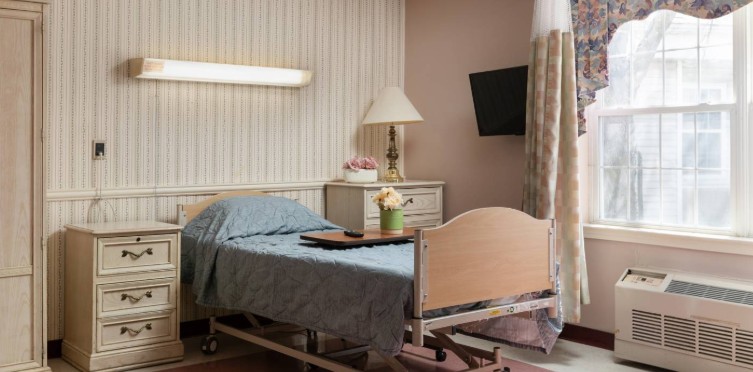
Complete Care at Monmouth
Skilled Nursing 229 Bath Avenue, Long Branch, New Jersey, 07740At Complete Care at Monmouth, we provide post-acute rehabilitation programs to help patients recover from illness, injury, or surgery, regain their strength, and transition home as soon as possible. We also provide advanced clinical specialties for those who require more time and assistance, in addition to around-the-clock nursing care, in a welcoming setting that feels like home.
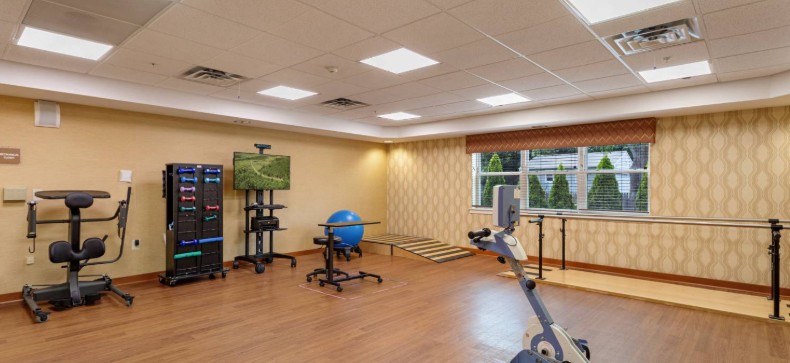
Complete Care at Shorrock Gardens NJ
Rehabilitation Facilities 75 Old Toms River Road, Brick Township, New Jersey, 08723At Complete Care at Shorrock Gardens, we provide post-acute rehabilitation programs to help patients recover from illness, injury, or surgery, regain their strength, and transition home as soon as possible. We also provide advanced clinical specialties for those who require more time and assistance, in addition to around-the-clock nursing care, in a welcoming setting that feels like home.
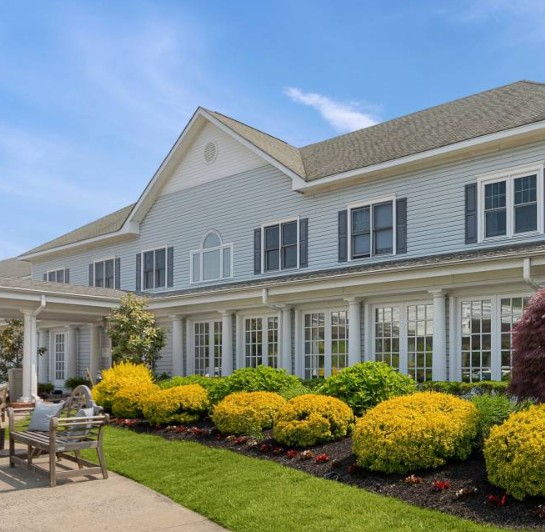
Complete Care at Holmdel NJ
Memory Care 713 North Beers Street, Holmdel, New Jersey, 07733At Complete Care at Holmdel, we offer an experience that is completely yours. We tailor our services and support so the time you spend with us is comfortable, enriching, and engaging. In addition to beautifully appointed living spaces, we provide personal care, meals, medication assistance, and supervision. Blending clinical excellence, personalized support, and thoughtful amenities to enhance your journey.