Rocky Mountain PACE Hosts JAWS Conference
Rocky Mountain PACE (Program of All Inclusive Care for the Elderly)
For more information about the author, click to view their website: Rocky Mountain PACE
Nov 17, 2026
Colorado - Colorado Springs


Rocky
Mountain PACE Hosts JAWS Conference to Inspire Future Healthcare Professionals
Rocky Mountain
PACE recently welcomed high school juniors from Fountain-Fort Carson School District 8 for its first
two-day JAWS Conference, providing students with an immersive look at
healthcare careers and the rewarding opportunities available in serving older
adults.
JAWS, which stands for Jump Start Aging
Workforce Solutions, is an innovative intergenerational workplace learning
program that connects high school Career and Technical Education (CTE) students
interested in healthcare careers with professionals working in long-term care settings, including home health,
assisted living, memory care, skilled nursing, and hospice.
During the
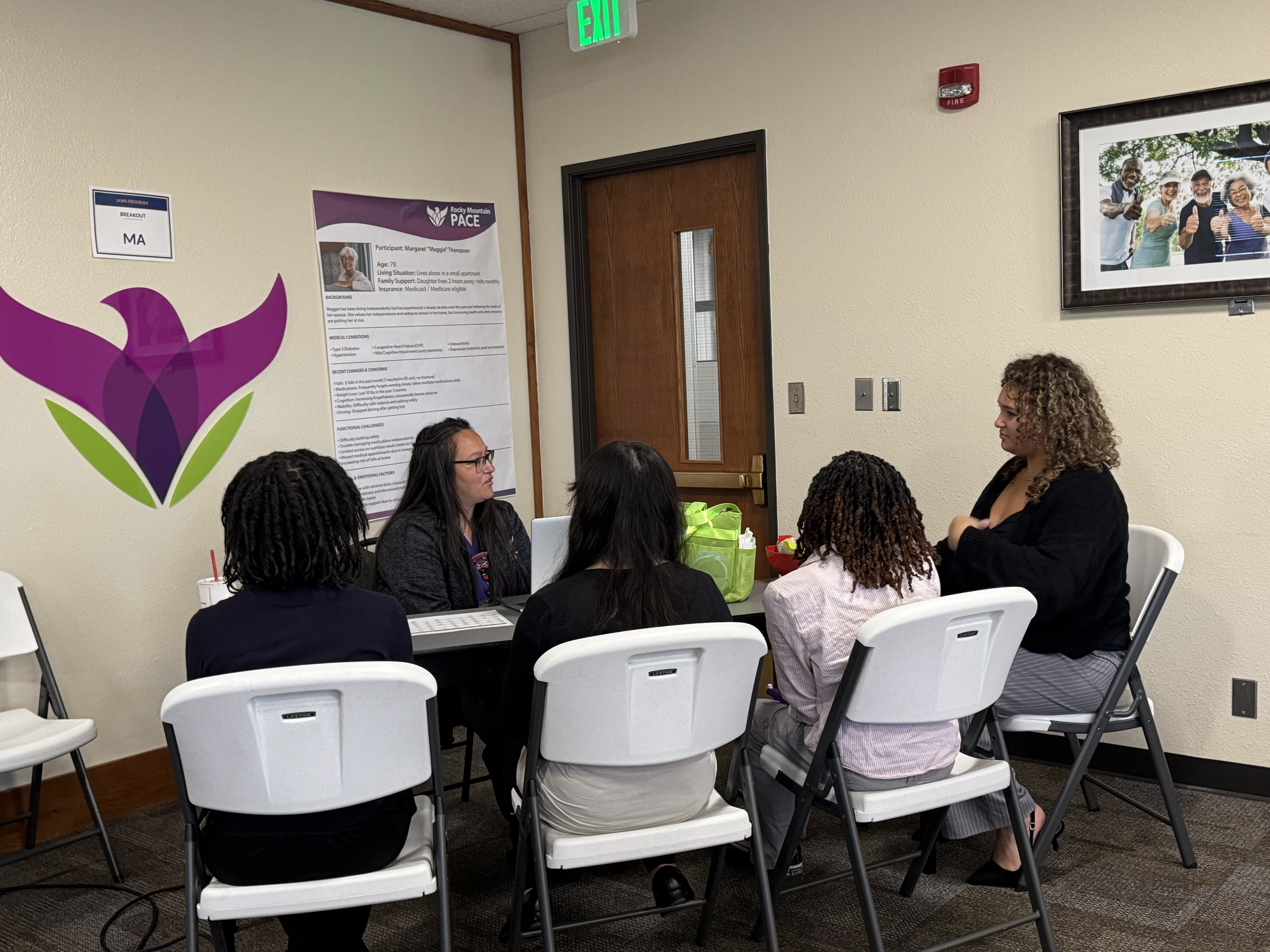
conference, students gained firsthand experience by observing a live
Interdisciplinary Team (IDT) meeting and participating in interactive workshops
and breakout sessions led by nine diNerent healthcare disciplines. The
experience provided valuable exposure to the collaborative care model that
helps older adults remain independent and healthy in their communities.
“We want students
to understand what it is like to work with older adults,” said Debbie Baum,
Learning and Development Manager at Rocky Mountain PACE. “Rocky Mountain
PACE was proud to host high school students from District 8 for our first
two-day JAWS conference. Students got a front-line look at care for older
adults by observing a live Interdisciplinary Team meeting and taking part in
interactive workshops and breakout sessions led by nine diNerent disciplines.
We look forward to welcoming students again in spring 2027 as we keep investing
in the next generation of Colorado’s healthcare workforce.”
For many students,
the conference provided an opportunity to explore possible career paths and
connect classroom learning with real-world experiences.
“I love to work
with people, and I want to be a physical therapist in geriatrics,” said Grace
Blankenship, a junior at Fountain-Fort Carson High School. “I’m hoping
physical therapy is the right thing for me.”
According to Sean Fogarty, Biomedical Teacher at
Fountain-Fort Carson High School, Host Advisor, and Vice Chair of the JAWS Host
Organization of Colorado, the program's impact extends far beyond career
exploration.
“The main goal is to expose students to all of the careers in healthcare so they can explore their interests and build a sense of community,” Fogarty said. “Partnerships between schools and organizations like Rocky Mountain PACE are very important because they give students another avenue to experience things they can’t experience in a classroom setting. It allows students to explore what they want to do in their careers.”
Fogarty also
emphasized the personal and professional growth students gain through participation.
“They
are developing skills of communication and collaboration, and they carry
themselves as adults even though they are in high school,” he said.
JAWS was launched
in 2022 through an El Paso County American Rescue Plan Act (ARPA) grant awarded
to the University of Colorado at Colorado Springs (UCCS). The initiative was
created as a proactive response to strengthen awareness of healthcare careers and
help address workforce challenges facing long-term care providers following the
COVID-19 pandemic.
Since its
inception, JAWS partnerships between CTE students and long-term care
organizations have generated more than 6,000 hours of student experience,
fostering meaningful
intergenerational relationships and learning opportunities among high school
students, older adults, and healthcare professionals throughout the community.
Through
partnerships like JAWS, Rocky Mountain PACE remains committed to developing future
healthcare leaders while helping students discover meaningful careers dedicated
to serving older adults.
About Rocky Mountain PACE
Rocky Mountain
PACE (Program of All-Inclusive Care for the Elderly) provides comprehensive
medical and supportive services that help older adults remain living safely and
independently in their homes and communities. To learn more about Rocky
Mountain PACE, call 719-314-2327 or
go to rmpace.org.
Learn More
For more
information about the JAWS program, contact Penny Whitly at Aponi Partners, Inc. at 719-337-8486
Other Articles You May Like
Honoring Our Veterans: Compassionate Care Close to Home
Our nation's veterans have dedicated years of their lives to serving and protecting others. As they grow older, many face a new set of challenges, from managing everyday activities to maintaining independence and staying connected with their communities.For aging veterans in Minnesota, remaining in the comfort of home can be especially meaningful. Familiar surroundings, treasured memories, and established routines often provide a sense of stability and belonging.At Seniors Helping Seniors, the philosophy is simple: older adults deserve compassionate assistance, meaningful companionship, and the opportunity to continue living life on their own terms.For veterans and their families, that support can make a meaningful difference.Veterans Deserve Support That Honors Their IndependenceMilitary service often instills a strong sense of independence, determination, and self-reliance. These qualities can remain important throughout a veteran's life.However, accepting assistance with daily activities isn't always easy.A veteran who once traveled the world or managed demanding responsibilities may hesitate to ask for help with grocery shopping, transportation, household chores, or meal preparation.Family members may recognize the need for additional support long before their loved one feels comfortable discussing it.Non-medical in-home care can provide a thoughtful solution. Rather than taking over daily life, caregivers can assist with specific activities while encouraging veterans to remain as independent and involved as possible.The goal is not to change how someone lives but to help them continue enjoying the life they've built.The Unique Value of Seniors Helping SeniorsSeniors Helping Seniors offers a distinctive approach to non-medical home care by connecting older adults with caregivers who understand the experiences and perspectives that often come with aging.For veterans, this relationship-centered philosophy can be especially valuable.A caregiver who shares similar interests, life experiences, or generational memories may help create a comfortable and respectful relationship.Conversations about family, community, military service, or favorite pastimes can become an important part of the day.Some veterans may enjoy sharing stories about their service, while others prefer to focus on current interests and everyday activities. Compassionate companionship means respecting those individual preferences.Whether it's enjoying coffee together, preparing lunch, working on a hobby, or taking a walk, meaningful interactions can help older veterans feel connected and appreciated.Everyday Assistance That Makes Aging at Home EasierNot every veteran requires medical care or extensive daily assistance.Sometimes, a little help with ordinary activities can make remaining at home more manageable.Depending on the local office and individual care plan, non-medical support may include:Companionship: Friendly visits, conversation, games, hobbies, and social engagement.Homemaking: Light housekeeping, laundry, and help maintaining an organized living environment.Meal preparation: Assistance preparing meals and maintaining familiar routines.Transportation: Help getting to appointments, grocery stores, community activities, or other destinations.Errands and shopping: Assistance completing everyday tasks that may have become difficult.Respite support: Giving family caregivers time to rest, work, or attend to personal responsibilities.These services can help veterans preserve their independence while providing additional reassurance for family members.Understanding Veterans' Home Care BenefitsOne important consideration for veterans and their families is whether assistance may be available through the U.S. Department of Veterans Affairs.Certain veterans and surviving spouses may qualify for benefits that help cover eligible long-term care expenses.One program worth exploring is VA Aid and Attendance, an additional monthly payment that may be available to qualifying individuals who receive a VA pension and meet specific care-related requirements.Eligibility depends on several factors, including service history, financial circumstances, and the individual's need for assistance.The VA also offers certain home- and community-based care programs for eligible veterans. Availability and coverage depend on clinical eligibility, enrollment, local resources, and program requirements.Families should understand that not every veteran automatically qualifies for financial assistance and not every non-medical home care service is covered.Before making decisions, veterans and their families should speak with an accredited VA representative or a qualified veterans service officer.A helpful starting point is the U.S. Department of Veterans Affairs website at www.va.gov.Recognizing When an Aging Veteran May Need Extra HelpFor many families, the need for additional assistance develops gradually.A veteran may still be managing independently but beginning to experience challenges with daily routines.Some common signs include:Difficulty keeping up with household choresMissing appointments because transportation is challengingReduced interest in social activitiesTrouble shopping for groceries or preparing mealsIncreased isolation after the loss of a spouse or friendsFamily caregivers feeling overwhelmed by growing responsibilitiesThese changes don't automatically mean that a veteran needs to move into assisted living or another residential setting.In many situations, additional non-medical assistance can help support continued independence at home.A thoughtful conversation about what the veteran wants, what activities have become difficult, and what type of help would feel comfortable is often a good first step.Companionship Matters for Veterans, TooWhile physical assistance is important, emotional connection deserves equal attention.Some older veterans experience loneliness after retirement, the loss of friends or loved ones, or changes in mobility.Minnesota's long winters can also make regular social interaction more challenging.Having someone visit consistently, share conversation, or accompany a veteran on an outing can help maintain a sense of routine and connection.Companionship doesn't have to involve elaborate activities.Sometimes, it's a familiar face arriving for a weekly visit. Other times, it's sharing a favorite meal, discussing a Minnesota sports team, or enjoying a quiet afternoon together.These moments remind older adults that they remain valued members of their communities.Supporting the Families Who Support Our VeteransSpouses, adult children, and other family members frequently provide tremendous support to aging veterans.Many juggle caregiving responsibilities alongside employment, raising children, and managing their own households.Over time, these demands can become physically and emotionally exhausting.Non-medical home care can help families share responsibilities while ensuring their loved one receives personalized attention.For example, having a caregiver assist with errands or companionship for a few hours may allow a spouse to attend an appointment, visit friends, or simply enjoy some time to recharge.This additional support can help families maintain healthier caregiving routines and spend more of their time together enjoying meaningful moments.Serving Veterans Throughout the Twin CitiesSeniors Helping Seniors has Minnesota locations serving the Woodbury, Minneapolis, Plymouth, and West Hennepin areas.For veterans who wish to remain in their own homes, these local offices can be a starting point for exploring companionship and non-medical assistance.Families should contact the appropriate location to discuss available services, scheduling, and individual care needs.Whether someone needs help with errands, companionship during the week, or assistance maintaining daily routines, the right support can make aging at home more comfortable and rewarding.Honoring Service Through Compassionate CareVeterans have given so much in service to our country. As they age, honoring that service means more than expressing gratitude on Veterans Day.It also means recognizing their continued need for independence, dignity, friendship, and meaningful support.At Seniors Helping Seniors, the focus on personal relationships and compassionate assistance reflects the belief that older adults deserve to feel respected, connected, and valued.For Minnesota veterans and their families, a helping hand and a friendly companion can make home an even better place to be.To learn more about non-medical home care and companionship services, contact Seniors Helping Seniors in Woodbury, Minneapolis, Plymouth, or West Hennepin, Minnesota.
What Should You Check Before Choosing a Medicare Plan?
Before choosing a Medicare plan, verify four essentials: whether your doctors participate, how your prescriptions are covered, what you could pay over the full year, and whether the plans rules fit your daily life. These checks matter more than a single attractive premium or an advertised extra benefit. For older adults in Pueblo, Colorado, a little preparation can make a Medicare decision much easier to evaluate. 1. Will You Be Able to Keep the Care Team You Trust? Start with the healthcare professionals and facilities you use most: your primary care doctor, cardiologist, therapist, hospital and any other regular specialist. Ask the plan whether each one is currently participating and confirm directly with the providers office. Networks can change, so last years answer may not still be accurate. Original Medicare and Medicare Advantage do not use identical rules. With Original Medicare, you can generally visit doctors and hospitals that accept Medicare anywhere in the United States. Medicare Advantage plans may use networks and may require referrals or prior authorization for certain services. Understanding those differences is important if you divide your time between Colorado and another state. 2. What Will Your Prescriptions Really Cost? List each medication, dosage and preferred pharmacy before looking at plans. A drug appearing on a plans list of covered medications, called a formulary, does not automatically mean it will be inexpensive. The price may depend on its tier, deductible, pharmacy and utilization rules. Ask whether a lower-cost equivalent is available, whether your preferred pharmacy is in the network, and whether any prescriptions require prior authorization or step therapy. If a medication is essential, do not change or stop it based on an insurance comparison; discuss alternatives with your prescriber. 3. Can Your Budget Absorb More Than the Premium? A useful comparison looks at estimated annual spending rather than only the monthly plan premium. Depending on the coverage type, the calculation may include: Monthly premiums, including any Part B premium you owe Medical and prescription deductibles Primary care, specialist and urgent care copayments Coinsurance for tests, imaging, outpatient procedures or hospital care Prescription expenses across the year and any applicable out-of-pocket maximum In Medicare Advantage, the annual out-of-pocket limit for covered Part A and Part B services can provide a spending boundary, but premiums and some other expenses are not counted toward that limit. Original Medicare generally has no yearly out-of-pocket limit unless supplemental coverage or other protection applies. Always inspect the specific plan documents. 4. What Happens When Your Needs Change? Think beyond this month. Are you anticipating surgery, rehabilitation or more frequent specialist visits? Do you need transportation, dental work or hearing services? Will you travel, relocate or spend winter outside Colorado? Ask whether benefits have eligibility limits, network restrictions, visit caps or prior authorization requirements. It can also help to ask what to do if a doctor leaves the network, a medication is removed from the formulary, or the plan denies a service. An understandable appeals process and reliable contact information matter when care becomes complicated. When Can You Enroll or Change Plans? Enrollment dates are not all interchangeable. Medicare has initial enrollment rules for people becoming eligible, an annual October 15 through December 7 Open Enrollment Period for certain plan changes, and special enrollment opportunities tied to qualifying circumstances. People already in Medicare Advantage may have additional opportunities to make certain changes during the Medicare Advantage Open Enrollment Period, generally January 1 through March 31. Switching from Medicare Advantage back to Original Medicare does not automatically guarantee a new Medigap policy in every circumstance. Medigap purchase rights have their own rules. Confirm your options before canceling coverage, especially if a supplemental policy is part of your plan. What Should You Bring to a Medicare Consultation? A productive meeting does not require expertise in insurance terminology. Bring your current Medicare and plan information, a written list of medications, clinician names, preferred pharmacies, and a few budget questions. If a family member helps you with healthcare decisions, consider inviting that person with your permission. Ask the broker which plans are represented and whether alternatives outside that selection could be worth reviewing. Med-Care For You, a Pueblo-based insurance brokerage, offers face-to-face consultations and education about Medicare choices. Its website also describes dental, life and long-term care insurance and annuities, which should be evaluated separately from Medicare enrollment decisions. Take the Next Step With Local Guidance For a one-on-one discussion in Pueblo or Pueblo West, contact Med-Care For You at (719) 420-0182 or visit https://www.medcareforu.com/. Both local offices operate by appointment. You can also compare coverage independently on Medicare.gov or speak with 1-800-MEDICARE to confirm available plans and enrollment rules before making a final choice.
Medicare Insurance Guidance in Pueblo, CO
A Medicare plan may look appealing in a brochure, but the details that matter most often show up later: a specialist who is out of network, a prescription that costs more than expected, or a copayment that changes the monthly budget. For Pueblo residents approaching Medicare or reviewing existing coverage, a thoughtful comparison can help prevent those surprises. Med-Care For You is a Colorado insurance brokerage that provides Medicare education and personalized insurance consultations. Its team meets with people face to face, with Pueblo and Pueblo West offices available by appointment. The goal of a useful consultation is not simply to pick a plan, but to understand how coverage would work in everyday life. Start With the Kind of Medicare Coverage You Want Original Medicare includes Part A, generally for hospital-related coverage, and Part B, generally for outpatient medical services. People using Original Medicare may choose a separate Part D prescription drug plan and may consider Medicare Supplement Insurance, also called Medigap, to help with certain out-of-pocket costs. Medicare Advantage, or Part C, is a different way to receive Medicare-covered services through a private plan approved by Medicare. Many plans include drug coverage and may offer additional benefits. However, provider networks, referral rules, drug formularies, cost sharing and service areas vary. A plan with a low monthly premium does not necessarily have the lowest total annual cost. What Should Pueblo Residents Compare? Bring your actual care needs into the conversation. Ask about the services you use now and what might change over the next year. Areas worth reviewing include: Doctors and hospitals: Are your primary care clinician, specialists and preferred medical facilities in the plan network? Are referrals needed? Prescriptions: Are your drugs covered, what tiers apply, and which local or mail-order pharmacies offer preferred pricing? Total costs: Consider premiums, deductibles, office and specialist copayments, coinsurance and applicable out-of-pocket limits. Travel and routine: Ask how care is covered when you spend time outside Pueblo or Colorado, and understand emergency versus nonemergency rules. Additional benefits: Check the actual eligibility, limits and participating providers for dental, vision, hearing or other advertised benefits. For someone who takes several prescriptions or regularly visits a specialist, these details can have more financial impact than a headline benefit. For someone who travels frequently, flexibility to use providers outside a local network may be a major consideration. How a Face-to-Face Medicare Appointment Can Help An effective insurance conversation begins with listening. A broker can help organize your priorities, explain unfamiliar plan terminology, and compare options from the organizations the brokerage represents. In Pueblo, Med-Care For You emphasizes in-person meetings and education so clients can ask questions without feeling rushed. Its website also lists dental insurance, life insurance, long-term care insurance and annuities. These are separate products with different purposes, risks and eligibility requirements. They should not be confused with Medicare benefits or treated as necessary purchases to enroll in Medicare. Know the Timing Before You Make Changes Many people first become eligible for Medicare around age 65, although eligibility and enrollment timing depend on individual circumstances. Medicares annual Open Enrollment Period, October 15 through December 7, generally allows people to make certain changes to Medicare Advantage and prescription drug coverage for the following year. Other enrollment periods may apply after qualifying life events or when first joining Medicare. Medigap is particularly time-sensitive. Federal protections generally include a six-month Medigap Open Enrollment Period beginning when someone is 65 or older and enrolled in Part B. Outside protected periods, getting a policy may be harder or more expensive. Confirm your specific rights before dropping existing coverage. Come Prepared for a Useful Conversation Before an appointment, write down your prescriptions, preferred pharmacies, physician names, expected procedures and questions about your budget. Have your current coverage documents and plan notices handy. Never share sensitive personal information through an unexpected phone call or message; use a trusted, verified contact method. Because no brokerage represents every plan, comparing additional options through Medicare.gov or 1-800-MEDICARE can provide perspective. Colorados State Health Insurance Assistance Program can also offer independent counseling. Med-Care For You states that it represents 10 organizations offering 67 products in the area, a disclosure worth considering when comparing the full market. Talk With Med-Care For You in Pueblo If you are preparing to enroll or want a clearer understanding of your current coverage, Med-Care For You offers appointments at 503 N. Main Street, Office #339, Pueblo, and 184 S. Tiffany Drive, Suite 103, Pueblo West. Both offices are by appointment only. Call (719) 420-0182 or visit https://www.medcareforu.com/ to arrange a conversation about your Medicare insurance options.
Local Services By This Author

Rocky Mountain PACE (Program of All Inclusive Care for the Elderly)
Support Groups & ServicesOur mission at Rocky Mountain Health Care Services is improving lives, optimizing wellness, and promoting independence. We work diligently to keep individuals as highly independent as possible. We deliver exceptional care to enrich the lives of our participants and empower them to live vibrant, independent lives. Everyone at RMHCS values and honors the commitment to our community to help participants lead meaningful independent lives. We work towards this goal through a program that is designed to meet the specific needs of individuals living in El Paso County. Our nonprofit has worked toward this same goal since 1976.
Rocky Mountain PACE (Program of All Inclusive Care for the Elderly)
Medicare Advantage PlansOur mission at Rocky Mountain Health Care Services is improving lives, optimizing wellness, and promoting independence. We work diligently to keep individuals as highly independent as possible. We deliver exceptional care to enrich the lives of our participants and empower them to live vibrant, independent lives. Everyone at RMHCS values and honors the commitment to our community to help participants lead meaningful independent lives. We work towards this goal through a program that is designed to meet the specific needs of individuals living in El Paso County. Our nonprofit has worked toward this same goal since 1976.
Rocky Mountain PACE (Program of All Inclusive Care for the Elderly)
PhysiciansOur mission at Rocky Mountain Health Care Services is improving lives, optimizing wellness, and promoting independence. We work diligently to keep individuals as highly independent as possible. We deliver exceptional care to enrich the lives of our participants and empower them to live vibrant, independent lives. Everyone at RMHCS values and honors the commitment to our community to help participants lead meaningful independent lives. We work towards this goal through a program that is designed to meet the specific needs of individuals living in El Paso County. Our nonprofit has worked toward this same goal since 1976.