





About Dignity Care
Dignity Care provides non-medial home care, we are supporting, everyday assistance to help older adults and individuals with disabilities live safely and comfortably in their own homes.
Core Services
Personal Care: Helping with bathing, dressing, grooming and toileting, care after medical procedure., care after release from Rehabilitation Companionship: Social interaction, conversations, and activities to reduce isolation. Household Support: Light housekeeping, laundry, and meal preparation. Mobility Assistance: Safer transfer and walking support to prevent falls. Errands and Transit: Rides to appointments and help with grocery shopping. Medication Reminders: Verbal prompts to take pills on time, though caregivers do not administer mediations.
Geriatric Care Management: Professional service that helps older adults and their families coordinate medical, personal and social care. Assesses Needs: Evaluates physical, emotional, and cognitive health during home visits. Create Care Plans: Designs short and long-term strategies for daily care or living arrangements. Coordinate Services: Schedules doctor visits, coordinates the home help, and over sees caregivers. Advocates and Communicate: Acts as a central hub for distant family members and medical teams.
Non-Medical
- www.dignitycare.com
- Private Pay, Long Term Care Insurance
- 1
- Activities, Housekeeping, Meals/Meal Options, Med-Alert Available, Transportation, Medication Reminders, 24 Hour Contact, Free Assessment, Home Health Aides / Assisting ADL
- 24 Hour Care, Home Care/Personal Assistance/Companion, Incontinence Care, Alzheimer's/Dementia Care
- Bonded, Insured, Workmans Comp
- B
Continue Your Search! Explore More Local Options.
Start SearchingLet’s engage and get educated!
Browse through thousands of expert articles in over 100 different categories.
Browse NowArticles You May Like

Embarrassing Things People With Dementia Say
Many people with dementia lose their social filters and no longer understand what is or is not appropriate to say in public. They do not say embarrassing things intentionally but have indeed lost the lens they used to live with. You may have encountered situations like these: Person with Dementia upon hearing someone speaking a different language: Speak English! or they may use a racial slur to describe them.I have seen and heard many elders using racial references that were, to say the least, disrespectful. It doesnt necessarily mean the people are racist. Many of our elders grew up in much less diverse communities than we have today. They have simply lost whatever inhibitions they may have had. When they see someone of another ethnicity, they blurt out labels that they heard as youths, embarrassing everyone involved.How to respond: One of my clients used to make these remarks frequently. He also had travelled a lot. I would apologize calmly to the person and then begin talking about what language I thought they might be speaking and what country they might be from, asking my client if he had ever been there on his travels. This could lead him into a conversation about travel. If the person, he was making the remark about was on staff at the nursing home Id include them in the conversation.Person with Dementia, generally a man pinches a woman or otherwise acts out sexually: Nice butt!Stay calm and realize that this behavior is caused by the disease. Dementia has stripped your dad of his inhibitions and he really cant help it. Try not to overreact from embarrassment.How to respond: Calmly say, Thats inappropriate, Dad, or something to indicate that the action is not acceptable. It wont help to scold, however. Apologize to the person affected and then if possible, move your dad away. Explain to the person that dad has Alzheimers and his actions are the result of the disease. If you cant defuse the situation by moving him away, just allow the affected person to handle it. If it happens to a professional caregiver, they are trained to handle these situations.When these and other uncomfortable situations occur, we are embarrassed for ourselves and for the person our elder once was. Learning that we arent alone in enduring this public embarrassment helps, Talk with other caregivers, either in person or online, for perspective and the chance to laugh about these situations. When we share our stories with people who understand, our pain and embarrassment doesnt take on a life of its own. Try a caregiver forum, such as the one at AgingCare.com
Jul 23, 2025
.png)
Medication Tips For Seniors
Did you know that nearly one-third of the population has difficulty swallowing pills? Most people dont swallow pills correctly. This often results in gagging, choking, and vomiting, which usually results in people not taking their medications at all, or not taking the recommended dosage, which then results in a need for later additional medical care.If you are caring for a senior who has trouble swallowing their pills, here are some medication tips and some good news. Researchers have found new techniques that make pill-popping easier, even for large pills.German researchers recently tested two methods of swallowing pills and found that 80% of the time these methods worked better than the normal way of taking a pill. The first is the pop-bottle method, and it makes tablets go down with ease. The second is the lean-forward technique, which sends capsules straight down the throat. Both have been rigorously tested by 151 volunteers who swallowed numerous dummy pills for the sake of science. And now they are being shared with the world via their publication in the Annals of Family Medicine.Read about each method so you can try it yourself or have the senior you are caring for try it. Just may make life a little easier for you both.
Jul 23, 2025

Getting Up After a Fall
No one ever intends to fall. I hear it from my clients all the time: Im careful or Im not going to fall even though I think they are really trying to tell me that they are worried about falling. However, that level of fear doesnt always translate into taking specific measures to avoid a fall or learning what they can do to prevent falling. Without proper prevention and safety measures, falls happen. When people fall, the response is usually, It was an accident, I wont fall again.One of my clients is the poster child for this attitude. She has fallen multiple times but isnt able to relate any of her falls to the other times she has fallen. While were working on that end of things, in the meantime we needed some tips on getting up after falls.My favorite find is this video on how to get up. The main point is to be creative about what you have within reach or crawling distance to be able to get yourself (or someone else) up off the floor. Also, make sure to evaluate yourself for possible injuries, pain, range of motion issues, and/or bleeding before trying to get up. Another thing they discuss is the importance of lifeline devices such as Life Alert. If help is immediately available at the push of a button, you wont even need to worry about how to get up with possible injuries or finding a way to get help.
May 05, 2023
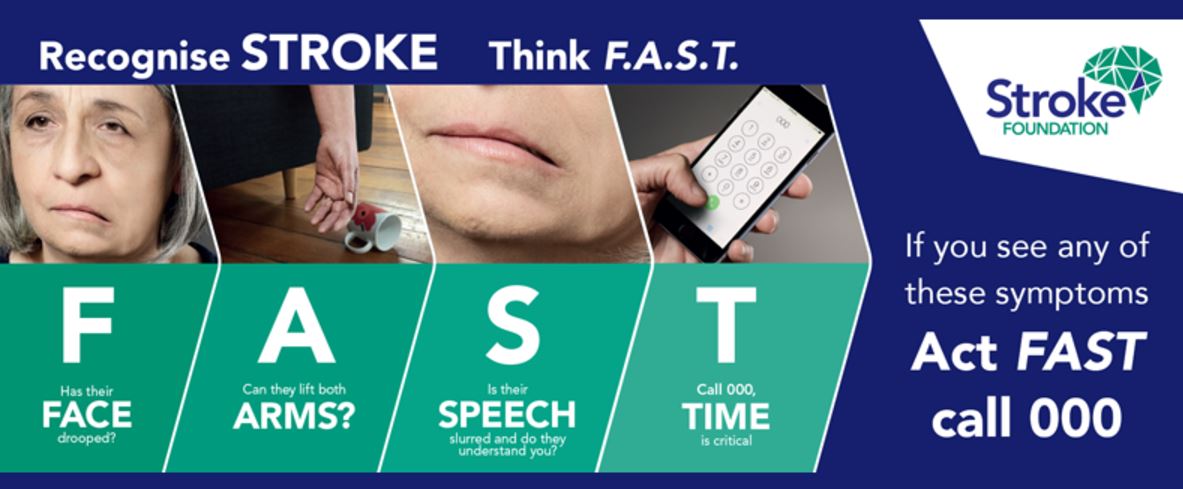
Act FAST For a Stroke
Act FAST For a Stroke! Stroke is an emergency and a brain attack. Learn how to act FAST and call 911 at the first sign of stroke.Recognizing stroke symptoms can be easy if you remember to think FAST. Use FAST to remember the warning signs:F= Face Ask the person to smile. Does one side of the face droop?A= Arms Ask the person to raise both arms. Does one arm drift downward?S= Speech Ask the person to repeat a simple phrase. Does the speech sound slurred or strange?T= Time If you observe any of these signs, its time to call 911May is Stroke Awareness Month. The National Stroke Association has easy ways for you to learn more about stroke before it happens to you or someone else. If you have any questions, please call us at 303-444-4040.
Dec 04, 2024
.png)
In Home Care Helps Seniors with Depression
Too many seniors grapple with isolation and depression, but these are not a normal part of growing older. They are treatable medical illnesses, much like heart disease or diabetes. Depression is a serious illness affecting approximately 15 out of every 100 adults over age 65 in the United States.Seniors experiencing feelings of depression and isolation have a higher risk of hospital admissions, as well as a higher risk for being scammed. Not to mention it makes for a miserable life.So, what can you do? Helping seniors stay healthy means more than ensuring they get good physical care. Individuals living alone miss out on the stimulation of interactions with others on a regular basis. Our caregivers serve that dual purpose of providing physical care and social connection. We enjoy our clients, building a relationship with them, and sharing the highs and lows of their days. Caregivers can laugh with their clients and be an empathetic ear. We make sure our clients are getting out of the house and attending events and activities that interest them.Hiring a caregiver to help out, even for a couple of hours each week, brings conversation and spark along with the physical help. Caregivers are a good antidote for depression. If you have any questions, please call us at 303-444-4040.
Dec 17, 2024

Caregivers Forced to Choose Between Caring for a Loved One and a Job
At least 42 percent of U.S. workers have been caregivers for aging loved ones in the last five years. In fact, most family caregivers work full or part-time while caring for their parent, spouse, aunt, uncle, or other loved one. Juggling Your Job and Caring for a Loved One The majority (68 percent) of family caregivers report making work accommodations because of caregiving duties, including: Arriving late/leaving early or taking time off Cutting back on work hours Changing jobs Stopping work entirely If this is you, you understand the challenge of juggling work and caregiving. Youll want to know that AARP is fighting for workplace flexibility, like family leave or paid or unpaid sick leave, to support family caregivers as they balance work and caregiving responsibilities. AARP is pushing for legislation that would: Let employees use their existing sick time to help care for a family member; or Give employees a few hours of unpaid time each year to help care for their loved ones; or Allow employees unpaid leave to take their loved ones to the doctor, in the same way 15 states allow employees to take unpaid time off to attend parent-teacher conferences and school events.
Jul 23, 2025
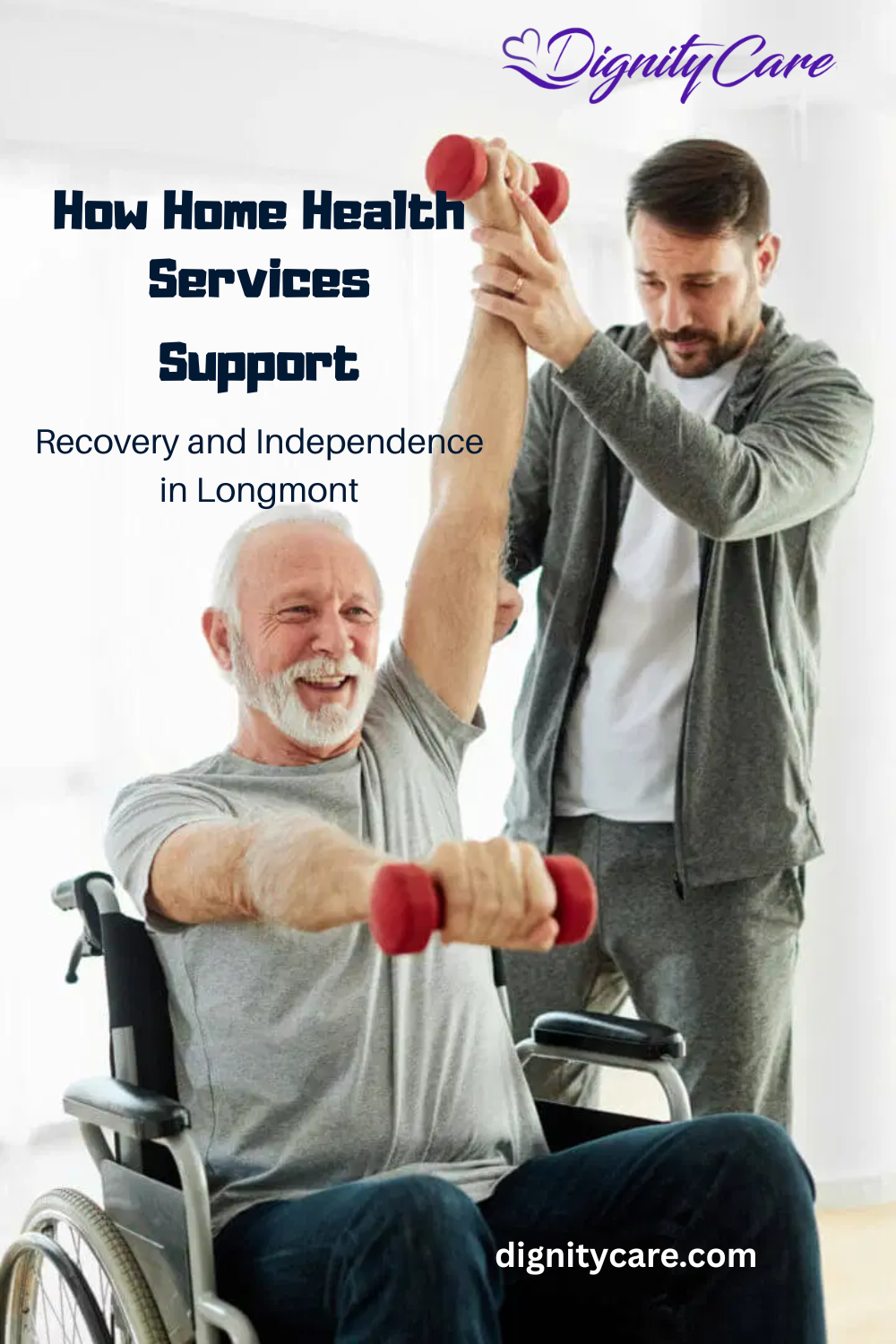
How Home Health Services Support Recovery and Independence in Longmont
How Home Health Services Support Recovery and Independence in LongmontWhen health needs change, many seniors and families face a difficult question: how to receive the right level of care without sacrificing the comfort and familiarity of home. In Longmont and across Northern Colorado, home health services provide a vital solutiondelivering skilled medical care in the place where patients feel safest and most at ease.Home health care supports recovery, manages chronic conditions, and helps seniors maintain independence while reducing the need for frequent hospital or clinic visits. For families, it offers reassurance that professional medical support is available without disrupting daily life.What Home Health Care Really ProvidesHome health care is a physician-directed service that delivers skilled medical care in a patients home. Unlike non-medical home care, home health focuses on clinical needs and recovery.Home health services may include: Skilled nursing care Medication management and education Wound care and monitoring Physical, occupational, and speech therapy Chronic disease management Coordination with physicians and specialists These services are tailored to individual medical needs and adjusted as recovery progresses.Why Home Health Matters After Illness or HospitalizationHospital stays are often brief, and many patients are discharged before they feel fully confident managing care on their own. Without follow-up support, setbacks can occur.Home health helps by: Monitoring recovery closely Identifying complications early Reducing hospital readmissions Supporting medication adherence Reinforcing discharge instructions In Longmont, where seniors may live alone or far from family support, home health plays a critical role in bridging the gap between hospital and home. Receiving skilled care at home allows patients to heal with dignity and comfort, says Jessica Davis. Home health supports recovery while respecting each persons independence and routine. Supporting Chronic Conditions at HomeMany seniors manage ongoing health conditions that require regular monitoring and education. Home health services help patients understand their conditions and take an active role in managing their health.Common conditions supported through home health include: Heart disease Diabetes Respiratory conditions Post-surgical recovery Mobility and balance challenges By providing consistent clinical oversight, home health helps prevent complications and improves long-term outcomes.Personalized Care Plans for Real LifeHome health care is not one-size-fits-all. Each patient receives a personalized care plan based on medical needs, physician orders, and personal goals.Care plans often focus on: Regaining strength and function Managing symptoms effectively Improving safety at home Educating patients and caregivers Preparing for independence after care ends This individualized approach ensures care aligns with real-life routines and environments.The Benefits of Healing at HomeRecovering at home offers physical and emotional advantages that clinical settings cant always provide.Benefits include: Greater comfort and reduced stress Improved sleep and nutrition Familiar surroundings that support healing Increased family involvement Better adherence to care plans For many seniors, home is the best place to heal.Reducing Caregiver StressFamily caregivers often shoulder significant responsibility after a loved one returns home from the hospital. Home health services provide professional support that eases this burden.Caregivers benefit from: Guidance on medical tasks Education and training Regular professional check-ins Reduced anxiety about doing it right This shared approach supports both patient and caregiver well-being.Coordinated Care With Local ProvidersEffective home health care relies on strong communication. Home health teams work closely with physicians, therapists, and other providers to ensure continuity.Coordination helps by: Aligning treatment plans Ensuring timely updates Adjusting care based on progress Supporting smooth transitions when care ends Local coordination in Longmont ensures care remains responsive and efficient.When Is Home Health the Right Choice?Home health care is often appropriate when: A patient is recovering from hospitalization Skilled nursing or therapy is needed at home Chronic conditions require monitoring Travel to clinics is difficult Independence is the goal Early referral often leads to better recovery and fewer complications.Frequently Asked Questions (FAQs)Is home health the same as non-medical home care? No. Home health provides skilled medical services under physician direction.How long does home health last? Duration depends on medical needs and progress toward recovery goals.Is home health covered by insurance? Many services are covered by Medicare, Medicaid, or private insurance when criteria are met.Can family members be involved? Yes. Education and involvement of caregivers are encouraged.What happens when home health ends? Care teams help plan next steps, which may include outpatient therapy or other support.Skilled Care, Right at HomeHome health care allows seniors to receive essential medical support without leaving the comfort of home. By combining clinical expertise with compassionate care, home health services help Longmont residents recover safely, manage conditions effectively, and maintain independence. To learn more about home health services in Northern Colorado, visit the Dignity Care listing on Seniors Blue Book and explore care options designed to support healing with dignity.
Jan 08, 2026

End-Of-Life Decisions For Families
End-of-Life Decisions this is a hard subject for most. Have you had the conversation with your parents yet about how they envision their life as they get closer to the end of it? Most of us havent, but it is time that we do.It is important for us to think about how we want our life to be at the end, because the medical professionals around us during that time certainly arent going to guess what we want. Plus, given the tendency to over-diagnose, over treat, and over-medicate, you may get subjected to more interventions than you ever anticipated or wanted. The time to be considering what you or your parents might want or not want at the end of life, is before you are in the midst of a crisis and needing to make quick decisions.The Conversation Project is a great way to ease into these discussions. Their approach provides a safe and manageable framework for talking with family and friends about what is important to you.
Jul 23, 2025

Why Is Staying Hydrated So Difficult for Seniors?
Hot summer days are a good time for everyone to think about staying hydrated. For older adults the topic of hydration is a year-round discussion that never goes away. Its a serious issue for most seniors but doesnt get resolved because it needs to be addressed every day and cant be solved with a pill.Seniors have a very high risk for dehydration, which is one of the most frequent causes of hospitalization after the age of 65. They have a greater risk of dehydration for many reasons, including the fact that as we age, our kidneys become less efficient at conserving fluids, our sense of thirst weakens, and we are less able to adjust to changes in temperature. Some medications like diuretics, sedatives, and laxatives can also cause increased fluid loss.Dehydration can cause temporary symptoms that mimic symptoms of Alzheimers. If dementia-like symptoms seem to appear suddenly, it could be dehydration which is easily curable.Symptoms of dehydration range from minor to severe and include persistent fatigue, muscle weakness, headaches, dizziness, nausea, forgetfulness, confusion, lethargy, increased heart rate, sunken eyes, dry mouth, dark colored urine. Urine should be clear to pale yellow. I tell my clients that if their urine is darker than pale yellow, they should head straight to the kitchen from the bathroom and drink a full glass of water. Keeping a glass of water beside you all day to sip on rarely results in someone drinking enough fluids. Its more effective to drink the entire glass, even if its a small glass. Seniors cant rely on their sense of thirst to tell them when to drink water. Scheduling a glass at each meal and/or after a bathroom visit, making sure to drink the full glass, is the best way to make sure youve gotten your full daily amount.If you have any questions, please call us at 303-444-4040.
Dec 17, 2024
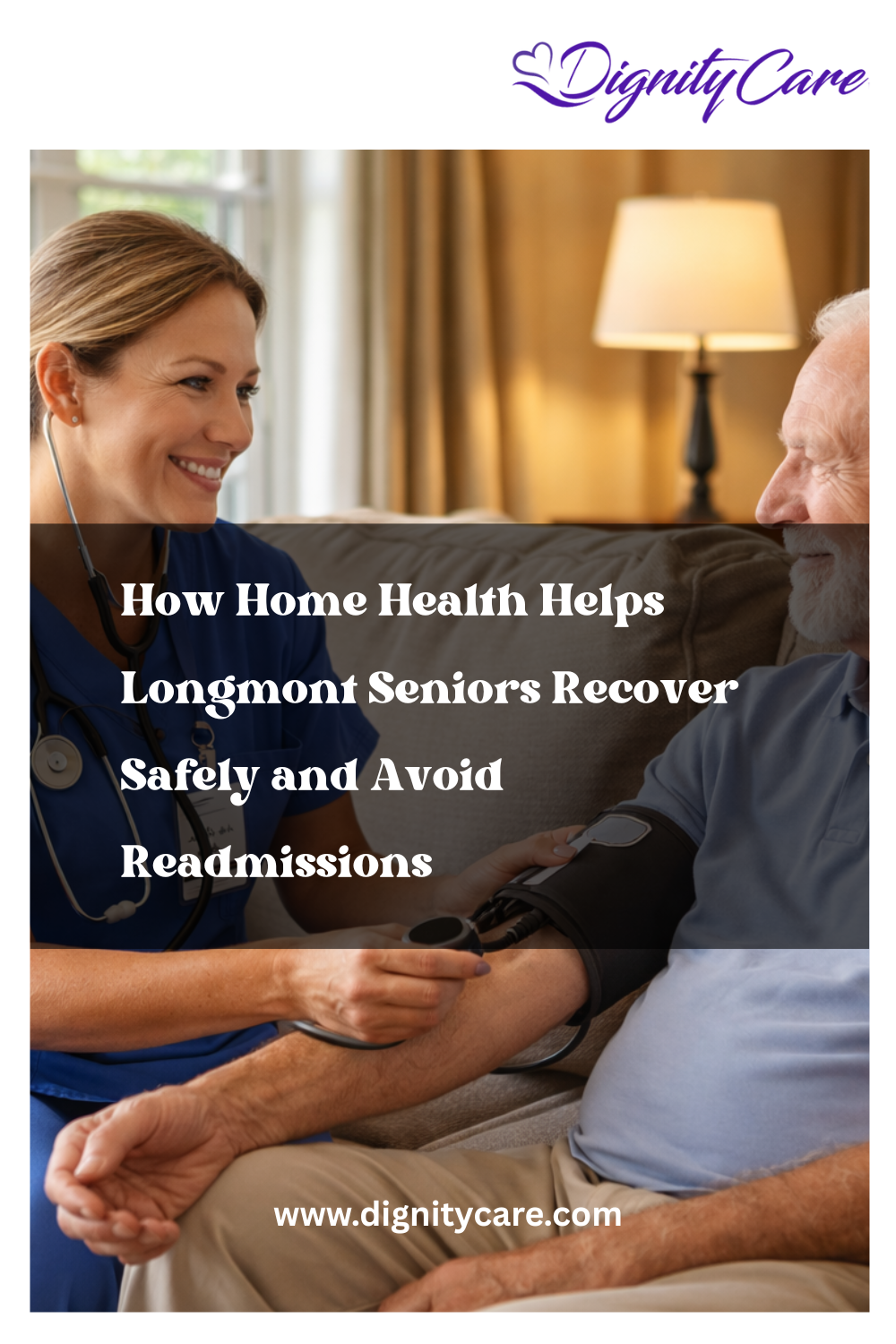
How Home Health Helps Longmont Seniors Recover Safely and Avoid Readmissions
How Home Health Helps Longmont Seniors Recover Safely and Avoid ReadmissionsA hospital stay can change everythingespecially for older adults. Even when the main medical issue is treated, many seniors return home feeling weaker, unsteady, or uncertain about what comes next. Families may assume the hardest part is over, but the truth is that the days and weeks after discharge are often the most fragile. Medication changes, follow-up appointments, wound care, and rebuilding strength can quickly become overwhelming.Thats where home health makes a meaningful difference.Dignity Care provides home health services in Longmont and Northern Colorado, helping seniors recover safely at home with skilled clinical support. Home health isnt just convenientits a proven way to support healing, prevent complications, and reduce the risk of returning to the hospital.What Home Health Is (and What It Isnt)Home health is medical care delivered at home by licensed professionals. Its different from non-medical home care, which focuses on daily living assistance and companionship. Home health is typically ordered by a physician and designed to support recovery, manage conditions, and stabilize health at home.Home health services may include: Skilled nursing (vitals monitoring, medication education, chronic disease management) Wound care (dressing changes, infection monitoring, post-surgical support) Physical therapy (strength, balance, gait training, fall prevention) Occupational therapy (daily living skills like dressing, bathing, safe kitchen routines) Speech therapy (swallowing, cognition, communication after stroke or illness) Care coordination with physicians and discharge planners For many Longmont seniors, home health is the missing link between discharged and truly recovered.Why the First 14 Days After Discharge Matter So MuchHospitals are focused on stabilizing acute issues. Once the immediate danger passes, patients are dischargedoften with new instructions, new prescriptions, and new care routines. The challenge is that older adults may return home with: Lower stamina and muscle weakness Increased fall risk Confusion about medication changes New wounds, surgical sites, or mobility limitations Uncertainty about follow-up care These challenges are why hospital readmissions happen so frequently. Home health provides structure, oversight, and professional guidance right when seniors need it most.The Real Goal: Recovery Thats Safe, Not Just FastFamilies often feel pressure to get back to normal quickly. But safe recovery is rarely a straight lineespecially for seniors with multiple health conditions.Home health supports recovery by helping seniors: Understand and follow discharge instructions Rebuild strength through therapy Catch warning signs early (swelling, fever, infection, confusion) Reduce fall hazards and mobility risks Coordinate follow-up appointments and care plans When care happens at home, providers also gain a better picture of the environmentstairs, lighting, clutter, bathroom setupwhich can be crucial for preventing falls and setbacks.Skilled Nursing at Home: More Than VitalsSkilled nursing is often the anchor of home health. Nurses dont just check vitals. They help seniors and families understand how to manage health day to day.A home health nurse may help with: Medication education and side-effect monitoring Managing chronic conditions (CHF, COPD, diabetes, hypertension) Wound and incision monitoring Safety education (hydration, nutrition, mobility precautions) Recognizing red flags that require medical attention When seniors understand their care plan, they feel more confidentand families feel less anxious.Therapy at Home: Building Strength Where Life HappensTherapy in a clinic is helpful, but therapy at home can be especially powerful because its practical and personalized. Therapists can work on the real activities of daily life, in the real environment where those activities occur.Physical therapy (PT) at home often focuses on: Walking safely (with or without assistive devices) Balance training and fall prevention Strength and endurance building Stairs and transfer practice (bed, chair, toilet) Occupational therapy (OT) often focuses on: Safe bathing and dressing routines Adaptive strategies for arthritis or weakness Kitchen safety and energy conservation Home setup recommendations to reduce risk These improvements can help seniors stay independent and reduce caregiver strain.Home Health as a Partner for FamiliesFamilies often step into a care manager role after discharge, even if theyre not prepared. Home health helps families by bringing clinical expertise into the homeso families arent guessing.Jessica Davis, who works closely with patients and families through Dignity Care, shares: Coming home should feel like reliefnot fear. Our goal is to support safe recovery, educate families, and help seniors regain confidence in their daily lives. That focus on reassurance and education is a major reason home health can feel like a lifeline for families.Common Scenarios Where Home Health Helps Longmont SeniorsHome health is often recommended after: Joint replacement (hip/knee surgery) Stroke or TIA recovery Pneumonia or respiratory illness Heart failure exacerbations Falls with injury Wound care needs (pressure injuries, diabetic ulcers, surgical wounds) If the goal is to recover at home safely, home health can help bridge the gap between medical complexity and daily living.FAQs: Home Health in Longmont, Colorado1) Is home health covered by Medicare?Home health is often covered by Medicare if eligibility requirements are met and services are medically necessary. Coverage can vary based on diagnosis and plan details.2) Do you have to be homebound to qualify?Some coverage types require homebound status (meaning leaving home is difficult and requires assistance). A provider can explain eligibility based on individual circumstances.3) How long does home health last?It depends on medical need and progress. Services may last weeks or longer, with frequency adjusted over time.4) Can home health work with my doctor?Yes. Home health teams typically coordinate with physicians for orders, updates, and plan-of-care adjustments.5) Is home health the same as private-duty caregiving?No. Home health is medical and typically intermittent. Non-medical caregiving provides ongoing daily support like bathing help, meals, and companionship.A Safer, More Confident Recovery at HomeFor Longmont seniors, the path from hospital to full recovery can be challengingbut it doesnt have to be overwhelming. Home health helps seniors heal safely at home with clinical support, therapy, education, and coordination that reduces complications and supports independence. To learn more about home health services through Dignity Care, visit their Seniors Blue Book listing and connect with a trusted local provider supporting recovery across Northern Colorado.
Jan 13, 2026
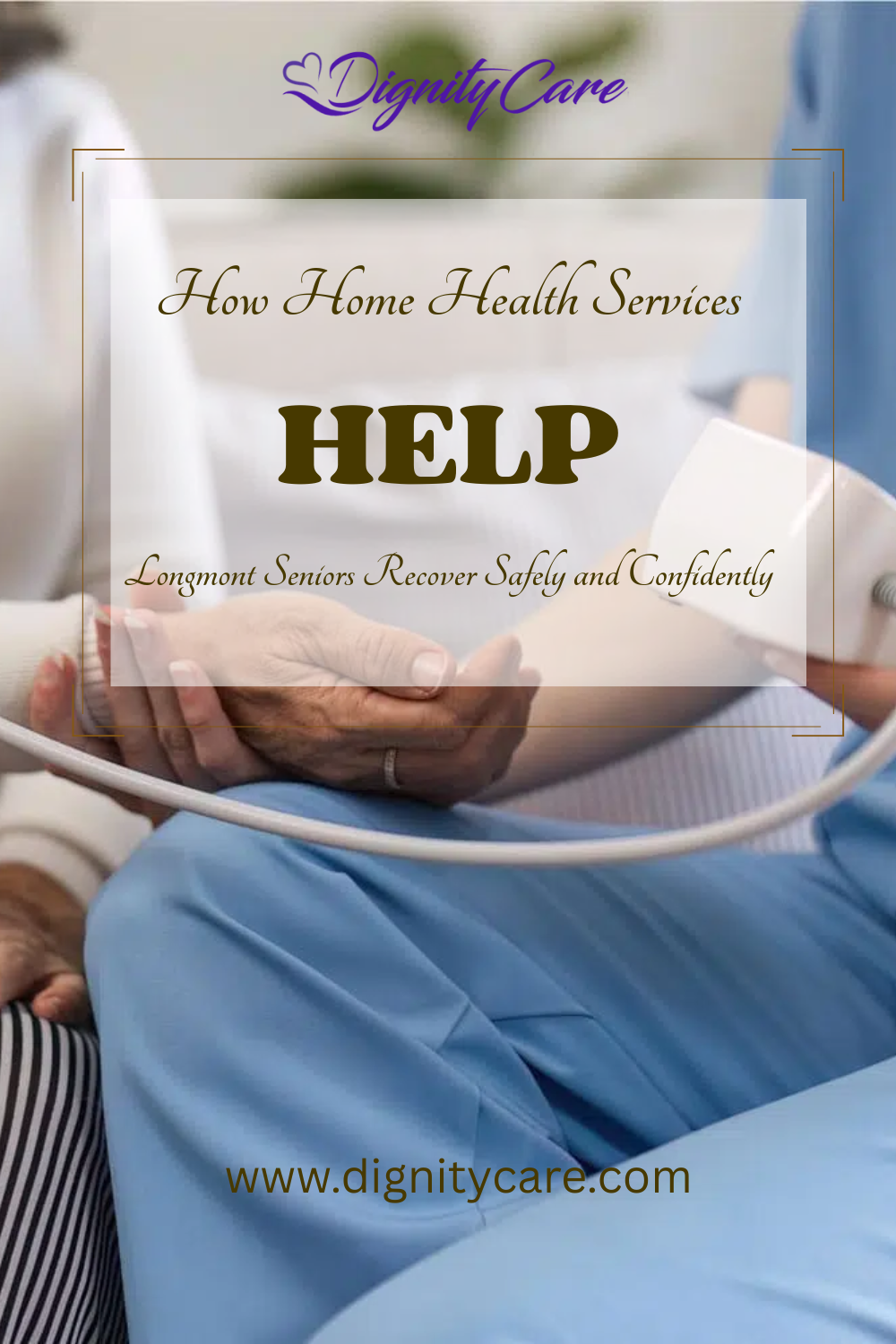
How Home Health Services Help Longmont Seniors Recover Safely and Confidently
How Home Health Services Help Longmont Seniors Recover Safely and ConfidentlyRecovering from an illness, injury, or surgery doesnt always end when a hospital stay does. For many Longmont seniors, the most delicate phase of healing happens at homewhen medical oversight is reduced, routines are disrupted, and families worry about setbacks. This is where professional home health care becomes a critical bridge between hospital care and long-term stability.That bridge is provided by Dignity Care, a home health provider serving Longmont and surrounding Northern Colorado communities. Through skilled, in-home medical services, Dignity Care supports seniors during recovery while allowing them to remain in the comfort and familiarity of their own homes.This article explores how home health care works, why it plays a vital role in senior recovery, and how medically guided care at home helps Longmont seniors heal with confidence.Why the Transition Home Is a Vulnerable TimeHospital care focuses on stabilizationbut recovery doesnt stop at discharge. Seniors often return home with new medications, mobility limitations, or ongoing medical needs that require close monitoring.Without proper support, seniors may face: Medication errors or missed doses Falls or reinjury Wound complications Hospital readmissions Increased anxiety and confusion Home health services help manage these risks during a critical recovery window.What Home Health Care Really IncludesHome health care is different from non-medical home care. It involves licensed medical professionals providing clinical services in the home under a physicians care plan.Home health services often include: Skilled nursing visits Medication management and education Wound care and monitoring Physical, occupational, or speech therapy Vital sign monitoring Care coordination with physicians This level of care allows seniors to receive hospital-quality oversight without leaving home.Why Home Health Works Especially Well for SeniorsSeniors often heal better in familiar environments. Home health care supports recovery while preserving emotional comfort and independence.Benefits include: Reduced stress and confusion Personalized, one-on-one care Greater adherence to care plans Faster recognition of changes or complications Healing at home often leads to better outcomes and higher satisfaction.According to Jessica Davis, Home health allows us to meet patients where they aresupporting recovery while respecting their routines, comfort, and independence. Supporting Recovery After Illness or SurgeryHome health services are commonly used after: Hospitalization for illness or infection Joint replacement or orthopedic surgery Cardiac events Stroke or neurological conditions Wound treatment or IV therapy Skilled professionals guide recovery step by step, adjusting care as progress is made.Reducing Hospital ReadmissionsHospital readmissions are stressful, costly, and often preventable. Home health care plays a key role in keeping seniors safely at home.Home health reduces readmissions by: Monitoring symptoms early Managing medications accurately Educating patients and caregivers Addressing complications before they escalate This proactive approach protects health and peace of mind.Therapy Services That Restore FunctionMany seniors need rehabilitation after hospitalization. Home-based therapy brings recovery directly into daily life.Therapy services may focus on: Strength and balance improvement Safe mobility and transfers Relearning daily activities Speech or swallowing support Therapy in the home allows clinicians to tailor exercises to real-life environments.Education and Support for Family CaregiversFamily caregivers often feel unprepared to manage medical needs. Home health professionals provide education and reassurance.Caregiver support includes: Instruction on medications and wound care Safety guidance for the home Clear communication about recovery goals Ongoing check-ins and updates This support empowers families and reduces stress.Coordinated Care With PhysiciansHome health care doesnt operate in isolation. Providers work closely with physicians and discharge planners to ensure continuity.Coordination includes: Communicating changes in condition Updating care plans Sharing progress reports Aligning services with medical goals This teamwork strengthens recovery.Maintaining Dignity During Medical RecoveryMedical care can feel intrusive, especially at home. Respectful home health care emphasizes dignity and choice.Professionals strive to: Explain care clearly Ask permission before procedures Respect privacy and routines Encourage independence whenever possible This approach supports emotional well-being alongside physical healing.When Is Home Health the Right Choice?Home health may be appropriate when: A physician orders skilled care after discharge Medical needs cant be safely managed alone Therapy is needed to regain function Frequent monitoring is required Traveling to appointments is difficult Early referral often leads to smoother recovery.Choosing a Home Health Provider in LongmontFamilies should look for providers who emphasize quality, communication, and patient-centered care.Important questions include: What skilled services are offered? How often will visits occur? How are changes in condition handled? How is communication managed with families? A trusted provider brings reassurance during recovery.Recovery With Care, Comfort, and ConfidenceHealing doesnt have to happen in unfamiliar settings. With skilled home health care, Longmont seniors can recover safely at homesupported by medical expertise and compassionate guidance.To learn more about home health services, eligibility, and referrals, visit Dignity Cares Seniors Blue Book listing and explore how professional in-home care can support a smoother recovery.Frequently Asked QuestionsIs home health care covered by insurance or Medicare? Coverage often applies when services are medically necessary; providers can help explain eligibility.How long does home health care last? Duration depends on medical needs and recovery progress.Can home health include therapy services? Yes. Physical, occupational, and speech therapy are common.Do family caregivers need to be present during visits? Not always, but involvement is encouraged when possible. How soon can home health start after discharge? Services can often begin within days of referral.
Jan 09, 2026

Home Care Addresses Social Isolation Worries
A recent Harvard School of Public Health study published in The American Journal of Public Health suggests that strong social ties, through friends, family and community groups can preserve our brain health as we age, and that social isolation may be an important risk factor for cognitive decline in the elderly. The study also indicated that those elderly engaged in many social contacts had the slowest rate of memory decline.For elderly persons living alone, maintaining that social contact becomes extremely difficult. Remaining in ones home always seems like a wonderful goal, but it can bring unintended consequences, the most common one being isolation. The less able one is to get out and around (or drive), the more they stay at home, alone and out of touch, the fewer activities they are involved in, and the more they withdraw into themselves. This hastens decline, both physically and mentally, which keeps them home even more a vicious downward spiral.Using in-home care services is one way to introduce people into their daily lives and offer the possibility of connections and relationships. Our caregivers often establish strong bonds with their clients, bonds that enrich both of their lives. Although the caregiver starts out as a support and helper for the client, it is not unusual for the relationship to evolve into one where the caregiver is learning from the life stories of the client, where they both share laughs or worries about life, where the client can offer advice and wisdom. The social contact becomes as important as the caregiving tasks that are getting completed. The hours the caregivers spend in the house bring energy, connection, the outside world. Caregivers help ward off the social isolation and the decline that comes with it.
May 05, 2023

Dignity of Risk and Caring for an Elder
Growing old should not mean that you lose control of your daily life and all the decisions that go along with it. Yet too often that is exactly what happens. If you are a caregiver, have you ever heard yourself saying, you NEED to use your walker, because you might fall, you need to drink that water, let me carry that for you or you might drop it, and/or dont do that, you might fall?Even though the person has lived with and managed their risks all their adult life, suddenly everyone else is telling them what they can and cant do. However, this is based on what? Safety? For what end, hanging around waiting to die?There is a wonderful concept called The Dignity of Risk, which acknowledges that life experiences come with risk. It explains that we must respect a persons self-determination and right to allow them to make their own choices about which experiences are worth a risk.I understand that there is an issue of safety here. Im not saying ignore the risks. However, Id like to see risks balanced more thoughtfully against the persons preferences for how they want to live their days and what they do or do not want to do. Theyve been making decisions all their life about what they choose to do, what they want to try, what they want to eat, etc. They weighed the risks of eating fast food, of skiing, of taking a new job, and/or buying lottery tickets. They deserve our respect and support in continuing to make their choices.As caregivers, Id encourage us to allow the elders we work with, or are related to, to live their lives as independently and freely as possible. Listen to their priorities and concerns. Help them think through their decisions. Yes, there is that pesky risk factor, but how does it weigh against the dignity of their life and the loss of life experiences? They have the right to choose their risks. Lets support them in that.If you have any questions, please call us at 303-444-4040.
Dec 17, 2024
About Dignity Care
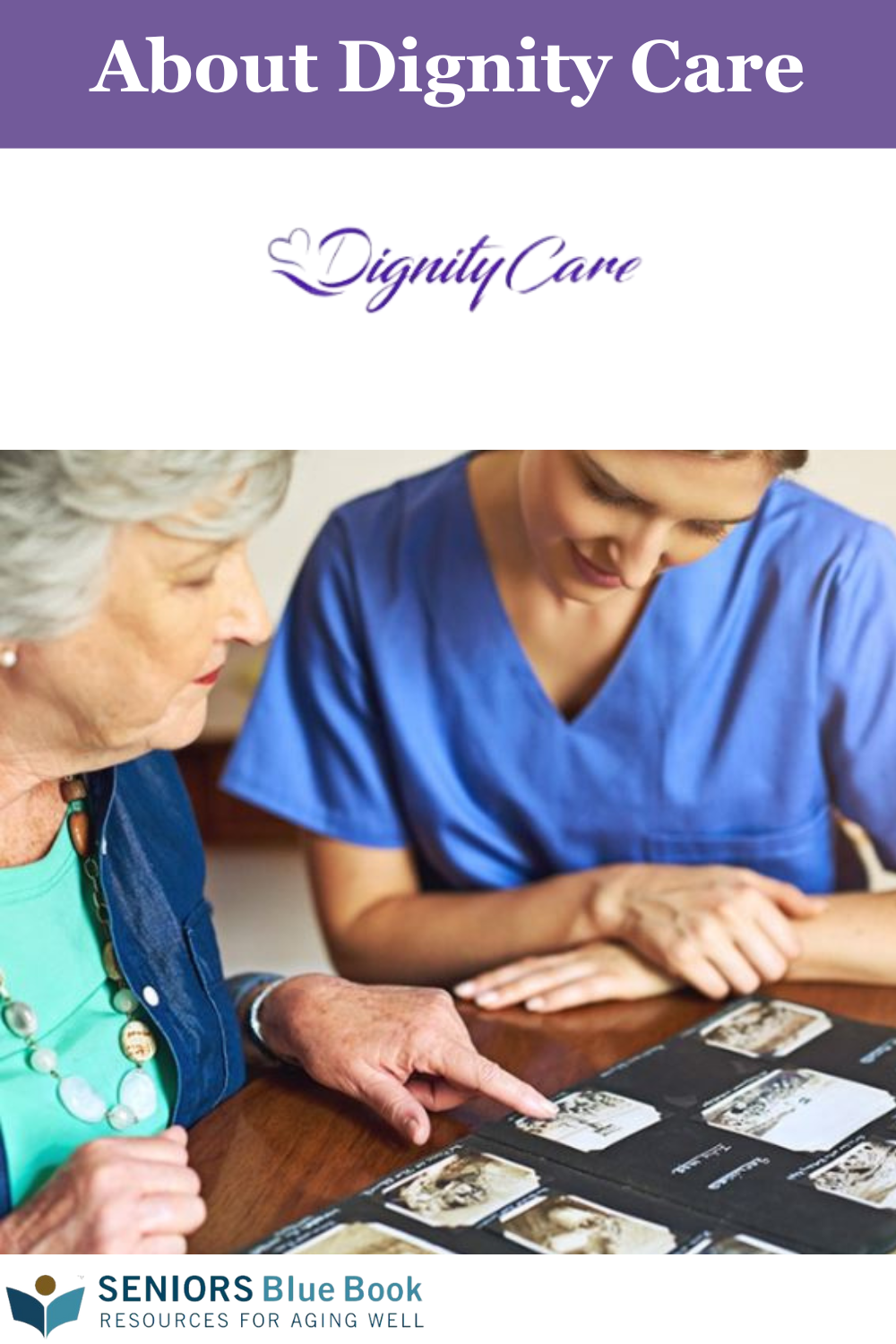
Dignity Care is a homegrown business in Boulder.In the 1990s, Mary Kirk, a registered dietitian, began caregiving for family and relatives. Her husband, Ged, offered a companion travel service for the elderly and disabled. Together they established Dignity Care, LLC in 1997 as a home care business with just two caregivers and a home office.As demand for home care service increased, Mary recruited additional caregivers, but always with an emphasis on the compassionate, respectful, personalized care that was Dignity Cares trademark. Mary created her own approach to senior home care, unique in this area.With this dedication and passion to provide the best caregivers in the Boulder County region, Dignity Care has continued to grow and in 2009 became licensed as a Class A home care provider. We specialize in using Certified Nursing Assistants on our teams so we can bring you the skill and experience you deserve, if you have any questions, please call us at 303-444-4040.
Dec 17, 2024
Supporting Recovery and Independence in Longmont
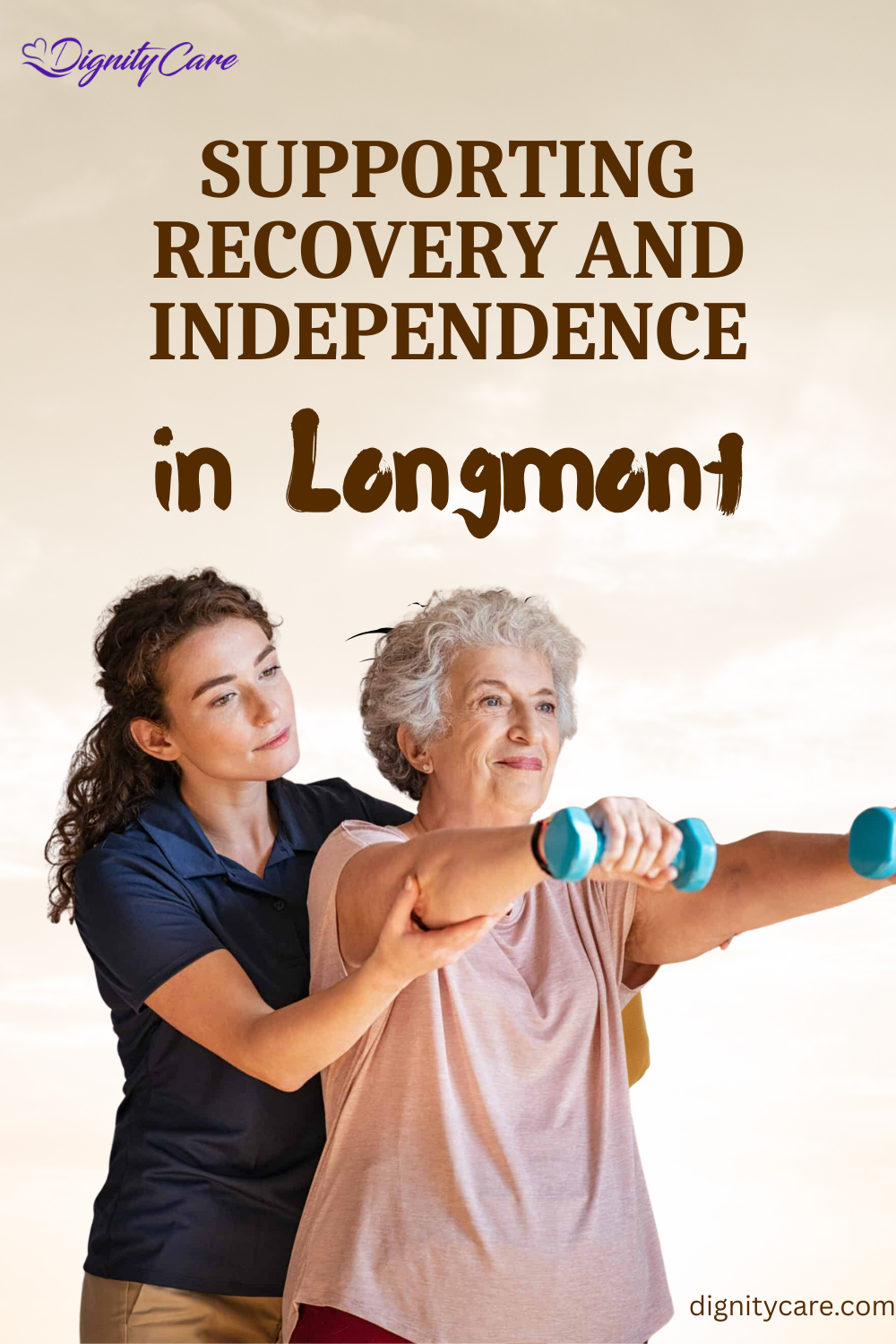
Supporting Recovery and Independence in LongmontFor many seniors in Longmont, home represents comfort, familiarity, and a sense of controlespecially during times of illness or recovery. When medical needs arise after a hospital stay, surgery, or health change, receiving care at home can make a meaningful difference in both recovery and emotional well-being. Home health care bridges the gap between hospital-level treatment and independent living, bringing skilled medical services directly to where seniors feel safest.Dignity Care provides professional home health services throughout Longmont and Northern Colorado, helping seniors recover, manage chronic conditions, and maintain independence in the place they call home. With a focus on clinical expertise, compassion, and respect, Dignity Care supports both patients and families during important health transitions.What Is Home Health Care?Home health care is a physician-ordered medical service delivered in a patients home. Unlike non-medical home care, home health involves licensed healthcare professionals who provide clinical treatment and rehabilitation.Home health services may include: Skilled nursing care Physical, occupational, and speech therapy Medication management and education Chronic disease monitoring Wound care and post-surgical care Health assessments and care coordination These services are designed to help patients heal safely, reduce hospital readmissions, and regain strength and confidence.Why Home Health Is Essential After HospitalizationTransitions from hospital to home can be challenging, especially for older adults managing multiple conditions. Without proper follow-up care, seniors may face complications, medication errors, or setbacks that lead to readmission.Home health care helps by: Monitoring recovery closely Ensuring medications are taken correctly Identifying concerns early Reinforcing physician instructions Supporting safe mobility and daily function For Longmont families, home health care provides reassurance that recovery is being supported by trained professionals.Personalized, Patient-Centered CareEvery recovery journey is different. Dignity Care emphasizes individualized care plans tailored to each patients diagnosis, goals, and living situation. Services are coordinated with physicians and adjusted as progress is made.Jessica Davis highlights the importance of dignity and respect in care delivery: Healing happens best when people feel respected and supported. Our goal is to deliver skilled medical care in a way that honors each patients independence and dignity. This approach helps patients feel empowered rather than overwhelmed during recovery.Skilled Nursing Services at HomeSkilled nurses play a central role in home health care. They provide ongoing assessments, medical treatments, and education that support healing and long-term health.Nursing services may include: Monitoring vital signs and symptoms Managing complex medications Performing wound care and dressing changes Educating patients and families Coordinating care with physicians This consistent oversight helps prevent complications and supports better outcomes.Rehabilitation Therapies That Restore FunctionRehabilitation is often essential after illness, injury, or surgery. Home-based therapy allows patients to practice skills in their own environmentmaking progress more practical and sustainable.Therapy services often focus on: Improving strength, balance, and mobility Regaining independence with daily activities Enhancing communication or swallowing Reducing fall risk By working in the home, therapists can address real-life challenges and tailor exercises accordingly.Managing Chronic Conditions at HomeMany seniors live with chronic conditions such as heart disease, diabetes, COPD, or arthritis. Home health care supports ongoing management by monitoring symptoms, reinforcing treatment plans, and educating patients.This proactive approach helps: Prevent health crises Reduce emergency room visits Improve medication adherence Enhance overall quality of life For Northern Colorado seniors, this support allows for better long-term stability.Supporting Families and CaregiversFamily members often take on caregiving roles during recovery, which can be stressful and uncertain. Home health professionals support caregivers by providing guidance, education, and reassurance.Families benefit from: Clear instructions and expectations Professional oversight of medical needs Reduced caregiving stress Confidence that care is being managed safely This partnership helps families focus on emotional support rather than medical complexity.The Advantage of Local Home Health CareBeing served by a local provider makes care more responsive and coordinated. Dignity Cares presence in Longmont allows for familiarity with local hospitals, physicians, and community resources.Local care supports: Faster communication with providers Better coordination of services Continuity throughout recovery This regional understanding enhances both efficiency and patient experience.When Is Home Health Care Appropriate?Home health care may be recommended when: A physician orders follow-up medical care A senior is recovering from hospitalization or surgery Chronic conditions require skilled monitoring Rehabilitation is needed to regain function Medical care can be safely delivered at home Early referral to home health often improves outcomes and reduces complications.Finding Trusted Home Health Resources Through Seniors Blue BookSeniors Blue Book serves as a trusted resource for families navigating healthcare and aging-related services. By highlighting reputable home health providers, it helps families make informed decisions during critical times.By visiting the Seniors Blue Book listing for Dignity Care, families can: Learn about home health services Understand eligibility and care options Connect with professional, compassionate support This guidance helps families move forward with clarity and confidence.Frequently Asked QuestionsIs home health care covered by Medicare? Often yes, when services are medically necessary and ordered by a physician.How long does home health care last? Duration varies based on medical needs and progress.Do patients need to be homebound? Medicare has specific criteria; providers can help clarify eligibility.Can family members be involved in care? Yes. Education and involvement are encouraged.How does home health differ from home care? Home health provides medical services, while home care focuses on daily living assistance.Bringing Skilled Care Home with CompassionRecovering at home offers comfort, dignity, and familiarityespecially for seniors navigating health challenges. With skilled clinical services, personalized care plans, and a commitment to respect, home health care supports healing where it matters most. Families seeking professional medical care at home are encouraged to explore the Seniors Blue Book listing for Dignity Care and take the next step toward safe, supported recovery.