Golden Lodge Assisted Living and Memory Care
1111 Newstar Way, Golden, Colorado, 80403
Assisted Living$4,200/month
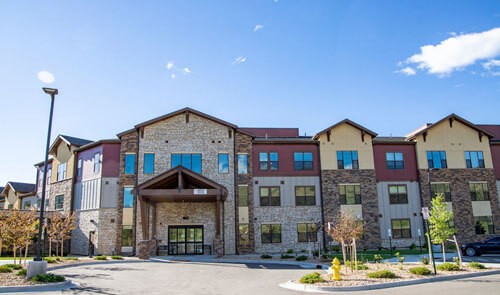
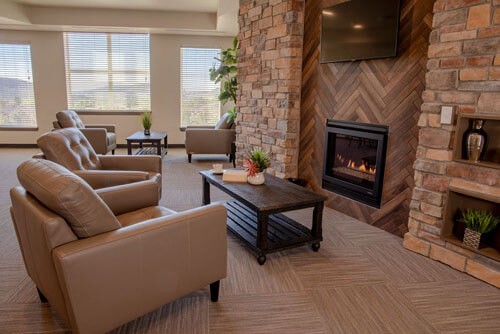

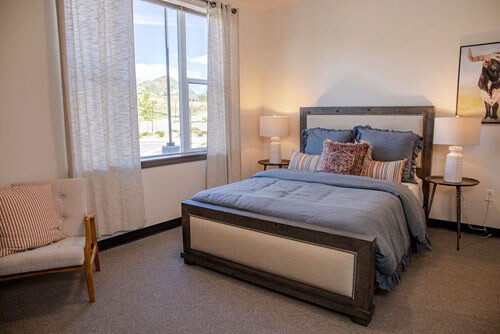






About Golden Lodge Assisted Living and Memory Care
General Property Features
- Fitness Center, Private Rooms, Smoker Friendly, Guest Parking
- Laundry Service - Provided, Nurse on Staff, Respite/Short Term Stay, Scheduled Transportation, Transportation, Activities, Social Programs, Housekeeping
- Assisted Living Community, Secured Memory Care Unit
- All Pets Considered
Assisted Living
- www.goldenlodgeassisted.com/
- 111
- $4,200.00
- Private Pay, Private Insurance, Long Term Care Insurance, Veterans Administration
- Price All Inclusive
- Kitchenette, Memory Care (Dementia)
Additional Levels of Care Offered
Golden Lodge Assisted Living And Memory Care
Memory Care 1111 Newstar Way, Jefferson County, Golden, Colorado, 80403Golden Lodge Assisted Living & Memory Care, located in the heart of Golden, Colorado, is a locally owned and operated senior living community dedicated to providing exceptional memory care services. Our mission is to enhance the lives of residents with Alzheimer~s disease and other forms of dementia through a compassionate, whole-person approach that addresses physical, emotional, and social needs.Comprehensive Memory Care ServicesAt Golden Lodge, we understand the challenges faced by individuals with memory impairments and their families. Our memory care program is designed to provide a safe, nurturing environment where residents can thrive. We offer three secured neighborhoods, each thoughtfully designed to promote familiarity and comfort, encompassing a total of 36 private studio apartments. These intimate settings foster a family-like atmosphere, encouraging social interaction and a sense of community among residents.Secure and Inviting EnvironmentSafety is a top priority at Golden Lodge. Our secured neighborhoods ensure that residents can move freely within a protected environment, reducing the risks associated with memory loss conditions. Each neighborhood features access to a secured courtyard, allowing residents to enjoy the outdoors, engage in gardening, or simply relax in a tranquil setting. These outdoor spaces are designed to be both stimulating and secure, promoting physical activity and a connection with nature.Expert Care Team Available 24/7Our community is overseen by an experienced Director of Care Staff who leads a team of dedicated professionals trained specifically in dementia care. Staff members are on-site 24 hours a day, seven days a week, providing continuous support and supervision. Their specialized training equips them to handle the unique challenges associated with memory loss, ensuring that each resident receives personalized care tailored to their individual needs.Whole-Person Approach to CareWe believe in a holistic approach to memory care that goes beyond addressing cognitive decline. Our programs are designed to engage residents in meaningful activities that stimulate the mind, body, and spirit. Daily schedules include a variety of therapeutic activities such as music therapy, art classes, and gentle exercise programs, all aimed at enhancing quality of life and maintaining functional abilities. Social events and group activities are also integral parts of our program, fostering a sense of belonging and community.Nutritious Dining and Wellness ProgramsProper nutrition plays a crucial role in overall well-being, especially for individuals with memory impairments. Our culinary team prepares nutritious, chef-crafted meals served in a restaurant-style dining room. Menus are designed to cater to the dietary needs and preferences of our residents, ensuring they receive balanced meals that support their health. Additionally, snacks are available throughout the day to accommodate varying appetites and routines.Family Involvement and SupportWe recognize the importance of family involvement in the care and well-being of our residents. Golden Lodge encourages family members to participate in care planning and to engage in community events. We offer educational resources and support groups to assist families in understanding dementia and coping with its challenges. Our goal is to create a partnership with families, providing them with peace of mind knowing their loved ones are in compassionate and capable hands.Amenities Designed for Comfort and EngagementGolden Lodge offers a range of amenities to enhance the living experience of our residents:Restaurant-Style Dining Room and Outdoor Dining Area: Residents enjoy meals in a communal setting that promotes social interaction, with the option to dine outdoors and take in the beautiful surroundings.Library: A quiet space filled with a variety of books and reading materials to cater to diverse interests.Beauty Salon/Barbershop: On-site services to help residents look and feel their best without the need to leave the community.Gaming and Entertainment Room: A space dedicated to games and entertainment, encouraging socialization and cognitive engagement.Movie Theater: Regular screenings of classic and contemporary films provide entertainment and a sense of nostalgia.Exercise and Therapy Spaces: Equipped with fitness equipment and staffed by fitness professionals, these areas support physical health and mobility.Activity Rooms: Spaces designated for classes, seminars, and various group activities that promote lifelong learning and engagement.Courtyards and Walking Paths: Beautifully landscaped outdoor areas with walking paths, a greenhouse, and gardens offer residents the opportunity to enjoy nature safely.Scenic Location with Mountain ViewsNestled in Golden, Colorado, our community boasts stunning views of the foothills, providing a serene backdrop for our residents. The peaceful atmosphere and fresh mountain air contribute to a calming environment that is conducive to well-being and relaxation.Commitment to ExcellenceAt Golden Lodge Assisted Living & Memory Care, we are committed to providing the highest quality of care for individuals with memory impairments. Our dedicated team, comprehensive programs, and thoughtfully designed environment work together to create a supportive community where residents can live with dignity and purpose. We continually strive to enhance our services and amenities to meet the evolving needs of our residents and their families.For more information or to schedule a tour of our memory care community, please visit our website at www.goldenlodgeassisted.com or contact us directly at 720-605-2111. We look forward to welcoming you to Golden Lodge Assisted Living & Memory Care, where compassionate care and a vibrant community await.
Videos
Continue Your Search! Explore More Local Options.
Start SearchingLet’s engage and get educated!
Browse through thousands of expert articles in over 100 different categories.
Browse NowArticles You May Like

Downsizing to Prepare for Senior Living
After the kids are gone and it no longer makes sense to have the big house for just two people, the next stage in life for seniors can be exciting and overwhelming at the same time. Downsizing can be a daunting task when decades have been spent accumulating belongings in the same place. It can also be an emotional one when it comes time to decide what to keep and what to get rid of.In this article, we will give you our best 6 tips to make sure downsizing is as productive and stress-free as possible while still honoring the phases of life that have come before.Tip #1: Start in Neutral ZonesThe hardest part of any overwhelming task is knowing where to start. In this kind of circumstance, its best to start with the items in your home that are the most neutral, the items that have little to no sentimental value. Starting with the kitchen or garage before tackling the bedrooms or studies will help you build momentum to keep going to the next room once you see how much you can streamline without pausing to reflect.Tip #2: Have Your New Home in MindWhether you take pictures of your new living space or you have a floor plan with you, know exactly what rooms youll need to furnish and how much space youll have when deciding what to get rid of and what to keep. This will also help you keep an eye to the future as you think about what things you have that youd like to see fill your new space.Tip #3: Decide What Matters MostBefore you begin to pack the boxes, sit down and make a list of the things you own that matter to you the most. Family photographs, heirlooms, jewelry, and other items should be identified as your non-negotiables from the very beginning. Keeping to that list as you start weeding through the things you didnt even know you had will help you keep perspective on whats important and whats just stuff.Tip #4: Pack the NecessitiesPacking everything you own often means you forget to keep handy the things youll need right away. Make a special box of things youll need that first night in your new space such as your toothbrush, hairbrush, and a clean change of clothes.Tip #5: Avoid Throwing Things AwayA lot of the things you decide to leave behind may still have a lot of life left in them. Instead of tossing these kinds of items to sit in a landfill, try to find a new home for as much as you can. Ask friends and family if they know any young people setting up their first apartment or donate to a local charity store. It will help the sting of getting rid of something if you know its going to a good place.Tip #6: Start Early and Take Your TimeThis process works best when it isnt done at the last minute. Having a plan in place and sticking to it to ensure you arent making quick decisions will help ease the stress that downsizing can cause.If you or a loved one is interested in taking this next exciting step to move into a senior living community, Golden Lodge Assisted Living and Memory Care is the best place to start. Download our free Family Guide to Funding Senior Care & Housing today to discover what steps you need to take before packing the moving boxes.
Feb 10, 2022
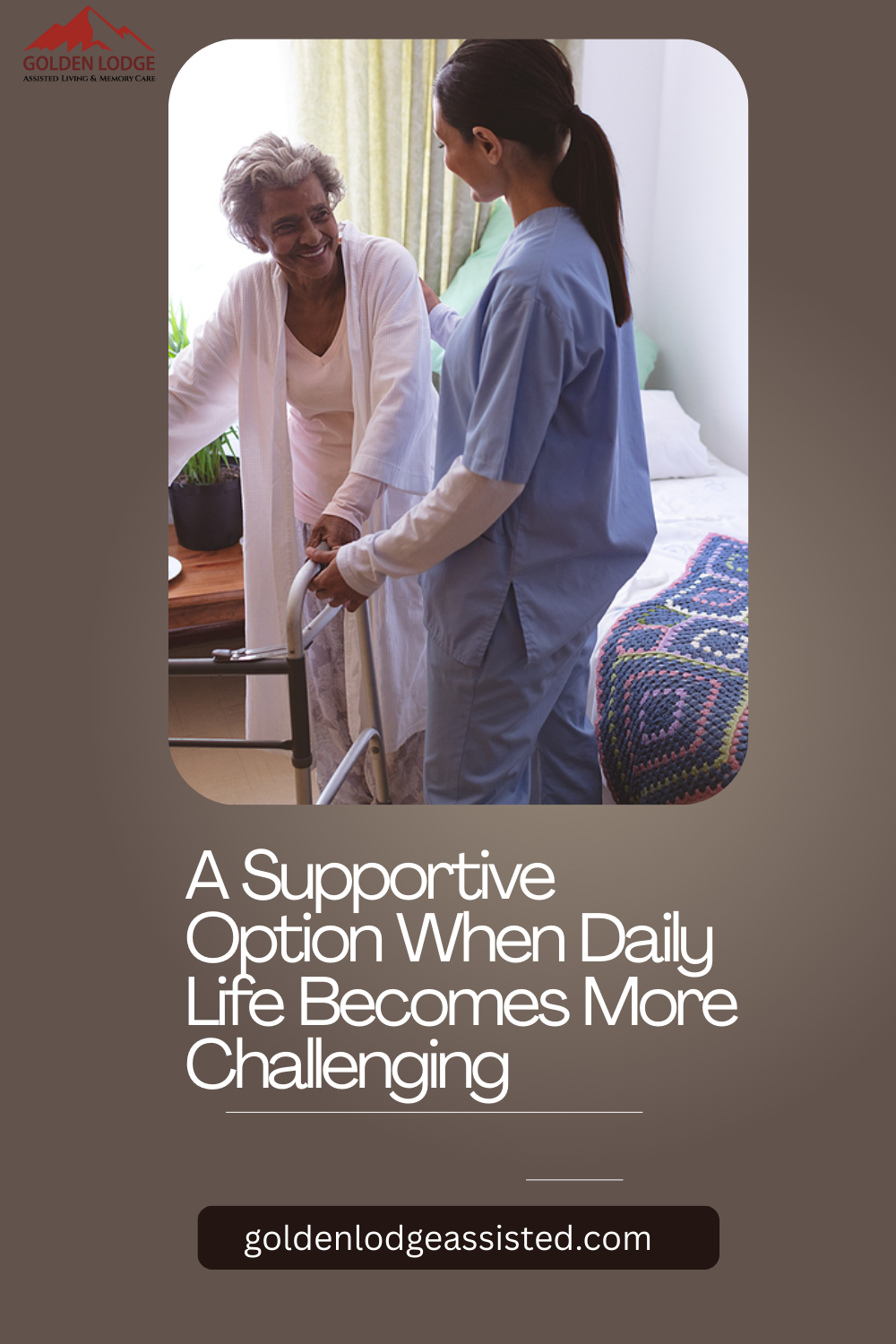
A Supportive Option When Daily Life Becomes More Challenging
A Supportive Option When Daily Life Becomes More ChallengingAs seniors age, everyday tasks like bathing, dressing, medication management, and meal preparation can gradually become more difficult. Assisted living provides the right balance of help and independence, allowing residents to receive support while maintaining as much autonomy as possible.Golden Lodge Assisted Living and Memory Care offers: Assistance with activities of daily living Medication reminders and management Nutritious meals and dining support Housekeeping and laundry services 24-hour staff availability These services allow residents to focus less on logistics and more on enjoying their days. Families come to us looking for peace of mind, shares Heather Bunch of Golden Lodge. Were here to support residents as individualshonoring their routines, preferences, and life stories while providing the care they need to feel safe and valued comfortable. Specialized Memory Care in a Familiar CommunityFor families navigating Alzheimers disease or other forms of dementia, finding the right environment is especially important. Memory care requires not only specialized training, but also a calm, structured setting that reduces confusion and anxiety.Golden Lodges memory care program is designed to: Provide consistent routines Promote familiarity and comfort Support cognitive engagement Ensure safety and supervision Encourage meaningful connections By offering memory care within the same community, Golden Lodge allows residents to receive appropriate support while remaining in a familiar, home-like environment.Personalized Care Rooted in Respect and DignityNo two seniors have the same needs, and Golden Lodge takes a personalized approach to care planning. Staff work closely with residents and families to understand medical needs, personal preferences, cultural background, and daily routines.Individualized care plans help ensure: Support adapts as needs change Residents feel respected and heard Families remain informed and involved Care is proactive, not reactive This thoughtful approach builds trust and fosters strong relationships between residents, families, and caregivers.Community Life That Encourages EngagementStaying socially engaged plays a vital role in emotional and cognitive wellbeing. Golden Lodge offers opportunities for residents to participate in activities that bring joy, purpose, and connection.Activities may include: Group games and social gatherings Music, arts, and creative expression Gentle fitness and movement programs Reminiscence and memory-based activities Seasonal celebrations and events These experiences help residents stay connectedto each other, to staff, and to the community around them.Why Location Matters in GoldenGoldens unique blend of history, natural beauty, and community spirit makes it an appealing place to age. For many residents, staying close to family, longtime friends, and familiar landmarks provides emotional comfort and continuity.Living at Golden Lodge allows seniors to: Remain near local healthcare providers Stay connected to the Golden community Enjoy views of the foothills and nearby outdoor spaces Feel grounded in a familiar environment For families, proximity makes visits easier and helps maintain strong relationships.Supporting Families Through the TransitionMoving into assisted living or memory care is a major life transitionnot just for seniors, but for their families as well. Golden Lodge understands the emotional weight of this decision and works to make the process as smooth and supportive as possible.Families can expect: Clear communication and transparency Guidance during move-in and adjustment Ongoing updates and collaboration A welcoming environment for visits and involvement This partnership approach helps families feel confident in their choice and reassured about their loved ones care.A Continuum of Care for Changing NeedsOne of the benefits of a community offering both assisted living and memory care is the ability to adapt as needs evolve. Residents may transition between levels of care without leaving the community theyve grown comfortable in.This continuity can: Reduce stress during health changes Preserve familiar routines and relationships Support long-term planning and stability Golden Lodges continuum of care helps residents and families plan for the future with confidence.Frequently Asked Questions (FAQs)What is the difference between assisted living and memory care?Assisted living supports daily activities, while memory care provides specialized care for individuals with Alzheimers or other dementias.Are care plans personalized?Yes. Care plans are tailored to each residents needs and updated as conditions change.Can families visit often?Yes. Family involvement and visits are encouraged and supported.Is Golden Lodge only for residents of Golden?No. Residents come from Golden and surrounding Northern Colorado communities.How do families know when its time for assisted living or memory care?Common signs include difficulty with daily tasks, safety concerns, memory loss, or caregiver burnout.Discover Trusted Senior Care Through Seniors Blue Book Choosing assisted living or memory care is an important decision that requires reliable information and local insight. Golden Lodge Assisted Living and Memory Care is featured in Seniors Blue Book, making it easier for families to explore trusted care options in Golden and Northern Colorado.
Jan 05, 2026

Avoiding Senior Scams
There comes a point when you realize that you are the voice of reason in your relationship with a loved one. Suddenly, the father who has always been so extremely cautious begins falling for online scams, or the mother who helped you recognize deceptive sales pitches when you were in high school starts sending money to questionable charities. According to the NCOA (National Council on Aging), financial scams targeting seniors are so widespread that they are considered the crime of the 21st century. Read on for advice on how your loved ones can avoid being targeted.Recognize and discuss some of the most common scamsPeople prey on seniors because they are likely to have savings or pensions and also because they may be unsophisticated in their use of technology. They may be lonely, trusting, or simply used to a culture of helping people in need a kindness that is often exploited. Read on for six of the most common scams and how to avoid them:PHONE SCAMSThese are the most common scams used against the elderly, mainly because seniors are comfortable using the phone. In fact, seniors also make twice as many purchases on the phone as the general population. Solicitors may claim to be collecting money after a natural disaster or may claim to be a grandchild in jail or in hospital and in need of money.What to do: Remind your loved one never to give credit card numbers or information over the phone. If they want to make a donation, help them seek out a legitimate charity and contact it themselves. Practice having them say, That sounds interesting, but I will look into it myself. Goodbye. Enroll your relatives number on the Do Not Call Registry. Make sure that your relative has caller ID and voicemail. This way, they can screen their calls, weed out unfamiliar numbers, but not miss any legitimate messages.INTERNET SCAMSThese are easy to fall for, no matter what your age. Scammers may send threatening emails saying that your relatives computer has been hacked or making frightening demands from the IRS. They may offer counterfeit prescription drugs or send begging letters designed to tug at generous older adults heartstrings. They may phish, spoof, or try to extort money, clicks, and information a thousand different ways.What to do:Obviously, you dont want to create a crippling distrust in your loved ones that makes them avoid the computer completely, but you can try to create enough suspicion in their online behavior that they doubt and verify everything. The magic adage here isif in doubt, dont click! Explain that the IRS never sends emails asking for information, that individuals desperate for money wouldnt logically choose them to specifically send a begging email to, that nobody legitimate is going to ask to take over their computer to fix a nonexistent virus, and that misspelled words, grammatical errors, and close-but-not-quite URLs are all warning signs.FUNERAL/CEMETERY SCAMSOne scam is for a stranger to approach a grieving widow or widower and claim that the recently departed owed money. Another way seniors can lose money is to be upsold expensive and unnecessary caskets or burial plots just as they are reeling from a tragedy and not thinking clearly.What to do: Insist on proof of any claims made. Creditors do NOT attend funerals to demand money. Although planning of this nature can be difficult, it is necessary: plan ahead. With a firm plan in place, logic is more likely to win out over raw emotion.INVESTMENT SCHEMESSeniors often have retirement accounts or savings, which makes them a prime target for disreputable financial advisors, get-rich-quick schemes, or Ponzi schemes. Take the time to explain this to your loved one.What to do:Make sure that your loved one does not respond to unsolicited offers. Help them find a reputable financial advisor; this involves research, checking credentials, and making sure that the advisor is a fiduciary. As far as get-rich-quick schemes go, remind your relatives what they told you all those years ago: if it seems too good to be true, it most definitely is!MEDICARE SCAMSScam artists often pose as Medicare representatives and ask for information that they will then use to file fraudulent claims on behalf of your relative.What to do:If your loved one has a Medicare question or problem, they should contact them directly. Legitimate Medicare representatives will not ask for the information they already have.REAL ESTATE SCAMSIt may be tempting for your loved ones to believe the claims of an entity touting the advantages of a reverse mortgage or the superiority of quickly selling their house for cash. This is especially true of those who are planning to go into senior care housing and are looking for financial solutions.What to do: This comes down to research again, not to mention the old If it sounds too good to be true warning. Golden Lodge is experienced with unsavory scams targeting seniors and has researched funding sources for senior care and housing. You and your loved ones are not alone as you navigate your way through the sea of scams.
Feb 09, 2022

Why Smaller Assisted Living Communities Feel More Like Home for Golden
Why Smaller Assisted Living Communities Feel More Like Home for Golden SeniorsGolden, Colorado has a unique charm that makes it especially appealing to older adults. Nestled against the foothills and surrounded by scenic beauty, the city offers a peaceful pace of life while still providing convenient access to the Denver metro area. Seniors living in Golden often value community, familiarity, and personal connectionqualities that become increasingly important when choosing an assisted living environment.For many families, larger senior living campuses can feel overwhelming. That is why smaller, relationship-focused communities are becoming a preferred option for older adults seeking comfort, personalized attention, and meaningful daily interactions.Golden Lodge Assisted Living and Memory Care provides a warm, supportive environment where seniors can receive assistance while continuing to enjoy dignity, independence, and a strong sense of belonging.The Difference a Smaller Community Can MakeWhen families begin searching for assisted living, they often focus first on amenities or location. While those factors matter, many discover that atmosphere and personal connection become even more important over time.Smaller assisted living communities often provide: More individualized attention Stronger caregiver relationships Quieter living environments Reduced confusion for residents Greater familiarity and routine Easier social engagement For seniors transitioning from home life, these comforts can significantly reduce stress and anxiety.Families want their loved ones to feel known, respected, and cared for as individuals, says Heather Bunch of Golden Lodge Assisted Living and Memory Care. That personal connection creates a true sense of home.Why Assisted Living Is About More Than AssistanceMany people mistakenly assume assisted living means giving up independence. In reality, quality assisted living communities are designed to help seniors maintain independence safely while receiving support with daily tasks.Residents may receive help with: Medication management Bathing and dressing Housekeeping Meals Transportation Mobility support Daily routines This assistance often allows seniors to focus less on stress and more on enjoying life.Goldens Relaxed Lifestyle Appeals to Older AdultsGolden offers an inviting environment for seniors who appreciate outdoor beauty and community connection. Residents enjoy nearby attractions like: Clear Creek walking paths Downtown Golden shops Community festivals Foothills scenery Local restaurants and cafs Many older adults moving into assisted living still want to remain connected to the local lifestyle they love. Communities that encourage social engagement and routine help residents continue feeling part of the greater Golden community.Social Interaction Improves Senior WellnessIsolation can negatively affect older adults physically, emotionally, and cognitively.Assisted living communities provide daily opportunities for: Conversation Group activities Shared meals Games and entertainment Exercise programs Celebrations and events These interactions often improve mood, confidence, and overall wellness.For seniors who previously lived alone, consistent social opportunities can dramatically improve quality of life.Nutrition Becomes Easier With Community SupportMeal preparation often becomes more difficult with age due to mobility limitations, fatigue, or memory concerns.In assisted living communities, residents benefit from: Consistent meals Balanced nutrition Hydration support Reduced grocery stress Shared dining experiences Dining together also creates valuable social connection.Families Gain Peace of MindAdult children frequently worry about aging parents living alone.Common concerns include: Falls Missed medications Poor nutrition Loneliness Unsafe driving Emergency situations Assisted living helps relieve these worries while allowing family members to spend more meaningful, less stressful time together.Memory Care Requires Specialized SupportFor seniors experiencing Alzheimers disease or other forms of dementia, structured support becomes especially important.Memory care services often include: Specialized routines Cognitive engagement Secure environments Personalized communication approaches Compassionate supervision Smaller environments may feel less overwhelming for residents with memory challenges.Routine Creates Comfort and StabilityAs seniors age, consistent routines often become increasingly beneficial.Predictable schedules can: Reduce anxiety Improve sleep Support memory Increase comfort Encourage participation Care teams that understand the value of routine help residents feel more secure and confident daily.Assisted Living Helps Seniors Stay ActiveContrary to outdated stereotypes, many assisted living residents remain highly engaged and social.Communities often encourage: Light exercise Creative activities Music Community outings Family events Games and hobbies Staying mentally and physically active contributes to healthier aging.Choosing the Right Assisted Living CommunityEvery familys priorities are different, but several factors consistently matter when selecting assisted living.Families should consider: Staff compassion Personalized care Community atmosphere Safety Communication Resident engagement Memory care expertise Visiting communities in person can help families understand whether the environment feels welcoming and supportive.A Community Built Around CompassionTransitioning into assisted living can feel emotional for both seniors and families. Communities that prioritize warmth, dignity, and human connection help make that transition smoother and more positive.Golden Lodge Assisted Living and Memory Care offers compassionate support designed to help seniors thrive in a comfortable, home-like setting.Call to ActionTo learn more about assisted living and memory care services in Golden, visit the Seniors Blue Book listing for Golden Lodge Assisted Living and Memory Care today.FAQsWhat services are included in assisted living?Services often include meals, housekeeping, medication management, transportation, and personal care assistance.How does memory care differ from assisted living?Memory care provides specialized support and secure environments for seniors living with dementia or Alzheimers disease.Are smaller assisted living communities beneficial?Many seniors feel more comfortable in smaller communities because they offer personalized attention and quieter environments.Can assisted living improve socialization?Yes. Residents benefit from daily activities, shared meals, and community engagement opportunities.Is assisted living only for seniors with major health problems? No. Many seniors move into assisted living to simplify daily life and maintain independence safely.
May 14, 2026
Falls Prevention for Seniors: How Golden Lodge Assisted Living & Memory Care Protects Residents from Harm
Falls are the leading cause of injury among older adults, with one in four Americans aged 65+ falling each year. While not every fall results in serious injury, even a minor incident can lead to a downward spiral in health and independence. At Golden Lodge Assisted Living & Memory Care, keeping residents safe from falls is not just a policyits a core part of the care philosophy.In this comprehensive guide, well explore the causes of falls in seniors, practical prevention strategies, and how Golden Lodge proactively protects its residents through personalized care, smart facility design, and ongoing family communication.Understanding the Risk: Why Falls Are So Dangerous for SeniorsAs people age, several physiological changes increase the risk of falls: Reduced muscle strength and balance Poor vision or hearing Medication side effects Cognitive impairments such as dementia Chronic conditions like arthritis or neuropathy The consequences of a fall can be devastating, including hip fractures, head injuries, or fear of falling againleading to isolation, depression, and reduced activity levels.The Golden Lodge Approach to Falls PreventionGolden Lodge Assisted Living & Memory Care in Golden, Colorado, recognizes that preventing falls is a multi-layered challenge that requires continuous attention, training, and adaptation. Their approach to falls prevention includes:1. Personalized Care PlansEvery resident at Golden Lodge is assessed upon admission and routinely thereafter to identify fall risk factors. Staff use these insights to develop customized care plans that may include: Supervised mobility assistance Physical therapy sessions Walking aids or assistive technology Medication reviews with on-site medical professionals These plans are updated regularly to reflect changes in health status or care needs.2. Safe and Thoughtfully Designed EnvironmentThe facility is built with seniors' safety in mind. Features include: Non-slip flooring throughout the residence Grab bars and support rails in all bathrooms and hallways Bright, glare-free lighting to improve visibility No thresholds or tripping hazards at doorways Furniture arranged to allow easy navigation, even with walkers or wheelchairs In Memory Care areas, the environment is also adapted to reduce confusion and agitation, which can lead to unsafe behavior.3. Trained, Attentive StaffFalls prevention training is mandatory for all caregivers and is reinforced throughout the year. Staff are taught to: Monitor residents for changes in mobility or balance Encourage proper use of assistive devices Assist with toileting, transfers, and walking as needed Act quickly when a resident shows signs of disorientation or weakness The compassionate team at Golden Lodge is always nearby, offering both a watchful eye and a helping hand.4. Wellness and Strengthening ProgramsRegular movement is key to maintaining strength and coordination. Golden Lodge offers: Gentle yoga and tai chi classes Group balance training and seated exercises Walking clubs and outdoor strolls Rehabilitation therapy when needed These programs not only promote physical health but also build residents confidence in their abilitiesreducing the likelihood of falls caused by fear or inactivity.5. Use of TechnologyGolden Lodge also integrates safety technologies such as: Motion-sensor lighting in rooms and hallways Emergency call systems in every suite and common area Wearable fall-detection devices for at-risk residents These technologies provide an extra layer of protection, especially during nighttime or periods when a resident is alone in their room.Family Involvement and CommunicationFalls prevention is a team effort, and Golden Lodge Assisted Living & Memory Care values family input and participation. Staff maintain open lines of communication with families to: Discuss observed risk factors or health changes Review care plan updates Offer fall prevention tips for when residents go on outings or return home for visits Family members are encouraged to attend care conferences and provide insight into past medical history or behaviors that could contribute to fall risks.What Families Can Do to HelpFamilies play a vital role in preventing falls. Here are some things loved ones can do: Provide non-slip footwear and adaptive clothing Avoid bringing loose rugs or furniture into rooms Join wellness sessions during visits to encourage movement Share observations about changes in mobility or mood Celebrate mobility successes and milestones with their loved ones These supportive actions reinforce the care already being provided and make seniors feel more empowered and connected.When a Fall Happens: Golden Lodges Response ProtocolDespite the best prevention measures, falls may still occur. Golden Lodge has a strict protocol in place to respond: Immediate medical assessment and intervention, if needed Documentation of the incident with a full report Notification of family members Post-fall evaluation to determine the cause Adjustments made to the care plan to prevent recurrence This structured response ensures resident safety, transparency with families, and opportunities to improve future care.Why Falls Prevention Is Central to Senior WellnessAvoiding falls is not just about preventing injuriesits about preserving independence, dignity, and quality of life. Residents who feel stable and confident are more likely to engage socially, stay active, and maintain their mental health.At Golden Lodge Assisted Living & Memory Care, falls prevention is one of the many ways the community demonstrates its commitment to providing compassionate, person-centered care for every resident.Visit Golden Lodge to Learn MoreIf youre seeking a senior living community that prioritizes safety without sacrificing comfort or community life, consider scheduling a tour of Golden Lodge Assisted Living & Memory Care in Golden, Colorado. Their team is happy to share more about their fall prevention strategies and how they create a secure environment that still feels like home. To learn more, visit: https://www.goldenlodgeassisted.com
Aug 07, 2025
Embracing Purpose and Community in Assisted Living: A Closer Look at Golden Lodge
As seniors age, many seek not only safety and support but also purpose, connection, and a vibrant daily life. Assisted living communities today offer far more than just care they are designed to nurture wellbeing, socialization, and independence. One such example is Golden Lodge Assisted Living, a premier senior living community in Colorado thats redefining what it means to age with dignity and engagement.In this article, well explore how purpose-driven living in assisted communities like Golden Lodge can transform the senior experience and why families should consider this approach when searching for the right fit.The Shift Toward Purposeful Assisted LivingTraditional perceptions of assisted living often focus on basic care assistance with bathing, dressing, medication management, and meals. While those services are essential, today's seniors are seeking more. They want their golden years to be full of meaning, social engagement, and continued growth.Golden Lodge Assisted Living understands this evolving expectation. Their mission goes beyond caregiving. They create an environment where seniors are empowered to live actively and with intention.Benefits of a Purpose-Driven Assisted Living Lifestyle1. Holistic Wellness ProgramsPurposeful assisted living includes promoting mental, physical, and emotional health. Golden Lodge offers a variety of wellness opportunities tailored to residents' needs and preferences, including: Daily fitness classes like yoga and strength-building Mindfulness and relaxation sessions Nutrition-focused meals prepared with dietary needs in mind Memory-enhancing games and cognitive exercises These services contribute to a more energized and fulfilling lifestyle for residents.2. Engaging Social ActivitiesOne of the most powerful aspects of assisted living is the opportunity to be surrounded by a community of peers. Golden Lodges robust activity calendar includes: Arts and crafts workshops Community gardening Movie nights and live entertainment Book clubs and discussion groups Local excursions to parks, museums, and restaurants These activities reduce loneliness, boost mood, and create a sense of belonging.3. Opportunities to Give BackGolden Lodge encourages residents to remain involved in service, allowing them to contribute their wisdom and talents through volunteer programs and mentorship. Whether it's knitting for a local shelter or participating in intergenerational activities with local students, residents find value in staying engaged with the broader community.4. Spiritual and Emotional SupportAging can bring emotional and spiritual challenges. Golden Lodges compassionate team offers spiritual programming, grief counseling, and discussion groups, ensuring seniors feel supported in every aspect of their journey.Golden Lodges Philosophy: Care That Feels Like FamilyWhat truly sets Golden Lodge Assisted Living apart is its personalized approach to care. Each resident is treated as a unique individual, with tailored care plans that support independence while ensuring safety and comfort. Their staff is specially trained to foster meaningful relationships and adapt to the changing needs of residents.Families are actively involved in care planning, and open communication is a cornerstone of their philosophy. Transparency, trust, and compassion define every interaction at Golden Lodge.Features That Make Golden Lodge a HomeGolden Lodge Assisted Living was thoughtfully designed with resident comfort and community in mind. Some standout features include: Spacious, private apartments with mountain or courtyard views A cozy fireside lounge and library A restaurant-style dining room with chef-prepared meals Outdoor patios and walking paths surrounded by Colorado's natural beauty On-site salon and spa services Dedicated memory care community for residents with Alzheimers or dementia Their state-of-the-art facilities create a luxurious yet welcoming environment that helps residents truly feel at home.Why Families Choose Golden LodgeFamilies of residents consistently share positive feedback about the environment and quality of care at Golden Lodge. Common reasons for choosing the community include: Peace of mind knowing loved ones are safe and cared for Friendly, professional staff who treat residents like family Access to high-quality medical and emergency support Opportunities for seniors to remain active and fulfilled A sense of relief from caregiving stress, allowing more quality time with loved ones Whether it's supporting a parent with early-stage memory loss or helping a loved one transition from independent living, Golden Lodge offers solutions tailored to the seniors stage of life.Is Assisted Living the Right Choice?Deciding to move into assisted living is a major transition. But for many families, its a decision that brings relief, enhanced safety, and restored joy.Here are a few signs it might be time to consider assisted living: Difficulty managing medications, meals, or personal care Increased risk of falls or medical emergencies Social withdrawal or isolation Caregiver stress or burnout Memory concerns or confusion Golden Lodge offers assessments and tours to help families make informed choices. Their compassionate team can provide honest guidance about whether assisted living is the right fit and what options are available.Final ThoughtsAging doesnt mean giving up purpose or joy it means adapting to new needs and finding new ways to thrive. At Golden Lodge Assisted Living, residents enjoy more than support they enjoy fulfillment, belonging, and a vibrant lifestyle. If you or a loved one are exploring options for senior care in Colorado, consider a visit to Golden Lodge. Their unique combination of compassionate care, vibrant programming, and stunning surroundings makes it one of the most trusted names in assisted living.
Jul 28, 2025

A Memory Care Community in Denver That Honors Every Chapter of the Aging Journey
When a loved one begins experiencing memory loss, families across Denver often find themselves overwhelmedbalancing safety concerns, emotional stress, and the desire to preserve dignity and independence. Whether seniors live in neighborhoods like Arvada, Capitol Hill, Lakewood, Thornton, or Westminster, the need for specialized memory support is growing rapidly. As Alzheimers disease, dementia, and cognitive decline impact more families, the search for compassionate, structure-based care becomes essential.Golden Lodge Assisted Living and Memory Care, serving the Denver metro area, provides families with a supportive, secure environment where residents living with memory loss can continue to thrive. Through individualized care, meaningful engagement, and a deep commitment to dignity, Golden Lodge offers something many families desperately needpeace of mind.This article explores how memory care works, what makes Golden Lodge distinctive, and why families across Denver trust this community as a safe, comforting place for their loved ones.Why Memory Care Is So Important for Denver SeniorsAs Denver grows, so does the number of adults aged 65+a population projected to increase steadily over the next decade. Memory-related conditions are becoming increasingly common, and many families struggle to manage the demands of care at home.Common concerns include: Wandering or unsafe behaviors Medication mismanagement Changes in mood or personality Poor nutrition or skipped meals Difficulty with daily hygiene Confusion, fear, or agitation Social isolation Memory care communities offer structured, 24/7 support designed to keep residents safe, calm, and meaningfully engaged while reducing stress for families.A Heart-Centered Approach to Memory SupportGolden Lodge Assisted Living and Memory Care is known throughout Denver for providing care that feels less like a facilityand more like a community rooted in empathy. Their team believes in honoring each persons unique history, routines, and preferences.Heather Bunch, a compassionate team leader at Golden Lodge, shares: Every resident deserves to feel valued, understood, and safe. Our goal is to create moments of joy, comfort, and connectionno matter where someone is on their memory loss journey. Her words reflect the foundation of Golden Lodges philosophy: respect, patience, and individualized support.Specialized Care Tailored for Memory LossGolden Lodge offers a full spectrum of services designed to help residents live comfortably, purposefully, and securely.1. 24/7 Compassionate CareCaregivers are trained in dementia-specific techniques, including: Redirection Validation communication Behavior management Gentle sensory support Safety monitoring This ensures residents receive skilled, sensitive care around the clock.2. Secure, Purpose-Built EnvironmentMemory care neighborhoods feature: Secure entrances and exits Circular walking paths Calming color palettes and lighting Clear visual cues Safe outdoor courtyards These design elements greatly reduce anxiety and wandering risks.3. Personalized Daily RoutinesResidents follow routines based on their past lifestyleincluding typical wake times, favorite meals, hobbies, and social activities. Familiarity helps reduce confusion and create emotional comfort.4. Engaging Cognitive & Social ProgrammingGolden Lodge offers a wide mix of enrichment activities, such as: Music therapy Art projects and painting Gardening and outdoor walks Reminiscence sessions Puzzles and brain-stimulating games Light fitness and chair exercises Movie nights and community celebrations Structured programming promotes purpose, joy, and connection.5. Family Support & ResourcesFamilies receive: Education about dementia progression Communication guidance Regular updates Support groups and emotional support This helps loved ones understand the journey and feel confident in their decisions.A Denver Story: Rebuilding Connection Through Memory CareOne Denver family shared that their mother, once a vibrant seamstress living in Aurora, had begun experiencing frequent confusion and wandering. Despite their best efforts, caring for her at home became unsafe and emotionally exhausting.After moving to Golden Lodge, her daughter described a remarkable shift. Her mother began participating in art projects, enjoying meals in a calm dining space, and responding positively to caregivers who understood how to communicate gently and patiently. The family shared that the move brought them peaceknowing she was safe, supported, and able to engage meaningfully again.Stories like this echo throughout Golden Lodges community.Why Families Across Denver Choose Golden LodgeA Comfortable Home-Like EnvironmentWarm dcor, cozy common areas, private rooms, and relaxing outdoor spaces contribute to a familiar, soothing atmosphere.Highly Trained Memory Care SpecialistsStaff undergo continuous training in dementia communication, behavior management, and Alzheimers best practices.Whole-Person WellnessCare addresses physical, emotional, social, and cognitive needsnot just symptoms.Person-Centered DiningMeals are designed to support nutrition while accommodating memory impairments, swallowing challenges, and sensory preferences.Collaborative Family InvolvementFamilies are not spectatorsthey are partners in care planning and ongoing support.How the Admission Process WorksGolden Lodges team makes the transition into memory care as gentle and seamless as possible.1. Initial ConsultationFamilies meet with a care specialist to discuss needs, concerns, and goals.2. Personalized AssessmentThe team evaluates cognitive abilities, mobility, health conditions, personality, and preferences.3. Customized Care PlanA detailed plan is created to support safety, comfort, and engagement.4. Move-In GuidanceStaff help families prepare belongings, learn routines, and understand what to expect during the transition.5. Ongoing AdjustmentsCare plans evolve as the residents needs change.Common Signs It May Be Time for Memory CareIf youre wondering whether memory care is right for a loved one, consider these questions: Are they becoming unsafe at home? Are medications routinely forgotten? Have wandering episodes begun or increased? Are hygiene or nutrition declining? Is caregiving becoming overwhelming for family members? Are behaviors becoming unpredictable or distressing? If several of these apply, memory care may offer much-needed structure and safety.FAQs About Memory Care in Denver1. Can residents with advanced dementia live at Golden Lodge?Yes. The team is trained to support individuals at all stages of cognitive decline.2. Are families allowed to visit?Absolutely. Family involvement is encouraged and welcomed.3. Is medical care provided?While memory care is not skilled nursing, Golden Lodge coordinates closely with physicians, home health, and hospice partners as needed.4. What makes memory care different from assisted living?Memory care provides a secure environment, specialized training, and tailored programming specifically for cognitive impairment.5. Do residents have their own rooms?Yesprivate and semi-private accommodations are available.Call to ActionNavigating memory loss can be overwhelming, but families dont have to walk this journey alone. Golden Lodge Assisted Living and Memory Care provides a compassionate, structured environment where residents can feel safe, supported, and valued every day. For more information visit their Seniors Blue Book Listing
Nov 22, 2025
The Importance of Social Connections in Healthy Aging
As we age, maintaining physical health becomes increasingly importantbut what often gets overlooked is the vital role of social connections in healthy aging. Numerous studies confirm that seniors who maintain strong social ties experience better mental health, increased longevity, and improved overall quality of life. At Golden Lodge Assisted Living & Memory Care, fostering meaningful social interaction is not just a perkits a core part of their commitment to comprehensive, person-centered care.Why Social Connections Matter for Seniors1. Mental and Emotional Well-beingLoneliness is more than just a feelingits a risk factor. Research shows that chronic loneliness can be as damaging to ones health as smoking or obesity. Social isolation among seniors is associated with depression, anxiety, and even cognitive decline.At Golden Lodge Assisted Living & Memory Care, community engagement is woven into daily life. From group activities to one-on-one companionship programs, seniors are never alone unless they choose to be. Residents build relationships not only with each other but with the compassionate staff who know them by name and story.2. Cognitive HealthSocial interaction stimulates the brain, keeping it active and engaged. Conversations, games, and group discussions challenge the mind in ways that prevent cognitive decline. Participating in community activities has even been linked to a decreased risk of dementia.Golden Lodge supports memory care residents with specialized programs that promote communication, reminiscing, and interactive games designed to maintain cognitive function. For those in assisted living, daily social programs provide ongoing mental stimulation.3. Physical HealthBelieve it or not, socializing can improve physical health too. Seniors with strong social networks are more likely to stay active, eat well, and adhere to medical regimens. Community living environments often lead to more consistent routines and healthier habits.Golden Lodge incorporates movement into social activitiesthink morning exercise classes, walking groups, or dance nights. These group-based approaches make staying active fun and sustainable.How Golden Lodge Builds Social ConnectionGolden Lodge Assisted Living & Memory Care is intentionally designed to be more than a residenceits a thriving community. Every aspect of life at Golden Lodge encourages interaction and inclusion.Welcoming EnvironmentThe layout of Golden Lodge promotes communitycommon spaces are inviting and accessible. Whether enjoying coffee in the lounge, engaging in crafts in the art room, or gathering for a movie in the theater, residents have ample opportunities to connect.Scheduled Events and ActivitiesFrom daily exercise sessions to weekly themed parties and monthly outings, the activities calendar at Golden Lodge is vibrant and diverse. Residents can participate in: Book clubs and storytelling sessions Game nights (bingo, cards, trivia) Holiday celebrations Music and art therapy Group excursions to local parks, museums, or theaters Intergenerational ProgrammingGolden Lodge partners with local schools and youth organizations to host intergenerational activities. These events help bridge generational gaps and give seniors a sense of purpose and joy that comes from engaging with younger community members.Pet Therapy and Volunteer VisitsAnimal-assisted therapy and volunteer visitor programs add another dimension of social interaction. The emotional bond with pets or friendly visits from community volunteers can lift moods and reduce stress levels.The Role of Family in ConnectionGolden Lodge encourages frequent visits from family members and offers flexible visiting hours, family events, and private spaces for meaningful time together. Their team also supports long-distance family members through virtual communication options, including video calls and online care updates.Memory Care and ConnectionFor seniors experiencing Alzheimers or other forms of dementia, maintaining social engagement can be challengingbut its all the more crucial. Golden Lodges memory care program is built around personalized, supportive interaction. Using sensory stimulation, music, reminiscence therapy, and structured group time, residents remain as socially connected as their abilities allow.The dedicated memory care wing offers a safe, comforting environment where trained caregivers help residents interact in ways that are meaningful and affirming.Benefits of Choosing Golden Lodge for Social Well-BeingGolden Lodge Assisted Living & Memory Care in Golden, Colorado, provides an ideal setting for seniors to build and maintain connections. Families choose Golden Lodge not just for their quality care, but because of the environment they fostera place where seniors feel seen, valued, and part of a community.Key features that set Golden Lodge apart include: Purpose-built spaces for interaction Engaging life enrichment programs Focus on dignity, independence, and joy Personalized care that supports social engagement Consistent opportunities for meaningful connection Final ThoughtsHealthy aging isnt just about managing illness or mobilityits about thriving. Social connection is at the heart of human well-being, and for seniors, its one of the most powerful factors in maintaining physical, emotional, and cognitive health. Golden Lodge Assisted Living & Memory Care understands that community, conversation, and companionship are just as important as medication and meals. By prioritizing relationships and enriching social opportunities, Golden Lodge ensures that every resident experiences aging with dignity, purpose, and joy.
Aug 07, 2025
The Importance of Companionship as We Age
The Importance of Companionship as We AgeAs we age, our physical, mental, and emotional needs evolvesometimes in ways we dont expect. One of the most profound changes many older adults face is the gradual reduction in social interaction, which can lead to isolation and loneliness. This is why companionship in our senior years is more than a comfortits a necessity.At Golden Lodge Assisted Living & Memory Care, fostering meaningful connections is at the heart of their approach to senior living. Located in the serene foothills of Golden, Colorado, Golden Lodge is more than just a place to liveits a place to thrive through friendship, compassionate care, and community.Why Companionship MattersHuman connection is vital for emotional and physical well-being. Numerous studies have shown that older adults who maintain regular social interaction experience: Reduced risk of depression and anxiety Improved cognitive function Lower blood pressure Better mobility and physical health Increased longevity For many seniors, especially those who have lost a spouse or live far from family, having someone to talk to, eat meals with, or take a walk alongside can make a tremendous difference in their quality of life.The Impact of Isolation in SeniorsUnfortunately, social isolation is common among seniors. Factors such as retirement, limited mobility, loss of loved ones, or chronic illness can reduce a persons social network. According to the National Institute on Aging, social isolation is associated with a higher risk of dementia, heart disease, and even premature death.Golden Lodge Assisted Living & Memory Care recognizes this risk and actively works to prevent isolation through an environment that encourages connection.Golden Lodges Approach to Building ConnectionGolden Lodge Assisted Living & Memory Care offers a variety of amenities and programs specifically designed to promote companionship and engagement:1. Community Living SpacesResidents enjoy beautifully designed common areas where they can gather, socialize, and relax. From fireside lounges to outdoor patios with mountain views, the community offers warm, welcoming environments ideal for fostering friendships.2. Daily Activities & EventsWhether its a morning yoga class, an art workshop, or a movie night, Golden Lodge provides a full calendar of engaging activities that cater to a wide range of interests and abilities. These events create natural opportunities for residents to connect and bond over shared experiences.3. Dining as a Social ExperienceMeals are more than just nourishment at Golden Lodgetheyre a time for conversation and connection. Residents dine together in a comfortable restaurant-style setting, building relationships with neighbors and staff alike.4. Compassionate, Person-Centered CareThe care team at Golden Lodge prioritizes the emotional health of each resident. Caregivers are trained to not only assist with daily living activities but also to offer companionship and support throughout the day.5. Family InvolvementGolden Lodge welcomes and encourages the participation of family members in their loved ones care and social life. Whether through family dinners, holiday events, or simply visiting in the residents suite, loved ones remain an important part of the support system.Companionship and Memory CareFor seniors living with Alzheimers or other forms of dementia, companionship is especially vital. Social engagement can help slow cognitive decline, reduce agitation, and enhance mood. At Golden Lodge, memory care residents are supported through specialized programming designed to provide consistent, compassionate companionship.The memory care neighborhood is secure yet open, allowing residents to explore safely while staying socially active. Trained staff engage residents with music therapy, reminiscence activities, and sensory stimulation, all while fostering connection in a safe, supportive environment.Benefits Beyond the IndividualThe benefits of companionship dont stop with the residentit extends to families and caregivers as well. When a senior is socially fulfilled, their family members often experience less stress and greater peace of mind, knowing their loved one is emotionally supported and thriving.How Families Can Encourage ConnectionEven if a loved one resides in a community like Golden Lodge, families play a crucial role in maintaining meaningful relationships. Here are a few tips for staying connected: Regular Visits: Try to visit regularly, even for short periods. The consistency means more than the length of the visit. Engage in Activities Together: Join your loved one for a meal, game night, or walk around the grounds. Share Life Updates: Keep your loved one informed about whats happening in your life. Photos, stories, and calls help bridge the gap. Encourage Participation: Support your loved ones involvement in community activities. Celebrate their accomplishments, no matter how small. Creating a Culture of Companionship at Golden LodgeGolden Lodge Assisted Living & Memory Care doesnt just offer servicesit builds a lifestyle. Their team understands that human connection is a cornerstone of happiness and health, especially in later life. Whether through a friendly caregivers smile, a neighbors wave in the hallway, or a shared cup of tea in the common room, companionship is woven into every part of life at Golden Lodge. For families looking for a supportive, engaging community for their loved one, Golden Lodge stands out as a place where social well-being is just as important as physical care.
Aug 07, 2025
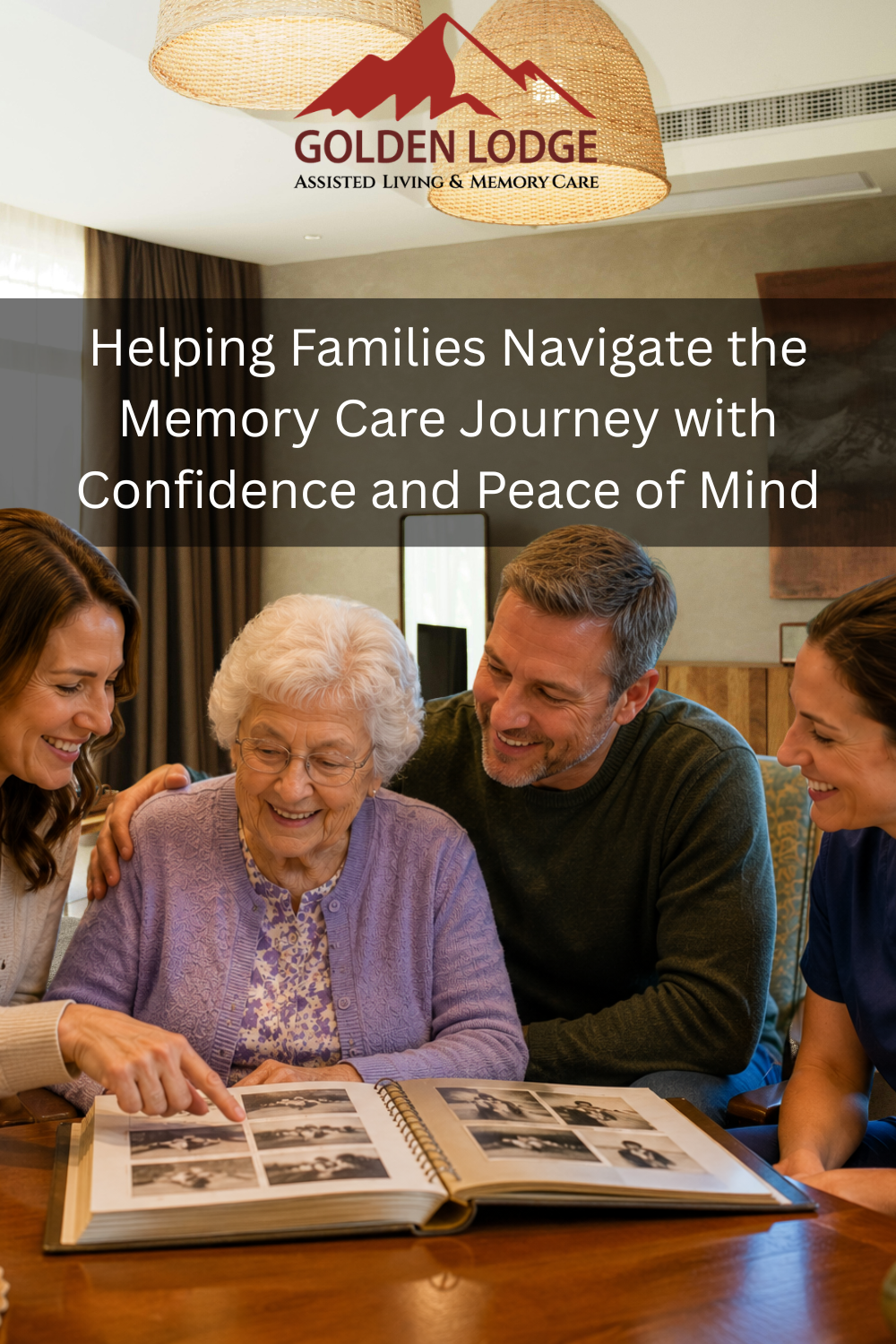
Helping Families Navigate the Memory Care Journey with Confidence and
Helping Families Navigate the Memory Care Journey with Confidence and Peace of MindWhen memory loss begins affecting a loved one's daily life, families often find themselves facing difficult questions. What type of support is needed? How can safety be maintained? Is it time to consider memory care? Perhaps most importantly, how can a family ensure their loved one continues to experience comfort, dignity, and happiness?These questions are common among families navigating Alzheimer's disease and other forms of dementia. The journey can feel overwhelming at times, but families do not have to face it alone.Specialized memory care communities provide resources, guidance, and compassionate support designed to help both residents and their families. At Golden Lodge Assisted Living and Memory Care in Golden, Colorado, the focus is on creating an environment where seniors can thrive while providing peace of mind to those who love them.Recognizing When Additional Support May Be NeededMemory loss typically develops gradually.In the early stages, families may notice occasional forgetfulness. Over time, more significant challenges can emerge.Common signs that additional support may be beneficial include:Missed medicationsDifficulty preparing mealsWandering concernsIncreased confusionMissed appointmentsChanges in personal hygieneDifficulty managing household tasksSafety risks at homeThese situations often create stress for both seniors and family caregivers.Recognizing the need for support is not a sign of failure. It is often a proactive step toward improving quality of life.Family Caregiving Has Unique ChallengesMillions of families provide care for loved ones living with dementia.While caregiving can be rewarding, it also presents significant challenges.Family caregivers often experience:Emotional stressSleep disruptionPhysical exhaustionAnxietySocial isolationDifficulty balancing work and caregivingMany caregivers devote enormous amounts of time and energy to supporting loved ones.Eventually, professional memory care may become the safest and most sustainable option.Golden's Community-Focused EnvironmentGolden has long been known for its welcoming atmosphere and strong sense of community.Families appreciate the city's:Scenic beautyHistoric charmOutdoor recreationFriendly neighborhoodsFamily-oriented cultureFor seniors transitioning into memory care, remaining near familiar surroundings often provides additional comfort.Loved ones can continue visiting regularly while staying connected to the community they know and love.What Families Gain Through Memory CareWhen families first consider memory care, they often focus on the services residents will receive.However, memory care benefits family members as well.Families gain:Professional SupportSpecialized caregivers understand dementia-related challenges and best practices.Safety and SecurityPurposefully designed environments help reduce risks associated with memory loss.Structured RoutinesDaily schedules create consistency and reduce confusion.Emotional ReassuranceFamilies gain confidence knowing loved ones receive around-the-clock support.This support often helps relieve the constant stress many caregivers experience.Building a Care Plan Around the IndividualQuality memory care begins with understanding the person behind the diagnosis.Every resident brings a lifetime of experiences, interests, and preferences.Personalized care plans may consider:Family historyCareer backgroundHobbiesFavorite activitiesCultural traditionsSpiritual beliefsThis information helps caregivers create meaningful interactions and experiences.Communication Remains EssentialOne of the most important components of memory care is communication.Families want to know:How their loved one is doingWhat activities they enjoyHow care plans are progressingAny changes in health or behaviorOpen communication helps families remain informed and involved.Strong partnerships between caregivers and families often contribute to better outcomes and greater peace of mind.Creating Purposeful DaysA common misconception is that memory care focuses solely on supervision.In reality, quality communities emphasize engagement.Purposeful activities may include:Music programsExercise classesGardeningArt projectsReminiscence activitiesSocial eventsThese experiences encourage participation, enjoyment, and meaningful interaction.The goal is not simply filling time but creating opportunities for fulfillment.Preserving Family RelationshipsOne of the most significant benefits of memory care is the opportunity it creates for families to focus on relationships again.Prior to memory care, visits may revolve around:Medication managementHousehold tasksCaregiving responsibilitiesSafety concernsAfter transitioning to memory care, families can often spend more time:Sharing storiesEnjoying activitiesCelebrating milestonesCreating memoriesThis shift often strengthens emotional connections.Understanding Emotional TransitionsMoving into memory care represents a significant change.Families may experience:ReliefSadnessGuiltUncertaintyHopeThese emotions are completely normal.Supportive memory care communities recognize the importance of helping families navigate these transitions with compassion and understanding.Safety Creates FreedomWhile safety is a primary goal of memory care, the best communities achieve safety without sacrificing quality of life.Secure environments allow residents to:Explore safelyParticipate in activitiesSocialize with peersEnjoy outdoor spacesMaintain routinesThis balance supports both independence and well-being.The Importance of Specialized TrainingMemory care requires a unique skill set.Caregivers benefit from specialized training that focuses on:Dementia communication techniquesBehavioral support strategiesCognitive engagementEmotional reassurancePerson-centered careThis expertise helps create positive experiences for residents and families alike.Looking Toward the Future with ConfidenceWhile dementia presents challenges, families can still find hope, connection, and meaningful moments.The right memory care community helps residents live with dignity while providing loved ones with reassurance and support.Heather Bunch of Golden Lodge Assisted Living and Memory Care shares, "Families often carry an enormous emotional burden when caring for a loved one with memory loss. Our goal is to provide support, guidance, and compassionate care that allows both residents and families to experience greater peace of mind."Frequently Asked QuestionsWhen is it time to consider memory care?Families often explore memory care when safety concerns, confusion, or caregiving demands become difficult to manage at home.Does memory care help family caregivers?Yes. Memory care provides professional support that can reduce stress and improve family quality of life.Are activities available for residents?Absolutely. Memory care programs include activities designed to encourage engagement and enjoyment.Can family members remain involved?Yes. Family participation remains an important part of memory care.Is memory care only for advanced dementia?No. Many residents benefit from specialized support at various stages of memory loss.Learn More Through Seniors Blue BookNavigating memory loss is never easy, but families do not have to do it alone. Golden Lodge Assisted Living and Memory Care provides compassionate support, personalized programming, and specialized dementia care that helps residents and families move forward with confidence.Visit their Seniors Blue Book listing to learn more about memory care services and discover trusted local resources for seniors and families throughout Golden and the greater Denver area.
Jun 16, 2026

Why Smaller Assisted Living Communities Often Create Better Senior Exp
Why Smaller Assisted Living Communities Often Create Better Senior ExperiencesChoosing an assisted living community is one of the most important decisions a family can make. While amenities, location, and services are all important factors, one aspect is often overlooked: the size and atmosphere of the community itself.For many seniors, a smaller, more intimate environment provides advantages that larger communities simply cannot replicate. Personalized attention, meaningful relationships, familiar surroundings, and a true sense of belonging can significantly influence quality of life.Nestled in the welcoming city of Golden, Colorado, Golden Lodge Assisted Living and Memory Care understands the value of creating a close-knit environment where residents feel known, respected, and supported. Their approach focuses on helping seniors maintain dignity, independence, and connection while receiving the assistance they need.The Importance of Feeling at HomeMoving into assisted living represents a major life transition.Many seniors leave behind homes where they spent decades building memories, raising families, and establishing routines.Naturally, families want a community that feels comfortable and welcoming rather than institutional.A smaller assisted living setting often provides:Familiar facesConsistent caregiversPersonalized attentionEasier social connectionsReduced stress during transitionThese elements help residents feel more at home from the very beginning.Golden Offers an Ideal Setting for Senior LivingGolden is one of Colorado's most beloved communities.Known for its scenic beauty, historic downtown, and welcoming atmosphere, the city provides an excellent backdrop for retirement living.Residents enjoy proximity to:Clear CreekGolden's historic districtLocal parks and walking pathsCultural attractionsFamily-friendly neighborhoodsStunning Front Range viewsFor seniors, remaining connected to a vibrant community can contribute greatly to emotional well-being.Personalized Care Makes a DifferenceNo two seniors have identical needs.Some individuals require minimal support with daily activities, while others benefit from more comprehensive assistance.Smaller assisted living communities often excel at providing personalized care because staff members have opportunities to develop stronger relationships with residents.This familiarity helps caregivers understand:Personal preferencesDaily routinesHealth concernsSocial interestsFamily relationshipsThe result is care that feels individualized rather than standardized.Stronger Relationships Improve Quality of LifeOne of the greatest benefits of intimate senior living communities is the opportunity to build meaningful relationships.Residents often become well-acquainted with:Fellow residentsCaregiversActivity coordinatorsDining staffLeadership teamsThese connections create a sense of comfort and security.Many seniors find that social relationships become an important source of joy and fulfillment.Assisted Living Supports IndependenceA common misconception is that assisted living reduces independence.In reality, quality assisted living communities are designed to preserve and support independence.Services may include:Medication AssistanceHelping residents manage medications safely.Personal Care SupportAssistance with dressing, grooming, and daily activities.Housekeeping ServicesReducing the burden of household chores.Dining ProgramsProviding nutritious meals in welcoming settings.Social ActivitiesEncouraging engagement and participation.These services allow seniors to focus on enjoying life rather than managing challenging daily responsibilities.Memory Care Requires a Specialized ApproachFor individuals living with Alzheimer's disease or other forms of dementia, specialized memory care becomes increasingly important.Effective memory care programs focus on:SafetyRoutineFamiliarityCognitive engagementCompassionate communicationSmaller environments can often reduce confusion and anxiety by providing more predictable surroundings.Families frequently appreciate knowing their loved one receives support tailored to their unique needs.Family Involvement Remains EssentialMoving into assisted living does not mean families become less involved.In fact, many families discover they can spend more quality time together once caregiving responsibilities decrease.Instead of focusing on:HousekeepingMedication managementTransportationDaily care tasksFamilies can focus on enjoying meaningful moments and strengthening relationships.Activities Build CommunityEngagement remains a key component of healthy aging.Many assisted living residents enjoy activities such as:Group exercise classesGames and puzzlesArts and craftsMusical programsSocial gatheringsEducational opportunitiesSmaller communities often make participation feel more comfortable and personal.Residents are more likely to develop friendships and become active participants.Choosing the Right EnvironmentWhen evaluating assisted living options, families should consider:Community cultureStaff relationshipsResident engagementPersonalized careMemory care capabilitiesOverall atmosphereThe right environment should feel welcoming, supportive, and comfortable.A Place to ThriveThe best assisted living communities do more than provide assistance.They create opportunities for seniors to continue growing, connecting, and enjoying life.Through personalized support and meaningful relationships, residents can maintain independence while benefiting from a safe and caring environment.Heather Bunch of Golden Lodge Assisted Living and Memory Care shares, "Every resident deserves to feel known, valued, and respected. Our goal is to create an environment where seniors feel truly at home while receiving the support they need to thrive."Frequently Asked QuestionsWhat is assisted living?Assisted living provides support with daily activities while helping seniors maintain independence.How does memory care differ from assisted living?Memory care includes specialized support for individuals living with Alzheimer's disease or other forms of dementia.Can residents remain socially active?Yes. Most assisted living communities offer activities, events, and opportunities for engagement.How do families stay involved?Families are encouraged to remain connected through visits, events, and ongoing communication.Why choose a smaller senior living community?Smaller communities often provide more personalized care and stronger relationships.Learn More Through Seniors Blue BookFinding the right assisted living community can have a lasting impact on quality of life. Golden Lodge Assisted Living and Memory Care provides compassionate support, personalized care, and a welcoming environment designed to help seniors thrive.Visit their Seniors Blue Book listing to learn more about available services and discover trusted resources for seniors and families throughout Golden and the surrounding communities.
Jun 16, 2026
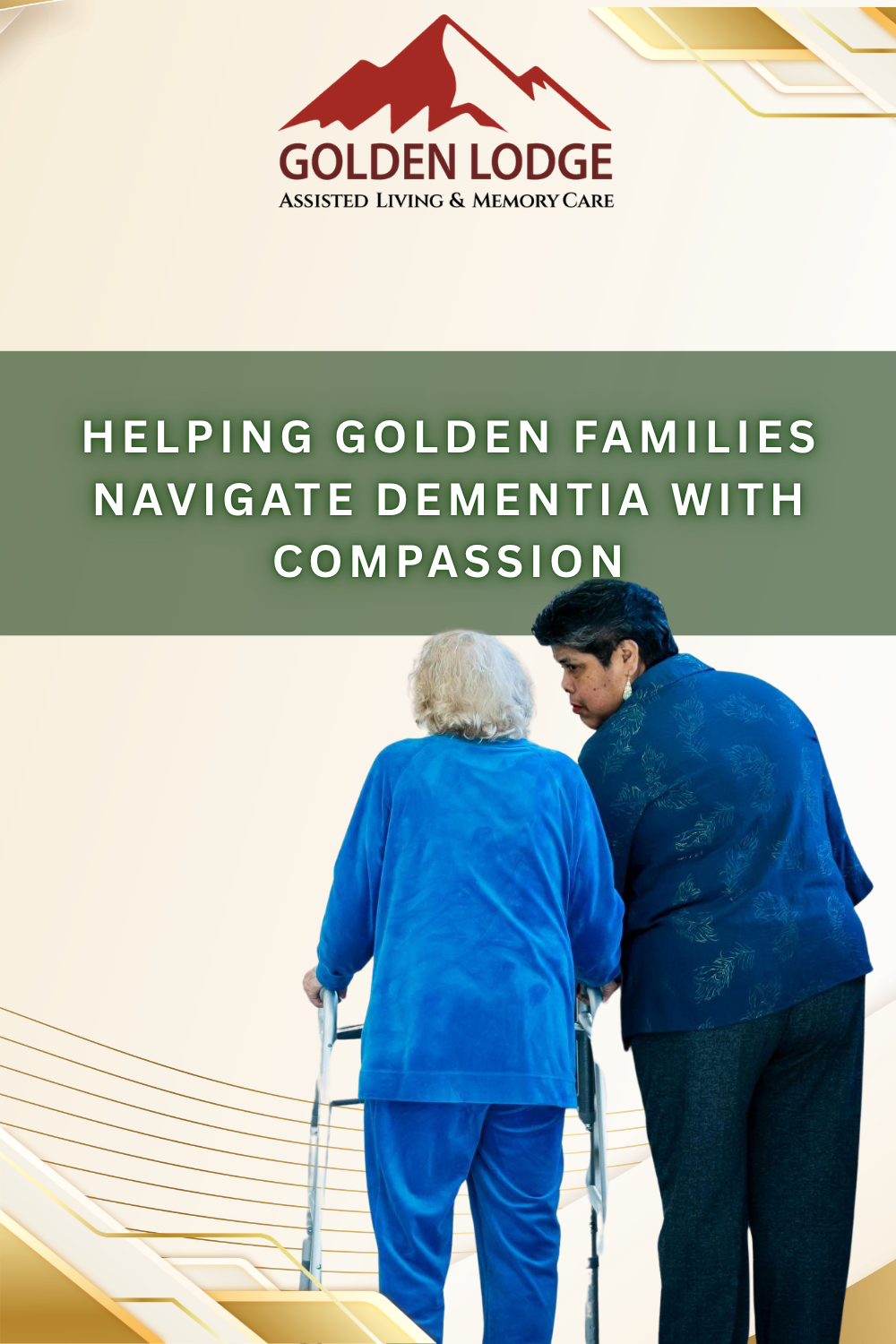
Helping Golden Families Navigate Dementia With Compassion
Helping Golden Families Navigate Dementia With CompassionWhen a loved one begins experiencing memory loss, families often feel uncertain about what to do next. Forgetfulness may initially seem minormisplaced keys, repeated questions, or missed appointmentsbut over time, changes can become more concerning.For families in Golden, Colorado, navigating Alzheimers disease or other forms of dementia can feel emotionally overwhelming. Many adult children suddenly find themselves balancing caregiving responsibilities while trying to ensure their loved one remains safe, supported, and emotionally secure.Memory care communities provide specialized environments designed specifically for seniors living with cognitive decline. Golden Lodge Assisted Living and Memory Care helps families through this journey with compassionate care focused on dignity, comfort, and connection.Recognizing the Early Signs of DementiaMemory changes are not always part of normal aging.Families should pay attention to signs such as: Repeated confusion Difficulty following conversations Wandering Missed medications Changes in judgment Trouble managing finances Personality changes Increased anxiety or agitation Early support often leads to safer and more positive outcomes.Healing and comfort begin with understanding each resident as a person, not just a diagnosis, says Heather Bunch of Golden Lodge Assisted Living and Memory Care. Compassion and patience make an enormous difference for families and residents alike.Why Structured Environments MatterSeniors living with dementia often experience stress when routines become unpredictable or environments feel overstimulating.Memory care communities create consistency through: Daily routines Calm surroundings Familiar schedules Specialized communication approaches Safe environments These routines can help reduce confusion and anxiety.The Emotional Challenges Families FaceWatching cognitive decline affect a parent or spouse can feel heartbreaking.Families often struggle with: Guilt Fear Exhaustion Grief Uncertainty Many caregivers attempt to manage everything alone for too long, which can lead to burnout and emotional strain.Professional memory care support allows families to focus more on emotional connection and quality time instead of constant caregiving stress.Safety Becomes Increasingly ImportantDementia can create serious safety concerns for seniors living alone.Risks may include: Wandering Falls Leaving appliances on Medication errors Poor nutrition Unsafe driving Memory care communities provide secure settings that help protect residents while still encouraging independence whenever possible.Personalized Care Supports Better OutcomesEvery person living with dementia experiences symptoms differently.Effective memory care focuses on: Individual preferences Personal history Comfort routines Communication style Emotional triggers Familiar activities Personalized care helps residents feel more secure and understood.Activities Help Preserve Cognitive EngagementMeaningful activities remain important for seniors living with memory loss.Memory care programs often include: Music therapy Art activities Gentle exercise Sensory engagement Storytelling Social interaction These activities help support emotional wellness and cognitive stimulation.Goldens Calm Environment Benefits SeniorsGoldens peaceful atmosphere, scenic surroundings, and slower pace can feel comforting for older adults.Many families appreciate memory care communities located near: Nature views Quiet neighborhoods Family-friendly communities Accessible healthcare resources Familiar regional surroundings may help residents feel more at ease.Nutrition and Routine Support Daily WellnessSeniors with dementia sometimes forget to eat, drink water, or follow healthy routines.Memory care teams help residents maintain: Consistent meals Medication schedules Sleep routines Personal hygiene Daily engagement These routines provide stability that supports overall wellness.Family Involvement Still MattersTransitioning into memory care does not mean families become less important.Strong communities encourage: Family visits Communication updates Shared celebrations Emotional support Ongoing family involvement often helps residents feel reassured and connected.Knowing When It Is Time for Memory CareFamilies frequently ask when memory care becomes necessary.Signs may include: Increased wandering Safety concerns Aggression or agitation Caregiver burnout Difficulty managing daily tasks Significant confusion Early planning often allows for smoother transitions and better adjustment.Compassion Creates Meaningful CareMemory care is not simply about supervisionit is about helping seniors live with dignity, purpose, and comfort despite cognitive challenges.Communities that prioritize compassion, patience, and personal connection can greatly improve quality of life for residents and families alike.Call to ActionTo learn more about compassionate memory care and assisted living services in Golden, visit the Seniors Blue Book listing for Golden Lodge Assisted Living and Memory Care today.FAQsWhat is memory care?Memory care is specialized senior living support for individuals with Alzheimers disease or other forms of dementia.How is memory care different from assisted living?Memory care provides additional supervision, cognitive support, and secure environments designed for memory-related conditions.What are signs a senior may need memory care?Signs include wandering, confusion, safety concerns, medication issues, and caregiver burnout.Do memory care residents still participate in activities?Yes. Communities provide structured activities designed to support engagement and emotional wellness.Why are routines important for dementia patients? Consistent routines help reduce anxiety, confusion, and emotional distress.
May 14, 2026

A Positive Approach to Memory Care in Golden, Colorado
A Positive Approach to Memory Care in Golden, ColoradoWhen a loved one receives a diagnosis of Alzheimer's disease or another form of dementia, families often focus on what may be lost in the future. While these concerns are understandable, modern memory care takes a different approach. Rather than concentrating solely on challenges, quality memory care focuses on preserving strengths, encouraging engagement, and creating meaningful moments every day.People living with dementia still experience joy, connection, purpose, and accomplishment. They continue to benefit from friendships, activities, routines, and supportive relationships. The right memory care environment helps residents experience these opportunities while receiving specialized assistance designed around their changing needs.At Golden Lodge Assisted Living and Memory Care, memory care is centered on dignity, compassion, and person-centered support. Located in the beautiful community of Golden, Colorado, the residence helps seniors living with memory loss maintain meaningful lives in a safe and nurturing environment.Looking Beyond the DiagnosisDementia affects cognitive abilities, but it does not erase a person's identity.Behind every diagnosis is someone who has:Raised a familyBuilt a careerServed their communityDeveloped lifelong interestsCreated lasting memoriesEffective memory care begins by understanding the individual rather than focusing solely on the condition.Caregivers learn about:Personal historyHobbiesCareer achievementsFamily traditionsFavorite activitiesDaily preferencesThis knowledge helps create meaningful interactions and personalized experiences.Why Environment MattersThe physical environment can significantly influence comfort and well-being for individuals living with memory loss.A thoughtfully designed memory care setting often provides:Clear navigationFamiliar surroundingsComfortable gathering spacesSecure outdoor areasConsistent routinesThese features help reduce confusion while encouraging independence whenever possible.A calm and welcoming atmosphere often supports emotional wellness and confidence.Golden's Natural Beauty Supports Well-BeingGolden offers a unique setting that combines small-town charm with breathtaking Colorado scenery.Families appreciate the area's:Mountain viewsQuiet neighborhoodsOutdoor spacesCommunity-centered atmosphereEasy access to family visitsMany seniors find comfort in peaceful surroundings that promote relaxation and engagement.Natural beauty can play a positive role in emotional health and daily enjoyment.The Power of Daily RoutineIndividuals living with dementia often benefit from predictable routines.Consistency helps reduce uncertainty and create a sense of security.Daily schedules may include:Morning Wellness ActivitiesGentle exercise and stretching promote physical health.Social EngagementGroup conversations encourage connection and participation.Creative ProgramsArt, music, and hands-on projects provide opportunities for self-expression.Structured MealsRegular dining routines support nutrition and familiarity.These consistent experiences help residents feel comfortable and supported.Celebrating Small VictoriesMemory care is often about recognizing and celebrating meaningful moments.Examples may include:Completing a favorite activitySharing a storyParticipating in a group eventRecognizing a familiar songEnjoying time with familyWhile these moments may seem simple, they often have a profound impact on quality of life.A positive memory care approach focuses on creating opportunities for success rather than emphasizing limitations.Engagement Promotes Well-BeingRemaining active and engaged is important at every stage of life.Memory care programs frequently include:Music therapyGardening activitiesReminiscence programsSensory experiencesGentle fitness classesSocial gatheringsThese activities help residents remain connected to their surroundings and maintain a sense of purpose.Building Meaningful RelationshipsStrong relationships remain essential, even as cognitive changes occur.Caregivers often become trusted sources of comfort and reassurance.Through consistency and compassionate communication, staff members build relationships that help residents feel:SafeValuedRespectedUnderstoodThese connections contribute significantly to emotional well-being.Supporting Families Through Every StageFamilies often experience uncertainty when navigating dementia care.Questions may include:Is my loved one safe?Are they engaged?Will they feel comfortable?How can I remain involved?Memory care communities provide guidance, education, and ongoing communication that helps families feel supported throughout the journey.Many family members find comfort knowing their loved one is receiving specialized care in a secure environment.Maintaining Dignity and ChoiceEven when memory loss progresses, individuals continue to deserve dignity and respect.Quality memory care encourages residents to make choices whenever possible.This may involve selecting:ActivitiesClothingDining preferencesDaily routinesSupporting personal choice helps preserve independence and self-esteem.A Community Built Around CompassionThe most successful memory care communities create an atmosphere of acceptance and understanding.Residents are encouraged to participate, connect, and enjoy meaningful experiences regardless of cognitive ability.Compassionate care focuses on enhancing quality of life while honoring each person's unique journey.Heather Bunch of Golden Lodge Assisted Living and Memory Care shares, "Every resident has a story, a history, and a lifetime of experiences that deserve to be honored. Our goal is to create meaningful moments every day while helping families feel supported and confident in their loved one's care."Frequently Asked QuestionsWhat is memory care?Memory care is specialized support for individuals living with Alzheimer's disease and other forms of dementia.How is memory care different from assisted living?Memory care includes enhanced safety measures, specialized staff training, and dementia-focused programming.Can residents participate in activities?Absolutely. Activities are tailored to individual abilities and interests.Why are routines important in memory care?Consistent routines help reduce confusion and provide a sense of comfort and security.Can families stay involved?Yes. Family involvement remains an important part of memory care.Learn More Through Seniors Blue BookMemory loss does not diminish the importance of purpose, connection, and joy. Golden Lodge Assisted Living and Memory Care provides compassionate support designed to help residents experience meaningful days while giving families peace of mind.Visit their Seniors Blue Book listing to learn more about memory care services and discover trusted senior resources throughout Golden and the Denver metro area.
Jun 16, 2026

Senior Care Costs: What is Covered?
According to Genworths 2019 Cost of Care Survey, the national median cost of assisted living is over $4,000 per month. While these costs can vary depending on multiple factors like location, services, room type, and amenities, its not uncommon for individuals to pay anywhere between $30,000 and $70,000 in annual senior living costs. At any price and regardless of their socioeconomic status, the cost of senior living is often a shock for most older adults, no matter how well theyve planned and budgeted.Many families strategize to cover the costs of senior living through a combination of private funds that include things like:SavingsSocial security benefitsPension paymentsRetirements accountsThe problem? Sometimes, this planning still falls short. And just as many industrious Americans spend their lives working and saving for retirement, but because of other factors and extenuating circumstances, they cant fully fund assisted living on their own. The search for affordable senior housing and the means to pay for it isnt always clear. The good news is that there are some government programs that individuals can use to help pay for medical care and/or assisted living. But what is truly covered in these programs?Medicare and Long-Term CareMedicare is the federal health insurance program thats designed for people age 65 and older, as well as some younger people who have disabilities. In the same way that most other health insurance companies do not cover the cost of long-term care services, Medicare does not pay for the cost of room and board or personal care in any type of assisted living community.In fact, Medicare does not cover any of the costs of assisted livingwith a few notable exceptions. Under a Medicare plan, individuals are covered for medical costs incurred while a senior is in assisted living. The only other exception? Some Medicare Advantage plans may pay for personal care assistance for persons who reside in assisted living because they need memory care, as granted under Medicare Part C. Medicaid and Senior Living FacilitiesMedicaid is often mistaken for Medicare, but there are differences between the two programs. While Medicare is mainly for seniors over the age of 65, Medicaid is a joint program between the federal and state governments thats designed to help those with low income and limited assets to find ways to cover the costs of healthcare services, including long-term care. Medicaid assistance for assisted living and senior care communities varies by state since Medicaid is funded jointly by both the federal government and state governments. While the federal government sets guidelines for how each state needs to spend its Medicaid dollars, each state is given leeway to set its own policies within these guidelines, which is why Medicaid coverage for senior care communities is different from one state to the next. Many states offer long-term care to Medicaid beneficiaries or some level of financial support with the cost of assisted living, either through Medicaid or Medicaid waivers. One important consideration? In assisted living communities, Medicaid doesnt cover the cost of basic room and board the way it does for nursing home residents who need more intensive care.Medicaid Coverage in ColoradoMedicaid for long-term care has different resource rules in place than other programs in Colorado. The states Medicaid program, Health First Colorado has its own set of guidelines for long-term senior care. Under Health First Colorado, all resources are considered assets, including:Real estate propertyPersonal propertyLife insurance with a cash valueVehicles including boats and motorhomesIRAsBank accountsCashFor Medicaid assistance with the cost of senior living, Colorado residents must total up all of their assets to determine how much you have in available resources. Colorado law dictates that a single person can only have up to $2,000 in assets, with a few exclusions like your car and home, up to a value of $589,000. For married individuals, a non-applicant spouse can retain as much as $126,420 in joint assets. Therefore, Medicaid is for those Seniors who have limited Resources and only certain Assisted Living Communities are built to take Medicaid residents. You must check with the facility to see if they accept Medicaid. Medicaid and the Cost of Senior Living: What is Included?While its true that under Medicaid, no state can pay for room and board costs in assisted living, states have other means by which they can control these costs. These strategies include:Capping the amount assisted living residences can chargeOffering Supplemental Social Security assistant to Medicaid-eligible residents to cover assisted living room and boardPaying for meal preparation and serving without covering actual food costsVA Benefits to Pay for Assisted LivingThe U.S Department of Veterans Affairs (VA) offer pension funds to eligible wartime veterans and their surviving spouses who have limited income levels and assets. This is an increase from the regular monthly pension, but many veterans and their families dont know about this higher pension. For veterans and their surviving spouses who require assistance in the performance of daily activities, funding is available to pay for things like tasks of daily living.Long-Term Care InsuranceSometimes, these programs just arent enough, and in many instances, theres not much that they cover. This is where long-term care insurance comes into play. Many of these insurance policies cover expenses at accredited assisted living communities, and depending on each policy, many assisted living communities may be covered by long-term care insurance.Premiums for long-term insurance varies greatly depending on location and how much coverage individuals choose. This insurance is flexible based on the kind of care seniors need, including assisted living, nursing homes, and adult daycares. Because long-term care insurance is privately funded, whats covered differs from plan to plan and provider to provider. Its important to ensure your community of choice is covered by your long-term care insurance.Golden Lodge is the areas newest senior assisted living community, but were so much more than that. Our responsibility is to our residents and their families, to ensure they are comfortable and safe, and that they feel valued. If you are considering assisted living for yourself or a loved one but are worried about how you might pay for it, lets talk. To learn more about our senior living community, contact us today to schedule a virtual or in person tour.
Apr 26, 2023
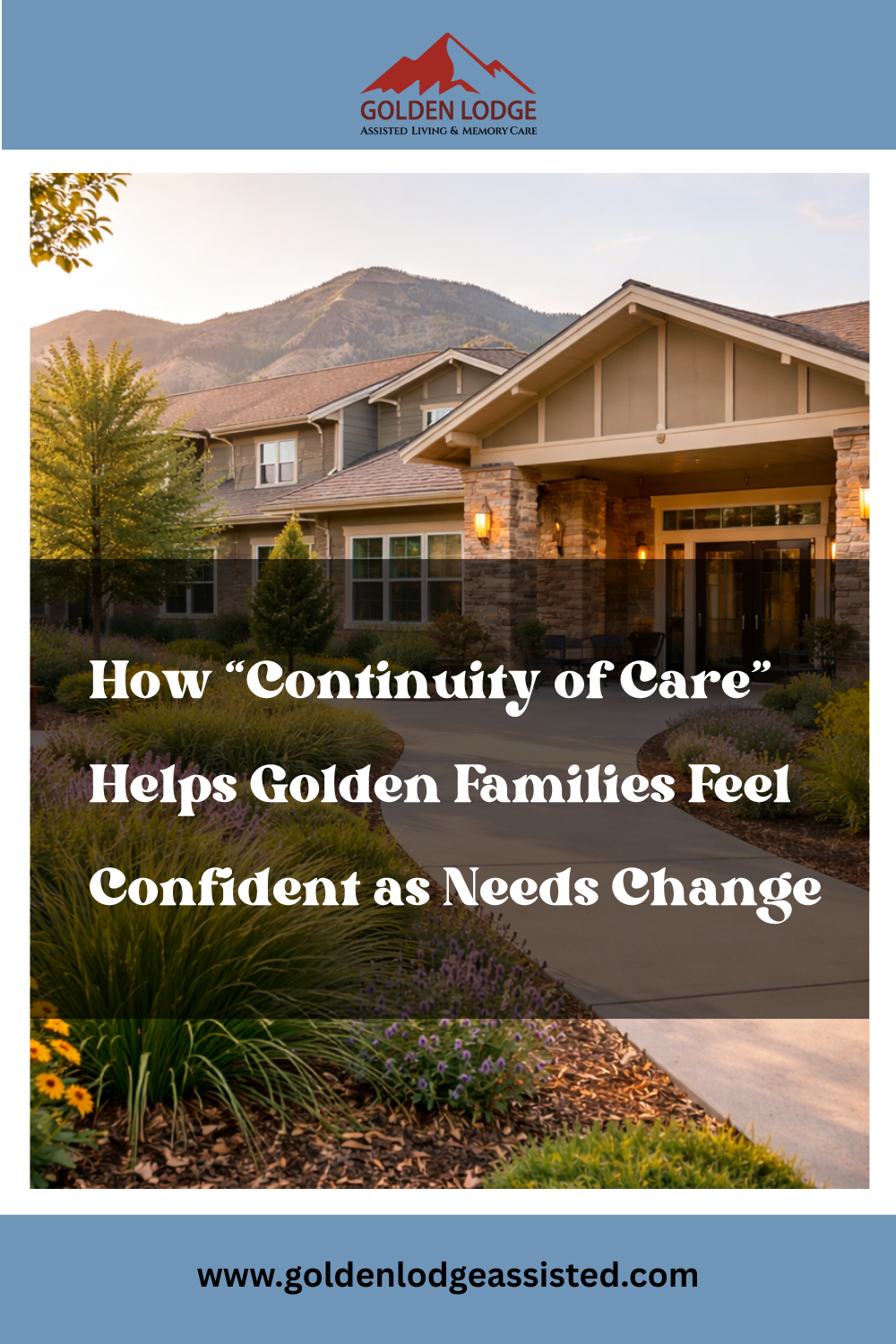
How Continuity of Care Helps Golden Families Feel Confident as Needs Change
How Continuity of Care Helps Golden Families Feel Confident as Needs ChangeGolden, Colorado has a way of feeling both historic and energeticquiet streets, familiar foothill views, and a community spirit that values connection. Many families here want the same thing for their loved ones as they age: safety, dignity, and a place that still feels like home. But one of the most stressful parts of senior living decisions is not knowing what the future will require.Families often ask: What if Mom needs more help later? What if memory changes get worse? Are we choosing a place that can handle the next stage too? This is where continuity of care matters.Golden Lodge Assisted Living and Memory Care supports seniors in Golden and Northern Colorado by offering assisted living today with the ability to provide memory care when needs change. That continuity can reduce future disruption, protect emotional well-being, and give families a steadier plan.What Continuity of Care Really MeansContinuity of care in senior living means that a resident can receive increasing levels of supportoften within the same communitywithout needing to move again as care needs grow.For families, this matters because change is hard. Moves can be especially difficult for older adults, and even more so for those experiencing memory loss. Continuity supports: A stable environment Familiar routines and staff Reduced transition stress A smoother shift to higher support if needed Peace of mind for the whole family Instead of starting over somewhere new, families can build a plan that anticipates change.Assisted Living vs. Memory Care: The Key DifferencesAssisted Living generally supports: Help with bathing, dressing, grooming Medication reminders or management Meals, housekeeping, and laundry Mobility support and daily routines Social engagement and activities 24/7 staff availability for reassurance and safety Memory Care is designed for: Alzheimers disease and other dementias A more structured daily routine Higher supervision and cueing Staff trained in dementia support Safety features (often secured settings to prevent wandering) Programming designed for cognitive changes Many seniors begin in assisted living and later benefit from memory care as cognitive needs increase. Planning with continuity in mind can make that transition smoother.Why Families in Golden Value One Move Instead of TwoGolden families often juggle work commutes, caregiving responsibilities, and the emotional weight of helping a parent transition. Making one moverather than moving again latercan reduce stress for everyone involved.Continuity helps by: Reducing the number of big transitions Preventing crisis-driven decisions later Allowing residents to build comfort and trust early Helping families plan financially and emotionally over time When a senior already feels settled, increasing care can feel like a natural adjustmentnot a disruptive relocation.The Emotional Side: Familiarity Can Reduce AnxietyFor seniors, familiarity is powerful. Knowing where the dining room is. Recognizing staff faces. Feeling oriented in a space. These things build securityespecially for residents who may later experience memory loss.When memory changes begin, stress can worsen symptoms. A stable environment can help by providing: Predictable routines Consistent caregivers and staff Familiar surroundings that reduce confusion A calmer adjustment if more support is needed This is one reason families often prioritize communities that provide both assisted living and memory care.A Family-Focused Perspective on Planning AheadHeather Bunch, who works closely with families at Golden Lodge Assisted Living and Memory Care, often emphasizes the value of planning with a long lens: Families feel more confident when they know theres a plan for today and tomorrow. Continuity of care can bring peace of mind, because youre not starting over if needs change. That reassurance is especially important when families are dealing with uncertainty about cognitive decline or future health needs.What to Look for in a Community That Offers ContinuityNot all assisted living + memory care offerings are the same. When touring, families should ask specific questions to understand how transitions are handled.Helpful questions include: How do you assess a residents changing needs over time? What signs indicate a move to memory care may be appropriate? How do you support residents emotionally during transitions? What dementia training do staff receive? What does a typical day look like in memory care (structure, engagement, cues)? How do you communicate changes and care needs to families? Are there different care levels within assisted living before memory care? The goal is clarityso families can plan with confidence.Supporting Purpose and Belonging at Every StageContinuity isnt only about safety. Its also about preserving a sense of meaning and belonging as needs change.At every stage, seniors benefit from: Engaging activities suited to their abilities Relationships with staff and peers Opportunities to participate, contribute, and feel valued Calm routines that reduce overwhelm Family involvement and communication A good community adapts engagementnot just care tasksso seniors continue feeling like themselves.FAQs: Assisted Living and Memory Care in Golden1) Do all assisted living residents eventually need memory care?No. Many seniors remain in assisted living long-term. But having memory care available can be a valuable safety net.2) How do families know when its time for memory care?Signs may include wandering, frequent disorientation, increased safety risks, or the need for constant cueing and supervision.3) Will moving to memory care feel like a big change?It can, but continuity in the same community often makes it smoother because residents and families already know the environment and staff.4) Can assisted living support early memory changes?Sometimes yesdepending on safety and the communitys ability to provide structured support. Families should discuss concerns openly during assessments.5) How can families help with a successful transition?Visit consistently, personalize the living space, keep routines familiar, and work closely with staff to understand what helps your loved one feel calm.A Steadier Path for Golden Seniors and FamiliesAging isnt predictable. But planning can be.Golden Lodge Assisted Living and Memory Care offers families in Golden and Northern Colorado a supportive option that can meet needs today while preparing for tomorrow. With continuity of care, seniors can remain in a familiar environment as support increasesreducing disruption and protecting dignity every step of the way. To learn more about Golden Lodge Assisted Living and Memory Care, visit their Seniors Blue Book listing and connect with a trusted local community resource.
Jan 13, 2026
Creating Purpose, Comfort, and Connection for Seniors Living with Deme
Creating Purpose, Comfort, and Connection for Seniors Living with DementiaWhen a loved one begins experiencing memory loss, families often find themselves navigating unfamiliar territory. Questions arise about safety, quality of life, daily support, and the future. While conditions such as Alzheimer's disease and other forms of dementia present challenges, they do not eliminate a person's need for connection, purpose, joy, and dignity.In fact, maintaining those elements becomes even more important.Memory care is designed to provide specialized support that helps individuals living with cognitive changes continue experiencing meaningful moments while receiving the assistance they need. At Golden Lodge Assisted Living and Memory Care in Golden, Colorado, the focus extends beyond managing symptoms. The goal is creating an environment where residents feel safe, valued, and engaged every day.Memory Loss Affects More Than MemoryMany people assume dementia only impacts a person's ability to remember names or events.However, cognitive conditions can also affect:CommunicationProblem-solvingDecision-makingOrientationDaily routinesEmotional regulationAs these changes progress, everyday tasks may become increasingly difficult.Families often notice challenges such as:Missing appointmentsDifficulty managing medicationsIncreased confusionWandering behaviorsChanges in moodTrouble completing familiar activitiesThese experiences can be stressful for both seniors and their loved ones.Why Specialized Memory Care MattersCaring for someone with dementia requires a unique approach.Traditional senior living environments may not always provide the structure and support needed for individuals experiencing cognitive decline.Memory care communities are specifically designed to address:SafetySecure environments help reduce risks while allowing freedom of movement.ConsistencyPredictable daily routines help reduce confusion and anxiety.Cognitive EngagementPurposeful activities encourage mental stimulation and participation.Personalized SupportCare plans reflect each resident's individual history, interests, and abilities.This specialized approach often enhances quality of life for both residents and families.Golden's Peaceful Setting Supports Well-BeingGolden offers an ideal backdrop for memory care.The city's natural beauty, welcoming atmosphere, and strong sense of community create an environment that promotes comfort and tranquility.Residents and families appreciate access to:Scenic mountain viewsQuiet neighborhoodsOutdoor spacesFamily-friendly surroundingsCommunity engagement opportunitiesThese elements contribute to a calming atmosphere that can be particularly beneficial for individuals living with dementia.Routine Creates ConfidenceFor many people with memory loss, uncertainty can increase stress.Routine helps provide reassurance.A structured day often includes:Consistent wake-up timesRegular mealsScheduled activitiesFamiliar caregiversPredictable evening routinesThese patterns help residents feel more secure and comfortable.Rather than focusing on what has changed, memory care emphasizes creating successful daily experiences.Activities Designed for Meaningful EngagementOne of the biggest misconceptions about memory care is that residents spend their days passively receiving assistance.In reality, quality memory care communities actively encourage participation.Activities may include:Music ProgramsMusic often triggers positive memories and emotional connections.Arts and CraftsCreative expression promotes engagement and enjoyment.Gentle ExerciseMovement supports physical health and overall wellness.Reminiscence ActivitiesDiscussing familiar topics and memories can provide comfort and confidence.Social OpportunitiesGroup programs encourage friendships and meaningful interaction.These experiences help residents remain connected to the world around them.The Importance of Person-Centered CareEvery person living with dementia has a unique life story.Effective memory care recognizes the importance of understanding:Personal interestsCareer backgroundsFamily traditionsFavorite hobbiesCultural valuesIndividual preferencesCaregivers who understand these details can create more meaningful interactions and stronger relationships.This approach helps preserve identity and dignity.Supporting Family Members Through the JourneyDementia affects entire families.Adult children and spouses often experience:StressAnxietyUncertaintyGuiltEmotional exhaustionMany family caregivers spend years providing support before considering memory care.A specialized community often provides relief by ensuring professional assistance is available around the clock.Families frequently report that transitioning to memory care allows them to focus on their relationship with their loved one rather than constant caregiving responsibilities.Communication MattersOne of the most important skills in memory care is effective communication.Specialized caregivers learn techniques that help residents feel:RespectedUnderstoodValuedComfortablePatience, empathy, and positive communication often reduce frustration while creating meaningful moments of connection.These interactions contribute significantly to overall well-being.Creating Moments of JoyAlthough dementia presents challenges, meaningful moments continue to occur every day.A familiar song.A shared laugh.A favorite meal.A visit from family.A successful activity.These experiences remind families that quality of life remains possible.Memory care focuses on maximizing those moments while providing support where needed.Choosing the Right Memory Care CommunityFamilies evaluating memory care options should consider:Staff trainingSafety measuresActivity programmingPersonalized care plansFamily communicationCommunity atmosphereThe right environment should feel supportive, welcoming, and focused on individual well-being.Looking Beyond the DiagnosisA dementia diagnosis does not define a person.Behind every diagnosis is an individual with experiences, relationships, accomplishments, and stories worth celebrating.Exceptional memory care recognizes this truth and provides support that honors each resident's unique journey.Heather Bunch of Golden Lodge Assisted Living and Memory Care shares, "Every person deserves to be treated with dignity, compassion, and respect. We focus on helping residents experience meaningful days while supporting families through every stage of the memory care journey."Frequently Asked QuestionsWhat is memory care?Memory care is specialized senior living designed for individuals living with Alzheimer's disease or other forms of dementia.How does memory care differ from assisted living?Memory care includes enhanced safety measures, specialized staff training, and programs tailored to cognitive support.Can residents still participate in activities?Yes. Activities are specifically designed to promote engagement, enjoyment, and cognitive stimulation.When should families consider memory care?Families often explore memory care when safety concerns, confusion, or caregiving demands increase.Does memory care support family members too?Absolutely. Communication, education, and emotional support are important parts of quality memory care.Learn More Through Seniors Blue BookNavigating memory loss can feel overwhelming, but families do not have to face the journey alone. Golden Lodge Assisted Living and Memory Care provides compassionate support, specialized dementia care, and meaningful opportunities for connection in a welcoming Golden community.Visit their Seniors Blue Book listing to learn more about available memory care services and discover trusted local resources for seniors and families throughout the Denver metro area.
Jun 16, 2026
Helping Families Recognize When a Loved One May Need Memory Care
Helping Families Recognize When a Loved One May Need Memory CareOne of the most difficult parts of dementia is that changes often happen gradually. Families may notice small signs at firsta forgotten appointment, repeated stories, or confusion about medications. Over time, however, daily routines can become harder to manage safely.For many families in Golden, Colorado, recognizing when memory care is needed can feel emotional and uncertain. Adult children may wonder whether they are overreacting or waiting too long. Spouses may feel exhausted trying to manage increasing caregiving responsibilities alone.Understanding the warning signs early can help families make thoughtful, compassionate decisions before a crisis occurs.Golden Lodge Assisted Living and Memory Care helps families navigate these transitions with specialized memory care support focused on dignity, safety, and emotional well-being.Memory Changes Go Beyond ForgetfulnessOccasional forgetfulness is common with aging. Dementia-related memory loss, however, often affects everyday functioning.Families may begin noticing: Repeated confusion Difficulty managing finances Missed medications Wandering Trouble following conversations Increased anxiety Changes in judgment Difficulty recognizing familiar places These changes can significantly impact safety and quality of life.Families often wait until they feel overwhelmed before seeking support, says Heather Bunch of Golden Lodge Assisted Living and Memory Care. Early planning allows seniors to transition more comfortably and safely.Safety Concerns Often Signal the Need for More SupportMany families first consider memory care after a frightening event.Common concerns include: Leaving the stove on Getting lost while driving Falling Forgetting to eat Medication mistakes Wandering outside alone Memory care communities provide structured environments that help reduce these risks while supporting residents compassionately.Caregiver Burnout Is RealSpouses and adult children frequently try to manage dementia care independently for as long as possible.Over time, caregiving can affect: Sleep Emotional health Work responsibilities Physical wellness Family relationships Many caregivers feel guilty about seeking outside help, but professional support often improves quality of life for everyone involved.Why Specialized Dementia Care MattersMemory care differs significantly from traditional assisted living because it is specifically designed around cognitive challenges.Specialized care may include: Structured daily routines Dementia-trained caregivers Secure environments Cognitive activities Personalized communication techniques Behavioral support These services help residents feel calmer and more supported.Wandering Can Become DangerousWandering is one of the most common and serious concerns associated with dementia.A senior may: Leave home unexpectedly Become disoriented Forget directions Attempt unsafe outings Secure memory care communities help protect residents while still allowing freedom of movement within safe environments.Familiar Activities Continue to MatterPeople living with dementia still benefit greatly from engagement and purpose.Meaningful activities may include: Listening to music Looking through photographs Gardening Light exercise Group conversations Crafts and art These activities support emotional wellness and cognitive stimulation.Golden Families Value Personalized CareGoldens close-knit community culture often shapes what families seek in senior care environments.Families frequently prioritize: Warm relationships Smaller settings Calm atmospheres Personalized support Compassionate communication These qualities become especially important in memory care settings.Transitions Can Feel Easier With Early PlanningWaiting until a crisis occurs often increases emotional stress for both seniors and families.Early planning allows: Gradual adjustment Better communication Stronger caregiver relationships More resident participation in decisions Transitions tend to feel smoother when families have time to explore options thoughtfully.Supporting Emotional Wellness Through RoutineDementia can create fear and frustration when environments feel unpredictable.Consistent routines help residents: Feel secure Reduce anxiety Sleep better Participate more comfortably in activities Memory care communities focus heavily on creating calm, structured environments.Families Deserve Support TooA dementia diagnosis affects the entire family emotionally.Compassionate memory care communities provide reassurance by helping families know their loved one is receiving: Consistent supervision Emotional support Safe routines Specialized care This peace of mind can be life-changing for caregivers.Compassion Remains at the Center of CareAlthough dementia changes memory and behavior, individuals still deserve dignity, patience, and meaningful connection.The best memory care communities focus not only on safety, but also on preserving comfort, identity, and joy in daily life.Call to ActionTo learn more about specialized memory care support in Golden, visit the Seniors Blue Book listing for Golden Lodge Assisted Living and Memory Care today.FAQsWhat are common signs a senior may need memory care?Signs include wandering, confusion, medication mistakes, unsafe driving, and difficulty managing daily routines.How is memory care different from assisted living?Memory care offers specialized support and secure environments designed for dementia-related needs.Can dementia caregivers experience burnout?Yes. Caregiving can become emotionally and physically exhausting without support.Why is routine important for dementia patients?Predictable schedules help reduce anxiety and confusion.Are memory care communities secure? Yes. Most communities include safety features designed to prevent wandering and improve resident protection.
May 14, 2026

Creating Calm and Comfort for Seniors Living With Dementia in Golden
Creating Calm and Comfort for Seniors Living With Dementia in GoldenFor families facing Alzheimers disease or other forms of dementia, everyday life can slowly become unfamiliar. A loved one who once managed family gatherings, careers, and daily routines independently may begin struggling with confusion, memory loss, or anxiety. These changes can feel emotional and overwhelming for everyone involved.In Golden, Colorado, many families are searching for memory care environments that offer more than supervision. They want compassionate support, meaningful routines, and a setting where loved ones feel safe, respected, and emotionally secure.Golden Lodge Assisted Living and Memory Care provides specialized memory care focused on creating comfort, connection, and personalized support for seniors navigating cognitive decline.Understanding the Emotional Impact of DementiaDementia affects far more than memory alone. Seniors may also experience: Confusion Fear Mood changes Difficulty communicating Frustration Social withdrawal Family members often notice personality shifts that can feel heartbreaking and difficult to understand.Many caregivers also experience emotional exhaustion while trying to manage increasing care needs at home.Memory care should always focus on preserving dignity and helping residents feel valued, says Heather Bunch of Golden Lodge Assisted Living and Memory Care. Even small moments of connection can bring tremendous comfort.Why Familiar Routines MatterOne of the most effective ways to reduce anxiety for seniors living with dementia is through consistency.Predictable daily routines help residents feel: More secure Less overwhelmed Emotionally calmer More confident Structured schedules for meals, activities, and rest can significantly improve emotional wellness.In memory care communities, routine becomes a source of reassurance rather than restriction.Smaller Environments Can Feel Less OverwhelmingLarge, busy settings can sometimes increase confusion for individuals living with memory loss.Smaller memory care communities often provide: Quieter surroundings More personalized attention Easier navigation Stronger caregiver relationships Reduced overstimulation These factors can help residents feel more comfortable and settled.The Importance of Specialized CommunicationCommunication changes are common with dementia.Residents may: Repeat questions Forget words Struggle following conversations Become frustrated easily Specialized caregivers understand how to communicate with patience, empathy, and reassurance.Simple techniques such as maintaining eye contact, speaking calmly, and offering gentle guidance can make daily interactions much more positive.Meaningful Activities Improve Quality of LifeSeniors living with memory loss still benefit greatly from social interaction and purposeful engagement.Memory care activities may include: Music therapy Art projects Light exercise Gardening Storytelling Sensory activities Group games These experiences help stimulate cognitive function while encouraging joy and connection.Goldens Peaceful Setting Supports WellnessGoldens scenic beauty and slower pace create a calming atmosphere for older adults.Families often appreciate memory care communities near: Nature views Quiet neighborhoods Walking paths Family-friendly areas Natural surroundings can contribute to a more peaceful environment for residents and visiting loved ones alike.Nutrition and Hydration Require Extra AttentionDementia can affect appetite, hydration, and meal routines.Memory care teams help residents maintain healthy habits through: Consistent meal schedules Nutritious dining options Hydration reminders Encouragement during meals These supports are essential for overall health and energy levels.Supporting Families Through the Dementia JourneyMemory loss affects entire families, not only the individual diagnosed.Adult children and spouses may struggle with: Guilt Burnout Fear about the future Emotional grief Professional memory care support helps families shift from constant caregiving responsibilities toward more meaningful emotional connection.Safety Without Sacrificing DignitySafety becomes increasingly important as dementia progresses.Memory care communities help reduce risks associated with: Wandering Falls Medication confusion Unsafe cooking Driving concerns At the same time, compassionate caregivers encourage independence whenever safely possible.Choosing Memory Care With CompassionSelecting memory care can feel like one of the hardest decisions a family ever makes.Important considerations include: Staff training Communication Personalized care Environment Resident engagement Emotional warmth Communities that prioritize compassion and human connection often create the best experiences for both residents and families.Living With Purpose Despite Memory LossA dementia diagnosis does not erase a persons identity, personality, or ability to experience joy.Supportive memory care environments help residents continue enjoying: Relationships Comfort Activities Emotional connection Daily moments of happiness That sense of purpose and belonging matters deeply.Call to ActionTo learn more about compassionate memory care services in Golden, visit the Seniors Blue Book listing for Golden Lodge Assisted Living and Memory Care today.FAQsWhat is memory care?Memory care is specialized senior care designed for individuals living with Alzheimers disease or other forms of dementia.Why are routines important in memory care?Consistent routines help reduce confusion, anxiety, and emotional stress for residents.Can memory care residents still participate in activities?Yes. Activities are designed to support engagement, stimulation, and emotional wellness.What safety features are common in memory care?Communities often provide secure environments, supervised support, and fall prevention measures.How can families stay involved after moving a loved one into memory care? Families are encouraged to visit regularly, communicate with staff, and participate in community events.
May 14, 2026
How Assisted Living and Memory Care Aging Well in Golden
How Assisted Living and Memory Care Aging Well in GoldenNestled at the foothills of the Rocky Mountains, Golden offers a unique blend of small-town warmth, outdoor beauty, and close-knit communitymaking it a place many seniors are proud to call home. As needs change with age, assisted living and memory care communities provide an essential balance of independence, safety, and personalized support. For families in Golden and surrounding Northern Colorado areas, these communities offer reassurance that loved ones can continue to live with dignity, purpose, and comfort.Assisted living and memory care are not about limitationthey are about creating environments where seniors can thrive, regardless of changing physical or cognitive needs.Understanding Assisted Living and Memory CareWhile both assisted living and memory care provide support, they serve different needs and are often offered together to allow continuity of care.Assisted Living typically supports seniors who need help with: Bathing, dressing, or grooming Medication management Meal preparation and dining support Housekeeping and laundry Transportation and daily routines Memory Care is designed for individuals living with Alzheimers disease or other forms of dementia and includes: Secure, structured environments Specialized staff training Dementia-informed activities Consistent routines to reduce anxiety Enhanced safety and supervision Having both options available allows residents to transition smoothly as needs evolve.Why Golden Is a Meaningful Place to AgeGoldens walkable neighborhoods, scenic views, and strong community spirit make it especially appealing for older adults. Many seniors have deep ties to the area and want to remain close to familiar surroundings, family, and healthcare providers.Local assisted living and memory care communities reflect these values by: Encouraging family involvement Supporting connections to the local community Offering outdoor spaces inspired by Colorados natural beauty Creating calm, welcoming environments Creating a sense of home and belonging is at the heart of what we do, says Heather Bunch. When residents feel safe, known, and valued, their quality of life truly improves. Personalized Care That Adapts Over TimeOne of the greatest advantages of combined assisted living and memory care is adaptability. Care plans are personalized and reviewed regularly to reflect changing needs.Personalized care may include: Adjusted levels of assistance Ongoing health monitoring Coordination with healthcare providers Support for emotional and cognitive well-being This flexibility allows residents to receive the right support at the right timewithout unnecessary disruption.Supporting Cognitive Health With Purposeful DesignMemory care environments are intentionally designed to reduce confusion and promote comfort. From layout to daily routines, every detail is shaped around cognitive support.Design elements often include: Secure yet welcoming spaces Clear visual cues and signage Calm color palettes and lighting Familiar routines and environments These features help residents feel more at ease and engaged.The Importance of Routine and EngagementFor seniorsespecially those with memory lossroutine and meaningful engagement are essential. Structured days help reduce anxiety while providing opportunities for connection.Activities may include: Music and art therapy Gentle movement and wellness programs Reminiscence and storytelling Social gatherings and family visits Purposeful engagement supports emotional well-being and cognitive stimulation.Supporting Families Through the JourneyChoosing assisted living or memory care is an emotional decision for families. Open communication and partnership are key to building trust and confidence.Communities support families by: Providing regular updates Encouraging involvement and visits Offering guidance during transitions Creating welcoming spaces for loved ones When families feel supported, residents benefit as well.When Assisted Living or Memory Care May Be the Right ChoiceFamilies often explore these options when: Daily tasks become challenging Safety concerns increase at home Memory changes affect independence Caregiver stress becomes overwhelming Seniors would benefit from social connection Exploring options early allows families to make thoughtful, informed decisions.Frequently Asked Questions (FAQs)Can residents transition from assisted living to memory care? Yes. Many communities support smooth transitions as needs change.Is memory care only for Alzheimers disease? No. Memory care supports various forms of dementia.Are families encouraged to stay involved? Absolutely. Family involvement is welcomed and encouraged.How are care plans updated? Care plans are reviewed regularly and adjusted as needed.Do residents still have independence? Yes. Support is designed to enhancenot replaceindependence.A Place to Feel Safe, Supported, and at HomeAssisted living and memory care communities provide more than carethey provide peace of mind. For seniors in Golden, these environments offer the support needed to continue living with comfort, purpose, and dignity. To learn more about assisted living and memory care options in Northern Colorado, visit the Golden Lodge Assisted Living and Memory Care listing on Seniors Blue Book and explore resources designed to support compassionate, personalized aging.
Jan 08, 2026
Understanding Memory Care: A Guide for Families Supporting Loved Ones with Dementia
When a loved one begins to show signs of memory loss, confusion, or other cognitive challenges, families are faced with a difficult and emotional journey. Dementia, including Alzheimers disease and related conditions, can change not only the person affected but also the dynamic and wellbeing of their entire support system. Navigating this journey with compassion, knowledge, and the right support can make all the difference.This guide will help families understand the fundamentals of memory care, what to look for in a memory care facility, and why dedicated communities like Golden Lodge Assisted Living & Memory Care play such a vital role in the lives of seniors and their families.What Is Memory Care?Memory care is a specialized type of senior living designed for individuals experiencing memory impairments, such as Alzheimers disease, Parkinsons-related dementia, or other forms of cognitive decline. It offers a safe and structured environment with routines that reduce stress, staff trained specifically in dementia care, and programs designed to enhance cognitive function and quality of life.Unlike traditional assisted living, memory care focuses deeply on: Security: To prevent wandering and ensure 24/7 monitoring. Specialized programming: Including music therapy, reminiscence activities, and brain games. Personalized care plans: Tailored to each residents unique history, preferences, and medical needs. Sensory engagement: To encourage emotional connection and comfort. Recognizing the Signs: When Is It Time for Memory Care?It can be difficult to know when memory care is needed. Families often wait until a crisis occurs, but early intervention can offer better outcomes for both the senior and the caregiver.Here are key signs that it might be time to consider memory care: Frequent forgetfulness beyond normal aging (e.g., forgetting names of close family or recent events). Disorientation or getting lost in familiar places. Aggressive behavior, paranoia, or major mood swings. Neglecting hygiene, meals, or medications. Caregiver burnout due to the constant need for supervision. If these signs are present, its worth speaking with a physician and exploring professional care options like Golden Lodge Assisted Living & Memory Care.The Golden Lodge Difference: Compassionate, Specialized Memory SupportLocated in Golden, Colorado, Golden Lodge Assisted Living & Memory Care is a senior living community that provides compassionate, person-centered care in a beautiful, secure, and supportive environment. Their memory care program is rooted in dignity, respect, and a deep understanding of the evolving needs of seniors with memory loss.What sets Golden Lodge apart?1. Highly Trained Memory Care StaffCaregivers at Golden Lodge receive specialized training in dementia and Alzheimers care. They are skilled not just in physical support, but also in understanding emotional and behavioral changes. This training leads to better outcomes and safer, more compassionate interactions.2. Secure, Comfortable EnvironmentThe memory care neighborhood is designed for safety and calm. From soothing color schemes to secure outdoor courtyards and monitored hallways, every detail supports both freedom and protection.3. Engaging Daily ActivitiesGolden Lodge offers enriching programs that encourage cognitive stimulation, social interaction, and physical movement. These include: Music and art therapy Gardening Pet visits Exercise and wellness classes Group storytelling and reminiscing Each activity is tailored to a residents abilities, helping them remain active and connected.4. Family Partnership and SupportFamilies are never alone in this journey. Golden Lodge maintains strong partnerships with families, offering regular updates, care plan reviews, educational events, and support groups for loved ones. This transparent approach builds trust and reduces the stress on family caregivers.5. Individualized Care PlansNo two residents are alike. Golden Lodge creates personalized care plans that evolve over time, ensuring each resident receives the exact level of support they needwhether it's help with bathing, redirection during confusion, or structured routines to ease anxiety.Benefits of Early Transition to Memory CareMaking the move to memory care early in the dementia journey can benefit both seniors and their families. Heres how: Stability and routine help slow cognitive decline. Social interaction combats loneliness and isolation. Expert medical oversight ensures changing needs are addressed. Reduced caregiver stress improves family relationships. Enhanced safety lowers the risk of falls, wandering, and emergencies. At Golden Lodge Assisted Living & Memory Care, families are often relieved to see their loved ones thrive in a setting that provides just the right balance of freedom and structure.Supporting the Whole FamilyCaring for someone with memory loss isnt just physically demandingits emotionally draining too. Golden Lodge understands this and offers holistic support, not just for residents, but also for the families navigating this experience.Their team encourages open dialogue, empowers families with education, and helps them feel like true partners in carenot just visitors.Questions to Ask When Touring a Memory Care CommunityIf youre beginning the search for memory care, be sure to ask: Is staff trained in dementia care? How are care plans developed and updated? What is the staff-to-resident ratio? Are there safety features (secured entries, emergency systems)? How are families involved in care? What types of activities are offered? Youll find that Golden Lodge Assisted Living & Memory Care answers each of these with transparency, compassion, and pride in their mission.Final ThoughtsNavigating the challenges of dementia is never easy, but with the right support, families can find peace of mind and seniors can maintain dignity and joy. A community like Golden Lodge Assisted Living & Memory Care offers more than memory careit offers reassurance, connection, and a sense of home. For families in Golden, Colorado, and surrounding areas, Golden Lodge is a trusted choice that blends high-quality care with a deep commitment to resident wellbeing. If youre considering memory care for a loved one, schedule a visit and see firsthand how this community makes a difference.
Aug 07, 2025
How Assisted Living and Memory Care Help Golden Seniors Live With Dignity
How Assisted Living and Memory Care Help Golden Seniors Live With DignityAs seniors age, needs can shift in ways that are both gradual and unexpected. Daily tasks may become harder to manage, memory changes may create safety concerns, or families may notice increasing isolation. For many Golden families, the question becomes how to provide the right level of supportwithout sacrificing dignity, connection, or quality of life.Thats where Golden Lodge Assisted Living and Memory Care offers a compassionate solution. By combining assisted living and memory care in a supportive, resident-centered environment, Golden Lodge helps seniors receive the care they need while continuing to feel respected, engaged, and at home.This article explores how assisted living and memory care support aging with dignity, why personalized care matters, and how Golden seniors and families benefit from a community designed around safety, familiarity, and human connection.Why Aging Support Needs Change Over TimeAging rarely follows a straight line. Seniors may live independently for years before needing help with daily activitiesor experience cognitive changes that require more structured support.Common changes include: Difficulty managing personal care Increased fall risk Medication management challenges Memory loss or confusion Social withdrawal Having access to graduated levels of care helps families respond thoughtfully rather than reactively.Assisted Living: Support Without Losing IndependenceAssisted living provides help with daily activities while encouraging residents to remain as independent as possible.Support often includes: Assistance with bathing, dressing, and grooming Medication reminders and management Meal preparation and dining support Housekeeping and laundry Daily wellness monitoring The goal is to supportnot replaceindependence.Memory Care Designed for Safety and FamiliarityMemory care offers specialized support for seniors living with Alzheimers disease or other forms of dementia. These environments are structured to reduce confusion and anxiety while promoting comfort and routine.Memory care typically emphasizes: Secure, easy-to-navigate spaces Predictable daily routines Staff trained in dementia care Activities designed for cognitive engagement Compassionate communication techniques Familiarity and consistency help residents feel safe and understood.According to Heather Bunch, Creating a sense of belonging and security is essential. When residents feel known and supported, their quality of life improvesno matter their care needs. Why Golden Is a Meaningful Place to AgeGoldens close-knit community, scenic foothills, and access to healthcare make it a desirable place for seniors to remain connected to family and familiar surroundings.Local senior living offers: Proximity to loved ones Access to local medical providers A calm, community-oriented atmosphere Continuity with familiar routines and landmarks Staying local often makes transitions easier for both seniors and families.Personalized Care That Honors Individual StoriesNo two seniors have the same life experience, preferences, or needs. Quality assisted living and memory care focus on the individualnot just the diagnosis.Personalized care may include: Respecting daily routines and preferences Adapting care plans as needs change Incorporating personal interests and history Encouraging choice whenever possible Feeling seen and respected is central to emotional well-being.The Role of Routine in Cognitive and Emotional HealthConsistent routines provide structure and reassuranceespecially for individuals with memory loss.Routine helps by: Reducing anxiety and agitation Supporting better sleep and appetite Encouraging participation in activities Creating predictability and comfort Structured days foster calm and confidence.Supporting Families Through the JourneyFamilies often experience emotional strain when a loved one needs assisted living or memory care. Clear communication and partnership ease this transition.Families benefit from: Regular updates and communication Reassurance that loved ones are safe Reduced caregiving stress Confidence in professional oversight Care becomes a shared responsibility rather than an overwhelming burden.Activities That Encourage Engagement and PurposeEngagement supports emotional and cognitive health at every stage of aging. Assisted living and memory care communities offer activities tailored to residents abilities and interests.Activities may include: Music and art experiences Gentle physical movement Social gatherings Memory-focused engagement Time outdoors when possible Purposeful engagement supports joy and connection.When Is It Time to Consider Assisted Living or Memory Care?Families may begin exploring options when: Safety concerns increase at home Memory loss affects daily functioning Care needs exceed what family can provide Isolation becomes noticeable Stress affects family relationships Earlier exploration often leads to smoother transitions.Choosing the Right Community in GoldenWhen evaluating assisted living or memory care, families should consider: Staff training and consistency Safety and security features Atmosphere and resident engagement Communication with families Flexibility as care needs evolve The right environment feels supportivenot restrictive.Aging With Dignity, Connection, and CareAging doesnt mean losing identity or purpose. With the right support, seniors can continue living with dignity, comfort, and connectioneven as needs change.For Golden families seeking assisted living or memory care rooted in compassion and personalization, Golden Lodge Assisted Living and Memory Care offers a supportive environment designed to meet seniors where they are. To learn more about care options and community life, visit Golden Lodge Assisted Living and Memory Cares Seniors Blue Book listing and explore whether this community is the right fit.Frequently Asked QuestionsWhat is the difference between assisted living and memory care? Assisted living supports daily tasks, while memory care offers specialized support for cognitive impairment.Can residents transition between care levels? Yes. Many communities support transitions as needs change.How involved can families be? Families are encouraged to remain actively involved and informed.Do memory care residents have structured routines? Yes. Routine is a core component of memory care. Is memory care only for advanced dementia? No. Memory care can support individuals at various stages.
Jan 09, 2026
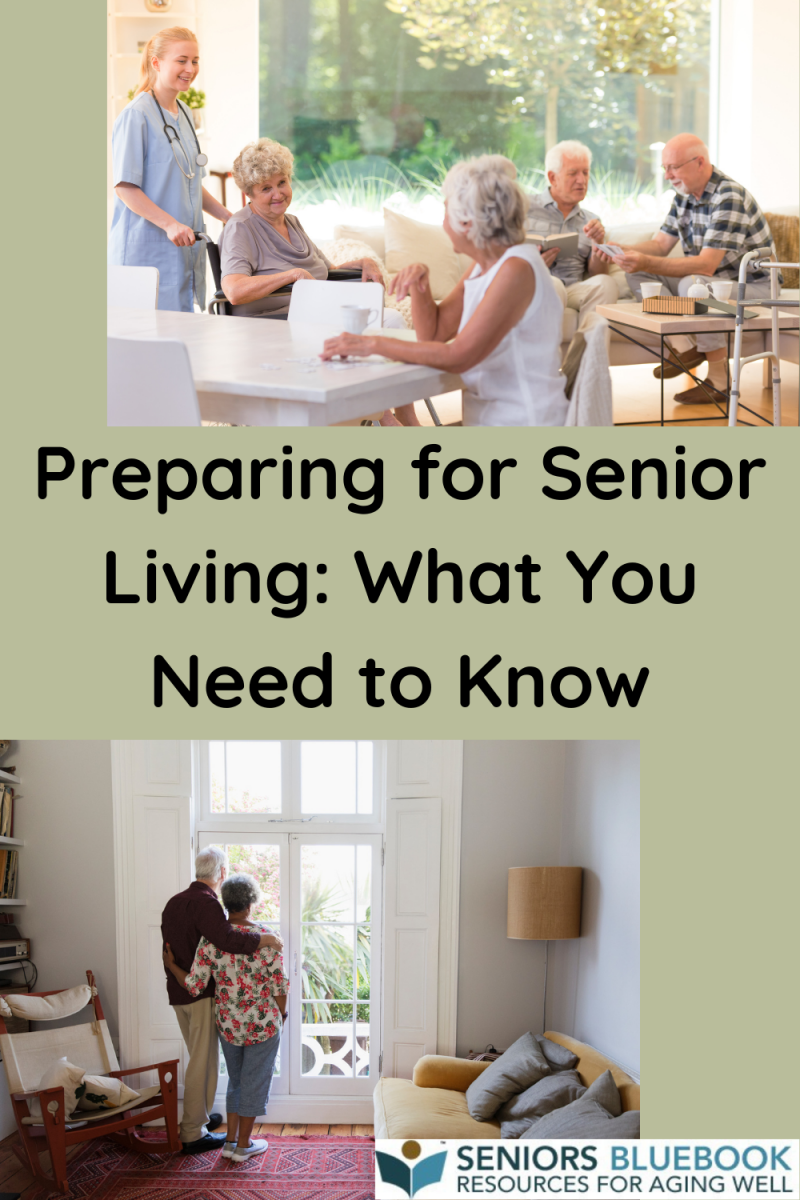
Preparing for Senior Living: What You Need to Know
Your mother may keep falling in the bathroom. Perhaps your father is forgetting to eat dinner or take his blood pressure medication. Maybe your grandparents are perfectly fine for their age, but dont want to deal with maintaining the lawn, shoveling the driveway after snow falls, negotiating the stairs, or driving to the grocery store. Its time to consider senior living. This comes with a myriad of emotional hurdles as well as practical considerations. Wouldnt it make sense to be able to focus on your loved ones instead of on logistics and to have a financial plan in place before you reach this point? About 70% of seniors over the age of 70 can expect to use some form of senior care, according to the US Department of Health and Human Services. This blog discusses what you need to know about your loved ones finances as you prepare for senior living.Do they have insurance?According to AARP, only 7.2 million Americans have long-term care insurance. Its easy to see why long term care insurance is costly, especially for seniors on a fixed income, and the costs increase each year (for instance, costs increased 40% in 2019, with steeper increases projected). However, according to the American Association for Long-Term Care Insurance (AALTCI), the number of individuals with long term care policies has risen and continues to rise. If your loved one has a policy and has been paying the premiums, this is a terrific first step. It is even possible to convert a life insurance policy into a Long-Term Care Benefit Plan. Find out more about this option in ourFamily Guide to Funding Senior Care and Housing.Do they have a power of attorney (POA) in place?A Power of Attorney is a friend or relative with the right to make financial or medical decisions for your loved one. The documents may show that the power is durable (was in effect from the moment it was signed) or springing (will take effect in case of incapacity). Having a power of attorney document in place is a time saver and can help you avoid red tape and an overwhelming crush of bureaucracy.Do they own their own home?Obviously, the equity in a home is a huge advantage, especially when you have time to make minor improvements and stage it to get the highest market value possible. If your family member is not quite ready for senior living yet, this is the perfect time to spruce up their house so that you can immediately put it on the market when the decision is made. Find the deeds and mortgage papers ahead of time.Where are the financial documents?While you rummage through the basement or through the drawers in the office looking for mortgage documents, look for other relevant documents as well. For instance, you will need to know about your loved ones pensions, rotating bills, bank statements, stocks and bonds, social security statements, taxes, Medicare, and health insurance. Basically, gather everything, and organize ahead of time.Do they have a financial advisor and/or an estate planning attorney?If not, consider consulting one. The financial considerations are not easy to manage, and an experienced expert may save you a considerable amount of money and time. A specialist attorney will know if your loved one is eligible for any special programs. He or she will also be able to help with tax deductions you may not know about. What do they want? Your loved ones may have aged, but they are still in charge of their own lives and must have a say in any future plans. This is another reason to make these plans before memories possibly fade or before they are absolutely necessary. You should also involve other concerned family members in your discussions. Talk about who is willing to help and how responsibilities will be delegated. Discuss various senior living communities and locations. For instance, does it make more sense for your parents or grandparents to stay in their own community or to move to a community close to relatives who can then visit easily? There are pros and cons to both scenarios. Finances are involved in this decision, too. Have the talk! Being able to plan ahead will ease everyones mind.No matter what you find out or decide to do, you and your loved ones are not alone. For more detailed information and advice, download this comprehensive guide from Golden Lodge Assisted Living and Memory Care:A Family Guide to Funding Senior Care and Housing
Feb 10, 2022
Golden Lodge Assisted Living and Memory Care Mission Statement
VisionHere at the Golden Lodge we strive for an authentic, community driven lifestyle that derives its vitality from the foothill mountain experience, respect for its history and what has come before it, and its employees whose energy and spirit are its foundation.MissionOur focus and responsibility is to our residents, their families and to our family of employees. All that we do is centered toward making them comfortable, safe, and valued. We do this when we make decisions in alignment with our core values. We take special pride in helping our residents create unique memories by virtue of offering them a wide variety of recreation options, the highest level of authentically-great service, and honestly welcoming them to what we feel is the most special corner of the world.Our Core ValuesRoots and Growth Our greatest strengths are rooted in the people who make up the Golden Lodge team of employees. Our future is guided by each persons dedication to growing and learning. Our commitment to always search for improvement, both personally and professionally, sets the Golden Lodge team apart.Making Connections We are about nurturing relationships, understanding and appreciating differences and tying individual stories into the one we are building together. Our interests, motivations and collective sense of well-being are inextricably linked to the feeling that we all belong to a greater narrative.Creating Experiences Golden Lodge is a unique and special place, and we want to share it with everyone who values unique and special places. We go beyond simply offering services; we aim to enhance experiences and create memories with genuine, quality engagement.Safety and Well-Being It is more than just keeping us safe. The Golden Lodge has an uncompromising dedication to the welfare of our residents and employees. We work hard to challenge industry standards and constantly improve upon our own internal benchmarks. We believe that any definition of our own success must include safe workspaces for employees, the safest possible environment for our residents and a belief that the well-being of both is something that requires constant vigilance.Community Inside and Out The Golden Lodge attitude is at our core, steeped in deep values (hard work, authenticity, respect, generosity) and extends beyond the Golden Lodge footprint to encompass our community. As our circles of community widen, so do our successes.Questions or to schedule a tour please call 720-605-2111.