Aging in Alabama
68 N Bancroft St, Fairhope, Alabama, 36532
Counties Served: Alabama - Baldwin, Mobile
Elder Law


About Aging in Alabama
Aging in Alabama is a full service elder law firm offering simple and custom solutions for clients and their caregivers who have real problems with nursing home Medicaid qualification, discharge, appeal, and disputes, as well as a variety of planning services, and estate and probate solutions, to preserve and protect your life's work.
Alabama Rules of Professional Responsibility require the following: "No representation that the quality of legal services to be performed are greater than the legal services performed by other lawyers."
Additional Services Offered
Aging In Alabama
Conservatorship 68 N Bancroft St, Baldwin County, Fairhope, Alabama, 36532Aging in Alabama is a full service elder law firm offering simple and custom solutions for clients and their caregivers who have real problems with nursing home Medicaid qualification, discharge, appeal, and disputes, as well as a variety of planning services, and estate and probate solutions, to preserve and protect your life~s work.Alabama Rules of Professional Responsibility require the following: "No representation that the quality of legal services to be performed are greater than the legal services performed by other lawyers."

Aging In Alabama
Medicaid Attorney 68 N Bancroft St, Baldwin County, Fairhope, Alabama, 36532Aging in Alabama is a full service elder law firm offering simple and custom solutions for clients and their caregivers who have real problems with nursing home Medicaid qualification, discharge, appeal, and disputes, as well as a variety of planning services, and estate and probate solutions, to preserve and protect your life~s work.Alabama Rules of Professional Responsibility require the following: "No representation that the quality of legal services to be performed are greater than the legal services performed by other lawyers."
Continue Your Search! Explore More Local Options.
Start SearchingLet’s engage and get educated!
Browse through thousands of expert articles in over 100 different categories.
Browse NowArticles You May Like

When a Parent Needs Nursing Home Care: Navigating Medicaid Decisions
When a Parent Needs Nursing Home Care: Navigating Medicaid DecisionsA telephone call from a hospital can change a family's plans in an instant. An older parent who previously managed at home may suddenly need more assistance after a fall, stroke, or serious illness.The hospital team may recommend rehabilitation, but family members soon learn that returning home without additional support may not be realistic.Questions begin accumulating: How long will Medicare cover rehabilitation? What happens if a parent needs nursing home care for an extended period? Who completes the Medicaid application? Which documents should the family gather?For families in Baldwin County, Alabama, navigating these decisions can be overwhelming, particularly when several relatives are involved.Aging in Alabama, an elder law practice associated with attorney Kyla G. Kelim, works with older adults and families on Medicaid and long-term care legal matters.Understanding the sequence of care decisions, paperwork, eligibility reviews, and family responsibilities can help prevent avoidable mistakes during an already stressful transition.Recognizing When a Higher Level of Care May Be NeededNot every hospitalization results in a need for long-term nursing care.Some older adults regain mobility and independence through rehabilitation. Others continue to require significant medical supervision or assistance with daily activities.Common ConcernsDifficulty walking independentlyUnsafe transfersFrequent fallsComplex health conditionsIncreased cognitive impairmentInability to manage personal careLimited family assistance at homeMedical Assessment Comes FirstHealthcare professionals determine the appropriate level of medical and rehabilitative care.Family Preferences MatterWhen possible, the older adult should participate in discussions about living arrangements and care preferences.Understand What Medicare May CoverMedicare can provide certain qualifying post-hospital services, including skilled nursing facility care under applicable conditions.However, coverage depends on specific requirements.Skilled Care Is Different From Custodial CareSkilled nursing or rehabilitation involves services requiring appropriately qualified professionals.Custodial care generally focuses on assistance with everyday activities such as bathing or dressing.Coverage Is LimitedOriginal Medicare does not provide unlimited nursing home coverage.Review Benefit NoticesFamilies should ask the facility or Medicare plan to explain coverage periods, patient costs, and any applicable appeal rights.When Medicaid Becomes Part of the DiscussionIf ongoing nursing facility care appears necessary, Medicaid may become a potential payment source.Alabama Nursing Home MedicaidAlabama provides institutional Medicaid coverage to qualified individuals.Eligibility involves financial requirements and medical or level-of-care criteria.Important RequirementsDepending on circumstances, the application may involve:Alabama residencyCitizenship or qualifying statusIncome reviewResource reviewMedical eligibilityInstitutional care requirementsDo Not Assume Admission Equals Medicaid ApprovalA person may enter a nursing facility before the Medicaid eligibility process has been completed.Families should understand who is responsible for charges during any pending period.The Importance of Preparing DocumentsMedicaid applications often require extensive financial documentation.Gathering records before completing forms can reduce delays.Documents May IncludeIdentificationMedicare and insurance informationSocial Security benefit statementsPension recordsBank statementsInvestment informationProperty recordsLife insurance informationTrust documentsRecords of relevant asset transfersFinancial History MattersCertain prior transactions may be reviewed under the long-term care transfer-of-assets rules.Keep CopiesFamilies should maintain organized copies of submitted documents and agency correspondence.Understanding the Five-Year Look-BackFamilies sometimes discover that a gift or property transaction completed years earlier affects the Medicaid application.Alabama's Transfer ReviewThe applicable long-term care rules generally include a 60-month look-back period for certain transfers.Potentially Relevant TransactionsGifts of moneyReal estate transfersTransfers to relativesCertain trust transactionsTransfers for less than fair market valuePenalties Are PossibleImproper transfers may result in a period when Medicaid will not pay for otherwise qualifying long-term care services.Never Attempt to Conceal TransactionsProvide accurate information and seek legal advice about how the rules apply.What Happens When a Parent's Income Is Too High?Some applicants meet medical criteria but have income exceeding the relevant Medicaid limit.Alabama permits qualifying income trusts in certain situations.A Specific Legal ArrangementA Qualifying Income Trust is subject to strict establishment and administration rules.Not a General Asset Protection ToolIt addresses certain excess-income circumstances and does not automatically solve other eligibility problems.Professional Review Is RecommendedAn elder law attorney can assess whether the arrangement is appropriate.Who Has Authority to Complete the Application?Family members may assume that being a child or spouse automatically gives them authority over a parent's financial affairs.That is not always true.Possible Sources of AuthorityDepending on circumstances, authority may involve:A valid power of attorneyA court-appointed conservatorAnother legally recognized representativeAppropriate agency authorizationCapacity MattersA parent who can make decisions should be involved in the process.Legal Questions Should Be Resolved EarlyIf authority is unclear, ask a qualified attorney what documentation is required.Coordinating With the Nursing FacilityA nursing facility may have staff who assist families with admissions, billing, and Medicaid-related paperwork.However, the facility and family may have different legal and financial responsibilities.Questions Worth AskingWhat services are included?What is the private-pay rate?Does the facility participate in Medicaid?What happens while an application is pending?Who submits medical documentation?What charges remain the resident's responsibility?What happens if Medicaid is denied?Get Agreements in WritingReview admission documents carefully before signing.Avoid Unclear Personal GuaranteesAsk an attorney about language that appears to impose personal financial responsibility on family members.Understanding Patient Income ContributionsReceiving Medicaid nursing facility benefits does not necessarily mean the resident keeps all monthly income.Income May Be Applied Toward CareAlabama calculates resident payment responsibilities under applicable rules.Deductions May ApplyCertain allowances, including approved health insurance costs and applicable spousal protections, may affect the calculation.Families Should Request an ExplanationAsk how the resident's monthly liability is determined and how changes are reported.When One Parent Remains at HomeA married couple may face particularly difficult financial questions when only one spouse requires institutional care.Community Spouse ConcernsThe spouse at home may still need to pay for:HousingUtilitiesTransportationFoodHealthcareEveryday living expensesProtections ExistMedicaid spousal impoverishment rules address certain protected income and resources.The Calculation Is IndividualIt depends on relevant financial details and current program limits.Legal Review May Be ValuableAn attorney can help examine how the rules apply before property or account ownership changes.Evaluating Alternatives to Nursing Facility CareFor some individuals, approved home- and community-based supports may be an alternative to institutional care.Alabama Medicaid WaiversThe state operates waiver programs for eligible beneficiaries who meet specific medical, financial, and program requirements.Potential SupportsDepending on the waiver, assistance may involve personal care, homemaker services, respite, or other approved services.Availability VariesSome programs have enrollment restrictions or waiting lists.The Care Setting Must Be AppropriateA healthcare assessment and realistic evaluation of home support are essential.Handling an Application DelayMedicaid eligibility processing may involve requests for additional records or clarification.Practical StepsTrack submission datesReview agency requests promptlyKeep copies of correspondenceMaintain financial recordsRespond accuratelyDocument communicationAvoid Missing DeadlinesA delayed response can complicate the review.Confirm Who Is ResponsibleDetermine which family member, legal representative, or professional will manage follow-up.What If Medicaid Is Denied?A denial may arise from financial findings, missing documentation, medical requirements, or other eligibility issues.Review the Written NoticeThe notice should identify the decision and applicable review or appeal procedures.Check DeadlinesAppeal rights often involve specific time limits.Seek Individualized GuidanceA Medicaid attorney can evaluate whether the decision should be challenged or whether a different application strategy is appropriate.Never Assume a Denial Is Final Without Reviewing RightsFamilies should understand the official procedure before deciding not to pursue the matter further.Balancing Legal and Emotional DecisionsNursing home placement can be an emotional transition.An older adult may feel uncertain about leaving home, while relatives may disagree about finances or care responsibilities.Useful Family PracticesKeep discussions respectfulShare verified informationIdentify the decision-makerDocument key financial questionsInvolve the older adult when possibleAsk professionals to clarify unfamiliar termsSeparate Medical and Legal RolesHealthcare providers evaluate medical care needs.Attorneys advise on legal questions and financial planning within their professional scope.Expert Tip: Create a Medicaid Application TimelineMedicaid Application Tip: Start a timeline listing the date of hospitalization, nursing facility admission, benefit applications, document requests, asset transfers, and agency decisions. Keep the timeline with copies of financial records and legal documents.This can help an elder law attorney or authorized representative identify missing information and evaluate deadlines more efficiently.Frequently Asked Questions1. Does Medicare pay for permanent nursing home residence?Original Medicare generally does not cover indefinite custodial nursing home care. It may cover qualifying skilled nursing facility services under specific conditions.2. Can a parent qualify for Alabama Medicaid after entering a nursing home?Potentially, yes. The applicant must meet the applicable financial, medical, residency, and institutional eligibility requirements.3. What financial records are needed for a Medicaid application?Applicants may need bank statements, income records, insurance information, property documents, trust records, and other financial documentation. Exact requirements depend on the case.4. Can an adult child apply on behalf of a parent?An adult child may assist, but legal authority or appropriate program authorization may be required for certain actions. A family relationship alone does not grant unlimited financial authority.5. Can an attorney help after a Medicaid denial?Yes. An attorney who handles Medicaid matters can review the notice, evaluate applicable requirements, explain appeal rights, and determine whether representation is appropriate.Making the Next Step More ManageableA transition into nursing facility care can involve medical assessments, significant expenses, legal documentation, and unfamiliar government procedures.For families throughout Baldwin County, Alabama, early organization can help reduce confusion.Aging in Alabama focuses on elder law issues, including Medicaid and long-term care planning, and can be contacted to discuss consultation availability.Understanding the process gives families a stronger foundation for making appropriate care and financial decisions.Learn More About Aging in AlabamaVisit the Aging in Alabama listing on SeniorsBlueBook.com:
Oct 20, 2026
Protecting Your Savings While Planning for Long-Term Care
Protecting Your Savings While Planning for Long-Term CareFor many older adults, retirement represents decades of careful financial decisions. Savings, a family home, investments, and other assets may reflect years of work and personal sacrifice. Yet one unexpected health change can raise questions about how those resources will support future care.A spouse may need ongoing assistance after a serious illness. An older parent may begin requiring supervision throughout the day. A family might discover that nursing home care costs substantially more than expected.When these situations arise, families frequently ask two questions: How will we pay for care, and what will happen to the financial security we worked so hard to build?For residents of Baldwin County, Alabama, understanding Medicaid long-term care rules is an important part of answering those questions.Medicaid can help qualifying individuals pay for certain nursing facility services or approved home- and community-based care. However, eligibility involves detailed medical, financial, and legal requirements.Aging in Alabama, an elder law practice associated with attorney Kyla G. Kelim, assists older adults and families with elder law and long-term care planning matters.Learning how Medicaid treats income, property, savings, and family circumstances can help older adults make informed decisions while avoiding costly assumptions.Why Long-Term Care Planning MattersPeople often associate retirement planning with monthly living expenses, travel, and healthcare insurance.Long-term care introduces another set of financial possibilities.An older adult may eventually need help with bathing, dressing, eating, mobility, or other daily activities. Some individuals receive assistance at home, while others require nursing facility care.Expenses May IncludeIn-home personal assistanceAdult day servicesAssisted livingNursing facility careTransportationMedical equipmentHousehold modificationsNot every expense is covered by Medicare, Medicaid, or private insurance.The first step is understanding which services may be necessary and which payment options apply.Understanding Medicare Versus MedicaidMedicare and Medicaid are frequently confused, but they serve different purposes.MedicareMedicare is federal health insurance primarily available to older adults and certain younger eligible individuals.It may cover medically necessary skilled nursing facility services for qualifying periods. It generally does not pay indefinitely for custodial long-term care.MedicaidMedicaid is a joint federal-state program that may cover qualifying nursing facility services and approved home- and community-based supports.Eligibility depends on the specific program.Why the Difference MattersA family should not assume that having Medicare means all future nursing home expenses will be covered.Understanding coverage limitations before care becomes necessary allows more time to plan.Alabama's Medicaid Financial RequirementsAlabama Medicaid applies specific eligibility criteria to people seeking long-term care benefits.These include financial requirements involving income and countable resources.IncomeAn applicant's monthly income is evaluated according to the applicable program's rules.ResourcesCertain assets may be counted when determining eligibility.Examples can include bank accounts, investments, and some types of property.ExclusionsSome property may be excluded under applicable circumstances, including certain household belongings, qualifying burial arrangements, and possibly a home.Individual Review Is EssentialDifferent assets may be treated differently based on ownership, value, legal arrangements, and household circumstances.Families should obtain professional advice before transferring or disposing of property.What Happens to the Family Home?A home may be the family's most valuable asset and an important source of emotional security.Understandably, older adults often worry that applying for Medicaid automatically means losing their home.The rules are more complicated.Home Exclusions May ApplyAlabama Medicaid recognizes circumstances in which a principal residence may be excluded from countable resources.Relevant factors can include whether a spouse lives there, an eligible dependent occupies the home, or the applicant has an applicable intent to return.Home Equity Rules MatterFor long-term care benefits, federal and state rules may impose home equity limitations, with certain exceptions.Estate Recovery Is a Separate ConsiderationProperty that is excluded during eligibility determination is not necessarily protected from every possible estate recovery claim after death.Get Individualized Legal GuidanceA Medicaid attorney can explain how home ownership, title, family circumstances, and potential estate recovery may affect a particular plan.Planning for a Spouse Who Remains at HomeWhen one spouse needs nursing facility care and the other continues living in the community, financial planning becomes especially important.The spouse remaining at home may still need income and resources for ordinary living expenses.Alabama's Spousal Impoverishment ProtectionsMedicaid rules contain protections intended to prevent a qualifying community spouse from being left without reasonable support.These rules may affect:Countable resourcesProtected resource allowancesMonthly income allowancesTreatment of jointly owned assetsEvery Household Is DifferentThe applicable calculations depend on the couple's circumstances and current program rules.Avoid Informal Financial ChangesTransferring ownership or closing accounts without reviewing the consequences may create additional problems.Understanding Medicaid's Asset Transfer RulesSome families hear that giving assets to children will automatically make a parent eligible for Medicaid.That assumption can be expensive.The Look-Back PeriodAlabama applies a 60-month look-back period to certain asset transfers for long-term care Medicaid.Transfers for less than fair market value during the applicable period may create a penalty.Gifts May Be ReviewedMoney given to relatives, property transferred without adequate compensation, and certain trust arrangements may require careful examination.Exceptions ExistThe rules recognize specific exceptions and circumstances, but they must be applied correctly.Why Legal Planning HelpsAn attorney familiar with Medicaid eligibility can evaluate transactions before a family makes an irreversible decision.Can Trusts Help With Long-Term Care Planning?Trusts are sometimes discussed as part of estate and long-term care planning.However, the word trust does not automatically mean that assets are protected from Medicaid eligibility rules.Important ConsiderationsWho established the trust?Who controls the assets?Can the applicant receive payments?Is the trust revocable?When was it funded?Who are the beneficiaries?Different Trusts Have Different EffectsAn arrangement that works for estate distribution may not achieve a family's Medicaid planning goals.Timing MattersFunding a trust can involve transfer rules and other legal consequences.Seek Professional ReviewNo trust should be created or funded solely on the basis of a general internet article.Understanding Qualifying Income TrustsCertain Alabama Medicaid applicants may have income exceeding the applicable institutional Medicaid limit but otherwise meet relevant requirements.A Qualifying Income Trust, sometimes called a Miller Trust, may be relevant under specific rules.What It AddressesA qualifying trust may allow excess income to be handled under Medicaid's prescribed requirements.What It Does Not Automatically FixIt does not eliminate resource limits or guarantee medical eligibility.Administration Is ImportantImproper establishment or management can affect eligibility.Ask an Experienced AttorneyA Medicaid attorney can explain whether this planning option fits the applicant's circumstances.Understanding Home- and Community-Based WaiversLong-term care does not always mean residing in a nursing facility.Alabama Medicaid operates home- and community-based waiver programs for eligible individuals who meet medical, financial, and program requirements.Possible ServicesDepending on the waiver, services may include:Personal careHomemaker assistanceRespiteAdult day servicesCase managementOther approved supportsAvailability Is Not UnlimitedWaiver programs may have enrollment limits, assessments, and waiting lists.Planning Should Include Care PreferencesFinancial eligibility is only one part of determining whether a program is appropriate.Avoiding Common Medicaid Planning MistakesA rushed decision can have consequences that last longer than expected.Mistakes to AvoidGiving away property without reviewing transfer rulesAssuming every asset counts toward eligibilityAssuming every asset is exemptIgnoring potential estate recoveryMisunderstanding spousal protectionsRelying on outdated eligibility limitsWaiting until an application deadline to organize recordsStart With Accurate InformationFinancial planning should be based on current Alabama rules and actual records.When to Consult a Medicaid AttorneyAn elder law consultation may be helpful when families are considering:Nursing home careSignificant asset transfersLong-term care planning for a married coupleTrust arrangementsAn eligibility denialMedicaid estate recovery questionsA medically complex care transitionAging in Alabama's RoleAging in Alabama focuses on elder law, nursing home Medicaid, and related planning matters.The practice can be contacted to inquire about consultation availability and representation.Government Decisions Remain SeparateThe Alabama Medicaid Agency makes official eligibility decisions.An attorney can provide legal guidance but cannot promise that an application will be approved.Expert Tip: Review Ownership Before Moving AssetsLong-Term Care Planning Tip: Before selling a home, transferring money to relatives, changing account ownership, or establishing a trust, prepare a complete inventory of assets and discuss the proposed transaction with an Alabama elder law attorney.A decision intended to simplify finances can inadvertently complicate Medicaid eligibility if transfer rules are overlooked.Frequently Asked Questions1. Does Alabama Medicaid pay for nursing home care?Alabama Medicaid may cover qualifying nursing facility care when an applicant meets the applicable medical, financial, residency, and other requirements. Approval is not automatic.2. Will applying for Medicaid automatically cause someone to lose their home?Not necessarily. Alabama has specific rules addressing when a home may be excluded from countable resources. Home equity and estate recovery rules may still be relevant.3. Can someone give assets to their children before applying for Medicaid?Asset transfers may affect eligibility. Certain transfers within the applicable 60-month look-back period can create penalties. Families should seek legal guidance before making gifts.4. Can a spouse keep assets when the other spouse enters a nursing home?Spousal impoverishment rules may protect a qualifying portion of income and resources for the spouse remaining in the community. The amount depends on current rules and individual circumstances.5. How can Aging in Alabama help with Medicaid planning?Aging in Alabama is an elder law practice associated with attorney Kyla G. Kelim. Families can contact the practice to discuss legal services involving Medicaid, long-term care planning, assets, and related elder law concerns.Planning Today Can Protect Future ChoicesLong-term care planning is not simply about qualifying for a government benefit.It involves understanding how healthcare needs, family responsibilities, financial resources, and legal requirements affect one another.For older adults and families in Baldwin County, Alabama, early planning can provide time to review Medicaid rules, explore appropriate services, and make decisions with greater confidence.Aging in Alabama focuses on helping individuals navigate elder law concerns, including long-term care and Medicaid planning.Families considering major financial changes should obtain advice tailored to their circumstances before acting.Learn More About Aging in AlabamaFor information about Medicaid-related legal planning, visit Aging in Alabama on SeniorsBlueBook.com:
Oct 20, 2026
).png)
Powers of Attorney and Guardianships
WHY YOU NEED A POWER OF ATTORNEYEveryone should execute a durable power of attorney for healthcare and for finances. This legal document gives someone you appoint the ability to make healthcare decisions for you if you cant, or to handle your finances if you are unable. If you do not execute these documents and you become incapacitated suddenly, your family will be forced to go to probate court and seek a guardianship. This is an expensive and difficult process that is unnecessary in some cases if you do take care of your paperwork in advance.WHAT IT IS AND WHAT IT IS NOTA power of attorney allows someone to sign you into a hospital or nursing home. It does not make someone your boss. This document cannot be used to trump your free will. So, if you are at home recovering from an illness and wish to pay for care at home, no matter the cost, the person you appoint cannot overrule your decision by using the power of attorney you gave them. HOW IT WORKSIt does serve to insulate your loved one from accruing your debt. For example, your child rushes to the hospital when they get word that you are ill. When they arrive, the business office hands them paperwork to sign that gives us permission to treat. Later, the paperwork actually includes a financial guarantor clause. By signing in their own name, they are undertaking any associated bills. If they have a power of attorney, then they can sign your name and avoid that liability. WHAT IS A GUARDIANSHIPThis is a court appointment, and in Alabama, the Probate Court of your county opens a case upon the filing of a petition for guardianship and appoints two lawyers to your case; one lawyer will represent you the alleged incapacitated person, and the other will represent the Court. The Court requires that you be given proper notice and the opportunity to appear at a hearing. Medical evidence showing your incapacity must be sworn. If the court finds that you are incapacitated, then the Court enters an Order finding so and issues Letters of Guardianship, which gives the Guardian the ability to make healthcare decisions, or Letters of Conservatorship, which gives the Conservator the ability to handle financial matters. In this case, since the Court oversees this process and ongoing finances, then the Guardian and Conservator have the final word, even if it means doing something different than what you want.HOW DO YOU PLAN FOR THIS?The mostimportant thing would be to execute your powers of attorney, because the personyou appoint has priority to serve as your Guardian or Conservator. This helps the person you trust the most ifsomething terrible happens and you arent able to take care of yourself. Please see an elder law attorney to find outthe best way to plan for your future. Although no one wants to think about a time when we are not able to make decisions, by not deciding, you might have an uncertain future. This article was written by Kyla G. Kelim, Esq., Aging in Alabama
Dec 09, 2022
Understanding Conservatorship
When Financial Decisions Become Difficult: Understanding ConservatorshipAn unpaid utility bill, an unfamiliar bank withdrawal, or a stack of unopened financial statements can sometimes be the first sign that an older loved one needs additional support.For families, these situations can create difficult questions.Is the problem temporary? Does the person simply need help organizing paperwork? Has a medical condition affected their ability to manage financial responsibilities? And what legal authority would allow a trusted individual to step in?Many families assume that a spouse or adult child can automatically manage another adult's bank accounts, property, or legal documents. In reality, financial decision-making authority is governed by applicable law.When an adult can no longer manage property or business affairs and important financial interests are at risk, a court-appointed conservatorship may be considered.For older adults and families throughout Baldwin County, Alabama, understanding conservatorship is an important step toward making informed decisions while protecting individual rights.Aging in Alabama, an elder law practice associated with attorney Kyla G. Kelim, provides legal services involving estate planning and issues affecting older adults and their families.The practice's published elder law materials also address the distinction between guardianship and powers of attorney.Families considering conservatorship should understand the court's role, available alternatives, and the legal responsibilities involved before beginning proceedings.What Is Conservatorship in Alabama?Conservatorship is a legal arrangement in which a court appoints an individual to manage the property or financial affairs of someone who needs that protection.According to Baldwin County Probate Court's published guidance, a conservator may be appointed for a minor or an incapacitated person.For an Adult, the Court ConsidersWhether the person is unable to manage property and business affairsWhether property may be wasted or inadequately managedWhether funds are needed for the person's support or the support of eligible dependentsCourt Appointment Is RequiredA family member cannot simply declare themselves a conservator.Rights Are ImportantThe court must consider the applicable legal standards rather than appointing a conservator solely because relatives disagree about financial choices.When Families May Notice Financial DifficultiesChanges in financial management can develop gradually.An older adult may begin forgetting due dates, misplacing financial records, or struggling to understand unfamiliar transactions.Possible Warning SignsRepeatedly missed paymentsUnexplained financial withdrawalsDifficulty tracking account balancesUnpaid taxesConfusion about property obligationsSusceptibility to financial manipulationInability to manage essential expensesWarning Signs Are Not a DiagnosisA missed payment or unusual purchase does not automatically establish incapacity.Medical Factors May Be RelevantCognitive or functional changes should be assessed by appropriate healthcare professionals.Respect Personal AutonomyAdults retain the right to make their own financial decisions unless applicable legal authority limits that right.Conservatorship Versus GuardianshipFamilies sometimes use the terms guardian and conservator interchangeably.In Alabama, they involve different responsibilities.ConservatorA conservator generally manages financial affairs, property, and the protected person's estate.GuardianA guardian is responsible for certain personal care and welfare decisions under the court's appointment.One Person May Need Different Forms of SupportSomeone may be able to express healthcare preferences but struggle with managing property.Another person may need personal support while retaining financial capacity.The Court Determines Appropriate AuthorityThe scope of any appointment depends on the legal findings and court order.What Makes Someone Legally Incapacitated?Alabama law considers incapacity in relation to the person's actual ability to manage relevant affairs.Baldwin County Probate Court identifies circumstances that may involve mental illness, physical illness, infirmities associated with advanced age, and other legally recognized conditions.A Diagnosis Alone Does Not Decide the IssueHaving dementia or another medical diagnosis does not automatically mean that conservatorship is appropriate.Functional Ability MattersThe court evaluates whether the person can manage property and business affairs and whether legal protection is necessary.Medical Evidence May Be RequiredThe legal process may include examination by a physician and other court-directed assessment.Could a Power of Attorney Be an Alternative?Before pursuing conservatorship, families should review any existing power of attorney.A valid financial power of attorney may authorize an agent to handle specified transactions.Potential AdvantagesWhen properly established and suitable for the circumstances, it may allow financial assistance without a new court appointment.Important LimitationsThe document's terms, validity, and the person's legal circumstances determine the agent's authority.Timing MattersA person generally must have the necessary legal capacity when executing a power of attorney.Do Not Assume a Document Solves Every ProblemFinancial institutions may require particular verification, and disputes may still require legal intervention.An Alabama attorney can review the actual documents.Considering Less Restrictive SupportConservatorship can affect an individual's independence, so it should not automatically be the first solution.Other Forms of Assistance May IncludeHelp organizing billsAutomatic payments for appropriate expensesAssistance reviewing statementsA valid power of attorneyFinancial counselingSupport from authorized professionalsOther lawful arrangements suited to the person's capacityIndividual Circumstances MatterThese alternatives may be insufficient when serious incapacity or financial exploitation is involved.Legal Review Can HelpA qualified attorney can explain whether alternatives remain available or whether court protection may be appropriate.Who Can Petition for Conservatorship?Baldwin County Probate Court hears conservatorship matters within its jurisdiction.Interested individuals may seek legal guidance about petitioning for an appointment.Potential ParticipantsDepending on the circumstances, family members or other interested individuals may become involved.Priority Does Not Guarantee AppointmentAlabama law establishes considerations and priorities for selecting a conservator.However, the court's determination governs.Personal Relationships Are Not EnoughBeing the oldest child, nearest relative, or person handling bills informally does not automatically create conservator authority.How the Probate Court Process WorksBaldwin County Probate Court publishes a general sequence for adult guardianship and conservatorship proceedings.Typical Steps May IncludeFiling a petitionAppointment of a guardian ad litemPhysician examinationAppointment of a court representativeA hearingAdditional proceedings when requiredBond arrangements for conservatorshipEntry of the court's decisionIssuance of appropriate appointment documentsThe Court Reviews EvidenceA petition does not guarantee that conservatorship will be granted.Legal Representation MattersBaldwin County's published guidance states that a lawyer is required for these proceedings.Understanding the Guardian ad LitemA guardian ad litem may be appointed during the court process to represent the interests of the person whose capacity is being examined.Why This MattersConservatorship proceedings can affect significant personal and legal rights.An Independent PerspectiveThe guardian ad litem serves within the legal process rather than acting merely as the petitioning family's representative.Respect for the IndividualThe proceedings should allow the person's legal rights and interests to be considered.How Conservators Are SelectedAlabama law provides an order of priority for certain potential conservators.Baldwin County Probate Court's guidance identifies possible priorities involving:A conservator appointed elsewhereA person chosen by the individualSomeone designated in a power of attorneyA spouseAn adult childOther qualifying relatives or interested personsThe Priority List Is Not AutomaticThe court considers the legal requirements and suitability of the proposed conservator.Willingness MattersThe position carries financial and reporting responsibilities.Conflicts of Interest MatterA prospective conservator should understand the duty to manage assets for the protected person's benefit.Financial Exploitation and ConservatorshipConcerns about fraud or financial exploitation may lead families to explore protective legal arrangements.Possible ConcernsUnauthorized withdrawalsCoercive requests for moneySuspicious transfersMisuse of accountsPressure to sign documentsConservatorship Is Not an Automatic RemedyThe court must determine whether its legal standards are met.Report Abuse AppropriatelyImmediate threats require appropriate emergency services or protective authorities.Legal Advice Can Address Financial ProtectionAn elder law attorney can review potential remedies within the circumstances of the case.What Does Conservatorship Mean for the Person?Conservatorship can alter who is authorized to handle specified financial decisions.That makes it a significant legal matter.The Person's Preferences MatterWhere appropriate, wishes and relevant decisions should be considered.Authority Is Defined by Law and Court OrdersA conservator does not automatically obtain unlimited control over every personal aspect of the individual's life.Guardianship Is SeparateMedical or residential decisions may involve other legal authorities.Oversight ContinuesCourt appointment brings reporting and accountability duties.Preparing for a Legal ConsultationFamilies should organize the facts before contacting an attorney.Helpful InformationCurrent financial concernsRecent medical evaluationsExisting powers of attorneyProperty and account recordsUnpaid billsRelevant family contactsEvidence of suspected exploitationPrior court ordersAvoid SpeculationDescribe specific events rather than simply saying the person is no longer capable.Ask About AlternativesAn attorney should be able to explain whether court intervention is necessary or whether less restrictive options deserve consideration.Expert Tip: Document Concerns Without Taking Unauthorized ControlConservatorship Planning Tip: Keep a factual record of unpaid obligations, questionable transactions, and other concrete financial problems. Preserve relevant notices and statements, but do not access accounts or transfer property unless you have appropriate legal authority.Organized information can help a qualified attorney evaluate the situation while protecting the older adult's rights.Frequently Asked Questions1. What does a conservator do in Alabama?A court-appointed conservator manages the financial affairs or property of a protected person within the authority granted by law and the court.2. Is a conservator the same as a guardian?No. A conservator primarily manages the estate and financial affairs. A guardian addresses personal care and welfare responsibilities under the applicable appointment.3. Can an adult child automatically become a conservator?No. A family relationship alone does not establish legal authority. Conservatorship requires an appropriate court process and appointment.4. Does a dementia diagnosis automatically require conservatorship?No. The need for conservatorship depends on the applicable legal standards, the person's functional abilities, and the need to protect property or provide support.5. Can Aging in Alabama help with conservatorship questions?Aging in Alabama is an elder law practice associated with attorney Kyla G. Kelim. Families can contact the practice to inquire about its current services, legal consultations, and representation concerning conservatorship or related elder law matters.Protecting Finances While Respecting IndependenceConservatorship involves balancing two important concerns: protecting vulnerable financial interests and respecting an individual's legal rights.For families in Baldwin County, Alabama, understanding that balance can help prevent rushed decisions.Not every financial difficulty requires court intervention. Existing documents and other lawful assistance may offer suitable alternatives.When significant incapacity and financial risk are involved, however, conservatorship may provide court-supervised protection.An Alabama elder law attorney can help families understand the process and determine which legal options deserve consideration.Learn More About Aging in AlabamaFor information about conservatorship and elder law matters, explore Aging in Alabama's Seniors Blue Book listing at Seniorsbluebook.com:
Oct 20, 2026
Alabama Update Changes in the Law Affecting Seniors
ALABAMA UPDATE CHANGES IN THE LAW AFFECTING SENIORSEvery year, there are hundreds of laws considered by our government that are designed to improve the living conditions of our local seniors. Several have passed or are in process of passage that have helped our area citizens live their best life. In March, 2021, the Elderly and Vulnerable Adult Act went into effect, authorizing financial institutions to delay or stop suspicious financial transactions. In June, 2022, the Alabama Legislature passed what is known as Shirleys Law, which implemented an Elder Abuse Registry the first of its kind in the nation. All medical practitioners are required to report those they suspect are victims of abuse and there are criminal penalties for failure to do so. Those who exploit seniors are placed on the list and all guardianship proceedings must come with clearance from Adult Protective Services that the proposed agent is not on the registry. Named for a woman who was financially exploited by a caregiver, this law will help prevent vulnerable adults from being exploited in the future. The Alabama Legislature is considering the Colby Act or an alternative to Guardianship and Conservatorship which would enable an adult to enter into an agreement with supporters who assist them in making decisions. For many Alabamians, this is a welcome alternative. For example, young disabled people who have the ability to achieve independence with help may use a supported decision making agreement to formally enlist those they trust to help them make the right decisions. There are limits to what this Act can achieve. For example, this alternative may not be a good fit for those living with dementia, who are not capable of making sound decisions regarding their health or finances and may require a court appointed guardian to ensure their lifes work is not wasted and they do not become exploited.Do you know someone who you suspect is the victim of Elder Abuse? Call the confidential hotline at Adult Protective Services: 1-800-458-7214.This article was submitted by Kyla Kelim with Aging in Alabama. Contact Aging in Alabama at 251-281-8120.
Jul 21, 2023

Mandatory Digital Aging Social Security Deadline
MANDATORY DIGITAL AGING! APRIL 14, 2025 SOCIAL SECURITY DEADLINE! by Kyla G. Kelim, Esq., Aging in Alabama So many changes going on in the government right now. This one may have slid by you, but we all must immediately set up an online account for Social Security. By April 14, 2025. Is this for real or a scam? Yes, it is real. Unless you want to make a trip to your social security office for everything. How is the best way to do this?You may be totally digital and able to skip this article entirely BUT what about your parents, grandparents, aunts, uncles, siblings, children or clients? Are all of them as tech savvy? If not, then it would be a great service to help them navigate this step.Many seniors are either unable to accomplish this or are deeply suspicious of the process. Either way, seek professional assistance. Thats right, ask your brightest grandchild! No, ask your tax professional, lawyer, case manager, or another trusted professional to assist you. You need to make sure not only that it is set up correctly and properly secured but also that someone else who is trusted has a way to access it.First, you must have or get an email address. If you do not have one, many providers offer them for free. Some of the most popular will be GMAIL or YAHOO. Pick a name that you will remember and secure it with a strong password and some other security, such as 2 factor authentication. Have someone you trust that can also keep your information in case you cannot access it. Second, you need to set up an account on LOGIN.GOV.m or ID.ME.Third, finish setting up your account on https://www.ssa.gov/myaccount/ . You will be able to set up how you want Social Security to have you verify your identity and place additional security.Fourth, if you had an account on myssa.gov prior to September, 2021, you need to still open an account at login.gov or id.me.What happens if I miss the deadline? You will lose access to your online account if you had one or you will have to go to your social security office for information or to apply for benefits. This will become more and more difficult as you age and need others to assist you. It will be hard on parents if their children that assist them live far away. The worst case scenario? We have to go to court to get a Conservatorship open in order to be able to help ill parents or spouses. Best move is to have this bit of forced technology urge families to do more extensive planning for the digital future, and put appropriate safeguards in place so aging in place is less stressful.If you need more information contact Kyla Kelim at Aging in Alabama, an elder law firm offering consultation and advocacy for clients in Alabama and Florida. Contact Aging in Alabama at 251-281-8120.
Apr 24, 2025
.png)
Spring Cleaning Your Estate Plan
Now that spring has sprung and COVID restrictions are not dominating our daily lives, we need to get back to the basics. Time to change your linens, clean those baseboards and review your documents!At a minimum, everyone needs a Durable Power of Attorney for financial matters and one for health care issues. It is surprising to me how few people execute this very basic estate document. If you dont have one, and you have a massive stroke, your family will likely have to go to court in order to handle your most basic personal financial matters. This cost thousands of dollars and is a very difficult process on your loved ones.Next, everyone should execute an Advanced Directive for Health Care, which is also known as a living will. This document allows you to choose ahead of time whether you would want to have your life artificially extended by the administration of medicine or machines, and whether you wish to have food or water given to you through a tube or IV. If you do not have this document and catastrophe strikes, the hospital must take the maximum steps to keep you alive, and often the client is then sent to a nursing home where they can live a very long time under these circumstances. Many do not want this to happen. If this is the case, execute this document. For Alabama, this document can be located for free on the Alabama Hospital Associations website. Most hospitals, hospice companies and doctors offices can also provide the form.This document is often associated with a DNR or Do Not Resuscitate form. That form is initiated by your physician most often, and is available for you if you reach the stage of your life that you really have no quality of life. This is not a required document, even though a lot of facilities would prefer it and may infer that it is required. You are the master of your destiny and you get to choose how your life ends.The next, most common document is the Last Will and Testament. Everyone should have one, even if you put your children as beneficiary on your accounts and policies. There may be a reason to open an estate and it will be more expensive and time consuming if you do not execute a will. You should appoint a Personal Representative and should dictate who gets what property. If you just want to say, I want my children to have my stuff, then the document will divide your residuary estate. A common problem I see is where someone has a child they have raised but never formally adopted, or a partner they didnt marry, and those will be left out of any estate if you do not write a will.The last document you may want to consider is a Trust. We are living in more complicated times, and it is important to have a will, however, that will needs to be probated in court to take effect following your death. One way to exercise more control over your situation after your death is to set up a trust, that will manage the property over time. If you have a set of documents that have been completed, make an appointment to determine if any changes should be made. Laws and circumstances change all the time, so it is important to keep up with those changes.Talk to your estate professional as soon as possible and get your spring cleaning under way! If you are concerned about getting out in person, call and set up a virtual appointment. Editor's Note: This article was submitted by Kyla G. Kelim, Esq., Aging in Alabama
Jul 11, 2022

What's Your "Safe Word"?
So this isn't the start of a seedy, questionable encounter in a seedy, questionably rated TV show. Unfortunately, financial exploitation is the crime of our generation - bar none. The rate of our seniors' wealth going into the hands of criminals is staggering. In a vast country where compromised seniors have been routinely exploited by criminals stealing billions of dollars and their future, I am a very small fish. In just a few cases that we have handled in the last several years, we have witnessed the theft of many millions. Some were preyed on by well organized criminals on the other end of the phone and internet. Others by local criminals who take an opportunity presented to them.In almost every single case we handle, all we can do is close the proverbial barn door after the horse is already long gone. The most frequent question asked is "can you get any of this money back?" Unfortunately, when its gone, its gone. Criminals now will have your loved one send it by bitcoin card they can buy at WalMart and the chances of retrieval are zero. Or they give away cash and it isn't worth trying to get a judgment against the judgment proof. Most of the authorities, sadly, aren't much help and the agencies charged with protection of vulnerable seniors are completely overwhelmed. So, what can we do to prevent this from happening to our parents, our spouses or even ourselves as we age? The tension is between respecting your loved one's right to privacy and recognizing when there needs to be either full transparency or even a full restriction on assets. In 100% of the cases of exploitation I have handled, the person being exploited will defend their decision and will continue to send money even when drastically restricted,. When we put in court oversight and a professional conservator, and send them $100 a month for spending money, they will send the scam artists $100 a month. No matter what we do. Until they reach the stage of being so incapacitated they cannot physically organize a method of getting the funds to the criminals, they will continue to give away every cent. So the first step in planning would be to recognize this potential and plan for it ahead of time. There should be powers of attorneys in place to permit someone to take over financial matters quickly should the need arise and there should be a trust or more than one trust in place to govern assets. Setting up more significant assets with a fiduciary and discussing with the fiduciary any mechanisms that can be put in place to safeguard against large withdrawals without question is NOT standard and should be put into place. Place restrictions on real property in the same manner. For example, you can place the real property in a trust that requires someone else's permission to encumber or sell it, which can protect against a sudden mortgage or multiple encumbrances. You should order a free credit report at http://www.annualcreditreport.com every year and examine it to ensure that there are no unknown credit lines that have been established. You can places freezes on credit through the three credit reporting agencies, Equifax, Experian and TransUnion, at the same time. You can ensure that your loved one sits down with their banker, their financial advisor, and their agent to make sure that everyone is on the same page should there be signs of exploitation that arise. So many professionals have their hands tied because their client removes all safeguards and threatens to sue them and their company if they disclose any personal information to anyone, including their "former" trusted agent. In every case I have handled, the one fighting me hardest is the person we are trying to so hard to protect. Even with powers of attorneys and trusts, this often will be changed so I encourage my clients to seek a court ordered conservatorship when they know they are vulnerable, and encourage family to lock the funds down in the same or similar manner when the person cannot make that decision. Establish a protocol ahead of time with your loved one's approval and participation. This IS the "safe word". "Remember, Mom when we sat down and made this plan? Now we need this badly to protect you." Also in 100% of the cases I have handled, the very act of protecting them, or the outcome when they are broke, will lead to a dramatic decline, often under less than good circumstances as they cannot afford to live the life they were living. They will sink into a deep despair and typically will not live long or well after this event. While not a happy, sunny topic, it has become so pervasive in my every day practice, I feel like everyone needs to start proactively planning right now to avoid the dramatic, expensive and terrible proceedings to come. Talk about this freely while you and your loved ones are competent and can make plans and discuss the ways they would prefer things to be handled. Establish a "SAFE WORD" if they feel threatened or intimidated or overwhelmed. The cases with the "best" outcomes will be ones that have a proactive plan in place. There will still be a certain amount of angst and difficulty, but the repercussions are usually smaller, the amount of drama and cost is lower, and the options to handle are greater. No one is "winning" in these cases, but it would be nice to see the bad guys "lose", at least, while preserving the wealth you worked so hard for be able to be spent how you intended. So, what's your SAFE WORD?
Mar 04, 2026
Protecting Your Choices With Elder Law in Fairhope, AL
Protecting Your Choices With Elder Law in Fairhope, ALAging often brings important decisions about healthcare, finances, family responsibilities, and the future. While many older adults spend years planning for retirement, fewer prepare for the possibility that illness or changes in cognitive abilities could make everyday decisions more complicated.Who would manage your finances if you were temporarily unable to do so? Who could speak with healthcare professionals if you could not communicate your wishes? How could your family protect your property while addressing unexpected long-term care expenses?These questions are not always easy to discuss, but answering them early can help prevent confusion and unnecessary legal complications.For older adults and families in Fairhope, Alabama, elder law provides an opportunity to address these concerns before an emergency occurs.Unlike legal services focused exclusively on wills or inheritance, elder law considers the broader challenges associated with aging, including healthcare decision-making, disability planning, long-term care, government benefits, and protecting personal rights.Aging in Alabama, an elder law practice located on North Bancroft Street in Fairhope, helps older adults and caregivers navigate complicated legal and financial situations.The practice is led by Kyla G. Kelim, Esq., an attorney whose work focuses on legal issues affecting seniors, including Medicaid planning, guardianship, conservatorship, probate, and long-term care concerns.Understanding the purpose of elder law and preparing important documents can help families approach the future with greater clarity.What Is Elder Law?Elder law is an area of legal practice that focuses on issues commonly affecting older adults, people with disabilities, and their families.Its purpose is to help individuals plan for changing needs while protecting their legal rights and personal preferences.Common Elder Law ConcernsThese may include:Powers of attorneyAdvance healthcare directivesEstate planningWills and trustsGuardianshipConservatorshipMedicaid planningNursing home care expensesProbate mattersLong-term care planningFinancial exploitation concernsProtection of personal assetsLegal decision-making arrangementsNot every person needs every document or service.An elder law attorney can help evaluate which concerns require attention based on family circumstances and Alabama law.Why Elder Law Planning Should Begin EarlyMany families seek legal assistance only after a health crisis occurs.An older adult may be hospitalized unexpectedly, develop significant memory problems, or require immediate placement in a nursing facility.When important legal documents are missing, relatives may discover that they do not have the authority needed to make certain decisions.Planning While Decision-Making Capacity Is PresentLegal documents such as powers of attorney generally require the person signing them to have the necessary legal capacity.Waiting until significant cognitive impairment develops may limit available options.Reducing Family ConfusionClear legal instructions can help relatives understand who is authorized to handle important matters.Protecting Personal PreferencesAdvance planning allows older adults to express their preferences before a crisis.Preparing for Long-Term Care ExpensesNursing home and other long-term care costs can create financial challenges.Early legal advice may help families understand available payment options and planning considerations.Avoiding Unnecessary Court ProceedingsProperly prepared documents may reduce the need for certain guardianship or conservatorship proceedings.However, no legal document can guarantee that court involvement will never be necessary.Aging in Alabama in FairhopeAging in Alabama is an elder law practice serving older adults and families throughout Baldwin and Mobile Counties.Its Fairhope office is located at 68 North Bancroft Street.The practice is associated with attorney Kyla G. Kelim, whose work focuses on legal matters affecting older adults, individuals with disabilities, and their caregivers.The firm describes its services as addressing both proactive planning and urgent legal problems.Elder Law PlanningAging in Alabama helps clients evaluate legal arrangements designed to address future decision-making and long-term care concerns.Medicaid-Related Legal AssistanceThe practice advertises assistance with nursing home Medicaid qualification, discharge issues, appeals, and disputes.These matters can involve complicated eligibility and administrative requirements.Guardianship and ConservatorshipAging in Alabama addresses legal questions involving guardianship, conservatorship, and decision-making authority.Estate and Probate MattersThe firm also identifies estate planning and probate solutions among its services.Assistance During Healthcare CrisesSome clients contact an elder law attorney after an unexpected illness or change in care needs.Aging in Alabama describes its practice as helping families navigate legal concerns that arise during healthcare emergencies.ConsultationsThe Eastern Shore Chamber of Commerce lists free telephone consultations, with office appointments available during regular business hours.On-site and after-hours appointments may also be available by arrangement.Families should contact the practice to confirm current consultation arrangements, fees, and availability.Verified Aging in Alabama Contact InformationAging in AlabamaAttorney: Kyla G. Kelim, Esq.Address: 68 North Bancroft Street, Fairhope, AL 36532Phone: 251-281-8120Toll-Free: 855-ELD-RLAWWebsite: https://www.elderconsults.com/Facebook: https://www.facebook.com/AginginalabamaOffice Hours: Monday through Friday, 9:00 AM to 5:00 PM, by appointmentService Area: Baldwin County and Mobile County, AlabamaContact the office to confirm appointment arrangements and the type of legal assistance needed.Understanding Powers of AttorneyA power of attorney is a legal document that authorizes another individual, commonly called an agent, to act on someone's behalf within the authority established by the document.This can be especially important when an older adult becomes unable to manage certain responsibilities independently.Financial Powers of AttorneyA financial power of attorney may authorize an agent to handle matters such as:BankingPaying billsManaging certain property transactionsHandling financial accountsCommunicating with financial institutionsCompleting other specifically authorized transactionsThe agent's authority depends on the document and applicable law.Durable Powers of AttorneyA durable power of attorney is designed to remain effective if the principal later becomes incapacitated, subject to the document's terms and Alabama law.Durability is important because an ordinary power of attorney may not provide the same protection following incapacity.Choosing the Right AgentThe person selected should be trustworthy, dependable, and capable of understanding the responsibilities involved.Families should consider whether the individual can manage important decisions and maintain appropriate records.Why Generic Forms May Not Be EnoughA document downloaded from the internet may not address a family's particular circumstances.Financial institutions and government benefit programs may also have specific requirements.An Alabama elder law attorney can help determine whether the document provides appropriate authority.Healthcare Decisions and Advance DirectivesMedical emergencies can occur unexpectedly.An advance healthcare directive allows an individual to communicate certain healthcare wishes before becoming unable to make or express decisions.What Is an Advance Directive?An advance directive may address preferences involving medical treatment and end-of-life decisions.In Alabama, applicable laws govern the creation and use of advance healthcare directives.Choosing a Healthcare Decision-MakerAn individual may designate someone to make healthcare decisions when legally appropriate.This should be a person who understands the individual's wishes and can communicate with healthcare professionals.Discussing Personal PreferencesFamilies should consider discussing:Treatment prioritiesComfort and quality of lifePreferences involving life-sustaining treatmentReligious or personal valuesHealthcare decision-making responsibilitiesCommunication with physiciansSharing Documents With the Right PeopleAn advance directive is most useful when appropriate people know it exists.Copies may be shared with healthcare providers and designated decision-makers.Reviewing Documents Over TimePreferences and family circumstances may change.Periodic review can help ensure documents still reflect current wishes.Guardianship and Conservatorship in AlabamaSometimes an older adult becomes unable to make certain decisions and has not established appropriate legal arrangements.In those circumstances, a court proceeding may be necessary.What Is Guardianship?Guardianship generally involves court-appointed authority relating to an individual's personal welfare.Depending on the court order, responsibilities may involve healthcare or living arrangements.What Is Conservatorship?Conservatorship generally involves legal authority relating to financial affairs and property.A conservator may manage certain assets or financial responsibilities under court supervision.Why the Distinction MattersPersonal decisions and financial matters involve different responsibilities.One person may be appointed to both roles, or the court may appoint different individuals.Court OversightGuardians and conservators must act within the authority established by law and the court.These proceedings are significant because they can affect an individual's legal rights and independence.Alternatives to Court ProceedingsDepending on the person's capacity and circumstances, properly prepared powers of attorney or other planning tools may reduce the need for court intervention.An attorney can explain whether alternatives remain available.Protecting Older Adults From Financial ExploitationFinancial exploitation can occur when someone improperly uses an older adult's money, property, or financial authority.Potential perpetrators may include strangers, acquaintances, caregivers, or even trusted individuals.Warning Signs May IncludeUnexplained withdrawalsSudden changes in financial arrangementsUnusual requests for moneyMissing financial documentsPressure to sign legal papersUnexpected changes in property ownershipNew individuals attempting to control financial decisionsUnexplained account activityOne unusual transaction does not automatically establish exploitation.However, concerning patterns deserve careful attention.Legal Planning as a SafeguardAn appropriate power of attorney can establish clear authority and responsibilities.Other planning arrangements may provide additional protections.Avoiding Unnecessary Loss of IndependenceThe goal of financial protection should not be to remove an older person's decision-making rights without justification.Legal arrangements should respect individual capacity, wishes, and applicable rights.When Abuse Is SuspectedFamilies may need to contact financial institutions, law enforcement, Adult Protective Services, or an attorney depending on the circumstances.Immediate threats to safety should be reported through appropriate emergency services.Long-Term Care Planning and MedicaidLong-term care can create significant financial challenges for older adults and families.Nursing facility expenses may continue for months or years.Understanding available resources before care is needed can make planning more manageable.Medicare Versus MedicaidMedicare generally does not cover indefinite custodial nursing home care.Medicaid may provide coverage for eligible long-term care services when medical and financial requirements are satisfied.Nursing Home Medicaid EligibilityEligibility involves detailed rules.These may include:Income limitsCountable assetsTransfers of assetsSpousal protectionsMedical necessityApplication documentationOther state-specific requirementsWhy Timing MattersCertain transfers made before applying for long-term care Medicaid may be reviewed under applicable look-back rules.Improper planning can create delays or penalties.Avoid Transferring Property Without AdviceGiving away money or transferring a home does not automatically make someone eligible for Medicaid.These actions can have legal, tax, financial, and benefits-related consequences.How Aging in Alabama HelpsThe firm specifically advertises assistance involving nursing home Medicaid qualification, applications, appeals, discharge matters, and disputes.An individualized legal review can help families understand available options.Why Elder Law Matters Locally in Baldwin CountyOlder adults throughout Baldwin County have different housing arrangements, family situations, and financial circumstances.Some residents own longtime family homes.Others have moved closer to relatives or live in retirement communities.As needs change, legal questions may become more complicated.Protecting Family PropertyHomeownership and other assets may require careful planning when long-term care becomes necessary.Supporting CaregiversAdult children and spouses often manage practical responsibilities for aging relatives.Legal documents can clarify what authority is available.Preparing for Residential CareAssisted living, memory care, and nursing facility decisions may involve contracts, financing, and legal obligations.Planning Across GenerationsOlder adults may wish to protect a spouse while also considering children, grandchildren, or other beneficiaries.Access to Local Legal GuidanceA Fairhope-based elder law practice provides families with a local point of contact for evaluating Alabama-specific legal requirements.Estate Planning as Part of Elder LawEstate planning involves preparing for the management and distribution of assets.However, elder law extends beyond deciding who inherits property.WillsA will can provide instructions for distributing property after death, subject to Alabama law and the probate process.TrustsSome individuals may benefit from trusts for specific estate planning purposes.Different types of trusts have different legal and tax consequences.Beneficiary DesignationsCertain financial accounts and insurance policies pass according to beneficiary designations.These should be reviewed alongside other planning documents.ProbateProbate is the legal process for administering certain estates after death.Aging in Alabama identifies probate matters among its services.Coordinating DocumentsLegal arrangements should work together rather than conflict.An elder law attorney can help review whether documents are consistent with the client's objectives.When Should Families Contact an Elder Law Attorney?Some situations call for immediate attention.Others provide opportunities for proactive planning.Before a Health CrisisAdults may want to establish powers of attorney and healthcare directives while they can make informed decisions.Following a New DiagnosisA diagnosis affecting future capacity may prompt a review of existing documents.When Long-Term Care Becomes LikelyFamilies can explore Medicaid planning and related financial questions.When a Loved One Cannot Manage AffairsAn attorney can explain whether existing authority is sufficient or whether court involvement may be required.When Financial Exploitation Is SuspectedLegal guidance may help identify protective steps.After a Major Family ChangeMarriage, divorce, death, or changes in family relationships may affect prior planning decisions.Preparing for an Elder Law ConsultationA useful consultation begins with a clear description of the problem.Identify Your Main ConcernDetermine whether the immediate issue involves decision-making authority, Medicaid, guardianship, estate planning, or another matter.Gather Existing Legal DocumentsBring available wills, powers of attorney, healthcare directives, trusts, and relevant court documents.Organize Financial InformationFor financial planning matters, prepare a summary of income, assets, insurance, and care expenses.Prepare Medical Information When RelevantSome legal decisions require understanding the individual's current functional or cognitive circumstances.List Important QuestionsQuestions may include:Which documents should be updated?What authority does an existing power of attorney provide?Could guardianship or conservatorship be necessary?How should long-term care expenses be evaluated?Are there important deadlines?What legal fees may apply?Clarify Who the Attorney RepresentsWhen adult children or caregivers arrange an appointment, they should understand who the attorney's client will be.This is important for confidentiality and professional responsibilities.Expert Tip for Families Planning AheadExpert Tip: Review your powers of attorney and healthcare directives before a medical emergency, not only after a serious diagnosis. Confirm that the people you selected are still willing and able to serve, and that your documents reflect your current wishes.Also make sure the appropriate individuals know where the documents are stored.A legally sound document is more useful when it can be located and presented when needed.How to Get Started With Aging in AlabamaStep 1: Identify the Legal ConcernDetermine whether assistance is needed with powers of attorney, healthcare decisions, Medicaid, guardianship, conservatorship, or probate.Step 2: Contact Aging in AlabamaCall 251-281-8120 to discuss consultation arrangements.Step 3: Schedule an AppointmentThe practice is located at 68 North Bancroft Street in Fairhope.Appointments are offered by arrangement.Step 4: Gather Relevant DocumentsPrepare existing legal papers, financial information, and any appropriate care-related records.Step 5: Explain Your ObjectivesDescribe what you want to protect, which responsibilities concern you, and what outcomes matter most.Step 6: Review Available Legal OptionsDiscuss how Alabama law applies to your circumstances.Step 7: Understand Costs and ResponsibilitiesAsk about legal fees, required documentation, timelines, and next steps.Step 8: Keep Your Plan UpdatedReview legal documents after major changes involving health, family relationships, or finances.Frequently Asked Questions About Elder Law in Fairhope1. What does Aging in Alabama help seniors with?Aging in Alabama provides elder law services involving Medicaid planning and disputes, guardianship, conservatorship, estate planning, probate, and other legal concerns affecting older adults and caregivers.2. Who is the attorney associated with Aging in Alabama?The practice is led by Kyla G. Kelim, Esq., an elder law attorney serving clients in Baldwin and Mobile Counties.3. Why should older adults have a power of attorney?A properly prepared power of attorney can authorize a trusted individual to handle specified matters when assistance becomes necessary. Its authority and effectiveness depend on the document and applicable law.4. What is the difference between guardianship and conservatorship?Guardianship generally concerns personal welfare decisions, while conservatorship focuses on financial matters and property. Both may involve court oversight when legally required.5. Can Aging in Alabama help with nursing home Medicaid?Yes. The practice specifically advertises legal assistance involving nursing home Medicaid qualification, appeals, disputes, and related planning matters. Eligibility and available strategies depend on each person's circumstances.Protecting Independence Through Thoughtful Legal PlanningElder law planning is not only about preparing for illness or distributing property.It is also about protecting decision-making rights, maintaining personal dignity, and giving families a clearer understanding of their responsibilities.Powers of attorney, healthcare directives, appropriate financial arrangements, and long-term care planning can help address situations that may otherwise become difficult during a crisis.For older adults and caregivers throughout Baldwin County, Aging in Alabama provides legal services focused on issues that frequently arise later in life.Led by attorney Kyla G. Kelim, the Fairhope practice assists clients with elder law planning, Medicaid concerns, guardianship, conservatorship, probate, and related legal matters.Whether you are planning for future needs or responding to an immediate concern, understanding your legal options is an important first step.Contact Aging in Alabama to discuss your situation and learn about available legal services.Featured Seniors Blue Book ListingAging in AlabamaRecommended Main SBB Category: Elder LawAttorney: Kyla G. Kelim, Esq.Address: 68 North Bancroft Street, Fairhope, AL 36532County: Baldwin County, AlabamaPhone: 251-281-8120Toll-Free: 855-ELD-RLAWWebsite: https://www.elderconsults.com/Facebook: https://www.facebook.com/AginginalabamaOffice Hours: Monday through Friday, 9:00 AM to 5:00 PM, by appointmentServices: Elder law planning, powers of attorney, guardianship, conservatorship, nursing home Medicaid qualification and disputes, estate planning, probate, and related legal assistance.Counties Served: Baldwin County and Mobile CountyConsultations: Contact the firm for current telephone and office consultation arrangements.Seniors Blue Book Business Profile: https://seniorsbluebook.com/senior-resources/aging-in-alabama-fairhope-al-109730Find Aging in Alabama on Seniors Blue BookLooking for elder law assistance in Fairhope, Alabama?Explore Aging in Alabama through its dedicated Seniors Blue Book listing on SeniorsBlueBook.com.Learn about the practice's elder law services, legal planning options, and support for older adults and caregivers.Contact Aging in Alabama to discuss powers of attorney, healthcare planning, Medicaid-related concerns, guardianship, conservatorship, or estate matters.
Oct 22, 2026
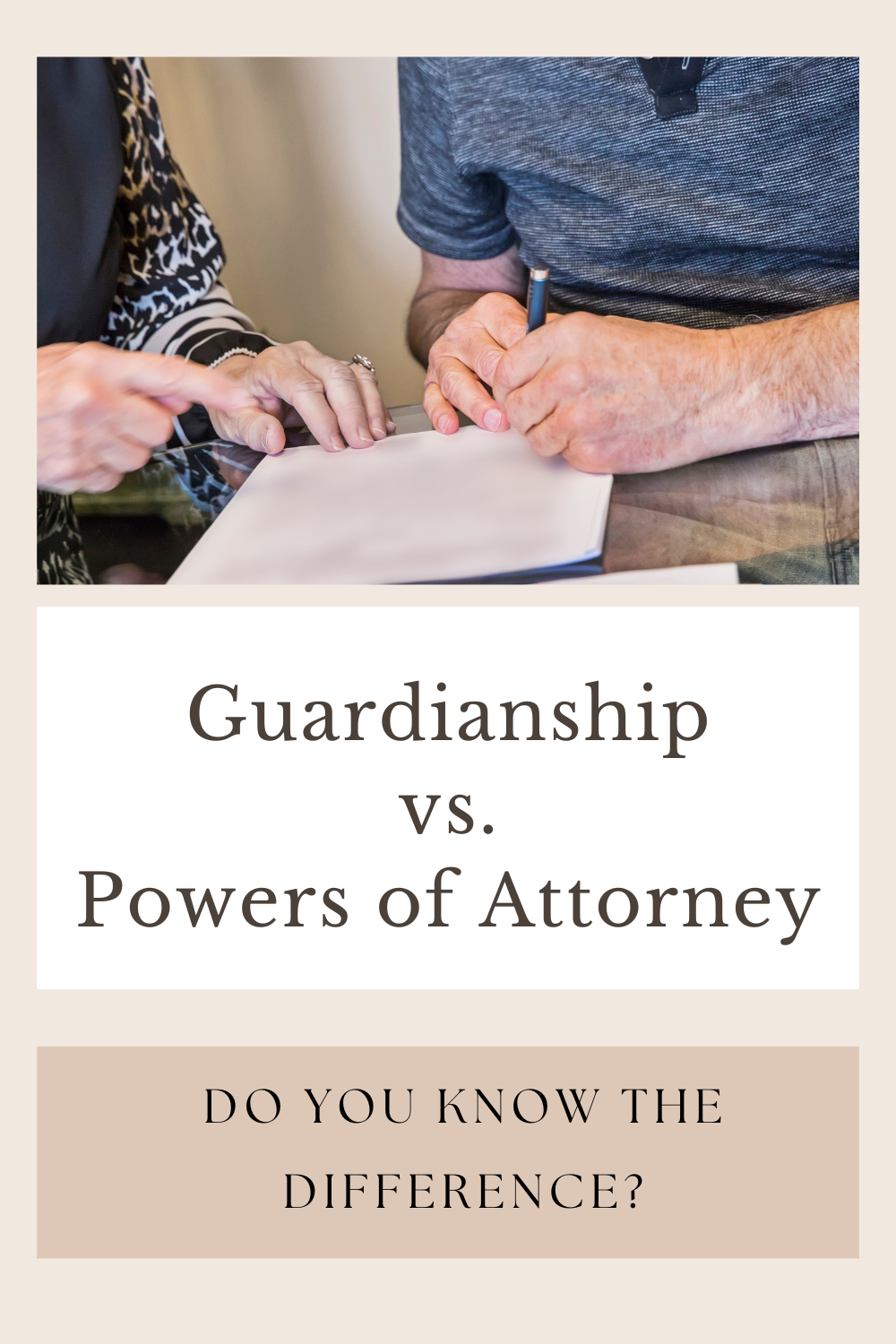
Guardianship Versus Powers of Attorney
Guardianship Versus Powers of AttorneyOne of the most common questions I get as a practicing elder law attorney is, what is the difference between guardianship and a power of attorney? A power of attorney is a document that a person executes when they are competent to appoint someone to be their agent for either healthcare matters, financial matters or both. The defining characteristics of powers of attorney is that it is a voluntary action by the person, and it can be revoked at any time so a power of attorney cannot be used to trump someones free will in order to place them in a facility for example, against their wishes.A guardianship is a process where one typically files a pleading, requesting to be appointed as a persons guardian. In this case, we must demonstrate that the person we seek to protect is incompetent to manage either their healthcare, or their finances, or both.The guardianship typically comes about in two primary ways. First, if the person we seek to protect never executed a power of attorney, and now is incapable, a guardianship would be necessary in order to handle things like an admission to a hospital or long-term care facility because no one has been appointed to consent to treatment for them. Second is a situation where the person we seek to protect is actively combative to the plan in place to handle their health matters. In this case, we must seek guardianship in order to overcome their wishes, particularly if they are unwise. For example, if your parent develops dementia, but insists that there is nothing wrong with them, that they should continue to drive and live independently and manage their medication, despite evidence that those things are dangerous in their current condition, guardianship is typically necessary in order to restrict their freedom.In some states, like Florida, the guardianship will also cover financial matters. in Alabama, the conservatorship is established at the same time as a guardianship in order to handle healthcare matters for those cases where there is no power of attorney, and the conservatorship is necessary in order pay their bills, access finances, and so forth.To establish financial guardianship, no matter what its called, we typically must be bonded so the person who is applying must be credit worthy and able to obtain a bond from a surety company. This ensures that the persons financial well-being is well taken care of. If there is no one available, or if no one wishes to handle finances, every county typically has, or can appoint someone, as a county conservator to serve as that persons conservator. This is helpful in cases where its a very difficult or complex financial situation. Then it may be preferable to have a professional appointed and giving a relatively small fee for doing so. This leaves the guardian to care for the healthcare of the individual without the added stress of complicated financial matters. Contact an elder attorney for more information about what your needs are and please dont put off executing a power of attorney in favor of those people that you trust as soon as you can to avoid what could be difficult and unnecessary proceedings in Probate Court down the road.This article was contributed by Kyla Kelim with Aging in Alabama. Kyla is an experienced Elder Law attorney. Contact Kyla at 251-281-8120.
Feb 28, 2024

When Should You Trust AI and When to Call a Professional
When Should You Trust AI - and When Is It Time to Call a Professional?Voice assistants and artificial intelligence (AI) have become part of everyday life. Whether you're asking Alexa about today's weather, using Siri to set a reminder, or searching Google for quick answers, these tools make finding basic information easier than ever.But when it comes to important life decisions involving your health, finances, legal affairs, or estate planning, AI should be viewed as a starting pointnot the final authority.AI Is Helpful for Simple QuestionsArtificial intelligence excels at answering straightforward questions with factual answers. For example, it's useful for finding:Today's weather forecastLocal sunset timesHoliday schedulesGeneral definitionsBasic educational informationThese are questions with objective answers that don't depend on your unique circumstances.Why AI Isn't a Substitute for Professional AdviceAI gathers information from countless online sources, which may include outdated, incomplete, or inaccurate content. While these systems can summarize information quickly, they cannot fully understand your personal situation, family dynamics, medical history, financial goals, or legal needs.That's especially important because no two individuals or families have identical circumstances. What works for one person may not be appropriateor even safefor another.Think of AI as a research assistant that can help you develop questions before meeting with a qualified professional, rather than as someone who can make important decisions for you.Estate Planning Requires Personalized Legal GuidanceCreating a will, trust, or other estate planning documents involves much more than filling in blanks on a form. Every estate is different, and state laws vary significantly.An experienced estate planning attorney can help ensure your documents:Reflect your personal wishesComply with current state lawsProtect your assetsAddress family dynamicsMinimize future legal complicationsUsing AI or generic online templates without professional review can result in costly mistakes that may not become apparent until years later.Medical Advice Should Come From Healthcare ProfessionalsOnline information can help you better understand a medical condition or prepare questions for your next appointment. However, AI cannot perform physical examinations, review diagnostic testing, or evaluate your complete medical history.If you're making decisions about medications, treatments, or changes to a healthcare plan, those conversations should always involve your physician or healthcare provider.Financial and Tax Planning Deserve Expert ReviewFinancial planning and tax strategies are highly individualized. Retirement income, investments, insurance, tax laws, and long-term financial goals all require careful evaluation.Certified financial professionals and tax advisors can provide recommendations based on your complete financial picturesomething AI cannot accurately replicate.Review Important Plans RegularlyYour legal, financial, and healthcare plans should evolve as your life changes.Major life events such as retirement, marriage, divorce, the birth of grandchildren, changes in health, or the purchase or sale of significant assets are all good reasons to review your plans with the appropriate professionals.Regular updates help ensure your wishes remain current and your documents continue to meet your needs.Use Technology WiselyArtificial intelligence is a valuable tool for learning, gathering background information, and preparing thoughtful questions. However, when the stakes involve your family's future, your health, or your financial security, professional guidance remains essential.Technology can provide information. Qualified experts provide advice that is tailored to your unique circumstances.Learn MoreTo learn more about Aging in Alabama, visit their profile on SeniorsBlueBook.com.Click Here for More Information
Jul 23, 2026
Responsibilities Every Family Should Understand
Serving as a Conservator: Responsibilities Every Family Should UnderstandBeing appointed to manage another person's finances can feel like an act of love and responsibility. It can also involve much more work than families initially expect.A conservator may need to organize bank accounts, protect property, pay essential expenses, keep records, and report to a court. Financial decisions that once seemed routine may now require careful documentation or specific judicial approval.For someone caring for an older parent or other loved one, the responsibility can be especially challenging.Family members may disagree about expenses, beneficiaries, or property decisions. Healthcare needs may change. Financial records may be incomplete, and important bills may arrive before the new conservator understands every account.For families throughout Baldwin County, Alabama, understanding the legal duties of conservatorship can help avoid mistakes and protect the person whose property is being managed.Aging in Alabama, an elder law practice associated with attorney Kyla G. Kelim, focuses on elder law matters affecting older adults and their families.While the probate court establishes the conservator's legal authority, an attorney familiar with Alabama law can help explain responsibilities and court procedures.Knowing what conservators are expected to do can make court-supervised financial management more organized, transparent, and accountable.Conservatorship Is a Legal ResponsibilityA conservator is appointed by a court to manage property or financial affairs on behalf of a protected person.The conservator's authority is not based merely on being a relative or having previously assisted with bills.Court Appointment Changes the RoleAn informal helper may pay a bill with the person's permission.A conservator acts under legal authority established through court proceedings.Responsibilities Must Be Taken SeriouslyA conservator may be required to preserve property, manage funds appropriately, and report financial activity.The Protected Person Comes FirstThe primary purpose of conservatorship is to protect the interests of the individual whose affairs are being managed.Understanding the Court OrderThe court order is one of the most important documents a conservator receives.It establishes the legal appointment and may define particular restrictions.Review the Order CarefullyThe appointed individual should understand:The scope of authorityAny limitationsBond requirementsReporting dutiesRequired approvalsApplicable deadlinesKeep Appointment Records AccessibleFinancial institutions and other organizations may request proof of authority.Do Not Assume Unlimited PowersCertain transactions require prior court approval.A conservator should ask a qualified attorney before taking actions outside clearly authorized powers.Protecting the Person's Existing AssetsOne of the first challenges may be identifying all relevant financial resources.Assets May IncludeBank accountsRetirement-related accountsInvestmentsVehiclesReal estatePersonal propertyInsurance interestsMoney owed to the protected personGather Accurate RecordsAccount statements, property deeds, insurance documents, and relevant financial records may be needed.Protect Against LossProperty should be secured and managed according to applicable legal responsibilities.Preserve Financial HistoryRecords may be necessary for inventories, accountings, and later court review.Preparing the Required InventoryBaldwin County Probate Court explains that a conservator must prepare an inventory of the protected person's estate.Its published guidance states that the inventory must be filed within 90 days after appointment.What the Inventory DoesIt provides a record of the assets under the conservator's management.Accuracy Is ImportantOmitted accounts or incorrectly described property can complicate later reporting.Obtain Appropriate ValuationsCertain assets may require professional valuation or additional documentation.Meet the DeadlineConservators should review their appointment documents and work with counsel to comply with required filings.Understanding the Conservatorship BondBaldwin County Probate Court identifies a bond requirement for conservatorship, subject to applicable exceptions.Why a Bond May Be RequiredA bond provides financial protection in connection with the conservator's legal responsibilities.The Amount Can VaryThe court determines applicable requirements according to the circumstances and law.Do Not Assume a WaiverThe county's guidance identifies certain circumstances in which a bond requirement may be waived.Ask Before ActingThe appointed conservator should understand how bond requirements affect the appointment and ongoing administration.Managing Daily Financial ObligationsA conservator may become responsible for ensuring that essential expenses are handled appropriately.Common ResponsibilitiesThese can include:Paying housing expensesMaintaining appropriate utilitiesHandling insurance costsPaying taxesPreserving propertyReviewing service invoicesManaging approved care-related expensesSpending Should Benefit the Protected PersonPersonal use of protected funds is not acceptable merely because the conservator is a relative.Keep RecordsDocument payments, receipts, reimbursements, and relevant financial decisions.Keeping Conservatorship Funds Properly DocumentedTransparent financial management is essential.Good Recordkeeping PracticesMaintain complete bank statementsSave receiptsKeep transaction descriptionsTrack incomeRecord expensesRetain tax documentsPreserve court correspondenceAvoid Mixing Personal and Protected FundsCommingling funds can make it difficult to demonstrate how money was handled.Use Authorized AccountsAsk the attorney and financial institution how conservatorship accounts should be titled and administered.Reconcile Accounts RegularlyPeriodic review can reveal errors and missing transactions before required reports become due.What Financial Decisions Require Court Approval?Alabama law distinguishes actions that a conservator may be authorized to take without advance court permission from transactions requiring prior authorization.Baldwin County Probate Court Identifies Certain Transactions Requiring ApprovalThese can include:Selling or otherwise disposing of real estateCertain major property arrangementsCertain business-related decisionsLong-term lease transactions beyond specified limitsRoutine Transactions May DifferSome authorized management activities, such as paying appropriate expenses or managing investments, may fall within the conservator's ordinary powers.The Court Order ControlsA specific order may further limit authority.Get Legal Advice Before Major TransactionsSelling a home or entering a significant agreement should not be treated as routine without reviewing the applicable requirements.Managing Real Estate ResponsiblyProperty ownership can create ongoing obligations.A protected person's home may require insurance, taxes, repairs, maintenance, or other financial decisions.Common QuestionsIs the property occupied?Who is responsible for upkeep?Can the conservator authorize repairs?Is rental appropriate?Would a sale require court approval?Are there Medicaid implications?Property Decisions Have Long-Term ConsequencesA sale may affect housing options, finances, public benefits, or estate planning interests.Court Approval May Be NecessaryBaldwin County Probate Court's guidance identifies real estate disposition among transactions that may require prior court authorization.Coordinating Finances With Care NeedsConservatorship often occurs while an older adult also has changing support needs.A conservator may need to arrange appropriate payments for authorized services.Care-Related Expenses May IncludeHousingPersonal assistanceTransportationMedical equipmentInsurance premiumsFacility expensesHousehold supportFinancial Authority Is Not Automatically Medical AuthorityA conservator's responsibilities differ from those of a guardian or healthcare decision-maker.Coordinate With Appropriate RepresentativesThe conservator may need to communicate with healthcare professionals or family members within authorized legal boundaries.Understanding Conservatorship and MedicaidSome protected individuals receive Medicaid or may need to apply for long-term care assistance.Financial management decisions can affect eligibility.Important ConsiderationsIncomeResourcesAsset transfersProperty ownershipFinancial reportingAllowable expensesMedicaid Has Its Own RulesA transaction allowed under conservatorship law is not automatically neutral for Medicaid purposes.Legal Coordination MattersBefore transferring or selling substantial assets, ask an Alabama elder law attorney about relevant Medicaid consequences.Agency Approval Remains SeparateThe Alabama Medicaid Agency determines program eligibility.Managing Family ExpectationsRelatives may have opinions about how the protected person's money should be used.Some may request reimbursement or believe certain property should be preserved for future inheritance.The Conservator's Duty Is DifferentThe conservator's responsibility is to act for the protected person's benefit under applicable law and court orders.Family Agreement Is Not Always Legal AuthorizationEven if several relatives agree, certain transactions may still require court permission.Communicate AppropriatelyWith due regard for privacy and legal responsibilities, explain the conservator's role and the limits of their authority.Resolve Disputes LawfullySignificant conflicts may require legal advice or court direction.Reporting to the Probate CourtConservatorship involves ongoing court accountability.Baldwin County Probate Court's published guidance states that conservators must submit an accounting at least every three years, with the court able to require more frequent reporting.An accounting may also be required when the conservator resigns or is removed.Financial Reports May AddressMoney receivedExpenses paidAssets heldSignificant transactionsChanges in propertyOther court-required informationKeep Records From the BeginningPreparing for the first accounting is easier when bookkeeping begins immediately after appointment.Follow Specific Court InstructionsThe appointment order or later orders may impose additional reporting requirements.Understanding Compensation and ExpensesSome conservators may be entitled to reasonable compensation or reimbursement of appropriate expenses under applicable law.Compensation Is Not Automatic Spending PermissionThe amount and process must comply with the relevant authority and legal rules.Keep Supporting DocumentationRecord expenses and distinguish reimbursements from compensation.Avoid Conflicts of InterestThe conservator should never assume that managing a relative's finances permits personal benefit without authorization.What Happens if the Conservator Cannot Continue?An appointed conservator may become ill, relocate, or otherwise be unable to perform the role.Do Not Simply Stop Managing ResponsibilitiesThe court may need to be involved in resignation or replacement.A Successor May Be NecessaryThe court decides who will hold authority under applicable legal standards.Prepare Records for TransferComplete financial records can make transitions easier.Seek Guidance PromptlyAn attorney can explain resignation, reporting, and successor appointment procedures.When the Protected Person's Circumstances ChangeConservatorship arrangements are not necessarily static.The person's abilities, financial situation, care requirements, or living arrangements may change.Circumstances Worth ReviewingImprovement in decision-making abilityNew medical needsChanges in assetsSale or purchase of propertyChanges in incomeSignificant family developmentsReport Issues as RequiredSome changes may require new legal advice or court action.Respect Continuing RightsA conservatorship should not be treated as a reason to exclude the protected person unnecessarily from decisions they can still understand or participate in.Working With an Elder Law AttorneyThe legal and financial responsibilities of conservatorship can become complex.An attorney may assist with understanding the order, identifying required court approvals, preparing reports, and responding to legal questions.Questions Worth AskingWhich actions can I take independently?Which transactions need approval?How should accounts be maintained?When is the inventory due?What records should I keep?How often must I report?What should I do if family members disagree?How do Medicaid rules affect the estate?Aging in Alabama's PracticeAging in Alabama focuses on elder law matters and related legal planning.Families can contact the practice to inquire about its current conservatorship-related services and consultation arrangements.Expert Tip: Keep a Conservatorship Transaction LogConservator Recordkeeping Tip: Record every financial transaction involving the protected person's property, including the date, purpose, amount, payee, and supporting documentation. Review the log against financial statements regularly and preserve the records for court accountings.Consistent documentation can help demonstrate responsible management and reduce complications during judicial review.Frequently Asked Questions1. What is the main responsibility of a conservator?A conservator manages the protected person's property and financial affairs within the authority granted by Alabama law and the court, with responsibilities involving preservation, appropriate spending, and accountability.2. Does an Alabama conservator have to file an inventory?Yes. Baldwin County Probate Court's published guidance states that conservators must file an inventory within 90 days after appointment.3. Can a conservator sell the protected person's home?Real estate transactions may require prior court authorization. The conservator should review the court order and consult legal counsel before proceeding.4. How often must a conservator provide financial accountings?Baldwin County Probate Court states that accountings are required at least every three years, although the court may order more frequent reporting.5. Can a conservator also make healthcare decisions?Conservatorship primarily concerns property and finances. Medical and personal care authority may involve guardianship or other valid legal appointments. The scope must be established from applicable documents and court orders.Protecting Assets Through Careful OversightServing as a conservator can be a substantial responsibility.The role involves protecting property, managing financial obligations, keeping reliable records, and following court requirements.For families in Baldwin County, Alabama, understanding these duties before accepting an appointment can help reduce confusion and financial mistakes.Conservatorship is intended to protect the interests of the person who needs assistance, not simply transfer control to another family member.Appropriate legal guidance can help conservators understand their authority, meet reporting obligations, and handle major transactions responsibly.Learn More About Aging in AlabamaVisit Aging in Alabama's Conservatorship listing on SeniorsBlueBook.com: