
Continue Your Search! Explore More Local Options.
Start SearchingLet’s engage and get educated!
Browse through thousands of expert articles in over 100 different categories.
Browse NowArticles You May Like

Science Says: Birdwatching Makes Us Happier!
If chirping birds make you happier, youre not alone.Birdwatching and particularly identifying new species lightens peoples moods and provides as much satisfaction as getting a $150-a-month raise, according toa new study by German researchers.Spending time outdoors in nature has long been linked to better mental health. This new research specifically demonstrates that living and birdwatching in areas with at least 14 different varieties of birds can improve human well-being. The happiest people, researchers found, experience numerous different bird species in their daily life.Finding a little bit of happiness in the smallest things is nothing new at Tracy Aviary. Our newest residents, a pair of adorable baby burrowing owls called Ruthie and Ginsburg, are proof of that. Bigger birds make us happy, too, judging from the oohs and ahhs we hear when people visit the aviarys majestic bald eagles, golden eagles, and our Andean condor, some of the largest flying birds in the Western Hemisphere.So, when youre feeling down and need a pick-me-up, just step out into your backyard or the park down the street, look up and listen to the soothing calls and chirps of our feathered friends. Better still, plan a visit to the Tracy Aviary soon and be completely immersed in the spirited sounds of sanity. Odds are and science says youll leave feeling lighter, happier, and in a much better mood!
Jun 29, 2021

Young Plants, A Bright Future
What do a horticulturist, an educator, a Nature Center manager, a conservation biologist, and a CEO have in common?For starters, they all work at Tracy Aviary. But more importantly, this hodgepodge of professionals strapped on their masks and pulled on their gardening gloves to bring a long-anticipated vision to life: restore the meadow along the Jordan River.On April 29, ten members of the Tracy Aviary team got to mulch, dig, and water to install Monarch ButterflyWaystationsalong the Jordan River Parkway Trail in South Salt Lake. These waystations are five 10 x 10 garden plots installed along a quarter-mile stretch of the trail. In each plot, Aviary staff planted wildflowers and plants native to Utah. These plants are well-adapted for our dry climate and are expected to fare well in the sandy soils found in this part of the river trail. These plants are: yellow cleome, showy milkweed, rabbitbrush, oakleaf sumac, sulfur buckwheat, fourwing salt brush, big sagebrush, cliff rose, little bluestem, and firecracker penstemon. Since their planting, bikers, walkers, and runners on the trail have been stopping by to curiously look at the progress ofthesebaby plants.Early on in the Coronavirus outbreak in Utah, project leads Anne Terry, Lucila Fernandez, and Matthew Utley spent weeks planning how to mitigate transmission risk during the Waystation project. What was once an activity for a large-scale Earth Day event was scaled down to a staff-run activity. It is now maintained by small crews of volunteers. Featured here (left to right): Matthew Utley, Kate Kohut, and Anne Terry.What is the purpose of a Monarch Waystation?These garden plots of native plants and wildflowers are specifically designed and certified as habitats for Monarch Butterflies to find shelter, food, and a place to lay their eggs. The Monarch Waystation Programis a hemispheric effort to create safe migratory highways for Monarch butterflies by encouraging groups and individuals to set up such gardens along the annual flight path of these brilliantly colored,ecologically significantand culturally reveredbutterflies.A flight path is technical jargon for the route of their movements each year. The Monarch butterflies that we see in Salt Lake migrate twice a year. In early February-March, they fly north from central Mexico into the California coastline and the intermountain Rockies. Then, in late September - October, they migrate south back to Central Mexico. These Waystations are to the Monarch butterflies as gas stations and hotels are to humans; the butterflies use the Waystations as places to refuel and destinations to stay in.For Monarchs, the Waystations are especially important because they require the planting of native milkweeds for certification. Monarchs have a special relationship with milkweeds because it is their only food source. For this reason, Monarchs lay their eggs on milkweeds. Once the eggs hatch about four days later, the Monarch caterpillars go on a feeding frenzy on the milkweed leaves for about two weeks. At this point, they find a spot to form a cocoon, and emerge as a butterfly about 10 days later.Its not just about the Monarch butterfliesThe added benefit of focusing on making safe, healthy habitats for a species like the Monarch Butterfly is that doing so also provides space, shelter, food, and water for many other animals. Pollinators, animals that feed on nectar or seeds of plants and spread pollen due to contact with various plants, use these gardens, too. Some of the frequent visitors include: hummingbirds, bees, beetles, and bats. Many of these pollinators undergo similar migrations to the Monarch Butterfly and may also take advantage of large-scale networks of pollinator gardens and restored meadows, like Monarch Waystations, to successfully make this bi-annual trek! Other animals, like American goldfinch, stay year-round and will take advantage of the resources made available to them in these plots throughout the entire year.Many trowels, many hands; the more, the merrier for pollinators!Tracy Aviary is not the only entity in Utah that is installing Monarch Waystations along the Jordan River, and the Monarch Butterflies will benefit because of it! As with many conservation efforts, it takes a village to address issues hurting the land, as well as restore and care for its waterways, soil, plants, trees, and animals (including us humans). In the case of the Monarch Waystation, our counterparts atUtahs Hogle Zooand The Jordan River Commission successfully installed Monarch Waystations along the Jordan River, too.As noted, it takes many people to coordinate a well-supported, and sustainable, project like a Monarch Waystation. Some plantings of this nature suffer because the coordinating body (in this case, Hogle Zoo) commits to follow-up care. This is troublesome for organizations that have limited capacity in the form of staff time to water growing plants and trees, and funding for supplies to water and weed.On planting day in early May, 10 volunteers and interns came to assist with the preparation of the plots and the heavy-lifting of installing the native seedlings. They also made seed balls, which are balls of clay and mud packed with native seeds. These seed balls are used as low-maintenance ways to proliferate wildflowers and native plants. Now, an enthusiastic neighbor whose home is nestled against the plots waters and weeds these gardens. He is especially watchful forwhitetop, a perennial with little white flowers from southwestern Asia that is very good at taking over space and soil nutrients that otherwise would be suitable for Utahs native plants. Hogle is now committed at a practical, and manageable scale: to periodically check in and assess additional action, as needed.With a similar thought process in mind,Tracy AviarysJordan River Nature Centeris working with volunteers from the mensHomeless Resource Centerin South Salt Lake to maintain Monarch Waystations. Once a week, a small crew of volunteers come from the shelter, put on their masks, and regularly sanitize their hands and shared equipment to visit each of the five plots and give them some TLC.Piecemeal RestorationThe pipe dream for the Tracy Aviary Jordan River Nature center is to bring back fields of thriving, vibrant wild meadow in James Madison Park, along with participating in a budding network of such meadows along the full 52-mile stretch of the Jordan River. However, as a Nature Center that is just starting up, our team does not want to compromise the implementation of such ambitions by biting more than we can chew.Installing, maintaining, and monitoring plant and pollinator activity at Monarch Waystations is an example of an intentional, step-by-step approach to restoration. Instead of weeding, replanting, and watering larger tracts of land in one go, Tracy Aviary hopes to break down the restoration of meadow habitats along the river with finite, manageable goals like expanding the Monarch Waystation network, one plot at a time. This allows us to evaluate how well management of the plots are going, and adjust accordingly as we proceed into subsequent steps to bring wild meadows back to the Jordan River.
Jun 29, 2021

A Partnership for People and Plants
Within months of each other, Tracy Aviary and The Road Home, an organization dedicated to helping people out of homelessness, moved into the same neighborhood in South Salt Lake. The Road Home began operating a new Mens Resource Center, which provides shelter and services, in the fall of 2019. Right next door, Tracy Aviary opened its new Jordan River Nature Center, our second campus, focused on a local urban riparian habitat. From early planning stages, Tracy Aviary has been invested in making the Nature Center a place for all of its neighbors, including guests of the Resource Center. While our two organizations have very unique missions, we saw boundless opportunities to collaborate and quickly formed a partnership to explore how the Nature Center could support the guests of the Resource Center.We initially considered bringing a nature-focused lecture series to the Resource Center, but when the pandemic hit, it became apparent that we should pursue the safer option of outdoor activities. At the same time, Tracy Aviary was planning habitat restoration efforts to support birds, butterflies, and bees. In spring of 2020, through funding from the Association of Zoos and Aquariums, Tracy Aviary staff planted five native plant gardens along the Jordan River Parkway south of the Nature Center. While these plants are drought-tolerant, we wanted to help them get established by watering and weeding for at least their first year.When asked if the guests of the Resource Center might be interested in helping care for the plants, The Road Home staff thought it was worth a try. We set up a weekly schedule in which anyone at the Resource Center that morning could join us, masked and socially distanced.Our expectations have been greatly exceeded! With consistent support from Resource Center guests, the plants are thriving and theyre not the only ones. The Road Home sends staff along each week, and walking the trail together affords them an opportunity to have individual conversations with the guests, getting to know them better, making them aware of the resources available, and offering words of encouragement. The walks make the guests aware of the Parkway as a place of respite and give them a dedicated time to experience some of the mental and physical health benefits of time spent outside with supportive people. We also seek to build connections between guests of the Resource Center and other community members, so signs on the gardens proudly announce who cares for them. We see something as simple as a trail user taking the time to thank them while theyre caring for the plants as a big win.This is just the beginning. Tracy Aviary is excited to continue our partnership with The Road Home and to build more community partnerships like this one. Learn more about the Jordan River Nature Center atwww.jordanrivernaturecenter.org.-Anne Terry, Director of Education
Jun 29, 2021

Keeping Birds Safe While Dealing with Unwanted Rodents
Dealing with unwanted rats, squirrels, or otherrodents? Dont immediately reach for the rodenticide! Poisoned rodents look like easy prey for raptors such as owls and hawks, but rodenticide can be lethal to birds, other wildlife, and even local pets. Glue or sticky traps can also unintentionally harm songbirds that may get stuck in them. Luckily, there are safer alternatives to keep unwantedrodentsout of your home and property.Before resorting to rodenticide bait, try these raptor-friendly alternatives:Seal entry points into the home, and use mesh and vent covers to keeprodentsout in the first place. Use at least a 1/4x1/4 metal mesh to protect crawl spaces and under-porch areas.Eliminaterodentattractants such as unsealed food, leaky pipes, pet food, and open trash containers.Use electronic traps or snap traps to humanely kill the remainingrodents. Snap traps should be placed inside a crate or other enclosed area with small openings so they are only accessible to the target rodents.
Jun 29, 2021
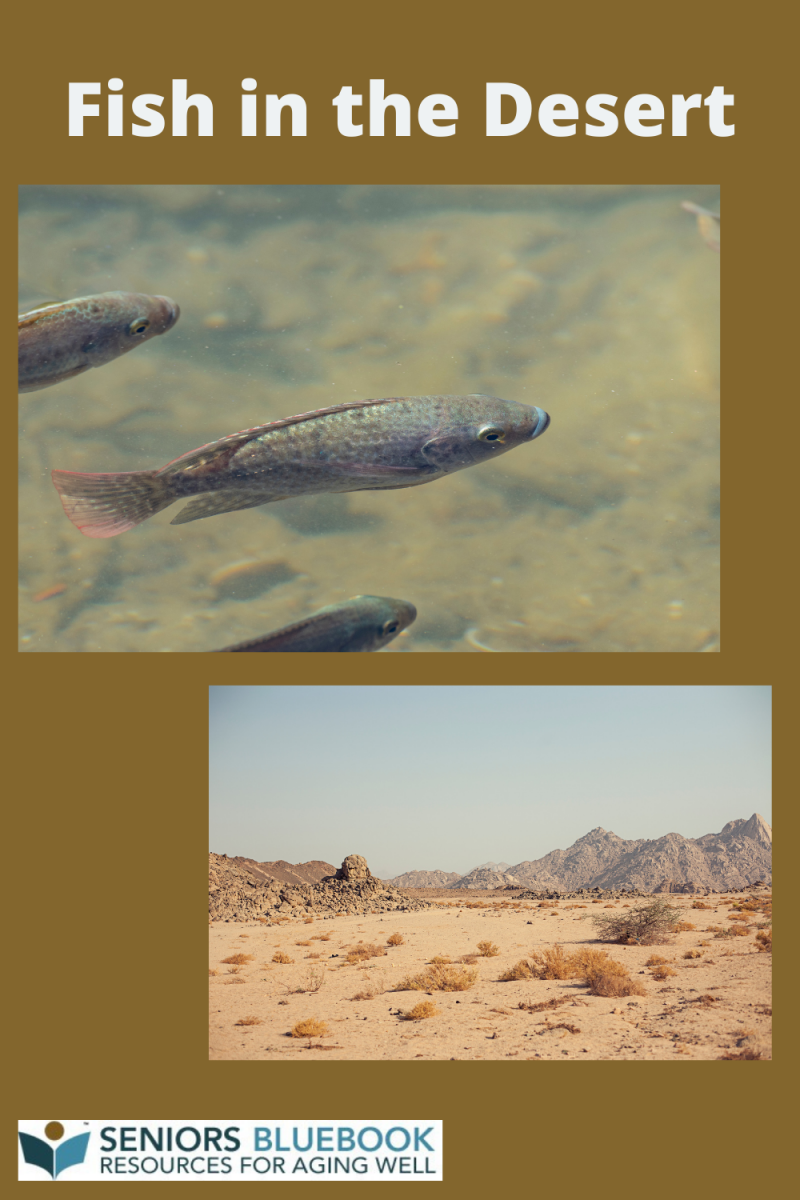
Fish in the Desert
Fish? But I thought Tracy Aviary was all about birds!Birds and fish are closely connected. In the wild, birds rely on fish as their food source. Even here at Tracy Aviary some of our birds eat fish as part of their diet, including our American White Pelicans. By being conscientious about which fish we eat, we can help ensure a sustainable fish supply in the oceans for years to come.We may not live near the ocean, as much as Id like to imagine Great Salt has hidden tidepools on the west shore. But that doesnt mean we cant still enjoy some nice sushi or grilled salmon. Fish is imported here from all around the world, so there can be a wide range in how sustainably that fish is caught or raised.Try to get fish that is caught or farmed in a way that doesnt harm the environment or other wildlife. That includes:Species has a healthy population (Not overfished)Fishing gear has a minimal impact on the environment (no dredging!)As local as possible (other countries may have weaker fishing regulations)There are so many different types of fish, and so many different ways to farm them or catch them, that it can be overwhelming. Ponds, pens, raceways, recirculating tanks, trolling, purse seining, trawling (bad! It scrapes the seafloor), gillnetting, harpoons, longlining, pots. I even learned a few new things myself while writing this! How are you supposed to know which exact fish to buy? Thats where the Monterey Bay Aquarium Seafood Watch guide comes in handy.If youre looking for shrimp, go for US farmed instead of imported. If youre more of a salmon person, they recommend buying salmon from New Zealand, as opposed to salmon from Chile, Norway, or Scotland.