Home Instead - Uniontown
659 Old Pittsburgh Road, Uniontown, Pennsylvania, 15401
Counties Served: Pennsylvania - Fayette, Greene
Non-Medical





About Home Instead - Uniontown
Non-Medical
- https://www.homeinstead.com/home-care/usa/pa/uniontown/793/
- 26543601
- Private Pay, Long Term Care Insurance, Veterans Administration
- 4
- Activities, Housekeeping, Meals/Meal Options, Transportation, Medication Reminders, 24 Hour Contact, Free Assessment, Yard Work
- 24 Hour Care, Home Care/Personal Assistance/Companion, Alzheimer's/Dementia Care
- Insured
Additional Levels of Care Offered
Home Instead Senior Care - Beaver & Butler Counties
Non-Medical 22410 Perry Hwy, Butler County, Zelienople, Pennsylvania, 16063
Home Instead Senior Care - Central Pittsburgh
Non-Medical 21 Yost Blvd Ste 400, Allegheny County, Pittsburgh, Pennsylvania, 15221
Home Instead Senior Care - Southwest Allegheny County
Non-Medical 100 Fleet Street, Pittsburgh, Pennsylvania, 15220
Home Instead Senior Care - Washington
Non-Medical 100 Adios Drive, Suite 1128, Washington County, Washington, Pennsylvania, 15301
Videos
Continue Your Search! Explore More Local Options.
Start SearchingLet’s engage and get educated!
Browse through thousands of expert articles in over 100 different categories.
Browse NowArticles You May Like

Depression, Heart Disease, DiabetesCould it be Low Vitamin D?
It can be difficult to determine whats triggering the depression youve been noticing in your aging loved one. It could be the loss of a family member or friend, a health issue, or even social isolation.Another important factor to consider is an older adults level of Vitamin D. A deficiency in this vitamin has been found to lead to depression, as well as other health issues such as heart disease and diabetes in older adults.A visit to the doctor can help to determine if Vitamin D could be the source of an older adults depression or other health concerns.The Facts about Vitamin DVitamin D is naturally present in some foods such as fatty fishes and is also produced when ultraviolet rays from sunlight strike the skin and trigger vitamin D synthesis.Because many older adults have the tendency to be more isolated, and likely inside, there is a good chance they have not been getting as much sunlight as they would in a normal year. Furthermore, studies show that older adults may need to spend more time outside than others to receive the same amount of vitamin D.The Risks of Low Vitamin D Levels in Older AdultsSymptoms of depression in about 13 percent of older individuals have been linked to vitamin D deficiency, according to a study published by the U.S. National Library of Medicine. Vitamin D levels in blood were 14 percent lower in individuals with major and minor depression compared with non-depressed participants, according to the study.Another risk of low Vitamin D is heart disease. A study published in the Archives of Internal Medicine and reported by Harvard Health Publishing found that low blood levels of vitamin D were associated with a doubled risk of death overall and from cardiovascular causes in women and men (average age 62) referred to a cardiac center for coronary angiography causes.Preventative BenefitsVitamin D appears to have some preventative benefits as well. A study from the University of Warwick Medical School found that middle-aged and older adults with high levels of vitamin D could reduce their chances of developing heart disease or diabetes by as much as 43 percent.Researchers looked at 28 studies including 99,745 men and women across a variety of ethnic groups. These studies revealed a significant association between high levels of vitamin D and a decreased risk of developing three disorders:Cardiovascular Disease (33 percent reduction compared to low levels of vitamin D)Type 2 diabetes (55 percent reduction)Metabolic Syndrome (51 percent reduction)How Older Adults Can Increase Vitamin D Levels and Overall HealthOnce an older adult is diagnosed with a Vitamin D deficiency, its important to find ways to increase levels.Luckily, there are easy, non-pharmaceutical interventions, such as spending more time in the sunlight. Our time outside and with others has been limited over the past several months, but the benefit of getting fresh air and exposure to sunlight should not be forgotten, especially for older adults.Eating a diet rich in fatty fish and seafood (which have some of the most Vitamin D of natural food sources), as well as fortified foods like yogurts and cereals and supplements, is also important to raising Vitamin D levels.Good food sources of vitamin D, as outlined by the National Institutes of Health are: Food Vitamin D (IU, International Units)Salmon, 3.5 ounces 360Mackerel, 3.5 ounces 345Tuna, canned, 3.5 ounces 200Orange juice, fortified, 8 ounces 100Milk, fortified, 8 ounces 98Breakfast cereals, fortified, 1 serving 40100
May 20, 2025

Managing Dementia-Related Delusions
It can be one of the most upsetting things about being a family caregiver. Youre always quick to assist your mom at the drop of a hat. You spend hours helping her, take over household chores, drive her to medical appointments, struggle with her personal care. Yet instead of thanks, you get accusations: Youve taken my purse! Youre stealing my money. Then, as usual, after a few minutes search, the purse turns up under the pillow, where Mom hid and forgot it.Delusionsfixed, false ideasare a common dementia-related behavior. Often, they can simply be caused by the very nature of the forgetfulness of these diseases: Like many seniors, Mother hid her purse to keep it safe. However, she forgets that she put in under the pillow so now its missing. You are the only person who has visited; therefore, you must be the guilty party.Likewise, mistaken identity, another common delusion, can be caused by forgetfulness. As painful as it may be, your father may not remember what his wife, daughter, or son look like, so he no longer recognizes them. Or, forgetful and confused, he may think he is 40 years old, not 80, and so may mistake his grandson for his son.Sometimes delusions are more mysterious. A person living with dementia may decide that the neighbors have moved the fence in six feet during the night or that someone is constantly breaking into the house. In any case, delusions can be frightening and painful for both the individual and the family. Tips for Managing Dementia-Related DelusionsIn cases of mistaken identity, try offering some gentle cues. Gosh, honey, its me, Mary, your wife! You can help maintain anothers dignity by saying, Youve got such a sense of humor or I know I look young enough to be your daughter.Let the person know you have heard his or her concern. Mom, Im so sorry your purse is missing. That is upsetting. Lets look around just in case it accidentally got misplaced. You can then celebrate with a big smile and hug when you find the purse.Tell me about that purse. Is it the red one or blue one? Asking additional questions can allow the person to tell you more about worries and concerns.Dont argue. You can almost never talk the person out of a belief or concern or convince him that he or she is wrong. If your family member thinks the fence has been moved, say that you will work on getting to the bottom of the situation or call the city to investigate.Take advantage of the passage of time. Sometimes your best efforts will fail and the person will continue to express the delusion. If you provide ongoing reassurance and take a low-key approach, these delusions will often go away on their own.Try not to overreact or get upset, even if, like the false accusation, the delusion is upsetting. Remember, a real disease or disorder is attacking the brain. Its the disease at work, not the person.Delusions can be one of the most challenging symptoms of Alzheimers disease and other dementias. If they become overwhelming, consider consulting a professional. Reach out to the persons doctor, a geriatric care manager, or a professional caregiver who has received training in handling challenging dementia-related behaviors.
May 20, 2025
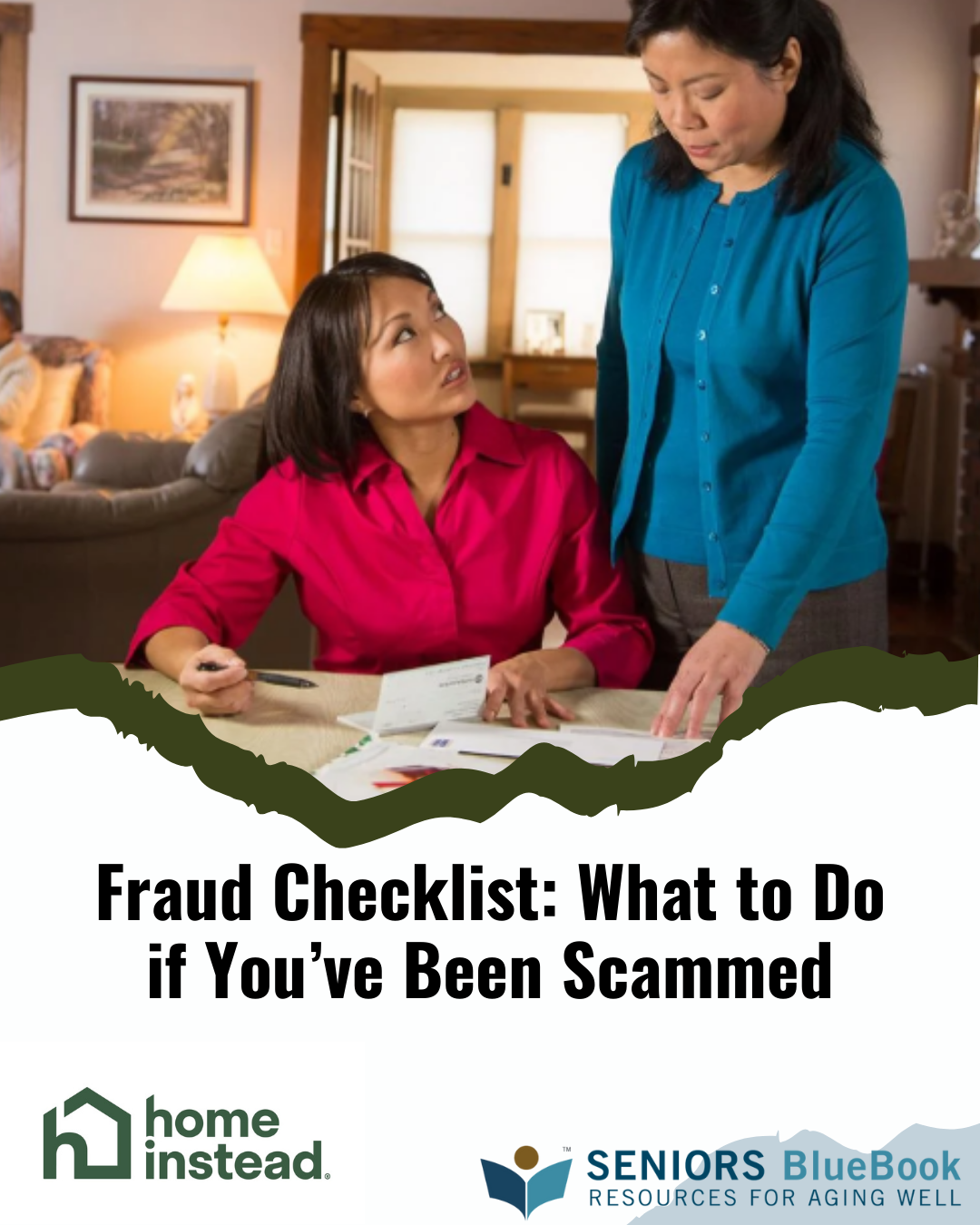
Fraud Checklist: What to Do if Youve Been Scammed
You thought this could never happen to you or your aging loved one: the heartbreaking loss of a hard-earned life savings as a result of a scam.But the growing incidence of older adult fraud is putting many in harms way. Its important to know how to move forward if fraud does occur.Steps to Take if You or Someone You Know is Scammed Close your accounts. If you notice any accounts under your name or that of an aging loved one that have been tampered with or opened without consent, close them immediately. Contact the police. File a report with your local police department. If the theft did not take place in your area, file a report with the police from the area where you believe the theft took place. Get a copy of the police report. You may need that documentation to support your claims to credit bureaus, creditors, debt collectors or other companies. If you are unable to obtain a copy of the police report, be sure to get the report number. Eliminate fraudulent new accounts. If a new account has been opened without you or your aging loved ones knowledge and consent, ask the company with which the account has been opened if it has a fraud department. Initiate a fraud alert. Place a fraud alert on the credit file that has been compromised as well as review the credit report. This will prevent a thief from opening any more accounts in you or your loved ones name. You should contact the major credit bureaus. If you place a fraud alert with one credit bureau, that credit bureau is required by law to contact the other bureaus. Follow-up. After a fraud alert is included in the credit history, you or your aging loved one is entitled to receive a free copy of his or her credit report from each of the credit bureaus. Important Documents for Victims of ScamsThe following are important documents to keep on hand if youve been scammed. If your aging loved one won't be able to keep the originals of some of these important documents, it is important that you make a copy. Police report Identity Theft Affidavit Bills with fraudulent charges Documentation of accounts opened in your name without your consent Copies of letters sent to credit bureaus and creditors Credit bureau contact information: Equifax- 800-525-6285 Experian- 888-397-3742 Transunion 800-680-7289 (U.S.) 800-663-9980 (Canada) If you or your loved one is a victim of fraud, acting quickly is key. Begin working through the fraud checklist above as soon as possible to help minimize the damage.
May 21, 2025

Communication Plays Critical Role in Dementia Care
Ineffective communication can eventually impact quality of care for an individual with dementia, noted University of Arizona Communication Professor Jake Harwood who served as an expert source for the Home Instead 40-70 Rule program.Tips for Talking to Someone Living with Alzheimer's or Another Form of DementiaSimplify Talk. Simplified speech can often be beneficial to people with dementia. In particular, keeping sentence structures simple is helpful. Multi-clause sentences that branch in different directions are challenging for many older adults and may be impossible to understand for those with severe cognitive impairments.Avoid Patronizing Talk. Baby talk is a style of talk that includes super short sentences, childish vocabulary (choo-choo instead of train), pet names (sweetie) and baby-ish intonation. There is no evidence that use of such communication is effective. In addition to being perceived as disrespectful, a patronizing style actually reduces cooperativeness and can make administering care more difficult.Take Time. Allowing pauses in conversation, being willing to repeat and elaborate, and waiting for a response all signal an openness to the conversational partner. These actions also allow the extra time the person with dementia might need to make connections and generate a response.Allow Choice. Even simple choices (Would you like X or Y?) grant personhood and offer opportunities for control in a life that is often lacking such chances. Choices with too many options (What do you want to do?) may be overwhelming for some dementia patients.Be Concrete. Abstract vocabulary, metaphors, colloquialisms and wordplay are unlikely to be successful. People with dementia respond to specific, concrete language, particularly language rich in concrete nouns and peoples actual names, rather than pet names or he or she.Use the Environment. Objects in the environment, such as photographs, food, music, people, or any number of other things can provide stimulation for interaction. Using this approach and encouraging the person with dementia to do so as well can help maintain communication.Talk to the Person. Above all, people with dementia deserve opportunities to have social interactions and experience conversational exchange. It is a basic responsibility for others to respond in an attempt to maintain interaction even when it appears to not be going anywhere. Conversations with people who have dementia are not normal conversations, and the goal shouldnt be to correct incorrect statements or to get a right answer. Instead, focus on feelings rather than facts.The opportunity for interaction of any sort is an opportunity to experience a fundamental human connection and is of value for people with dementia, Harwood said. Negotiating a successful interaction not only enriches the patients life, but it also makes our work as health care providers more interesting, rewarding, and satisfying.
May 20, 2025
Long-Term Care Insurance Explained
Do you have a long-term care insurance (LTCI) policy?Whats the correct answer to this question? Sometimes it can be tough to tell. You or a loved one may have taken out an LTCI policy years ago without mentioning it to anyone or giving it much thought. But for older adults and their loved ones, its worth finding out, because LTCI can help pay for a range of long-term care services. 3 LTCI Basic FactsThese policies vary widely, in terms of what types of services they cover. But all of them cover services specific to the long-term care needs of aging adults. Some of the most common services covered by LTCI include assisted living fees and in-home care. Below are three basic facts about LTCI.1. Each policy is unique to the person; no two policies are alike. This means that you need to uncover what a unique policy does and does not cover in terms of long-term care services.2. LTCI is more flexible than it once was. Many of the older policies limit covered services because newer offerings were not around when the policy was created. For example, if the policy does not have a home care benefit and the older adult wants to remain in their own home, there may be an opportunity to propose an alternate plan of care.3. Regardless of the type of care needed, the individual needs to meet the eligibility criteria before initiating a claim. It is important to have a clear understanding of the benefit eligibility criteria. Commonly, the insurance carrier will require that the individual needs assistance with at least two of the six Activities of Daily Living (ADL) bathing, dressing, toileting, transferring(moving to and from a bed or a chair), eating, and continence or require that they need supervision because of cognitive impairment such as Alzheimers disease or another form of dementia.It's important to note that every policy is unique specific to the individual for what it covers, whats excluded, and coverage limits.Speaking to the agent who sold the policy or to a representative of the insurance provider is a great way to be sure you fully understand the specifics of the LTCI policy.Key Questions to Ask the LTCI ProviderThese questions can help make the most of a conversation with the insurance agent or provider:What services are covered?How much does the policy pay per day, week or month for each type of service?How long will the benefit last?Does the policy ever expire? Is there a maximum lifetime benefit?Does the policy have a maximum length of coverage period for each service?What are the terms of the elimination period? In other words, how many days must I wait before benefits begin for the different types of services?Do I pay for the services out of pocket during the elimination period?Is there a buyout fee for the elimination period?How is cognitive impairment such as Alzheimers disease or another form of dementia covered?Does the policy require an assessment or physician referral, prior to a hospital stay, or other prerequisites for benefits to kick in?Comprehensive LTCI ResourcesFor more information on long term care insurance, review our comprehensive guide, which provides an overview of LTCI. The guide helps to better understand policy benefits, helps to determine care needs and provides tips to initiate a claim. It is also packed with resources for family members and care partners to help manage the stressors of caregiving and ways caregivers can start planning for successful aging.For additional financial resources, see our Home Care Funding Solutions Guide to help families navigate payment options for care. For those caring for someone living with dementia, financial support via the Dementia Home Care Grant may also be available to help cover the costs of in-home care.
May 21, 2025

10 Signs Medications Could be to Blame
Is it the pills or something else? When it comes to the issues of aging, it can be difficult to know for sure what might be causing problems that could range from potential health issues to the inability to maintain a home.Distinguishing between a medication side effect or reaction and an illness is a process best left to medical professionals. Its always important to check with a doctor before drawing any conclusions or discontinuing any prescribed medications, notes medical expert Dr. Jane Potter, clinic director for the Home Instead Center for Successful Aging at the University of Nebraska Medical Center. Medications should never be discontinued without a doctors orders.There are signs, though, that medications (or medication mismanagement) might be to blame for health issues.10 Signs Medications are Causing Health Issues1. New symptomsAny symptom that is new, such as dizziness or nausea, could be a medication side effect or reaction. Your primary doctor should know about all medications being taken, including new ones. To that end, its important to always provide all your doctors a list of medications you or a loved one is currently taking, including who prescribed the medications, to avoid drugs working against each other.2. A changing appearanceMedication problems might cause changes in skin tone and color, being sleepy, weight gain and fluid retention. Always investigate the cause of any of these changes by calling a doctor.3. Full pill bottlesFull pill bottles may mean that medications are not being taken. If you believe someone is confused about what medications to take or forgetting to take medications, that individual could be at greater risk of problems. Some medications can cause confusion that makes a person forget to take medicines or take too many. A service or pill organizer, which sorts medications into clearly labeled dose packets, can help someone stay on track.4. Mobility issuesDizziness and light-headedness are common side effects of many medications including those for high blood pressure. Those side effects can make walking worse in people who already have some trouble walking because of arthritis or other issues. Safety-proof a home from falls by removing or securing loose area rugs and other tripping hazards.5. Changes in thinking, reasoning or mental acuityThere are many potential causes of forgetfulness and confusion. One possible cause is medication problems, which include over-medication. Ask the doctor to fully assess any cognitive or mental changes. Medications could be to blame.6. Difficulty performing activities of daily livingAny potential medication side effects could make self-care harder for an aging adult, from bathing and toileting to eating and dressing. Thats why, if left unchecked by a doctor, some side effects of medications could lead to serious problems that make it harder to live at home. 7. Trouble sleepingSome prescription drugs, including antidepressants, could lead to insomnia and the need for sleep medications. Talk to a doctor about ways to help avoid these types of side effects.8. Change in appetiteSome medications impact appetite, either decreasing the appetite or, as is generally the case when taking a steroid medication, increasing hunger. If an older adult is having problems with appetite, ask the doctor about scheduling a meeting with a nutritionist.9. Difficulty maintaining a homeLets face itwhen someone is not feeling well because of issues with medications, keeping a home clean, preparing healthy meals, paying bills and running errands can become difficult. If you or a loved one are facing these issues, consider additional help in the home. The services of a home care company such as your local Home Instead office could help you or an older adult age safely at home. Learn more about the benefits of home care.10. Changes in overall well-beingWhen medications are not taken correctly, they can affect a persons well-being. Arrange to have medications reviewed at least yearly or any time there has been a change in prescriptions.Always consult with a doctor if you have any concerns regarding a medication regimen and management. And dont forget that your local pharmacist is available to answer questions and help you and your loved one understand how all medications will work together.
May 21, 2025

Signs that Spousal Caregiving May Be Becoming Too Risky for You
"Will you still need me, will you still feed me, when I'm sixty-four." --The Beatles, "When I'm 64"Times have certainly changed since Lennon and McCartney penned and sang those words in 1967. Medical and healthcare strides are allowing people to live well into their 70s and 80s. Despite those health advances, the fact remains that caring for a spouse in need, regardless of their age, is very demanding, stressful and could threaten your own health.One study from The Journals of Gerontology showed that caregivers suffered more psychological distress and fatigue than non-caregivers, and the length of service made a pronounced difference. Long-term caregivers had much higher rates of physical symptoms like headaches, body aches and abdominal discomfort.Spousal caregivers experiencing caregiver strain have also been shown to have mortality risks that are 63 percent higher than non-caregivers.As a caregiving spouse, you may begin to feel very isolated from friends and feel tremendous guilt about your own unmet needs. There can also be a sense of loss, especially if your spouse is living with dementia or Alzheimer's disease.So how do you know if caregiving is becoming too risky for you? Examine the list below and see how many apply to you.Risk Factors for Spousal Caregiver Physical Stress Delaying your own doctor appointments/ignoring your own health Not eating a healthy diet for lack of time Losing sleep and energy Giving up exercise routines for lack of time Overusing tobacco and alcohol when you feel stressed Risk Factors for Spousal Caregiver Emotional Stress Losing connections with friends for lack of time to socialize Bottling up feelings of anger and frustration and then being surprised by angry, even violent, outbursts directed at your spouse, other family members, co-workers - even strangers Feeling sad, down, depressed or hopeless Lacking interest in things that used to give you (and your spouse) pleasure Feeling resentful toward your spouse (blaming your spouse for the situation) Feeling that people ask more of you than they should Feeling like caregiving has affected family relationships in a negative way (annoyed by family members who don't help out) Get Help if You Need ItAll caregivers who feel overextended are at an increased risk for physical and emotional stress. Even if you are only experiencing two or three of the risk factors above, it is important to get help and support. The truth is your spouse/partner will be in better hands if you are healthy.If you are facing some of the signs listed above, consider talking with a healthcare professional to help you evaluate your situation. Try these self-care tips that will reduce caregiver stress, as well as the associated risks of ongoing stress.Most importantly, dont be afraid to ask for help if you need it. One of the best ways to avoid becoming overstressed is to enlist the help of siblings, other family members and friends.Respite care, which is simply a short break from caregiving, is another viable option. The care can occur at home and, when used over time, respite has been found to help caregivers continue to care for their loved one at home, preventing or delaying the need to move to a care community or facility.Discover the ways that professional caregiving services could provide a much-needed break.
May 21, 2025
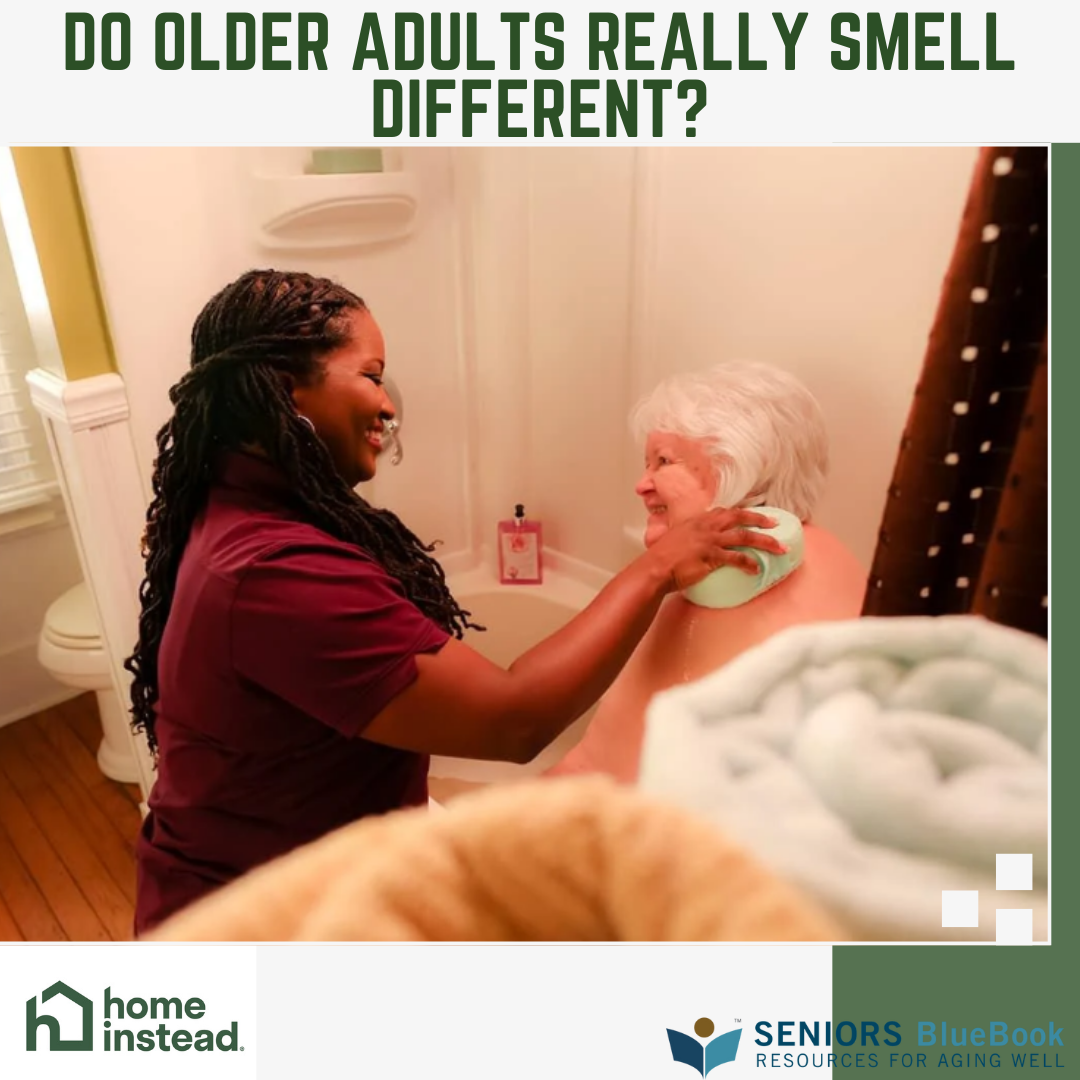
Do Older Adults Really Smell Different?
Odor its a touchy subject, especially when it comes to the scents that may be associated with humans and the aging process. Some have asked the question: Do older people really smell different?As it turns out, a significant amount of research has been done on the subject with mixed conclusions.What You Need to Know About NonenalSometimes when visiting senior care facility or an older adults home, you may notice a musty, grassy, or greasy odor. While some have inaccurately linked this scent with poor hygiene, scientists have another name for it: nonenal. It is a researched condition that could be connected to the aging process.According to a study published by the Journal of Investigative Dermatology, nonenal is a chemical compound that is produced when omega-7 unsaturated fatty acids on the skin are degraded through oxidation. Around age 40 in both men and women, as the skin begins producing more fatty acids, its natural antioxidant defenses begin to deteriorate. Hormonal changes like menopause in women can contribute to this chemical process as well.Not Everyone AgreesIn a New York Times column, essayist Ann Bauer discovered disagreement among researchers about this issue. Bauer noted that in 2001, Japanese researchers first discovered this unsaturated aldehyde called 2-nonenal that is more concentrated on the skin of older people.The Japanese study was confirmed by Johan Lundstrom, who used study samples from the underarms of people from the ages of 20 to 95 and presented them to 41 participants who ranked them on intensity and unpleasantness. Dr. Lundstrom and his co-authors found that participants were able to correctly assign age labels to body odors originating from old-age donors, but not to body odors originating from other age groups.But George Preti, a 74-year-old analytical organic chemist, says his studies did not match the results found by either the Japanese group or Dr. Lundstroms team. Dr. Pretis team used upper back and forearm samples and submitted them to gas chromatography and mass spectrometry, concluding that no method of analysis revealed the presence of 2-nonenal in older subjects.Old people actually smell less than younger ones, Dr. Preti said. Unless you go to a nursing home, where there are hygiene issues in the mix, youre not going to find this musty, unpleasant odor everyone is talking about.The scientists do agree that people with chronic diseases are more likely to give off odor no matter what their age, according to Bauer. Dr. Preti attributed this more to diet, metabolism, and self-care. Dr. Lundstrom credited the possibility which he is in the process of investigating that ongoing inflammation leads to odorous cell decay.Tips to Keep Things FreshRegardless of what causes scents around older adults and their homes, experts do agree that there are ways to keep aging adults and their houses smelling fresh.Keep fresh air flowing through the house.Open windows periodically to let clean air in. Good ventilation can help prevent stale air from hanging around a house.Clean the House.Check the home for spoiled or expired food and ensure bedding is regularly washed. Wash clothing after each wearing and air out shoes. Use these tips to keep a senior's house clean and address hoarding if that's an issue. Practice good bodily and dental hygiene.Floss and brush teeth, gums, and tongue daily, and follow guidelines for proper denture care. Make sure that bathing is happening several times a week. Encourage sponge baths on those days when a full shower isn't scheduled. Hydrate.Drinking plenty of water can help cleanse the body of odor. Refresh and repack old items.Old clothing and paper can carry a musty smell. Wash clothing, then store between dryer sheets. Put dried lavender in breathable cotton or linen bags and add them to storage containers. Set an open box of baking soda on closet floors or hang a bag of cedar chops in closets. It may be difficult for some older adults to follow the healthy routines mentioned above if they are dealing with illness or other issues. Know the signs that an aging adult may need more help around the house.
May 21, 2025

Think Fast! Best Brain Games and Apps for Older Adults
Even the healthiest individuals can be quick to complain theyre not thinking as fast as they once did. Words and names may not come to mind as readily. And learning new tasks could become more of a challenge. Perhaps youve witnessed this in an aging loved one. Or maybe youre seeing it in yourself.Common causes or problems with memory or thinking abilities may include medication side-effects, problems with hormones, infections, or damage to brain neurons.While research findings remain inconclusive, more scientists are studying the benefits of brain fitness games for older adults including those with dementia.Downloadable AppsThere are a lot of apps and other tools on the market that claim to help with memory training. From an app store, you can download apps of their favorite game shows, such as Jeopardy, Wheel of Fortune and Family Feud.Need More? 5 Free Brain Training Apps for Older AdultsThese brain games might be great for your loved one to do alone or with you or other family members. Check out additional ideas at Very Well Mind.1. Luminosity: Over three billion games have been played by more than 85 million peopleCreated by more than 100 researchers from around the globe and launched in 2007, this was one of the first apps in the brain-training empire. They help older adults by providing exercises devised to improve five areas of cognitive function: problem-solving, memory, attention, speed and flexibility.2. Peak: Short, intense workouts plus a virtual coach to track your progressIs your older adult looking for something quick? Why not try mini games, which push you hard with short, intense workouts. These mental gymnastics help boost memory, problem-solving, concentration, language and more. Utilizing research from scientists from prestigious universities like Cambridge and Yale, Peak was rated by Google in 2016 as one of the best Android apps.3. Elevate: One of iPhone's best apps in past decadeElevate can set older adults up with daily entertaining-yet-challenging games to help build communication and analytical abilities. Their mini games are geared toward strengthening focus, memory, reading comprehension and other cognitive skills.4. Cognifit Brain Fitness: Brain games and moreWhat stands out in this app designed by neuroscientists are its specific programs to stimulate or rehabilitate brain function in people with conditions like dementia, Alzheimers, Parkinsons, multiple sclerosis, brain injuries and more. If you or your senior thrive on social interaction (which also can help keep your brain healthy), you can challenge friends and see how you rank in real-time monitoring.5. Braingle: Free website that provides more than 15,000 puzzles, games and brain teasersBraingle is a place to solve puzzles, brush up on your trivia, play games and give your brain a workout. Braingle has a wide variety of offerings, including optical illusions, codes and ciphers, and trivia quizzes. You can even create your own puzzles to give your brain a super workout.While technology may be beneficial, so too is one-on-one contact with others and the personal relationships that result. Reach out to Home Instead to learn more about how trained Care Professionals provide companionship to older adults.
May 21, 2025

The Need to Plan Ahead
Caring for a family member can require a lot of coordination. Often family caregivers are living day-to-day juggling their responsibilities of caregiving, work and family. Few have the time or make the time to stop and consider plans for the future.But despite the busyness of life, it is extremely important for family caregivers to put a plan in place for their loved ones before an illness or crisis hits. This not only ensures that the proper care is in place, it can also help to reduce the stress of decision-making under pressure. The following are tips to for caregivers to consider when planning ahead.7 Tips for Family Caregivers to Consider When Planning for Care1. Prompt the conversation and involve your loved one. When putting together a plan, it is necessary to talk with your loved one and involve them in the planning process. These planning conversations are not likely to happen all at once but can be accomplished through a series of discussions. Keep in mind that prompting the conversation may not be successful on the first attempt but do not be discouraged. You may try setting up a time to discuss:Mom, I have been thinking about what would happen if you or I got sick. I would really like to talk more about this and get your thoughts on the best plan for us both. Can we talk more about this tomorrow afternoon?This approach allows your loved one time to process the conversation and put thought to what their wishes truly are.2. Actively listen. Once your loved one is open to the conversation, it is important for you to listen. You want to ensure that your loved one feels understood. Resist the urge to criticize or discourage with comments such as dont think like that or dont say that. Allow the individual to talk about their feelings, thoughts and ideas before jumping in with your own opinions.3. Plan for the short and long term. It is hard to know what tomorrow will bring, so it is imperative to create a short-term plan for an illness such as COVID-19. It is equally important to create a long-term plan should an illness or crisis occur down the road. Consider who, what, and where.- Who is available to step in should you (the caregiver) become ill?- What support and care will be needed by your loved one while you recover?- Where will the care take place, and will it require a move?You can also approach the conversation with the intent of creating options: plan A, B and C. Hope for the best-case scenario, plan A, but also have a plan B and plan C if the ideal outcome is not possible. This can be challenging, especially if your loved one wants to remain at home or age in place. It is important to communicate and ensure your aging loved understands that family will strive for plan A, but the reality of the situation may require alternative options.4. Assemble important documents. Having important documents in place is one thing, but assembling the documents together and having them easily accessible can make all the difference. Have these documents accessible:- Power of attorney ensure one is in place for legal or financial matters- Health care proxy designate someone who can step in to make health related decisions if needed. Document advance directives to make sure your loved ones wishes known.- Emergency Contacts & Financial Information - Keep an updated list of health care providers, medications and emergency contacts. It is also helpful to have bank information, insurance information and even passwords assembled.5. Keep a journal or log of key information. In addition to important documents, it can also be helpful to have a record of key information that a person would need to know about your loved one. This is especially important for those living with cognitive impairment such as Alzheimers or another form of dementia. Writing down daily routines, preferences and favorite activities can be helpful if someone needed to step in and provide care on short notice.6. Enlist the help of an expert. If possible, seek help from professionals to assemble key documents. These experts could include an insurance agent, a financial planner or an attorney, particularly one that specializes in elder law. Legal aid may be available for those who cannot afford a private attorney.7. Regularly communicate the plan. Having a plan in place is most effective when it is up to date and communicated to those involved. Ensure updates are made on a regular schedule. For example, a family could evaluate the plan every six months. It is also necessary to update the plan as circumstances change. For example, if a family member passes away, the power of attorney may need to be changed or if a new diagnosis is received, the advance directives may need to be updated.While family caregivers may try to avoid awkward conversations about planning for care and end of life, or simply hope for the best, it is necessary to plan for the worst. Having a plan in place can help to ensure that everyone: aging loved one, family caregiver, adult children and other important contacts are on the same page. This consistent plan and communication can reduce anxiety and provide clarity should illness or a crisis occur.For more information about planning ahead, getting the planning conversation started and to download a free aging plan, visit 4070talk.com.
May 21, 2025
Tips to Manage Dementia-related Anger and Aggression
It can be difficult to see your once mild-mannered mother snap at you. Or to have your longtime spouse, so full of love and joy, get angry for seemingly no reason.A dementia diagnosis causes changes in the brain that may be responsible for a loved ones uncharacteristic behavior. One common dementia-related behavior is anger and/or aggression, which is oftentimes hard for family members and caregivers to cope with. The first step in dealing with this dementia-related behavior is understanding that the person is not acting this way on purpose. The next step is trying to identify the reasons for the behavior.Factors of Aggressive BehaviorAggressive behaviors may be verbal or physical and can occur suddenly with no apparent reason. Many things can play a part in the behavior including physical discomfort or pain; environmental factors; frustration; or poor communication. Its important to assess what is contributing to the situation.For instance, when it comes to communication consider asking yourself these questions: Are the instructions simple and easy to understand? Am I asking too many questions or making too many statements at once? Am I giving the person enough time to respond? Is the person picking up on my own stress or irritability? Possible Causes of AngerTriggers for aggressive behavior for someone living with dementia fall into four categories: emotional, social, physical and environmental.Emotional feelings that may cause an older adult to manifest anger include: feeling bored, sad, tired, embarrassed, affectionate, supported, stressed, afraid, frustrated, valued, lacking trust, unsafe.Social triggers include: an inability to talk; feeling left out; lacking relationships; a struggle to accept change; or feeling isolated, bored, or lonely.Physical causes should also be considered. For instance, is the individual overheated or chilled? Are they wearing uncomfortable or restrictive clothing? Consider if they are in pain, hungry, or thirsty?Environmental triggers to consider include: a crowded or room, new or different surroundings, living with clutter, feeling over-stimulated, living with poor lighting, or being introduced to strangers.15 Positive Ways to Respond to Aggressive BehaviorIts important to respond positively and effectively at the first sign of anger or aggressive behavior. Try incorporating these suggestions into caregiving routines. Try to identify the immediate cause Rule out pain as the cause of the behavior Validate the persons feelings Apologize and take the blame Don't get upset be positive and reassuring Speak slowly in a soft tone Give them time to respond (at least 10 seconds) Provide comfort hug, massage and hand on the back Limit distractions Redirect at the first sign of agitation and try again later Try a relaxing or enjoyable activity Take a break or give space Try a change of scenery or go for a walk Ensure safety for yourself and the individual Consult healthcare provider Finding SupportManaging uncharacteristic angry and aggressive behaviors can be disconcerting and hard to deal with on your own. There are a number of resources available to offer support. HFC has support groups for caregivers of loved ones living with Alzheimer's disease and related dementias. The groups are led by credentialed social workers and trained group leaders who have experience supporting Alzheimer's caregivers. The Alzheimers Association also offers virtual and in-person support groups.Or consider watching this chat with Home Instead Gerontologist and Caregiver Advocate Dr. Lakelyn Hogan Eichenberger on the topic of Strategies to Cope with Ambiguous Loss, which describes what many dementia care partners experience when their loved one has significantly changed psychologically but is still physically present. Many families also find that at some point, they need additional help. Respite care benefits both family caregivers and the individual receiving care. For many family caregivers, finding care professionals adept to working with individuals living with Alzheimers or dementia is key to feeling alright about accepting help. At Home Instead, Care Professionals receive special dementia-specific training. The Person-Centered Care Training for Alzheimers Disease and Other Dementias by Home Instead is recognized by the Alzheimers Association for incorporating evidenced-based Dementia Care Practice Recommendations. Find a local Home Instead office near you to learn more about a personalized care plan to meet your familys needs.
May 21, 2025
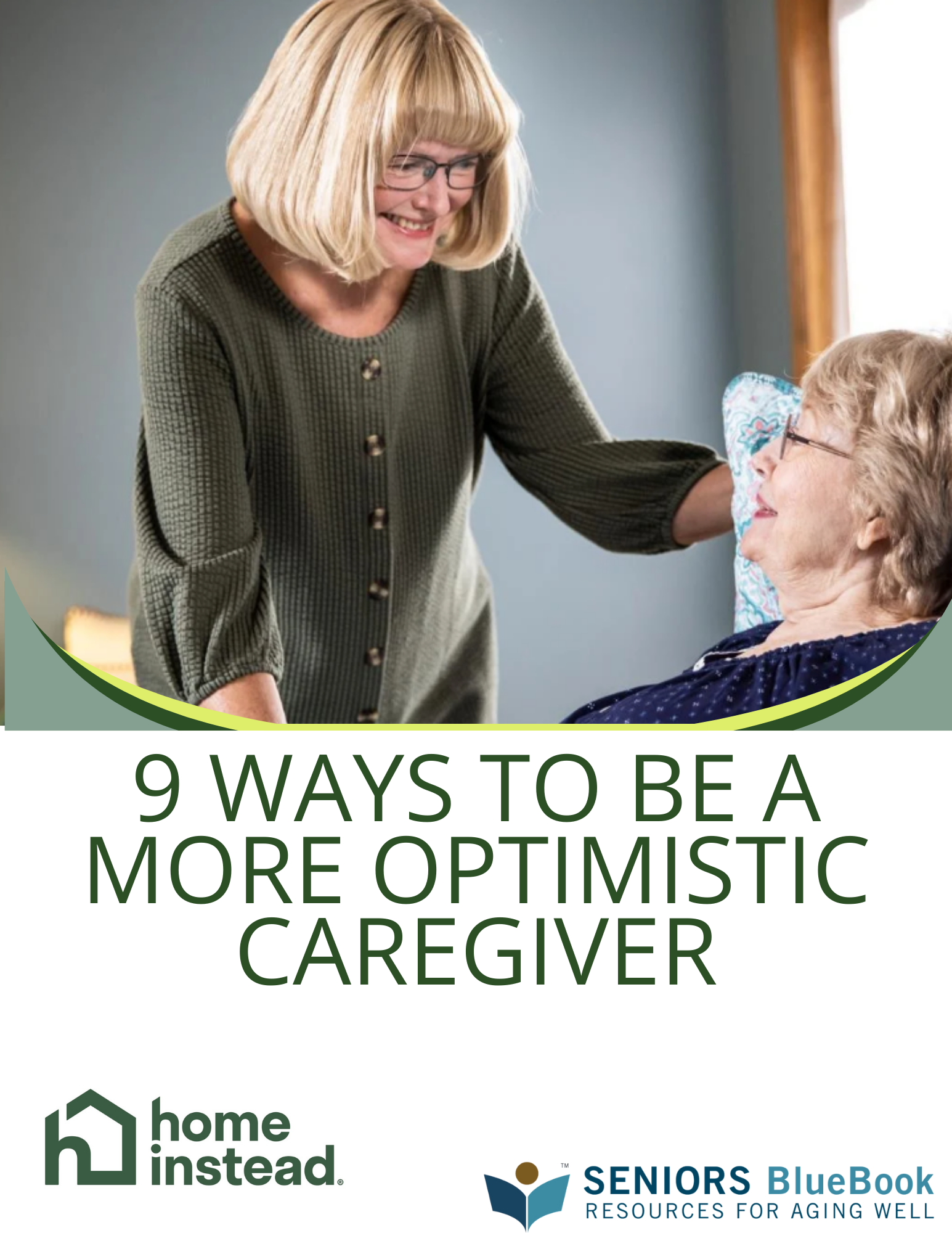
9 Ways to Be a More Optimistic Caregiver
If you were asked to answer the question, Today I feel grateful for______?, what would you answer? If you said, Not much, youre not alone.Consider family caregiver Dees response when asked the question about what shes grateful for: Not much, DeeAnn candidly commented. Its been a bad day, and I dont roll with the punches very well.In contrast, Ednita claimed gratitude for the occasional breeze were getting today while Chris was grateful to still being able to help others.Some caregiversand there are more than 53 million in the United States alonemay relate more with DeeAnn and less with Ednita and Chris as they go through their stressful caregiving day. And thats OK.In order to move past the struggles and learn how to cultivate more optimism in your caregiving life, follow these tips for creating positivity and building resiliency in the face of adversity.9 Ways to Be a More Optimistic CaregiverLook for the Good In order to keep the negative thoughts at bay, try making a list each day of things that are good in your life. When problems loom large, look for the small bright spots in your life like a cool breeze, sunshine or a nap.Speak Kindly to Yourself Dont say anything to yourself that you wouldnt say to anyone else, recommends a mayoclinic.org article on positive thinking. Turning off the negative dialogue in your head can be a powerful tool to harness optimism. For example, instead of thinking, This will never work, you might say to yourself, Ill try again a different way.Lean on Positive People Surrounding yourself with positive friends and family is helpful when trying to stay upbeat yourself. You are the average of the five people you spend the most time with, said the late Jim Rohn, entrepreneur, author and motivational speaker. Stay connected with these people by getting together regularly in person or online. You might consider joining a supportive online community.Find Happiness Through Health A healthy diet and exercise can go a long way to improve mood and overall wellness. Exercise and good nutrition can reduce stress, increase energy, and foster good sleep habits. Maintaining a healthy diet is a priority for Cindy, a family caregiver. Its probably one of the most important things to do to keep my mind sharp, she said.Remember you are Doing Your Best Stay positive and give yourself grace. Even if you lose your temper, that doesnt detract from all of the positive that youve done for your aging loved one. Let go of the guilt, which is a normal part of the caregiving process, and if youre struggling with feeling angry about your role as a caregiver, find positive ways to redirect your emotions. Remember that you are showing up every day and making a difference.Laugh More Not only does laughter make you feel good, but its positive effects also stay with you long after the chuckling subsides. Research shows that laughter lowers stress hormones, relaxes muscles, improves mood, and eases anxiety.Keep it Simple Sometimes, doing only what needs to be done dishes, laundry, meals can make the days less daunting. Dont set unrealistic goals for yourself. Pick one thing to accomplish and focus on that.Take Time for Yourself Whether its a quick walk around the block or meeting a friend for lunch, taking a break from caregiving duties and focusing on self-care is important for your health and wellbeing. Look to a family member, friend, or professional caregiver to give you a few hours to yourself so you can recharge and maintain an optimistic outlook.Embrace Your Spiritual Side Spirituality has been shown to improve mood and even physical health. Memory care expert and author of The Best Friends Approach to Dementia Care, David Troxel suggests finding focused time for spiritual activities during the day including sharing/reading prayers with your aging loved one, singing or listening to spiritual music.Caregiving can be rewarding, but no caregiver breezes through the journey without feeling some degree of negativity and hopelessness creeping in. By following tips to stay positive, you may be able to transition your outlook to one of optimism and gratitude for even the smallest positive things in life.Consider the benefits professional respite care, from a company like Home Instead, which provides a break from the rigors of caregiving and helps you focus more on the blessings in your life.
May 21, 2025

Tips on Selecting Home Medical Equipment
Many times, when returning home from the hospital to begin recuperation, some home medical equipment may be necessary. Your love ones medical team can provide a list of equipment and materials needed, including whether a prescription is required (e.g. home oxygen) and if insurance covers the costs.Common Home Medical Equipment and SuppliesCaneWheelchairHospital bedWalkerRaised toilet seatShower chairGrab barsColostomy care itemsOxygenIV equipmentRespiratorDisposable glovesIncontinence briefsSome of these items, such as walkers, wheelchairs and hospital beds, are reusable and considered "durable medical equipment." Individuals with Medicare Part B can typically get durable medical equipment as long as the equipment is deemed medically necessary.Renting Vs. BuyingMore expensive equipment can often be rented instead of purchased. In fact, Medicare may require it. In the instance where you have a choice, the American Elder Care Research Organization offers the following considerations in the article, When to Rent vs. Buy Home and Durable Medical Equipment.1. Consider the length of time you will need the equipment and compare the rental costs over that time versus the upfront costs for full purchase.2. If you purchase, determine how easy or difficult it will be to resell the equipment once its no longer needs it.3. Rental agreements often cover maintenance and air, but a purchase may not come with such a warranty. Consider the technical level of the equipment those with more electronics might require frequent maintenance, which could increase costs.4. If your loved one lives in different locations over the course of the year, think about the costs to transport purchased equipment versus renting materials at each location.5. Look at an older adult's budget and see if it can support a high upfront cost or if lower monthly payments would be more manageable. If the budget is tight, consider seeking assistance from Veteran's associations, healthcare foundations and other state and local nonprofits.Once you're ready to get the equipment, ask healthcare providers for references for local and trusted medical equipment suppliers. Be sure you are going to a covered provider if using a Medicare Advantage plan or long-term care policy. You can then work with your vendor to make sure the equipment is delivered and in working order prior to your loved one's discharge from the hospital.Having everything ready in advance for your loved one's return from the hospital may help improve their comfort level, increase chances for a successful recovery and reduce stress for everyone.