

About ArchWell Health
Welcome to ArchWell Health, where we believe small things can make a big difference. Our mission is simple: to help seniors live healthier, fuller lives through high-quality primary care and meaningful doctor-patient relationships.
At ArchWell Health, care is built around you. As a member, youll have access to a team that takes the time to listen, understand your needs, and support your health with a personalized approach.
Why members choose ArchWell Health
More time with your doctor
We focus on building real relationships through regular check-ups, routine screenings, and quality time with your care team. This helps catch potential health concerns early and keeps your care on track.
Personalized care plans
No two patients are the same. Thats why we create wellness plans tailored to your individual health goals, lifestyle, and needs.
Care you can count on
From same-day appointments to ongoing support, our team is committed to providing the attention, guidance, and care you deserve.
Our approach to care
We believe better health starts with a stronger connection between patient and provider. Our highly trained medical professionals deliver expert care with compassion, respect, and a genuine commitment to helping every member thrive.
Comprehensive primary care services
As your primary care provider, ArchWell Health offers a wide range of services to support your overall well-being, including:
Routine wellness visits
Preventive health screenings
Lab work
Acute care for illness or minor health concerns
Nutrition education
Vaccinations
Care management
On-site referrals to licensed social workers
Cardiology telehealth services
Your partner in better health
At ArchWell Health, were more than a healthcare provider were your partner in wellness. Our goal is to make it easier for you to access the care you need, stay proactive about your health, and feel supported every step of the way.
Find an ArchWell Health location near you and become a member today. Your path to better health starts here.
Locations:
5100 S. Cleveland Ave., Suite 101, Fort Myers 33907
5660 Bayshore Rd. Ste. 42, North Fort Myers 33917
Additional Services Offered
ArchWell Health
Physicians 5100 South Cleveland Avenue, Suite 101, Lee County, Fort Myers, Florida, 33907Welcome to ArchWell Health, where we believe small things can make a big difference. Our mission is simple: to help seniors live healthier, fuller lives through high-quality primary care and meaningful doctor-patient relationships.At ArchWell Health, care is built around you. As a member, youll have access to a team that takes the time to listen, understand your needs, and support your health with a personalized approach.Why members choose ArchWell HealthMore time with your doctorWe focus on building real relationships through regular check-ups, routine screenings, and quality time with your care team. This helps catch potential health concerns early and keeps your care on track.Personalized care plansNo two patients are the same. Thats why we create wellness plans tailored to your individual health goals, lifestyle, and needs.Care you can count onFrom same-day appointments to ongoing support, our team is committed to providing the attention, guidance, and care you deserve.Our approach to careWe believe better health starts with a stronger connection between patient and provider. Our highly trained medical professionals deliver expert care with compassion, respect, and a genuine commitment to helping every member thrive.Comprehensive primary care servicesAs your primary care provider, ArchWell Health offers a wide range of services to support your overall well-being, including: Routine wellness visits Preventive health screenings Lab work Acute care for illness or minor health concerns Nutrition education Vaccinations Care management On-site referrals to licensed social workers Cardiology telehealth servicesYour partner in better healthAt ArchWell Health, were more than a healthcare provider were your partner in wellness. Our goal is to make it easier for you to access the care you need, stay proactive about your health, and feel supported every step of the way.Find an ArchWell Health location near you and become a member today. Your path to better health starts here.Locations:5100 S. Cleveland Ave., Suite 101, Fort Myers 339075660 Bayshore Rd. Ste. 42, North Fort Myers 33917
ArchWell Health
PhysiciansWelcome to ArchWell Health, where we believe small things can make a big difference. Our mission is simple: to help seniors live healthier, fuller lives through high-quality primary care and meaningful doctor-patient relationships.At ArchWell Health, care is built around you. As a member, youll have access to a team that takes the time to listen, understand your needs, and support your health with a personalized approach.Why members choose ArchWell HealthMore time with your doctorWe focus on building real relationships through regular check-ups, routine screenings, and quality time with your care team. This helps catch potential health concerns early and keeps your care on track.Personalized care plansNo two patients are the same. Thats why we create wellness plans tailored to your individual health goals, lifestyle, and needs.Care you can count onFrom same-day appointments to ongoing support, our team is committed to providing the attention, guidance, and care you deserve.Our approach to careWe believe better health starts with a stronger connection between patient and provider. Our highly trained medical professionals deliver expert care with compassion, respect, and a genuine commitment to helping every member thrive.Comprehensive primary care servicesAs your primary care provider, ArchWell Health offers a wide range of services to support your overall well-being, including: Routine wellness visits Preventive health screenings Lab work Acute care for illness or minor health concerns Nutrition education Vaccinations Care management On-site referrals to licensed social workers Cardiology telehealth servicesYour partner in better healthAt ArchWell Health, were more than a healthcare provider were your partner in wellness. Our goal is to make it easier for you to access the care you need, stay proactive about your health, and feel supported every step of the way.Find an ArchWell Health location near you and become a member today. Your path to better health starts here.Locations:6363 Manatee Ave. W., Bradenton, FL 342094430 14th St. W., Bradenton, FL 342076832 14th St. W., Ste. 3, Bradenton, FL 342074265 Tamiami Trl., Port Charlotte, FL 339803506 Clark Rd., Sarasota, FL 34231543 Tamiami Trl. S., Venice, FL 34285
ArchWell Health
Primary Care Providers for Seniors 5660 Bayshore Road, Suite 42, Lee County, North Fort Myers, Florida, 33917Welcome to ArchWell Health, where we believe small things can make a big difference. Our mission is simple: to help seniors live healthier, fuller lives through high-quality primary care and meaningful doctor-patient relationships.At ArchWell Health, care is built around you. As a member, youll have access to a team that takes the time to listen, understand your needs, and support your health with a personalized approach.Why members choose ArchWell HealthMore time with your doctorWe focus on building real relationships through regular check-ups, routine screenings, and quality time with your care team. This helps catch potential health concerns early and keeps your care on track.Personalized care plansNo two patients are the same. Thats why we create wellness plans tailored to your individual health goals, lifestyle, and needs.Care you can count onFrom same-day appointments to ongoing support, our team is committed to providing the attention, guidance, and care you deserve.Our approach to careWe believe better health starts with a stronger connection between patient and provider. Our highly trained medical professionals deliver expert care with compassion, respect, and a genuine commitment to helping every member thrive.Comprehensive primary care servicesAs your primary care provider, ArchWell Health offers a wide range of services to support your overall well-being, including: Routine wellness visits Preventive health screenings Lab work Acute care for illness or minor health concerns Nutrition education Vaccinations Care management On-site referrals to licensed social workers Cardiology telehealth servicesYour partner in better healthAt ArchWell Health, were more than a healthcare provider were your partner in wellness. Our goal is to make it easier for you to access the care you need, stay proactive about your health, and feel supported every step of the way.Find an ArchWell Health location near you and become a member today. Your path to better health starts here.Locations:5100 S. Cleveland Ave., Suite 101, Fort Myers 339075660 Bayshore Rd. Ste. 42, North Fort Myers 33917
ArchWell Health
Medicare Health Providers 5100 South Cleveland Avenue, Suite 101, Lee County, Fort Myers, Florida, 33907Welcome to ArchWell Health, where we believe small things can make a big difference. Our mission is simple: to help seniors live healthier, fuller lives through high-quality primary care and meaningful doctor-patient relationships.At ArchWell Health, care is built around you. As a member, youll have access to a team that takes the time to listen, understand your needs, and support your health with a personalized approach.Why members choose ArchWell HealthMore time with your doctorWe focus on building real relationships through regular check-ups, routine screenings, and quality time with your care team. This helps catch potential health concerns early and keeps your care on track.Personalized care plansNo two patients are the same. Thats why we create wellness plans tailored to your individual health goals, lifestyle, and needs.Care you can count onFrom same-day appointments to ongoing support, our team is committed to providing the attention, guidance, and care you deserve.Our approach to careWe believe better health starts with a stronger connection between patient and provider. Our highly trained medical professionals deliver expert care with compassion, respect, and a genuine commitment to helping every member thrive.Comprehensive primary care servicesAs your primary care provider, ArchWell Health offers a wide range of services to support your overall well-being, including: Routine wellness visits Preventive health screenings Lab work Acute care for illness or minor health concerns Nutrition education Vaccinations Care management On-site referrals to licensed social workers Cardiology telehealth servicesYour partner in better healthAt ArchWell Health, were more than a healthcare provider were your partner in wellness. Our goal is to make it easier for you to access the care you need, stay proactive about your health, and feel supported every step of the way.Find an ArchWell Health location near you and become a member today. Your path to better health starts here.Locations:5100 S. Cleveland Ave., Suite 101, Fort Myers 339075660 Bayshore Rd. Ste. 42, North Fort Myers 33917
Videos
Continue Your Search! Explore More Local Options.
Start SearchingLet’s engage and get educated!
Browse through thousands of expert articles in over 100 different categories.
Browse NowArticles You May Like
Turning 65: A Chapter Worth Celebrating
Light the candles, put on your favorite song, and savor this moment you only turn 65 once! Forget sayings like A lady or gentleman never tells their age, because at ArchWell Health, we believe every birthday is a reason to celebrate. And every age brings new gifts.So if youre turning 65, theres more than Medicare to look forward to although that is one of the perks!Thats why were excited to unwrap this new series, Turning 65, over the coming months. Each post will highlight a different aspect of life in your mid 60s with a positive spin and practical insights.Here are the topics well cover between now and the fall:Understanding Aging: Part of growing older is learning how to listen to the beautiful machine that is you and knowing how to care for it in this new era. Weve got you covered.Drug Management: With increased age often comes an increased number of prescriptions, and thats OK. Weve got tips for managing them all with ease.Maximizing Independence: You might need help with a few things in this next life stage, but you can still keep that independent spirit too. Well show you the ways.Mental Health: There are definitely more things to worry about as you add more candles to the cake. And there are just as many things if not more to be excited about. Well talk about the serious stuff and how to look for the good in healthy ways.Why Turning 65 Is More Than a NumberWhen you were preparing for college, the workforce, marriage, or parenthood, you probably did some goal setting. Why not do the same now?Whether youre close to retirement, have no plans to stop working because you enjoy being busy, or youre caring for parents and possibly adult children and grandkids, take time during your 65th year to set some new goals for the future near term and long term.Start by setting the tone for adventure in this milestone year: create a bucket list of places you want to go, people you want to visit, hobbies you want to rekindle or try for the first time, or volunteer/paid jobs youd like to do.Schedule time to make progress on these goals each week. You dont have to make a big trip across the ocean maybe start by checking out a travel club at the local Y, or coming to an ArchWell Health Center for line dancing, Jeopardy, or Zumba.Understanding MedicareTurning 65 does not mean you suddenly understand Medicare and all its tricky moving parts. We get it! Its confusing, and it changes a lot so well start with the basics.Part C Medicare/Medicare Advantage plans have to cover everything that the Original Medicare plan does. Most also include Part D coverage and extra benefits like vision and dental coverage. You must keep paying your Part B premium and, in some cases, an additional Medicare Advantage premium. Your premium is your monthly bill for health insurance.Private companies also offer Medicare supplement plans (aka Medigap plans). These help you pay for things Parts A and B dont cover, like extra costs that come in the form of copays and deductibles.How and when do you enroll or switch plans?Open enrollment begins on October 15th. During this period, you can sign up for a new Medicare Advantage, Part D or Medigap plan from the Medicare website. Peruse plans and when you find the one you like, simply click the enroll button.You can also enroll by calling a health plan directly. Prefer a paper form? Just ask your ArchWell Health provider. Make sure to get that form in before December 7th when open enrollment ends.How do you choose the right coverage?If youre happy with the coverage you have, you dont have to do anything else unless your Medicare Advantage, Medigap or Part D drug plan will no longer be available.If youre not happy or you want to shop around do these two things next.Step one: Review your current plans Annual Notice of Change (ANOC), which comes in the mail in September. On the ANOC, youll find a list of:Any changes to costs like premiums, deductibles and copaysAny changes to the plans network of providers and pharmaciesAny changes to the plans drug list (formulary)If your Medicare plan is dropping your favorite doctor or health system, it might be time to find a new plan. Want a different provider? This is the time to find someone new. And if an expensive drug you take wont be covered anymore (or it moves to a higher level on the drug list, which makes the price go up), its time to consider a new plan.Step two: Visit the Medicare website. There, youll find a handy tool that lets you compare Medicare Advantage, Part D and Medigap plans in your area. Log in or enter your ZIP code, then choose the plan you want. You can study all the available options here too. With Medicare Advantage plans, youll see things like:The Medicare star rating, where 5 stars is the highest.The monthly premium and, good news! there are Medicare Advantage plans with $0 premiums.Total drug and premium costs (if youve entered your prescriptions).Other costs (like deductibles and maximum out-of-pocket costs).What extra benefits the plan includes.If youve logged in, you can even see a side-by-side comparison between your current plan and up to two others.Whats the difference between payer and provider?As you become more familiar with Medicare or if youve been around the healthcare block a few times youll probably hear terms like payers, providers and outcomes. Its important to know what these terms mean as you navigate Medicare.Insurance companies are the payers.Doctors, clinics, physical therapists, and centers like ArchWell Health are the providers.Choosing the right provider makes a difference when it comes to your healthcare experience and outcomes (positive results).Maybe you never paid much attention to your providers before: you were busy working, raising a family, or didnt know you had the opportunity to choose something or someone else. Now you know! And we encourage you for your 65th trip around the sun to prioritize your health by finding the right fit because your care matters.Planning Ahead: Legal, Financial and Lifestyle Planning TipsPlan now so you and your loved ones can have peace later. Many people put off things like writing a will or setting up advanced directives because they think I dont need that yet. But think of preparedness in terms of the whens, not the what ifs. Because ultimately, even if were turning 65 and see another 30 good years ahead of us, we all have to be ready for those moments.The beauty of planning ahead is that you can take your time, knocking out document after document in an orderly, unhurried way. Make sure you have a will, a power of attorney and healthcare proxy to make decisions for you if you become unable to do so, and draw up healthcare directives should the unthinkable happen.Set aside some time each month to look at retirement planning tools like retirement cost calculators, an estate planning checklist, or educational workshops and free legal clinics in your community. Working with a community or trusted partner can help you stay on track and get expert advice to reach your goals. They may also be able to point you in the direction of benefits and discounts available to those 65 and older.Read more about having successful conversations about care plans and how to keep your caregiving paperwork ducks in a row.Perks of Being 65 and WiserWho doesnt love free stuff? Check out this list of discounts and community-based resources to make 65 a banner year at a reduced rate, of course. Youve earned it!Get out and see the worldIts a great time to spread your wings or hit the trails and find new adventures without the high price tag. Here are a few notable offers:Travel by train and get 10% off rail fares through Amtrak.Prefer the bus? Greyhound offers 10% off for seniors too.Want to visit the National Parks across the US? A Senior Lifetime pass is $80, and an Annual Pass is $20.Car rentals: Hertz offers 20% off to those 50 and older, and other companies offer discounts to AARP members.Airline tickets: American Airlines and United both offer senior discounts. Check the website or ask customer service for more details as these may be limited to certain destinations.Stay close to home and save moneyWhether youre visiting the grandkids or looking to be a tourist in your own town, many movie theaters, restaurants, and museums offer senior discounts.Learn something new or study a subject youve always loved through discounted college courses or tuition free programs at universities near you.Want to work out at home for free, or at a local gym? Find out if your health plan participates with Silver Sneakers.Connect in the communityWhen youre not out seeing the world, stay plugged into your local neighborhood happenings through these senior-friendly resource hubs:AARP: The American Association of Retired Persons is still the top organization for all things aging and active older adults. Check out the website to see everything they have to offer for your later life decades.Local Senior Centers: Many cities and towns are still home to senior centers, which are supported by county-based AAAs (Area Agencies on Aging). Find the one closest to you to learn more.ArchWell Health centers: From friendly, caring providers who specialize in the care of seniors to vibrant community events, we have it all. Come visit us and say hello to a new era of wellness.ArchWell Health Celebrates YouWere all about celebrating our members every day birthday or not. Come with your Medicare questions, your nutrition challenges, or with an open mind to participate in our unique center activities focused on wellness for those 65 and up.About the AuthorJudith Ford, MD, Chief Clinical OfficerGrowing up with a father as a physician and a mother as a nurse, Judith Ford, a Medical Doctor (MD), has always had an interest in the medical field and caring for others. After attending college and medical school, she began practicing with a focus on taking care of older patients with complex conditions. With this mission in mind, the move to ArchWell Health was a natural fit. When not practicing medicine, shes spending time with her husband, Chris, and her children, Sara and Jane.
Aug 14, 2025

Medication Management: Tips for older adults
If your medicine cabinet is overflowing, youre not alone. Nearly a quarter of older adults are on five or more prescription medications, while half take at least two nonprescription drugs or supplements.1To keep up with everything youre on medication management is the fancy term you have to take each medication at the right time, refill each prescription when it runs low and look out for side effects and drug interactions. Some of these can be life-threatening; adverse drug events lead to 1.3 million emergency room visits each year.2Thats a lot to keep up with! Fortunately, you dont have to go it alone. Here are eight tips to help older adults manage their medications.1. Sign up for mail-order deliveryThese days, we order everything from gifts to groceries online. Prescription drugs are different. Less than 10% of prescriptions in the US are filled by online or mail-order pharmacies, although interest is growing.3Mail-order pharmacy services offer several benefits:Cost savings Many insurance plans charge lower co-pays for mail-order prescriptions. And you wont pay a delivery fee.Call centers Pharmacists are available to answer your questions any time of the day or night. Theres no waiting in line at the store (or waiting for the store to open).Convenience Prescription delivery ensures you never miss a refill, which helps you stay on track with your medication. And you dont have to travel anywhere, a big plus if you have mobility or transportation issues.If you want to sign up for mail-order pharmacy services, talk with your ArchWell Health provider or call ArchWell Healths 24/7 care line. Once youve registered for mail-order delivery, your provider will send your prescriptions to the new pharmacy, and youll be all set.If a local pharmacy is more your style, no problem. Many pharmacies offer free auto-refill services, meaning you never have to remember to request a refill.2. Read the instructionsWe get it; drug labels arent much fun to read. However, they do contain some important information, like whether you should take a drug with food or whether you should avoid certain foods. For example, grapefruit juice can cause problems with some common cholesterol medications, including Zocor (simvastatin) and Lipitor (atorvastatin).4So take the time to read whats on the bottle, plus the printed materials that come with each prescription. If you have questions, talk with your pharmacist or ArchWell Health doctor. Our doctors and pharmacists are experts at interpreting all the fine print on drug labels and packages, and they can explain about side effects, drug interactions and drug schedules for older adults.3. Make a list and check it twiceYour ArchWell Health care team and pharmacist can serve you better if they know everything you take (even if its just on an as-needed basis). That includes prescription drugs, over-the-counter medications and supplements. Remember to bring your pill bottles or a list to your primary care visits. Be sure to share it with your caregiver, too.Heres what the U.S. Food and Drug Administration recommends you include in your medication management list:What youre taking (generic or brand name)What it looks like (shape, color, size)What the dosage is (mg, mL, drops)How you take it (with food, crushed, split)When you take it (morning, afternoon, evening)Start/stop datesWhy youre taking itWho told you to take itTo help you get started, the FDA has created a handy My Medicine Record form that you or your caregiver can print and fill out.4. Stick with one pharmacyResist the temptation to shop around to save a few dollars. The computer systems pharmacies use are programmed to spot drug interactions that could affect your health. They should raise a red flag if, for example, youre taking a blood thinner like Coumadin (warfarin) and an antibiotic like Amoxil (amoxicillin) that increases your risk of bleeding.55. Buy a beefed-up pill organizerThose free pill organizers at the pharmacy counter work fine if you only take a few medications once a day. They arent so helpful when you take two pills at breakfast, three at dinner and one more at bedtime.For $10 or less, you can pick up an organizer with two, three or four compartments per day. By filling it each week, youll stay on track with your medication management and know when youre running low. Or, if you have several free pill organizers lying around your home, label them Breakfast, Bedtime, etc.6. Schedule a comprehensive medication reviewAll Medicare Advantage plans must offer a Medication Therapy Management benefit to members who have multiple chronic conditions and take multiple medications.6 This benefit is a comprehensive review of all seniors' medications, both prescription and otherwise, to spot potential problems.Another way to make sure your medications are up to date and working well together is to bring your prescription list and all your pill bottles to your next doctor visit to review in person.A medication review is a part of every new member appointment at ArchWell Health. We want you to start out on the right foot and keep moving forward medication management is an important part of that.7. Get your caregiver involvedYour caregiver is an important part of your healthcare team. Ask yours to help you fill out your medication management list or bring them along to your next doctor appointment. That second set of eyes and ears can make a big difference.8. Rely on ArchWell HealthPrescription drugs are a big part of healthcare. In fact, nearly 72% of doctor visits involve drug therapy.7At ArchWell Health, we want you to get the most benefit possible from the medications you take. Were happy to give you all the time you need, in person or on the phone, to answer your questions. We dont want you to feel rushed; we want you to feel better!Sources1: https://www.healthyagingpoll.org/reports-more/report/older-adults-experiences-comprehensive-medication-reviews2: https://www.cdc.gov/medicationsafety/adult_adversedrugevents.html3: https://www.mckinsey.com/industries/healthcare/our-insights/meeting-changing-consumer-needs-the-us-retail-pharmacy-of-the-future4: https://www.fda.gov/consumers/consumer-updates/grapefruit-juice-and-some-drugs-dont-mix5: https://www.ncbi.nlm.nih.gov/pmc/articles/PMC10455514/6: https://www.medicare.gov/drug-coverage-part-d/what-medicare-part-d-drug-plans-cover/medication-therapy-management-programs-for-complex-health-needs7: https://www.cdc.gov/nchs/fastats/drug-use-therapeutic.htm
Jul 26, 2024

Busting Four Common Carb Myths
Myth #1: Avoid carbs if you want to lose weight.Fact: Not all carbs are created equal. Carbs give us energy and can actually help us lose weight when choosing high-fiber complex carbohydrates.Our bodies thrive on carbs for energy. Without enough carbs in your diet, you could experience low energy, weakness, fatigue, nausea, dizziness, and even depression. It is recommended by the Dietary Guidelines for Americans that we get about 45-65% of our daily calories from foods with carbohydrates. When we eat too little carbohydrates, we feel tired and do not feel our best mentally or physically. Of course, limiting certain carbohydrates such as sweet treats, potato chips, and soda pop has health benefits and can lead to weight loss. This is because you are cutting out extra calories from added sugars and fats that those foods and drinks contain.Your goal should be to eat more complex carbohydrates. These carbs have vitamins, minerals, and fiber, and they take longer to digest. Examples of these include grains, beans, fruits, and vegetables (even potatoes!) Eating these foods will leave you feeling more full thanks to their high fiber content. Plus adding these types of carbs to your diet can cut down on cravings for sweets. Eating these complex carbs with proteins and non-starchy vegetables will give you a well-balanced meal, and you will feel energized to take on your day. This could look like: Chicken breast, broccoli, and a grain like brown rice or a sweet potato for dinner, or oatmeal with a veggie egg scramble for breakfast. And dont worry you do not need to cut out bread or pasta. You can increase fiber and protein in these foods by choosing whole-grain versions or gluten-free pasta made from chickpeas.Myth #2: Carbs cause weight gain.Fact: One of the factors that causes weight gain is eating more calories than you burn in a day. Weight gain is not due to carbs themselves but from the over-consumption of any type of food. Simple carbs like cakes, cookies, ice cream, soda, chips, etc., have added sugars that are naturally higher in calories. Focus on consuming less of these simple carbs and more of the complex carbs such as whole foods like fruits, vegetables, nuts, seeds, and whole grains. These foods contain fiber, vitamins, and minerals to keep us fuller longer and maintain a healthy weight.Myth #3: Avoid all white foods, especially as a diabetic.Fact: While some white foods such as white rice and white flour are missing healthful nutrients and fiber thats found in foods like whole grain bread or whole grain flour, many white foods are high in nutrients. Cauliflower, onions, mushrooms, and garlic are great examples of this. Potatoes and bananas, specifically, get a bad reputation; however, they both contain potassium which is vital for maintaining a healthy heart and blood pressure, and they provide other beneficial vitamins, minerals, and fiber which is important for brain health, metabolism, and immune function. It is true that these foods will raise blood sugars at a quicker rate due to their high carbohydrate content, but that does not mean you cannot enjoy them. Just remember to monitor your portion sizes and eat your carbs with healthy proteins and fats for a balanced meal that will help balance your blood sugar.Myth #4: Fruit is bad because it is high in carbs.Fact: Fruit contains sugar, which is a type of carb. But fruit is also full of healthful nutrients (vitamins, minerals, fiber). Fruit contains a natural sugar called fructose, which is recommended over processed sugars like you would find in candy. Cutting fruit out of your diet will cause you to miss out on a lot of healthy nutrients. When buying canned or frozen fruit, be sure the labels say no added sugars. When drinking fruit juice, it is best to stick to 100% fruit juice at a serving size of about 4 oz, as it lacks fiber and may contain added sugars, which we want to limit in our diet. 4 oz equals about the size of your cupped palm or about the size of a small portable hand sanitizer bottle.ArchWell Health members have the opportunity to discuss nutrition concerns or questions at every appointment. Your primary care provider can help you better understand how carbs fit into your overall nutrition plan.The article provides information designed to complement your personal health management. It does not provide medical advice and not meant to replace professional medical advice. Linking to other websites does not imply any endorsement of the material on such websites.
Jul 26, 2024

How Quality Sleep Supports a Healthy Heart
A good nights sleep is good for your heartYouve probably heard about heart-healthy eating. But what about heart-healthy sleeping?How you sleep has a big impact on your cardiovascular health. And at ArchWell Health, we believe healthy sleep habits are an important part of senior health.Were not the only ones.A few years ago, the American Heart Association added healthy sleep to its list of ways people can improve and maintain cardiovascular health. Sleep is now one of Lifes Essential 8, according to AHA experts. (The list also includes the usual suspects, like quitting tobacco, controlling weight, and managing blood pressure.Researchers have linked sleep with a whole host of cardiovascular problems, including:ObesityType 2 diabetes (formerly called adult-onset diabetes)High blood pressure (hypertension)Coronary heart diseaseStrokeGood sleep plus other healthy habits can cut your risk of developing those problems.Unfortunately, sleep disorders are common in the 60 and up crowd. We have some tips for getting better sleep. But first, lets look at the connection between catching ZZzzs and keeping your heart healthy.How sleeping (or not) affects your heartHow does sleep affect your heart? Lets start with your heart rate (pulse).When youre asleep, your heart rate slows down because your heart doesnt need to pump as much blood. Especially during deep sleep mostly when youre not dreaming your heart rate drops by 20% to 30%. On the other hand, not getting enough sleep can boost your heart rate during the day, making your heart work harder than it should.Thats not a good thing, especially over a long period of time. But even short bouts of sleeplessness can be dangerous. One study found a 24% increase in heart attacks right after the annual switch to daylight saving time. Thats when most of us set our clocks ahead and lose an hour of sleep.Poor sleep also affects how we think and act, which can set off a vicious cycle: We get anxious and depressed. We start stress-eating. We turn to alcohol or tobacco. And all those things increase our risk of heart problems.Quantity and quality matterYouve probably heard that adults need 7-9 hours of sleep per night. Thats true, but scientists are also waking up to the fact that how well you sleep may be just as important as how long you sleep.One study of more than 60,000 people found that sleep quantity and quality contribute separately to the risk of heart problems. In other words, you may be at risk just because you have trouble falling asleep or have to rely on sleeping pills.Sleep quality includes things like:Sleep duration: how long you sleepSleep continuity: how well you fall asleep and stay asleepSleep timing: sleeping at night instead of during the daySleep satisfaction: your perception of how well youre sleepingSleep regularity: how consistent your sleep schedule isSleep architecture: how much time you spend in different sleep stagesSleep-related daytime functioning: how alert, energetic, and awake you are during the dayAll that can seem like a lot to keep up with. Just remember this: the better you sleep, the better your heart health will be. Thats the magic of senior sleep hygiene.Improving sleep quality in older adultsIf worrying about sleep is keeping you up at night, youre not alone. Sleep disorders are common in older adults. In fact, up to half of seniors have trouble sleeping, compared with less than a quarter of the general population.Fortunately, good sleep is possible. Here are some safe, free, and easy tips from the National Institute on Aging:Go to bed and get up at the same time each day.Follow a relaxing bedtime routine. Take a warm bath, read a book, or listen to soothing music.Keep your bedroom at a comfortable temperature.Exercise during the day but not within three hours of bedtime.Avoid late-day naps.Avoid late-day caffeine (found in coffee, black tea, soda, and, yes, chocolate).Avoid alcohol.Keeps screens out of the bedroom.If youre still having problems, talk with one of our ArchWell Health providers. As specialists in senior healthcare, they can help you get the sleep you and your heart need.About the AuthorNaga Pannala, MD, CardiologistNaga Pannala, a Medical Doctor (MD), joined ArchWell Health because she believes in quality time with patients and treating them comprehensively through thoughtful, goal oriented conversations.When shes not with patients, she enjoys travel, exercise, and spending time with her husband and two kids.
Jul 04, 2025

Brain Aging 101: Here is what you need to know.
Does it take a little more time to find the word you're looking for, or to remember someone's name? Has multitasking become a challenge? If so, you're not alone these are common brain changes for older adults, and they may be nothing to worry about.But how do you know what's normal and what's not? And how can you boost brain health as you get older? Keep reading to find out.The Aging Brain: What's Normal, What's NotWhile the following issues can be irksome, they're associated with normal aging:Recalling names and numbers: Strategic memory starts to decline at age 20, making this type of recall more challenging.Remembering appointments: Your brain may keep this information locked away until it's triggered by a cue like a reminder phone call or calendar notification.Multitasking: As you age, it can be difficult to do more than one thing at a time.Learning something new: Senior brain aging means it may take longer to commit new information to memory.These issues, on the other hand, are not part of the normal aging process:Asking the same questions repeatedlyGetting lost in places you know wellHaving trouble following recipes or directionsBecoming more confused about time, people and placesEating poorly, not bathing or behaving unsafelyIf you're experiencing any of the latter issues, talk to your ArchWell Health team to get to the bottom of it.A Closer Look at Brain HealthTo better understand the normal aging process, it helps to know that your brain changes throughout your life, which impacts cognitive function. The brain starts to shrink in middle age, and the rate of shrinkage increases by age 60. Consider this: A typical 90-year-old brain weighs 1,100 to 1,200 grams at least 100 grams less than a typical 40-year-old brain.Other common changes in the aging brain include:Declining levels of neurotransmitters, which play a key role in thinking, learning and memoryDecreased blood flow, which can affect speech, movement and memoryIncreased inflammation, which can contribute to cognitive declineBut while these changes can affect brain function in healthy older people, they don't have the final say. Many older adults have larger vocabularies, deeper understanding of the meaning of words and greater knowledge than younger adults do. In fact, verbal abilities and abstract reasoning actually improve as we age. Older adults can also form new memories and learn new skills even if it takes a little extra time. The aging brain can adapt and change, giving you the opportunity to rise to new challenges in your golden years.Understanding Cognitive DeclineKeep in mind that while some degree of cognitive decline is a normal part of aging, dementia is not. Dementia involves a loss of cognitive function that interferes with your everyday activities and quality of life. Alzheimer's disease is the most common form of dementia in people over age 65.There are three stages of Alzheimer's disease: mild, moderate and severe:Mild: The first stage of Alzheimer's involves memory loss and potential issues such as wandering, trouble paying bills and taking longer than normal to complete daily tasks.Moderate: In this stage, the person may have trouble with language, reasoning, conscious thought and sensory processing.Severe: In the third stage of Alzheimer's, brain tissue has shrunk to a degree that the person cannot communicate and is completely dependent on others for care.The causes of Alzheimer's disease likely include a combination of age-related changes in the brain, along with genetic, lifestyle and environmental factors. But several strategies may help reduce the speed of cognitive decline, including engaging in mentally stimulating activities, maintaining social connections and prioritizing physical activity.Cognitive Exercises for Older AdultsYou've probably heard of the use it or lose it" principle. When applied to senior brain aging, it's a reminder that if you don't use an area of your brain for a while, you can lose that cognitive function altogether.Don't let that happen to you! There are many cognitive exercises to help boost your brain health and improve memory. Here are some to consider.Brain-training gamesOne large study found that doing just 15 minutes of brain-training activities at least five days a week improved brain function, including working memory, short-term memory and problem-solving skills. Researchers used activities from the free site Lumosity that focus on the ability to recall details and quickly memorize patterns.Many sites and apps offer these types of brain games. If you're an AARP member, you can take advantage of free access to Staying Sharp, an award-winning digital program that includes a variety of engaging games that test your focus, recall and word skills.If physical games like bridge, chess or Scrabble are more your speed, you can still reap mental rewards. Just call a few friends, break out the game box and get ready for a good time (while simultaneously benefiting your brain).Your local ArchWell Health center also hosts bingo, card game events and more. And you don't have to be a member to join these fun classes and activities.Physical activityYour whole body is interconnected, which is why physical exercise directly impacts your brain health. Regular exercise reduces the risk of age-related decline and protects the brain against degeneration. It can also improve your memory, cognition and motor coordination.Try one of these simple and fun aerobic activities to strengthen your body and your mind:chair yoga at ArchWell Healthwalkingrunningzumba classes at ArchWell Healthhikingswimmingdancingcross-country skiingBonus: You can easily do these activities with a friend, which enhances the brain benefits a recent study showed that people who had more frequent social contact had a lower risk of cognitive decline and dementia.A Word from ArchWell HealthRemember, dementia doesn't go hand in hand with aging. Consider the case of cognitive super agers. These 80-and-over marvels boast memory performance comparable to people 20 to 30 years younger. Enriching experiences as well as plenty of social engagement may contribute to their successful senior brain aging.So don't let cognitive changes have the last word. You have the power to boost your brain health! Reach out to your ArchWell Health care team to help you create your healthy aging plan today.
Jul 26, 2024

The Surprising Health Benefits of Karaoke for Older Adults
Staying healthy doesnt always have to feel like work. Sometimes, it can be as fun as singing your favorite song. In fact, this lighthearted form of entertainment can actually play a meaningful role in supporting both your memory and your overall health.Music and memorySinging along with familiar tunes activates different parts of the brain. The combination of rhythm, melody, and lyrics can spark memories, and improve focus. For adults over age 60, karaoke can help sharpen recall skills, strengthen language abilities, and even bring back special life moments tied to music. The joy of remembering a songs words often carries over into daily life, helping boost confidence and mental sharpness.Emotional well-beingMusic has a way of lifting spirits. Karaoke offers laughter, connection, and a sense of accomplishment. Singing with others creates positive emotions and lowers stress, which can make everyday challenges feel a little easier. Even if you dont consider yourself a great singer, the simple act of joining in can reduce feelings of loneliness and support a healthier outlook.Building social connectionsStaying socially active is just as important as keeping the body moving. Karaoke encourages people to come together, whether theyre performing on stage or cheering from the audience. For adults over age 60, these connections help strengthen community, provide encouragement, and create lasting friendships. That sense of belonging is a vital part of living well.Physical health benefitsSinging works out more than your vocal cords. It engages the lungs and diaphragm, supports better breathing, and can even improve posture. Add in a little swaying or dancing to the beat, and karaoke becomes a fun way to add movement to your day. These small bursts of activity can build up meaningful health benefits over time.Why we encourage our members to sing their hearts outAt our centers, we offer a range of activities that support both the body and mind. Karaoke is a great example of how fun activities can also be good for your health. You dont have to sing on key at allyou just need to participate. Every song is a chance to stay engaged, laugh with friends, and feel more energized.The takeaway:Karaoke is more than just a pastime. Its an opportunity to boost memory, improve mood, connect with others, and stay active. At ArchWell Health, were here to support every stepand every songon your journey to better health.
Nov 26, 2025

How to Choose a Healthy Frozen Meaa
Yes you read that right! Coming from a Registered Dietitian, it is OK to eat a frozen meal. Whether you are in a pinch on time, dont cook a lot anymore, or it is all that fits in with this months grocery budget the frozen meal aisle does not need to be completely off-limits when learning to eat a healthier diet. Since the 1950s, when TV dinners were originally created, frozen meals have come a long way. Today, many options exist for those who need a quick, easy, and healthy meal.Frozen meals are great to have on hand in your freezer as they last a long time, and they are conveniently portioned out to help reduce food waste. While it is true that some frozen meals are not the best for us due to a higher amount of unhealthier ingredients than others, there are some that are healthier than others. A frozen meal is a quick and easy way to satisfy hunger and will help you meet some of your daily nutritional needs, especially when you know how to choose the right one for you.In general, there is nothing wrong with frozen foods. For example, buying frozen vegetables and fish is just as healthy as buying them fresh. When buying frozen and ready-to-eat meals, though, there is a higher risk of them being very high in nutrients like sodium (salt), which we need to keep an eye on for blood pressure control, and saturated fat, which is the type of fat we want to limit in our diet to keep our hearts healthy.So, what should you look for in a frozen meal?It is a good idea to look at Daily Value (DV) percentages and keep sodium at 20% or less. The recommended amount of sodium an adult should have per day is 2,300 mg, and 20% of 2,300 mg is 460 mg. However, the Centers for Disease Control says 600 mg is the max amount of sodium a meal can have to be called healthy, so any frozen meal that has less than 600 mg of sodium is a good choice. If you have any heart-related medical diagnoses or kidney disease, your sodium needs may be more restricted. Be sure to monitor the rest of your sodium intake throughout the day when consuming these higher sodium foods.Meals with plenty of colorful vegetables for fiber and lean protein sources like turkey, beans and seafood are great. Fiber and protein are easy ways to help keep you fuller longer. Many frozen meals are low in calories likely making them low in protein and fiber. Aim for the meals with whole grains and vegetables, and protein. Tip: You can make the frozen meals your own. If youre having fettuccini alfredo, add chopped broccoli and chicken for protein and fiber. Or pair your macaroni and cheese with a side salad with vegetables and nuts or seeds for additional protein, fiber, and heart-healthy fats. Balance is key to overall health and helps to calm any unwanted cravings.Keep the saturated fat, or unhealthy fat, at 3 grams or less per meal. This is the same as keeping it at 20% Daily Value (DV) or less per serving. This type of fat causes high cholesterol levels and can increase the risk for strokes and heart attacks.Limit added sugars. Some meals may have sauces that raise the added sugar content. Also try to keep this at under 20% Daily Value (DV).Key Takeaways:Watch the sodium, saturated fat, and added sugars.Look for high amounts of protein (look for 15-20 g) and fiber (5 grams) per serving. If it is easiest to remember the 20% rule, aim for 20% or more of protein and fiber per serving when you can.Fill in any nutrient gaps with easy staples. Add a side of veggies, chicken, ground turkey or beef to your pasta when the frozen meal itself is lacking. This helps to keep you full which can help with weight management and can also help with blood sugar balance for those with prediabetes or diabetesThe article provides information designed to complement your personal health management. It does not provide medical advice and not meant to replace professional medical advice. Linking to other websites does not imply any endorsement of the material on such websites.
Jul 26, 2024

Sun Safety Tips For Older Adults
Want to enjoy some sunshine in your golden years? Spending time outside can help you stay active, reduce stress, get vitamin D and support healthy aging. At the same time, older adults must guard against heat-related illnesses like heatstroke and prolonged exposure to ultraviolet light. Follow these tips to help you stay safe in the sun:Time your outings. The more you can limit your exposure to ultraviolet rays, the better. UV intensity peaks between 10 a.m. and 2 p.m., so spend time outside in the early morning or late afternoon whenever possible.Dont skip the sunscreen. Before heading outside, apply a thick layer of SPF 15 or higher sunscreen to all uncovered areas of your body, including your nose, ears, neck, hands and feet. Use a water-resistant, broad-spectrum sunscreen that filters out both UVA and UVB rays; these are the most damaging to our skin, and be sure the product is less than three years old. Reapply at least every two hours or immediately after swimming or sweating.Dress for the weather. To stay cool and help protect your skin from UV rays wear lightweight, loose-fitting, long-sleeved shirts and long pants or skirts made of densely woven fabric. You can even look for clothing with an ultraviolet protection factor (UPF) number on the label. Wear a dry T-shirt or coverup after swimming, as wet clothing offers less UV protection.Watch your head. Pull on a wide-brimmed canvas hat to shade your face, neck and ears. Skip the straw hats with holes that let sunlight in. If you prefer baseball caps, be sure to liberally apply sunscreen to your ears and the back of your neck. And if you dont have much hair, apply sunscreen to the top of your head for good measure.Shield your eyes. Wear sunglasses to protect your eyes from UV rays and reduce the risk of cataracts. Choose sunglasses labeled UV 400 or 100% UV protection, and consider wraparound frames that cover the entire eye socket.Stick to the shade. Spend time in shady spots under umbrellas or trees whenever you can. Keep in mind that even in the shade, you need sunscreen and sun-safe clothing to protect your skin from sun damage.Stay hydrated. Dont wait until youre thirsty to drink! When its hot outside, make sure youre drinking more water than usual, and avoid alcohol and caffeinated beverages. If youre taking water pills or your doctor has restricted your fluid intake, ask them how much you should drink in hot weather. Also, know which medications can cause you to be more sensitive to the sun and/or dehydration.Check the weather. Sometimes, its just too hot to safely spend time outside. Enter your zip code on the CDCs HeatRisk website to find out the heat risk and air quality forecast in your area so you can plan ahead and protect your health. If the heat risk is severe, stay in air-conditioning, close the curtains, take cool showers, limit oven use and get plenty of rest. You can also check the UV index for your area that day as well so that you know if it is safe to be out in the sun that day.Are you a caregiver of an older adult? You can support their sun safety by checking in with them at least twice a day and asking yourself the following questions:Are they drinking enough water?Do they have access to air-conditioning?Do they show signs of heat stress?If you see symptoms of heat-related illness like muscle cramps, headaches, nausea or vomiting, seek immediate medical attention.At ArchWell Health your health and safety are our priority. We offer value-based care that is designed to prevent illness and health issues. We offer longer appointment times to allow you time to speak directly with your provider about your overall health and any concerns you may have. We focus on preventative screenings, including skin assessments, for prevention, early detection, and early treatment of any health conditions that may arise. I encourage you to stop into one of our 3 Omaha area centers to visit with the staff and providers. Come take a tour of the centers to see how our approach to healthcare can benefit you.While the sun is powerful, its possible to stay safe and cool as you spend time outdoors. Enjoy the summer!A version of this column was previously published in New Horizons.
Jul 26, 2024
Why is Exercise for Older Adults Important?
As an older adult, regular physical activity is one of the most important things you can do for your health. Keeping your body moving offers many benefits that contribute to overall well-being as you age. Lets dive into why exercise matters for seniors:Why should I exercise?Keep your strength and balance.Exercise can help you maintain your strength and balance so that you can keep living independently and prevent falls as you age. Weight-bearing activities (such as walking or light weightlifting) help maintain bone density and reduce the risk of fractures.Maintain a healthy weight and blood pressure.Regular exercise is an important put of maintaining a healthy weight. Managing your weight will reduce your risk of developing disease and help reduce stress on your joints and bones as you age. Regular exercise can also lower your blood pressure.Prevent disease.Exercise lowers your risk of heart disease and heart attacks, enhancing overall cardiovascular function. It improves your risk of diabetes, stroke and more.Reduce stress, anxiety, and depression.Research shows that moderate exercise can boost your mood, relieve stress, and even reduce symptoms of depression. Exercise helps your muscles grow stronger, allowing you to maintain your day-to-day activities supporting your overall quality of life an important part of your mental health.How do I exercise safely?The key to staying safe when beginning an exercise routine is to slowly build from your current fitness level. A steady rate of progress is better than over-exercising and risking injury.Focus on these safety precautions when exercising:Drink plenty of water to prepare for your workoutWarm up before exercising and cool down afterwardDiscuss your workout plan and reach out to your ArchWell Health provider if you have specific health care conditionsWear comfortable footwear and appropriate fitness clothing for your activityHow should I exercise?The center for Disease Control says adults over 65 should:Complete at least 150 minutes a week of moderate-intensity activity. This includes walking at a brisk pace around your neighborhood, jogging, taking a Zumba class, playing pickleball or tennis, and more.Choose two days to do an activity that builds strength. This includes yoga, stretching, using resistance bands, and doing light weightlifting. Check out this workout plan you can utilize at home!Tip: Add activities that improve balance like standing on one foot or walking backwards into your weekly routine.Visit your ArchWell Health center to talk about lifestyle changes and how to implement exercise catered to you.
Dec 23, 2025

14 Important Screenings for Older Adults
As you get older, your health needs change a lot. What worked when you were in your 30s might not be enough when you hit your 60s. The best way to catch new issues is through preventive screenings so you can deal with them before they get too far along. That gives you more options and better outcomes. And at ArchWell Health, we believe those are the best results of all.14 Tests to Maintain Senior HealthArchWell Health offers many on-site preventive health screenings to give your physician the full picture of your health. Here are the 14 screenings we recommend for your best health in your 60s and beyond:1. Blood Pressure ChecksWhy to get itHigh blood pressure (hypertension) is a very common problem as people age. Even if you have no risk factors for cardiac events, your arteries, which carry blood throughout your body, do become less flexible as you get older. Uncontrolled, it can lead to cardiovascular disease and stroke, among other health issues.How it's doneA healthcare professional takes a simple check via an arm cuff. If it reads dangerously high, your provider may recommend an at-home kit for more regular checks.What happens nextYour doctor will recommend a hearty healthy regimen that may include:MedicationExerciseHealthy eating such as the Mediterranean and DASH dietsQuitting smoking and drinking less alcoholManaging stress through meditation, psychotherapy, yoga and mindfulness2. Cholesterol ChecksWhy to get itAccording to the Centers for Disease Control, almost 12% of people over the age of 60 have high cholesterol, which can dramatically increase your risk of heart disease and stroke. However, there are no symptoms, so you will never know you have it without checking until it may be too late.How its doneYour healthcare professional takes a blood sample also called a lipid panel or lipid profile after you have fasted for 9 to 12 hours. The National Heart, Lung and Blood Institute recommends annual screenings for people over 65.What happensIf your cholesterol falls outside of normal ranges, ask your physician about:Statin medicationsUpping your exerciseHealthy diets rich in unsaturated fats (again, the Mediterranean Diet is a great one)Quitting smoking3. Colorectal Cancer ScreeningWhy to get itThe third most common cancer and the second most common cause of cancer-related deaths around the world, colorectal cancer presents mainly in people over the age of 50.How its doneThe American Cancer Society recommends that people at average risk should get their first screening by age 45, and then continue up to age 75. At home stool tests that detect the presence of blood should be done every one to three years or colonoscopy every ten years. People at increased risk family history of colorectal cancer or certain kind of polyp, or a personal history of IBD or colorectal cancer should be screened more frequently, as advised by your physician.What happens nextYour ArchWell Health provider can order you an at home stool test to quickly get your colorectal cancer screening results.During a colonoscopy, polyps will be removed during the procedure. If there are any potential cancer sites, your physician will discuss further diagnostic and treatment procedures. If a stool test of CT colonography detects potential hotspots, you will have to go for a full colonoscopy.4. Dementia ScreeningWhy to get itEarly detection of dementia gives you a chance at the most optimal treatment, time to plan for the future and also participate in decisions about long term care, financial and legal issues.How its doneYou can receive a cognitive assessment anytime you visit your ArchWell Health doctor. The Alzheimers Association also provides simple screening tests that you can take yourself or can be administered by a trusted family member or friend. Make sure to talk with your primary care provider about your results.What happens nextIf you or a loved one is showing concerning signs of dementia, see a primary care provider at ArchWell Health who can take a more in-depth assessment and answer questions. The Alzheimers Association also offers support groups, a free 24/7 helpline and other useful tools for people with dementia and their caregivers.5. Depression ScreeningWhy to get itOlder adults are at increased risk of developing depression because of life changes, loneliness and dealing with multiple health issues. (Eighty percent of older adults have at least one chronic health condition, and 50 percent have two or more).How its doneYour provider will ask 2 simple screening questions at your ArchWell Health visit. If you are struggling with depressive episodes, you can talk to an ArchWell Health doctor or social worker to discuss your options for getting back on track. Your primary care doctor may refer you to a therapist or psychologist for more help. If you are in a mental health crisis, call 9-1-1 or call the National Suicide Prevention Hotline (1-800-273-TALK).What happens nextMany people who struggle with depression find relief with therapy, antidepressants or both at the same time. Also, do not isolate yourself. Reach out to others, find new social outlets or join support groups.6. Diabetes ScreeningWhy to get itDiabetes affects around 33% of people aged 65 and over. If not controlled, it can lead to heart disease, kidney, nerve, foot and eye damage, and more.How its doneThe American Diabetes Association recommends that people age 45 and over should get screened every three years.The A1C Test measures average blood sugar levels over a 2-3 month period.The fasting Blood Sugar Test measures blood sugar after fasting overnight.What happens nextYour ArchWell Health doctor will create a plan with you to manage your diabetes through diet, exercise, blood sugar testing, taking medication as prescribed and managing stress. Your provider can also help you prevent type 2 diabetes through behavioral changes.7. Eye ExamWhy to get itYour vision changes as you age, and some eye diseases are symptomless until its too late to reverse the damage.How its doneThe American Academy of Ophthalmology recommends that people over the age of 65 go for a full eye exam every year or two. In addition to checking your regular visual acuity and depth perception, your ophthalmologist or optometrist will check for glaucoma, cataracts, age-related macular degeneration and diabetic retinopathy.What happens nextDepending on the results, your physician will advise you on steps to take to preserve your vision for years to come. If you have low vision, they can even help you with safety precautions around your house.8. Fall Risk AssessmentWhy to get itFalls are the second leading cause of unintentional injury deaths worldwide, and people over the age of 60 experience the greatest number of fatal falls.How its doneArchWell Health recommends that all seniors get an annual fall risk assessment. Your health provider will go over your fall history, test your balance and cognition, perform a physical exam and review your medications.What happens nextEven if your results put you in the low-risk category, your physician can talk to you about changes you can make in your home to prevent falls, exercises to improve balance and strengthen important muscles, and provide referral to a physical or occupational therapist if needed.9. Hearing TestWhy to get itHearing loss progresses with age, sometimes starting as young as your 30s or 40s. Experts have found that even mild hearing loss can cause seniors to isolate, which can lead to depression. Don't let your loss of hearing impact your ability to meet up with friends and maintain an independent life.How its doneSee a hearing specialist such as a licensed audiologist or otolaryngologist (ENT), who will administer hearing tests that measure the level and type of hearing loss.TIP: Traditional Medicare does not cover hearing tests or hearing aids, which is one reason you might want to look into choosing a Medicare Advantage Plan. In 2021, around 97% of Medicare Advantage Plans offered some hearing benefits. Look at each plan to see what best fits your needs, especially which brands and types of hearing aids are allowed.What happens nextIf you have hearing loss, your healthcare provider will lead you through getting fitted for appropriate hearing aids. If the loss is profound, you may qualify for cochlear implants, which are generally covered under traditional Medicare.10. Heart Tests (EKG and Echo)Why to get itStatistically, if you are over the age of 65, you are at a higher risk for developing cardiovascular disease than younger folks.How its doneEchocardiogram: Ultrasound that assesses heart functionElectrocardiogram (EKG or ECG): Measures the hearts electric signalsWhat happens nextYour provider can perform an Echo and EKG right in the ArchWell Health center. If abnormalities are found, your healthcare provider will advise you on lifestyle and diet changes, and medication. You may need more in-depth testing such as a cardiac stress test, a cardiac catheterization, or major intervention such as angioplasty.11. Lung Cancer ScreeningWhy to get itAccording to the American Cancer Society, most people are 65 or older when diagnosed with lung cancer. The average age is 70. While it is the leading cause of cancer death in the United States, early detection can reduce mortality.How its doneThe U.S Preventive Services Task Force notes that anyone who currently smokes, quit in the past 15 years, or once smoked 20 packs per year should start getting yearly lung cancer screenings between the ages of 50 and 80. Screening should stop once the patient has not smoked in over 15 years, or has a life-limiting health issue.What happens nextIf your test reveals an abnormality or suspicious node, your doctor may have you come back for further testing, such as a biopsy or PET scan to see if it is cancerous. If there is cancer, potential treatments include excision, radiation and chemotherapy. Immunotherapy or targeted therapies, which reduce damage to healthy cells, may also be an option.12. MammogramWhy to get itThe American Cancer Society recommends that women ages 40 -54 should get yearly mammograms; after the age of 55, if you have never had breast cancer and do not have risk factors, you can switch to every two years, if you wish.IMPORTANT: Men can get breast cancer and should be screened if they have any risk factors: BRCA1 or BRCA2 gene mutations, family history, aging, radiation exposure, history of heavy drinking and more.How its doneA mammogram is a low-dose x-ray. Medicare covers the costs of yearly screening mammograms for all women over 40.TIP: Many women try to schedule a mammogram during Breast Cancer Awareness Month in October, but unfortunately screening centers can be busy at that time. Try scheduling your appointment in the summer to make sure you get in before the end of the year.What happens nextYour ArchWell Health provider will receive the results of your mammogram and be ready to discuss with you. If the mammogram reveals something concerning, you may be given a breast MRI to get a closer look. If that isnt conclusive, you may have to get a tissue biopsy.13. Prostate Cancer ScreeningWhy to get itIn America, thirteen out of 100 men will get prostate cancer; your risk increases as you age.The American Cancer Society recommends this screening schedule:Age 50 for men at average risk of prostate cancer and are expected to live at least 10 more yearsAge 45 for men at high risk: which includes being African-American, or having a father or brother diagnosed under the age of 65Age 40 for men at even higher risk: More than one first-degree relative diagnosed under the age of 65How its doneYou will be given a prostate-specific antigen (PSA) blood test and possibly a digital rectal exam.What happens nextIf results are normal, your health provider will discuss when the test should be repeated, depending on your risk factors. If they are abnormal, this doesnt always mean the presence of cancer. Your doctor will advise on whether you should wait to repeat the test, take a different kind of test or get a biopsy.14. Skin checkWhy to get itSkin cancer is the most common cancer in the United States. The earlier you catch it, the better your outcome. However, the sun damage you do to your skin through burns and tans when you are younger often dont show up until much later in life. Thats why most skin cancers arent diagnosed until after the age of 65. And one in five Americans will develop it by the age of 70.How its doneYou should be doing a self-exam once a month for suspicious spots that are new or changing. Have a partner, ArchWell Health provider or caregiver help you with the hard-to-see places. Go over your risk factors (personal and family history, history of sunburns, fair skin, light colored eyes, advanced age) with your provider to assess how often you should be checked. During the exam, the provider checks your skin all over for spots that are asymmetrical, scaly, bleeding have a jagged border, uneven color, larger than a pencil eraser, or changing.What happens nextYour physician will biopsy a suspicious spot. If the results are abnormal, you may get an x-ray or CAT scan to see if the cancer is contained or has spread. Treatment options include radiation, Mohs surgery, cryotherapy, chemotherapy, immunotherapy, drug therapy and more.Find an ArchWell Health center near you to start working on checking these screenings off your list!
Jul 26, 2024

Medicare Health Providers in Venice, Florida: How ArchWell Health Is Your Partner in Wellness
For seniors in Venice, Florida, finding a Medicare health provider that understands their unique needs is key to maintaining good health and quality of life. ArchWell Health is dedicated to delivering Personalized Primary Care and comprehensive services with a focus on prevention and wellness. Whether it's Routine Wellness Checks or managing chronic conditions, ArchWell Health is truly Your Partner in Wellness for all aspects of senior healthcare.Why Quality Primary Care Matters for Venice SeniorsVenice is renowned for its beautiful beaches, relaxed lifestyle, and a large population of retirees and seniors. Today, nearly 27% of Venices residents are aged 65 and up, making senior healthcare services a vital part of the community fabric. As the population grows older, access to compassionate, specialized Medicare providers like ArchWell Health has become essential.Good primary care can detect health issues early, help manage chronic diseases, and coordinate care to avoid unnecessary hospital visits. ArchWell Healths approach is designed around the senior patient experienceensuring that each person gets the attention and tailored care they deserve.Personalized Primary Care at ArchWell HealthArchWell understands that no two patients are the same. Their providers work closely with each member to create a personalized care plan that matches their health goals, medical needs, and lifestyle. This takes the guesswork out of health management and helps seniors live active, fulfilling lives.Key aspects of ArchWells personalized primary care include:Comprehensive health assessments during Routine Wellness Checks to identify risks and track progress.Preventive screenings to catch issues early, like blood pressure, cholesterol, diabetes, and cancer markers.Care coordination involving specialists when needed, ensuring seamless treatment.Nutrition education and lifestyle counseling to support sustained wellness.Medication management to optimize safety and effectiveness.Routine Wellness Checks: A Cornerstone of Senior HealthRoutine wellness visits are the foundation of proactive healthcare. ArchWell Health encourages seniors to schedule these appointments regularly to:Monitor existing conditions such as hypertension and arthritis.Update immunizations like flu and pneumonia vaccines.Screen for depression and cognitive decline.Discuss changes in lifestyle, diet, or symptoms before they become urgent.Early detection through routine checks can reduce emergency visits, hospitalizations, and improve long-term health outcomes.Your Partner in Wellness Beyond Medical CareArchWell Healths services extend beyond traditional doctor visits to include full support for seniors overall well-being. They partner closely with Medicare Advantage plans to offer:On-site social workers who can help with mental health resources, housing issues, or financial counseling.Telehealth visits for added convenience and accessibility.Cardiology telehealth services for heart health monitoring.Immunizations and lab work conducted on-site to minimize travel.Coordination for post-hospital care and rehabilitation services.Their holistic approach ensures seniors arent just treated for illness but supported as whole persons in a vibrant community.Community Context: Aging Well in Venice, FloridaVenice offers a warm, active coastal lifestyle that many seniors enjoy through walking trails, cultural events, social clubs, and waterfront parks. Access to local senior centers and wellness programs complements ArchWells medical services by providing opportunities to stay socially connected and physically active.As seniors age, managing health with a primary care partner who understands their environment is essential. ArchWells Venice location is strategically positioned to serve this vibrant community with convenient access and specialized care plans crafted for local needs.Care Team Tip from ArchWell Health"We encourage our patients to view their primary care provider as their first partner in all health decisions. Building relationships and staying proactive with routine wellness checks can truly transform health outcomes over time." Dr. Lisa Morales, Primary Care Physician, ArchWell Health VeniceFrequently Asked Questions About ArchWell Health and Medicare CareQ1: What Medicare plans does ArchWell Health accept?A: ArchWell partners with popular Medicare Advantage plans including United Healthcare, Aetna, Humana, and Devoted Health to provide coordinated care.Q2: How do I schedule routine wellness checks?A: Members can easily book appointments through the ArchWell website, phone, or app, including same-day visits for urgent issues.Q3: What happens during a personalized primary care visit?A: Your provider reviews current health, medications, lifestyle, and screenings to develop a tailored care plan and update preventive measures.Q4: Does ArchWell provide telehealth services?A: Yes, ArchWell offers secure telehealth visits for many routine appointments to increase accessibility for seniors with mobility or transportation challenges.Q5: How can I contact ArchWell Health in Venice?A: You can find details and connect through their SeniorsBlueBook profile or call their Venice clinic directly for personalized assistance.Connect with ArchWell Health in Venice TodayFor seniors seeking a Medicare health provider that prioritizes proactive, personalized care, ArchWell Health stands out as Your Partner in Wellness in Venice, Florida. Through comprehensive Routine Wellness Checks, tailored health plans, and accessible community-focused services, ArchWell ensures every member receives the care they deserve.Learn more and get started with ArchWell Health by visiting their SeniorsBlueBook.com listing here: ArchWell Health Venice SeniorsBlueBookExperience healthcare that respects your lifestyle and supports your vitality every step of the way with ArchWell Healthbecause your health deserves a partner who cares.
Oct 08, 2025

2024 Wellness Calendar: Your Healthy Aging Checklist
New Years resolutions are hard to keep without a plan. If one of your goals is healthy aging, ArchWell Health is here to help. Take these monthly steps to a healthier, happier you in 2024.JanuaryStart the year right with your first regular wellness visit of 2024 at ArchWell Health. Your ArchWell Health doctor will review your medical history and prescriptions and help you make a wellness plan for the year. At ArchWell Health you can see your primary care provider as often as you need to! Our care team will make sure to get follow-up appointments on your calendar, too.What to do:Schedule your regular wellness visits.FebruaryThis month we mark American Heart Month (and Valentines Day, of course). A great way to protect your heart is to control your blood pressure. Nearly half of American adults have high blood pressure and many are unaware that they do.What to do:Get your blood pressure checked.MarchMarch is Colorectal Cancer Awareness Month. Colorectal cancer is the second deadliest cancer in the U.S., but its largely preventable. Medicare covers screening colonoscopies at no cost to you. You can also talk with your doctor about alternative screenings, including stool-based tests that look at your DNA and blood to determine if you may have irregular colon or rectal growth.What to do:Schedule a colorectal cancer screening.AprilApril is National Minority Health Month. Members of racial and ethnic minorities face bigger disease burdens for a variety of reasons, including access to care. If you're a member of one of these groups, have conversations this month about your unique health challenges due to family history or other risk factors. If not, learn about the unique health challenges your neighbors may face at the U.S. Department of Health and Human Services Office of Minority Healths website.What to do:Talk with your doctor about challenges that may affect your health.MayMay is Better Hearing and Speech Month, and a good time to think about how important hearing is. Hearing loss contributes to depression, isolation, falls and even car wrecks. And it affects 1 in 3 older adults.What to do:Schedule a hearing test.JuneJune is Mens Health Month, so listen up, men. Prostate cancer is the second most common cancer in men (after skin cancer). The good news: it grows slowly, so treatment may not be needed. But early detection is key.What to do:Ask your doctor if you should have a prostate cancer screening.Women, youre not off the hook. Schedule your mammogram now, as calendar openings for this preventive screening fill up quickly. (See October for more information.)JulyJust in time for outdoor fun, its UV Safety Month. More people get skin cancer than any other form of cancer. You can lower your risk by practicing sun safety.What to do:Stop by ArchWell Health to see your doctor for a skin check.AugustAugust is National Immunization Awareness Month, a great time to ensure youre up to date on your shots. That includes newer vaccines that protect against COVID-19, shingles and RSV (respiratory syncytial virus). RSV alone is responsible for the death of nearly 10,000 older adults each year.What to do:Review your list of vaccinations and talk with your doctor about those youve missed.SeptemberSchool is back, and so is the flu. The flu can make anybody sick but can be deadly for older adults. Up to 85% of flu-related deaths occur among people 65 and older. The best way to prevent it is to get vaccinated.What to do:Schedule a flu shot before the end of next month.OctoberOctober is Breast Cancer Awareness Month. Nows the time for a mammogram. This simple test can spot breast cancer up to three years before you feel a lump. Since breast cancer affects more women than any non-skin-related cancer, regular screenings are critical.What to do:Get a mammogram.NovemberNovember is National Diabetes Month, a reminder to control your blood sugar. Diabetes affects 38 million American adults, but many of them dont realize they have it. Its the eighth leading cause of death in the U.S. and the leading cause of kidney failure.What to do:Get your blood sugar tested.DecemberThe holiday season can be a time of joy, but it can also be a time of sadness, especially if youre socially isolated. Find ways this month to stay active and engaged with other people. Your ArchWell Health center even has weekly activities for older adults in the community.What to do:Ask your ArchWell Health doctor about mental health resources that could help you.
Feb 07, 2024
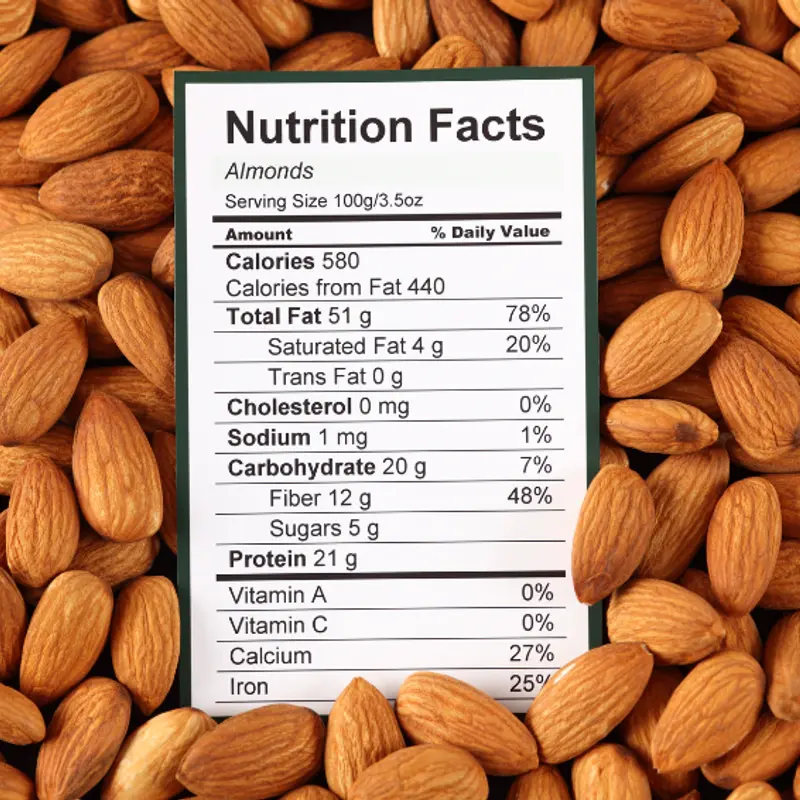
Reading Nutrition Facts Labels
Prior to the year 1990, the year the Nutrition Labeling and Education Act (NLEA) was signed into law, nutrition information was not always required to be put on packaged foods at the grocery store. Before the NLEA, nutrition information was only required on foods that were fortified with vitamins, minerals, or protein. It was not until 1994 that the first nutrition facts label was created, just one year after recommended serving sizes were established in 1993. The NLEA required food labels to contain: serving size, number of calories, grams of fat, saturated fat, total carbohydrate, fiber, sugars, protein, milligrams of cholesterol and sodium, and certain vitamins and minerals. Since the creation of the label, only a few revisions have been made. The most recent revision was in January 2020, with the biggest difference being the inclusion of grams of added sugars.So, how do you read and interpret the nutrition facts label?Serving size: The first step is to look at the serving size at the top of the label. This is because all the information on the label is based on this recommended serving size.Note: it is not a strict recommendation of how much you should eat or drink.However, pay attention and take a mental note of how much you are eating or drinking. If you are consuming about double the serving size, then everything on that label is doubled.Calories: This is the amount of energy you are getting from the product. Calories are calculatedfrom the 3 macronutrients protein, carbohydrate, and fat. As stated at the bottom of the nutrition facts label, 2,000 calories a day is used for general nutritionadvice. Note: calorie needs vary based on age, gender, height/weight, and activity level.Fats: Fats are a macronutrient essential for our health, but not all fats are created equally. On the label, Total Fat is always bolded, and underneath it is Saturated Fat and Trans Fat. These fats raise LDL (bad) cholesterol levels and should be consumed minimally. The Food and Drug Administration (FDA) has taken steps to reduce trans fats in the food supply, labeling them as not Generally Recognized as Safe. Trans fats should be avoided, as the American Heart Association recommends less than 1% of energy intake be from trans fats. The best way to know if there are trans fats in your food is to look at the ingredients list, where it will say partially hydrogenated oils. Saturated fats are more prominent in certain foods and examples include red meats, whole milk dairy products (milk, cheese), butter, pastries/cookies, and coconut and palm oil.On the other hand, unsaturated fats are healthy fats that can help raise HDL (good) cholesterol. Foods that include unsaturated fats include avocados, olives and olive oil, fatty fish (ex: salmon, tuna, mackerel, sardines, herring), egg yolks, and nuts and seeds. Aim for more of these in your diet to achieve healthy cholesterol levels.Cholesterol: Dietary cholesterol and blood cholesterol are not one in the same. Dietary cholesterol is found in food, specifically animal-based foods (meats, dairy, eggs). It is especially high in processed meats (ex: hot dogs, sausages). It can also be found in baked goods made with eggs, butter, or cream. There are no longer strict recommendations for dietary cholesterol. It is instead recommended to focus on limiting saturated fats and focus on consuming more plant-based foods and whole grains to achieve an overall healthier diet.Sodium: Per the Dietary Guidelines for Americans, the recommended intake of sodium per day is no more than 2,300 mg/day. For those with high blood pressure (hypertension), congestive heart failure, or chronic kidney disease, daily recommendations are lower at around 1,500 mg/day. Sodium adds up fast as there are typically very high amounts in canned goods, frozen meals, snack foods, and fast food. Look for labels stating low sodium, or similar, at the grocery store.Carbohydrates: This section includes the three types of carbohydrates: sugar, starch, and fiber. Although starches are not listed on the nutrition facts label, they are still included within the bolded total carbohydrates number. For example, if total carbohydrates are 34 grams, fiber is 4 grams, and sugars are 12 grams, then there are 18 grams of starch (4+12+18 = 34). Fiber is found in whole grains, fruits, and vegetables, and it is very beneficial for our digestion, blood sugar management, and heart health.A newer addition, as of January 2020, is the added sugars section, which tells us how many added sugars are included within total sugars, as total sugars equals natural sugars (dairy, fruit) and added sugars (sweets, candy, sodas, etc.) For example, if total sugars are 12 grams but added sugars are 10 grams, then only 2 grams of sugar are from a natural source.Percent Daily Value (% DV): This is the percentage of the daily value for each nutrient in a serving of food. It can show you how much of a nutrient in a serving of a food contributes to a total daily diet, and if a food is high or low in a nutrient. I like to recommend the 5% vs 20% rule to make smart decisions easier at the grocery store. Any nutrient that is listed at 5% daily value or less is considered a low amount of the nutrient, whereas any nutrient that is listed at 20% daily value is considered a high amount of the nutrient. This tool is valuable when comparing and contrasting different items and brands at a grocery store.Nutrients to choose less of (<20% DV): Saturated/trans fats, cholesterol, sodium, added sugars.Nutrients to choose more of (>5% DV): Fiber, vitamin D, calcium, iron, potassiumFor those who are visually impaired, how can you use the label? If you are unable to read the small print but can read it close up, consider bringing a magnifying glass, or use the free magnifier app on your iPhone. For Android users, there is a free app called Visor that provides you with a magnifying glass straight from your cell phone. For those who cannot see at all, consider bringing a friend of family member as a shopping assistant. Or there is an app called Be My Eyes on both iPhone and Android, which can read a nutrition label out loud for you. About the AuthorLaura O'Hara MS, RD/LD, Nutrition Education Program ManagerLaura was born and raised in Dallas, Texas and landed in Oklahoma City after graduating college at Oklahoma State University (go pokes!) She obtained a master's degree in nutrition, and officially became a Registered Dietitian in 2019. Since then, Laura has worked with people of all ages and all conditions, from neonates to seniors. Laura says, "My passion for the senior population grew immensely when I heard of and learned about ArchWell Health and their value-based care model, and I quickly realized the growing need for and importance of nutrition education in this specific population."
Nov 26, 2025

The Benefits of Pet Ownership for Adults Age 60 and Older
At ArchWell Health, we understand that good health goes beyond doctor visits. Sometimes, well-being comes on four legs and with a wagging tail or a gentle purr. Owning a pet can bring meaningful physical, emotional, and social benefits that enrich daily life for adults age 60 and older.Supporting emotional well-beingPets offer companionship that can brighten even the quietest days. Having a dog, cat, or other animal at home can reduce feelings of loneliness and provide comfort during difficult times. Simple interactions like petting a dog or sitting with a cat can lower stress and boost mood. Caring for a pet also creates a daily routine and a renewed sense of purpose, which can help improve emotional health and resilience.Encouraging physical activityPets, especially dogs, naturally inspire movement. Regular walks increase cardiovascular activity, strengthen muscles, and support balance all while being gentle on the body. Feeding, grooming, and playing with a pet also involve light physical activity that can help keep joints flexible and coordination sharp. These moments of movement may seem small, but over time, they add up to meaningful physical benefits.Supporting cognitive healthEngaging with a pet can provide valuable mental stimulation. Remembering feeding schedules, learning new training techniques, or simply interacting in playful ways exercises the brain and keeps daily life mentally active. This type of routine and responsibility supports focus, memory, and problem-solving skills.Strengthening social connectionsPets often help bring people together. Walking a dog can spark conversations with neighbors, and pet-friendly parks or classes offer opportunities to meet others with shared interests. Building these social connections can reduce isolation and increase feelings of belonging both important for overall well-being as we age.Bringing joy and comfortPerhaps one of the most powerful benefits of pet ownership is the simple joy animals bring. Their unconditional love and companionship can offer comfort, laughter, and a sense of security. For many older adults, pets become trusted friends and daily companions who make life brighter.The takeaway:For adults age 60 and older, pet ownership is about more than companionship. It encourages movement, boosts mood, supports cognitive health, and builds social connections. At ArchWell Health, we believe these daily joys and meaningful benefits can play an important role in helping members live fuller, healthier lives.
Nov 26, 2025

Four Reasons Why Hobbies Support Lifelong Wellness and Mental Health
Maybe you were once a talented quilter, or you couldnt wait for your weekly bridge night. Or perhaps youve always wanted to learn how to kayak or paint. But between busy work schedules, family obligations or health issues, life got in the way of your once beloved hobbies and dreams of new ones.The good news is that empty nests and retirement mean more time to enjoy creative, physical or social interests. And the better news is that hobbies arent just a fun way to pass the time; they matter for lifelong wellness and mental health.Here are four reasons why hobbies are good for you.1. Hobbies support brain health.Cognitive decline, which includes sudden or worsening memory loss or confusion, is a fact of life. Two out of three Americans will experience some level of impairment in their thinking abilities around the age of 70. Hobbies can slow that progression and boost brain health.By engaging in a wide range of daily activities, youll get even more of a brain boost, research says. For example, start the morning by going on a walk with friends, then move on to an afternoon painting class andfinish with an evening spent putting together a jigsaw puzzle. This provides a daily workout for the hippocampus, the part of the brain that plays an important role in creating and remembering memories.2. Hobbies keep us physically healthy.Many hobbies, of course, keep us strong and agile. And making time for golf, pickle ball or swimming leads to all kinds of benefits beyond lowering the risk of weight gain, heart disease and type 2 diabetes.Even moderate physical activities like walking, strength training or yoga can:improve balance and prevent fallsminimize the pain of arthritisenhance the immune system to prevent infections from getting in your lungs3. Hobbies reduce loneliness.In 2023, the U.S. Surgeon General called loneliness and isolation an epidemic, and those ages 55 and up have the highest rates of social isolation. Participating in hobbies whether walking with a neighborhood group or taking part in book clubs, fitness classes or card games ensures youre not just getting out and about, but also engaging with other people.And hobbies help reduce loneliness in another way too, even when you dont always have a strong social network available. You just need to reach a state of flow, when you're so focused on an activity that you dont realize how much time has passed. Researchers have found that when people achieve that state, they can feel less alone.4. Hobbies boost mental health.Finally, add up all the benefits of hobbies for older adults slower cognitive decline, healthier bodies and reduced loneliness and its no surprise that a fourth benefit is the mental health perks of getting involved in favorite pastimes. When people are actively engaged in hobbies they enjoy, they have fewer depressive symptoms, higher levels of self-reported health and improved life satisfaction, research shows.How to launch a hobbyIf you took a break from a longtime hobby or are ready to start a new one, it might take a little time to get fully up to speed. Take it slow.Be consistent and give yourself some grace. Dont expect to paint a prize-winning still life after 25 years away from the canvas or swim 10 laps after a lifetime out of the pool. Just set a goal to make steady progress as you introduce or reintroduce yourself to activities.And dont go at it alone, meet up with others who love the same thing. Local in-person groups and online forums can provide the encouragement you need to keep going as youre just starting out.Of course, before you get back into an old hobby or try something new, especially physical activities, check in with your doctor. Sometimes, previous hobbies like running or biking might need to be replaced with new ones like walking or yoga for health reasons. A friendly, caring ArchWell Health doctor can guide you.
Jul 26, 2024

Understanding the Facts and Myths About Seed Oils
Myth: Seed oils are bad for youThe myth that has been gaining popularity on social media is that seed oil is bad for you. What's commonly said is that oils like canola, rapeseed, soybean, and grapeseed oils increase inflammation. The reason? These oils have a high amount of omega-6 fatty acids. In some animal studies, rodents that were fed diets high in omega-6 fatty acids showed an increase in inflammation1. However, there are no human studies that show this to be true. In fact, when looking at multiple studies, people consuming these plant-based oils had LESS inflammation and lower bad cholesterol, than those that ate more butter or lard. Let us dive a little deeper into this topic.Understanding Seed Oil BenefitsAre you familiar with omega-3 fatty acids? This is the beneficial polyunsaturated fat found in fish but also found in flax seeds and walnuts. These fatty acids have been shown to be heart healthy, help prevent inflammation, and lower triglycerides, which is a type of fat found in our blood. Omega-6 fatty acids is another type of polyunsaturated fat which is found in safflower oil, sunflower oil, sunflower seeds, walnuts, corn oil, soybean oil, and pumpkin seeds. The fear of these omega-6 fatty acids is that the most prominent one, linoleic acid, changes into another fatty acid, arachidonic acid (ADA), which could increase inflammation. However, science does not support this. Linoleic acid does a poor job in converting to this ADA. There are multiple studies that look at increasing and decreasing amounts of linoleic acid in diets having little to no impact on the total amount of ADA in our blood. On top of that, ADA has both inflammatory AND anti-inflammatory properties, making this argument a very weak one.Studies show that both omega-3 and omega-6 fatty acids are beneficial to our heart and health. Many studies show that as consumption of omega-6s goes up, the risk of heart disease goes down. When replacing saturated fat with omega-6 fatty acids, the risk of heart disease dropped by 24%1. We know that omega-3 fatty acids are good for us, but most Americans do not eat enough omega-3s to achieve all the cardio-protective benefit. Most of us consume well over the recommendation for omega-6s. Seed oils are used often in highly processed foods like baked goods, chips, salad dressings, mayonnaise and candy. Instead of focusing on removing seed oils from your diet, try to increase your intake of omega-3s and limit the chips, baked goods and candy. Focus on increasing the intake of baked or grilled fish to 1-2 times per week and adding walnuts and flaxseeds into your diet.The truth of the mythWhen oils are heated to high temperatures for a long period of time, as is the case of deep-frying food, the oils break down and convert to trans fats. These fats DO become inflammatory. They also increase our risk for heart disease by increasing the bad cholesterol. When we use seed oils for cooking like roasting, sauteing or even pan frying, the oil is not reaching the same hot temperature that convert the oils to trans fats. If you are deep-frying at home, it is important to discard the oil after use, and not reuse that oil.TakeawaysThere is no need to fear seed oils. They are an inexpensive, easily available, heart-protecting unsaturated fat. There are no good studies supporting the claims that they are bad for us. More important than reducing our intake of omega 6s is the need to increase omega 3s and decrease our intake of saturated fats and fried foods.
Jul 26, 2024

The Benefits of Pottery for Older Adults
At ArchWell Health, we encourage activities that support both mind and body and pottery is a perfect example. Working with clay isnt just about making bowls or vases; its a creative, hands-on activity that can boost physical strength, sharpen mental focus, and bring joy at any age.Building physical strength and dexterityPottery involves more movement than many people realize. Kneading clay works the hands, wrists, and forearms, which helps maintain strength and flexibility. Shaping pieces on a pottery wheel engages the arms, shoulders, and core muscles, supporting better posture and stability. Even small, repetitive movements like smoothing edges or adding details can strengthen fine motor skills and improve hand-eye coordination.For adults age 60 and older, these physical benefits can make everyday tasks from opening jars to maintaining balance easier and more comfortable. And because pottery is low impact, its a gentle way to stay active without putting stress on joints.Supporting mental focus and cognitive healthPottery encourages you to focus on the present moment. The sensation of the clay, the spinning of the wheel, and the careful attention to detail draw your mind away from distractions and toward the task at hand. This mindfulness can lower stress, reduce feelings of anxiety, and promote a sense of calm.Working with clay also stimulates different parts of the brain. Planning designs, solving small problems as they arise, and learning new techniques all provide cognitive exercise. These mental challenges support memory, attention, and problem-solving skills all important for maintaining cognitive health as we age.Boosting emotional well-beingTheres something deeply satisfying about creating something with your own hands. Pottery gives a sense of accomplishment, whether youre finishing your first mug or glazing a piece that reflects your personality. The creative expression involved can lift mood and build confidence.Many older adults also find pottery to be a relaxing outlet. The slow, steady pace can feel meditative, offering a welcome break from daily routines.Encouraging social connectionPottery classes and workshops are wonderful opportunities to meet others and form meaningful connections. Sharing techniques, giving encouragement, or simply creating side by side helps build community. Social interaction plays a vital role in emotional well-being and can reduce feelings of isolation.The takeaway:Pottery is more than just an art form its a full-body, mind-engaging activity that supports strength, mental focus, emotional health, and social connection. At ArchWell Health, we celebrate hobbies that bring joy while supporting overall well-being. Pottery is a beautiful way to stay active, stay sharp, and express yourself.
Nov 26, 2025

Spending Time Outdoors Can Improve Seniors Health and Happiness
Youve probably heard that spending time outdoors is good for your health. Whether its a walk in the woods or 20 minutes spent in a sunny spot, time outside can help you feel refreshed and content.In fact, the link between time spent in natural settings and better health for seniors is well documented research reveals that nature-based activities really do improve mental health and well-being.Take a look at these 6 benefits of spending time in nature, along with practical ways to reap those rewards.1. More Vitamin DSun exposure helps the body produce vitamin D, which is essential to a healthy immune system and bones. This vitamin can also decrease the risk of osteoporosis, multiple sclerosis and rheumatoid arthritis. Since vitamin D levels are often low among seniors, its important to go outside and get the nutrients you need. Just 15 minutes of natural sunlight can provide your daily dose!2. Enhanced Mental HealthOne of the most positive impacts of outdoor activities relates to mental health and happiness. Feelings of anxiety and depression can lessen when you spend time in green spaces like parks and gardens. And forest bathing the practice of engaging all your senses in the great outdoors is a natural mood-booster.3. Increased Social InteractionIts easy to feel isolated inside our own four walls, but when we venture outside, we have the opportunity to meet new people or spend time with family and friends. Even the simplest interactions can make you feel more connected to your community. Plus, outdoor spaces provide an ideal setting for socialization and getting that Vitamin D boost!4. Less StressBeing surrounded by the sights, smells and sounds of nature can promote relaxation, lower your blood pressure and decrease stress. Your ArchWell Health provider may also suggest a low-impact exercise like 20 to 30 minutes of walking to calm your mind and body when youre out and about.5. More EnergyExposure to natural beauty can draw out feelings of awe and restore your mental energy. So if youre experiencing mental fatigue, let nature re-energize you. Walk the dog around the block and say hi to a neighbor or two., Eat lunch on your deck and you might find the inspiration to finish that project around the house. The change of pace could be just what you need.6. Better SleepSpending time outside during the day can help you fall asleep more easily at night. Thats because exposure to natural light helps your body regulate its circadian rhythm, leading to better sleep quality so you can wake up each day feeling refreshed and restored.Easy Ways for Seniors to Spend Time OutsideReady to get outside? Youll be in good company. In 2022, 35% of adults ages 55 and older participated in outdoor recreation, compared to just 28% in 2018. Older adults continue to become more active, representing 1 in every 5 outdoor participants.But you dont have to scale a mountain or go whitewater rafting to experience the benefits of nature. Try these simple activities to help you spend more time outdoors:Bike around your neighborhood.Enjoy a picnic with people you love.Explore your local park.Go bird-watching.Join a nature group.Listen to waves crashing at the beach.Plant a garden or flower box.Play outdoor games like bocce, golf or shuffleboard.Relax in your backyard.Swim in an outdoor pool.Take a walk around the block.Try your hand at nature photography.Visit a local orchard or farm to pick your own fruit.Another great way to get outside: Purchase an annual or lifetime Senior Pass from the National Park Service to gain access to hundreds of federal recreation sites, including national parks.A Word from ArchWell HealthWhenever you head outdoors, protect your skin by wearing sunscreen with an SPF of 15 or higher. And be sure to check with your ArchWell Health provider before starting a new physical activity. Even if your mobility is limited, you can reap the benefits of nature just by sitting outside.Whatever you do, make everyday contact with nature a priority. Visit your local ArchWell Health center to find out what fun outdoor activities are in store for members this month!About the AuthorDana Soulen, LMSW, CTP, CGP, Licensed Clinical Social Worker (LCSW)Dana Soulen is a licensed social worker with 8 years of experience. Ms. Soulen currently serves seniors in the ArchWell Health Oklahoma Market.Dana works to connect seniors and caregivers with community resources and ensures Oklahoma City members have the care they need. She understands the importance of community as you age and encourages seniors to attend ArchWell Health's center events to meet new friends. She is an advocate for Advance Care Planning. She encourages all members and their families to have an open dialogue with each other about their long-term care plans.
Jul 04, 2025

Four Simple Tips to Stay Hydrated
As Spring and Summer approach and the weather begins to warm up, it is important to stay hydrated. The human body is made up of roughly 60% water, and it can be lost quickly through sweating due to exercise or high temperatures. When we lose water, we can quickly become dehydrated, and this can cause either mild symptoms such as headache, fatigue, and constipation, or more life-threatening conditions including heat stroke, urinary tract infections, or kidney failure Staying hydrated is key for good health as it can help with digestion, maintain joint and kidney health, increase energy levels, support adequate brain function, and keep your skin glowing.As we age, the percentage of water in the body tends to decrease below 60% due to a natural decrease in muscle mass. Due to this, staying hydrated becomes more important; however, it can often be challenging to stay hydrated as age increases. Some reasons for this are the natural weakening in thirst response and a decrease in appetite, along with a potential fear of nocturia, or frequently using the restroom in the middle of the night. Some people may also be taking certain medications that increase the risk for dehydration, such as a diuretic (water pill), laxatives, and many chemotherapy medications. Ways to eat your waterDid you know that you can hydrate by not only drinking water, but also by eating certain foods? If you have trouble drinking enough fluids, try choosing these foods with high water content to help you stay hydrated.CucumbersWatermelonBerriesMelonsPeachesOrangesPineappleApplesIceberg lettuceTomatoesCeleryBell peppersSkim milkBrothPlain yogurtWays to add to your waterFluids that have a dehydrating effect include coffee and tea, and other beverages like soda, lemonade, fruit juices and sweet tea contain quite a bit of sugar, so it is best to stick with water as much as you can for adequate hydration. To keep your water cold, use an insulated water bottle. To keep drinking water more enjoyable, change up the flavor from time to time. Some of my personal favorite ways to consume water include adding:Lemon or lime juiceCucumbersStrawberriesSugar-free flavored drink packagesElectrolytesUnderstanding electrolytesSpeaking of electrolytes, are they safe to drink on a daily basis? The answer to this depends on a couple of factors. If you are prone to dehydration, exercise often, or sweat a lot after exercising, you may need to replenish your electrolytes. Electrolytes include sodium, potassium, and magnesium, and serve many functions including maintaining the balance between fluids inside and outside your cells and regulating nerve and muscle function. Electrolytes are found in common sports drinks like Gatorade or Pedialyte. These can be consumed for hydration, especially after sweating from exercise, or if dealing with an illness, specifically vomiting or diarrhea that can lead to dehydration; however, keep in mind that too many electrolytes in the body can cause an imbalance and lead to unwanted symptoms such as irregular heartbeat, muscle cramps, nausea, or diarrhea. With that being said, it is not recommended to drink electrolytes on a daily basis or as your sole source of hydration if it is not necessary to.Ways to make it a habitDrinking water is not a habit for everyone, so if it is not currently a habit for you, simply begin making it a part of your routine by making set points in your day to drink water. When you wake up, make it a goal to drink one glass, along with after each meal, with a snack, or before and after a physical activity. The easiest way to avoid dehydration is to keep water with you at all times. Whether you are running errands, relaxing on the couch, or going to sleep, it is best to keep water at your fingertips. Happy sipping, and happy spring!About the AuthorLaura O'Hara MS, RD/LD, Nutrition Education Program ManagerLaura was born and raised in Dallas, Texas and landed in Oklahoma City after graduating college at Oklahoma State University (go pokes!) She obtained a master's degree in nutrition, and officially became a Registered Dietitian in 2019. Since then, Laura has worked with people of all ages and all conditions, from neonates to seniors. Laura says, "My passion for the senior population grew immensely when I heard of and learned about ArchWell Health and their value-based care model, and I quickly realized the growing need for and importance of nutrition education in this specific population."
Jul 04, 2025

Sun and Heat Safety Tips for Seniors
Want to enjoy some sunshine in your golden years? Good news: Spending time outside can help improve mental health, reduce stress and support healthy aging.However, the suns high temperatures become more dangerous as you age. Thats because your body has to work extra hard to keep you cool, putting more strain on your heart and other organs.With that in mind, consider these tips to help you stay cool, protect your skin from UV rays and prevent heat-related illnesses this summer.Time Your OutingsGo outside before 10 a.m. and after 4 p.m. to avoid peak UV intensity.In extreme heat, try not to spend more than a few minutes outside at a time.Dont Skip the SunscreenDid you know that sunburn can increase your body temperature? To protect yourself:Apply a thick layer of SPF 15 or higher sunscreen to all uncovered areas of your body.Use a water-resistant, broad-spectrum sunscreen that filters out UVA and UVB rays.Make sure the sunscreen is less than three years old.Reapply at least every two hours or immediately after swimming or sweating.Dress for the WeatherTo stay cool and help protect your skin from UV rays:Wear lightweight, loose-fitting clothing.Choose natural fabrics like cotton or linen.Consider clothing with an ultraviolet protection factor (UPF) number on the label.Wear a dry t -shirt or cover up after swimming.Watch Your HeadPull on a wide-brimmed canvas hat to shade your face, neck and ears.Skip the straw hats with holes that let sunlight in.If you wear a baseball cap, apply plenty of sunscreen to your ears and the back of your neck.If you dont have much hair, apply sunscreen to the top of your head.Shield Your EyesWear sunglasses to protect your eyes from UV rays and reduce the risk of cataracts.Choose sunglasses labeled UV 400 or 100% UV protection.Consider wraparound frames that cover the entire eye socket.Stick to the ShadeSpend time in shady spots under umbrellas or trees.Even in the shade, wear sunscreen and sun-safe clothing to protect your skin.Stay HydratedDrink extra water early in the day.Always keep a water bottle with you.Avoid alcohol and caffeinated beverages.If youre taking water pills or your doctor has restricted your fluid intake, ask how much you should drink in hot weather.Consider Your Health ConditionsYou may need to take extra steps to stay healthy on hot days if:You have lung, kidney or heart disease, which can increase the risk of heat illness.You take antihistamines for allergies, cholesterol-lowering drugs or blood pressure medications. Meds like these can impact your bodys ability to sweat and to circulate blood, increasing your temperature and potentially causing heat stroke when the temperatures are extremely high .Talk to your doctor for individualized recommendations based on your health conditions.Stay Cool at HomeIf the heat risk is severe, stay in your air-conditioned home and:Take a cool shower or bath.Use drapes, sheets or sun-blocking shades to cover your windows.Limit oven use.Get plenty of rest.Make a Backup PlanIf your power is out or you dont have air-conditioning:Visit your local ArchWell Health center for a fun class or game day.Take a trip to your local library or community center.Contact ArchWell Health to help you find another place to cool down.Know the Signs of Heat StrokeSigns of heat stroke include:FaintingConfusionNot sweatingDry, flushed skinStrong, fast pulse or weak, slow pulseIf you or a loved one are experiencing heat stroke , call your ArchWell Health provider or your primary care doctor right away.ArchWell Health Is Here to HelpAt ArchWell Health, your safety and well-being are our priority. Talk with your care team for help making a plan to prevent heat-related illness this summer. The plan could include things like how youll stay hydrated, what youll do if your air-conditioning goes out, and knowing the signs of heatstroke.Staying safe in the sun and extreme heat is just one way ArchWell Health can help you live a healthy lifestyle. Discover more benefits of becoming a member today.About the AuthorArchWell Health, Senior Primary Care
Jul 04, 2025
ArchWell Health in Venice, Florida: Your Partner in Wellness
Finding a healthcare provider who truly understands the unique needs of older adults can make all the difference. For seniors in Venice, Florida, ArchWell Health stands out as more than just a doctors office its a community of care.At ArchWell Health, every visit is centered around one goal: keeping you healthy, active, and independent. With services that include routine wellness checks, advanced cardiology telehealth services for comprehensive care, and a team of compassionate physicians, ArchWell Health is proud to be your partner in wellness at every stage of aging.Why Venice, Florida Seniors Need Personalized, Preventive CareVenice, Florida, has long been recognized as one of the top destinations for retirees and for good reason. With its sunny climate, beautiful Gulf beaches, and relaxed lifestyle, its an ideal place for seniors to enjoy their golden years.But as the senior population grows currently, more than 61% of Venice residents are age 65 or older access to high-quality, preventive healthcare is more important than ever.Thats where ArchWell Health comes in. Their physician-led model focuses on building strong, lasting relationships with each patient while emphasizing prevention, education, and early intervention.Expert Insight:Our goal is to help seniors live longer, healthier lives by focusing on prevention and personal connection, says a member of the ArchWell Health care team. We dont just treat symptoms we care for the whole person.What Makes ArchWell Health DifferentHealthcare for older adults isnt one-size-fits-all. Thats why ArchWell Health takes a whole-person approach to medicine blending modern technology, compassionate care, and personalized attention.Heres what makes their approach stand out in the Venice community:1. A Focus on Preventive CareInstead of waiting for health issues to arise, ArchWell Health prioritizes routine wellness checks to help seniors stay ahead of potential concerns. These regular visits help monitor vital health markers, manage chronic conditions, and detect early warning signs before they become serious.2. Cardiology Telehealth Services for Comprehensive CareHeart health is especially important for older adults. Through cardiology telehealth services for comprehensive care, patients can conveniently consult with cardiology specialists without leaving home. This ensures ongoing heart health management whether its monitoring blood pressure, reviewing test results, or discussing medication plans all from the comfort of their living room.3. Longer Appointment TimesArchWell Health physicians take the time to listen. Patients enjoy longer appointment times, ensuring all questions are answered and every concern is addressed.4. Coordinated Care TeamFrom physicians and nurses to care coordinators and health coaches, every member of the ArchWell Health team works together to support your health goals. This team-based approach ensures seamless communication and better outcomes.5. Local ConnectionAs a trusted healthcare provider in Venice, Florida, ArchWell Health understands the local community its lifestyle, health challenges, and needs. Their physicians live and work in the same area, so patients feel cared for by neighbors who truly understand them.Comprehensive Services Designed for Senior WellnessArchWell Health offers a wide range of services that help seniors take charge of their health and enjoy life to the fullest.Preventive & Primary CareRoutine wellness checksVaccinations and screeningsNutrition counseling and weight managementMedication review and managementChronic Condition ManagementDiabetes careHeart disease and hypertension managementArthritis and joint health supportCOPD and respiratory careTelehealth & Specialty ServicesCardiology telehealth services for comprehensive careVirtual consultations with specialistsAccess to medical records and test results onlineSupportive Health ProgramsFall prevention and balance trainingFitness and wellness educationHealth coaching and goal settingBy combining convenience and compassion, ArchWell Health gives seniors the tools they need to maintain independence, improve well-being, and stay connected to their care team.Your Partner in Wellness: A Personalized ApproachAt ArchWell Health, every patient relationship begins with listening. Physicians take time to understand each individuals lifestyle, medical history, and personal goals creating care plans tailored specifically to their needs.This Your Partner in Wellness philosophy ensures that care goes beyond the exam room. Its about empowering patients with knowledge, tools, and consistent support to live healthier and happier lives.Care Team Quote:Were not just treating diseases were helping people live well. Our patients become part of the ArchWell Health family, and that connection is what keeps them thriving.Venices Senior Health LandscapeWith its high concentration of retirees and growing healthcare needs, Venice continues to prioritize accessible medical care for older adults. Many seniors here are active, community-oriented, and value proactive health maintenance making ArchWell Healths model a perfect fit.Local wellness programs, senior fitness classes, and preventive screenings are popular in the Venice area, and ArchWell Health often collaborates with community organizations to expand awareness about heart health, fall prevention, and chronic disease management.Why Seniors Choose ArchWell HealthSeniors and families throughout Venice trust ArchWell Health because of their commitment to comfort, compassion, and communication. Patients appreciate the easy access to care, the personalized attention from physicians, and the welcoming environment that feels more like a community than a clinic.Heres what sets them apart:Personalized care plans tailored to each patientComprehensive telehealth options for convenience and safetyFriendly, accessible staff who know patients by nameOn-site services that minimize travel and wait timesFrequently Asked Questions About Physicians at ArchWell Health1. What kind of physicians work at ArchWell Health?ArchWell Healths team includes board-certified physicians who specialize in senior care, internal medicine, and chronic disease management. They also collaborate with specialists in areas like cardiology and endocrinology through telehealth.2. How often should I schedule routine wellness checks?Most seniors benefit from routine wellness checks every 6 to 12 months, depending on individual health needs. These visits help track overall wellness and prevent potential issues.3. Can I use telehealth for all types of appointments?While some visits are best in person, ArchWell Healths cardiology telehealth services for comprehensive care and virtual consultations are ideal for follow-ups, medication reviews, and specialist appointments.4. Do I need a referral to see a specialist?Your ArchWell Health physician can refer you to trusted specialists when necessary, ensuring coordinated care across all providers.5. Is ArchWell Health accepting new patients in Venice, Florida?Yes! The Venice location welcomes new patients who are looking for a healthcare team focused on prevention, connection, and long-term wellness.A Local Tip for Seniors in VeniceVenices vibrant senior population enjoys an active lifestyle with access to parks, walking trails, and wellness centers. Maintaining routine wellness checks and engaging with Your Partner in Wellness at ArchWell Health ensures you stay healthy enough to enjoy everything this beautiful coastal city has to offer.Take the Next Step Toward Better HealthIf youre looking for a healthcare provider that listens, supports, and guides you every step of the way, ArchWell Health is ready to be your partner in wellness.To learn more about their services or schedule an appointment, visit their profile on Seniors Blue Book: ArchWell Health Venice, FloridaTake charge of your health today because at ArchWell Health, better care starts with better relationships.
Oct 08, 2025

The Flu Shot is the Best Way for Older Adults to Protect Their Health This Winter
Falling temperatures mean illnesses such as the common cold, influenza and respiratory syncytial virus, known as RSV, are starting to spread. Combined with the still-present COVID-19 virus, these illnesses can lead to hospitalization for older adults, especially in those already diagnosed with heart and lung conditions or who are otherwise immunocompromised. This means its time to think about how these people will protect their health this winter. Getting the flu shot is one of the best ways to do so.It is important for vulnerable seniors to receive their flu shot as soon as possible.Ive seen patients for more than 20 years and have heard a variety of concerns about the flu vaccine. The most common worry Ive encountered is that the shot will give you the flu. While there can be mild side effects from the flu shot such as fever, aches or fatigue, the vaccine itself will not give you the flu. In fact, adults who get the flu shot are much less likely to get the flu.Although no vaccine prevents illness 100% of the time, if you are vaccinated and still get the flu, you are much more likely to have a mild case of the illness. Last years data showed that the flu vaccination significantly reduced flu-related hospitalization among adults.Of course, you should talk with your personal primary care doctor about how the vaccine fits into your care plan. If you are over 60 years old and on Medicare, ArchWell Health providers are available to answer questions about the flu shot and other health concerns specific to older adults.If you are a senior with a respiratory or heart condition such as COPD, asthma or a heart condition, or are actively receiving cancer treatments that make you immunocompromised, your doctor may also suggest you receive the RSV vaccine. For the first time, the RSV vaccine is available to older adults to protect them against this viral illness that can lead to pneumonia and hospitalization.Many local pharmacies make it easy and affordable to get your yearly vaccines and may offer the latest COVID-19 booster.Keeping our communities healthy this winter is a communal effort. Getting the annual flu shot and other important vaccines is a great way to protect yourself and your loved ones.
Jul 26, 2024

Four Creative Ways to Take Care of Your Feet This Summer
Burying our toes in the sand. Stepping barefoot on the soft grass. Putting on our favorite sandals. The summer gives us plenty of reasons to focus on our feet. But as we get older, we should also focus on their care.Our feet play a big role in our health. They keep us moving and steady. But podiatry (foot health) issues can be a problem area for older adults. About 20% of older adults deal with the symptoms of foot osteoarthritis, which include pain, aching or stiffness.Whats more, foot issues and fallsthe leading cause of injury-related deaths for those age 65 and upoften go hand-in-hand.A recent study found that the majority of older adults who received care for falls also had foot problems (such as wearing the wrong shoes, weakness or pain).The connection between our feet and our overall health as we get older is no surprise. Just like the rest of our bodies, our feet change over the yearsfrom their size and shape to issues related to the skin, muscles and joints. Conditions common among older adultslike diabetes, arthritis and goutcan affect how well our feet work.But that doesn't mean you have to stop moving! Here are four creative ways to care for your feet this summerand throughout the year.1. Try toe yogaYoga is an excellent way to strengthen and stretch our muscles, and you can do it for more than your core (abdomen area). Toe yoga is a proven way to help you get around more easily, avoid falls, boost balance and reduce pain. Focusing on the muscles of the foot improves their strength and function, and keeps other issues like shin splints and plantar fasciitis (which causes a stabbing pain near the heel) at bay.Simple toe yoga poses can usually be done sitting down. They include rolling a tennis ball under the soles of your feet, or pointing, flexing or spreading your toes. Toe yoga poses that focus on the big toewhich plays a leading role in our ability to stand and keep our balancecan also keep you moving safely. Namaste!2. Consider your toenailsTouching our toes gets trickier as we age. Once we hit 55, we lose flexibility in our upper and lower joints by about 6 degrees each decade, and that can impact any number of daily activities, including how well we tend to our toenails.Studies have long shown that caring for our toenails gets harder as we get older. This can prompt health issues. Long toenails make it difficult to properly wear shoes, exercise or complete simple tasks around the house.Thats why touching your toes daily can help keep you limber, and give you the flexibility needed to keep clipping those toenails (or painting them, if thats your thing). Work in some flexibility exercises too, like stretches for your back, inner thigh, ankle and the back of your legs.Caring for your toenails also ensures you can keep an eye on them for changes common for older adults. If you notice a difference in color, thickness or texture, this may be a sign of infection or other issues. Call or visit the doctor to report these changes.3. Switch up the sandalsWalking around in flip flops is OK if you find a sturdy pair and buy new ones each yearbut if you have issues with balance or foot pain, it's probably best to skip wearing them altogether. If you're comfortable with flip flops, use them minimally: dont walk in them all day or use them for long distance treks. Ultimately, good support is what your feet need most, and flip flops just dont cut it.Wearing flip flops may cause common foot problems like bunions, hammertoes and plantar fasciitis to get worse. Wedge heels, open-toe sandals and strappy sandals can also cause foot-related issues such as instability, skin irritation and a lack of shock absorption.But that doesn't mean you cant invest in some fun summer footwear. As you shop, look for shoes with good support, such as stiff heels and a toe box area that provides a bit of flexibility, the American Podiatric Medical Association recommends.Because the size and shape of our feet change over time, dont simply order the same size youve worn for decades. Have your feet measured professionally before you purchase sandals or flip flops, the group recommends. The association offers a Seal of Acceptance and Seal of Approval for products that promote good foot health.4. Treat your feetYour feet have served you daily for a lifetime, so treat them to regular spa days.Try a warm water soak to soothe calluses or corns and swollen feet after a long day of working in the garden. Check the water's temperature before use. Adding Epsom salts may relieve muscle pain and stress. Bonus: a warm water foot bath may help with better sleep, recent research says.Applying a daily cream to smooth and moisturize dry and cracked heels goes a long way too. For the most impact, the American Academy of Dermatology Association recommends using a moisturizer that contains 10% to 25% urea, alpha hydroxy acid or salicylic acid. For best results, apply it within five minutes of bathing.Of course, home care cant always take the place of healthcare. Regular foot exams should be part of any older adults wellness routine, allowing providers to check nail and foot health and assess for potential vascular and neurological issues, like swelling or the loss of sensation in the foot (a common issue for those with diabetes). As always, a helpful ArchWell Health doctor can guide youand keep you on your feet!The article provides information designed to complement your personal health management. It does not provide medical advice and not meant to replace professional medical advice. Linking to other websites does not imply any endorsement of the material on such websites.
Jul 26, 2024

Why Colonoscopies are Important and When You Should Get One
The preparation for a standard colonoscopy may be unpleasant, but according to American Cancer Society statistics (2025) and CDC data (2024), colorectal cancer is the fourth most common diagnosed cancer and the second leading cause of cancer deaths in both men and women.On the plus side, the ACS says colorectal cancer death rates among older adults have dropped over the last several decades due to early detection and treatment as a result of these screenings, and by changing lifestyle-related risk factors.What is colorectal cancer?Also called colon cancer, the CDC describes colorectal cancer as a disease that causes cells in the rectum or colon to grow out of control.Colorectal cancer screening can help identify the earliest signs of colon and rectal cancers by detecting polyps and cancerous masses. Unfortunately, the early stages of colon cancer will not cause symptoms which is why screening is so important. When and how often should I get screened?ACS experts say individuals at moderate risk for colorectal cancer should maintain regular colonoscopies and screenings until the age of 75 (after starting at 45), as determined in planning with their doctor. Seniors between the ages of 75 and 85 should talk with their doctor about whether to continue screenings. If they have a personal history of bowel disease or a family history of colorectal cancer, it may be worth considering. The ACS states those over age 85 should not receive colonoscopies. What types of colonoscopy screenings are available?There are multiple test options for individuals, including stool-based tests which look at your DNA and blood to determine if you may have irregular colon or rectal growth.Talk with your trusted primary care provider or an ArchWell Health doctor to discuss your options for testing based on your unique history, risk factors, and other health needs. What is the preparation like?Colonoscopies may not be as uncomfortable as you may think. Doctors have improved the colonoscopy preparation process over the last decade. If you have not had a colonoscopy in many years, you may be surprised to hear there are more options than having to drink an entire gallon of laxative solution. New prescription and over-the-counter methods have made it easier than ever to get ready for your appointment. However, you should still plan for a week with little else going on as youll spend several days focusing on preparation, a nearly full day of actually going for the procedure, and a recovery day or two. Youll need a friend or family member to drive you there and back, so make sure to set that up when scheduling it.Get the supplies you need for emptying your colon per the doctors orders well in advance, as the timing of what to start drinking and when to stop eating is absolutely critical. You will be spending a lot of time in the bathroom, so prepare accordingly. Clean the bathroom well and make sure to have comfort items on hand. While you may not feel pain or discomfort from the actual colonoscopy, you will probably feel fatigued and weak from not sleeping or eating. How can ArchWell Health help?Still nervous about getting a colonoscopy? Unsure if you really need it anymore? Your ArchWell Health provider is happy to answer all your questions from a conversation about cancer risk to scheduling the procedure or talking through anxiety about it. Call your local ArchWell Health center today to take the next step.Screenings save lives. Check out our post on 14 important health screenings for seniors.About the AuthorJudith Ford, MD, Chief Clinical OfficerGrowing up with a father as a physician and a mother as a nurse, Judith Ford, a Medical Doctor (MD), has always had an interest in the medical field and caring for others. After attending college and medical school, she began practicing with a focus on taking care of older patients with complex conditions. With this mission in mind, the move to ArchWell Health was a natural fit. When not practicing medicine, shes spending time with her husband, Chris, and her children, Sara and Jane.