
PHONE
Click to View NumberSee More
Additional Services Offered

Deeper Dive Horizons
Medication ManagementComprehensive Medication Management with Deeper Dive Horizons Keith Williams, Rph, BCACP, BCPS At Deeper Dive Horizons, we understand that medication management is a crucial aspect of senior care. Whether you are an independent senior striving to maintain your health or a caregiver navigating the complexities of medication oversight for a loved one, we are here to guide you through every step of the process. Our expert-led approach ensures that seniors receive the safest and most effective medication regimens, promoting overall health and well-being.Why Medication Management MattersAs we age, medication needs increase, and managing multiple prescriptions, over-the-counter medications, and supplements can be overwhelming. Polypharmacy, or the use of multiple medications, increases the risk of adverse drug interactions, side effects, and medication non-adherence. At Deeper Dive Horizons, we specialize in simplifying this process, empowering seniors and caregivers with knowledge, tools, and professional support to ensure safe and effective medication use.Our Unique Approach to Medication ManagementWith over 22 years of experience, Keith Williams and the team at Deeper Dive Horizons have developed a structured, comprehensive medication management program designed to support both seniors and their caregivers. We offer a one-time deep dive medication review and a 6-week medication management program, both of which focus on optimizing medication use and improving overall quality of life.One-Time Deep Dive Medication ReviewOur one-time medication review is perfect for those seeking an in-depth analysis of their current prescriptions and supplements. This service includes:Thorough medication history assessmentEvaluation of drug interactions and side effectsPersonalized recommendations for safer and more effective medication useGuidance on over-the-counter supplements and their impact on healthSupport in advocating for medication adjustments with healthcare providersThis review helps seniors and caregivers gain a clear understanding of how medications impact daily life and how to manage them effectively.6-Week Comprehensive Medication Management ProgramFor those seeking a more in-depth, hands-on approach, our 6-week program provides ongoing guidance and education, covering:Medication History & Supplement Analysis A detailed assessment of current medications and supplements to identify potential risks and optimize treatment.Personalized Medication Plan Customized recommendations for managing prescriptions effectively while addressing individual health concerns.Nutrition & Lifestyle Integration Educating seniors on the role of diet, hydration, and lifestyle choices in enhancing medication efficacy and overall health.Blood Glucose & Vital Signs Monitoring Teaching caregivers and seniors how to monitor blood sugar levels, blood pressure, and other vital signs for optimal health outcomes.Physical Activity & Sleep Support Providing strategies to improve mobility, fitness, and sleep quality, which directly impact medication effectiveness.Caregiver Empowerment & Stress Management Equipping caregivers with essential skills and knowledge to confidently advocate for their loved ones health and well-being.By the end of the program, seniors and caregivers will be empowered to make informed decisions, reducing stress and ensuring better health outcomes.Benefits of Choosing Deeper Dive HorizonsChoosing Deeper Dive Horizons for medication management ensures:Personalized care Every senior receives individualized attention to their specific health needs.Reduced medication risks We help identify and prevent adverse drug interactions and medication errors.Empowerment through education Seniors and caregivers gain valuable knowledge and skills to confidently manage medications.Improved quality of life By ensuring the right medications are used in the right way, seniors enjoy greater independence, better health, and overall well-being.Caregiver support and relief We provide guidance, tools, and emotional support to make caregiving less stressful and more rewarding.Who Can Benefit?Our medication management services are ideal for:Independent seniors who want to safely manage their own medications.Caregivers who need guidance in overseeing a loved ones medication regimen.Families seeking clarity on complex medication routines.Anyone experiencing medication-related side effects or challenges.Take the Next Step Toward Better Medication ManagementAt Deeper Dive Horizons, we are committed to helping seniors and caregivers navigate the challenges of medication management with confidence and peace of mind. Our goal is to ensure that every senior receives optimal care, safety, and support in their golden years.Dont let medication confusion or mismanagement put your loved ones health at risk. Contact Deeper Dive Horizons today to schedule your one-time medication review or enroll in our 6-week medication management program. Let us help you achieve greater health, reduced stress, and a higher quality of life for you and your loved ones.Visit Deeper Dive Horizons to learn more and take the first step toward better medication management today!
Continue Your Search! Explore More Local Options.
Start SearchingLet’s engage and get educated!
Browse through thousands of expert articles in over 100 different categories.
Browse NowArticles You May Like
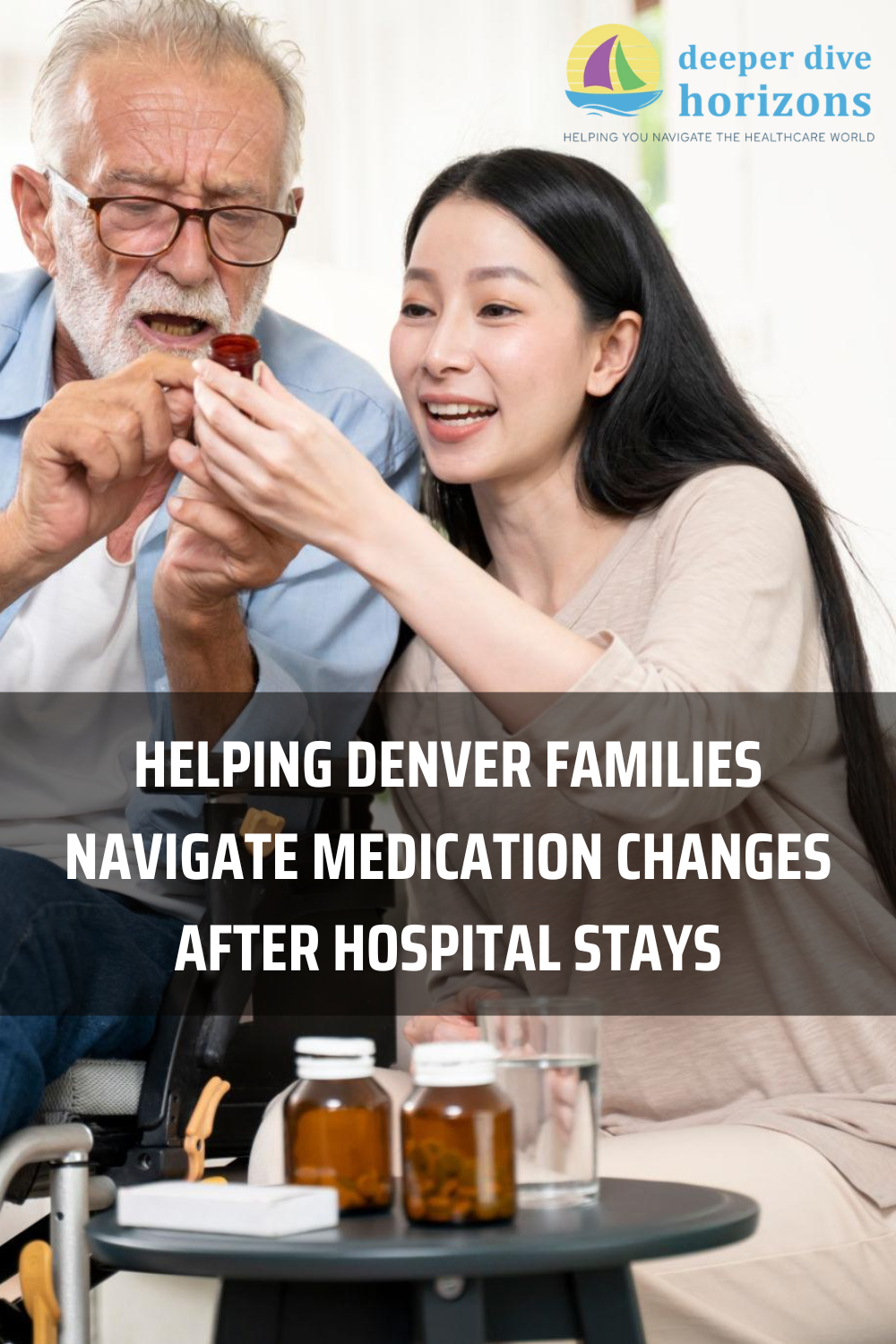
Helping Denver Families Navigate Medication Changes After Hospital Sta
Helping Denver Families Navigate Medication Changes After Hospital StaysHospital discharges can feel overwhelming for seniors and their families. After surgery, illness, or emergency treatment, older adults are often sent home with new medications, revised instructions, and multiple follow-up appointments. While the goal is recovery, managing medications during this transition can quickly become confusing and stressful.In Denver, where many older adults live independently or rely on family support, medication management has become an essential part of helping seniors recover safely after hospitalization.Families frequently discover that medication schedules become far more complicated after a hospital stay. New prescriptions may replace old ones, dosages may change, and instructions from multiple providers can create uncertainty.Deeper Dive Horizons helps seniors and caregivers navigate these transitions by providing medication management support focused on organization, safety, and long-term wellness.Why Hospital Discharges Create Medication ChallengesAfter hospitalization, seniors often return home with several changes to their healthcare routines.This may include: New medications Adjusted dosages Discontinued prescriptions Temporary recovery medications Complex instructions Unfortunately, many seniors leave hospitals feeling overwhelmed or confused about these updates.Factors such as fatigue, stress, pain, or memory concerns can make it difficult to fully understand discharge instructions.Medication transitions after hospitalization are one of the times seniors are most vulnerable to mistakes and confusion, says Keith Williams of Deeper Dive Horizons. Families often need additional support to ensure medication routines are clear, organized, and safe.Medication Errors After Hospitalization Are CommonHealthcare professionals consistently identify medication mistakes as a major cause of hospital readmissions among older adults.Common post-discharge problems include: Taking discontinued medications Missing doses Mixing medications incorrectly Incorrect timing Overlapping prescriptions Confusion between old and new instructions These issues can delay recovery and create serious health risks.Medication management services help reduce these risks by improving clarity and consistency during the transition home.Denver Seniors Often Manage Multiple ConditionsMany older adults in Denver manage several chronic health conditions simultaneously.Common conditions may include: Heart disease Diabetes COPD Arthritis Hypertension Memory-related conditions Each condition may involve multiple medications prescribed by different healthcare providers.Without structured organization, keeping track of changing medication schedules can become extremely difficult.Families Frequently Become Medication CoordinatorsAfter a hospital stay, family caregivers often find themselves managing medication routines for loved ones.This may involve: Filling pill organizers Monitoring schedules Tracking side effects Communicating with doctors Coordinating pharmacy refills While families want to help, the responsibility can quickly become stressful and time-consuming.Medication management services provide additional guidance and support that helps reduce caregiver burden while improving safety.Recovery at Home Requires ConsistencyMedication consistency plays a major role in successful recovery.Missing medications or taking incorrect dosages may contribute to: Delayed healing Falls Dizziness Increased confusion Rehospitalization Clear medication routines help seniors feel more confident and support smoother recovery experiences.Structured systems may include: Medication schedules Organized storage systems Reminder support Monitoring routines Communication coordination At Deeper Dive Horizons, medication management support focuses on simplifying complex routines so seniors and caregivers feel more comfortable and informed.Why Communication Between Providers MattersOne challenge families often face is receiving conflicting or incomplete information from different healthcare providers.Hospitals, primary care physicians, specialists, and pharmacies may all provide separate instructions.Without proper coordination, seniors may accidentally continue medications that were supposed to stop or misunderstand dosage adjustments.Medication management services help improve communication clarity so families better understand which medications are current and how they should be taken.Medication Management Supports IndependenceMany seniors want to remain independent after hospitalization, but medication confusion can make that difficult.Proper medication organization helps seniors: Regain confidence Continue living at home safely Reduce anxiety Avoid preventable setbacks Maintain healthier routines Supportive systems often allow older adults to recover more comfortably while preserving autonomy.Emotional Stress Often Accompanies Medication ChangesMedication management is not only a physical health issueit can also affect emotional well-being.Seniors may feel: Frustrated by complicated instructions Fearful of making mistakes Overwhelmed by healthcare changes Embarrassed about forgetfulness Families may experience constant worry about whether medications are being managed correctly.Creating organized systems and clear routines helps reduce stress for everyone involved.Technology and Human Support Work Best TogetherWhile modern technology offers helpful tools such as reminder apps and automated dispensers, many seniors still benefit most from personal guidance and reassurance.Medication management support often combines: Human oversight Routine organization Family communication Reminder systems Practical education This balanced approach improves confidence while reducing the likelihood of errors.Preventing Hospital Readmissions Through Better OrganizationOne of the primary goals of medication management is reducing avoidable hospital readmissions.When seniors understand their medications clearly and follow consistent routines, they are more likely to experience smoother recoveries and better long-term outcomes.Proactive medication support can help families feel more prepared during what is often a stressful recovery period.Supporting Recovery With ConfidenceRecovering after hospitalization can feel challenging, especially when medication routines suddenly become more complicated.With proper organization, communication, and support, seniors can transition home more safely and comfortably while maintaining greater independence.Deeper Dive Horizons provides medication management services designed to help Denver seniors and caregivers navigate healthcare transitions with clarity and peace of mind.To learn more about medication management and senior wellness resources, visit the Seniors Blue Book listing for Deeper Dive Horizons.Frequently Asked QuestionsWhy do medication mistakes happen after hospitalization?Medication routines often change after hospital stays, creating confusion about dosages, schedules, and discontinued prescriptions.How can medication management help seniors recover safely?Medication management improves organization, consistency, and communication, reducing the risk of errors and complications.Can medication support reduce hospital readmissions?Yes. Proper medication management helps seniors follow treatment plans more accurately and safely.What role do family caregivers play in medication management?Family caregivers often help organize medications, monitor schedules, and communicate with healthcare providers.Why is communication between doctors important? Clear communication helps prevent duplicate prescriptions, medication conflicts, and misunderstanding of instructions.
May 24, 2026
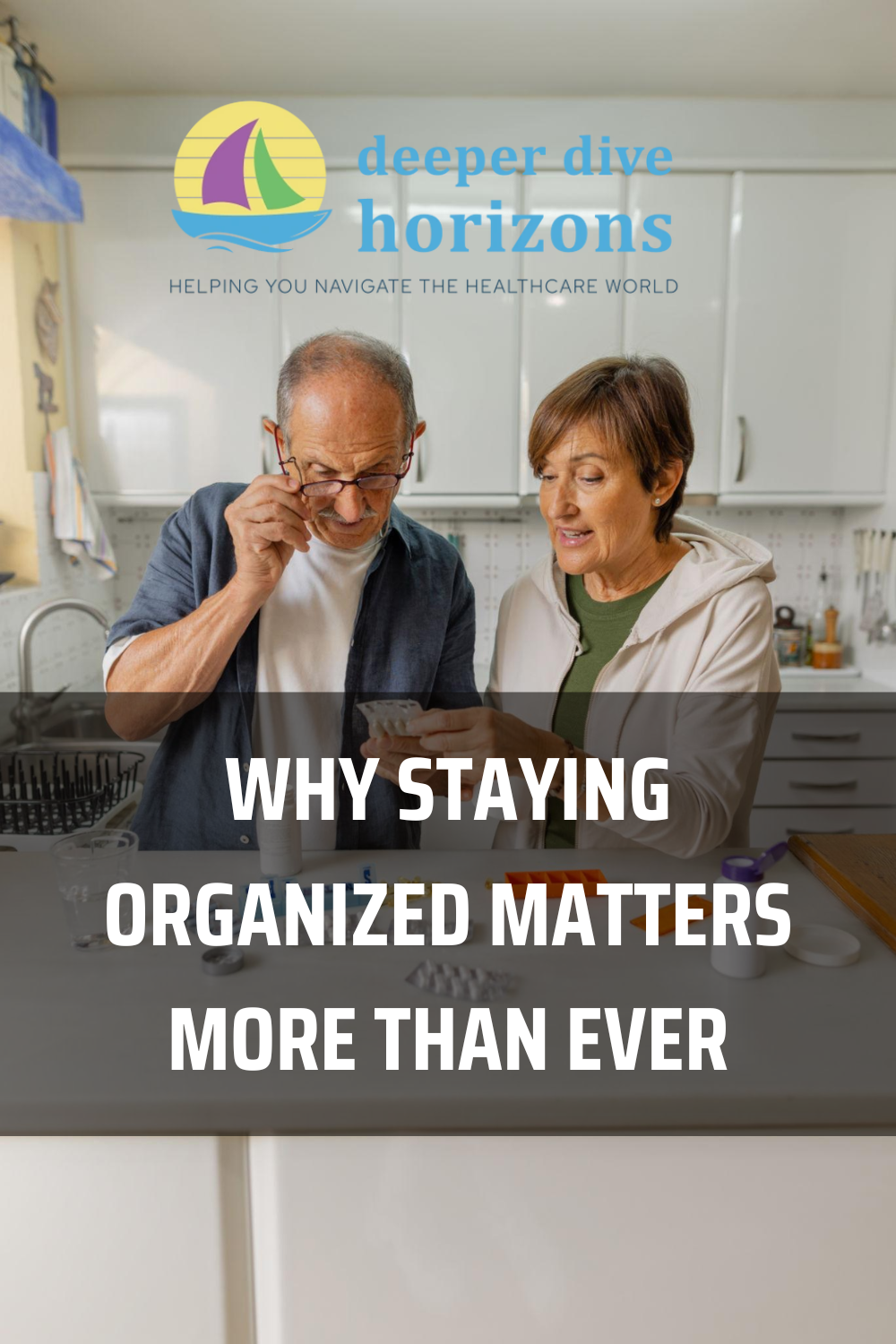
Why Staying Organized Matters More Than Ever
Why Staying Organized Matters More Than EverFor many older adults in Denver, maintaining independence means continuing to manage daily routines, stay active in the community, and remain in the comfort of home for as long as possible. Yet one of the most overlooked challenges seniors face is medication management.As healthcare advances, seniors are living longer and managing multiple health conditions simultaneously. While this is a positive development, it also means many older adults take several prescriptions daily. Managing medications correctly can quickly become complicated, especially when prescriptions change, specialists are involved, or memory concerns begin to emerge.In a fast-growing city like Denver, where seniors are balancing active lifestyles alongside complex healthcare needs, medication management services have become increasingly important for supporting safety, independence, and overall wellness.Deeper Dive Horizons helps older adults and families navigate medication routines with greater confidence, organization, and peace of mind.Why Medication Management Is So Important for SeniorsAccording to healthcare experts, medication-related complications remain one of the leading causes of preventable hospital visits among older adults.Seniors may take medications for: Blood pressure Diabetes Heart disease Arthritis Memory conditions Pain management Sleep disorders Mental health support Managing several medications at once increases the risk of: Missed doses Incorrect timing Duplicate medications Dangerous drug interactions Confusion about instructions Even small mistakes can significantly affect a seniors health and quality of life.Medication routines can become overwhelming very quickly, especially when multiple doctors and prescriptions are involved, says Keith Williams of Deeper Dive Horizons. Our focus is helping seniors and families create systems that support safety, clarity, and consistency.Denver Seniors Are Living More Active LivesTodays older adults are more active than previous generations. Many Denver seniors continue traveling, volunteering, attending community events, and participating in outdoor activities throughout retirement.While active lifestyles contribute positively to wellness, they can also make medication routines harder to manage consistently.Busy schedules, frequent appointments, and changing prescriptions may increase the likelihood of confusion or missed medications.Medication management services help seniors maintain independence while reducing unnecessary risks.Signs a Senior May Need Medication SupportFamilies are often unsure when additional medication assistance may be necessary.Some common warning signs include:Missed or Forgotten DosesMedication bottles remaining full or inconsistent refill patterns may indicate memory challenges.Confusion About InstructionsDifficulty remembering dosage schedules or mixing up prescriptions can become dangerous.Multiple Prescribing PhysiciansSeeing several specialists increases the risk of overlapping medications or unclear instructions.Recent HospitalizationsMedication changes after hospitalization often create confusion for seniors and caregivers.Declining Cognitive FunctionMemory loss can make medication management significantly more difficult.Addressing these concerns early can help prevent serious complications.Medication Errors Can Affect More Than Physical HealthMedication mistakes often lead to emotional stress as well.Seniors who feel uncertain about their medication routines may experience: Anxiety Reduced confidence Fear of making mistakes Frustration Loss of independence Family members may also feel constant worry about whether loved ones are taking medications correctly.Medication management services help reduce this stress by creating organized systems and consistent oversight.Personalized Medication Plans Improve SafetyNo two seniors have identical healthcare needs. Personalized medication management plans help ensure routines are tailored appropriately.This may include: Medication scheduling Organization systems Reminder support Prescription coordination Family communication Monitoring changes in routines Having structured systems in place helps seniors remain independent while improving consistency and safety.At Deeper Dive Horizons, medication management support focuses on creating practical solutions that fit each individuals lifestyle and health needs.Technology Is Changing Senior Medication ManagementModern tools are helping older adults manage medications more effectively than ever before.Some seniors benefit from: Automated medication dispensers Reminder apps Electronic tracking systems Digital communication with healthcare providers While technology can be helpful, many older adults still prefer personal guidance and human support to ensure they fully understand their medication routines.Combining technology with compassionate oversight often creates the best outcomes.Why Medication Management Helps Families TooFamily caregivers often spend significant time worrying about medication safety.Questions such as: Did Mom take her medication today? Are these prescriptions still current? Is Dad taking the correct dosage? Did the doctor change anything after the appointment? can become emotionally exhausting over time.Medication management support helps families feel more reassured by creating clearer systems and reducing uncertainty.Instead of constantly monitoring medications themselves, loved ones can focus more on spending meaningful time together.Communication Between Providers Is EssentialOne major challenge seniors face is coordinating medications prescribed by multiple healthcare providers.Primary care doctors, specialists, pharmacists, and hospitals may all contribute to a seniors medication routine.Without proper communication, problems such as duplicate prescriptions or conflicting instructions can occur.Medication management services help improve organization and communication, ensuring seniors and families better understand current medication plans.Supporting Independence Through OrganizationMany seniors fear that asking for help with medications means losing independence. In reality, proper support often helps preserve independence longer.When medication routines become safer and more manageable, seniors are better able to: Remain at home Continue social activities Maintain confidence Avoid preventable hospital visits Stay engaged in daily life Organization creates stability, which supports healthier aging overall.Why Denver Families Are Seeking Medication Support ServicesDenvers growing senior population has increased awareness about the importance of proactive healthcare support.Families are increasingly recognizing that medication management is not simply about taking pills correctlyit is about protecting long-term wellness, safety, and quality of life.For seniors managing chronic conditions or complex medication schedules, additional support can make daily routines significantly less stressful.Helping Seniors Feel Confident and SecureMedication management is one of the most important yet underestimated aspects of healthy aging.With the right support systems in place, seniors can maintain independence while reducing risks associated with medication errors and confusion.Deeper Dive Horizons provides medication management services designed to help Denver seniors and families feel more organized, informed, and confident about daily healthcare routines.To learn more about medication support and senior wellness resources, visit the Seniors Blue Book listing for Deeper Dive Horizons.Frequently Asked QuestionsWhy is medication management important for seniors?Medication management helps reduce errors, improve safety, and support better health outcomes for older adults.What are common medication challenges for seniors?Challenges may include memory issues, complex schedules, multiple prescriptions, and confusion after healthcare changes.Can medication management help seniors remain independent?Yes. Organized medication routines often help seniors safely continue living independently.Do families benefit from medication support services?Absolutely. Medication management reduces stress and helps families feel more reassured about loved ones safety.Why are medication errors dangerous for older adults? Medication mistakes can lead to falls, hospitalization, health complications, and reduced quality of life.
May 24, 2026

What Is a Clinical Pharmacist and What Do They Do?
Do you or your loved one take prescribed medications for a chronic condition? Managing pills might become overwhelming. Not only that, but it is also important to ensure that the medications work efficiently to enhance your or your loved ones well-being. This is when the services of a clinical pharmacist become invaluable. A clinical pharmacist specializes in direct patient care, collaborating with healthcare teams to optimize medication therapy. Read on to learn more about how clinical pharmacists can help you.Assessment and EvaluationClinical pharmacists analyze the status of a patient's health conditions and scrutinize the prescribed medications. They identify potential gaps or discrepancies in the treatment, ensuring that medications align with the patient's needs and therapy goals.Uncovering Untreated Health IssuesBeyond merely dispensing medications, clinical pharmacists uncover untreated health problems that could benefit from appropriate medication therapy. Through their thorough evaluations, they identify areas where intervention can lead to improved patient well-being and quality of life.Monitoring and ConsultationThe journey doesn't end with a prescription. Clinical pharmacists walk alongside patients, monitoring their progress and evaluating the effects of medications on their health. This ongoing assessment allows for timely adjustments and interventions, ensuring that the treatment remains on track. Moreover, clinical pharmacists collaborate with physicians and other healthcare providers, offering valuable insights and recommendations to optimize medication therapy and contribute to overall care goals.Patient Education and SupportEmpowering patients with knowledge is a cornerstone of the clinical pharmacist's role. They offer guidance on medication administration, helping patients navigate dosages and get a thorough understanding of potential side effects. Clinical pharmacists extend their support beyond pills and prescriptions, advocating for holistic approaches to health by promoting practices like exercise, proper diet, and preventive measures such as immunizations.Integrated Patient CareClinical pharmacists collaborate with healthcare teams to develop and implement comprehensive medication plans tailored to individual patient needs.Personalized Care and Professional RelationshipsClinical pharmacists forge meaningful connections with patients, taking the time to understand their unique concerns, preferences, and aspirations. This human touch infuses their practice with empathy and understanding, fostering trust and collaboration on the journey towards better health.How We Can HelpAt Deeper Dive Horizons, our clinical pharmacists can help you or your loved one through one of the following services:S.H.I.P ProgramThrough six one-on-one sessions conducted via phone or zoom, the S.H.I.P. program focuses on four key pillars: safe and effective medication therapy, promotion of healthy lifestyles, overcoming healthcare and lifestyle barriers to independent living, and provision of resources for senior and caregiver well-being. Deep Dive Medication ReviewThis program provides a deep dive into medication management for seniors who are on multiple medications and may feel that their current therapy is suboptimal for their chronic conditions. Over two sessions, the program offers tailored medication review plans in collaboration with the patient's primary care physician. Follow-up sessions assess the success of interventions and determine if further comprehensive programs are needed to achieve goal-directed health outcomes.Sailing Home ProgramThe Sailing Home Program focuses on ensuring a smooth transition for seniors from hospital to home, reducing the risk of re-hospitalization by reconciling medications, and addressing medication-related issues. This includes evaluating duplicate therapy, drug-drug interactions, drug-disease interactions, appropriate dosing based on patient-specific data, and assessing the complexity of drug regimens in relation to the senior's independence and support systems. If you or your loved one are looking for a clinical pharmacist, contact us at Deeper Dive Horizons to schedule a consultation 888-984-8895.
May 14, 2024

Managing Seasonal Allergies
Seasonal allergies can affect seniors just like people of any age. Older adults may experience symptoms such as sneezing, runny nose, and itchy eyes due to allergens like pollen and dust. While some seniors may experience a decrease in seasonal allergies as they age, others may find their allergies worsening with time. It is important for seniors to manage their allergies effectively to avoid discomfort and potential health concerns. As seniors age, their immune systems may become less effective at fighting off allergic reactions, making them more susceptible to mild symptoms triggered by allergens such as pollen. Here are a few common Over-the-counter medications that you can use to manage seasonal allergies: Nasal steroids: These include Flonase (generic is fluticasone), and Nasacort (generic is triamcinolone). These medications are generally considered the first-line treatments for allergies. Doctors and pharmacists prefer these treatments for moderate to severe or persistent allergy symptoms. These treatments are also beneficial for itchy, irritated or watery eyes as well as nasal congestion.2ndgeneration Antihistamines: These medications which include Claritin (generic is loratadine), Allegra (generic is fexofenadine) and Zyrtec (generic is cetirizine) are good for milder allergy symptoms, or those symptoms that occur occasionally. It is very important that seniors stick with the 2nd generation antihistamines and AVOID Benadryl (generic is diphenhydramine) or Chlor-Trimeton (generic is chlorpheniramine). Antihistamines such as Benadryl can cause excessive sedation, worsen glaucoma, and promote increased fall risk in elderly patients. Therefore, it is best to avoid Benadryland Chlor-Trimeton when you get older.Nasal Antihistamines: These include brands Astepro and Astelin, and these medications are considered add-ons to nasal steroids. If you are still suffering from allergy symptoms while on a nasal steroid, these may provide additional help.Ophthalmic antihistamines: For those with watery or itchy eyes, in which nasal steroids are not quite enough, medications such as Zaditor (generic ketotifen) or Pataday (generic olopatadine) are eye drops that can provide additional benefit.Lastly for uncontrolled nasal congestion one can consider nasal decongestant medications such as Afrin (generic is oxymetazoline). Realize there are some warnings with these medications. They can cause rebound nasal congestion if used for 3 days or more. Reserve this medication for nasal congestion that does not respond to nasal steroids, or for the occasional nasal stuffiness. If you have uncontrolled high blood pressure, avoid this medication.The management of seasonal allergies includes nonpharmacologic and pharmacologic approaches. Nonpharmacologic measures include nasal irrigation and allergen avoidance (e.g., keeping windows closed, using window screen filters and air conditioning, limiting outdoor time during peak allergen season, showering after outdoor exposure). Choose a medication based on severity of symptoms, patient age, other medical conditions, and preferences. Immunotherapy (subcutaneous or sublingual) can be considered if other management is not adequate or if the patient has seasonal allergies in combination with asthma. Alternative therapies (e.g., supplements, homeopathy, and acupuncture) have been used and promoted for seasonal allergies; however, there are insufficient data to recommend these therapies.--------------------------------------------------------------------------Seniors can help manage their seasonal allergies by incorporating an immunity-boosting diet that includes foods like apples, strawberries, ginger, leafy vegetables, walnuts, and fatty fish. It is crucial for caregivers of seniors to be aware of how seasonal allergies can impact older adults and provide the necessary care and support.If you are a senior or a caregiver of a senior experiencing seasonal allergies, it is recommended to seek guidance from healthcare professionals on how to effectively manage and alleviate allergy symptoms. Implementing strategies to minimize exposure to allergens and incorporating healthy lifestyle habits can significantly improve the quality of life for seniors dealing with seasonal allergies.As we grow older, our body changes and so does our immune system. Just as we no longer run as fast as we once did, we may lose our tolerance to potential allergens, from pollen to dog hair. And, on the flip side, we may build immunities to the things that once bothered us, research shows. Nasal antihistaminesSee a comparison of nasal sprays for allergic rhinitis later in the document.Add-on therapy with nasal steroids, if needed (especially for nasal congestion).1,3,8Under two years (Astepro [US]) or under five years (Astelin [US]).9Under six years (olopatadine).9Neither available as single-ingredient nasal sprays in Canada. Ophthalmic antihistaminesAdd-on therapy for eye symptoms with nasal steroids, if needed.1Under three years (ketotifen, olopatadine [Canada]).9,15,16Under two years (olopatadine [US]).9 Decongestants (intranasal, oral)Inadequate response from a nasal steroid for nasal congestion.2Use in combination with an oral antihistamine (intranasal).3Intermittent nasal congestion.2Hypertension, arrhythmia, coronary heart disease, hyperthyroidism, glaucoma, diabetes, and benign prostatic hypertrophy (oral).2Prolonged use (more than three to five days) (intranasal).2,3With monoamine oxidase inhibitors.6Monotherapy (intranasal).6
Jul 08, 2024

Travel Season and Prescription Medications!
Traveling with Medications Safely, Effectively and Hassle-FreeAlthough this article pertains to all ages who need to leave town with prescription medications, it is especially relevant to the active 55 plus community. Lets be honest, as we get older, we often require more medications to treat a variety of illnesses. In many instances, we are also taking care of a spouse, parent or other dependent when we travel, and must ensure they have all the required medications for travel as well. The following are some tips to employ as you embark on your next adventure. Simple planning ahead can save you from a host of problems, while helping you maintain your productively aging lifestyle. Here are some things you can do before your trip, during your trip and after your trip to avoid medication pitfalls while you are away from home.Before your TripFirst, determine the number of days you will be gone and add at least an extra week to determine what you will need as a rule of thumb. This can account for medication emergencies, travel delays, or other unforeseen circumstances. Medication synchronization is a process that allows you to pick up all your medications at the same time. If possible, ask your pharmacy about medication synchronization well in advance of your trip. If you take the time to talk with your physician or pharmacist, this process can streamline your medication pick-up to all at once. I often encourage patients to use mail order weeks in advance of their trip. This often provides greater quantities with fewer copays. Also, ask your pharmacist if there have been any supply issues or manufacturer shortages with your medications. If so, discuss with your doctor therapeutic alternatives you could try in the interim. Certain medications, such as controlled substances (pain medications or stimulant medications) often have supply restrictions and are not afforded refills. Tell your doctor to communicate to the pharmacy that it is ok to fill these medications early. Remember, we cant just take your word for it that you are allowed to take the controlled substance early. The doctor should preferably communicate via phone, electronic prescribing, or on the prescription that it is ok to fill these medications early. DO NOT (I repeat DO NOT) order your medications on your travel day or arrange to pick up medications on travel days (unless absolutely necessary)!!!! You dont want to miss a flight due to poor planning and get stressed by having to deal with medication issues (air travel is already stressful enough nowadays). Murphys Law, which states anything that can go wrong, WILL go wrong, applies to picking up medications at the pharmacy on your travel date. This could range from being out of refills, the prescription expiring (in Colorado, prescriptions expire after a year, even if you have unlimited refills), the medication being on shortage or backordered, the doctor may have not put in the correct dose or many other issues that could arise. Give yourself some comfortable leeway for medication pickup prior to your fun departure. This is especially relevant around major holidays, such as Thanksgiving and Christmas, in which your doctor may be away, and pharmacies and health clinics may be closed!! Before your trip have a written list of all your medications to take with you. If you are tech savvy, try the HERO app (which is through Hero Health, Inc) and input your medications and their directions. This may be convenient if you are being asked about your medications during your travel or in case of emergency. Be sure to have a list of pertinent medical information readily available on your person, or with a spouse (such as drug and food allergies, medical conditions such as epilepsy or any other things a medical professional would need to know in case you become unconscious or ill during your trip). Although it goes without saying, make sure to include supplies and diagnostic materials when you travel (nebulizers, diagnostic kits such as blood glucose meters, needles etc). Look at your itinerary, before your trip, and try to determine if there are situations that could cause you to either forget your medications or could create problems. Remember, your disease or conditions dont take a vacation, so it is very important that you adhere to your medicines, so you dont end up with nightmares. Before you go on your trip, investigate how to obtain the same or equivalent medications before departure, in case a replacement is needed due to loss, inadequate supply due to travel interruptions, or the need to resupply maintenance medications if the trip is long-term. Make sure you have your physician/health insurance information in case you have a medical emergency away from home. When traveling outside the country some hotels and resorts have medical staff on hand to assist with medical emergencies. Try to get information on what these medical staff may offer prior to your trip. They may be invaluable in instances of lost or stolen medications. What about travel to foreign countries, what things do you need to consider? Pharmaceutical regulations vary from country to country. Some countries have limited availability of certain drugs or prohibit their importation. In addition, travelers should not plan to have someone mail (including express couriers) medications to them.In the US, it is not legal for an individual to mail prescription drugs anywhere. In addition, other countries may have restrictions on unregistered drugs (i.e., medications not approved for use in that country) coming into their country by mail. Controlled substances and psychotropics are completely prohibited in some countries (e.g., the United Arab Emirates, Japan, Zambia), and possession of even a small amount of these substances for personal use may result in arrest, incarceration, and charges of drug trafficking. In some countries, controlled substances are not available at all for outpatient use (except cancer patients), even with a local doctor's prescription.A limited number of countries (e.g., Japan, Zambia, United Arab Emirates) prohibit certain common prescription medications as well as commonly used over-the-counter medications; these cannot be imported nor are they available. This includes ingredients found in inhalers and cold, cough, allergy, and sinus medications (e.g., diphenhydramine; Benadryl). Banned ingredients may also include those deemed to be stimulants, such as pseudoephedrine, levomethamphetamine, the common cough suppressant dextromethorphan, and dextroamphetamine (e.g., Adderall). I advise checking with the destination's embassy about any med restrictions before travel...especially with controlled substances. Again, make sure that you are taking care of your health, even on vacay.Beginning and during your TripDuring your travels ALWAYS keep track of those carry-ons that contain your medications. I like to put special ribbons on my carry-on and have my spouse and I double check our bag counts as we go from one point in our trip to the next (ie shuttles, boarding and deplaning). Try to keep these personal belongings within your eyesight. If you can, try to keep your medications in the original containers. Although, TSA doesnt have a rule against pill boxes (and you can travel with them filled with your meds), the latches can come undone, and scatter medications throughout your carry-on. It is a good strategy to use your pill boxes once you get to your destination, as it can help you keep track of your medications and prevent you from skipping medications. Speaking of carry-on, that is the only place your medications should be stowed away in. NEVER put your medications in your checked bags. At TSA, I have had to carry a nebulizer machine for asthma. I anticipate that they may want to observe the product (it looks like a bomb) so I put it separately in a bin with the carrying case ajar. The same would go for diabetic supplies and instruments. You may bring medically necessary liquids, medications, and creams more than 3.4 ounces or 100 milliliters in your carry-on bag. Remove them from your carry-on bag to be screened separately from the rest of your belongings. Try to keep your medications packed efficiently and in a neat manner (dont have stuff strewn about your carry-on or purse, or meds out of their bottles). When you reach your destination store your meds safely and properly. This is done by keeping them in a dry area without sunlight. In your hotel, try to keep controlled substances (such as pain medications) out of plain sight, as they are targets for theft. Do not talk about your pain medications in public, this could make you a target to unsavory people. Regarding theft or loss of medications use the pharmacy information you gathered before your trip (see Before your trip section) and contact your physician or home pharmacy to get a transfer. If you are out of the country contact the resort medical director or the U.S. embassy in case of medication loss as well as law enforcement if there is suspected theft. In many countrieseven those that require a prescriptionpharmacists may have the latitude to provide short-term or emergency refills (generally for a more common, benign, chronic medication) without a prescription. While away for pleasure, it is easy to eat, or drink in excess. Do know your limits and set reasonable goals. If you must visit a medical facility or urgent care while on vacation, DO KEEP the billing information as you may be able to get reimbursed by your primary home insurance. Again, your medical conditions do not take a vacation, and you want to stay healthy to take even more vacations. When traveling, I have heard that clients/patients get excited when they see prescription medications being sold over the counter (OTC). It is tempting to purchase these items as they are often cheaper and readily available. Please note that foreign health agencies do not test as rigorously for the veracity of active ingredients (as well as other properties of the medication). There is a high probability of counterfeit medications. The Los Angeles Times, recently reported in 2022 that 55 pills purchased from 29 pharmacies in eight cities in Mexico were tested, and more than 50% of the pills were determined to be counterfeit. More than a third of the 40 opioid pain medications purchased tested positive for illicit fentanyl rather than a prescription opioid medication. Twelve of 15 Adderall samples tested positive for other substances, including methamphetamine and ecstasy. Sometimes entire bottles that appeared to be factory-sealed were tainted. In fact, when abroad, check with the local embassy to ensure a pharmacy is trustworthy and to get tips on obtaining medications that are not counterfeit. In some developing countries you may also see antibiotics sold as OTC items. It is a bad idea to get a random antibiotic to treat what is ailing you. For one, the antibiotic may not be ideal (even if you used it in the past) as there can be resistance, and it may be questionable if the product has the true dose content or could be counterfeit. If you have an infection, it is best to see a doctor abroad who can at least direct you to trusted sources of medications and can use clinical judgement to determine the nature of the infection, and if there are risks that you have not thought of. Remember that antibiotics are often used to treat specific bacteria. If you try to use an antibiotic for a viral infection, it WILL BE ineffective, as antibiotics treat bacterial infections. Lastly, before leaving back home, ensure you pack your meds as you did before your trip. On my last day of travel, when I am packing, I do a run through of my hotel room to make sure I have not forgot any important items (medications etc). DO NOT discard empty prescription bottles with your medical info away in the trash. Your prescriptions with your name, and medications can be used to commit fraud against you. Do a bag checklist as you did previously.After your tripPut your medications away as soon as you can. It is easy to get off track when you get back from vacation, but remember, your conditions dont take a vacation. Be sure to submit billing receipts and to contact your insurance if you incurred medical expenses while on vacation. While it is not a guarantee that you will get reimbursed, it is important that you submit your claims as soon as possible. People often experience sickness after travel due to exposure to large crowds (such as in airports or on cruises). Go see your physician immediately (especially if you have immune disorders or are on chemotherapeutic agents) to insure you are treated promptly. Viral infections generally have a small window of time for treatment (such as COVID-19 and influenza). Do get back to your normal diet as you likely indulged during your trip. I hope these tips were helpful!!! As always, enjoy life, but stay healthy and happy in 2024.Sincerely,Keith Williams (Your personal pharmacist)Owner of Deeper Dive HorizonsVisit deeperdivehorizons.com for details on how I can help you navigate the health care world!!!
Jul 09, 2024

The Hidden Dangers of Dehydration for Seniors on Medication
As the summer heat intensifies across the country, dehydration becomes a common and potentially dangerous concern. This condition can have severe implications, particularly for seniors who are more vulnerable due to several physiological factors. Seniors face unique challenges, especially when it comes to the impact of their medication on hydration. Why Are Seniors More Prone to Dehydration?Seniors are at an increased risk for dehydration for several reasons: Reduced Thirst Signal: As people age, their bodies lose their ability to recognize thirst, making it harder to drink fluids. Lower Body Water Volume: Older adults generally have a lower total volume of body water, meaning they have less fluid to lose before dehydration sets in. Kidney Function Decline: Kidneys become less efficient at conserving water with age, further contributing to fluid loss. Chronic Illnesses: Conditions such as diabetes can worsen the risk of dehydration since they affect the body's ability to control water. In addition to these factors, medication plays a significant role in influencing fluid balance in seniors.The Impact of Medication on DehydrationAs a clinical pharmacist, I've seen firsthand how medications can contribute to dehydration, especially in older adults. One of my clients, an active senior, nearly passed out while cycling in the summer. As it turned out, he was on a diuretic medication, commonly referred to as a "water pill." Diuretics are a class of drugs that increase urination, leading to reduced fluid levels in the body. These medications, often prescribed for conditions like hypertension and heart failure, can inadvertently lead to dehydration if fluid intake isn't carefully managed. Some commonly used diuretics include bumetanide, chlorothiazide (Diuril), hydrochlorothiazide, and furosemide (Lasix). But diuretics aren't the only medications that can cause dehydration. Other drugs like these can also affect your body's water balance. Antihistamines: Often used for allergies, these can cause dry mouth and reduced fluid intake. Blood Pressure Medications: Certain blood pressure medications can increase urine output. Laxatives: They can cause fluid loss through increased bowel movements. Chemotherapies: These treatments often lead to side effects like vomiting and diarrhea, contributing to dehydration.Managing Dehydration RisksIt's important to be aware of dehydration risks, particularly for those taking medications that impact fluid balance. Regardless of whether one feels thirsty, its important to drink water throughout the day. Staying alert to the signs of dehydrationsuch as increased thirst, dry mouth, dark urine, fatigue, and dizzinesscan also help address the issue early. These symptoms are early warning signs that the body may need more fluids. Finally, anyone concerned about dehydration should consult a healthcare provider. They can adjust medication and advise seniors on managing fluid intake to prevent dehydration. At Deeper Dive Horizons, one of my priorities is to guide you and your loved ones through the complexities of medication management to improve your well-being. With over 22 years of experience, my goal is to dive deeply into your health and ensure you maintain a balanced and healthy life, even in challenging conditions like extreme heat. Schedule a consultation today to get started 888-984-8895.
Aug 15, 2024

Aging Gracefully: Reducing the Risks of Polypharmacy
It is no secret that we are living longer. Unfortunately, we are not necessarily living healthier.An ever-growing percentage of the population is managing one or more medical conditions, which are managed by one or more medicines.While medicines can help maintain health and prevent further illness, taking combinations of drugs means that you could be at risk for drug interactions. Polypharmacy is defined as the concurrent use of many different medicines by the same person, and presents a growing risk among seniors in the US. This can result in a gradual accumulation of side effects. Problems may be increased by taking: Dosages that are too high Medicines that are incorrectly prescribed or filled Medicines that interact with or duplicate the actions of other medicines Herbal supplements that interact with prescription medicinesPolypharmacy can result in adverse drug events, complicating therapy, increasing cost, and presenting a challenge for healthcare agencies. Unfortunately, the symptoms caused by polypharmacy can be confused with the normal aging process.The good news is there are things you can do to help reduce your risk of polypharmacy. Make a list of every medicine you are taking, including supplements, vitamins, and over-the-counter drugs. Carry your medicine list with you everywhere. Bring it and your pill bottles along when you see the doctor. Ask your doctor or pharmacist to check your list for possible interactions. If you have more than one doctor, make sure each one knows what the other is prescribing. Ask your primary doctor if you need to take all the medicines on the list, or if you can reduce the dosages. Always read labels. They may help you avoid a possible drug interaction. Always get your prescriptions filled at the same pharmacy. Learn the names of your medicines and why you take them. Avoid combination products like cold remedies. Ask for help buying only the specific medicine that treats the symptoms you are experiencing. Never take a new drug without discussing side effects and interactions with your doctor, pharmacist, or both.
Oct 06, 2017

How Denver Families Can Help Aging Loved Ones Stay Safe
How Denver Families Can Help Aging Loved Ones Stay SafeFor many families, one of the most overlooked senior care challenges is also one of the most dangerous: medication errors.At first glance, taking medication may seem straightforward. But for older adults managing multiple prescriptions, supplements, changing dosages, and instructions from several healthcare providers, medication routines can quickly become complicated.A small mistakemissing a dose, doubling medication, or taking the wrong prescriptioncan have serious consequences.Medication errors are a leading cause of preventable health complications among older adults. These mistakes can contribute to hospital visits, worsening medical conditions, falls, and avoidable emergencies.In Denver, families are increasingly recognizing that medication safety is a critical part of healthy aging. Support services like Deeper Dive Horizons help families create safer systems and reduce medication-related risks.When families take proactive steps, many medication errors can be prevented before they become serious problems.Why Medication Errors Happen So OftenMedication mistakes rarely happen because someone is careless.More often, they happen because medication routines become too complicated.Many seniors manage prescriptions for several chronic conditions, including: Blood pressure Diabetes Heart disease Arthritis Sleep disorders Memory concerns Chronic pain Each medication may have unique requirements.Some need to be taken: At specific times With food Without food Once daily Multiple times daily Weekly or monthly Managing all of this consistently can become overwhelming.Even organized seniors can struggle when medication routines change frequently.Common Medication Errors Families Should Watch ForFamilies often assume a loved one is managing medications welluntil problems appear.Some of the most common medication errors include:Missing DosesSkipped medications can reduce treatment effectiveness and create serious health setbacks.Taking Double DosesSeniors may forget they already took a medication and accidentally take it again.Mixing Up MedicationsSimilar-looking bottles or labels can cause confusion.Taking Expired PrescriptionsOld or discontinued medications can sometimes remain in the home and be taken accidentally.Dangerous InteractionsPrescription drugs, supplements, and over-the-counter medications may interact in harmful ways.These risks increase significantly when seniors manage multiple medications alone.Why Medication Safety Matters in DenverDenver seniors often lead active and independent lifestyles. Many continue living at home for years while managing chronic conditions.Independence is valuablebut medication challenges can sometimes go unnoticed.Family members may not immediately recognize warning signs, especially if they dont see their loved one every day.Denvers healthcare environment can also create complexity.Many seniors see: Primary care physicians Specialists Pharmacists Therapists Each provider may recommend medications or adjustments.Without careful coordination, medication routines can become confusing fast.Thats why proactive medication oversight is so important.Warning Signs of Medication ProblemsMedication-related issues often reveal themselves through subtle changes.Families should watch for signs such as: Increasing forgetfulness Confusion about schedules Missed refills Unexplained fatigue Frequent dizziness Falls Sudden health setbacks Unopened prescription bottles These warning signs often indicate that medication management needs closer attention.Early intervention can prevent larger complications.Practical Ways Families Can Improve Medication SafetyFamilies can take several steps to reduce medication-related risks.Create a Clear Medication ListMaintain an updated list of: Medication names Dosages Instructions Prescribing providers Pharmacy information This helps ensure everyone stays informed.Simplify Medication RoutinesThe more complicated the system, the greater the risk of mistakes.Simple routines are easier to follow consistently.Use Organizational ToolsMedication organizers, reminder systems, and tracking tools can improve consistency.These tools reduce confusion and improve daily adherence.Review Medications RegularlyMedication needs change over time.Families should regularly review medications with healthcare providers to identify outdated prescriptions, duplicates, or unnecessary medications.Monitor for Side EffectsChanges in energy, balance, appetite, or mental clarity may indicate medication-related issues.These changes should never be ignored.How Deeper Dive Horizons Supports Medication SafetyDeeper Dive Horizons helps seniors and families create safer medication systems through personalized medication management support.The goal is simple: reduce risk and improve confidence.Medication management support may include: Organizing medications Creating schedules Monitoring adherence Supporting refill management Helping families stay informed This proactive support helps reduce confusion and prevent common medication errors.Personalized Systems Create Better OutcomesNo two seniors have identical medication routines.Thats why individualized systems matter.Some seniors benefit from simple reminders. Others need more structured support.The right approach depends on the person.Better Communication Reduces RiskMedication safety improves when families, providers, and support teams communicate clearly.Good communication helps prevent misunderstandings and missed details.Keith Williams of Deeper Dive Horizons explains: Preventing medication errors starts with better systems and better communication. When families create clear routines and support structures, seniors can stay safer and healthier. That approach helps families move from reactive problem-solving to proactive prevention.Medication Safety Supports IndependenceFamilies sometimes worry that needing medication support means independence is fading.In reality, medication management often helps seniors remain independent longer.Safer medication routines reduce health complications, hospitalizations, and preventable emergencies.This creates greater confidence and stability.When medication systems are strong, seniors can focus more on enjoying daily life.Thats the ultimate goal.When to Seek Professional Medication SupportFamilies should consider professional support when: Medication routines become increasingly complex Multiple prescriptions are involved Confusion becomes more frequent Health complications increase Medication errors become likely The best time to seek help is before a serious problem occurs.Proactive support can prevent avoidable complications.Building Safer Medication Habits for Long-Term WellnessMedication safety plays a major role in successful aging.Even small improvements in organization, communication, and oversight can significantly reduce risk.For Denver families, taking medication management seriously can improve both health outcomes and peace of mind.Deeper Dive Horizons helps families build safer medication systems that support long-term wellness and independence.Sometimes prevention is the most powerful form of care.Visit Their Seniors Blue Book Listing TodayLooking for medication management support in Denver?Visit the Seniors Blue Book listing for Deeper Dive Horizons to learn more and connect with their team.Frequently Asked QuestionsWhat are common medication errors for seniors?Common errors include missed doses, double dosing, taking expired medications, and dangerous drug interactions.Why are seniors at higher risk for medication errors?Seniors often manage multiple prescriptions with complex schedules, increasing the chance of confusion.How can families help prevent medication mistakes?Families can simplify routines, use organizers, maintain updated medication lists, and seek professional support.When should medication management support be considered?Support should be considered when routines become difficult to manage or confusion begins affecting medication safety.Why is medication safety important in Denver? Denver seniors often work with multiple healthcare providers, making medication coordination especially important.
Jul 01, 2026
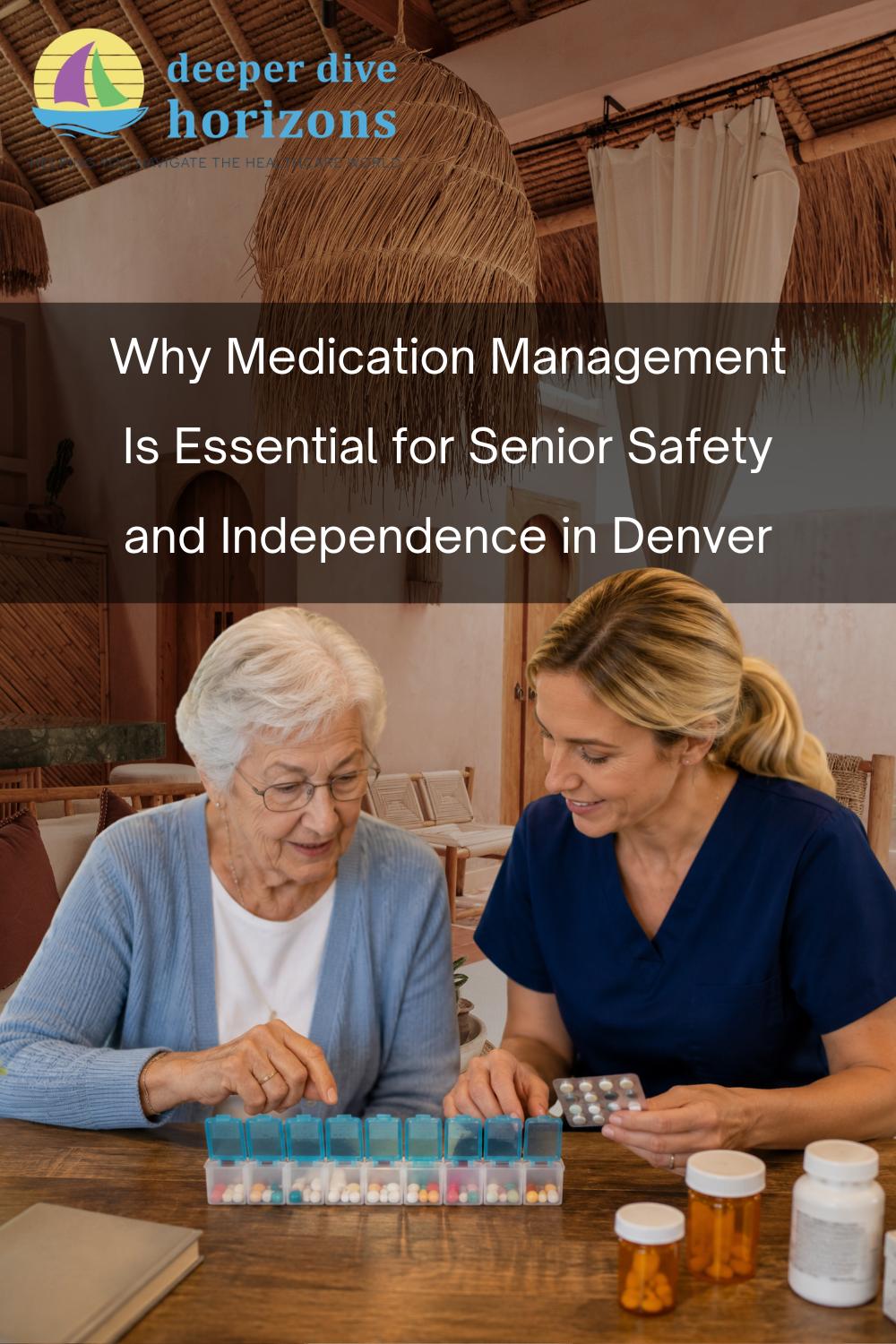
Why Medication Management Is Essential for Senior Safety and Independe
Why Medication Management Is Essential for Senior Safety and Independence in DenverAs adults grow older, managing health often becomes more complex. A single prescription can quickly turn into multiple medications taken at different times, with varying dosages and instructions. What once felt simple can become overwhelming.For many seniors, medication management becomes one of the most important factors in maintaining safety, independence, and quality of life.Missed doses, duplicate prescriptions, incorrect timing, or medication interactions can lead to serious health consequences. Unfortunately, these problems are more common than many families realize.In Denver, more families are recognizing the importance of professional medication support as part of a proactive aging plan. Services like Deeper Dive Horizons help seniors and families navigate medication routines with greater confidence and peace of mind.When medication is managed well, seniors often experience better health outcomes, improved daily functioning, and a greater ability to remain independent.Why Medication Management Becomes More Challenging with AgeMedication routines often become more complicated over time.Many seniors take prescriptions for multiple chronic conditions such as: High blood pressure Diabetes Heart disease Arthritis Cognitive decline Chronic pain Sleep issues Each medication may come with different instructions: Morning or evening dosing With food or without food Weekly refills Specific dosage schedules Potential interaction warnings Even highly organized individuals can find these routines difficult to manage.Challenges often increase when seniors experience: Memory changes Vision impairment Reduced mobility Multiple healthcare providers Frequent prescription updates Without strong medication oversight, mistakes can happen quickly.Common Medication Risks for SeniorsMedication-related errors can have serious consequences.Some of the most common issues include:Missed DosesMissing medications regularly can reduce treatment effectiveness and worsen health conditions.Taking Incorrect DosagesTaking too much or too little medication can create immediate health risks.Duplicate PrescriptionsWhen multiple providers prescribe medications, duplicate therapies or conflicting prescriptions may occur.Dangerous Drug InteractionsSome medications interact negatively with each other or with certain foods and supplements.Poor Medication AdherenceConfusing routines often lead seniors to skip or incorrectly manage medications.These problems can result in hospital visits, health complications, and reduced quality of life.Thats why medication management is so important.Why Denver Families Are Paying Closer AttentionDenver seniors often lead active, independent lifestyles. Many remain in their homes well into retirement, enjoying everything from neighborhood walks to local community events.But independence can sometimes mask hidden medication challenges.Adult children may assume everything is fine until warning signs appear.These signs may include: Missed appointments Increasing confusion Unopened prescription bottles Health setbacks Repeated hospitalizations Colorados healthcare landscape also means many seniors work with multiple specialists, pharmacies, and care providers.This can create complex medication routines that become difficult to coordinate.Professional medication support helps families reduce that complexity.What Medication Management IncludesMedication management goes beyond simple reminders.A strong medication management program helps seniors create safer, more reliable systems for daily medication routines.Support may include: Medication organization Schedule creation Refill tracking Medication reminders Monitoring for adherence Coordination with family or providers Reviewing medication changes The goal is to reduce confusion and improve consistency.When seniors have structured support, routines become safer and easier to follow.How Deeper Dive Horizons Helps Seniors Stay SafeDeeper Dive Horizons provides medication management support designed to help seniors and families navigate increasingly complex medication needs.The focus is on safety, clarity, and improved daily confidence.This support helps reduce risk while empowering seniors to maintain independence.Building Better Medication SystemsOne of the biggest benefits of medication management is creating systems that work.Every senior has unique routines and challenges.Some may benefit from structured schedules. Others may need hands-on support or caregiver coordination.The best systems are simple, clear, and personalized.Supporting IndependenceMany families worry that needing medication support means a loved one is losing independence.In reality, the opposite is often true.Strong medication management allows seniors to remain safer and more independent by reducing preventable health complications.Reliable systems create confidence.Improving Family Peace of MindMedication concerns create significant stress for families.Adult children often wonder: Is Mom taking medications correctly? Did Dad refill prescriptions on time? Are medications causing side effects? Is something being missed? Professional support helps answer these concerns.Keith Williams of Deeper Dive Horizons explains: Medication management is about more than keeping track of pills. Its about creating safer routines that protect health, reduce stress, and help seniors maintain independence for as long as possible. That proactive approach can make a meaningful difference.Medication Management Improves Quality of LifeWhen medications are properly managed, seniors often experience benefits that extend far beyond physical health.Improved medication routines can lead to: Better symptom control Fewer complications More stable daily routines Increased confidence Less stress for families Consistency improves outcomes.Seniors often feel more secure when medication routines are simple and dependable.That security matters.Signs a Loved One May Need Medication SupportFamilies should watch for signs that medication routines may be becoming difficult to manage.Common warning signs include: Missed medications Confusion about schedules Frequent health setbacks Missed prescription refills Increased forgetfulness Multiple medication changes Addressing these concerns early can prevent larger problems later.The best time to seek support is before a crisis develops.Choosing Medication Management Support in DenverFamilies looking for medication support should seek providers who prioritize communication, consistency, and personalized care.Important questions include: How is medication organization handled? How are changes communicated? Is support personalized? How are families involved? The right provider should simplify medication routinesnot complicate them.Strong communication and clear systems are essential.Safer Medication Management Starts with a PlanMedication management plays a vital role in healthy aging.As medication routines become more complex, structured support helps seniors remain safer, healthier, and more independent.For Denver families, proactive planning can prevent avoidable complications and reduce daily stress.Deeper Dive Horizons helps seniors and families build safer medication routines that support long-term wellness.Sometimes small systems create the biggest improvements.Visit Their Seniors Blue Book Listing TodayLooking for medication management support in Denver?Visit the Seniors Blue Book listing for Deeper Dive Horizons to learn more and connect with their team.Frequently Asked QuestionsWhat is medication management?Medication management helps seniors organize, track, and safely follow prescription routines to improve health and reduce risk.Why is medication management important for seniors?It reduces medication errors, improves treatment effectiveness, and helps seniors remain safe and independent.What are common medication risks for older adults?Common risks include missed doses, incorrect dosages, duplicate medications, and dangerous interactions.When should families consider medication management?Families should consider support when medication routines become complex or signs of confusion appear.Why is medication management helpful in Denver? Denver seniors often work with multiple providers and prescriptions, making professional medication oversight especially valuable.