Senior Housing Solutions
28518 Azzili Way, Bonita Springs, Florida, 34135
Counties Served: Florida - Collier,Lee
Housing Placement & Resource Specialists
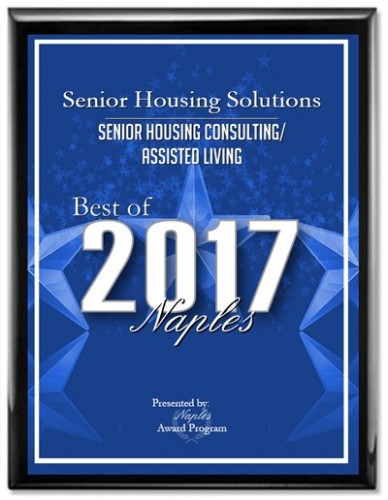





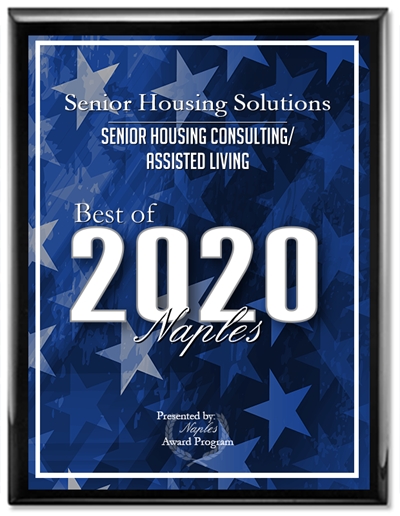


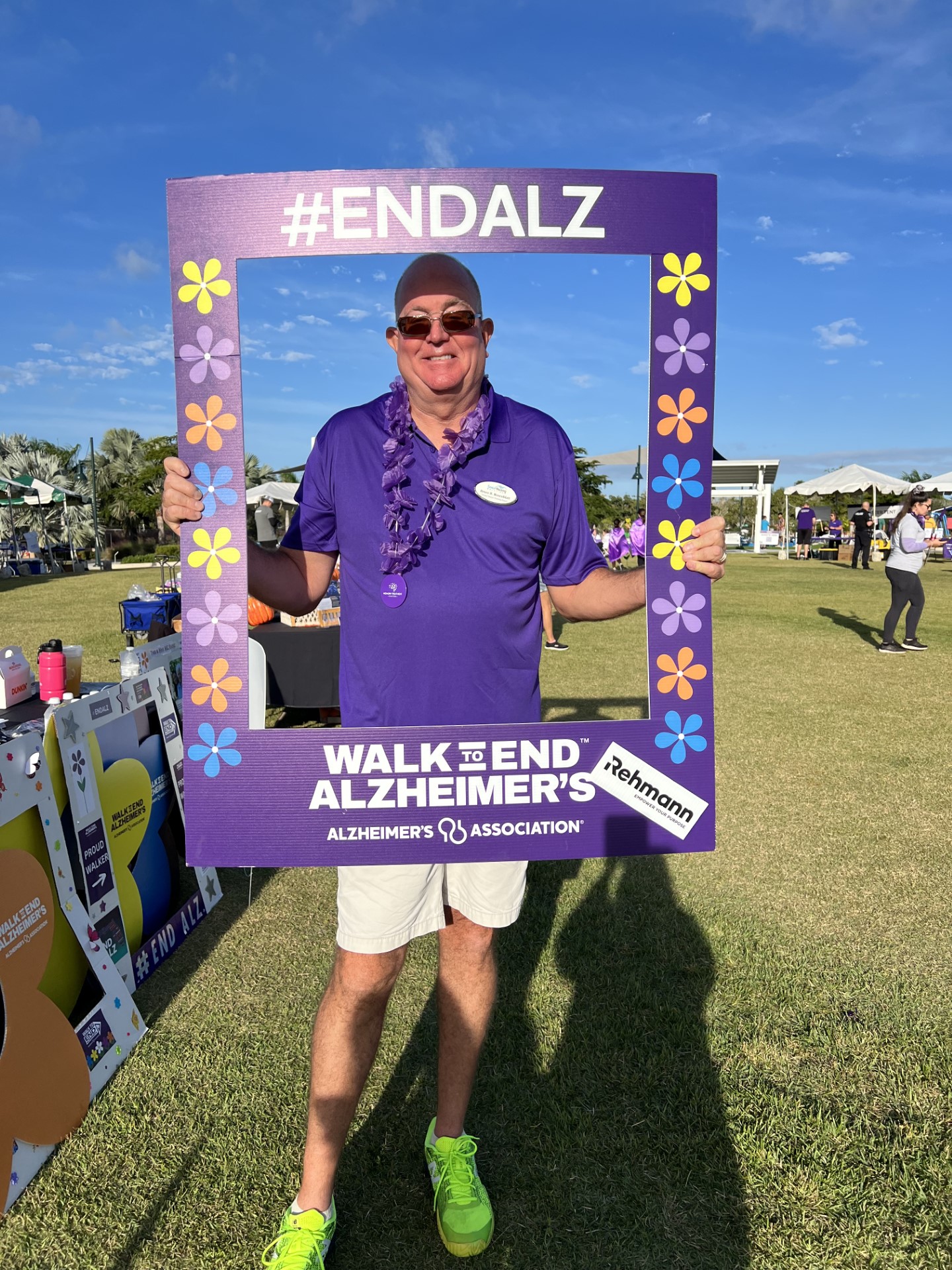





About Senior Housing Solutions
Welcome to Your Trusted Senior Housing Expert in Southwest Florida
Your Journey to the Right Senior Living Solution Begins Here
At [Your Company Name], we understand how overwhelming and emotional the process of finding the right senior housing can be. With over 30 years of experience in the senior housing industry, we have helped countless families make the right decision for their loved ones. We are committed to simplifying this process for you, offering expert advice and personalized service every step of the way.
Why Choose Us?
Over 30 Years of Expertise: With decades of experience, we have a deep understanding of the senior housing landscape and the unique needs of each individual.
Locally Owned & Operated: Unlike national franchises, we are independently operated and deeply rooted in the Southwest Florida community. We genuinely care about the families we serve and treat every client like they are part of our family.
No Cost to You: Our services are completely free for you. We are here to guide you through every step of the process at no cost.
Personalized Assistance: We offer a tailored approach to help you find the best community, taking into consideration your unique needs, preferences, and budget.
Our Process: Tailored to You
We know that every familys needs are different. Thats why our process is personalized and designed to ensure that you make an informed decision. Heres how we can help:
Initial Consultation: We begin with a one-on-one consultation where we listen carefully to your needs. Well take the time to understand whats important to you and your loved ones.
In-Depth Community Analysis: Our team will provide a thorough review of the senior living options in Southwest Florida. We analyze every community in detail, so you can make the best choice for your situation.
Education and Guidance: We educate you about the different types of senior living communities, from independent living to memory care and everything in between. Our goal is to help you understand all your options.
Narrowing Down Choices: Based on your preferences and needs, well narrow down the list of communities and recommend the best matches for you.
Tours and Visits: Well schedule and accompany you on community tours, helping you explore each option in person. We will be there every step of the way to answer questions and ensure you feel confident in your choices.
Contract and Fee Negotiation: Once youve found the right community, we assist with understanding the contract terms and can help negotiate fees to ensure you are getting the best deal.
Ongoing Support: Our commitment doesnt end after the move. We stay in touch to ensure a smooth transition and offer ongoing support. Were always available to address any questions or concerns.
Additional Services to Make the Transition Easier
Our goal is to provide comprehensive support throughout your senior housing journey. Beyond finding the right community, we also offer valuable resources to help with:
- Selling Your Home: Trusted connections to real estate professionals who specialize in selling homes for seniors.
- Veterans Benefits: Guidance on how to access Veterans Benefits that may help cover senior housing costs.
- Legal, Financial, and Medical Assistance: Referrals to trusted professionals who can provide legal, financial, or medical advice as you navigate this transition.
Contact Us Today
Finding the right senior housing solution doesnt have to be stressful. Let us guide you through the process with personalized advice and expertise. Contact us today to schedule a free consultation and begin your journey to finding the perfect community for you or your loved one.
Call Us at 239.595.0207 or fill out the form below to get started.
See More
Additional Services Offered
Senior Housing Solutions - Assisted Living Advisors
Senior Transition Services 28518 Azzili Way, 28518 Azzili Way, Lee County, Bonita Springs, Florida, 34135Welcome to Your Trusted Senior Housing Expert in Southwest FloridaYour Journey to the Right Senior Living Solution Begins HereAt [Your Company Name], we understand how overwhelming and emotional the process of finding the right senior housing can be. With over 30 years of experience in the senior housing industry, we have helped countless families make the right decision for their loved ones. We are committed to simplifying this process for you, offering expert advice and personalized service every step of the way.Why Choose Us?Over 30 Years of Expertise: With decades of experience, we have a deep understanding of the senior housing landscape and the unique needs of each individual.Locally Owned & Operated: Unlike national franchises, we are independently operated and deeply rooted in the Southwest Florida community. We genuinely care about the families we serve and treat every client like they are part of our family.No Cost to You: Our services are completely free for you. We are here to guide you through every step of the process at no cost.Personalized Assistance: We offer a tailored approach to help you find the best community, taking into consideration your unique needs, preferences, and budget.Our Process: Tailored to YouWe know that every familys needs are different. Thats why our process is personalized and designed to ensure that you make an informed decision. Heres how we can help:Initial Consultation: We begin with a one-on-one consultation where we listen carefully to your needs. Well take the time to understand whats important to you and your loved ones.In-Depth Community Analysis: Our team will provide a thorough review of the senior living options in Southwest Florida. We analyze every community in detail, so you can make the best choice for your situation.Education and Guidance: We educate you about the different types of senior living communities, from independent living to memory care and everything in between. Our goal is to help you understand all your options.Narrowing Down Choices: Based on your preferences and needs, well narrow down the list of communities and recommend the best matches for you.Tours and Visits: Well schedule and accompany you on community tours, helping you explore each option in person. We will be there every step of the way to answer questions and ensure you feel confident in your choices.Contract and Fee Negotiation: Once youve found the right community, we assist with understanding the contract terms and can help negotiate fees to ensure you are getting the best deal.Ongoing Support: Our commitment doesnt end after the move. We stay in touch to ensure a smooth transition and offer ongoing support. Were always available to address any questions or concerns.Additional Services to Make the Transition EasierOur goal is to provide comprehensive support throughout your senior housing journey. Beyond finding the right community, we also offer valuable resources to help with:Selling Your Home: Trusted connections to real estate professionals who specialize in selling homes for seniors.Veterans Benefits: Guidance on how to access Veterans Benefits that may help cover senior housing costs.Legal, Financial, and Medical Assistance: Referrals to trusted professionals who can provide legal, financial, or medical advice as you navigate this transition.Contact Us TodayFinding the right senior housing solution doesnt have to be stressful. Let us guide you through the process with personalized advice and expertise. Contact us today to schedule a free consultation and begin your journey to finding the perfect community for you or your loved one.Call Us at 239.595.0207 or fill out the form below to get started.
Senior Housing Solutions
Housing Resources 28518 Azzili Way, Lee County, Bonita Springs, Florida, 34135Welcome to Your Trusted Senior Housing Expert in Southwest FloridaYour Journey to the Right Senior Living Solution Begins HereAt [Your Company Name], we understand how overwhelming and emotional the process of finding the right senior housing can be. With over 30 years of experience in the senior housing industry, we have helped countless families make the right decision for their loved ones. We are committed to simplifying this process for you, offering expert advice and personalized service every step of the way.Why Choose Us?Over 30 Years of Expertise: With decades of experience, we have a deep understanding of the senior housing landscape and the unique needs of each individual.Locally Owned & Operated: Unlike national franchises, we are independently operated and deeply rooted in the Southwest Florida community. We genuinely care about the families we serve and treat every client like they are part of our family.No Cost to You: Our services are completely free for you. We are here to guide you through every step of the process at no cost.Personalized Assistance: We offer a tailored approach to help you find the best community, taking into consideration your unique needs, preferences, and budget.Our Process: Tailored to YouWe know that every familys needs are different. Thats why our process is personalized and designed to ensure that you make an informed decision. Heres how we can help:Initial Consultation: We begin with a one-on-one consultation where we listen carefully to your needs. Well take the time to understand whats important to you and your loved ones.In-Depth Community Analysis: Our team will provide a thorough review of the senior living options in Southwest Florida. We analyze every community in detail, so you can make the best choice for your situation.Education and Guidance: We educate you about the different types of senior living communities, from independent living to memory care and everything in between. Our goal is to help you understand all your options.Narrowing Down Choices: Based on your preferences and needs, well narrow down the list of communities and recommend the best matches for you.Tours and Visits: Well schedule and accompany you on community tours, helping you explore each option in person. We will be there every step of the way to answer questions and ensure you feel confident in your choices.Contract and Fee Negotiation: Once youve found the right community, we assist with understanding the contract terms and can help negotiate fees to ensure you are getting the best deal.Ongoing Support: Our commitment doesnt end after the move. We stay in touch to ensure a smooth transition and offer ongoing support. Were always available to address any questions or concerns.Additional Services to Make the Transition EasierOur goal is to provide comprehensive support throughout your senior housing journey. Beyond finding the right community, we also offer valuable resources to help with:Selling Your Home: Trusted connections to real estate professionals who specialize in selling homes for seniors.Veterans Benefits: Guidance on how to access Veterans Benefits that may help cover senior housing costs.Legal, Financial, and Medical Assistance: Referrals to trusted professionals who can provide legal, financial, or medical advice as you navigate this transition.Contact Us TodayFinding the right senior housing solution doesnt have to be stressful. Let us guide you through the process with personalized advice and expertise. Contact us today to schedule a free consultation and begin your journey to finding the perfect community for you or your loved one.Call Us at 239.595.0207 or fill out the form below to get started.
Senior Housing Solutions
Resource Specialist 28518 Azzili Way, Lee County, Bonita Springs, Florida, 34135Welcome to Your Trusted Senior Housing Expert in Southwest FloridaYour Journey to the Right Senior Living Solution Begins HereAt Senior Housing Solutions, we understand how overwhelming and emotional the process of finding the right senior housing can be. With over 30 years of experience in the senior housing industry, we have helped countless families make the right decision for their loved ones. We are committed to simplifying this process for you, offering expert advice and personalized service every step of the way.Why Choose Us?Over 30 Years of Expertise: With decades of experience, we have a deep understanding of the senior housing landscape and the unique needs of each individual.Locally Owned & Operated: Unlike national franchises, we are independently operated and deeply rooted in the Southwest Florida community. We genuinely care about the families we serve and treat every client like they are part of our family.No Cost to You: Our services are completely free for you. We are here to guide you through every step of the process at no cost.Personalized Assistance: We offer a tailored approach to help you find the best community, taking into consideration your unique needs, preferences, and budget.Our Process: Tailored to YouWe know that every familys needs are different. Thats why our process is personalized and designed to ensure that you make an informed decision. Heres how we can help:Initial Consultation: We begin with a one-on-one consultation where we listen carefully to your needs. Well take the time to understand whats important to you and your loved ones.In-Depth Community Analysis: Our team will provide a thorough review of the senior living options in Southwest Florida. We analyze every community in detail, so you can make the best choice for your situation.Education and Guidance: We educate you about the different types of senior living communities, from independent living to memory care and everything in between. Our goal is to help you understand all your options.Narrowing Down Choices: Based on your preferences and needs, well narrow down the list of communities and recommend the best matches for you.Tours and Visits: Well schedule and accompany you on community tours, helping you explore each option in person. We will be there every step of the way to answer questions and ensure you feel confident in your choices.Contract and Fee Negotiation: Once youve found the right community, we assist with understanding the contract terms and can help negotiate fees to ensure you are getting the best deal.Ongoing Support: Our commitment doesnt end after the move. We stay in touch to ensure a smooth transition and offer ongoing support. Were always available to address any questions or concerns.Additional Services to Make the Transition EasierOur goal is to provide comprehensive support throughout your senior housing journey. Beyond finding the right community, we also offer valuable resources to help with:Selling Your Home: Trusted connections to real estate professionals who specialize in selling homes for seniors.Veterans Benefits: Guidance on how to access Veterans Benefits that may help cover senior housing costs.Legal, Financial, and Medical Assistance: Referrals to trusted professionals who can provide legal, financial, or medical advice as you navigate this transition.Contact Us TodayFinding the right senior housing solution doesnt have to be stressful. Let us guide you through the process with personalized advice and expertise. Contact us today to schedule a free consultation and begin your journey to finding the perfect community for you or your loved one.Call Us at 239.595.0207 or fill out the form below to get started.
Senior Housing Solutions
Transition Specialists 28518 Azzili Way, Lee County, Bonita Springs, Florida, 34135Welcome to Your Trusted Senior Housing Expert in Southwest FloridaYour Journey to the Right Senior Living Solution Begins HereAt [Your Company Name], we understand how overwhelming and emotional the process of finding the right senior housing can be. With over 30 years of experience in the senior housing industry, we have helped countless families make the right decision for their loved ones. We are committed to simplifying this process for you, offering expert advice and personalized service every step of the way.Why Choose Us?Over 30 Years of Expertise: With decades of experience, we have a deep understanding of the senior housing landscape and the unique needs of each individual.Locally Owned & Operated: Unlike national franchises, we are independently operated and deeply rooted in the Southwest Florida community. We genuinely care about the families we serve and treat every client like they are part of our family.No Cost to You: Our services are completely free for you. We are here to guide you through every step of the process at no cost.Personalized Assistance: We offer a tailored approach to help you find the best community, taking into consideration your unique needs, preferences, and budget.Our Process: Tailored to YouWe know that every familys needs are different. Thats why our process is personalized and designed to ensure that you make an informed decision. Heres how we can help:Initial Consultation: We begin with a one-on-one consultation where we listen carefully to your needs. Well take the time to understand whats important to you and your loved ones.In-Depth Community Analysis: Our team will provide a thorough review of the senior living options in Southwest Florida. We analyze every community in detail, so you can make the best choice for your situation.Education and Guidance: We educate you about the different types of senior living communities, from independent living to memory care and everything in between. Our goal is to help you understand all your options.Narrowing Down Choices: Based on your preferences and needs, well narrow down the list of communities and recommend the best matches for you.Tours and Visits: Well schedule and accompany you on community tours, helping you explore each option in person. We will be there every step of the way to answer questions and ensure you feel confident in your choices.Contract and Fee Negotiation: Once youve found the right community, we assist with understanding the contract terms and can help negotiate fees to ensure you are getting the best deal.Ongoing Support: Our commitment doesnt end after the move. We stay in touch to ensure a smooth transition and offer ongoing support. Were always available to address any questions or concerns.Additional Services to Make the Transition EasierOur goal is to provide comprehensive support throughout your senior housing journey. Beyond finding the right community, we also offer valuable resources to help with:Selling Your Home: Trusted connections to real estate professionals who specialize in selling homes for seniors.Veterans Benefits: Guidance on how to access Veterans Benefits that may help cover senior housing costs.Legal, Financial, and Medical Assistance: Referrals to trusted professionals who can provide legal, financial, or medical advice as you navigate this transition.Contact Us TodayFinding the right senior housing solution doesnt have to be stressful. Let us guide you through the process with personalized advice and expertise. Contact us today to schedule a free consultation and begin your journey to finding the perfect community for you or your loved one.Call Us at 239.595.0207 or fill out the form below to get started.
Videos
Continue Your Search! Explore More Local Options.
Start SearchingLet’s engage and get educated!
Browse through thousands of expert articles in over 100 different categories.
Browse NowArticles You May Like
The Seniors Guide for Decluttering and Feeling at Home
For more information on Senior Housing Solutions, Click Here.Adjusting to life in a retirement home can be tough it involves big changes, like leaving behind a home and all the memories it contains, as well as the feeling of losing a measure of freedom. Psychologists say that even positive changes can be as hard to adapt toas negative ones are, but you can help your loved one make a smooth transition.Here's how.Preparing Your Loved One and Yourself for a Move to a Retirement HomeBefore your parent, family member or friend moves into a retirement home or assisted-living facility, everyone involved needs to know what to expect. Sharing the timetable with your loved one can take some of the uncertainty away, so make sure that everyone involved knows when to start packing, when the move will occur, and when you'll come to your loved ones new home to help with the transition.Also, keep in mind:This type of move can involve significant downsizing that requires you to put your organizational skills to the test.Your loved one may have mixed feelings about the move, and he or she may be reluctant to make such a big change.Your attitude about the process, and the way you handle the situation, can have a big impact on how easy (or how difficult) it is on your loved one.Set Firm DatesPhoto by PixabayCreate a calendar to share with your loved one and others involved in the move. Pick dates for:Downsizing and packingCharity pick-ups, a garage or estate sale, or trash pick-upBooking a moving truck or asking friends and family come to helpMoving dayUnpacking boxes and setting up the new placeDecluttering and DownsizingPacking is stressful no matter how you look at it. Take it slowly (and start early, if that's what it takes) to make things easier on your parent, friend or family member. Remember that your loved ones participation can help him or her feel in control, which can minimize anxiety and quell nervousness about the big move but also remember that this is a big job, and too much at once can be overwhelming. Try to keep packing, sorting and organizing confined to less than a couple of hours per day, and make it a sociable experience. If your loved one wants to stop and reminisce, join in; its not going to hurt anything.If the person whos moving has a lot of stuff (furniture, keepsakes, and other things that cant come along), there's a big decision on the horizon. He or she will have to decide whether to put everything in storage, hold a yard sale, or divide items between family members. This should definitely be your loved ones decision were talking about his or her belongings, not yours (think about how you'd feel if someone suddenly took the reins and dictated what was going to happen to your stuff).Together, you can categorize each item and decide what your family member, parent or friend will take, store, donate or sell. Storage may be the best option, at least psychologically speaking, for your loved one. He or she still owns the furniture, mementos and other items, which can make adjusting to the retirement home that much easier.You can usually get rid of old and useless items, like old bills and paperwork that's no longer necessary, but be on the lookout for important documents that you and your loved one must keep, such as:Birth certificatesDeedsDiplomas and degreesFinancial documentsMedical recordsMilitary recordsPassportsPowers of attorneyWillsKeep all the important documents in a central location, and let other family members know where it is so nobody gets the wrong idea or feels left out of the process. Try to put it all somewhere neutral, like a safe deposit box.If your loved one is okay with it, have adult children claim their own (but only their own!) keepsakes during the process. Old sports trophies, high school yearbooks and other items can go home with their owners to make things easier for everyone.Pro tip: Sort before you start packing. Go through each room with colored tags to mark items for their final destinations. Remember that seniors can and should bring mementos and keepsakes to his or her new place so it feels like home.If your loved one has pets, you'll have to make arrangements for them, too. Let your parent, family member or friend decide where they'll go, if possible; having no say in what happens to a beloved pet can be incredibly traumatic.What if You Cant Get Your Loved One to Part With Items?Many people don't want to let go of things they feel are important. If its absolutely necessary (like when storage isn't an option), you can try:Talking to an antique dealer to find out how much items are worth. Sometimes a dollar figure can make a big difference in a persons decision-making process.Hiring a professional organizer. If you're too close to the situation and your help becomes frustrating for your loved one, it might be best to bring in an impartial third party who's used to helping people let go.Letting your loved one know where the items will go and that they'll be treasured. This is especially important with things tied to the family legacy, like old documents and photos.Handle the PaperworkPhoto by PixabayYou may need to change your loved ones address, transfer utilities to someone else's name, or finalize registration at your friend or family members retirement home or assisted living facility. Make sure you tackle each of these issues early so you're not scrambling later. Don't forget to update the address for your loved ones:Bank accountsCredit card accountsDrivers license and vehicle registrationInsurance policiesInvestment and retirement accountsMedicare and Social SecurityNewspaper and magazine registrationsVoter registrationAfter the MoveAdjusting to a new environment, particularly if its a lot different than the old one, can take weeks or months. Your loved one needs plenty of time to settle in, get to know people (including caregivers) and start to feel at home, so dont try to rush the process. Everyone reacts differently; where one person may feel relief at not having to maintain a big house alone, another might feel a little lost and miss their home, friends and belongings.Here's how you can help.Understand That the Move Represents a LossAs an adult child, friend or family member, its easy to look at your loved ones move as a fresh start. He or she will have cooked meals, nothing to clean and friends living right next door.Your loved one might see that, too, but he or she is also mourning the loss of a home, belongings and community and at the same time, the realization that old age or health issues has necessitated the move is sinking in. Avoid trying to force your family member or friend into the new social scene, too. Making new friends and getting comfortable takes time.Be kind, patient and understanding with your loved one. Remember that you, too, will one day be in a similar situation.Make Memories and Continuity a PriorityPhoto by PixabayFind a shelf, cabinet or drawer where your loved one can easily access photo albums and other mementos. Hang his or her favorite pieces of art on the walls, and try to set up the space so its comfortable and homey. If your loved one has a favorite recliner, a family heirloom or other important items, make room for them.If your loved one wants new items, like a flat-screen TV or something that will make the space more enjoyable, go for it sometimes having something shiny and new makes the transition easier.Show Support and Visit OftenFamiliar faces can make living in a new place a lot easier, so visit as often as you can (or as often as your loved one wants you to). If you cant visit, see if someone can help your loved one Skype or FaceTime you, or make regular phone calls to check up on him or her.Refer to the new place as home, not the home or anything else. The way you talk about the assisted living facility will impact the way your parent, family member or friend feels about it, and its important that you don't forget how powerful that can be.Have You Helped a Senior Transition to a Retirement Home?Whether your loved one is moving to Phoenix, AZ, Orlando, FL, or somewhere else entirely, adjusting to life in a new place can be challenging. Wed love to hear your tips and tricks for helping a friend, parent or other family member transition into a retirement home or assisted living facility, so please share what worked or what didn't for you in the comments.
Jan 09, 2022

Are Assisted Living fees negotiable?
Are Assisted Living fees negotiable?Assisted living fees are generally not negotiable in the traditional sense, as they are often set by the facility based on factors like location, level of care needed, and the services offered. However, there may be some flexibility depending on the situation. Here are a few ways fees could potentially be adjusted or minimized:1. Apartment Choice and Amenities:Different Pricing Tiers: Many assisted living facilities offer a range of apartment types, such as studios, one-bedrooms, or even shared apartments. Larger or more private spaces often come with higher fees, so opting for a smaller or shared space could save you money. Also, amenities like a private bathroom or kitchenette could influence the cost.2. Length of Stay:Discounts for Long-Term Commitments: Some facilities might provide discounted rates for residents who sign long-term contracts (e.g., a 12-month or 24-month agreement). This is not universal, but its worth asking if they have any such offers, especially during the negotiation phase.3. Move time frame:Should you be able to move quickly (less than 30 days), some facilities may offer an incentive to motivate you. On the hand, if you are thinking about moving in the distant future, you wont have much leverage to negotiate.4. Community Fee:There are times when the Community Fee can be negotiated, however if the facility has a lot of demand, they may not be open to offering any incentives of discounts.5. Care Needs:Reassessing Care Levels: The initial fee often reflects an estimated care level based on the assessment done when the person moves in. If it turns out that the person needs less care than originally anticipated, the fee may be reduced. On the other hand, if the care needs increase over time, the fee will likely go up. If you feel the level of care is being overestimated, its worth discussing a reassessment.5. Incentives or Promotions:Financial Assistance or Special Offers: Facilities may offer discounts, like waived move-in fees, or special deals during certain times of the year. Additionally, some may offer financial assistance for specific circumstances (e.g., veterans benefits, financial hardship, or transitioning from a hospital).6. The Bottom Line:Too good to be true offer: Facilities that offer deep discounts are doing so to increase sales. This might be a sign that they are having issues with occupancy. Keep in mind that deep discounts affect the communitys bottom line so this could have an impact on the quality of care and services in the future.Rate lock is a prime example: A annual rate lock may sound appealing (no increase in your rental rate), however as operational costs rise, the facility will need to absorb these increases. If they cant raise the rent, there could be cost reduction measures taken, which impacts staffing, quality of care and services.For information, go to: www.seniorhousingsolutions.net
Aug 10, 2025

The CCRC Ghost Program
CCRC Ghost ProgramIn the senior living and Continuing Care Retirement Community (CCRC) world, the term ghost is sometimes used informally to describe exactly this situation: A ghost is a person who has purchased or reserved a residence in a CCRC but hasnt actually moved in yet sometimes for months or even years. Why this happensThere are several common reasons someone becomes a ghost resident:Waiting for the right time They may still be healthy, independent, or attached to their current home and want to delay the move until they need the services.Health or family issues Illness, caregiving duties, or family decisions can postpone the transition.Emotional readiness Moving to a CCRC can be a major life change, and some buyers hesitate to take that step.Financial or logistical reasons Selling their home, downsizing, or managing belongings can take time. Impact on the communityGhost residents can affect a CCRC in several ways:Occupancy rates appear high on paper (units are sold), but actual occupancy is lower, affecting community vitality.Social engagement may suffer because there are fewer active participants in activities and dining.Cash flow can vary depending on how entry fees and monthly fees are structured (some CCRCs begin charging monthly fees only once residents move in). What communities do about itSome CCRCs try to keep ghost residents connected by:Inviting them to community events or resident gatherings before they move in.Creating future resident programs or ambassador systems.Offering move-in incentives or time-limited deferrals.A ghost in a CCRC refers to someone who has secured a unit but has not yet taken up residence. Its not a negative term per se, but it highlights a common challenge for CCRCs: how to help future residents make the leap from planning to move to living in the community.
Oct 27, 2025
The Complete Guide for Seniors Moving from New York to a Senior Living Community in Florida
The Complete Guide for Seniors Moving from New York to a Senior Living Community in Floridaby Bruce Rosenblatt The Complete Guide for Seniors Moving from New York to a Senior Living Community in FloridaIf youre a senior considering relocating from New York to Florida, youre joining thousands of others seeking sunshine, a lower cost of living, and access to top-tier senior-living communities. Whether you want an active-adult neighborhood, a continuing-care retirement community (CCRC), or assisted living, this guide helps you plan a smooth and confident move. Why Seniors Choose Florida1. Warm Weather All YearFloridas subtropical climate means no more icy sidewalks or snow shovelingideal for joint health and outdoor activity.2. Tax AdvantagesNo state income taxNo tax on Social Security or pensionsLower property taxes than many New York countiesThese benefits can make your retirement income stretch further.3. Variety of Senior-Living OptionsFlorida offers a wide range of senior-living models:Independent living communities for active retireesAssisted living facilities with 24-hour supportContinuing Care Retirement Communities (CCRCs) offering aging-in-place flexibility Steps to Plan Your MoveStep 1: Define Your Lifestyle and Care NeedsAsk yourself:Do you want an active-adult lifestyle or daily assistance?Is proximity to family, healthcare, or recreation most important?Would you prefer a resort-style campus or a quiet residential setting?Step 2: Research Floridas Top Senior-Living AreasPopular destinations include:Naples & Bonita SpringsSarasotaBoca Raton & Delray BeachOrlando & The VillagesStep 3: Visit Communities in PersonBefore deciding:Tour residences and speak to current residentsSample meals and check recreational offeringsAsk about healthcare partnerships and emergency protocolStep 4: Compare CostsEntrance or community fees (if CCRC)Monthly service fees (meals, housekeeping, transportation)Cost of higher-level care if needs changeRequest a fee breakdown for transparency.Step 5: Plan the LogisticsHire senior-move specialists who can downsize and handle fragile belongingsUpdate records (drivers license, voter registration, medical providers)Transfer prescriptions and insurance coverage before relocating Healthcare and Services in FloridaFloridas healthcare infrastructure is one of the nations best for retirees, featuring top-rated hospitals, ample Medicare-participating providers and specialty care centers. Emotional and Social Transition TipsMoving from New Yorks fast pace to Floridas more relaxed atmosphere takes adjustment. To settle in quickly:Join community clubs, volunteer groups, or hobby classesStay in touch with friends and family through video callsExplore local attractionsFloridas beaches, art festivals, and golf courses offer endless recreation Quick ChecklistTaskCompletedResearch senior-living communitiesSchedule toursCompare fees and amenitiesHire movers specializing in senior relocationsTransfer healthcare and insuranceUpdate address and legal documents Call to ActionIf youre ready to explore senior living options in Southwest Florida and want personalized, expert guidance reach out to Senior Housing Solutions. With over 30 years of local experience and a deep understanding of communities across Naples, Bonita Springs, Estero and beyond, they offer free, no-obligation consultations to match your needs, preferences and budget to the right community.Phone: (239) 595-0207Website: https//seniorhousingsolutions.net (Senior Housing Solutions)Dont navigate this move alonelet trusted guidance help you find the perfect place to enjoy your retirement with confidence and ease. Final ThoughtsRelocating from New York to Florida can transform your retirementoffering a comfortable climate, favorable finances, and a strong network of senior-friendly communities. By planning ahead and working with a trusted advisor like Senior Housing Solutions, you can find a place that matches your lifestyle, comfort level, and long-term care goals.
Nov 06, 2025

CCRC Tax Implications
In the U.S., Continuing Care Retirement Community (CCRC) fees are generally not fully tax-deductible. However, some portions of the fees might be, depending on how they are structured.Heres how it typically breaks down:1. Monthly Maintenance Fees:These fees usually cover services such as meals, housekeeping, maintenance, and security. These are typically not deductible as medical expenses.2. Medical or Health-Related Fees:If part of your CCRC fees goes toward medical care (for example, nursing care or rehabilitation services), that portion may be deductible as a medical expense. The IRS allows you to deduct medical expenses that exceed 7.5% of your adjusted gross income (AGI), but you need to keep detailed records to substantiate the medical portion of the fees.3. Entrance Fees:The upfront, lump-sum entrance fee or buy-in that you pay when you move into a CCRC is typically not deductible. However, if any part of the entrance fee is allocated for healthcare services, that part could potentially be deductible if it meets the criteria for medical expenses.4. Long-Term Care Insurance Premiums:If you are paying for long-term care insurance as part of your CCRC arrangement, those premiums may be deductible as a medical expense, depending on your age and the IRS guidelines for that year.To determine what part of the fees, if any, might be deductible, its a good idea to:Keep records of your payments and the breakdown of what they cover.Consult a tax professional who can guide you based on your specific situation and any changes to tax laws.Tax laws can vary, so its always best to get tailored advice.
Mar 27, 2025

HOW TO NEGOTIATE WITH ASSISTED LIVING FACILTIES
The price isnt always the price at a senior living community. Use these tips to help you get the best price.1). Time is a leverage. If you are able to move sooner, rather than later, you might have some room to negotiate. Senior Living communities are businesses, and a vacant apartment is a non-revenue producing asset. A quick move-in is a good thing for a community. Conversely, if you are unsure of when you are able to move and/or planning for the future, you should not try to negotiate and wait until you are ready to make a decision.2). Well-established communities may not have a need to negotiate, especially communities with long wait lists. You can always ask, however dont be disappointed if you are told no.3). Many things are negotiable, this includes rate locks, monthly fees, apartment upgrades, community fees, and even levels of care.4). Usually, medical approval is non-negotiable. If someone is denied residency based on their health, it is highly rare that the community will negotiate acceptance.5). Contractual terms are difficult to negotiate since any changes to the communitys residency agreement may involve corporate legal review.6). Negotiations are a two-way street. Be prepared offer something on your end.7). When negotiating, try to talk directly with the decision-maker.8). Some communities have special incentives if you are able to move within a certain time frame. If you are in a position to make a decision, you should inquire about any current promotions.9). Do not have a take or leave it attitude. The decision to move to this community is bigger than the incentive you are requesting.10). Seek the advice of a professional. We have years of experience in this business and have relationships with most of the communities in our area and can help you get the best price possible. Contact us at www.seniorhousingsolutions.net to learn more.
Sep 27, 2024

Ways to avoid Holiday Stress for Seniors
The holiday season can be overwhelming for seniors due to the hustle and bustle, changes in routine, and potential health concerns. However, with some thoughtful planning and strategies, seniors can enjoy the season without the stress. Here are some ways to avoid holiday stress for seniors:1. Simplify Holiday PlansKeep activities low-key: Avoid overloading the schedule with too many events or activities. Focus on a few meaningful traditions or activities that bring joy without overwhelming them.Delegate tasks: Dont hesitate to ask family or friends for help with cooking, decorating, or shopping. Dividing responsibilities can make things easier and more enjoyable for everyone.Limit social obligations: If attending large gatherings feels exhausting, consider smaller, more intimate gatherings, or simply enjoy one-on-one time with loved ones.2. Stick to RoutineMaintain a consistent routine: Keeping regular sleep schedules, meals, and exercise routines can help reduce stress. Its easy to feel disoriented during the holiday season with all the changes, so maintaining familiar patterns can provide stability.Time for rest: Ensure there is plenty of downtime for relaxation during the holiday period. Seniors may need more time to recharge between activities.3. Set Realistic ExpectationsFocus on what matters: Its important to let go of perfection and focus on what makes the holidays meaningful. Whether its enjoying a meal with loved ones, watching a favorite holiday movie, or spending time in quiet reflection, prioritize what truly brings happiness.Be gentle with yourself: Recognize that its okay not to do everything. Its important to accept limitations and not feel pressured to meet others expectations.4. Practice Stress-Relief TechniquesMindfulness and relaxation: Encourage deep breathing, meditation, or yoga to relax and stay present during the holiday season. Even short sessions of mindfulness can help calm nerves and reduce anxiety.Gentle exercise: A walk around the neighborhood, stretching exercises, or light stretching can help release physical tension and boost overall mood.5. Socialize in a Comfortable WayChoose gatherings wisely: If socializing becomes stressful, opt for smaller or quieter gatherings. Its okay to decline invitations if it feels overwhelming.Virtual connections: If traveling or attending in-person events is difficult, consider connecting with family and friends through video calls. Virtual holiday celebrations can still feel personal and meaningful.6. Stay OrganizedKeep a to-do list: Create a manageable list of holiday tasks and prioritize them. Breaking large tasks into smaller, more achievable steps can make them feel less daunting.Dont over-schedule: Plan for plenty of breaks between activities, and dont try to do everything in one day. A relaxed pace will help reduce stress and keep things enjoyable.7. Create a Peaceful EnvironmentHoliday decorations: Instead of stressing over-elaborate decorations, opt for simple, calming decor that adds to the festive atmosphere without feeling overwhelming.Soothing music: Play relaxing holiday music in the background to create a peaceful ambiance. It can help create a calm environment and evoke pleasant memories of past holidays.8. Ask for Help When NeededInvolve family and friends: If theres a need for assistance with things like shopping, meal preparation, or transportation, dont hesitate to ask for help. This can alleviate stress and foster togetherness.Professional support: If caregiving is involved, consider hiring a caregiver for a few hours to help with household tasks or to provide companionship, allowing you time to relax and enjoy the holidays.9. Be Mindful of Financial StressSet a holiday budget: Avoid overspending during the holidays, as financial worries can add significant stress. Plan ahead with a budget for gifts and activities, and stick to it.Homemade gifts: If money is tight, consider giving homemade gifts, such as baked goods, crafts, or personal notes, which are thoughtful and often more meaningful than expensive presents.10. Watch Your HealthManage health conditions: Make sure to stay on top of medications and appointments during the holiday season. The excitement and busyness of the holidays can sometimes cause people to forget health-related needs.Hydrate and eat well: Drink plenty of water and eat balanced meals to stay energized and avoid fatigue. Overeating or indulging in too much sugar can contribute to stress.Rest and sleep: Prioritize rest and sleep to stay physically and emotionally balanced. Avoid late nights and allow plenty of time for sleep to recharge.11. Limit Holiday ExpectationsEmbrace the simple joys: Focus on the intangible aspects of the holidays, such as gratitude, love, and companionship, instead of trying to create a perfect holiday. Letting go of unrealistic expectations can reduce stress significantly.Forgive imperfections: Accept that not everything will go according to plan. If something doesnt work out as expected, take it in stride and find humor in the situation.12. Practice GratitudeGratitude journaling: Encourage the practice of writing down things youre thankful for. Reflecting on the positive aspects of life can shift the focus from stress to appreciation.Stay present: Focus on enjoying the moment and appreciating the small joys, whether its a cozy moment with family, a favorite holiday meal, or a peaceful winter walk.By simplifying the holiday season, setting realistic goals, and focusing on relaxation and connection, seniors can enjoy a stress-free and fulfilling holiday experience. The key is to remember that the holidays are about quality time and personal enjoyment, not perfection or excessive activity.For more information, contact Senior Housing Solutions. http://www.seniorhousingsolutions.net
Dec 18, 2024

What are some of the unexpected perks that can accompany living in a retirement community?
What are some of the unexpected perks that can accompany living in a retirement community? The Hidden Benefits of Retirement Community LivingThe COVID-19 pandemic highlighted just how damaging isolation can be, especially for older adults. Social isolation has been directly linked to increased risks of loneliness, depression, and even cognitive decline, including dementia. As human beings, we are inherently social creatures. We thrive when were connected to others.One of the greatest advantages of living in a retirement community is that you dont have to be alone. You can maintain your privacy as much as you like, but you also have immediate access to social connectionwhether thats dining with friends, joining group activities, or simply participating in daily life with others around you. Retirement communities are designed to foster engagement, connection, and a sense of belonging.In fact, research into successful aging consistently points to one key pillar: having a sense of purpose and community. Living in a retirement community offers both. Its an environment where residents can contribute, connect, and continue growingsocially, emotionally, and intellectually.Another primary reason people choose to move to a retirement community is for future peace of mind. Knowing that care will be available when and if you need it removes the uncertainty of what if? This not only reduces stress for you but also eases the burden on your spouse and family members. With the logistics of future care handled, youre free to focus on what really mattersenjoying life and embracing all your community has to offer.As many of my clients have said, It was the best decision we ever madewe just wish we had done it sooner.How can a senior make the most of living in a retirement community?Words of Wisdom from Someone Whos Helped Many Make the MoveHaving guided many individuals and couples through the transition to senior living, Ive gathered a few pieces of practical advice worth sharing:Dont Wait for a CrisisOne of the most common regrets I hear is, I wish we had done this sooner. Dont wait for a health scare or emergency to force your hand. Begin the process early, while you still have the time, energy, and options to make a thoughtful decision. As I tell my clients Its always better to be five years too early rather than 5 minutes too late!Move as a Couple, If You CanIf youre part of a couple, making the move togetherbefore care is urgently needed can make the adjustment easier and more rewarding for both of you.Make the Decision YourselfIts your life, your future, and your choice. While input from adult children can be helpful, the final decision should reflect your own preferencesnot someone elses idea of whats best for you.Downsize IntentionallyApartments in retirement communities are typically smaller than your current home. Start the downsizing process early so youre not overwhelmed later. Sort, donate, and simplify. And remember: Your kids probably dont want your stuff!Commit to the MoveFullyOne foot in, one foot out doesnt work.Some people choose to keep their primary home just in case they dont like their new community. While that may seem like a safe backup plan, it often leads to a sense of hesitation or emotional limbo.To truly thrive in a retirement community, you need to commit with the right mindset. Success comes from being open to new routines, relationships, and possibilitiesnot constantly looking back or second-guessing your decision. Give yourself the chance to fully embrace the lifestyle, and youll be far more likely to enjoy it.Embrace Community LifeLiving in a retirement community is different from living in a private home. There will be shared spaces, social events, rules, and routines. It may feel like a big shift at firstbut give it time. Be open to new people and experiences. You just might find yourself more engaged and fulfilled than you imagined.
Oct 10, 2025
Staffing Requirements in Assisted Living
Staffing requirements in Assisted LivingStaffing requirements in assisted living facilities vary based on state regulations, resident needs, and facility size, but there are common standards and roles that most facilities must fulfill. Heres an overview: Core Staffing Requirements (General)Most states mandate a mix of the following positions:1. Administrator/Executive DirectorRequired in all facilities.Must be licensed or certified (requirements vary by state).Oversees daily operations, compliance, staffing, and finances.2. Direct Care Staff (Caregivers/Aides)Assist residents with activities of daily living (ADLs) such as bathing, dressing, eating, and mobility.Must meet minimum training hours (often 4080 hours).Staffing ratios (residents per caregiver) vary widely but typically range from:1:1015 during daytime1:20+ overnight3. Licensed Nurses (LPNs/RNs)Not always required on-site 24/7, but often required on-call.Responsible for medication management, assessments, and health care coordination.Some states require a nurse if the facility provides certain health services.4. Medication Aides/TechniciansAdminister medications under nurse supervision or per state guidelines.Must complete state-approved medication administration training.5. Housekeeping and MaintenanceEnsure facility cleanliness, safety, and order.Not typically subject to state staffing ratios but are essential for resident well-being.6. Food Service StaffPrepare and serve meals based on dietary plans and nutritional guidelines.Some states require a certified dietary manager or licensed dietitian to oversee meal plans. Staffing Ratios (Examples by State)StateMinimum Staffing RequirementCaliforniaNo fixed ratio; must meet sufficient staff to meet resident needsFloridaRequires an administrator, at least one staff per 20 residents during the day, and one awake staff at nightTexasMust have sufficient staff 24/7; no fixed ratiosNew YorkRequires at least one staff per 25 residents during the day, plus a supervisorOregon1 caregiver per 15 residents during the day; 1 per 25 at night (if residents need assistance at night) Training RequirementsMost states require:Initial training (ranging from 20 to 80 hours)Ongoing in-service training (e.g., dementia care, infection control, emergency response)CPR and First Aid certification Important NotesMemory care units often require higher staffing ratios and specialized dementia training.Staffing must be sufficient to provide services in the resident care plan, regardless of fixed ratios.During inspections or audits, under-staffing is a top citation issue.In Florida, assisted living facilities (ALFs) must comply with both statutory and regulatory staffing requirements to ensure resident care and safety. Heres a detailed breakdown: 1. Minimum Weekly Staff HoursPer Florida Administrative Code Rule 59A36.010, ALFs must meet a minimum number of direct care staff hours each week based on total residents (including daycare and respite). Independent living residents receiving no services are excluded. # ResidentsStaff Hours/Week051686152121625253263529436453354655375566541666754577685498869553996++42 hours per week for each additional 20 residents 2. Staff Availability & Ratios24/7 supervision:At least one qualified staff member must be on-site anytime residents are present home.caringdata.com+5casetext.com+5quality.healthfinder.fl.gov+5.For facilities with 17+ residents, one staff member must be awake and present around the clock FirstAid/CPR coverage:At all times, someone on duty must hold a valid First-Aid and CPR certificate (nurse, EMT, or paramedic qualifies) .Responsible staff in absence:If the administrator or manager is absent longer than 48 hours, a written-designated staff member (21+) must oversee facility duties 3. Staff Qualification & TrainingAdministrator oversight:Every ALF must be supervised by a licensed administrator responsible for operations and staff management.Preservice & Core Training:New staff must complete at least 2 hours of orientation before resident interaction.Ongoing training related to job duties and care must meet FAC 59A36.011 requirements. Medication assistance:Staff helping with self-administration of medication require 6 additional training hours, followed by 2 hours annually. Background screening:All employees (including contracted staff) must undergo Level 2 background checks. 4. Documentation & OversightSchedules & recordkeeping:Facilities must maintain written 24hour staffing schedules and time sheets. For facilities with 17+ residents, job descriptions and staff timesheets are mandatory quality.Record retention:Documentation of staffing compliance must be kept for 5 years home.Agency intervention:If the state agency determines care or supervision is inadequate, facilities must immediately increase staffing and submit a corrective plan. SummaryIn short, Florida ALFs mustMeet minimum weekly direct care hours based on census.Maintain 24/7 awake coverage for 17+ residents.Ensure First-Aid/CPR qualified staff are always present.Provide proper training, credentialing, and documentation.Act promptly when regulators identify staffing shortfalls.
Jun 25, 2025
Fire safety protocols in assisted living in Florida
Fire safety protocols in assisted living in FloridaIn Florida, assisted living facilities (ALFs) are subject to comprehensive fire safety rules designed to protect residentsespecially those with limited mobility. Heres a clear breakdown of the key requirements:1. Evacuation Capability AssessmentWithin 6 months of initial licensure, ALFs must have a formal evaluation of residents evacuation capabilitiescategorized as prompt, slow, or impracticalto determine appropriate safety measures Findlaw+15Florida Senate+15Cape Coral Fire Dept+15.2. Codes & StandardsAll facilities must comply with the current editions of NFPA 101 and 101A (Life Safety Code) as adopted by the State Fire Marshal under Chapter 633.206 Wikipedia+8Florida Senate+8Florida Senate+8.Sprinkler systems are mandatory; local authorities can only charge actual costs for their installation and upkeep Florida Senate+6Florida Senate+6Florida Senate+6.3. Annual Fire InspectionsMust receive yearly inspections by the local fire marshal or authority having jurisdiction, confirming compliance with life safety and fire codes Florida Health Care Association+15Florida Senate+15Florida Senate+15.4. Existing Facilities ExceptionBuildings licensed before July 1, 2016 may operate under NFPA 1994/1995 editions. However, any major Level III renovations trigger compliance with current codes and Florida Fire Prevention Code Cape Coral Fire Dept+5Florida Senate+5Florida Senate+5.5. Automatic Fire SprinklersRequired for all ALFs under Florida Building Code 903.2.8, with system type depending on resident evacuation capabilities:13D systems for facilities with 5 or unassisted evacuation up to 16.13R for facilities with assisted or slower evacuation Reddit+7Cape Coral Fire Dept+7Reddit+7.6. Emergency Management & PowerALFs must maintain a comprehensive emergency plancovering evacuation, transport, shelter, emergency power, communication, record keeping, and morecoordinated with local Emergency Management and reviewed annually Florida Senate+1Legal Information Institute+1.Backup power systems are crucial; facilities must ensure indoor temperatures stay below 81F (27C) for at least 96 hours and implement heat-mitigation procedures during emergencies Reddit.7. Smoke & Heat DetectionFacilitiesespecially those without full sprinklersmust install smoke detectors in sleeping rooms and common areas, tested weekly with batteries changed at least semi-annually Florida Health Care Association.Even in sprinklered facilities, heat detectors may be required in utility, mechanical, and electrical rooms per NFPA/Florida codes Reddit.8. Fire Drills & DocumentationRegular fire and evacuation drills must be conducted and documented.Some facilities are allowed only one overnight drill (11p.m.7a.m.), with staff required to conduct mock drills to review evacuation procedures Florida Senate.Fire logs (alarms, drills, inspections, maintenance) must be properly maintained to pass inspections. Inaccurate logs can result in citations or even facility closure .9. Doors, Exits & Fire BarriersFire doors must self-close/latch reliably.Clear access16 inches below sprinkler headsmust be maintained.Exit routes must remain unobstructed, properly lit, and signed Justia+10Reddit+10Wikipedia+10Reddit+2Florida Senate+2Florida Senate+2. Quick Reference TableRequirementTimeline/FrequencyEvacuation assessmentWithin 6 months of licenseAnnual fire inspectionEvery yearSmoke detector testingWeeklyBattery replacementAt least twice a yearFire drillsAs dictated by policyEmergency power capabilityMaintain 81F for 96 hrs What You Should DoVerify the facility uses current NFPA 101/101A codes (or legacy ones if licensed preJuly 2016 but only if no major renovations occurred).Ensure sprinkler and alarm systems are installed, functioning, tested, and inspected.Confirm regular fire drills and inspection logs are properly documented.Review the emergency power plan for adequacy in extreme weather scenarios.Maintain alarm and detector systems in resident rooms, commons, and utility areas.For full legal specifics, refer to Florida Statutes 429.41, 429.435, 633.206, NFPA codes, and Florida Building Code Section 903.2.8. It may also be wise to consult a qualified fire safety or building code professional.
Jul 14, 2025

Senior Housing Comparison Guide
DOWNLOAD OUR FREE COMPARISON GUIDEWe have created a useful Senior Community Comparison Guide for you to use to reference all the communities you have visited. Our Comparison Guide is a game-changer and is available FREE for a limited time!CLICK HERE TO DOWNLOAD
Jan 26, 2023
Is Assited Living, tax deductible?
Yes, certain costs associated with assisted living may be tax-deductible, but it depends on your specific situation.If the assisted living costs are for medical care, they can potentially be deducted as medical expenses on your taxes. However, there are a few conditions:Medical Care Costs: The portion of the assisted living fees that are directly related to medical care (such as nursing services, personal care, and help with activities of daily living) can be considered a medical expense. These may be deductible if they are deemed necessary medical care.Eligibility: To qualify, your total medical expenses (including assisted living costs) must exceed 7.5% of your adjusted gross income (AGI) for the tax year.Non-Medical Costs: The cost of room and board (such as rent for the living space, food, and housekeeping) is generally not deductible unless it is tied to medical care.Long-Term Care Insurance: If you have long-term care insurance that covers assisted living services, the payments may also be deductible.Its a good idea to consult with a tax professional or accountant who can evaluate your specific situation and help you navigate the tax rules.For more information, contact www.seniorhousingsolutions.net
Feb 27, 2025

Sandwich Generation Resources
What is the Sandwich Generation?The term describes adults who are simultaneously caring for their own children and their aging parents. The concept was first popularized in the 1980s as life expectancy rose and more adults found themselves responsible for both older and younger generations at the same time. Who Belongs to the Sandwich Generation?Typically between 40 and 60 years oldOften Gen Xers or younger BoomersIncreasingly includes Millennials, especially those with young children and aging Baby Boomer parentsWomen often take on a disproportionate share of the caregiving duties Why Is It Growing?People are living longer: Aging parents often require care for years or even decades.Delayed parenthood: Many adults have children later in life, so theyre still raising kids while their parents are aging.Boomerang kids: Young adults are more likely to return home after college or need longer-term financial support.Insufficient retirement savings: Aging parents may not have the financial means to fully care for themselves. Challenges FacedEmotional StrainCaregiver burnoutFeelings of guilt or resentmentLack of personal timeFinancial PressurePaying for college and elder care at the same timeLess time and money for personal savings or retirement planningCareer ImpactMay reduce work hours, take unpaid leave, or leave jobs entirelyDifficulty advancing professionally due to divided focus Coping StrategiesFinancial Planning: Budgeting, long-term care insurance, estate planningSupport Networks: Therapy, caregiver support groups, extended family helpWorkplace Flexibility: Remote work, family leave policies, flexible hoursCommunity Resources: Adult day care, respite services, elder care programs A Shift in PerspectiveWhile often described in terms of stress and burden, many in the sandwich generation also report:A sense of purposeStrengthened family bondsIncreased empathy and resilience Financial Planning ToolsBudgeting and Planning:Mint or YNAB (You Need a Budget): Track household expenses including elder care and child-related costs.SmartAsset: Offers tools to plan for long-term care and retirement needs.Long-Term Care Planning:Genworths Cost of Care Calculator: Understand what elder care may cost in your area.AARP Long-Term Care Calculator: Estimates needs and offers planning strategies. Emotional Support & Mental HealthCaregiver Support:Family Caregiver Alliance (caregiver.org): Offers local resources, education, and a support hotline.The National Alliance for Caregiving (caregiving.org): Advocacy, research, and community support.Therapy & Peer Support:BetterHelp or Talkspace: Online therapy platforms.Caregiver Action Network: Offers forums, peer support, and guidance for those caring for multiple generations. Elder Care ResourcesCare Services:Eldercare Locator (eldercare.acl.gov): A U.S. government service to find local elder support programs.Senior Housing Solutions: Helps locate senior living and in-home care services in SWFL.Meals on Wheels: Provides meal delivery and check-ins for seniors.Legal & Medical Documents:Five Wishes: Helps create legally valid advance directives and end-of-life plans.CaringInfo.org (by NHPCO): Free state-specific advance directive forms and planning guides. Child & Teen SupportEducation & Financial Help:FAFSA.ed.gov: Federal student aid applications.Savingforcollege.com: Help with 529 plans and education planning.Childcare Solutions:Care.com: Find babysitters, tutors, and child care services.Boys & Girls Clubs, YMCA, or local afterschool programs: Affordable and reliable youth programs.Read more on Wikipedia
Jun 04, 2025
Senior Housing Solutions
Locally owned and operated since 2008, Senior Housing Solutions provides concierge-level, personal, assisted living referral services AT NO COST to our clients.Serving Collier and Lee counties, we pride ourselves on being familiar with all options in our area and the pros/cons of each. When you need expert advice, we are here to help you!With over 30 years of experience, we are knowledgeable, compassionate and resourceful. We fully understand the complexities of this decision and will make sure you make a well-educated and informed choice.Its what we do!Our proven process helps you every step of the way as we take the time to get to know you and your unique needs and preferences.We help you narrow down options including care needs, lifestyle, financial, and location preferences.We schedule visits for you and join you during your community tours.We help you understand the contract terms and negotiate fees, as appropriate.We recommend key resources to help you with the move transition and provide you with trusted professionals to assist you with Veterans benefits.We even follow up with you after your move to make sure youre happy.Editors Note: We value our relationship with you! Best of all, our services are absolutely FREE! Call us today (239)595-0207.
Feb 01, 2018
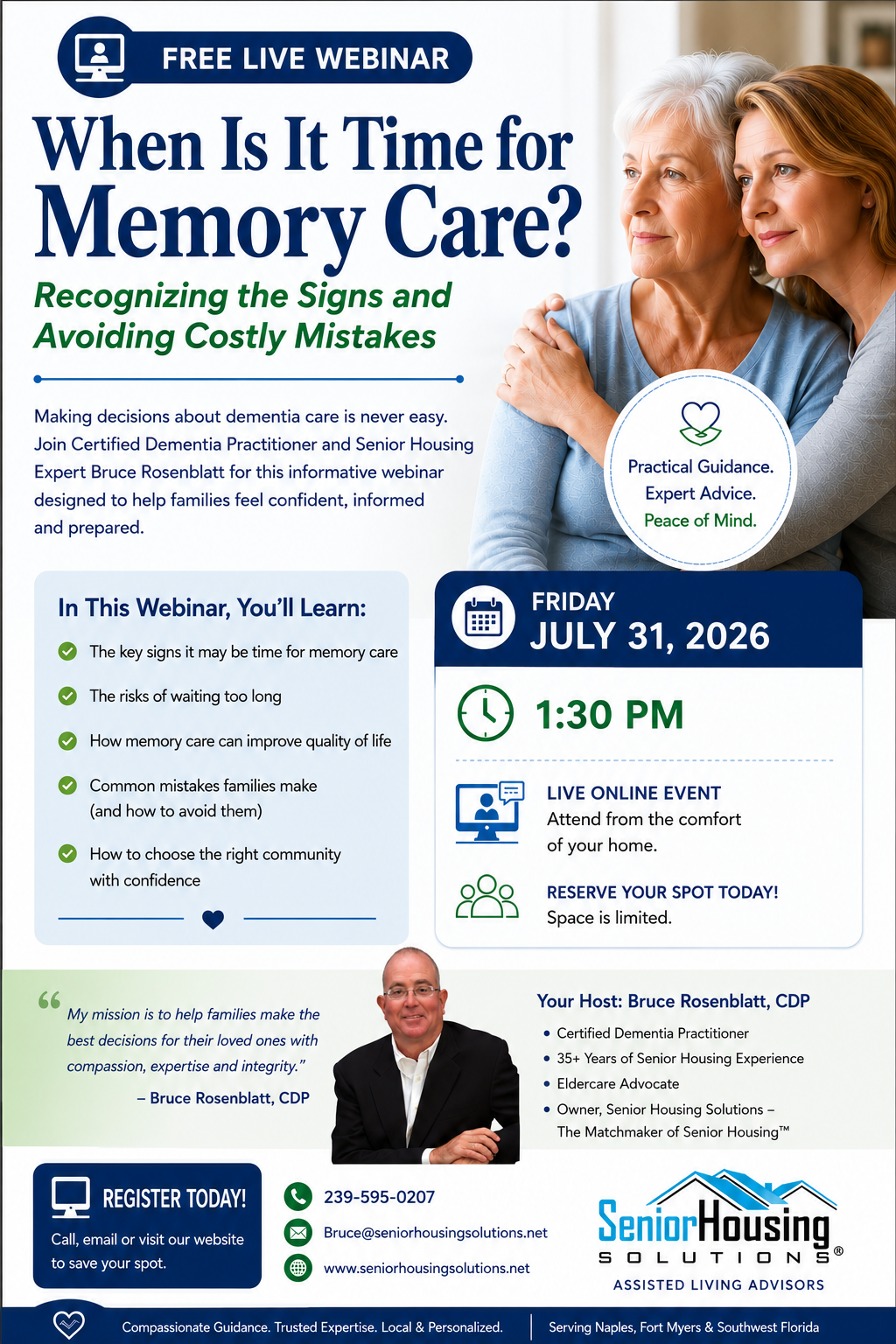
When Is It Time for Memory Care?
Free Live Webinar When Is It Time for Memory Care? Recognizing the Signs and Avoiding Costly Mistakes Making the decision to move a loved one into memory care is one of the most emotional and challenging choices a family can face. Many families struggle with knowing when the time is right, what warning signs to look for, and how to avoid waiting until a crisis occurs. Join Bruce Rosenblatt, CDP, Certified Dementia Practitioner, Eldercare Advocate, and Owner of Senior Housing Solutions, for this informative and compassionate webinar. With more than 35 years of experience helping families navigate senior living options, Bruce will provide practical guidance to help you make informed decisions with confidence. During this webinar you'll learn: How to recognize the signs that memory care may be the safest option The risks and hidden costs of waiting too long How memory care can improve quality of life for both your loved one and family caregivers Common mistakes families makeand how to avoid them The differences between assisted living and memory care What questions to ask when touring a memory care community How to choose the right community based on your loved one's unique needs Tips for making the transition smoother and less stressful Whether your loved one has Alzheimer's disease, another form of dementia, or you're simply planning ahead, this webinar will provide valuable information to help you navigate the journey with greater confidence and peace of mind. Event Details Date: Friday, July 31, 2026 Time: 1:30 PM (Eastern) Location: Live Online Webinar Presented by: Bruce Rosenblatt, CDP Owner, Senior Housing Solutions Certified Dementia Practitioner | Eldercare Advocate "The Matchmaker of Senior Housing" Reserve Your Spot Today Registration is free, but space is limited. Senior Housing Solutions 239-595-0207 [email protected] www.SeniorHousingSolutions.net Helping families make informed senior housing decisions with compassion, expertise, and integrity.
Jul 12, 2026

10 Ways Baby Boomers are Reshaping Senior Living
10 WAYS BABY BOOMERS ARE RESHAPING SENIOR LIVINGThere are 74.9 million Baby Boomers, which represents almost 40% of the nations population. As this group starts to age, senior living communities are adapting to the cruise-ship mentality of this generation. Here are some of the ways:1). FLEXIBLE DINING SERVICESMany senior living communities now offer flexible dining hours, a variety of dining venues (casual to formal), chef presentations and vouchers which can be used to purchase meals, liquor and even groceries. Menus are heart healthy and many offer gluten-free choices, freshly grown herbs, organic vegetables, grass-fed meat, free range poultry and sustainable seafood. To go menus are available for those who desire to dine in the comfort of their own residence.2). ABUNDANT FITNESS / WELLNESS PROGRAMSBaby boomers want to stay active and healthy. Tai chi, yoga, Zumba and even Pilates are now norms at some senior living communities. Fully-equipped fitness centers with personal trainers, lap pools, tennis, pickleball, bocce and even golf are often available. On-site spa services are common which includes a variety of massages, facials and pedicures.3). LARGER APARTMENTS / UPSCALE FINISHESTodays senior community residences are no longer designed for a single elderly individual, but instead are more suited for couples who want large open floor plans with plenty of closets and ambient lighting. Kitchens have modern stainless steel appliances, granite or quartz counter tops and upscale cabinetry. Bathrooms are luxurious but also have safety devices so residents can age in place.4). CONNECTIVITYBaby boomers are internet savvy and spend many hours of their day on the computer. Senior living communities now offer internet cafs and personal residences are wi-fi compatible. Some communities actually provide a tablet to each resident so they can reserve seats for entertainment or see the daily menu.5). CONTINUING EDUCATION CLASSESContinuing Education is huge for todays baby boomers. Senior living communities offer programs either online or live with university professors. There are even some senior living communities located on campuses of major universities so residents can attend classes to further their education.6). ART INSTRUCTION / CULTURAL ACTIVITIES Access to creative types of programs is important to todays Baby Boomer. Many senior living communities offer painting classes, photography, pottery and wood working. Cultural programs either on-site or nearby are frequently available to the residents of the community. Investment clubs, wine tastings, book groups and card playing are enjoyed.7). HIGHER ENTRANCE FEE REFUNDSSenior living communities now offer entrance fee refunds as much as 90% to provide residents the flexibility to move out, leave to their estate or to a charity of their choice. Baby Boomers are philanthropic and leaving a legacy is important to them.8). VOLUNTEERISMBaby boomers want to remain active in the local community through their place of worship or local charity. Senior living communities embrace these folks by hosting on-site events, providing transportation and contributing to many local organizations. Residents can also volunteer to serve on several resident council committees or be a welcome ambassador to new residents moving in.9). MAINTENANCE-FREE LIVINGNo longer being concerned with home maintenance and repairs allows todays residents more freedom to enjoy their life and pursue traveling, taking up a new hobby or perfecting an existing one. Not wasting time waiting for a repairman or being concerned about the cost of the repair are major benefits of living in a senior living community.10). ACCESS TO ON-SITE HEALTH CAREBeing proactive and pre-planning is in the DNA of a baby Boomer. Knowing that there is health care available provides peace of mind. Baby Boomers do not want to be a burden their spouse or to their children as they age. Some senior living communities even offer on-site physicians services which adds another level of convenience.In summary, Baby Boomers are reshaping senior housing. The age wave is here and these changes to the senior housing industry will have long lasting effects.To find a senior living community that meets your needs and preferences, call 239-595-0207 or visit our website at www.seniorhousingsolutions.net
Jul 23, 2023

How much water should an older adult drink every day?
How much water should an older adult drink every day?How much water should you drink each day? Its a simple question with no easy answer.Studies have produced varying recommendations over the years. But your individual water needs depend on many factors, including your health, how active you are and where you live.No single formula fits everyone. But knowing more about your bodys need for fluids will help you estimate how much water to drink each day.What are the health benefits of water?Water is your bodys principal chemical component and makes up about 50% to 70% of your body weight. Your body depends on water to survive.Every cell, tissue and organ in your body needs water to work properly. For example, water:Gets rid of wastes through urination, perspiration and bowel movementsKeeps your temperature normalLubricates and cushions jointsProtects sensitive tissuesLack of water can lead to dehydration a condition that occurs when you dont have enough water in your body to carry out normal functions. Even mild dehydration can drain your energy and make you tired. The general recommendation for older adults is to drink around:6 to 8 cups (1.5 to 2 liters) of fluids per day but this can vary depending on individual health, activity level, medications, and climate.More Specific Guidelines:Men: ' 13 cups (3 liters) of total water daily (including food & beverages)Women: ' 9 cups (2.2 liters) of total water dailyBut for seniors, adjustments are often needed: Factors that may increase water needs:Hot weatherFever or infectionDiuretics or certain medicationsPhysical activity Factors that may reduce fluid needs or cause caution:Kidney or heart conditions (e.g. congestive heart failure)Swallowing difficultiesIncontinence concernsA practical approach:Aim for at least 1.5 liters (about 6 cups) of fluid daily, unless otherwise directed by a doctor.Include water, herbal teas, milk, broth, and water-rich foods (fruits, soups).Use the urine color test: Pale yellow = well hydrated; dark yellow = drink more. Senior Daily Hydration Tracker Target: 1.5 to 2 liters/day (68 cups)TimeSuggested AmountWhat You DrankNotes 8:00 AM1 cup (240 ml) 10:00 AM1 cup 12:00 PM1 cup 3:00 PM1 cup 5:00 PM1 cup 7:00 PM1 cup 9:00 PM (if needed)1 cup (optional) (skip if night urination is a concern) Tips:Include soups, smoothies, decaf tea, or milk as fluids.If memory is an issue, use:A water bottle with markingsPhone or clock remindersA caregiver or calendar to check off each cupFor more information, go to: Water: How much should you drink every day? Mayo Clinic
Aug 06, 2025
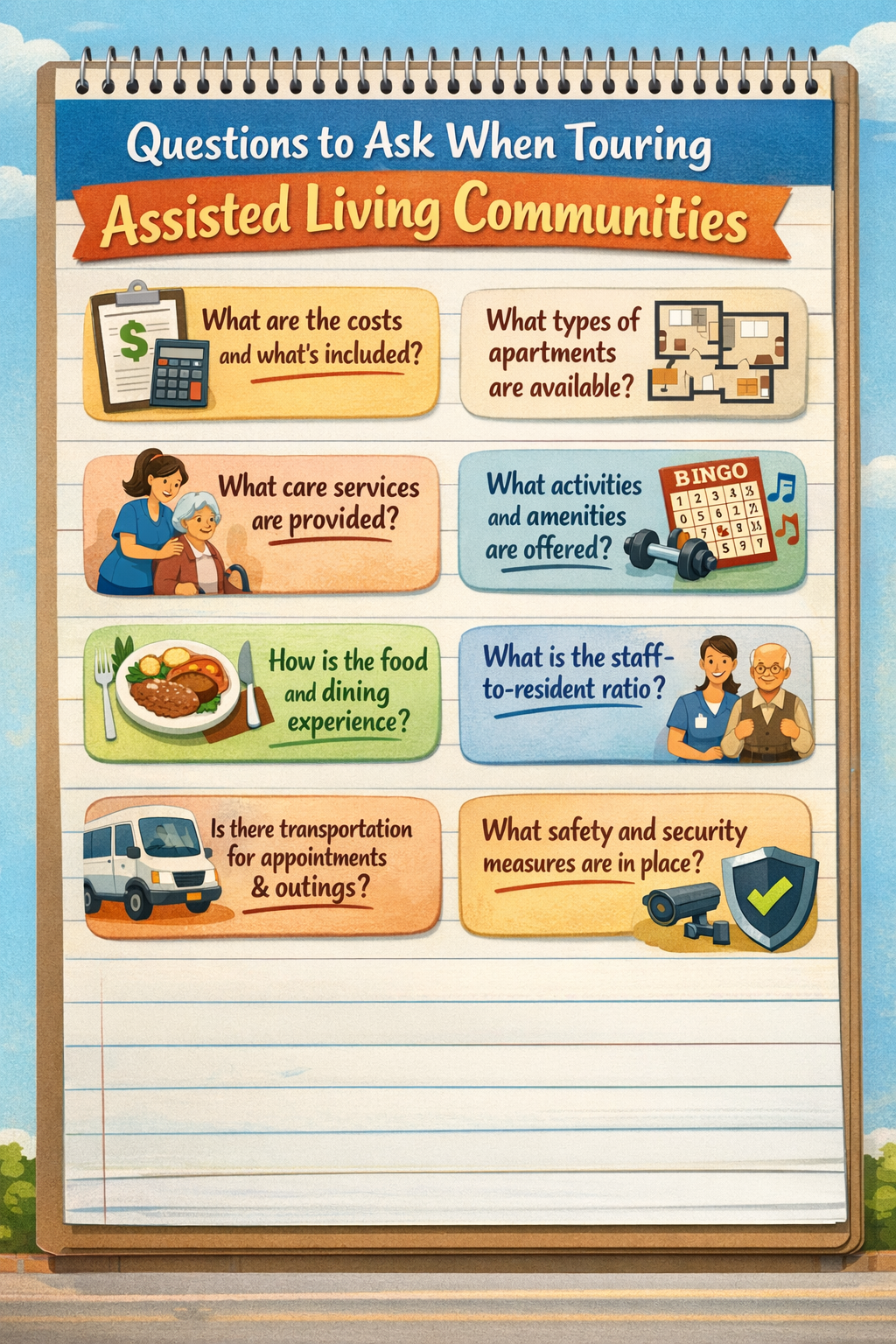
Questions to Ask When Touring Assisted Living Communities (2026 Guide)
Questions to Ask When Touring Assisted Living & Memory Care CommunitiesWhat Families Should Know Before Making One of Lifes Most Important DecisionsTouring a senior living community is one of the most critical steps in choosing the right environment for a loved one. But most families walk in unpreparedasking general questions and missing the details that truly determine quality of care.Whether youre exploring options in Fort Lauderdale or elsewhere in South Florida, knowing the right questions to ask can make the difference between a good decision and a costly mistake. For a complete overview of care options, visit our guide to memory care in South Florida. Why Asking the Right Questions MattersCommunities are designed to make a strong first impressionbut appearances dont always reflect the level of care.The goal of your tour is to uncover:How care is actually deliveredWhat daily life looks like for residentsHow the community handles changing needs 1. Questions About Care & StaffingThese are the most important questions you can ask:What is your staff-to-resident ratio?What dementia-specific training does staff receive?How long do caregivers typically stay here?How do you handle emergencies?Is there a nurse on-site 24/7? If memory loss is a concern, be sure to understand when its time for memory care. 2. Questions About Medical & Personal CareHow is medication managed?Are there additional costs for medication assistance?How do you handle changes in care needs?Do you offer coordination with doctors and specialists? You should also review hidden costs of assisted living that families often miss. 3. Questions About Cost & ContractsThis is where many families run into surprises.Ask:What is included in the base monthly rate?What services cost extra?How are care levels priced?How often do rates increase?Are there non-refundable fees? For deeper insight, review assisted living and memory care costs in Florida. 4. Questions About Daily Life & ActivitiesWhat does a typical day look like?How are activities tailored to residents abilities?What options exist for social engagement?Are families encouraged to participate? Engagement is especially important in memory care in South Florida, where structured routines improve quality of life. 5. Questions About Dining & NutritionAre meals prepared on-site?Can dietary restrictions be accommodated?Are snacks available throughout the day?Can family members join for meals? 6. Questions About Safety & EnvironmentIs the community secured (especially for memory care)?How do you prevent wandering?Are there emergency response systems in place?Is the layout easy to navigate? This is critical when evaluating assisted living vs memory care. 7. Questions to Ask Residents & FamiliesDont just talk to staffobserve and engage.Ask residents or visiting families:How do you like living here?How responsive is the staff?Would you choose this community again? Their answers are often more revealing than the tour itself. 8. What to Observe (Beyond Asking Questions)Pay attention to:Are residents engaged or inactive?Do staff interact warmly or seem rushed?Is the environment clean and odor-free?Are call lights answered promptly? Trust what you seenot just what youre told. Red Flags to Watch ForBe cautious if you notice:High staff turnoverUnanswered call lightsResidents left unattendedVague or unclear pricing These are often signs of deeper issues. Pro Tips for Touring CommunitiesVisit more than once (different times of day)Bring a checklist of questionsTake notes and compare optionsDont rush your decision Choosing the right community starts with understanding how to choose the best assisted living option. Final ThoughtsTouring senior living communities is about more than finding a placeits about finding the right level of care, safety, and quality of life for your loved one.The more informed you are, the more confident your decision will be. Get Expert HelpChoosing the right community can feel overwhelmingbut you dont have to do it alone.Get personalized guidance and local recommendations from a senior housing expert today.Bruce Rosenblatt, CDPSenior Housing SolutionsCertified Dementia Care Practitioner35+ Years of Senior Housing Expertise
Apr 20, 2026
Does Mom Need Assisted Living or a Nursing Home?
Does Mom Need Assisted Living or a Nursing Home? | Senior Housing Solutionsby Bruce Rosenblatt | Feb 9, 2026 | BlogDoes Mom Need Assisted Living or a Nursing Home?Making the decision between assisted living and a nursing home for an aging parent can feel overwhelming. Families often reach this point after months or years of concern, stress, and difficult conversations. If youre asking this question, its coming from a place of love, responsibility, and wanting to do the right thing.At Senior Housing Solutions, we help families navigate this decision every day. Understanding the level of care your loved one truly needs is the first step toward peace of mind.Assisted Living vs. Nursing Home: Understanding the DifferenceThe key difference between assisted living and a nursing home is the level of care and medical oversight required.Assisted Living CommunitiesSupport with activities of daily livingEmphasis on independence and quality of lifeLimited medical supervisionNursing Homes (Skilled Nursing Facilities)24/7 medical care and monitoringLicensed nurses on-siteDesigned for complex or advanced health needsThis decision is not about giving up independence its about choosing the right support level to ensure safety, dignity, and well-being.Signs Assisted Living May Be the Right FitAssisted living is often appropriate when a senior is mostly stable but needs help with everyday tasks.Your loved one may need assistance with:Bathing or dressingMedication reminders or managementMeal preparation or housekeepingTransportation to appointmentsShe may still be able to:Walk independently or with a cane or walkerUse the bathroom with minimal assistanceCommunicate clearly and recognize family membersRemain alone safely for short periodsSafety concerns are present but manageable:Occasional falls rather than frequent incidentsMild to moderate memory loss or early-stage dementiaWhen assisted living works best:If the primary challenges are loneliness, forgetfulness, or light physical assistance, assisted living often provides the right balance of support and independence.Signs a Nursing Home May Be NecessaryNursing homes are designed for seniors who need continuous medical care and supervision.Common indicators include:Assistance needed every time with bathing, eating, or toiletingFrequent falls or inability to walk safelyAdvanced dementia, including wandering or severe confusionOngoing medical needs such as wound care, oxygen, IV medications, or feeding tubesMultiple recent hospitalizations or emergency room visitsUnsafe to be left alone at any timeIf your loved one requires 24-hour supervision or skilled nursing care, assisted living may not be sufficient.A Simple Question That Often Brings ClarityAsk yourself:Could Mom be safe overnight without a nurse?Yes, with help nearby Assisted Living may be appropriateNo, not at all A Nursing Home is likely the safer choiceThis question alone often helps families clarify the next step.What Families Often OverlookCaregiver burnout matters. When family caregivers are physically or emotionally exhausted, it impacts everyones health and safety.Care needs change over time. Many seniors begin in assisted living and later transition to nursing care this is common and expected.Professional guidance makes a difference. A physician, geriatric specialist, or hospital social worker can provide a formal care assessment.Smart Next Steps (No Obligation)Request a functional care assessment from your loved ones doctorTour both assisted living and nursing home communities to compare optionsAsk providers: What happens if care needs increase?Determine whether short-term rehabilitation or skilled nursing is needed before making a long-term decisionHow Senior Housing Solutions Can HelpYou dont have to navigate this decision alone. At Senior Housing Solutions, we help families:Understand care needs clearlyCompare assisted living, memory care, and nursing home optionsFind safe, appropriate senior housing at no cost to the familyOur goal is to help you make a confident decision that prioritizes safety, dignity, and quality of life for your loved one.Contact Senior Housing Solutions today to speak with a local senior housing advisor and get personalized guidance for your familys situation.
Feb 13, 2026

The Ripple Effect
The Ripple EffectHow will your actions today have an impact on your future?The other day I was speaking with one of my clients. He shared with me his decision to buy a condo and not pursue senior housing at this time. Even though he has some chronic medical issues, he said he didnt feel ready to make the move. I asked him what his plans were if his health declined. His answer was typical denial. My wife will take care of me when this happens. Interesting, I said. What will happen if your wife needs care before you do? If you pass away, who will take care of her? He said they didnt think about all of this and asked me to stay in touch with them.Unfortunately, this conversation is not uncommon. The idea of moving from your house to a senior community is not an easy one, however the ripple effect of not doing it a has dramatic impact on you and your spouses future. Many of you know my expression about being 5 years too early rather than 5 minutes too late. Throughout my career, I have helped hundreds of families with this decision. 99% of the time, my clients tell me, Best decision we made, we only wished we would have made it sooner. The underlying reason people say this is now they have peace of mind for the future. They have a plan in place to protect each other and your family.In a recent USA Today article, the US Surgeon General Vivek Murthy warns against the harmful effects of loneliness. This includes depression, dementia, heart disease, obesity, and substance abuse disorders. Click here for the entire article. Life at a senior living community is far from boring and is an excellent way to avoid the pitfalls of loneliness. On-site social programs provide a way to connect with other people. Dining is not only important nutritionally, but also an opportunity to extend your social connection to be with friends and new acquaintances. Studies have shown that you overall well-being will improve by living at a senior living community.So, instead of saying youre not ready, maybe it is time to embrace this new chapter and creates a positive ripple in your life.For more information, please contact Bruce Rosenblatt at www.seniorhousingsolutions.net
Jul 23, 2023

Continuing Care Retirement Communities (CCRC) Contract Types
Continuing Care Retirement Communities (CCRCs) Contract Types Pricing Models at a GlanceEntranceFee ModelsThese involve a significant upfront payment, often combined with monthly service fees. Within this model, there are different contract types:Type A Life CareThe most comprehensive (and costly) option.Covers all levels of care (independent living, assisted living, skilled nursing) with minimal or no additional cost later on.Entry fees may reach $1million or more; monthly fees remain relatively stable.U.S. News HealthCanby Financial AdvisorsWealth ManagementSeniorlyType B ModifiedMore affordable upfront than TypeA.Includes limited care; once thats used up, further care is billed at discounted (but not full) rates.Entrance fees range widely (e.g. $80,000$750,000), with moderate monthly fees ('$1,500$2,500).Canby Financial AdvisorsFasterCapitalU.S. News HealthType C FeeforServiceLowest entrance fee among entrance models.Care is billed at market rates as its neededpayasyougo.Upfront fees sometimes in the $100,000$500,000 range; monthly fees low if healthy but can skyrocket with higher care needs.Canby Financial AdvisorsFasterCapitalU.S. News HealthRefundability TermsEntrance fees may come with different refund options:Fully refundable (rare, higher cost)Partially refundable (e.g., 50%90%)Declining refund (refund diminishes over time)NonrefundableU.S. News Healthseniorapproved.orgFasterCapitalAlternative Models without a Large Entrance FeeRental (or Type D) ContractsNo substantial entrance fee but higher monthly rates.Access to amenities and independent living; care is addon at market cost.TerraBella Senior LivingWikipediaEquity ModelsResident buys into the propertyoften resellable or inheritable.Monthly service fees still apply.TerraBella Senior LivingFasterCapitalSummary TableOptionEntrance FeeMonthly FeesCare CoverageRefundable?Type AHighestStable, moderateAll-inclusive, predictableOften refundable, though costlierType BMediumModerate; may rise with careSome care included, then discountedVaries (partial or declining refund)Type CLowest among paidLow initially; can increasePayasyougo careDepends on contractRental / Type DNone or nominalHighestMinimal included careNot applicableEquity ModelInvestment purchaseModerate (services)Services for feesOwns actual assetWhy It MattersPredictability & Peace of Mind: TypeA contracts are often chosen by those seeking stabilitythey lock in future care costs and typically offer a refundable entrance fee, easing estate planning.humangood.orgWealth ManagementFlexibility for the Healthy: TypeB and C appeal to those confident in maintaining health; they offer lower upfront costs but shift financial risk to the future.Canby Financial AdvisorsFasterCapitalU.S. News HealthCash Flow Control: Rentals or equity models may suit those who prefer liquidity now or an asset later.TerraBella Senior LivingFasterCapitalFinal ThoughtChoosing between CCRC entrancefee options depends on multiple factors: your current health, financial flexibility, care preferences, and plans for inheritance or estate stability.
Sep 04, 2025

Understanding Continuing Care Retirement Communities
In Southwest Florida, Continuing Care Retirement Communities (CCRCs) also known as Life plan communities are very popular. There are many quality CCRCs in this area and because of this, much is needed to increase your understanding about what is a CCRC, and if they are right for you.These resort-style communities require a significant up-front investment and on-going monthly fee. The basic premise of a CCRC is to allow you to age in place within the community. You move to an independent living residence when you are healthy and active and should your health decline, there is a contractual commitment to provide care and services for you as your needs change. Normally, this care is provided on-site. People select a CCRC since they want the peace of the mind of knowing that they have planned for their future health care needs while enjoying a vibrant lifestyle.Peace of Mind for your futurePeople move to CCRCs for the peace the mind of their future. Once all the what-if scenarios have been solved, residents are able to enjoy a life filled with friendships, social activities, fitness and cultural programs. Many couples choose to live in a CCRC since they know they are protecting each other should their health change. Lifelong friendships are made since the people living at a CCRC are less transient than other types of senor communities. Since the continuum of care is located either within the main building or on the campus, couples are easily able to be with each other as their needs change. There a feeling of community within a CCRC. Residents can be part of resident council committees (finance, dining, programing, health care, etc.), social groups or sporting activities. Residents also maintain an active life in the greater community as well.There are CCRCs on large campuses or within single or multiple buildings. Floor plans range from one bedrooms up to spacious three bedrooms. There are even free-standing homes at some CCRCs in the area. Many people elect to personalize their own residences with upscale finishes and appointments similar to what they currently have in their homes.Better to be 5 years too early rather than 5 minutes too late!Since CCRCs are obligated to provide care for their residents, CCRCs require a medical and financial assessment for acceptance to the community. Unfortunately, there are times when someone waits for a crisis to occur before deciding and in many cases, they are not accepted to the community of their choice. As I always say, its better to be five years too early rather than five minutes too late.Similar to applying for life insurance, the CCRC will require detailed medical information about you. In most cases, a one-one meeting is conducted with the communitys nurse to determine a risk factor. Medical criteria do differ from community to community. Again, the key is to not wait for your health to decline before applying for residency.A financial application is also required. The CCRC wants to make sure you can sustain yourself financially for many years. The general rule is you should have at least 2 to 3 times in assets of the entrance fee and annual income of the monthly fee. Many communities have a benevolent fund established to help someone should they deplete their assets and can no longer pay the monthly fee.CCRCs require an upfront entrance fee and an on-going monthly fee. Depending on the specific community, a percentage of the entrance fee could be refundable upon death or when the residency agreement is terminated.The entrance and monthly fee at a CCRC are based on the residence size and the number of people under the contract. Couples pay an additional amount for the second person. Depending on the community, services and amenities included in the monthly fee vary. Typically, they include meal plan, housekeeping, social programming, transportation and maintenance services.Office of Insurance Regulation (OIR) OversightCCRCs in the State of Florida are strictly regulated by the Office of Insurance Regulation (OIR) through Florida Statute Chapter 651. Within this Statute, there are requirements refund provisions, liquid reserve requirements, financial disclosure, resident rights and reporting guidelines. All residency agreements must be approved by the OIR. The OIR is the consumer watchdog to make sure the CCRC is fulfilling its obligations to its residents. For more information, go to: https://www.flsenate.gov/Laws/Statutes/2018/Chapter651Types of Residency AgreementThere are different types of residency agreements within CCRCs. The Type A contract is most traditional type. The Type A contract stipulates that should assisted living, memory care or skilled nursing be needed, the monthly fee will remain a constant and not be increased due to the care being provided (ancillary services and products as well as two additional meals will be extra). Normally, the Type A has the strictest medical criteria to move in. The Type B contract either includes assisted living and memory care or provides a discount on care when needed. In the Type C contract, all care-related charges are out of pocket with no discount provided. The Type C has the least medical acceptance criteria to move in.Refund provisions at the CCRCs vary as well ranging from a 0% refund up to 90 and even a 100% refund. Normally, the higher percentage refund equates to a higher entrance fee. It is important to note that a CCRC contract is not a real estate transaction, therefore you do not have equity in the community. The fees you are paying are paying for care and services over your lifetime.Because CCRCs are not real estate, there are no HOA dues or assessments, closing costs, or the worry about your estate selling your residence. In most cases, real estate taxes are paid by the community and not individually.Possible Tax deductionA portion of the entrance fee and monthly is considered a pre-paid medical expense so the IRS does allow you to deduct this percentage providing you itemize your taxes. The percentage varies from community to community and year to year. Each CCRC should be willing to share with you the percentage so your accountant can plan accordingly.As mentioned, the continuum of care is main component to a CCRC; therefore, much due diligence needs to occur to understand which health care components are available should care be needed in the future. Not all CCRCs are the same in this regard.Demographics vary from community to community. There are CCRCs that are not for profit religiously focused and others that are managed locally or through national corporations. Finding a CCRC where you can live with like-minded people is an important part of the research process.Senior Housing SolutionsAs Senior Housing Advisors, we understand the differences and the complexities of this decision and educate you on which plan best fits your needs. For more information, go to. www.seniorhousingsolutions.net
Jul 23, 2023

What is the difference between assisted living and nursing care?
The main difference between assisted living and nursing care (also known as skilled nursing care) lies in the level of care and support provided, as well as the residents needs and independence. Heres a breakdown of the differences:Level of CareAssisted Living:Assistance with Daily Activities: Assisted living is designed for people who need some help with activities of daily living (ADLs) such as bathing, dressing, grooming, eating, and mobility. However, residents are generally still independent and can manage many aspects of their daily routine without intensive medical care.Non-Medical Care: The care provided in assisted living typically focuses on personal care services like help with medication management, meal preparation, housekeeping, and transportation. However, it doesnt provide skilled medical care.Staffing: The staff in assisted living facilities are usually trained in personal care but are not licensed healthcare professionals (e.g., registered nurses, or certified nursing assistants) in most cases.Resident Independence: Assisted living communities are suited for people who can still live relatively independently but require help with certain daily tasks.Nursing Care (Skilled Nursing Care):Medical Care & Supervision: Nursing care is more intensive and focused on providing medical care and rehabilitative services. It is for individuals who need round-the-clock care, often due to chronic illnesses, complex medical conditions, or significant physical or cognitive impairments.Skilled Nursing Services: In addition to help with basic personal care, skilled nursing facilities offer nursing care, such as wound care, IV treatments, catheter care, physical therapy, and help with more complex medical needs. Residents often require frequent or constant attention from healthcare professionals.Registered Nurses (RNs): Nursing homes have licensed nurses on staff, including registered nurses (RNs) and licensed practical nurses (LPNs), who are trained to handle medical treatments and provide direct healthcare.Medical Oversight: Residents in nursing homes typically have ongoing medical oversight from doctors or specialists, and they may have a care team that includes nurses, physical therapists, occupational therapists, and speech therapists.Type of ResidentsAssisted Living:Residents are usually elderly adults who have some physical or cognitive limitations but can live relatively independently with minimal help. They may need assistance with basic activities but dont require continuous medical monitoring.People who move into assisted living may have mild cognitive impairment (e.g., early stages of dementia or Alzheimers) or physical issues that prevent them from living entirely on their own, but they still have a good level of independence.Nursing Care:Residents are typically those with serious medical conditions, severe cognitive impairment (e.g., advanced Alzheimers disease or dementia), or those recovering from surgery or an injury and in need of ongoing medical attention.Nursing homes provide care for people who are no longer able to live independently, even with assistance, and require skilled medical or rehabilitative services.Medical and Health ServicesAssisted Living:Limited Medical Care: Assisted living facilities do not provide 24/7 medical care. They can help with basic health-related services like medication reminders and minor assistance with mobility, but they do not have medical staff available at all hours.Non-medical Support: The staff focuses on assisting with ADLs, maintaining a social and active lifestyle, and providing light housekeeping, meals, and transportation.Nursing Care:Comprehensive Medical Care: Nursing homes offer around-the-clock medical care and have licensed healthcare professionals like nurses on-site. They handle more complex medical issues, including the management of chronic illnesses, medication administration, wound care, physical therapy, and other medical treatments.Specialized Services: Nursing homes also provide specialized services for residents who need rehabilitative care, such as physical therapy or speech therapy.CostAssisted Living:Generally less expensive than nursing care, as the level of care is lower and more focused on personal assistance rather than medical care. Costs can range from $2,000 to $6,000 per month or more, depending on location, the type of services, and the level of assistance needed.Many facilities also have a variety of room options, such as private or shared apartments, which can affect pricing.Nursing Care:Nursing homes tend to be more expensive due to the higher level of medical care provided. Costs can range from $5,000 to $10,000 or more per month, depending on the level of care needed and the facilitys location.The costs are often covered by Medicare (for short-term stays), Medicaid (for long-term stays, based on financial eligibility), or private insurance (if applicable).Length of StayAssisted Living:Many people move to assisted living as a long-term solution to maintain their independence while receiving help with daily tasks. Its designed for those who plan to live there for an extended period, though some may eventually transition to nursing care if their needs increase.Nursing Care:Nursing care is typically a long-term solution for individuals who require ongoing medical supervision. Some residents may stay in nursing homes permanently, especially if they have chronic medical conditions, while others may only stay temporarily for rehabilitation or recovery after surgery, illness, or injury before returning home or transitioning to a less intensive care setting.Socialization and ActivitiesAssisted Living:Assisted living communities often focus on providing an active lifestyle for residents. Many offer social and recreational activities, fitness programs, outings, and other events to help residents stay engaged, mentally and physically active.Residents often have more independence, with private apartments or rooms, and can go out and socialize freely within or outside the community.Nursing Care:Nursing homes also provide activities for residents, but the focus is more on well-being and rehabilitation. The social activities tend to be more limited compared to assisted living, and residents may not have the same level of independence due to their medical or cognitive needs.Nursing homes may offer therapy programs, entertainment, or light recreation, but the primary focus is on medical care and patient recovery.Summary of Key DifferencesFeatureAssisted LivingNursing Care (Skilled Nursing)Level of CareBasic assistance with daily activities (ADLs)Round-the-clock medical and nursing careType of CarePersonal care, medication management, social activitiesMedical care, physical therapy, rehabilitationStaffingPersonal caregivers, no medical staff on-siteRegistered nurses (RNs), licensed practical nurses (LPNs), physical therapistsIndependenceHigher independence, semi-private or private living spacesLittle to no independence, often in shared roomsCostGenerally less expensive ($2,000 to $6,000/month)Generally more expensive ($5,000 to $10,000/month)Social ActivitiesActive lifestyle, outings, fitness programsLimited activities, focus on well-being and therapyLength of StayLong-term for independent residents needing helpLong-term for those needing continuous medical careConclusion:Assisted Living is ideal for individuals who need help with daily activities but do not require extensive medical care or supervision. It allows for more independence and is suitable for people who are mostly mobile and mentally alert.Nursing Care (Skilled Nursing) is best suited for individuals who need more intensive medical support, ongoing supervision, and care from licensed healthcare professionals. It is often appropriate for people with serious medical conditions or recovery needs.Your choice depends on the level of medical care and assistance you need, as well as your personal preferences for independence and lifestyle. If your needs are likely to increase over time, assisted living communities may provide an easier transition into a higher level of care, while nursing homes are meant for individuals with more complex needs.For more information, go to: www.seniorhousingsolutions.net
Jan 03, 2025

My elderly parent refuses care. What can I dol?
Im sorry to hear youre dealing with this difficult situation. When parents refuse care, especially if their health or well-being is at risk, it can be incredibly frustrating and stressful. There are a few things you can consider doing, depending on their specific situation, their reasoning for refusing care, and the legal options available to you:1. Understand Their ConcernsWhy are they refusing care? Sometimes, older adults resist help because they feel a loss of independence, fear of being a burden, or have concerns about the cost or quality of care.Have a conversation: Approach the subject with empathy. Ask them what specific concerns or fears they have about getting care and try to address them in a way that respects their autonomy.2. Discuss the Importance of Their HealthExplain how the care theyre refusing can improve their quality of life, maintain their independence longer, or prevent worsening conditions.Use specific examples of how delaying care can lead to complications (e.g., if they have a medical condition like diabetes, heart disease, or mobility issues).3. Offer AlternativesIf theyre against full-time care or a nursing home, offer other solutions, such as hiring a visiting nurse, a home aide, or setting up a family care schedule. This can make the care less intrusive.You might also want to suggest telehealth appointments if theyre hesitant to go to in-person appointments.4. Get Help from a ProfessionalTherapists or counselors: A neutral third party, such as a therapist or social worker, might be able to help mediate the conversation and address any fears or emotional resistance.Doctors advice: Sometimes, having their doctor explain why care is important can be more persuasive than anything you say. This might involve setting up a meeting where the doctor can directly discuss the necessity of care.5. Check for Cognitive ImpairmentIf their refusal of care seems irrational or if they are not understanding the risks, it could be a sign of cognitive decline (e.g., dementia, Alzheimers). If you suspect this, a doctor or specialist should assess their cognitive function.Legal options: If their cognitive state is compromised and they cannot make decisions in their own best interest, you might need to consider legal options like guardianship or power of attorney. However, this can be a delicate process and may require legal advice.6. Know Your Legal RightsPower of Attorney (POA): If your parents have given you power of attorney for healthcare or finances, you may be able to make decisions on their behalf, including arranging care.Guardianship: In extreme cases, if your parents are unable to care for themselves and are refusing help, you may need to pursue legal guardianship. This is a process that involves the court and can give you the authority to make decisions for them.7. Consider the Long-Term ImpactIf they continue refusing care and their health worsens, it might become a situation of crisis care, meaning emergency intervention could be needed. However, you should try to avoid this if possible since it can cause additional stress and trauma for both of you.8. Take Care of YourselfCaregiver burnout is a real concern. If youre feeling overwhelmed, its important to seek support from other family members, friends, or professional caregivers. Caregiving can be emotionally and physically exhausting, so make sure youre taking care of your own well-being too.If this is something youre dealing with, youre not alone. Many people face similar struggles with aging parents or loved ones. Taking small steps, seeking professional advice, and prioritizing communication can often make a big difference. Let me know if youd like specific advice or resources on any of the points.For more information, please contact: www.seniorhousingsolutions.net
Jan 07, 2025
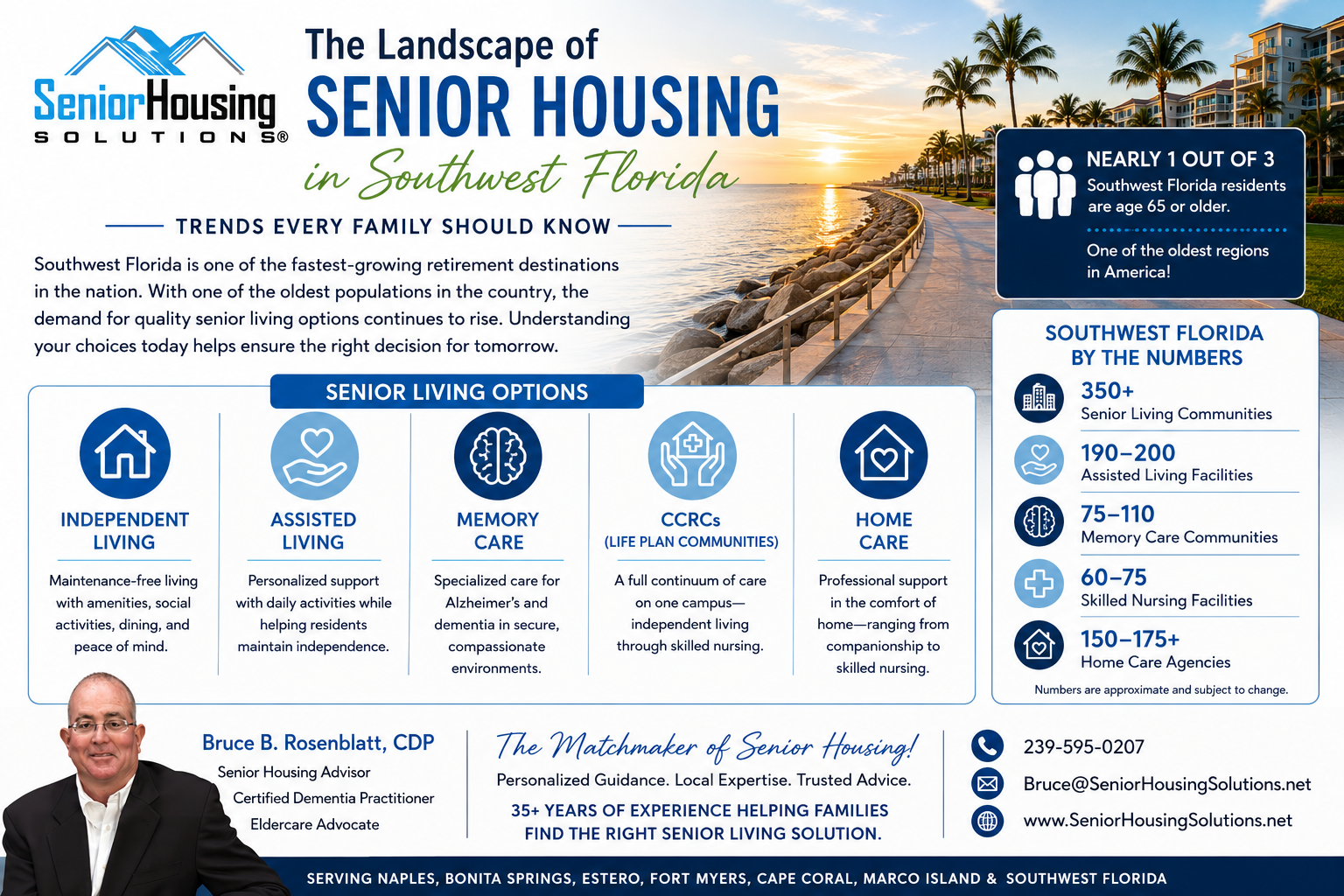
The Landscape of Senior Housing in SWFL
Southwest Florida's Senior Housing Boom Is HereSouthwest Florida has long been one of the nation's premier retirement destinations, attracting older adults seeking sunshine, lower taxes, world-class healthcare, and an active lifestyle. Today, communities in Naples, Bonita Springs, Estero, Fort Myers, Cape Coral, and Marco Island are experiencing unprecedented growth as Baby Boomers continue to retire in record numbers.For families exploring senior living options, understanding the current landscape of senior housing in Southwest Florida has never been more important. Whether you're researching assisted living, memory care, independent living, home care, or Continuing Care Retirement Communities (CCRCs), knowing the trends can help you make informed decisions before a crisis occurs.Southwest Florida Is One of America's Oldest RegionsNearly one-third of Southwest Florida residents are age 65 or older, significantly higher than both the Florida and national averages. This demographic shift is creating increased demand for senior housing, healthcare services, home care, and dementia care throughout the region.The area's combination of favorable weather, no state income tax, abundant recreational opportunities, and quality healthcare continues to attract retirees from New York, New Jersey, Pennsylvania, Illinois, Ohio, Michigan, and other northern states.As a result, senior housing providers are expanding services and developing new communities to meet growing demand.Understanding Your Senior Living OptionsOne of the biggest misconceptions families have is that all senior living communities are the same. In reality, there are several distinct housing and care options designed to meet different needs.Independent LivingIndependent Living communities are ideal for active older adults who want a maintenance-free lifestyle without the responsibilities of homeownership.Residents typically enjoy:Restaurant-style diningHousekeeping servicesTransportationFitness programsSocial activitiesWellness programmingMany seniors move to Independent Living for convenience, socialization, and peace of mind rather than healthcare needs.Assisted LivingAssisted Living communities provide support with activities of daily living while helping residents maintain as much independence as possible.Services often include:Medication managementBathing assistanceDressing assistanceThree daily mealsHousekeepingScheduled transportationAssisted Living remains one of the fastest-growing segments of senior housing in Southwest Florida.Memory CareMemory Care communities specialize in caring for individuals living with Alzheimer's disease and other forms of dementia.These communities offer:Dementia-trained staffSecure environmentsSpecialized programmingCognitive engagement activitiesEnhanced supervisionAs the number of dementia diagnoses continues to rise, Memory Care is expected to see significant growth throughout Southwest Florida over the next decade.Continuing Care Retirement Communities (CCRCs)Also known as Life Plan Communities, CCRCs offer multiple levels of care on a single campus.Residents can transition between:Independent LivingAssisted LivingMemory CareSkilled NursingThis model provides long-term security and peace of mind for seniors who want to plan ahead for future healthcare needs.Why Families Are Starting Their Search EarlierOne of the most important trends in senior housing today is earlier planning.Historically, many families waited until a medical crisis occurred before exploring senior living options. Today, more families are touring communities, attending educational seminars, and developing long-term plans before immediate care is needed.Planning ahead offers several advantages:More community choicesBetter financial planningReduced family stressSmoother transitionsAccess to waitlist opportunitiesAs I often tell families:"It's better to be five years too early than five minutes too late."The Growing Role of Home CareMany older adults prefer to remain in their homes as long as possible. Southwest Florida has more than 150 home care providers offering services ranging from companionship and personal care to skilled nursing and rehabilitation.While aging in place can be an excellent solution, families should understand that home care costs can increase significantly as care needs grow. For some seniors, senior living communities may ultimately provide greater social engagement, safety, and value.Future Trends in Southwest Florida Senior HousingSeveral trends are expected to shape the future of senior living throughout Naples and Southwest Florida.Increased Demand for Memory CareAs the Baby Boomer generation ages, demand for specialized dementia care will continue to rise.Technology-Enhanced CareSenior living communities are increasingly implementing:Telehealth servicesFall detection systemsSmart-home technologyRemote health monitoringArtificial intelligence toolsMore Focus on WellnessToday's seniors want more than healthcare. They seek communities that promote active lifestyles, lifelong learning, fitness, social engagement, and overall wellness.Greater Demand for Affordable OptionsOne of the biggest challenges facing Southwest Florida is the need for more middle-market senior housing options that bridge the gap between luxury communities and government-assisted programs.How a Senior Housing Advisor Can HelpWith hundreds of senior living communities throughout Southwest Florida, finding the right fit can feel overwhelming.A professional Senior Housing Advisor can help families:Understand available optionsNarrow community choicesSchedule personalized toursCompare costsReview contractsEvaluate care levelsAvoid common mistakesMost importantly, an experienced advisor helps families make confident decisions during what is often an emotional time.Frequently Asked QuestionsWhat is the difference between Assisted Living and Memory Care?Assisted Living provides support with daily activities, while Memory Care offers specialized care and secure environments for individuals living with dementia.When should I start researching senior living options?Ideally, families should begin researching before a healthcare crisis occurs. Early planning provides more options and reduces stress.Are Senior Housing Advisor services expensive?In many cases, Senior Housing Solutions' placement services are provided at no cost to families because communities pay referral fees after a successful move-in.What is the best senior living option in Southwest Florida?The best community depends on a person's health, lifestyle preferences, financial resources, and future care needs.Let Senior Housing Solutions HelpChoosing the right senior living community is one of the most important decisions a family will make.With more than 35 years of senior housing experience, Bruce Rosenblatt, CDP, provides personalized guidance to help families find the right Independent Living, Assisted Living, Memory Care, or Continuing Care Retirement Community in Southwest Florida.Contact Senior Housing Solutions today for a complimentary consultation.Bruce Rosenblatt, CDPSenior Housing Solutions Assisted Living Advisors 239-595-0207 [email protected] www.SeniorHousingSolutions.netAbout the AuthorBruce Rosenblatt, CDP, is a Senior Housing Advisor, Eldercare Advocate, and Certified Dementia Practitioner with more than 35 years of experience in senior living. Known as "The Matchmaker of Senior Housing," Bruce has helped thousands of families navigate senior living options throughout Southwest Florida.
Sep 03, 2026
How to Find the Best Assisted Living in Naples
How to Find the Best Assisted Living in Naples, FL: A Local Experts GuideBy Bruce Rosenblatt, Senior Housing SolutionsFinding the best assisted living in Naples, Florida can feel overwhelming. With dozens of senior living communities throughout Naples, North Naples, Bonita Springs, and Marco Island, families often struggle to determine which community will truly meet their loved ones needs.After more than 35 years helping seniors and families navigate senior housing options, Ive learned that the best assisted living community isnt necessarily the newest building or the most expensive option. The best community is the one that provides the right level of care, lifestyle, safety, and value for a specific individual.If youre beginning your search for assisted living in Naples, here are the most important factors to consider.Understand What Assisted Living Really ProvidesMany families confuse assisted living with nursing homes. In reality, assisted living is designed for older adults who need help with daily activities while maintaining as much independence as possible.Florida assisted living communities typically provide:Assistance with bathing, dressing, and groomingMedication managementThree daily mealsHousekeeping and laundryTransportationSocial and recreational activities24-hour staff availabilityWellness monitoringFlorida assisted living facilities are regulated and licensed through the Florida Agency for Health Care Administration (AHCA), which oversees standards and resident protections.Start with Care Needs, Not AmenitiesOne of the biggest mistakes families make is focusing on the pool, dining room, or clubhouse before evaluating care services.Ask yourself:Does Mom need medication reminders?Is Dad experiencing memory loss?Are mobility issues becoming a concern?Will care needs likely increase over the next few years?A beautiful community is only valuable if it can safely meet current and future care needs.Tour Multiple CommunitiesPictures online rarely tell the full story.When touring assisted living communities in Naples, pay close attention to:Staff InteractionDo staff members know residents by name?Are caregivers actively engaged with residents?Do residents appear happy and well cared for?CleanlinessLook beyond the lobby.Visit resident hallways, activity areas, dining rooms, and common spaces.Dining ExperienceFood quality significantly affects quality of life.Ask to:Review menusObserve mealtimeParticipate in a meal if possibleActivitiesLook for meaningful engagement rather than simply filling time.Communities should offer:Exercise programsEducational opportunitiesSocial eventsReligious servicesVolunteer opportunitiesResident-led activitiesUnderstand the Cost StructureAssisted living costs in Naples vary significantly depending on:Apartment sizeLevel of care neededCommunity amenitiesLocationAdditional servicesFamilies should always ask:What is included in the monthly fee?What services cost extra?How often are rates increased?What happens if care needs change?Understanding these details upfront helps prevent unpleasant financial surprises later.Ask About Staffing and Care ServicesThe quality of an assisted living community is largely determined by its staff.Important questions include:What is the caregiver-to-resident ratio?Is a nurse available?How are emergencies handled?What training do caregivers receive?How long has the management team been in place?Florida regulations require assisted living facilities to provide services appropriate to resident needs and maintain resident supervision and safety standards.Check Licensing and Inspection HistoryBefore making any decision, review a communitys state inspection history and licensing status.Florida families can access facility information through Florida Health Finder and AHCA resources. These resources can help identify licensing status, complaint investigations, and regulatory compliance history.Consider Future Care NeedsMany seniors move to assisted living because they need help today. Smart planning also considers tomorrow.Ask:Does the community offer memory care?Can residents age in place?What happens if health conditions worsen?Are specialty licenses available that allow additional care services?Florida communities may offer specialty licenses that support aging in place as care needs increase.Dont Make the Decision AloneThe Naples senior living market offers many excellent options, but every family situation is different.An experienced senior housing advisor can help:Identify appropriate communitiesArrange toursCompare costsEvaluate care capabilitiesAvoid costly mistakesSave families significant time and stressMost importantly, an independent advisor helps families focus on finding the right fit rather than the most heavily marketed community.Why Families Trust Senior Housing SolutionsFor more than 35 years, Bruce Rosenblatt has helped seniors and their families navigate independent living, assisted living, memory care, and Continuing Care Retirement Communities throughout Naples, Fort Myers, Bonita Springs, and Southwest Florida.As a Certified Dementia Care Practitioner and senior housing advocate, Bruce provides objective guidance designed to help families make informed decisions with confidence.Need Help Finding the Right Assisted Living Community?Senior Housing Solutions provides personalized senior housing guidance throughout Southwest Florida.Senior Housing Solutions 239-595-0207 www.seniorhousingsolutions.netSchedule a complimentary consultation to discuss your familys unique situation and explore the best assisted living options available in Naples and Southwest Florida.About the AuthorBruce Rosenblatt, CDPSenior Housing Advisor | Eldercare Advocate | Certified Dementia Care PractitionerHelping Seniors and Families Navigate Senior Living with ConfidenceFor more than 35 years, Bruce Rosenblatt has dedicated his career to helping older adults and their families make informed decisions about senior housing, eldercare, and long-term care planning.As the Founder and Senior Housing Advisor at Senior Housing Solutions, Bruce has guided thousands of families throughout Naples, Fort Myers, Bonita Springs, Estero, Cape Coral, Marco Island, and greater Southwest Florida through the often-complex process of selecting independent living, assisted living, memory care, and Continuing Care Retirement Communities (CCRCs).His mission is simple: provide objective, compassionate guidance that helps families find the right senior living solution while avoiding costly mistakes.A Trusted Advocate for SeniorsFinding the right senior living community can be overwhelming. Families are often faced with difficult decisions involving healthcare needs, financial considerations, safety concerns, and emotional challenges.Bruce understands these concerns firsthand.Throughout his career, he has worked extensively with seniors, adult children, healthcare professionals, elder law attorneys, financial planners, social workers, and community organizations to help families navigate every stage of the aging journey.Unlike many referral services that focus solely on placements, Bruces approach centers on education, advocacy, and individualized guidance.His goal is to empower families with the information they need to make confident decisions.Professional CredentialsCertified Dementia Care Practitioner (CDP)Bruce is a Certified Dementia Care Practitioner, providing specialized expertise in:Alzheimers diseaseDementia careMemory care communitiesCaregiver supportBehavioral and cognitive changes associated with agingThis training allows him to help families better evaluate memory care environments and understand the unique needs of individuals living with dementia.Areas of ExpertiseBruce provides guidance in:Independent LivingHelping active seniors identify retirement communities that support lifestyle, wellness, and long-term independence.Assisted LivingAssisting families in evaluating care levels, services, pricing structures, and community environments.Memory CareHelping families understand dementia-specific care programs, staffing, safety standards, and quality indicators.Continuing Care Retirement Communities (CCRCs)Providing objective insight into entrance fees, contract structures, and long-term care planning.Senior Housing TransitionsSupporting families through major life transitions with dignity, clarity, and confidence.Serving Southwest FloridaBruce proudly serves families throughout:Naples Fort Myers Bonita Springs Estero Cape Coral Marco Island Southwest FloridaHis deep local knowledge ensures families receive up-to-date insights on senior living options, pricing trends, care levels, and community differences across the region.Why Families Trust BruceFamilies consistently choose Bruce for:35+ years of senior housing experienceCertified Dementia Care Practitioner designationCompassionate, family-centered approachExtensive knowledge of Southwest Florida communitiesIndependent, objective recommendationsStrong professional relationships in eldercare networksMost importantly, families value his ability to simplify complex decisions into clear, manageable steps.About Senior Housing SolutionsSenior Housing Solutions is an independent senior housing advisory service dedicated to helping seniors and families identify the most appropriate housing and care options based on their unique needs, preferences, and financial circumstances.Services include guidance on:Independent LivingAssisted LivingMemory CareCCRCsSenior Housing PlanningEldercare ResourcesContact InformationIf you or a loved one are exploring senior living options in Southwest Florida, Bruce Rosenblatt can help you understand your choices and identify the communities that best meet your needs.Senior Housing Solutions 239-595-0207 www.seniorhousingsolutions.netServing Naples, Fort Myers, Bonita Springs, Estero, Cape Coral, Marco Island, and surrounding Southwest Florida communities.
Jun 01, 2026

Its better to be 5 years too early rather than 5 minutes too late!
For more information on Senior Housing Solutions, Click Here.Its better to be 5 years too early rather than 5 minutes too lateEach month, we will be providing true life scenarios of people who either planned ahead or waited too long. Maybe you know these folksScenario #1Mr. & Mrs. Smith are 76/78.Both enjoy an active lifestyle. They enjoy travelling and spending time with their family and friends. Mrs. enjoys cooking but has recently lost interest. They live in a nice home in a gated country club community. They have had some minor health issues in the past, but nothing too serious. Mr. Smith has noticed some memory decline and has been slowing down physically. Mrs. Smith is worried about the future and is concerned that she can not take of their home on her own. The idea of moving is overwhelming to them. The Smiths have children scattered around the country. One son in Massachusetts, another in Colorado and a daughter in New Jersey. Moving closer to them is not an option. They have a small dog named Cookie.Solution:The Smiths contacted Bruce at Senior Housing Solutions. Bruce met with them and discussed their options including staying at home or moving somewhere. They decided it was time to start the process of looking. The Smiths visited a number of places Bruce recommended and consulted with him during the process. Bruce held family conference calls to keep everyone in the loop, joined them on their tours and helped prep them for medical review process. Bruce recommended a downsize expert who was able to help the Smiths slim down their possessions including getting rid of a storage unit and figure out what to bring to their new home. They were very grateful they contacted Bruce.Result:The Smiths moved to a CCRC last month. The Smiths including Cookie are very happy. They have already made some friends and reunited with friends from their former country club. Mrs. Smith started attended Tai Chi classes and Mr. Smith is working out at the community fitness center. Mr. Smiths memory has worsened. They are relieved he was able to get accepted at this CCRC before things got worse. They remembered Bruce telling them its better to be 5 years too early rather than 5 minutes too late and how appropriate this was for them.
Jan 09, 2022
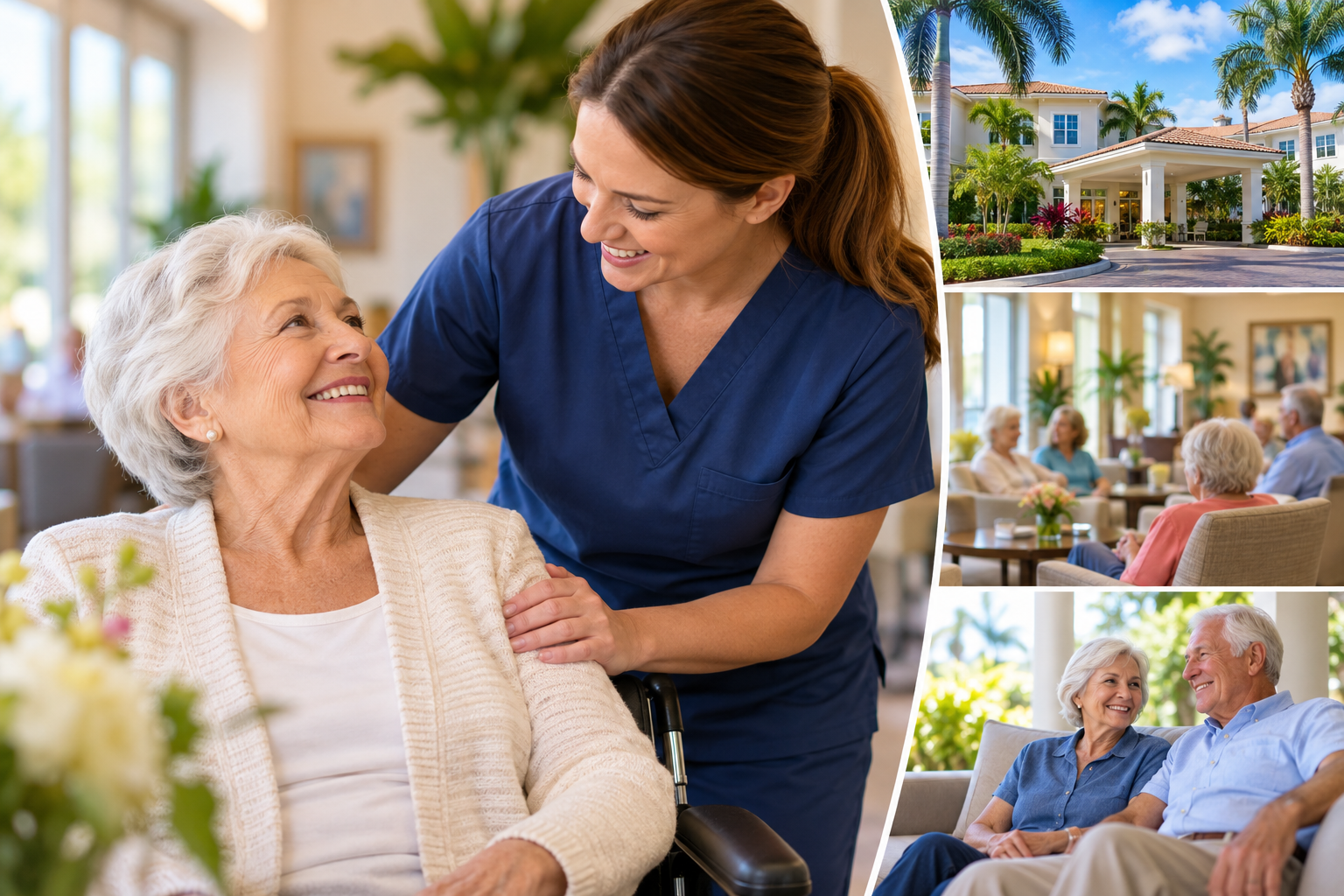
ECC License in Florida Assisted Living: What Families Need to Know
What Is an ECC License in Florida Assisted Living? A Family Guide to Extended Congregate CareBy Bruce Rosenblatt, CDP | Senior Housing SolutionsWhen families begin searching for assisted living in Florida, they often encounter unfamiliar terms and licensing categories. One of the most importantand frequently misunderstoodis the ECC license, which stands for Extended Congregate Care.Understanding the difference between a standard assisted living license and an ECC license can help families choose a community that will better meet a loved ones current and future care needs.What Is an ECC License?An Extended Congregate Care (ECC) license is a specialty license issued by the Florida Agency for Health Care Administration (AHCA) that allows an assisted living community to provide a higher level of care than a standard assisted living facility. The primary goal of ECC is to enable residents to age in place, allowing them to remain in familiar surroundings even as their health needs increase.In many standard assisted living communities, residents who develop significant care needs may eventually be required to move to a different setting. ECC communities can often continue caring for residents who need more assistance, reducing the disruption and stress of relocation.What Services Can an ECC Community Provide?An ECC-licensed assisted living community may provide or coordinate services beyond those available under a standard license, including:Assistance with bathing, dressing, grooming, and toiletingMore extensive nursing oversight and assessmentsMonitoring of vital signs and weightDietary management and nutritional monitoringSupport for residents with dementia or cognitive impairmentCoordination of rehabilitative servicesEscort services to medical appointmentsHealth education and wellness programsThese additional services help residents remain in assisted living longer, even when they experience increased physical or cognitive challenges.Who Benefits Most from an ECC License?ECC communities are often an excellent choice for:Seniors with Progressive Health ConditionsResidents living with Parkinsons disease, heart disease, COPD, mobility limitations, or other chronic health conditions may benefit from the additional support available in an ECC setting.Individuals with Early to Moderate DementiaMany ECC communities can accommodate residents with memory loss who require more supervision and assistance than traditional assisted living provides.Families Seeking StabilityOne of the biggest advantages of ECC is continuity. Moving an older adult can be physically and emotionally difficult. An ECC license may allow a resident to remain in the same community longer as care needs change.How Is ECC Different from a Nursing Home?This is a common question.Although ECC communities provide a higher level of care than standard assisted living, they are not nursing homes. Residents in ECC communities generally do not require continuous 24-hour nursing supervision, which remains the level of care typically provided in a skilled nursing facility.Instead, ECC bridges the gap between traditional assisted living and nursing home care, providing additional support while maintaining a more residential, home-like environment.Requirements for an ECC LicenseFlorida has strict requirements for assisted living communities seeking an ECC license.Facilities must demonstrate:The ability to meet changing resident care needsAdequate staffing levelsSpecialized staff trainingPolicies that promote resident independence and dignityA physical environment that supports aging in placeCompliance with additional state regulations and inspectionsAHCA must specifically approve and designate ECC services on the communitys license before those services can be offered.Questions to Ask When Touring an ECC CommunityIf youre considering an ECC-licensed assisted living community, ask:What specific ECC services do you provide?How many residents currently receive ECC services?What happens if my loved ones care needs increase?Is nursing staff available on-site?How do you coordinate physician, therapy, and home health services?What specialized dementia training does your staff receive?Under what circumstances would a resident need to move to a higher level of care?The answers can vary significantly from one community to another.The Value of Expert GuidanceNot all assisted living communities hold an ECC license, and not all ECC communities provide the same level of service. Understanding these differences can be challenging for families already dealing with a stressful healthcare situation.As a Senior Housing Advisor with more than 35 years of experience, I help families evaluate assisted living, memory care, and Continuing Care Retirement Communities throughout Southwest Florida. Knowing which communities offer ECC servicesand how effectively they deliver themcan make a significant difference in finding the right long-term fit.Final ThoughtsAn ECC license is one of the most important indicators that an assisted living community can support residents as their needs evolve. For many seniors, it offers the opportunity to remain in a familiar environment, maintain relationships, and avoid unnecessary moves.If your loved one may require increasing care in the future, asking about an ECC license should be high on your list when touring assisted living communities.Need Help Finding the Right Assisted Living Community?Bruce Rosenblatt, CDPSenior Housing Solutions Assisted Living AdvisorsThe Matchmaker of Senior Housing 239-595-0207 [email protected] www.SeniorHousingSolutions.netServing Naples, Bonita Springs, Estero, Fort Myers, Cape Coral, Marco Island, and Southwest Florida.About the AuthorBruce Rosenblatt, CDP, is the Founder and Owner of Senior Housing Solutions Assisted Living Advisors and is known throughout Southwest Florida as The Matchmaker of Senior Housing. With more than 35 years of experience in senior housing, Bruce has helped hundreds of families navigate the complex process of selecting assisted living, memory care, independent living, and Continuing Care Retirement Communities (CCRCs).Prior to founding Senior Housing Solutions in 2008, Bruce managed luxury retirement communities and assisted living residences across the country and oversaw several prominent senior living communities in Southwest Florida. His extensive firsthand knowledge of local senior living options allows him to provide personalized guidance based on each familys unique needs, budget, lifestyle preferences, and care requirements.Bruce is a Certified Dementia Practitioner (CDP), Eldercare Advocate, professional speaker, and co-host of The Aging Game with Bruce & Susan podcast. He is also the Founder of the National Network of Senior Housing Advisors (NNSHA) and a member of the National Care Planning Council and the National Association of Senior Advocates.Families trust Bruce because he personally tours senior living communities, stays current on Florida senior housing regulations, and provides objective recommendations designed to help older adults find the right care environment while preserving dignity, independence, and quality of life.For assistance with assisted living, memory care, or senior housing options in Naples, Bonita Springs, Estero, Fort Myers, Cape Coral, Marco Island, and throughout Southwest Florida, contact Bruce at 239-595-0207 or visit Senior Housing Solutions.
Sep 15, 2026
Local Expertise from Senior Housing Solutions to Help Seniors Find the Right Fit
Finding the Right Senior Housing in Bonita SpringsBonita Springs offers a wide range of senior housing optionsfrom independent living and assisted living to memory care and more. While choice is a good thing, it can also feel overwhelming for seniors and families trying to determine the best fit.Thats where Housing Placement & Resource Specialists from Senior Housing Solutions provide invaluable support. Their role is to simplify the search process while ensuring seniors are matched with housing that meets their needs, preferences, and lifestyle. What Is Housing Placement & Resource Specialists?Housing Placement & Resource Specialists help seniors and families navigate the senior housing landscape by offering education, guidance, and personalized recommendations.Their services include: Assessing care needs and preferences Identifying appropriate housing options Coordinating tours and introductions Serving as a trusted point of contact With Over 30 Years of Expertise, Senior Housing Solutions brings unmatched local insight to every placement decision. Locally Owned & OperatedWhy That MattersBeing Locally Owned & Operated means Senior Housing Solutions understands the Bonita Springs community at a deeper level. Their specialists maintain strong relationships with local providers and stay informed about availability, care quality, and community culture.This local knowledge allows them to: Provide realistic recommendations Avoid unnecessary delays Match seniors with the right environment Offer ongoing support after placement Personalized Assistance for Every SituationNo two seniors are alike, and no housing solution should be either. Housing Placement & Resource Specialists focus on Personalized Assistance, ensuring each recommendation aligns with the seniors health, budget, and lifestyle goals.Expert Perspective: "The right housing choice supports not just safetybut happiness, connection, and peace of mind." A Trusted ResourceAt No Cost to YouFamilies are often surprised to learn that Housing Placement & Resource Specialist services are provided at No Cost to You. This makes Senior Housing Solutions a risk-free, high-value resource during an important life decision. Supporting Families and Professionals AlikeIn addition to working directly with families, Senior Housing Solutions collaborates with healthcare professionals, social workers, and discharge plannershelping ensure smooth transitions and appropriate placements. Frequently Asked Questions About Housing Placement & Resource SpecialistsHow do specialists determine the right housing fit?They evaluate care needs, preferences, budget, and lifestyle goals.Can they help with memory care or assisted living?Yes. Specialists are knowledgeable across all senior housing levels.Do they only recommend certain communities?Recommendations are based on fitnot quotas or pressure.Is there follow-up after placement?Yes. Ongoing support is part of their commitment to families. Connect with Housing Placement & Resource Specialists TodayIf youre exploring senior housing options in Bonita Springs, Senior Housing Solutions offers knowledgeable, compassionate guidance you can trust. Connect through their Seniors Blue Book listing: https://seniorsbluebook.com/senior-resources/senior-housing-solutions-bonita-springs-fl-91970
Jan 04, 2026
Senior Housing Solutions Celebrates 18 Years of Serving Seniors
Celebrating 18 Years of Helping Seniors and Families Navigate Senior LivingSenior Housing Solutions Marks 18 Years of Service in Southwest FloridaThis year, Senior Housing Solutions proudly celebrates 18 years of helping seniors and their families make informed decisions about senior housing, assisted living, memory care, independent living, and long-term care planning throughout Southwest Florida.What began as a commitment to advocate for older adults has grown into one of the region's most trusted senior housing advisory services. Over the past 18 years, we have had the privilege of guiding thousands of families through some of life's most important decisions.A Changing Industry, An Unchanging MissionThe senior living industry has evolved dramatically since Senior Housing Solutions opened its doors. New care models have emerged, technology has transformed healthcare, and the needs of aging adults have become increasingly complex.Through every change, our mission has remained the same:To provide honest, professional, and compassionate guidance that helps seniors and their families find the right care and housing solutions.We understand that choosing a senior living community is about more than amenities and floor plans. It is about safety, quality of life, healthcare needs, financial considerations, and peace of mind for the entire family.Experience You Can TrustLed by Bruce Rosenblatt, a Senior Housing Advisor, Eldercare Advocate, and Certified Dementia Care Practitioner, Senior Housing Solutions brings more than 35 years of industry experience to every family consultation.Unlike online directories or referral websites, we take a personalized approach. We listen carefully to each family's unique circumstances, assess current and future care needs, and provide objective recommendations tailored to individual situations.Our experience has allowed us to help families navigate:Assisted Living CommunitiesIndependent Living CommunitiesMemory Care ProgramsContinuing Care Retirement Communities (CCRCs)Skilled Nursing FacilitiesDementia Care PlanningLong-Term Care OptionsSenior Relocation DecisionsThank You to Our Families and Community PartnersThis milestone would not be possible without the trust of the families we have served throughout Naples, Fort Myers, Fort Lauderdale, and Southwest Florida.We are equally grateful to the healthcare professionals, senior living communities, elder law attorneys, financial advisors, physicians, social workers, and community organizations that have partnered with us over the years to improve outcomes for seniors.Together, we have helped countless older adults find safer, healthier, and more fulfilling living environments.Looking AheadAs we celebrate our 18th anniversary, we remain committed to continuing our work as trusted advocates for seniors and their families.The need for expert guidance has never been greater. With an aging population and an increasingly complex senior living landscape, families deserve access to experienced professionals who can help them navigate their options with confidence.We look forward to serving Southwest Florida for many years to come and continuing to be a trusted resource for those facing senior housing and eldercare decisions.Thank You for 18 Wonderful YearsTo every family who has trusted us, every professional who has referred us, and every senior whose life we have touchedthank you.Your confidence in our services has made these 18 years possible.We are honored to be part of your journey and look forward to helping future generations of seniors and their families make informed decisions with clarity, confidence, and peace of mind.About Senior Housing SolutionsSenior Housing Solutions is an independent senior housing advisory and eldercare advocacy firm serving Naples, Fort Myers, Fort Lauderdale, and communities throughout Southwest Florida. Founded by Bruce Rosenblatt, Certified Dementia Care Practitioner, the company helps seniors and families navigate independent living, assisted living, memory care, CCRCs, and long-term care options through personalized guidance and expert consultation.Call: 239-595-0207Website: www.seniorhousingsolutions.net
Jun 03, 2026
Compassionate Guidance from Senior Housing Solutions During Lifes Biggest Changes
Aging in Bonita Springs: A Community in TransitionBonita Springs, Florida, has long been a desirable destination for retirees and older adults seeking warm weather, coastal beauty, and a slower pace of life. As the senior population in Bonita Springs continues to grow, many families find themselves navigating important life transitionsdownsizing, relocating, or moving into a senior living community.These transitions are often emotional and complex, involving health changes, financial considerations, and family dynamics. Thats where Transition Specialists from Senior Housing Solutions play a critical roleproviding clarity, guidance, and reassurance every step of the way.As a Locally Owned & Operated organization with Over 30 Years of Expertise, Senior Housing Solutions has become a trusted resource for seniors and families throughout Southwest Florida. What Does a Transition Specialist Do?A Transition Specialist helps seniors and families navigate major life changes related to housing, care needs, and lifestyle adjustments. Unlike national referral services, Senior Housing Solutions offers personalized assistance rooted in deep local knowledge of Bonita Springs and surrounding communities.Transition Specialists assist with: Evaluating current and future care needs Understanding senior housing options Coordinating next steps during life transitions Supporting families through emotional decisions Most importantly, their services come at No Cost to You, allowing families to focus on making the right decisionnot worrying about fees. Why Transitions Can Feel OverwhelmingTransitions often come during stressful timesafter a medical event, a loss, or a sudden change in independence. Many families feel unsure where to start or how to evaluate their options.Common challenges include: Lack of familiarity with senior housing options Emotional resistance to change Time-sensitive decisions Conflicting family opinions Senior Housing Solutions Transition Specialists bring calm, clarity, and structure to these moments.Care Team Insight: "Transitions are about more than movingits about honoring a persons life, preferences, and dignity throughout the process." Personalized Assistance That Puts Seniors FirstOne of the hallmarks of Senior Housing Solutions is their commitment to Personalized Assistance. Transition Specialists take time to truly understand each individuals needs, values, and goals.Their approach includes: One-on-one consultations Honest conversations about options Education for families and caregivers Ongoing support through the decision-making process Because they are Locally Owned & Operated, their recommendations are based on firsthand knowledgenot generic lists.Over 30 Years of Expertise You Can TrustWith Over 30 Years of Expertise, Senior Housing Solutions has helped thousands of seniors transition safely and confidently. Their long-standing presence in the Bonita Springs area means they understand local communities, healthcare networks, and senior living resources.Families appreciate working with professionals who: Know the local landscape Stay current with senior care trends Advocate for the seniors best interest Provide guidance without pressure A No-Cost Resource for FamiliesOne of the most reassuring aspects of working with Senior Housing Solutions is that their Transition Specialist services are offered at No Cost to You. This allows families to explore options openly, without feeling rushed or obligated. Frequently Asked Questions About Transition SpecialistsWhen should a family contact a Transition Specialist?Anytime a seniors housing or care needs are changingor expected to changeis a good time to reach out.Is this service only for immediate moves?No. Transition Specialists can help with future planning as well as urgent situations.How is this different from searching online?Online searches can be overwhelming and impersonal. Transition Specialists provide tailored, local guidance.Is there really no cost?Yes. Services are provided at No Cost to You. Connect with a Transition Specialist Through Seniors Blue BookIf you or a loved one is facing a housing or care transition in Bonita Springs, Senior Housing Solutions offers trusted, compassionate guidance when it matters most. Connect with their Transition Specialists through their Seniors Blue Book profile: https://seniorsbluebook.com/senior-resources/senior-housing-solutions-transition-specialist
Jan 04, 2026

Dining Options in Senior Living Communities
Dining Options in Senior Living CommunitiesSenior living communities are redefining mealtimenot just as nutrition, but as a key element of quality of life. Heres a detailed breakdown of the common dining options you might encounter:Restaurant-Style Formal DiningOften located in a main dining room with waiter or full table service.Provides elegant ambiance suitable for everyday meals and special occasions.Features seasonal menus that frequently refresh, use local ingredients, and may include themed events.Presbyterian Senior Living Seniors GuideCasual Dining: Bistros, Cafs & GrabandGoOffers a laid-back, flexible experiencegreat for breakfast, coffee, light meals, or snacks throughout the day.Perfect for spontaneous dining and socializing.Presbyterian Senior LivingSenior Housing SolutionsSummerHouse Senior LivingWhere You Live MattersFamilyStyle & Buffet DiningFamily-style: Meals are placed in the center of the table for sharing, fostering a warm, communal atmosphere.Senior Housing Solutions+1Buffet-style: Self-service with a wide variety of dishesgreat for choice, though portion control warrants attention.Senior Housing SolutionsInRoom Dining / Room ServiceMeals delivered directly to apartments or roomsideal for higher privacy, mobility limitations, or health needs.Supports independence, though may reduce social interaction.Senior Housing Solutions+1Themed Dining & Special EventsVariety through international cuisines, holiday celebrations, or spotlighted themes.Often accompanied by decorations, entertainment, and resident involvement.Senior Housing SolutionsRittenhouse VillageSummerHouse Senior LivingInteractive Culinary ExperiencesCooking Demonstrations / Classes: Engage residents in hands-on learning and culinary creativity.Rittenhouse VillageSummerHouse Senior LivingCulinary Exploration Stations / Exhibition Dining: Stations where residents choose ingredients and watch chefs prepare their meals live.Rittenhouse VillageAneka Interiors Inc.The Bristal BlogOutdoor DiningDining on patios, gardens, or courtyardsexcellent for pleasant weather and a relaxed atmosphere.Often seasonal and weather-dependent.Aneka Interiors Inc.SummerHouse Senior LivingThe Bristal BlogFine Dining & Private Dining RoomsFine dining with elevated settings and sophisticated presentation for residents who appreciate special touches.Aneka Interiors Inc.Architectural DigestPrivate rooms are available for family gatherings, celebrations, or more intimate meals with customizable menus.Presbyterian Senior LivingAneka Interiors Inc.SummerHouse Senior LivingHealthFocused / Specialized NutritionMenus tailored to meet dietary restrictions such as low-sodium, diabetic-friendly, gluten-free, vegan, vegetarian, heart-healthy, or texture-modified diets.Many communities employ dietitians to create individualized meal plans.Presbyterian Senior LivingRittenhouse VillageJuniper Senior Living |SummerHouse Senior LivingThe Bristal BlogTechnology & PersonalizationDigital tools like online menus, smart ordering, reservation systems, and nutrition apps.These modern features enhance flexibility, efficiency, and individualized dining.High Point ResidenceSeniors GuideWhere You Live MattersFarmtoTable & Sustainability InitiativesMany dining programs emphasize locally sourced, seasonal ingredients.Some communities even have on-site gardens tended by residents, weaving agriculture into the dining experience.Rittenhouse VillageLCSSeniors GuideWhere You Live MattersEmerging & Trending PracticesAll-Day & Flexible Dining Times: Eating on your own schedulefrom brunch to late-night snacks.High Point ResidenceLCSThe Bristal BlogPop-Up and Short-Term Concepts: Unique stations, rotating themes, and Adventurous Eaters clubs for culinary variety.The Bristal BlogSocial Dining Beyond the Community: Programs like those in the UK or via Meals on Wheels offer communal restaurant meals to improve social well-being.The TimesAP NewsMeeting Boomers Expectations: Culinary quality and variety are increasingly criticalmany boomers avoid communities that feel institutional. Upscale, locally focused dining is helping attract residents.MarketWatchThe TimesSummary TableOptionHighlightsFine Formal DiningElegant ambiance, special occasion-readyCasual/Bistro GrabandGoFlexible, relaxed fare available all dayFamily-Style / BuffetSocial & communal with varietyIn-Room DiningPrivate, convenient, mobility-friendlyThemed/Special EventsFestive, engaging, cultural varietyInteractive Stations/ClassesEngaging, fun, chef-led experiencesOutdoor DiningScenic and refreshing (weather permitting)Health-Focused MenusTailored nutrition, dietary-sensitive optionsTech-Enhanced PersonalizationOnline ordering, meal tracking, convenience toolsFarm-to-TableFresh ingredients, sustainable, resident-involvedFinal ThoughtsModern senior living communities offer much more than standard cafeteria meals. Dining is increasingly recognized as an opportunity for connection, personalization, wellness, and enjoyment. The best communities blend flexibility, nutrition, social engagement, and thoughtful ambiance to support both physical health and emotional fulfillment.
Sep 04, 2025
Find a Place for Yourself
Wouldn't You Rather Find A Place For Yourself Instead Of Your Kids Making The Decision For You?Many times, we get calls from adult children who are looking for a place for their mom or dad. We are more than happy to assist these families; however, we would encourage you to be part of the process since ultimately, you are the one living at the senior community.Let us help you with this decision. We spend the time to personally get you know you so we can better understand your lifestyle, preferences, timeframe and budget. We have a proprietary database that matches people with the right community.We have over 30 years of experience and have firsthand "boots on the ground' knowledge of every senior community in SWFL.Don't wait for your kids to make the decision for you.Let us help you find a place for yourself!Please reach out if we can be of any assistance.Call Bruce at 239-595-0207Website
Oct 21, 2022

Expertise...When it matters the most!
Expertise, when it matters the most.The Value of Senior Housing Solutions Nicknamed The Matchmaker of Senior Housing, Senior Housing Solutions owner Bruce Rosenblatt has over 30 years of experience in senior housing and is considered the foremost expert on senior housing in our area. He has overseen 75 senior living communities in 14 states including 3 in SWFL. Our Background:In 2008, Bruce formed Senior Housing Solutions as a way to help people navigate through the uncharted waters of senior housing. Bruce is knowledgeable, caring, and resourceful. He is a certified dementia care practitioner and sensitive to the complexities of the aging process. He provides concierge-level services to his clients and stays current with the over 100 senior living options in our area as well as future trends in this industry. As a long time SWFL resident, Bruce is active with the Parkinsons Association of SWFL. the Alzheimers Association and other senior-related organizations. Bruce is a frequent guest speaker at many local clubs and organizations and is a presenter with Florida Gulf Coast Universitys Academy for Learning for Life program. The Analysis:By staying current with all the senior communities in the area, Bruce looks beyond the fancy dcor and glossy brochures to evaluate communities on quality of care and services, financial viability, operational stability, resident satisfaction, staff turnover, management responsiveness, hurricane preparedness and overall lifestyle. He has developed a proprietary matrix database with this critical information to assist people in making a sound and well-thought-out decision. The Process: Through an initial consultation, many times in the comfort of your own home, Bruce will discuss your needs, budget, health concerns, timing, and lifestyle preferences. By listening to you, the Matchmaker is able to determine which senior living options best meet your parameters. Our discussion includes an understanding of the types and costs of various places, wait list details, medical and financial qualifications, refund programs and demographics of each place. We will schedule visits for you and if desired, will join you on your tours. Bruce will help you understand the differences and assist you in narrowing down the choices. If appropriate, he can assist with negotiating and provide a non-legal review of the residency agreement. Since family involvement is important, Bruce can either meet with your family in-person or virtually to review all the options with them. Should a move not be imminent, Bruce can help you develop your future plan and recommend home health care to provide a helping hand prior to the move. Bruce has helped hundreds of people with this decision and fully understands many people arent ready to move but want a plan in place when they are ready. The Outcome: Once the decision is made, Bruce can provide resources to help make your move so smoothly. As a longtime resident of SWFL, Bruce has developed relationships with a wide range of specialists including downsizers, Realtors, home health, long term care insurance experts, financial advisors. attorneys and medical professionals. Bruce will assist you every step of the way. He will also follow up with you after you move to make sure all is going well and if necessary, speak to the administration on your behalf. As a key referral source to these communities, having Bruce in your corner is invaluable. For those considering a move outside of SWFL, Bruce has established a national network of like-minded advisors who can offer assistance in those specific markets. How are we paid: Most of the time, Senior Housing Solutions services are 100% free to our clients since we are paid a referral fee from the community after you move in; however, if you have already done extensive research and are actively engaging with the senior communities or planning to move in 3 or more years, we do charge a consulting fee for our services. Please reach out to us for more details. For More Information:Please call 239-595-0207 or visit www.seniorhousingsolutions.netBruce Rosenblatt, CDPOwner, Senior Housing Expert The Matchmaker of Senior Housing
Feb 28, 2024

What should someone keep in mind when choosing a retirement community?
What should someone keep in mind when choosing a retirement community? Choosing the Right Retirement Community: What to Know Before You Decide Choosing a retirement community is a major life decisionone that goes far beyond selecting a place to live. Its about finding a community that supports your current lifestyle while offering peace of mind for future care needs. As you explore your options, consider key factors such as financial structure, operational stability, quality of care, available services, lifestyle, and location. Every Community Is Different Each retirement community has its own unique personality, culture, and amenities. Much like choosing a college, the goal is to find a place where you feel a true sense of belonging. Take the time to visit communities in person, observe daily life, speak with residents, and get a sense of the overall atmosphere. Ask yourself: Can I see myself living and thriving here? Quality of Care Matters While amenities and lifestyle offerings are important, the quality of care should always be a top priority. Review state inspection reports Tour the healthcare center Ask detailed questions about levels of care offered Understand whats included in your contract and what may cost extra as your needs evolve Taking the time now to understand these details can help you avoid unwelcome surprises down the road. Understanding the Financial Models Retirement communities typically fall into one of two financial categories: rental or buy-in (also known as Continuing Care Retirement Communities (CCRCs) or Life Plan Communities). Rental communities offer flexibility and lower upfront costs. These are ideal if you want the freedom to relocate or aren't ready for a long-term commitment. Buy-in or Life Plan communities require a substantial entrance fee plus an ongoing monthly payment. In return, you receive guaranteed access to on-site care, functioning similarly to a long-term care insurance plan. Because of the financial investment involved in buy-in communities, its essential to do your homework: Review financial statements Research the operator's history Understand refund policies Ask about governance and long-term sustainability Location: A Personal Decision Where you live in retirement significantly impacts your day-to-day life. Consider whether you want to: Stay near your current home Move closer to family Relocate to a new region entirely Think about your preferences for climate, access to healthcare, proximity to loved ones, and the availability of social and recreational activities. Discuss With Your Family Its important to involve your family in the conversation. Whether you're speaking with your adult children or your spouse, having the talk ensures that everyone understands your goals, preferences, and concerns. Evaluate the pros and cons together and consider how your decision might affect those closest to you. Timing Is Everything One of the biggest mistakes people make is waiting too long to begin the process. Often, individuals only consider a move after a health event, when time is limited and options are fewer. Ask yourself two key questions: When should I start the process? When do I actually want to move? These timelines are often different. Touring communities, asking questions, and comparing options takes time. In-demand communities, especially those with desirable floor plans or locations often have waitlists. If you want a specific view, layout, or building location, it's best to plan ahead and get on a priority list early. Waiting too long can also carry medical risks. A change in health could make you ineligible for certain levels of care, particularly in independent living. Beware the Shiny New Nickel Senior living is a rapidly growing industry, and new communities are opening frequently. While a new building may be attractive, appearances can be deceiving. A modern facility doesn't automatically guarantee high-quality care or financial stability. If a community requires a large upfront entrance fee, do your due diligence. Ask questions such as: Who operates this community? Do they have a proven track record? Are their financials transparent and strong? Take your time, and dont base your decision on looks alone. Seek Expert Guidance Working with a local senior housing advisor can be invaluable. These professionals offer deep insight into your areas communities, including those that may not show up on your radar. They can: Compare communities side by side Offer feedback on services, care, and reputation Help match your goals with the right options Accompany you on tours and ask questions you may not know to ask Guide you through contracts and financial terms A trusted advisor can save you significant time, reduce stress, and help you feel confident in your decision. Do Your Researchand Know Who Youre Talking To Be cautious when using national senior housing search websites. While they can provide general information, many are lead generation platformsthey often refer you to communities theyre paid to promote, not necessarily the ones that are best for you. These services may lack in-depth knowledge of your local market and rarely provide unbiased recommendations. Whenever possible, seek guidance from a local senior housing advisor or consultant who understands the nuances of your area, has personally toured the communities, and can give you objective, experience-based advice tailored to your needs. Final Thoughts Choosing a retirement community isnt just about preparing for the futureits about enhancing your quality of life today. A well-matched community can offer meaningful connections, opportunities for growth, peace of mind, and a renewed sense of purpose. As many of my clients say: It was the best decision we ever made. We only wish we had done it sooner.
Oct 10, 2025
The Value of Being a Certified Dementia Care Practitioner (CDP)
The Value of Being a Certified Dementia Care Practitioner (CDP)Caring for a loved one with dementia is one of the most challenging experiences a family can face. Alzheimers and other forms of dementia require specialized knowledge, patience, and empathy. This is where a Certified Dementia Care Practitioner (CDP) makes a critical difference.What Is a CDP?A CDP is a professional who has completed specialized training in dementia care, learning best practices for managing challenging behaviors, promoting engagement, and ensuring the safety and well-being of residents. This certification is recognized nationwide and signals a commitment to excellence in dementia care.Why CDP Certification MattersExpertise in Dementia Care CDPs understand the nuances of dementia, including behavioral changes, memory loss, and communication challenges.Improved Quality of Life Residents benefit from care that reduces agitation, promotes independence, and provides meaningful activities tailored to their abilities.Trusted Guidance for Families CDPs educate families on effective communication, care strategies, and creating a supportive home or community environment.Career Advancement For caregivers, nurses, and administrators, CDP certification enhances credibility and opens doors to specialized positions in assisted living, memory care, and home health.Learn more. The National Council of Certified Dementia Care Practitioners (Alzheimers Disease and Dementia Care Education and Certification NCCDP)EEAT Spotlight: Bruce Rosenblatt, CDPAt Senior Housing Solutions, Bruce Rosenblatt brings decades of hands-on experience helping families navigate the senior care landscape in Southwest Florida. As a Certified Dementia Care Practitioner, Bruce provides personalized guidance for families seeking assisted living, memory care, independent living, or retirement communities. His expertise ensures seniors receive safe, compassionate care while families make informed, confident decisions.How Senior Housing Solutions HelpsBruce and the team at Senior Housing Solutions help families:Compare local memory care and assisted living communitiesEvaluate costs and care optionsCreate personalized placement plans tailored to individual needsWith a CDP on your side, families can navigate the complex world of senior care with confidence, knowing that their loved ones are in skilled, compassionate hands.Contact Senior Housing Solutions today at 239-595-0207 or [email protected] to connect with a trusted CDP and find the best senior housing options in Naples, Fort Myers, and Southwest Florida.
Apr 02, 2026
Holiday Gift Ideas for Seniors
If youre looking for holiday ideas tailored to seniors, here are some thoughtful and fun activities that can be enjoyed by elderly individuals, whether they are independent or in a caregiving situation:1. Holiday CraftingDecorating ornaments: Create simple and festive decorations like homemade ornaments, wreaths, or garlands.Making greeting cards: Craft personalized holiday cards to send to loved ones.Handmade gifts: Seniors can make small knitted items, baked goods, or other handcrafted gifts.2. Christmas or Holiday Movie MarathonPick a selection of classic holiday movies (like Its a Wonderful Life, The Sound of Music, or A Christmas Carol) to watch together. Set up a cozy space with snacks and blankets.3. Memory Lane ActivitiesStorytelling sessions: Encourage seniors to share their holiday memories. Record these stories to pass down to future generations.Photo albums: Create a family holiday photo album or scrapbook. This can be a fun, reflective activity and a way to reconnect with past traditions.4. Volunteer TogetherMany seniors enjoy giving back. Volunteer to help at a local food bank, soup kitchen, or organize a holiday donation drive (clothing, gifts, or food) for those in need.5. Holiday Light ViewingGo for a drive or take a walk to enjoy local holiday light displays. If mobility is a concern, you can even bring the lights inside by setting up a holiday light show on a screen or watching virtual light tours.6. Baking and Cooking TogetherBake cookies, cakes, or prepare a festive meal together. Simple recipes like gingerbread cookies, pie, or savory dishes can be a fun and rewarding activity.Cookie decorating: A simple, fun way to get creative with younger family members or peers.7. Holiday Music and Sing-AlongsHave a holiday music session, whether its singing carols, playing instruments, or listening to festive music. A sing-along can be both heartwarming and uplifting.Consider setting up a family talent show with some of their favorite tunes.8. Gift Wrapping PartyGet the whole family involved in wrapping gifts. Some seniors enjoy the process of wrapping presents and adding special touches with ribbons and tags.9. Holiday Puzzle GamesWork on a large holiday-themed puzzle together. Many seniors enjoy puzzles as a way to relax and engage the mind. You can also try trivia games or memory challenges.10. Indoor Garden ActivitiesFor seniors who enjoy gardening, you can set up a small indoor garden. Planting holiday-themed plants (like poinsettias) or herbs in pots can be a soothing and creative activity.11. Create a Holiday PlaylistCurate a special holiday music playlist with songs from their youth or their favorite holiday tunes. Music can bring back fond memories and create a festive atmosphere.12. Holiday Pet TherapyIf the senior enjoys animals, consider bringing in a pet or visiting a pet therapy group. Many senior communities offer pet therapy visits around the holidays to lift spirits.13. Christmas CarolingOrganize a small group of family or friends to go caroling to nearby homes, especially if there are other seniors or neighbors who would appreciate the gesture.14. Holiday Tea PartyHost a festive holiday tea or hot cocoa party. Set up a cozy atmosphere with elegant cups, festive snacks, and light conversation.15. Writing Holiday LettersHelp write or dictate letters to family members, friends, or local charities to spread holiday cheer. Seniors may enjoy expressing their gratitude and sending heartfelt notes.16. Game NightPlay holiday-themed board games, card games, or trivia games. Games that involve memory, strategy, or simple fun can be very enjoyable for seniors.17. Create a Holiday Video GreetingHave a family video call or create a holiday video greeting that can be shared with loved ones. It can be a nice way to bridge distances and include everyone in the holiday fun.18. Personalized Advent CalendarCreate an advent calendar with small surprises behind each window. These can be thoughtful gifts, jokes, or small activities to make the days leading up to the holiday more special.19. Attend Local Holiday EventsCheck out nearby holiday events such as concerts, church services, or community gatherings. Many of these are senior-friendly with accommodations for mobility and seating.20. Winter WalksIf weather permits, a stroll through the winter wonderland with a loved one can be refreshing. Dress warmly, enjoy the crisp air, and take in the beauty of the season together.21. Christmas Eve Box or Gift BoxPut together a thoughtful gift box with warm socks, hot chocolate, or a good book for a cozy night in.22. Senior-Friendly Holiday TravelIf possible, plan a short getaway, even if its just for a day trip to a nearby place, or consider staying in a cozy cabin or resort for a more relaxed holiday.By choosing activities that promote joy, connection, and comfort, seniors can have a truly memorable holiday season filled with warmth and love.For more information, please contact us at www.seniorhousingsolutions.net
Dec 16, 2024
Senior Housing Solutions: Your Trusted Guide to Senior Living in Southwest Florida
Senior Housing Solutions: Your Trusted Guide to Senior Living in Southwest FloridaAre you or a loved one exploring senior housing options in Naples, Florida or the surrounding Southwest Florida area? Whether youre planning ahead or need immediate assistance, navigating the world of senior living can feel overwhelming. Thats where Senior Housing Solutions comes in a local, trusted, and experienced resource designed to help families make confident, informed choices.In this blog post, well explore who we are, how we help, and why were the top choice for senior living placement services in Naples, FL.What Is Senior Housing Solutions?Senior Housing Solutions is an independent, locally owned senior living referral and consulting service based in Southwest Florida. Founded by Bruce Rosenblatt, a 30-year senior living industry expert, the organization has been helping families since 2008 find the right senior housing whether thats independent living, assisted living, memory care, or Continuing Care Retirement Communities (CCRCs).What Makes Them Different? Independent & unbiased We are not owned by any senior living community. Local expertise Deep knowledge of Bonita Springs, Naples, Estero, and Fort Myers. Free to use In most cases, our services are free to families (communities pay them). Personalized support We dont just send a list; they guide you through the entire process.Services Offered by Senior Housing SolutionsSenior Housing Solutions offers comprehensive support for families navigating the transition to senior living. Heres what you can expect: Personalized Senior Housing GuidanceWell evaluate your situation, budget, care needs, and preferences to match you with appropriate senior living communities in Naples and nearby areas. Community Tours & ComparisonsWe can accompany you on tours and help ask the right questions. We also provide detailed comparisons of top-rated communities so you can make a confident decision. Contract & Cost ReviewUnderstanding senior living contracts can be tricky. Senior Housing Solutions breaks it down for you entrance fees, monthly costs, refund options, and care levels. Transition SupportWe dont disappear after the move-in. We follow up to ensure your transition goes smoothly, and that your new home meets expectations.Types of Senior Living They Specialize InSenior Housing Solutions works with a wide range of community types, including:TypeWho Its ForIndependent LivingActive seniors who want a low-maintenance lifestyle and social engagement.Assisted LivingSeniors who need help with daily activities like dressing, bathing, or medication.Memory CareIndividuals with Alzheimers, dementia, or other cognitive issues.CCRCs (Continuing Care Retirement Communities)Seniors who want a long-term plan that adapts as their health changes. Looking for something specific? Senior Housing Solutions knows which communities specialize in wellness, luxury, affordability, or medical care.Why Choose Senior Housing Solutions in Naples, FL?Naples is a growing hotspot for retirees and the demand for quality senior living is growing with it. Heres why Senior Housing Solutions is your best local ally:Local Presence: We are based in the area and have firsthand knowledge of each communitys reputation, pricing, and availability.Trusted by Families: With dozens of 5-star reviews, families rave about the stress Senior Housing Solutions removes from the process.A+ BBB Rating: Their reputation for integrity and professionalism is top-tier.No Pressure: Youll never be rushed or sold on a community that isnt the right fit. They guided us every step of the way. We wouldve been lost without them. Debbie F, daughter of clientTop Questions to Ask When Choosing Senior HousingBefore you select a senior living community, here are some questions to ask:What level of care is offered now and in the future?Are there hidden fees (housekeeping, meals, medication management)?What is the staff-to-resident ratio?Is there a waitlist?Whats the plan for hurricane or emergency situations? Pro Tip: Senior Housing Solutions will help you ask the right questions and understand the answers.Service AreasSenior Housing Solutions serves clients across Southwest Florida, including:NaplesBonita SpringsFort MyersEsteroMarco IslandCape CoralWhether youre a long-time Florida resident or relocating to the sunshine state, their local insight is invaluable.Ready to Explore Your Options?Finding the right senior living community isnt just about availability its about fit. Senior Housing Solutions offers the personalized, local expertise that online directories and big chains simply cant match. Contact Senior Housing SolutionsWebsite: seniorhousingsolutions.netPhone: (239) 595-0207Email: [email protected] ThoughtsSenior living is one of lifes biggest transitions. Dont navigate it alone. With Senior Housing Solutions, you get a trusted partner with deep experience, local knowledge, and a heart for helping families.If youre looking for senior housing, this is where your journey should start.
Oct 21, 2025

Senior Housing Trends in 2025
Senior housing in 2025 will likely experience significant shifts due to evolving trends in demographics, technology, and societal expectations. Some key aspects that may shape senior housing in the coming years include:1. Aging PopulationBy 2025, the U.S. will have a larger percentage of older adults due to the baby boomer generation aging. This will increase the demand for senior housing, with a focus on more accessible, affordable, and specialized living options. The aging population will require both independent living spaces and services that support aging in place (i.e., allowing seniors to stay in their homes as they age).2. Technological IntegrationTechnology will play an increasingly significant role in senior housing:Smart Homes: Homes and apartments will likely incorporate more technology to help seniors maintain independence. Smart sensors, fall detection systems, voice-activated devices, and medication reminders will all be used to enhance safety and convenience.Telehealth Services: Virtual healthcare consultations will be commonplace, enabling seniors to access medical advice without leaving their homes. Remote monitoring and health apps will assist in chronic disease management.Robotics: Robots for assistance with tasks like cleaning, mobility, and even companionship may become more prevalent.3. Aging in PlaceMany seniors will prefer to age in place, meaning they will stay in their own homes for as long as possible. This preference is driving innovations in home modifications, in-home care services, and community support. Housing providers may focus on designing homes that are more adaptable for older adults, such as single-level living spaces, wider hallways, and accessibility features like grab bars and wheelchair ramps.4. Assisted Living and Memory Care ExpansionAssisted living communities and memory care facilities will continue to grow in popularity, particularly as more seniors require help with daily activities. Expect:Specialized Services: Communities will offer more tailored services, such as dementia care or rehabilitation programs.Continuum of Care: Housing options that allow individuals to age in place as their health needs changeoffering everything from independent living to skilled nursing care under one roofwill become increasingly common.5. Intergenerational CommunitiesIn an effort to combat isolation and enhance community living, some senior housing will feature intergenerational elements, where seniors live alongside younger individuals or families. This trend encourages a more diverse and dynamic living environment, with opportunities for mutual support, socialization, and community engagement.6. Focus on Wellness and LifestyleThe modern senior housing model is likely to emphasize overall wellness. Many communities will offer amenities that support not just physical health but also mental and emotional well-being:Fitness Centers: Tailored to older adults, with classes like yoga, tai chi, or aquatic therapy.Social Spaces: Common areas for communal activities, arts and crafts, and socializing.Outdoor Spaces: Gardens, walking paths, and access to nature will be prioritized to promote mental well-being.7. Affordability and AccessibilityAs the demand for senior housing increases, there will be a growing emphasis on affordable options. Many older adults live on fixed incomes, so affordable housing options that combine quality with cost-effectiveness will be crucial. Governments may introduce policies to support affordable senior housing, and more non-profit developers may step into the market.8. SustainabilityEco-friendly housing will become more important as both older adults and younger generations prioritize sustainability. Senior housing communities may adopt green building practices, use renewable energy sources, and focus on water and energy efficiency. These efforts align with the growing awareness of environmental issues among seniors and younger generations alike.9. Urban and Rural Housing OptionsSenior housing in 2025 will vary widely depending on geographic location:Urban Centers: More seniors may choose to live in urban areas where there are abundant services, public transportation, and social opportunities.Rural Areas: In contrast, some seniors may prefer quieter, rural locations with larger properties and fewer crowds. However, these communities may require more creative solutions for healthcare access and social engagement.10. Short-Term Stays and Respite CareThere will likely be an increase in short-term stays and respite care for seniors who need temporary housing due to recovery from illness or surgery. This type of flexible housing allows families to have peace of mind while also providing high-quality care and services.ConclusionSenior housing in 2025 will reflect the evolving needs and preferences of an aging population. There will be greater emphasis on independence, wellness, and accessibility, all while integrating technology to improve quality of life. The variety of housing options, from independent living and aging-in-place solutions to more intensive care facilities, will be crucial in meeting the diverse needs of seniors.For more information, please visit www.seniorhousingsolutions.net
Jan 03, 2025

A Personal Senior Living Decision Guide
Aging-in-Place vs. Senior Living CommunitiesA Guide to Your FutureMaking the decision between aging-in-place or moving to a senior living community is one of the most important choices youll make. This Guide provides an overview of both options to help you determine the best choice for your future.
Sep 16, 2025

Planning ahead in 2023
Planning ahead in2023Its better to be5 years too early than 5 minutes too late! As we start 2023, it is time to reflect on the past, enjoy the present and plan for the future. What we have learned from the past will help us plan for our future. As an expert in senior housing, I have had the opportunity to help so many people with the decision to consider moving to a senior living community. I cannot tell you the number of times I have heard the phrase Im not ready yet, and then later after someone moves to a senior community,I hear We wished we would have done it sooner it was the best decision weve ever made. Planning for senior living is not easy. Thinking your physical and mental health will not be the same as you get older is a hard concept for some of us to comprehend.Why should you disrupt your status quo and plan for something that may never happen? Do you roll the dice and live in a state of denial and not have a plan at all? Doing nothing is actually doing something; however, the end result may not be what you expected. Most people achieved success in their lives by developing and executing a plan of action. Researching senior housing is the same. Being realistic about your changing health and the impact it will have on your spouse and your family is an important consideration. Do you want to move in with your kids? Do you want your kids to decide where you live, or would you rather be proactive and decide where you want to live beforesomething happens? As I said earlier, the majority of my clients tell me they wished they would have done it sooner. This nugget of wisdom is huge in this process. Life at a senior living community has many advantages.The main being peace of mind for the future. It is important to know you have aplan in place if and when something does happen. Having access to dining services, social programs, life-long friendships, transportation, and 24/7 medical services in amaintenance-free environment will enhance your life, not limit it.So, how do you begin the process? First, you should have the talk with your spouse and your family. It is important everyone is on the same page as you. Think about the geographic area in where you want to live? Do you want to live up north near your children or would you rather live here in sunny Florida? Since this is a very complicated decision, it would be highly advisable to speak with someone like me who has industry knowledge and someone who can help educate you about the various options that exist in this market. It is advisable to avoid internet searching since there are unethical companies out there who will gather your personal information and sell it to third parties. Trying to do this on your own could have major implications you would want to avoid. The last thing you would want to do is move somewhere to find out later this community is in financial or operational turmoil. As the Matchmaker of Senior Housing we can help you find a community with like-minded people and a place where you can be happy and safe. Taking your time and doing your due diligence is very important. Not all communities are the same. It might take multiple visits before you will be able to feel comfortable with your choice. Most good communities will require a medical assessment so being five years too early will be an important consideration at this stage. Some communities will have a waiting list which factors in this overall timing of your move. John Beckley once said, People dont plan to fail, they fail to have a plan. Maybe 2023 is the year for you to develop your plan!Bruce B. RosenblattSenior Housing Expert/Owner Senior Housing SolutionsCertified Dementia Practitioner The Matchmaker of Senior Housing www.seniorhousingsolutions.net
Jan 25, 2023
.png)
Senior Living Decision Guide
Making the decision between aging-in-place or moving to a senior living community is one of the most important choices youll make. This guide provides an overview of both options to help you determine the best choice for your future.
Apr 15, 2025

Do CCRCs offer pickleball?
Yes, Continuing Care Retirement Communities (CCRCs) often offer pickleball as part of their recreational and wellness programs. CCRCs are designed to provide a range of care options, from independent living to assisted living, memory care, and skilled nursing, all within one community. Because many CCRCs prioritize the health and well-being of their residents, they often include amenities that encourage physical activity and social engagement, and pickleball fits that criteria perfectly.Heres why pickleball is commonly available in CCRCs:Active Lifestyle: Since many CCRCs cater to seniors who are still able to live independently or semi-independently, they tend to offer a variety of activities to keep residents active and engaged. Pickleball is especially popular in these communities because its easy on the joints, yet provides a great cardiovascular workout and promotes mobility.Wellness Focus: CCRCs usually have a strong focus on wellness and holistic health. This includes offering fitness programs, outdoor activities, and sports like pickleball, which encourage physical exercise and social interaction.Socialization: Pickleball is a great way for residents to meet others, socialize, and stay mentally sharp, which are important aspects of life in a CCRC.Adaptability: Many CCRCs have facilities that can adapt to various levels of physical ability. They may offer different levels of play, from casual matches to organized tournaments, and may even provide training or coaching for those new to the game.Some examples of CCRC amenities where pickleball is commonly offered include:Outdoor pickleball courts (sometimes shared with other recreational activities)Indoor courts for all-weather playPickleball leagues or tournaments for residents to compete or socializeTo find a CCRC that offers pickleball, its best to inquire directly with the community youre interested in to confirm what recreational activities they provide. Many larger, more upscale CCRCs are likely to have pickleball courts, given the popularity of the sport.For more information, please go to: www.seniorhousingsolutions.net
Jan 07, 2025
Wait Lists Defined
SENIOR HOUSING WAIT LISTS What You Need to Know.Bruce B. Rosenblatt Senior Housing SolutionsThere is much to learn about waiting lists at Senior Living Communities. Understanding these basics will help you become better prepared. Here are some good tips for you:THE NAME GAMESenior Communities call their wait lists many different names such as Priority Club, Premier Club, Ambassador Club, etc. Some start-up communities or communities under expansion will create a separate list for early depositors. These folks will have priority when the actual residence is available to sell. Usually, during the priority phase, the initial deposit is fully refundable until the conversion takes place. It is highly rare that a community will complete the medical assessment at the time of becoming a priority member and will wait until someone actually reserves a specific apartment. DEPOSIT REQUIREMENTSEvery community handles their wait list deposit differently. Some require a non-refundable deposit while others offer a fully refundable option. The amount of the deposit varies from community to community. Typically, a non-refundable model carries more weight since wait list members have something to lose if they back out. Even with a non-refundable deposit, there could be situations where it would be refunded, especially if someone passes away or has a change in their health. It is good to understand the terms of the agreement before you sign up. FIRST RIGHT OF REFUSALHaving the option to refuse an apartment when offered is very attractive to many people. Since timing is an unknown variable, some people want the option to either accept or refuse an apartment when offered. It is important to note that if you have been waiting for a certain floor plan and/or location and it becomes available, you might want to seriously consider accepting it, since you have no idea when the next one might become available. The other pitfall to avoid is waiting too long and not being medically approved. INTERNAL vs. EXTERNALIt is common that senior communities maintain an internal AND external wait list. An internal wait list comprises of people/residents who are already living at the community. These folks take priority over external wait list members, therefore if you are on an external wait list and are waiting for a highly desirable floor plan and/or location, there could be a good chance, a current resident is also waiting for the same residence. Some communities offer a program for someone to become a resident without physically moving in. Sometimes these are called ghosts. A ghost member pays a reduced entrance fee and monthly fee, is medically approved, and has priority over external wait list members. A ghost member usually has certain resident privileges at the community including access to the on-site health care center. THE THREE STRIKE RULESome communities institute a three strike rule on their wait list, meaning if you turn them down three times, you are dropped to the bottom of the list. It is good to know the rules of the game before you place your wait list deposit.MEDICAL APPROVALMost communities will not guarantee you medical approval when you join their wait list. This is because the wait list does commit you to a specific time frame, especially if you have the first right of refusal. Some might do a preliminary approval, so you have an idea of where you stand, and will update your medical history if your wait time goes beyond a certain period of time. It is imperative you understand this feature of the wait list, since many people put all their eggs in one basket to move to a specific community to find out later, they have been denied. KNOW THY NUMBERSKnowing how many people are on are on the list is a good first step. Knowing how these numbers break down by unit type and the annual turnover percentage rate will help you better gauge your timing, however if you are waiting for a two bedroom and many couples live in two bedrooms at this community, you could be waiting for a long period of time, because you are basically waiting for two people to move out. If there is an internal wait list, it is important to know these numbers as well. ITS A NUMBERS GAMETry to identify multiple floorplans and locations you might desire. This will help provide more opportunities for you. The narrower you are in your selection, the lower the percentage of being offered what you want. Some of our clients have their names at a couple of different senior communities in order to expand their choices. It is advisable to keep this confidential. PUT YOUR TOE IN THE WATERIf you are on a wait list, you should stay in frequent contact with your chosen community so they are aware of your status, and you can be updated on future availabilities. If possible, you should try to participate in some community programs and events while you are waiting. This will help you become acclimated to the community lifestyle, staff, and meet other residents well before the moving truck arrives. If we can be of any assistance understanding the wait list program at your desired community, please reach out to us at www.seniorhousingsolutions.net or call 239-595-0207.
Oct 18, 2023
Senior Housing Plan B Checklist
Senior Housing Plan B ChecklistHere's a "Senior Housing Plan B Checklist" a comprehensive backup plan in case your primary aging or housing plan doesnt work out (e.g., aging in place becomes unsafe, or family caregivers can no longer help). Senior Housing Plan B Checklist 1. Identify the Trigger PointsKnow when to implement Plan B: Sudden or gradual decline in health or mobility Cognitive decline (e.g., dementia, memory loss) Caregiver burnout or absence Home no longer safe or accessible Financial situation changes Isolation or mental health concerns 2. Evaluate Housing OptionsResearch and shortlist alternatives: Assisted Living Facilities Memory Care Communities Skilled Nursing Facilities (Nursing Homes) Independent Senior Living Communities Continuing Care Retirement Communities (CCRCs) Affordable Senior Housing (HUD or local programs) Respite care or short-term stays for emergencies 3. Financial ReadinessEnsure affordability of Plan B: Review long-term care insurance (if applicable) Calculate monthly costs for Plan B options Explore Medicaid eligibility and application process Assess VA benefits (if a veteran or surviving spouse) Consider selling or renting current home Meet with a financial planner or eldercare advisor 4. Legal & Medical DocumentsHave the following ready and updated: Power of Attorney (financial and medical) Advance Directive / Living Will Healthcare Proxy Will or Trust List of medications and medical history Health insurance and Medicare/Medicaid cards 5. Family Communication PlanKeep everyone informed and on the same page: Discuss Plan B with family and caregivers Assign primary contact(s) or advocate(s) Share copies of critical documents Set expectations for roles/responsibilities Make a written care plan and update annually 6. Emergency ReadinessIn case a rapid move is needed: Keep a Go Binder with all vital documents Have an emergency bag packed (clothes, toiletries, meds) Identify temporary respite or short-term care options Maintain a current list of preferred facilities Arrange transport options in advance (family, ambulance, etc.) 7. Professional Support NetworkGather your support team: Senior Housing advisor (me) Elder law attorney Primary care physician and specialists Financial advisor or Medicaid planner Real estate agent (if selling home)
Sep 26, 2025
Father time is undefeated: Why Planning for Senior Living Is a Smart Life Decision
Father Time Is Undefeated: Why Senior Housing Brings Peace of Mind at Every Stage of AgingFather Time Is UndefeatedAnd That Reality Touches Every FamilyTime has a quiet way of changing things.One day, life feels familiar and manageable. Then small moments begin to stand outtasks take longer, the house feels emptier, or loved ones start worrying a little more often. No matter how strong or independent weve been, Father Time is undefeated.But aging is not something to fear.Its something to meet with preparation, compassion, and support.The Emotional Side of Aging We Rarely Talk AboutAging affects more than the bodyit touches the heart.Many seniors experience:Loneliness, even when surrounded by memoriesWorry about falls or medical emergenciesFrustration with daily tasksHesitation to ask for helpFear of losing independenceFamilies feel it too:Concern from a distanceUncertainty about when to step inA desire to honor independence while ensuring safetyThese emotions are normaland they often signal that its time to explore supportive senior housing options.Senior Housing Is About Gaining Peace of MindTheres a common myth that senior housing means giving something up.In truth, senior housing is about gaining peace of mind.Modern senior housing communities are designed to:Support independence, not replace itProvide safety and reassuranceEncourage social connection and engagementAdapt to changing needs over timePreserve dignity, choice, and comfortWhether through independent living or assisted living, residents receive help when neededwhile continuing to live life on their own terms.Why Planning Ahead Makes All the DifferenceToo many families wait until an illness or emergency forces a decision.Planning for senior housing early allows:Calm, thoughtful conversationsSeniors to express their wishes clearlyFamilies to avoid rushed choicesA smoother, more comfortable transitionAccepting that Father Time is undefeated doesnt mean giving init means planning wisely and lovingly.Independence Doesnt Mean Doing Everything AloneTrue independence is not about struggling in silence.Its about:Feeling safe at homeStaying socially connectedHaving support close byReducing stress and daily burdensWaking up without worryMany seniors find that moving into a senior housing community actually restores their sense of freedom, allowing them to focus on enjoying life rather than managing challenges alone.Community Brings Comfort and ConnectionOne of the greatest gifts of senior housing is community.Residents often rediscover:Meaningful friendshipsShared meals and laughterDaily routines with purposeA sense of belongingEmotional and social well-beingAging was never meant to be done alone.Aging With Dignity, Comfort, and ConfidenceFather Time will always move forward.What matters is how we move with him.Senior housing offers:Safety without sacrificeSupport without loss of dignityCare without pressurePeace of mind for both seniors and familiesIt allows aging to be lived with grace, comfort, and confidence.Take the Next StepOn Your TermsIf you or someone you love is beginning to feel the effects of time, now is the right moment to start the conversation.Exploring senior housing doesnt commit you to anythingit simply gives you information, clarity, and peace of mind.We invite you to reach out to us and speak with our caring team.Together, we can help you plan a future that feels safe, supported, and right for you.Because while Father Time is undefeated, you still get to choose howand whereyou live each chapter of your life.
Feb 02, 2026
Should we bring in help and hire home health or move to a senior community?
Most people think they would rather bring in help and hire home health rather than consider moving to a senior living community. Is this truly the right answer? In this two part series, we will discuss the pros/cons of staying at home or moving to a senior living community.Short term solution for a long term problemBringing in help might sound like the easy solution. No need to uproot yourself and move somewhere. You enjoy your home, your neighbors and youre comfortable with you daily routine. In the right situation, bringing in help could be the correct solution, especially if you have a short term issue, however if your situation is more longer term, you may want to rethink this option.It is important to think through the decision to not move and the impact (financially, socially and emotionally) this will have on you, your spouse and your family.Buyer bewareFirst, let me state that there are some very good home health care companies in our area that are reputable, reliable and provide quality care. Unfortunately, there are equally companies that are not reputable and provide inadequate care. If you know you dont want to move, you should do your research before a crisis occurs.Weighing the pros/cons of staying or moving involves many factors. These include:Whos going to change the light bulbs?A house is a living entity. There are many moving parts in a constant state of wearing down. Not only is it an expense to maintain your home; trying to quality workmen is a whole other challenge. Living in a maintenance-free senior living community, you make one phone call and the maintenance guy comes an fixes whatever needs to be fixed. You dont need to be home or even better, to pay him!As you age, household repairs become more difficult to manage. Simple chores like changing light bulbs or rebooting your television cable box become monumental tasks. Unfortunately, people, especially the elderly, are vulnerable to unscrupulous vendors. You might be able handle everything today, however you need to think about the time when you or your spouse are unable.Chef-prepared meals or soup in a can?Meal preparation at home is a challenge as we age. Shopping and cooking are not fun anymore. Especially, if you are alone, meal time is a lonely time. Many times, someone doesnt eat a nutritionally balanced meal because of the hassle of preparing it.Most home health aides are not chefs. They might buy some groceries and cook what they buy. There is not a menu of entre choices or chef-prepared meals like you would enjoy at a senior living community.In addition, at a senior community, there is always someone to join you at your table. You will never worry about dining alone.Transportation challengesTransportation becomes a major issue for people who stay at home. You may not be able to drive yourself and the home care aide may not be able to drive you. Ultimately, you dont get out and you become very isolated. Transportation to doctors appointments, excursions to places of interest is included at a senior living community.Every day is full of interesting activitiesIf you are living at home and not able to get out; your life will revolve around your television. You have nothing in common with the home health aide, so you park yourself in your easy chair and watch Jeopardy and Wheel of Fortune.If you lived at a senior living community, your days (and nights) are full of interesting and fun activities. There is card playing, lectures, concerts, excerise classes, movies and endless parties and celebrations.Like a cruise ship, you pick and choose which activities and excursions interest you.Social AccountabilityPersonal hygiene is another issue for people who stay at home. People neglect to shower, brush their teeth, wear clean clothes or change their bed linens. Someones self-worth and dignity become lost.If you lived at a senior living community, the staff can assist you with these tasks including personal laundry and housekeeping. There is also an on-site beauty salon, barber shop and even a visiting podiatrist. There is social accountability since you know you are going to dine with other people which forces you to shower, get your hair done, and put on clean clothes.Limited access to servicesThere is a limit to what services can be brought to you in own home. At a senior living community, you have access to on-site physical therapy where you can go multiple times during the week (and never worry about driving). They also have visiting doctors and on-site nurses that can check on you. If you were at home and had an emergency during the window of time when you didnt have a health care aide, you could be in a life or death situation. In a senior living community, you have 24/hr. emergency response.Select dont settleBy deciding to move to a senior living community, you can select where you want to live. If you stay in your home and try to manage with home health care and realize that 1) its too expensive or (2) it is not working for you; your options are now more limited and you might need to settle on a place that wasnt your first choice. Some communities have acceptance criteria so if you wait for something to occur, you may not get accepted. You want to move before a crisis occurs, so you can enjoy the lifestyle of the community, meet new friends and have access to the many on-site services and amenities.Its a new beginningThere are times when a promise has been made to a parent or a spouse that a move to a senior community will never take place. These promises are many times made without fully understanding the impact this will have (physically, emotionally and financially) on the spouse or family members. People also make these promises without researching other housing options and are basically unfamiliar with the many advantages of living at a senior living community. Being realistic and considering all the factors will remove any guilt and help create a better living arrangement for you or your loved one.For more information, please go to www.seniorhousingsolutions.net